




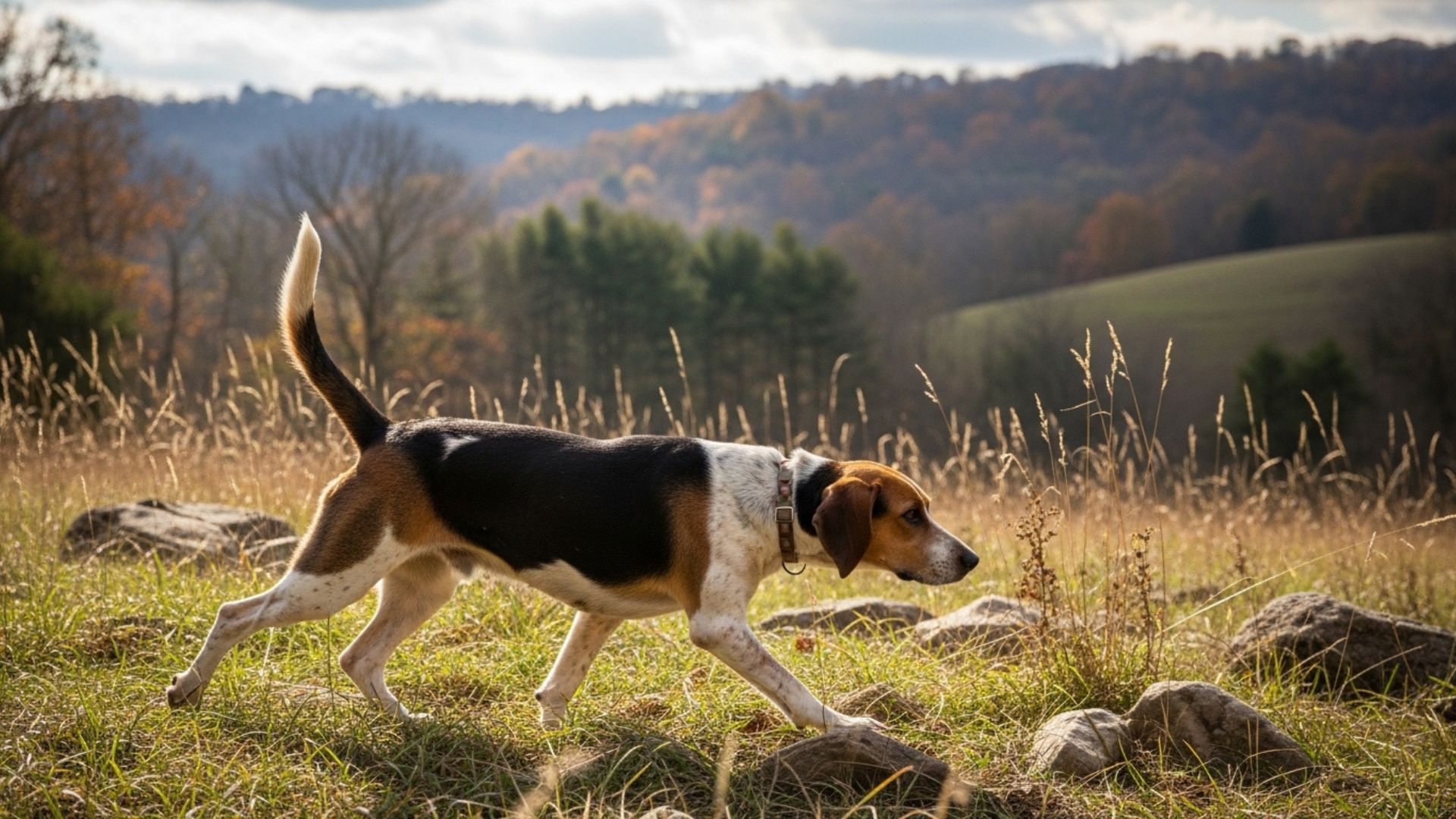
Deer hunting is not only a question of patience and precision, but also partnership. A well-trained hunting dog is able to turn the rough track into a good and clean hunt. The hunting dog’s ability to scent trails over the greatest distances is crucial in the hunt.
Hunting dogs are not all adapted to deer work. Hunting wounded game, wading through dense forest, and being able to stay focused in highly distracting situations demands certain qualities: excellent noses that have an exceptional sense of smell, proper training, physical stamina, and a high prey drive.
The following breeds are time-tested companions of hunters who appreciate the dependability of human-canine collaboration. We will take a look at some of our seven great hunting and tracking dogs, which are particularly good at hunting and trailing wounded game as well as carrying out hunting tasks.
Top Dog Breeds Ideal for Deer Hunting and Tracking
1. German Shorthaired Pointer
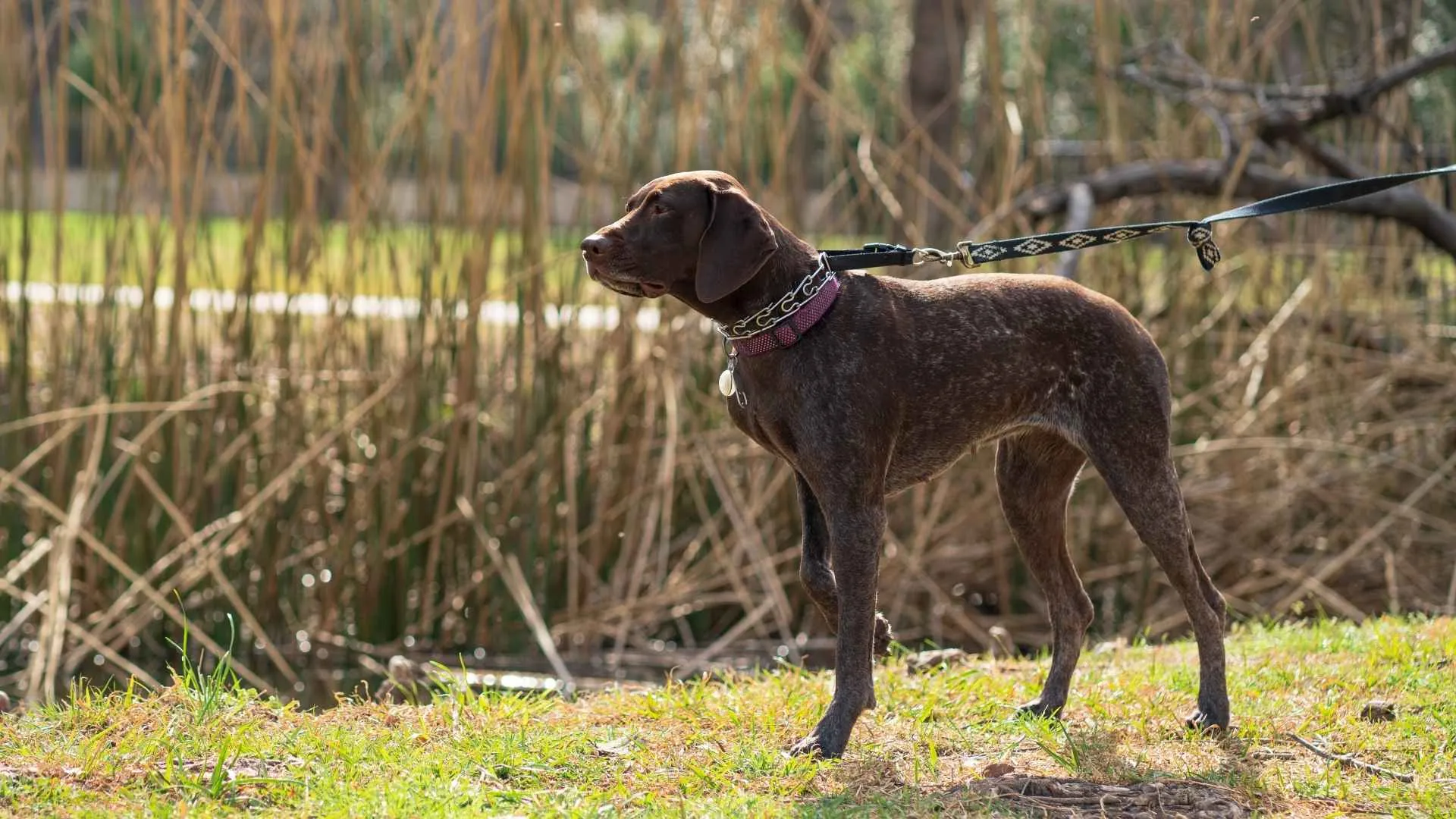
The German Shorthaired Pointer (GSP) is versatile, unlike many other deer tracking dogs. Being brought up as an all-round gun dog, this breed is a fast scenting dog, and intelligent, which is why it becomes a good companion in deer hunting that demands a long range to cover diverse terrain, as noted by Britannica.
GSPs are the best at following the scent of deer and its blood trail over a long distance. Their powerful noses and instinct to rush enable them to remain in a line of trails even in bad conditions, e.g., dry ground or dense leaves.
GSPs are faster and more accurate, as well as possessing great stamina.
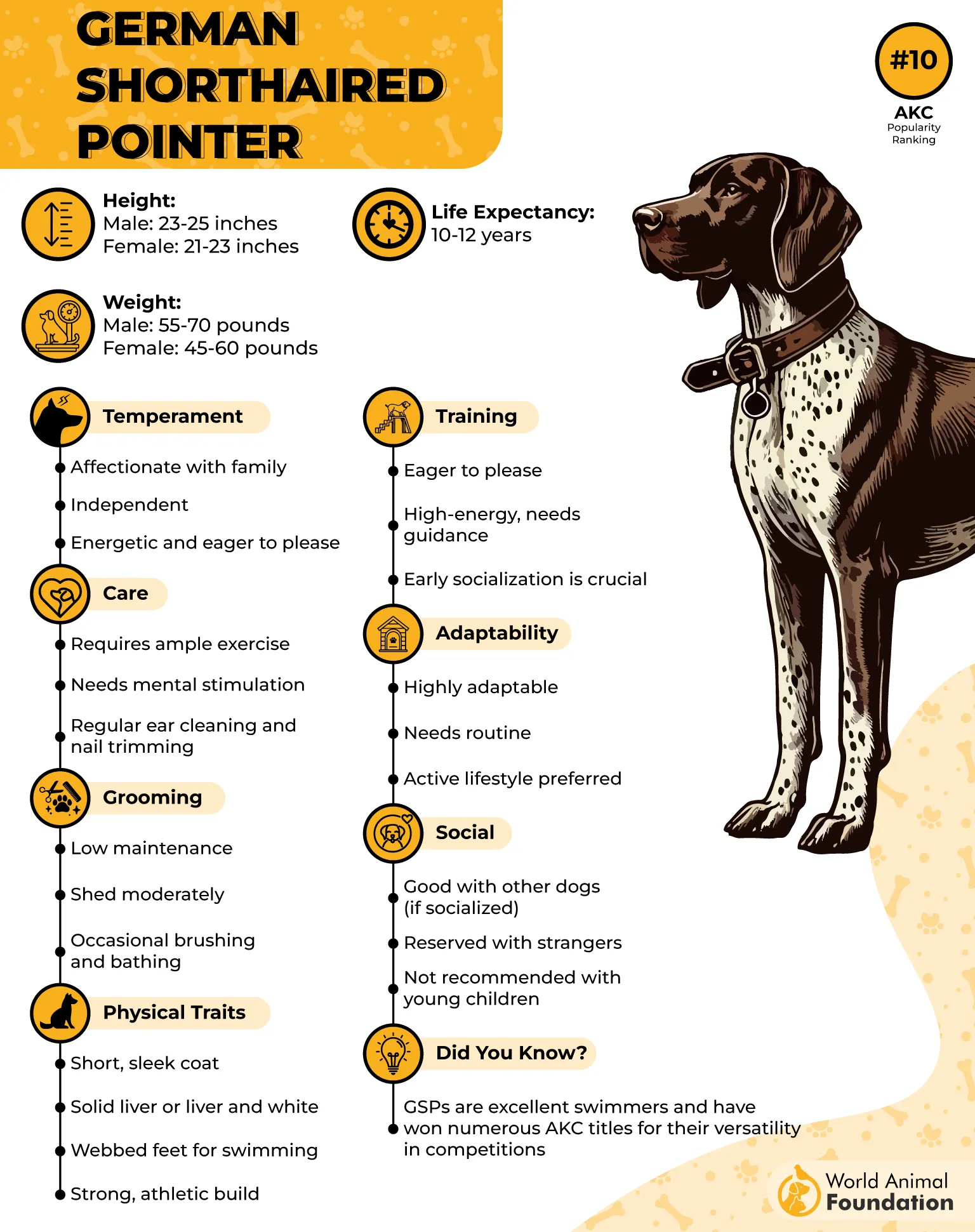
Trainability is also another significant benefit. GSPs are extremely receptive to systematic training and can learn restrained tracking movements, which are needed in parts where deer hunting laws demand accuracy and discipline.
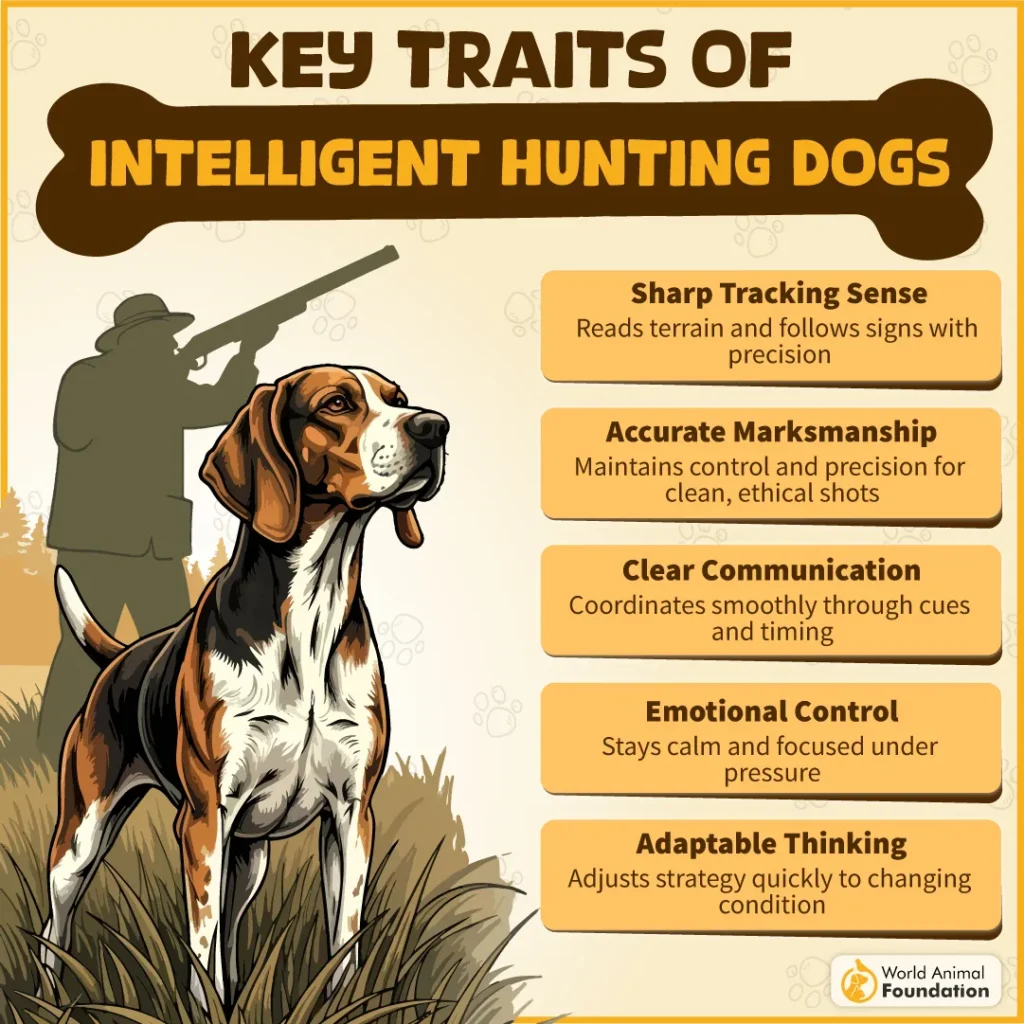
GSPs are sensitive to their energy levels and grow better when handled by experienced handlers who can offer them sufficient training, physical interaction, and the proper mental stimulation to handle and hone their strong prey drive. In turn, they are provided with loyalty and hard work in the field.
2. Basset Hound
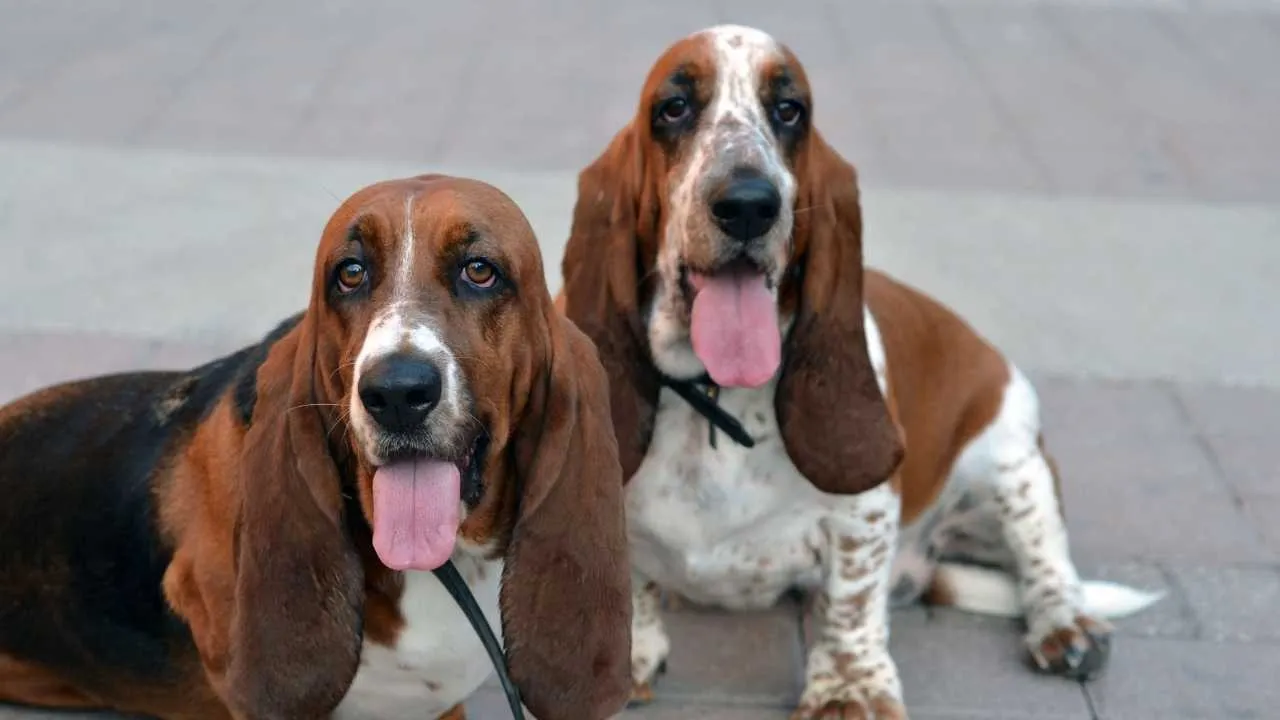
The Basset Hound at first sight might not appear to be a deer-tracking dog, but there is a superpower in its nose. The Basset Hound is considered to be among the most powerful tracking blood dogs in the world and is known for hunting small game, especially rabbits, as reported by the American Kennel Club.
Basset dogs have the advantage that they operate near the ground, and are therefore particularly useful in trailing wounded deer with a low scent trail or scattered scent. Their slow speed also enables them to carefully track trails without missing important scent marks.
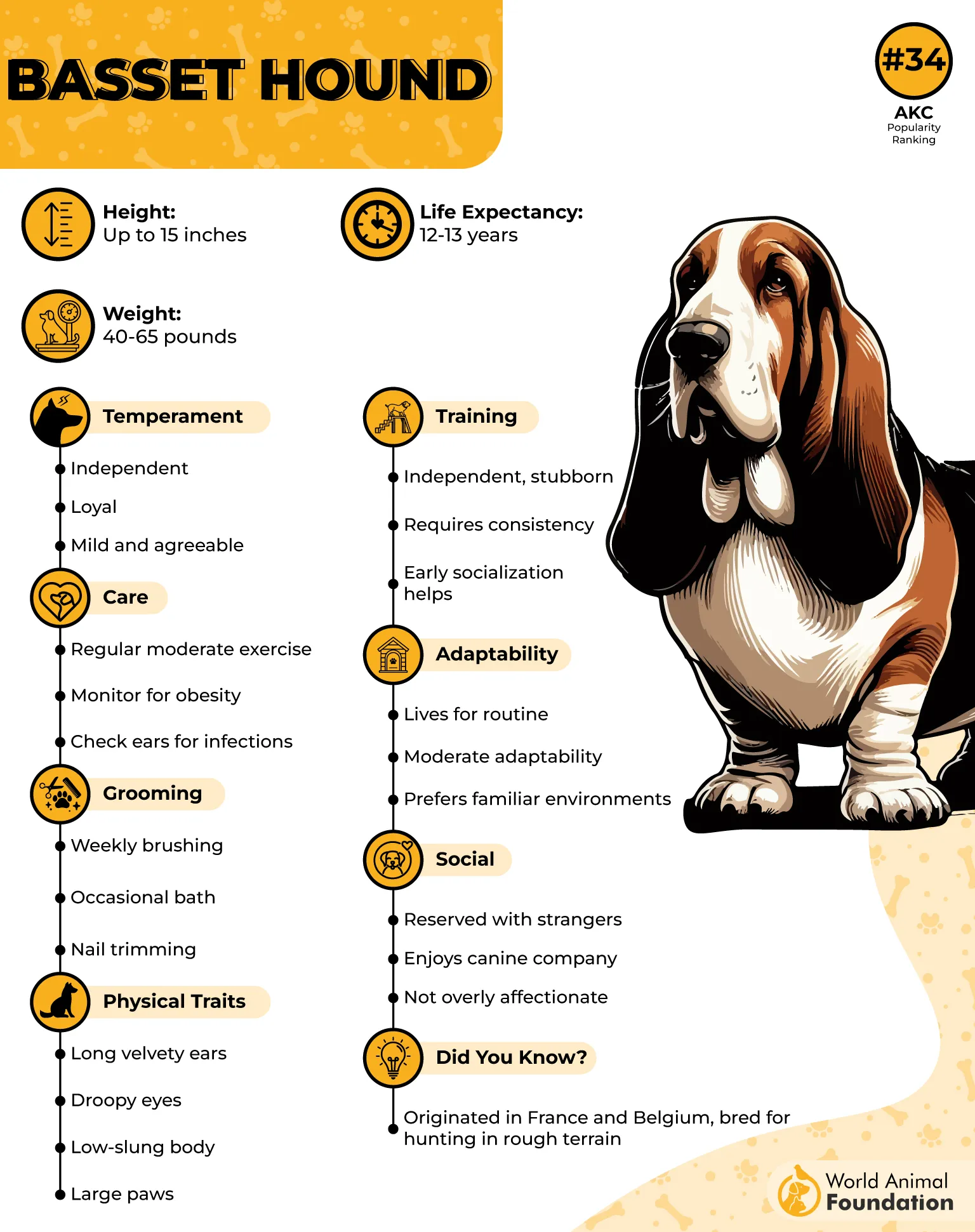
Persistence is what makes Basset Hounds unique indeed. When once on a trail, they seldom give up. This property renders them useful to hunters who place an emphasis on ethically tracking game and recovery as opposed to speed only.
These pets are not designed to run long distances, but they excel in thick woodlands and irregular terrain where speed is not as important as endurance and accuracy.
3. Weimaraner
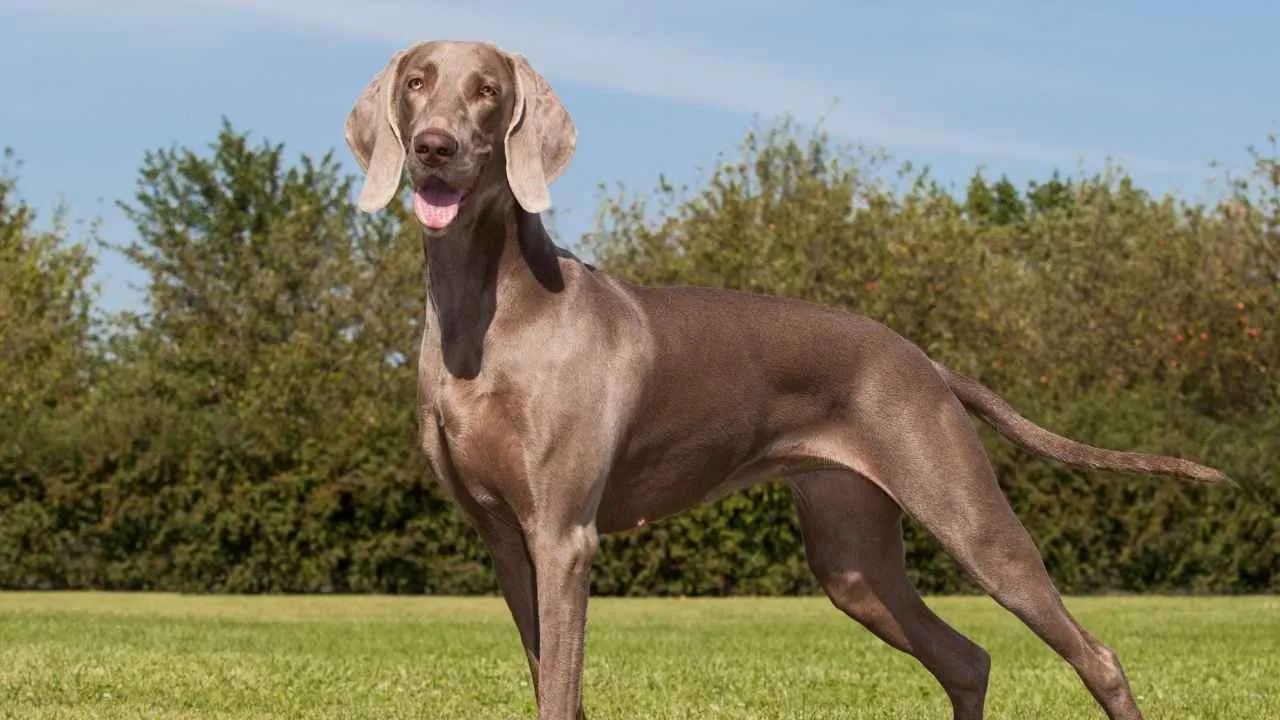
The Weimaraner is a powerful breed and known to be an intelligent hunting companion that is also known as the Gray Ghost, as stated by Purina. This breed was originally developed as a large game working breed, but was also adapted to hunt birds and other small game as well.
Weimaraners have a sharp nose and outstanding stamina, and thus, they are ideal for tracking deer on expansive territories. They are the best in hunts that require fast adaptation, such as switching between tracking white markings, flushing, and getting close to the handler.
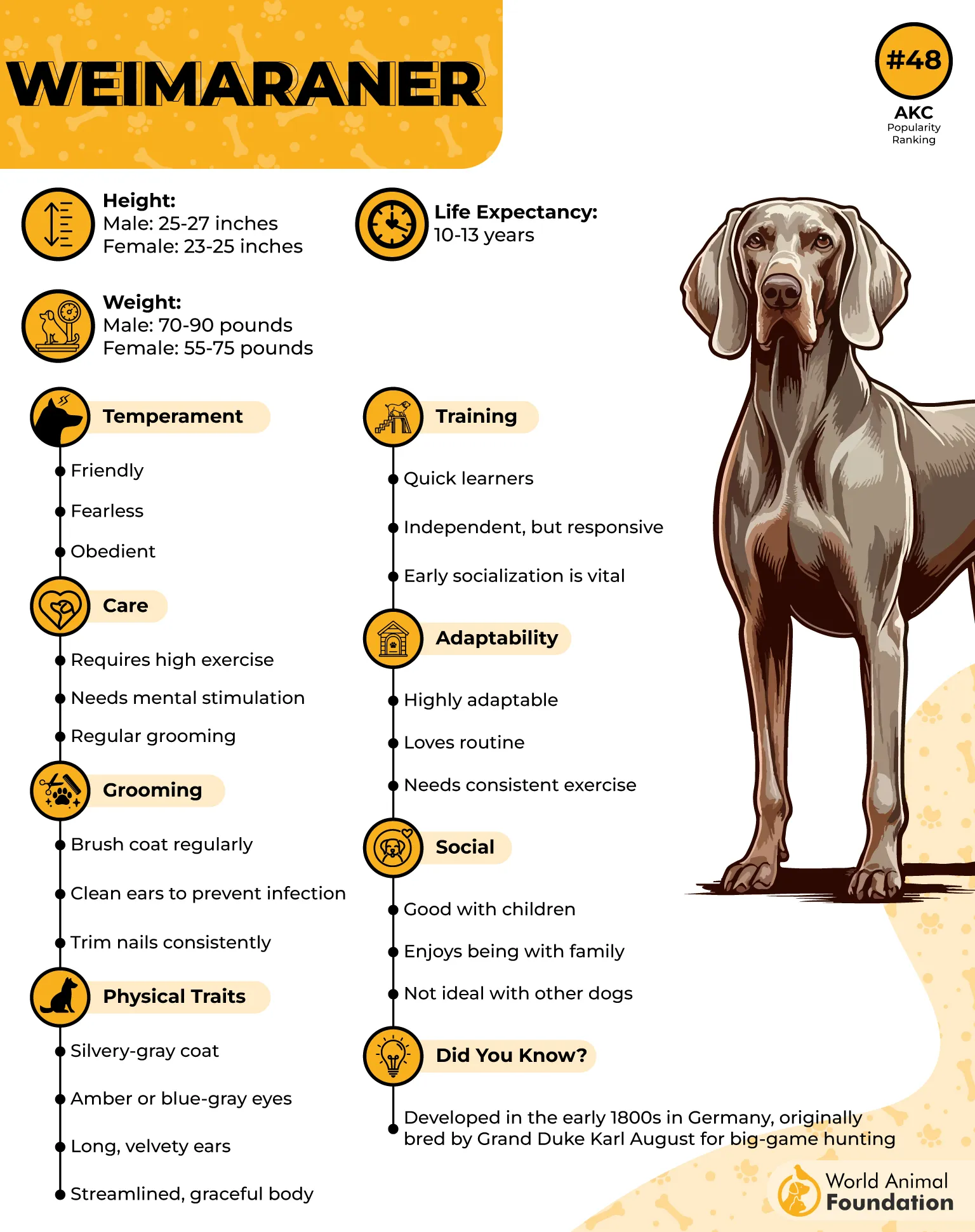
This breed has a strong attachment to its owner, which will translate into great responsiveness in the field. A trained Weimaraner does not obey orders; the difference is that it predicts them through its strong trained instincts and positive reinforcement.
Nevertheless, their smartness requires interaction. Weimaraners are capable of getting restless without mental exercise and regular training. To the hunter not averse to time, the profit is a keen-eyed, nimble, and thoroughly competent high-energy tracking companion.
4. Bavarian Mountain Scent Hound
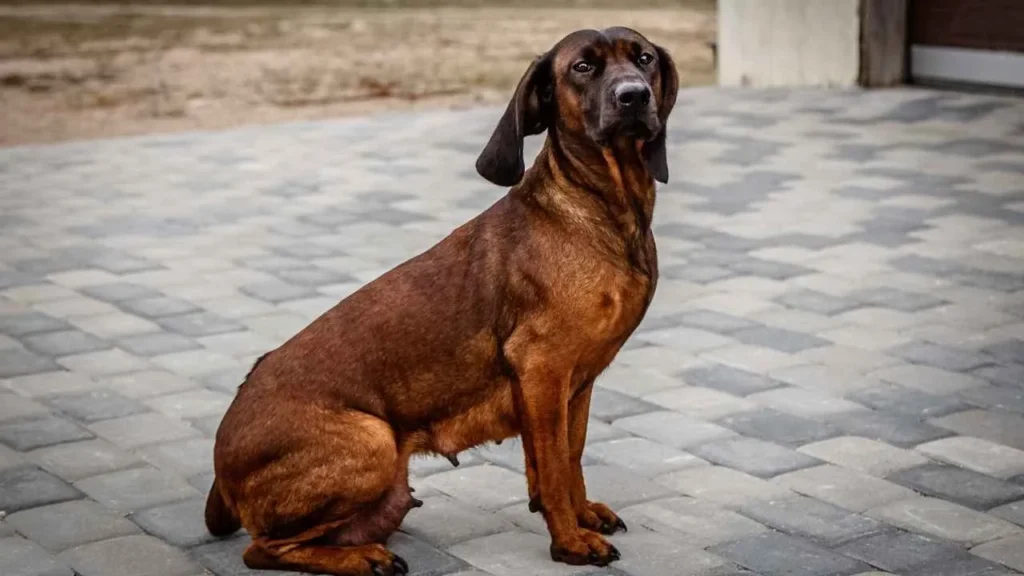
The Bavarian Mountain Hound is a breed of its own where blood trailing deer is concerned. This animal was created with the purpose of tracking scents of the wounded deer and was highly regarded in Europe because of its accuracy and discipline.
The Bavarian Hounds, in contrast to general-purpose hunting dogs, are trained to hunt slowly and methodically and track even hours-old scent trails very precisely. Their ability to tell the difference between particular animals also makes them extremely useful in recovery hunting
This breed is mostly effective in mountainous and forested areas, where the scent conditions develop very quickly because of wind, moisture, and height. Their relaxed attitude and high concentration enable them to work alone and yet be responsive to the handler’s cues.
Bavarian Mountain Hounds are the type of dogs that are better used by experienced hunters who know how to scent work and know how to track methodically, but not fast.
5. American Foxhound
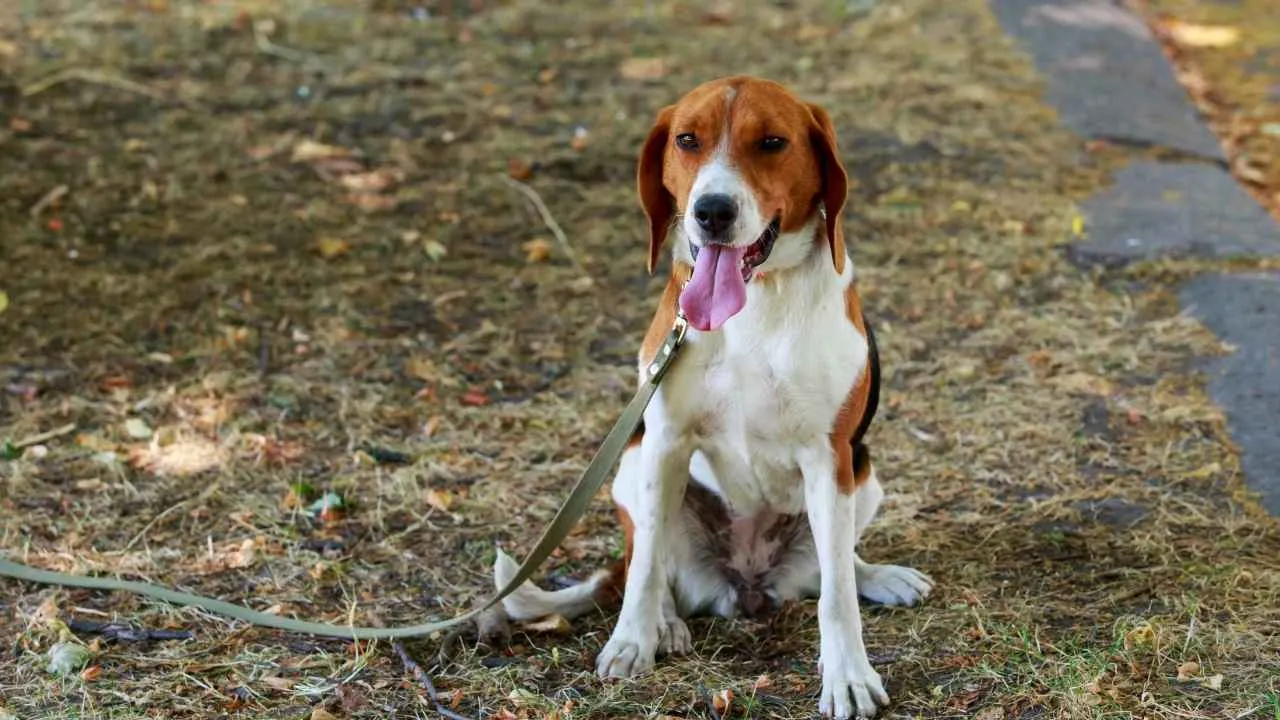
The American Foxhound is a hardworking breed, and this dog breed is a very good companion to the hunter who has to traverse a large area of land. This dog has long legs, a deep chest, and a powerful nose, making it able to keep up with the deer for many hours without tiring out.
It was one of the first breeds to be discovered by the American Kennel Club and listed in their research findings. It is also the state dog of Virginia in today’s time.
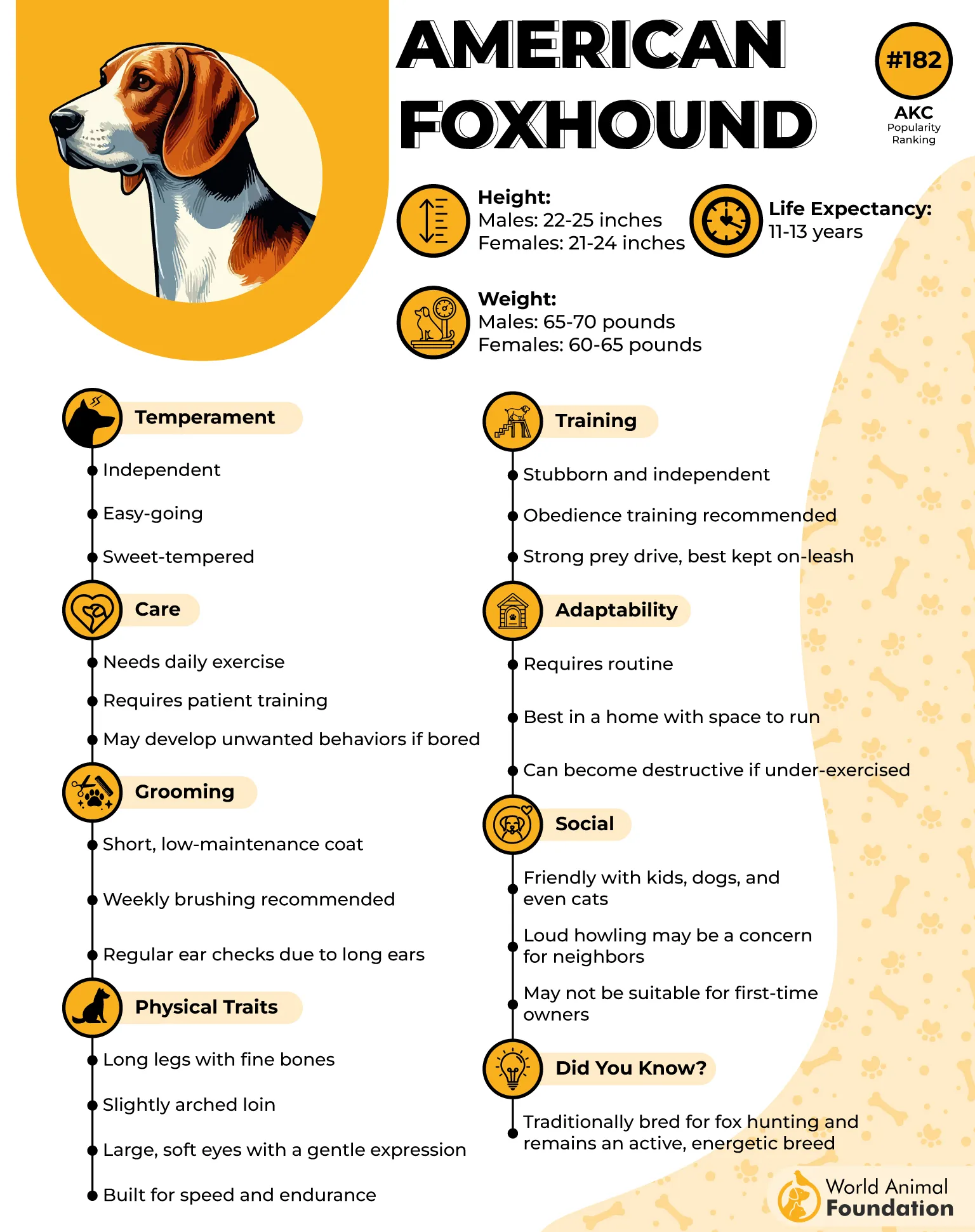
Foxhounds are especially useful in open or semi-open areas where constant pursuit has to be taken. Their vocal character enables the handlers to track their progress even at a distance, which is an important feature in traditional hunting jobs.
Although they are independent by nature, American Foxhounds can also be trained and put in a structured routine of hunting and finding deer. When given a level of autonomy, they work best at trailing deer and are best with trackers that prefer independent dogs that are unlike other pets.
6. Black and Tan Coonhound
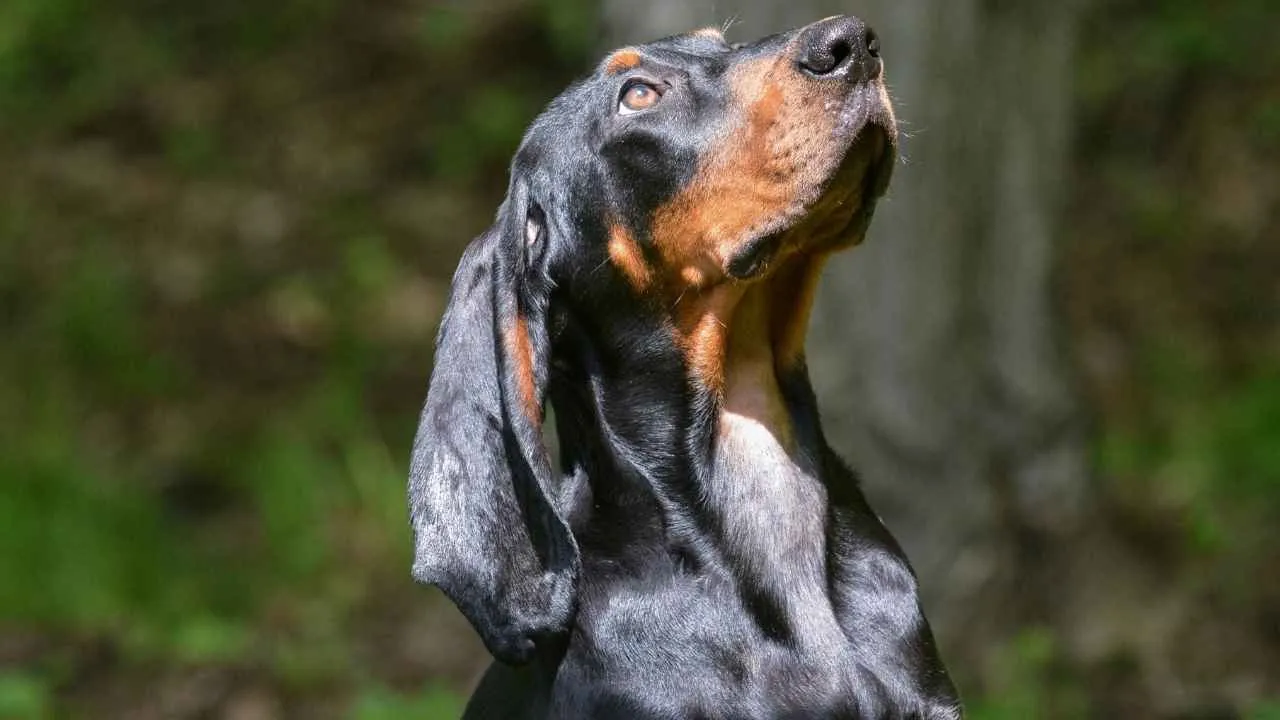
The Black and Tan Coonhound is a serious tracking dog that is calm and determined in its work, and is also known for its smelling ability. Its ability to track smells well, even though it is traditionally connected with hunting raccoons, is extremely successful in deer work.
This breed is also successful in tracking cold trails, and therefore, it has a high probability of trailing wounded deer even after the first shot. Black and Tan Coonhounds are plodding and meticulous, not quick, and effective as long as they are left to follow the trail at their own pace.
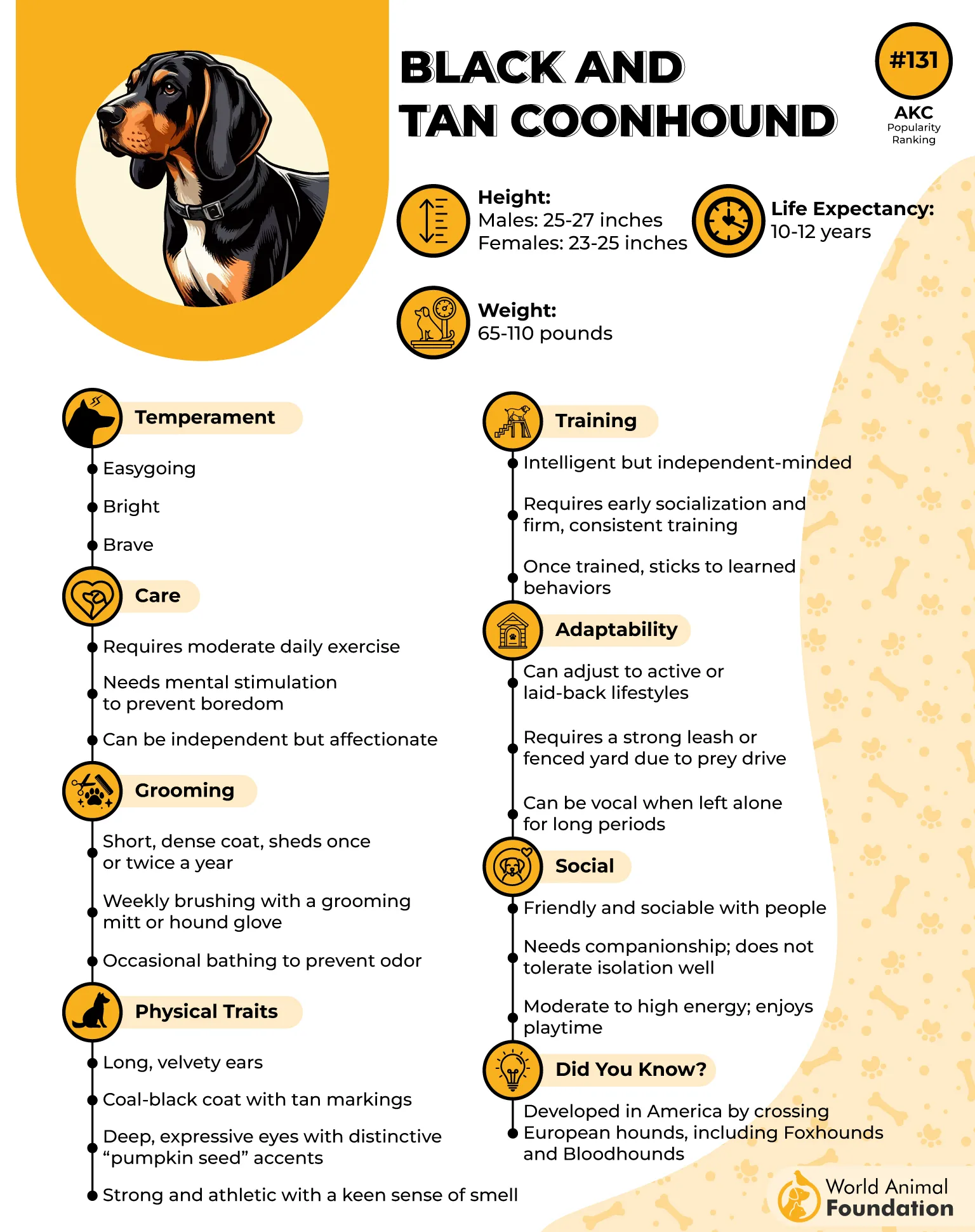
They are properly trained and can achieve a balance between independence and obedience, providing a reliable and dedicated tracking experience. The dog owners need to put a leash on this dog whenever they take it out for a leisurely walk because of its hunting instincts.
These dogs are a popular breed for gaming competitions. It is a cross between the Black and Tan Virginia Foxhound and the Bloodhound, which gives the reason for it is one of the best tracking and hunting breeds.
7. English Pointer
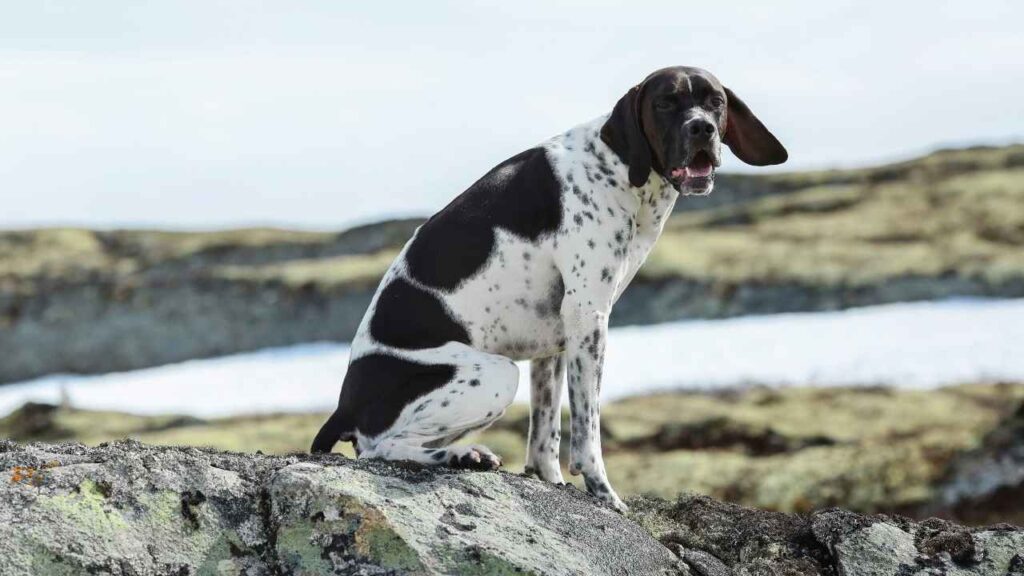
The English Pointer is characterized by speed, accuracy, and sharpness. These dogs were discovered in England in the 17th century. Their hound background gave them a short fur coat, which is very easy to maintain, and a sharp nose, which is the most essential part in hunting and tracking.
The tracking and fielding of this dog is usually attributed to upland bird hunting, but for the most part, in the right hunting areas and situations, it can also be utilized to hunt deer and even to flush them out, as they are quick learners.
English Pointer dogs are highly eager and responsive, and thus would be useful in controlled hunts where coordination is crucial. Their athletic nature enables them to move in rocky terrains without being exhausted, and their aware nature makes them alert during the hunting process.
The English Pointer is intelligent and physically gifted and is the preference of the hunter who prefers a partner that is fast-paced and active.
Conclusion
A great deer hunt is one founded on trust. Tracking wounded or dead deer requires trust in your equipment, your skills, and your dog. The dogs mentioned above have strong instincts, tracking abilities, and field dependability in the hunting scene.
You can either appreciate stamina, accuracy of tracking, velocity, or a peaceful recovery hunting that a dog conforms to your attitude of hunting. It is not just the genetics of the dog, but the bond you develop by training, respect, and the experience given in the field.
Hunting deer with the proper dog becomes more than a process; it becomes a collaboration based on intuition, training, and confidence.
