




Dreaming of sharing your home with a dog without finding fur on every black shirt, couch cushion, and coffee mug? You are definitely not alone. While no dog is completely shed-free, some breeds naturally leave far less hair behind and tend to stay fresher with regular grooming and care.
That means less time chasing tumbleweeds of fur across the floor and more time enjoying your four-legged roommate. If a cleaner home sounds just as appealing as a wagging tail waiting at the door, these low-shedding dog breeds are well worth getting to know before you choose your perfect match.
Did you know?
Even dogs often described as “hypoallergenic” or hairless still shed to some degree, including tiny skin flakes called dander. The difference is that some breeds naturally shed much less, making everyday cleanup feel far more manageable.
Dog Breeds Ideal for Clean Homes: Low-Shedding Choices
1. Basenji
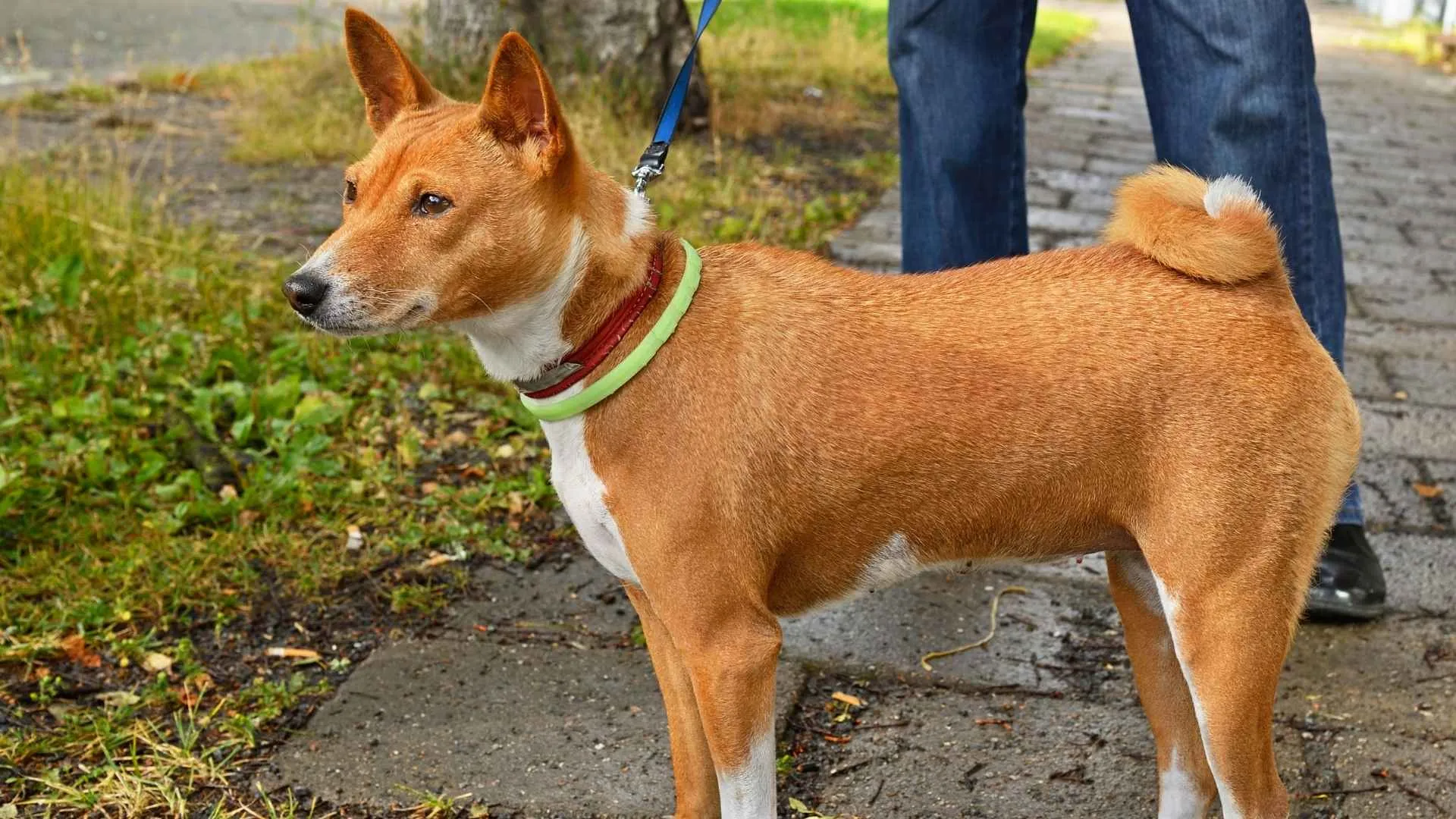
Meet the Basenji, a polished little hunter with a glistening, short coat and an almost suspiciously tidy routine. This clever, poised dog brings plenty of personality while keeping loose hair and obvious doggy odor refreshingly limited.
Originally from Africa, the Basenji worked alongside hunters and became known for speed, sharp senses, and impressive agility. That working background still shows today, because this bright dog needs activity, structure, and something interesting to do.
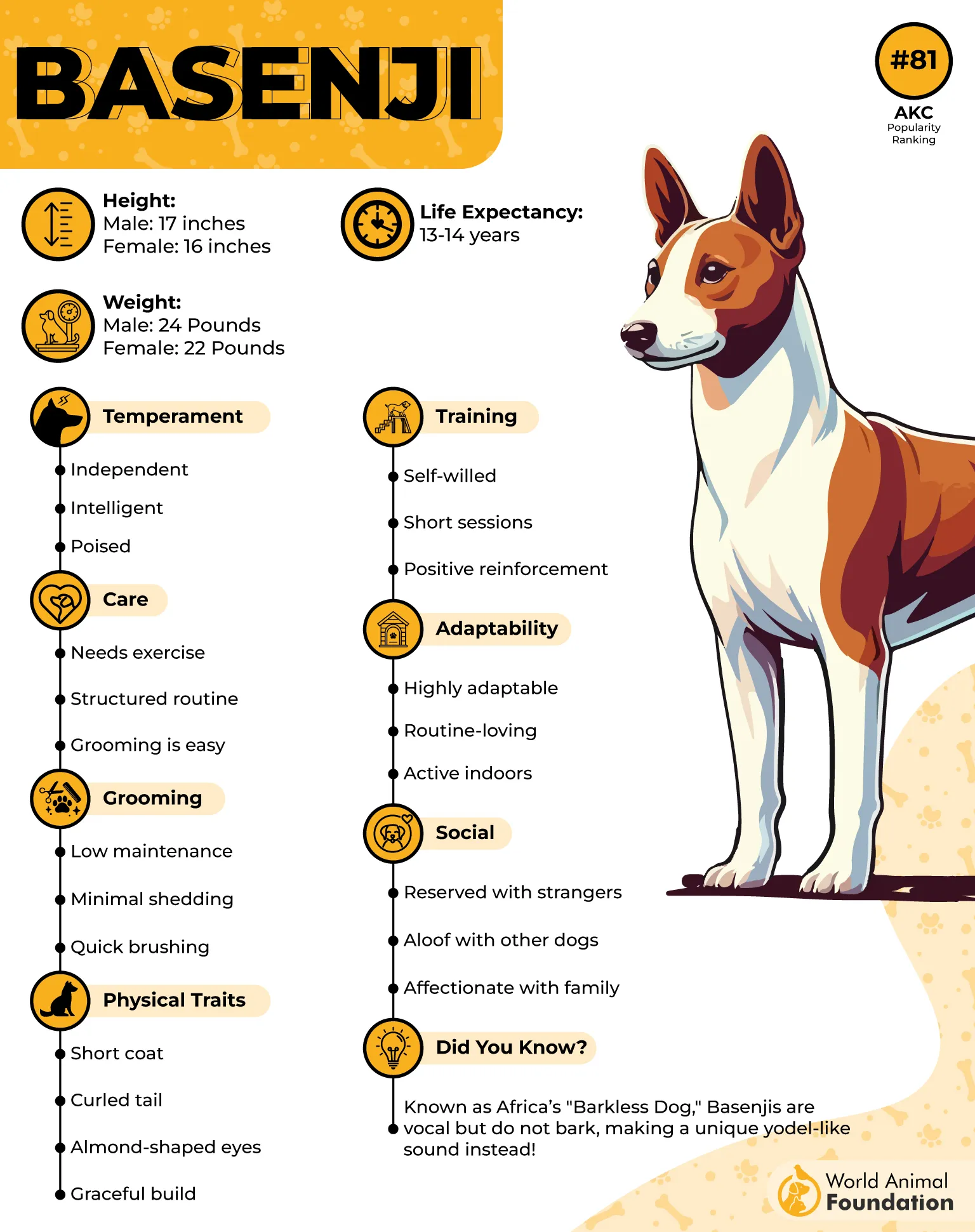
Basenjis often groom themselves much like cats, washing carefully and keeping their coats remarkably neat. Their short hair needs only light upkeep, and their minimal shedding makes them appealing for households that prefer less fur drifting around.
Grooming Tips For This Breed
Give the coat a weekly once-over using a soft-bristle brush, rubber grooming mitt, or hound glove.
Skip routine baths unless the Basenji has rolled in something particularly messy.
2. Coton de Tulear
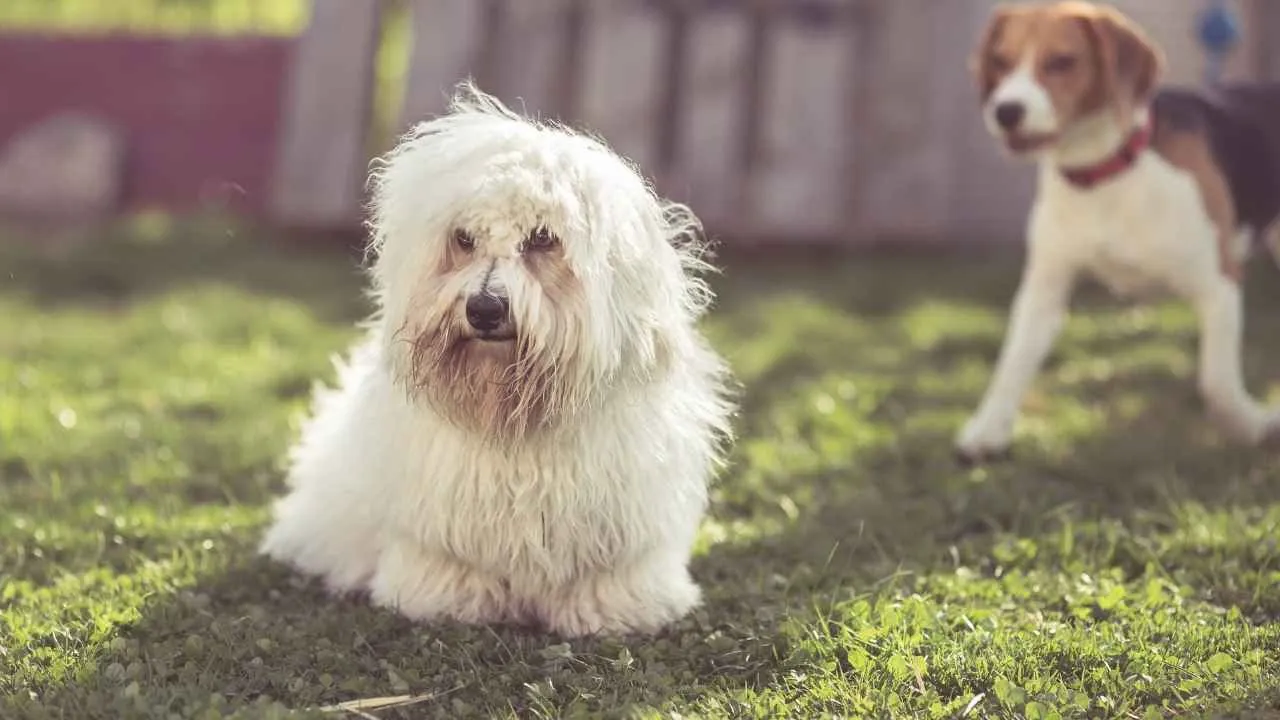
A Coton de Tulear has a way of making every room feel a little brighter. Wrapped in a famously soft, cotton-like coat, this cheerful companion brings plenty of charm while leaving far less loose hair around than many other long-coated breeds.
Keeping that beautiful coat looking its best takes commitment. Daily brushing helps prevent mats close to the skin, and many pet parents also choose professional grooming a few times each year to maintain the coat’s shape, condition, and overall appearance.
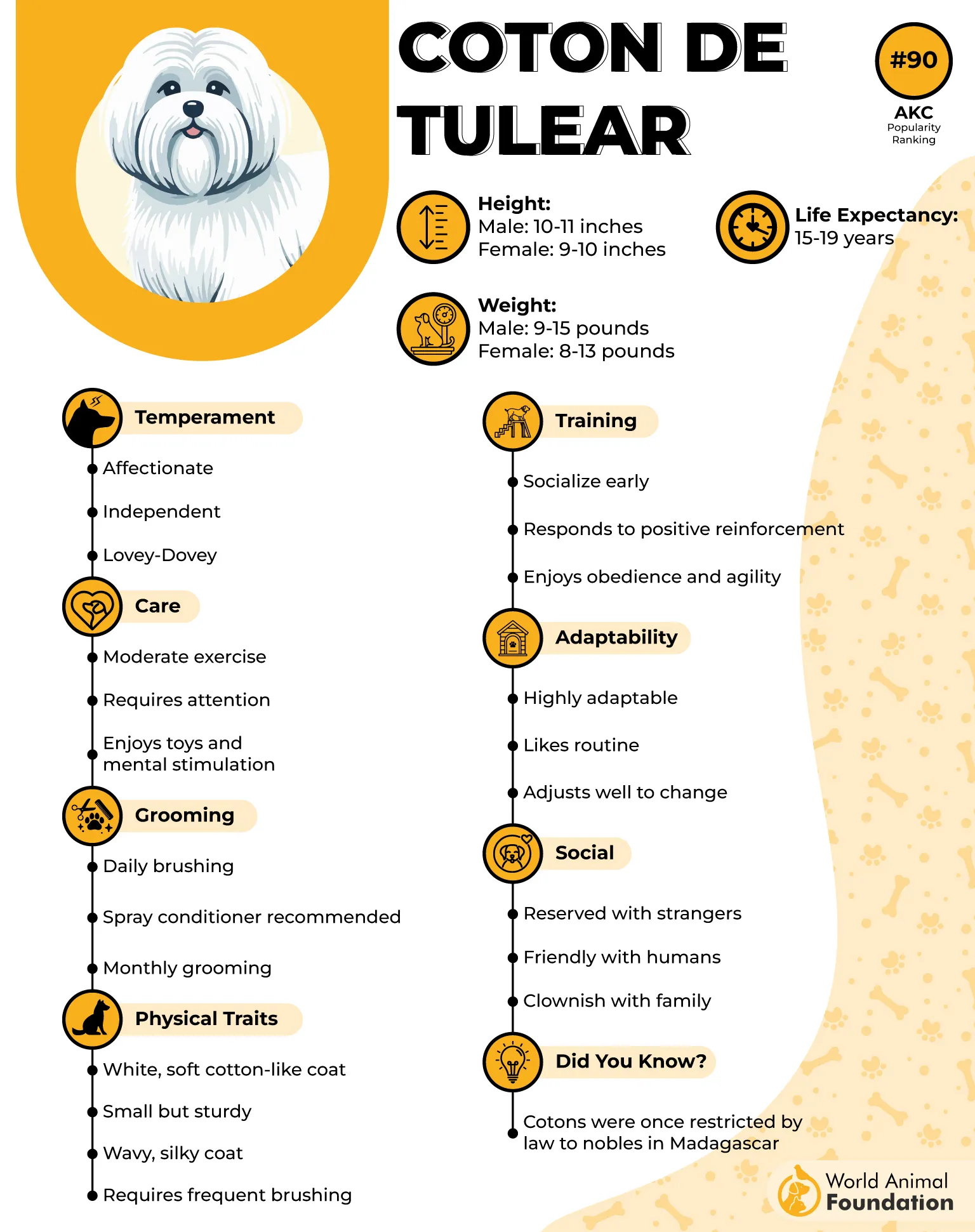
As noted by PetMD, Cotons learn best when training feels fun rather than formal. Their curious, people-pleasing nature responds well to short, positive sessions with plenty of variety, while early socialization helps them grow into confident, well-adjusted companions.
Grooming Tips For This Breed
Brush all the way to the skin gently to help prevent hidden mats from forming.
Use a spray conditioner while brushing to reduce hair breakage and make coat care easier.
3. Yorkshire Terrier
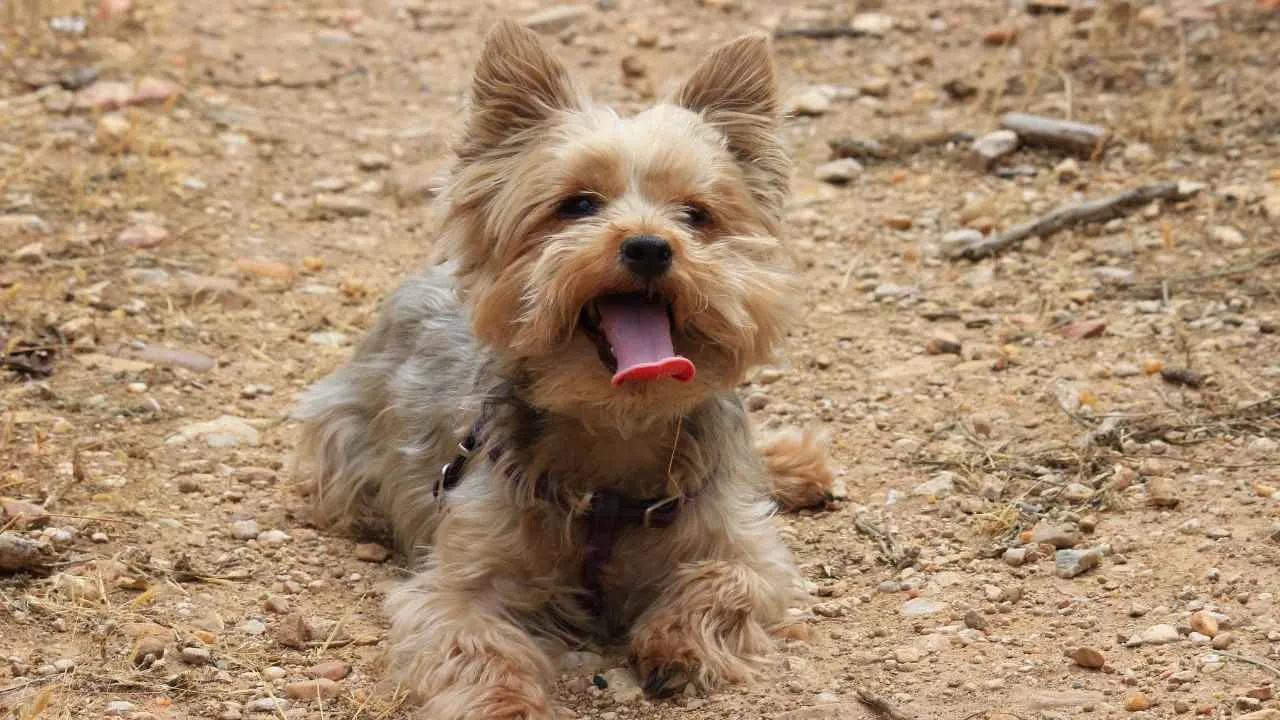
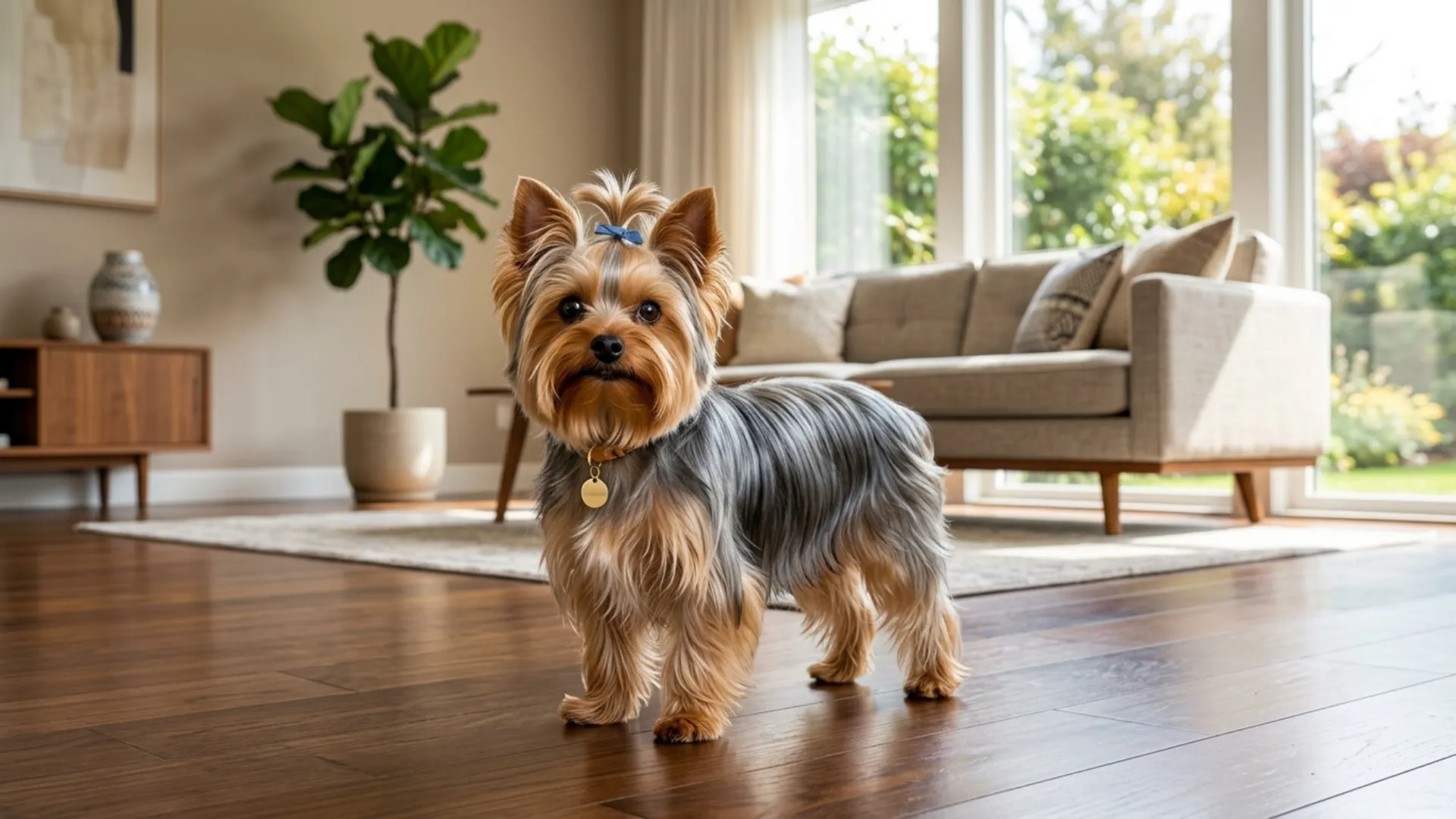
Tiny? Absolutely. Quiet about it? Not even close. The Yorkshire Terrier packs remarkable confidence into a compact frame, and its silky, hair-like coat leaves surprisingly little loose hair behind, making everyday cleanup much easier for dog lovers who appreciate a tidier space.
Yorkshire Terriers first earned their reputation in the textile mills of Yorkshire and Lancashire during the mid-1800s. Developed from small terriers brought by Scottish workers, these determined little dogs were valued for catching rats long before they became fashionable companion dogs.
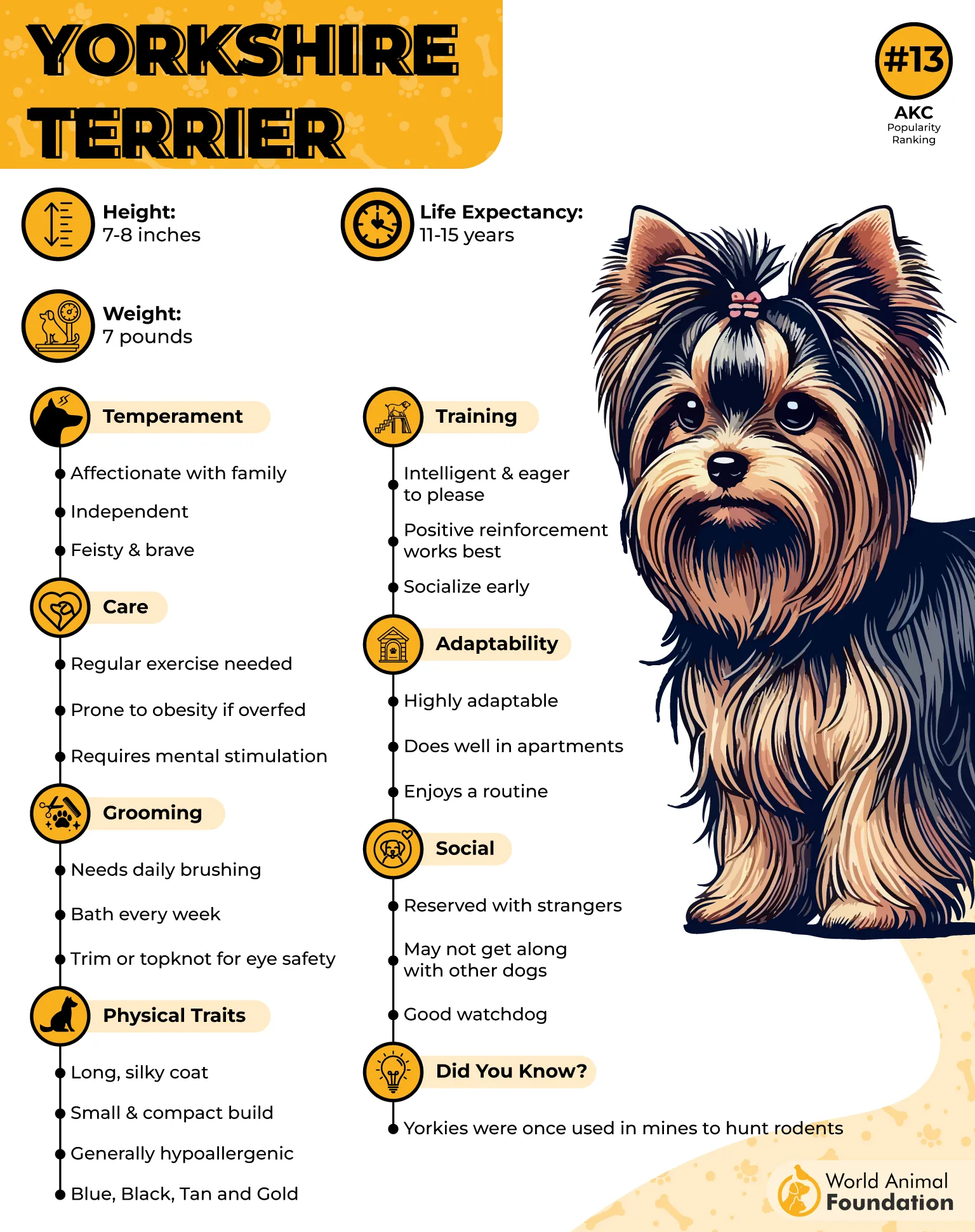
A Yorkshire Terrier’s coat behaves more like human hair than traditional fur, so it sheds far less than many breeds. Regular brushing and routine bathing help keep that silky coat type fresh, while many owners find the breed has minimal odor with consistent grooming.
Grooming Tips For This Breed
Brush a full-length coat every day to prevent tangles and knots from forming.
Regular trimming of facial hair or tying it back helps prevent eye irritation.
4. Portuguese Water Dog
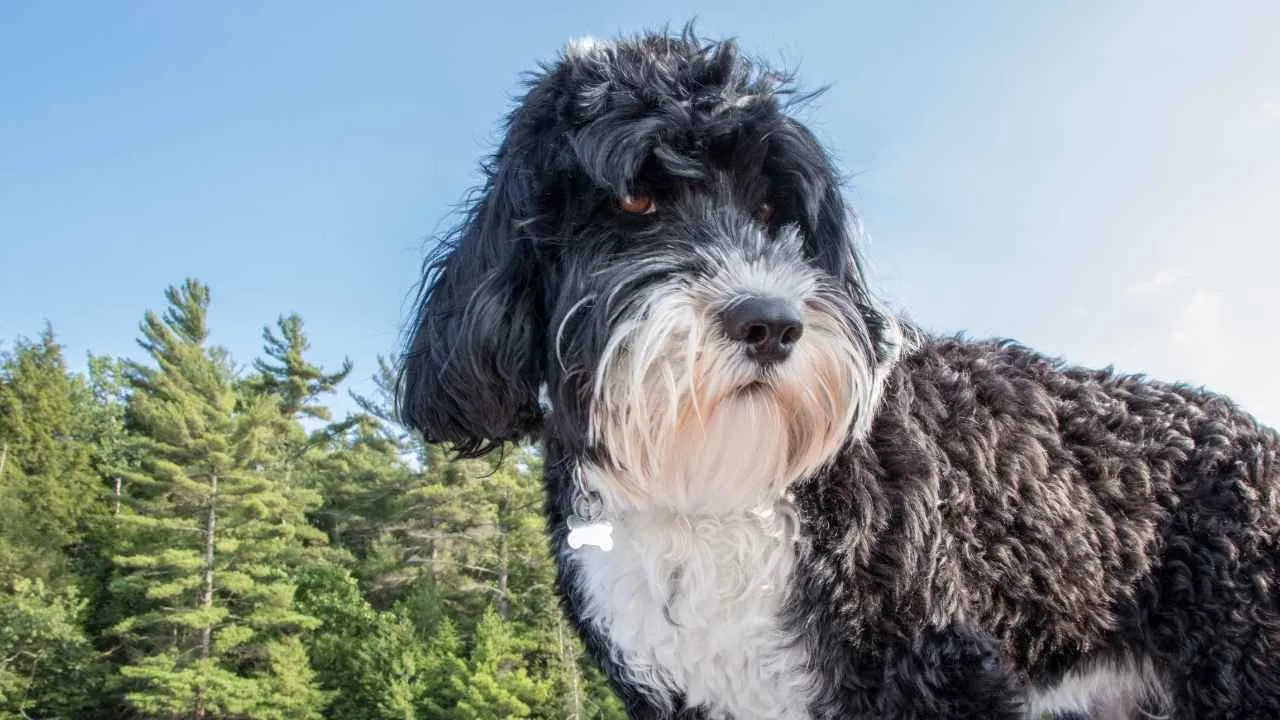
Some dogs seem happiest with a job to do, and the Portuguese Water Dog fits that description perfectly. Recognized by the AKC in 1983, this bright, athletic breed combines an affectionate personality with a coat of tight, low-shedding curls that many tidy-minded owners appreciate.
Originally bred as an all-around fisherman’s helper, this hardworking breed herded fish into nets, retrieved lost tackle, and even carried messages between ships and shore. Active owners with room for regular exercise will find its energy and enthusiasm are much better matched than a quiet, inactive lifestyle.
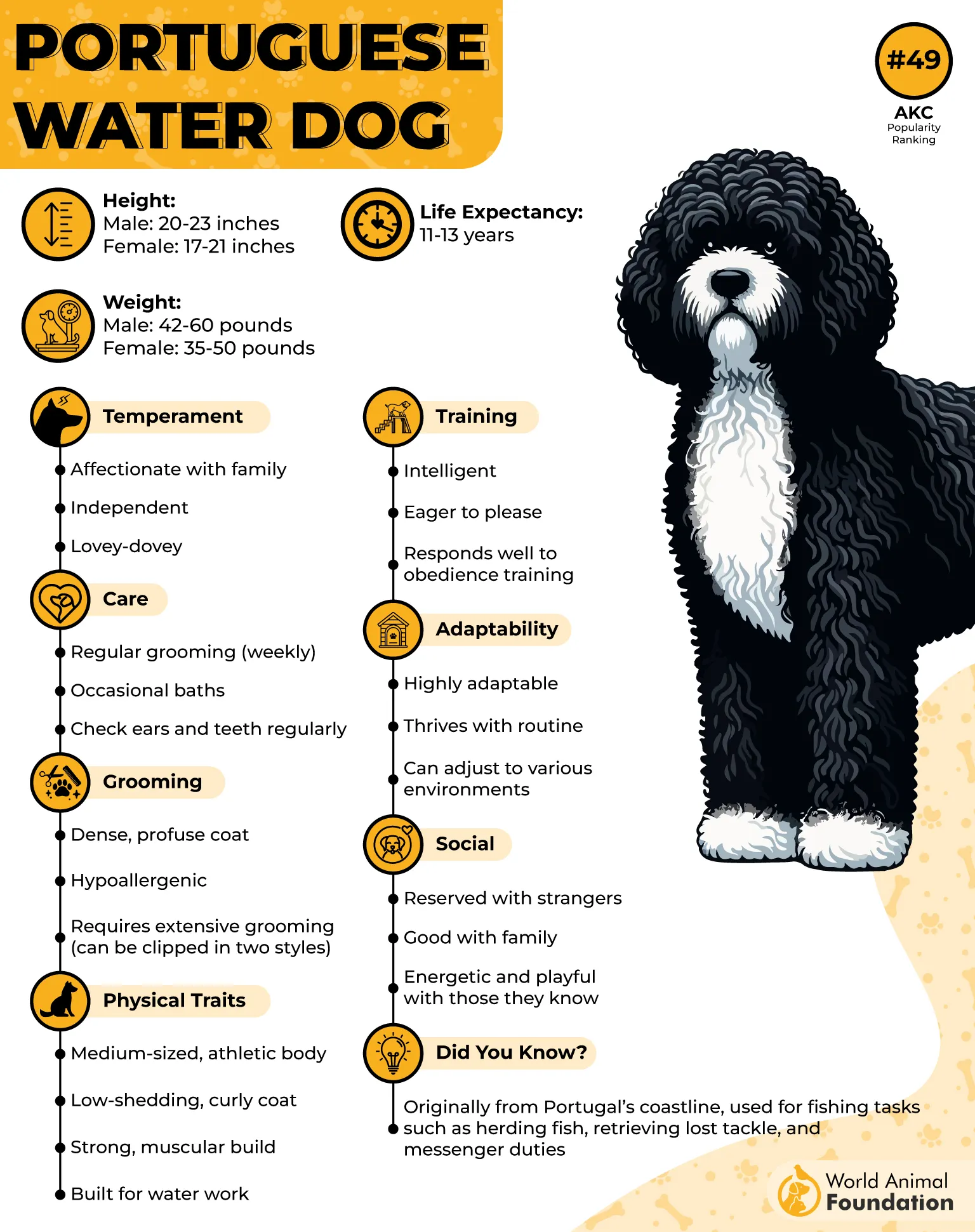
Mental stimulation matters just as much as physical activity for this clever breed. Puzzle-solving, obedience, agility, tracking, dock diving, or water work all help keep an active mind engaged because a Portuguese Water Dog genuinely enjoys having meaningful tasks to accomplish.
Grooming Tips For This Breed
Brush the curly or wavy coat several times each week to help prevent matting.
Dry the coat thoroughly after swimming and check the ears regularly, especially for dogs that spend lots of time in the water.
5. Chinese Crested
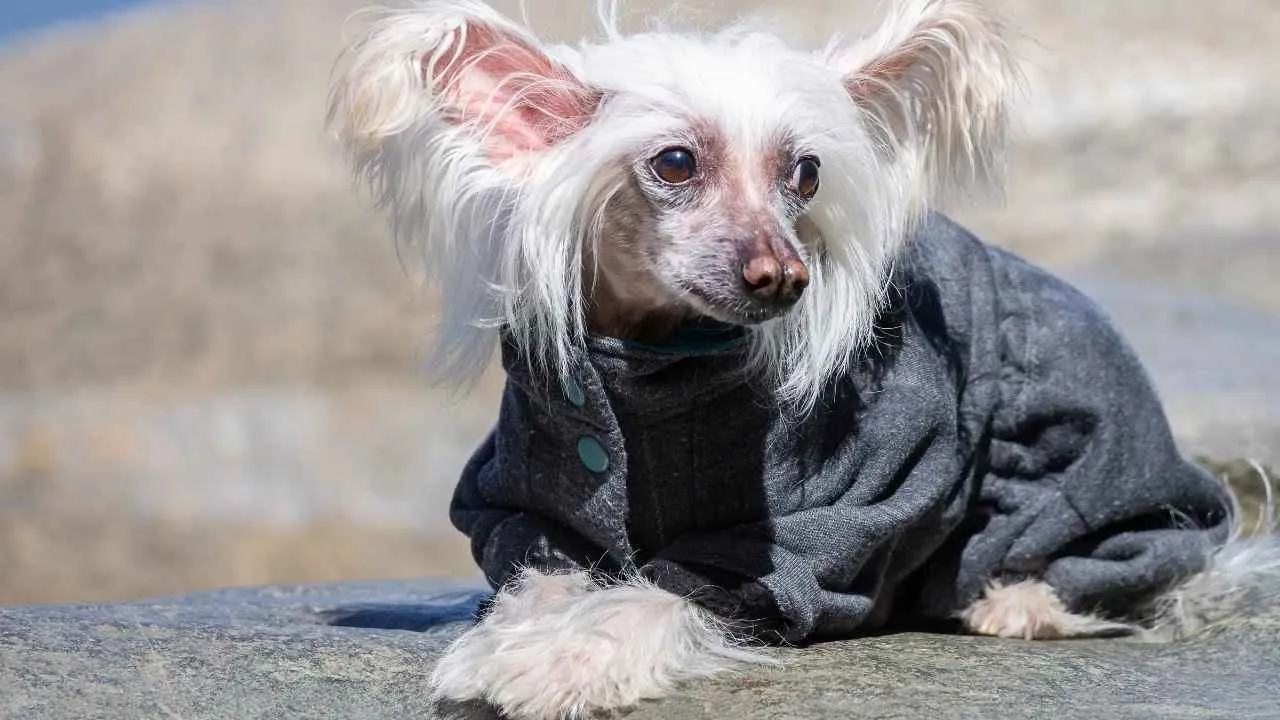
A Chinese Crested looks like it wandered straight out of a storybook and never bothered to blend in. That wonderfully unusual appearance turns heads almost everywhere, while its low-shedding nature makes it an appealing choice for people who appreciate a home with less loose hair.

For allergy-sensitive households, the hairless variety can be especially appealing because shedding is barely a concern and there is no noticeable doggy odor. The powderpuff sheds lightly as well, though neither variety is completely free of allergens.
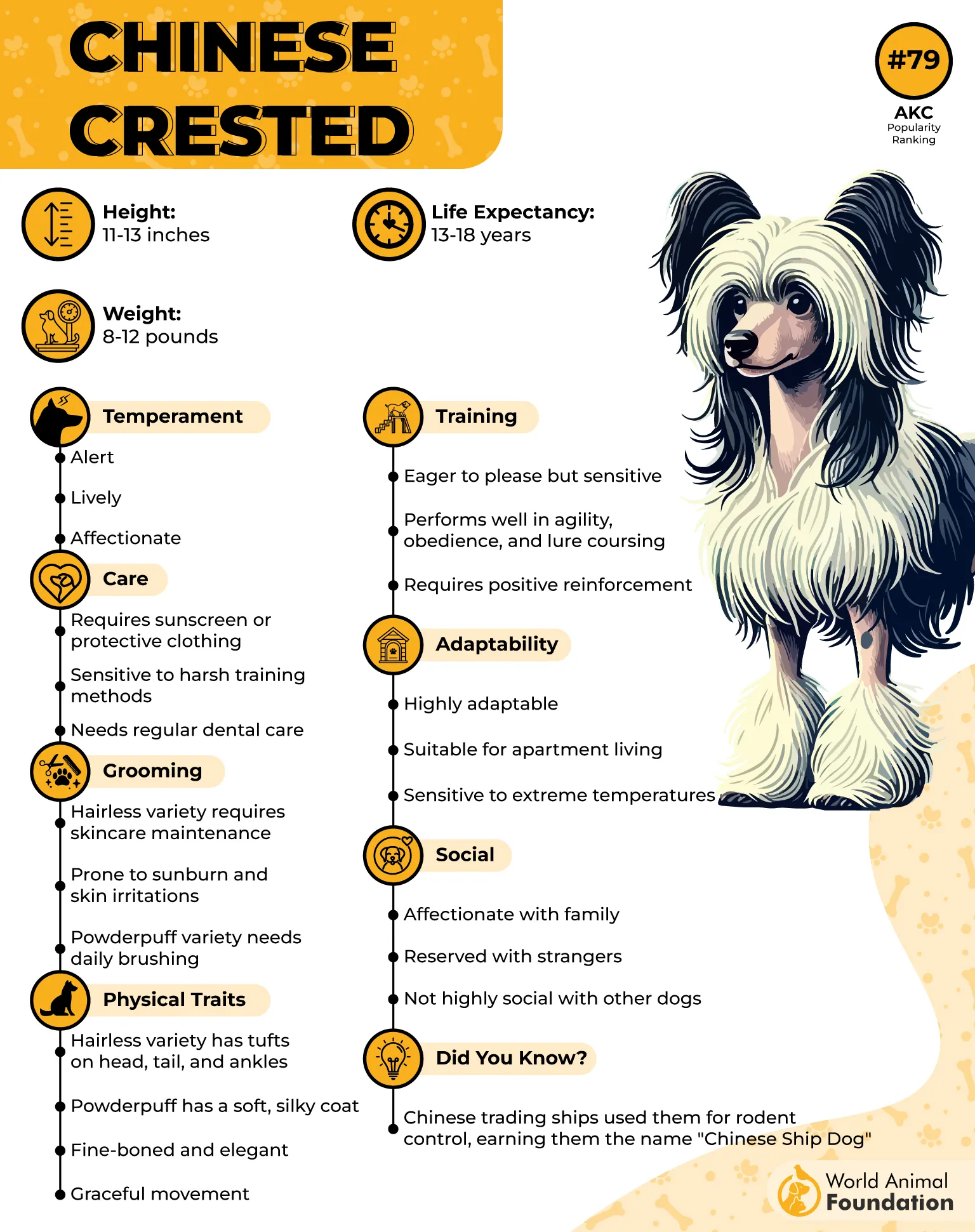
One pleasant surprise is that this clean dog breed is not known for constant barking. Chinese Cresteds are attentive companions that stay closely connected with their families, and they are generally more interested in spending time with their people than making unnecessary noise.
Grooming Tips For This Breed
Apply dog-safe sunscreen or protective clothing before extended time outdoors if caring for the hairless variety.
Moisturize exposed skin regularly to help prevent dryness and irritation.
6. Soft Coated Wheaten Terrier
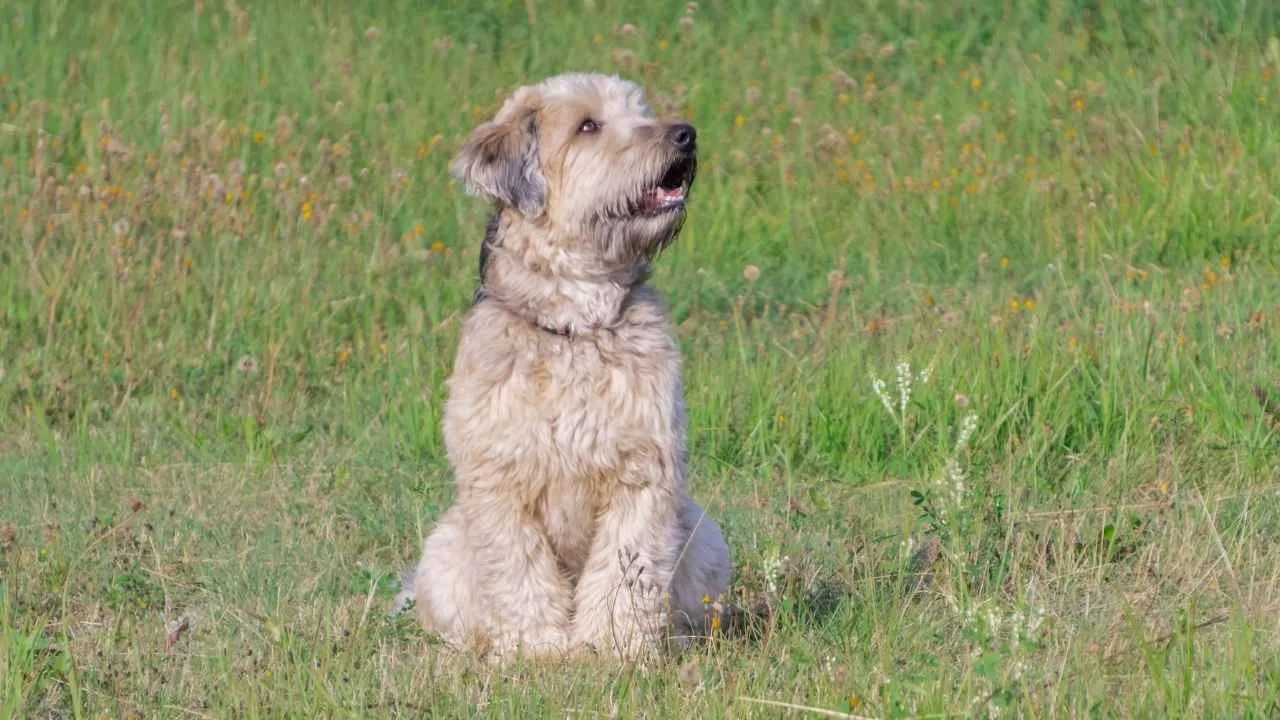
The Soft Coated Wheaten Terrier brings cheerful energy wherever it goes, paired with a silky coat that leaves surprisingly little hair behind. It has a big personality, so life with one rarely feels dull for very long.
Families often enjoy how naturally devoted this breed becomes to its people. Soft Coated Wheaten Terriers are generally affectionate with children and other dogs when raised with early training and socialization, making everyday life feel lively and welcoming.
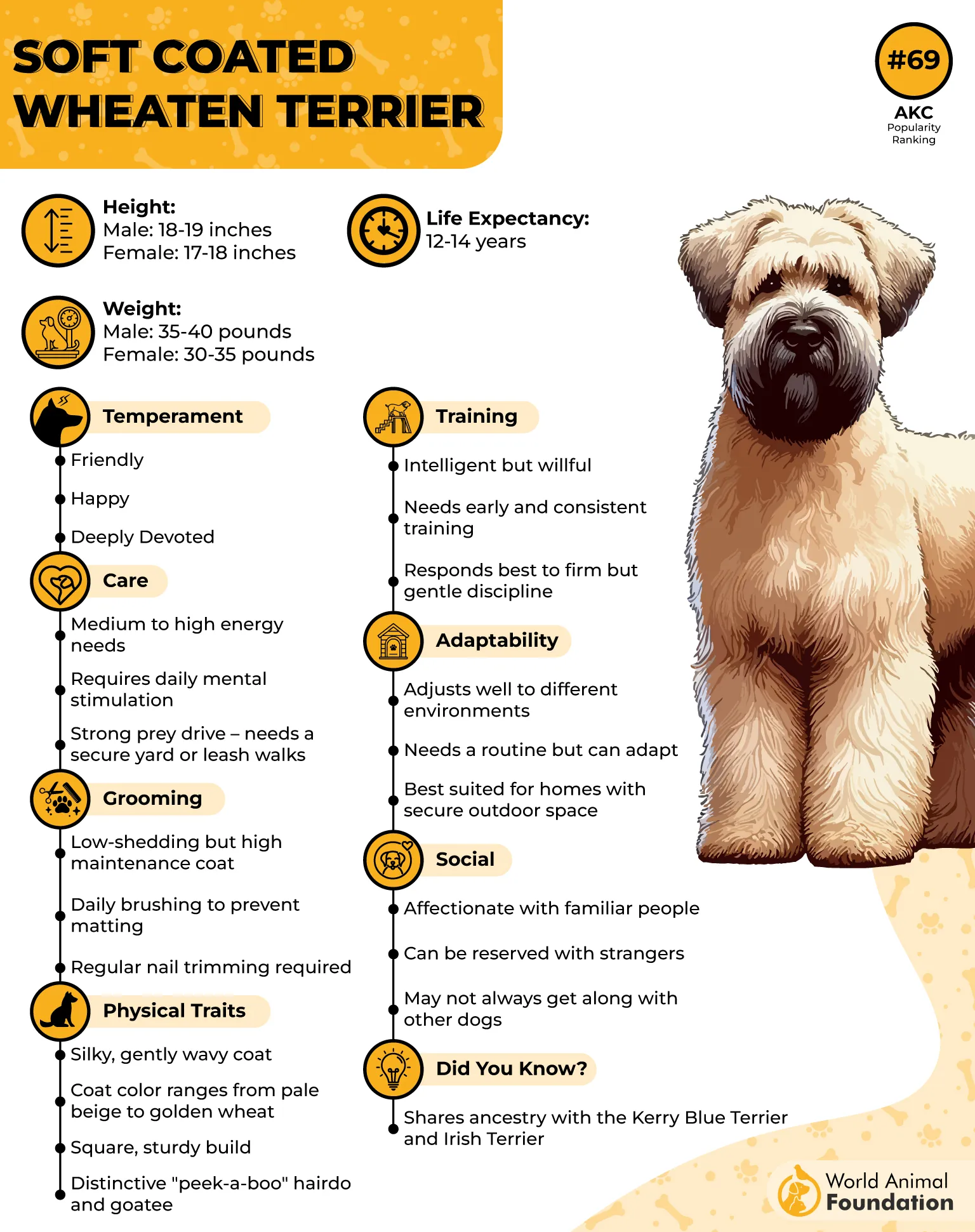
As mentioned by WebMD, a Soft Coated Wheaten Terrier’s silky coat needs almost daily attention to stay in great condition. A pin brush followed by a metal comb helps remove dirt, separate the hair, and prevent mats before they become difficult to manage.
Grooming Tips For This Breed
Work through tangles with a de-matting spray before they tighten into larger mats.
Bathe about once each month using a gentle dog shampoo without overbathing the skin.
7. Bichon Frise
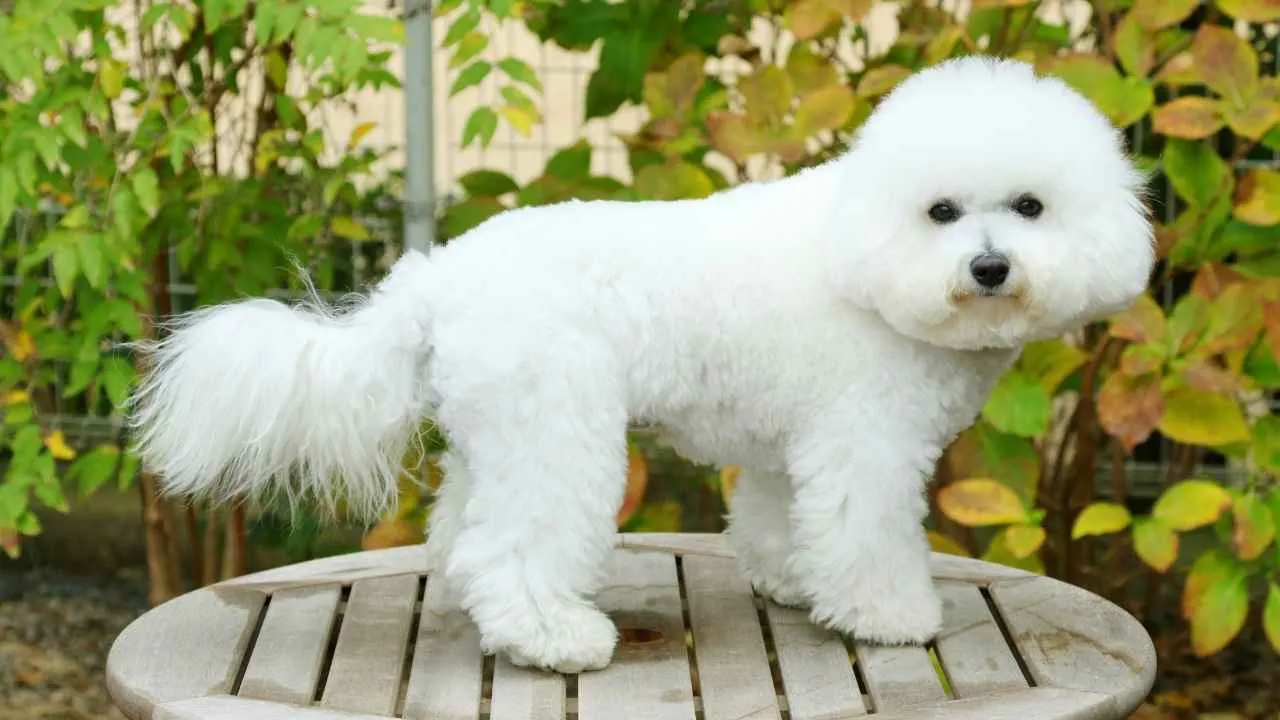
Few dogs carry themselves with as much cheerful confidence as the Bichon Frise. That fluffy white appearance may look high maintenance, yet the breed sheds very little, making everyday cleanup feel much more manageable than many people expect.
Long before becoming a beloved companion, this small dog traveled with sailors, charmed European nobility, and later entertained crowds as a circus performer. Its intelligence, playful attitude, and eagerness to engage helped it succeed in every chapter of that remarkable journey.
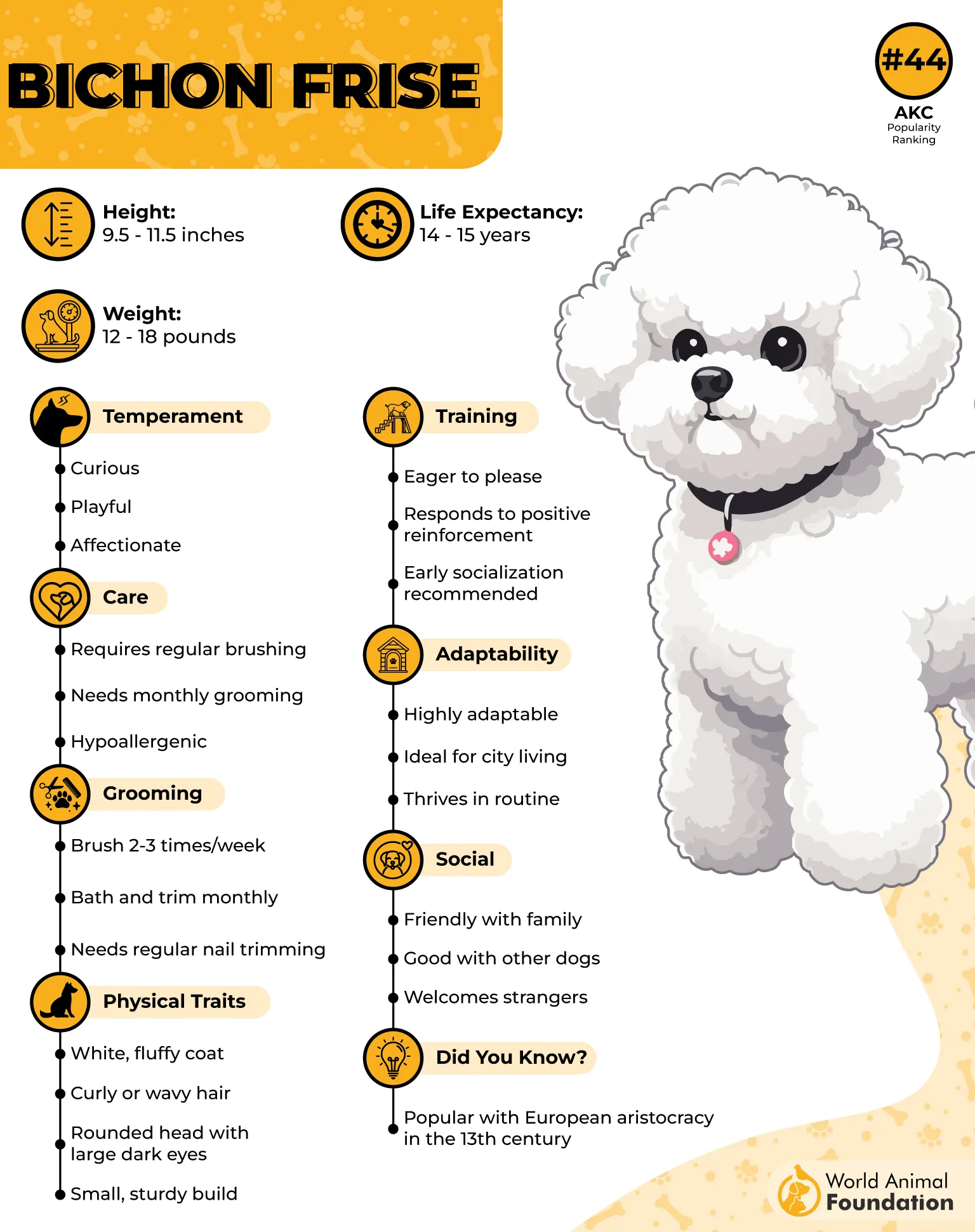
Keeping the coat in great condition takes commitment, but it rewards owners with very little loose hair around the house. Shed hairs stay trapped within the undercoat, so regular brushing removes them before mats have a chance to develop.
Grooming Tips For This Breed
Brush the curly coat every day to lift trapped hairs before mats can form.
Occasional baths help keep the white coat fresh and well-maintained.
Conclusion
A cleaner home does not mean giving up the joy of having a dog. With the right low-shedding breed and a grooming routine you can comfortably maintain, you can enjoy loyal companionship while spending far less time chasing loose fur around your furniture and floors. Take your time, compare each breed carefully, and choose the one that truly fits your lifestyle.
Every dog on this list brings its own personality, charm, and care needs, so the best choice is the one that feels right for both your home and your routine. Give your future companion the attention, brushing, and love they deserve, and you will be rewarded with years of happy memories and a wonderful bond that only grows stronger.
