




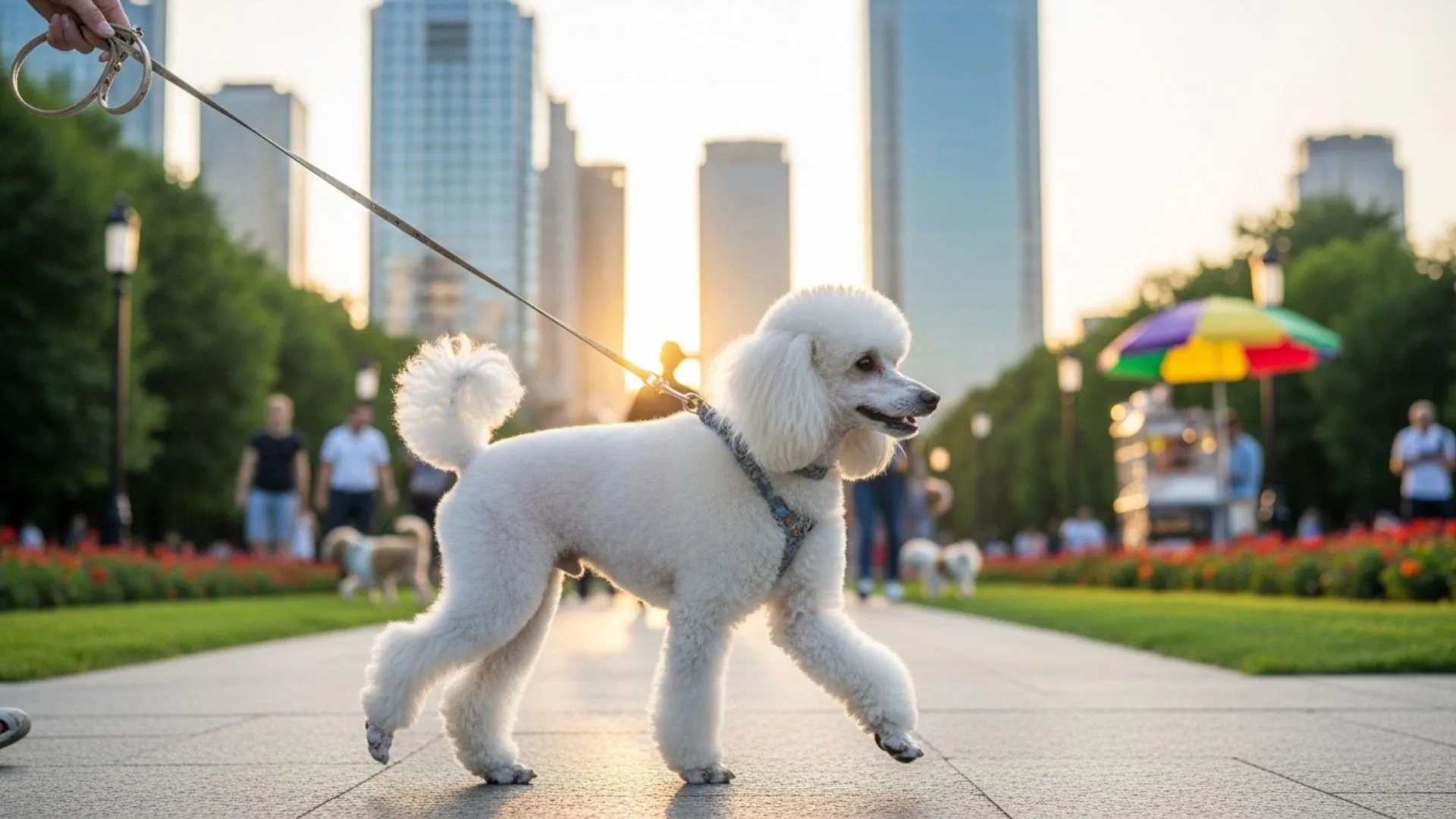
Living in a city and wanting to keep a dog can feel like a balancing act. Not every neighbor is comfortable around pets, and limited space or strict building rules can make dog ownership seem complicated. But the truth is, with the right breed, you can enjoy life as a dog parent while keeping things peaceful for everyone around you.
Small dog breeds are especially well-suited to urban living. They typically have moderate energy levels, need less exercise and grooming compared to larger breeds, and are often easier to train. Their gentle, adaptable nature makes them a great fit for apartments and shared living spaces. Beyond that, they tend to build strong bonds with families, children, and even other pets.
Choosing a compact companion means enjoying the best of both worlds: a loyal, affectionate friend who fits smoothly into your lifestyle and your living space. In this guide, we’ll explore dog breeds whose temperament and care needs make them ideal for city life.
Dog Breeds Ideal for a Dynamic Urban Lifestyle
1. French Bulldog
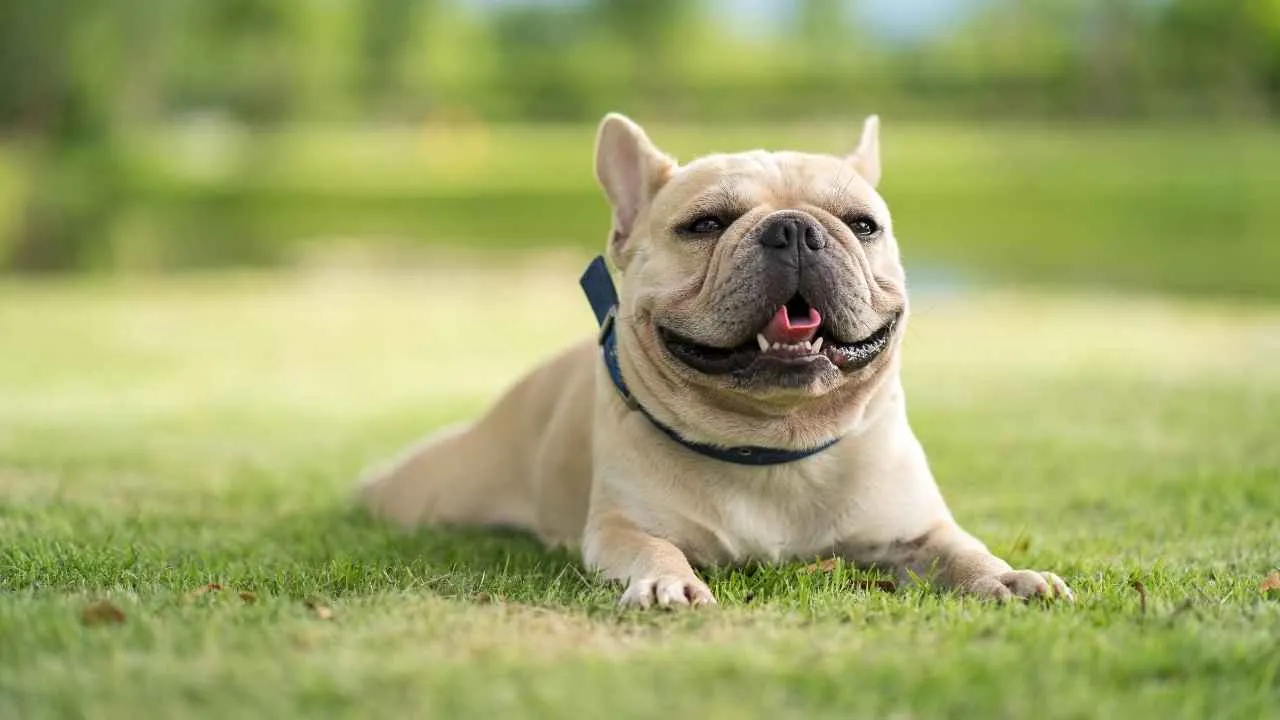
The French Bulldog, often affectionately called the “Frenchie,” is a compact and charming breed perfectly suited for urban and apartment living. Known for its playful yet affectionate nature, this dog is lively in short bursts but generally calm and easygoing. With its low exercise needs and quiet temperament, the Frenchie has become one of the most popular companion breeds for relaxed, indoor lifestyles.
With its signature expressive face and distinctive bat-like ears, the French Bulldog is instantly recognizable. However, these adorable features also require regular care, especially ear cleaning, to help prevent infections.

In terms of health, Frenchies are a sensitive breed and benefit from consistent monitoring. They are prone to certain issues such as breathing difficulties, spinal concerns, and skin conditions, which is why moderate, controlled exercise is recommended.
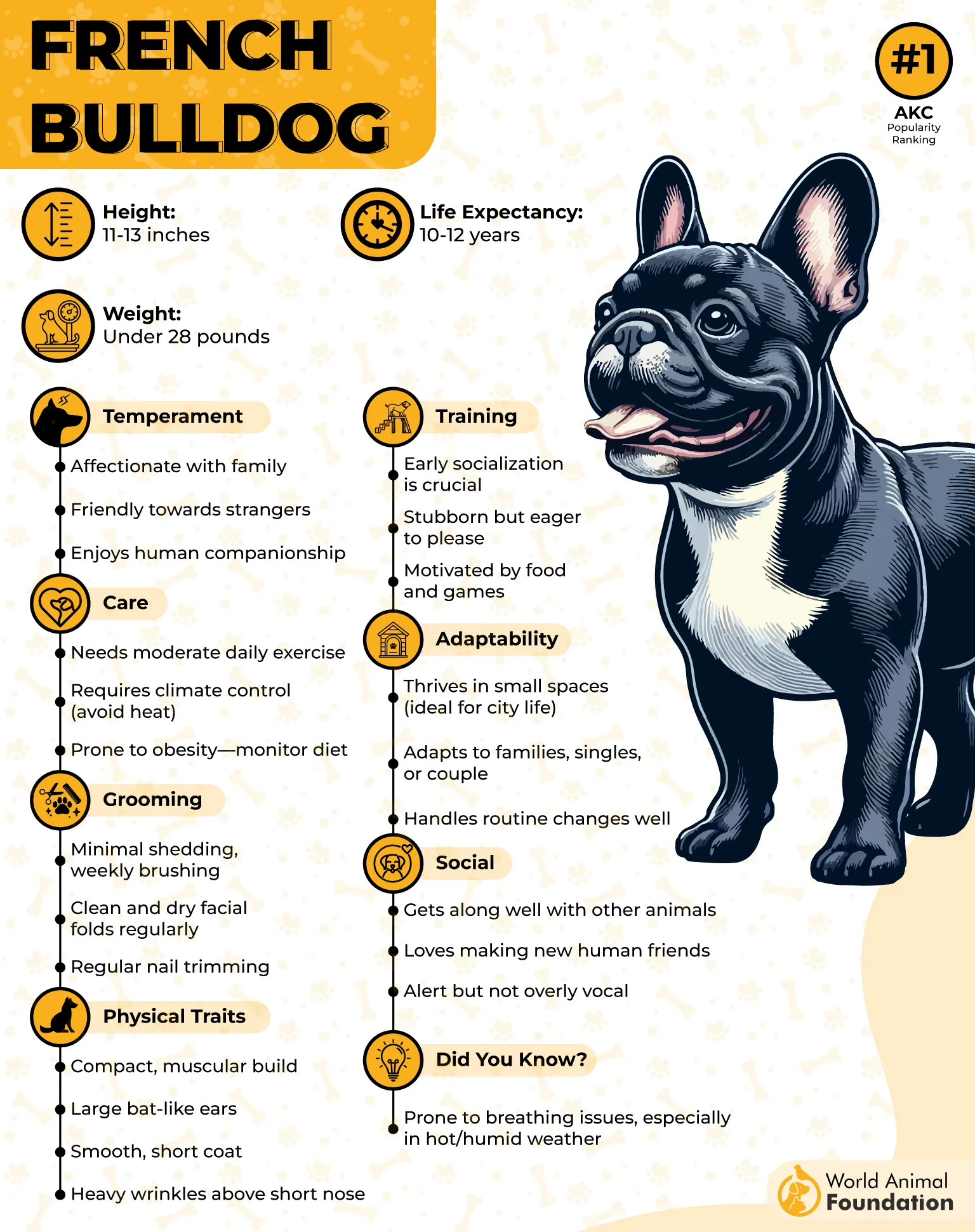
What makes French Bulldogs especially lovable is their strong attachment to their owners. They thrive on close companionship and are happiest when they are near their family, often enjoying long rest periods of 12–14 hours a day. However, their specific health needs can make them a higher-maintenance and potentially costly breed to care for over time.
2. Boston Terrier
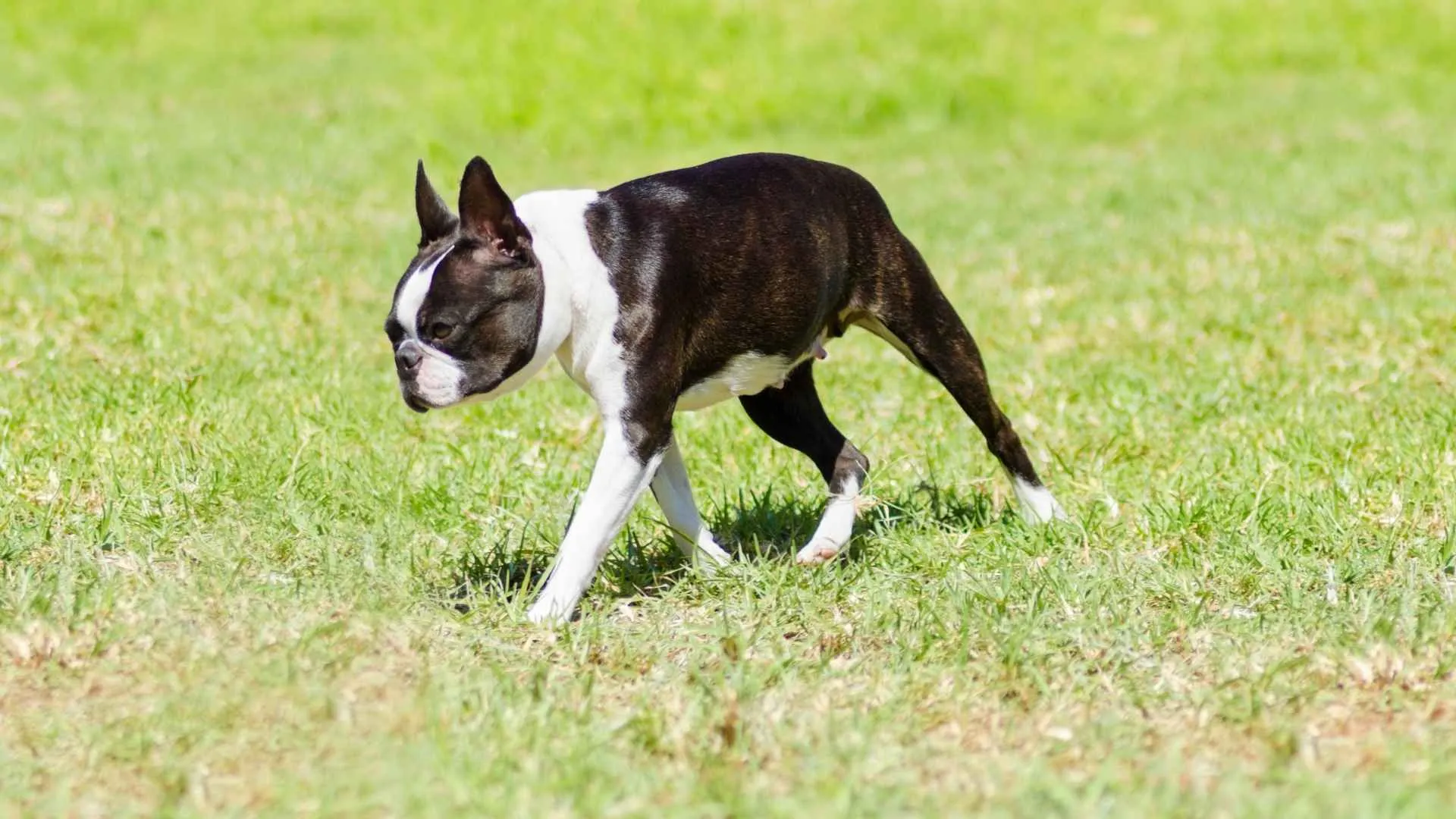
The Boston Terrier, often called the “American Gentleman” due to its tuxedo-like coat, is a friendly, intelligent, and affectionate breed with a playful personality. With its compact size, expressive face, and social nature, it makes an excellent companion for city and apartment living.
However, because of its flat face, the Boston Terrier is prone to brachycephalic syndrome, which can affect breathing. Despite this, its cheerful temperament, endearing expressions, and well-balanced build make it a favorite among urban dog owners.
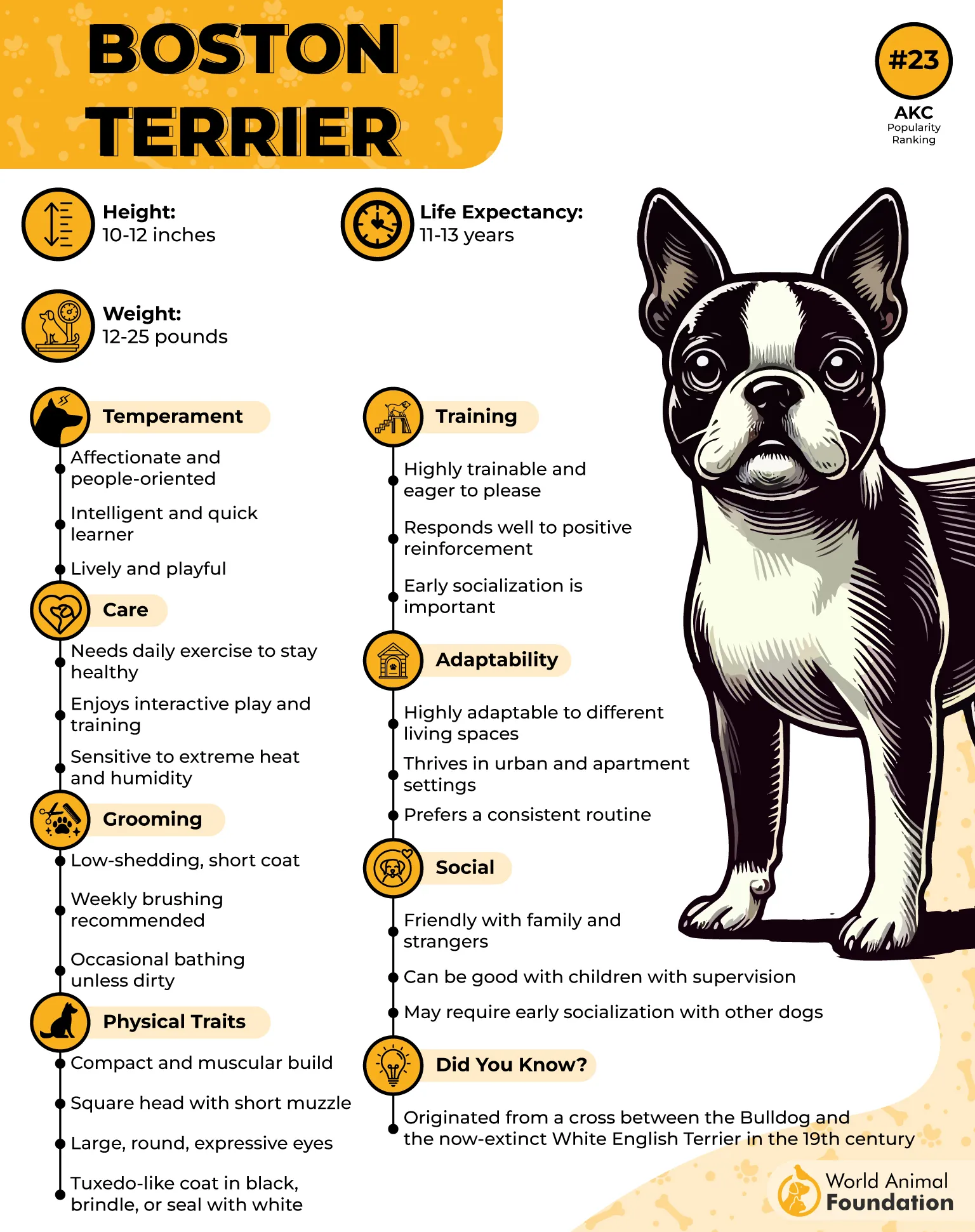
In terms of grooming, Boston Terriers are low-maintenance and light shedders. A simple weekly brushing is usually enough to keep their coat healthy and reduce loose hair around the home. Their short, smooth coat also offers little protection against cold weather, so sweaters or jackets are often needed during cooler temperatures.
Boston Terriers are quick learners and eager to please, making training relatively easy and effective—an important advantage for apartment living. While they do enjoy regular exercise, they adapt well when their physical and mental stimulation needs are met.
Activities like outdoor walks, combined with indoor enrichment games such as snuffle mats, towel-based puzzles, or treat-filled muffin trays, help keep them happy and engaged.
3. Cavalier King Charles Spaniel
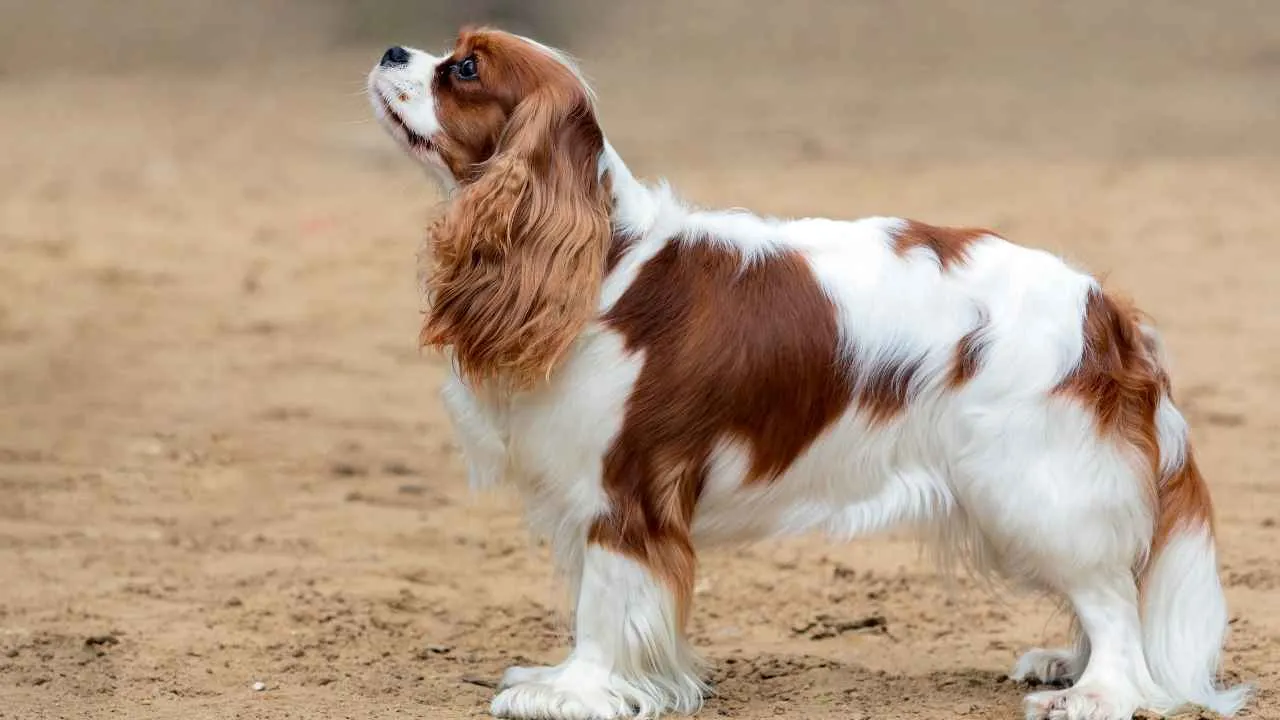
The Cavalier King Charles Spaniel, often simply called the Cavalier, is widely regarded as one of the best apartment dogs due to its gentle temperament, adaptability, and deeply affectionate nature.
This breed is known for its “forever puppy” charm, always eager to snuggle with its owners or even another friendly pet. Easy to handle and well-mannered, Cavaliers typically do well with around 30 minutes of daily exercise, which supports both their physical health and mental well-being.
Although generally easygoing, the Cavalier does require consistent grooming care. Regular coat brushing, ear cleaning, and attention to potential eye issues are important parts of their routine.
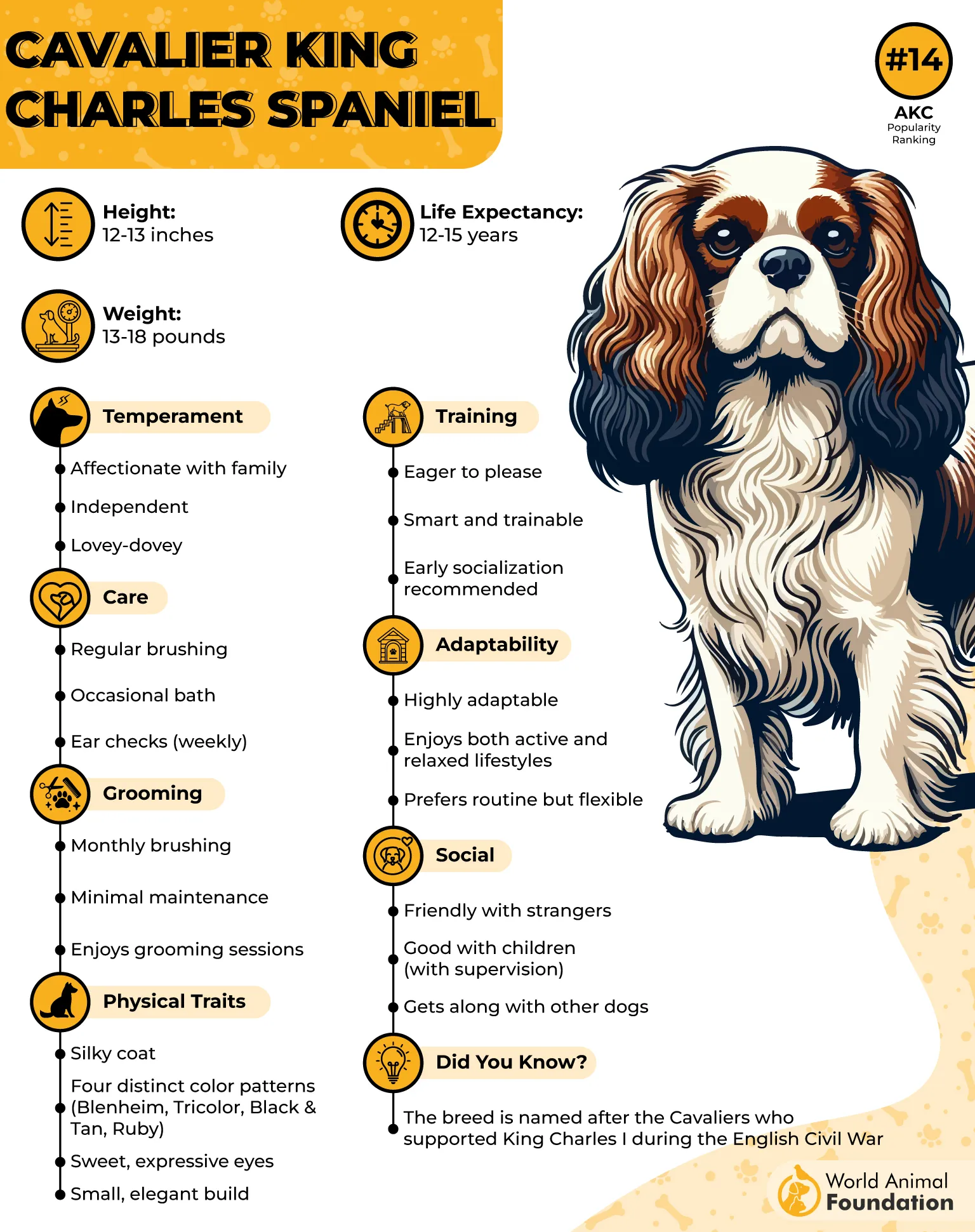
Many owners also opt for a professional grooming session about once a month to keep their coat and overall hygiene in good condition. When their grooming, training, and exercise needs are properly managed, Cavaliers are known to be calm, content, and perfectly happy lounging beside their owners on the couch.
Bred as companion dogs, Cavaliers do not tolerate long periods of isolation well and thrive in homes where they receive regular attention. Their quiet nature, minimal tendency to bark, and affectionate personality make them an excellent choice for apartment living, especially for first-time dog owners seeking a loving and low-stress companion without compromising on emotional connection.
4. Miniature Poodle
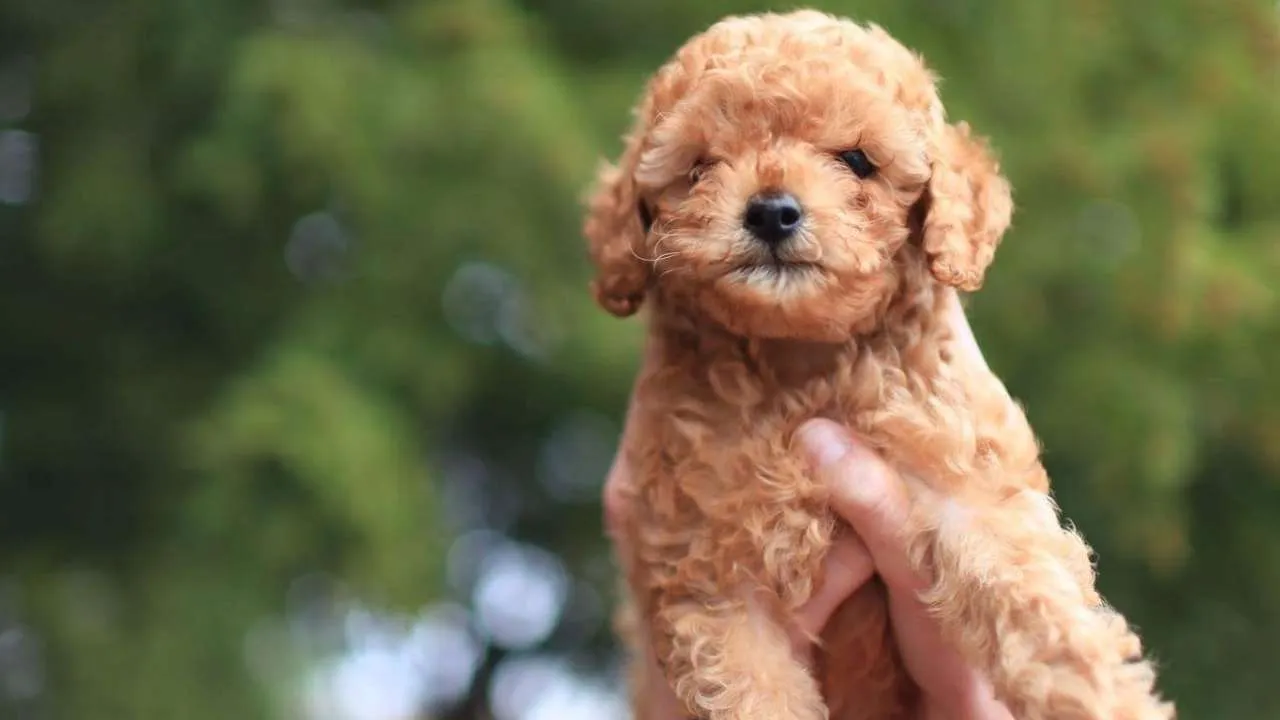
The Miniature Poodle is an active, intelligent, and confident dog that typically weighs around 20 pounds, making it a great fit for apartment living. Known for its sharp mind and playful personality, this breed enjoys spending time with its owners, whether learning tricks, playing indoors, or staying active outdoors. Though small in size, Miniature Poodles have a high energy level and require regular physical and mental stimulation.
One of the key reasons they are often recommended for urban homes is their coat. Miniature Poodles are low shedders, which makes them a popular choice for people with allergies.
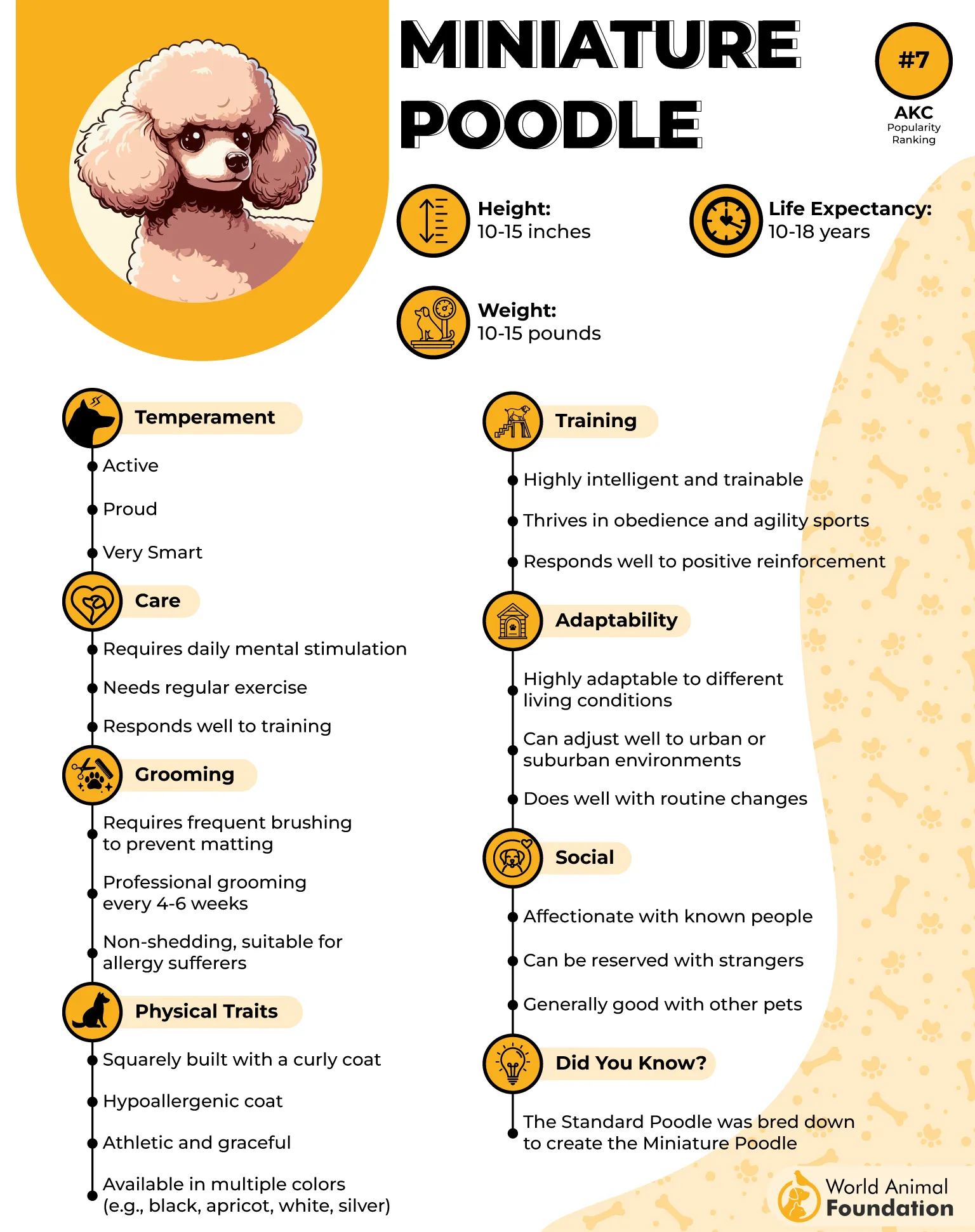
However, their grooming needs are significant, they require professional grooming every 4–6 weeks to maintain coat health and prevent matting. Many owners opt for a shorter “puppy cut” to make maintenance easier and more manageable.
Despite their small stature, Miniature Poodles thrive when given consistent attention, training, and engagement. Without sufficient activity, they can become bored, which may lead to unwanted or destructive behaviors. When properly stimulated and cared for, however, they are affectionate, highly trainable companions that adapt beautifully to apartment life.
5. Pug
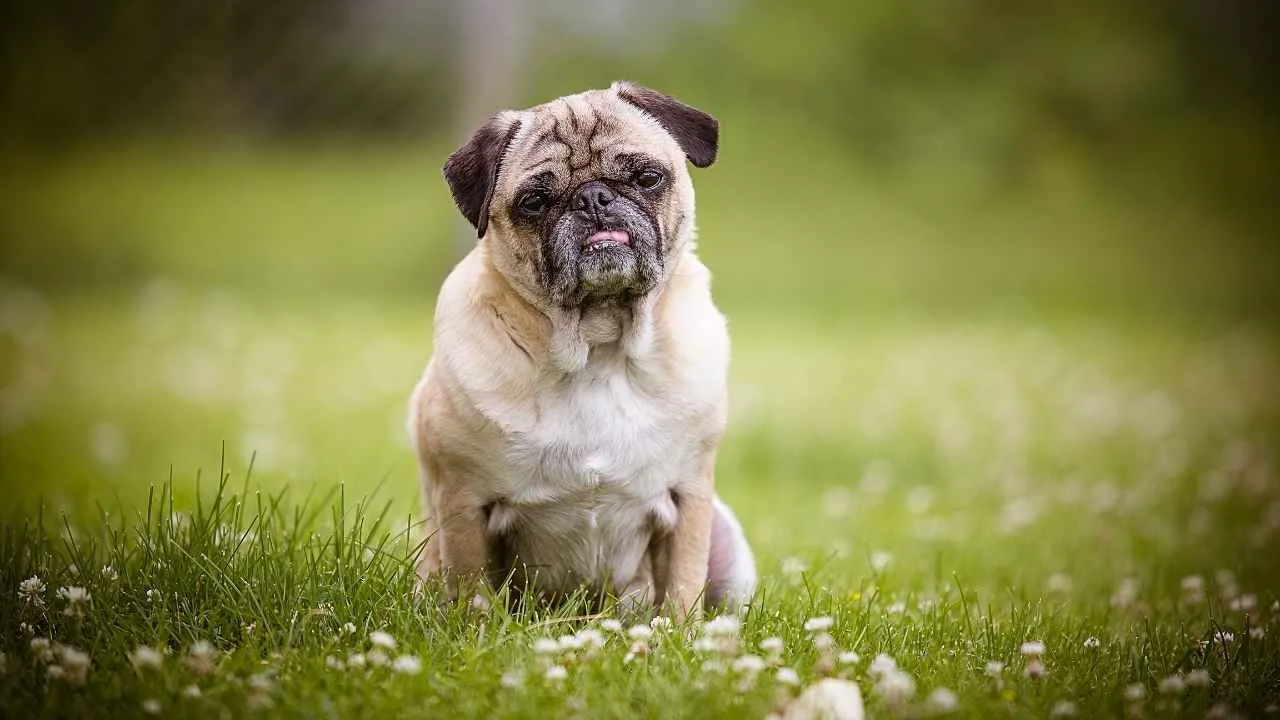
Pugs are widely regarded as excellent apartment-friendly dogs due to their small size, low exercise requirements, and calm, affectionate temperament. Often recognized by their wrinkled faces and expressive eyes, this compact and sturdy breed is sometimes referred to as the “Dutch Mastiff.”
Pugs are highly social dogs that generally get along well with children, other pets, and anyone who treats them kindly.
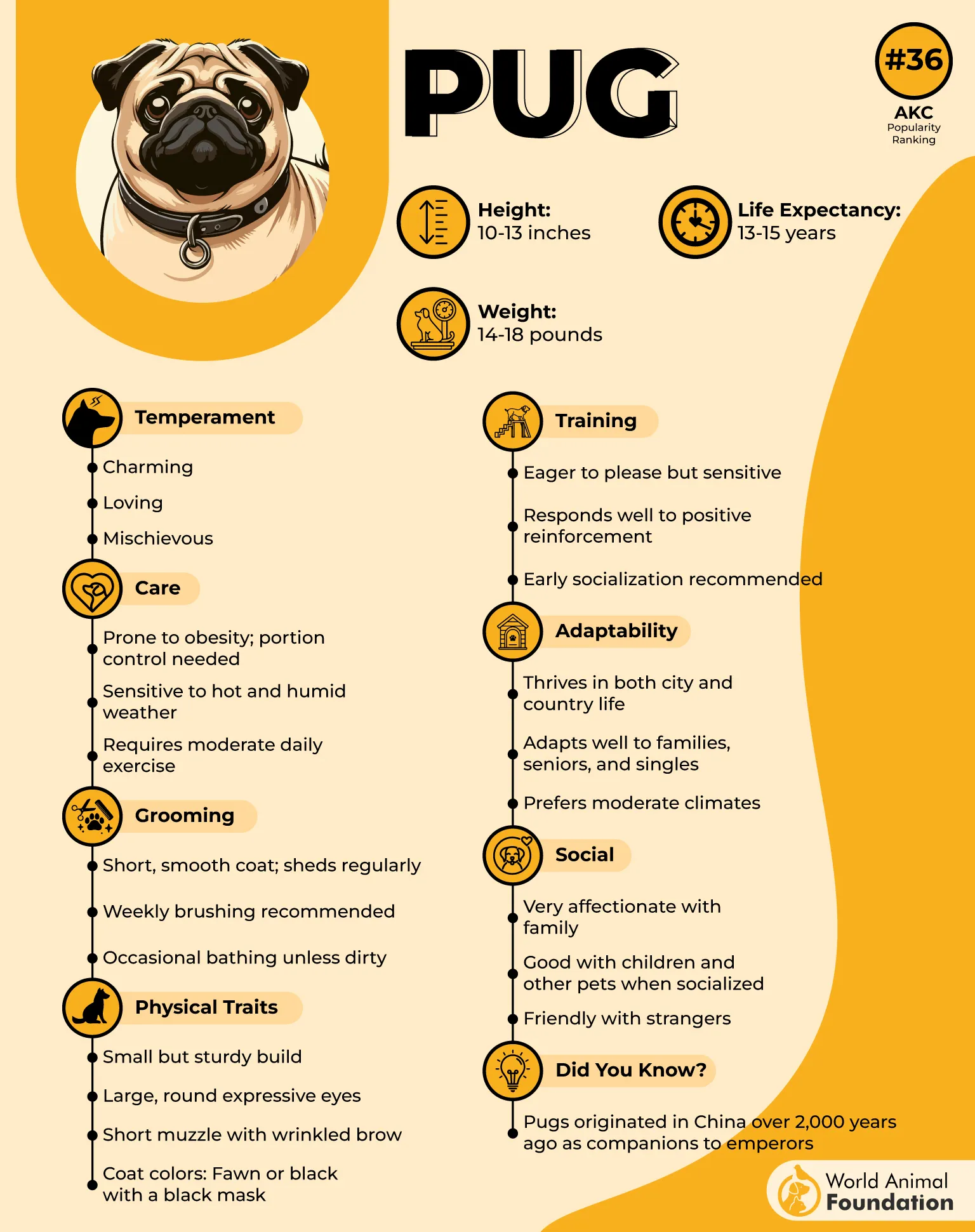
It is easy to fall for their squishy faces and charming expressions, but Pugs are equally known for their strong desire to be involved in everything happening at home. They thrive on companionship and attention, making them especially suited to urban living where close human interaction is a daily part of life. In return for their affection, they offer deep loyalty and warmth to their owners.
According to PetMD, Pugs have relatively basic grooming needs but still require daily walks to stay healthy and maintain a balanced weight. They also enjoy light play activities such as fetch, short runs, and gentle agility exercises. Once their energy needs are met, they are famously content to relax and spend most of their time as affectionate “couch potatoes,” enjoying life right by their owner’s side.
6. Dachshund

The Dachshund, often affectionately called the “Doxie,” is a playful, clever, lively, and deeply devoted breed. Originally bred in Germany for hunting badgers, this small but determined dog has evolved into a popular companion pet.
Thanks to its compact size and moderate exercise needs, the Dachshund adapts well to apartment living and does not require large spaces to stay happy, what it truly thrives on is attention and companionship from its owner.
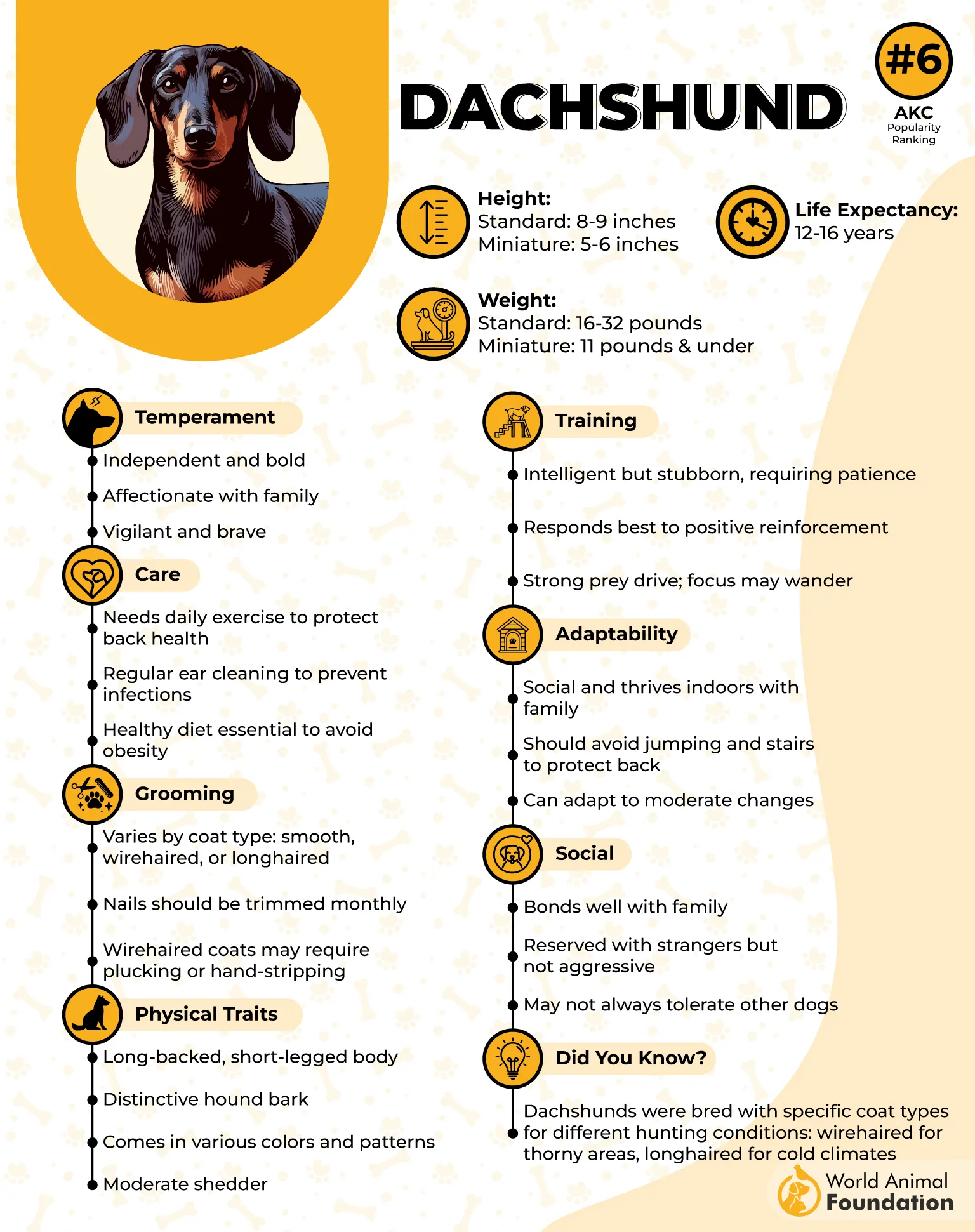
Despite their small stature, Dachshunds are energetic and affectionate dogs that need regular exercise to maintain muscle strength and overall health. Daily walks, interactive play, puzzle toys, and basic training sessions are essential to keep them both physically fit and mentally stimulated.
However, care must be taken during exercise and training due to their long bodies and short legs. Excessive jumping or high-impact activity can increase the risk of spinal issues, so gentle and controlled movement is important.
Dachshunds are also known to be quite vocal and can develop a habit of excessive barking, which may be challenging in apartment settings. With early training and consistent guidance, though, this behavior can be effectively managed.
7. Shih Tzu
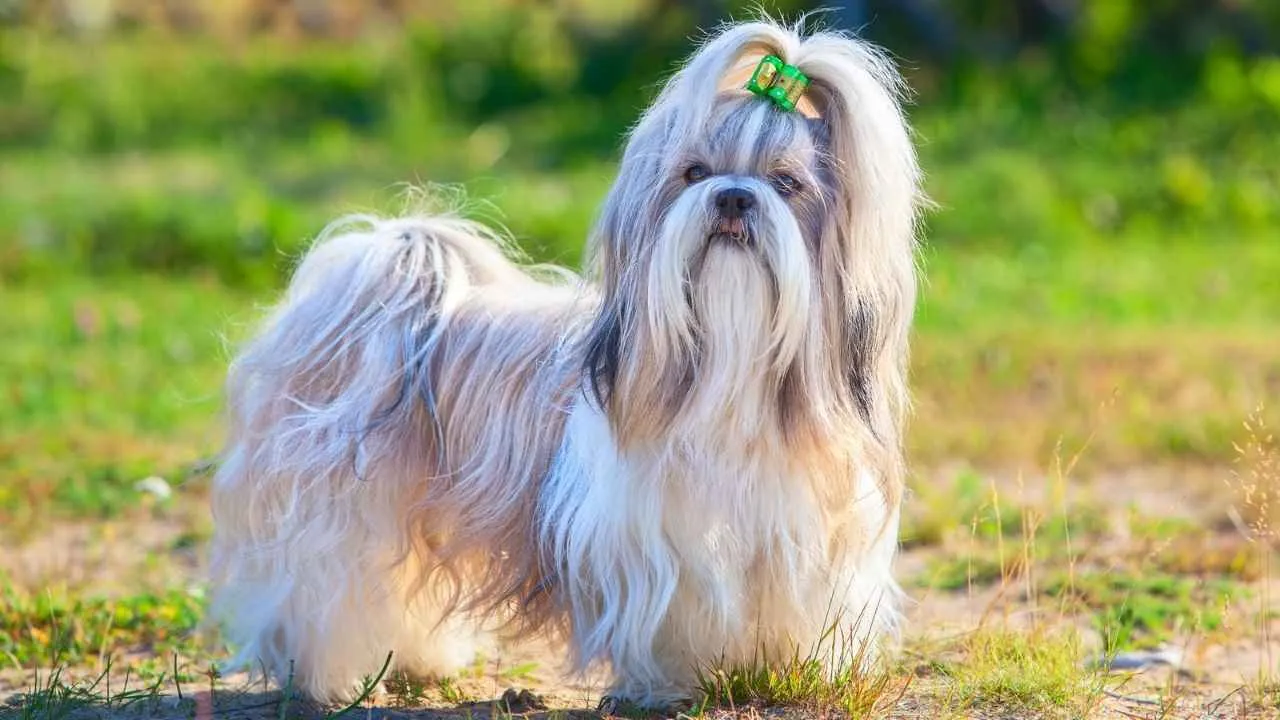
The Shih Tzu, small in size but rich in personality, thrives on human companionship and close bonding. Often called the “Lion Dog,” this elegant, affectionate, and slightly independent breed was originally developed for royalty. Even today, its flowing coat and charming temperament make it one of the most desirable companion dogs, especially for those seeking a touch of luxury in a small package.
According to Pawlicy Advisor, the Shih Tzu’s primary purpose is simply to love and be loved. While naturally easygoing, they still benefit from around 30 minutes of daily exercise to stay healthy and balanced. One of their strengths as an apartment dog is adaptability, they adjust well even in busy or noisy households without becoming overly stressed.
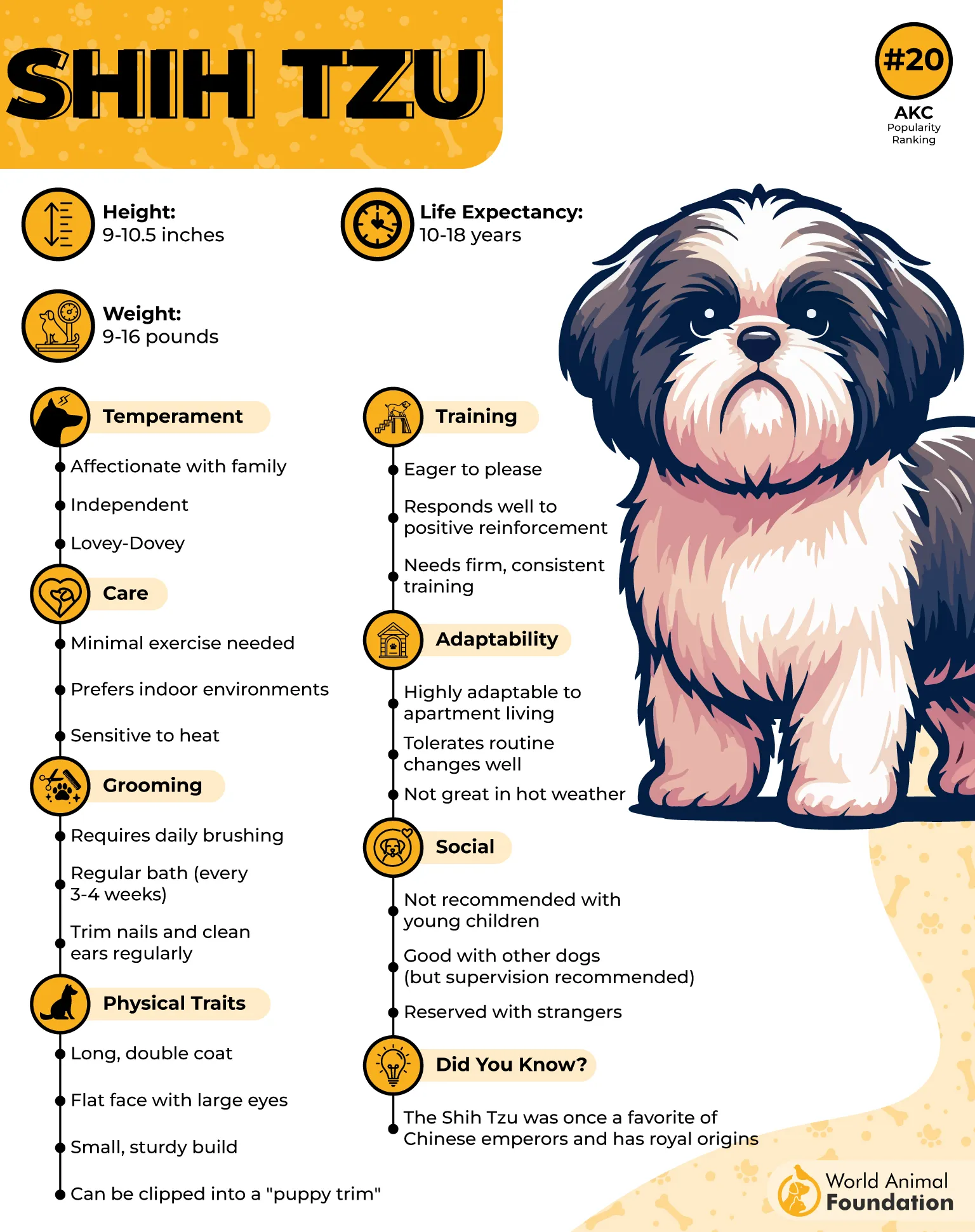
Shih Tzus are considered low-shedding and often classified as hypoallergenic, but their long, silky coat requires consistent care, including daily brushing to prevent tangles and matting. They can also be somewhat vocal, though this can be managed with proper engagement and mental stimulation, which helps prevent stubborn behavior.
Due to their flat faces, Shih Tzus are prone to breathing issues, so intense or overly exhausting activities should be avoided. With the right balance of gentle exercise, grooming, and attention, they make affectionate, adaptable companions perfectly suited to indoor and apartment living.
8. Maltese
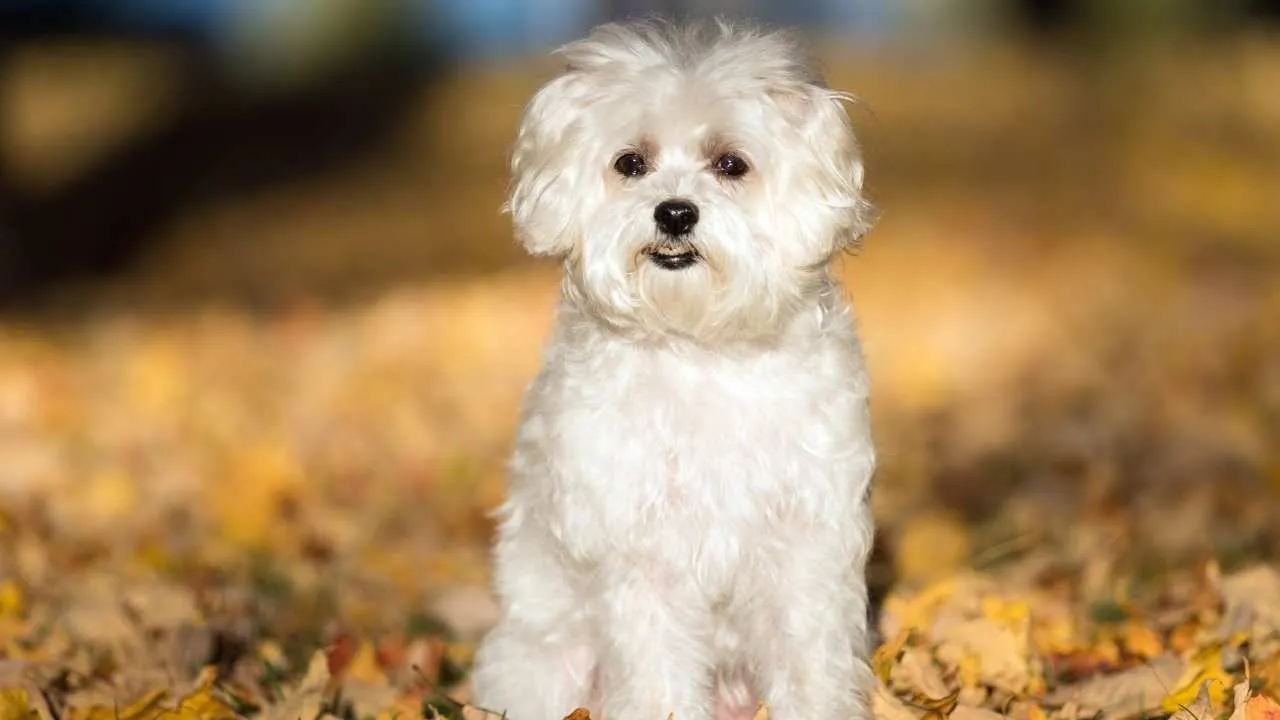
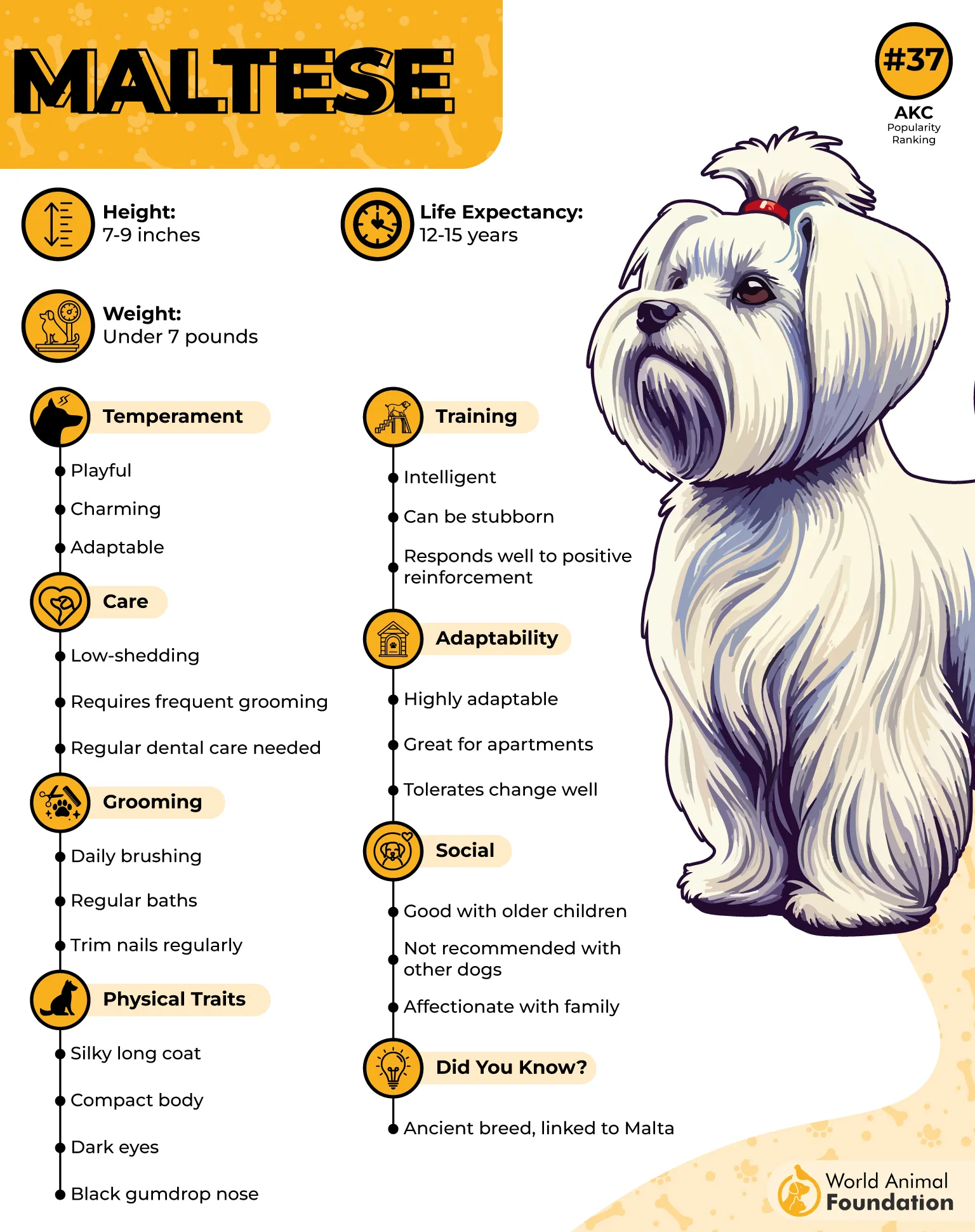
The Maltese is a playful, affectionate, intelligent, and elegant toy breed, making it an excellent choice for people seeking a small companion dog. While they may be reserved around strangers, they are deeply loyal and devoted to their owners, often forming strong emotional bonds.
Their low exercise needs, trainability, and hypoallergenic coat are key reasons they are especially popular for apartment and small-space living.
Despite their gentle size, Maltese dogs are full of personality and energy. However, they do not require extensive exercise. Short daily walks, indoor playtime, and simple training sessions or tricks are usually enough to keep them physically active and mentally engaged. They particularly enjoy being involved in family activities and do not cope well with being left alone for long periods.
According to WebMD, maintaining a proper, protein-rich diet with high-quality food is essential for their overall health, muscle development, and growth. Homemade diets are generally not recommended without veterinary guidance.
Consulting a vet helps ensure their nutritional needs are met, especially since small dog breeds like the Maltese can be prone to weight gain. With the right care, they remain happy, healthy, and affectionate companions in any home.
9. Havanese
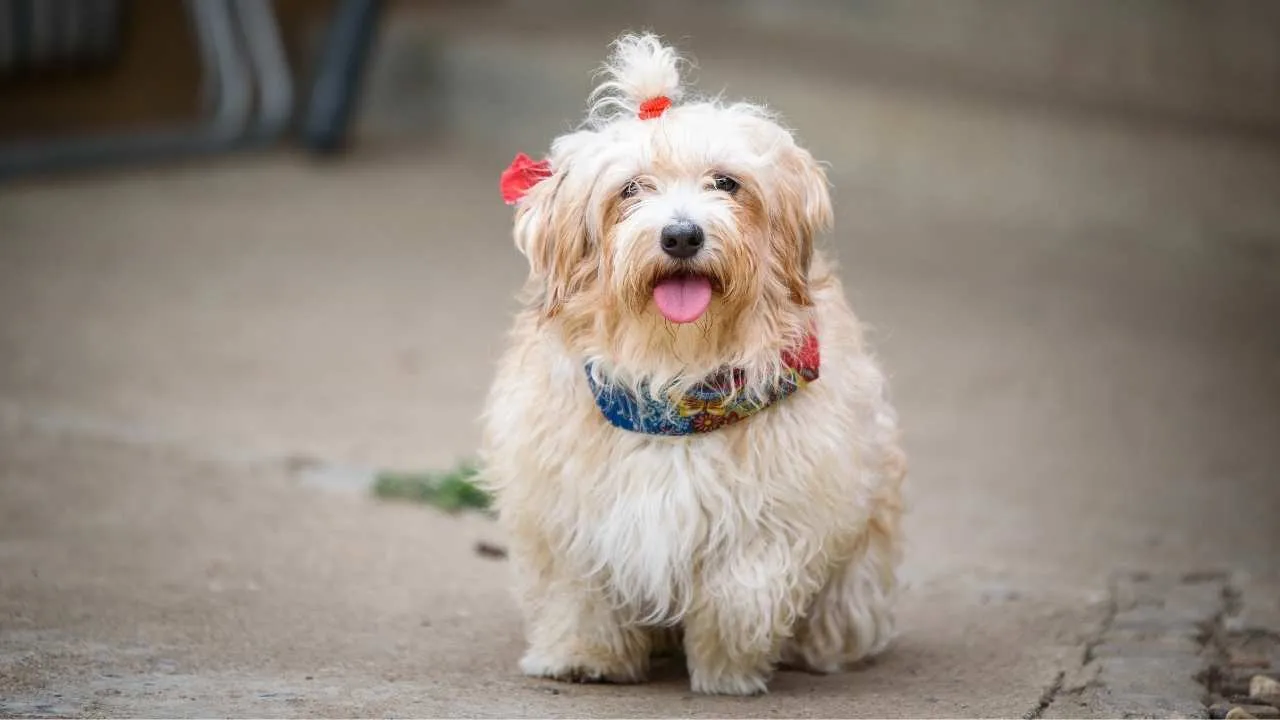
Small dog breeds are often associated with health challenges, but the Havanese stands out as one of the healthier toy breeds, with a life expectancy of around 14–16 years. Playful, affectionate, and even-tempered, this easygoing companion is well-suited for urban living and is known for being relatively low-maintenance. It is also the only dog breed native to Cuba.
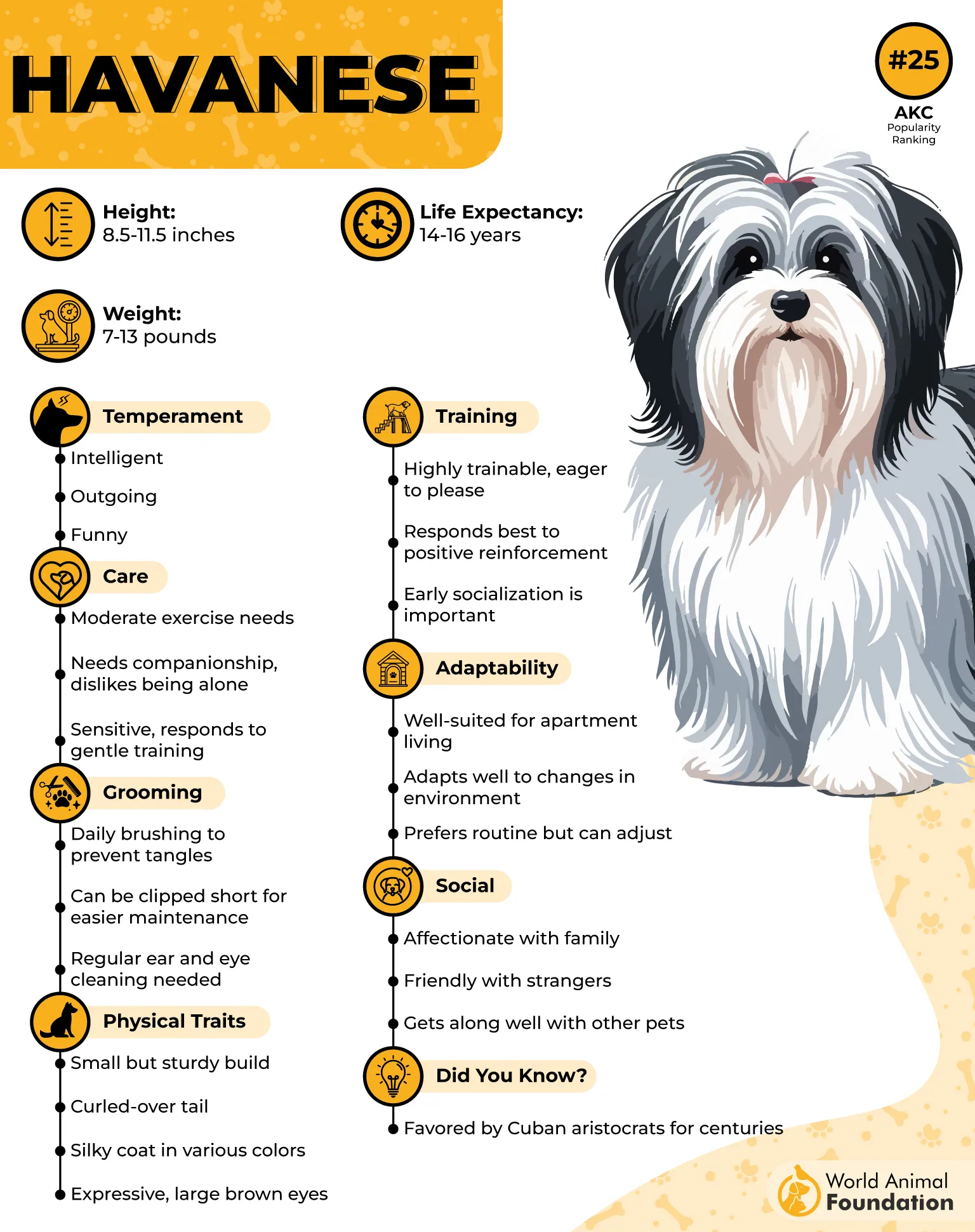
The Havanese is a generally quiet dog and a minimal barker, making it a great fit for apartments. It responds best to positive reinforcement training and can benefit from crate training, which may also help manage separation anxiety when introduced early and properly. Early socialization further ensures they grow into well-adjusted dogs that get along well with children, strangers, and other pets.
A daily routine of about 30 minutes of exercise, along with short play sessions of around 10 minutes, is usually enough to keep them healthy and content. While they are naturally social and enjoy being around people, Havanese dogs can still develop unwanted behaviors if left understimulated.
Keeping them engaged with interactive toys, training exercises, and mental challenges helps maintain their happiness and prevents boredom-related issues.
10. Bichon Frise
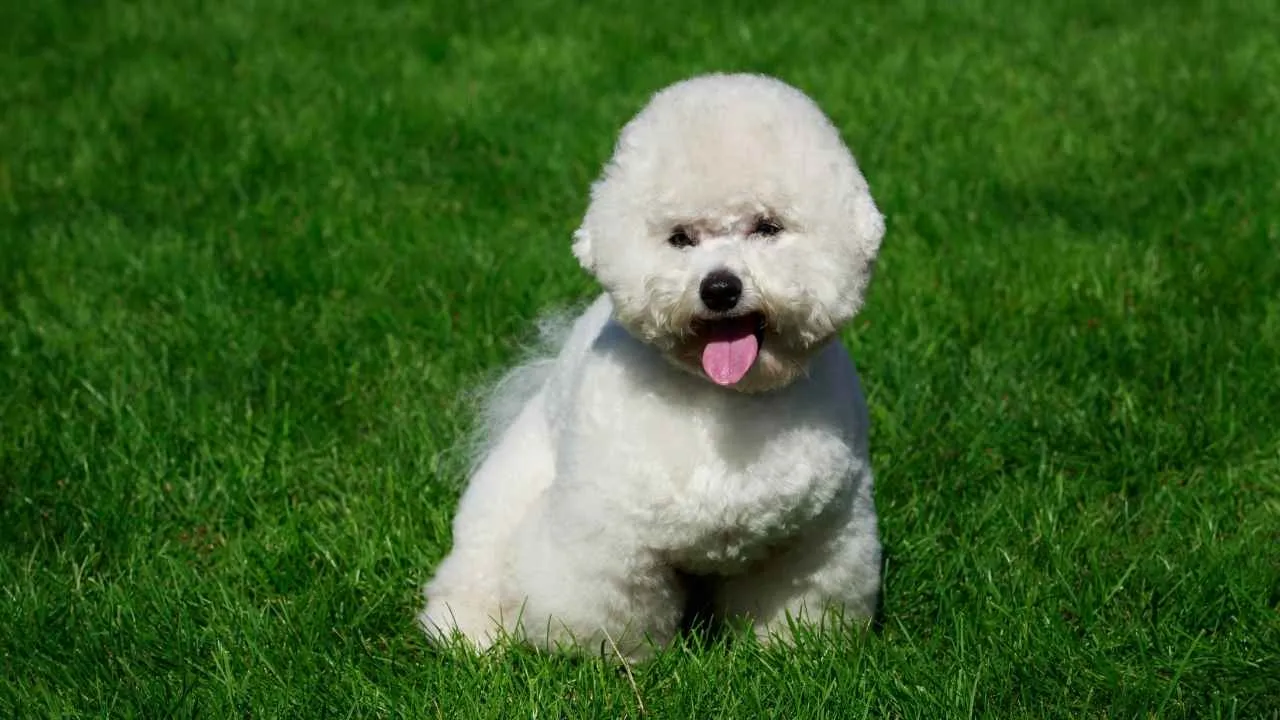
Last but not the least, the Bichon Frise is an adorable small breed that is perfectly suited for compact homes and city living. Cheerful, affectionate, playful, and slightly feisty, this city dog is known for its warm personality and strong adaptability.
Thanks to its friendly nature, it is especially well-suited for families with children, and it often enjoys being the center of attention, effortlessly winning hearts wherever it goes.
As a low-shedding breed, the Bichon Frise is relatively easy to manage, though its fluffy coat does require consistent care. Daily brushing helps prevent tangles, and monthly visits to a professional groomer are recommended to keep the coat clean, neat, and well-maintained.
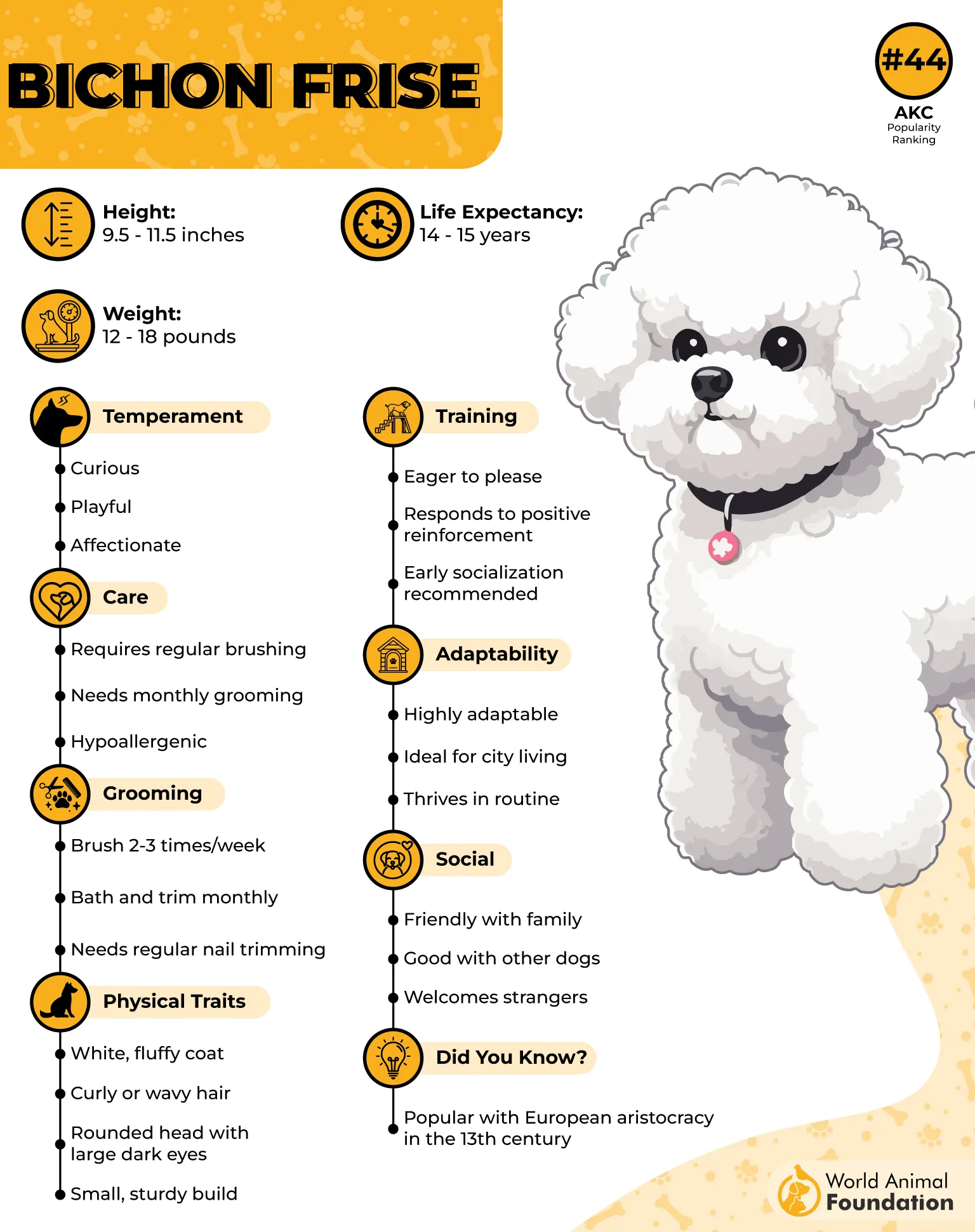
Another reason for its rising popularity is its remarkable adaptability, it tends to adjust comfortably to different living environments as long as it receives proper care and attention.
However, the Bichon Frise is emotionally sensitive and does not do well when left alone for long periods, as it may develop separation anxiety. A balanced routine of daily walks, outdoor time, and engaging indoor activities such as puzzle toys helps keep it happy, stimulated, and well-behaved.
Conclusion
These are all right dog breeds that fit well into the fast-paced routines of urban living. They tend to thrive in city environments thanks to their calm energy levels, affectionate nature, and adaptability.
Regardless of the breed you choose for apartment or city life, it is important to ensure that their training, exercise, and overall health needs are consistently met. Physical activity alone is not enough, proper socialization is equally essential for a well-balanced family dog.
A well-rounded routine that includes exercise, mental stimulation, consistent training, and social interaction is the key to raising a happy, healthy companion in an urban lifestyle.
