




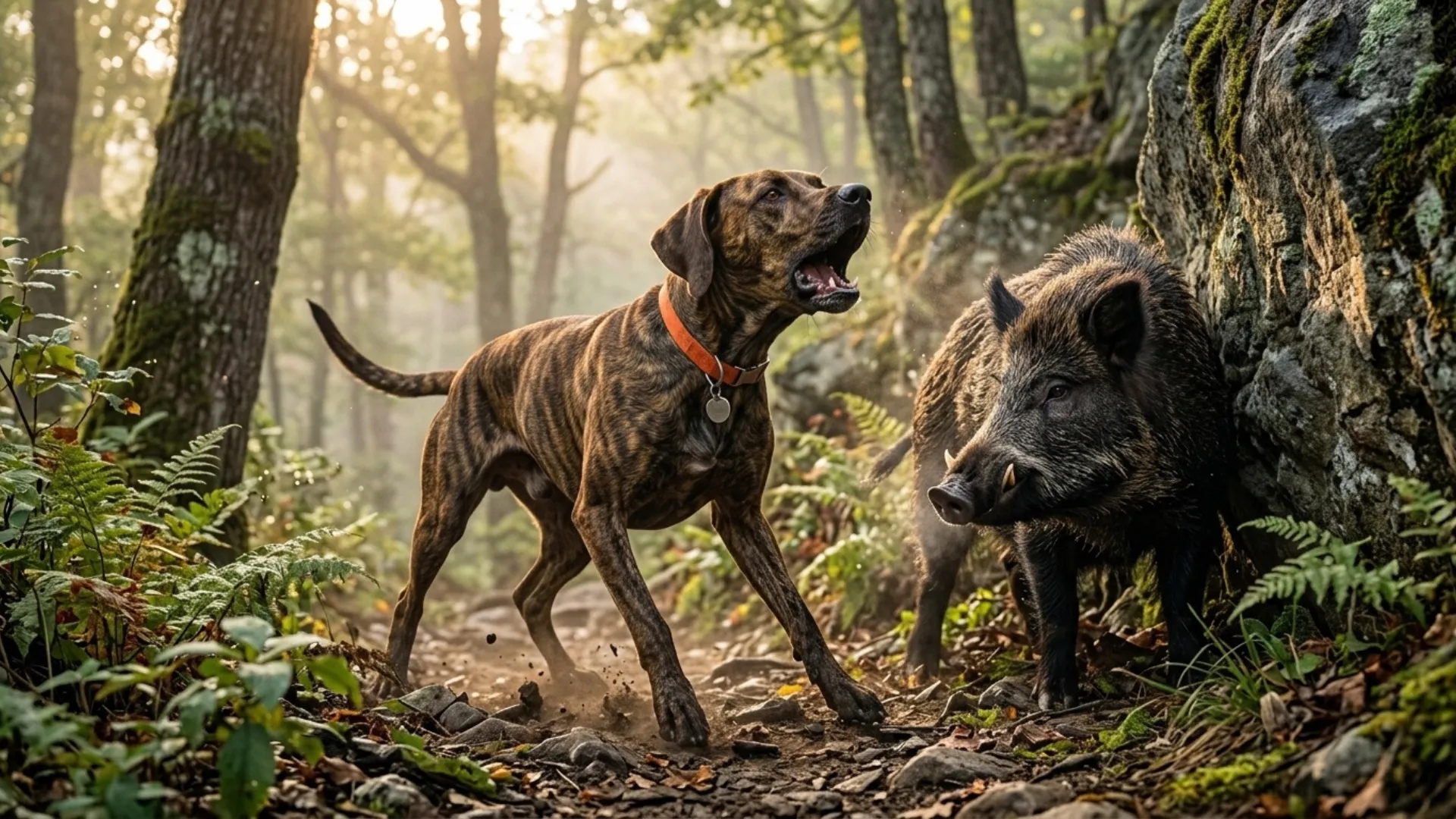
Winning a wild boar hunt rarely depends on luck. More often, it begins with choosing the right dog long before anyone steps into the woods.
A poor match can turn favorable conditions into missed opportunities, while the right hunting companion keeps the chase moving even when the trail becomes difficult to follow. Wild boars are intelligent, resilient, and capable of testing every weakness a hunting dog has.
Meeting that challenge requires far more than speed or bravery. It calls for sharp instincts, endurance, sound judgment, and the confidence to handle changing situations without losing focus. These qualities have separated dependable hunting dogs from average ones for generations.
In this guide, you will discover the dog breeds that consistently excel during wild boar hunts and the qualities that have made them trusted hunting partners.
Key Takeaways
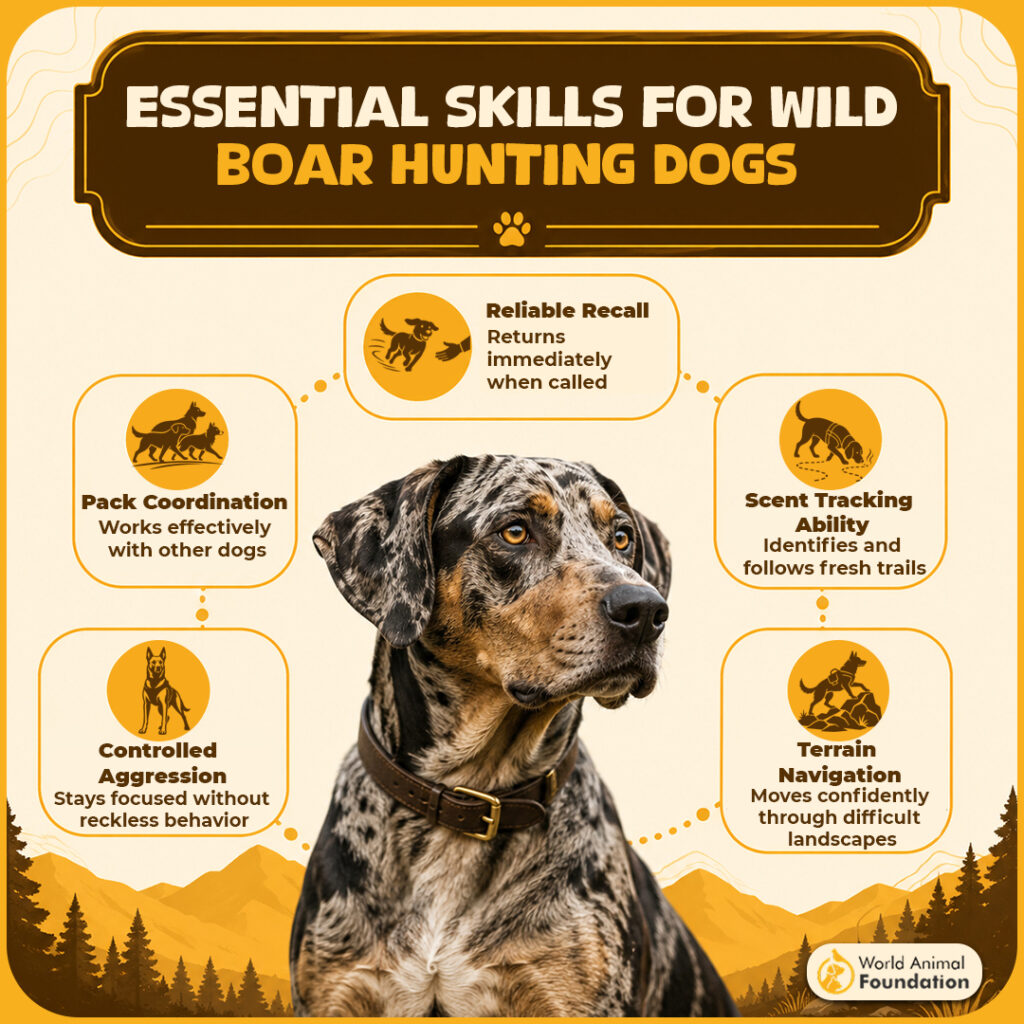
Wild boar are smart, strong, and hard to corner, so what kind of dog can keep the hunt moving when the trail gets rough?
The Catahoula Leopard Dog can track through mud and swamp with webbed feet, while the Plott Hound can follow an old scent trail across rough country.
Then there are breeds such as the Álano Español and Dogo Argentino, which step in much closer to the quarry when the hunt reaches its most demanding stage.
Keep reading to see what makes these nine breeds so capable in the field and how each one tackles the hunt in its own way.
Top Dog Breeds for Winning at Wild Boar Hunts
1. Catahoula Leopard Dog
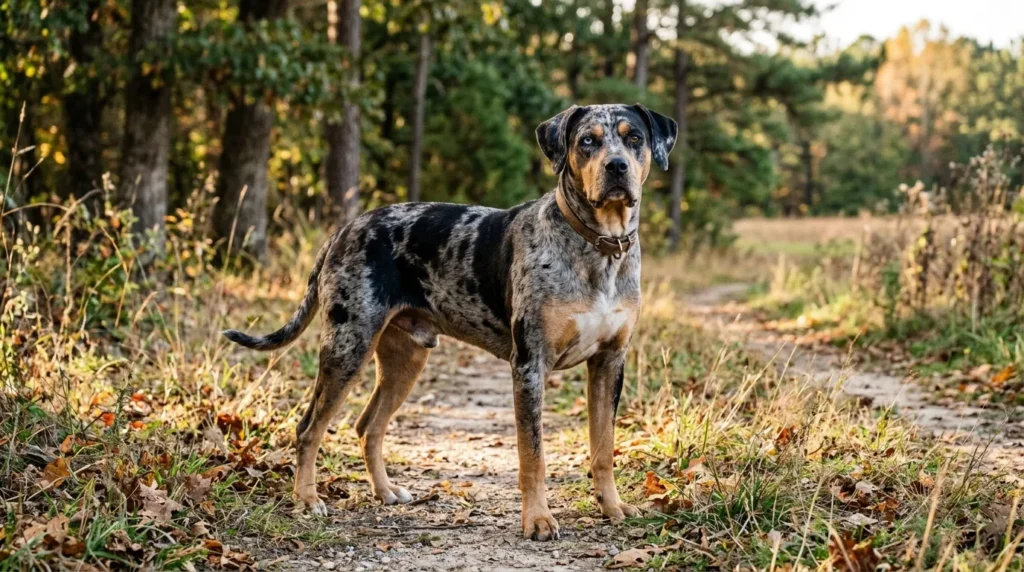
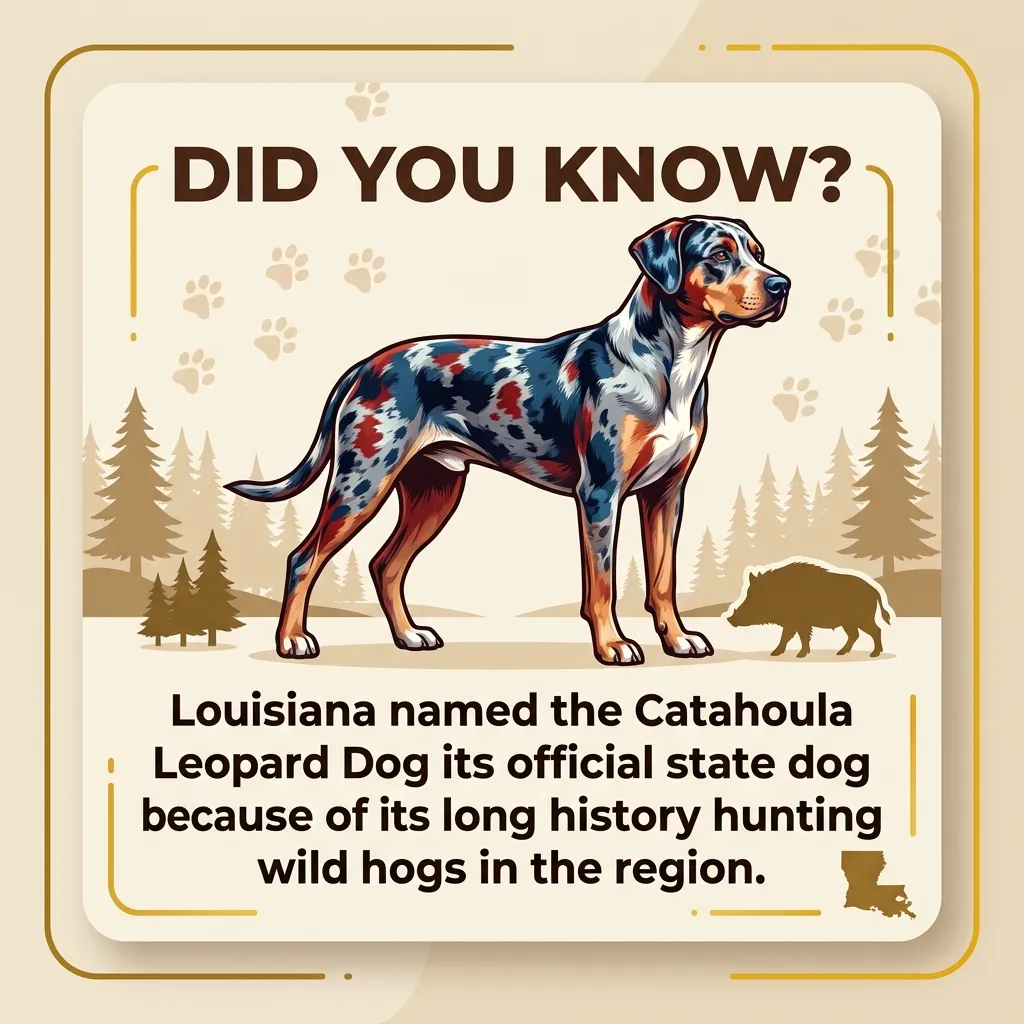
Catahoula Leopard Dog became Louisiana’s official state dog in 1979, reflecting centuries of close ties with the region. Its ancestry is believed to include Native American dogs alongside animals brought by Spanish explorers, with later influence from the Beauceron after French settlement.
Built for the Chase
They are known for pursuing wild pigs through Louisiana’s swamps, where speed, scenting ability, and quick decisions mattered every step of the hunt. As a bay dog, it follows the trail, corners the boar with persistent barking, and holds its position until support arrives.
That role depends on several practical advantages:
Webbed feet for muddy terrain
Long-distance scent tracking
Often works beside catch dogs
Ready for Demanding Work
Catahoula Leopard Dog combines an alert attitude with the endurance needed to cross dense brush, deep mud, and swampy ground for extended periods.
According to the AKC, around familiar people, it is playful and affectionate, while unfamiliar faces are generally met with quiet caution rather than aggression.
- Needs plenty of daily physical activity
- Requires regular mental stimulation
- Can be independent and strong-willed
- Benefits from secure outdoor space
- Best with consistent, experienced handling
2. Plott Hound
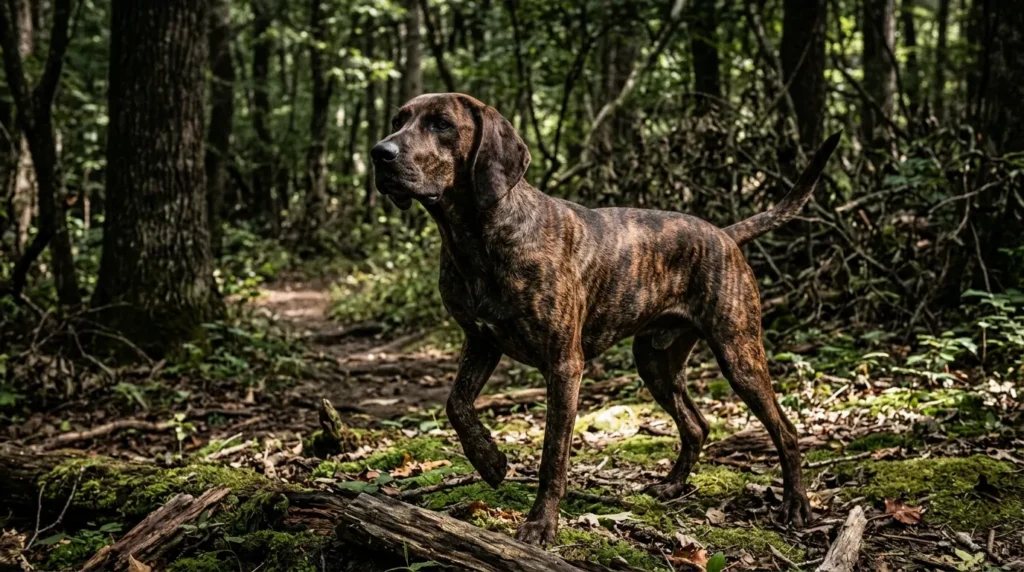
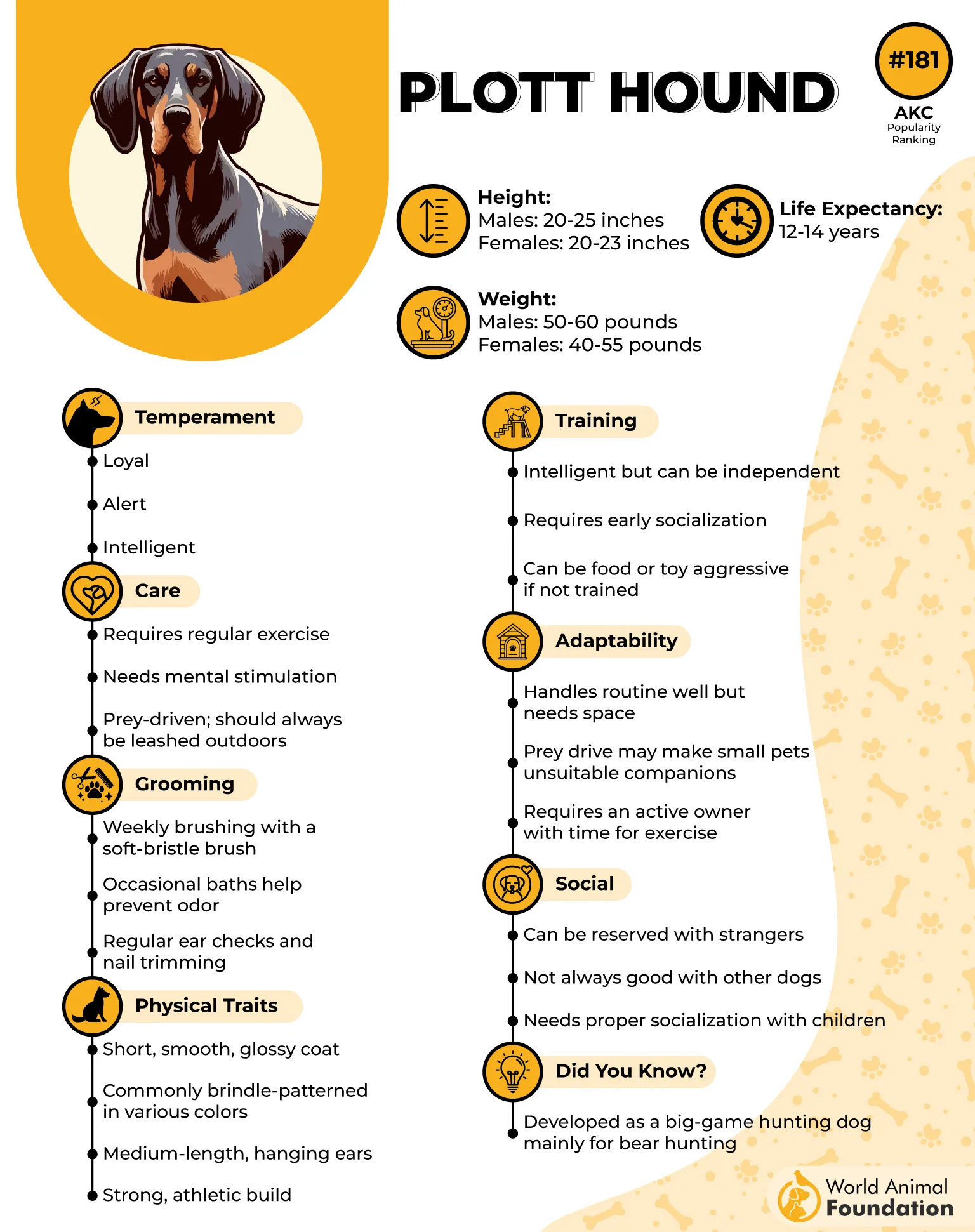
Plott Hound began its journey in North Carolina after German gamekeeper Johannes Plott arrived in America during the 18th century with Hanoverian Scenthounds. Over time, his family’s breeding program shaped a distinct hound that later became North Carolina’s official state dog.
Built for the Hunt
This wild hog hunting breed excels at following old scent trails through rough country, using its nose to locate wild boar across long distances and dense cover. Once the quarry is found, these dogs work as a team to corner the boar, holding it in place with persistent baying until the hunter arrives.
The following qualities of the breed deserve special attention:
Deep bawl or chop voice
Confident and impressive athletic ability
Wide-ranging search pattern
Home Life
Plott Hound can be affectionate and protective with its family while also getting along with other dogs and children under proper supervision.
Daily runs, long walks, and secure off-leash time in a fenced area help satisfy both the physical effort and mental challenge this breed continually seeks, as PetMD writes.
- Needs long walks, runs, or active exercise
- Has a strong instinct to follow scents
- Requires secure areas for off-leash activity
- Can become restless without enough stimulation
- Best suited to active and committed owners
🎧 Dogcast
Episode 37 — Why Dogs Stay Close without Touching
If you don’t hear sound, tap the button above to enable audio.
3. Blue Lacy
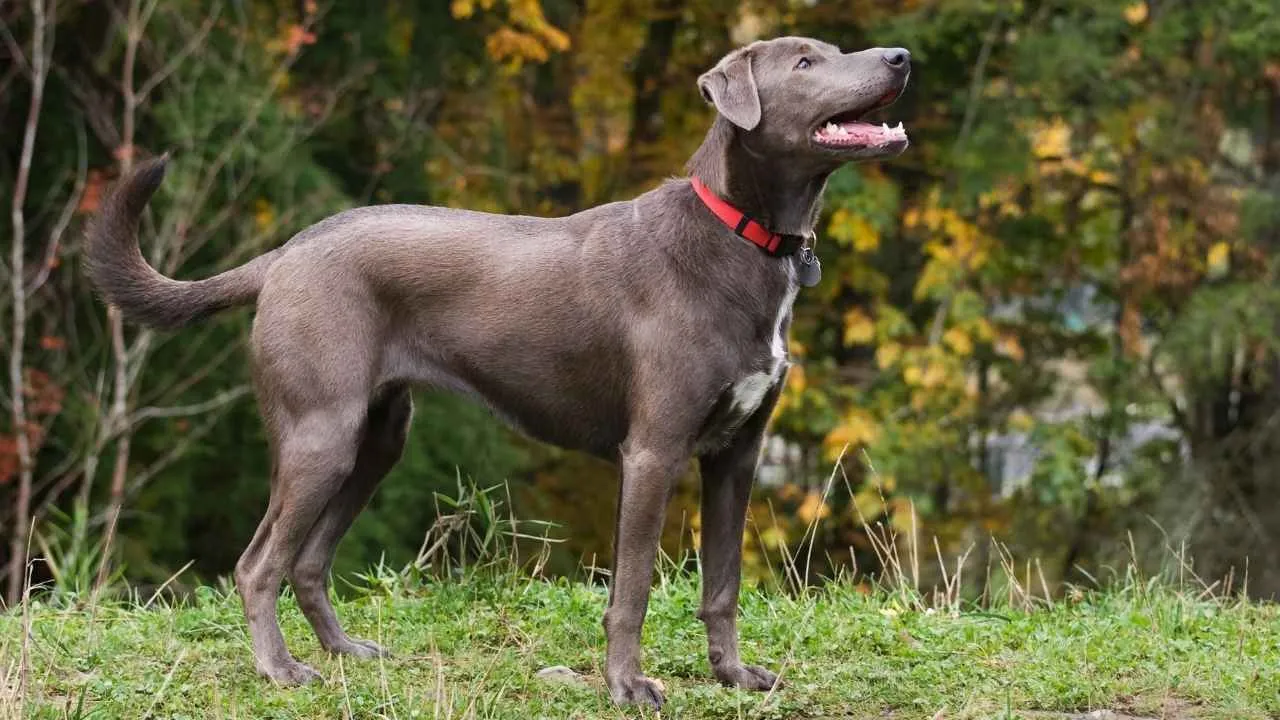
The Blue Lacy developed in Texas during the mid-19th century and later earned the special distinction of becoming the state’s official dog, as reported by the UKC.
From its earliest days, this breed was associated with demanding ranch work, where versatility mattered just as much as determination and sound judgment.
Built for Hog Work
When working wild boar, Blue Lacy can stay surprisingly quiet while tracking the animal, only becoming loud once the hog is contained. It keeps the pressure on from there, holding the animal in place until the hunter arrives instead of making immediate physical contact.
Their practical abilities reveal the following details:
They are intelligent and energetic
Compact 25–50 pound frame
Needs proper supervision during play sessions with other animals
Working Beyond the Hunt
Blue Lacy also takes on herding, tracking, agility, flyball, and running trap lines, making full use of its lean frame and impressive stamina. Daily activity usually extends well beyond casual walks, with experts recommending vigorous exercise that can reach around 90 minutes.
- Has very high daily energy needs
- Needs challenging physical activities
- Thrives with training and working tasks
- Requires regular mental stimulation
- Best for highly active households
4. Álano Español
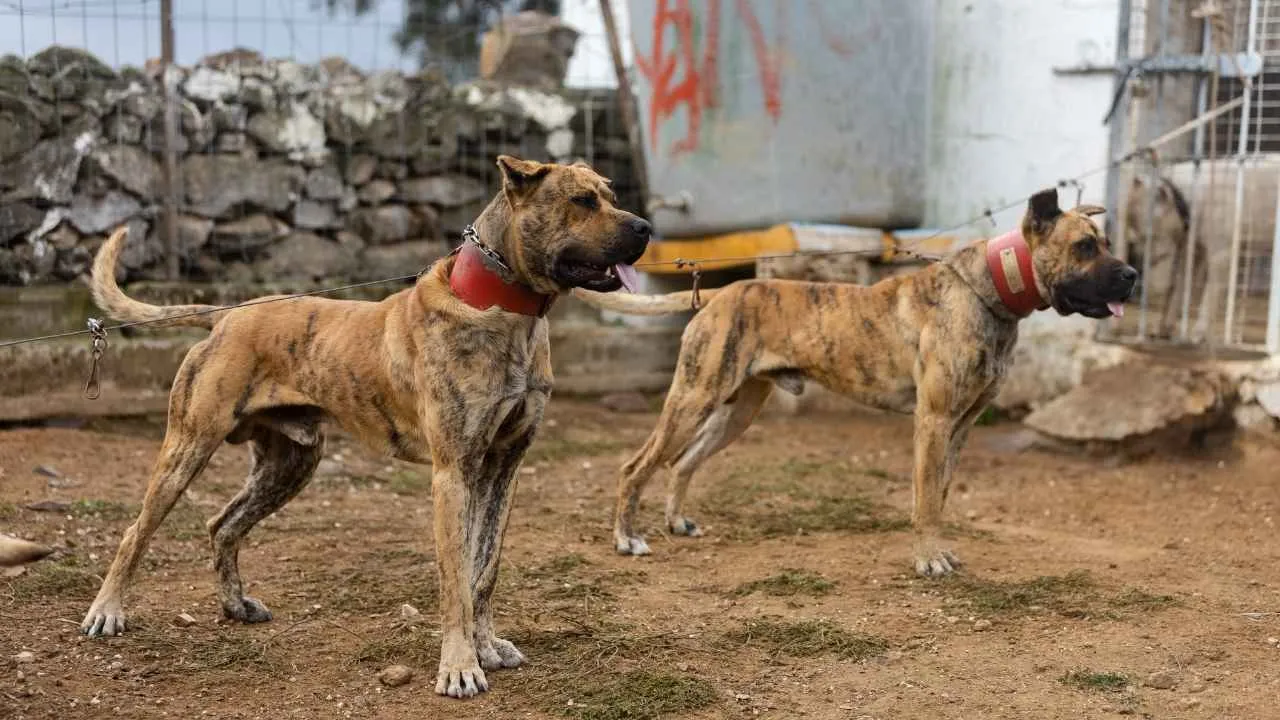
In Spain, the Álano Español served on expeditions that carried conquistadors across the Americas. Its working life later took a demanding turn, with the breed hunting wild boar and helping to control powerful bulls while navigating difficult, challenging landscapes.
The Catch Dog
This hog dog did not search for game or force boars into the open. Instead, it waited until the animal was brought under control, then rushed in to seize the ear or snout with exceptional jaw strength, holding firmly until the hunter reached the scene.
That role depended on several remarkable abilities:
Extremely high pain tolerance
Approach familiar people with loyalty
Intelligent and have strong protective instincts
Built for Pressure
Álano Español combines a broad chest, muscular frame, and strong legs that support both speed and lasting endurance during physically demanding work. Its composed nature allows it to remain focused in tense situations, while consistent and patient training helps shape that natural confidence.
- Requires confident and consistent handling
- Needs early socialization
- Has strong protective instincts
- Powerful build requires responsible management
- Better suited to experienced dog owners
5. Kai Ken
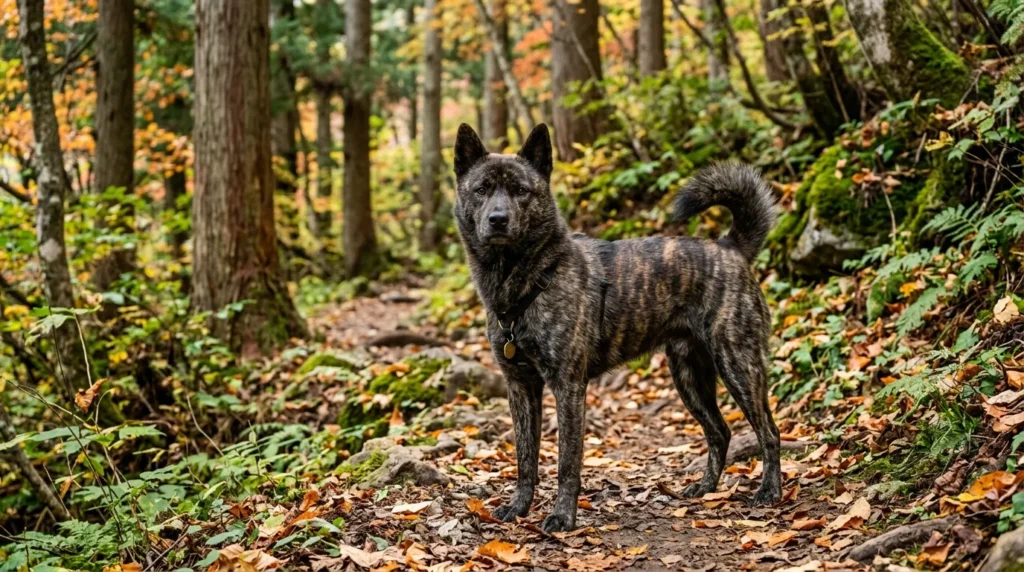
Kai Ken first appeared in Japan’s mountainous Kai region of Yamanashi Prefecture, where steep slopes and dense forests shaped its earliest purpose. For generations, this breed hunted wild boar, deer, and other game across rugged country that demanded confident footing and steady determination.
Built for the Chase
Kai Ken tackles rough landscapes with impressive balance, using rocky ledges, river crossings, and steep inclines to keep pace with fast-moving quarry. Even when a scent becomes difficult to follow, this breed continues tracking with remarkable persistence over long distances.
Some more details about their working nature:
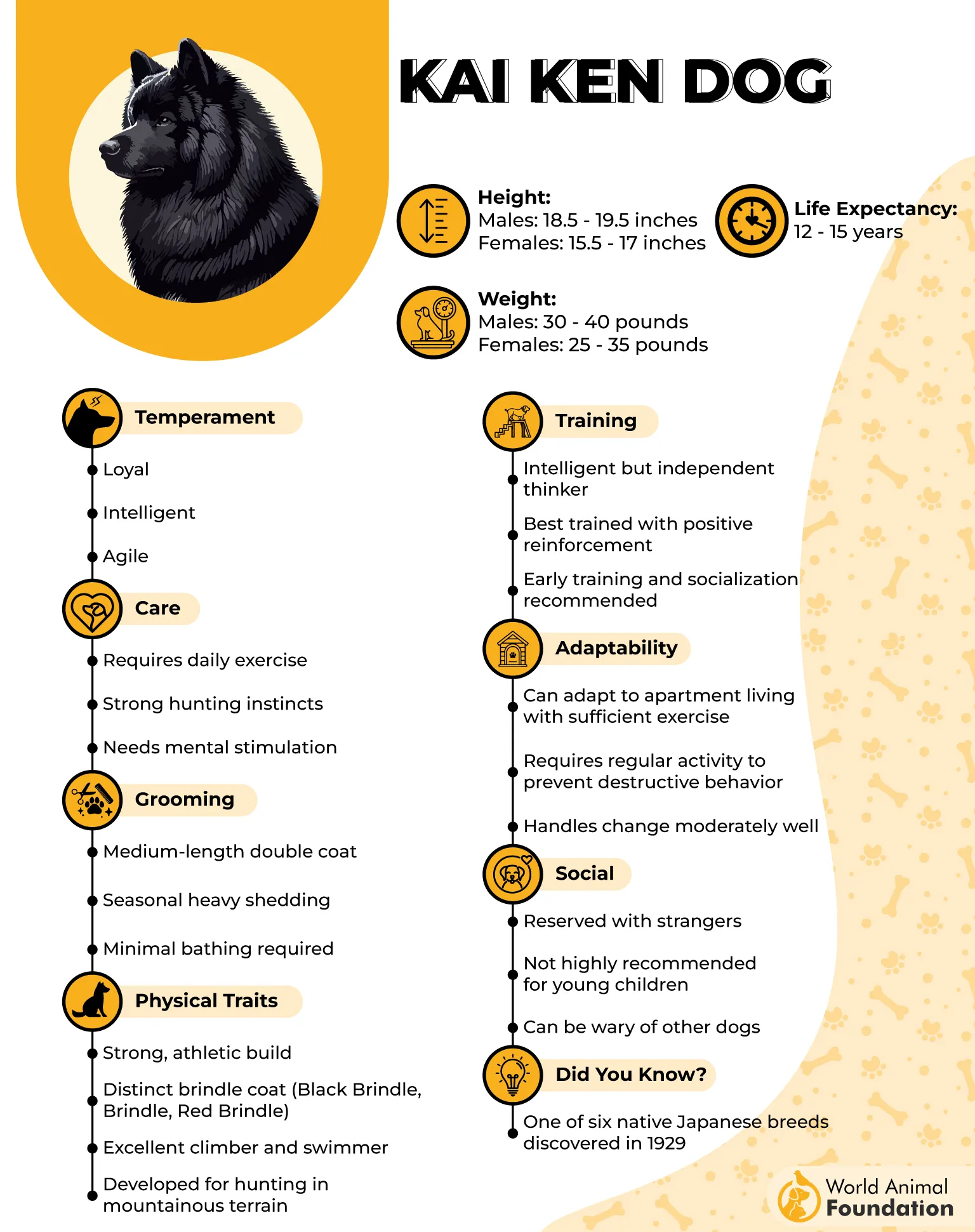
One of Japan’s six native spitz breeds
Keeps a calm, clean manner indoors
Nicknamed the “Tiger Dog” for its brindle coat
Natural Instincts
Kai Ken combines sharp awareness with an independent mind, yet still responds willingly when working alongside a trusted handler. Small, fast-moving animals can quickly capture its attention, while unfamiliar people are often greeted with quiet caution instead of immediate friendliness.
- Has strong natural hunting instincts
- Can be independent in decision-making
- Requires secure exercise areas
- May show strong interest in small animals
- Responds best to patient, consistent training
6. Transylvanian Hound
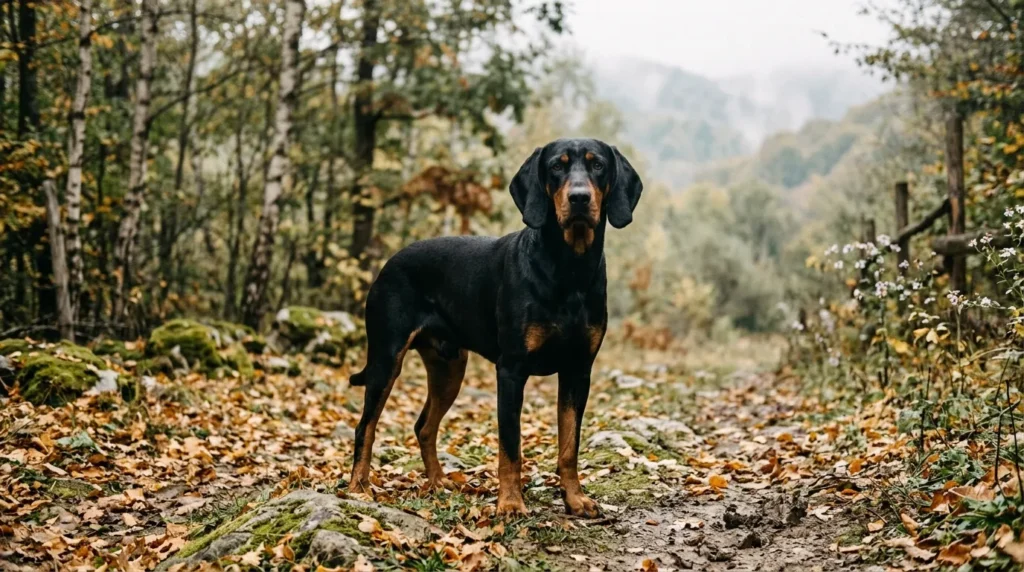
Transylvanian Hound emerged in the rugged Carpathian forests, where the demanding landscape and changing climate shaped this ancient Hungarian hunting breed. Its lean, athletic frame and balanced structure reflect generations of work across steep slopes, dense woodland, and uneven ground.
Built for the Hunt
They rely on an exceptional sense of smell to locate wild boar hidden deep inside thick forests before following the trail over long distances. Once the animal slowed, the dogs surrounded it while giving a clear, high-pitched voice that guided hunters directly to the scene.
Their working efficiencies are listed here:
Hunts alone or in a pack
Also capable of game retrieval
Steady, efficient trotting pace
Beyond the Forest
Transylvanian Hound also fits comfortably into family life through its playful and friendly personality while remaining an alert guardian around the home. Its intelligence grew from generations of solving problems during distant trail work, giving this breed a thoughtful approach to unfamiliar situations.
- Needs plenty of regular exercise
- Enjoys exploring and scent-based activities
- Requires mental challenges to stay engaged
- Has an independent problem-solving nature
- Best suited to an active outdoor lifestyle
7. Black Mouth Cur
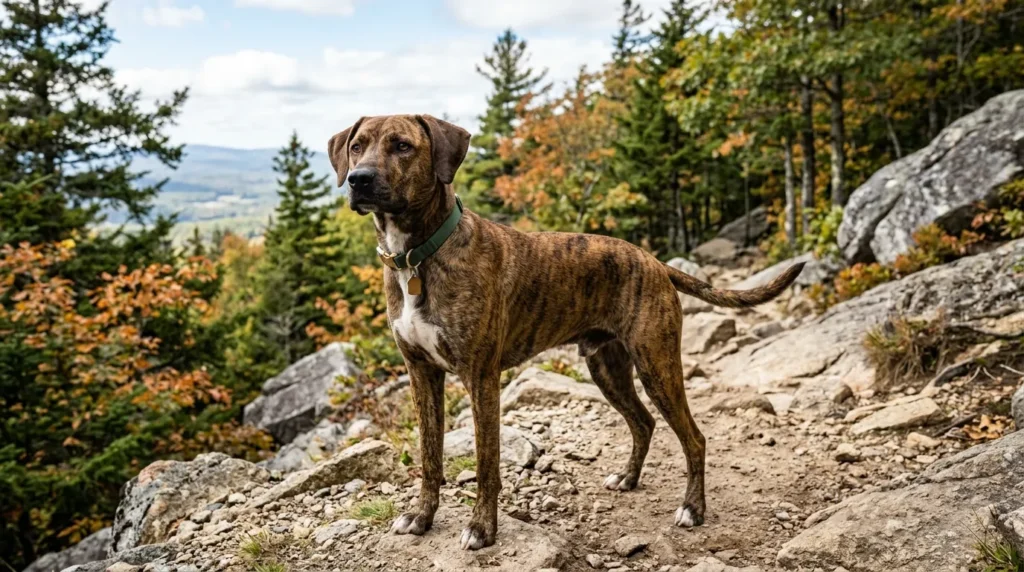
The Black Mouth Cur earned its place among working dogs in the southern United States by handling the everyday jobs early settlers needed help with. Hunting was part of the picture, but so were guarding homes, watching livestock, and helping with ranch tasks across rugged countryside.
Boar Hunting Skills
This hog hunter breed approaches wild boar hunting with a clear sequence rather than rushing into danger. It first follows fresh scent trails through dense cover, then uses persistent baying to hold the boar in place before stepping in to grip the animal only when necessary.
Each step highlights a different working ability:
Need at least an hour of daily activity
Able to run miles for hunt
Need appropriate introduction with other animals
Driven Every Day
Black Mouth Cur responds well to varied challenges, including agility, obedience, rally, swimming, and nose work with puzzle toys on rainy days. Open land provides room to explore, while structured activities give this energetic breed productive ways to use both its mind and physical ability.
- Needs at least an hour of daily activity
- Benefits from varied physical challenges
- Requires regular mental stimulation
- Needs careful introductions to other animals
- Best for owners who can provide structure
8. Dogo Argentino
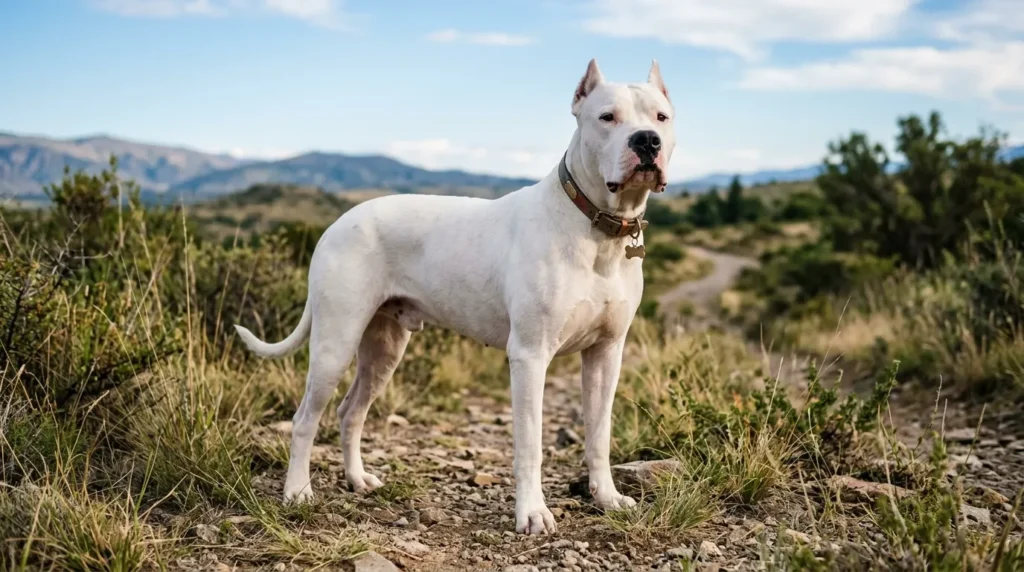
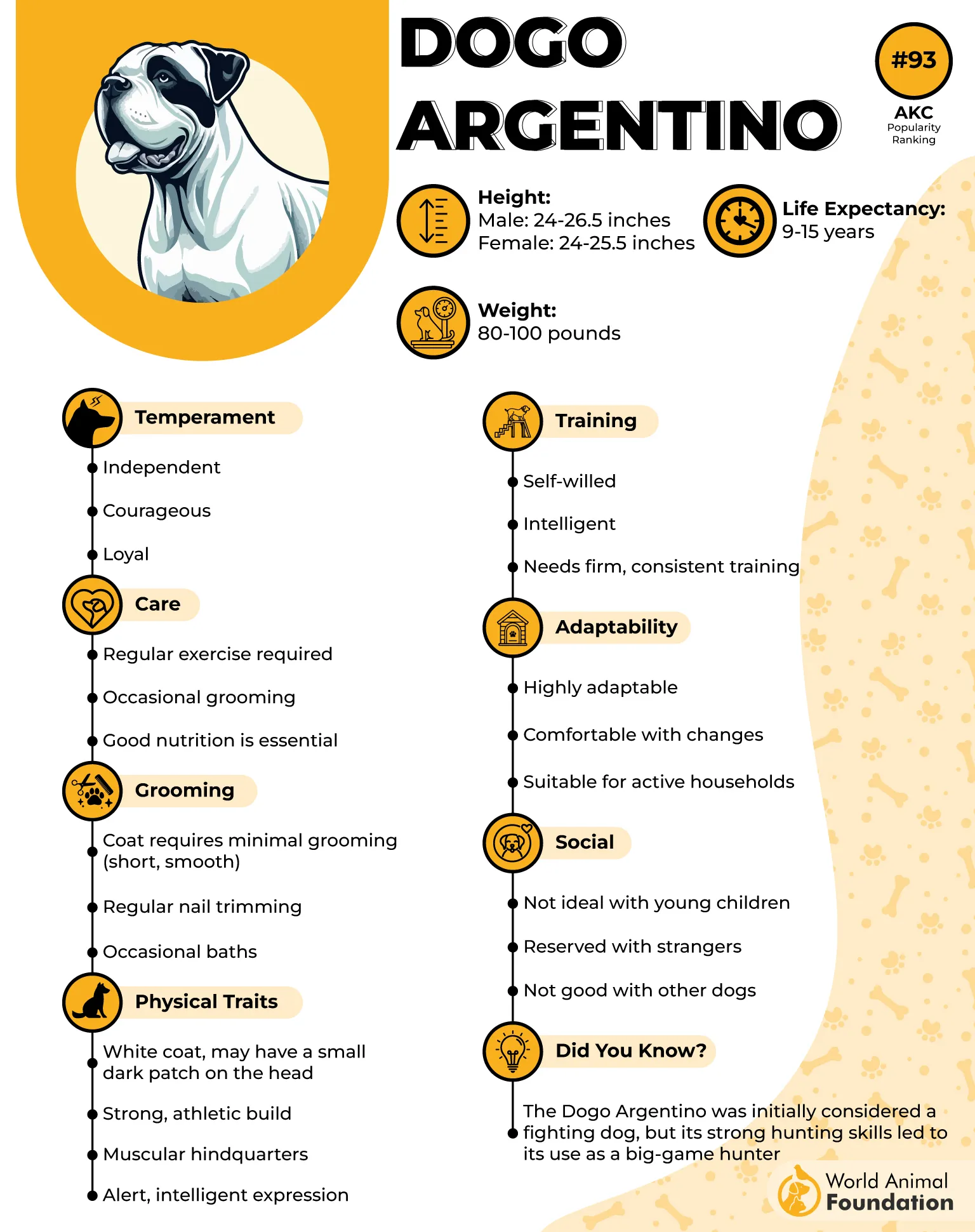
Argentina gave rise to the Dogo Argentino as hunters sought a capable dog for pursuing formidable game such as wild boar and puma. From its earliest role, the breed was intended to work in coordinated hunting groups where courage, athletic ability, and sharp judgment mattered every step of the way.
Face-to-Face With the Quarry
When the final confrontation begins, this breed grips the boar around the head or neck instead of attempting to kill it outright. That approach limits the animal’s movement, conserves the dog’s energy during extended struggles, and gives the rest of the hunting team valuable time to respond.
These working details make that role easier to understand:
Jaw pressure near 500 PSI
Often works after tracker hounds
Easy to identify with its short, smooth white coat
Built for the Challenge
Dogo Argentino combines a powerful frame with straight forelegs, muscular hindquarters, and the agility needed for demanding pursuits across difficult ground. A keen nose, strong lungs, and an alert expression complement the physical qualities expected from a serious hunting dog.
- Requires experienced and responsible handling
- Needs consistent obedience training
- Early socialization is especially important
- Powerful athletic build needs regular exercise
- Requires secure and controlled management
9. Karelian Bear Dog
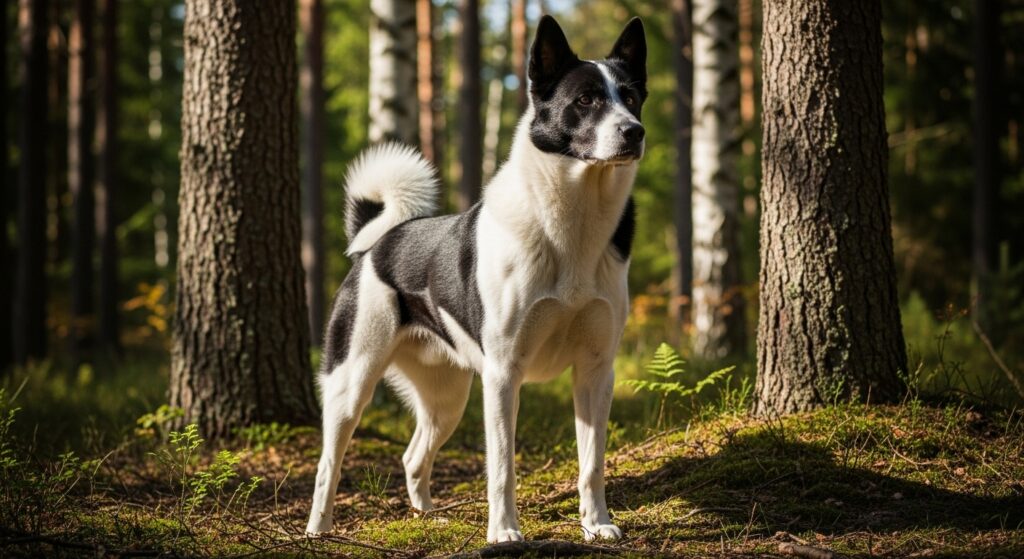
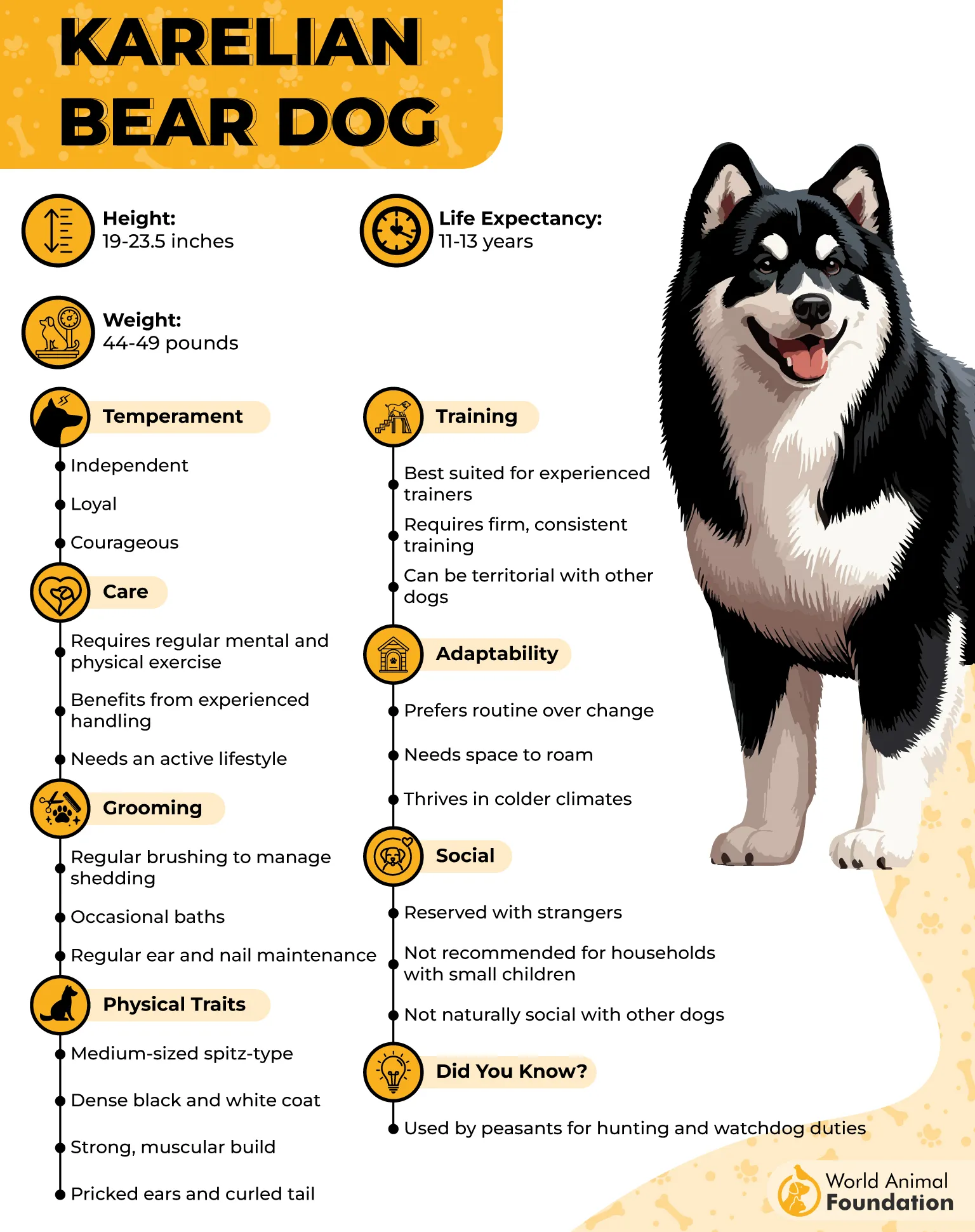
Karelian Bear Dog comes from the rugged forests of the Karelia region, where generations of selective breeding shaped a determined hunting companion with a sturdy frame and upright ears. Its medium size, thick coat, and solid build suited the demanding conditions of northern woodland terrain.
Fearless in the Hunt
They approach wild boar with a method that relies on precision instead of rushing forward. It first follows the scent quietly through dense cover, then uses forceful barking to hold the boar’s attention while quick footwork helps it avoid dangerous tusk charges.
The following details add another layer to its working style:
Effective against moose and roe deer
Powerful scissor bite
Excels in dense undergrowth
Life Beyond the Forest
Karelian Bear Dog enjoys long walks, running inside a securely fenced area, chasing a Frisbee or ball, and participating in activities such as agility or rally events. A strong prey drive also means this breed often does best without smaller household pets sharing the same space.
- Has a strong prey drive
- Needs substantial daily exercise
- Requires secure fencing and supervision
- May not suit homes with smaller pets
- Best with active and experienced owners
Conclusion
Wild boar hunting asks a great deal from every dog that enters the field. Endurance, clear judgment, confidence, and the willingness to keep working through difficult situations all play an important role. Selecting among the best dog breeds for hunting wild hogs creates a stronger foundation before training even begins.
From there, experience, consistency, and time spent hunting together shape a partnership that grows more dependable with every season. A responsible dog owner also recognizes that many of these capable hunters can become devoted family dogs when their exercise, training, and social needs are consistently met.
