




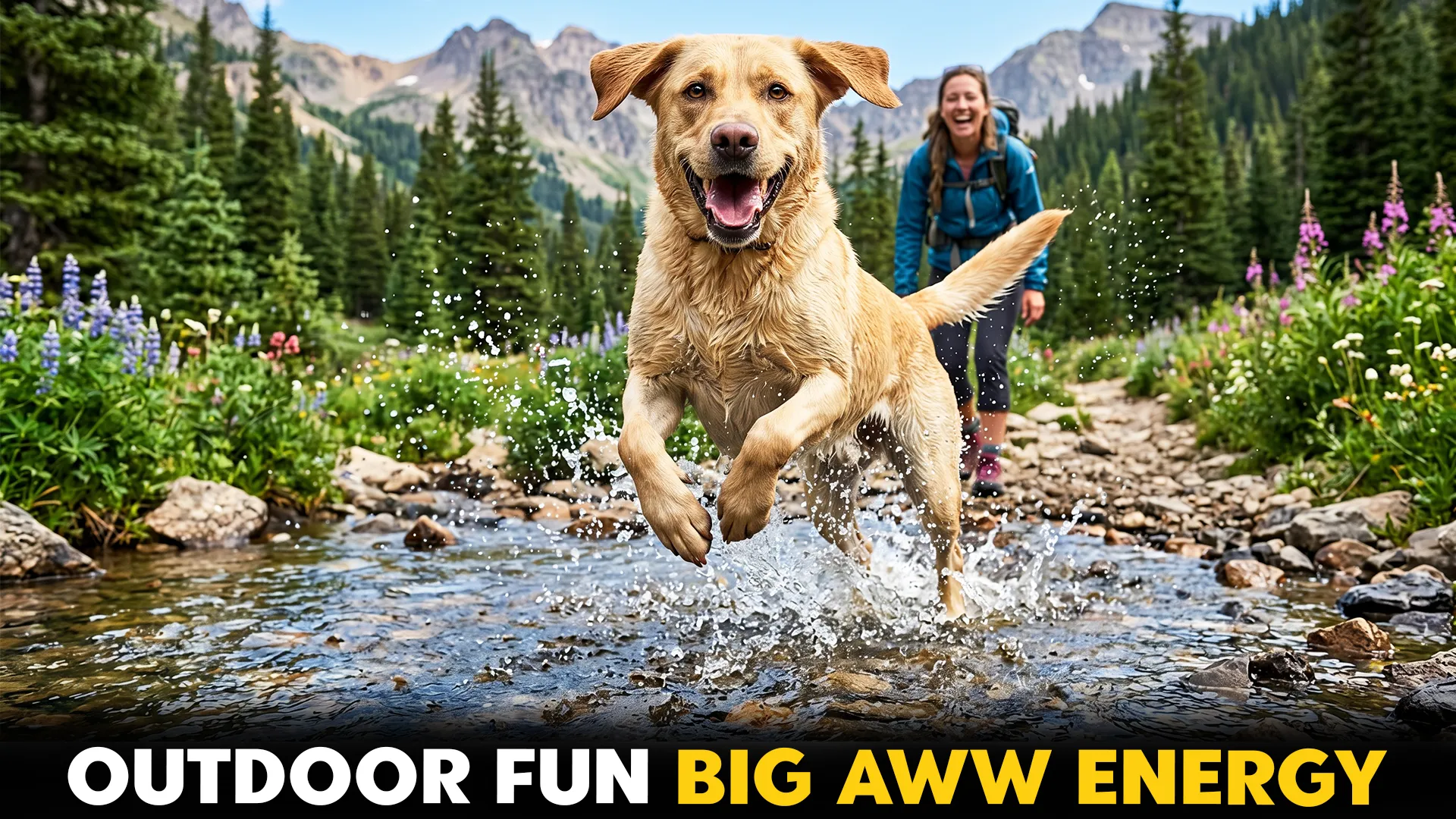
There’s something special about stepping into the wild with a dog by your side. Whether it’s a forest trail, a snowy mountain path, or a long open stretch of countryside, some dogs don’t just enjoy these moments—they live for them.
Not all dogs are built the same when it comes to endurance and outdoor life. Some are naturally wired for stamina, problem-solving, and movement, often developed over generations for working roles like herding, hunting, or pulling sleds.
If your idea of fun includes hiking, running trails, exploring rugged terrain, or even just spending long hours outside, the right dog can completely elevate that experience.
But choosing wisely matters—an active lifestyle calls for a companion that can match your pace, adapt to different environments, and stay mentally engaged along the way.
In this article, we’ll explore some of the best dog breeds for outdoor adventures and fun, and what makes them such incredible outdoor partners.
Key Takeaways
Meet dogs built for the wild, not just walks, with endless energy for trails, hikes, and outdoor fun.
See how each breed changes your adventure, from solo explorers to always-close companions.
From Siberian Huskies to Australian Shepherds, Labrador Retrievers, German Shorthaired Pointers, Vizslas, and more, find your perfect match.
Learn what it takes to keep up, so every outdoor trip feels like a shared adventure, not a struggle.
Top Dog Breeds for Wilderness Adventures and Fun
1. Siberian Husky
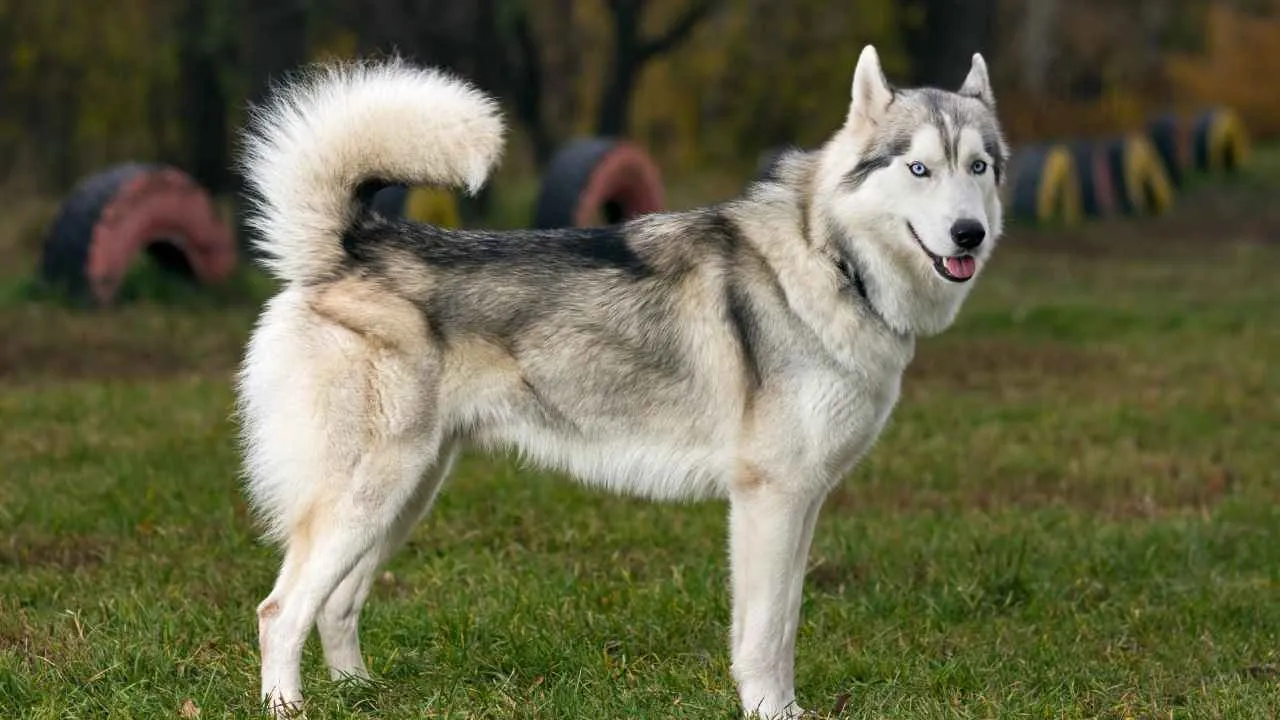
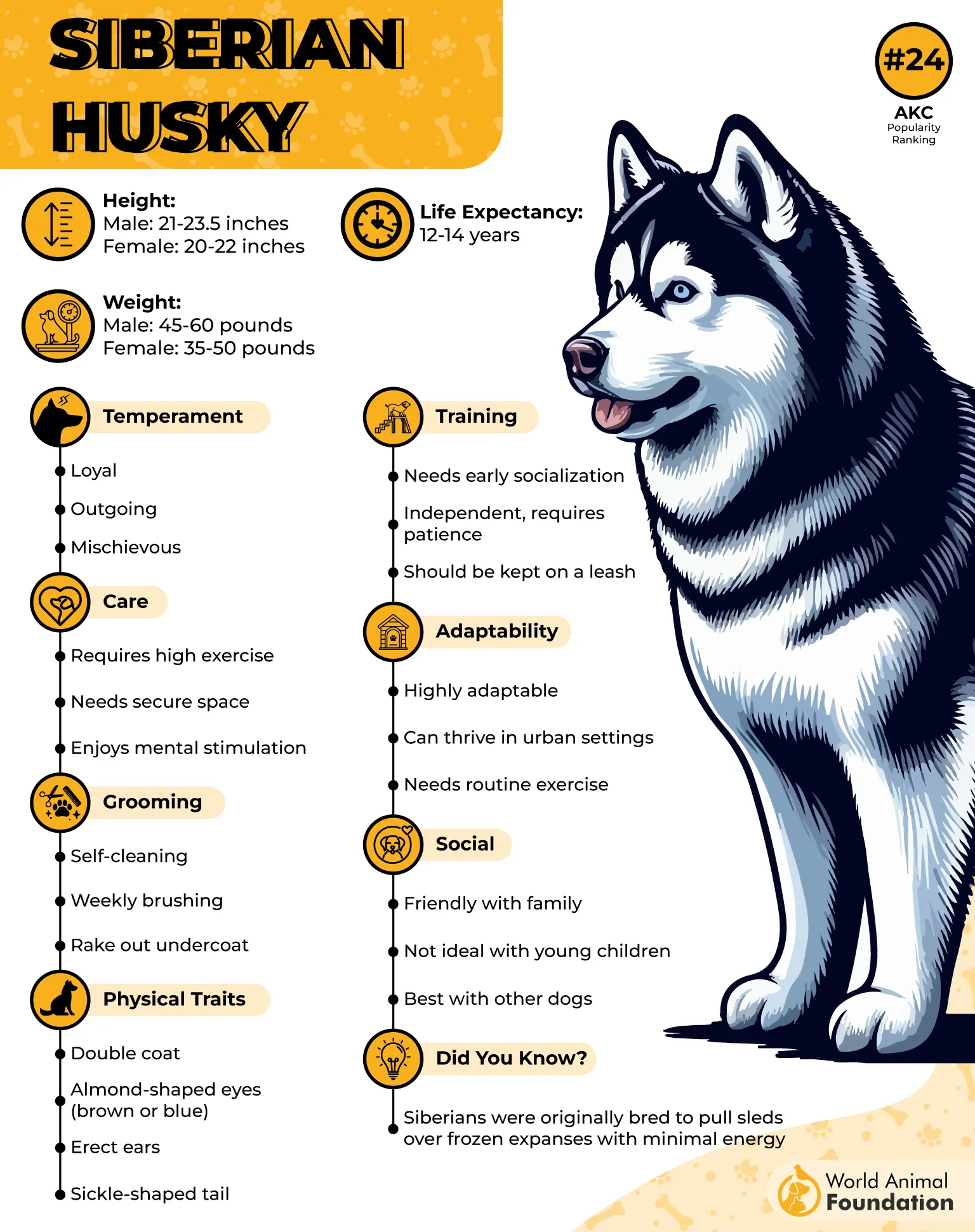
Siberian Huskies are active, playful, and highly independent dogs. They are friendly toward strangers and usually get along well with other dogs and pets. Because of their outgoing nature, they are not good guard dogs. They enjoy being around people of all ages and love social interaction.
However, they do not like being left alone for long periods and can become restless without company. They are very vocal dogs, often “talking” through howls, chirps, and unique sounds instead of barking.
Behavior & Training Traits
Huskies are intelligent but strong-willed, which can make training challenging. They are independent thinkers and may not always follow commands easily. If not trained early, they can develop problems like chewing, excessive vocalization, and destructive behavior due to boredom.
They are also known escape artists and can find creative ways to get out of yards. They respond best to early socialization and consistent, patient training using gentle methods like fear-free approaches.
Activity Needs & Outdoor Lifestyle
Huskies have very high energy levels and need daily physical and mental stimulation. They thrive in active homes where they can run, explore, and stay engaged.
Without enough activity, they can become bored and destructive, as mentioned by PetMD. They are best suited for outdoor-loving owners who enjoy hiking, trekking, or other adventures.
With proper structure and an active lifestyle, Huskies become loyal and exciting companions who truly enjoy wilderness adventures.
2. Australian Shepherd
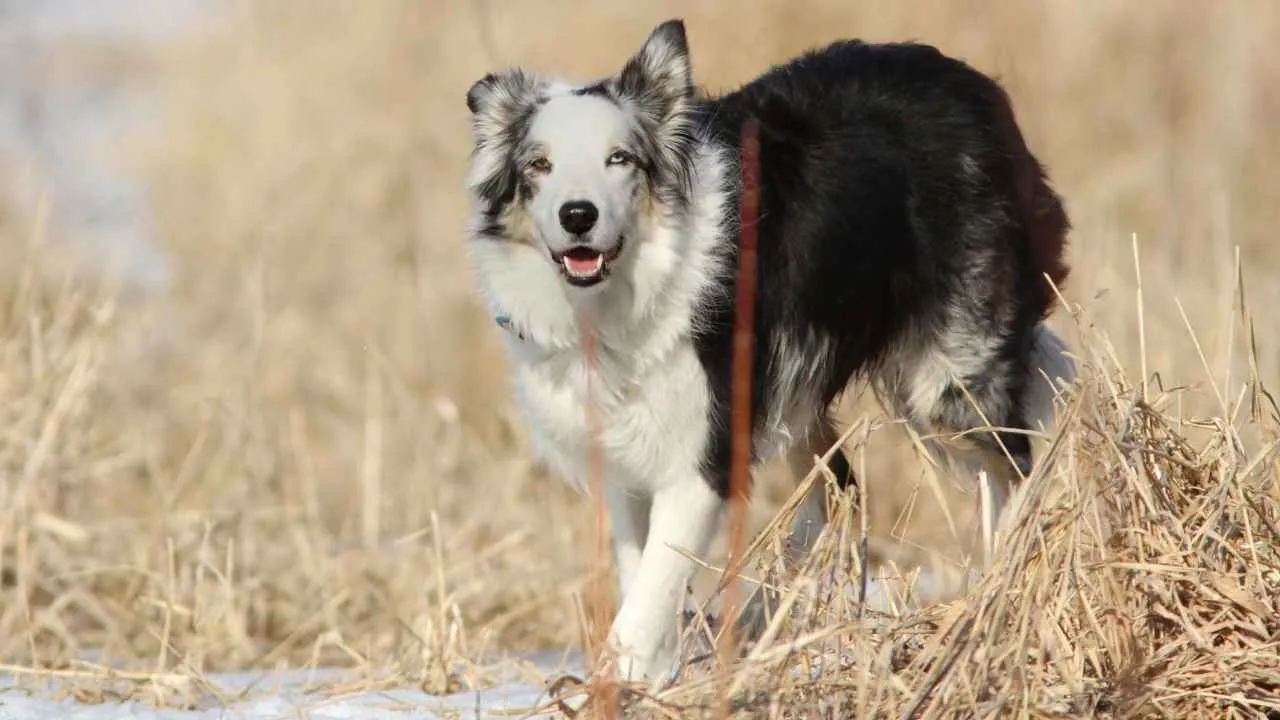
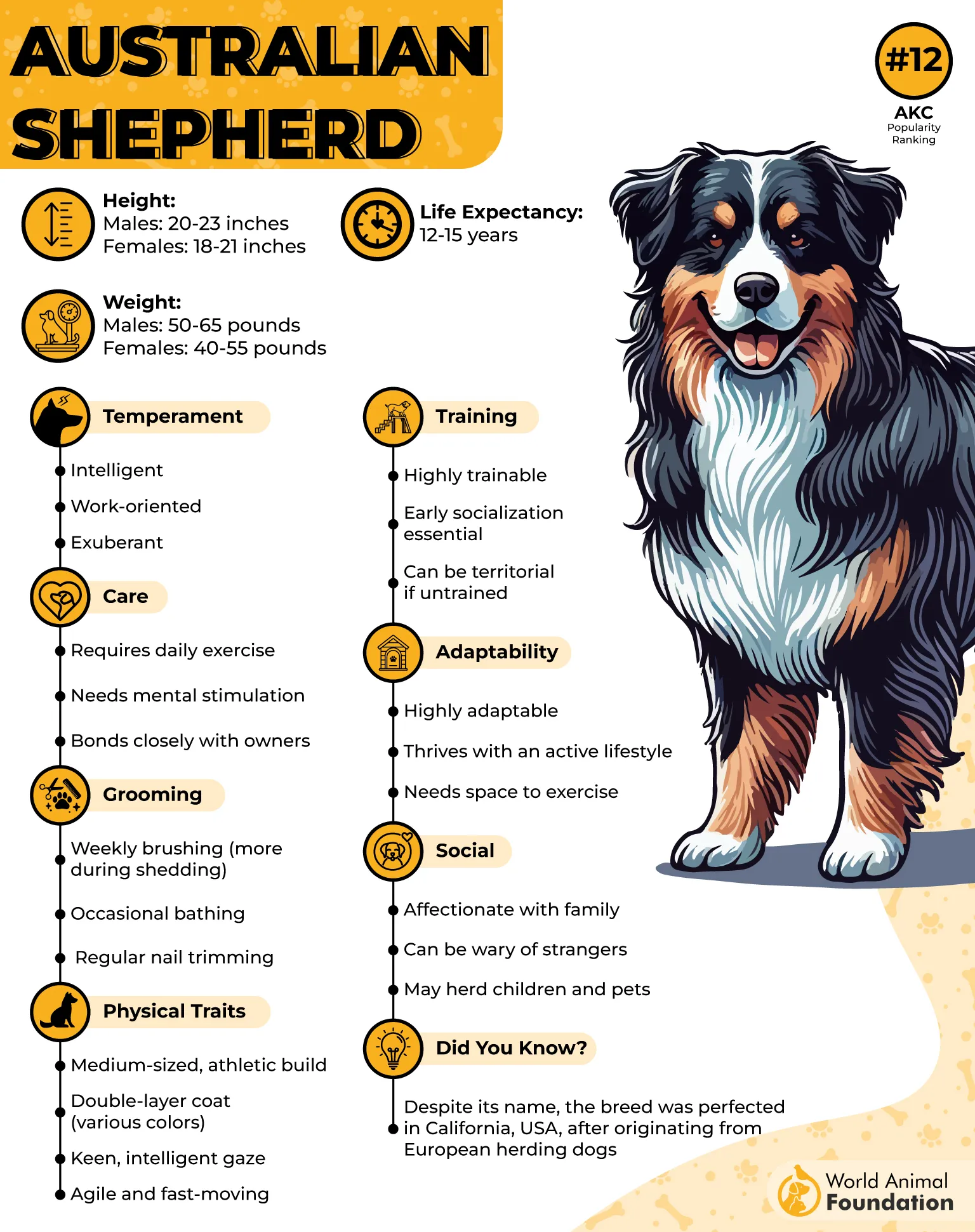
Australian Shepherds are smart, work-oriented, and energetic dogs with strong herding instincts. They are typically even-tempered and loyal, but may take time to warm up to strangers. Many are friendly once they feel comfortable, especially with proper socialization from an early age.
Their natural drive to herd can make them try to guide or chase moving things, including children, other animals, or fast-moving objects. However, with proper training, they can live well with families, children, and other pets.
Behavior & Working Instincts
These dogs are highly intelligent and love having a job to do. They were originally bred as working dogs and still show a strong need to stay mentally and physically engaged.
Because of their herding background, they often enjoy games like fetch, but may also try to chase movement if not properly trained.
Without enough structure and stimulation, they can develop unwanted behaviors such as digging or chewing. Early socialization is important to help them manage their instincts and adapt well to different environments.
Activity Needs & Outdoor Lifestyle
Australian Shepherds are extremely active and require a lot of daily exercise. They enjoy long walks, hikes, running, and outdoor activities with their owners.
They also perform very well in canine sports like agility, obedience, and herding competitions. Their energy levels stay high into adulthood, so they need consistent physical and mental stimulation throughout life.
3. Labrador Retriever
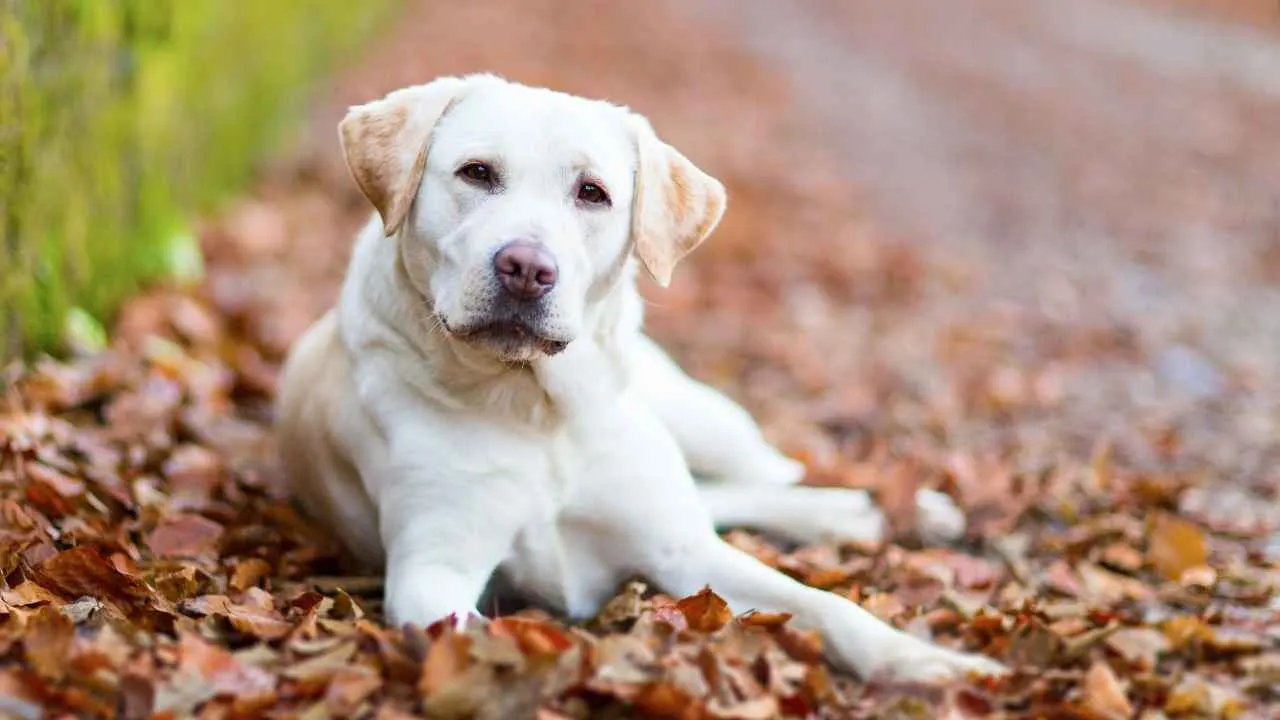
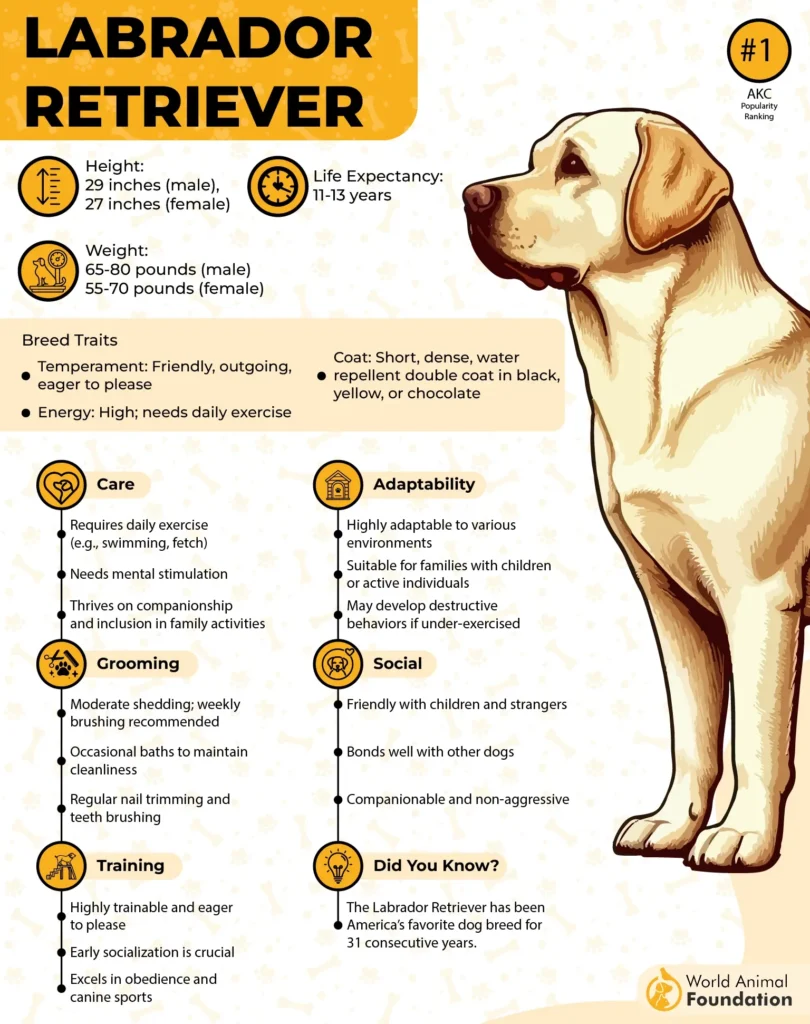
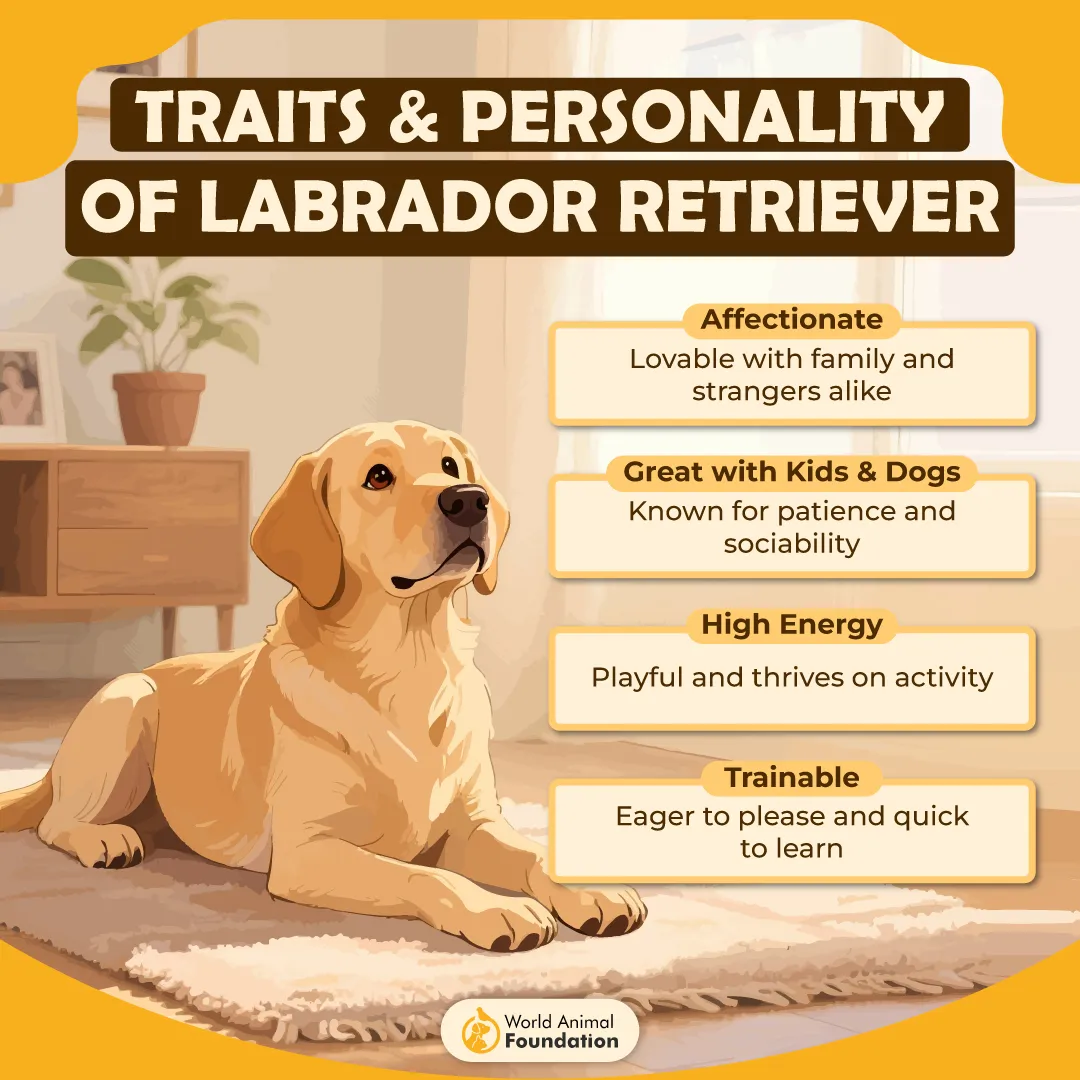
Labrador Retrievers are friendly, outgoing, and highly affectionate dogs. They are known for their gentle nature and usually get along very well with children, other dogs, and other pets, according to Hill’s Pet.
This makes them excellent companions for active families. They enjoy being around people and often do not adapt well to being left alone for long periods. Their loving and social personality makes them a popular choice for active households.
Behavior & Training Traits
Labradors are intelligent and generally easy to train because they enjoy working with people. However, they are strong dogs and need early obedience training, especially to prevent pulling on the leash. Their natural enthusiasm can make them overly energetic if not guided properly.
Without enough exercise or structure, they may develop destructive habits such as chewing, digging, or excessive barking. Their strong retrieving instinct can also lead to mouthing behavior, which is often managed by giving them toys to carry.
Activity Needs & Outdoor Lifestyle
Labrador Retrievers are active sporting dogs that require regular exercise and mental stimulation. They love outdoor activities like hiking, running, swimming, and long games of fetch.
Their energy levels vary by line, with some needing more intense activity than others, but all require daily movement to stay healthy. They also shed heavily due to their double coat and need regular grooming.
4. German Shorthaired Pointer
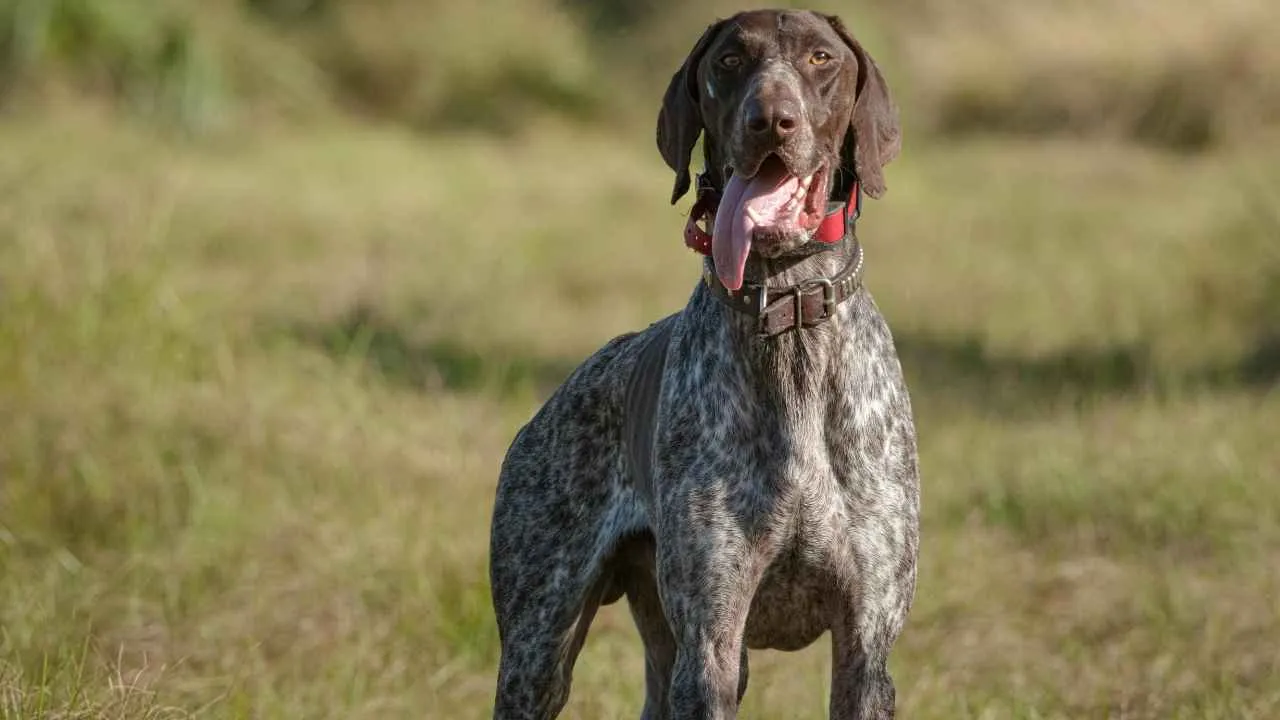
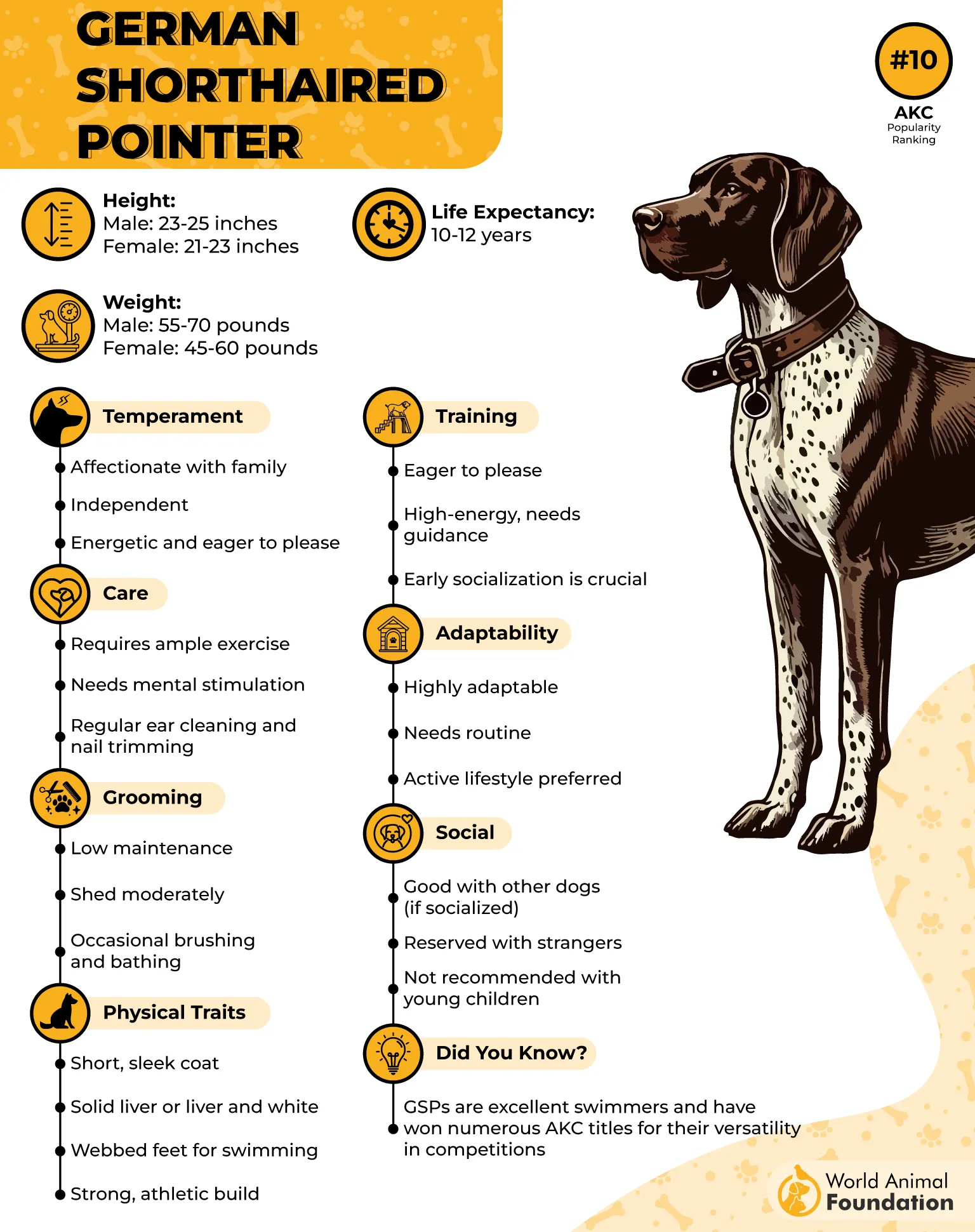
German Shorthaired Pointers are gentle, loving, and people-oriented dogs. They form strong bonds with their owners and prefer to stay close to their family. They do not like being left alone for long periods and can become anxious without attention.
These dogs are usually loyal and affectionate at home, and they can do well with children and other pets when properly socialized. However, they may not be fully reliable around small fluffy animals or unfamiliar cats due to their instincts.
Behavior & Working Instincts
These dogs are highly intelligent and known for their focus, speed, and great endurance. Originally bred as hunting and working dogs, they are often called “bird dogs” because of their natural ability to locate and point game birds.
They are alert, active, and always ready for a task. Without enough stimulation, they can become restless and may show destructive behavior. They thrive on training, structure, and activities that engage both their mind and body.
Activity Needs & Outdoor Lifestyle
German Shorthaired Pointers have extremely high energy levels and need intense daily exercise. They are not suited for a low-activity lifestyle and require activities like running, hiking, swimming, or agility work to stay balanced.
A simple walk is not enough for them—they need time to truly burn energy. When their needs are met, they are calm, affectionate, and enjoy relaxing with their family.
5. Vizsla
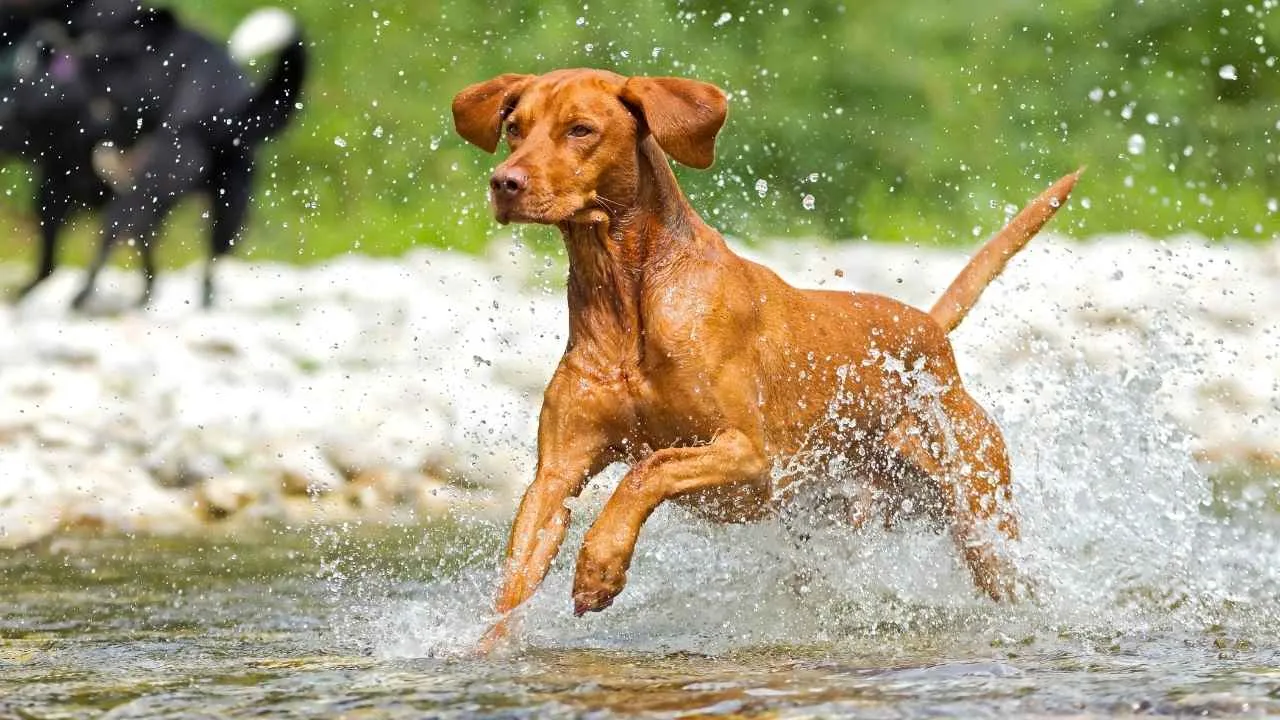
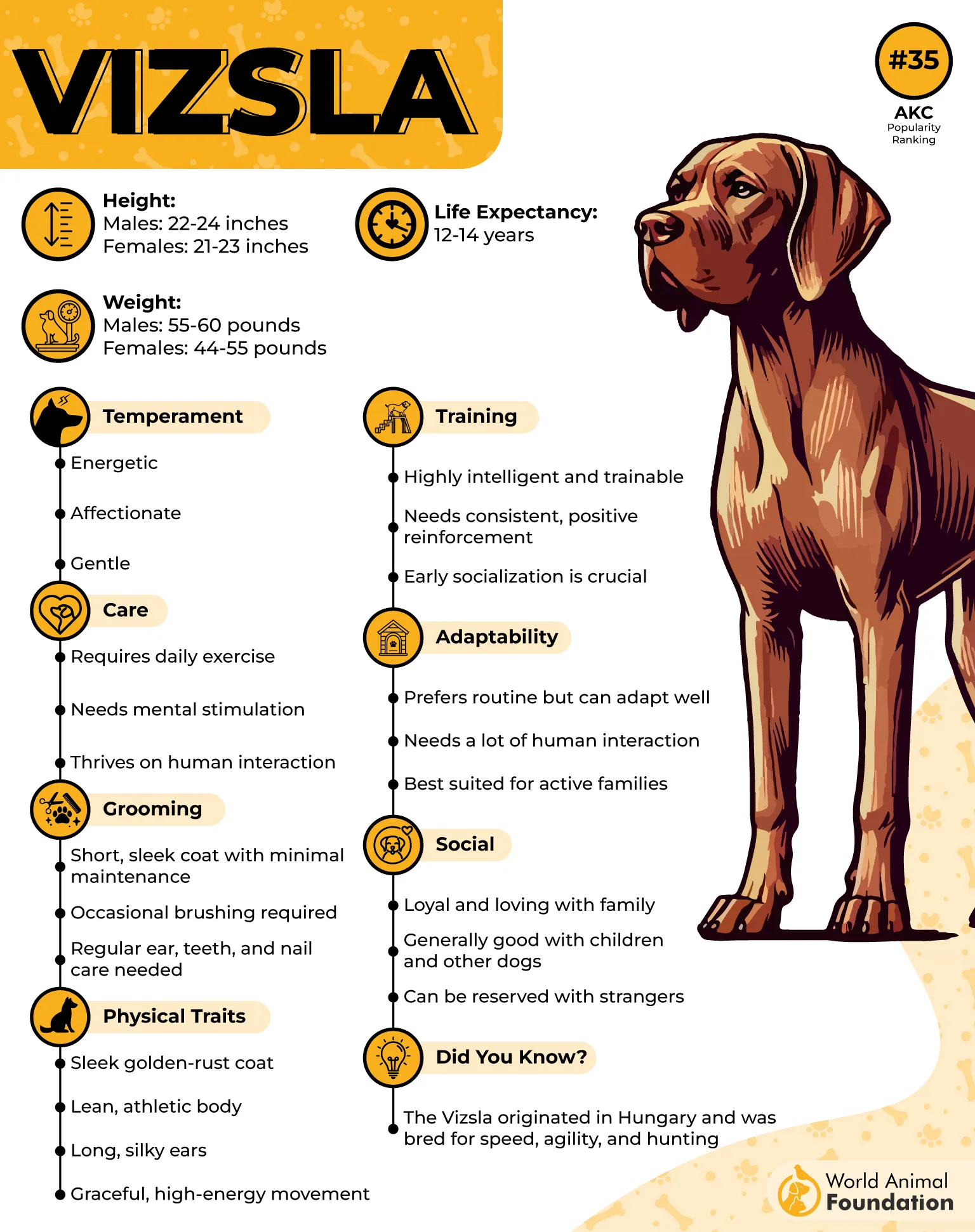
Hungarian Vizslas are affectionate, friendly, and extremely people-oriented dogs. They form very strong bonds with their owners and prefer to stay close at all times, often acting like “shadow” dogs.
Omlet says they are gentle and usually good with children, strangers, and other pets when properly socialized. However, they do not enjoy being left alone and may develop separation anxiety. They are loving family companions but need constant interaction and attention.
Behavior & Training Traits
Vizslas are highly intelligent and sensitive dogs that respond best to gentle, positive reinforcement training. Harsh methods can easily overwhelm them. They are eager to please but can be very energetic and excitable, especially around visitors.
Early socialization is important to help them behave calmly in different situations. Due to their hunting background, they may have a strong instinct to chase small animals, so supervision and training are important around smaller pets.
Activity Needs & Outdoor Lifestyle
Hungarian Vizslas are natural athletes with boundless energy. They need a large amount of daily exercise, including running, jogging, hiking, or swimming.
They are not suitable for low-activity or apartment lifestyles and do best in homes with space or easy access to outdoor areas. Without enough physical and mental stimulation, they can become restless or destructive.
6. Bernese Mountain Dog
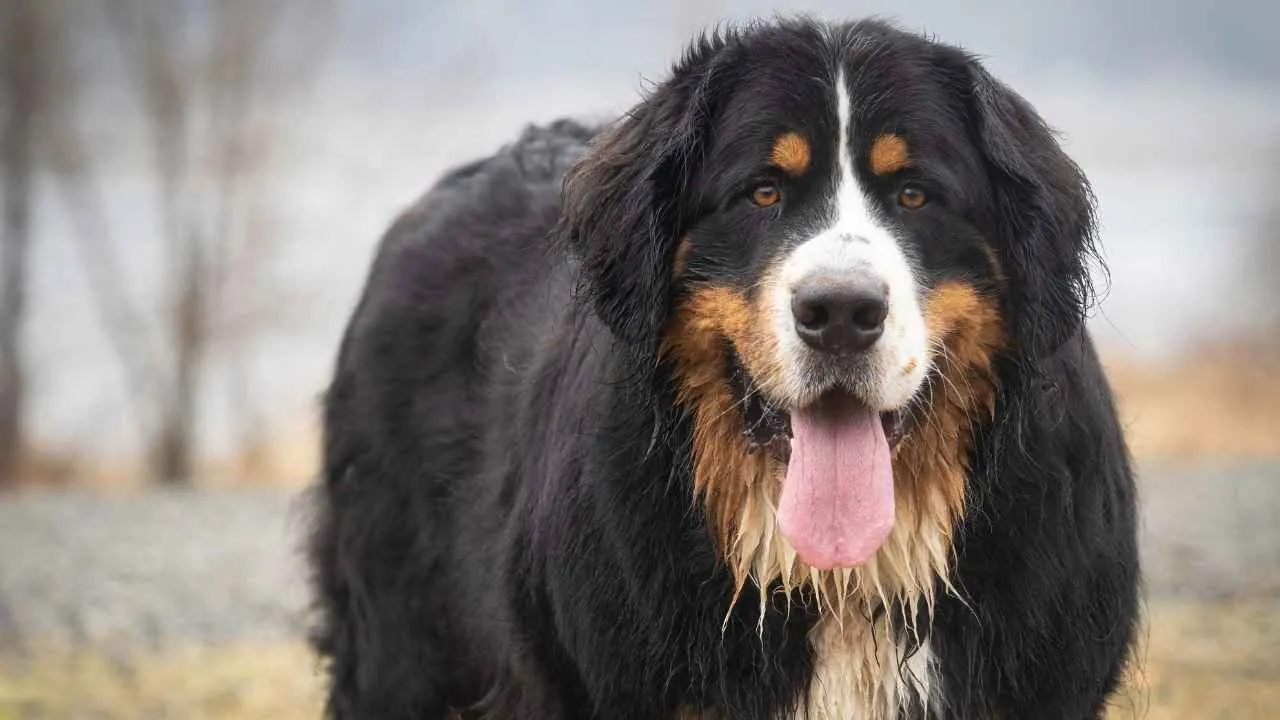
Bernese Mountain Dogs are friendly, affectionate, and calm-natured companions. They thrive in family environments and love being included in daily life. These dogs are social and dislike being left alone for long periods.
They can become more attached to one person, but are generally gentle with the whole family. They are especially patient with children and may even act protectively when needed. With strangers, they are usually calm and slightly reserved, but not aggressive.
Behavior & Personality Traits
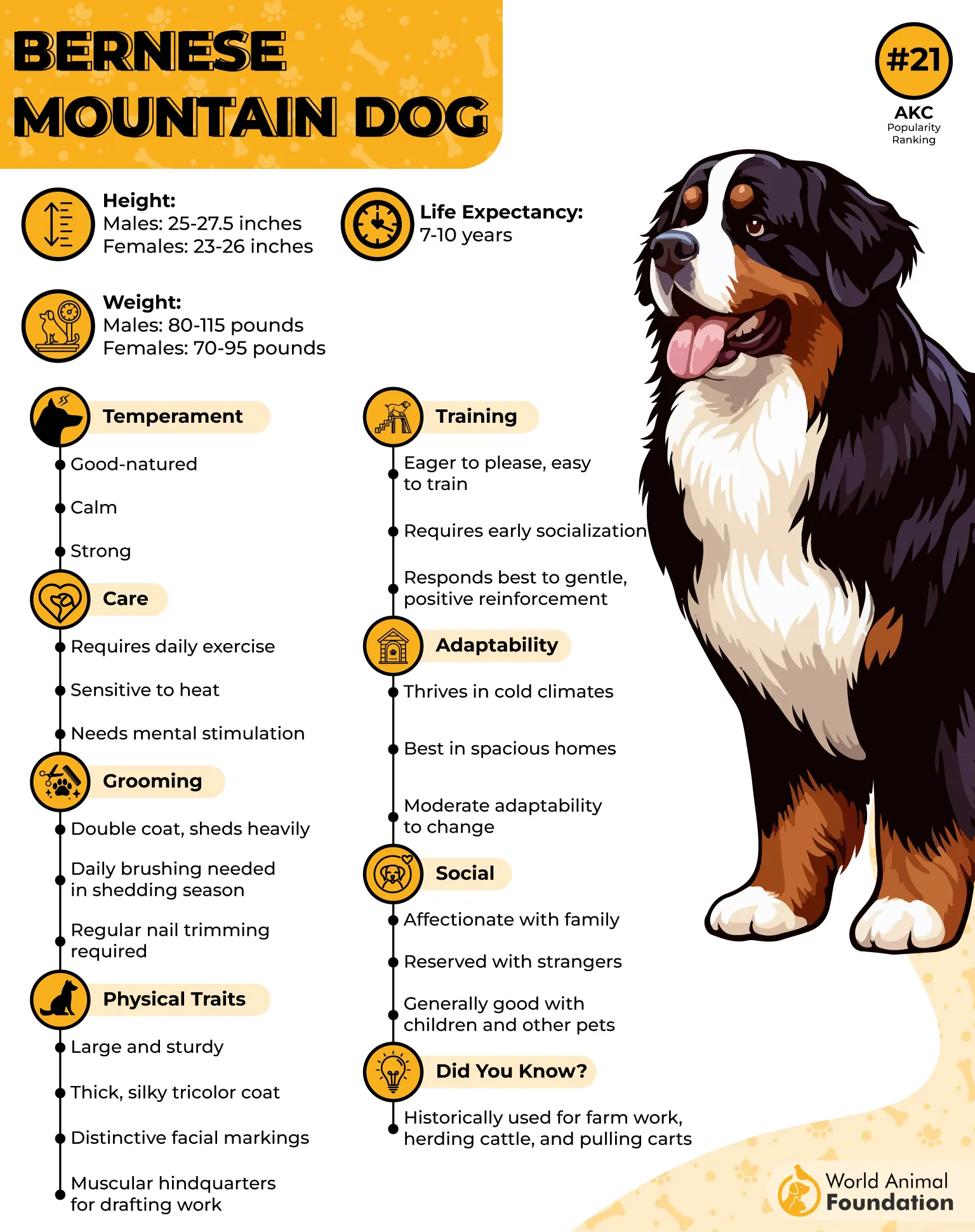
Berners are good-natured, eager to please, and often playful. They enjoy attention and may repeat behaviors if they get a positive reaction. While they are generally calm when well-exercised, they can be energetic and goofy at home.
They are also intelligent working dogs and may try to “find a job” if not given one, often choosing to watch over their family. They can bark to alert their owners to visitors, but usually settle quickly. Early socialization helps them live peacefully with other pets.
Activity Needs & Outdoor Lifestyle
Bernese Mountain Dogs are strong working dogs originally bred for farm work in Switzerland, and are well-suited to cold weather.
They need regular exercise to stay healthy, but are not as high-energy as some other adventure breeds. They enjoy walks, outdoor play, and time with their owners rather than intense sports. Their thick coat sheds heavily and needs regular grooming.
7. Rhodesian Ridgeback
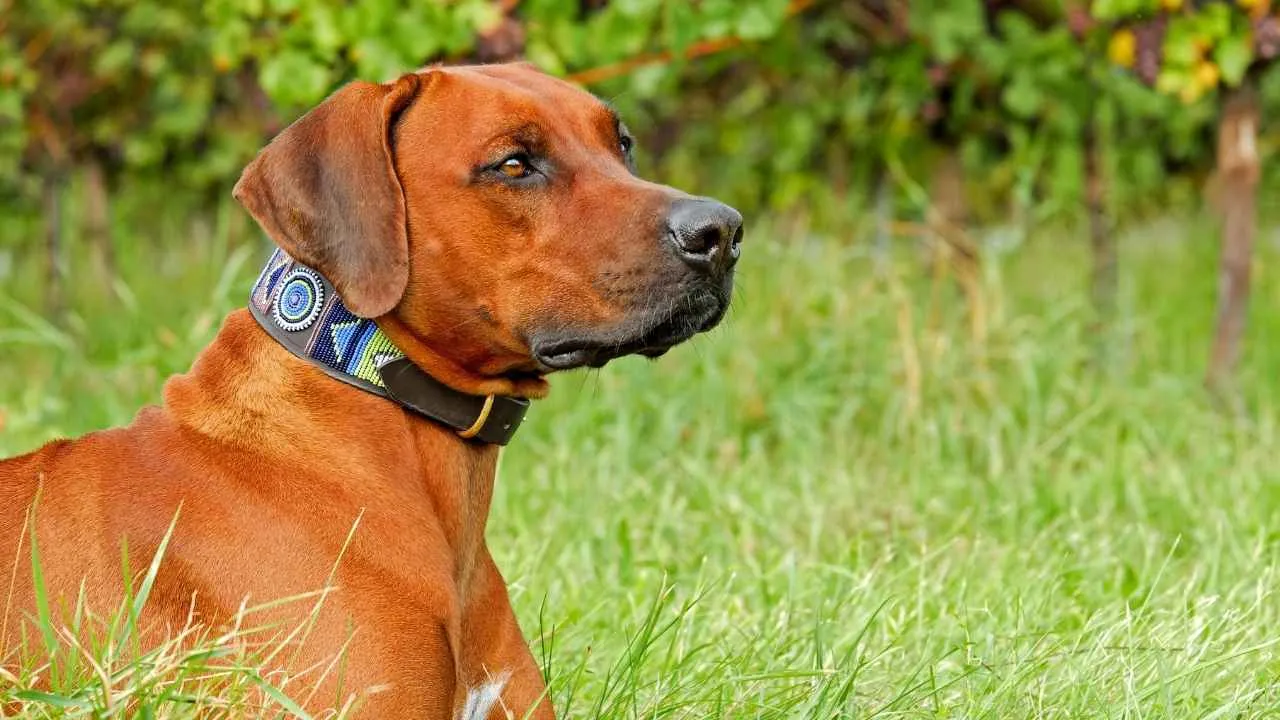
Rhodesian Ridgebacks are strong, intelligent, and independent dogs with a calm but confident personality. They form close bonds with their families and are loyal companions once trust is built. They can be affectionate and gentle at home, especially with people they know well.
However, they may appear reserved or aloof toward strangers due to their natural guarding instincts. They are not overly vocal and tend to stay quiet compared to many other breeds.
Behavior & Instincts
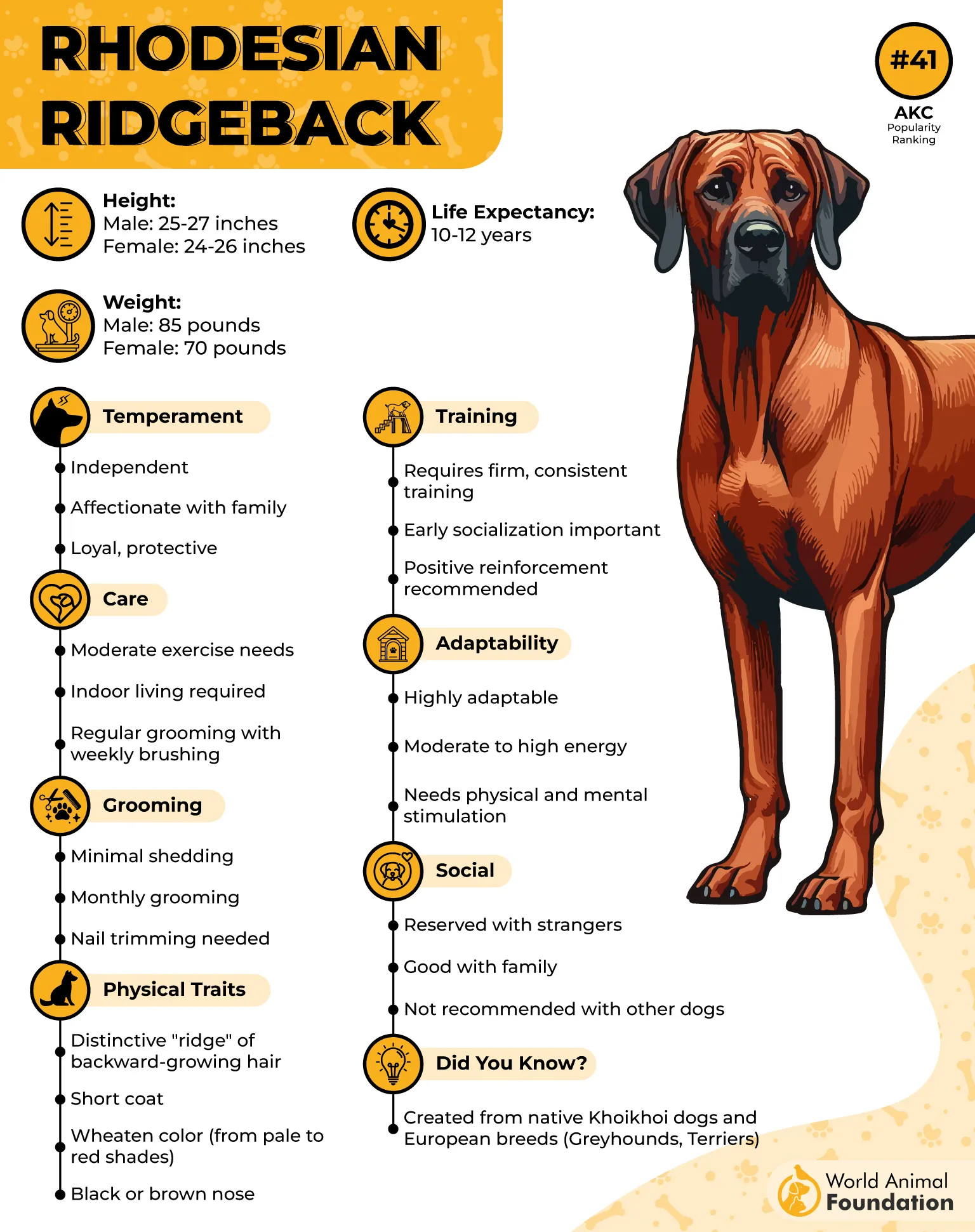
Originally bred in Africa to track and hold large game like lions, Ridgebacks have a very strong prey drive and natural hunting instinct. This makes them alert, focused, and sometimes independent thinkers. They require firm but fair training from an early age, along with consistent socialization.
Without proper structure, they can become stubborn or develop unwanted behaviors such as counter surfing or boredom-driven mischief. They may not be ideal for homes with small pets unless raised carefully with them.
Activity Needs & Outdoor Lifestyle
Rhodesian Ridgebacks are athletic and powerful dogs that need regular exercise and mental challenges to stay balanced. They enjoy running, hiking, and outdoor exploration, and they do best in active households.
A lack of activity can lead to boredom and destructive behavior, so daily engagement is important. When well-exercised, they are calm, quiet, and well-mannered indoors.
Conclusion
Choosing the right dog for wilderness adventures comes down to more than just energy levels—it’s about matching your lifestyle with a companion that can truly keep up. What all these breeds share is a natural love for movement, exploration, and being part of an active human life.
If you’re someone who feels most alive in the great outdoors, the right dog can turn every hike, run, or trail into a shared experience rather than a solo journey.
Take your time, understand each breed’s needs, and choose the one that fits your routine and energy. The best adventure partner isn’t just the one that runs the fastest—it’s the one that happily runs beside you, no matter where the trail leads.
Looking for more dog breeds that are ideally suited for active owners? You can also check out the Alaskan Malamute, Australian Cattle Dog, Golden Retriever, Jack Russell Terrier, Border Collie, Weimaraner, and German Shepherd.
