




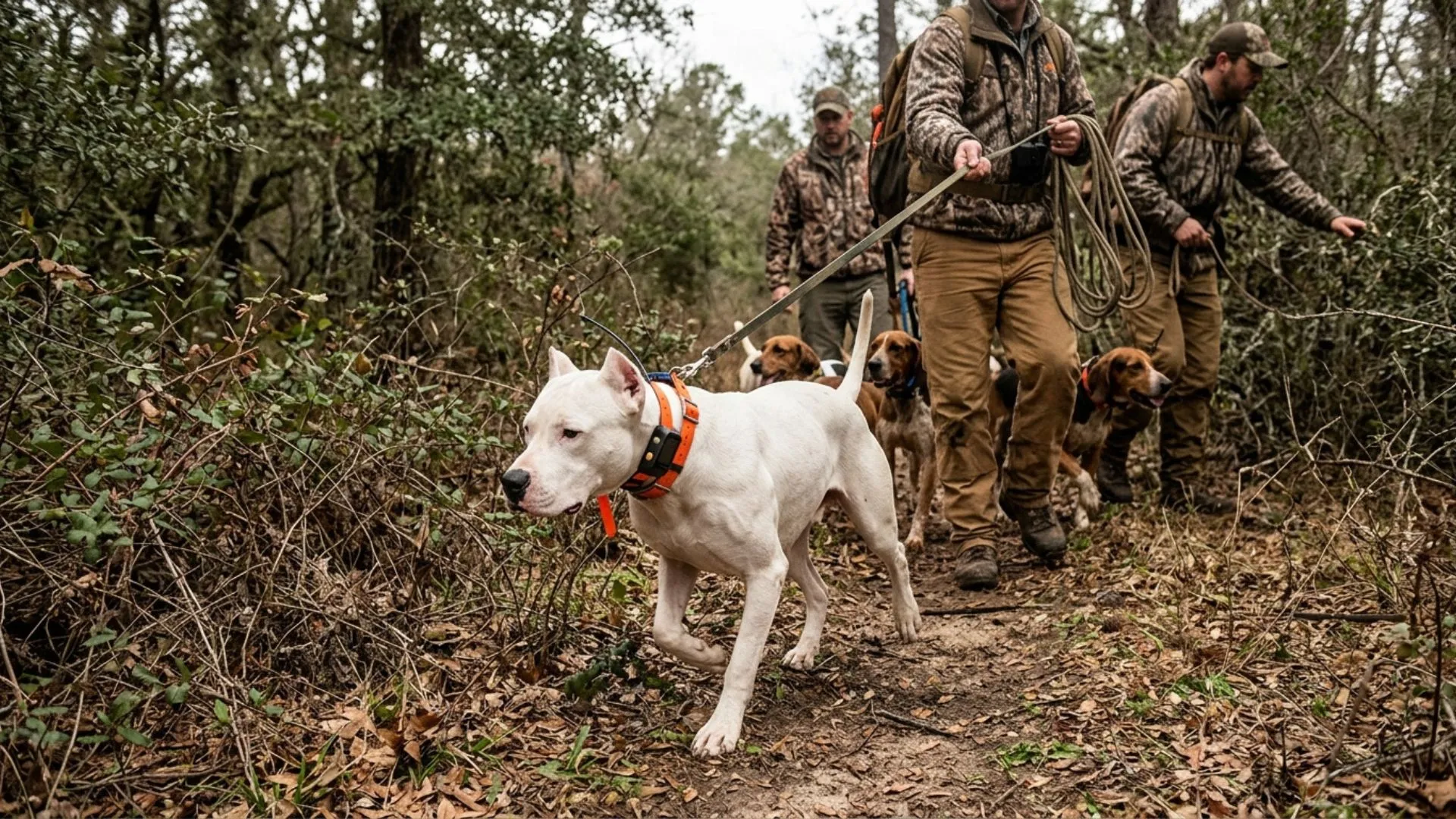
Tracking a wild boar is rarely as straightforward as following a trail through the woods. The animal can disappear into dense cover, cross difficult terrain, and leave behind only faint signs of its movement.
For hunters and handlers, losing that trail can mean hours of uncertainty and a missed opportunity after significant effort. That challenge explains why certain dog breeds have earned lasting respect in the field. These dogs were developed for demanding work that requires stamina, determination, and steady focus in difficult conditions.
They do not quit when a scent grows weaker or when the landscape becomes harder to navigate. Instead, they continue searching, following clues that most animals would ignore. Their role extends beyond tracking alone, often helping locate and retrieve game after the hardest part of the hunt is finished.
This article explores the legendary breeds whose talents continue to make them invaluable wherever wild boar tracking and retrieval remain a serious challenge.
Key Takeaways
Some hunting dogs lose focus when the trail gets difficult, but a handful of breeds were developed for the exact moment the chase becomes harder.
The Dogo Argentino and Plott Hound were shaped for demanding hunts where stamina, sharp noses, and fearless movement mattered more than comfort.
Deep inside forests and swamps, breeds like the Catahoula Leopard Dog and Kai Ken built reputations for tracking game across terrain most dogs would avoid.
As you move through the list, you’ll start to see why these breeds earned lasting respect from hunters who depended on them in the toughest conditions.
Legendary Dog Breeds Leading the Charge in Wild Boar Tracking and Retrieval
1. Catahoula Leopard Dog
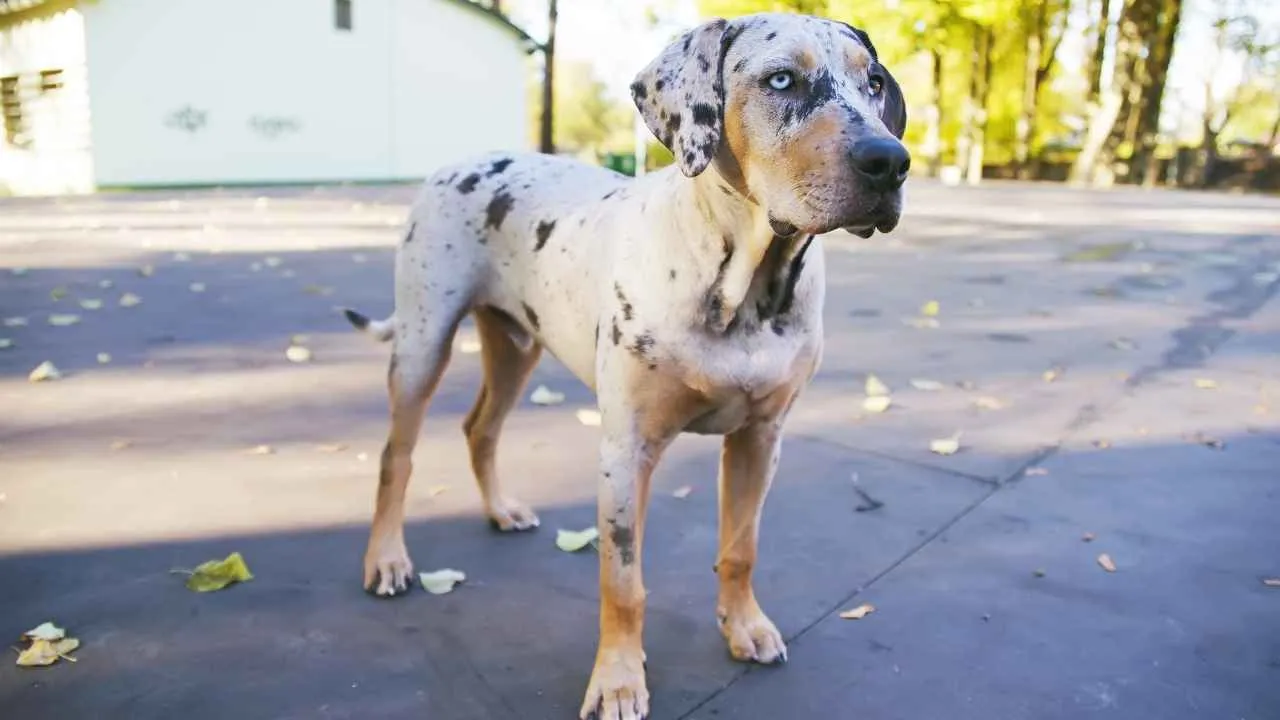
The Catahoula Leopard Dog emerged from the marshlands near Louisiana’s Catahoula Lake, where hunters relied on its grit to track and push wild hogs through dense Southern swamps. That rugged purpose still shapes the breed’s sharp judgment and tireless work ethic.
Driven With Purpose
Catahoulas need room to think, run, and stay occupied, especially because idle time often turns into chewing, digging, or restless pacing around the home, as PetMD writes.
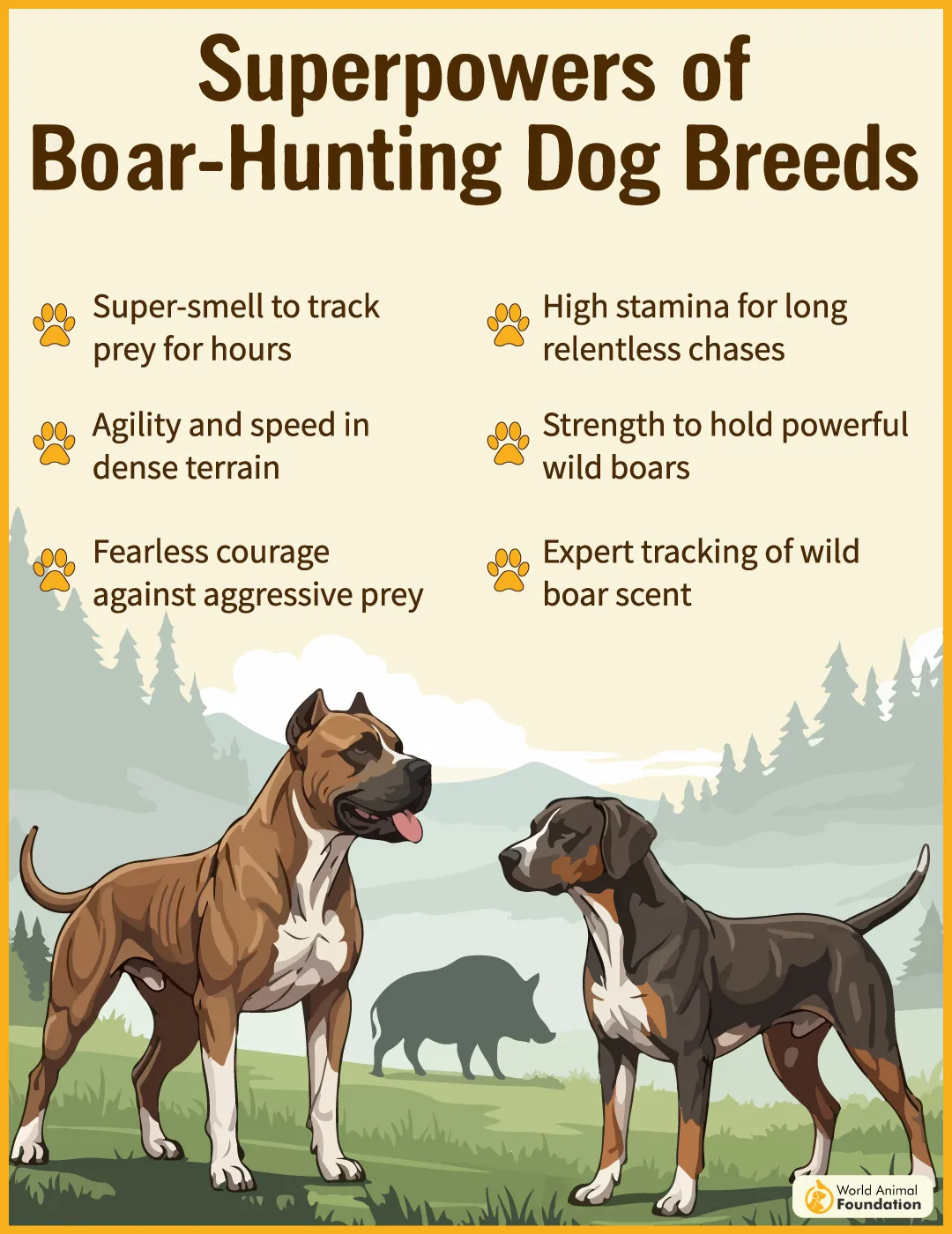
Their working instincts appear in daily behavior through:
Strong drive to track scents
High stamina for long activity
Independent decision-making outdoors
Loyalty With Intensity
This hunting dog breed bonds closely with its household and often responds best to calm but firm guidance from experienced handlers. Its physical energy and rambunctious nature fit better with older children who understand boundaries and confident interaction.
2. Dogo Argentino
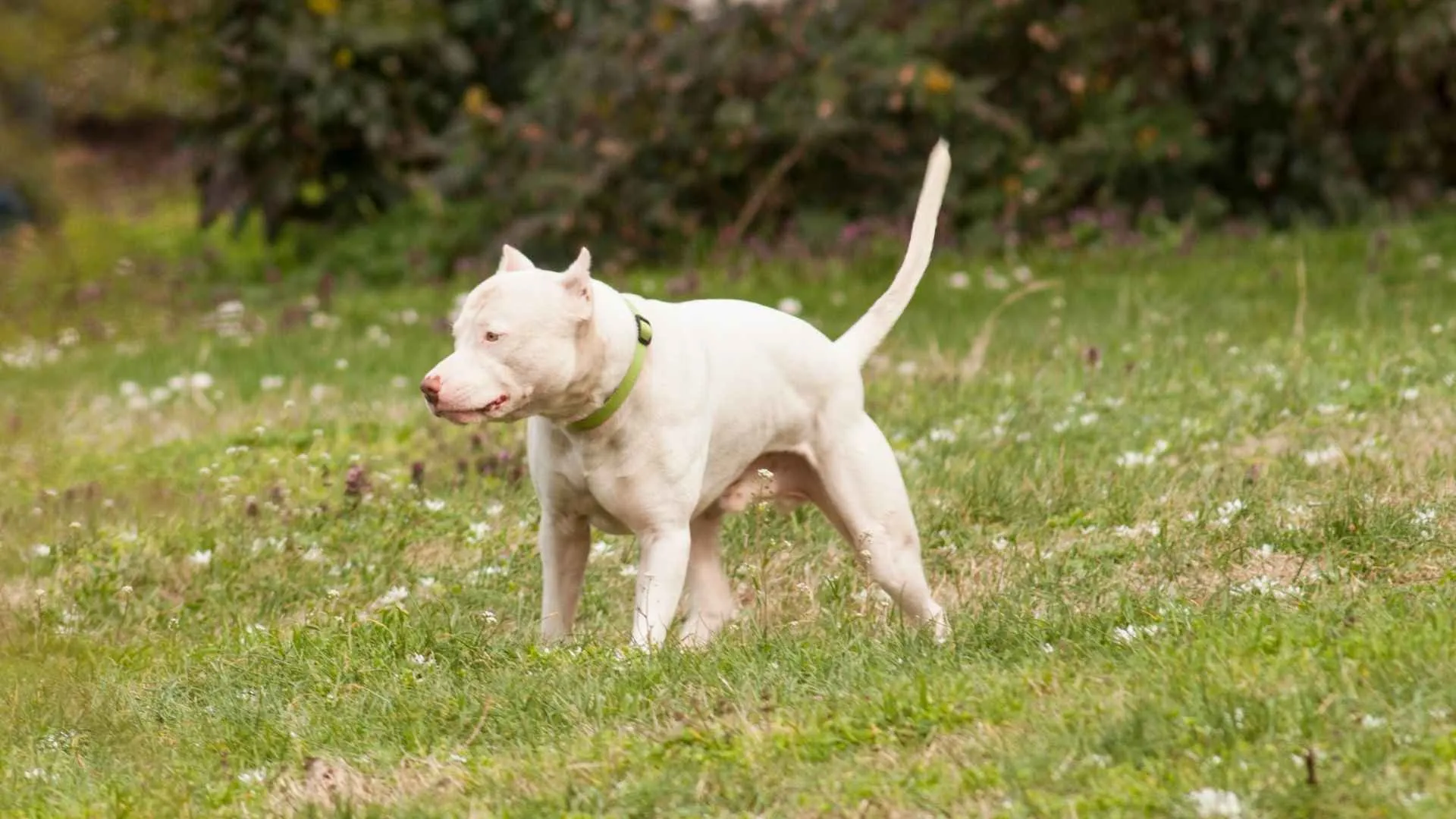
The Dogo Argentino entered the hunting world as a coordinated pack dog built for pursuing wild boar and puma across demanding terrain, as mentioned by the AKC.
Its completely white coat made the breed instantly recognizable during hunts. Beneath that clean appearance sits a serious athlete with quick responsiveness and relentless determination.
Built to Engage
This hog hunter combines explosive strength with the agility needed to corner dangerous, large game without hesitation. The thick neck, muscular hindquarters, and balanced frame give the breed force without sacrificing control.
What reinforces that ability:
Powerful nose for tracking scent trails
Strong lung capacity for extended pursuit
Muscular body built for rapid response
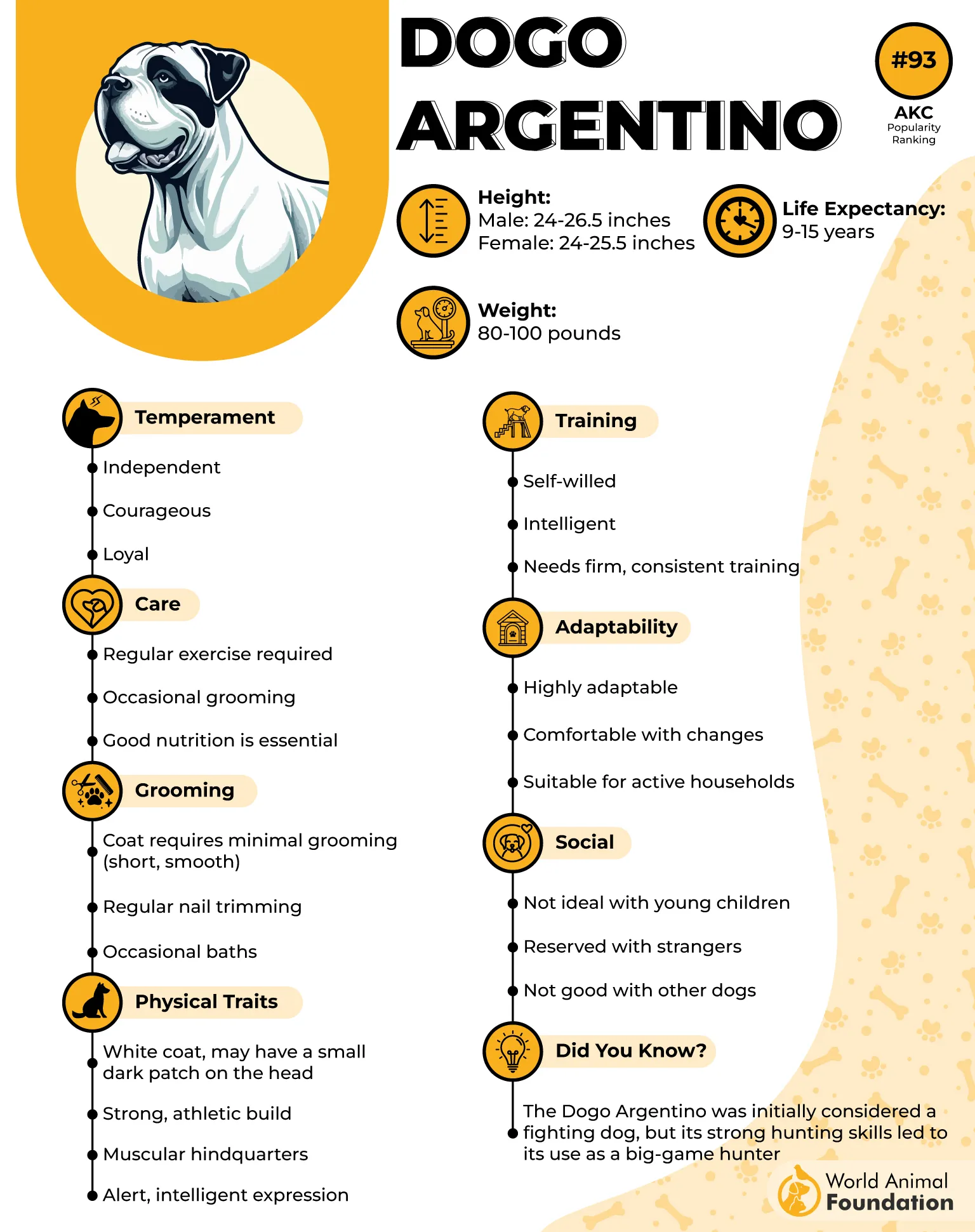
Energy With Purpose
It performs best when physical effort connects with structured activity instead of repetitive routines. Hiking, retrieving games, swimming, and agility tasks give this breed a productive outlet while keeping its sharp focus engaged. Even indoor games like hide-and-seek tap into the problem-solving instincts tied to hunting work.
3. Plott Hound
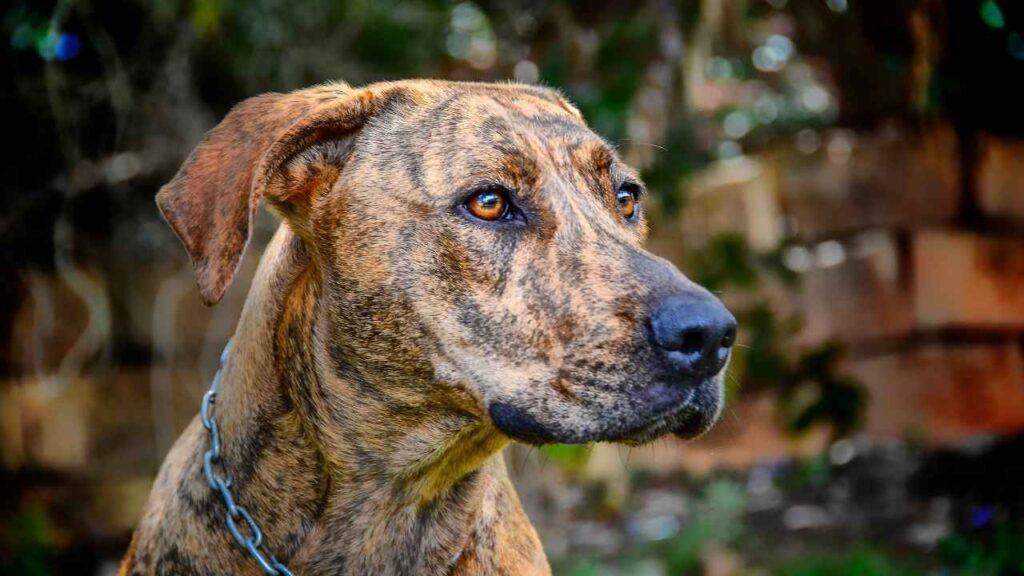
The Plott Hound earned its reputation in the mountains where hunters relied on its grit against wild boar and even bear. North Carolina later honored this relentless scent hound as the state dog. The breed combines a lean frame, long tail, and quick-footed movement built for rough terrain and demanding pursuits.
Built for the Chase
It approaches tracking with intense focus, using stamina and determination to follow difficult scent trails for hours. Its muscular yet streamlined body helps it remain agile during fast-paced hunts.
Its working characteristics are shaped by these traits:
Strong prey drive
Loud, expressive voice
High physical endurance
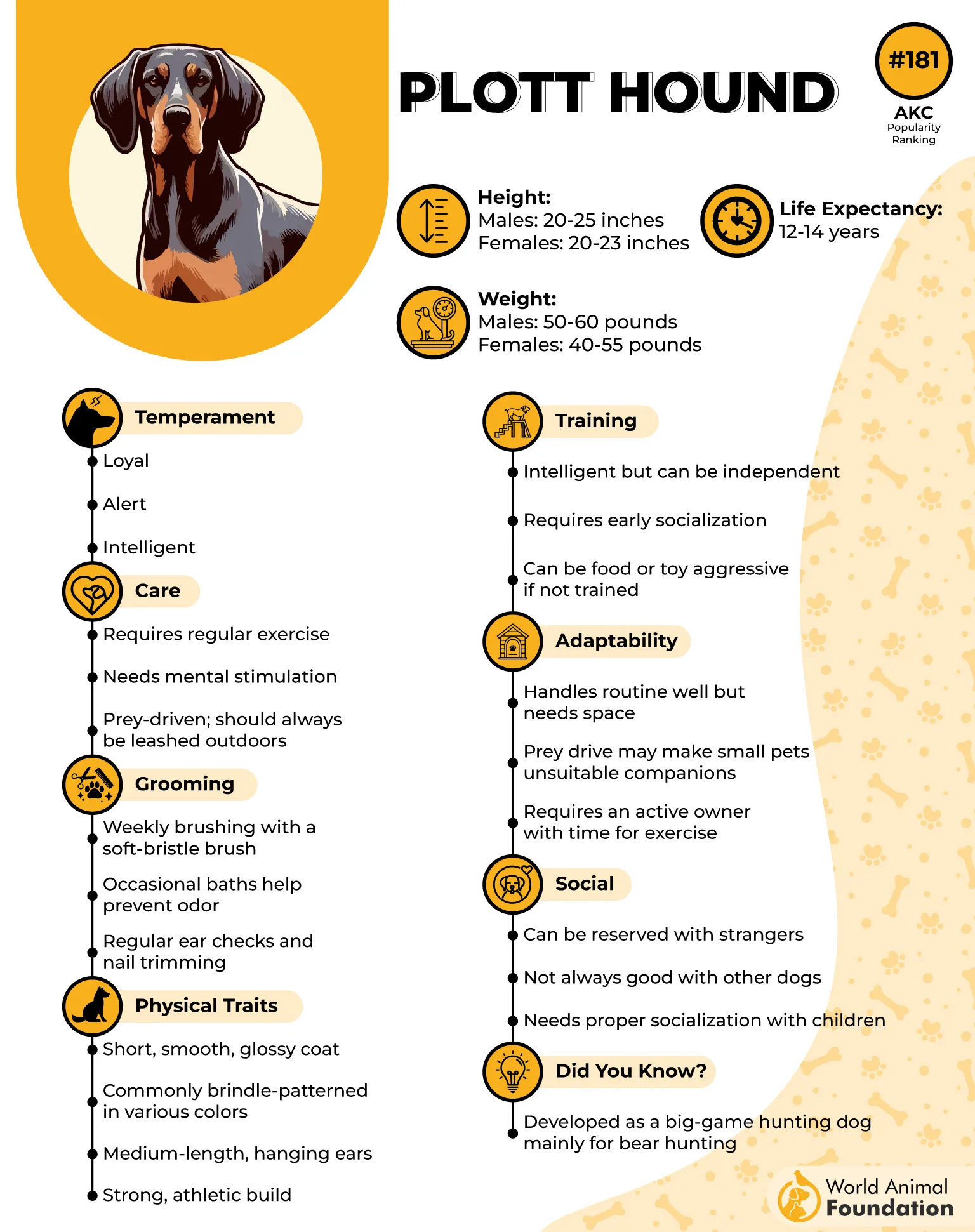
Focused and Demanding
The Plott Hound thinks independently and stays mentally engaged, which explains why idle routines often create destructive habits indoors.
Gentle exposure to people and animals from puppyhood helps balance its naturally reserved personality. Firm guidance matters because this intelligent hunter quickly tests weak structure.
4. Alano Español
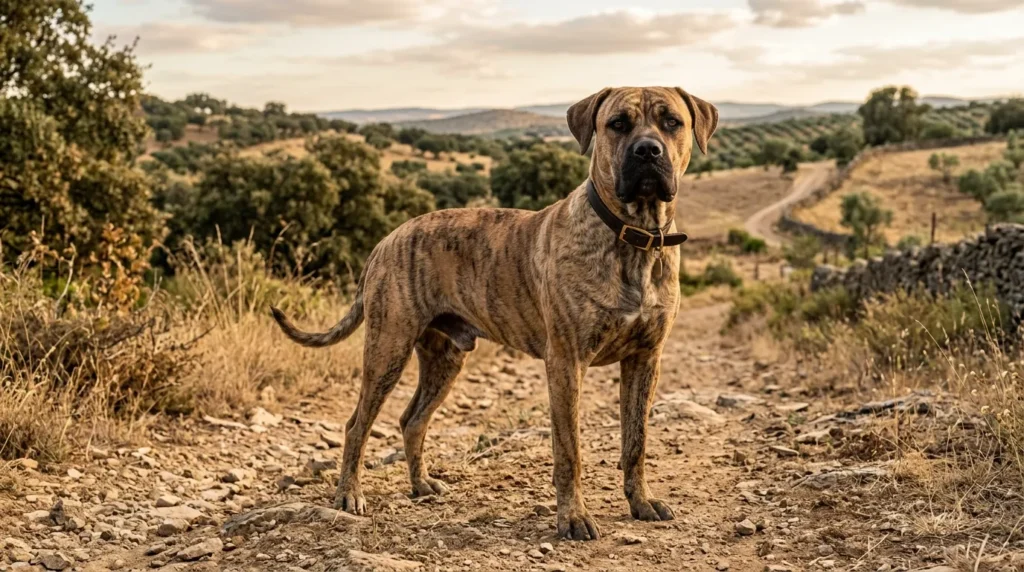
The Alano Español earned recognition in Spain through demanding work that ranged from ranch duties to holding dangerous game during hunts. Wild boar, bear, deer, and even wolves tested this breed’s courage, requiring a dog that could close the distance without hesitation.
Power With Precision
It wastes little energy despite its heavy frame, covering rough ground with balanced, efficient movement. Long pursuits and physical confrontations rarely wear this breed down, a quality hunters relied on during exhausting tracking sessions.
These defining qualities explain the breed’s reputation:
Exceptional bite strength
High pain tolerance
Agile despite large size
Calm Until Necessary
The Alano Español remains unusually quiet for such a commanding breed, often observing strangers in silence rather than reacting with constant barking. Around its handler, the breed becomes deeply obedient and surprisingly affectionate, responding with steady composure instead of nervous intensity.
5. Kai Ken
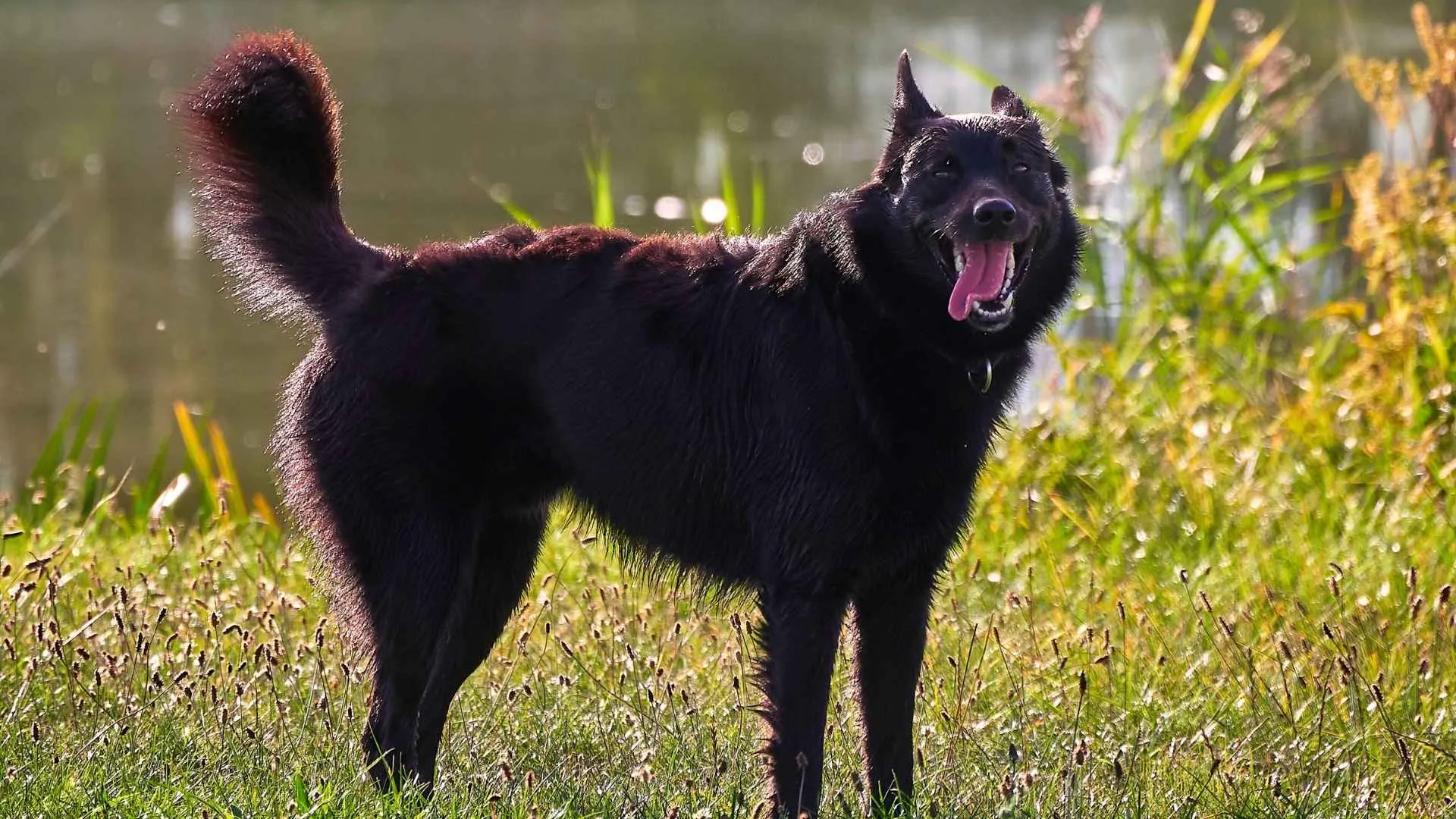
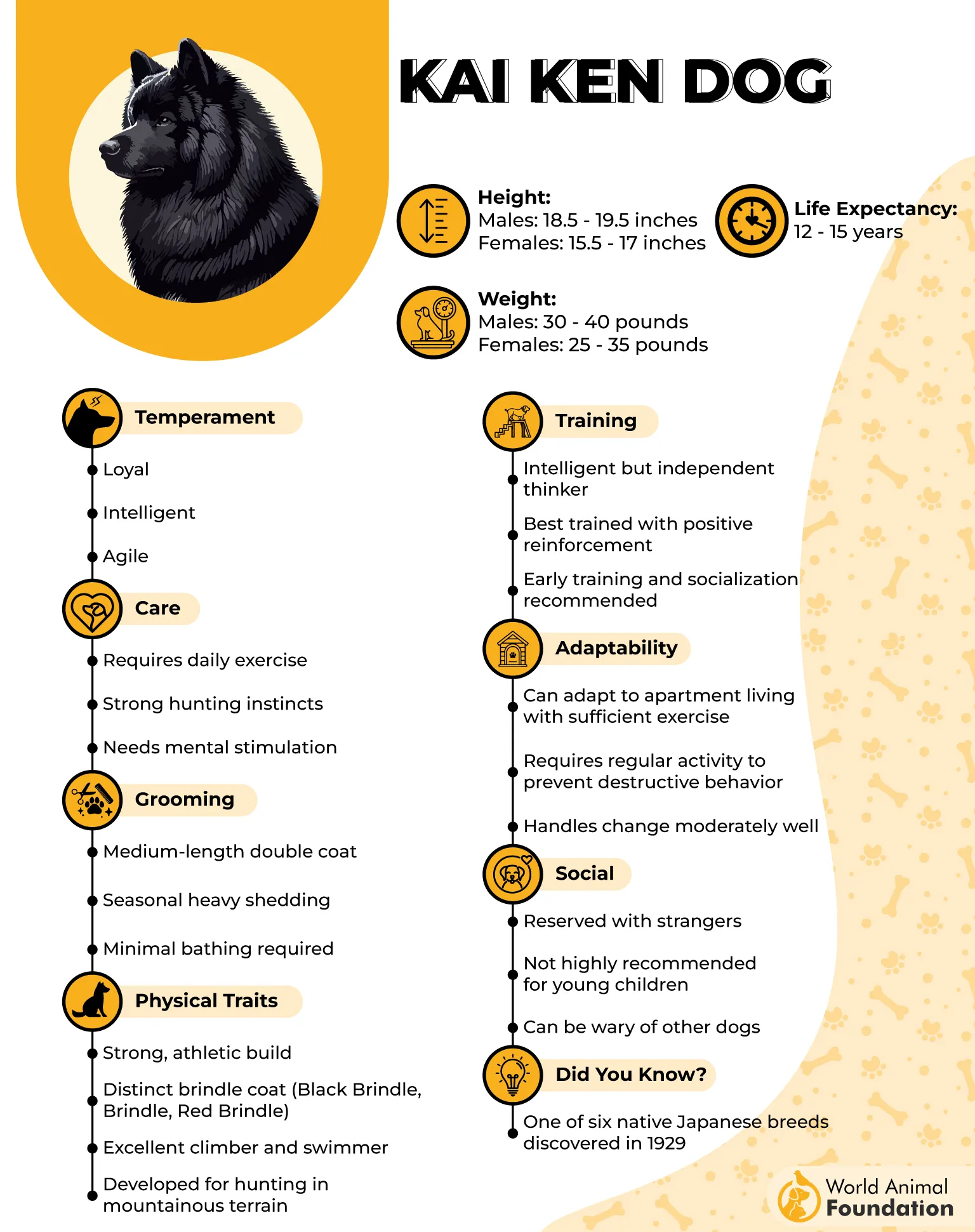
The Kai Ken earned respect in Japan’s steep mountain regions, where hunters relied on this rare native breed for tracking difficult game across rough terrain.
Sharp instincts, quick learning, and deep loyalty shaped a dog trusted to work closely with people. Its alert expression and agile frame reflect generations spent navigating rocky forests and fast rivers.
Built for Rugged Pursuit
It combines athletic balance with problem-solving ability, helping it to react quickly during demanding hunts in difficult landscapes. Physical ability plays only a part in the story. Wikipedia mentions that this dog is intelligent, brave, and alert.
What adds to its effectiveness includes:
Strong climbing ability across steep terrain
Skilled swimmer during pursuit work
Fast learner with a responsive temperament
Closer Bond Than Expected
The Kai Ken forms strong attachments with family members and responds more willingly to guidance than several other Japanese hunting breeds. This thoughtful nature helps channel its intelligence into structured work, indoor games, and focused training sessions.
6. Weimaraner
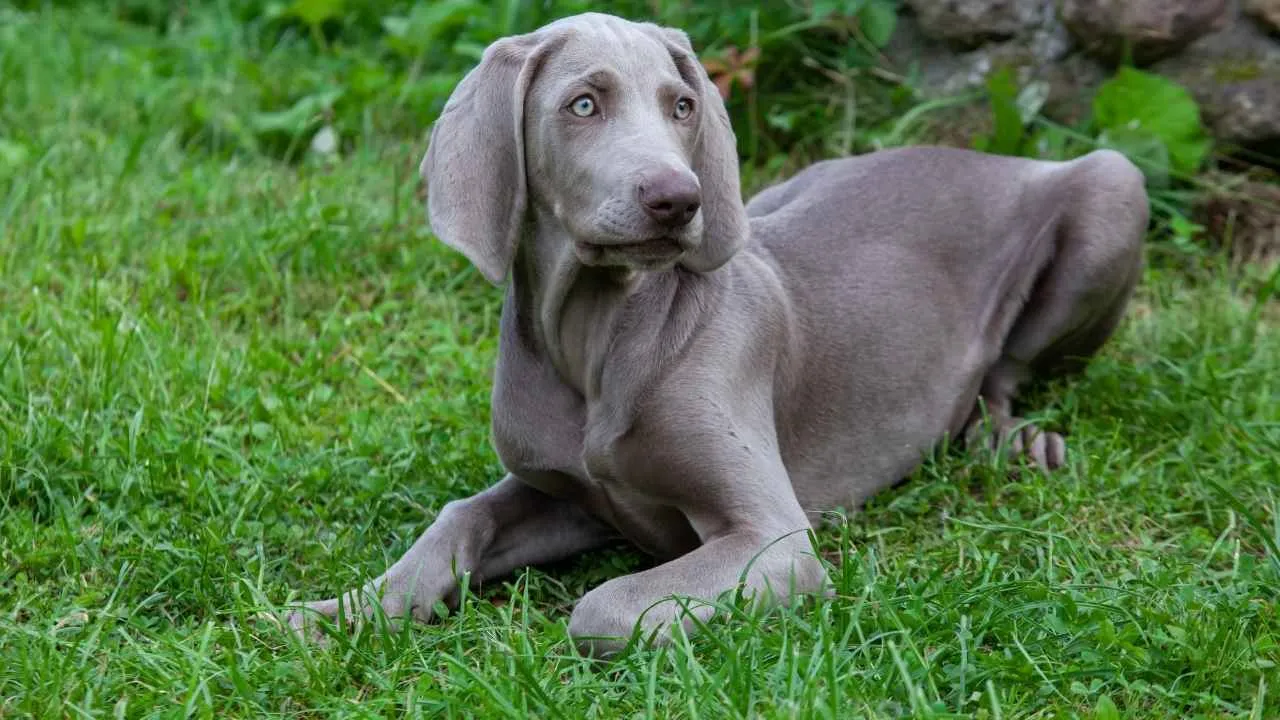
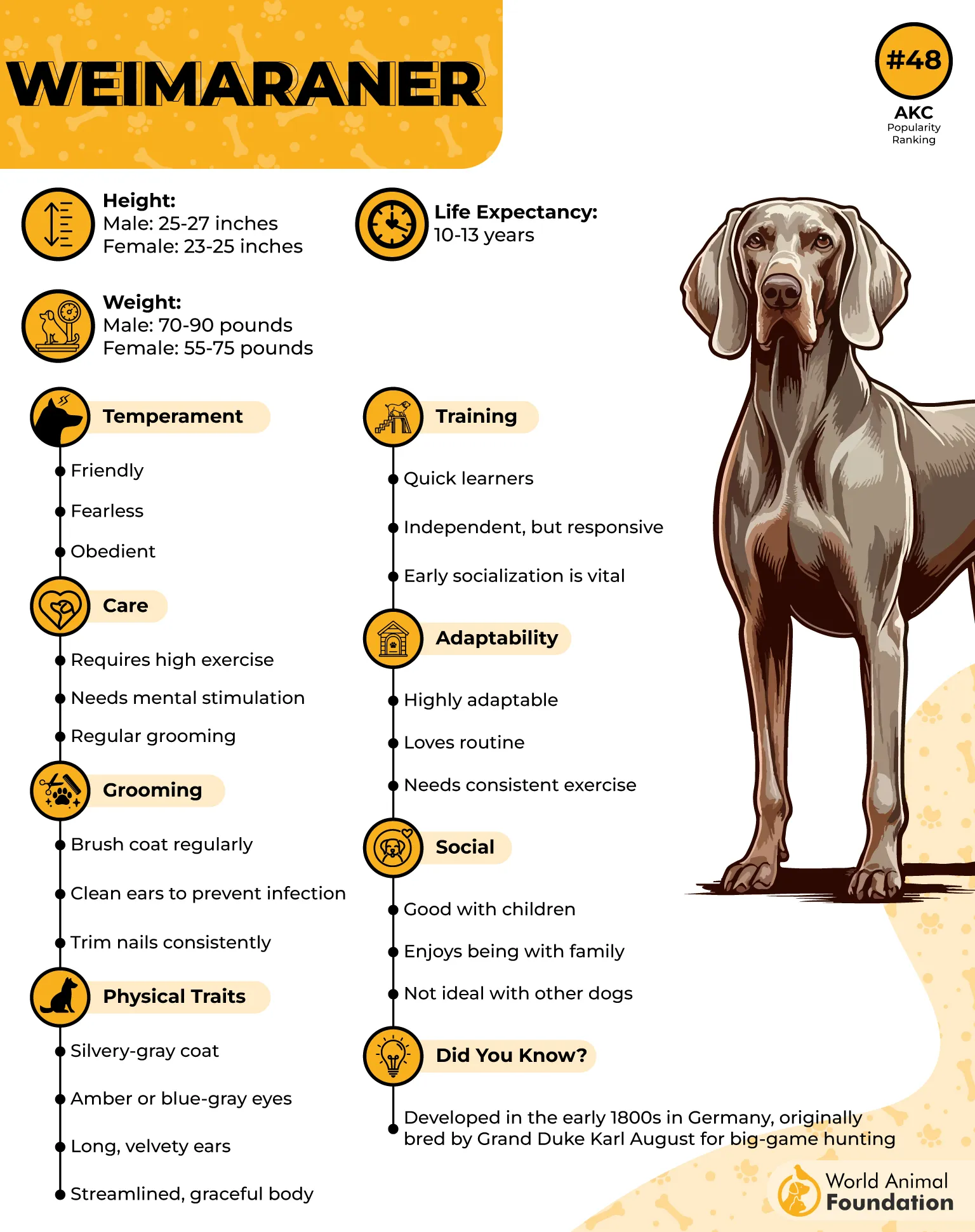
The Weimaraner entered German royal hunting circles during the early 1800s, valued for tracking wolves, boars, and even bears across demanding terrain. Its fearless temperament and obedient nature gave hunters a dependable partner during dangerous pursuits.
Built for the Chase
It thinks fast and reacts just as quickly, which explains why boredom often leads to chewed furniture, opened doors, or escaped yards. Daily structure matters more than casual activity.
A few traits shape that experience:
Exceptional scent-tracking focus
Powerful endurance outdoors
Clever problem-solving habits
Intelligence With Intensity
The Weimaraner reads routines closely and often figures out latches, gates, and household patterns before people expect it. That intelligence comes with constant curiosity, especially in homes lacking engagement. Large fenced spaces help channel its urge to roam and investigate every scent trail nearby.
7. Karelian Bear Dog
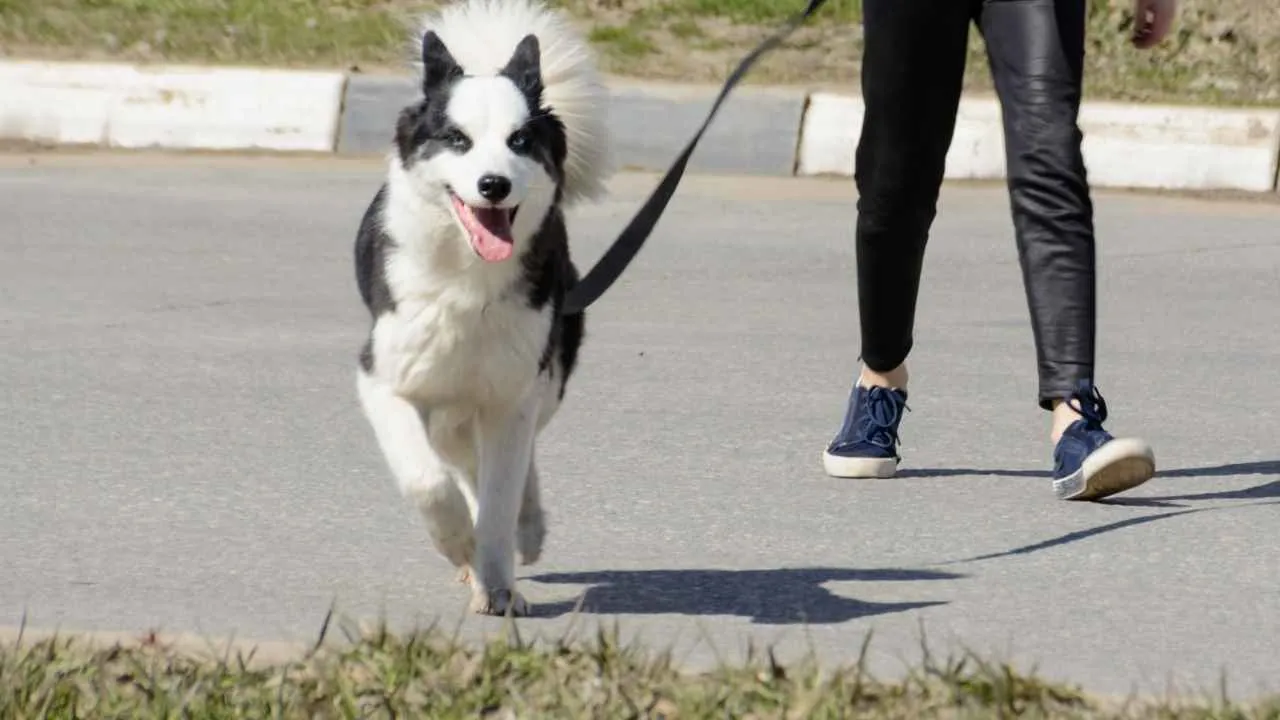
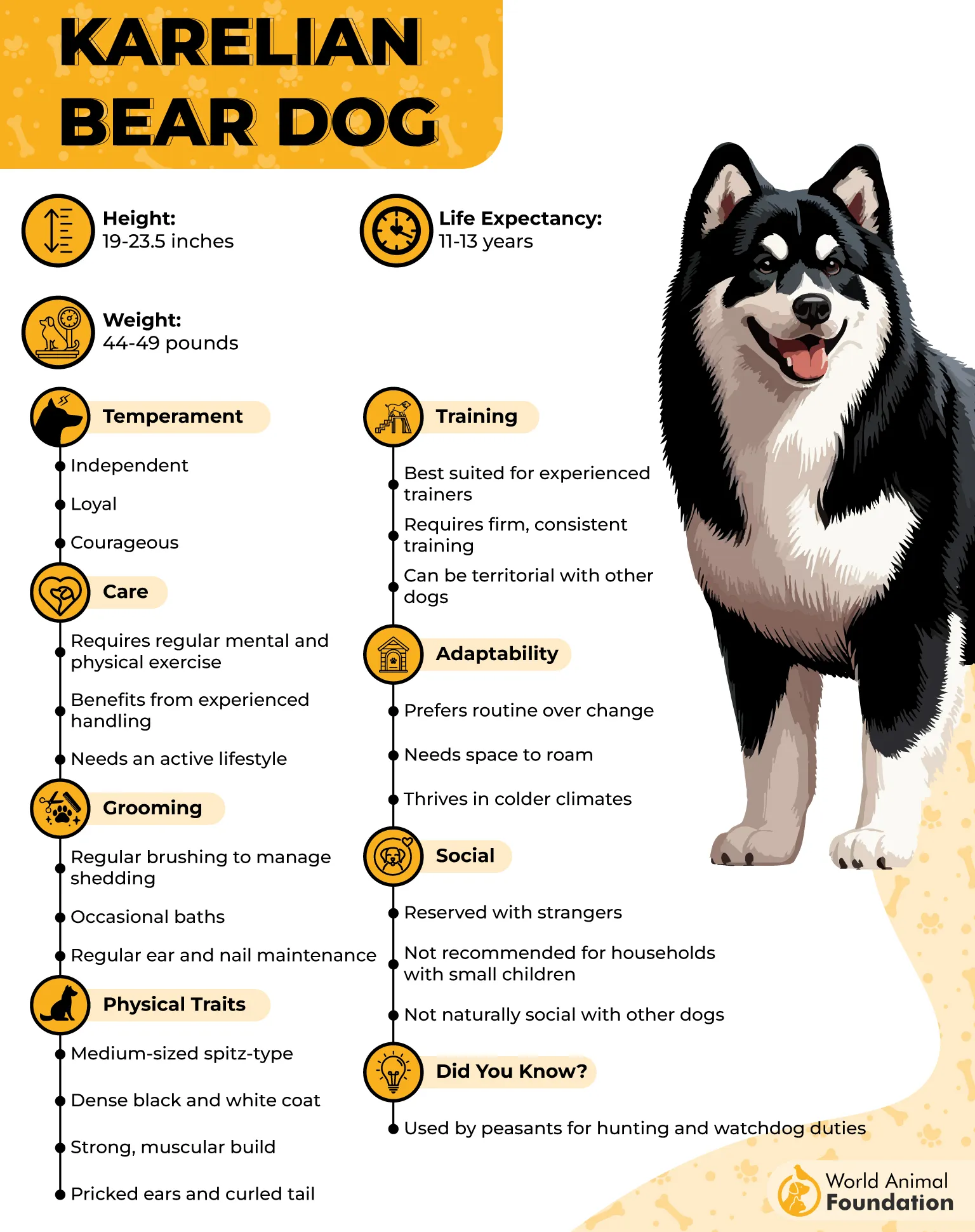
The Karelian Bear Dog earned its reputation in Finland by confronting dangerous game that most hunting breeds would avoid, including brown bears, moose, lynx, and wild boar. Its sharp reactions, bold temperament, and relentless focus suited dense forests where tracking required stamina and nerve.
Driven By Purpose
This wild boar hunting breed prefers structured activity over idle companionship, responding best when daily life includes outdoor challenges and clear direction.
Several traits shape that demanding hunting style:
Strong prey focus around wildlife
Confident working attitude outdoors
Reserved nature with unfamiliar people
Energy That Needs An Outlet
It settles better when physical activity becomes part of its routine, especially long walks, running, ball games, or fenced outdoor exercise.
Hunting roots still influence how this breed reacts to movement, scents, and smaller animals inside the home. Even dog sports like agility and rally fit naturally into its working instincts.
Conclusion
Following a wild boar through dense cover demands more than speed or strength alone. The dogs suited to this work combine determination, endurance, intelligence, and the confidence to keep moving when conditions become difficult. Their value comes from staying focused when trails fade, whether in thick cover or open terrain.
Generations of purposeful breeding shaped these abilities, creating partners capable of handling demanding challenges. For hunters and handlers, success in hog hunting and big game hunting often depends on that reliability. These dogs continue earning respect by performing difficult work with consistency whenever the trail grows uncertain.
