




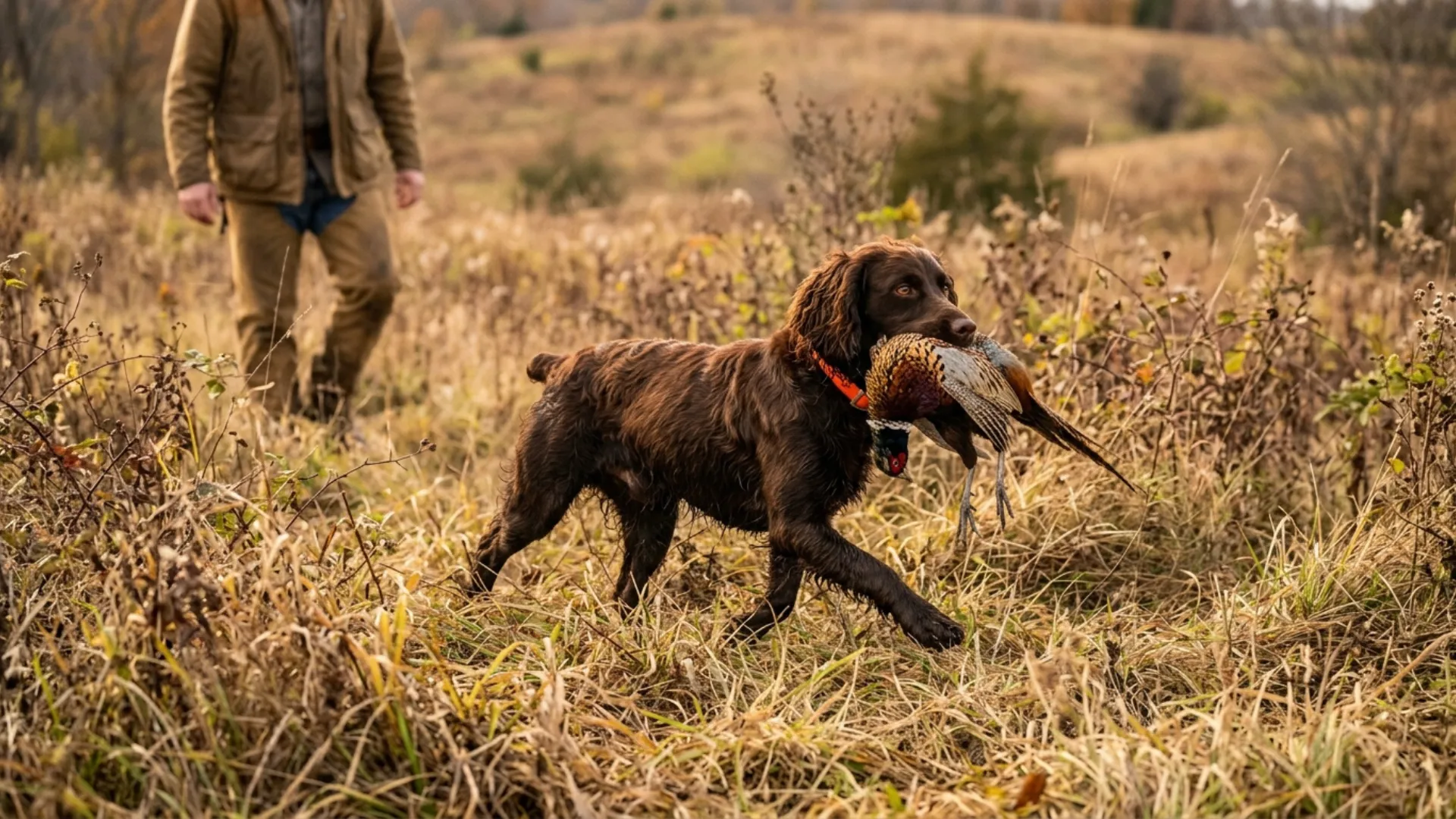
Nothing changes a long walk through thick grass faster than the sudden flush of upland birds and a well-trained hunting dog working with steady focus.
Hunters often rely on dogs that can track faint scent trails across fields, wooded edges, and uneven cover where birds tend to hide.
They are valued for their ability to hold steady when birds burst into flight and for their patience while waiting for clear direction from the handler.
In many upland hunts, the dog must balance energy with control, moving quickly through cover yet staying close enough to work as a team.
Strong scenting skills help locate hidden birds before they are disturbed, while reliable retrieving ensures that dogs can retrieve upland birds even from dense brush and difficult terrain.
Training and consistent practice shape how well these bird dog breeds perform, especially when weather, terrain, and bird movement change throughout the day.
Success in the field often depends on communication between hunter and dog rather than speed alone, making coordination the key to consistent results across hunting conditions.
Top Dog Breeds for Upland Game Hunting Success
1. Labrador Retriever
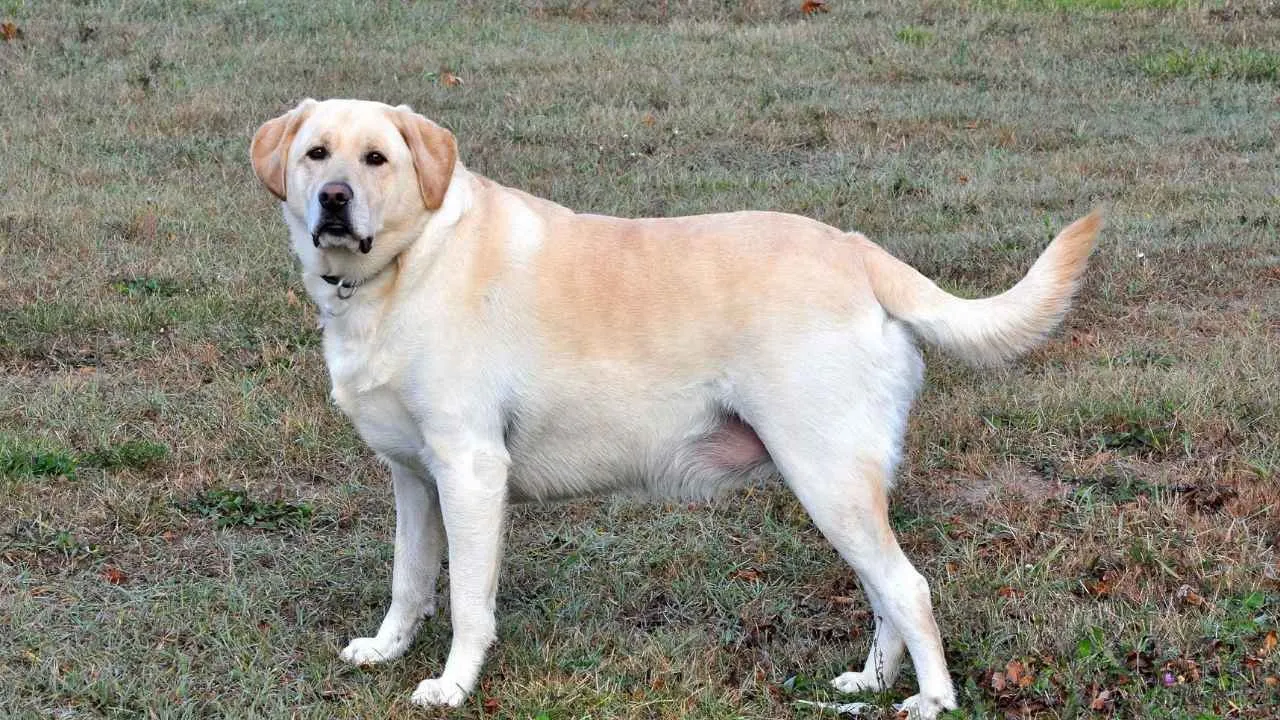
Labrador Retrievers are known for their exceptional versatility, intelligence, and strong retrieving instincts, making them ideal for both upland and waterfowl hunting.
Originally bred from the St John’s water dogs of Newfoundland, this breed was refined in England after being brought over for retrieving fishing nets and water tasks.
Over time, it became known for strong scenting ability, focus on handlers, and willingness to work in difficult terrain. In upland settings, it is often used to locate downed birds in dense cover and recover them efficiently from water or tangled vegetation.
Its dense, weather-resistant coat supports long hours outdoors, while its calm and cooperative temperament helps maintain control during fast-moving hunts.
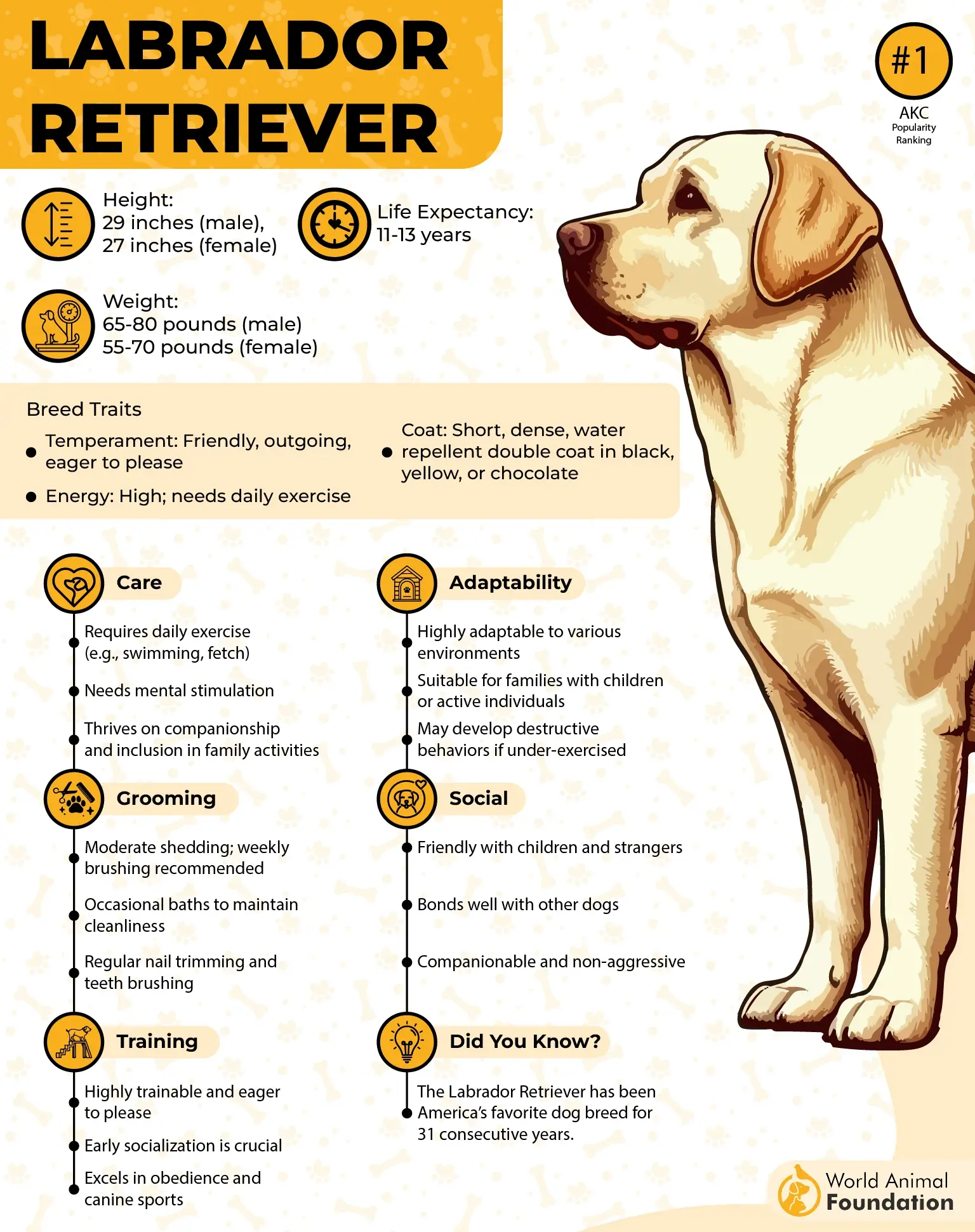
Field-bred lines are often preferred for higher drive in open country, while all types retain a strong retrieving instinct.
Outside hunting, it is a good family dog that adapts well to family environments, staying attentive and social when engaged with people.
Consistent training enhances its natural ability to track scent and respond quickly during unpredictable bird movement in varied outdoor field conditions.
2. Boykin Spaniel
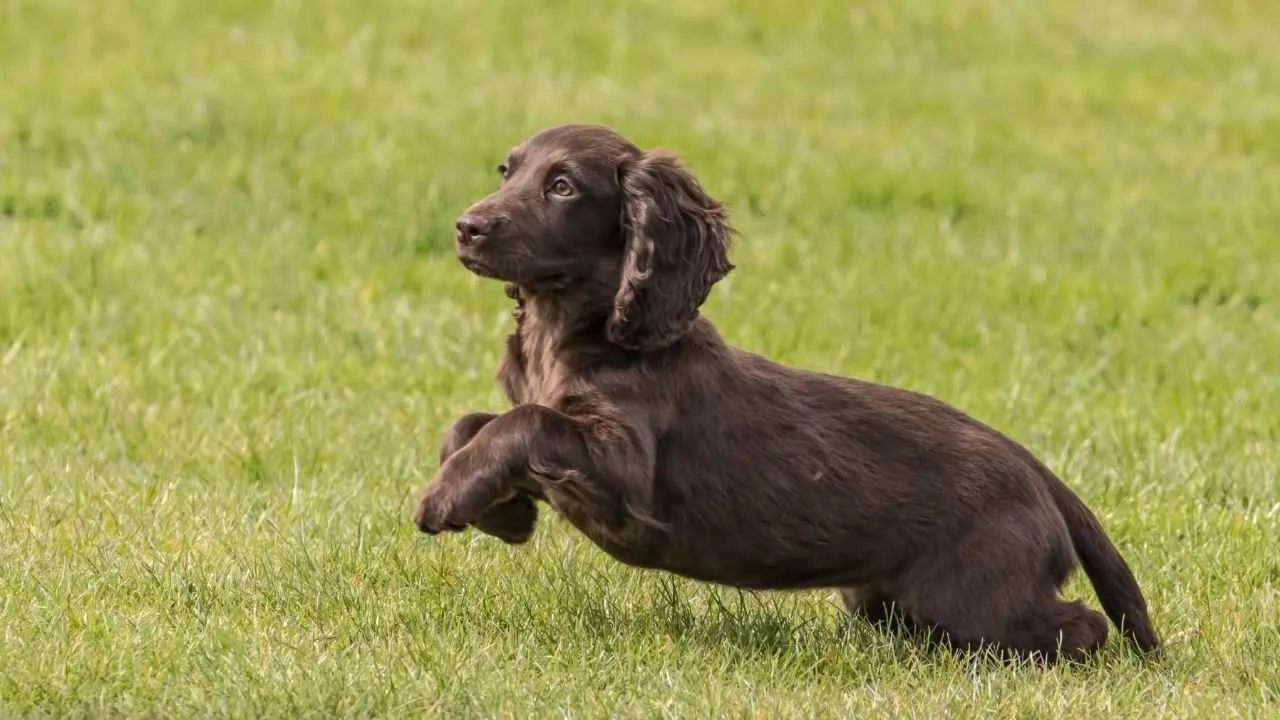
The Boykin Spaniel, developed in the Carolina lowlands in the early 1900s, is known for its ability to track birds by scent and sight, making it a versatile dog for upland hunting, as mentioned by Hills Pet.
It was originally shaped from small spaniel-type dogs and later influenced by retrievers and water spaniels to handle both land and water hunting.
Hunters valued it for fitting into small boats while still retrieving game efficiently from dense vegetation and flooded edges.
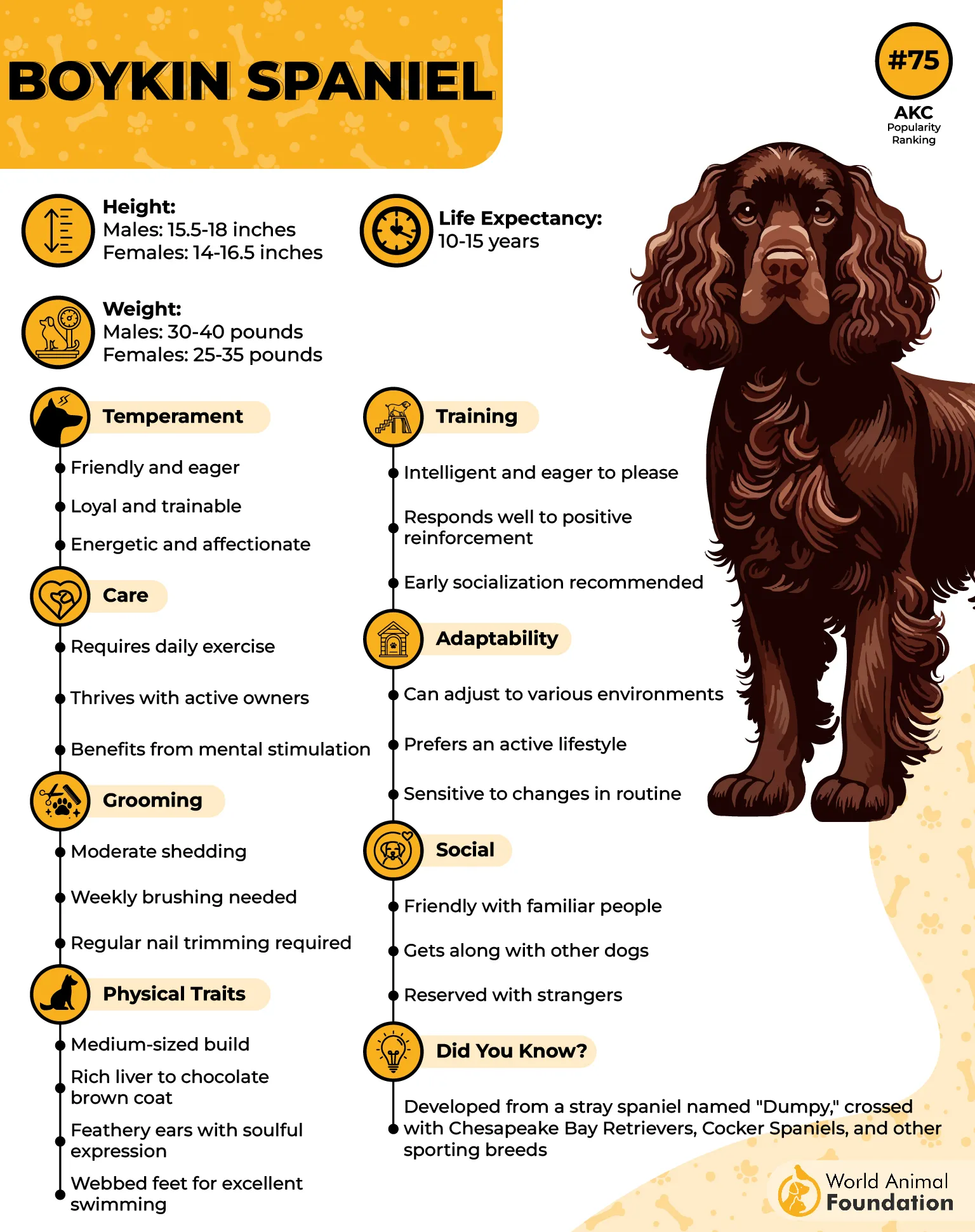
In upland bird hunting, this small dog is known for flushing birds from brush and quickly recovering them after the shot. Its medium, slightly wavy coat helps it move through rough cover while staying comfortable in varied weather.
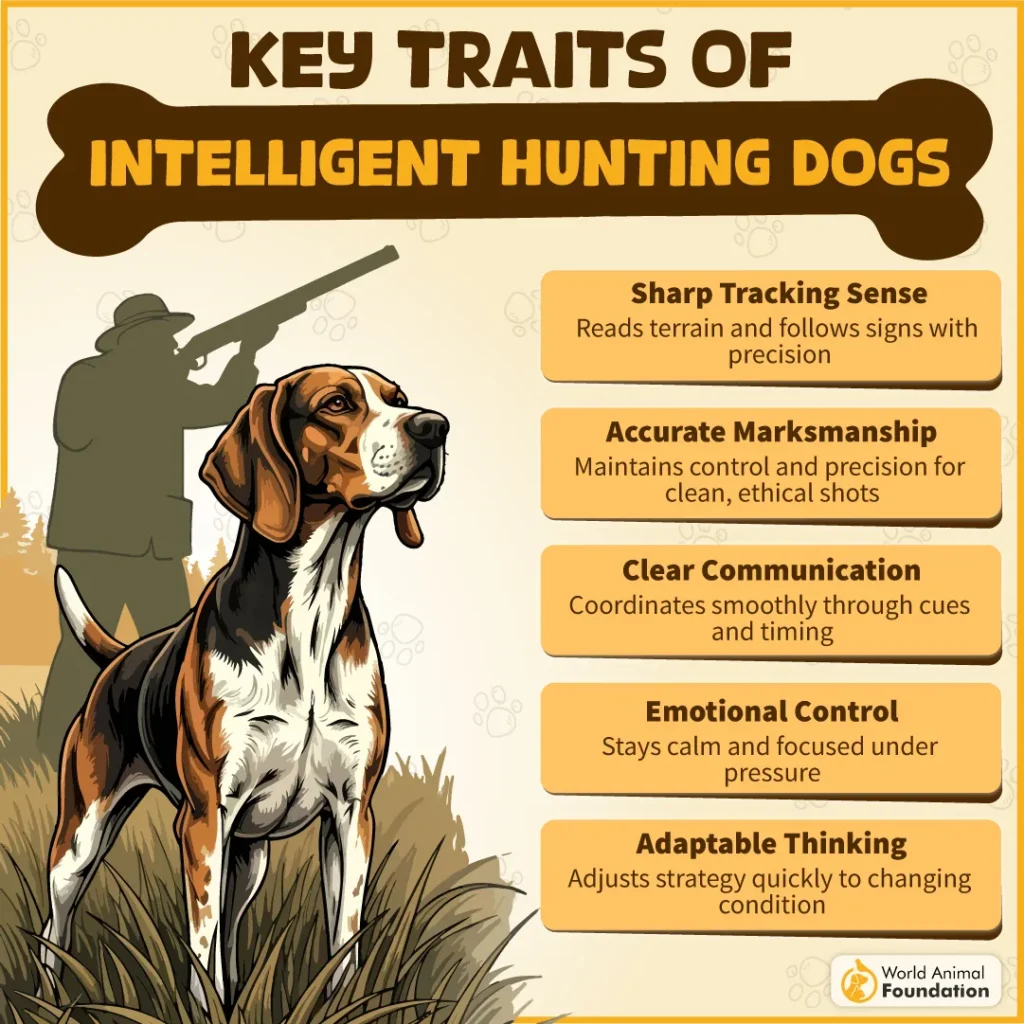
The breed is highly responsive to training, often learning field commands quickly and working closely with the handler during long hunting days.
Its friendly and enthusiastic nature makes it easy to live with, while its strong drive ensures focus in the field.
Consistent activity and structured training keep its energy balanced for both hunting performance and everyday life in active outdoor households, making it a good house dog as well.
3. German Shorthaired Pointer
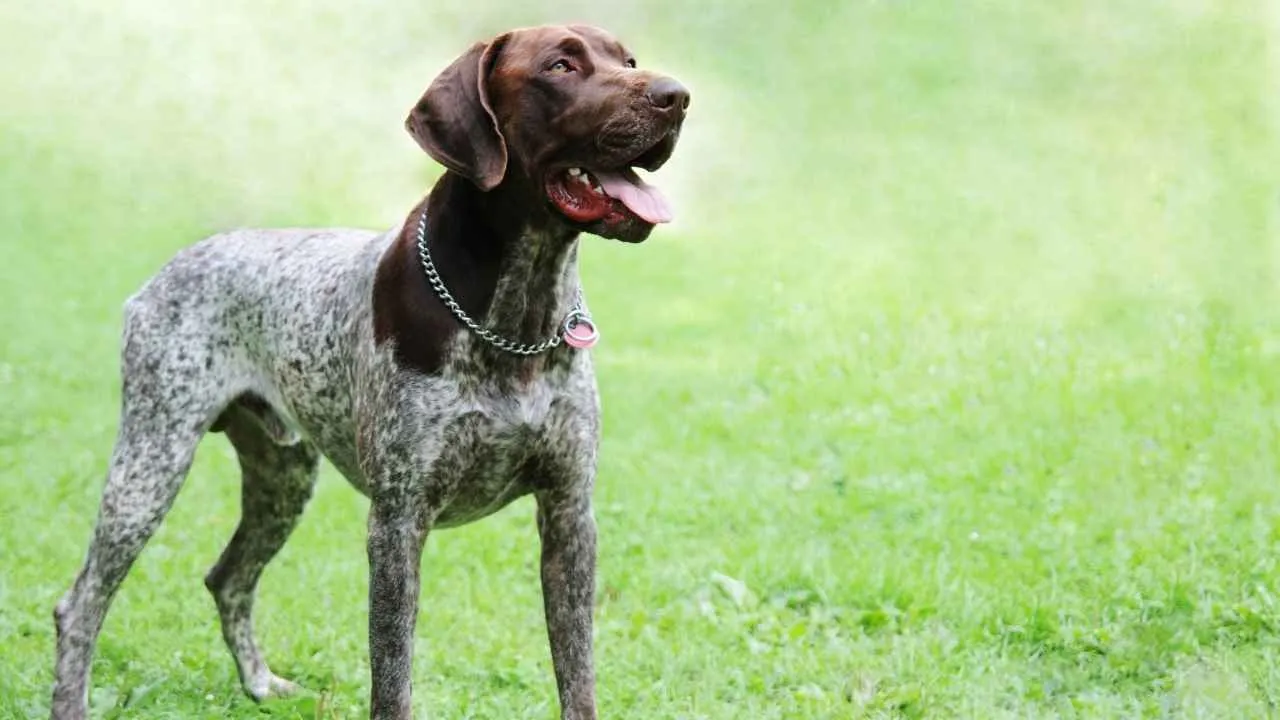
The German Shorthaired Pointer is recognized for its exceptional nose and instinct to track running birds, making it a top choice for pheasant hunting.
Developed in Germany for hunting birds and small game, it is known for its strong scenting ability and natural pointing behavior, where it freezes and directs attention toward hidden birds until the hunter arrives.
In upland settings, this helps reduce wasted movement and allows more precise flushing of game from grass, crops, and brush lines.
Its steady endurance makes it suitable for long hunting days across changing terrain, while its quick responsiveness keeps coordination smooth between dog and handler.
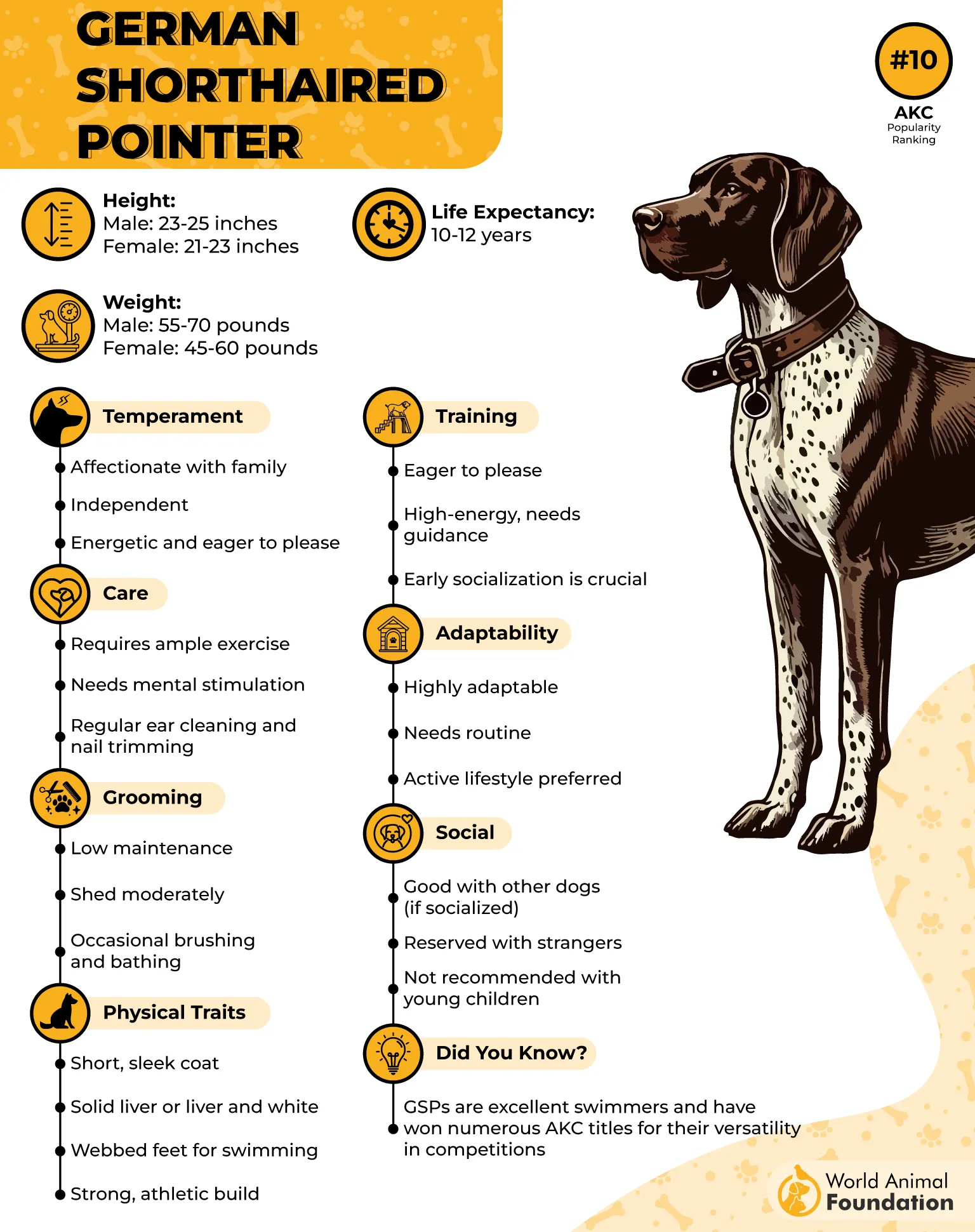
Beyond field work, this pointing breed is often kept in active homes where outdoor routines include running birds, retrieving games, and structured training.
Without regular activity and mental challenge, its energy can build quickly, so consistent engagement is important.
In hunting environments, it performs best when working closely with a handler who values communication and timing during unpredictable bird movement.
4. English Springer Spaniel
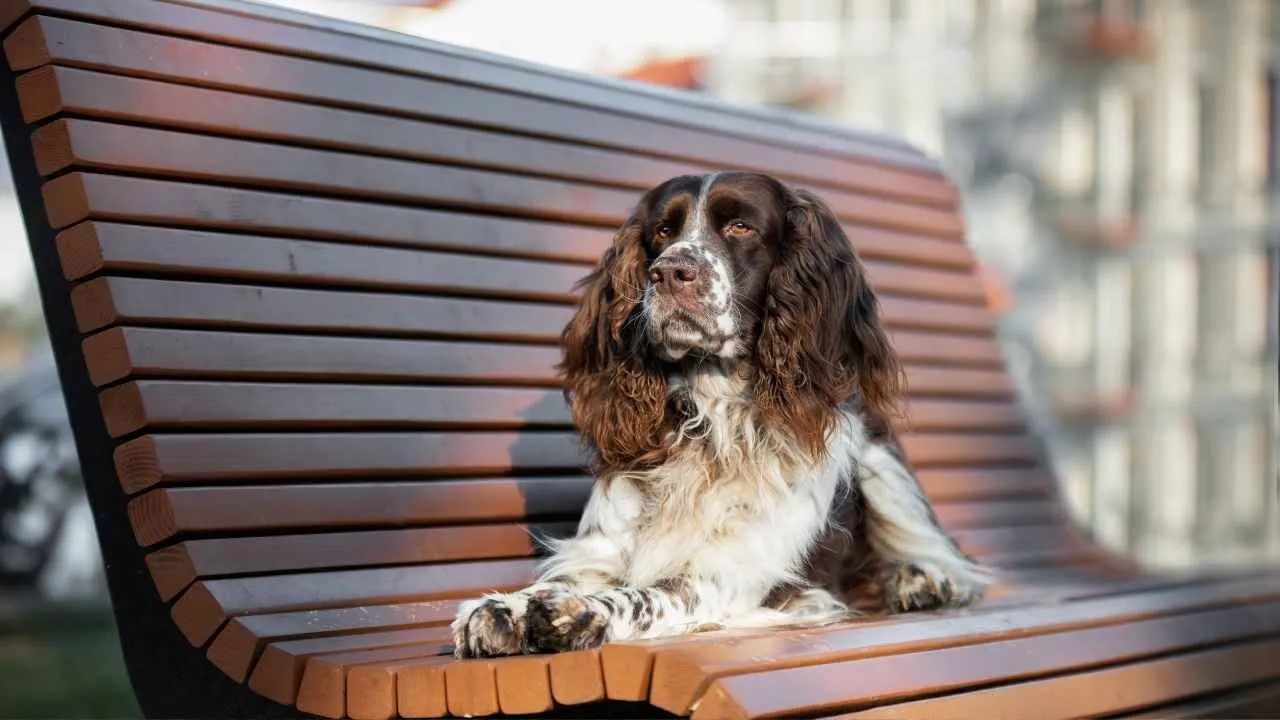
The English Springer Spaniel is a lively and dependable upland hunting dog known for working closely with hunters in fields, hedgerows, and rough cover, as noted by the AKC.
Bred specifically to help flush game birds into the open, it uses strong scenting ability and careful movement to locate hidden birds without disturbing the entire area.
In real hunting situations, it is valued for pushing through dense grass and brush while staying responsive to hand signals and helping flush upland birds from hidden cover.
Its high energy allows it to work for long periods, making it useful during full-day hunts where birds move unpredictably across terrain.
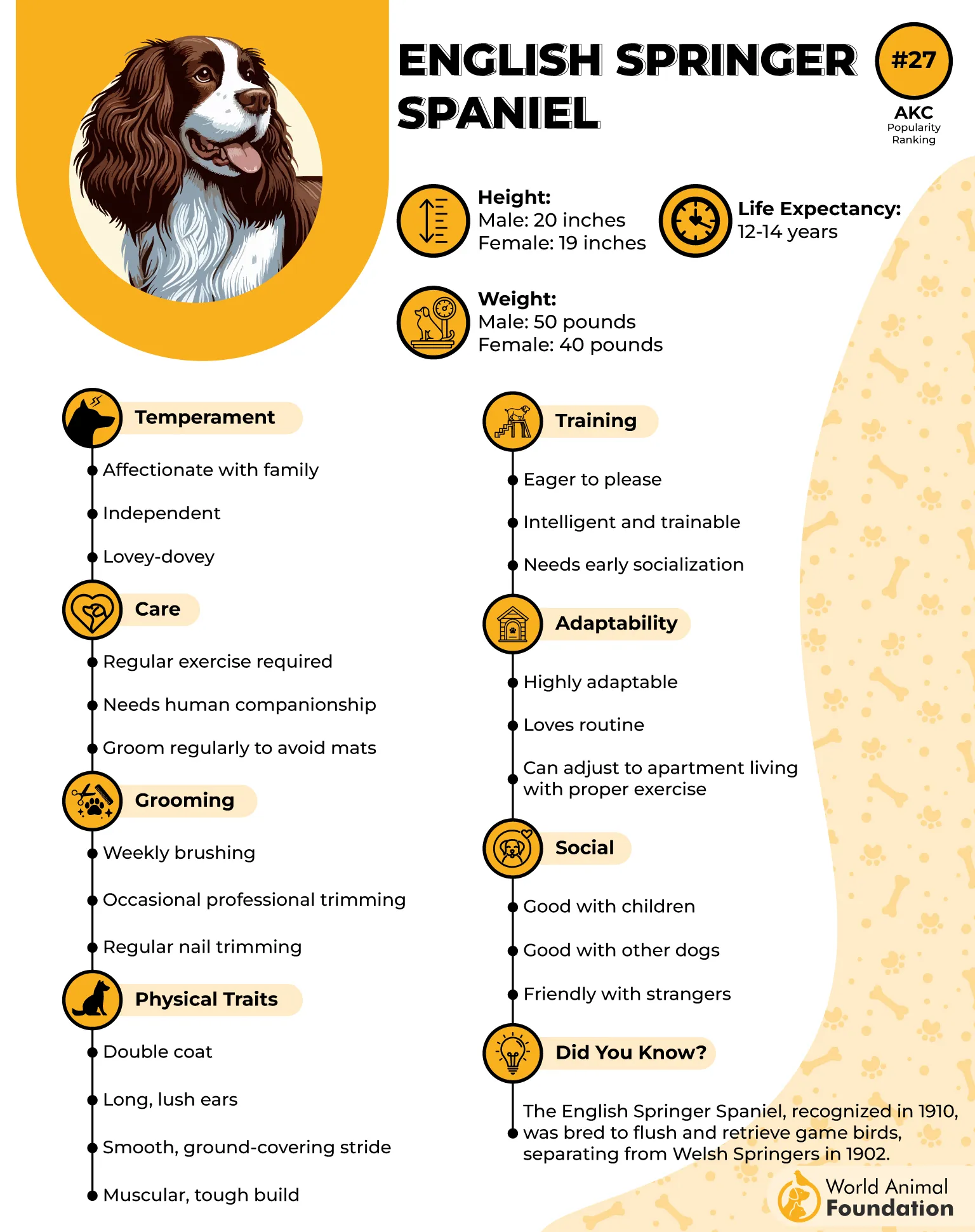
At home or between hunts, it forms strong bonds with people and prefers staying involved in daily activity rather than being left idle.
This close teamwork style makes it especially effective in upland settings where coordination matters as much as speed.
With regular training and consistent outdoor work, it maintains focus and balance, turning natural enthusiasm into controlled field performance that supports successful bird flushing and retrieval in varied, harsh conditions in challenging field work.
5. Brittany
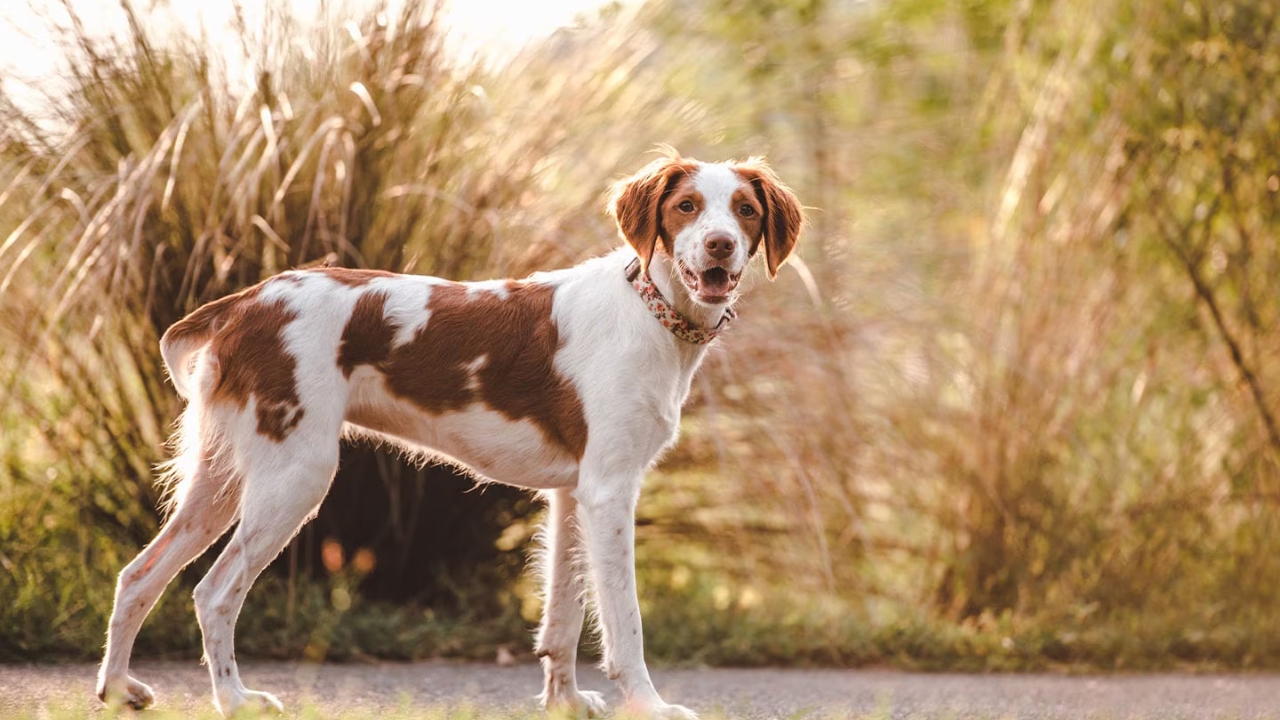
Brittany Spaniel is one of the most popular fast-moving and highly responsive upland hunting companion breeds known for working closely with hunters across open fields, crop edges, and light cover.
Developed as a pointing dog, it relies on sharp scent detection to locate hidden birds and then holds steady until the hunter is ready to flush the game.
In practical hunting situations, its quick pace helps it cover large areas efficiently, while its controlled hunting style keeps it from pushing birds too early.
This balance of energy and focus makes it especially useful in hunts where terrain changes frequently, and birds shift between grass and brush.
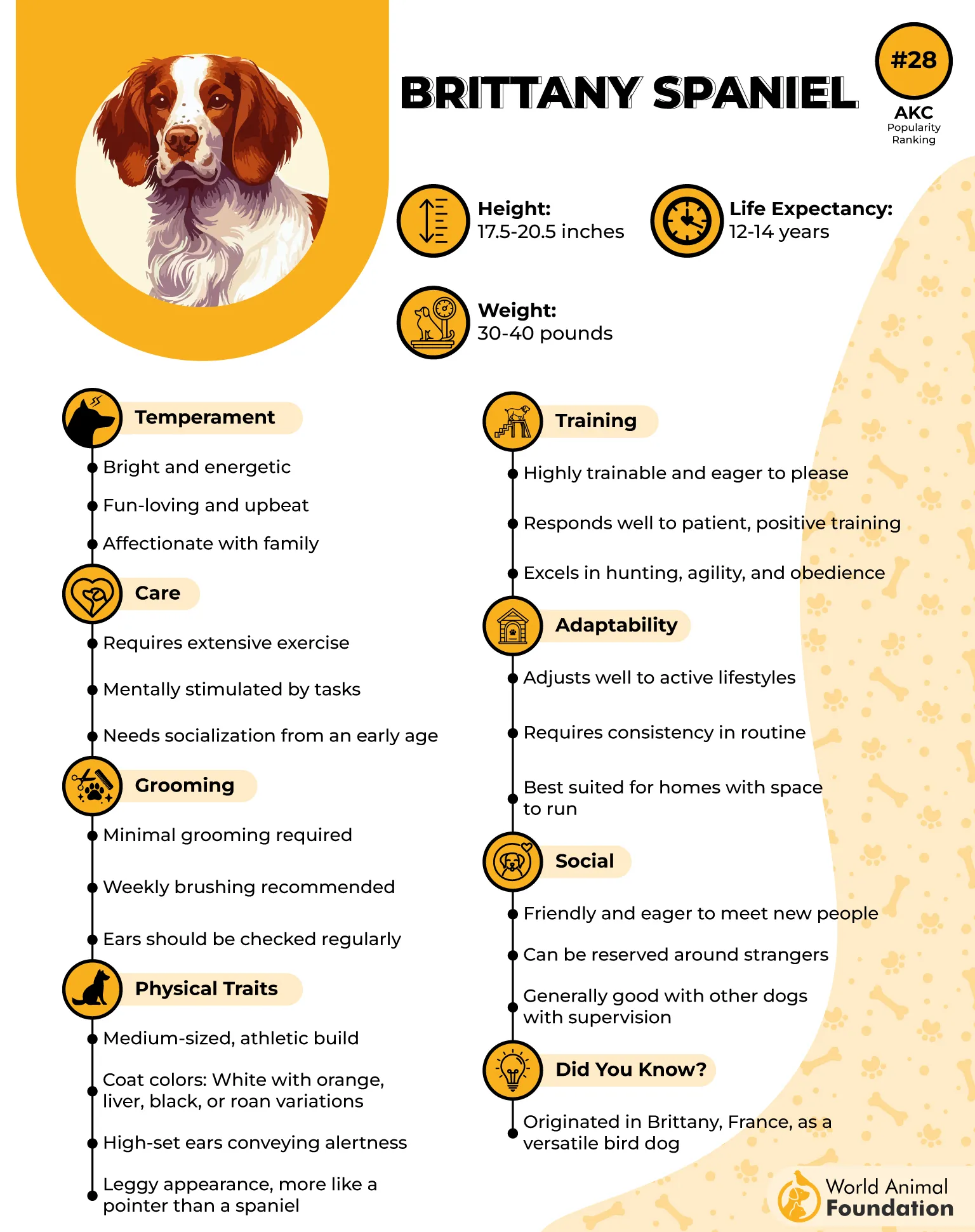
It works best when engaged with a handler who maintains active communication through signals and direction.
Outside the field, this energetic dog stays alert and connected to people, preferring shared activity over long idle periods. Regular exercise and consistent training help shape its natural enthusiasm into reliable field behavior.
In upland environments, this combination of speed, cooperation, and scenting ability supports steady performance during unpredictable bird movement and long hunting days in varied conditions.
6. Vizsla
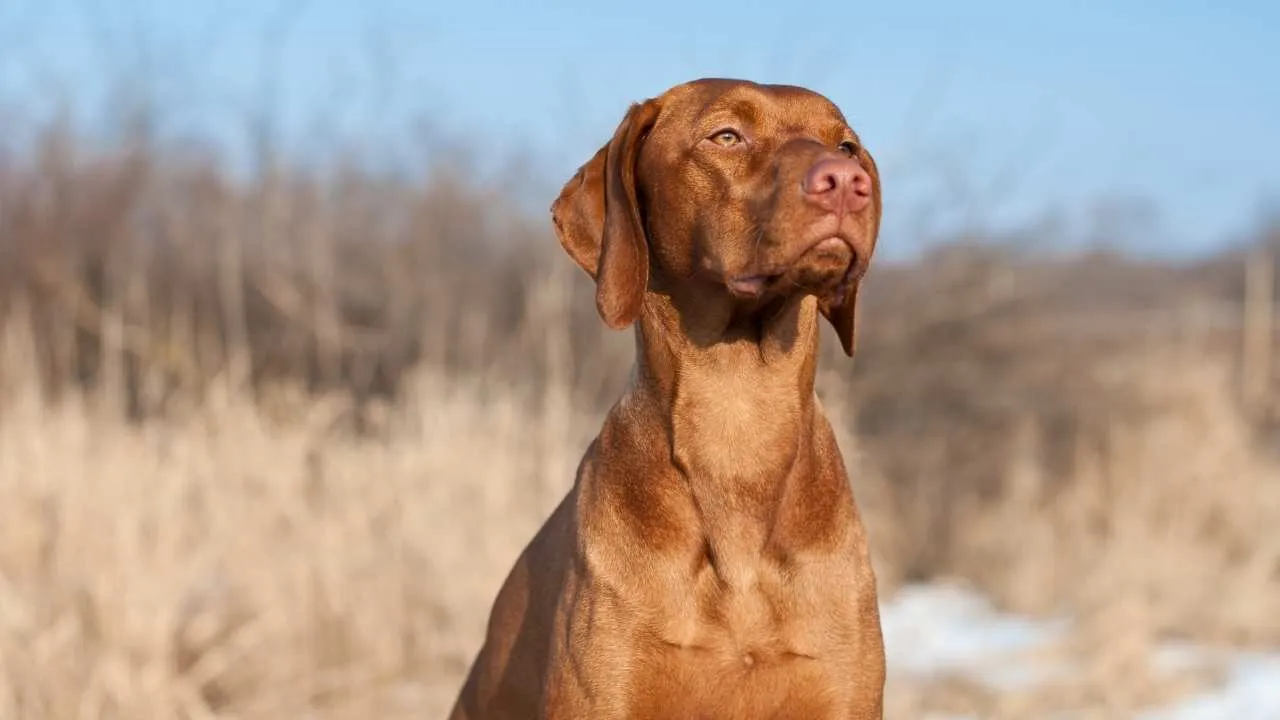
Vizslas are energetic and versatile dogs that excel in upland hunting due to their speed, endurance, and natural abilities to point and retrieve.
Developed in Central Europe for bird work, this gun dog uses a sharp nose and steady drive to locate and hold game birds until the handler arrives.
In real hunting conditions, this versatile dog performs well in fields, edges, and uneven ground where birds shift quickly between cover types.
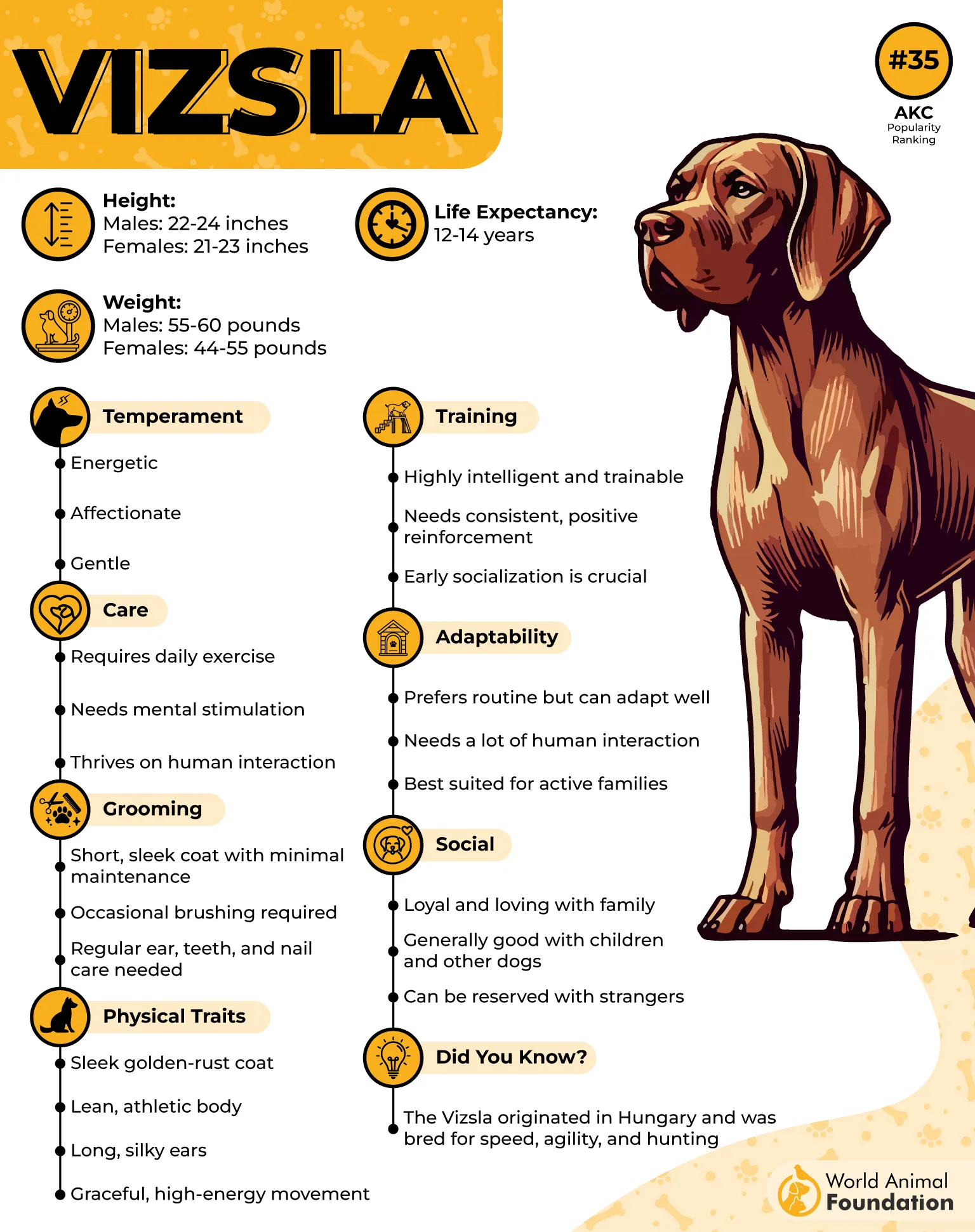
Its strength comes from working closely with a handler, responding to signals, and maintaining focus during long days outdoors. It is valued for its ability to track scent efficiently and stay controlled even when birds flush suddenly from cover.
Outside hunting, it forms strong bonds with people and prefers active routines rather than long periods of inactivity. Regular exercise and consistent training are essential to channel its energy into reliable performance in the field.
It remains an excellent choice for upland hunters seeking speed, precision, and steady cooperation across changing environments, especially during unpredictable bird movement and terrain conditions
7. Irish Setter
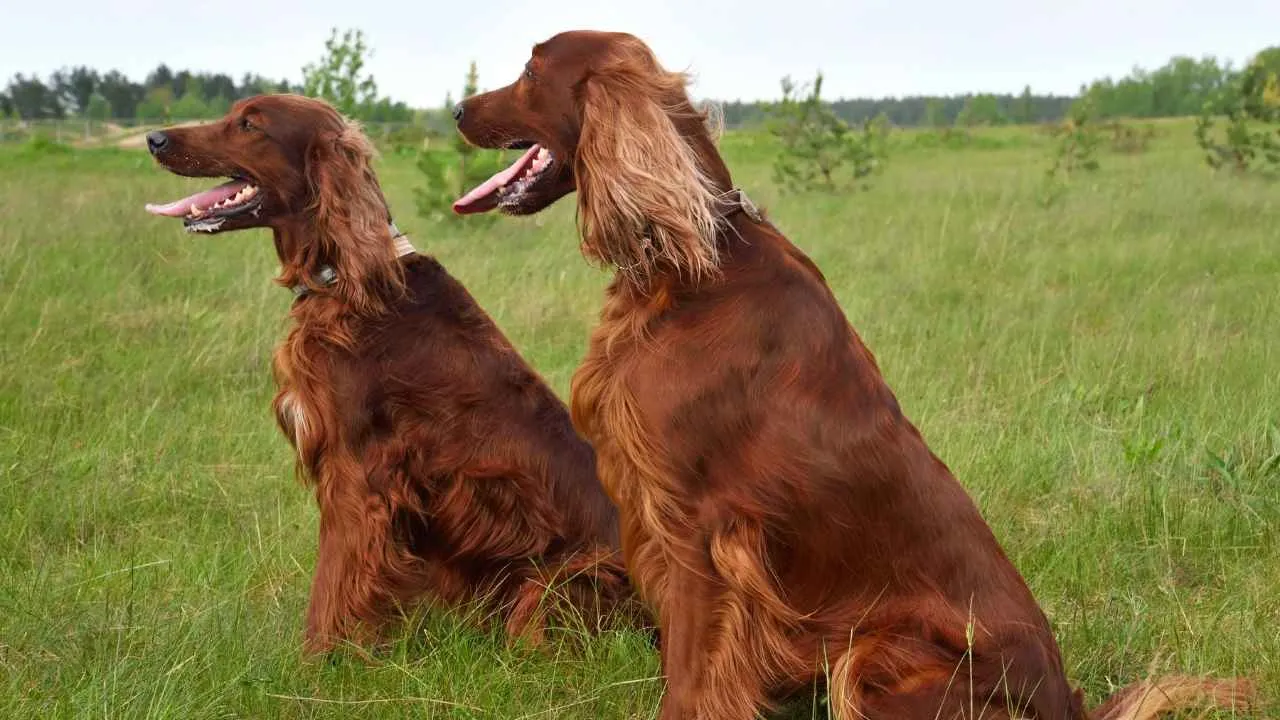
Irish Setter is a classic upland hunting dog with roots tracing back to small Spanish hunting dogs brought to Ireland around the 1500s, where they were used to locate and crouch over birds so hunters could capture them, as noted by WebMD.
Over time, selective breeding shaped taller, faster dogs known for tracking game birds across open fields using their strong nose and wide searching style.
By the 1800s, the modern form emerged as a refined bird dog valued for both skill and striking appearance.
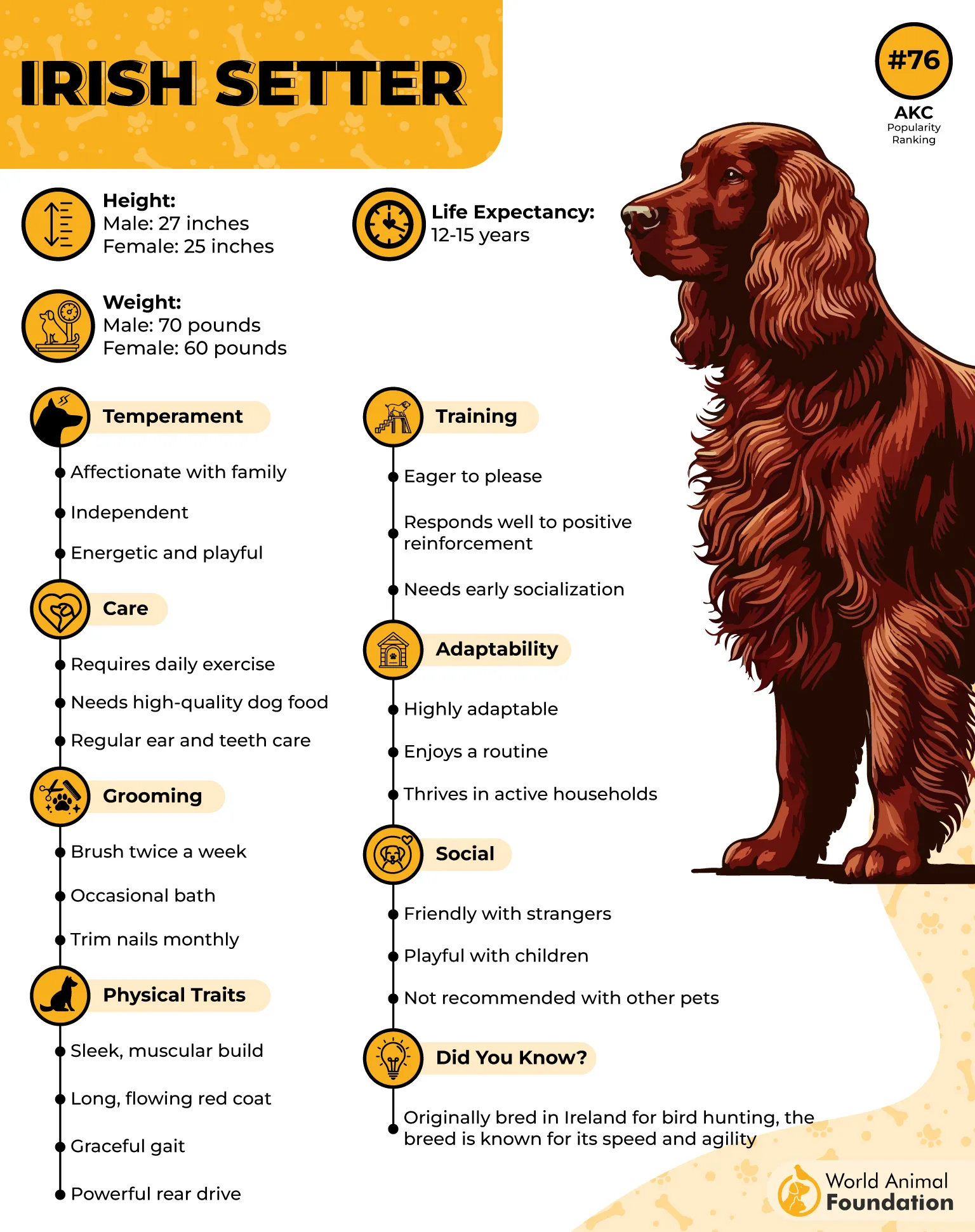
In hunting situations, it works by ranging ahead of the hunter, using scent to follow bird trails, and signaling their location through steady focus. This makes it useful in large upland areas where birds spread out across grasslands and brush.
At home, it is a friendly dog, but it requires daily exercise and structured training to stay balanced.
Without enough activity, its natural curiosity and strong hunting drive can lead it to wander or investigate anything that carries scent. Consistent work helps turn its enthusiasm into reliable field performance during hunting seasons.
Conclusion
Upland hunting success depends on dogs that can read terrain, follow faint scent trails, and stay steady when birds break cover unexpectedly.
The most effective companions combine stamina with control, moving efficiently through grass, brush, and uneven ground while staying responsive to handler signals.
Strong scenting ability helps locate hidden birds before they flush, and reliable retrieving ensures recovery even in dense or wet cover.
Beyond physical skill, cooperation and training shape how well a dog performs in changing weather and terrain. In the field, consistent teamwork between hunter and dog remains the true key to steady results.
