




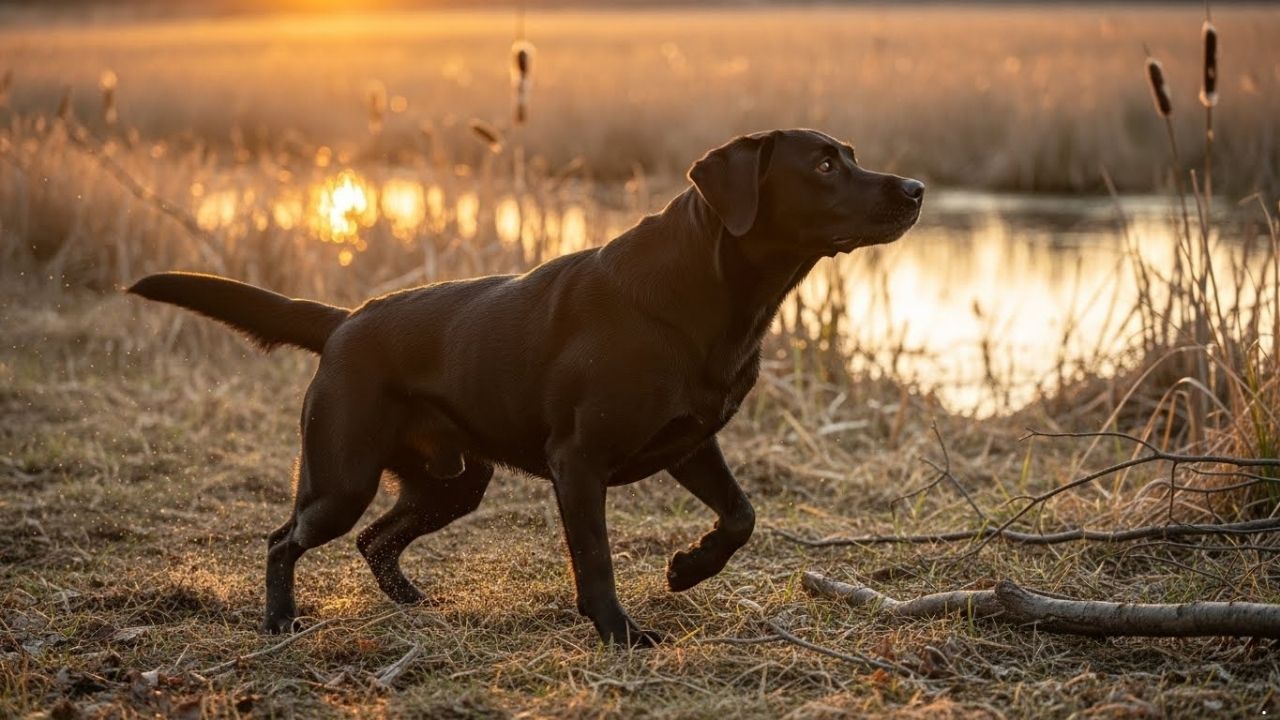
Upland hunting is not just about birds. It is about the walk, the cover, the wind, and the dog at your knee. A good, friendly dog turns a rough day into a story you will tell for years.
Want to see how we do that? We start by picking a breed that fits your terrain, your pace, and your style.
Now, upland country can be nasty. Think thorny brush, cattails, icy puddles, steep draws, and fields that never end. Your dog needs drive, nose, grit, and enough brains to listen when it matters.
And here’s the best part! When the right dog clicks with you, the whole hunt feels smoother, safer, and way more fun.
Before we jump in, picture your perfect day. Are you walking slow for tight-holding quail, or marching hard for late-season roosters?
Learn your dog’s pace. Watch the wind. Let them cast, then reel them in. The best hunts feel like a calm team effort.
Your dog is an athlete, not a robot. Build fitness before the season. Pack water, a small first-aid kit, and a bright vest or collar for visibility. Keep paws in mind, too. Burrs, ice, and sharp stubble can chew them up fast. A two-minute check can save a whole weekend.
Top Dog Breeds For Upland Game Hunting Adventures
1. German Wirehaired Pointer
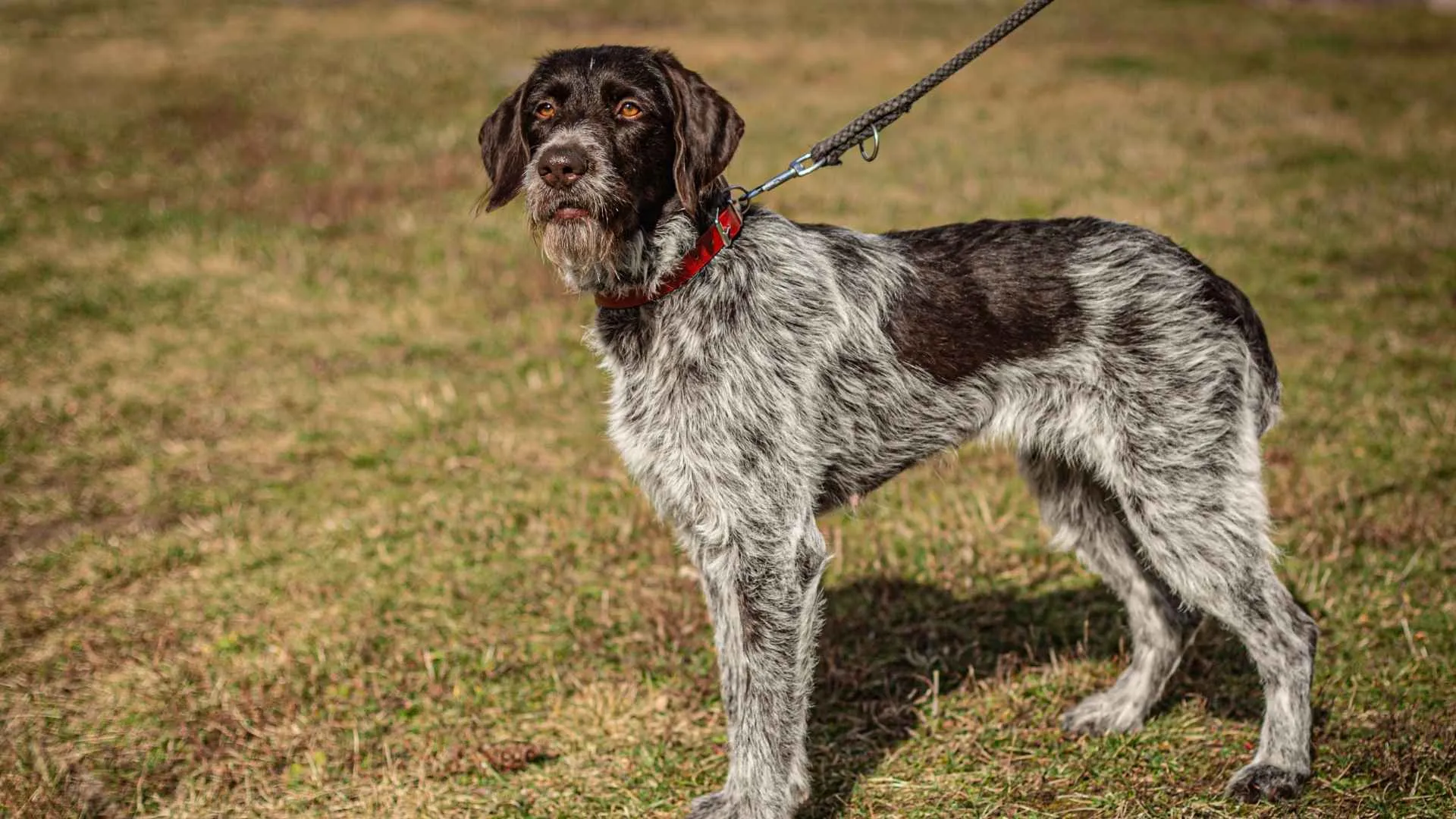
This is the “do it all” bird dog that laughs at bad weather, then asks for another round. Its wiry coat works like armor in the thorny cover and rough brush. It can handle land hunts and water work, which is handy when your upland trip turns into a mixed-bag day with ditches, ponds, and mud.
The breed is built for long miles and steady focus, so it can keep searching without falling apart.
In the uplands, a German Wirehaired Pointer shines when birds run. A wing-tipped pheasant can vanish into cattails fast. This dog can track that messy scent through thick cover and come back with the bird, beard, and all.
Sounds crazy, right? Exactly. That mix of nose, toughness, and calm pressure is why so many serious hunters trust the wirehair.
Training-wise, this breed rewards clear rules and real work. Give it a job, and it settles into the rhythm of the hunt.
It also tends to be protective and bold, which is comforting when you are deep in cover and far from the road. But why bother with that? Because confidence in your dog is peace of mind.
Field-ready strengths
Tough, bristly coat for burrs, thorns, and cold wind
Points upland birds and can retrieve on land or in water
Tracks running birds through cattails and dense grass
Built for long, gritty days in harsh terrain
2. English Springer Spaniel
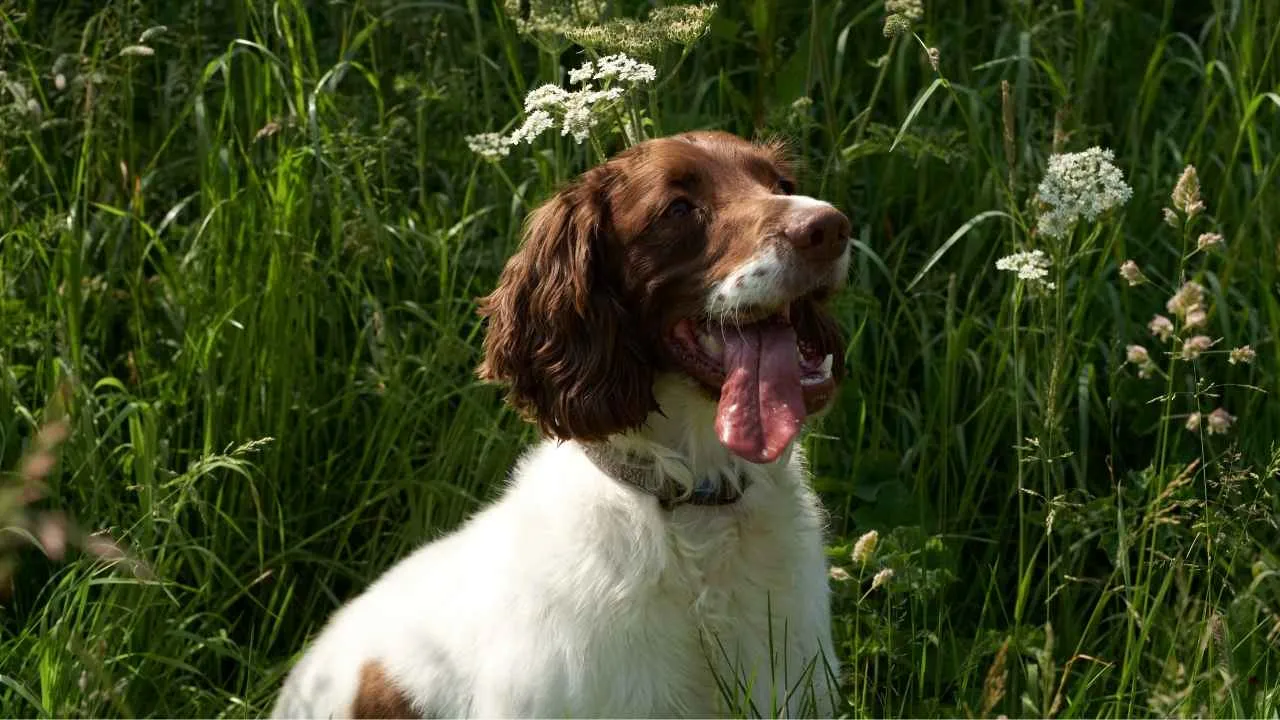
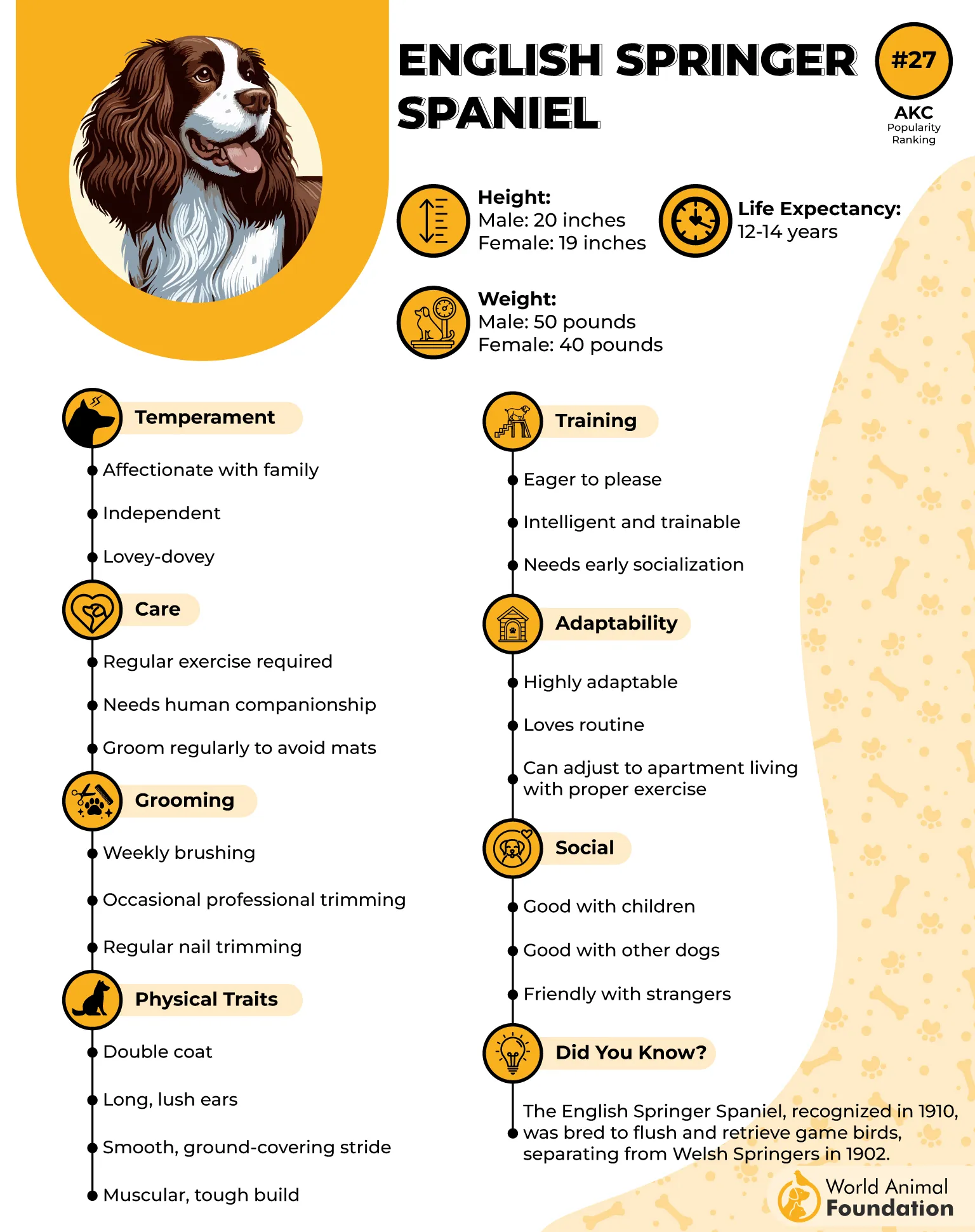
If you love close-range action, this versatile dog is your chaos buddy in the best way. Springers are classic flushers, built to stay close and keep birds moving.
They work tight, push birds up, and keep the hunt lively. Don’t be fooled by the smaller size. In thick cover and tight spots, that size is a superpower.
On pheasants, the English Springer Spaniel is famous for driving birds out and chasing them into the air, notes the AKC. It can also retrieve like a champ, with skills that can match bigger retrievers on many days.
Here’s the good part: because it can squeeze into small spaces, it reaches birds that larger dogs might struggle to get to.
At home, many Springers switch off and become sweet family dogs. In the field, they flip the switch back on and go full “let’s do this.” Keep sessions upbeat, use simple commands, and reward the find.
A steady “hup” or sit can save shots and keep things safe. It gets even worse, though, if you let boredom build. These dogs need work and play, not long weeks of nothing.
Best use on upland trips
Tight, close working range for brushy fields and hedgerows
Strong flushing drive, great for pheasant and woodcock cover
Solid retrieving for downed birds in grass and light water
Smaller body fits thick briars and narrow trails
3. Irish Water Spaniel
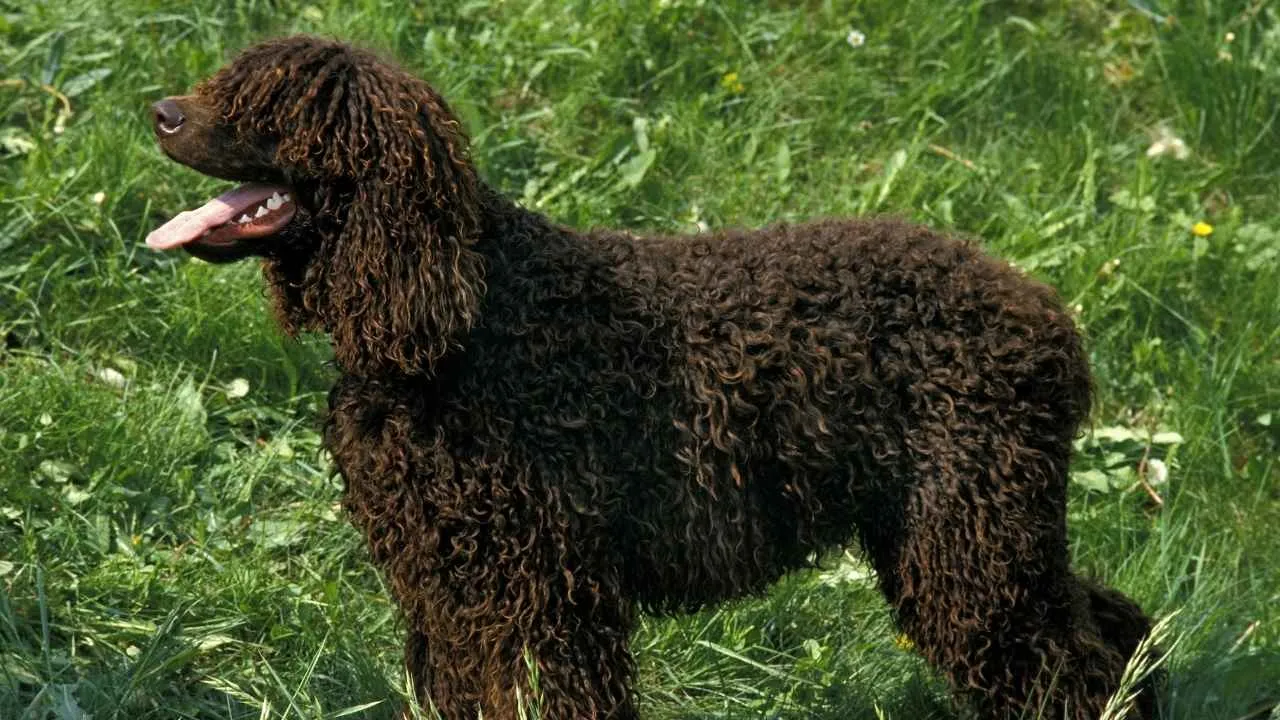
This one is the curly-coated oddball with serious talent. Irish Water Spaniels have a naturally water-repellent coat and a big, hungry nose.
They are known as the tallest of the Spaniels, and they can sniff out all kinds of feathered game. If your upland “walk” includes ponds, marsh edges, wet draws, or flooded rice stubble, this dog can handle it.
They are flush with energy and move with purpose. When birds tuck into rough ground, the Irish Water Spaniel does not hesitate to dive in.
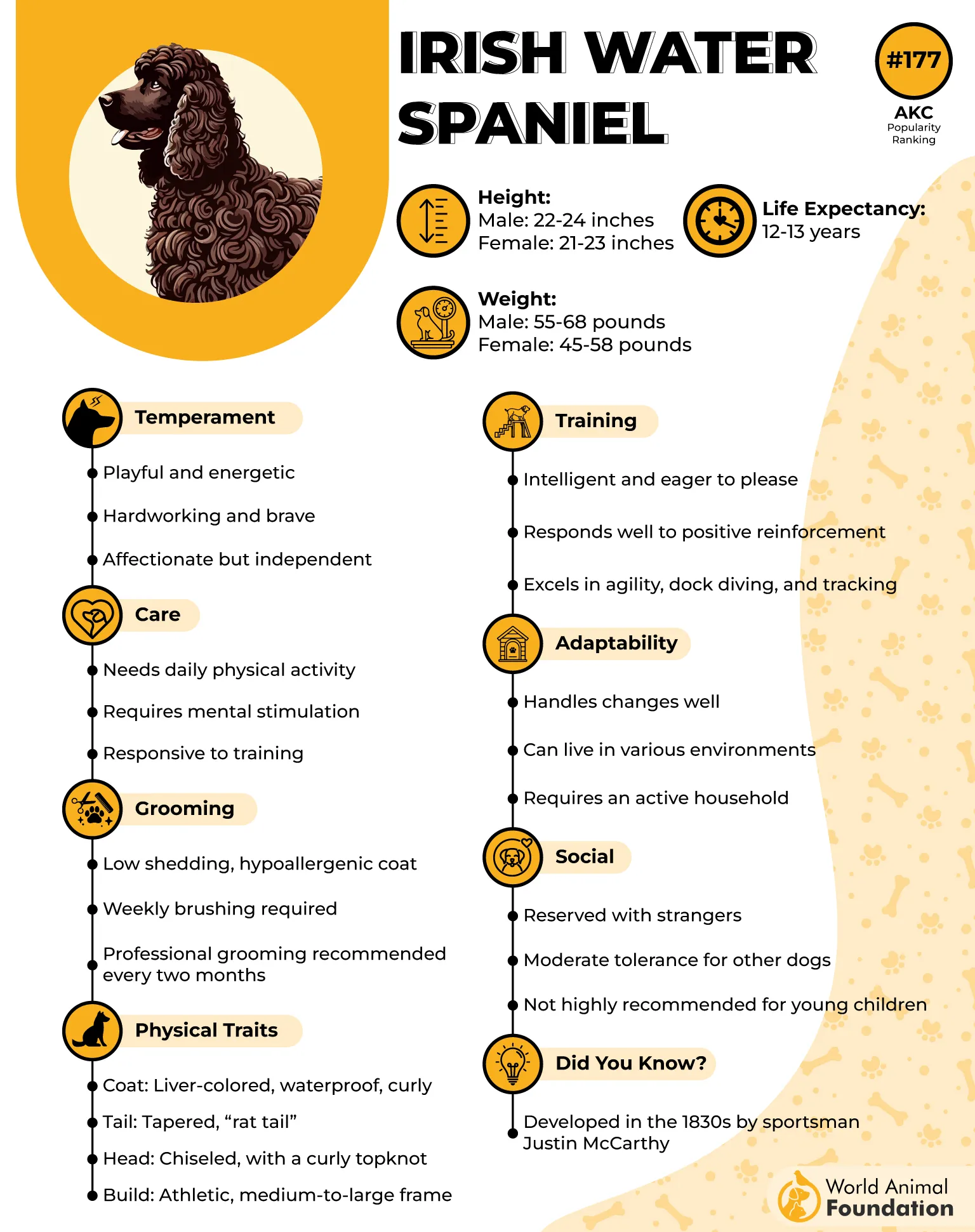
It is smart and a little independent, so it does best with a handler who stays consistent. Keep it fun, keep it fair, and you will get a dog that hunts hard and comes back proud.
Important note: that curly coat can grab debris. In heavy, wet snow, clumps can stick to the coat and turn into heavy balls. That can slow the dog down on long cornfield pushes in winter.
So you may need quick coat checks and a simple plan for grooming after the hunt. Still, when conditions are wet and nasty, this breed can feel like a secret weapon.
Quick care notes
Water-repellent curls help in wet cover and cold splashes
Strong nose for feathered game, plus bold flushing style
Coat can collect burrs or snow clumps, so check often
Best with steady training and clear expectations
4. Boykin Spaniel
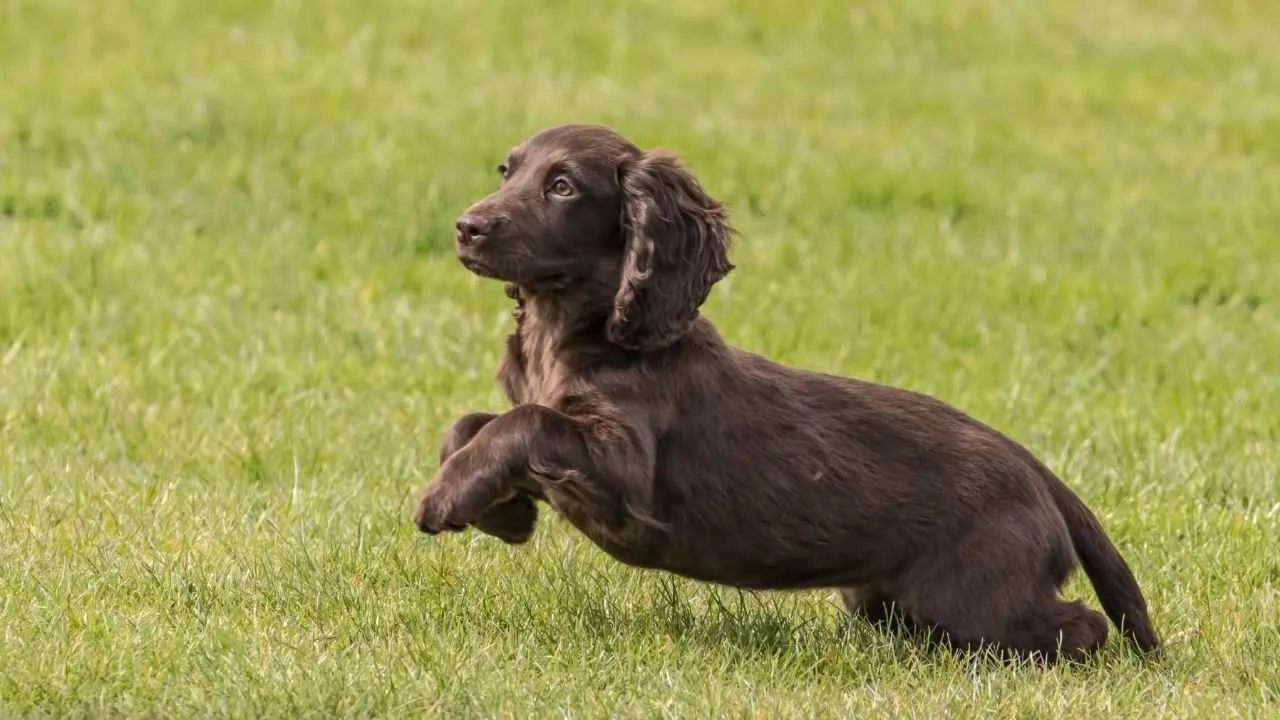
Meet the compact workhorse with a big heart. The Boykin Spaniel is an American original, and its smaller frame makes it easy to travel with and easy to lift over fences.
It is also a great fit for hunters who like small boats, tight blinds, or cramped truck space. But smaller does not mean soft. This dog loves to work hard.
According to Project Upland, in upland country, Boykins are often used on pheasants, grouse, and quail. They are energetic and eager to get into the cover, flushing birds, and staying busy.
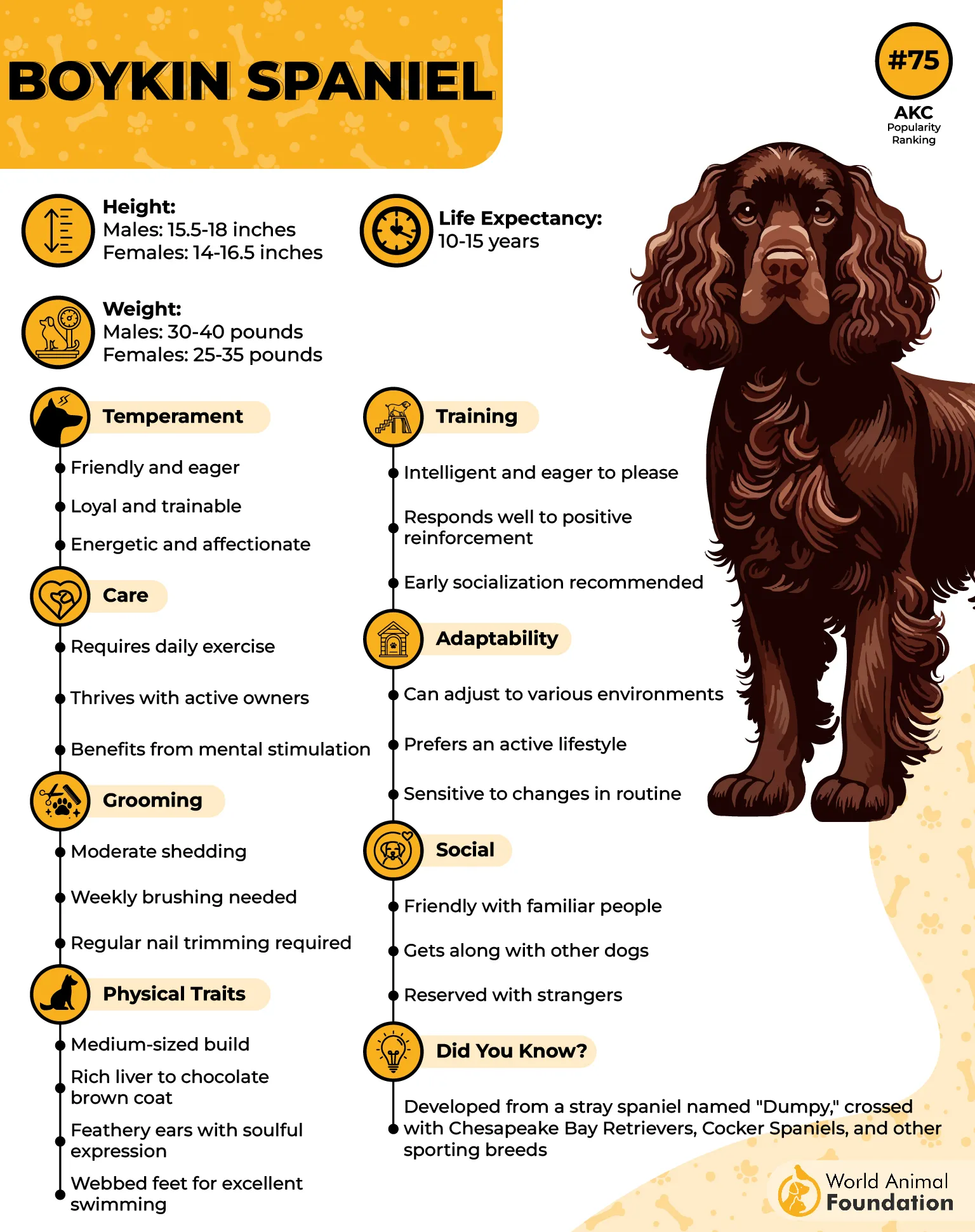
Here’s the best part! Their size lets them slip through grass and brush without crashing the whole county like a bigger dog might.
They tend to bond fast, which makes training feel personal. Use short drills, lots of praise, and repeat the basics until they are clean.
Want to see how we do that? Keep your recall sharp and your “wait” solid, because excited Boykins can turn into little rockets. Channel that energy, and you get a fun, focused upland partner.
What makes Boykins special
Compact size for boats, tight cover, and easy transport
High energy and strong work ethic in upland fields
Flushes birds and can help retrieve after the shot
Friendly, people-focused attitude helps training stick
5. Labrador Retriever
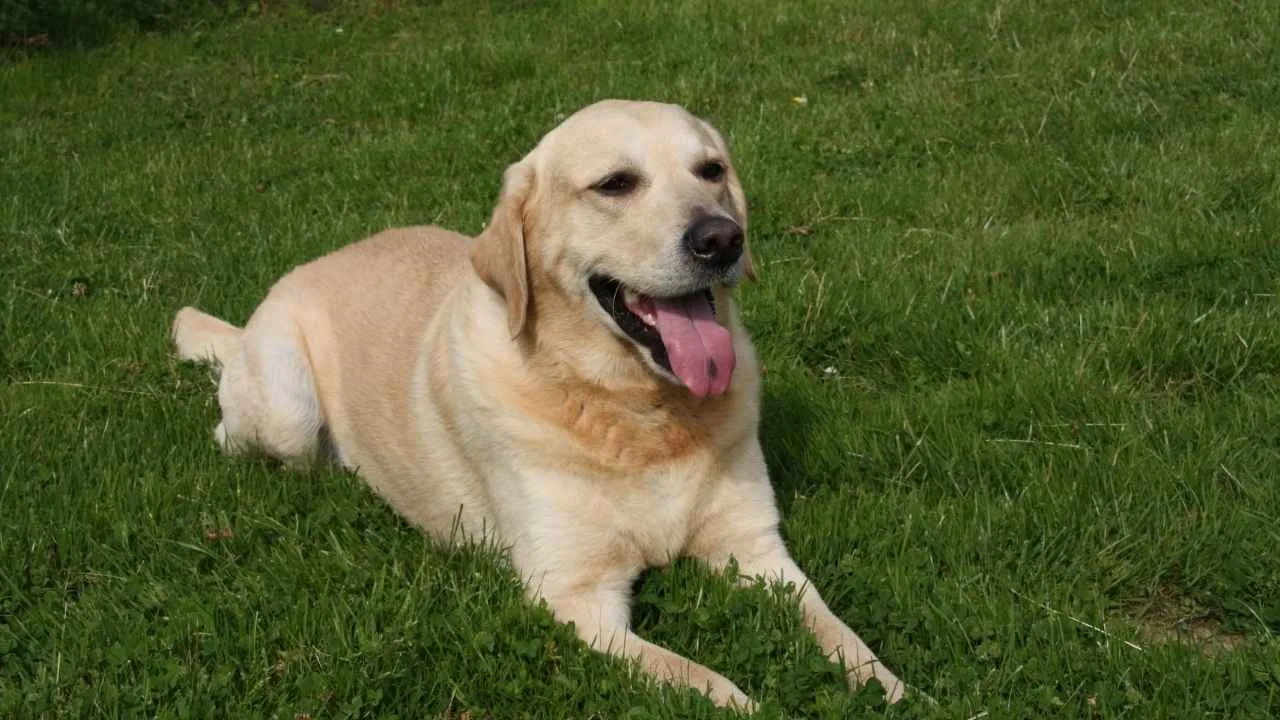
Yes, the Lab is famous for ducks. But upland hunts love a good Lab too. Labs have a short, waterproof coat and can handle cold water and nasty weather.
They are energetic, intelligent, and eager to please, which makes training smoother for many people. And they can retrieve on land like it is their favorite game.
On upland trips, a Lab is great when you want one dog for everything. It can walk big fields, mark a downed bird, and bring it back clean.
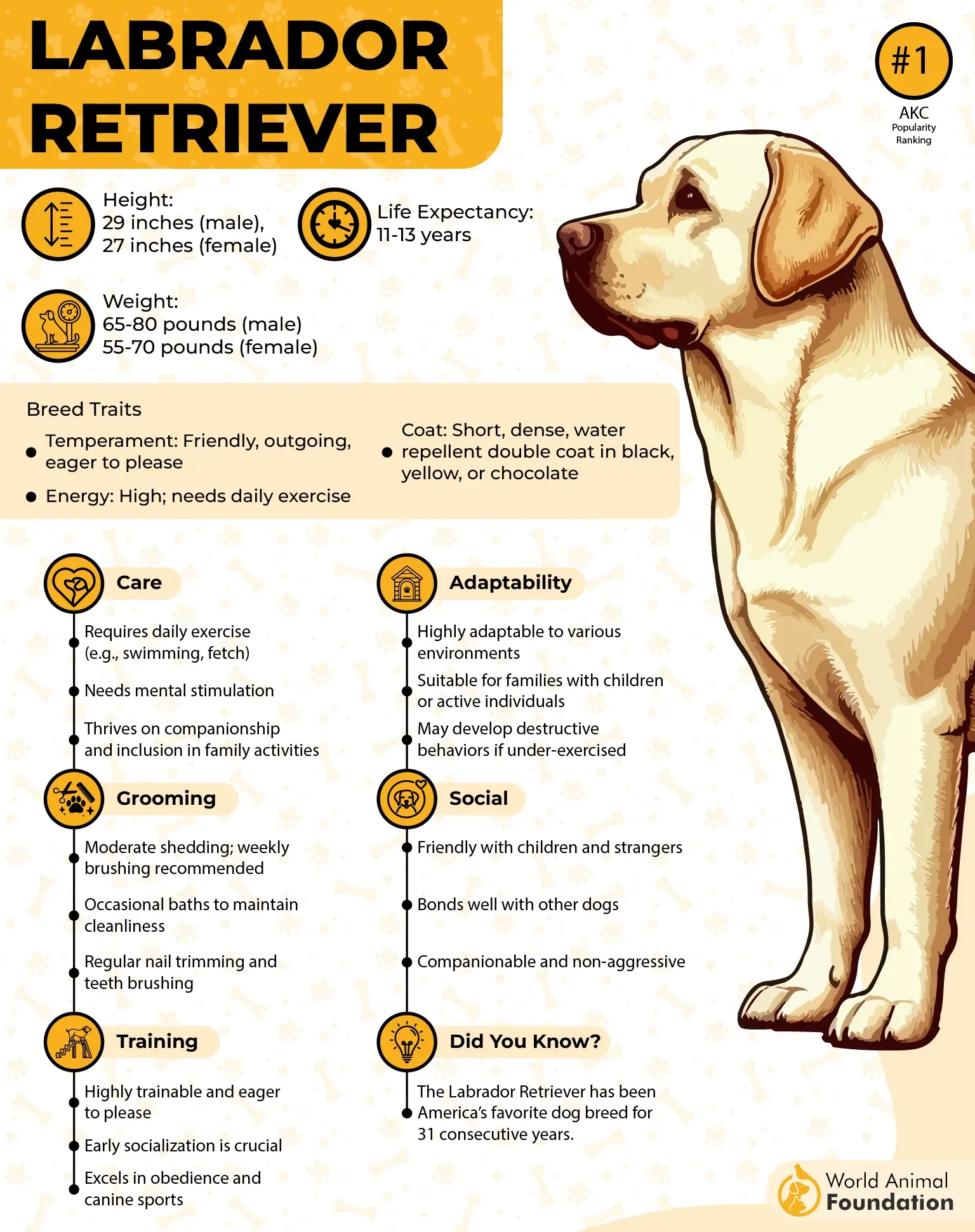
When a bird drops in tall grass, the Lab’s focus and drive help you avoid those painful “Where did it go?” moments. That saves time, saves birds, and saves your mood when the grass is chest-high and the wind is rude.
Labs also tend to be friendly and steady at camp. That matters on multi-day hunts when everyone is tired. But wait, there’s more! Many Labs handle rough routines well.
Run them hard, dry them off, feed them right, and they are ready again. Keep their fitness up and their obedience sharp, and they will be your reliable, no-drama teammate.
Why upland hunters keep choosing Labs
Strong retrieving on land, even in tall grass and heavy cover
Waterproof coat and cold tolerance for mixed terrain days
Trainable, eager attitude that fits many hunting styles
Good camp manners when properly exercised
6. Treeing Walker Coonhound
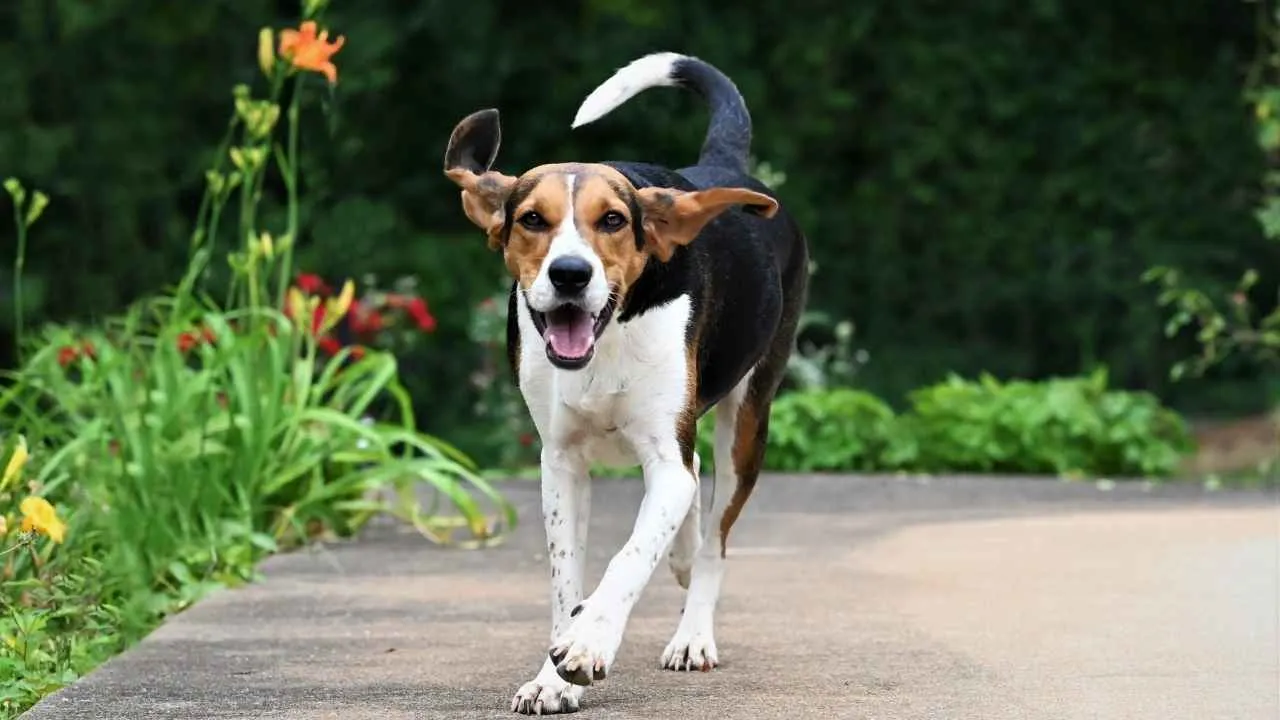
Okay, this one is not a classic bird dog, and that is the point. Upland adventures can be bigger than birds. If your trips mix birds with rabbits, raccoons, or night hunts after camp, the Treeing Walker Coonhound brings a whole different skill set to the party.
As per PetMD, this hound is alert, athletic, and built for speed and endurance.
Treeing Walkers are tough enough to track through dense underbrush and keep going. They use their nose to trail and their voice to tell you what is happening.
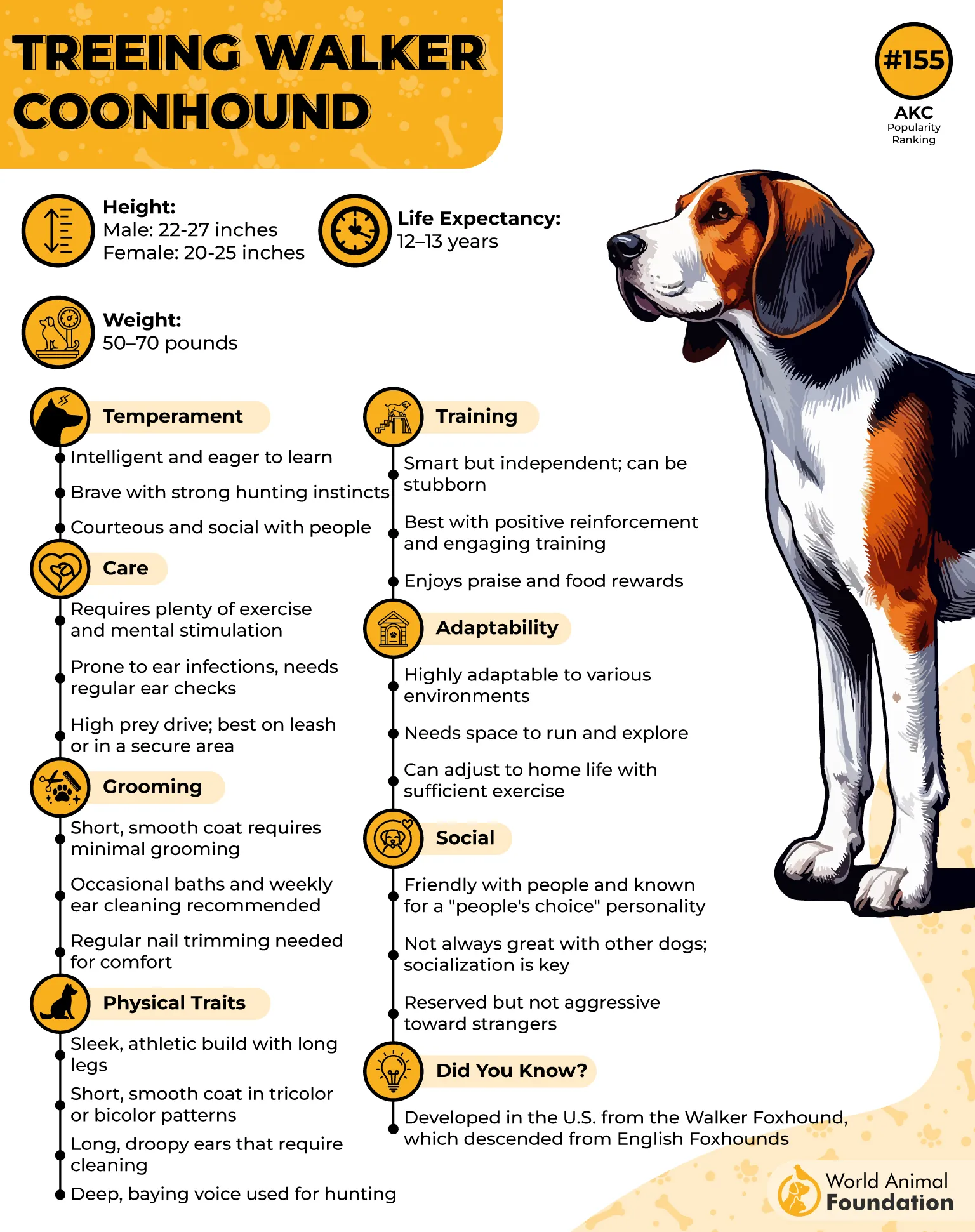
When they locatethe quarry, they can tree it and hold that spot until you arrive. That loud, honest “I found it!” voice is gold when you are in thick woods and cannot see the dog.
Here’s the good part: many of these hounds are focused in the field but easygoing at home. So you can hunt hard, then chill at camp.
Just remember, they need training around recall and boundaries, because their nose can pull them into “one more trail” mode. Sounds crazy, right? With a Walker, that is Tuesday.
How it fits an upland adventure
Strong trailing nose for mixed-game hunts around upland camps
Athletic build for long runs and thick underbrush
Uses voice to signal location, helpful in big timber
Often relaxed at home when daily exercise needs are met
7. Pharaoh Hound
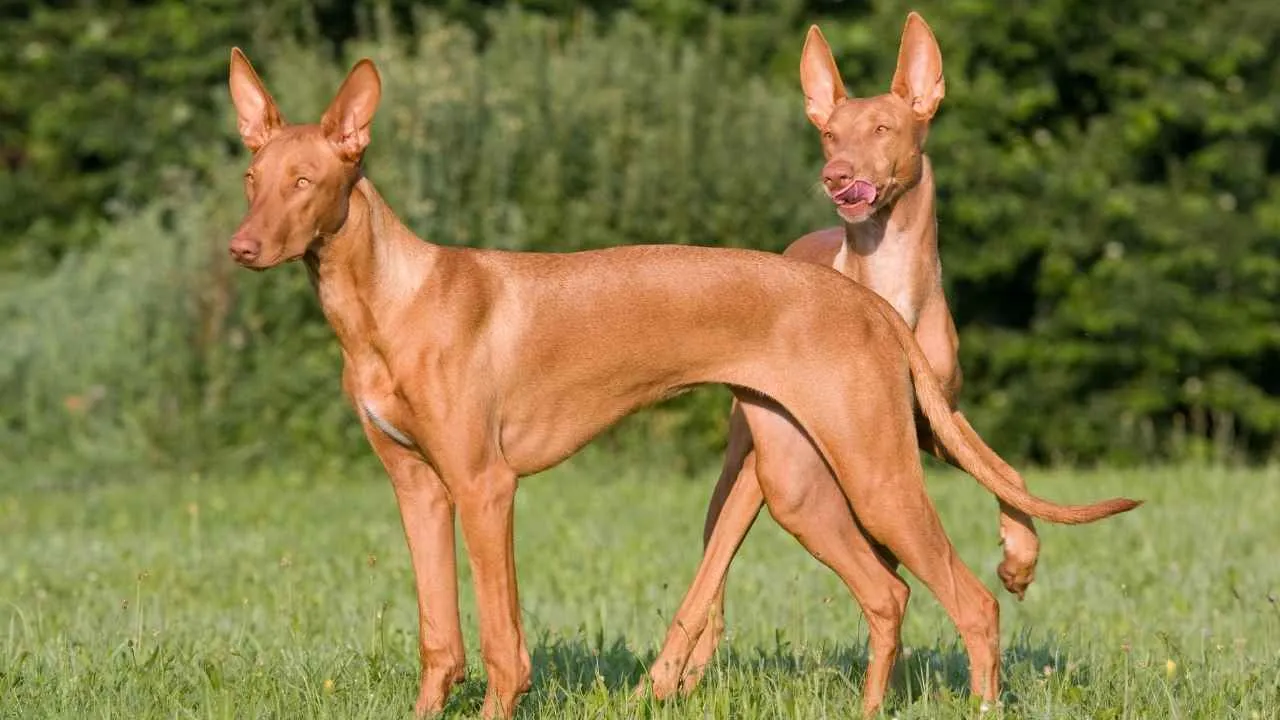
This is the sleek sprinter with a brain and a sense of humor. Pharaoh Hounds hunt in a different style. They use sight and speed more than steady ground scenting.
In places where rabbits bolt across open ground near your upland cover, this dog is in its element, eyes locked and legs flying.
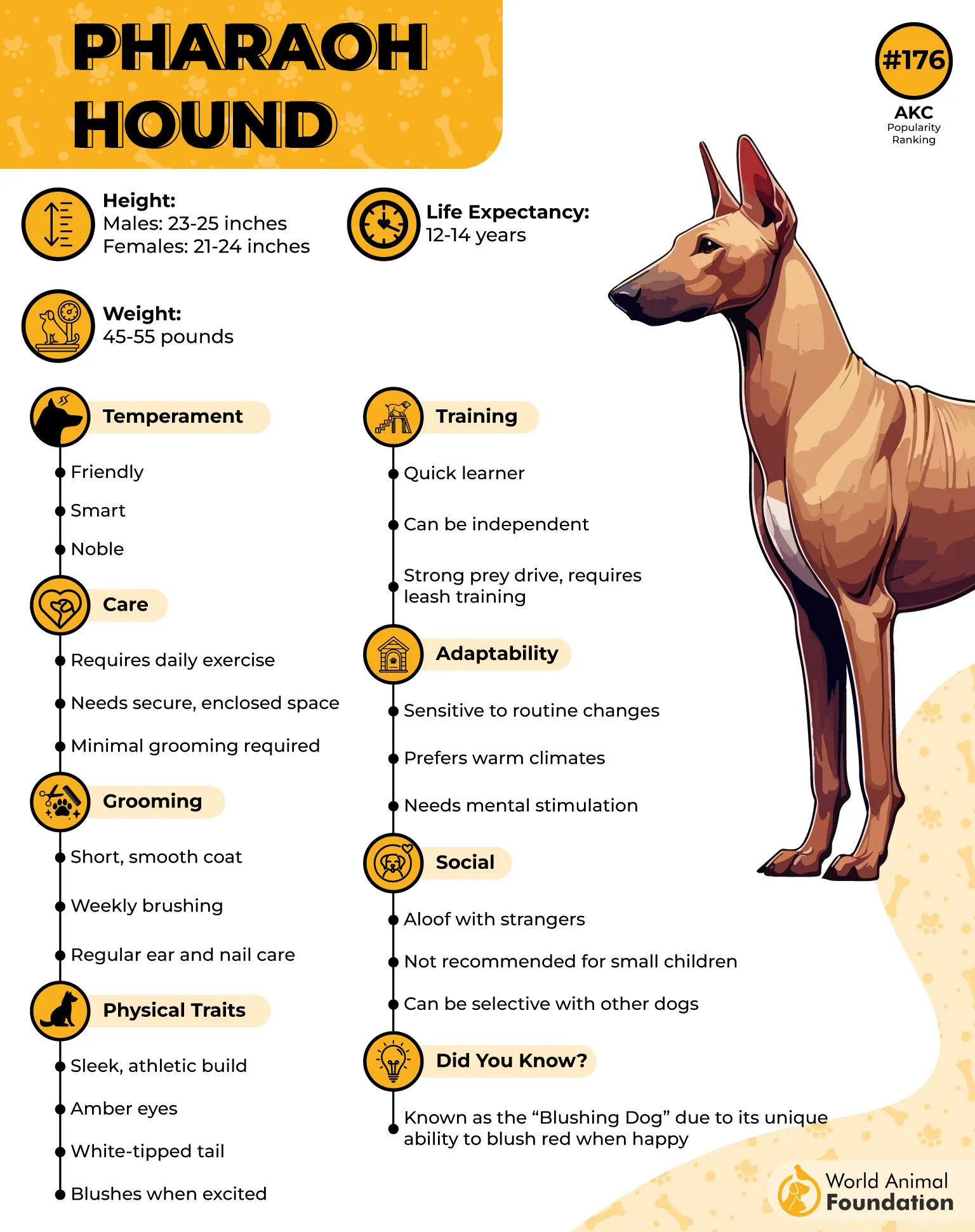
The Pharaoh Hound is known as the national dog of Malta and has a long history of hunting rabbits. It can chase with real vigor, and it is smart and fast.
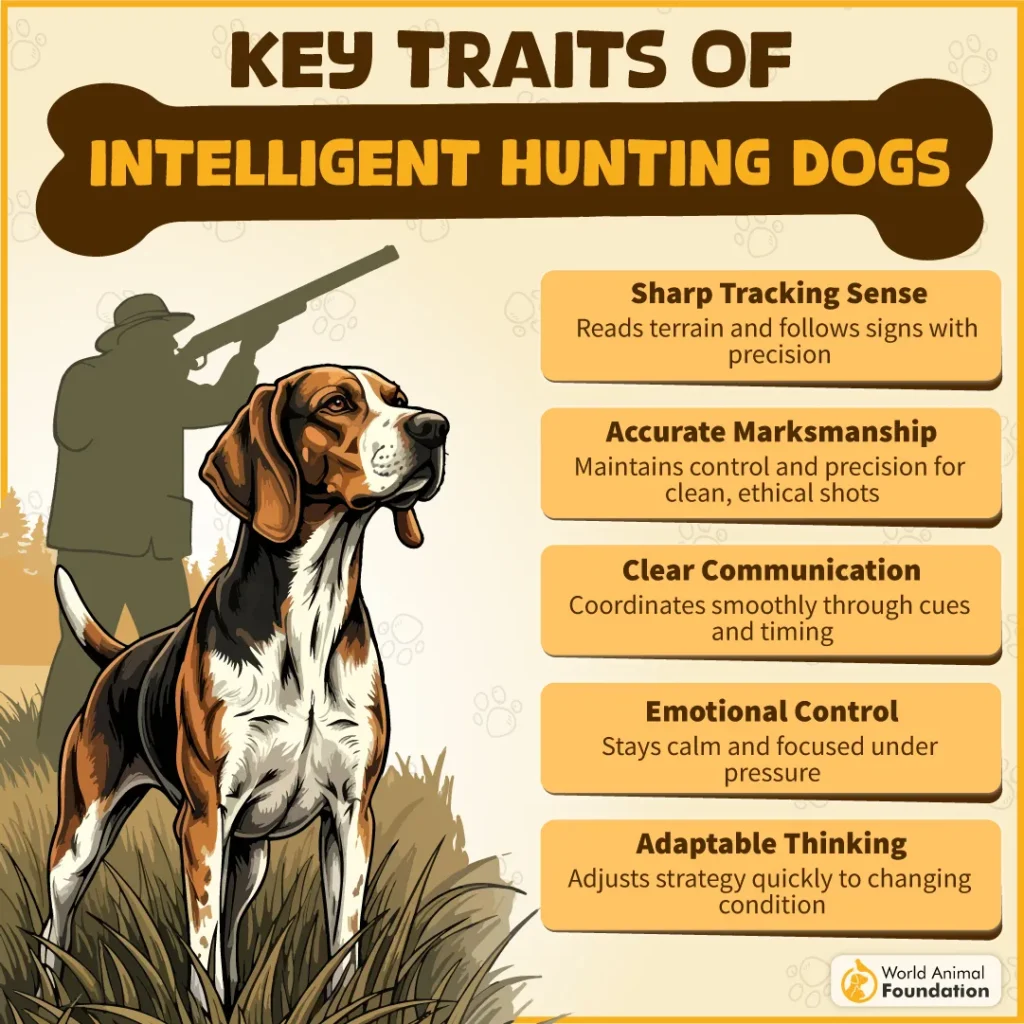
It can even work alongside ferrets to help corner game. That teamwork is wild, and honestly, it is one of those “wait, dogs do that?” moments.
Because they are athletic, they need real exercise and fun training. They can be a bit independent, so keep lessons positive and short. Also, fun fact: Pharaoh Hounds can “blush” when excited, and some do a goofy smile. Not kidding.
If you want an upland trip that includes open-country rabbit chases and a dog that turns heads at camp, this breed brings style without being a diva.
Good to know
Sighthound speed for rabbits and quick, open-ground chases
Smart, playful personality with bursts of high energy
Low grooming needs thanks to a short, glossy coat
Can blush when excited, which is equal parts weird and adorable
8. Norwegian Elkhound
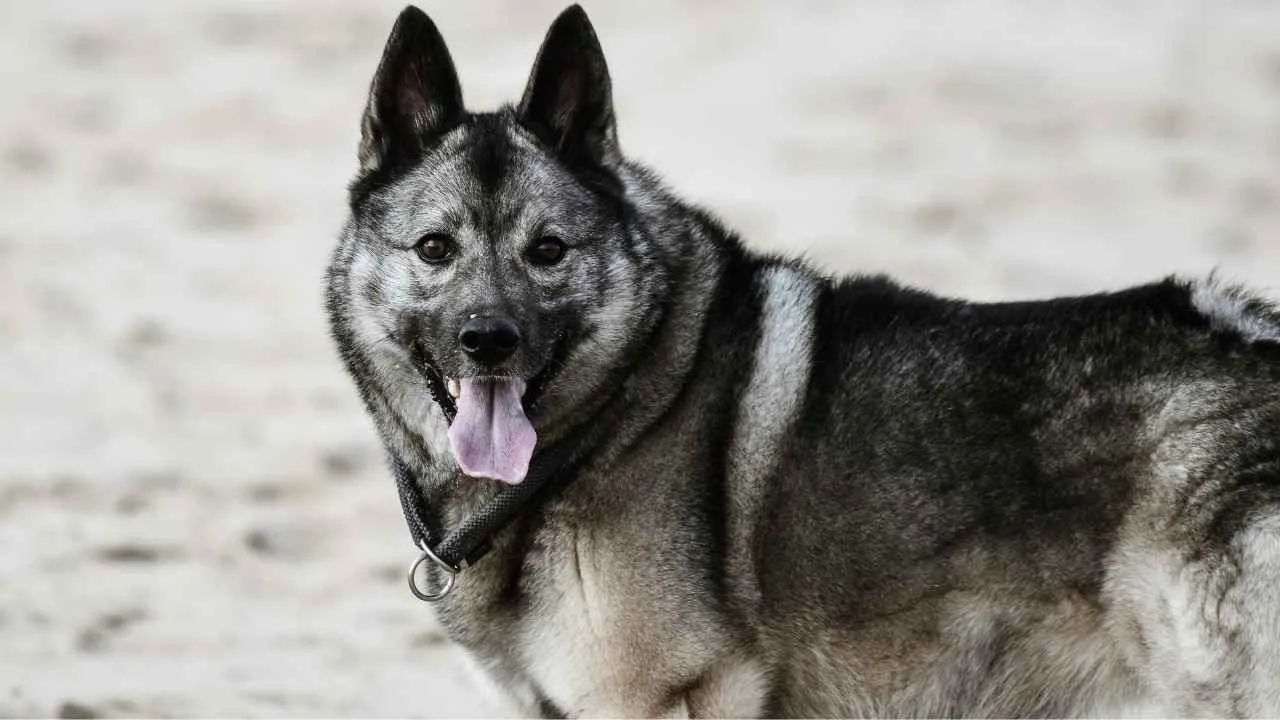
This is the tough, northern buddy built for rough ground. Norwegian Elkhounds have hunted for thousands of years, including alongside Vikings. They are brave, hardy, and smart.
On big, rocky terrain, they can help find large game and keep it at bay until you arrive.
So why put an elkhound in an upland blog? Because upland “adventures” are not always just birds. Some trips are backcountry camp runs where you want a dog that can hike, watch camp, and handle cold mornings without acting miserable.
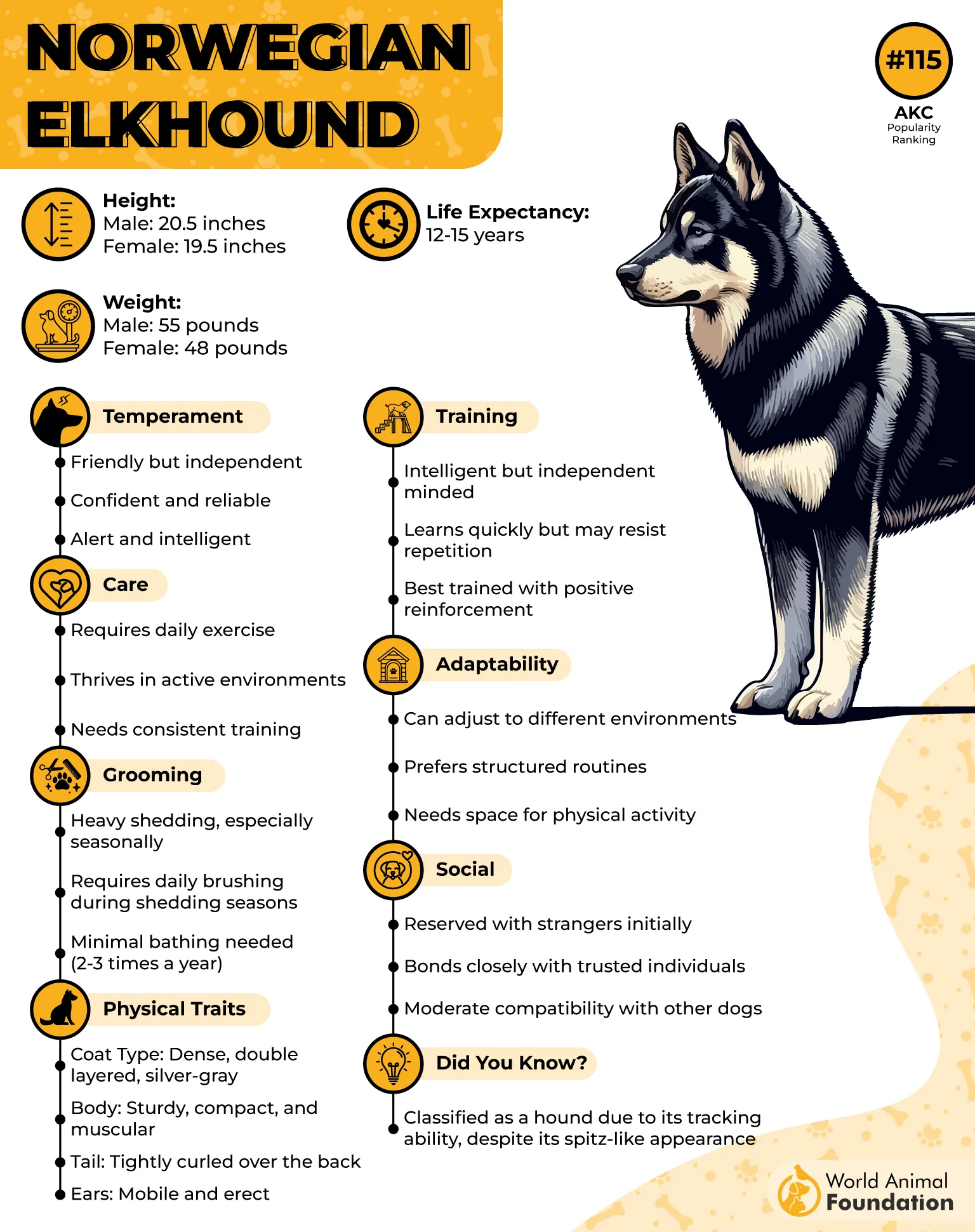
The Elkhound’s thick coat and steady courage are a solid match for that kind of trip.
They can be independent, which makes sense for a dog bred to work at a distance. Training needs patience, not yelling. Keep it simple, stay consistent, and give them a job.
Here’s the best part! When they trust you, they are a loyal comrade, the kind of dog that sticks close when it counts.
What upland hunters may love
Hardy build and thick coat for cold, rugged country
Brave nature and alertness around camp and trail
Can handle rocky terrain and long hikes with you
Loyal, protective streak when properly trained and socialized
9. Karelian Bear Dog
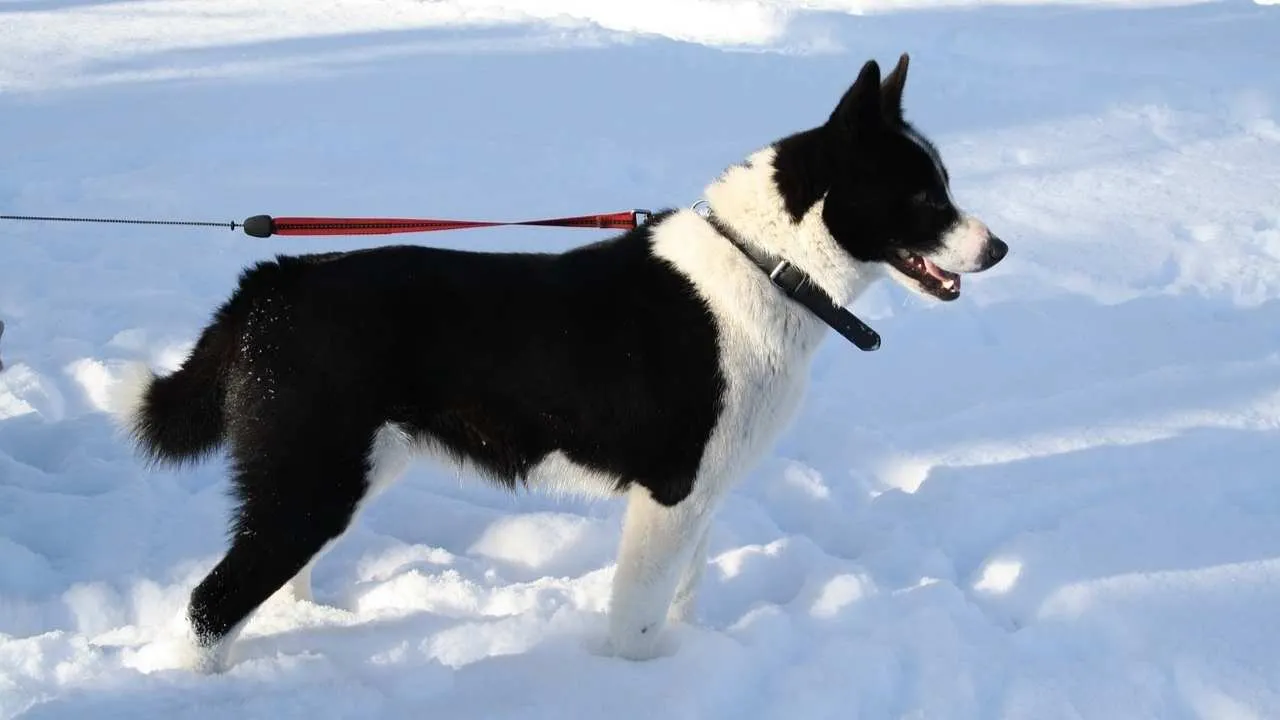
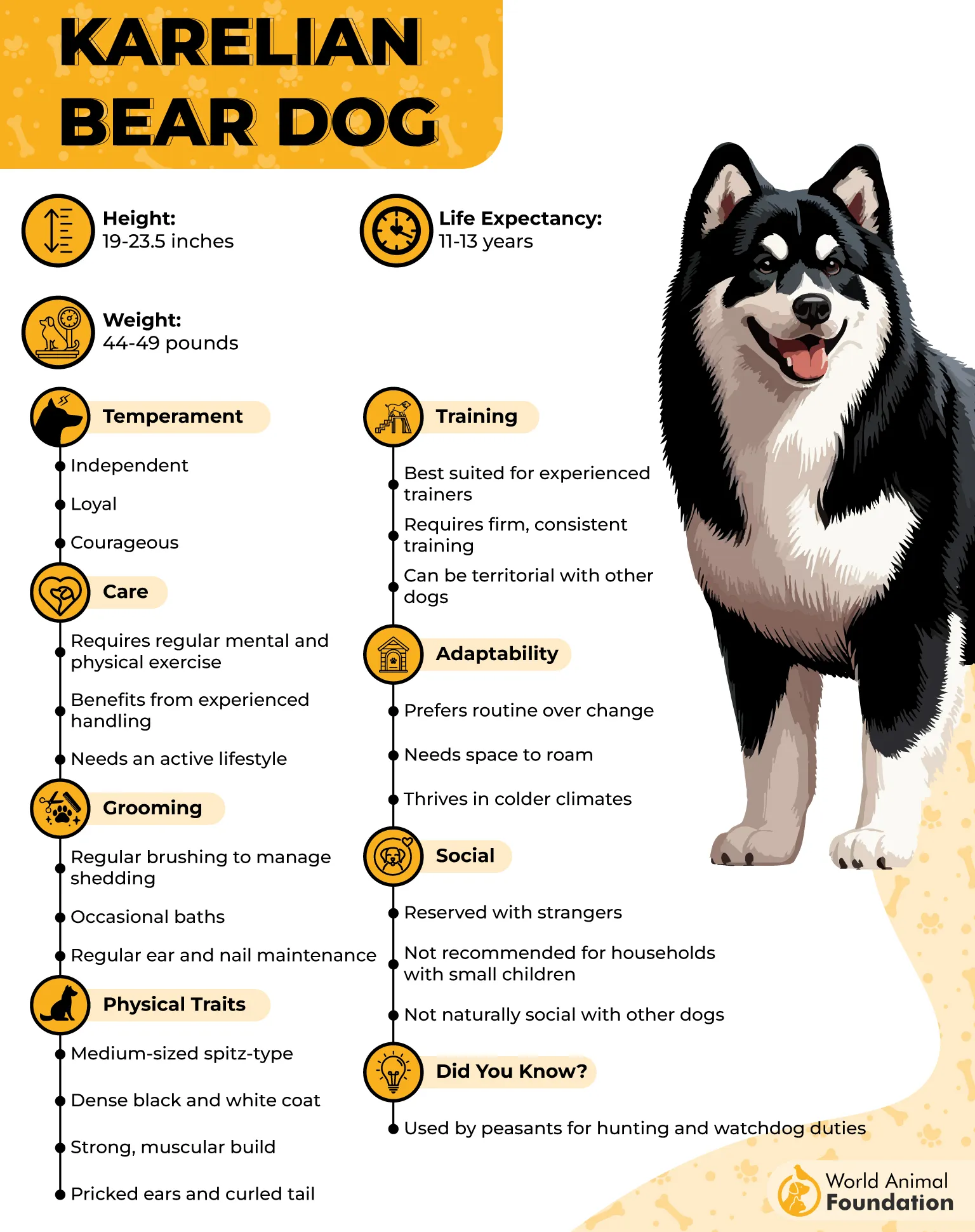
This is the fearless specialist, and you should treat it with respect. Karelian Bear Dogs were bred for big, dangerous game and harsh conditions.
They are working Spitz dogs, tough and intense, with a mind that never stops. They can hunt with silent stealth, then bark only when they have the game located. That switch from quiet to loud is part of their style.
If your upland trips take you into remote places with real wildlife risks, a dog like this can be part of a serious backcountry team. They are known for independence and can work without constant hand-holding.
But why bother with that? Because in wild country, you want a dog that stays steady under pressure.
Here’s the good part: with the right handler, they can be loyal and reliable. It gets even worse, though, if you are casual about training.
This breed needs early social time, clear boundaries, and lots of mental work. They are not beginner’s dogs. But for experienced hunters who live for rugged adventures, the Karelian Bear Dog is pure grit in a black-and-white coat.
Important notes before you choose one
Built for harsh conditions, with a fearless working drive
Hunts quietly, then alerts with barking once game is found
Needs early socialization, firm structure, and a skilled handler
Best for serious, experienced owners with time to train
Conclusion
When hunting season hits, we all want the same thing: more time outside and more trust in our dog. Whether you run cocker spaniels, a Brittany Spaniel, an English Setter, a German Shorthair, or even a Chesapeake Bay Retriever, the goal stays simple: finding birds and staying safe in gun range.
Some are popular dogs in the dog world because they are friendly, but they also have sharp instincts. They were bred specifically for wild birds, from ruffed grouse to hunting pheasants, across different bird species.
A good breed leans on instincts like a keen sense, and sometimes an incredible nose that feels unfair. Natural pointing can make you smile fast, and a strong retrieving instinct with a soft mouth helps you retrieve upland birds clean.
But wait, there’s more! None of that replaces obedience training, proper exercise, and steady habits in the field. Even if your dog is a versatile hunter, great companions still need clear rules, especially in cold weather when energy drops and focus can slip.
Do that, and you will have good family dogs, an affectionate nature, energetic dogs, and great companions who love the hunt and the home, all in one.
