




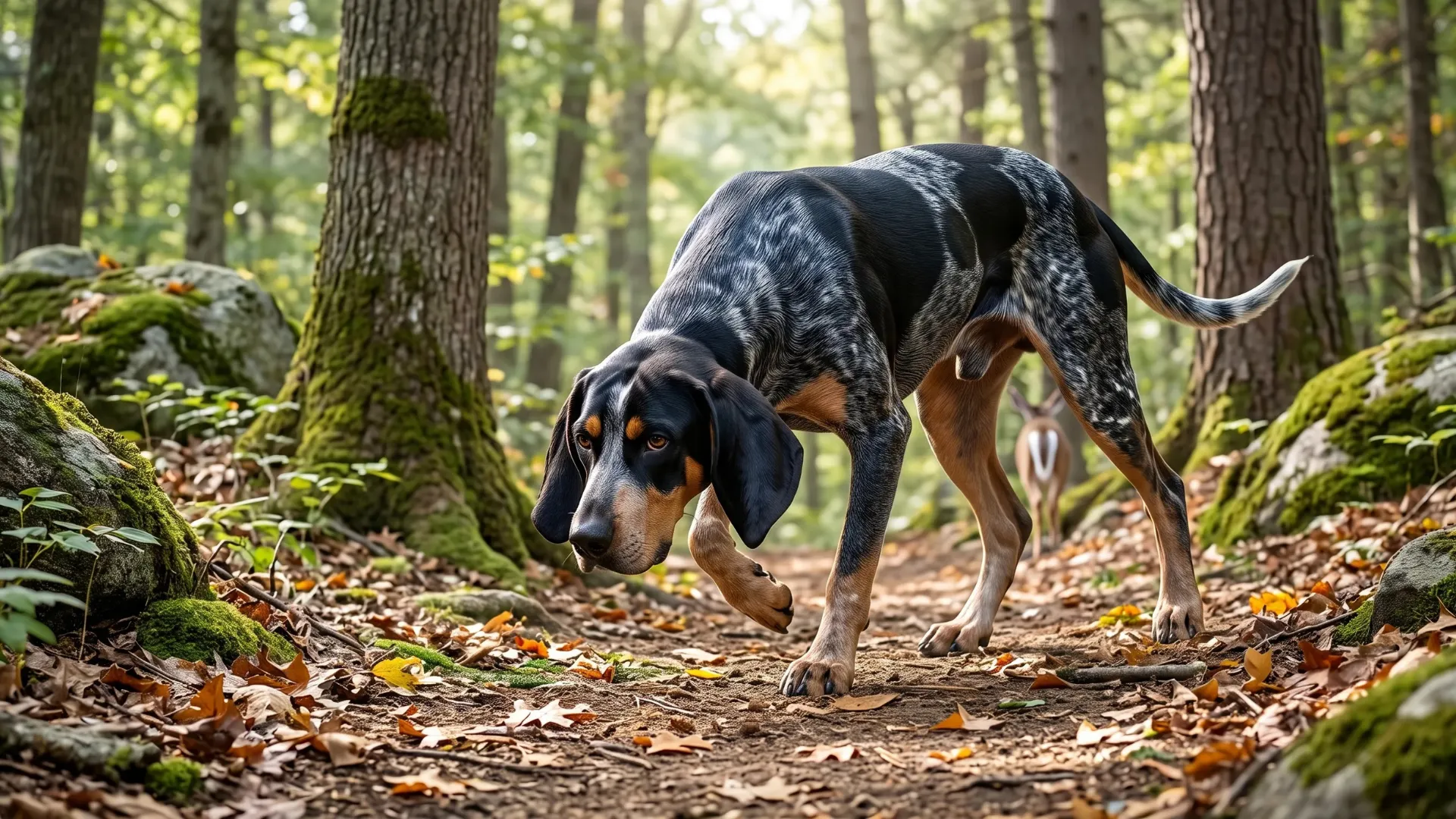
You made the shot.
You watched the deer go down, or at least you think you did.
And now you are standing on private property at dusk, staring at a blood trail that’s getting harder to see by the minute, wondering if this animal is lost for good.
Because….
A good tracking dog changes that entire situation.
A dog with a nose built for scent work, real endurance, and the drive to stay locked onto a trail for hours can find wounded game that no hunter would ever locate alone.
Deer blood, once it hits the ground, starts breaking down fast. A dog’s ability to follow that scent trail through mud, brush, and rough ground is nothing short of remarkable.
If you are after a bow-shot deer, tracking larger game like bears or hogs, or need a reliable friend for recovering wounded game season after season, you need the right tracking dog.
We have rounded up the best breeds in the business for finding wounded deer and other animals that have gone missing after being shot.
Fun Fact!
According to tracking experts, a deer’s scent spreads and weakens the longer blood sits exposed to air. That is why the first hour after a shot is important for a good tracking dog.
Bloodhounds, though, are a different story. The American Bloodhound Club notes that trained Bloodhounds are tested on trails up to 24-36 hours old during certification. Some working dogs have reportedly picked up trails even older than that.
So, if your dog finds a deer you were sure had vanished into the woods for good, that’s not luck. That’s a nose doing exactly what it was bred to do.
Top Dog Breeds for Tracking Game Animals
1. Bloodhound
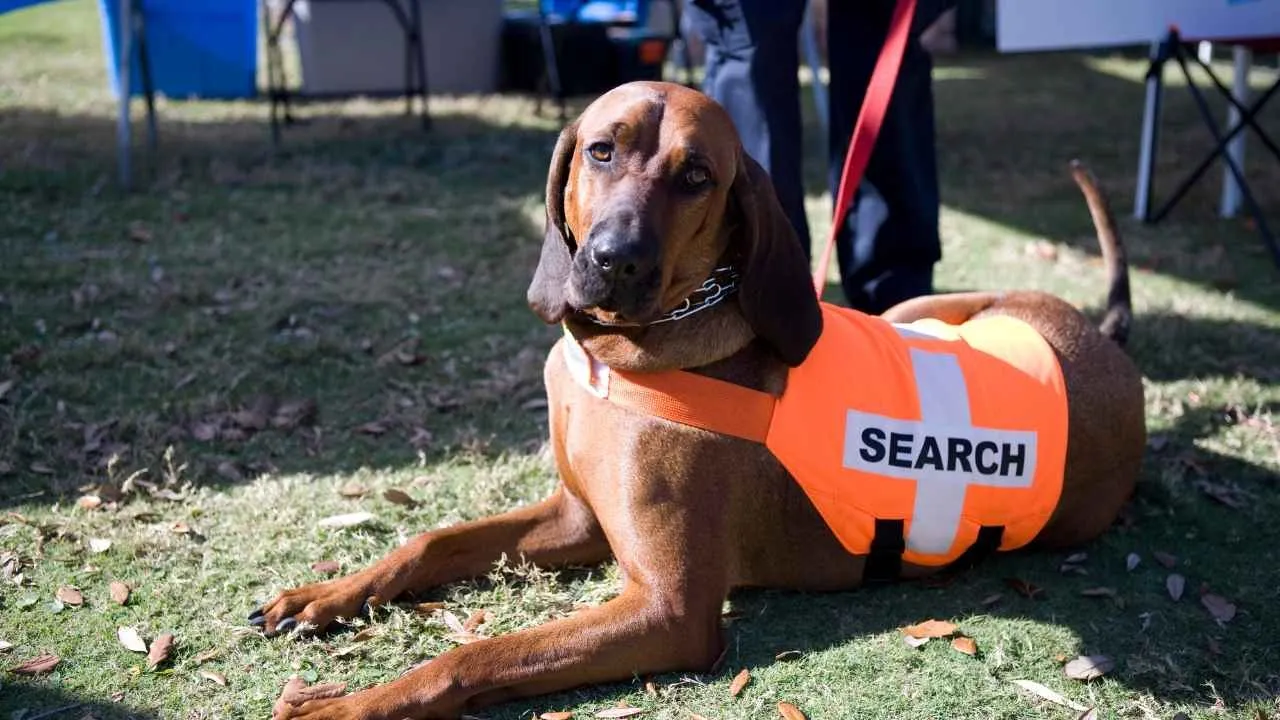
When people think of a tracking dog, they think Bloodhound. There is a reason law enforcement and hunters alike trust this breed above any other.
Bloodhounds have the most sensitive nose in the dog world. They can follow a blood trail that’s hours or days old, according to PetMD. Their long, droopy ears sweep scent particles up toward their nose as they move. That helps keep the trail locked even in tricky conditions.
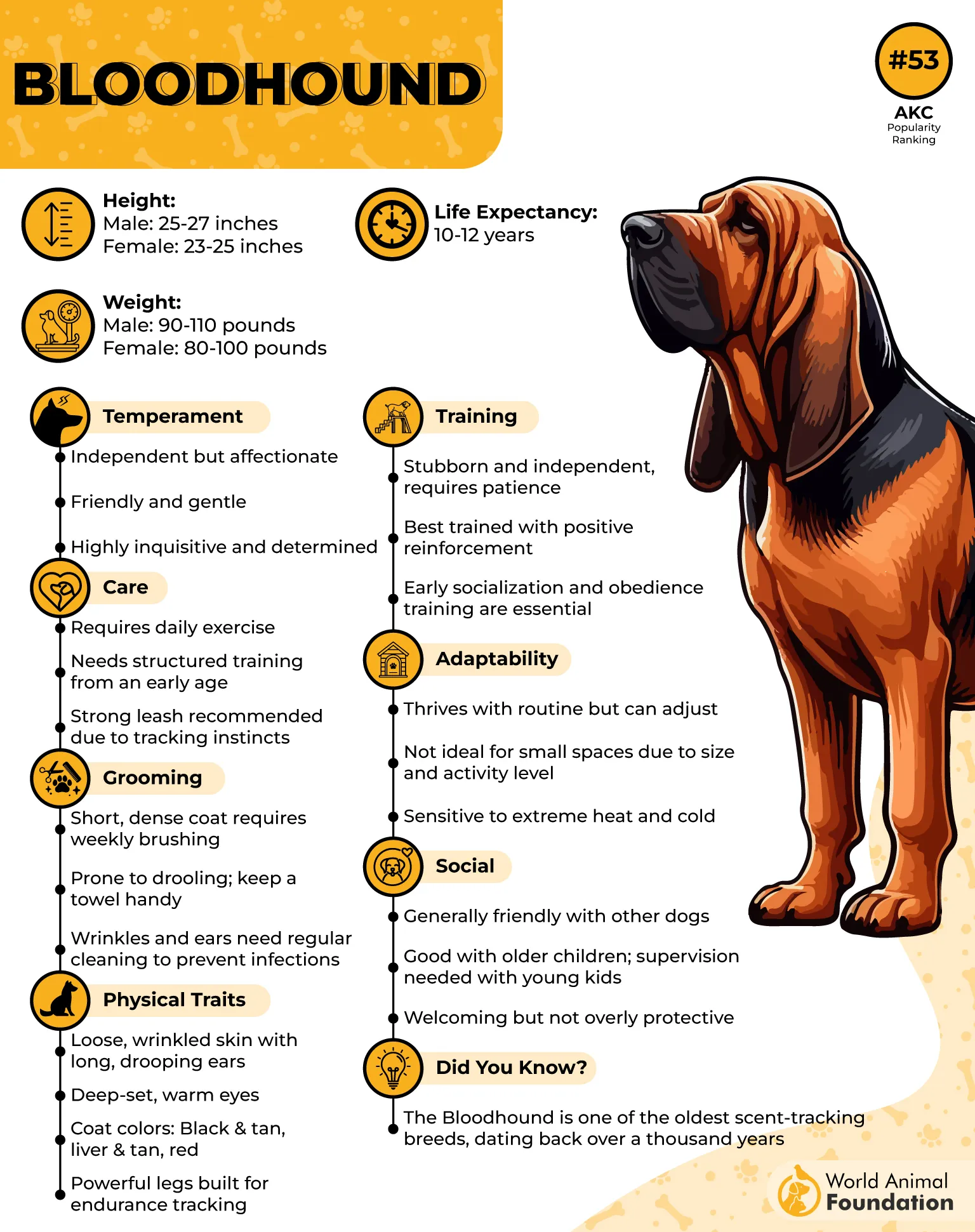
These tracking dogs are slow and deliberate compared to other hunting breeds, but what they lack in speed, they make up for in accuracy.
A Bloodhound on a blood trail does not quit until it finishes the task.
Off-duty, they are gentle, patient dogs that make good family pets too.
2. Redbone Coonhound
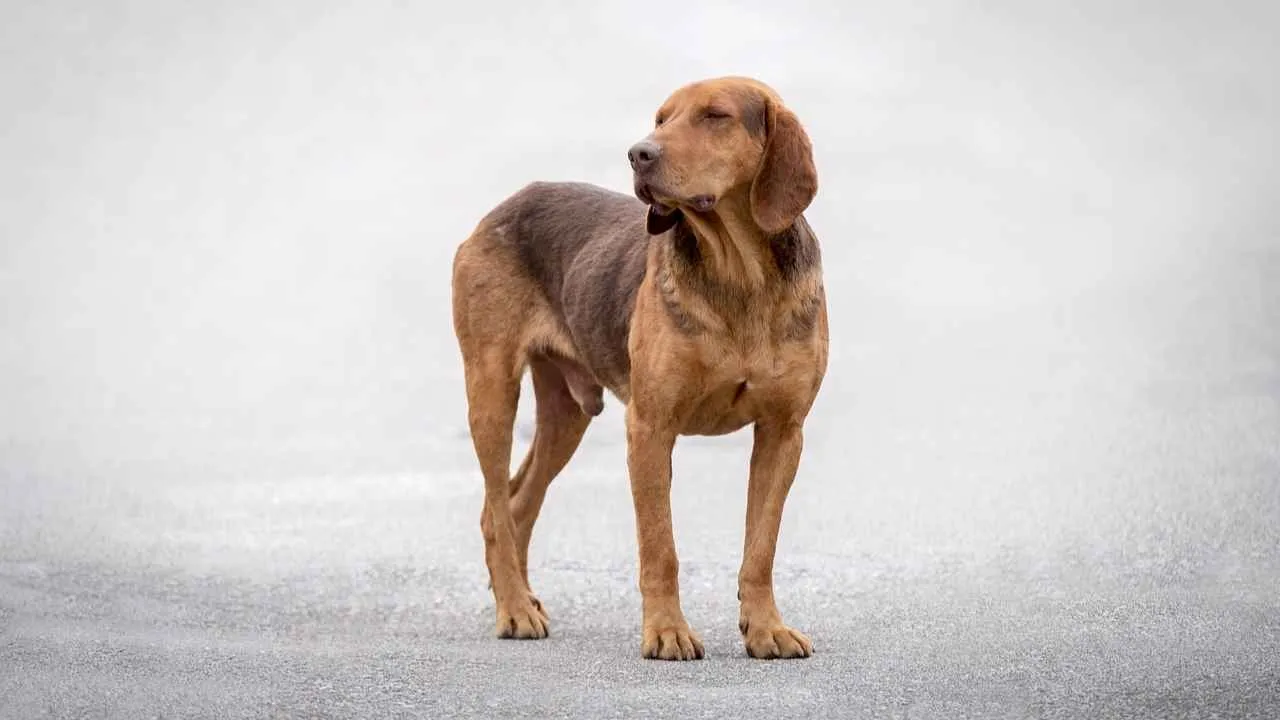
The Redbone Coonhound was bred for tracking raccoons through dense southern swampland, but its nose and drive translate to just about any game animal.
This red dog breed has serious stamina and a deep, distinctive bay that lets hunters know exactly where the trail’s gone lost.
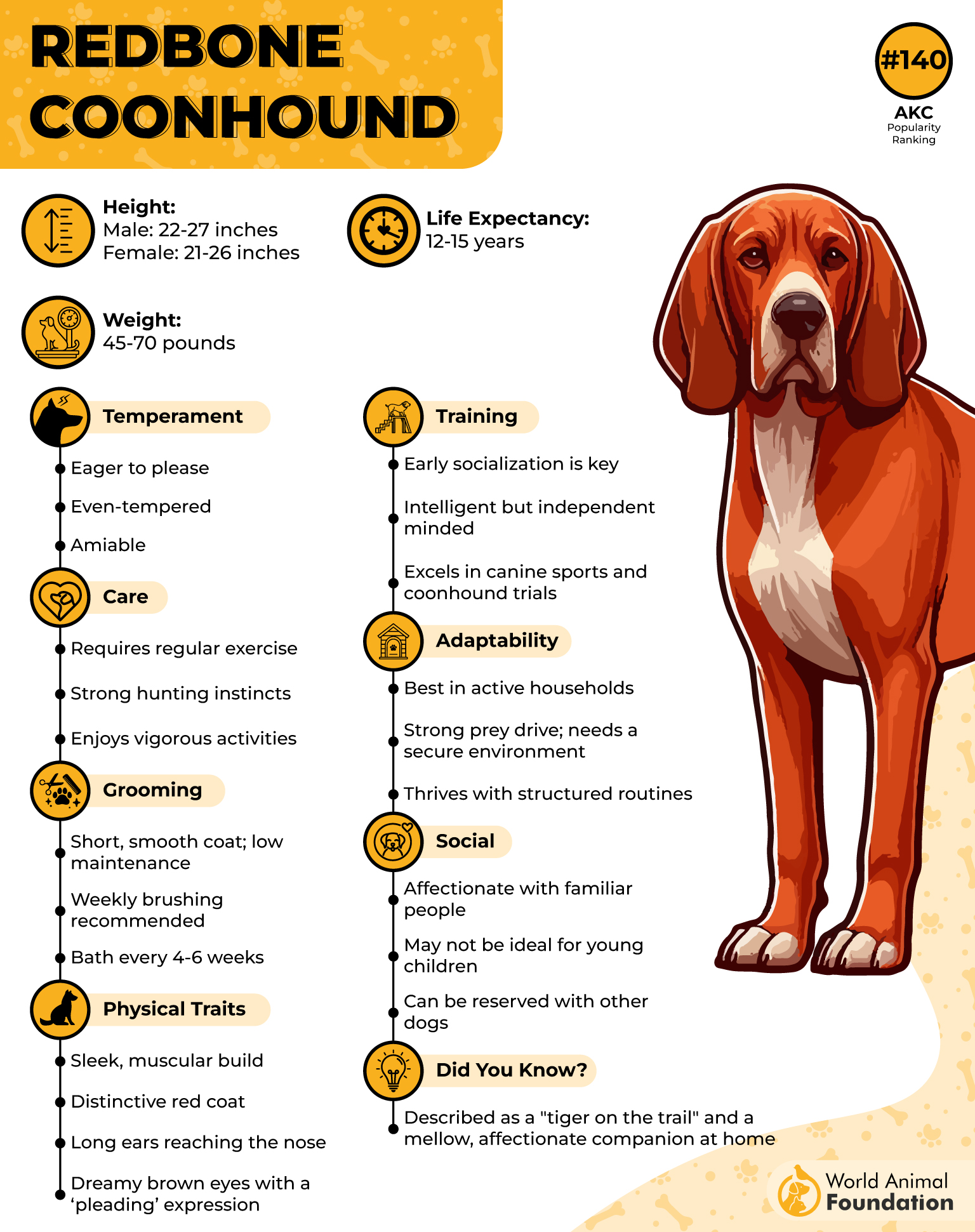
Redbones are capable of tracking small game such as raccoons as well as larger game, including bears, bobcats, hogs, and cougars, according to the United Kennel Club.
They are loyal and high-energy, and thrive with a hunter who offers them regular fieldwork. A Redbone that’s stuck indoors with too much free time tends to get restless.
Give this breed a scent trail, and it locks in completely.
3. American Foxhound
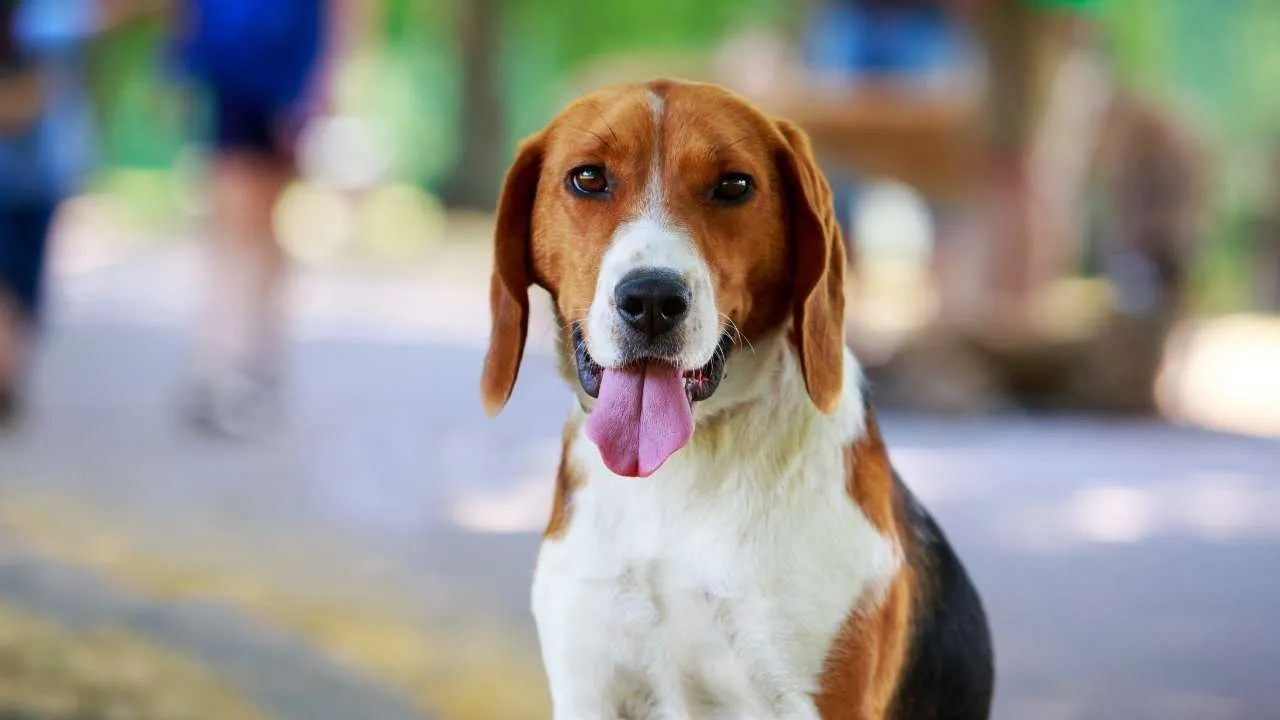
American Foxhound is one of the oldest hunting breeds in the country. These dogs have been chasing scent trails since colonial times.
Bred for endurance over long distances, American Foxhounds can run for hours without losing focus on the trail ahead. These dogs work well in packs, historically hunting foxes but proving just as capable at tracking deer or other game across large stretches of land.
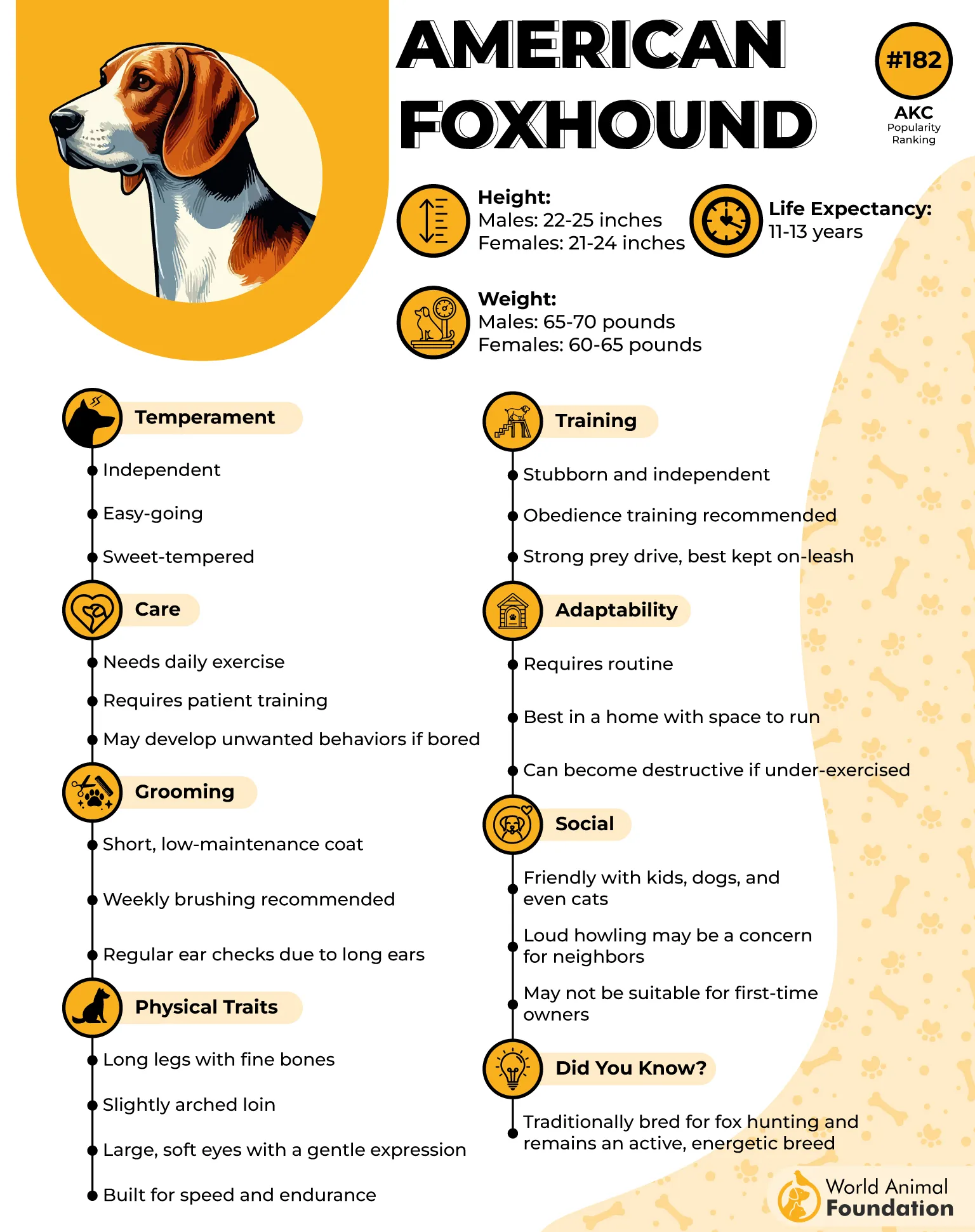
They are friendly, easygoing dogs off the field, but once that nose hits a fresh scent, the switch flips fast.
Patience and consistent training go a long way with this breed during their first season out.
4. German Shorthaired Pointer
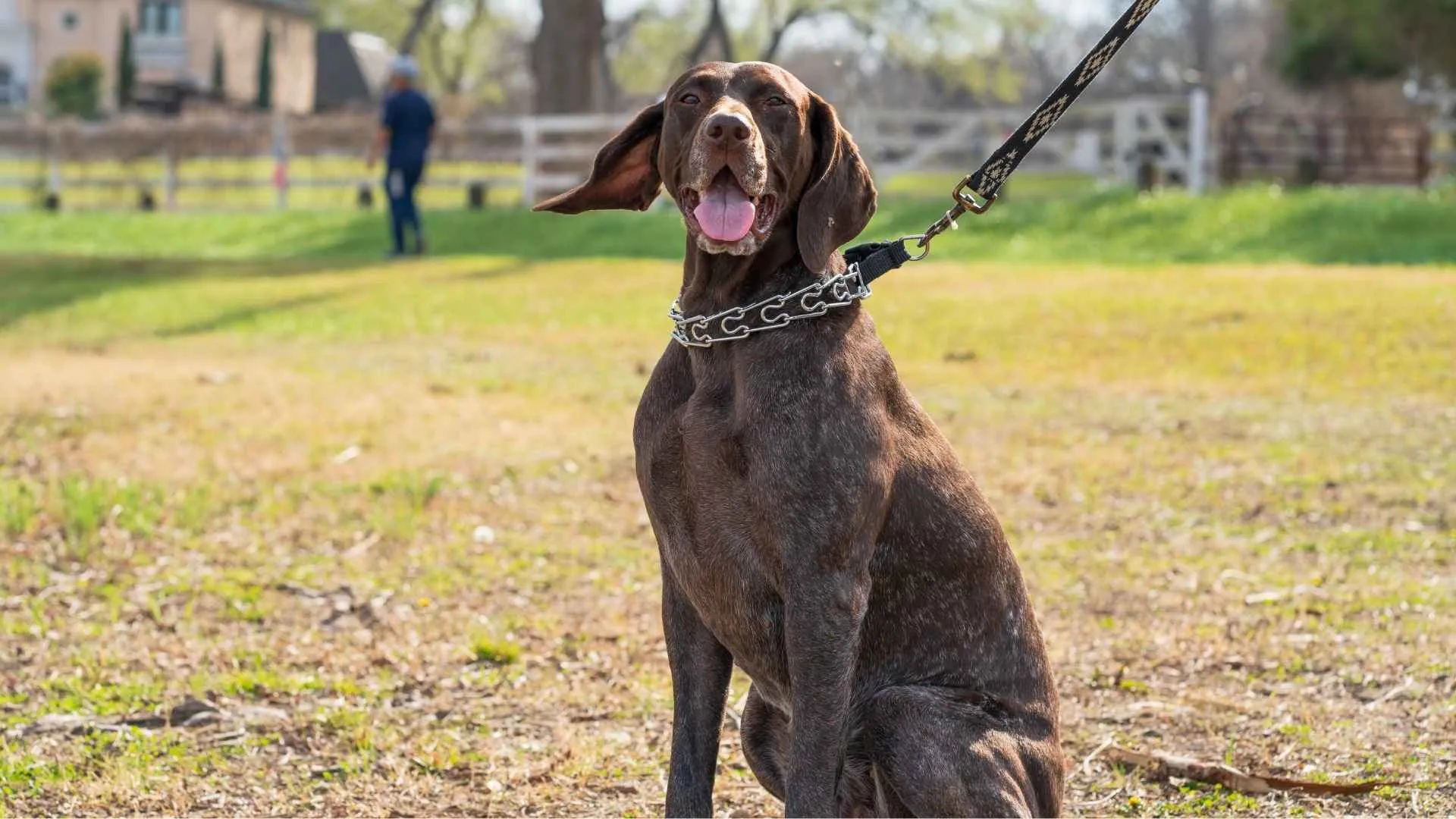
The German Shorthaired Pointer already earns a spot on nearly every hunting list, and tracking and hunting big game are no exception.
The American Kennel Club calls these dogs “an enthusiastic gundog of all trades”.
GSPs were bred as all-purpose hunting dogs, which means they can point, flush, and track with equal skill. Their scenting ability is elite, and their endurance for covering long distances over rough terrain makes them ideal for trailing wounded game after the shot.
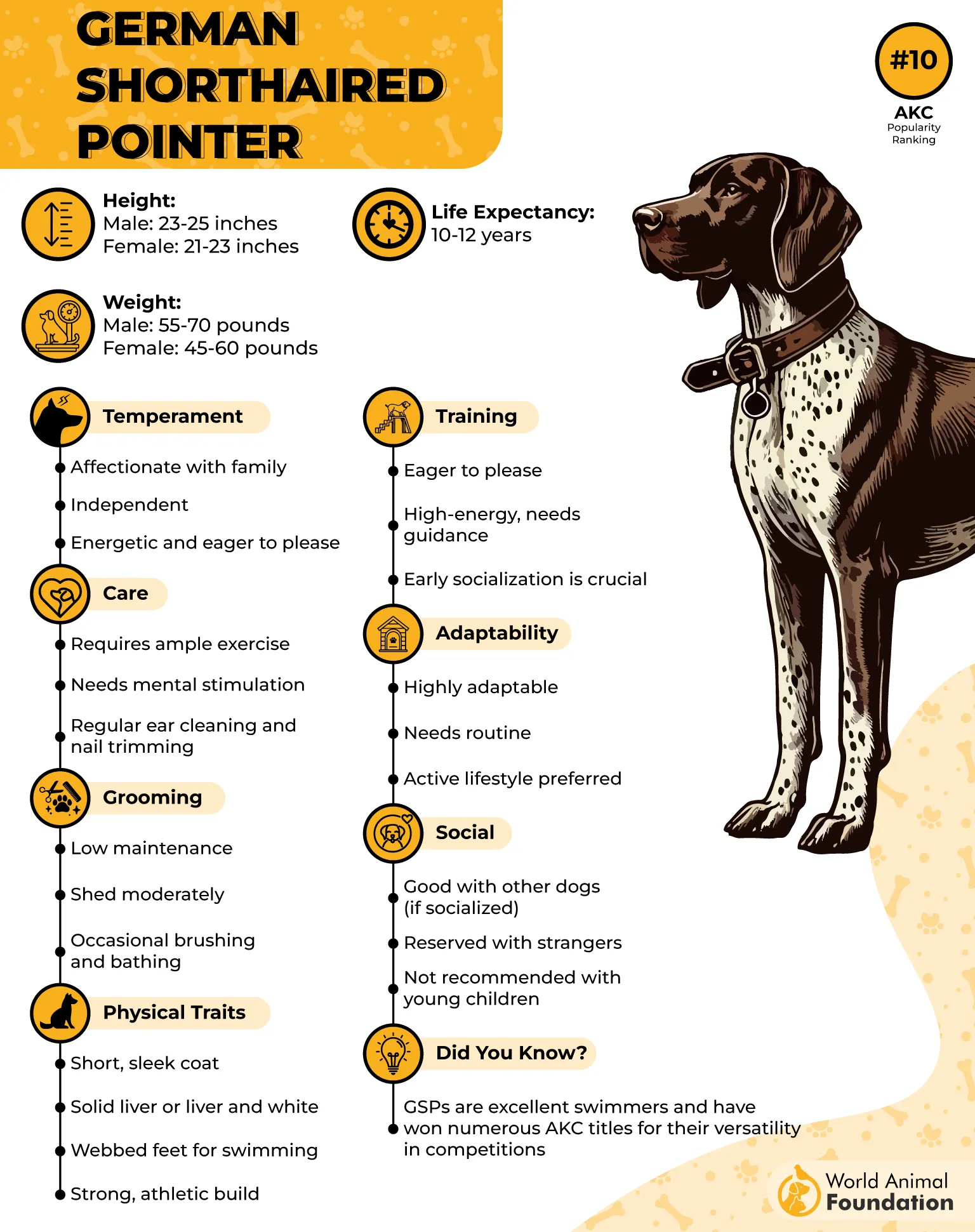
These Pointer dogs respond well to positive reinforcement and pick up hunting tasks quickly, even as a young pup.
Upland birds, blood tracking, small game, big game, the GSP handles a wide range of hunting duties without missing a beat.
5. Bluetick Coonhound
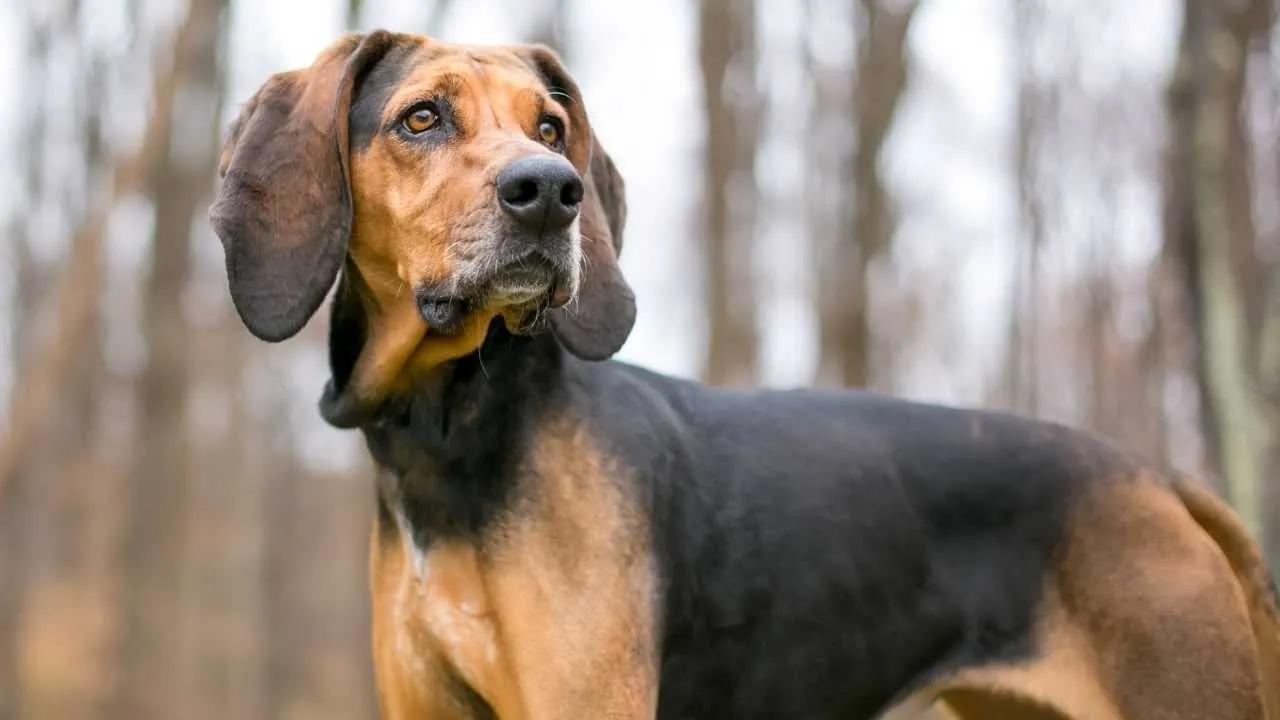
Similar in spirit to the Redbone but with its own distinct look and bay, the Bluetick Coonhound is a serious tracking dog built for night hunts and tough terrain.
Blueticks have a deep chest built for stamina and a nose that locks onto a scent trail and rarely lets go.
Originally used for raccoons, this hunting dog adapts well to tracking deer, hogs, and other large game depending on the hunter’s needs.
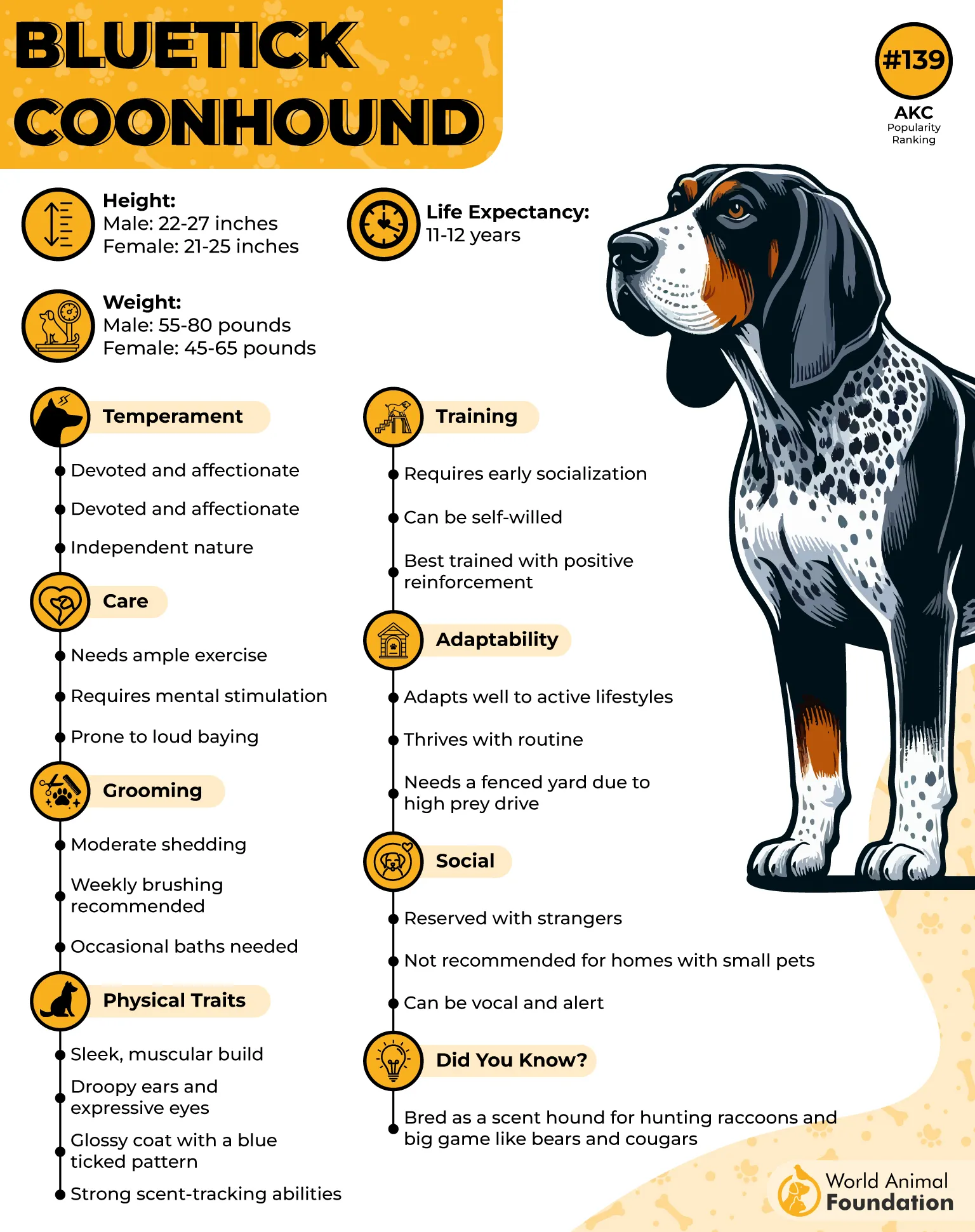
They are friendly, a little stubborn, and full of personality. Blueticks do best with hunters who understand hound behavior and provide plenty of fieldwork to keep them sharp and focused.
These energetic dogs need daily exercise, at least 1-2 hours of brisk walks and jogs.
6. Weimaraner
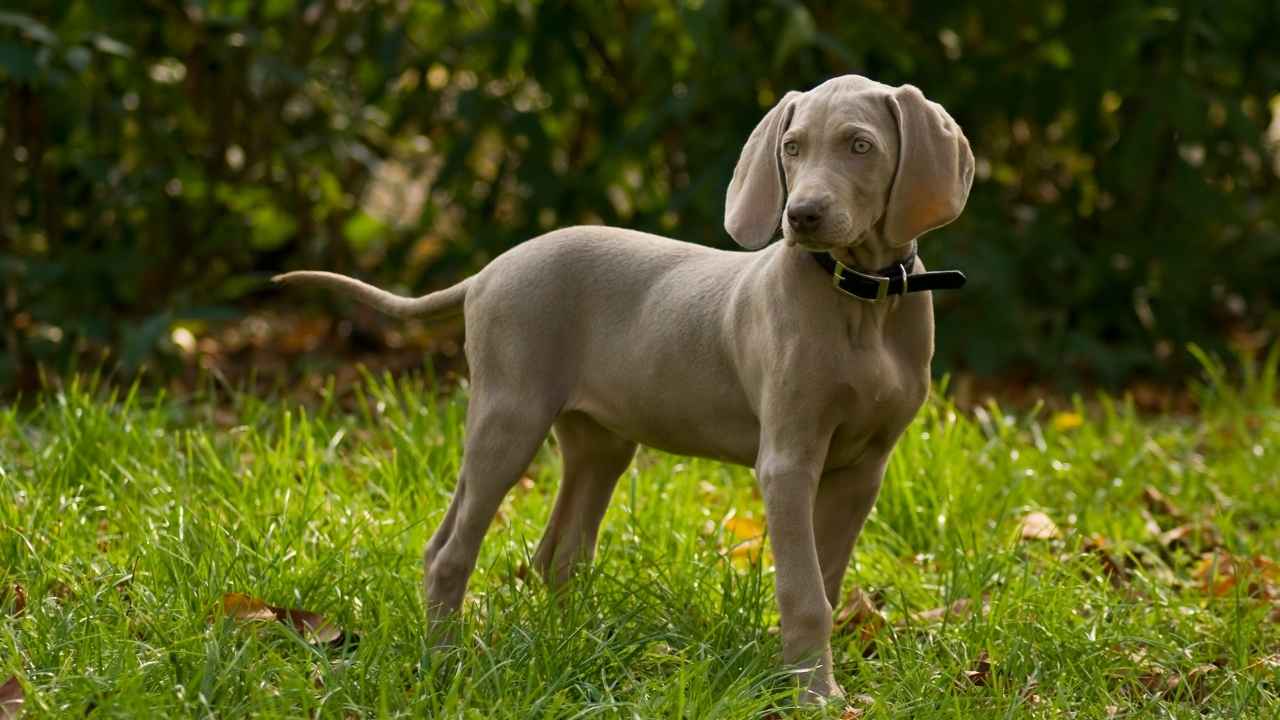
The Weimaraner brings speed and intensity to tracking work. And the breed’s German hunting roots make this clear.
Originally used for hunting large game, including boar and even deer, Weimaraners have the endurance and scent-tracking ability to trail wounded animals across difficult terrain.
Their drive doesn’t fade easily. And they will stay locked onto a scent trail long after other dogs might lose interest.
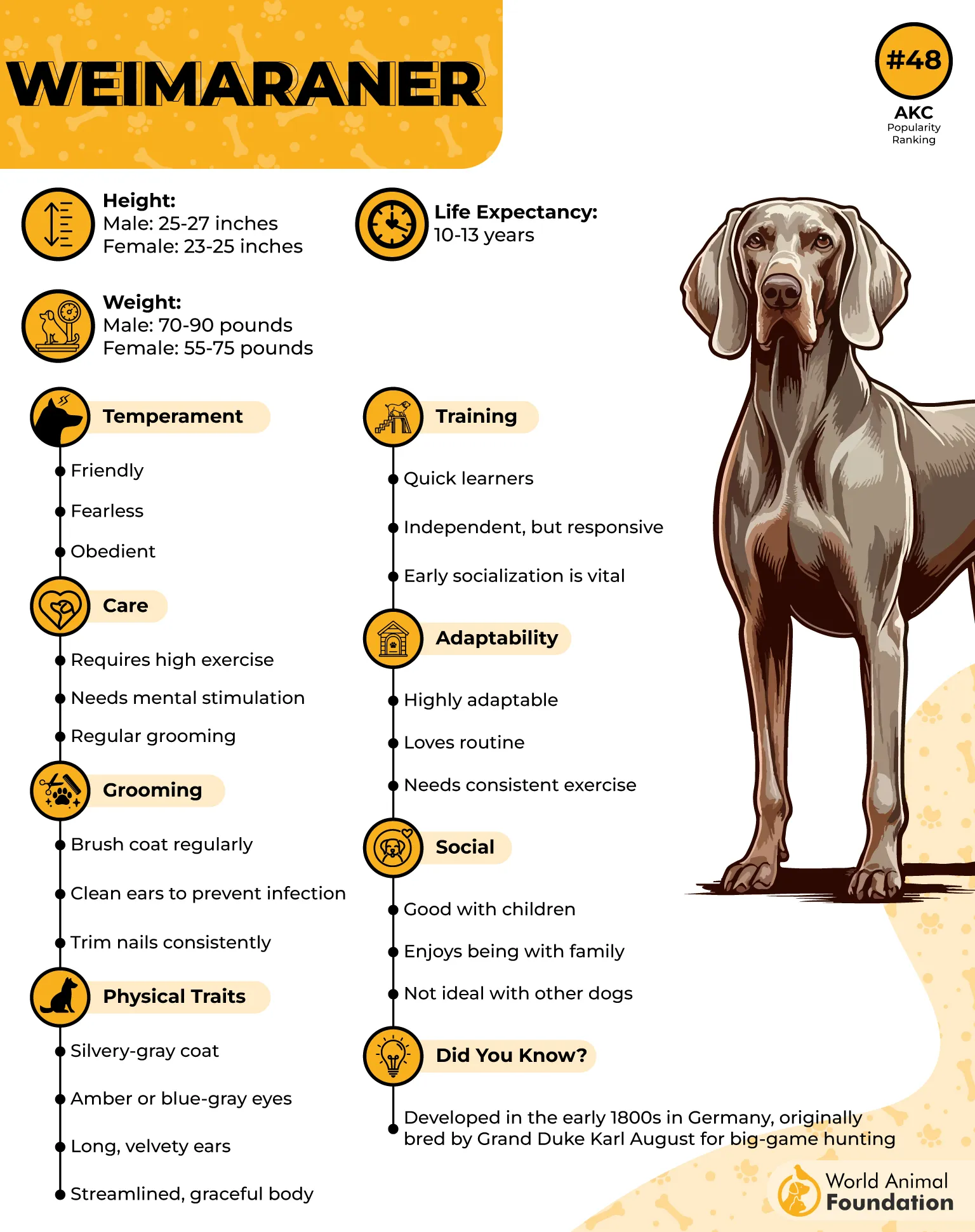
This long-legged breed also does well with upland birds and small game.
That makes it a versatile tracking dog for hunters who want a single animal capable of handling a range of hunting tasks throughout the season.
7. Plott Hound
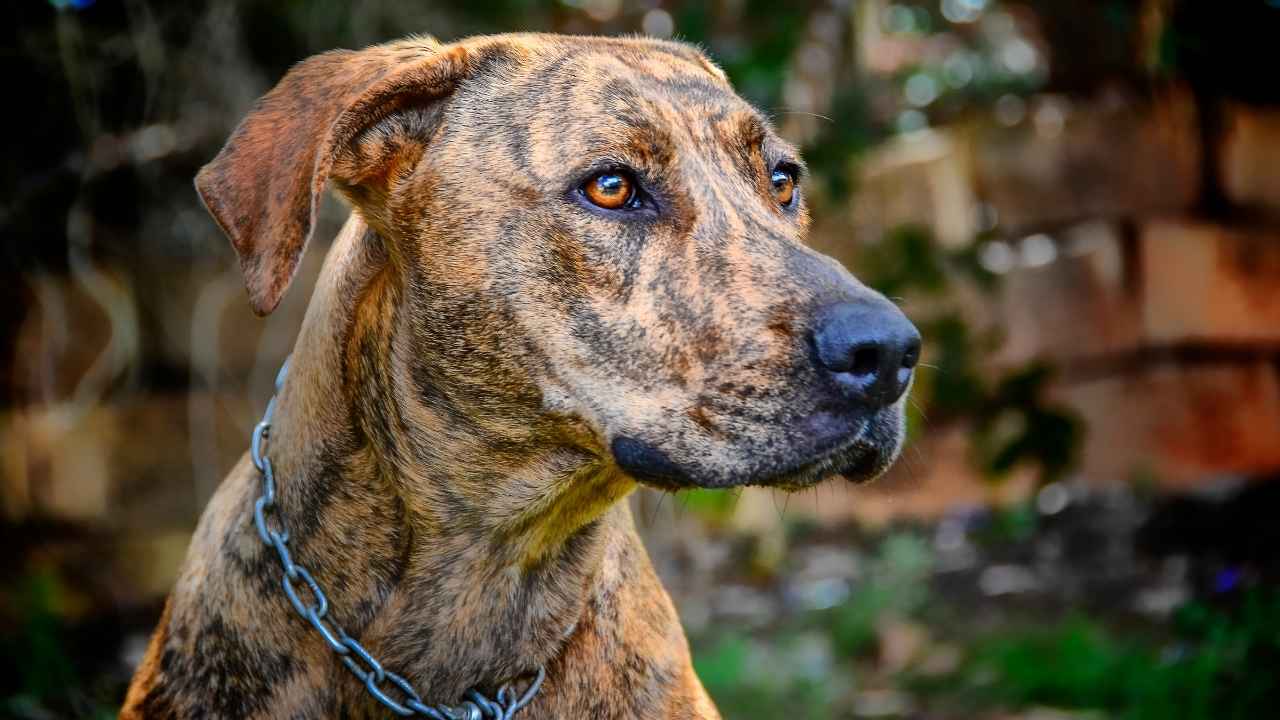
This is North Carolina’s official state dog.
The Plott Hound was specifically bred to hunt bear and other large dangerous game.
This breed has a reputation for toughness that few others can match. Plott Hounds are relentless trackers, capable of following a scent trail for long distances over the roughest, most unforgiving ground imaginable.
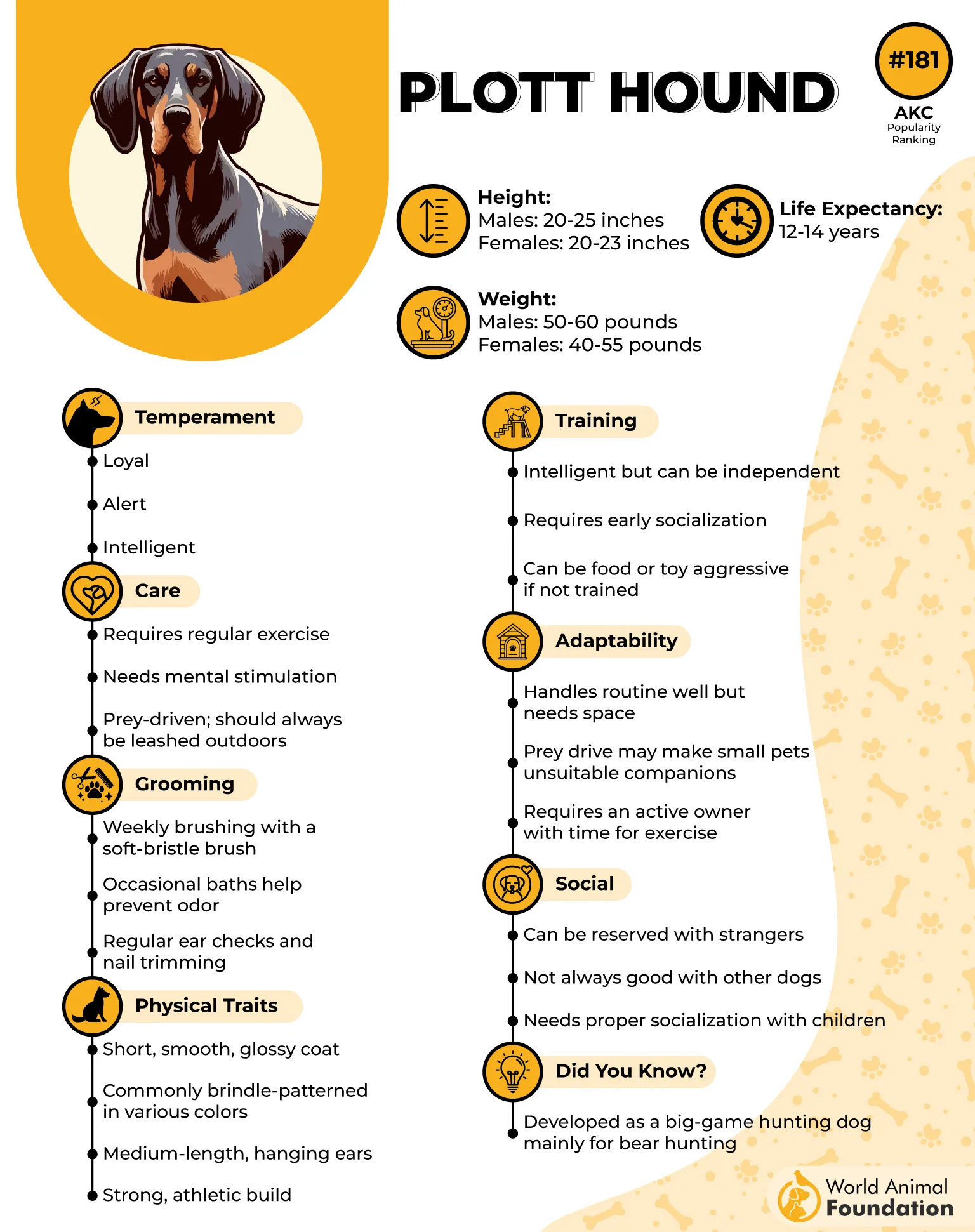
These hound dogs are bold, high-energy, and built with real endurance in mind. While originally developed for bear hunting, Plott Hounds are also used for tracking deer, hogs, and other big game across the country.
This is not a breed for the faint of heart, but for serious hunters, it’s hard to beat.
8. Beagle
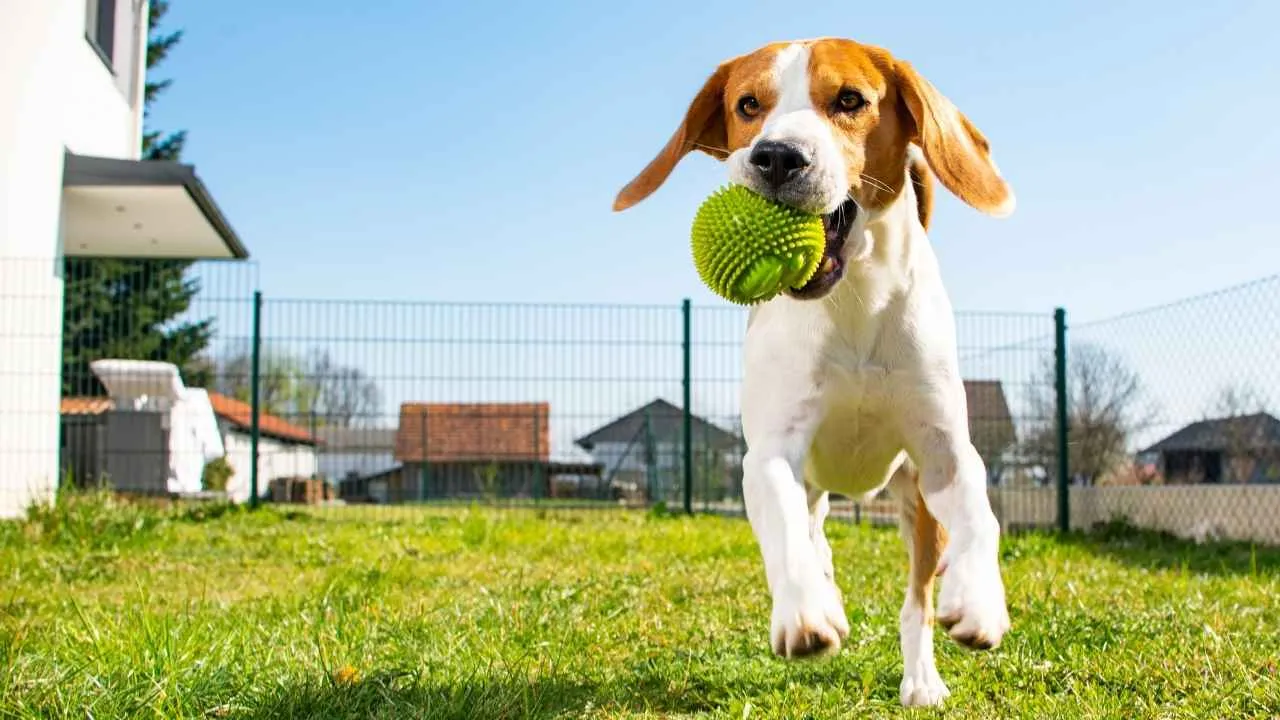
Small size fools a lot of people into underestimating the Beagle, but this breed’s nose is nothing to laugh at.
Beagles were bred to track rabbits and other small game, and their determination on a scent trail is impressive for such a small dog breed.
They stay low to the ground, follow scent cones with real precision, and rarely give up once they are locked onto a trail.
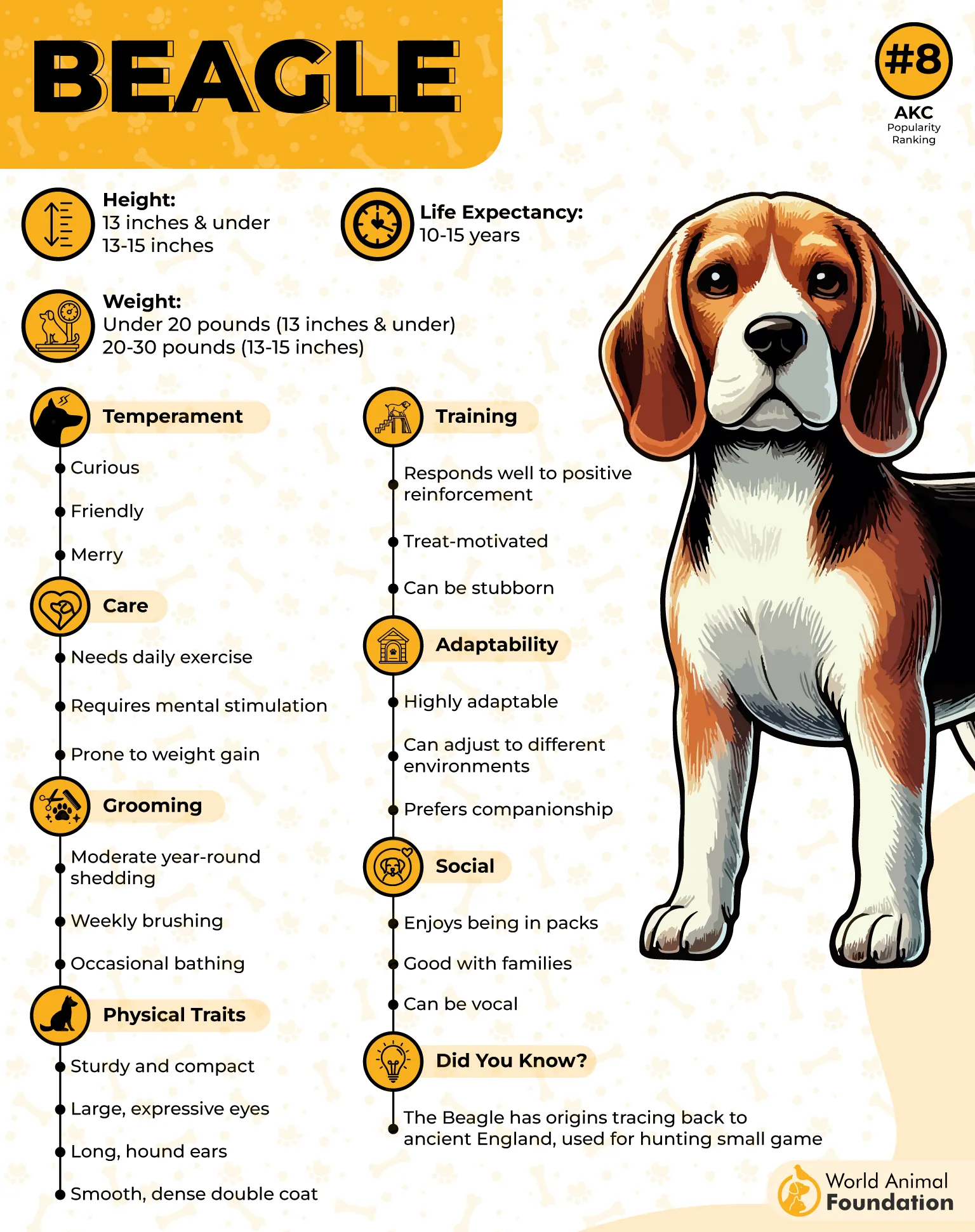
They are best known for small game, but some hunters also use well-trained Beagles for basic blood tracking work on deer.
Friendly, food-motivated, and easy to train with positive reinforcement, this goofy dog breed is a great fit for hunters who want a capable, low-maintenance tracking companion.
9. English Springer Spaniel
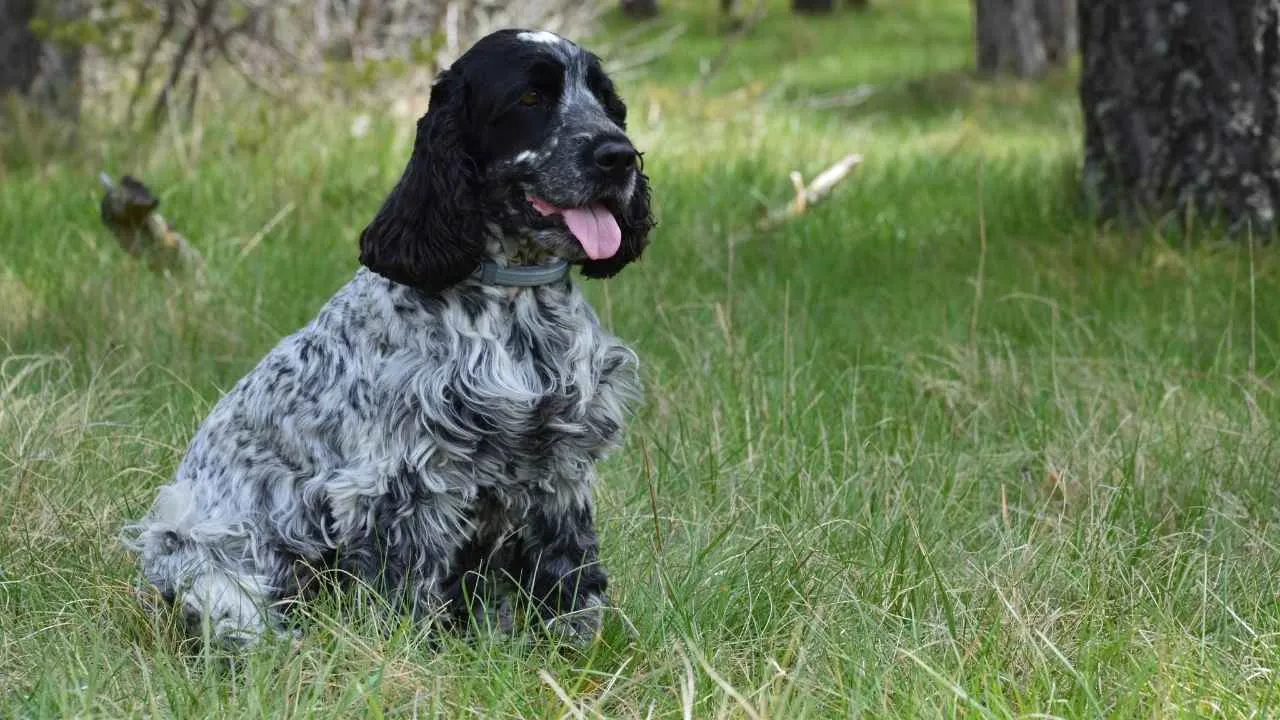
Rounding out the list is a breed better known for flushing birds, but the English Springer Spaniel’s nose makes it a solid tracking option too.
Springer Spaniels have a natural scent-tracking ability that shows up early, and with the right training, this Spaniel dog breed can be taught to trail wounded deer in addition to its usual upland game work.
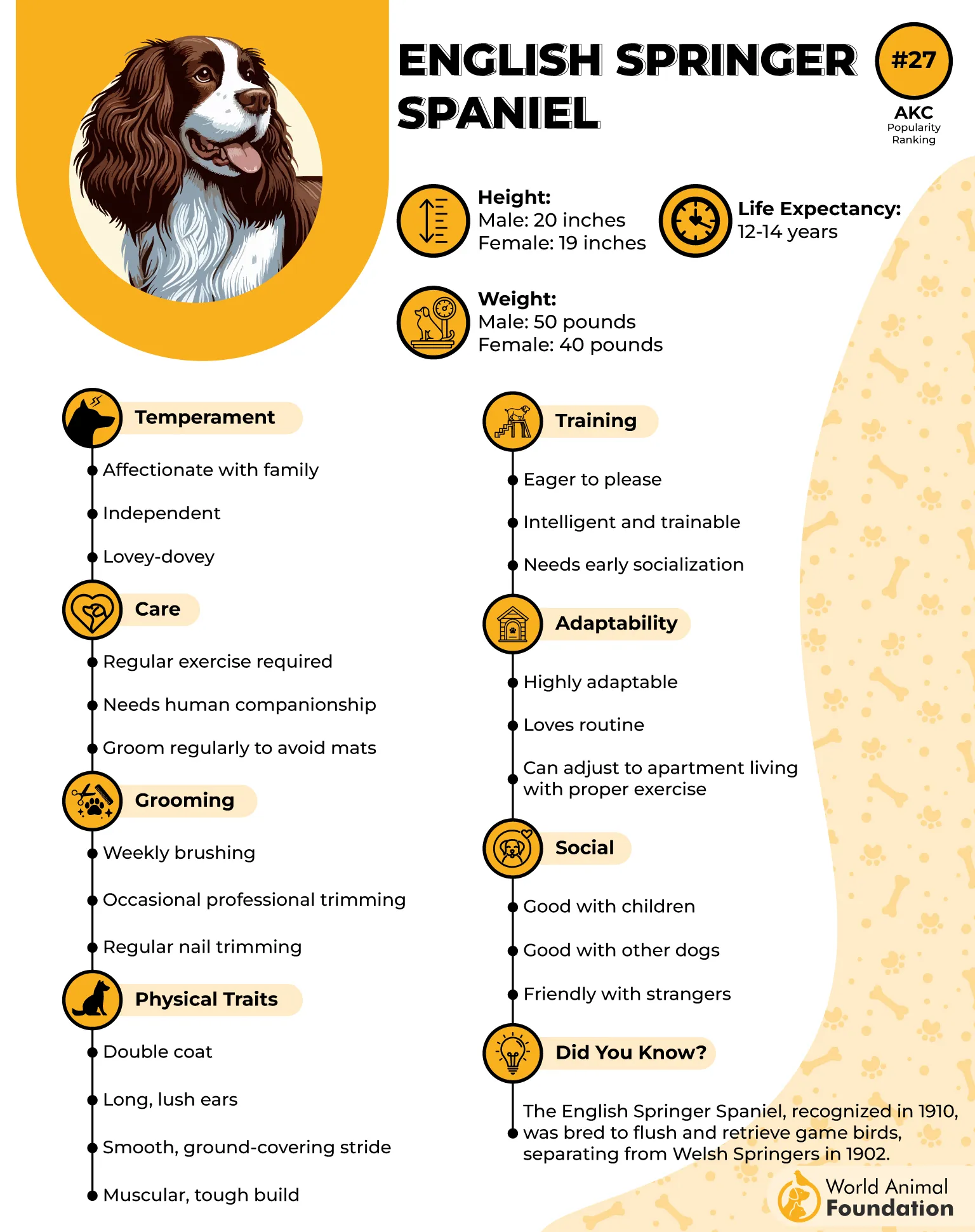
They are fast, focused, and don’t back down from dense cover most other dogs would avoid.
This breed’s versatility means a hunter gets a dog capable of handling multiple hunting tasks in a single season, from flushing pheasant to helping recover a wounded animal after the shot.
Conclusion
Finding a lost or wounded animal isn’t always a matter of luck.
Half the time, it comes down to having the right dog by your side.
These top dog breeds for tracking game animals bring something no amount of gear or planning can replace: a nose that refuses to quit, endurance that outlasts frustration, and a bond with their hunter built through season after season in the field.
Some retrieving breeds, such as Labrador Retriever and Golden Retriever, and other larger breeds, such as Black Mouth Cur and Deutsch Drahthaar (German Wirehaired Pointer), excel at hunting moose and other large game.
If you are searching for deer, hogs, bears, or smaller game, the right tracking dog can turn a lost trail into a recovered animal.
That’s a difference every hunter learns to appreciate.
