




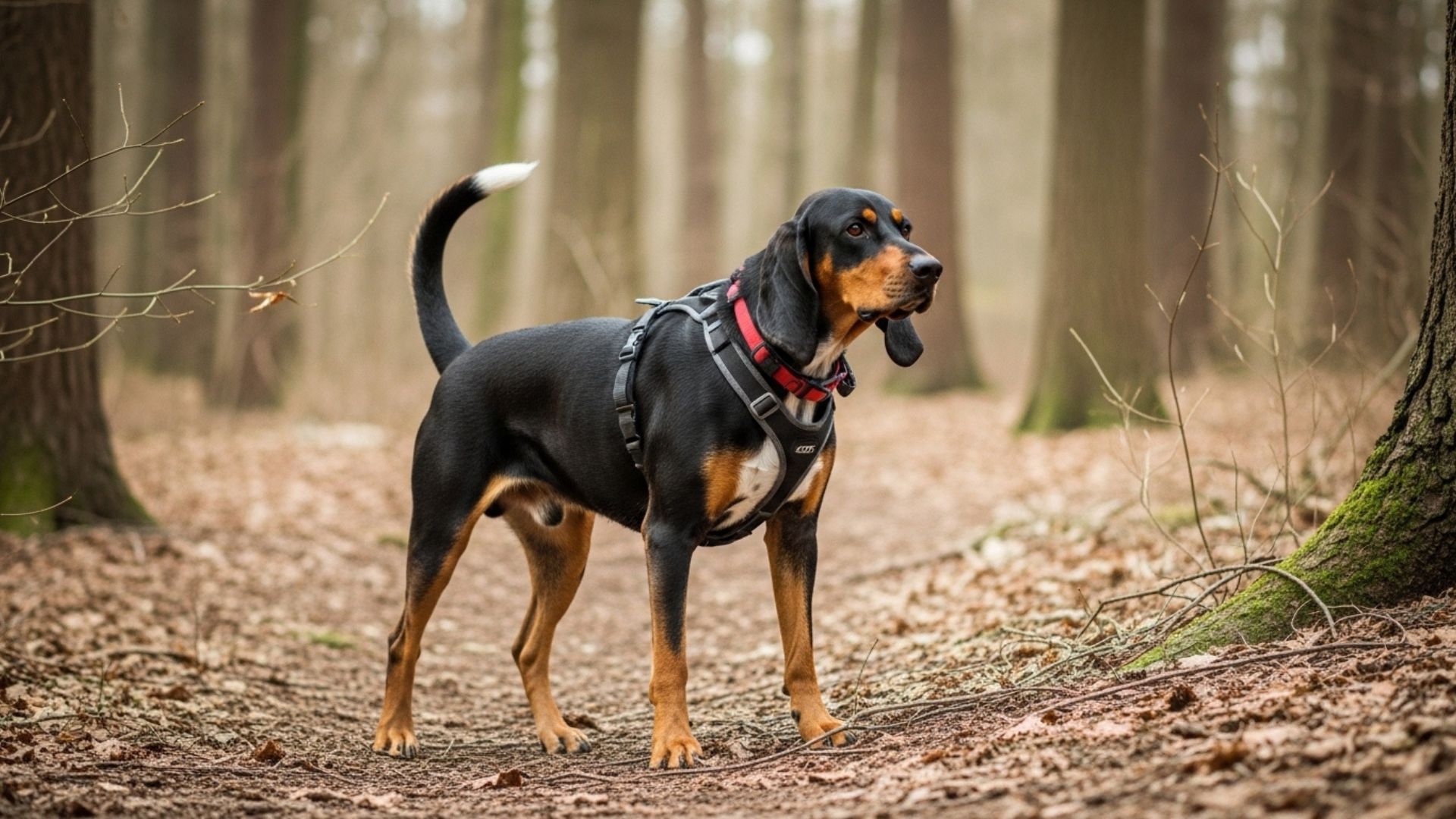
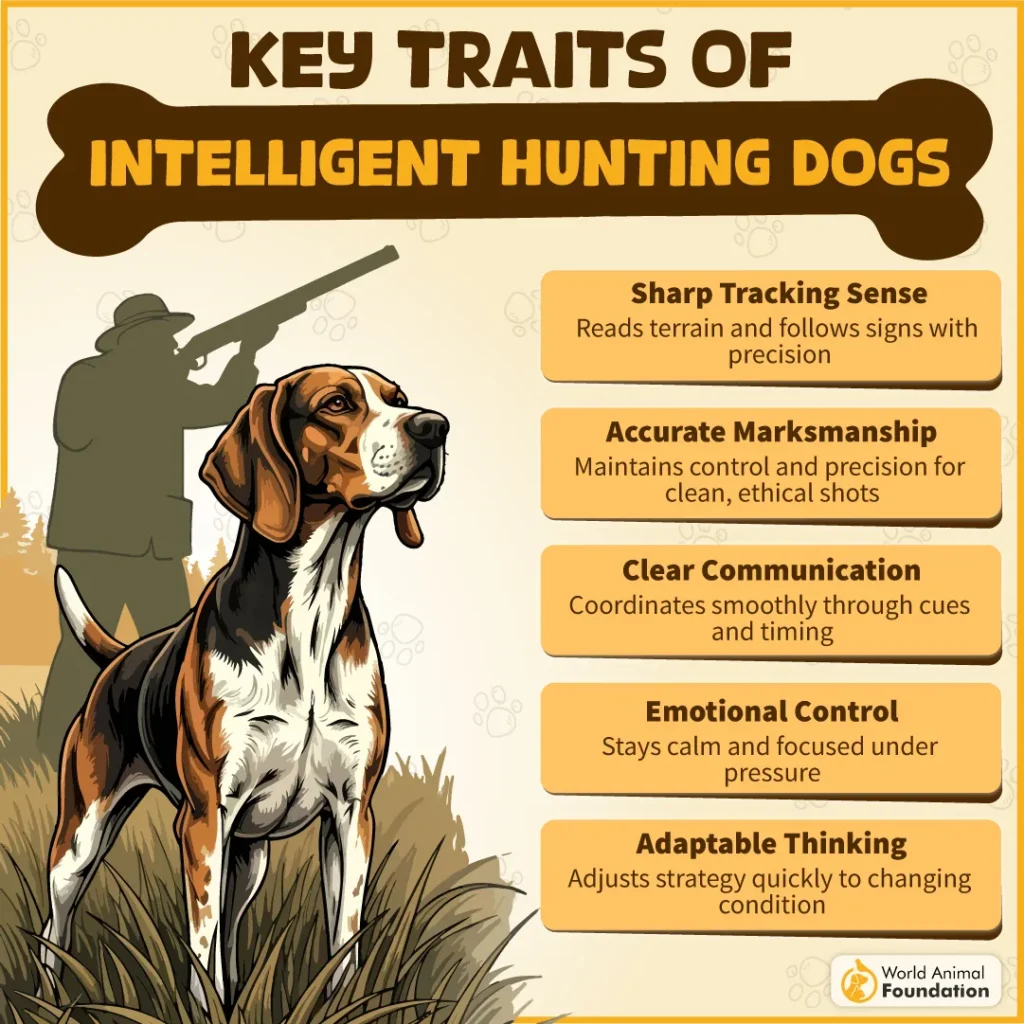
A successful hunt has never been defined solely by a dog’s speed or strength. True effectiveness comes from patience, sharp focus, and an innate ability to interpret the world through scent.
For generations, hunters have relied on dog breeds carefully developed to track game, recover wounded animals, and push through dense brush during long, demanding hunts.
The right hunting dog elevates the entire experience, from South Carolina deer hunts to waterfowl outings in wetlands and small-game tracking across rugged terrain. With proper training and consistent mental stimulation, these dogs grow into loyal, dependable partners who remain steady both in the field and at home.
Let’s get to know them.
Fun Fact
Studies shared by canine behavior experts suggest that working dog breeds engaged in tracking and retrieving activities experience lower stress levels and enhanced cognitive function due to regular mental stimulation.
Top Dog Breeds for Tracking and Retrieving Animals
1. Bloodhound
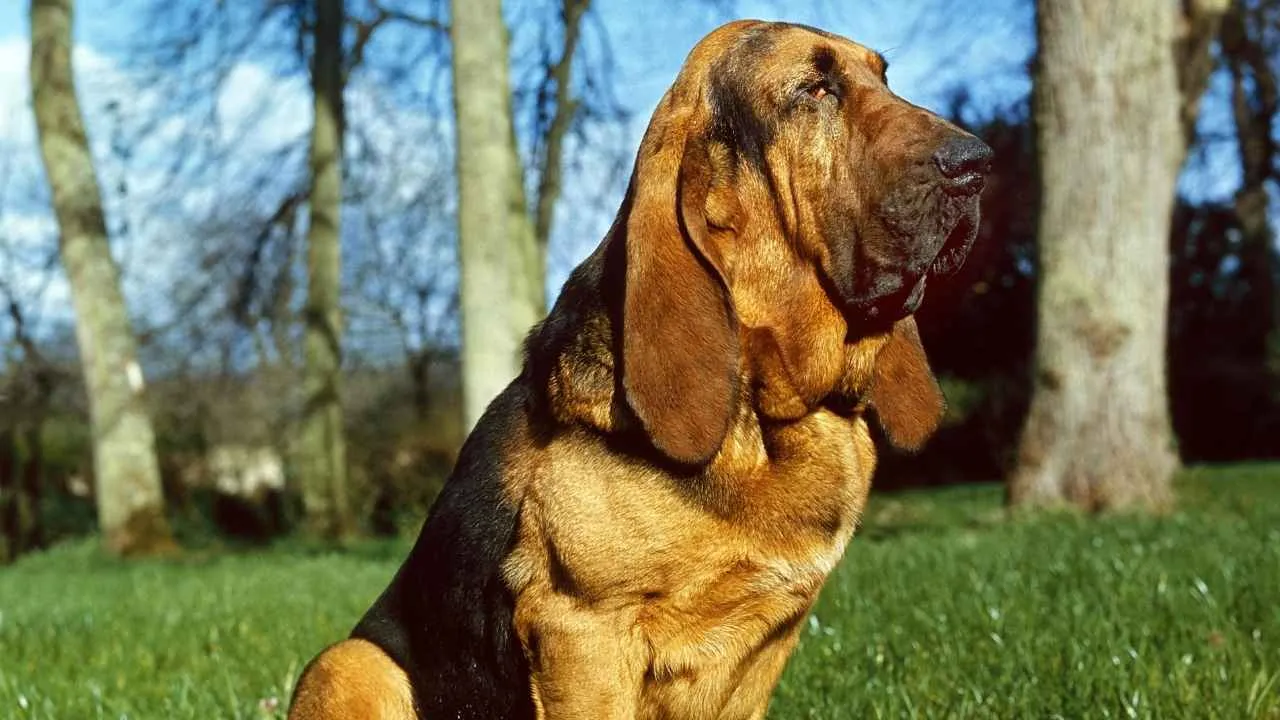
The Bloodhound serves as the ultimate canine tracking breed. The ancient hunting breed developed by Belgian monks and later evolved throughout Europe maintains a powerful tracking ability because of its exceptional nose. The Bloodhound remains the only dog breed that can track scents through a period of several days.
This hunting dog breed possesses extraordinary capabilities because it contains between 230 and 300 million scent receptors. The dog breed uses its long ears and loose skin.
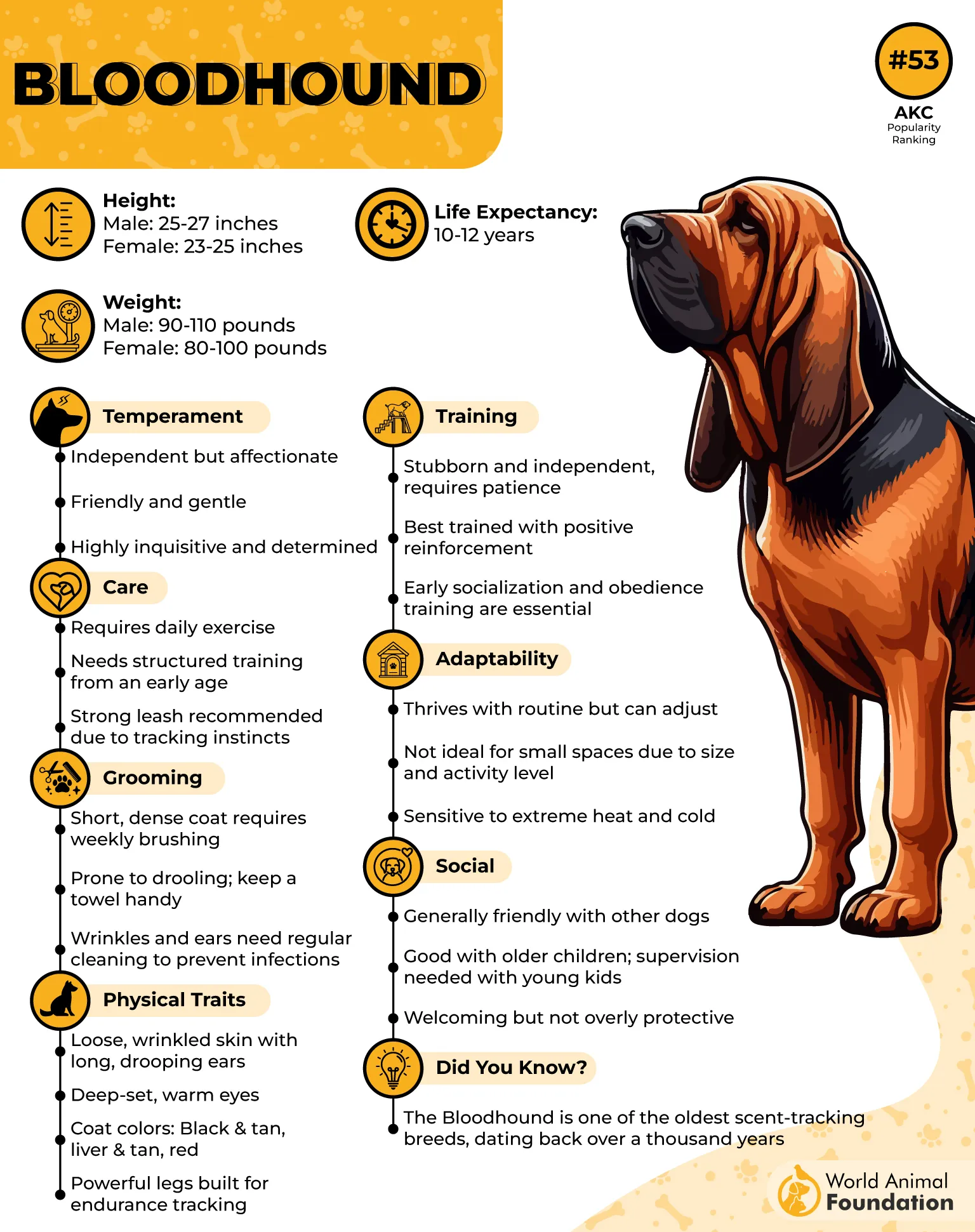
Bloodhounds display oversized physical size yet maintain gentle, affectionate behavior. They show kindness toward kids and develop deep loyalty when owners train them over time. Proper training becomes critical for their strong scenting ability, which shows especially when they walk or hunt.
Bloodhounds need organized physical activities that occur either in enclosed spaces or through leash walking. Their floppy ears and skin folds need frequent cleaning because these areas become infected without proper hygiene.
This dog can identify scents better than other dogs because it possesses superior tracking abilities, which make it one of the best dog breeds for finding lost animals and injured game.
2. Belgian Malinois
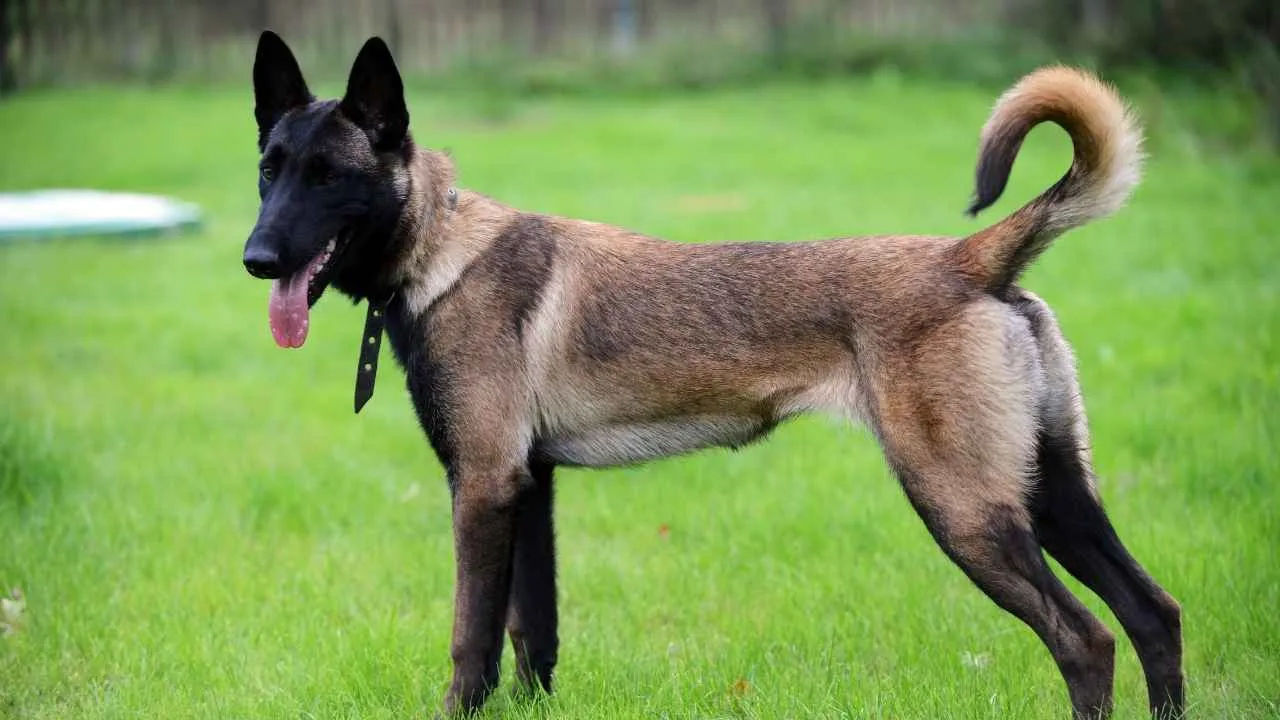
The Belgian Malinois originated in Malines, Belgium, where it developed as a herding dog, which maintains its powerful work tradition to this day. The Malinois breed has become a trusted police dog because of its intense concentration ability and relentless physical vigor, which enable it to perform police duties, search and rescue operations, and detection tasks.
PetMD indicates that the Belgian Malinois finds its highest state of happiness through activities that give it direction. The dog does not prefer to relax throughout the entire day while living in a home that operates at a slow pace. The dog requires ongoing training, including cognitive activities, together with the establishment of daily patterns that help it maintain happiness.
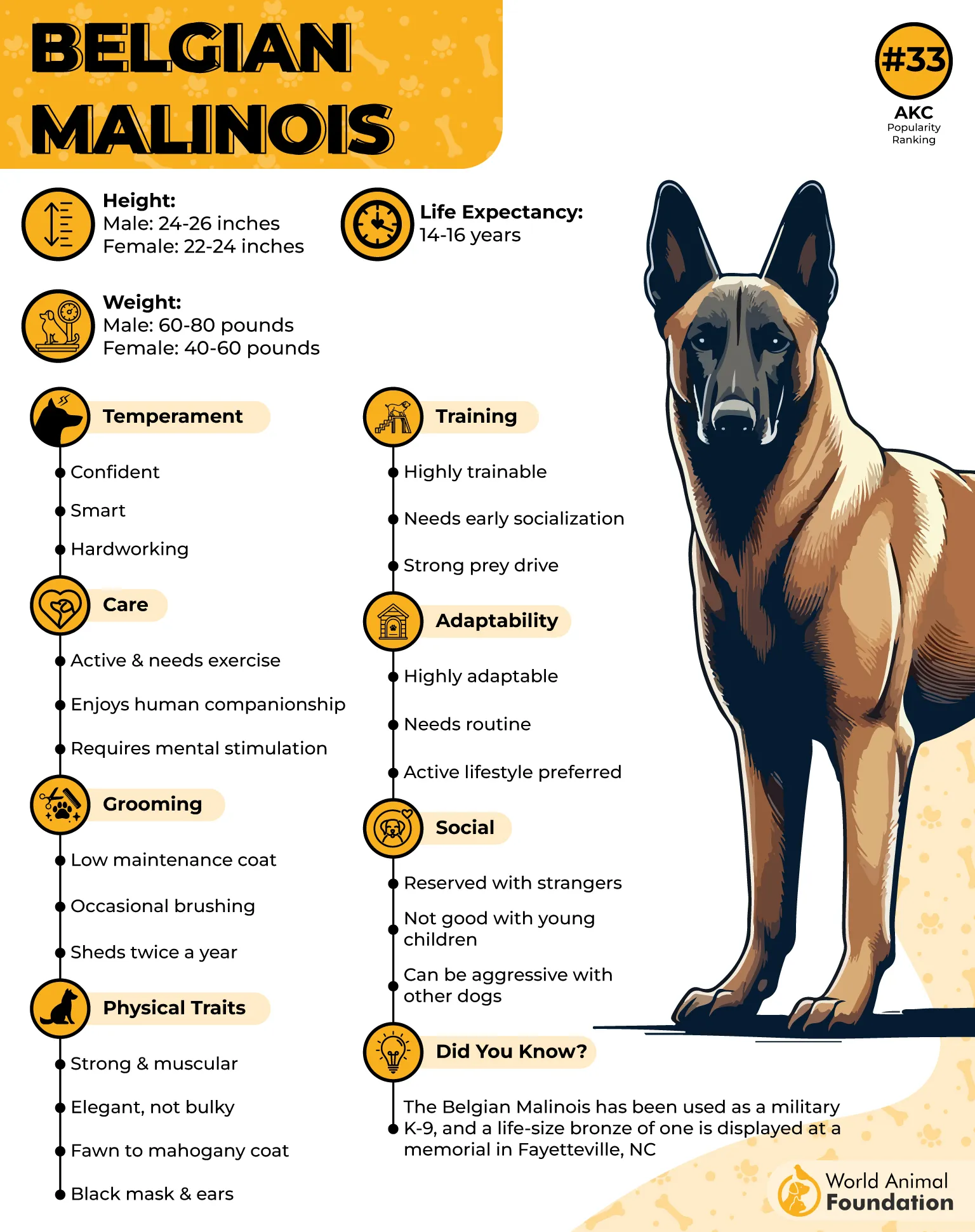
The Belgian Malinois breed requires professional training and experience because it needs advanced handling skills. Socialization must begin during puppyhood because puppies need to learn how to interact with other dogs and domestic animals. The breed shows complete dedication to its family as a home pet while maintaining exceptional tracking skills in small game and animal search missions.
3. Plott Hound
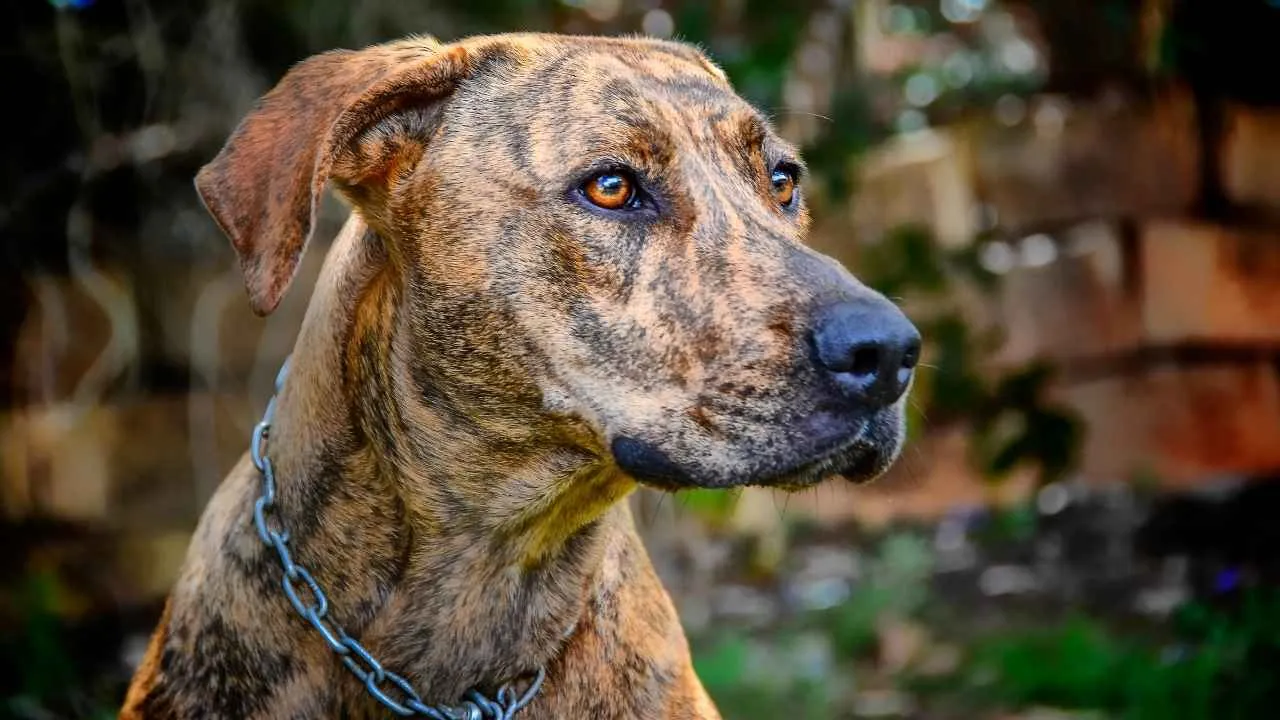
The Plott Hound is frequently recognized as one of the best hunting dogs in America because it excels at tracking both large and small game. This United States developed hound breed belongs to the medium-to-large size category, which was specifically created to exhibit both endurance and bravery while maintaining an unbroken ability to track scents through difficult conditions.
The Plott Hound’s tight skin and muscular body build, which enables fast movement through difficult environments, distinguishes it from other hound breeds. This breed displays courage during fieldwork but develops a strong attachment to its owner in home settings. Its distinctive brindle coat and long legs make it well-suited for pushing through dense brush during long hunting trips.
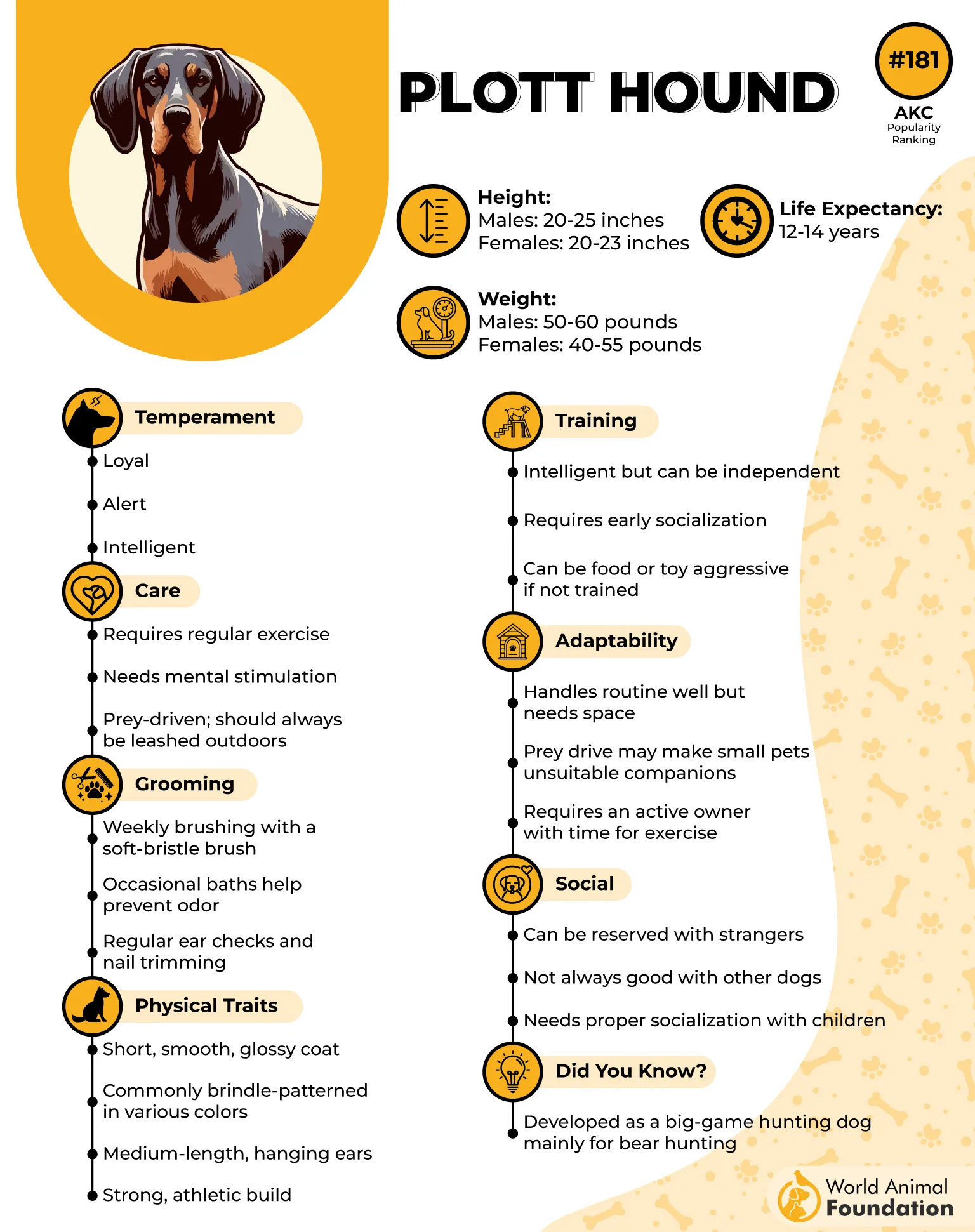
The Plott Hound demonstrates its best abilities during deer hunting activities and when tracking injured animals across extended distances. The strong hunting instincts of this breed require immediate training and socialization for homes that contain other animals or small creatures.
The Plott Hound needs daily exercise and mental challenges because those two elements are essential for their well-being. The dogs require short coat maintenance, but their active nature needs an environment that supports their energetic activities. The dogs become dependable tracking dogs and protective family companions through training that uses positive reinforcement techniques.
4. Black and Tan Coonhound
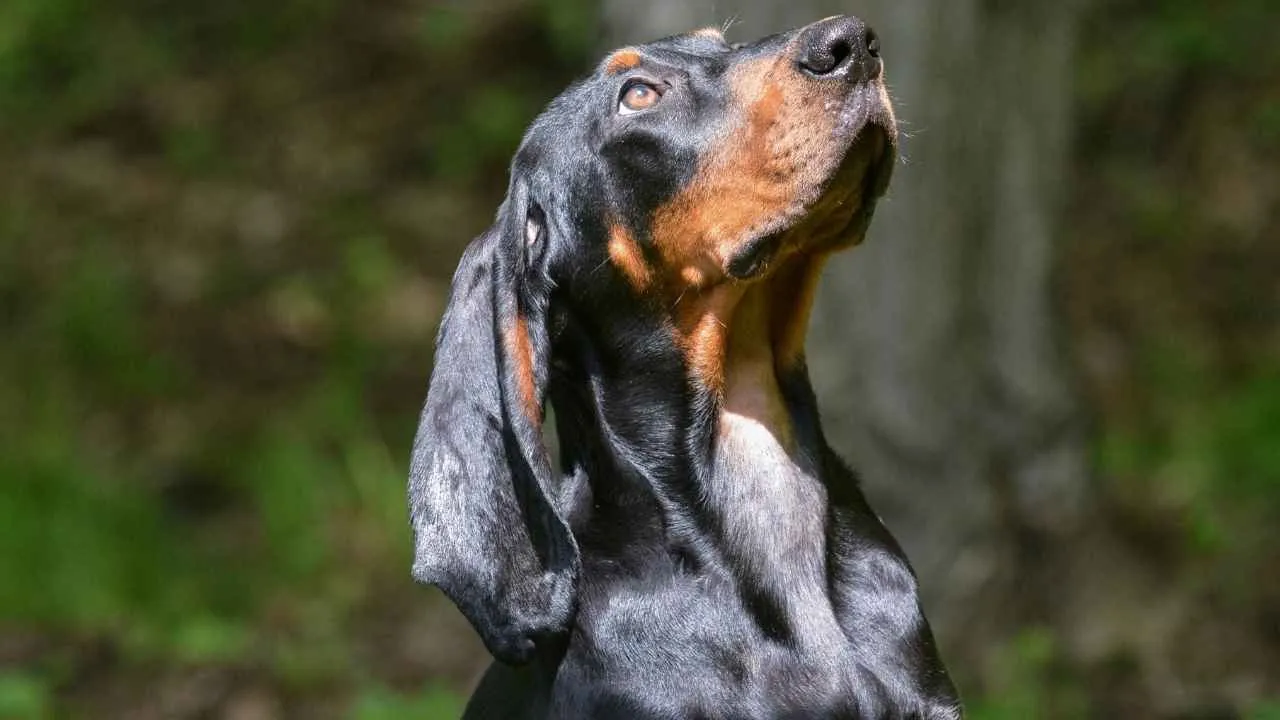
The Black and Tan Coonhound is a classic American hunting dog bred for night hunting, particularly raccoons. This breed displays three main traits: exceptional endurance ability, sensitive nature, and exceptional scent detection capacity.
This dog shows its distinct appearance through its long ears, tan markings, and expressive eyes. The floppy ears of the dog function as scent funnels, which direct smells to the nose, thus improving its ability to track scents over long distances. The breed becomes vocal when it experiences boredom, according to AKC, which makes it unsuitable for environments requiring quietness.
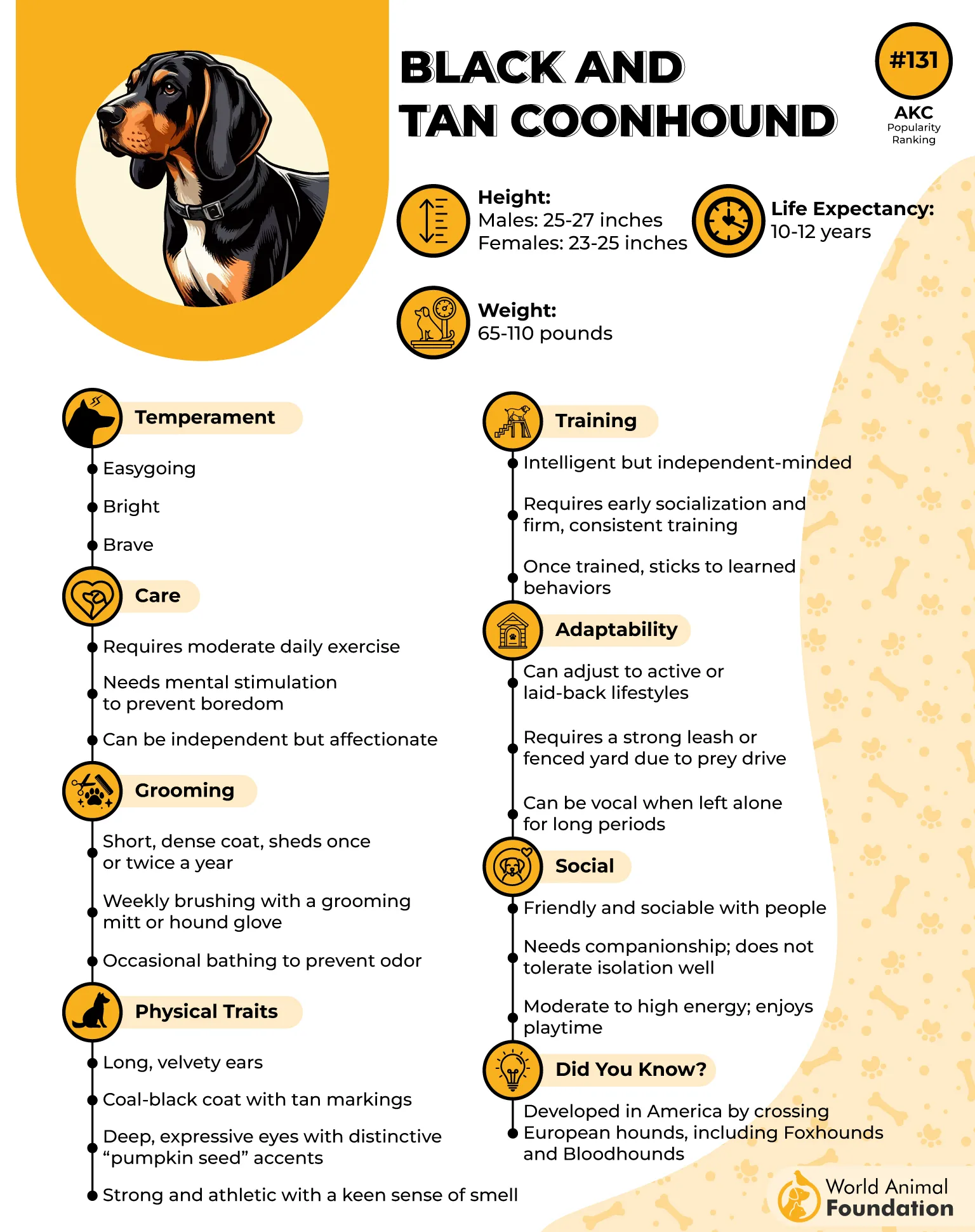
Black and Tan Coonhounds maintain their working heritage, yet they exhibit friendly sociability as companion animals. The dogs need regular exercise and protection through fenced areas to adapt to family environments.
The hunting breed needs both organized daily activities and complete control through leash handling to achieve its full potential. The system works best for hunting small animals, which requires tracking through extended scent trails, although it does not suit every domestic situation.
5. Redbone Coonhound
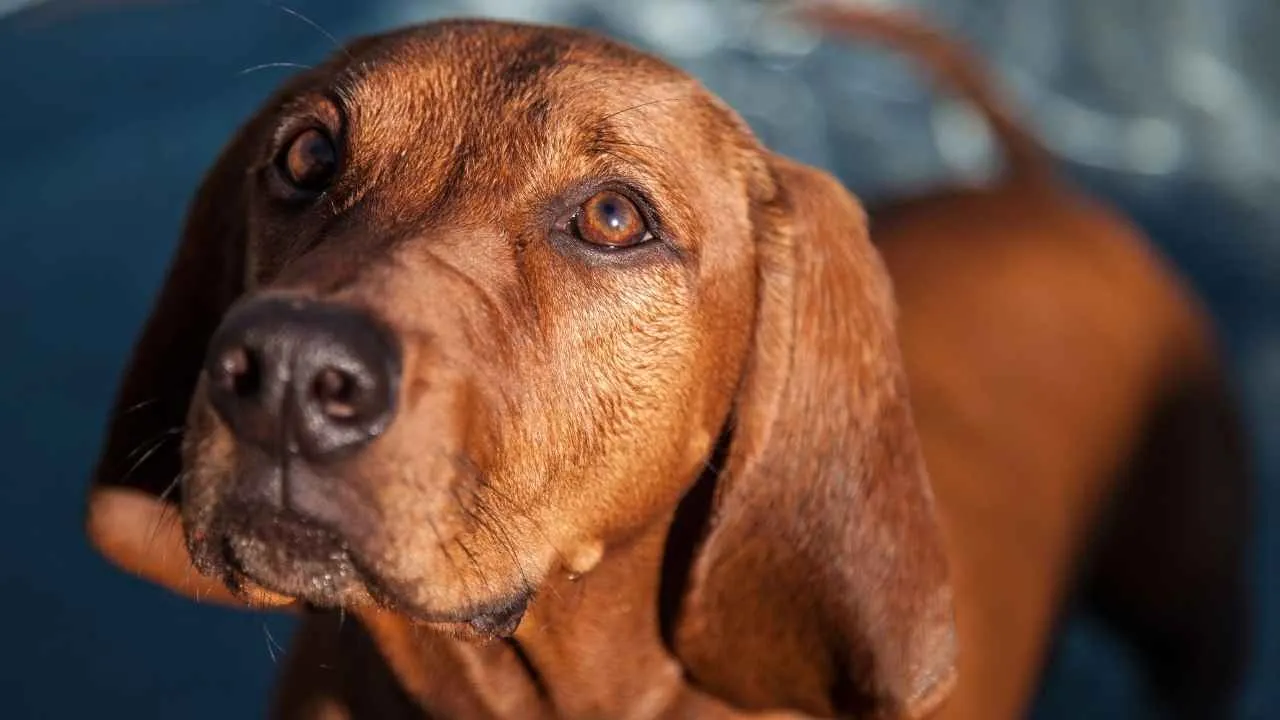
The Redbone Coonhound is an attractive breed that also excels in its performance capabilities. The hunting dog has fast and agile tracking abilities, which allow it to pursue both raccoons and cougars. The Redbone dog shows two distinct behavior patterns according to Purina because it displays an unyielding hunting nature during outdoor activities while remaining gentle and obedient at home.
The dog needs only basic maintenance because its solid red medium-length coat and smooth body require minimal upkeep. The Redbone breed displays indoor calm behavior, which balances its hunting instincts, because it maintains proper exercise routines throughout the day.
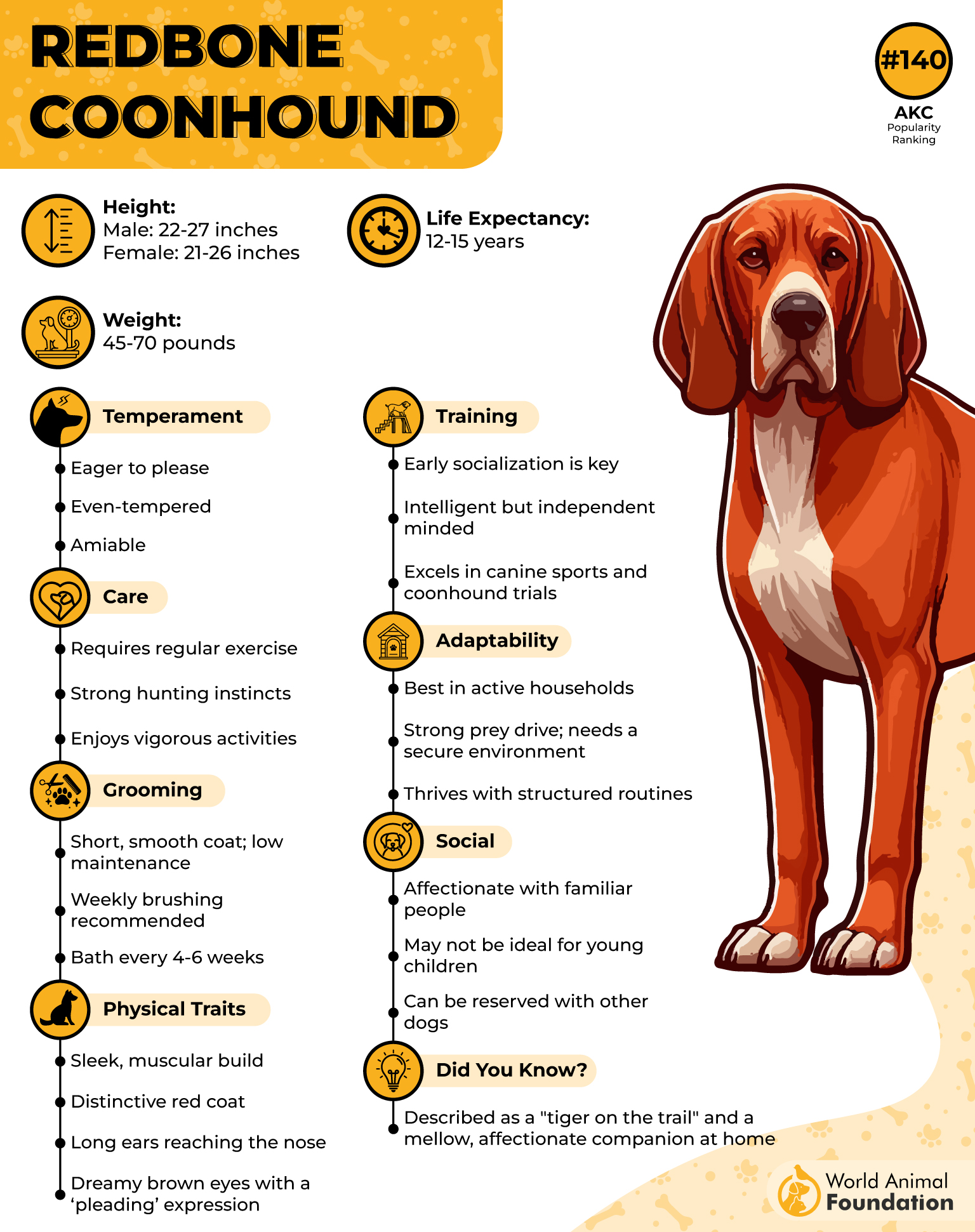
Active families who like to spend time outside and take long walks will find these pets to be ideal companions. The breed demonstrates exceptional tracking abilities on cold trails, which proves useful during long-term hunting operations.
Redbone Coonhounds need their owners to provide them with both physical exercise and mental stimulation through interactive activities. The dogs become excellent family pets and trustworthy tracking animals after they receive proper training, which enables them to work effectively in warm regions that contain forested areas.
6. Airedale Terrier
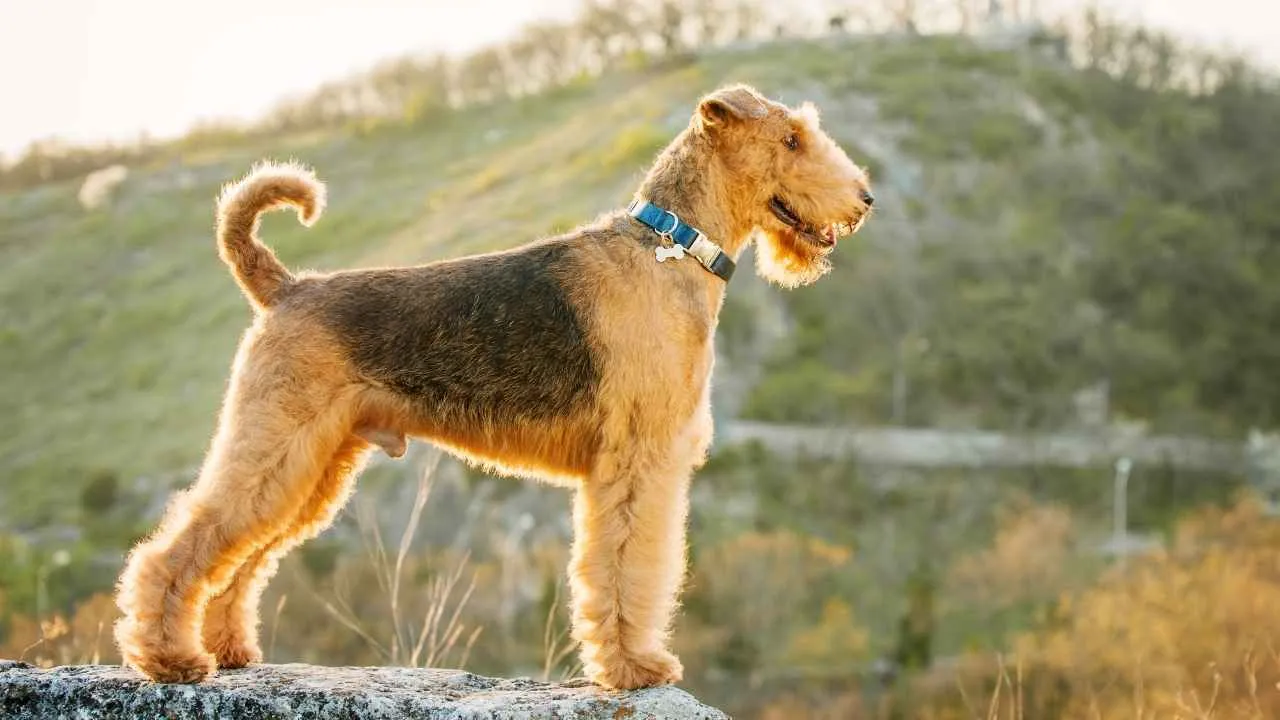
The Airedale Terrier, which dog enthusiasts call the “King of Terriers,” serves as a hunting dog because of its ability to utilize its strong intelligence and independent nature. Hill’s Pet states that Airedales were developed to hunt birds and small creatures, which they do through their dual skills of retrieving and maintaining sharp vision.
Their outer coat, which is coarse, together with their undercoat, which is thick, enables them to resist harsh weather conditions, which protect them from cold temperatures and rainy conditions. The intelligent dogs require positive reinforcement training because their stubbornness obstructs their learning process.
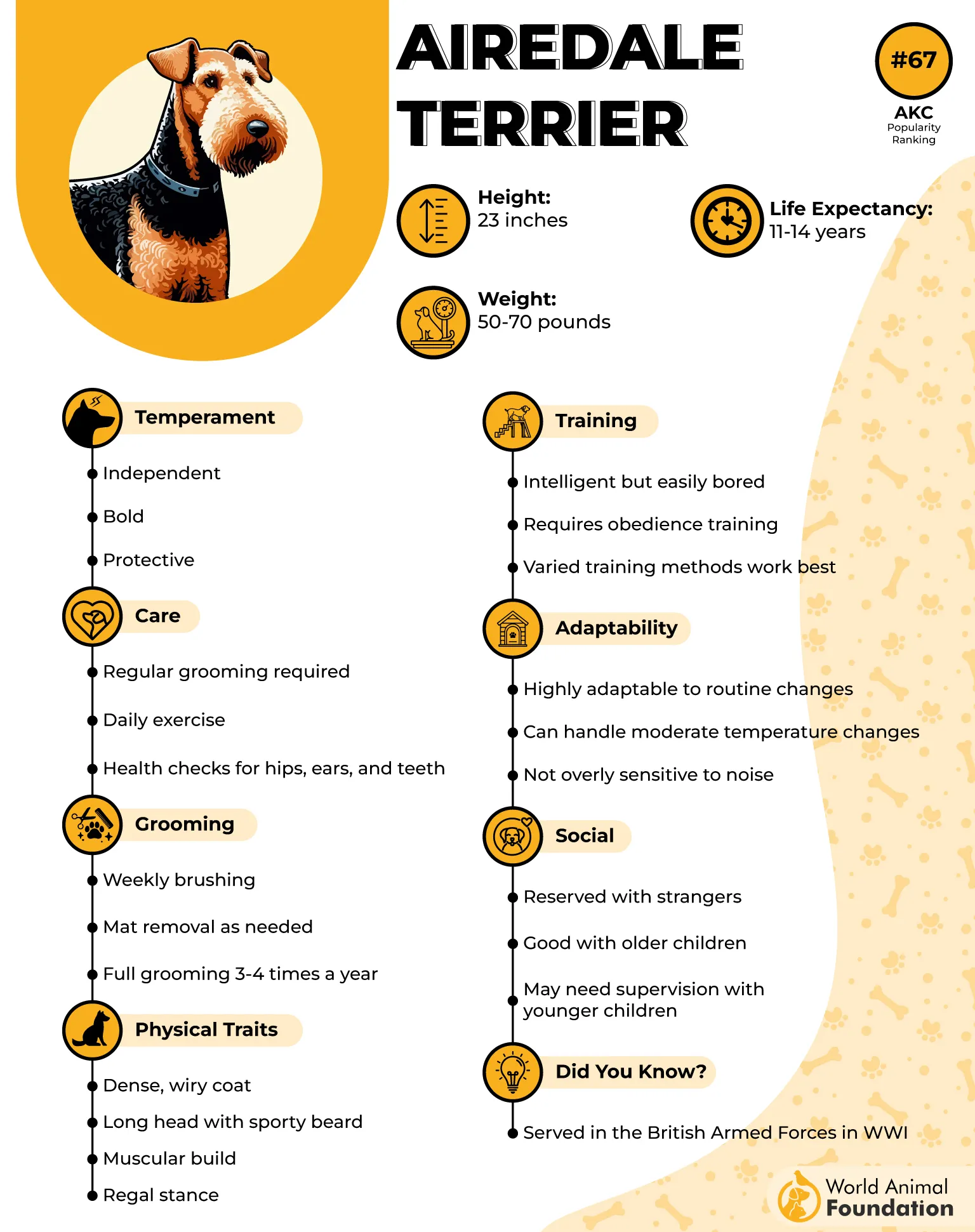
Airedales require both physical activity and mental challenges, which they achieve through socializing with people. The dogs exhibit calm behavior around other pets after undergoing socialization training from their first months of life.
The breed requires its handlers to provide it with continuous interactive activities, which include structured times of play. The Airedale works as a strong hunting companion because of its adaptable skills, which make it suitable for various hunting tasks while also serving as a dedicated family companion.
7. German Shorthaired Pointer
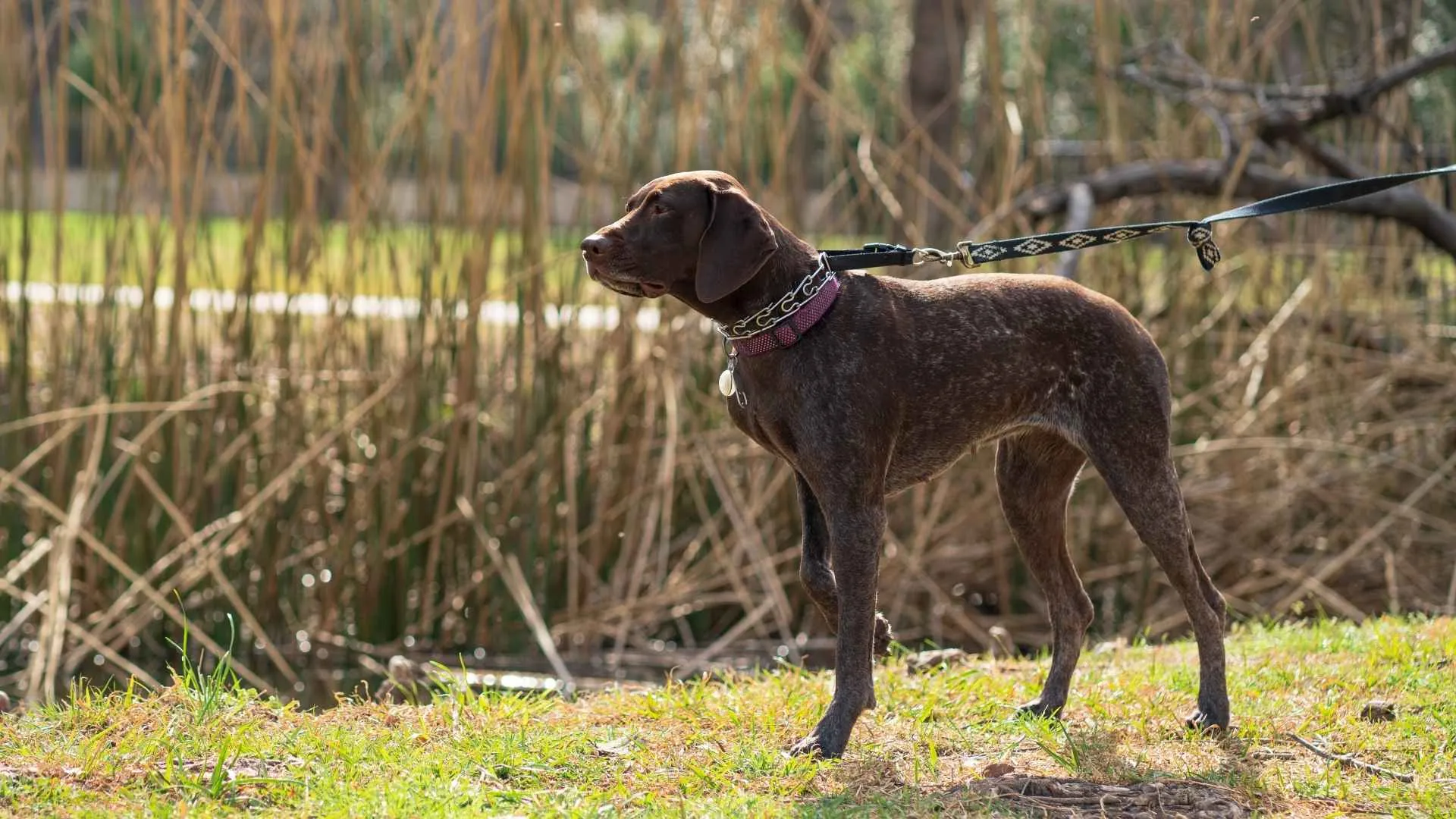
The German Shorthaired Pointer is one of the most popular dog breeds among hunters worldwide. The dog was developed as a multi-purpose athletic breed that demonstrates its hunting skills for birds as well as its ability to retrieve fallen birds and its capacity to track down injured animals both on land and in freezing aquatic environments.
The breed has an athletic body structure, which includes webbed feet and powerful swimming capabilities. The dog uses its short coat to achieve fast drying, while its endurance allows it to hunt for extended periods in open fields and forested areas. German Shorthaired Pointers display a royal appearance with their distinctive look while maintaining their commitment to loyalty.
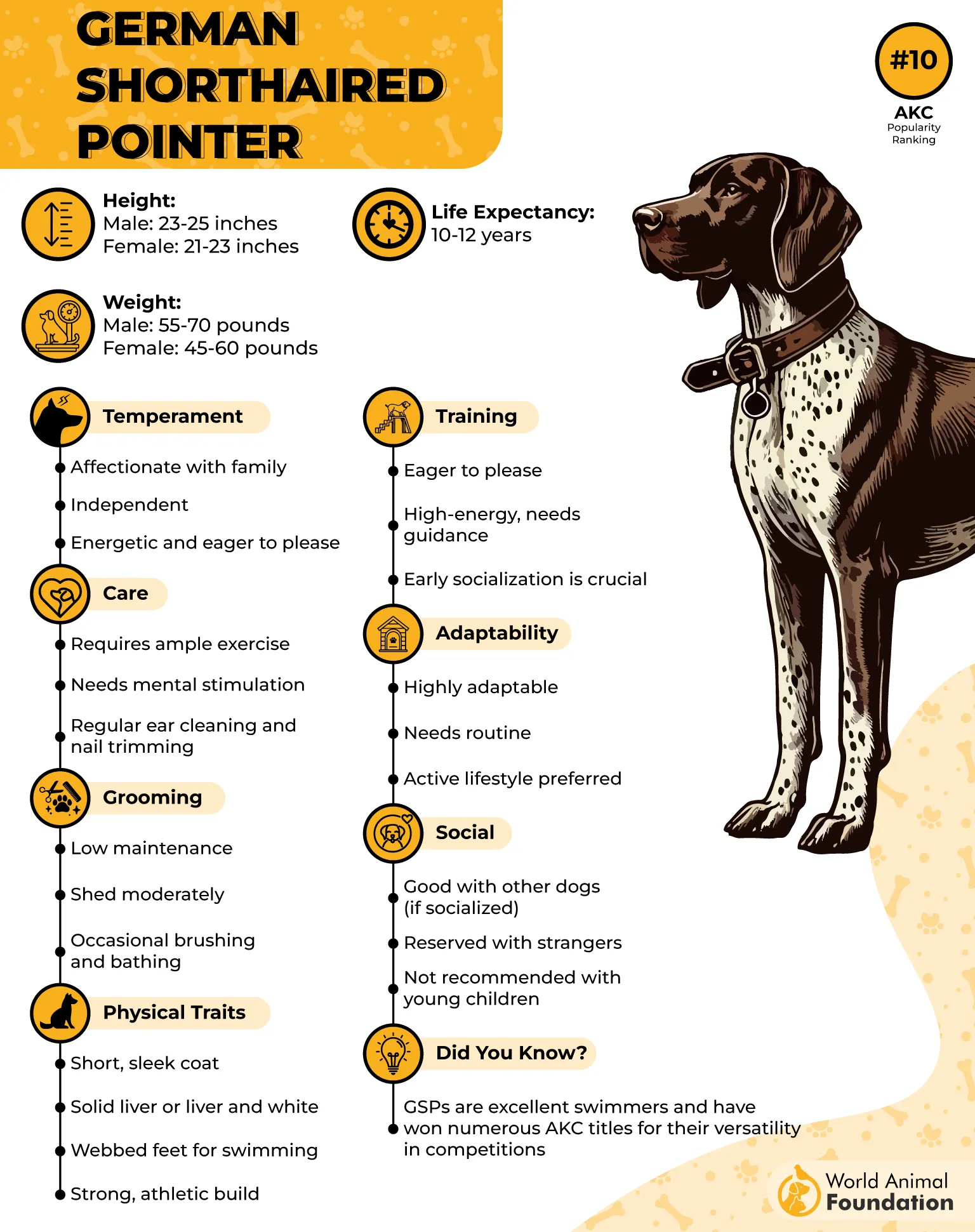
The dogs require daily physical activity together with mental exercises because they have high energy levels. The dogs need regular movement because their restlessness makes them most suitable for families who lead active lifestyles.
German Shorthaired Pointers succeed when handlers provide them with effective training programs together with definite training guidelines. The dogs excel as bird hunting companions, which they complement with their ability to track animals through various hunting conditions.
Conclusion
Selecting an appropriate dog breed for tracking and retrieving work requires an individual assessment of each specific situation. Your lifestyle and experience level, together with your available time for training, will determine your selection. The Bloodhound possesses exceptional scenting skills, whereas the Belgian Malinois demonstrates intense drive, and the German Shorthaired Pointer shows complete adaptability in its hunting abilities.
Through dedicated training and ongoing maintenance, these dogs develop into useful companions for outdoor work. They develop into reliable family pets and trustworthy work partners who accompany you during all your hunting trips. The bond established through their shared goal becomes the foundation for exceptional hunting dog partnerships.
