




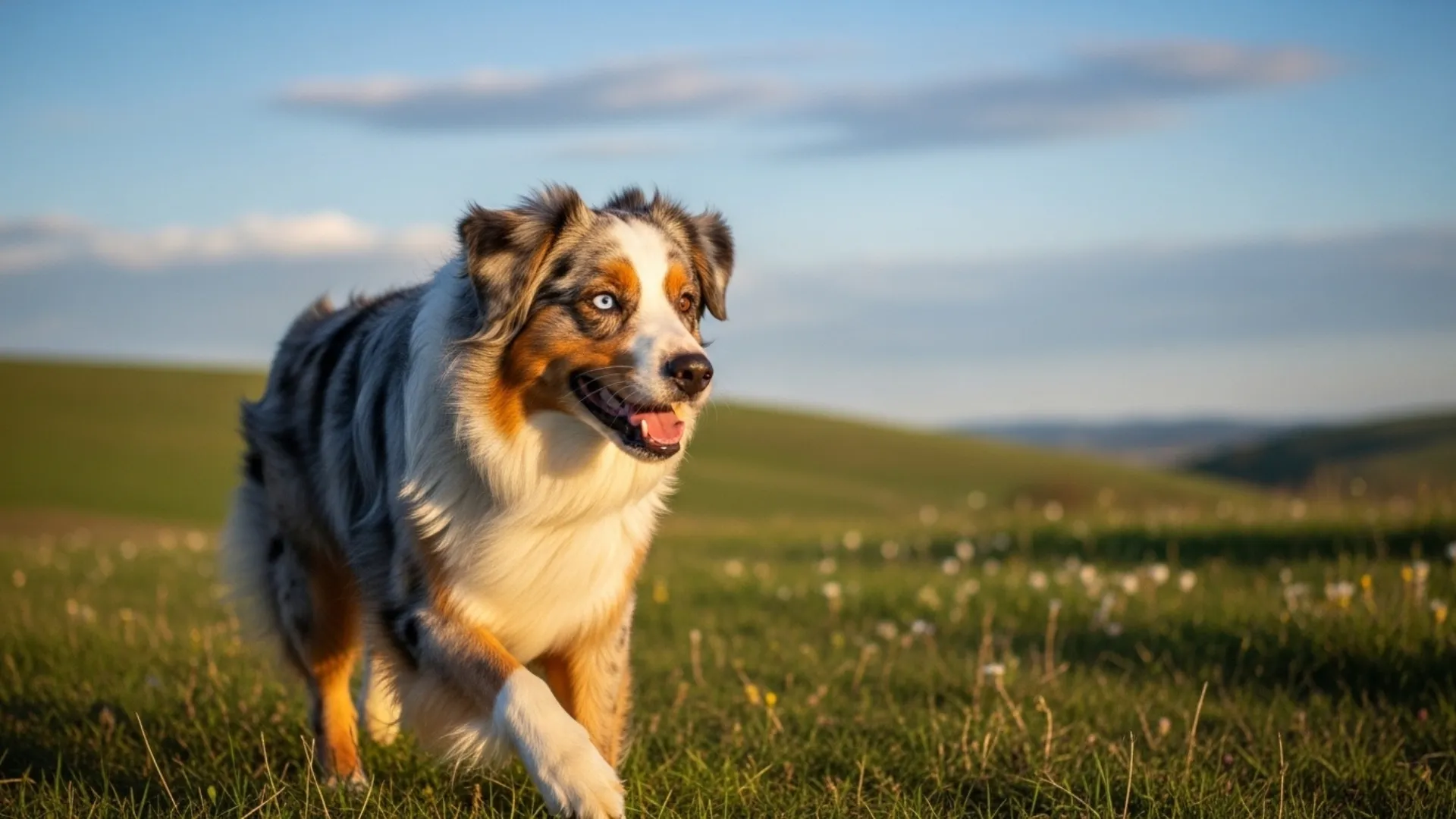
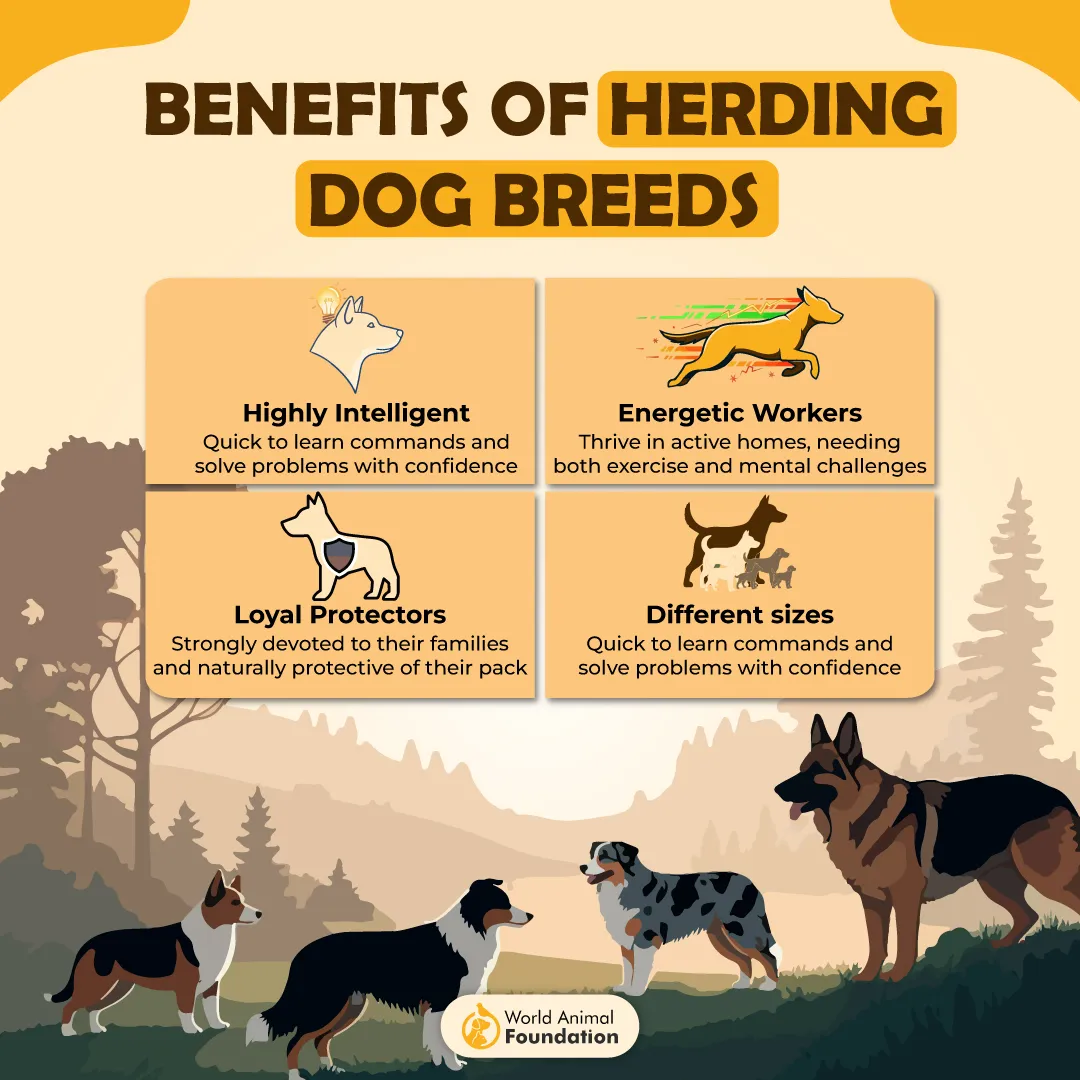
Up until 1983, the herding breeds were grouped within the Working Group, reflecting their shared heritage as diligent livestock guardians.
These remarkable dogs possess a deeply ingrained instinct to guide, gather, and protect animals, making them indispensable partners on farms and ranches.
Over time, specialized breeding refined their intelligence, agility, and responsiveness, resulting in versatile working companions capable of managing flocks with precision and care.
Modern examples, such as the Belgian Malinois and German Shepherd Dog, are widely respected for their discipline and trainability in demanding roles.
Beyond traditional herding, these breeds often demonstrate gentle behavior with families, occasionally extending their herding instincts to children.
Their combination of alertness, loyalty, and work ethic continues to define them as outstanding choices for safely shepherding livestock while maintaining strong human bonds.
With proper training, socialization, and consistent guidance, these breeds excel in controlled environments, respond reliably to commands, and maintain focus under pressure.
This ensures livestock remain organized, stress is minimized, and handlers can work efficiently and safely in diverse conditions globally today.
Outstanding Dog Breeds for Shepherding Livestock Safely
1. Border Collie
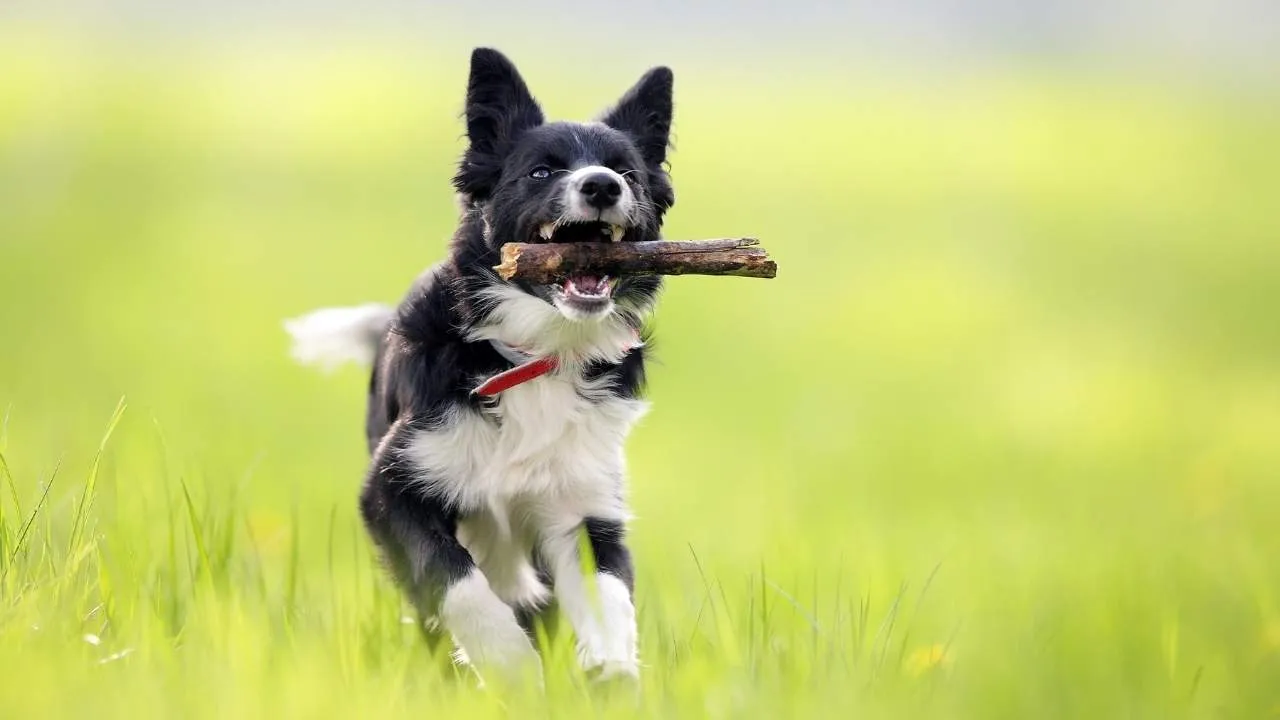
The Border Collie is widely recognized for its exceptional intelligence, sharp instincts, and strong herding ability, making it one of the most effective dogs for managing livestock safely, as noted by WebMD.
Originally developed in the border regions of Scotland and England, this breed was selectively refined to handle sheep across rugged terrain with speed and precision.
Border Collies are highly trainable and respond quickly to commands, which allows handlers to direct large groups of animals with minimal effort.
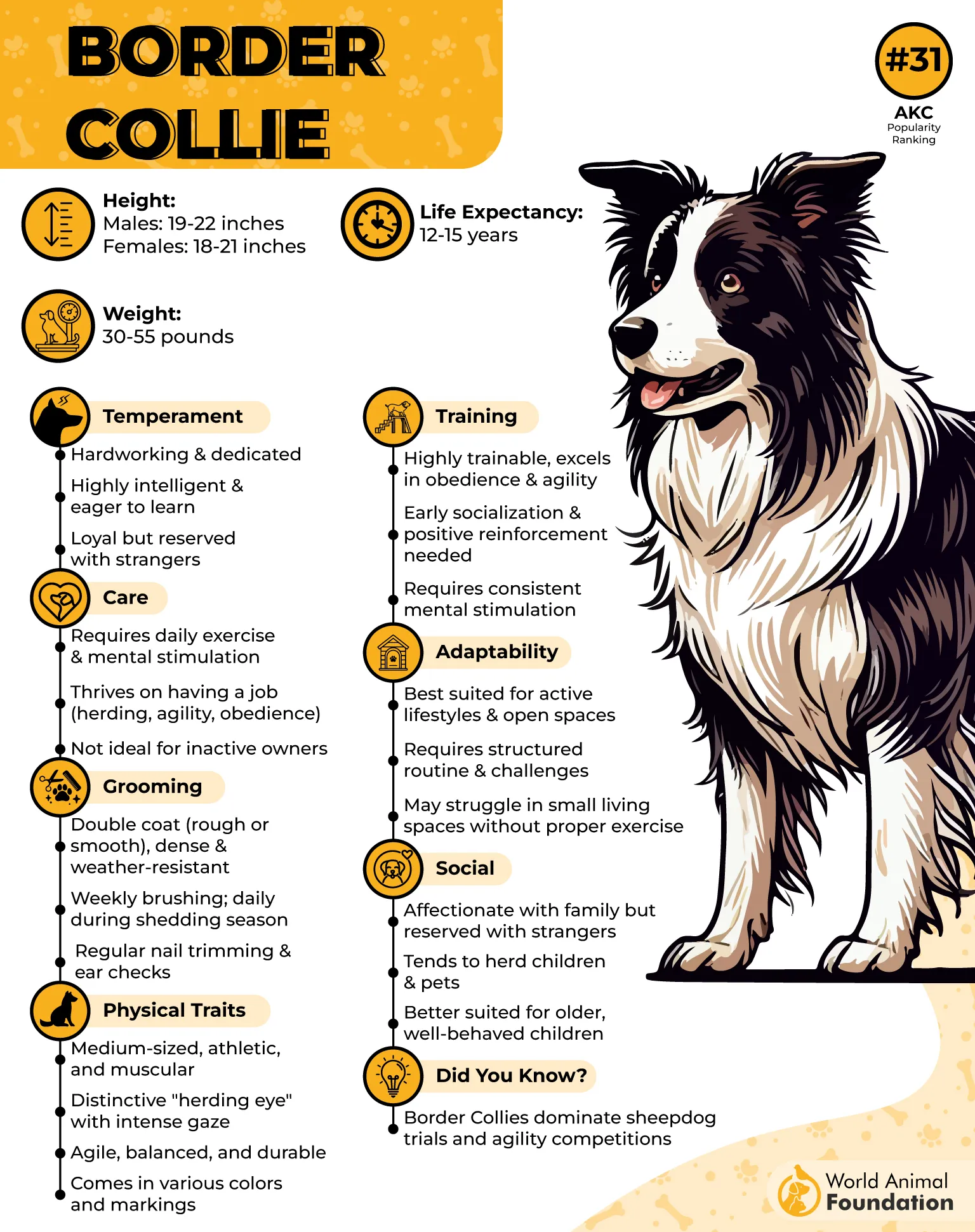
One of their most distinctive traits is the “herding eye,” an intense, focused stare used to control and guide livestock through subtle pressure rather than force.
Physically, they are agile, medium-sized dogs with either rough or smooth coats that appear in a variety of colors.
Their high energy levels require regular exercise and mental stimulation to stay balanced and productive.
Known for their problem-solving ability and stamina, Border Collies excel in structured herding tasks, where their instincts, alertness, and responsiveness help ensure livestock are guided calmly, efficiently, and with precision in diverse working conditions.
2. Australian Shepherd
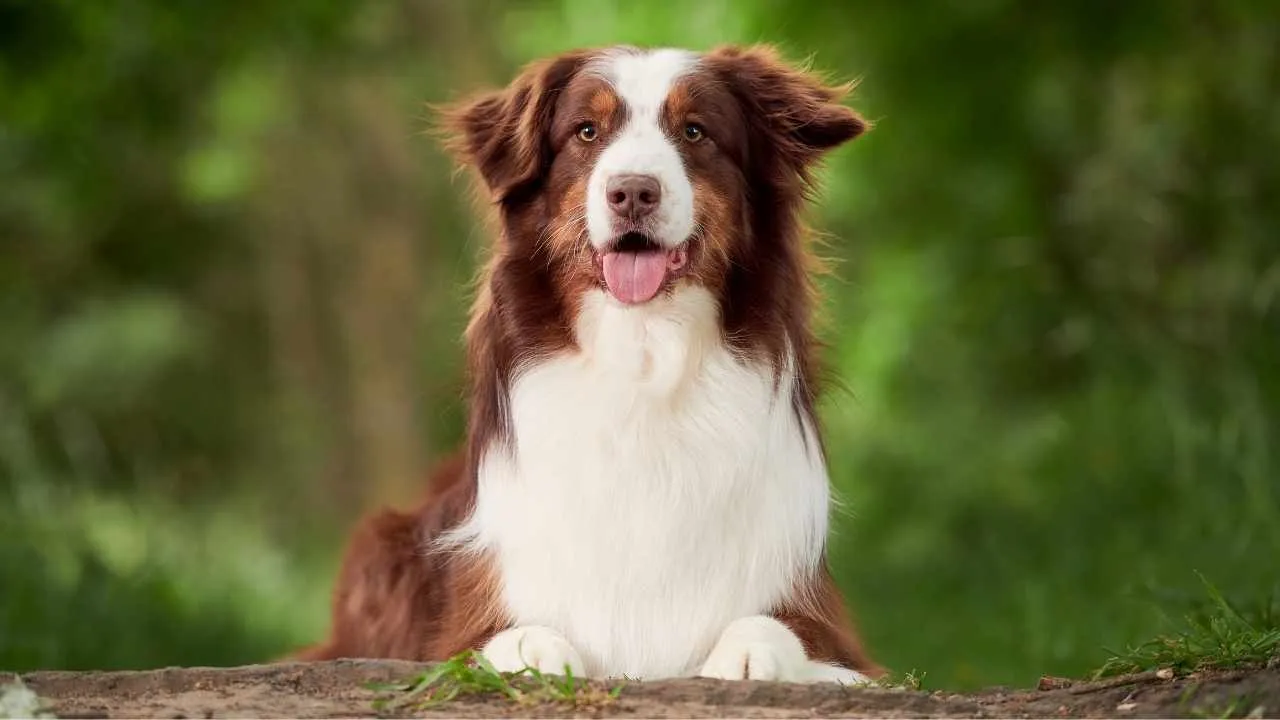
The Australian Shepherd remains a standout choice for safely managing livestock across varied environments, among dependable herding companions.
Despite its name, this medium-sized working dog breed developed from European herding lines influenced by English sheepdogs, later refined in pastoral settings where agility, awareness, and cooperation were essential.
Aussies are known for their sharp intelligence, steady temperament, and strong desire to work closely with handlers, making them highly responsive to training and commands.
Their natural herding instinct allows them to herd sheep and other livestock with control rather than force, helping maintain calm and order in the flock.
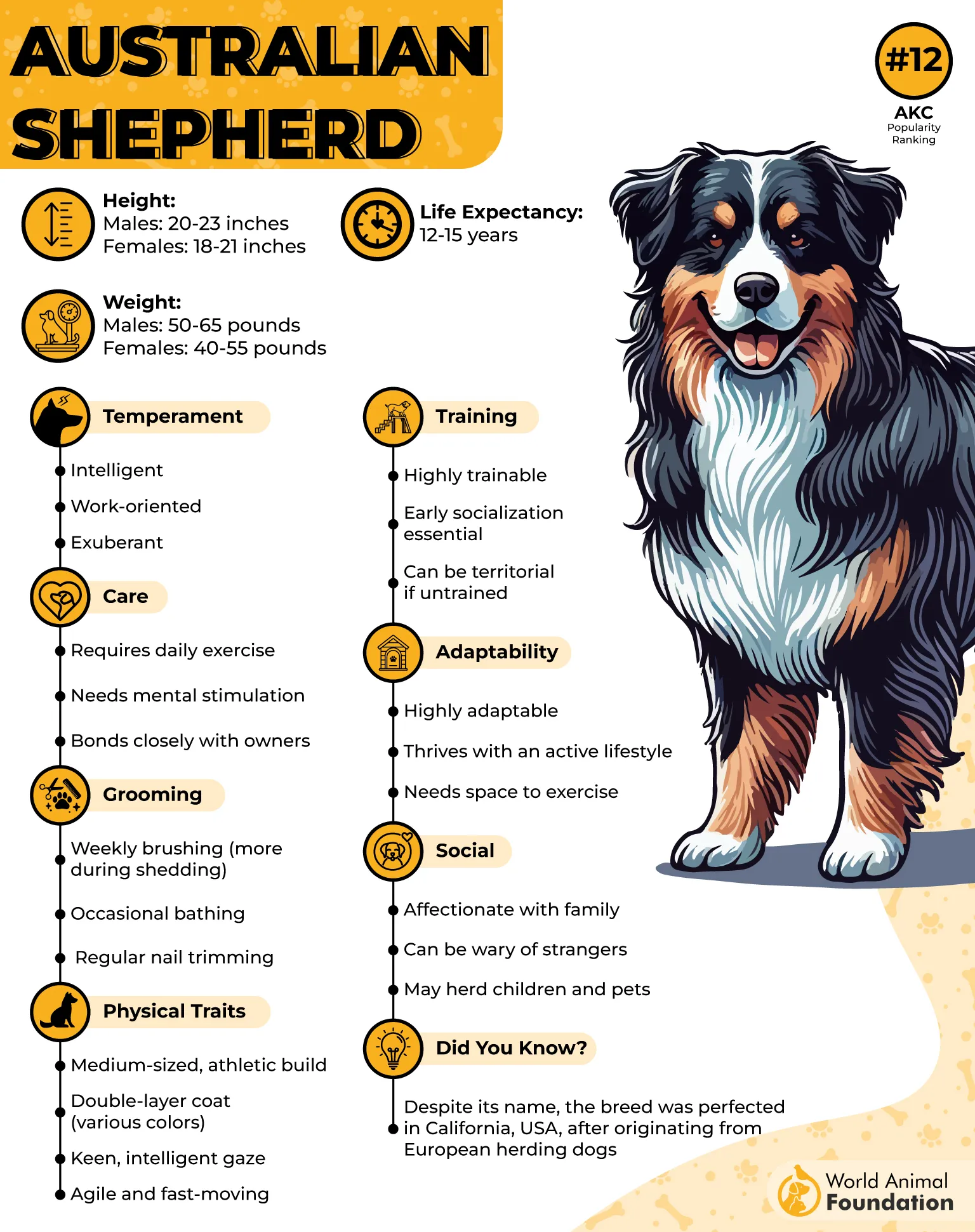
Energetic and attentive, they require regular activity, yet their grooming and upkeep remain relatively manageable.
Australian Shepherds are also deeply social, forming strong bonds with families while staying alert to their surroundings.
This combination of loyalty, trainability, and instinctive control makes them reliable partners for shepherding tasks, ensuring livestock are guided safely while the farm dog breed remains composed, focused, and protective without unnecessary aggression.
With consistent guidance, they continue to excel as dependable, low-maintenance guard dogs of working farms.
3. Great Pyrenees
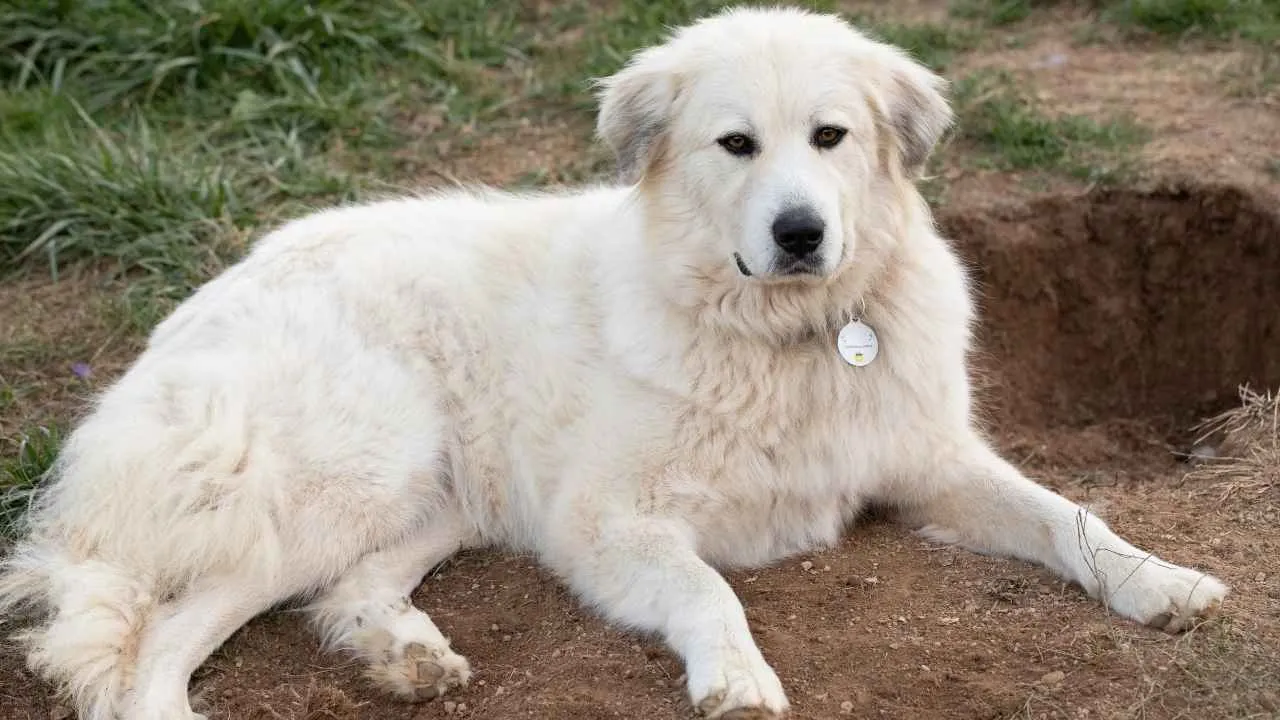
The Great Pyrenees dog stands out as one of the most dependable livestock guardian dog breeds, valued for its calm demeanor and strong protective instincts.
Originating in the rugged Pyrenees Mountains along the border of France and Spain, this breed was traditionally raised alongside smaller herding dog breeds, where each had a distinct role in managing and safeguarding flocks.
While herding breeds guided livestock, the Great Pyrenees was responsible for watching over them, instinctively defending sheep from predators such as wolves and bears.
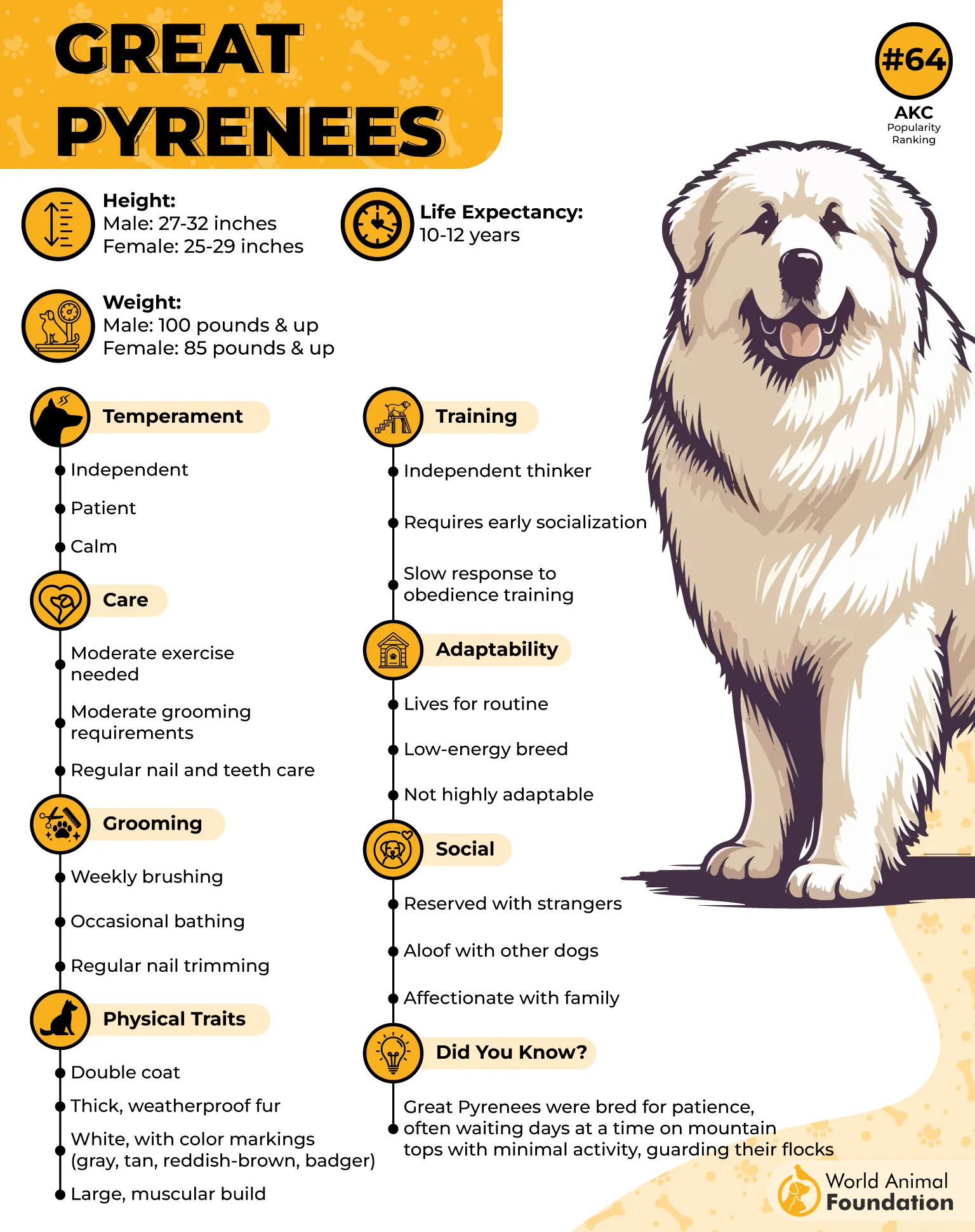
Its large build, thick double coat, and steady temperament allow it to remain outdoors for extended periods with minimal supervision, making it well-suited for low-maintenance guarding tasks.
Historically trusted by rural farmers for centuries, the breed later gained recognition among French nobility, with records linking it to the protection of estates like the Château Fort de Lourdes.
By the era of King Louis XIV, it was officially honored as the Royal Dog of France. Today, the Great Pyrenees continues to represent a balanced blend of gentle companionship and reliable livestock protection, maintaining vigilance without unnecessary aggression.
4. Anatolian Shepherd
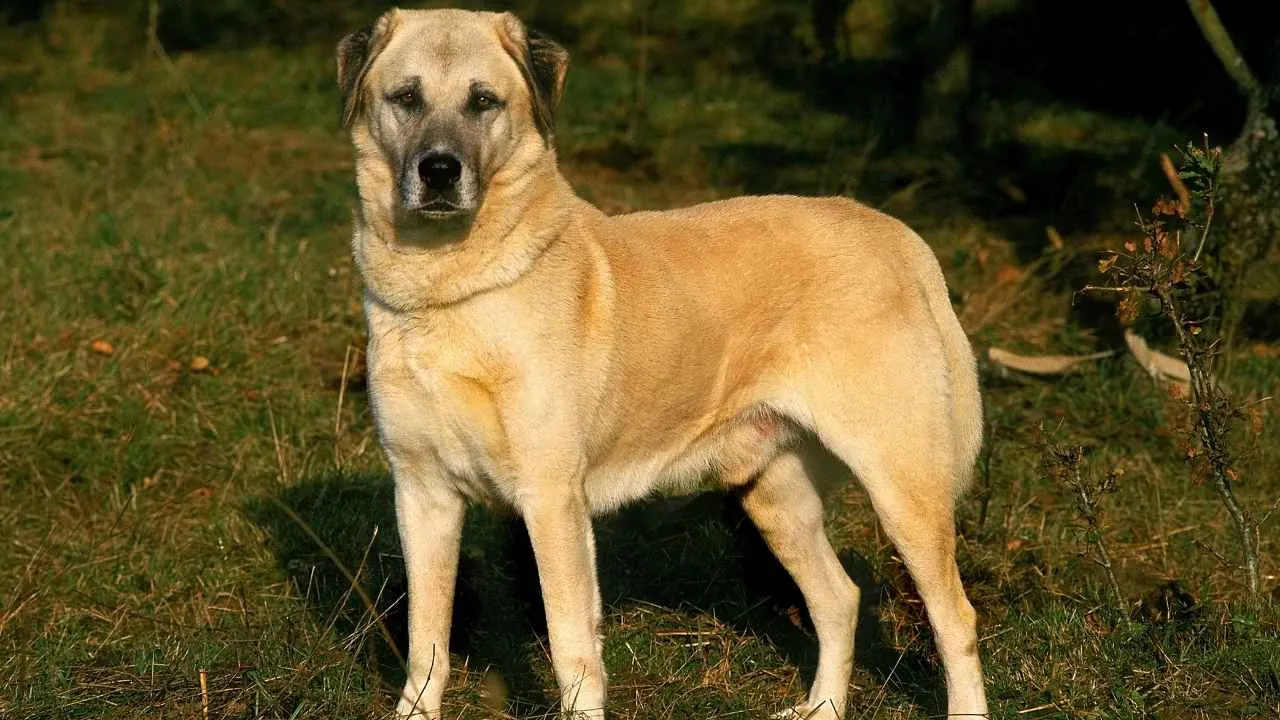
The Anatolian Shepherd Dog stands out as a formidable yet composed livestock guardian, developed over centuries to protect herds across harsh terrains, as noted by the AKC.
Originating from the Anatolian region of Turkey, this large, muscular breed was selectively bred to deter predators while working independently alongside shepherds.
Known for its territorial awareness and unwavering vigilance, it relies on instinct rather than constant direction, making it a low-maintenance guardian for expansive grazing areas.
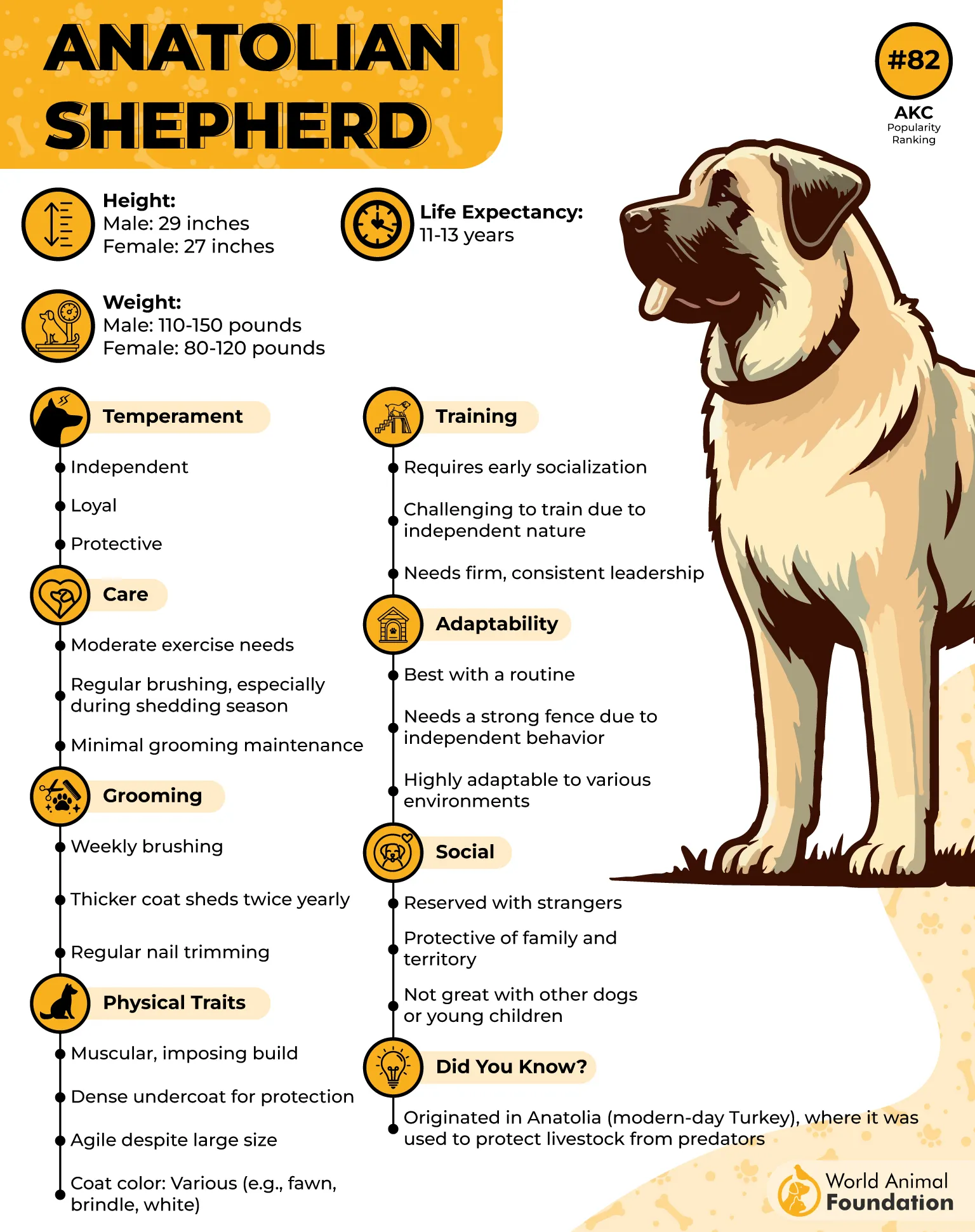
Despite its imposing presence, the Anatolian Shepherd Dog is intelligent, patient, and deeply loyal to its charge, forming strong bonds with the animals and people it protects.
It is capable of safeguarding sheep, goats, and even other household animals with steady confidence, intervening only when necessary.
This breed’s calm temperament, combined with its natural protective drive, allows it to operate effectively in remote environments with minimal supervision.
With proper guidance and clear leadership, it remains a dependable partner for safely shepherding livestock while maintaining a balance between control, independence, and quiet dedication.
Overall, it remains a trusted, steady guardian for modern farms seeking reliable livestock protection without excessive upkeep.
5. Australian Cattle Dog
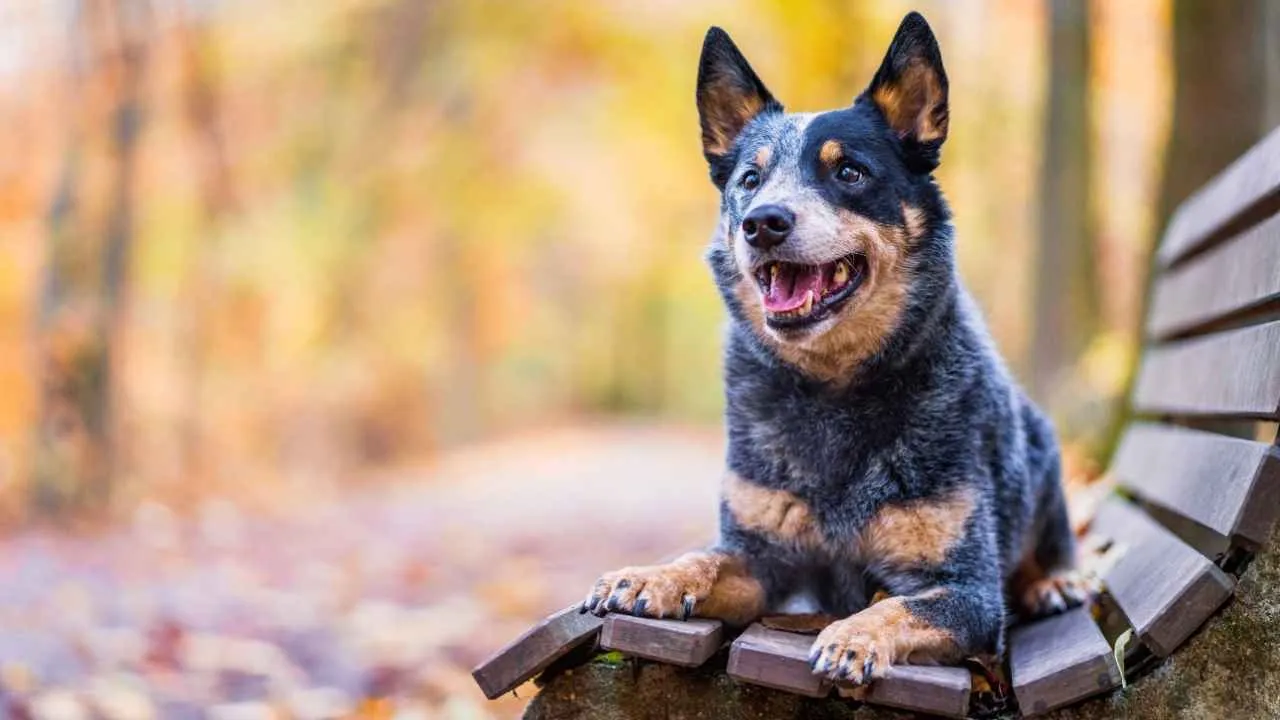
The Australian Cattle Dog is a highly capable and energetic herding breed developed for demanding livestock work across rugged Australian landscapes.
Often referred to as Blue Heeler or Red Heeler based on its distinctive coat patterns, this medium-sized dog is renowned for its sharp intelligence, endurance, and strong work ethic.
Historically influenced by dingo ancestry and refined through selective breeding, the breed was designed to handle cattle by guiding them with controlled movement and quick, precise actions, including nipping at heels when necessary.
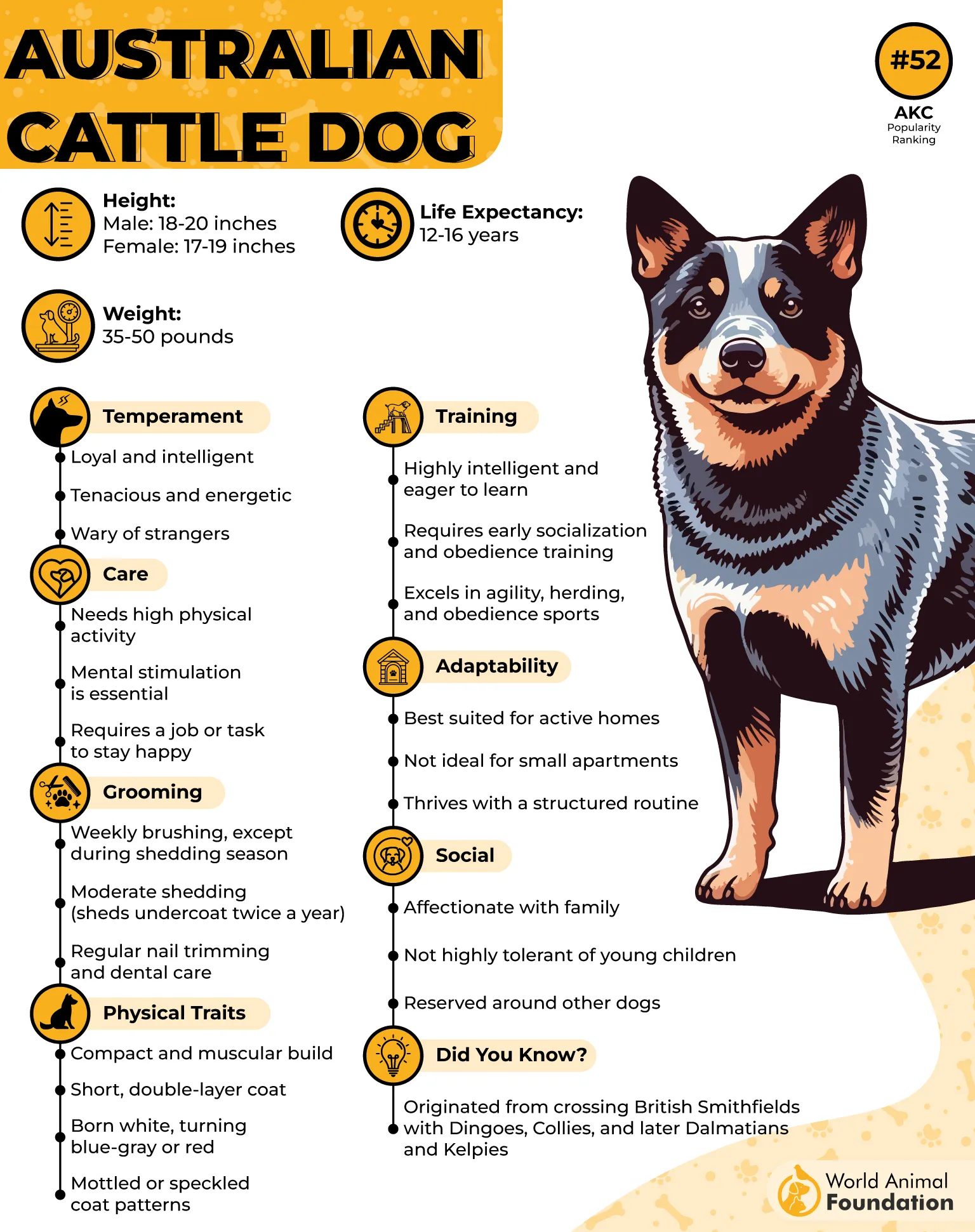
This instinctive herding behavior makes it exceptionally effective in managing livestock safely without causing undue stress to animals.
Compact, muscular, and highly alert, the Australian Cattle Dog thrives in active farm environments where it can patrol, respond quickly to commands, and remain engaged in tasks throughout the day.
It excels in structured training and enjoys activities that challenge both its mind and body, making it a reliable working partner for shepherding duties.
With consistent guidance, it demonstrates loyalty, focus, and dependable protective instincts, all while maintaining the discipline required for safe and efficient livestock management in real-world agricultural settings.
6. Pembroke Welsh Corgi
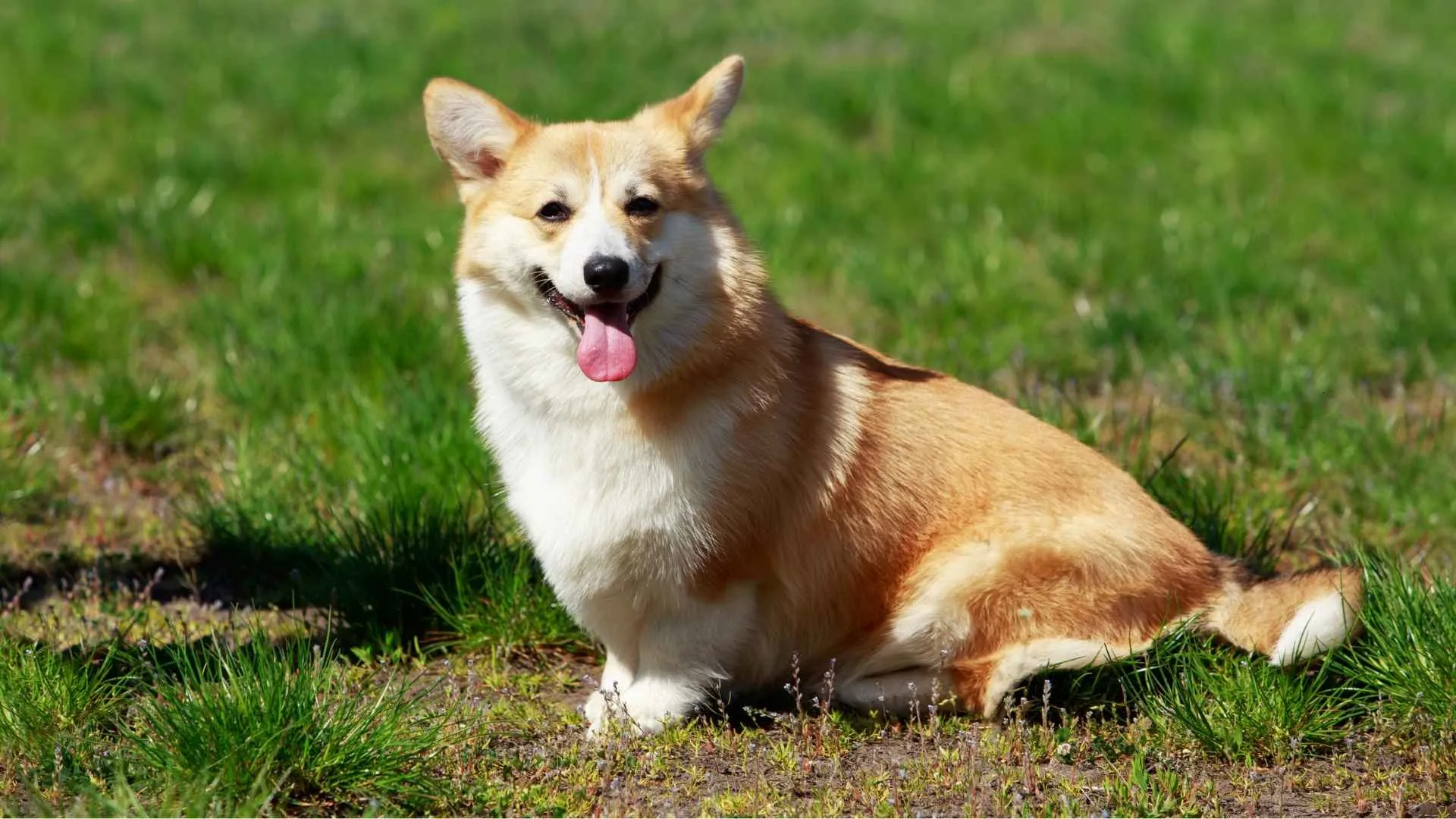
The Pembroke Welsh Corgi is a compact yet hardworking herding breed that thrives when given a clear purpose on farms and homesteads.
Known for its intelligence, determination, and energetic drive, it was developed to herd cattle by nipping at heels and guiding movement with quick precision.
This instinct makes it highly effective in managing livestock safely while maintaining control rather than force, as noted by Orvis.
Although small in stature, this intelligent dog breed is alert, responsive, and eager to work, often taking initiative if not mentally and physically engaged.
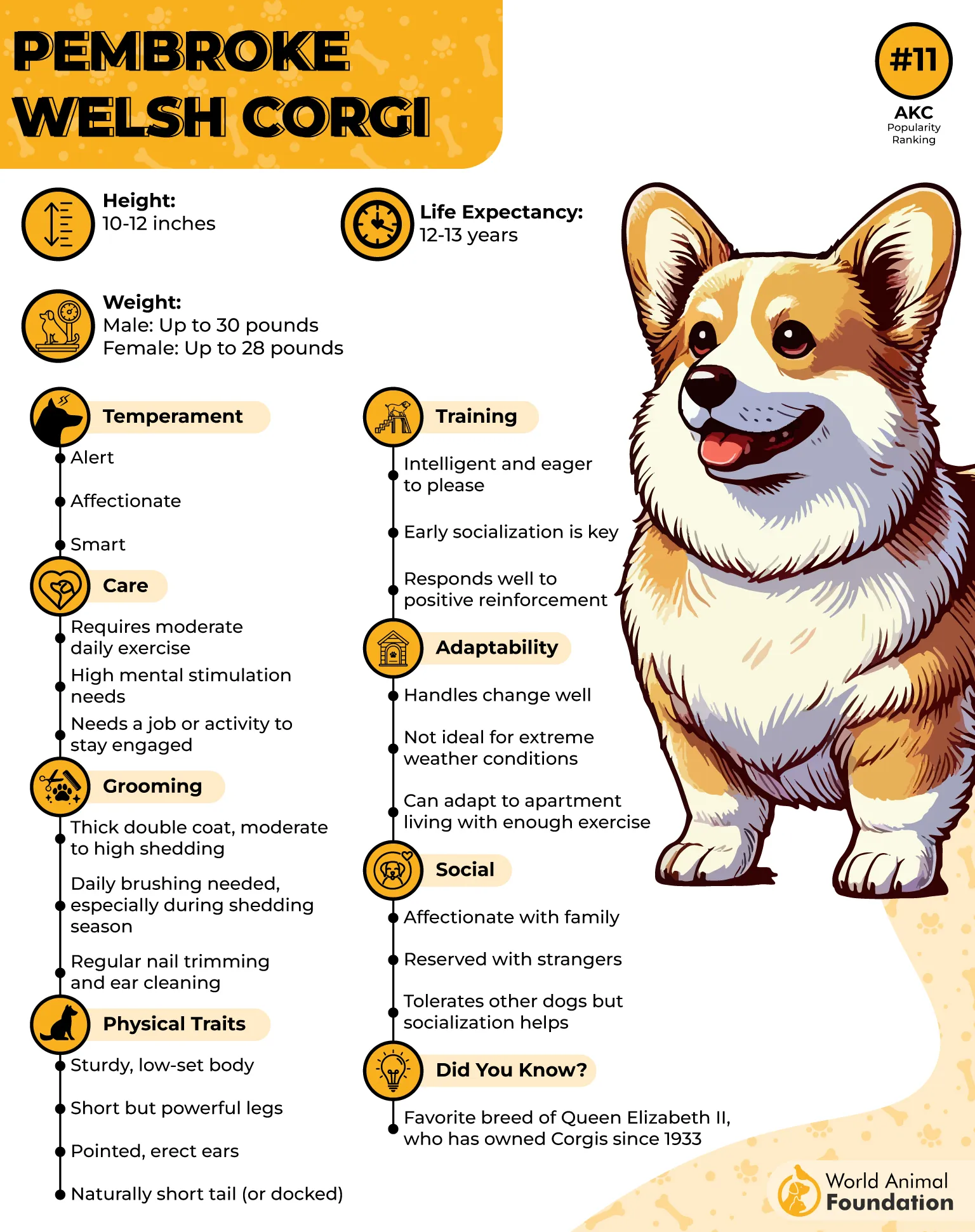
It forms strong bonds with families and typically gets along well with other animals, especially when properly socialized.
However, its herding tendencies may lead to chasing or gently herding children or pets if under-stimulated.
With consistent training, adequate exercise, and structured activity, the Pembroke Welsh Corgi becomes a dependable, low-maintenance herding companion capable of contributing effectively to safe livestock management while remaining affectionate and loyal at home.
Overall, its balance of agility, attentiveness, and manageable size makes it a practical choice for controlled herding tasks.
7. Komondor
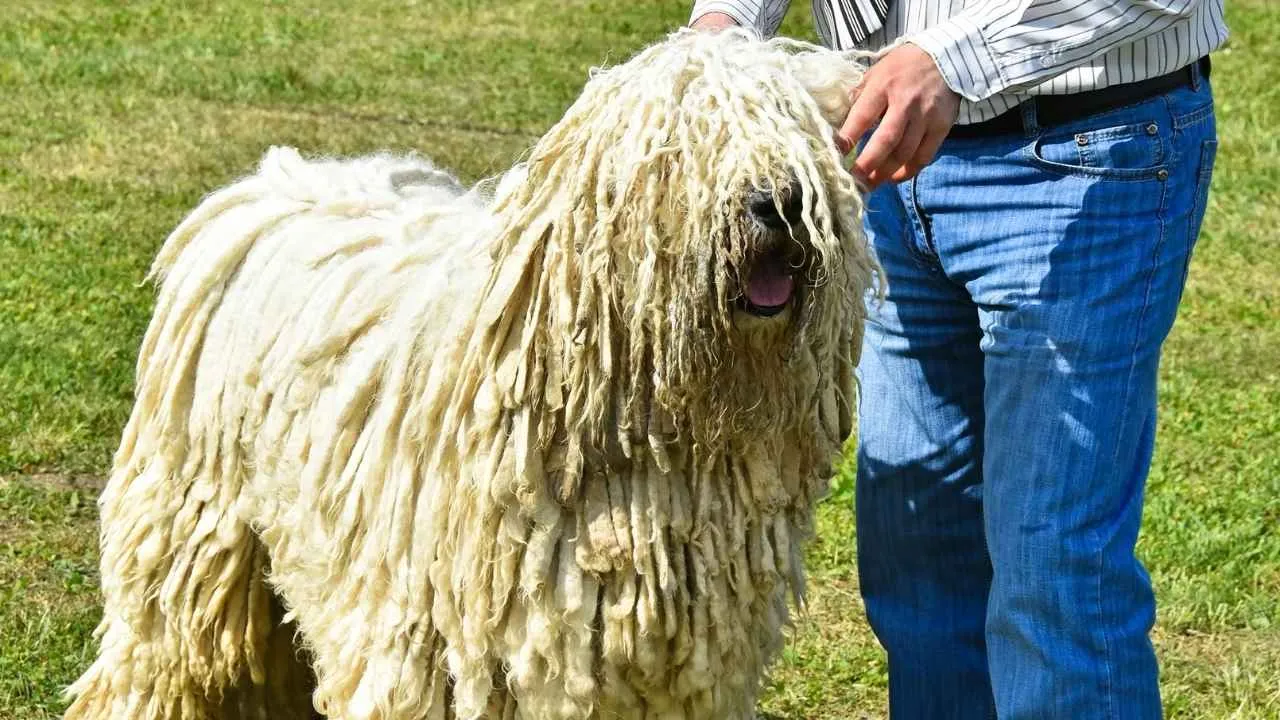
The Komondor is a striking livestock guardian breed originating from Hungary, instantly recognizable by its unique white, corded coat that naturally forms long tassel-like strands as it matures.
Often nicknamed the “mop dog,” this dense coat is not just for appearance—it provides effective protection against harsh weather and helps the dog blend in with sheep while guarding flocks.
Originally bred to protect livestock, the Komondor excels in open fields where it can patrol independently and deter predators through its size, confidence, and strong territorial instincts.
Unlike herding breeds that move animals, the Komondor’s role is to watch over them, remaining calm yet alert for potential threats.
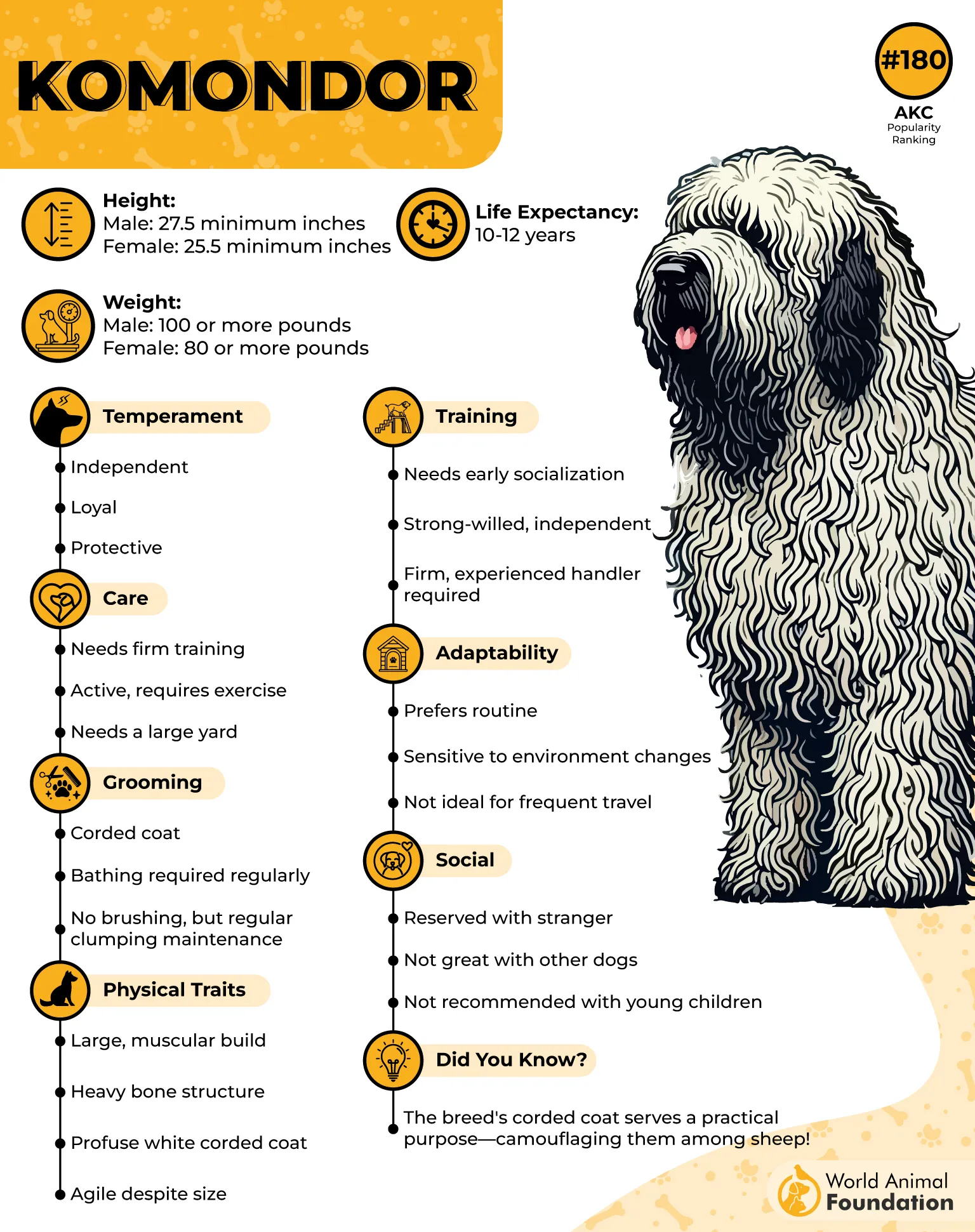
It is known for being loyal, courageous, and highly devoted to its flock, often forming deep bonds with the animals it protects.
While generally reserved with strangers, it is affectionate with its family and responsive to consistent training.
Though its grooming needs are higher due to its corded coat, its natural guarding ability, reliability, and steady temperament make it an outstanding choice for safely protecting livestock in rural and agricultural settings.
Conclusion
Selecting the right livestock guardian or herding companion is essential for maintaining a safe, organized, and low-stress farm environment.
The ideal dogs combine intelligence, trainability, alertness, and an instinct to either guide or protect animals without unnecessary aggression.
With proper training and socialization, these dogs develop into reliable partners that can adapt to different terrains and working conditions.
Their loyalty to both handler and livestock ensures consistent performance, while their balanced temperament allows them to coexist peacefully within family settings.
Ultimately, these breeds offer a dependable blend of protection, efficiency, and companionship for modern livestock management.
