




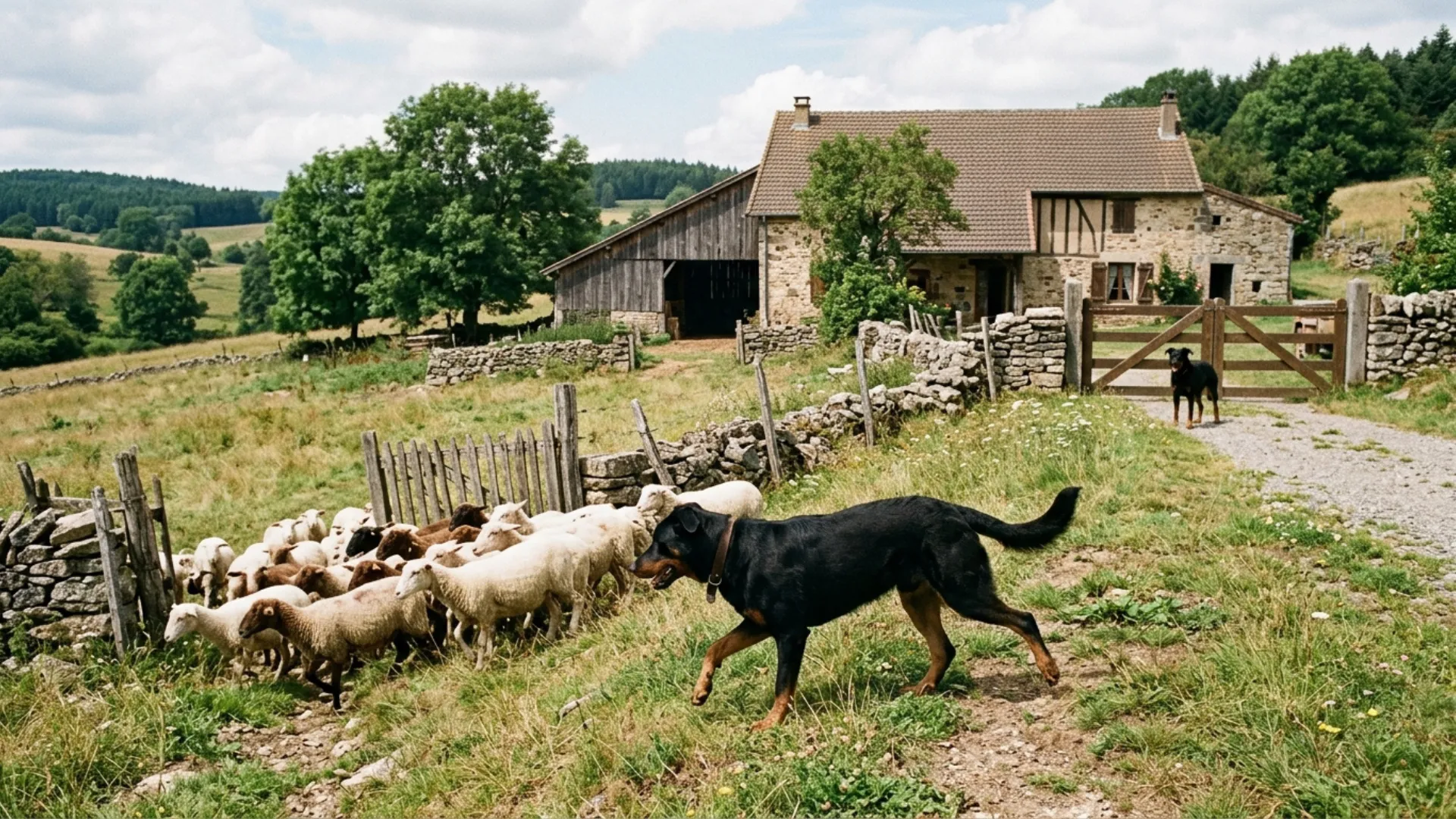
Some dogs enjoy open fields and country life, but only a few are truly built for it. At first glance, many breeds appear strong enough to manage rural work, especially when they are energetic or physically large.
The real difference shows up once daily responsibilities begin. Herding livestock requires focus, quick decision-making, and the ability to react without constant commands. Protecting a rural property demands awareness strong enough to notice unfamiliar movement long before people do.
Most dogs can play in a field for an hour. Far fewer can spend an entire day working across changing terrain while remaining alert the entire time. This gap between appearance and actual working ability surprises many first-time rural owners. The dogs that succeed in these environments share qualities that cannot always be recognized immediately.
Up ahead are the breeds trusted for handling livestock, protecting homes, and standing firm through demanding country routines.
Key Takeaways
Working farms need dogs that stay alert through long hours, shifting weather, and unpredictable movement across open fields.
The Anatolian Shepherd Dog stands out for its ancient guarding roots, working independently across wide terrain with steady focus and minimal direction.
Breeds like the Beauceron and Rottweiler combine herding skill with disciplined training, proving that intelligence and structure matter as much as muscle in demanding country environments.
As you move through the full list, you will see which dogs farmers trust to protect homes and stand watch long after the day begins.
Best Dog Breeds for Rural Work: Herding and House‑Protecting
1. Anatolian Shepherd Dog
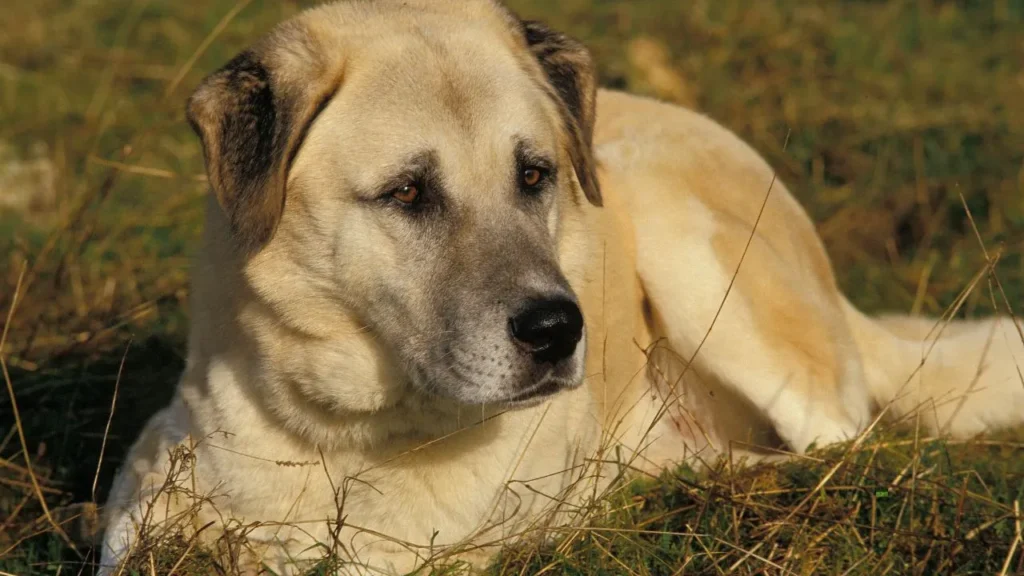
Anatolian Shepherd Dog descends from some of the oldest known canine bloodlines, refined over thousands of years in Turkey for livestock protection. Its massive frame and strong build reflect a dog designed for independent field guarding rather than close supervision.
Independent protection in action
This farm dog breed operates with minimal guidance once placed in a livestock setting, relying on instinct to guard animals across open land. Its value as a working breed extends beyond farms, including roles protecting endangered wildlife in conservation projects.
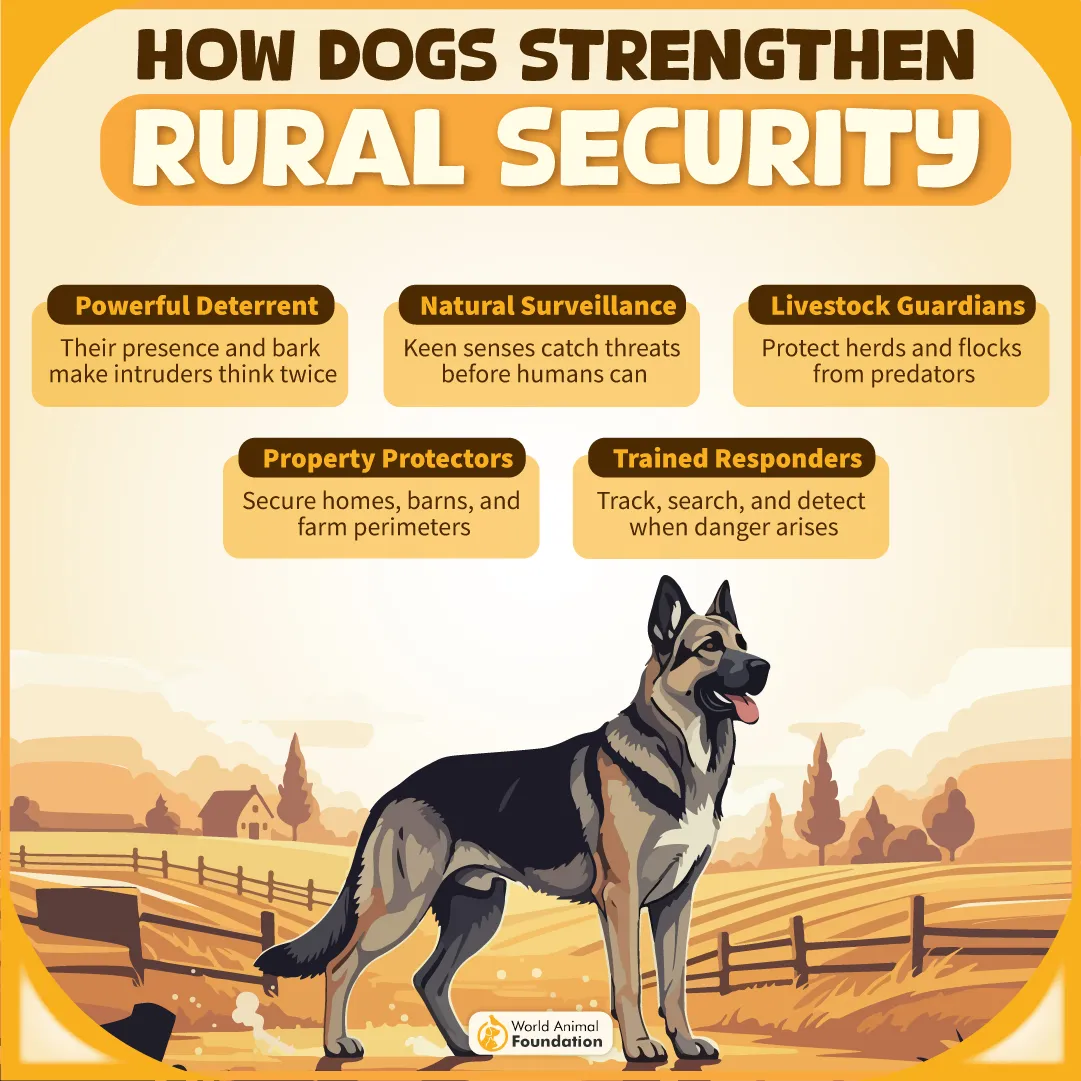
This guarding behavior becomes clearer in practice:
Monitors territory without constant direction
Acts independently when livestock faces a threat
Responds best to early social introduction
Living needs and handling
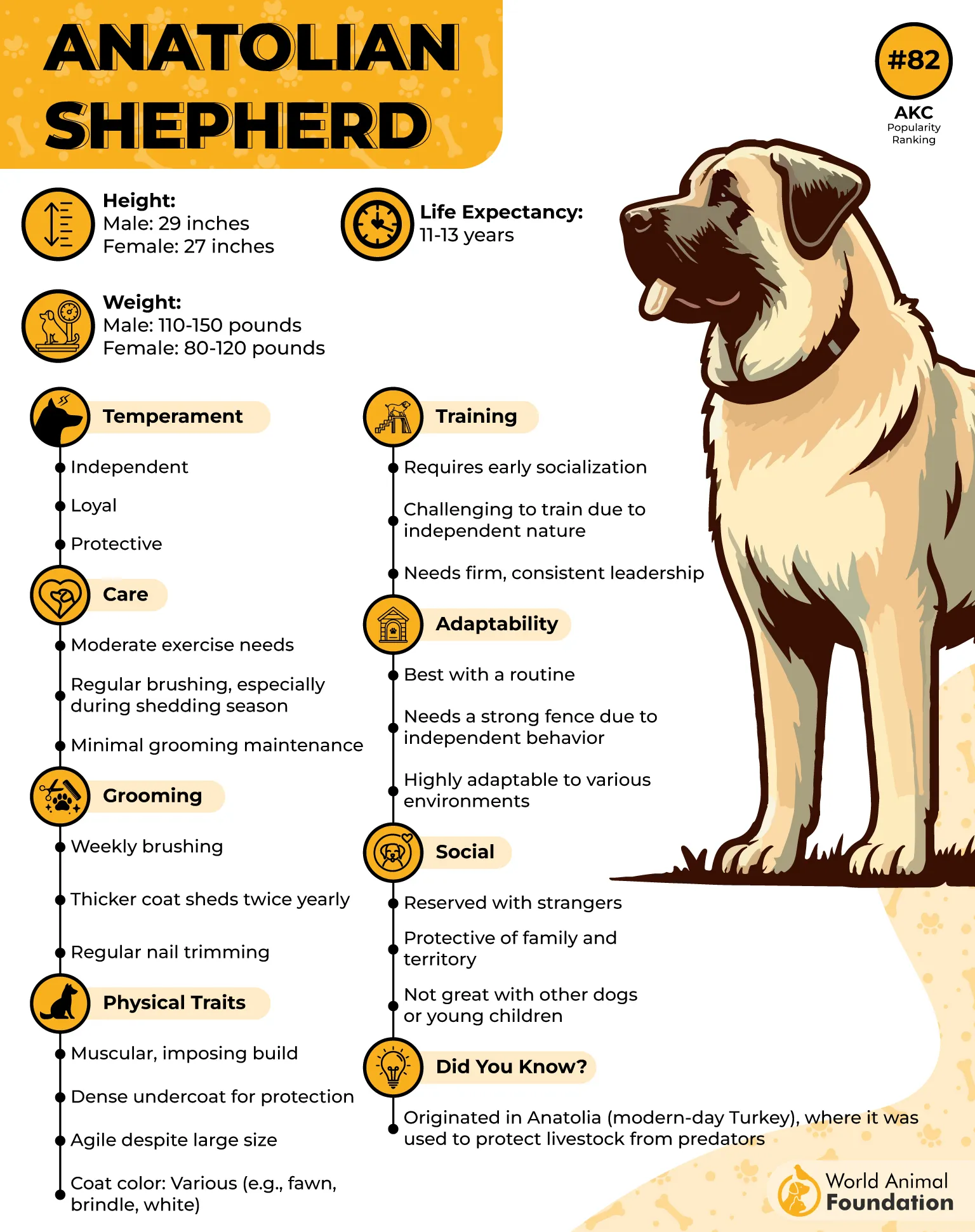
They do not require heavy daily activity, yet it benefits from a secure space where they can patrol calmly, as WebMD notes.
Its independent mindset can make structured training more complex, especially without experience in managing large guardian breeds. Clear leadership helps guide its strong territorial instincts.
2. Beauceron
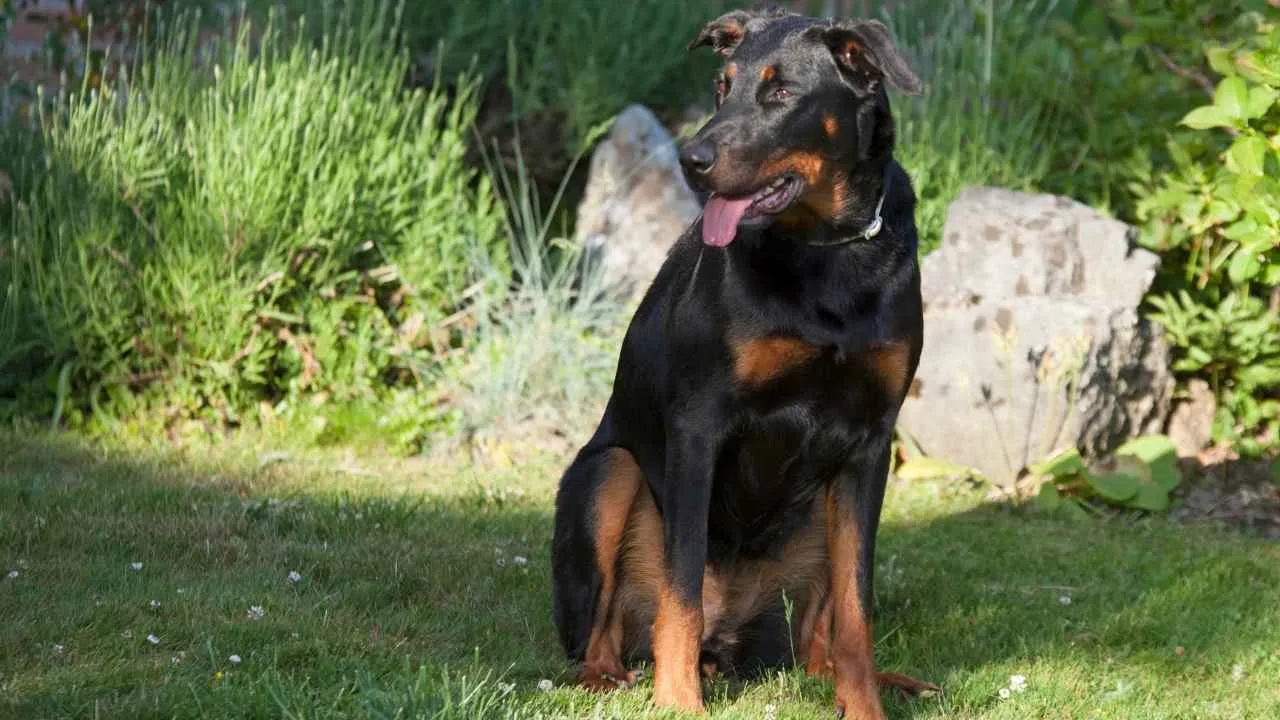
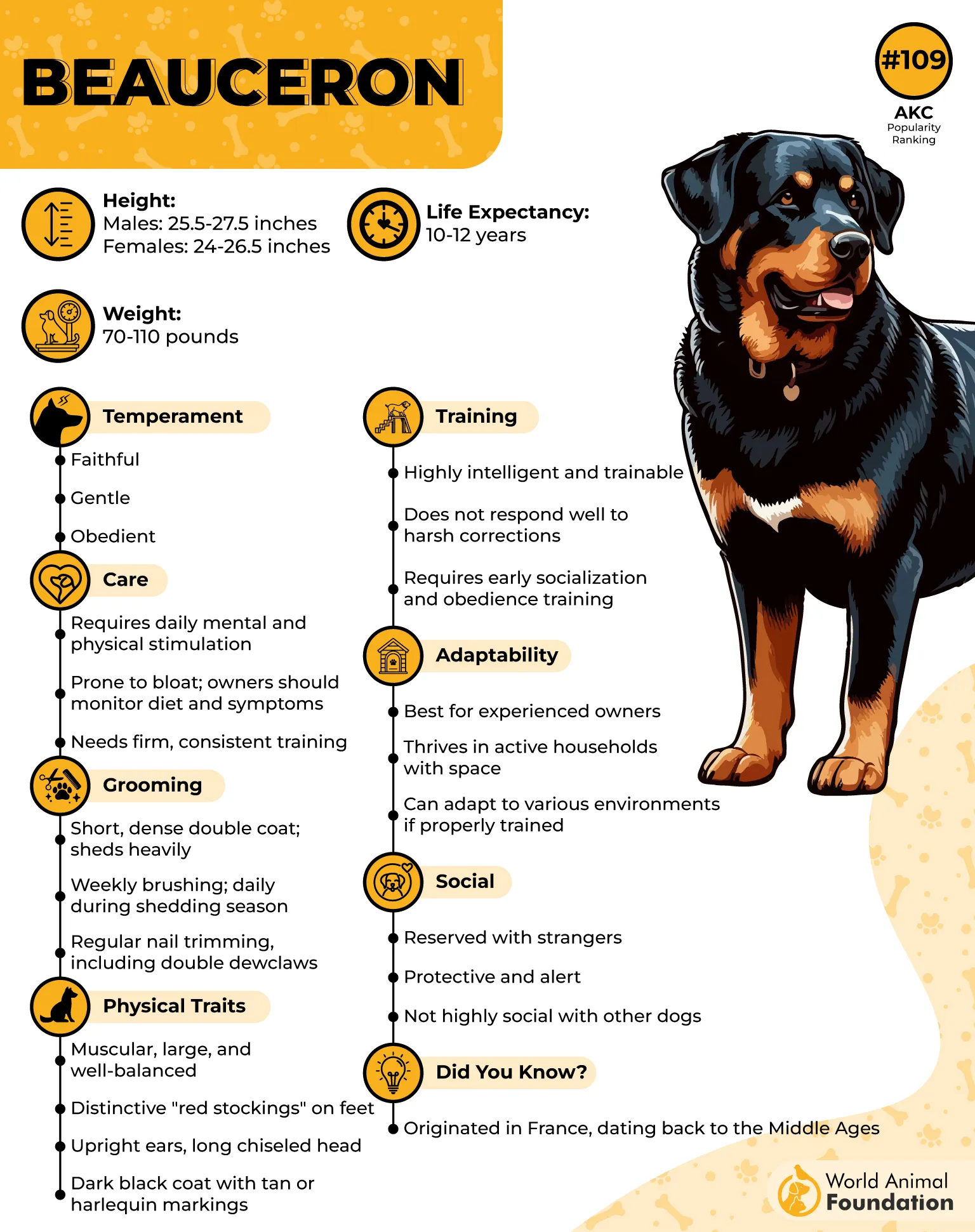
Beauceron was originally bred in central France to herd sheep and guard farmland, later serving in military roles during World War I, as mentioned by PetMD.
Its very muscular frame reflects a dog built for demanding rural tasks rather than casual activity. This combination of herding duty and service work shaped a strong, task-focused breed.
Structure and Daily Demands
This herding breed requires structured training and consistent guidance to channel its high energy into productive behavior. Without mental and physical outlets, it can become restless when left without direction.
These needs appear clearly in its working profile:
Needs around two hours of daily exercise
Responds best to early obedience training
Benefits from early social exposure
Temperament with Family and Animals
Beauceron can form gentle bonds within households that include children and other dogs when introductions are handled carefully.
Its affectionate side supports cooperative living, provided boundaries are established early. Supervised interactions help balance its strong drive with calm household behavior.
3. Tibetan Mastiff
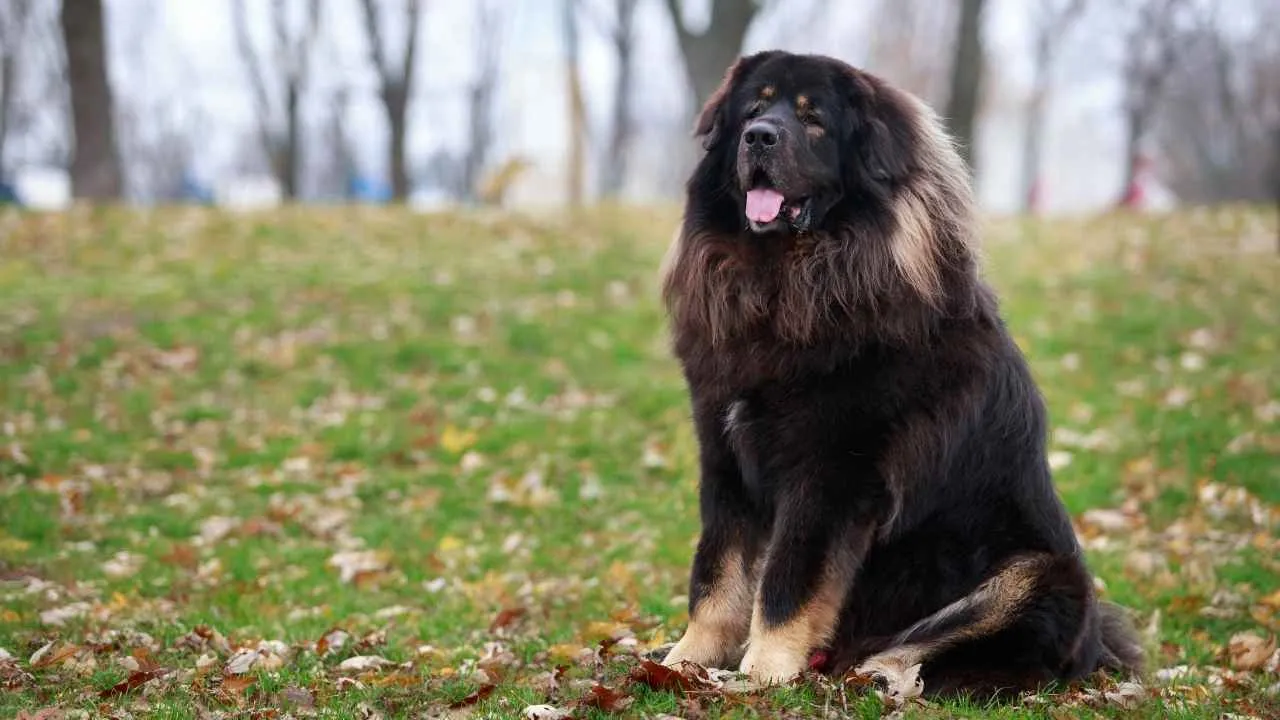
The Tibetan Mastiff is an ancient breed from Tibet, with records dating back thousands of years, known for its massive frame and lion-like appearance.
Its size and dense build reflect a dog shaped for protection in high, rugged regions. The overall presence feels powerful without relying on constant activity.
Protective response and daily rhythm
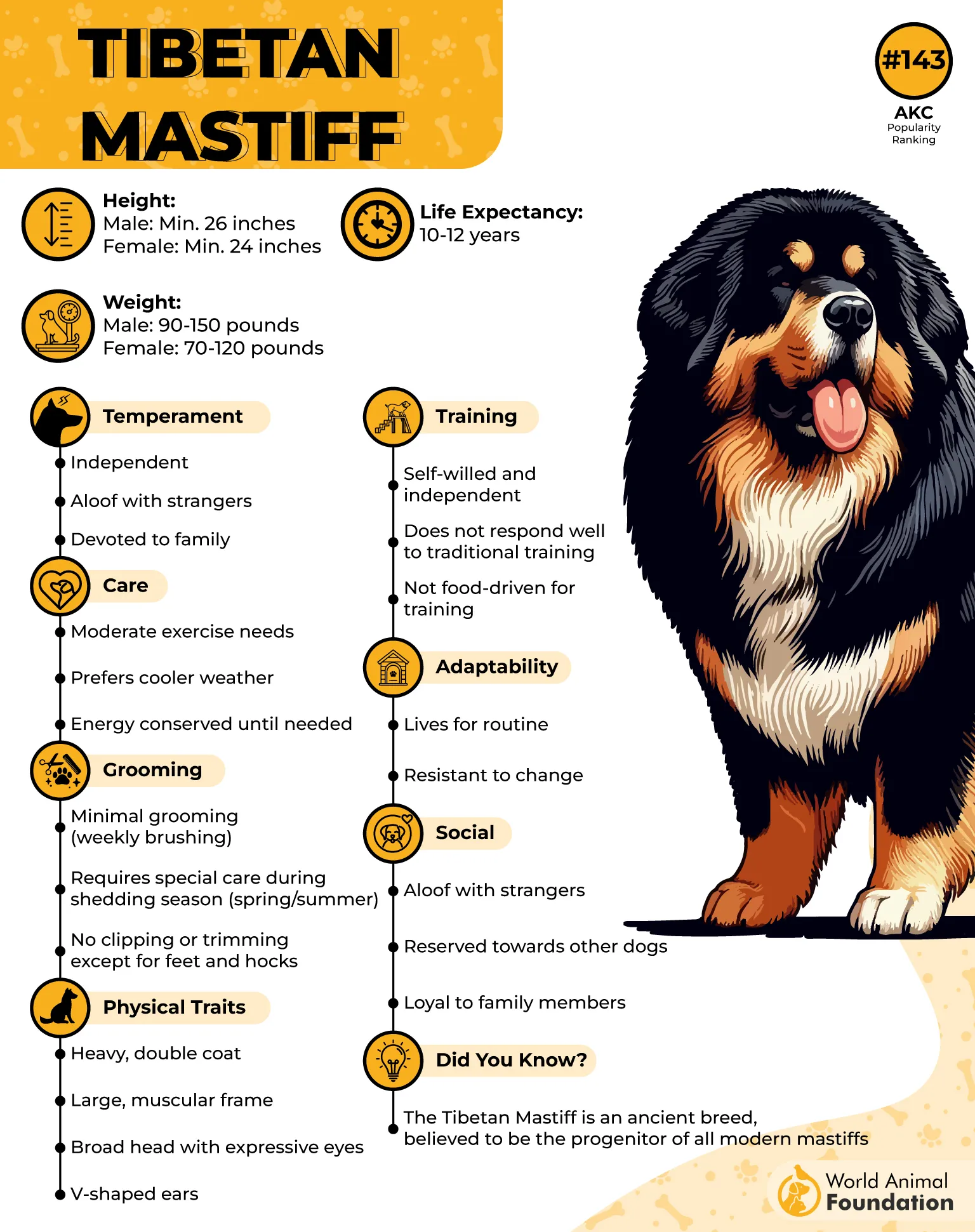
This guard dog reacts with careful judgment, often remaining observant around unfamiliar people or animals before allowing closer interaction. Its loyalty centers strongly on family members, which influences how it evaluates its surroundings.
This behavior appears clearly in practical ways:
Barks to alert when something seems unusual
Remains reserved around strangers
Requires early social exposure for balanced behavior
Intelligence and independence
Tibetan Mastiff is highly intelligent but can think independently, needing purposeful tasks to stay mentally engaged. Consistent guidance during puppyhood helps shape its perception of new people and animals. This structured approach supports balanced behavior within rural protective settings.
4. Rottweiler
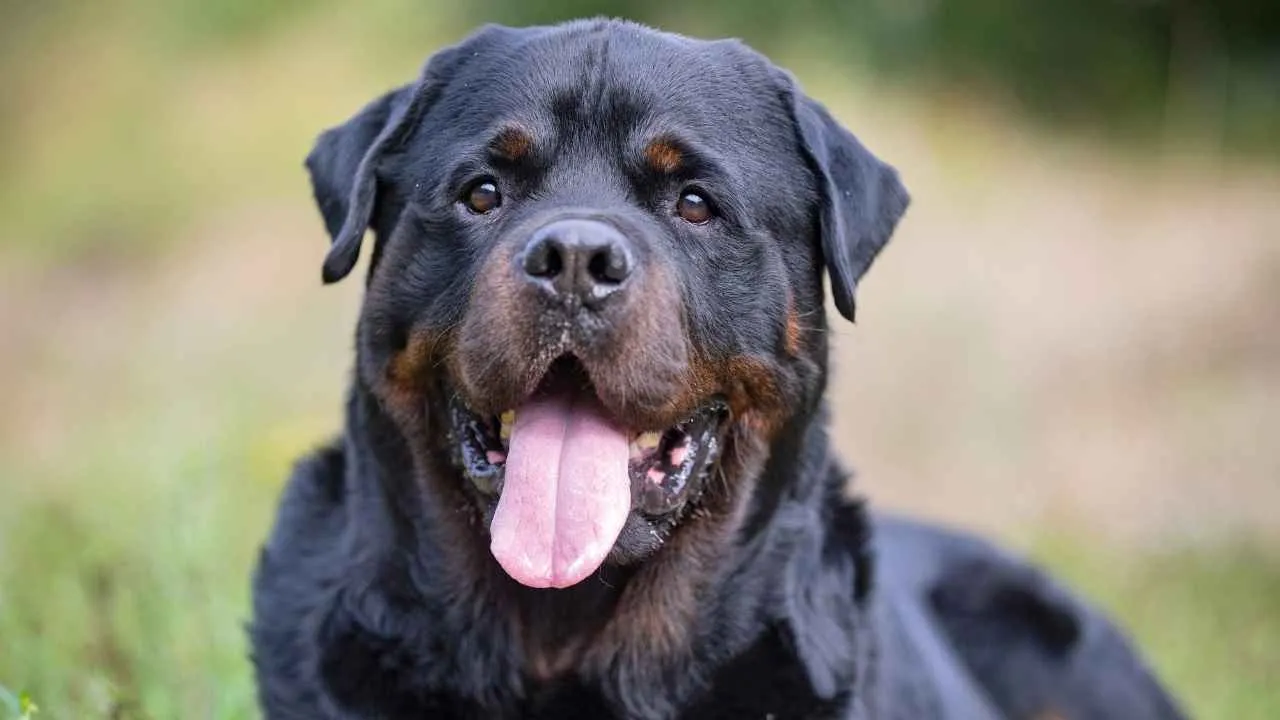
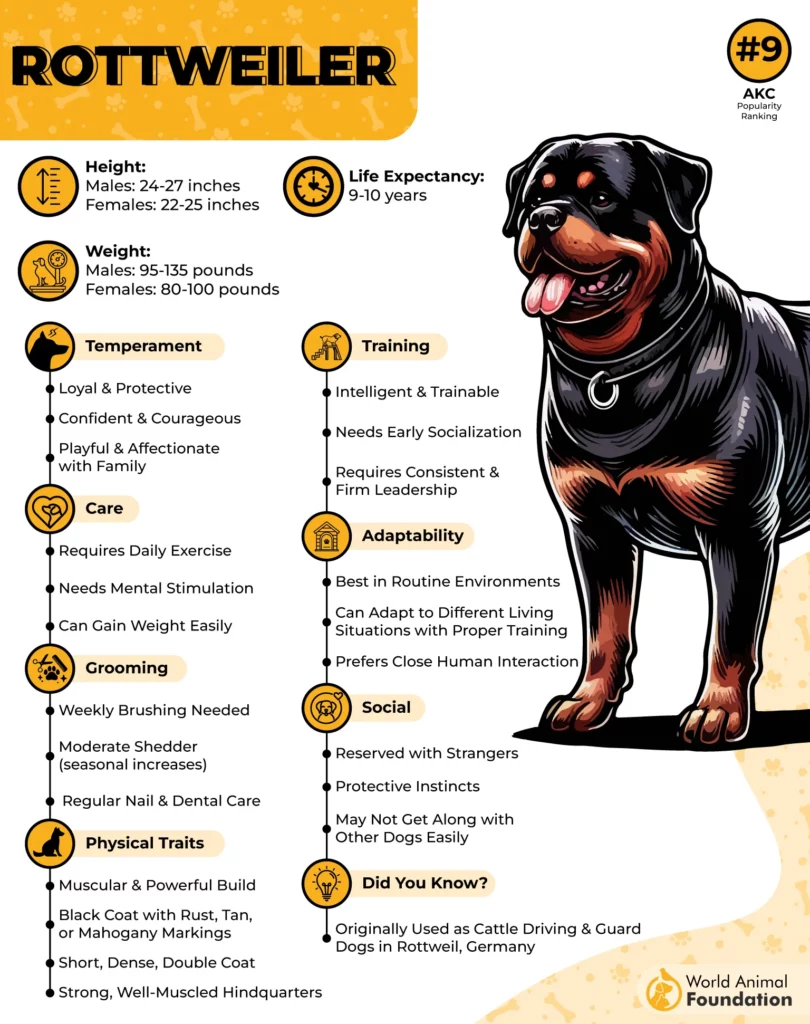
Rottweiler descends from mastiff-type dogs used in Roman legions, reflected in its solid frame and heavily muscled hindquarters that power a steady trot, as per the American Kennel Club (AKC).
Its build supports endurance and strength suited for demanding rural tasks. The overall structure reflects purposeful athletic design rather than ornamental form.
Working response in task settings
They adapt quickly to roles that require carting, tracking, herding, and obedience, learning these duties with efficiency when guided properly. Its territorial instinct benefits from early training and structured social exposure to channel energy constructively.
These working traits appear clearly in action:
Learns carting tasks with ease
Performs well in herding assignments
Responds effectively to obedience training
Behavior inside the family circle
This large dog forms close bonds with trusted people, often displaying a playful and affectionate side within the home environment. While it can appear reserved toward outsiders, its interaction with family members can include relaxed closeness and comfort-seeking behavior.
5. Komondor
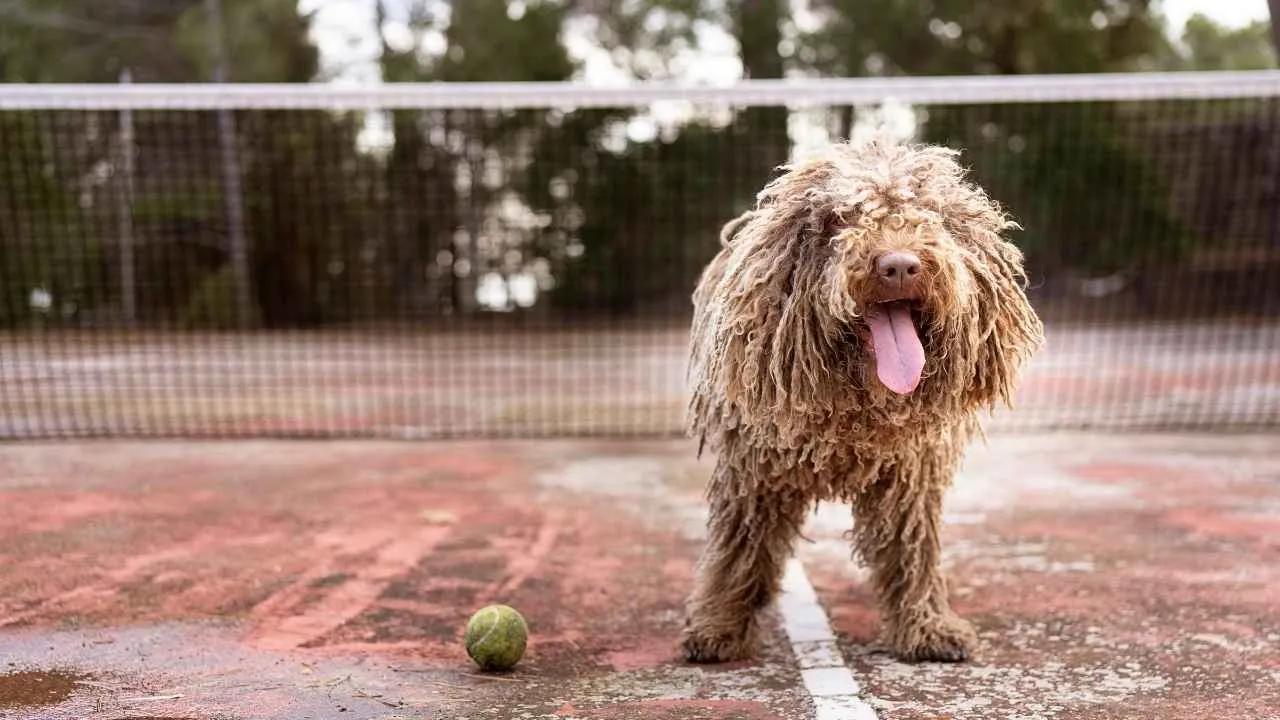
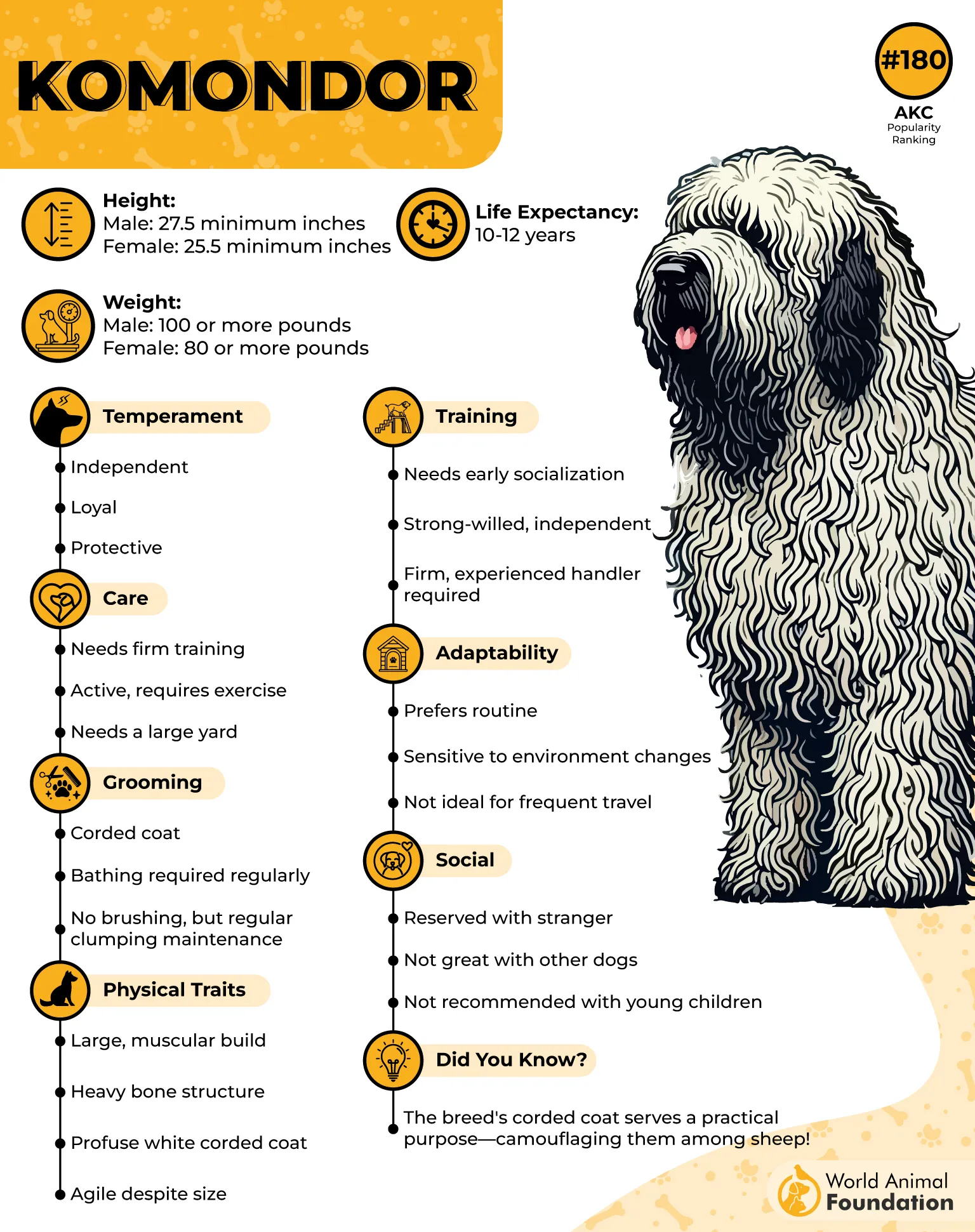
Komondor is instantly recognized by its heavy white corded coat, formed into natural strands that resemble long cords.
This distinctive covering helped the breed blend in among sheep while working in open fields. The appearance reflects a purpose-driven design tied directly to livestock protection.
Behavior shaped around guardianship
Komondor focuses on watching over its assigned territory and family group, acting with calm independence rather than constant activity. Its protective nature expresses itself through quiet observation and controlled reactions to unfamiliar people.
That responsibility appears clearly in daily patterns:
Monitors surroundings without unnecessary noise
Responds carefully to new people or animals
Adjusts behavior through early training and exposure
Temperament within the household
As a family dog, they interact with family members steadily and gently, especially when raised with proper socialization. It can be affectionate and patient with children, showing comfort in familiar environments. Early guidance influences how it responds to change later in life.
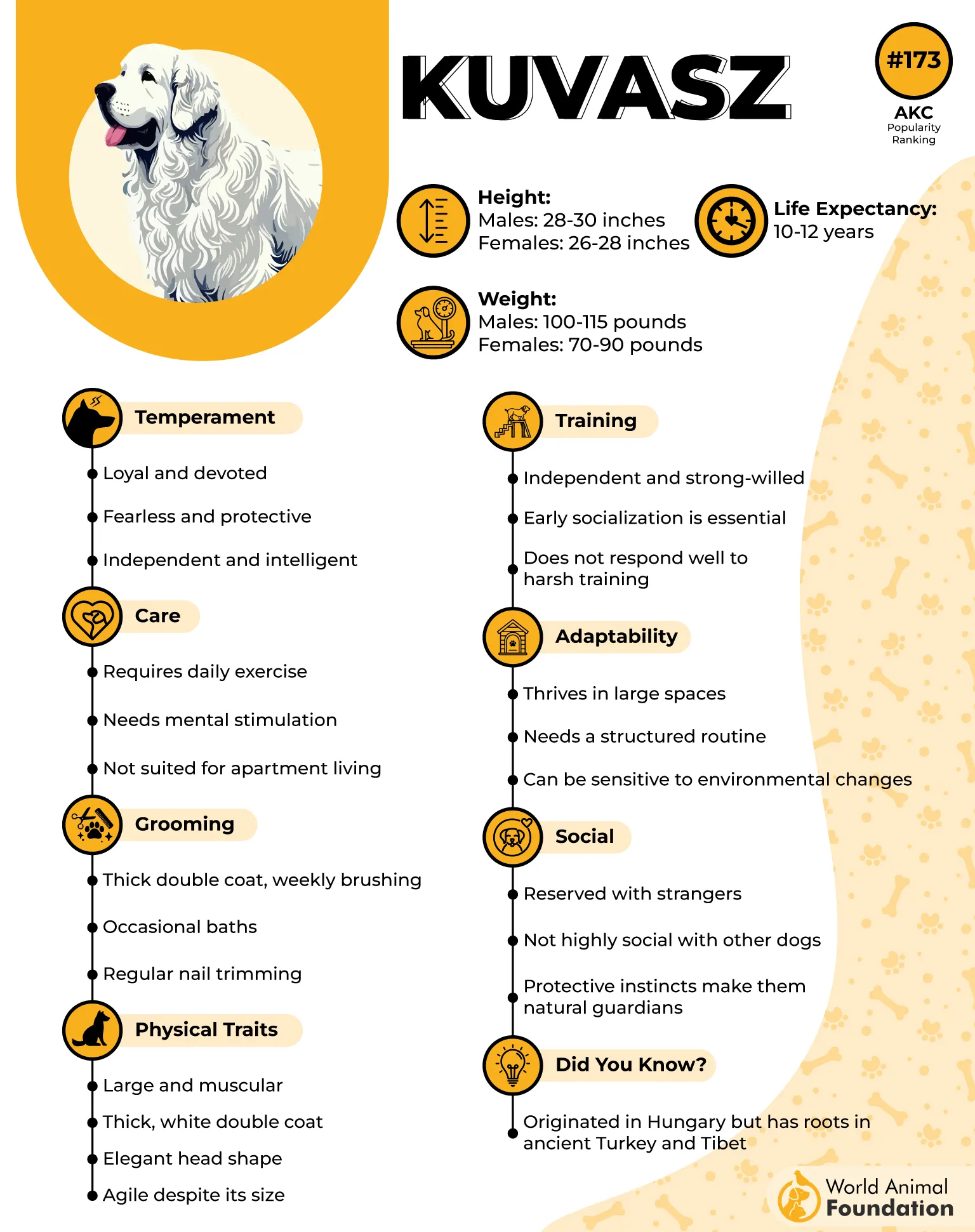
6. Kuvasz
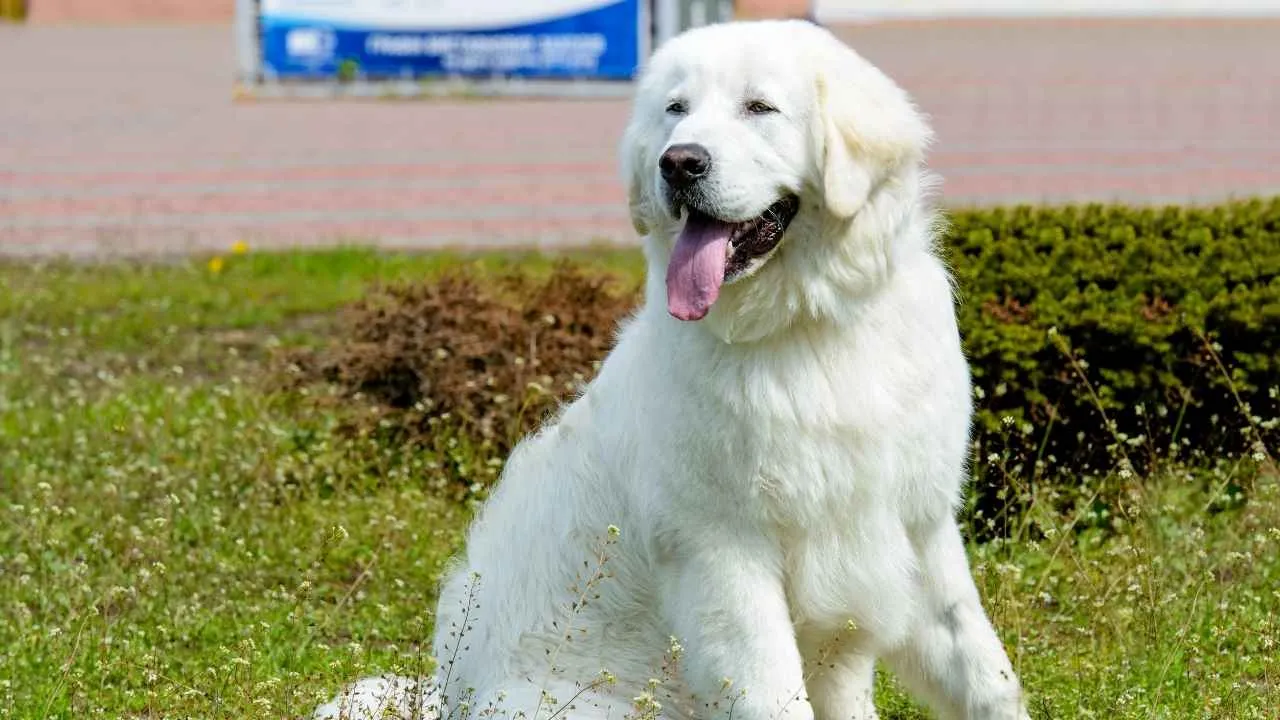
Kuvasz is a large, white-coated livestock guardian with roots linked to early herding cultures that moved from Siberia toward present-day Hungary.
Its thick coat and strong bone structure were built for outdoor guarding work across open land. This foundation reflects a dog meant for protection alongside flocks and families.
Working drive and task focus
They require purposeful activity and clear direction, as their temperament is closely tied to work rather than idle living. It performs best when given responsibility that engages both body and mind.
These traits are central to its role:
Watches livestock with steady attention
Responds best to structured physical activity
Benefits from early social exposure
Balanced temperament with alert reserve
Kuvasz combines a calm home presence with careful awareness toward unfamiliar people. When properly trained, it behaves gently around children and other animals while still observing its surroundings. This measured behavior supports its protective responsibility without unnecessary tension.
7. German Shepherd
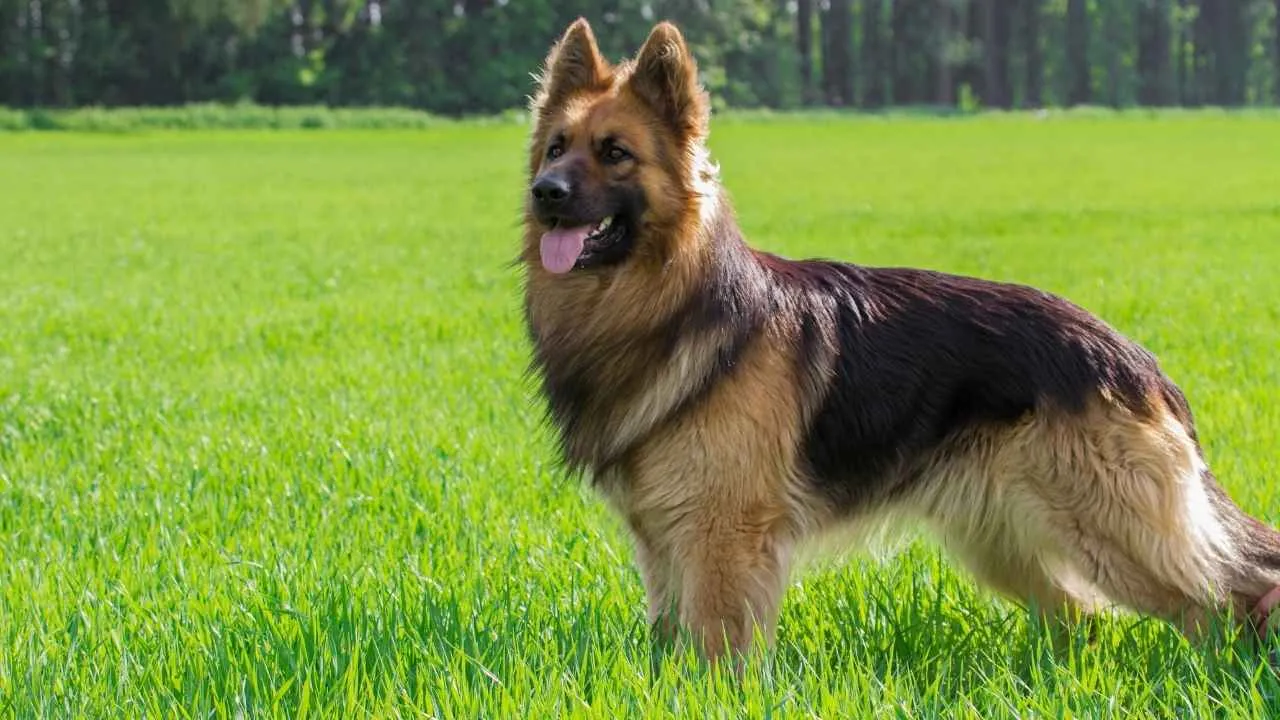
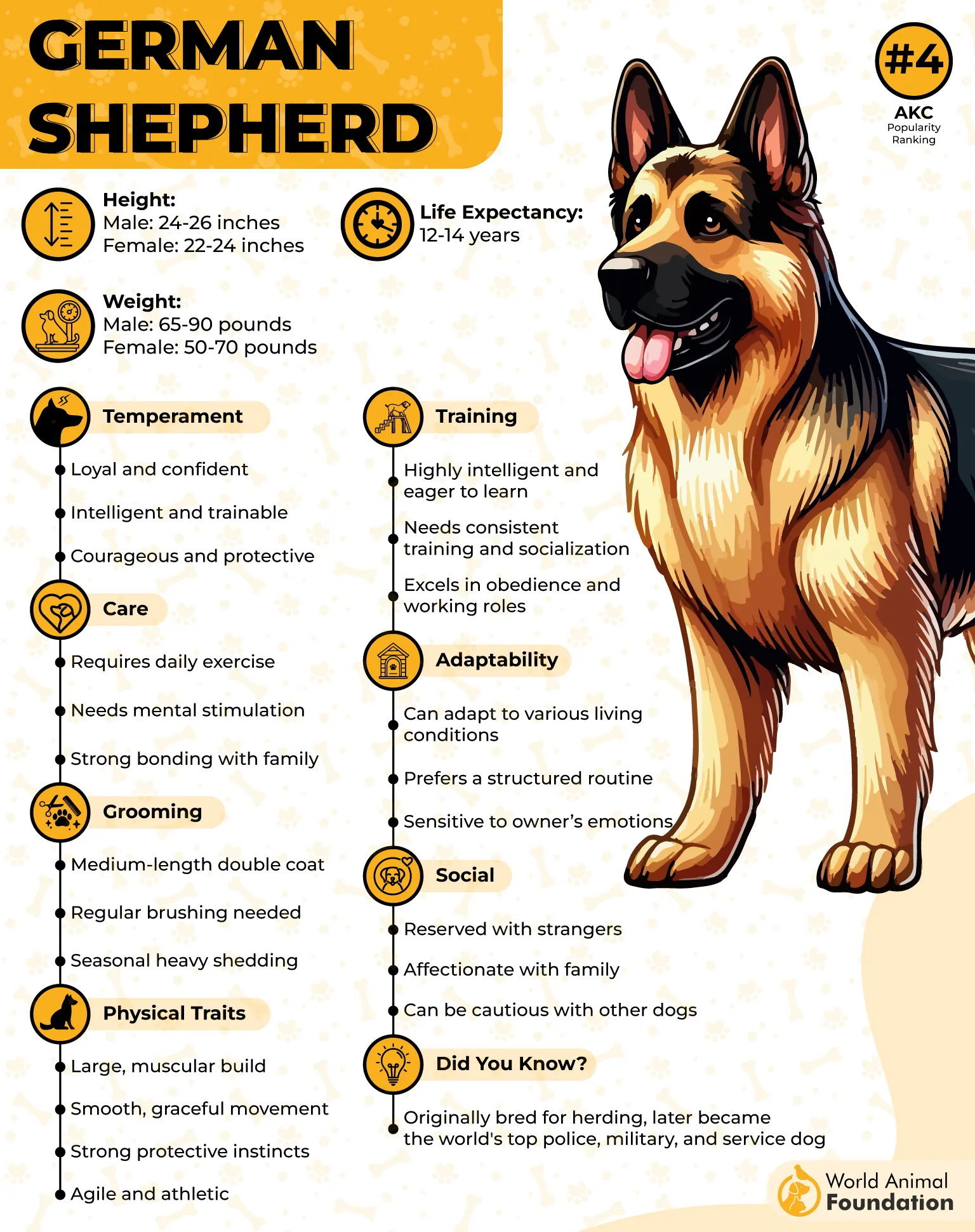
German Shepherd is a large, muscular herding dog known for intelligence and loyalty, qualities that make it highly valued in working environments.
Its body combines strength with agility, allowing controlled performance during task-based activity. This structure supports roles that require focus and endurance across open spaces.
Working capability in structured roles
They function effectively in disciplined settings, often assigned to patrol, detection, and rescue tasks due to their responsiveness and confidence. Its ability to follow expert-level training allows it to handle complex instructions without hesitation.
These abilities are reflected in practical working traits:
Executes commands with precision under guidance
Performs search and detection assignments reliably
Responds strongly to structured obedience training
Energy-requiring purposeful outlets
This intelligent dog carries a high activity level tied to their herding background, meaning it benefits from consistent work rather than idle routines. Without structured engagement, this drive can lead to unwanted behaviors. Regular tasks and defined roles help direct its natural intensity.
Conclusion
The difference between an ordinary pet and a true rural working dog becomes obvious once daily responsibilities begin. These breeds were shaped for environments where awareness, endurance, and independent thinking matter every single day. Some spend hours watching livestock across open land to protect livestock, while others respond instantly when unfamiliar movement appears near the property.
Their value comes from consistency under pressure rather than occasional bursts of energy. Even after long days outdoors, many remain closely connected to the families they protect and work beside as loyal family pets. That balance between loyalty and responsibility is what makes them trusted in demanding country settings, where the perfect farm dog often matters more than anything else.
