




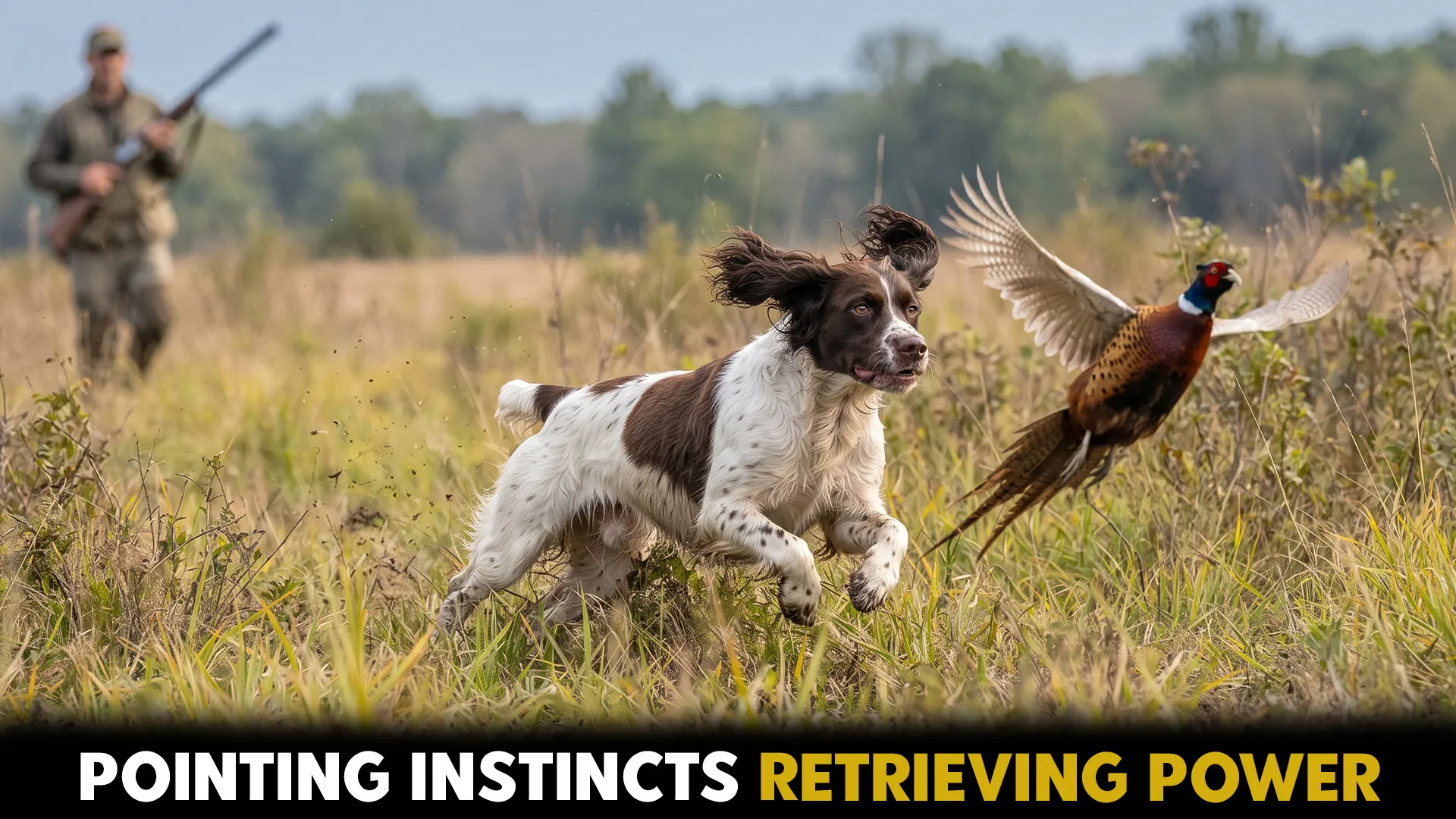
Bird hunting often depends on a dog’s ability to locate game, remain composed, communicate its discovery, and bring downed birds back to the handler. Sporting breeds have been selectively developed for these tasks, giving them specialized combinations of scenting ability, athleticism, trainability, and a natural willingness to work alongside people.
A pointing dog typically locates game and freezes or slows its movement to indicate where birds are hiding, while a retriever is expected to collect downed game and return it without damaging it. Some breeds are particularly specialized for one role, whereas others can perform several parts of the hunting process.
The seven breeds below are well known for their abilities around game birds. Their energy, working styles, and instincts differ, so the right choice depends on the type of hunting, terrain, training approach, and lifestyle an owner can provide.
Top Dog Breeds For Pointing and Retrieving Game Birds
1. English Setter
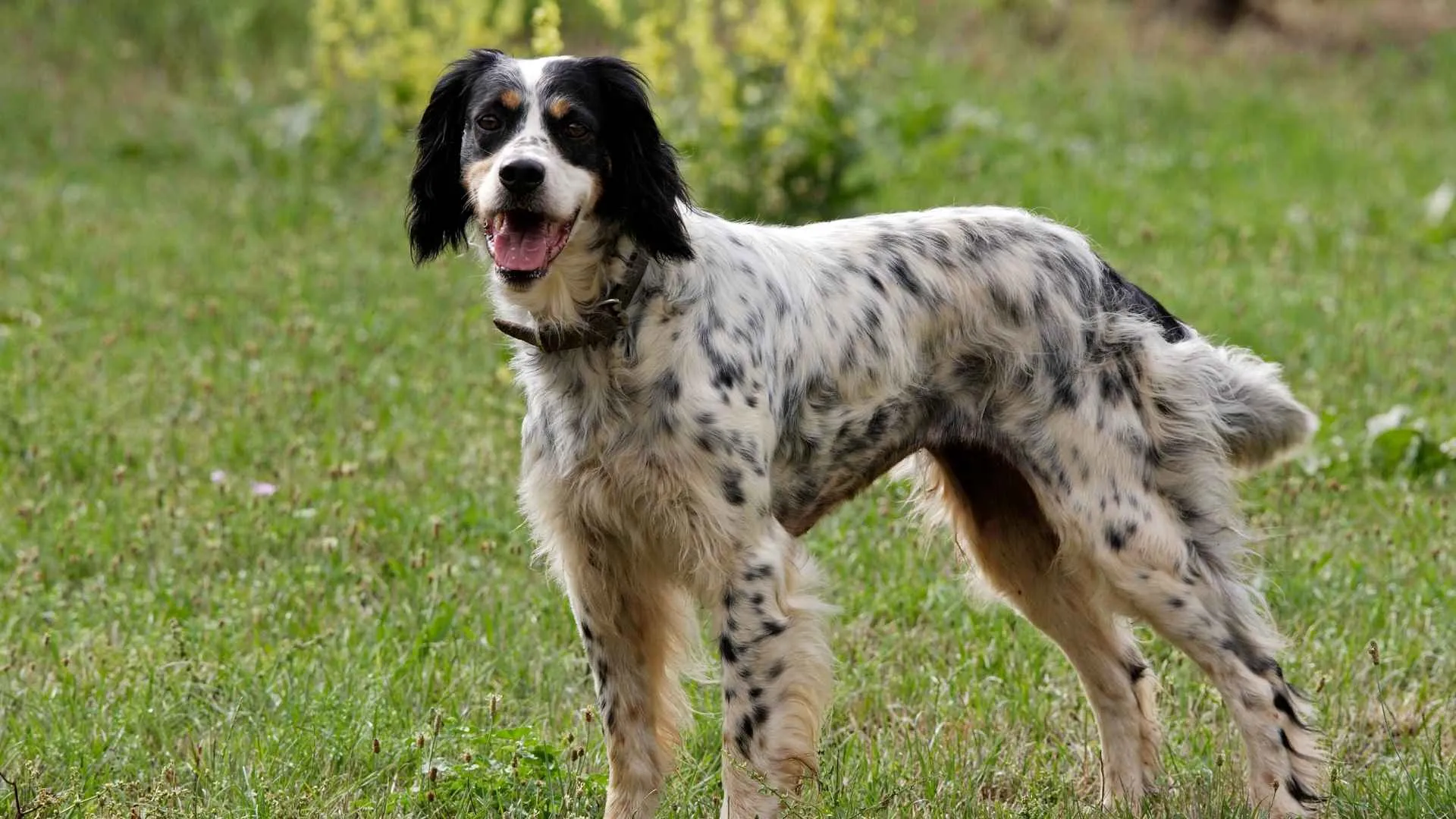
English Setters were developed in Britain as bird dogs and became particularly valued for locating game and indicating its presence to hunters, as per Orvis. Their elegant appearance is paired with an athletic body and a strong instinct to search fields for birds.
The breed’s characteristic pointing behavior allows it to locate game and remain relatively still, allowing the hunter to approach. English Setters can also make affectionate family companions when their exercise and mental stimulation needs are properly met.
Build Endurance Through Field Exercise
English Setters need regular physical activity, especially opportunities to explore open spaces safely. Hiking, retrieving games, scent work, and controlled field exercises can provide valuable outlets.
Training should be patient and consistent. Owners can gradually develop reliable responses while teaching the dog to remain composed around birds and other exciting distractions.
A Natural Pointing Specialist
The English Setter’s hunting strength lies in its ability to search for birds and indicate their location without immediately rushing forward. This controlled response is central to its traditional role.
Its natural pointing behavior can be refined through appropriate training and fieldwork. For companion owners, scent games and structured outdoor activities can provide alternatives that engage similar instincts.
2. Labrador Retriever
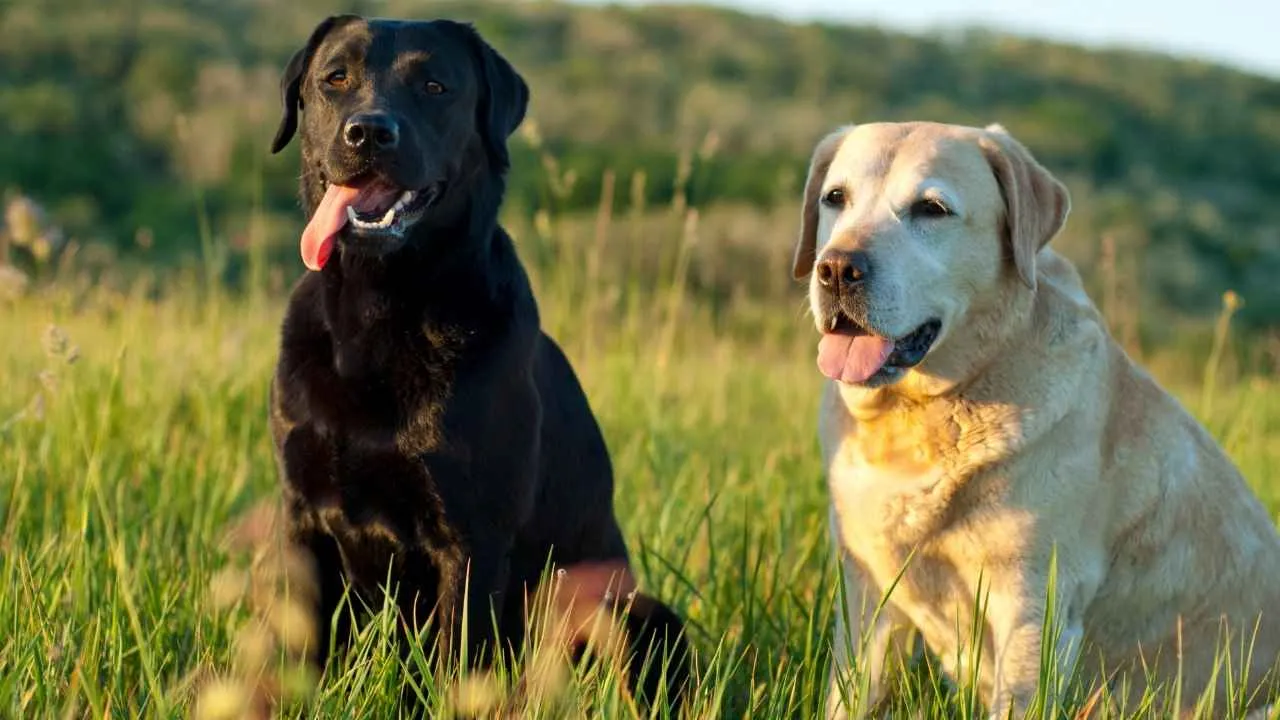
Labrador Retrievers originated in Newfoundland and were developed as working dogs associated with fishermen before becoming highly valued sporting companions. Their love of retrieving, swimming ability, intelligence, and cooperative nature helped establish their reputation as excellent gun dogs.
Labradors are particularly known for collecting downed birds and carrying them gently back to their handlers. Their eagerness to work and generally responsive temperament also make them popular choices for training.
Keep Their Energy Focused on Useful Work
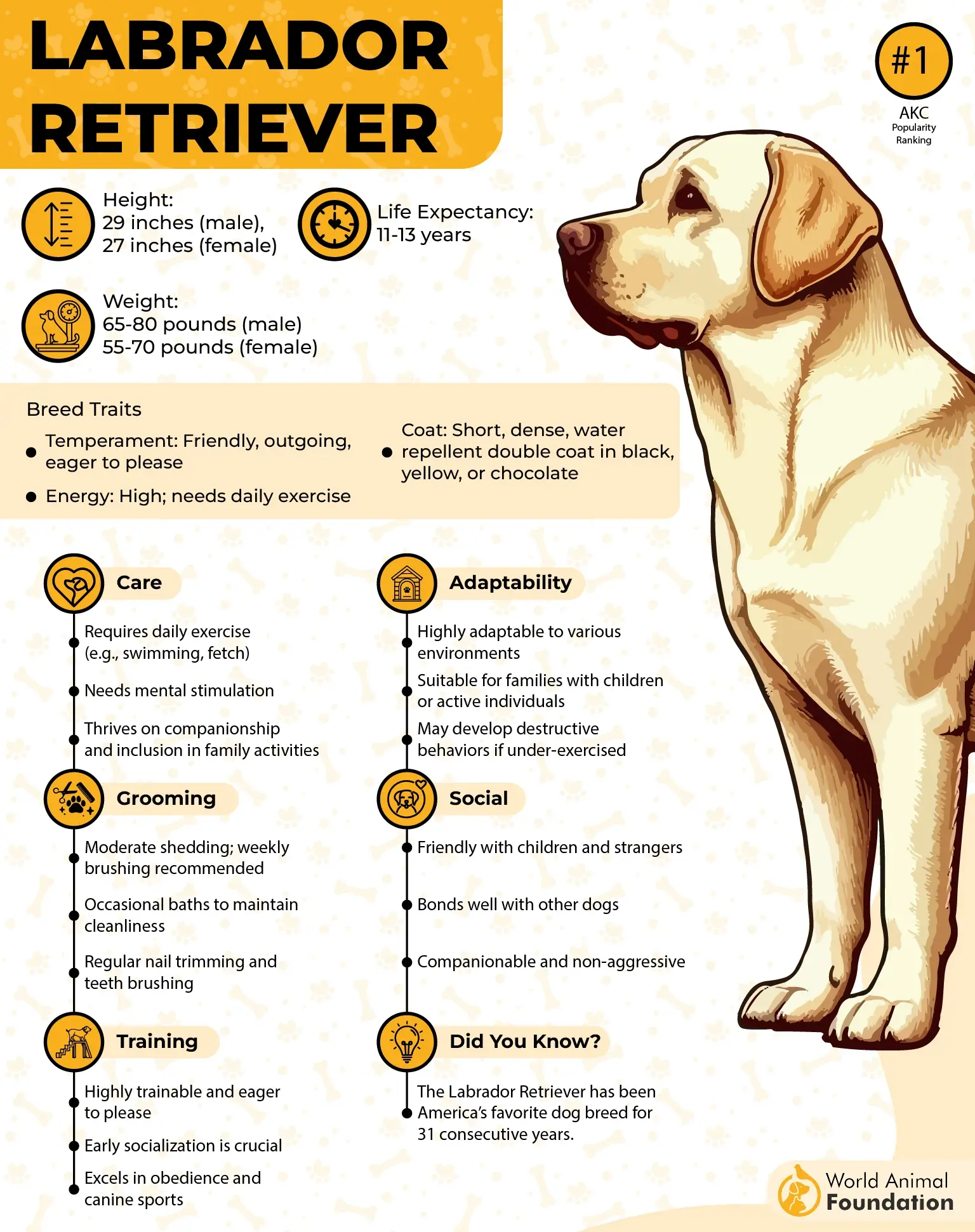
Labradors need regular exercise and mental stimulation. Swimming, retrieving, hiking, obedience training, and interactive games can help keep them physically fit and mentally engaged.
Training should begin early, with particular attention to recall, steadiness, and controlled retrieving. Teaching the dog to wait calmly before retrieving can make its natural enthusiasm easier to manage.
A Reliable Retriever With a Gentle Mouth
The Labrador’s retrieving instinct is one of its defining working traits. It can search for downed game, pick it up, and return to its handler with the bird.
Its willingness to cooperate makes it especially versatile. A well-trained Labrador can transition between field work and family life, provided it receives enough activity and opportunities to use its natural retrieving abilities.
3. German Shorthaired Pointer
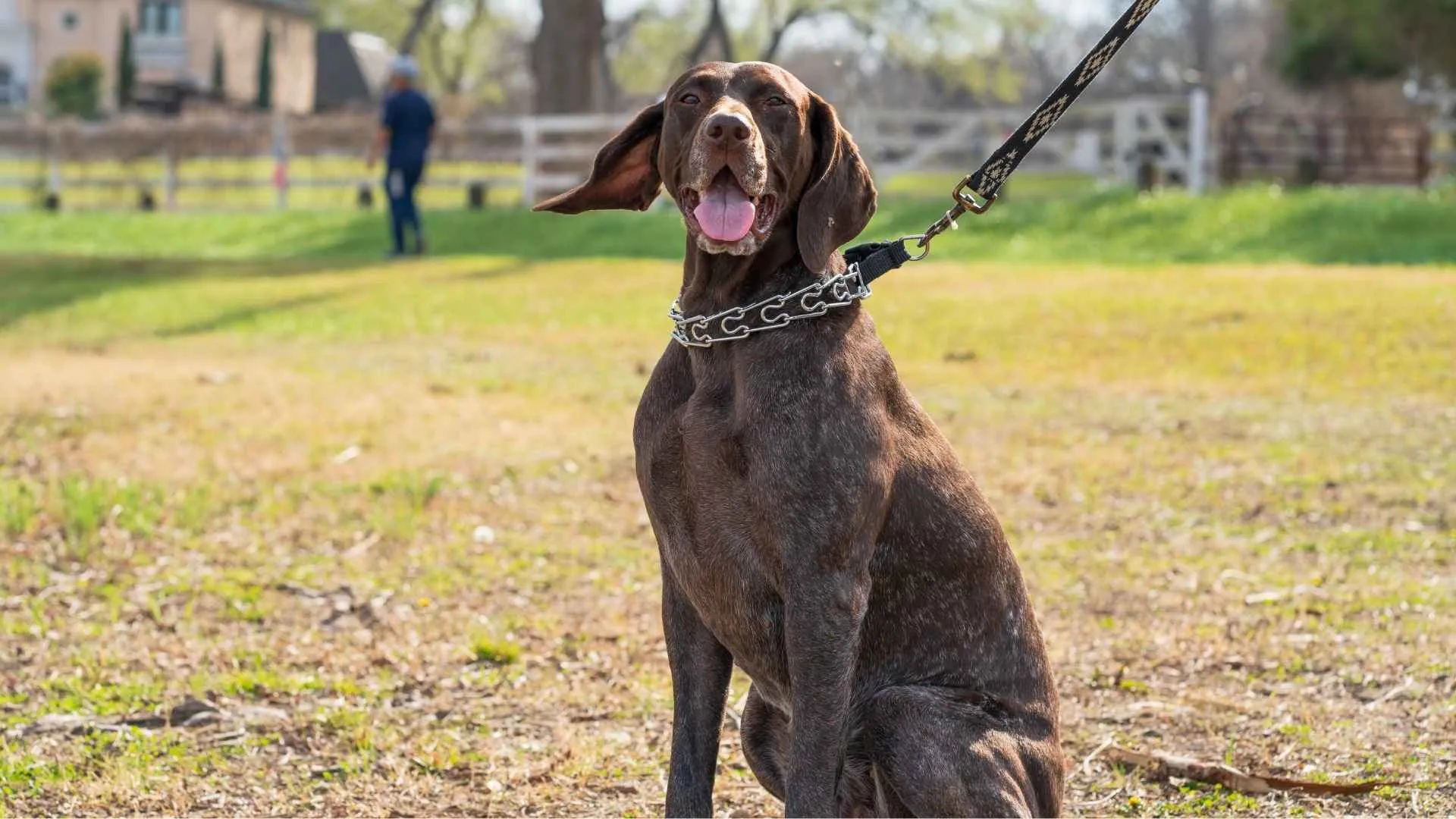
German Shorthaired Pointers were developed in Germany as versatile hunting dogs capable of searching, pointing, retrieving, and working across different environments. Their athletic bodies and high energy levels allow them to remain active during demanding field sessions.
Their versatility is one of their greatest strengths. They can locate birds, indicate their position, and retrieve game, making them suitable for hunters who want a dog capable of performing multiple tasks.
Combine Vigorous Exercise With Mental Work
German Shorthaired Pointers require substantial daily activity. Running, hiking, swimming, retrieving, scent work, and field exercises can help satisfy their physical and mental needs.
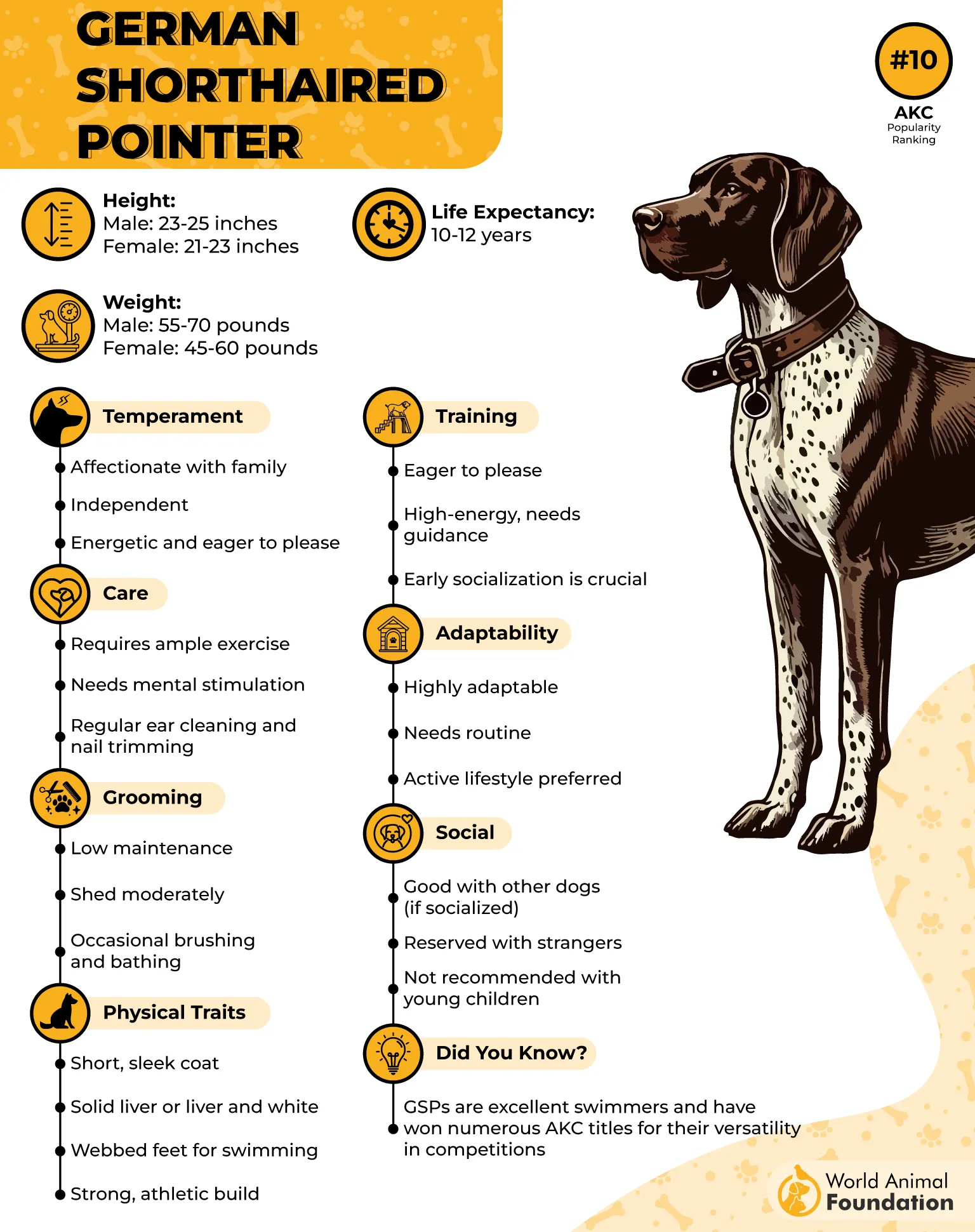
Training should remain varied because these intelligent dogs can become bored with repetitive routines. Develop recall, steadiness, pointing, and retrieving skills gradually and reinforce them consistently.
A Versatile Partner for Bird Hunting
Their ability to point and retrieve gives German Shorthaired Pointers a broad role in the field. They can search large areas, identify bird scent, indicate game, and later collect birds when properly trained.
This versatility also makes them suitable for sporting activities outside hunting. Owners can channel their instincts into retrieving game, scent work, and other structured pursuits.
4. Golden Retriever
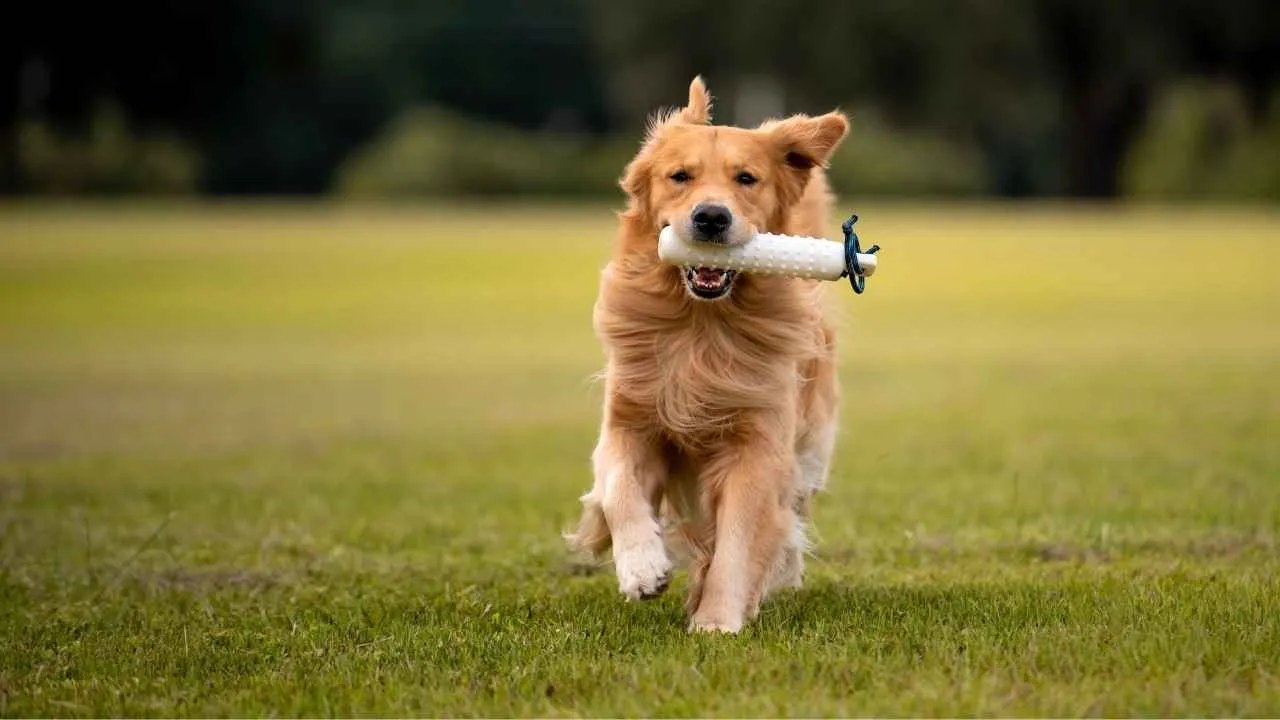
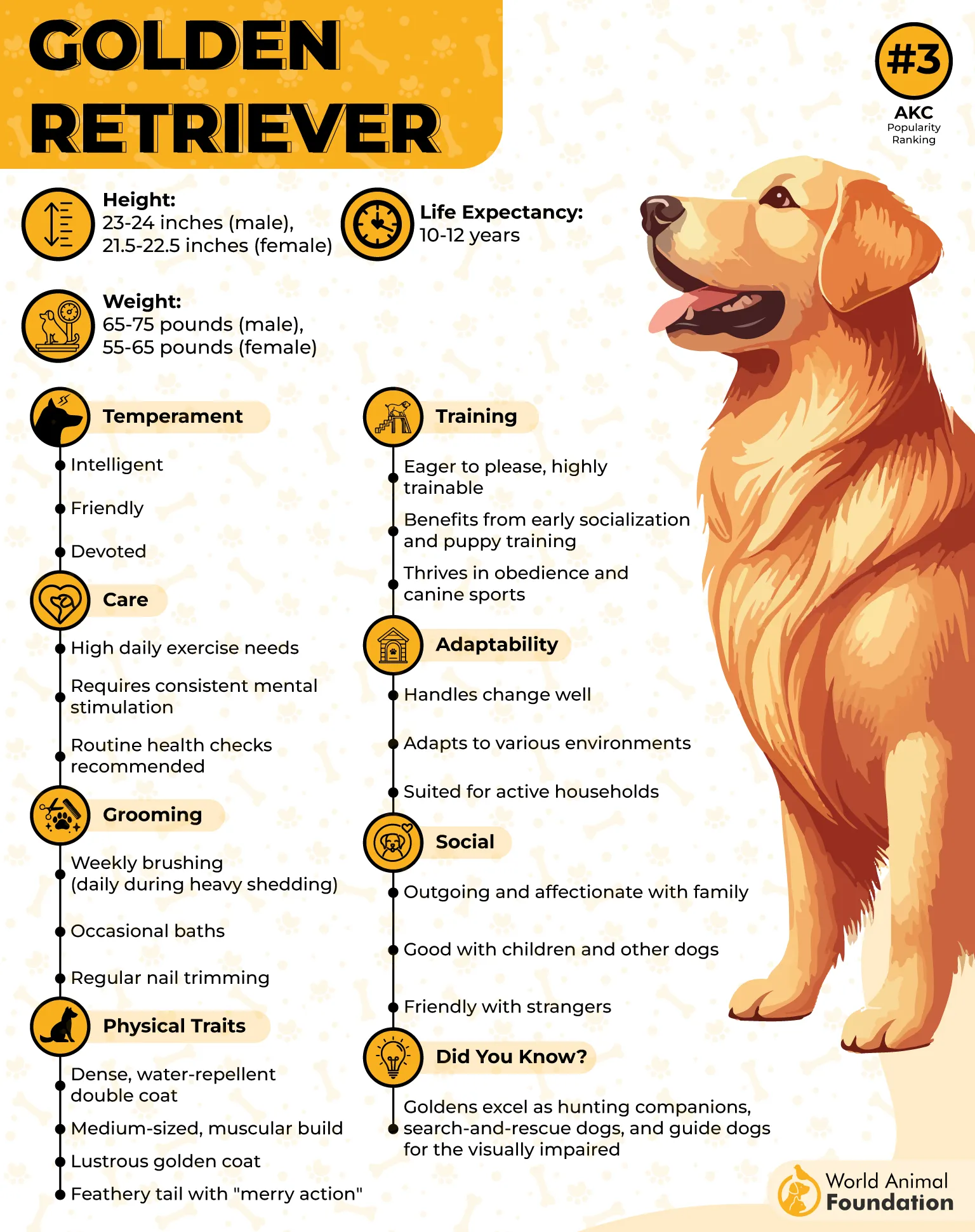
Golden Retrievers were developed in Scotland as sporting dogs, particularly for retrieving game birds. Their water-resistant coats, swimming ability, intelligence, and cooperative nature made them well suited to collecting birds from land and water, as per Purina.
They are often described as gentle and people-oriented, but their working heritage gives them considerable athletic ability. Many enjoy carrying objects, searching for hidden items, and participating in activities with their owners.
Provide Regular Exercise and Retrieving Games
Golden Retrievers benefit from daily walks, swimming, retrieving games, hiking, and training exercises. Activities that combine movement with problem-solving can be especially satisfying.
Training should establish reliable recall and controlled retrieving. Teaching the dog to wait for permission before chasing or collecting an object can strengthen self-control.
A Natural Retriever With a Cooperative Style
The Golden Retriever’s willingness to carry and return objects makes it particularly suited to retrieving work. Its soft mouth and desire to cooperate are valuable qualities when handling game birds.
Even when not used for hunting, these instincts can be encouraged through organized retrieving games. This gives the dog a constructive way to use skills that have been part of its heritage for generations.
5. English Springer Spaniel
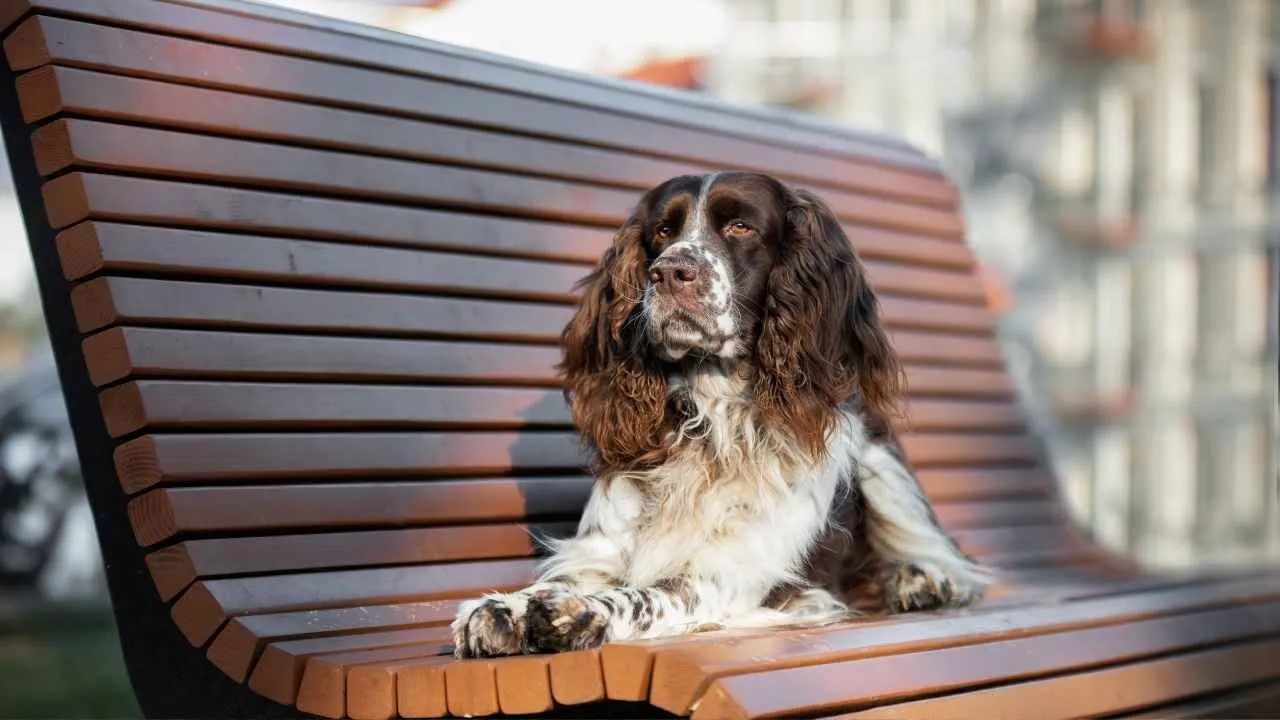
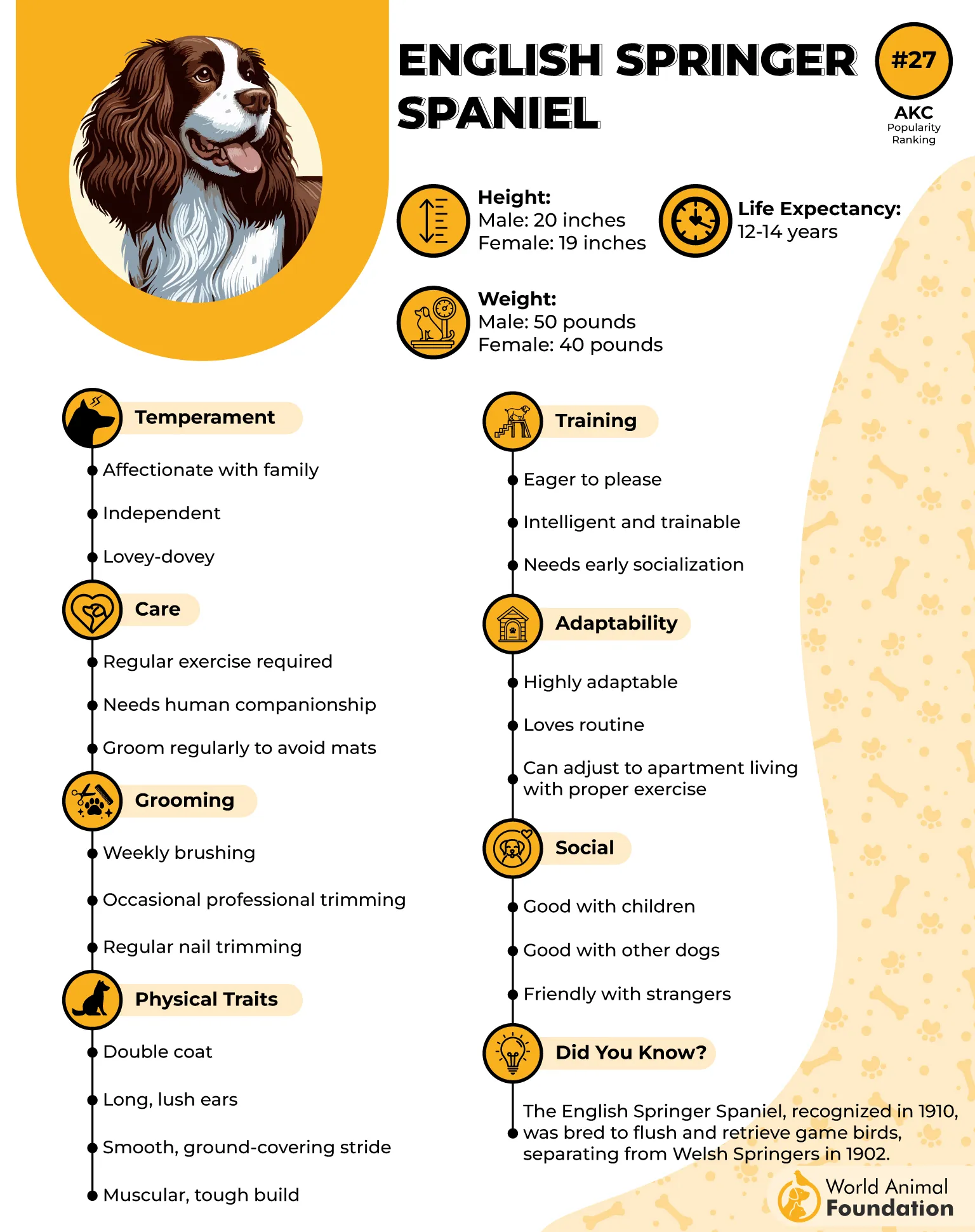
English Springer Spaniels were developed as flushing dogs that locate game birds and encourage them to leave dense cover so hunters can pursue them. Their compact size and agility allow them to work through vegetation where larger dogs may have difficulty.
Although they are not traditional pointing specialists, their ability to search thoroughly and remain highly engaged in the field makes them valuable sporting dogs. They can also retrieve birds after they are downed.
Give Their Energy a Structured Outlet
English Springer Spaniels are active dogs that benefit from long walks, retrieving games, hiking, scent activities, and field exercises. They generally enjoy having something meaningful to investigate.
Training should emphasize recall, steadiness, and responsiveness. Their enthusiasm can be channeled productively when they learn to work under clear direction rather than rushing toward every distraction.
A Lively Bird Dog With Strong Retrieving Ability
Springer Spaniels are particularly skilled at searching through cover and flushing birds. Their willingness to continue working makes them useful for hunters who need a dog capable of thoroughly investigating difficult areas.
Once game is down, their retrieving instincts can also become valuable. Structured training can teach them to transition from searching and flushing to calmly collecting and returning with the bird.
6. Weimaraner
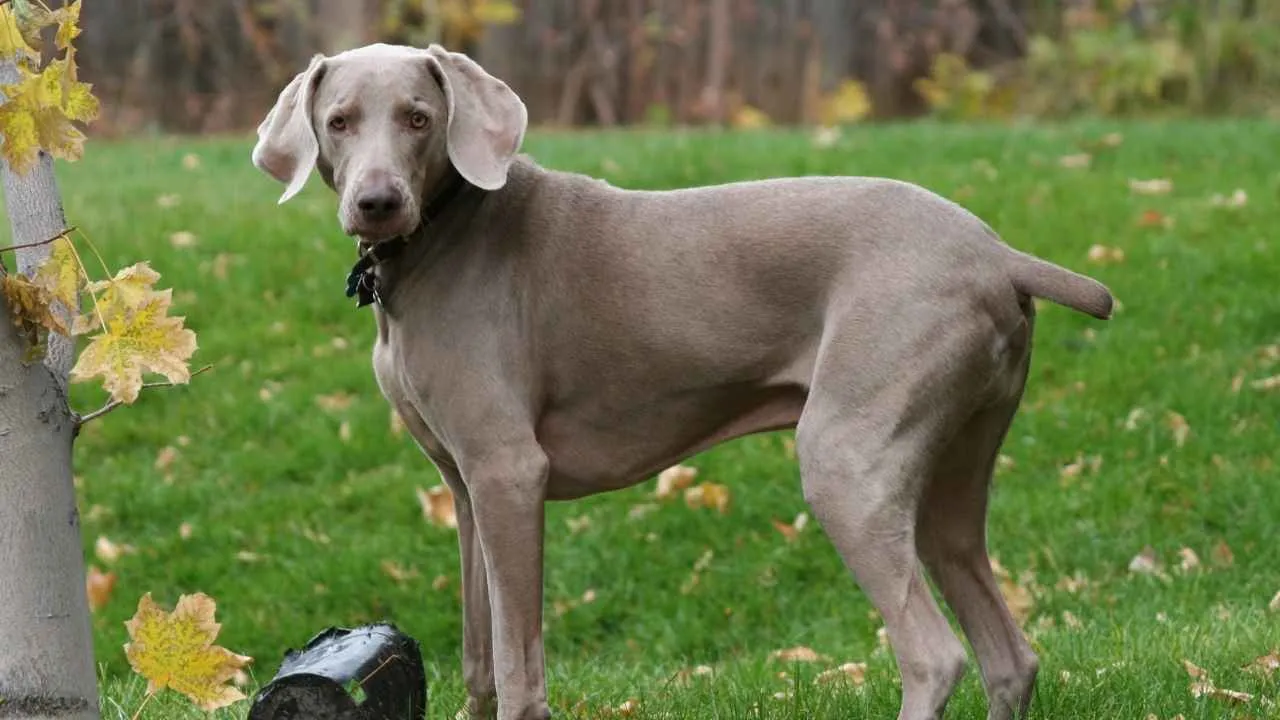
Weimaraners originated in Germany and were developed as versatile hunting dogs, as per PDSA. Their traditional roles included locating game, pointing, and retrieving, requiring physical endurance and close cooperation with their handlers.

Their sleek appearance hides considerable athletic ability. Weimaraners tend to thrive with active lifestyles and meaningful tasks that challenge both their bodies and minds.
Match Their Athleticism With Daily Training
Weimaraners need substantial exercise, including running, hiking, retrieving, swimming, and scent-based activities. Without enough stimulation, their energy can become difficult to manage.
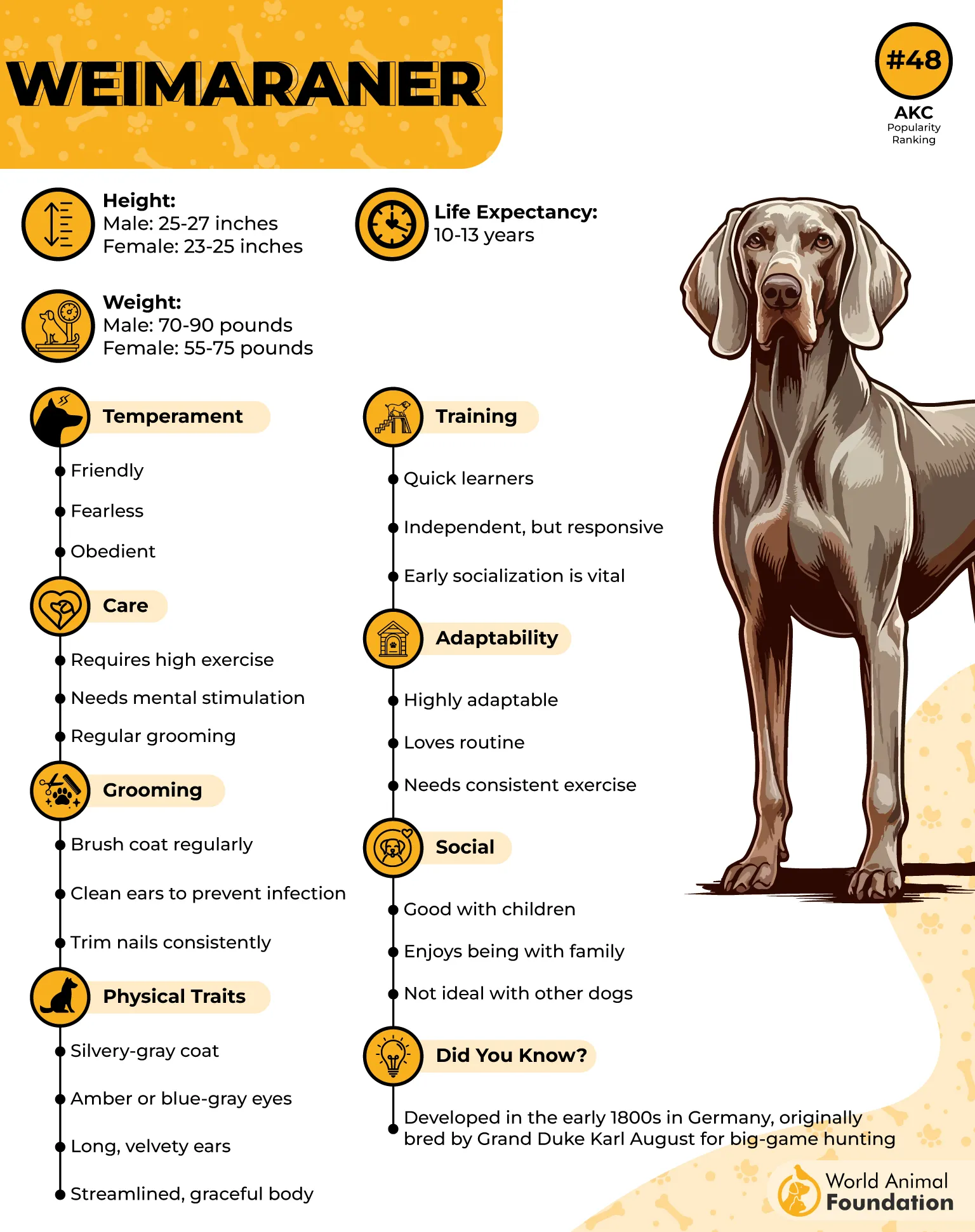
Training should begin early and emphasize recall, impulse control, pointing, and retrieving skills. Positive reinforcement and varied exercises can help maintain their interest.
A Determined Pointer and Retriever
A trained Weimaraner can locate birds, indicate their presence, and assist with retrieving. Its combination of athleticism and willingness to work gives it considerable versatility in the field.
These instincts can also be expressed through non-hunting activities. Retrieving games, tracking, advanced obedience, and outdoor adventures can provide satisfying alternatives for active companion dogs.
7. Vizsla
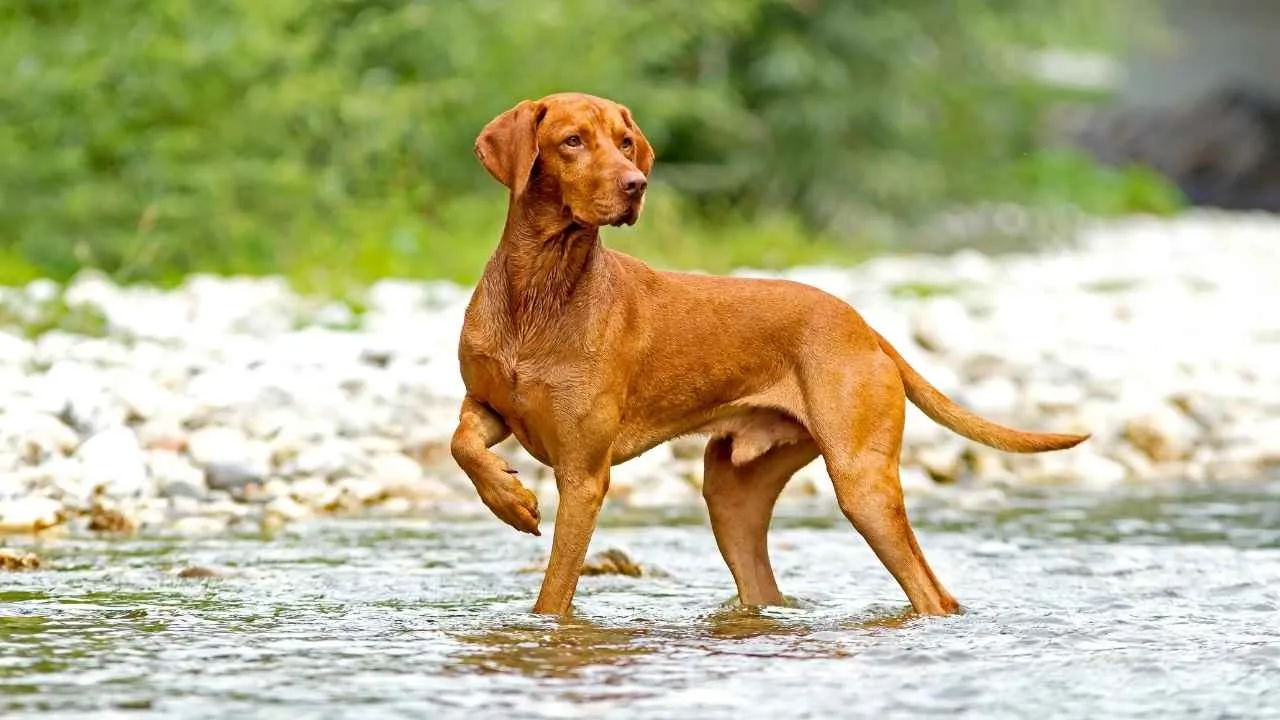
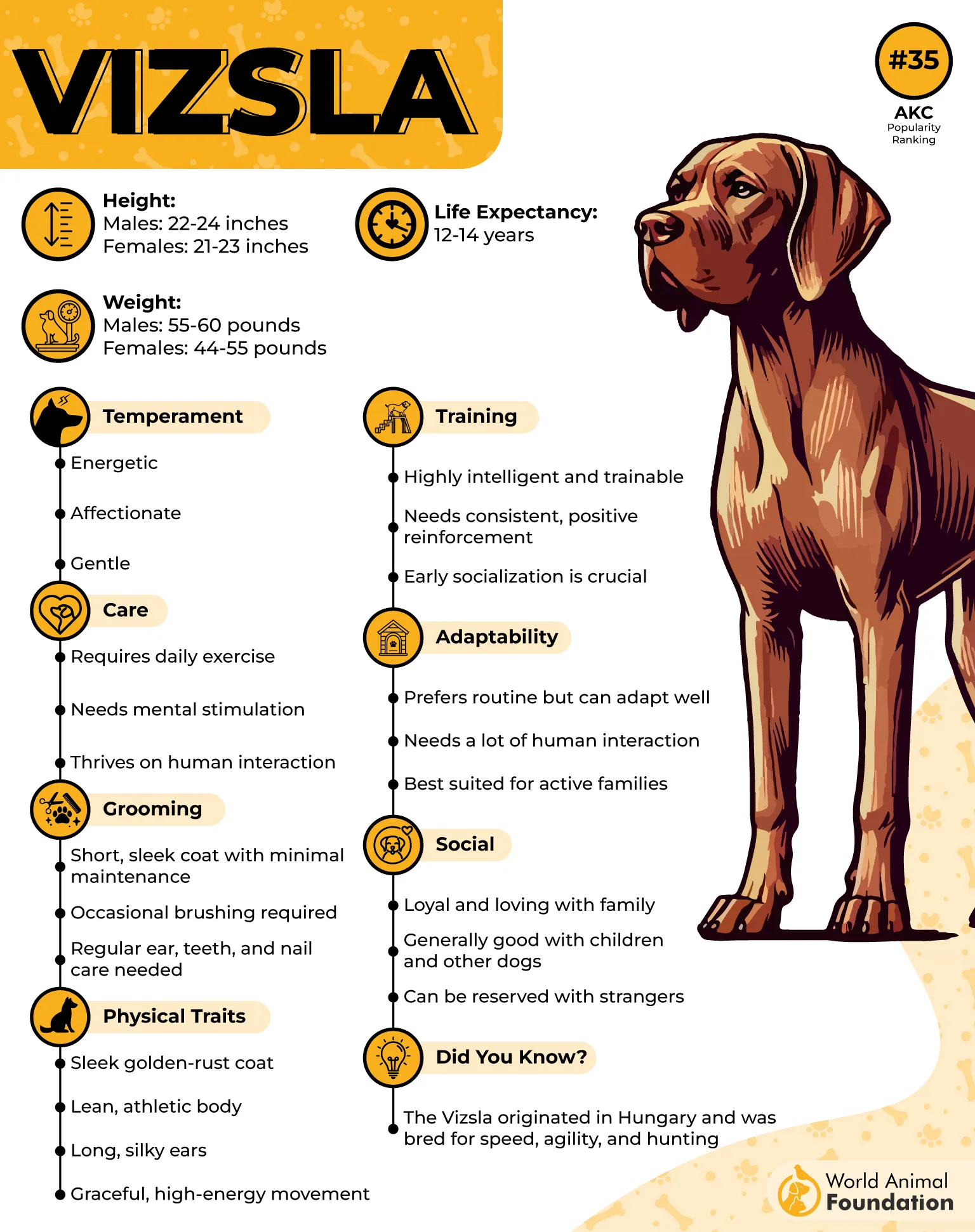
Vizslas originated in Hungary and were developed as versatile sporting dogs capable of hunting, pointing, and retrieving. Their athletic bodies and close attachment to their handlers made them useful partners who could remain engaged with people while working through fields.
They are known for their energetic and affectionate personalities. A Vizsla generally enjoys participating in activities with its family and can become deeply focused when given a purposeful task.
Give Them Plenty of Activity and Purpose
Vizslas require regular exercise and mental stimulation. Running, hiking, swimming, retrieving, scent games, and obedience work can help meet their needs.
Training should focus on cooperation, recall, steadiness, and impulse control. Their enthusiasm is best managed through clear expectations and positive reinforcement rather than excessive repetition.
A Close Working Partner for Bird Retrieval
The Vizsla’s combination of pointing and retrieving ability makes it a versatile game-bird dog. It can search for birds, indicate their location, and retrieve when appropriately trained.
Its strong bond with its handler can also make training rewarding. With sufficient exercise and consistent guidance, this powerful breed can channel its hunting instincts into productive fieldwork or structured sporting activities.
Conclusion
English Setters and German Shorthaired Pointers are especially versatile when it comes to locating and pointing game birds, while Labradors and Golden Retrievers are renowned for their retrieving abilities. English Springer Spaniels bring energetic flushing skills, and Weimaraners and Vizslas combine pointing with retrieving versatility.
Each breed approaches bird work differently, so choosing between them depends on the type of hunting and the role expected in the field. Their natural abilities can also influence life outside hunting, particularly when it comes to exercise, training, and mental stimulation.
With appropriate conditioning, obedience work, and opportunities to use their instincts, these sporting breeds can become highly capable working partners. Even as family companions, structured retrieving, scent games, outdoor adventures, and other purposeful activities can help them remain physically satisfied and mentally engaged.
