




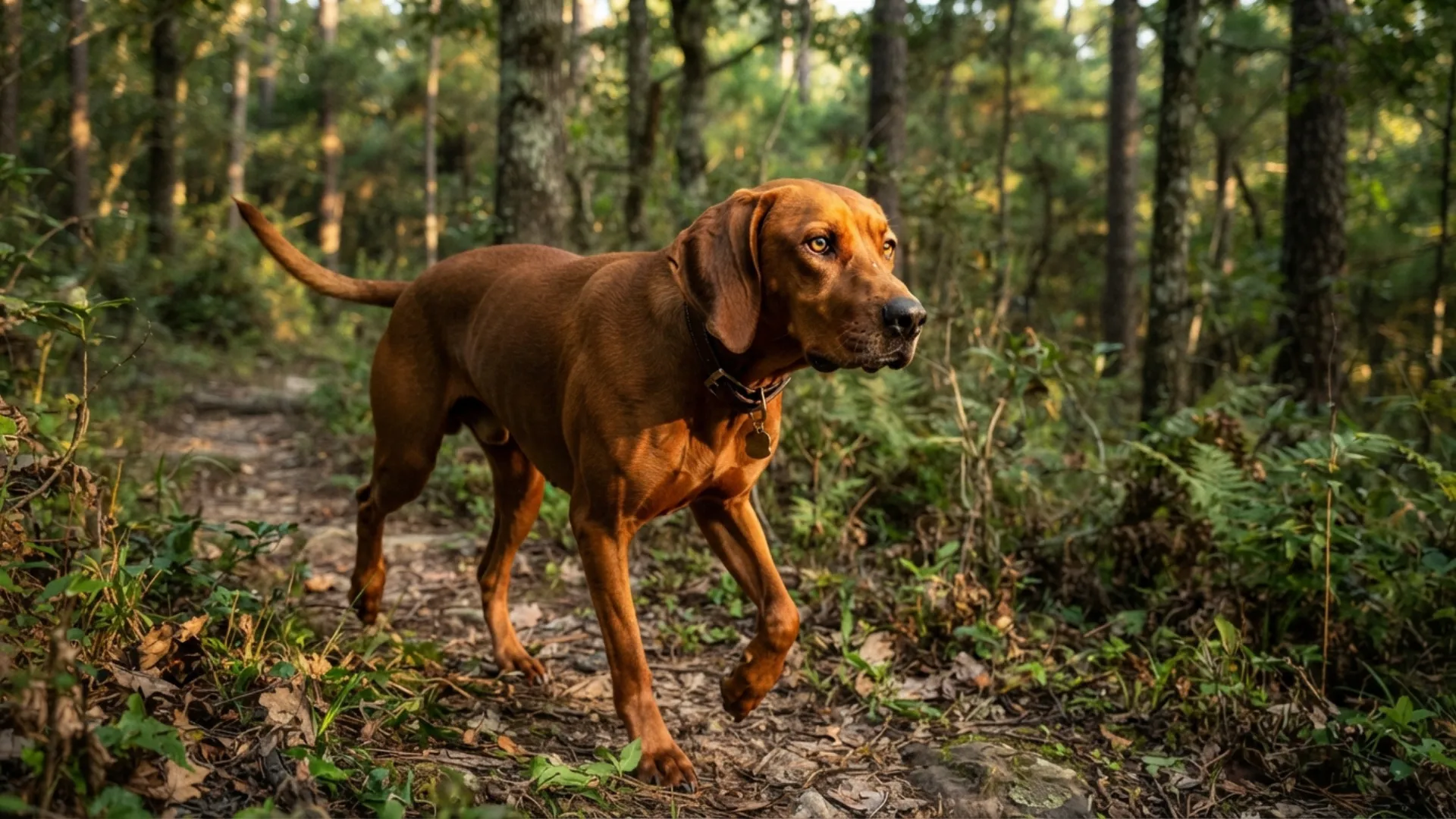
Long-distance wildlife tracking takes more than a fast dog. A strong tracker needs a sharp nose, steady focus, and lasting endurance. The best dog breed for this work can follow scents across forests, fields, and rough trails. However, distance alone does not make a dog a skilled tracker.
Terrain, weather, and fading scents can make the job much harder. That is why persistence and mental focus matter so much.
Some breeds were developed to track specific game. Others became valued for their stamina and hunting instincts. Good handler communication also helps dogs stay on task.
In this guide, we have listed ten breeds suited to demanding tracking work. You will learn what makes each one useful outdoors. You will also see how their working traits can affect life at home.
Top Dog Breeds for Long-Distance Wildlife Tracking
1. Redbone Coonhound
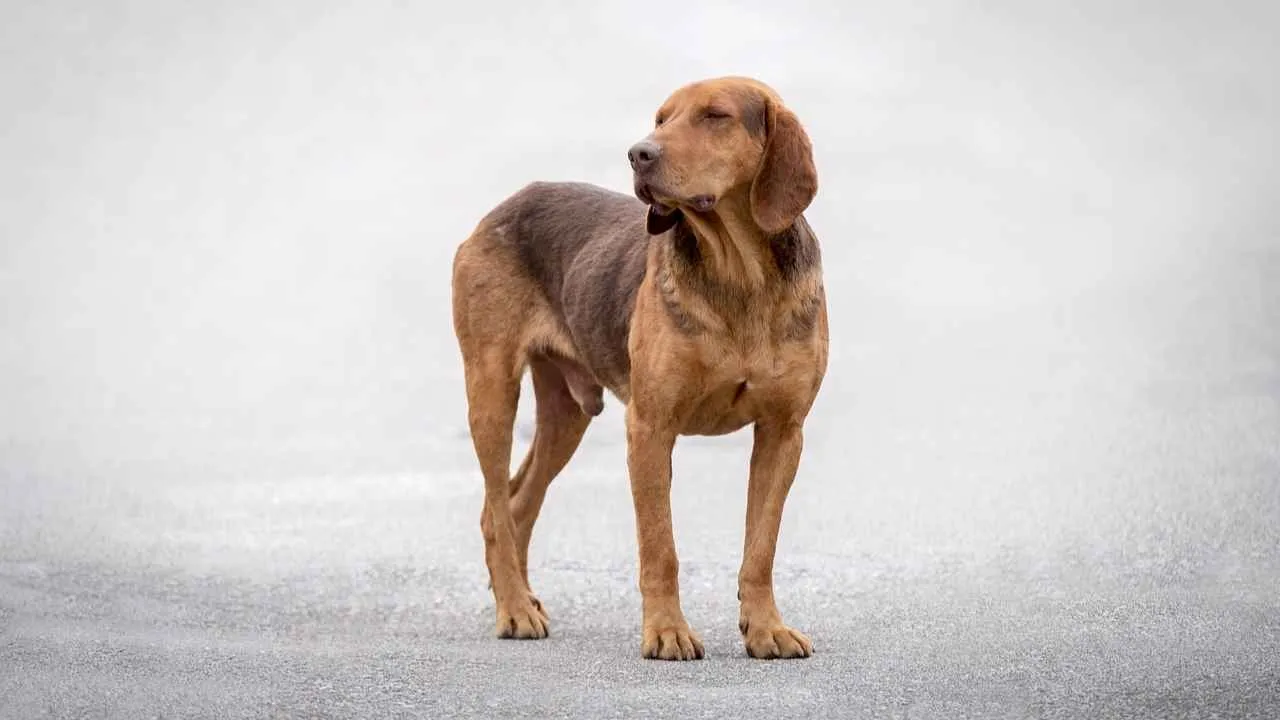
According to Wikipedia, the Redbone Coonhound is an American hunting dog. As a Coonhound, it was bred specifically to track and tree game. Its targets can include raccoons, opossums, squirrels, bears, and cougars.
The breed can follow scent trails across varied landscapes with impressive focus. Its streamlined build also supports steady movement during demanding hunts. At home, this active hound can become a great companion for families who enjoy outdoor life.
Long hikes can provide a useful outlet for its energy and natural curiosity. Its working background gives it a strong desire to explore and investigate new scents.
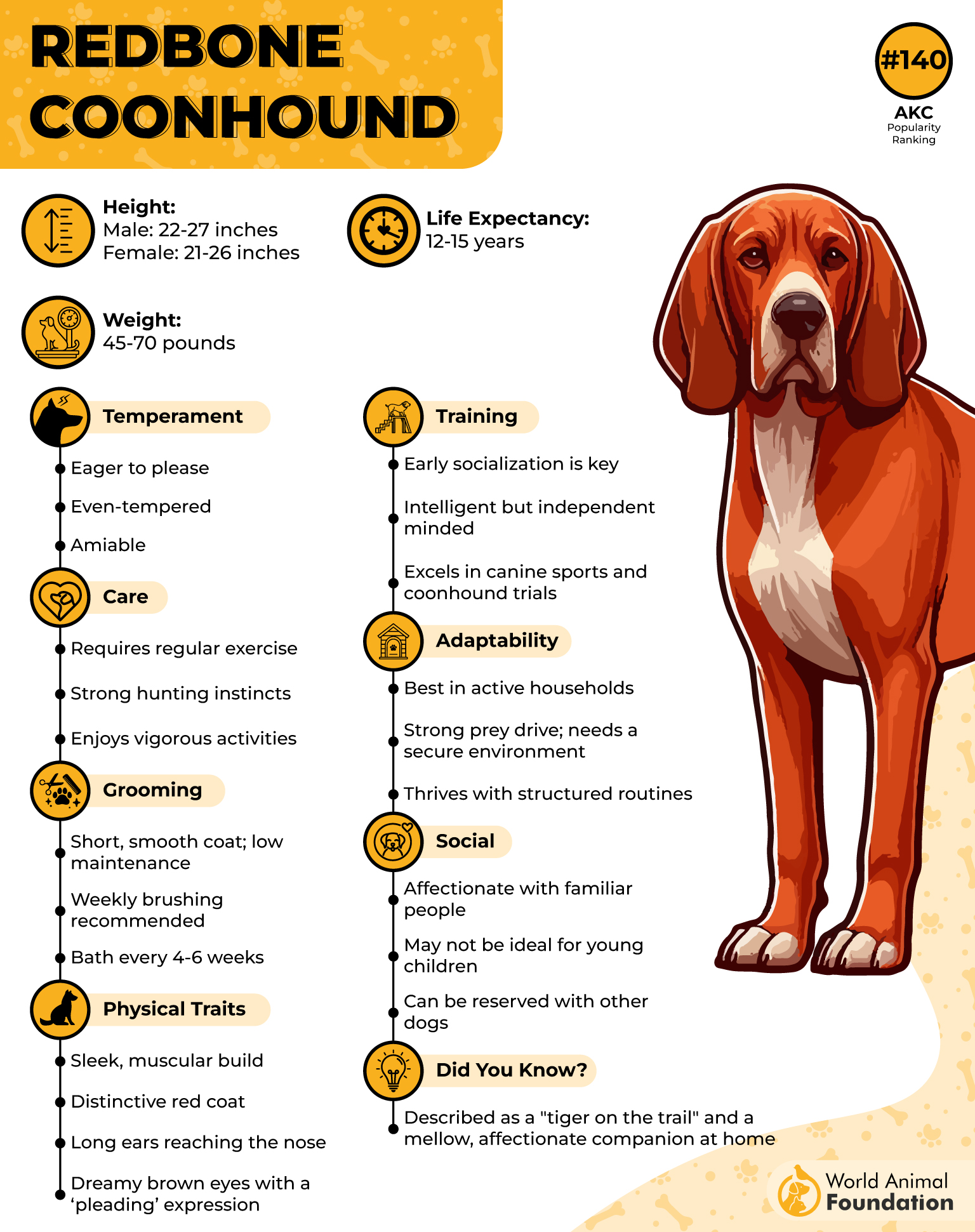
Why It Handles Demanding Tracking Work
A short coat offers simple grooming needs.
Large, padded feet support movement across rough terrain.
Its loud bay helps hunters locate the dog.
Swimming can add variety to its exercise routine.
Hunting instincts can remain strong without field duties.
Consistent training helps manage its independent nature.
Its history includes tracking both small and large game.
2. American Foxhound
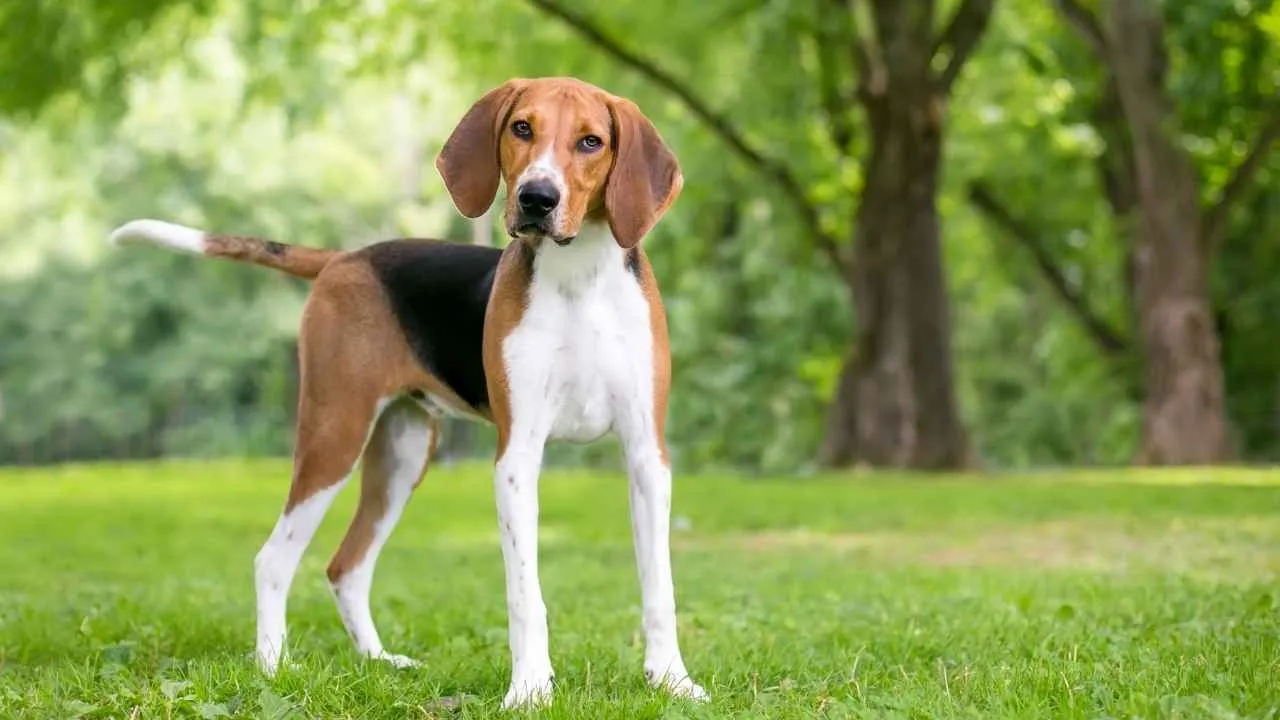
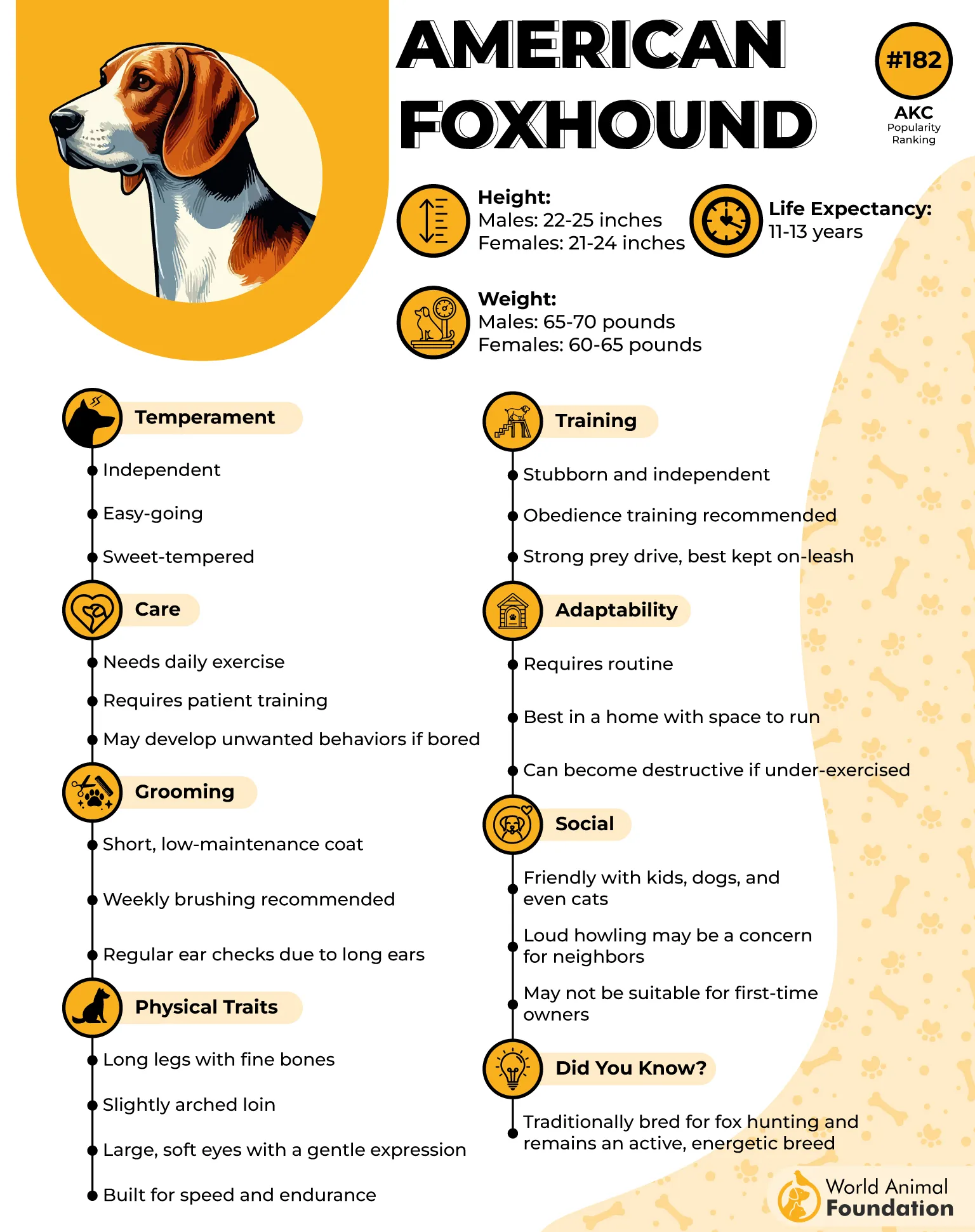
The American Foxhound is a swift hunting dog breed with deep roots in colonial America. Bred to chase foxes across wide estates, it developed remarkable stamina for extended pursuits. Its lean body and long legs help it cover ground efficiently.
A keen nose helps it follow wildlife trails over great distances. The American Kennel Club describes the breed as good-natured and friendly with families.
It can also get along well with other pets when properly managed. This loyal hound suits owners who enjoy a great outdoor lifestyle and plenty of daily activity.
Why It Excels on Extended Trails
Its long legs support an efficient ground-covering stride.
Strong endurance helps maintain effort during prolonged pursuits.
A distinctive bay can carry across wide hunting areas.
Its pack heritage encourages cooperation with canine partners.
Prey drive may trigger pursuit of smaller animals.
Independent thinking can make obedience work challenging.
Regular exercise helps prevent boredom and unwanted behavior.
Its gentle expression reflects its softer home personality.
3. German Shorthaired Pointer
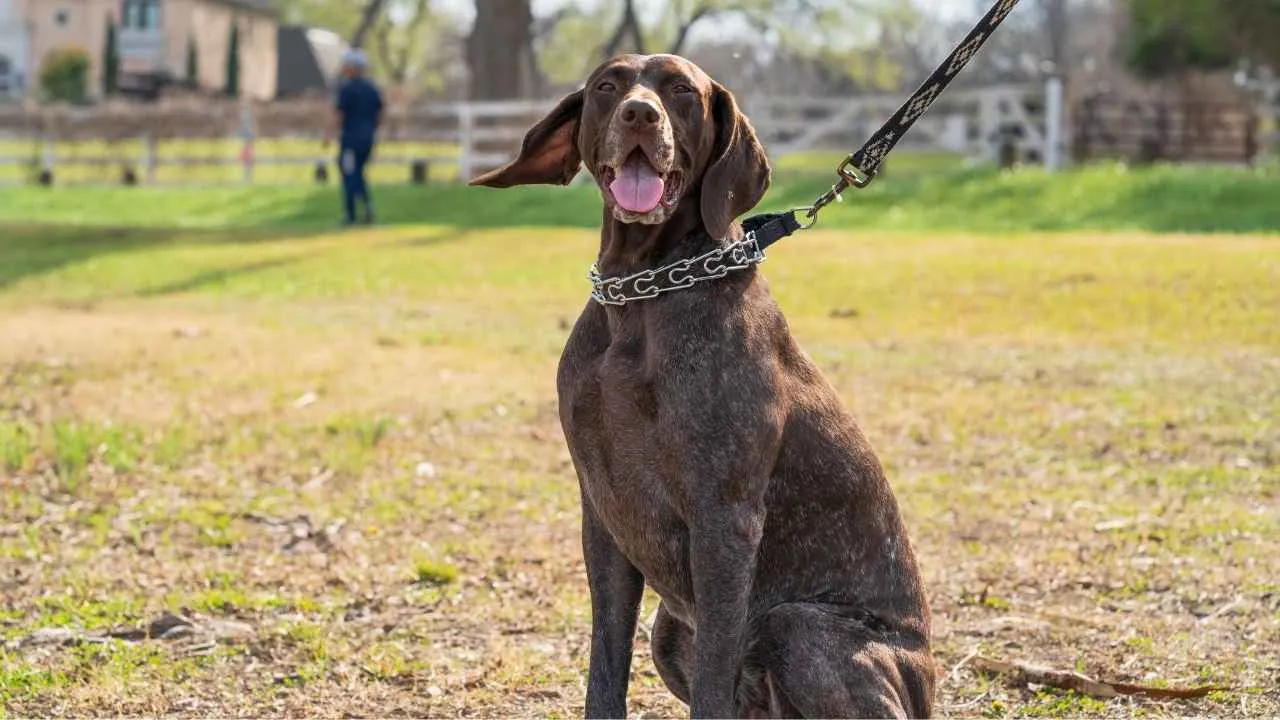
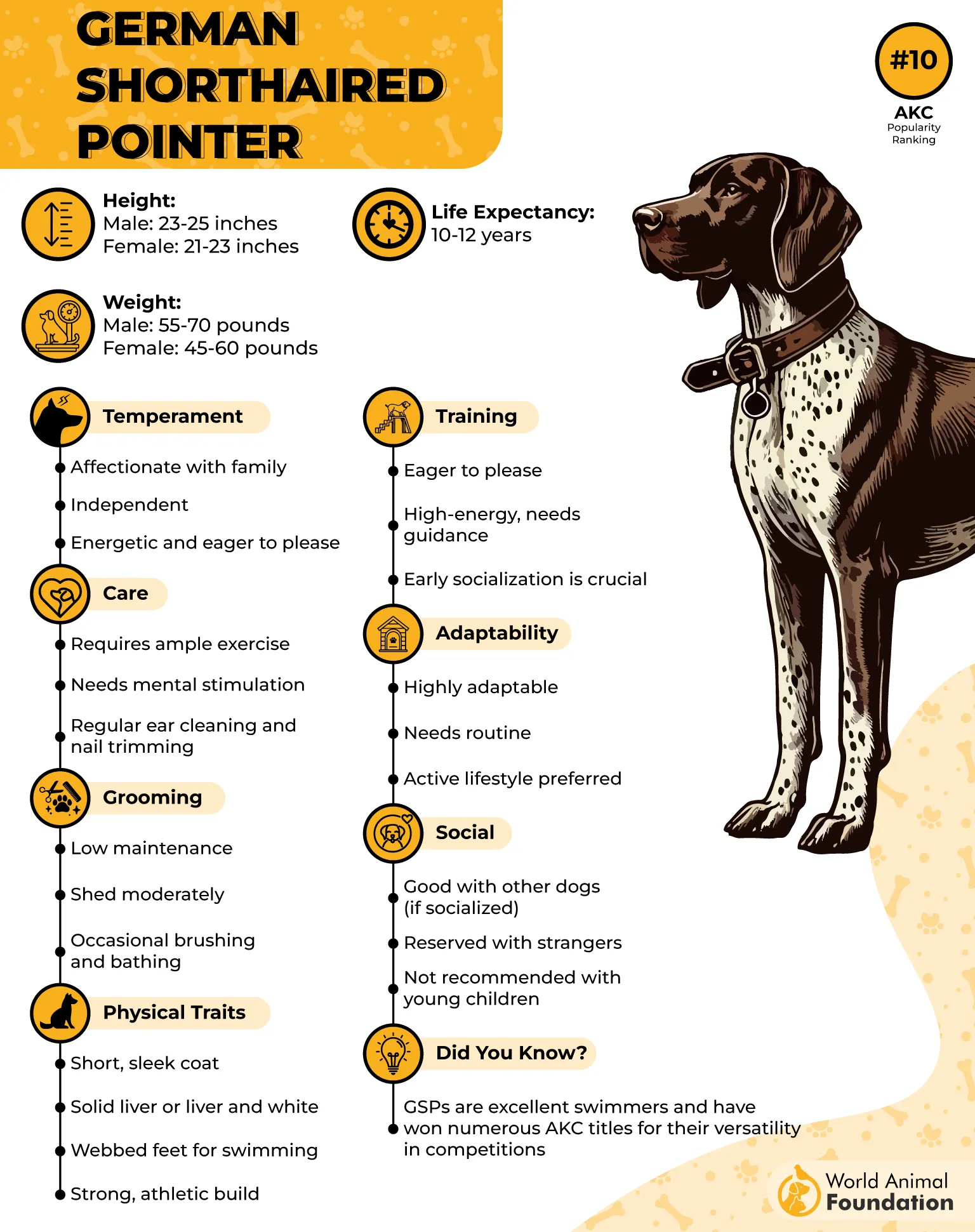
The German Shorthaired Pointer is a versatile, medium-sized dog built for demanding fieldwork. This bird dog breed can locate game, point toward its position, and retrieve after the hunter gives a signal. Its lean build supports quick movement across changing landscapes.
According to PetMD, the breed is known for speed, agility, and endurance. That combination makes it useful for locating wildlife during extended outings. It is also a high-energy dog that thrives when given a clear purpose and enough daily exercise.
Its smart nature helps it understand tasks and stay connected with its handler. However, its energy needs careful direction. Without enough activity, this active breed may become restless at home.
Why It Excels in the Field
Strong swimming ability makes water retrieves natural.
Its short coat offers little protection in cold weather.
Positive training suits its eager working attitude.
These quick learners often enjoy organized dog sports.
Running and hiking provide excellent outdoor activities.
Close family bonds can strengthen handler cooperation.
Its pointing stance helps hunters identify nearby game.
Regular mental challenges can keep its active mind engaged.
4. Vizsla
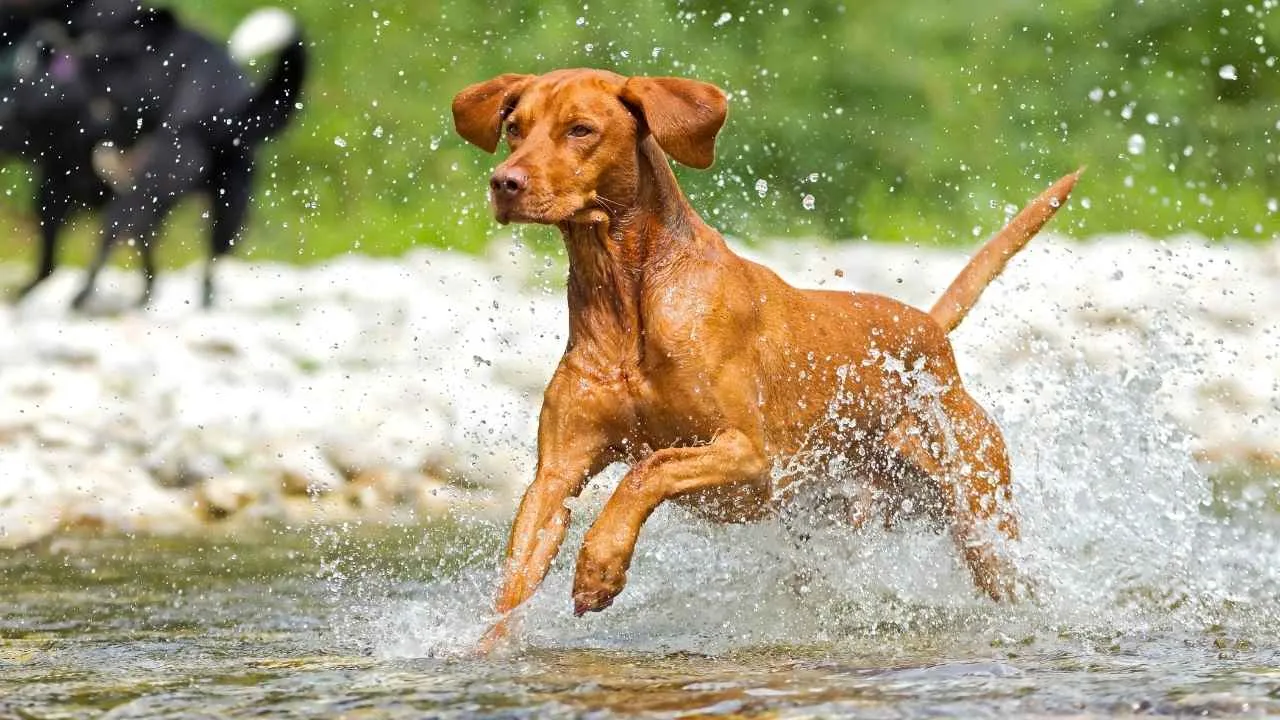
The Vizsla is a sleek, red-coated sporting dog with Hungarian roots. It was developed as a hunting companion for long days beside hunters. Its lean body and light-footed movement help it stay active across open landscapes.
Strong stamina allows this affectionate breed to handle demanding outdoor adventures with ease. It forms close bonds with its family and often prefers staying near its people. According to Purina, Vizslas are affectionate and full of energy, making them a great choice for active households.
Their close human connection can also support focused fieldwork. These dogs need regular exercise and mental engagement to stay content.
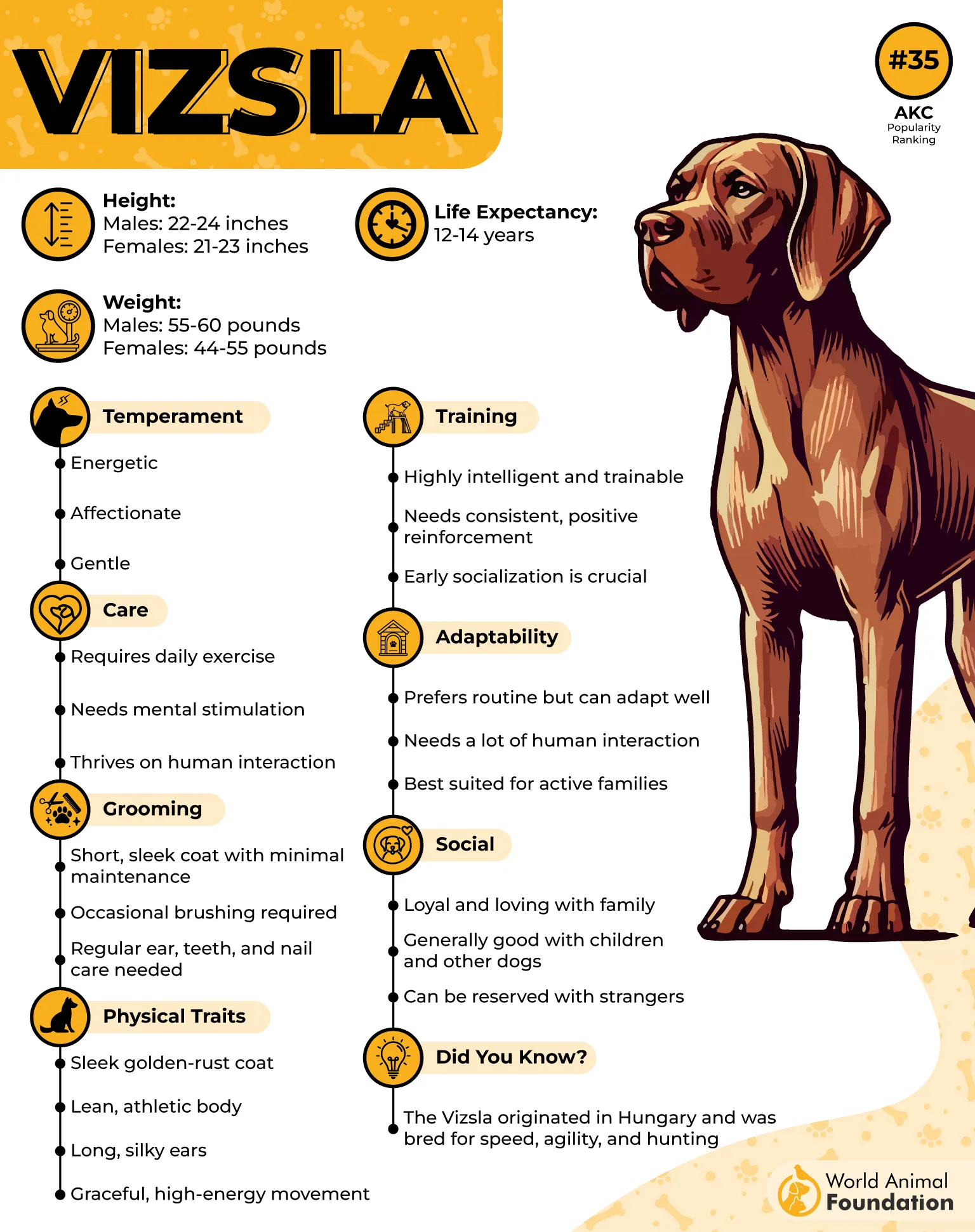
Why It Thrives Outdoors
Highly trainable and responsive to gentle guidance.
Hiking can provide an excellent outlet for daily energy.
It can pursue and locate other game during hunts.
Its sensitive nature responds best to positive handling.
Biking and jogging suit its athletic lifestyle.
Its silky ears give the breed a distinctive appearance.
Dog sports can provide useful mental challenges.
Long periods alone may cause frustration or stress.
5. Plott Hound
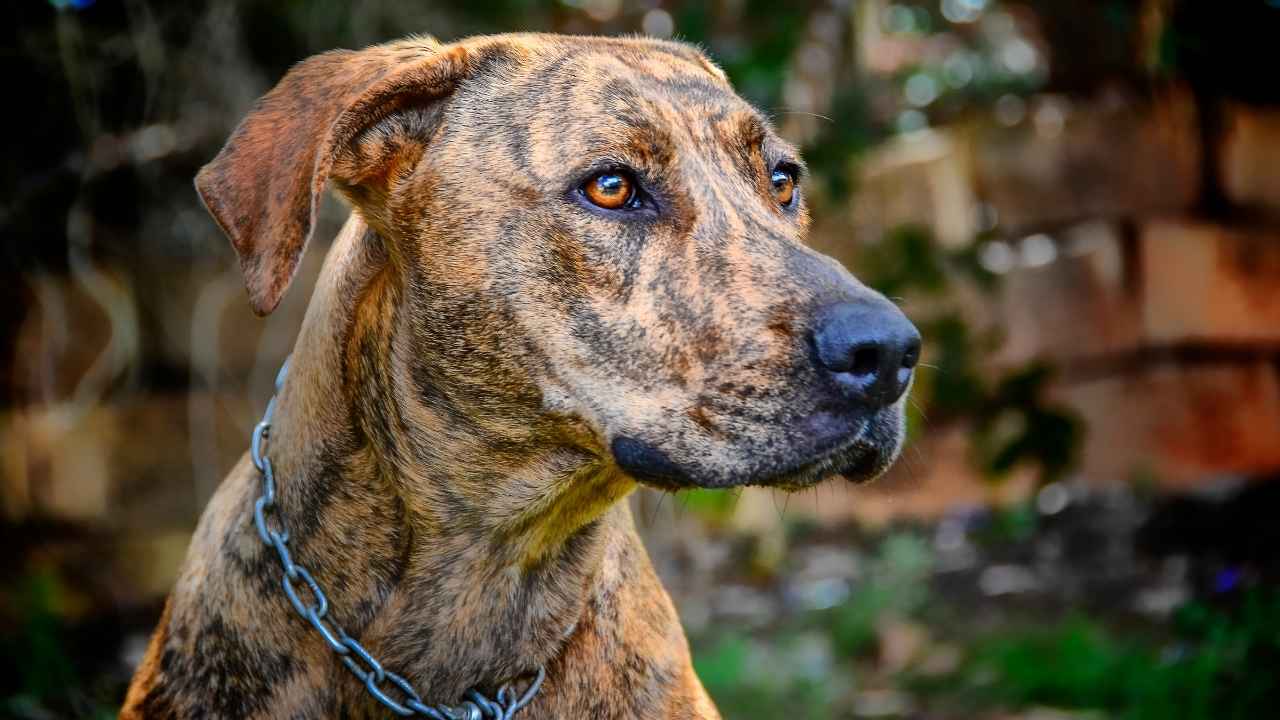
The Plott Hound is a rugged scent hound from North Carolina. According to WebMD, the breed was developed specifically for hunting wild boar. Its bold nature and keen nose make it suited to demanding work over long distances.
The breed’s history in western mountain country shaped its ability to handle difficult ground. It also has boundless energy and a strong desire to pursue scents. At home, this fierce worker can become an affectionate and loyal family dog. However, its hunting instincts need clear direction from an early age.
This makes proper training essential for safe behavior around the home and outdoors. Its speed and spirit further strengthen its reputation as a determined wilderness worker.
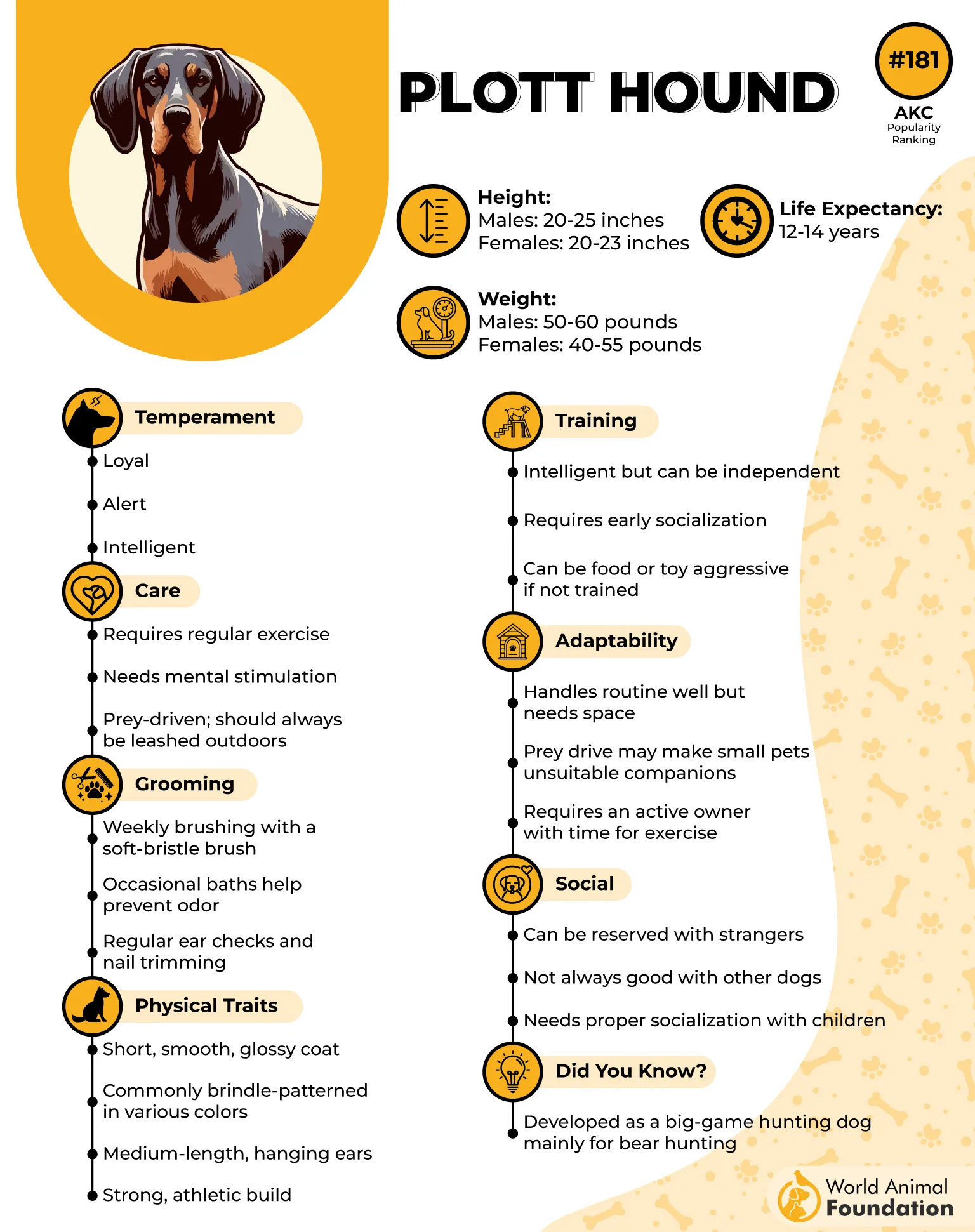
Why It Handles Rugged Country
Hiking trips can provide a rewarding daily outlet.
The breed thrives when exploring the great outdoors.
Its brindle coat comes in several striking patterns.
Long, hanging ears help define its classic hound appearance.
A black nose contrasts sharply with its coat.
It is not closely related to foxhound breeds.
Veterinary care remains important throughout its life.
6. Weimaraner
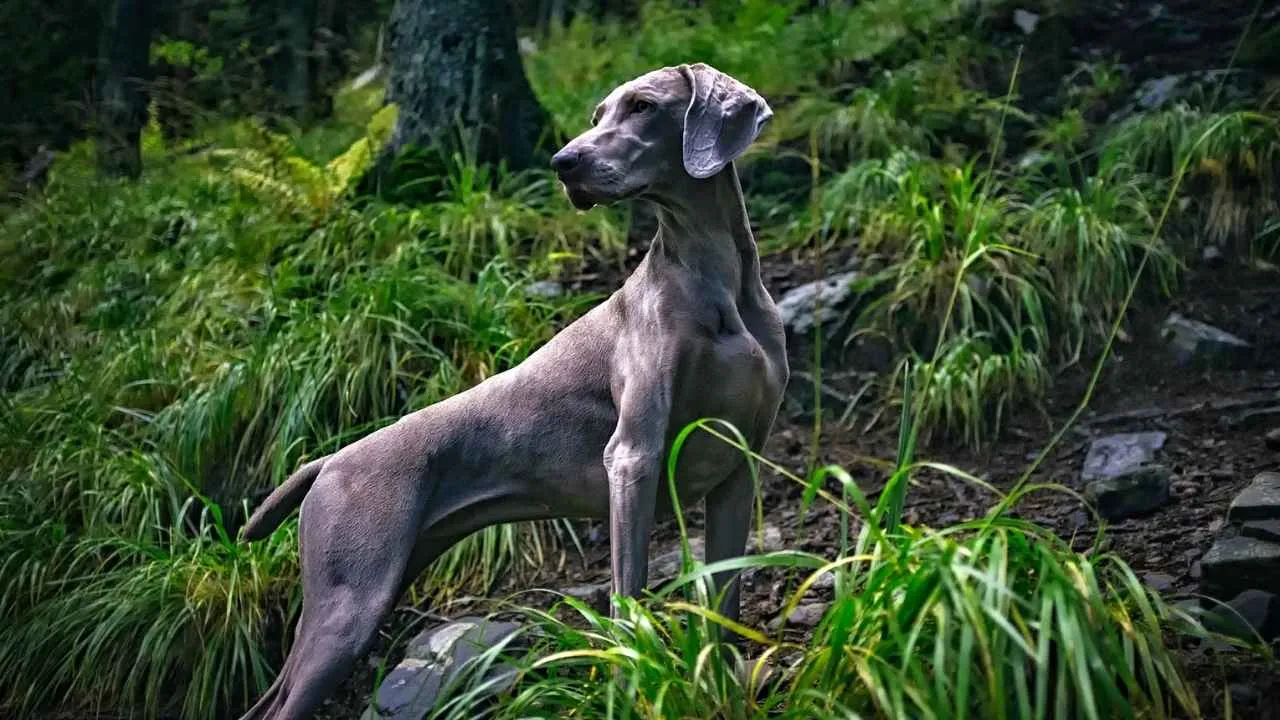
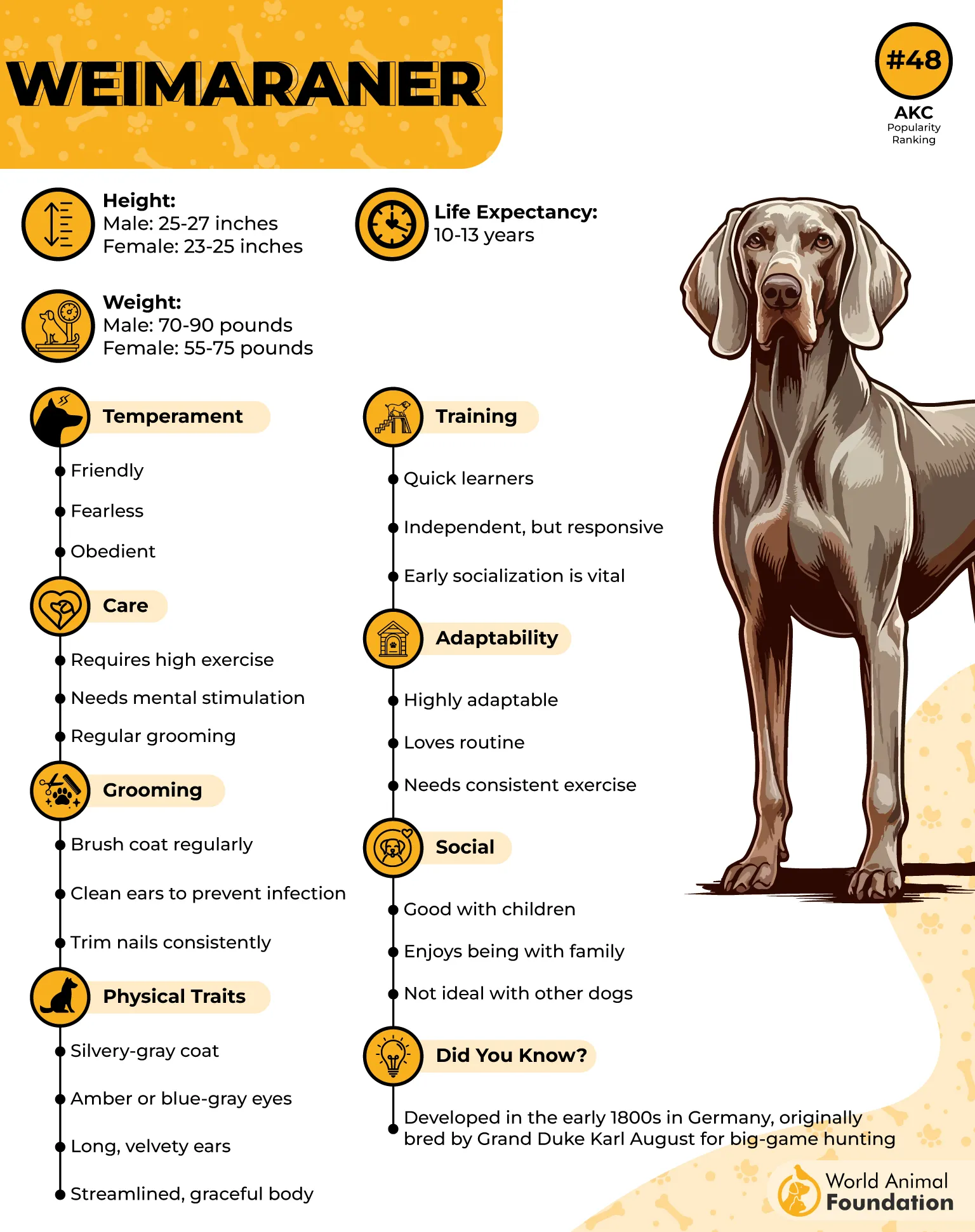
The Weimaraner is a sleek German sporting dog known for speed and grace. Its high energy suits demanding fieldwork and active outdoor lifestyles. The breed has a keen instinct for finding and pursuing game.
According to PDSA, Weimaraners are loyal to their owners and highly intelligent, which can make them easier to train with experienced handlers. Their strong family bonds also make them a loyal companion at home. A curious nature keeps them eager to explore new places and scents.
This combination can help them stay engaged when following a trail. However, their large size and powerful build require enough room and daily activity. They are not specialist scent hounds, but their athletic ability adds value during active tracking work.
Why They Suit Active Tracking
Hiking can provide an excellent physical outlet.
Reliable recall command skills are important outdoors.
Their mental needs extend beyond simple exercise.
A large garden can offer useful space at home.
Webbed feet can support comfortable movement through water.
Experienced owners often manage their independent streak best.
Their striking gray coat needs relatively little grooming.
7. Bluetick Coonhound
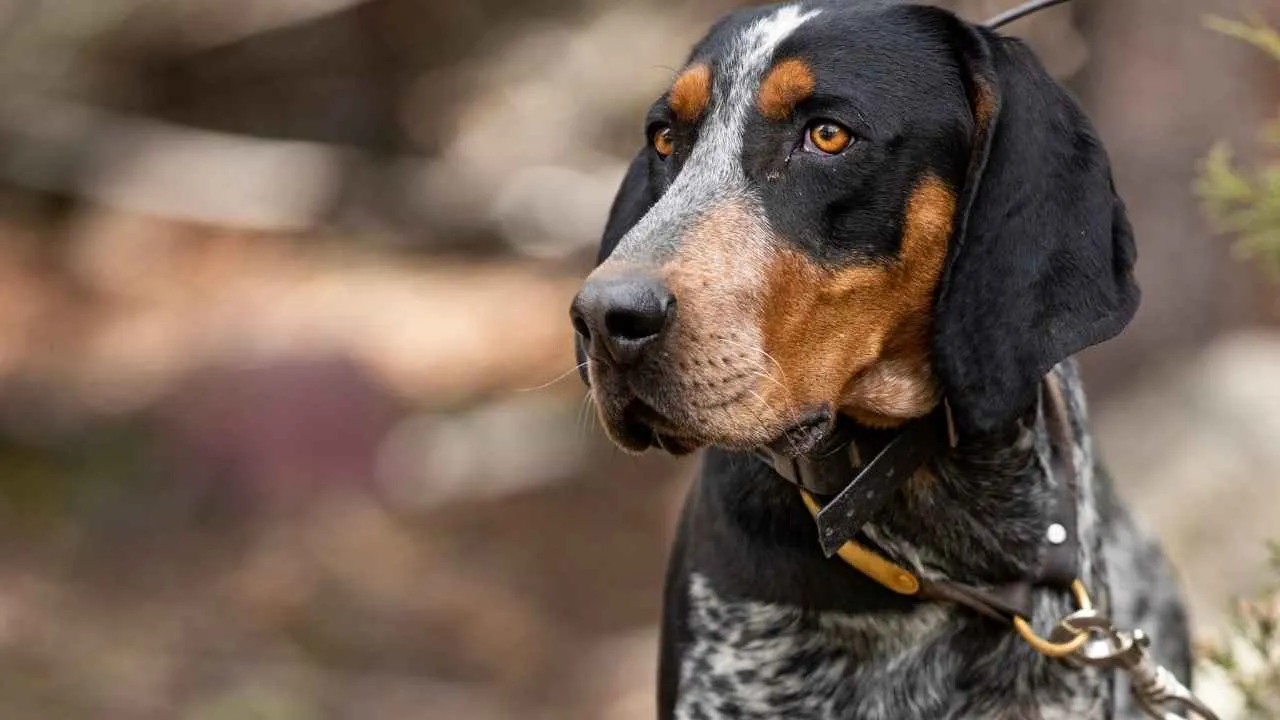
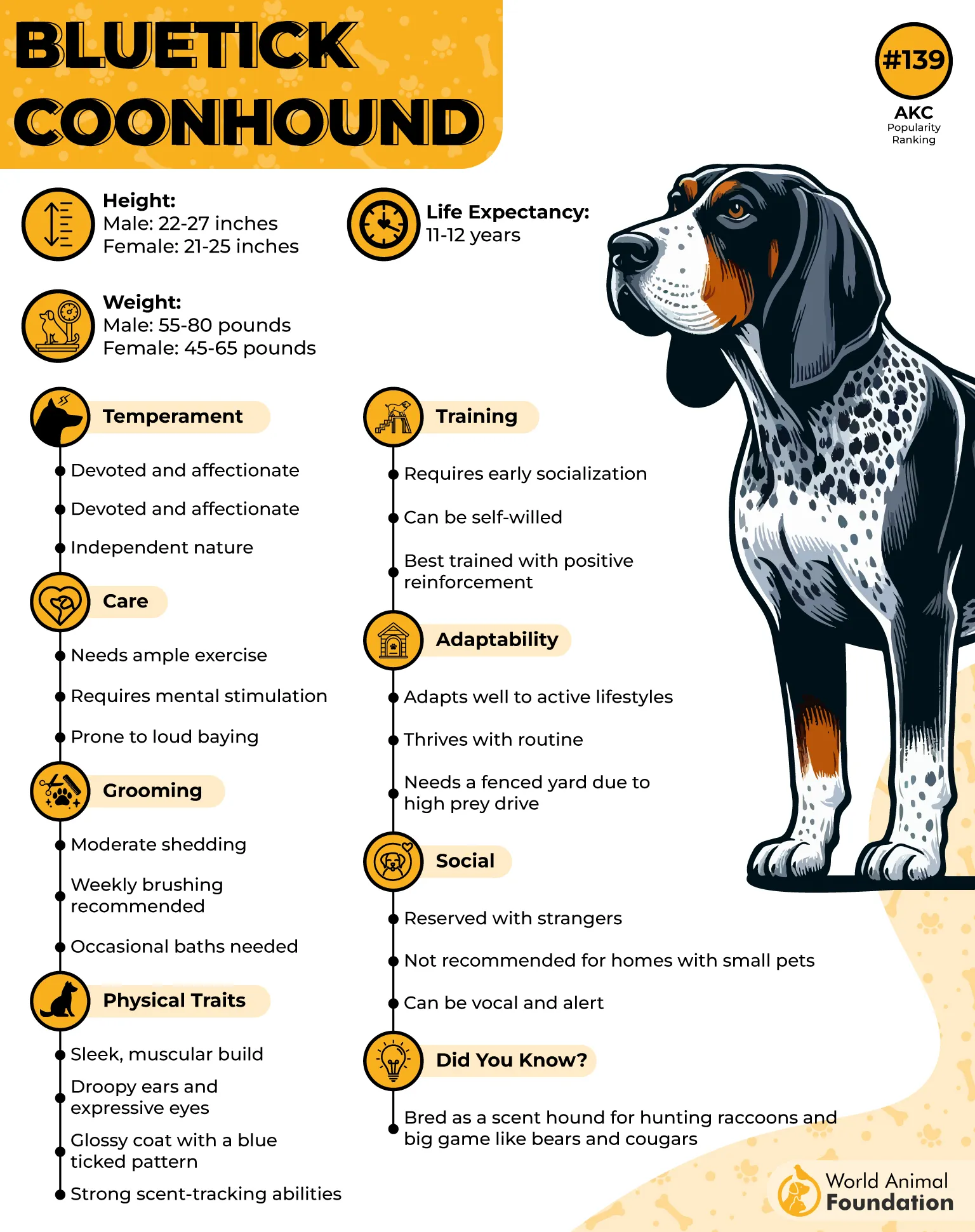
The Bluetick Coonhound is a determined scent hound built for demanding nighttime hunts. Its strong prey drive helps it stay focused while following mammals across rugged terrain. This high-energy breed can keep working when trails become difficult or scents grow faint.
According to Orvis, the Bluetick is energetic, lovable, and friendly with active families. It can become a great companion when its needs are met. Its independent mind also helps it solve problems while working without constant direction.
Handlers should guide this instinct carefully, especially when tracking wounded game. The breed’s athletic build supports long hikes and extended outdoor pursuits. However, it thrives best when given a clear purpose and enough daily activity.
Why It Stands Out on Long Trails
Its distinctive baying voice helps locate it after dark.
Droopy ears give it a classic hound appearance.
Consistent training can help manage its stubborn streak.
Country living suits its naturally vocal personality.
Cold weather is generally easier than extreme heat.
Hiking provides an enjoyable outlet for its working drive.
It may prefer to stay close to familiar family members.
Short snouts are not a defining feature of this breed.
8. Treeing Walker Coonhound
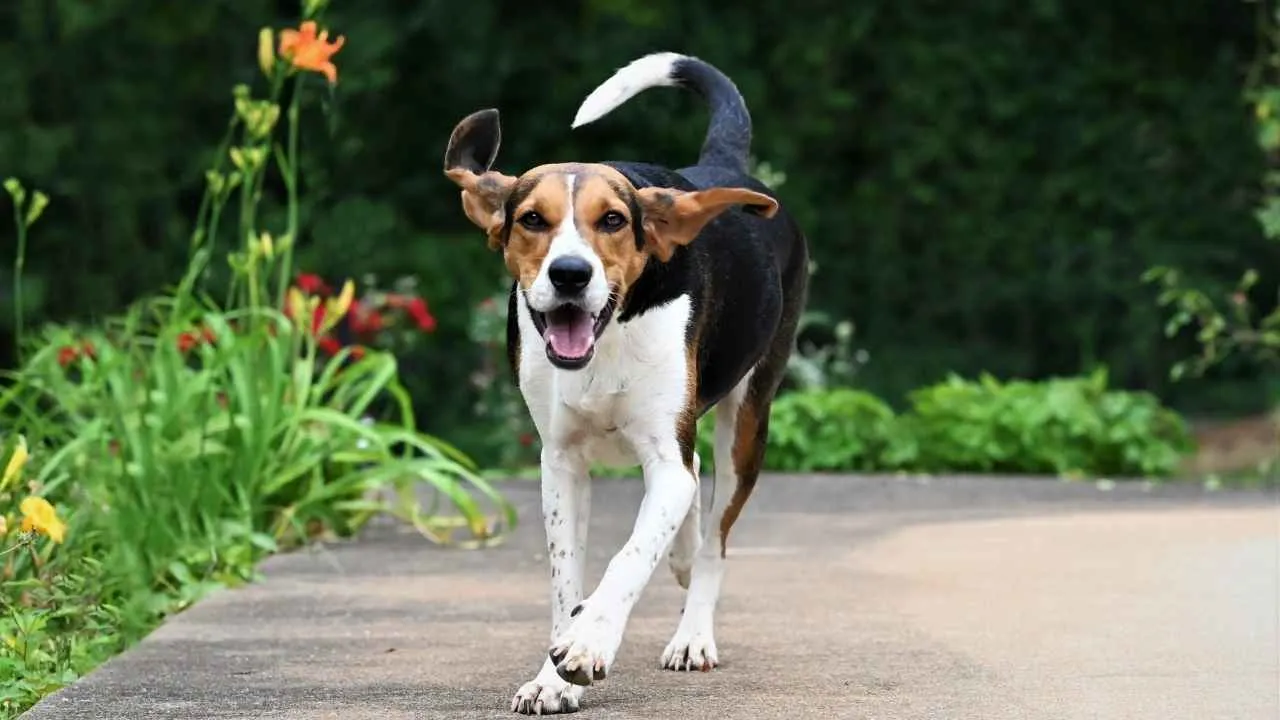
The Treeing Walker Coonhound is a swift American dog breed built to cover ground quickly. Its long legs and powerful hindquarters help it move efficiently during demanding hunting work. The breed was developed mainly for raccoons, but it can pursue deer and other game.
Its focused nose helps it follow scent trails across large areas. According to VCA, Treeing Walkers are highly intelligent and learn quickly, though their independent nature requires patient handling. Their willingness to work makes them a great choice for active owners who enjoy spending time outdoors.
Hiking can provide a useful outlet for their physical drive and curious nature. With the right approach, this energetic hound can become a capable field partner.
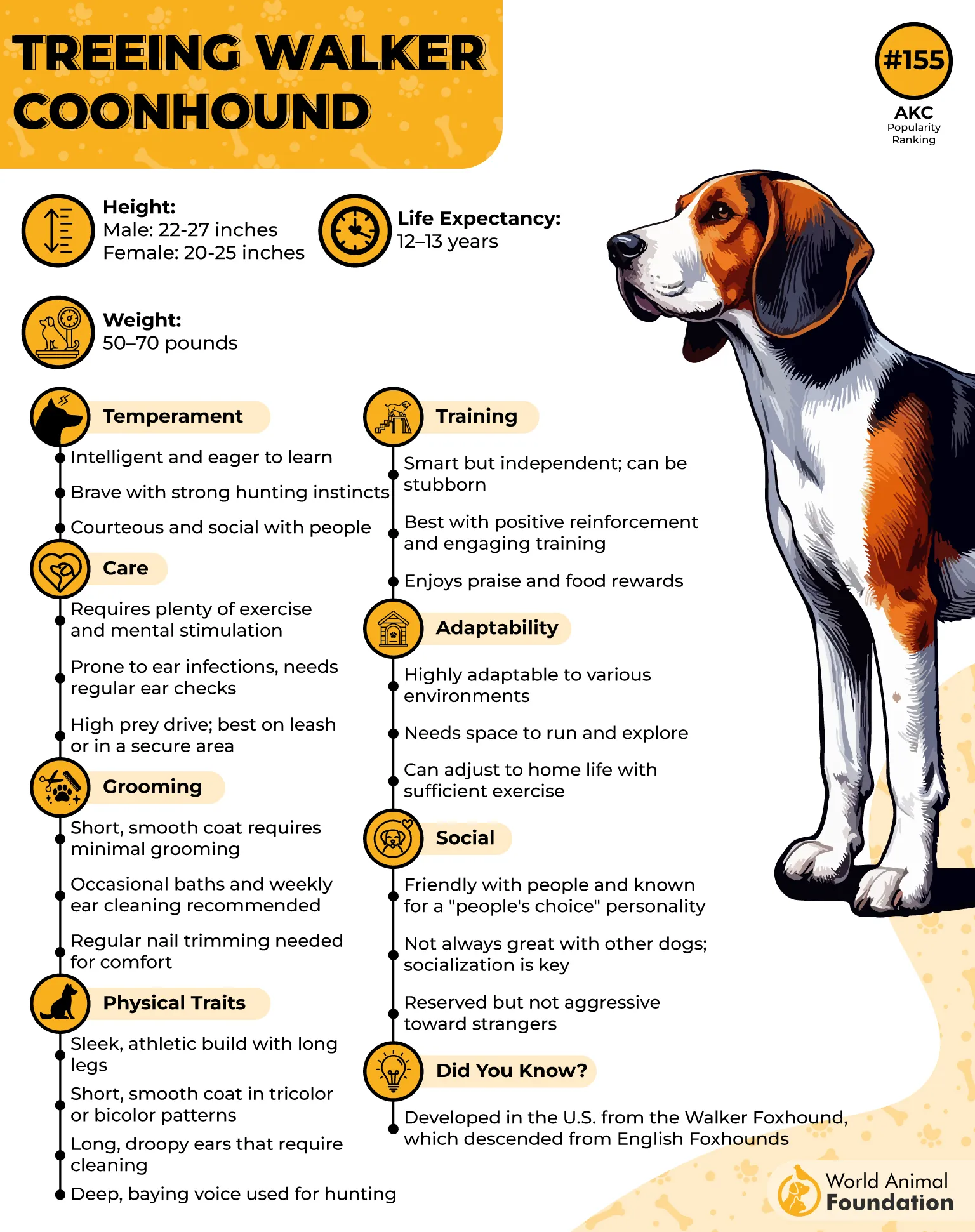
What Makes This Hound Stand Out?
Positive reinforcement works well during obedience lessons.
Consistent training helps prevent unwanted jumping.
A quiet command can help control loud baying.
Agility and dog sports offer useful mental challenges.
Their gentle expression contrasts with their working intensity.
Strong hindquarters create impressive running power.
Their tricolour coat gives them a classic appearance.
Rescue work can provide another purposeful outlet.
9. Bloodhound
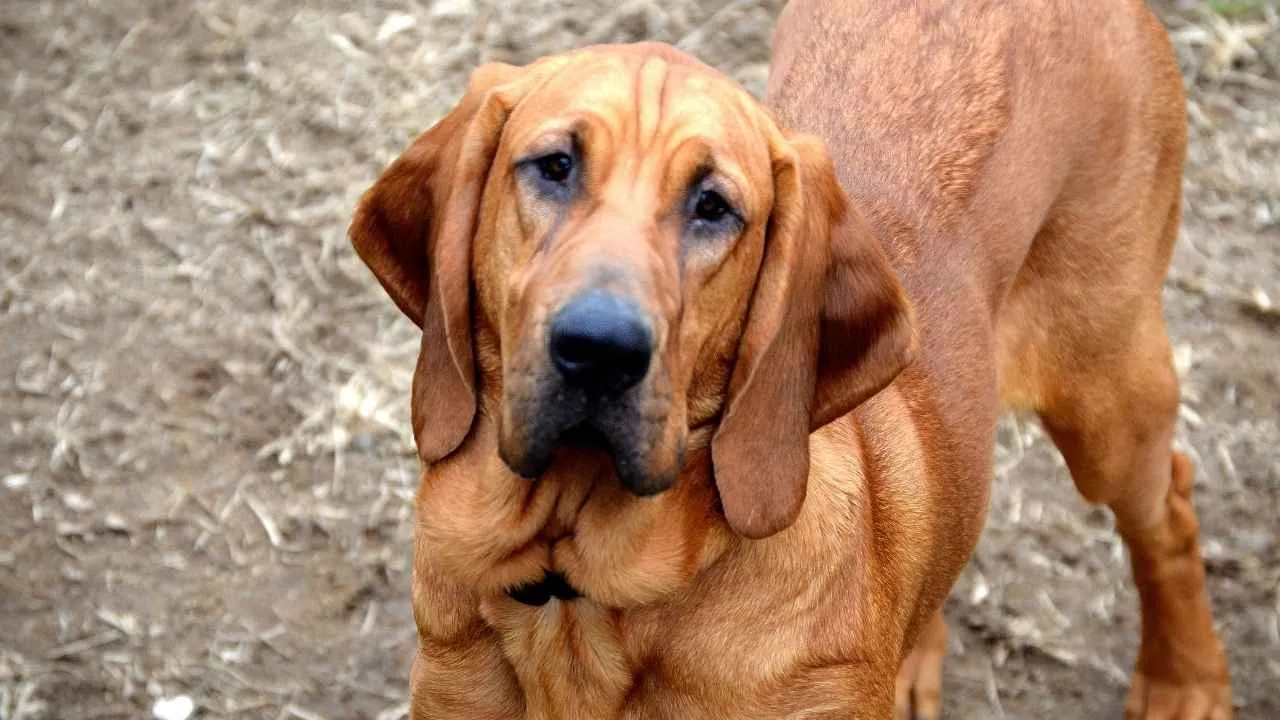
The Bloodhound is a famous scent hound with an unmatched nose. This large breed can follow human trails across miles of challenging ground. Its loose skin, long ears, and powerful legs give it a distinctive look.
According to Britannica, the Bloodhound is likely the oldest dog breed among scent hounds. It also has roughly 230 million scent receptors, giving it remarkable scent detection ability. This strong work ethic makes the breed valuable to hunters and search teams.
Its steady focus can help isolate a specific scent among many background smells. Although not highly trainable in the usual obedience sense, Bloodhounds can learn when handlers use patience and gentle methods. Their large size also gives them the strength needed for lengthy outdoor searches.
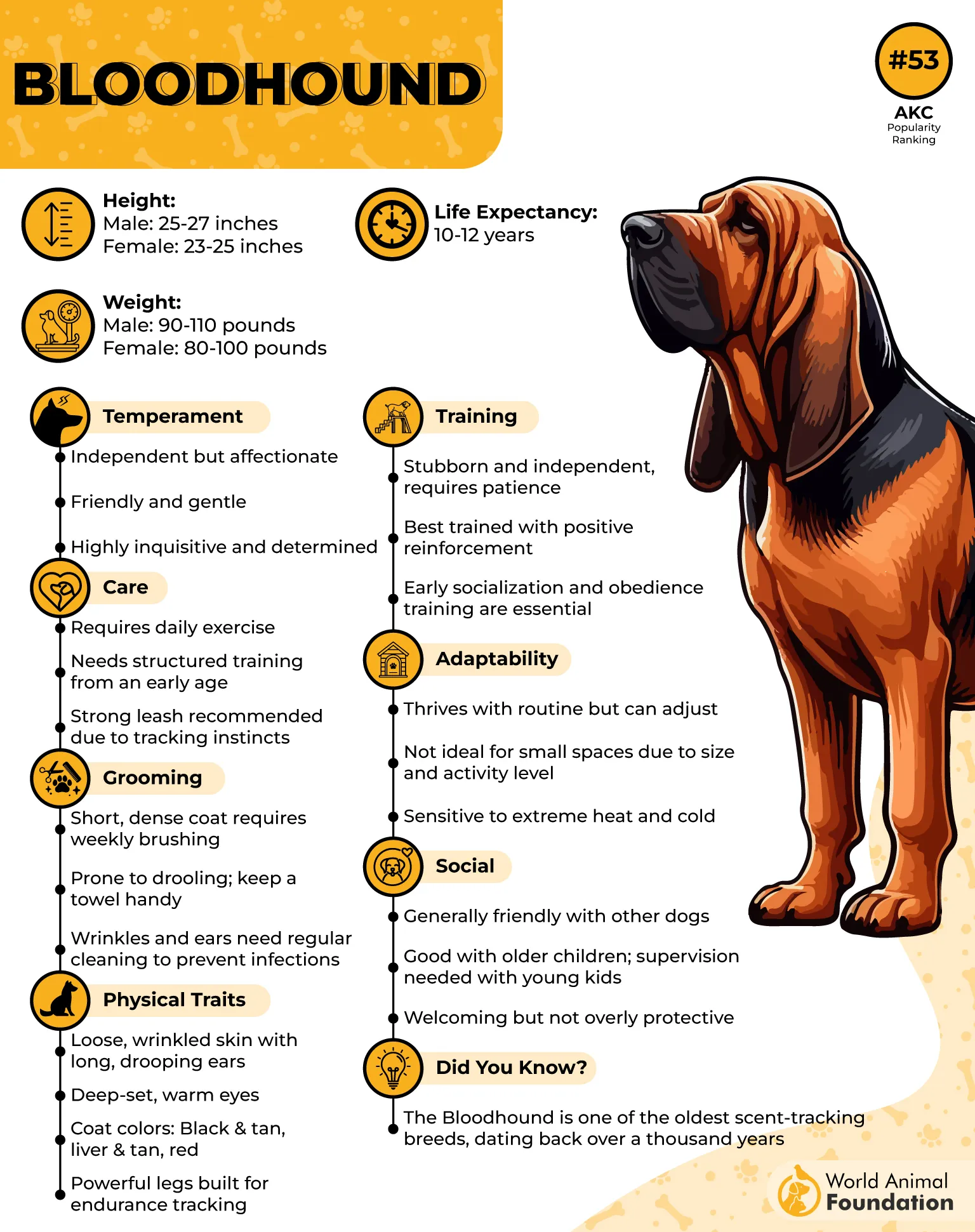
Why Its Nose Is So Remarkable
Hiking gives this scent-driven breed room to explore.
It generally enjoys living alongside people and other animals.
Long walks allow natural sniffing behavior to flourish.
Drooling is common because of its loose facial skin.
A secure leash is important during outdoor adventures.
Its coat may appear red, black and tan, or liver and tan.
Sensitive handling can build trust during obedience work.
Stubbornness may appear when an interesting scent takes over.
10. Mountain Cur
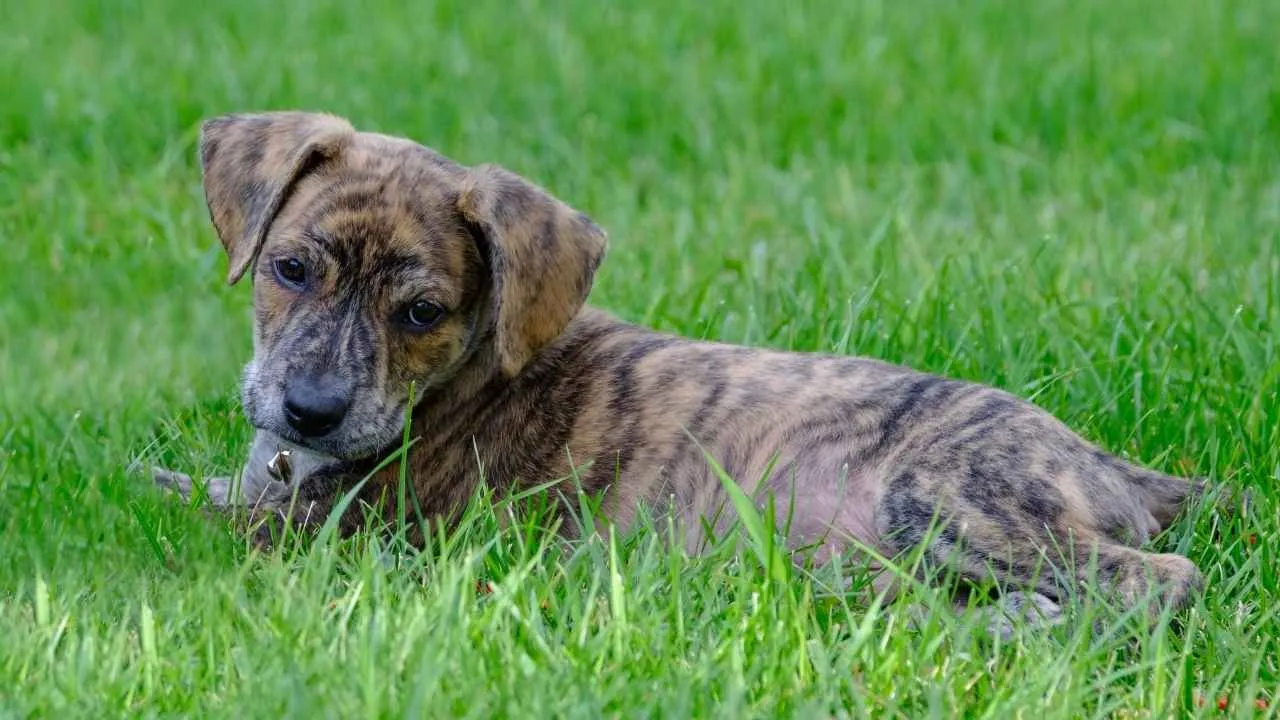
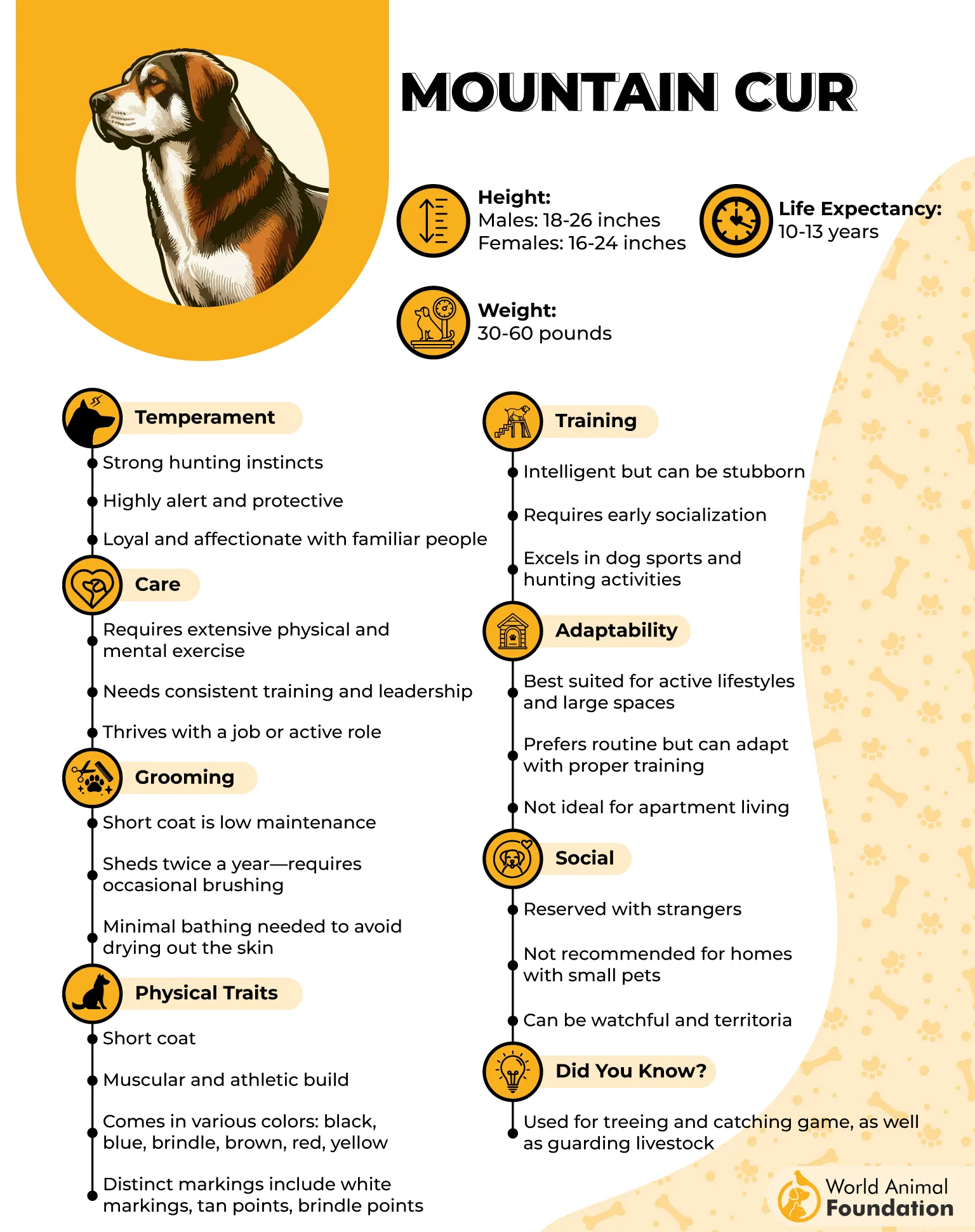
The Mountain Cur is a rugged hunting dog with deep roots in pioneer life. Early settlers relied on these dogs for hunting and homestead work. Its courage, intelligence, and treeing instinct made it useful in demanding wilderness settings.
The breed can follow a cold trail while searching for a fresher scent. It may also circle and drift until it finds a stronger track. Mountain Curs can show alert and territorial watchdog behavior around unfamiliar people.
Their clear bark can also carry across large areas. This adaptable worker needs close human contact and purposeful activity. For active owners, hiking can provide a useful way to channel its natural drive.
Why It Handles Wilderness Work
The breed can track with its head held high.
Some individuals work silently on a trail.
Others use a distinctive bark while tracking.
It can learn to ignore unwanted game.
Strong treeing skills help locate quarry above ground.
Human interaction is essential for effective learning.
It can serve as a capable household watchdog.
Despite some “water dog” comparisons, it is not a water-retrieving specialist.
Among working breeds, it can rank among the best dogs for versatile field tasks.
Real hunting trials can reveal differences between individual dogs.
Conclusion
Choosing the right dog for wildlife tracking takes careful thought. Strong scenting skills matter, but endurance and mental grit matter too. Rough terrain can test even athletic dog breeds, while weak trails demand patience and focus. The right dog should also communicate well with its handler.
Breeds such as the Labrador Retriever, Australian Cattle Dog, Bernese Mountain Dog, and Siberian Husky show how different working traits can support outdoor lifestyles. However, every breed has unique needs, exercise levels, and possible health issues.
Some may be prone to herding behaviors, while others need more room to roam. Hiking can help active dogs stay fit and engaged. Ultimately, choosing the right dog means matching its temperament, abilities, and energy with your lifestyle.
Responsible care and realistic expectations will help create a rewarding partnership.
