




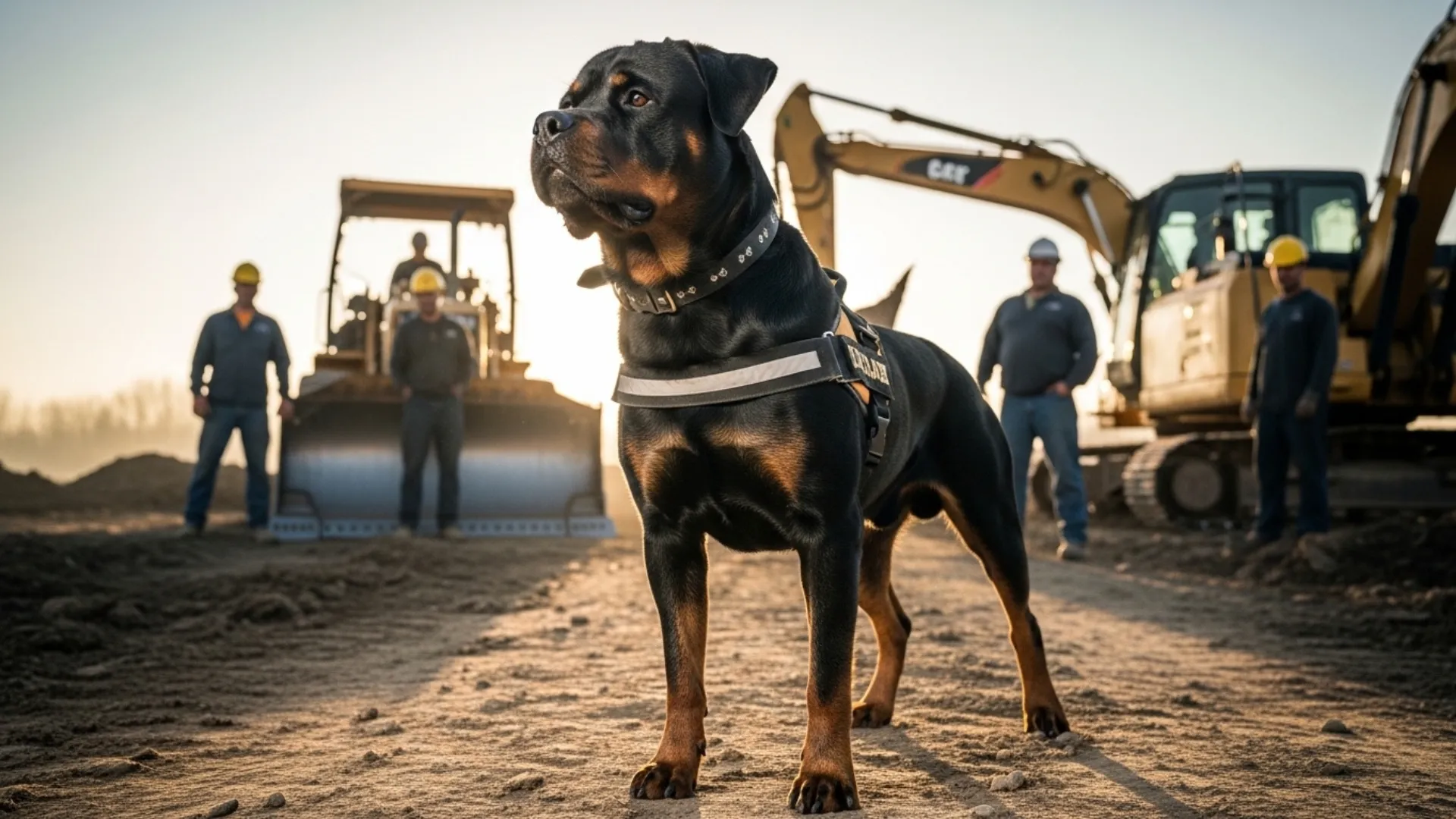
Across history, certain dog breeds have been selectively developed to combine muscular build, endurance, and an unwavering work ethic, making them ideal companions for laborers who value strength and reliability.
These dogs are not merely pets; they are powerful partners capable of performing demanding physical tasks such as pulling carts, guarding property, herding livestock, and assisting in field work.
Their athletic frames, dense muscle structure, and balanced agility reflect generations of purposeful breeding aimed at enhancing performance rather than appearance alone.
In modern settings, these breeds continue to stand out for their ability to handle strenuous routines while maintaining discipline and focus.
For individuals seeking a capable working companion, understanding these robust breeds highlights how strength, temperament, and trainability come together to create dependable helpers.
This guide explores seven ultimate dog breeds known for their muscular power, resilience, and long-standing history of contributing alongside humans in physically demanding roles.
Ultimate Dog Breeds for Laborers Seeking Muscular Strength
1. Alaskan Malamute
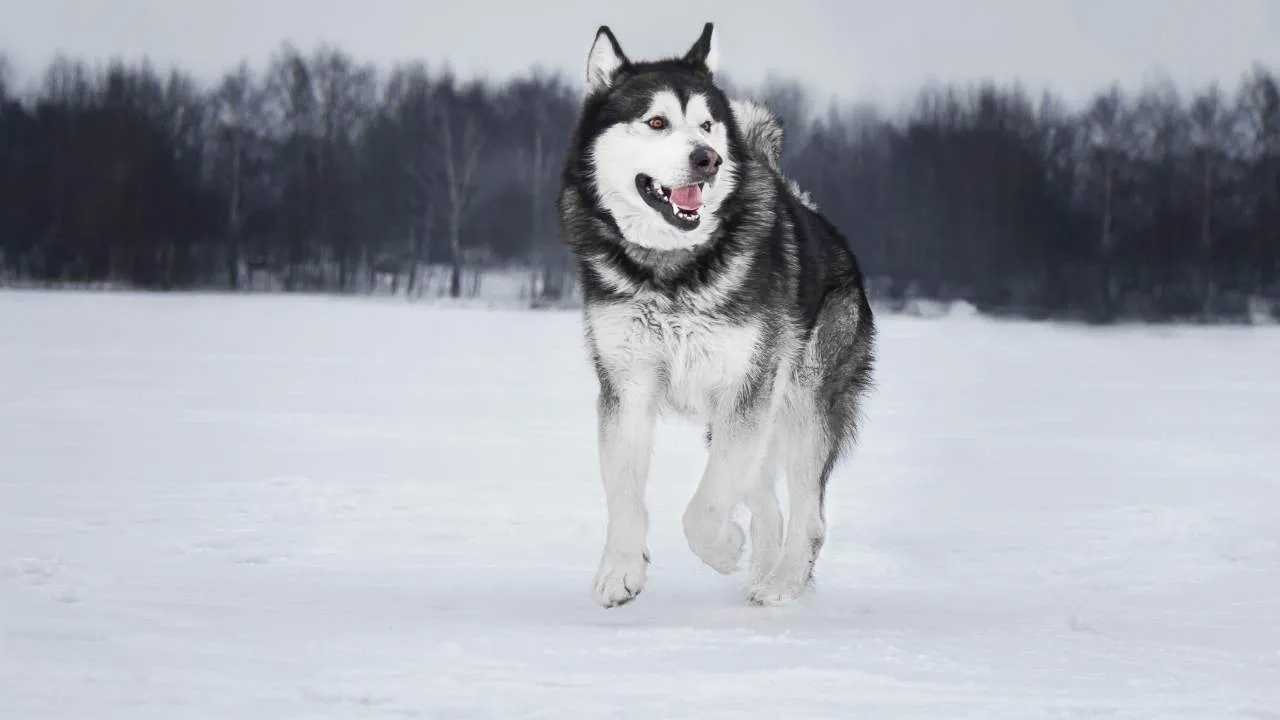
The Alaskan Malamute is a powerfully built working dog originally bred by the Malemiut people of Alaska for hauling heavy sled loads across icy terrain, as noted by Britannica.
With a broad head, upright ears, dense double coat, and a well-furred plume tail carried over the back, it is engineered for endurance in severe climates.
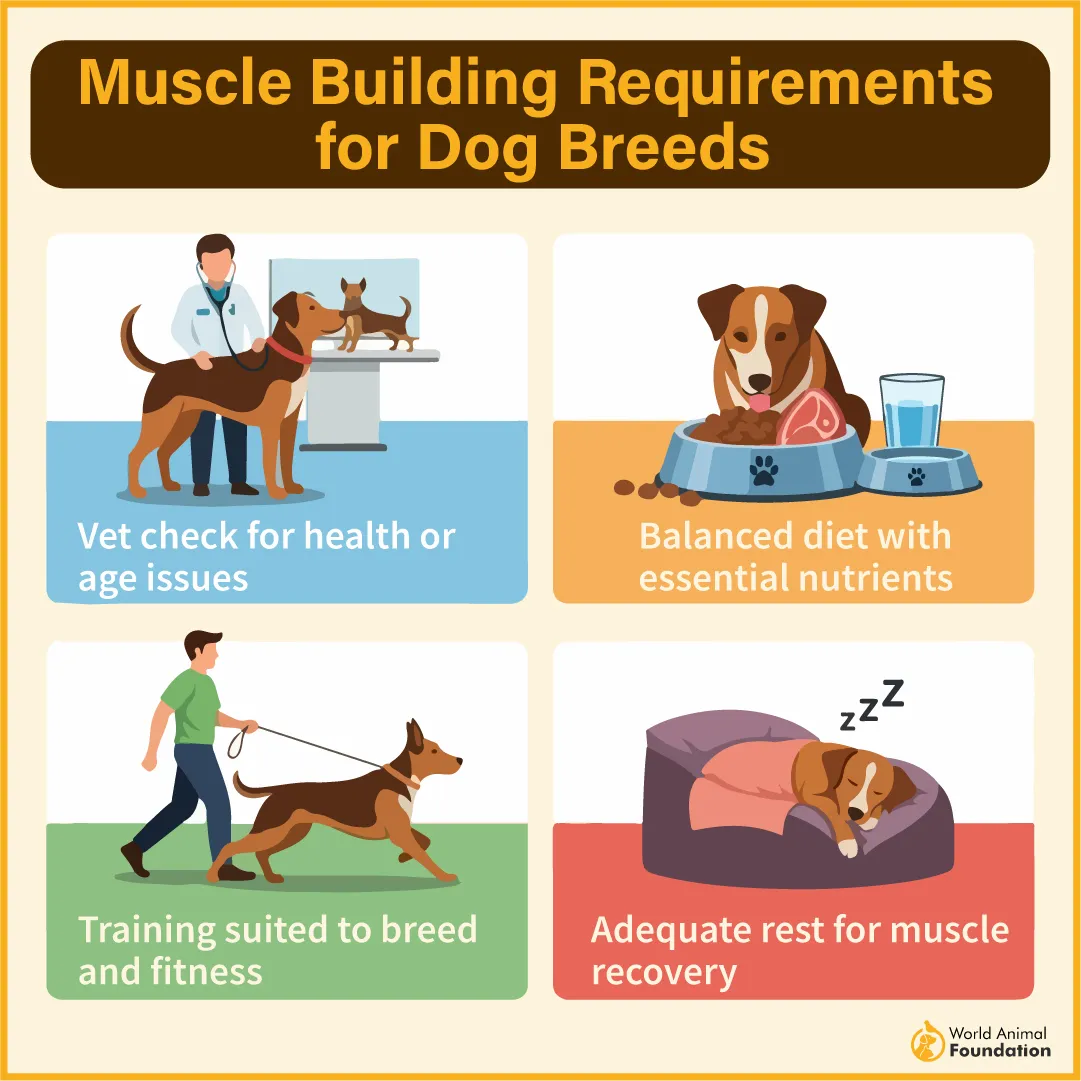
Common coat patterns include gray and white or black and white, often forming distinctive facial markings.
This breed is widely respected for its strength, stamina, and steady pulling ability, making it a valuable partner for demanding labor.
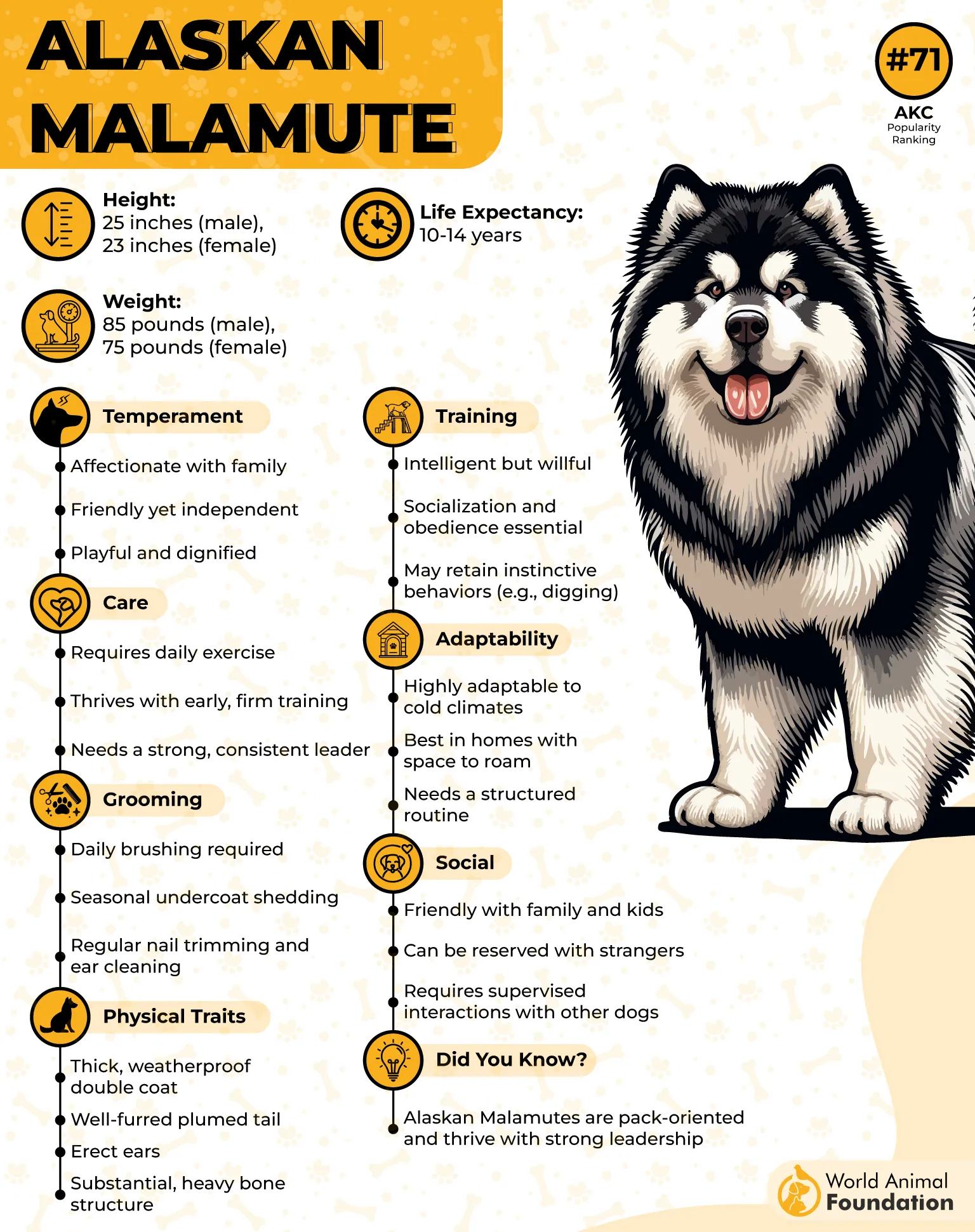
Beyond its physical capabilities, it shows loyalty and a friendly disposition toward people, while maintaining a strong independent streak.
Because it is a pack-oriented dog, it responds best to consistent leadership and structured training. Its natural drive for pulling tasks allows it to excel in sled work, yet its determination and energy require an experienced handler.
When properly managed, it serves as a reliable, hardworking companion suited for physically intensive roles and rugged environments, overall making it highly valued among laborers.
2. Rottweiler
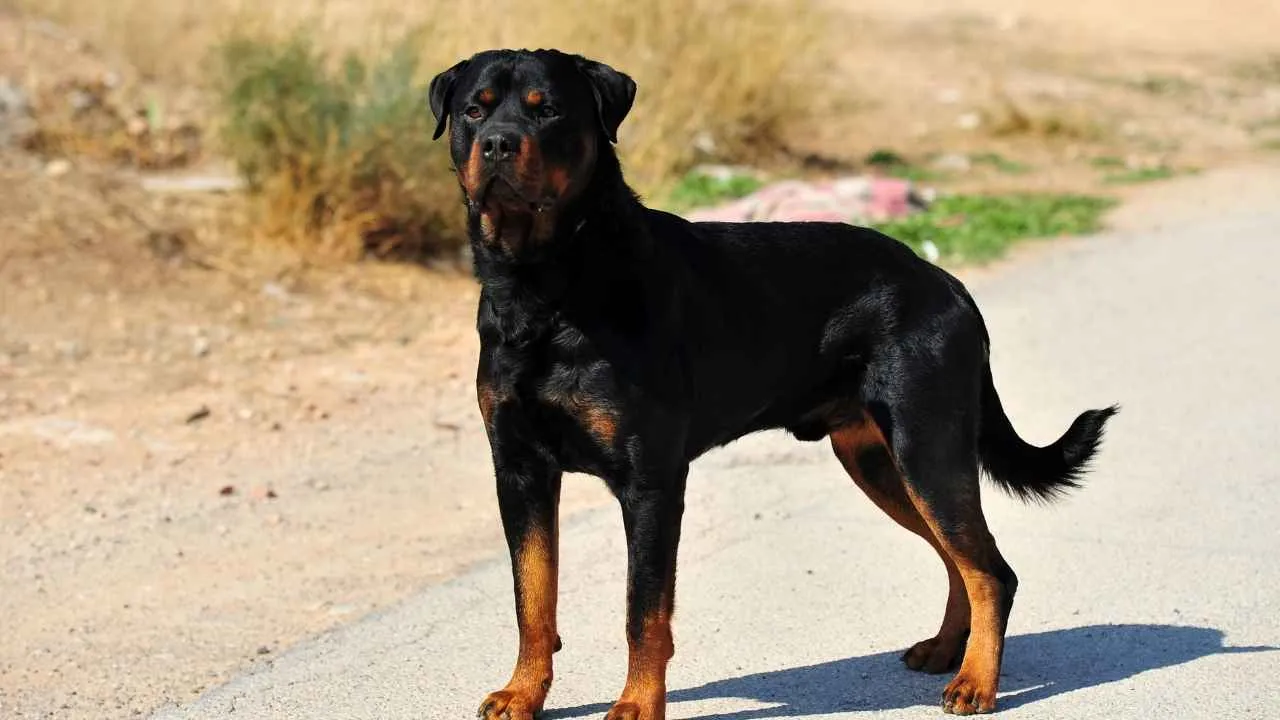
The Rottweiler stands as a powerful working breed, tracing its lineage to the mastiff-type dogs used by Roman legions, and remains admired today for its dense musculature and dependable working ability.
Males typically reach 24 to 27 inches at the shoulder, while females are slightly smaller, both carrying compact frames packed with strength and endurance suited for demanding labor.
Its short, glossy black coat with clearly defined rust markings complements a heavily built body, especially the strong hindquarters that support a steady, efficient trot over long distances.
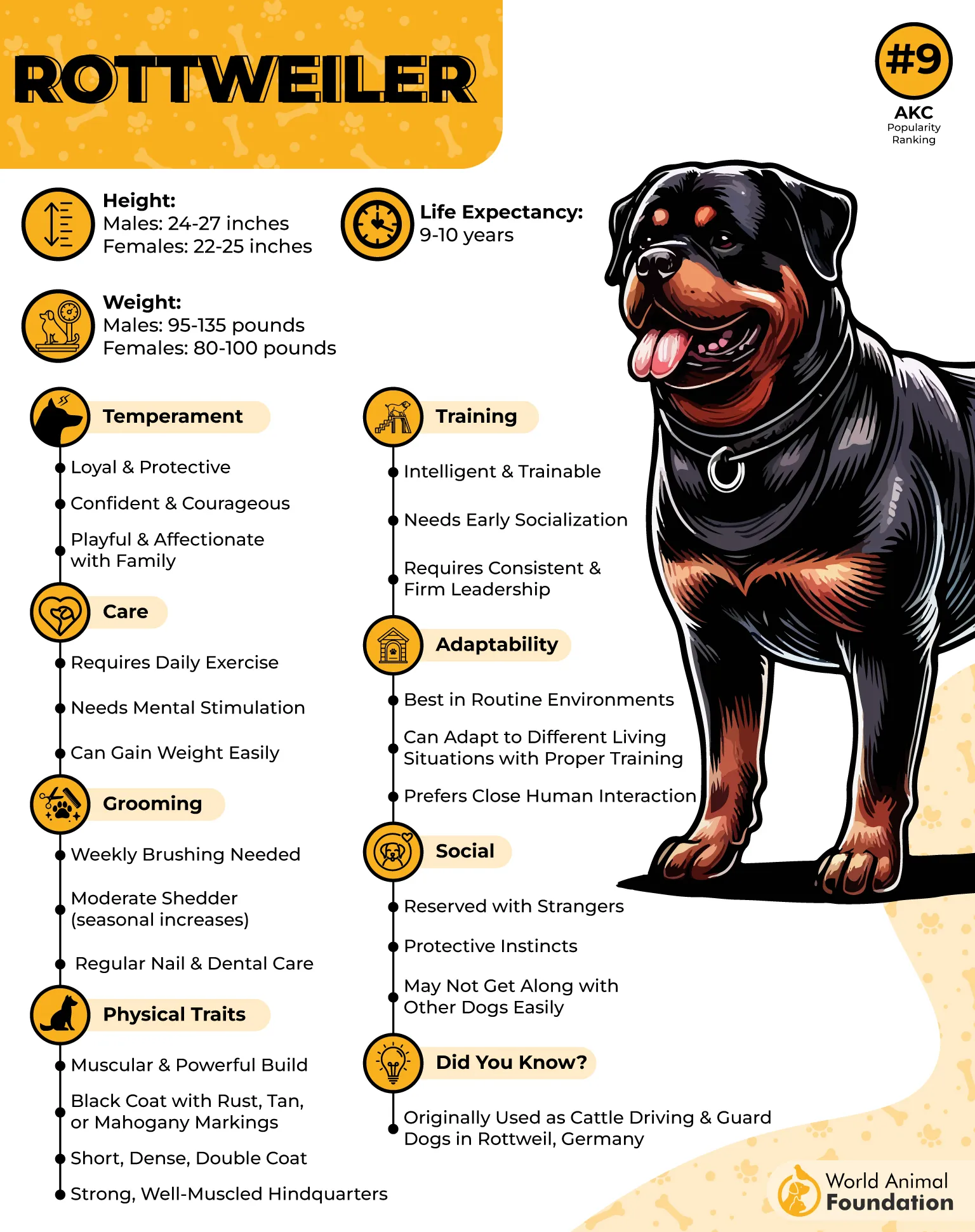
Beyond physical power, the breed is known for a calm, confident temperament when properly raised, showing loyalty to family while maintaining a natural awareness of its surroundings.
While generally affectionate and even playful with trusted handlers, this muscular breed can appear reserved or aloof toward strangers, reflecting its protective instincts.
Early training and consistent socialization are essential to guide these instincts, helping channel the Rottweiler’s strength, focus, and guarding nature into a controlled and productive working companion.
3. Cane Corso
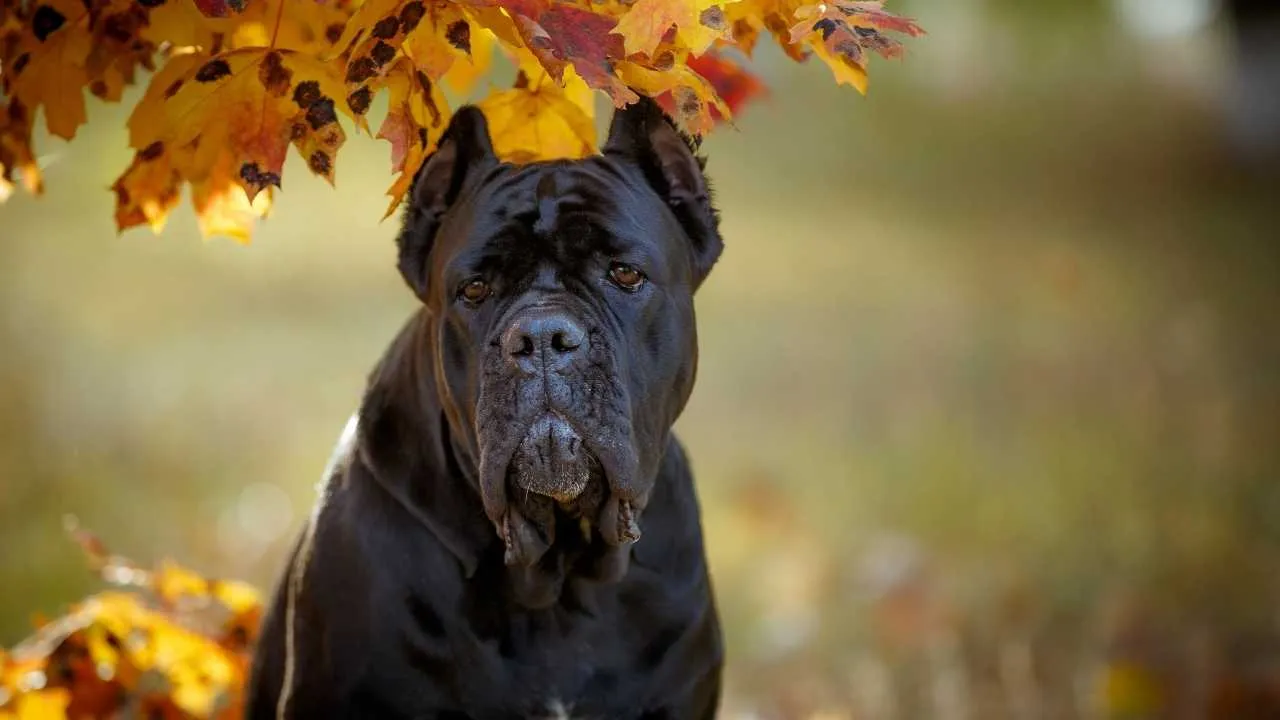
The Cane Corso is a formidable Italian working breed whose very name reflects its historic role as a guardian and protector.
Originating from ancient Roman mastiff-type dogs, it was once used for military and police work where strength, courage, and quick response were essential, including charging alongside soldiers and holding defensive lines.
Following the decline of the Roman Empire, the breed adapted to civilian life, taking on demanding rural duties such as guarding farms, protecting livestock, and assisting in hunting large game like wild boar.
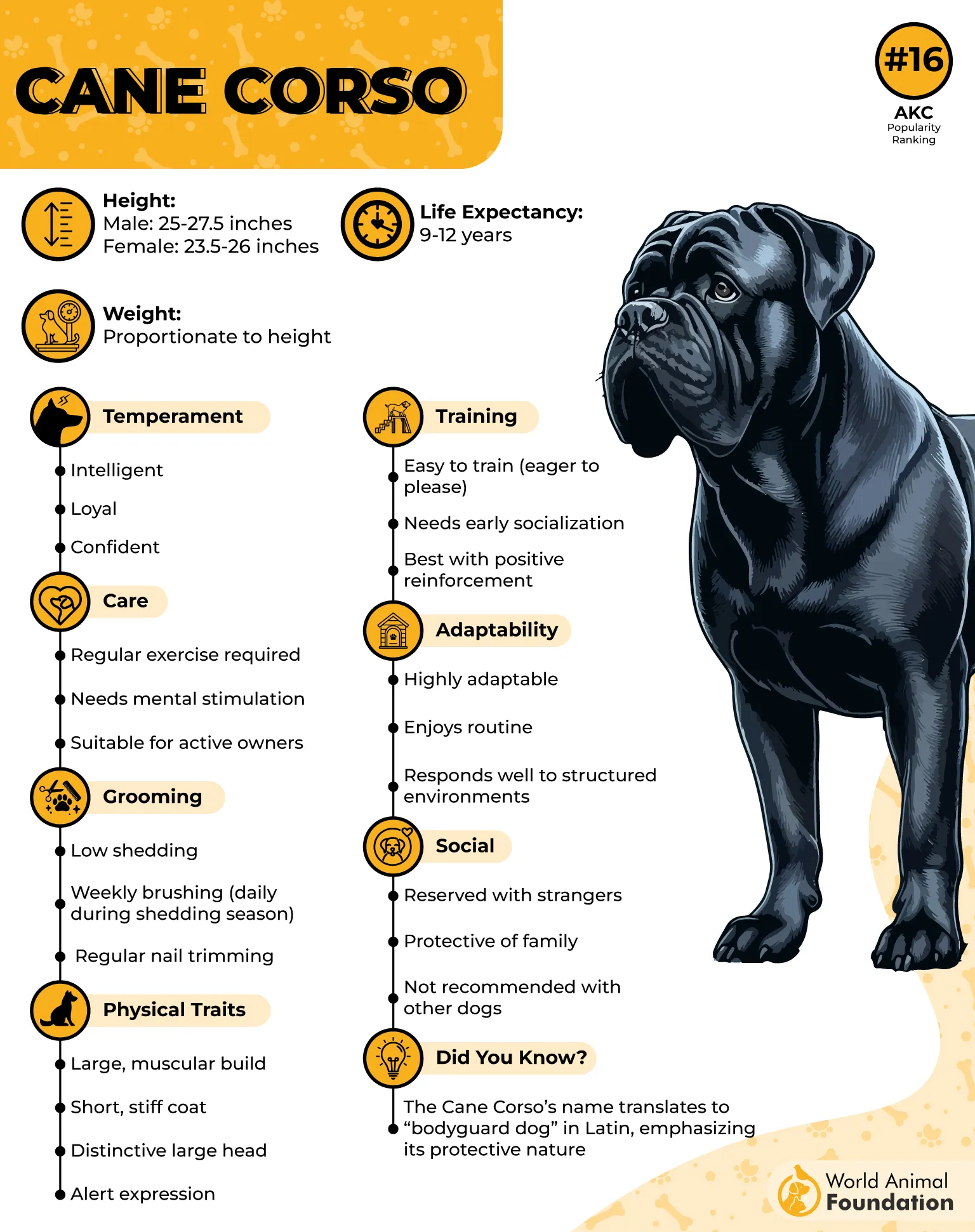
Built with a broad chest, powerful limbs, and a well-defined muscular frame, the Cane Corso is designed for both endurance and explosive strength.
Its short coat and athletic structure allow for agility despite its size, making it highly effective in physically intensive tasks.
Temperament-wise, it is intelligent, alert, and deeply loyal, often forming strong bonds with its handler. However, this farm dog’s protective instincts and dominant tendencies require consistent training and firm leadership.
When properly guided, it becomes a disciplined, hardworking companion well-suited for labor-intensive roles that demand both strength and reliability in challenging environments.
4. Boxer
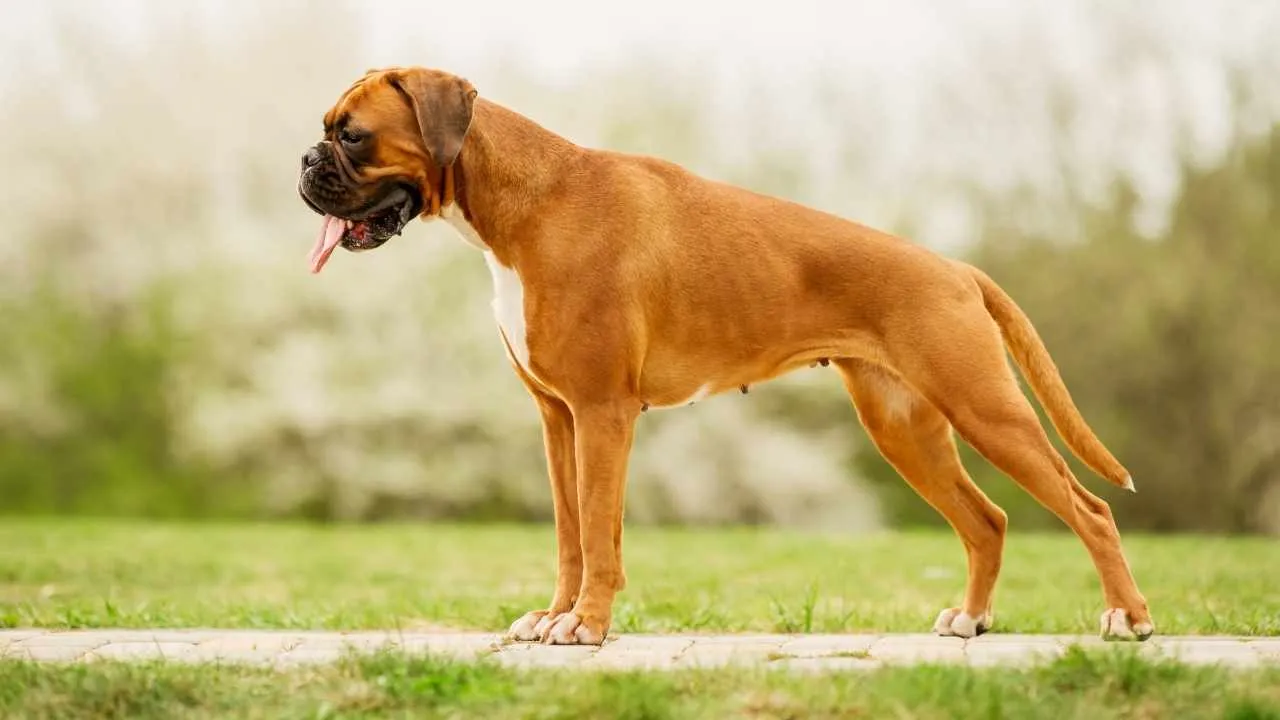
The Boxer is a well-known working breed valued for its athletic build, muscular frame, and versatile capabilities, making it a strong contender among dog breeds suited for labor-intensive roles.
Originally developed in Germany from mastiff-type ancestors, the Boxer has historically been employed in various working capacities, including early use as a police dog and service roles such as guiding individuals with visual impairments, as mentioned by Hill’s Pets.
Its compact yet powerful body, deep chest, and strong hindquarters provide the agility and stamina needed for sustained physical activity, while its short coat allows ease of maintenance in active environments.
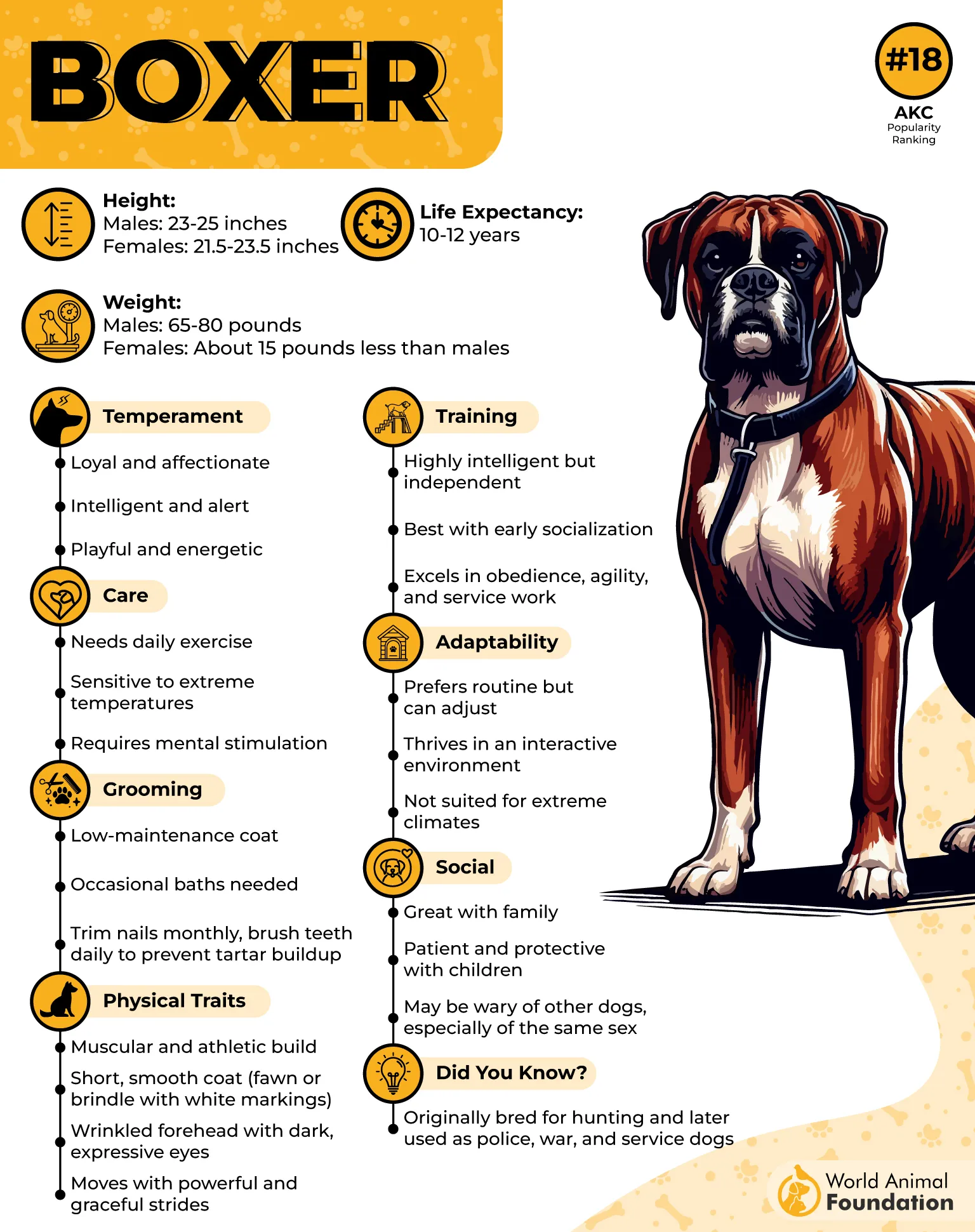
Beyond physical strength, the Boxer is recognized for its intelligence, alertness, and willingness to work alongside humans, traits that contribute to its effectiveness in tasks requiring both endurance and responsiveness.
At the same time, it is known for its loyal and protective nature, forming close bonds with its handler and family.
With proper training and socialization, the Boxer channels its energy and strength into controlled, purposeful work, making it a reliable and dynamic companion for those seeking a muscular and capable working dog overall.
5. German Shepherd
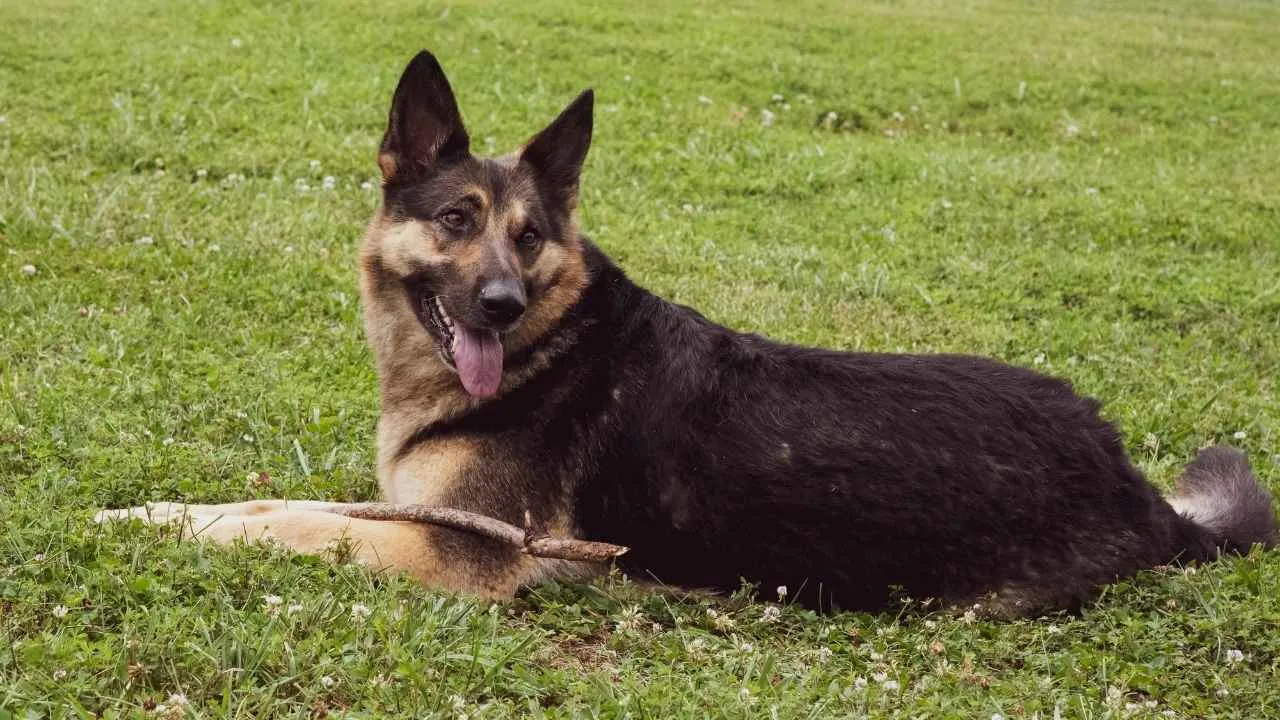
The German Shepherd Dog is widely regarded as one of the most versatile and dependable working breeds, combining muscular strength with intelligence and unwavering focus—qualities highly valued by laborers seeking a capable physical partner.
This large, agile dog typically stands up to 26 inches at the shoulder and presents a well-proportioned, athletic frame designed for endurance, speed, and efficiency.
Its smooth, ground-covering trot allows it to work for extended periods, whether in demanding field conditions or structured tasks requiring coordination and stamina.
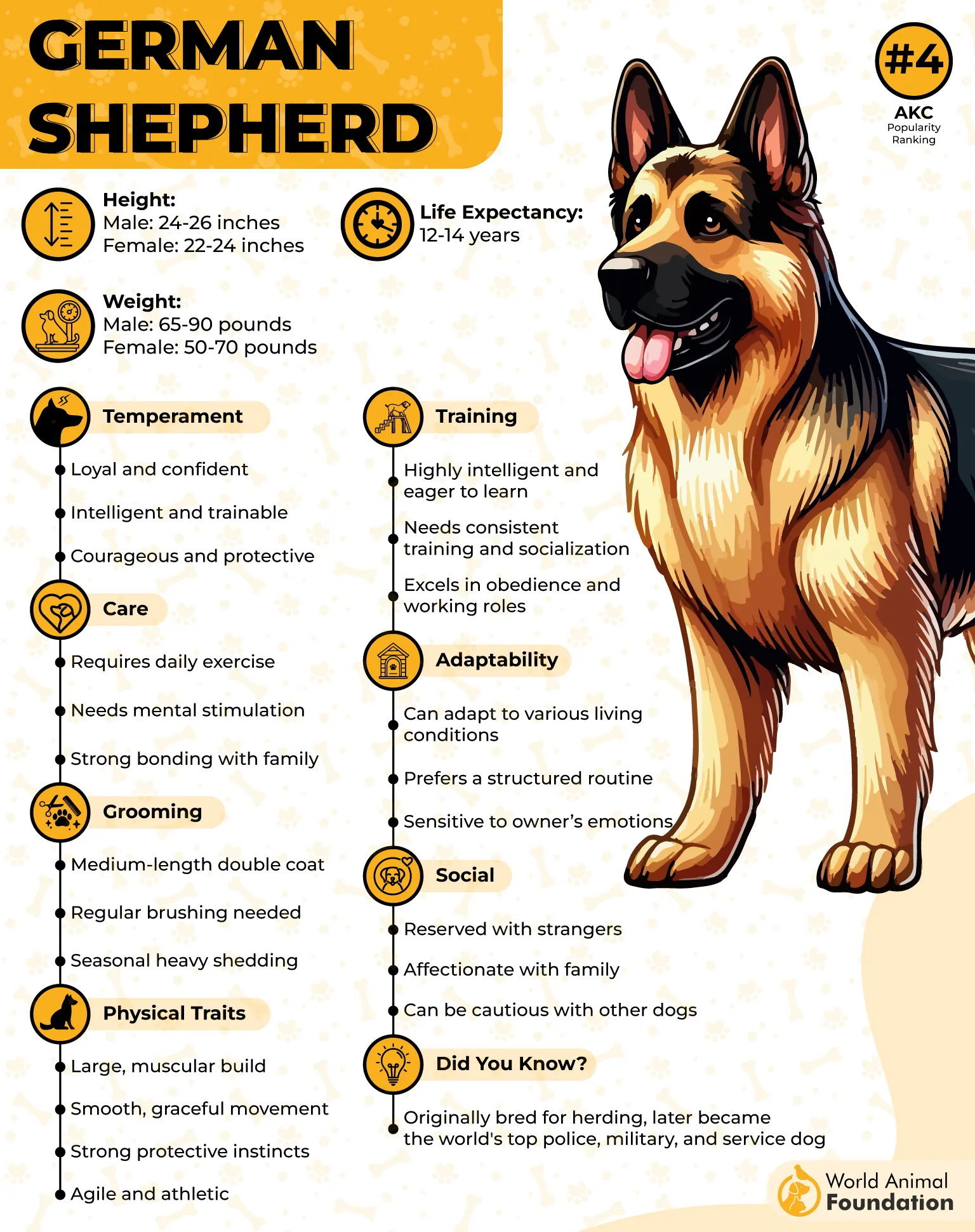
Known for its noble character, the German Shepherd exhibits loyalty, confidence, courage, and a strong willingness to learn, making it highly trainable for a wide range of labor-oriented roles.
Historically used as a police dog, a search and rescue dog, and for protection duties, it demonstrates both physical capability and mental sharpness.
While generally affectionate and devoted to its handler, it may show a natural reserve toward strangers, reflecting its protective instincts.
With proper training and consistent guidance, the breed channels its strength and intelligence into disciplined, purposeful work, making it a reliable and powerful companion for demanding environments and physically intensive responsibilities overall consistently.
6. Anatolian Shepherd
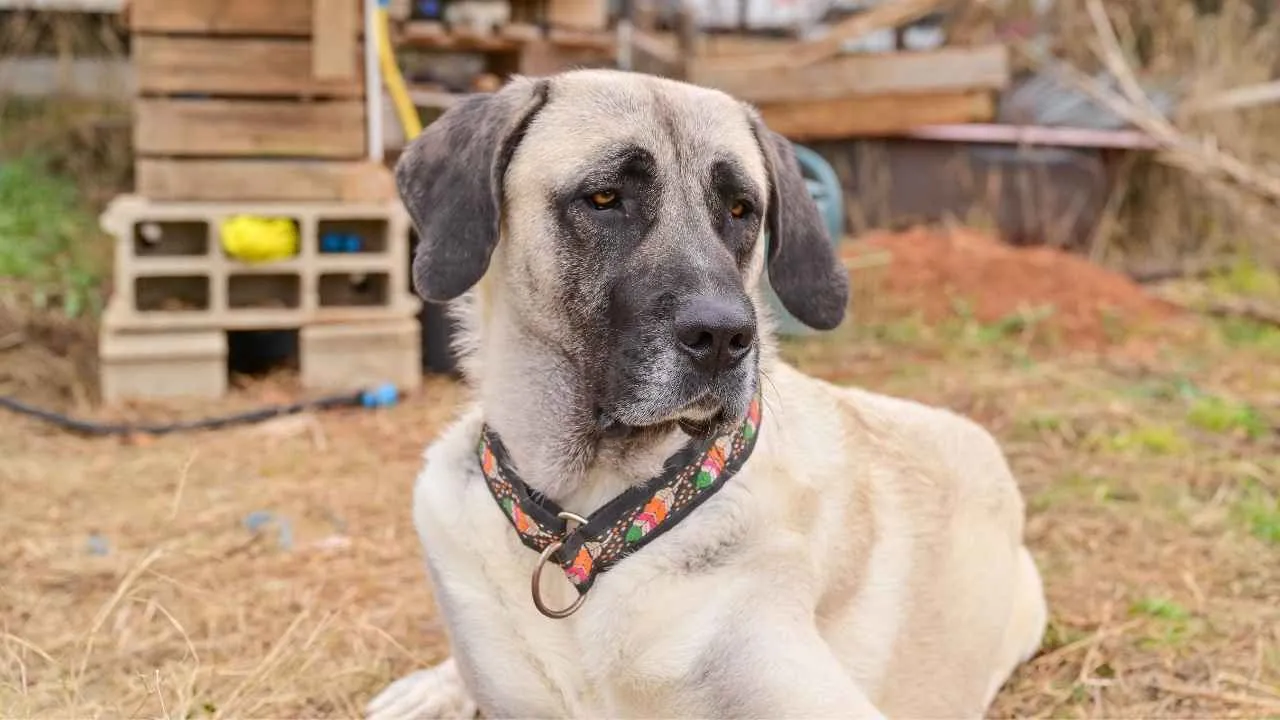
The Anatolian Shepherd Dog is a rugged and powerful livestock guard dog breed, developed over thousands of years to protect herds in the harsh landscapes of its native region, as noted by the AKC.
Known for its imposing presence and well-muscled frame, this breed typically stands between 27 and 29 inches tall and can reach substantial weights, giving it the physical strength needed to deter predators and handle demanding outdoor conditions.
Despite its size and power, the Anatolian Shepherd moves with surprising agility and efficiency, allowing it to patrol large areas with endurance and consistency.
Its origins trace back to some of the oldest known domestic canine lineages, contributing to its instinct-driven behavior and self-reliant nature.
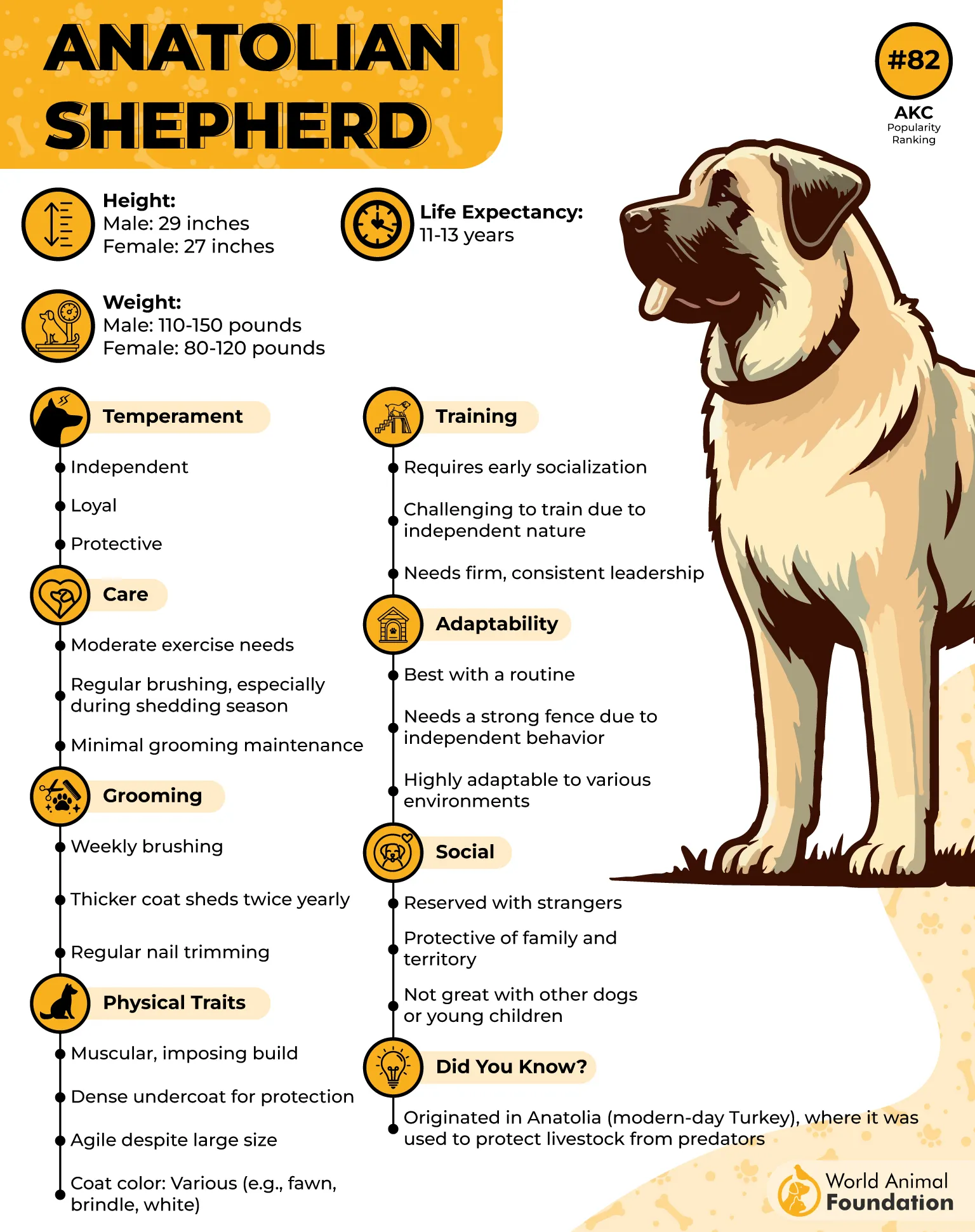
Temperament-wise, it is intelligent, patient, and deeply loyal, yet highly territorial and naturally protective of those under its care.
This independence requires experienced handling and clear leadership, as the breed is accustomed to making decisions while guarding livestock.
When properly managed, the Anatolian Shepherd becomes a steadfast working companion, combining strength, vigilance, and resilience—traits that make it especially valuable for laborers seeking a durable and capable guardian in demanding environments overall consistently.
7. Dogo Argentino
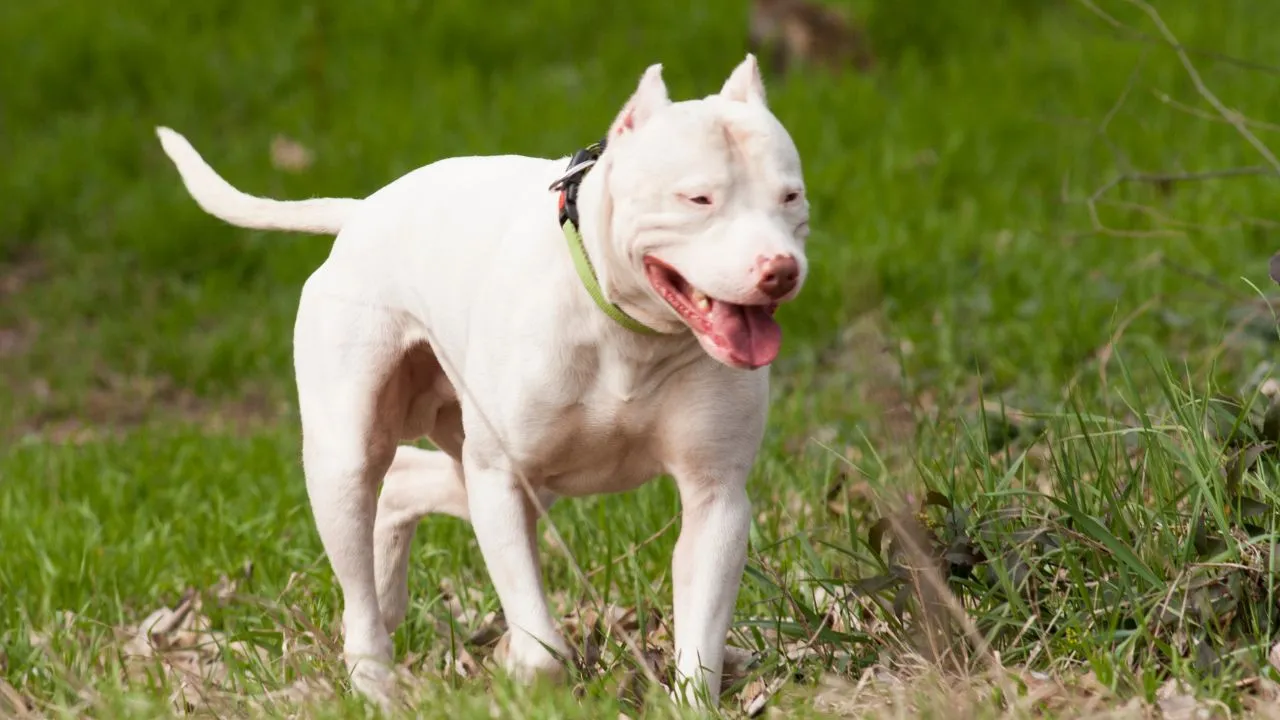
The Dogo Argentino is a powerful working breed developed in Argentina during the 1920s specifically for big-game hunting in packs, reflecting both strength and determination in physically demanding environments.
Created by Antonio and Agustín Nores Martinez through selective breeding that included the now-extinct Old Córdoba Fighting Dog, this breed was engineered for endurance, courage, and the ability to track and confront large prey.
Its appearance is marked by a short, sleek white coat, often accompanied by a dark eye patch, and a heavily muscled, athletic build that supports speed and explosive power.
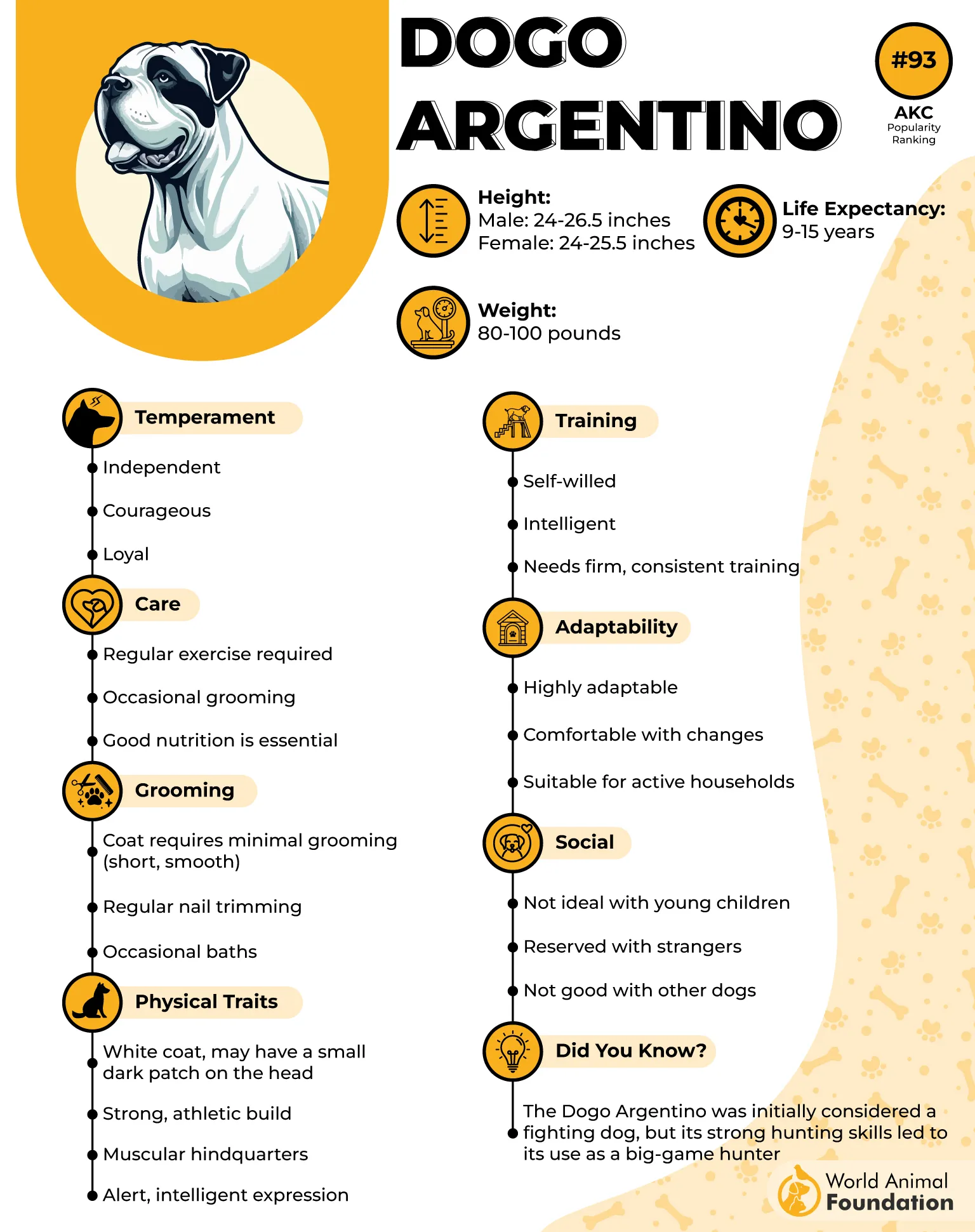
Built for action rather than ornamentation, the Dogo Argentino demonstrates remarkable stamina and resilience, making it suitable for labor-oriented roles that require sustained physical effort.
Temperament-wise, it is confident, alert, and highly protective, with strong guarding instincts that demand proper training and experienced handling.
Dogos are banned or illegal to own in several countries because of their potentially dangerous temperament and their historical reputation as fighting and big-game hunting dogs.
While loyal to its handler and capable of forming close bonds, it may show assertiveness toward unfamiliar animals or people.
With consistent leadership and structured guidance, the Dogo Argentino becomes a disciplined and capable working companion, well-suited for demanding tasks that require strength, focus, and reliability overall consistently.
Conclusion
Across demanding environments, muscular working dogs have proven themselves as reliable partners for tasks that require strength, endurance, and discipline.
Their development through generations of selective breeding has prioritized physical capability, resilience, and a strong work ethic rather than appearance alone.
When properly trained and guided, these dogs can assist in a wide range of labor-intensive roles, from guarding and herding to pulling and protection duties.
For laborers, choosing a well-suited working dog means gaining not just power, but also loyalty, focus, and a long-term companion capable of performing consistently in challenging conditions.
