




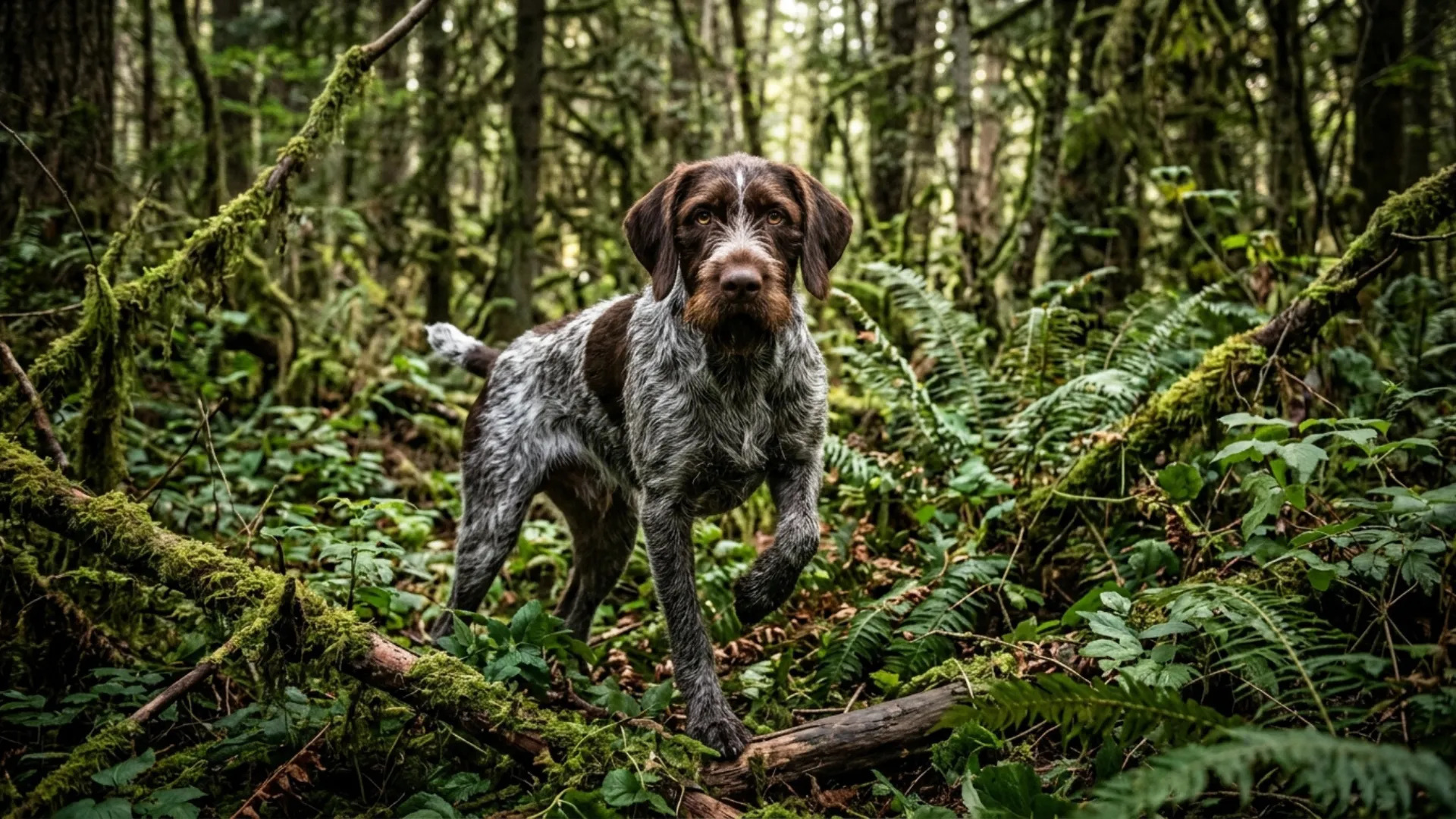
Step into a dense forest with a dog by your side, and the rules of hunting change fast. A hunting dog’s nose is thought to be thousands of times more sensitive than a human’s, and in still forest air, that scenting power decides everything before you ever spot the game.
Not every hunting breed handles these diverse terrains equally well. Some dogs were bred to flush birds across open fields; others were shaped by generations of forest hunts pursuing wild animals like bear, boar, and moose.
Picking the right dog breeds for this kind of forest hunting comes down to more than raw desire to hunt; it’s about nose, coat, and voice all working together outdoors. Ready to find the one built for your hunting tasks? Let’s get into it.
Top Dog Breeds for Hunting in Dense Forest Environments
1. Plott Hound
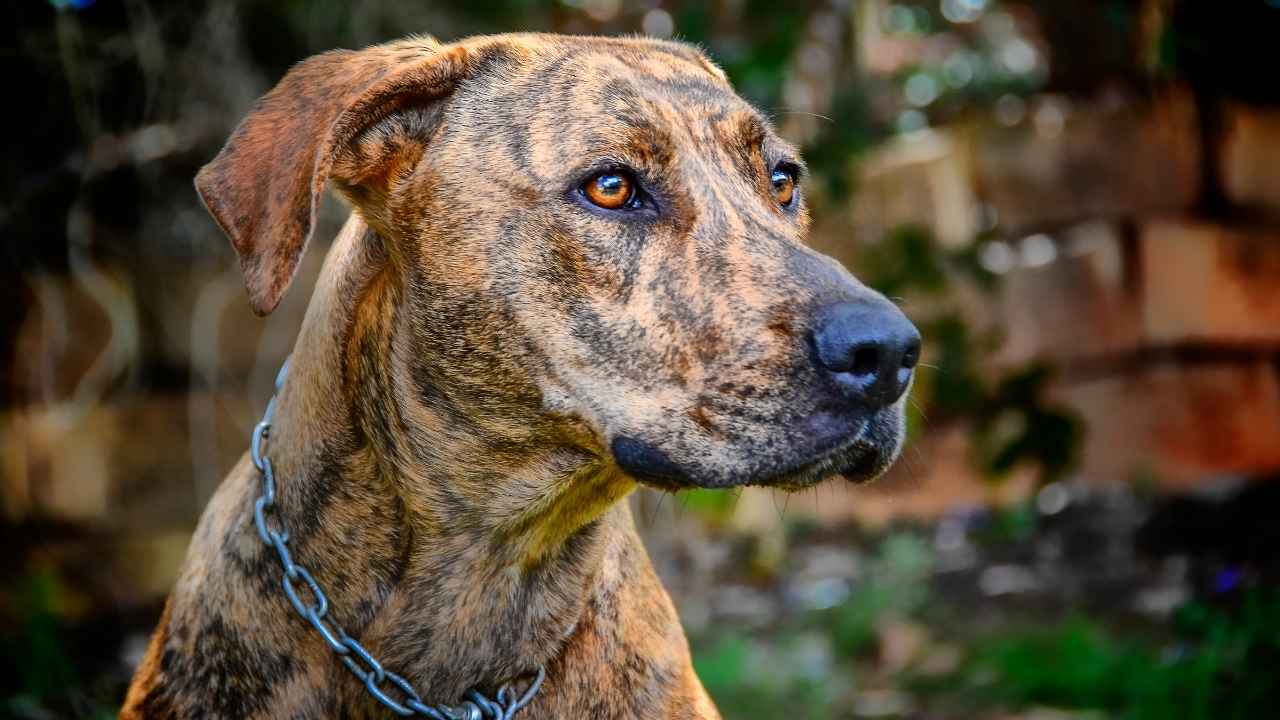
A Plott Hound does not need a clear sightline to work; its deep, ringing bay carries through thick timber so a hunter can follow by ear alone. Johannes Plott bred the line in the 1750s to run bear and boar through Appalachian backcountry, not open pasture. That grit still shows in every brindle coat today.
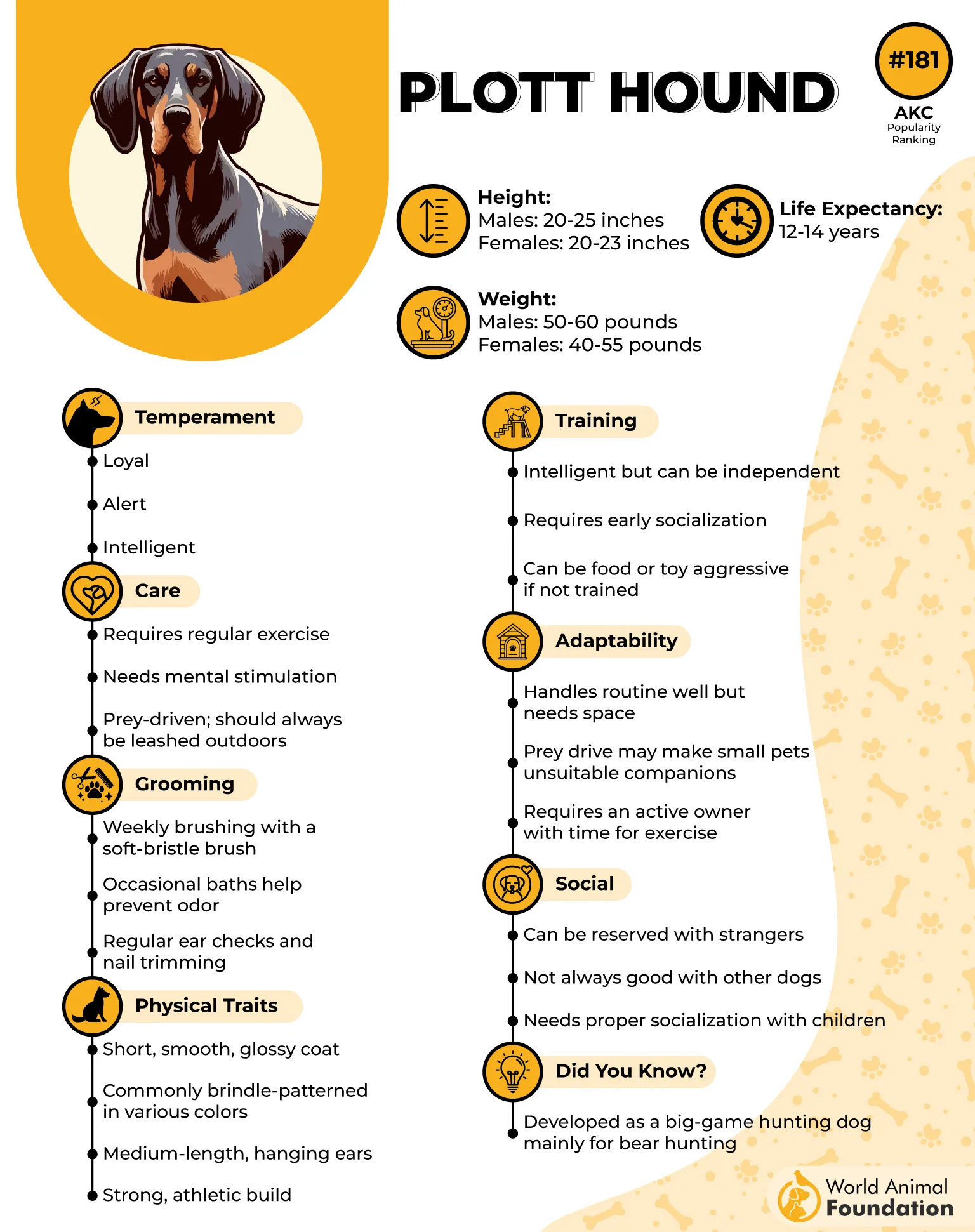
This exceptional hunter hound was built for big, dangerous game hiding in dense cover. Bear and wild boar remain its calling card, alongside raccoon and bobcat on modern trails.
Nose: Keen scenting picks up cold trails buried in leaf litter and brush.
Coat: Short, tight brindle coat sheds briars without snagging.
Drive: Relentless stamina keeps it pursuing quarry over rough, uneven ground.
At home, this fierce hunter turns into a mellow, affectionate companion, and that switch surprises first-time owners. Daily exercise and firm training keep a Plott out of trouble. According to PetMD, the breed lives 12 to 14 years and mainly deals with ear infections and hip dysplasia.
2. Treeing Walker Coonhound
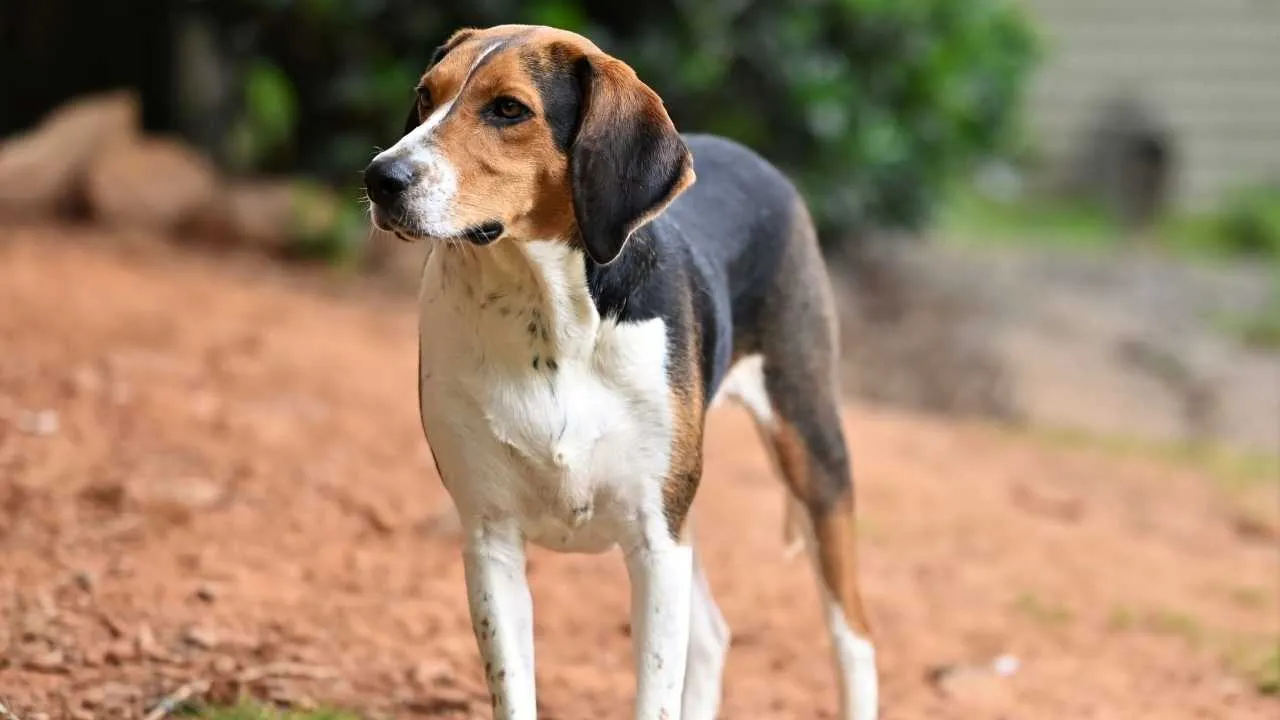
Forget silent stalking. The Treeing Walker Coonhound hunts loud, and that is exactly the point in a forest where you cannot see your dog. Breeders John Walker and George Maupin refined the line from foxhound stock in 1800s Kentucky, building a hound made to run hard and be heard for miles.
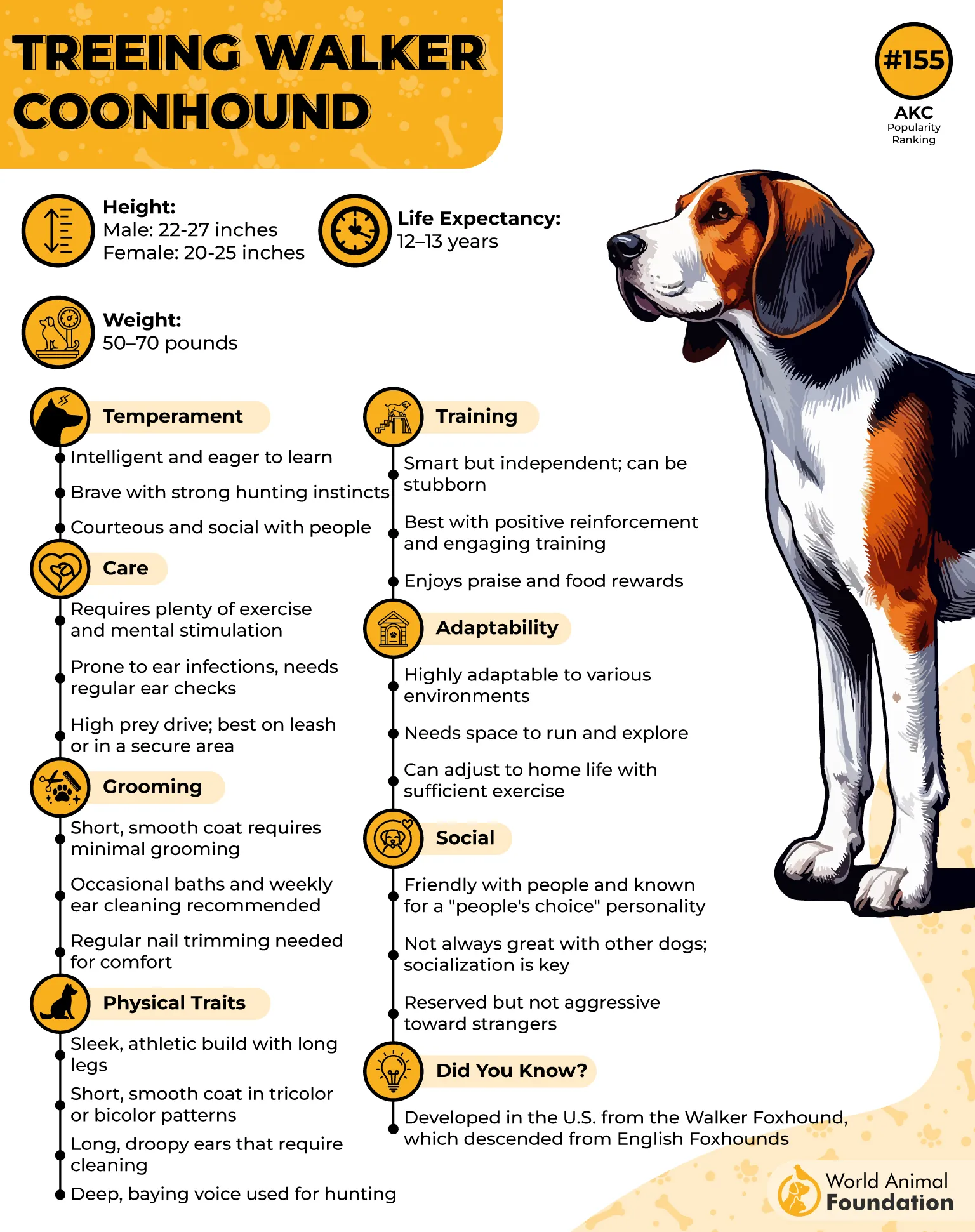
Raccoon is the classic quarry here, though this highly social dog also handles squirrel, bobcat, and bear when the trail demands it.
Voice: Bugle-like bay while trailing, switching to a sharp chop once treed.
Nose: Hot-nosed instinct favors fresh scent over stale trails, saving time.
Speed: Long legs and a lean build cover ground fast through brush and timber.
Treeing Walkers are friendly, confident, and easy around kids once their energy gets an outlet. Training goes smoothly with hunters who keep sessions short and rewarding. Per the AKC, this coonhound thrives in active, working homes rather than apartments.
3. German Wirehaired Pointer
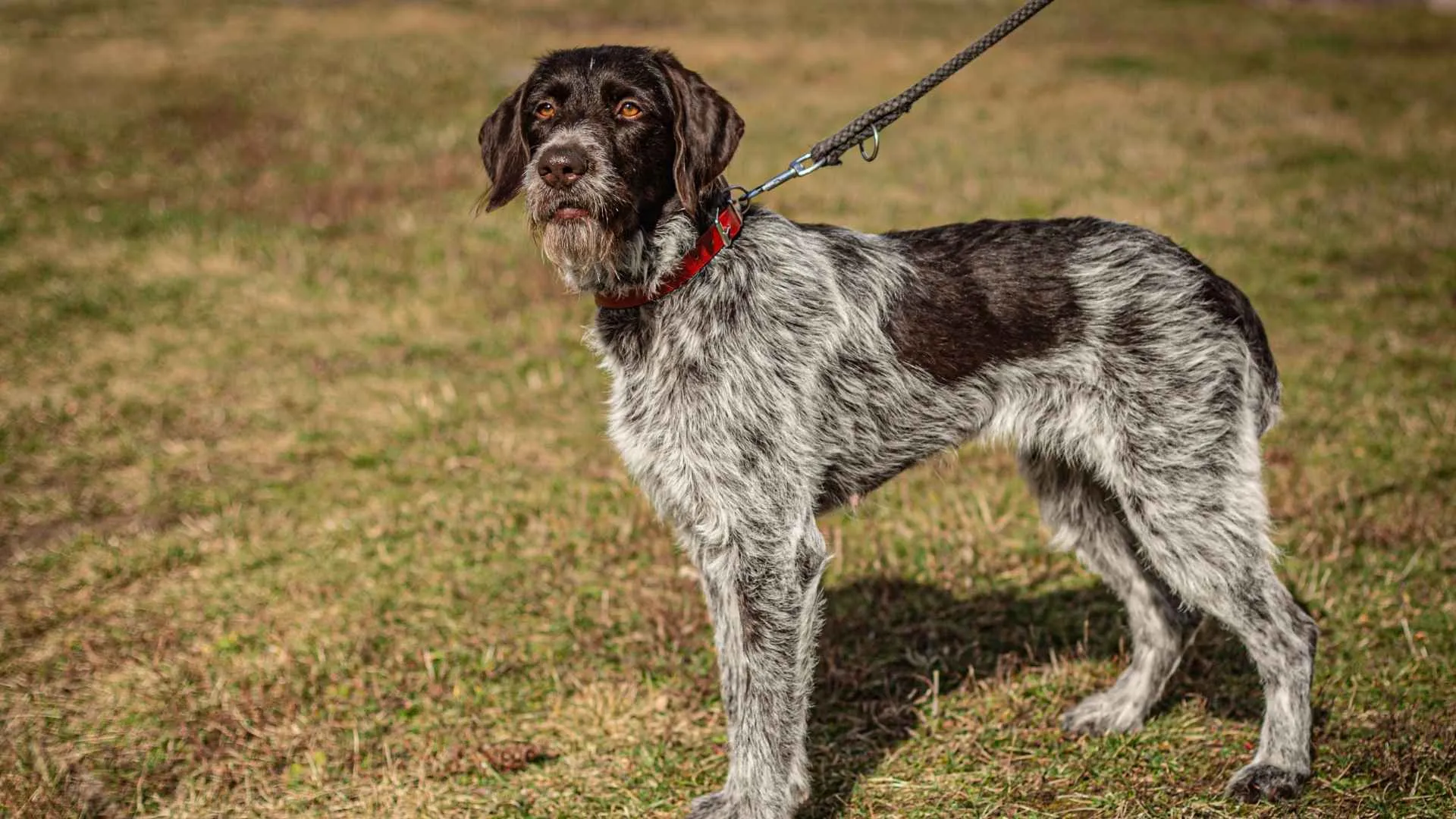
A German Wirehaired Pointer treats dense cover like a challenge, not an obstacle, thanks to a coat built to shrug off thorns. German hunters developed the breed in the late 1800s by crossing several pointing lines for one goal: a dog tough enough for any terrain. Forest, field, or water, it was made to handle all of it.
Upland birds and waterfowl are its main pursuits, and it dispatches fur game with the same ease.
Coat: Wiry double coat resists water and blocks sticktights and briars.
Agility: Lean, muscular build moves fast through heavy brush without losing balance.
Versatility: Points, tracks, and retrieves on land or in water without missing a beat.
This dog is affectionate at home and eager in the field, though it can fixate on one favorite person if raised alone. Consistent training channels that drive productively. Orvis notes the breed’s webbed feet and water-resistant coat make it an excellent swimmer too.
4. Karelian Bear Dog
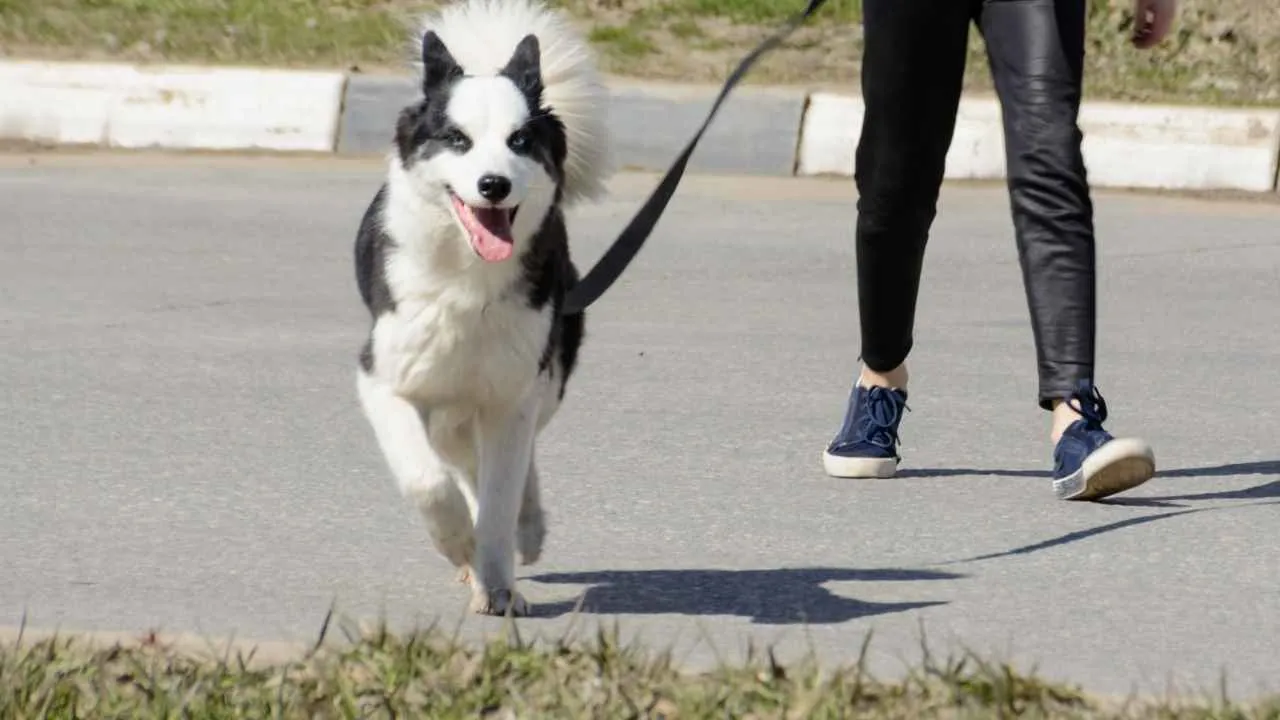
The Karelian Bear Dog does not bark just to hear itself; it stays quiet on the trail and only sounds off once big game is cornered. Finnish and Russian hunters shaped the breed from the Komi dog starting in the 1930s. That discipline makes it a real asset in forests thick enough to swallow sound.
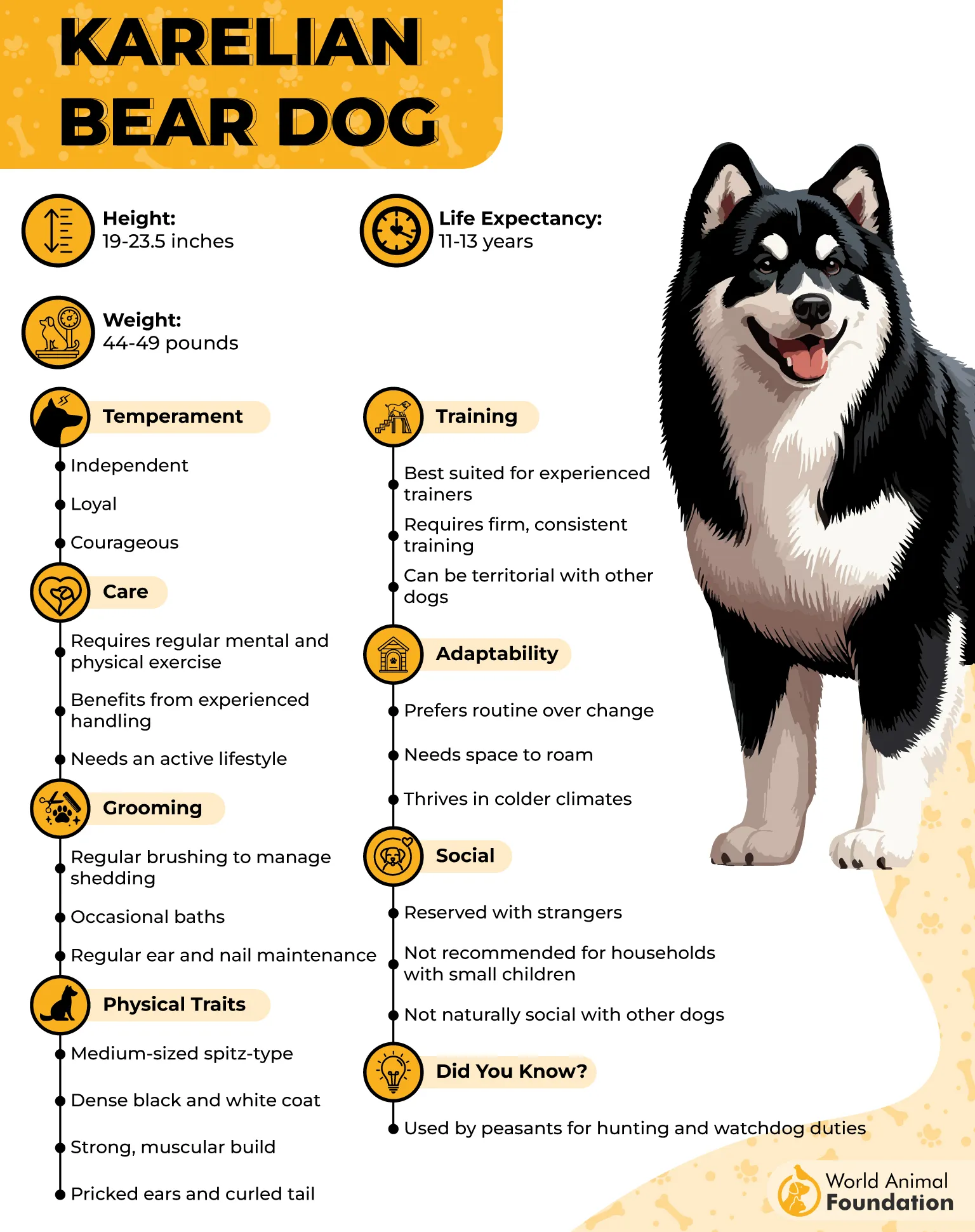
Bear, moose, and wild boar top its resume, and lynx and wolf are not off the table either.
Bark control: Silent tracking, vocal only once game is held or treed.
Courage: Fearless nature lets it close in on animals many dogs avoid.
Senses: Sharp nose locks onto large game across long, cold-weather distances.
This is not a laid-back couch companion; it is independent, bold, and best suited to experienced handlers. Early socialization matters more here than with most breeds. Cold, northern climates suit it best, echoing the forests it was built to work.
5. Norwegian Elkhound
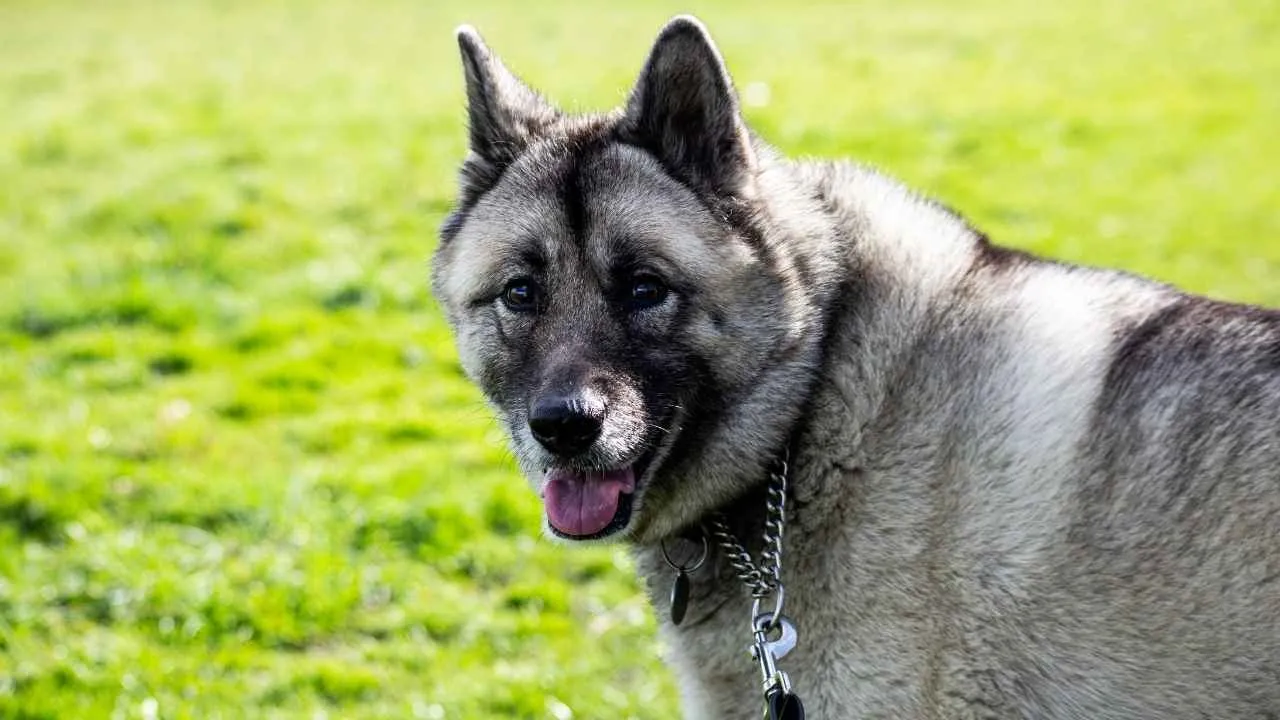
Snow and shadow do not slow a Norwegian Elkhound down. Its thick double coat and steady bark were built for tracking moose across brutal Scandinavian terrain. The breed dates back to Viking times, when it hunted and guarded alongside Norse settlers.
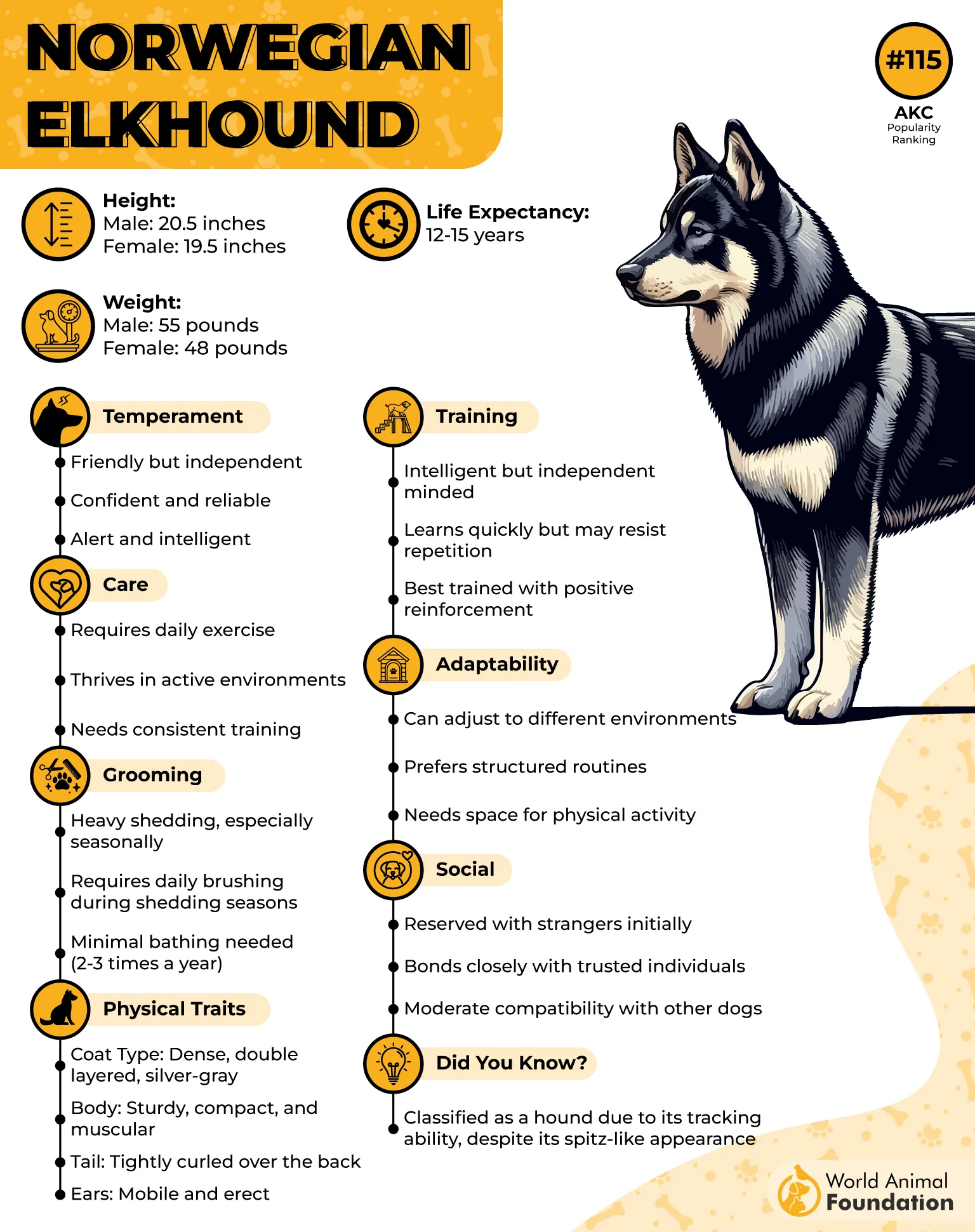
Moose and elk are the traditional quarry, with bear and wolf also on record.
Stamina: Strong legs trail moose for miles across rough, snow-heavy ground.
Bark: Loud, persistent barking holds game at bay until the hunter arrives.
Coat: Dense double coat insulates through cold, wet forest conditions.
Elkhounds are loyal and playful but famously independent, so training rewards patience over pressure. They do best in cooler climates where they can romp outdoors often. Hill’s Pet notes this breed’s territorial streak makes it a natural watchdog too.
6. West Siberian Laika
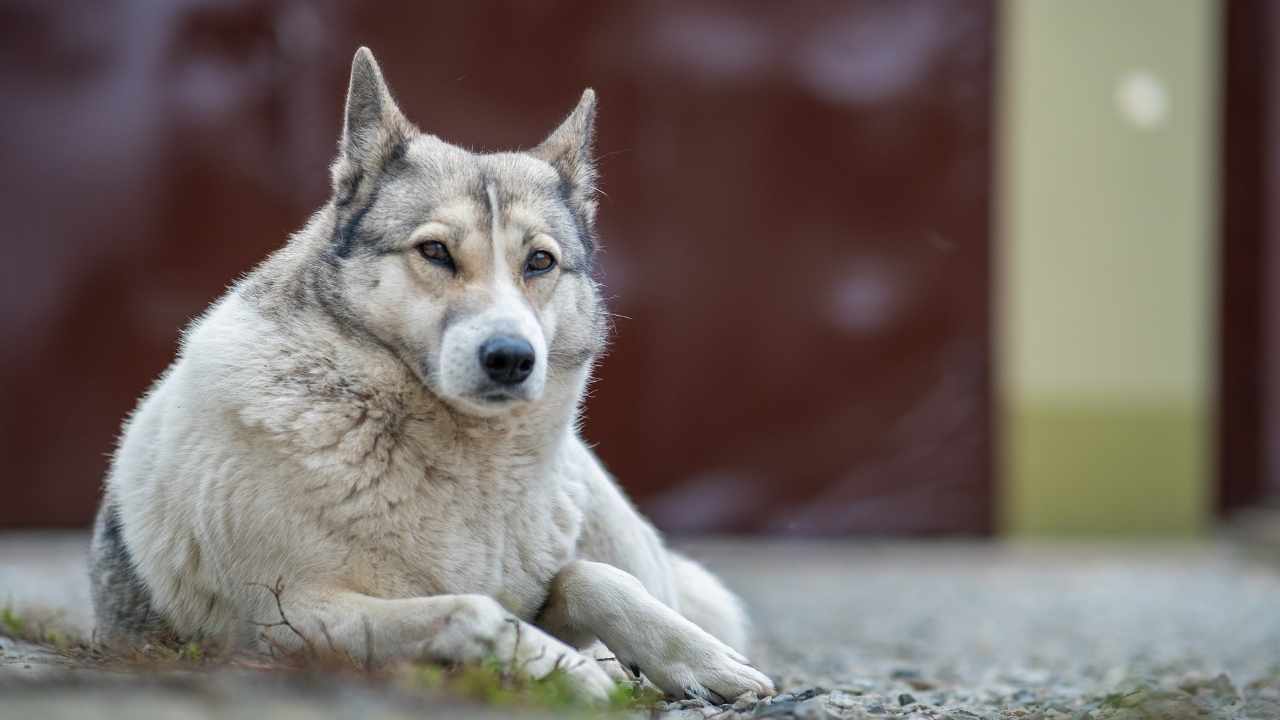
A West Siberian Laika hunts on mute until the moment it matters, running silent on the ground and only giving voice once quarry is treed. The breed grew out of dogs kept by the Khanty and Mansi peoples of the Ural region. Soviet-era breeding programs later gave it the standardized form seen today.
Squirrel and sable built its reputation, though moose and bear round out its range.
Bark style: Silent ground chase, vocal only once game is cornered up a tree.
Coat: Dense double coat handles taiga winters and heavy brush alike
Endurance: Covers long distances efficiently while scenting game across cold terrain.
This is a stubborn, independent dog that needs constant socialization and a job to do. Apartment living rarely suits it well. CKC USA notes the West Siberian Laika remains the most popular Laika breed in Russia today.
7. Wirehaired Pointing Griffon
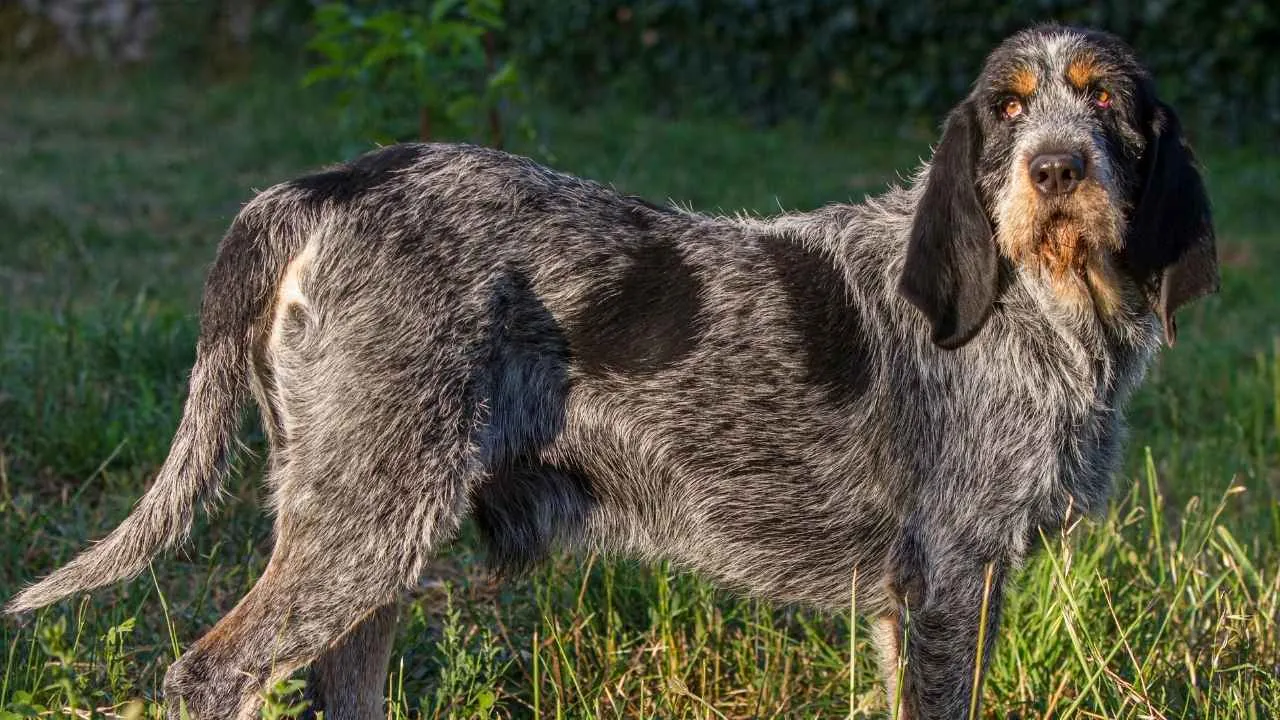
A Wirehaired Pointing Griffon shrugs off bramble that would stop a lesser gundog cold, and its whole design traces back to one man’s obsession. Dutch hunter Eduard Korthals spent decades in the late 1800s crossing pointers and spaniels to build the perfect all-terrain hunter. The result earned the nickname supreme gundog for good reason.
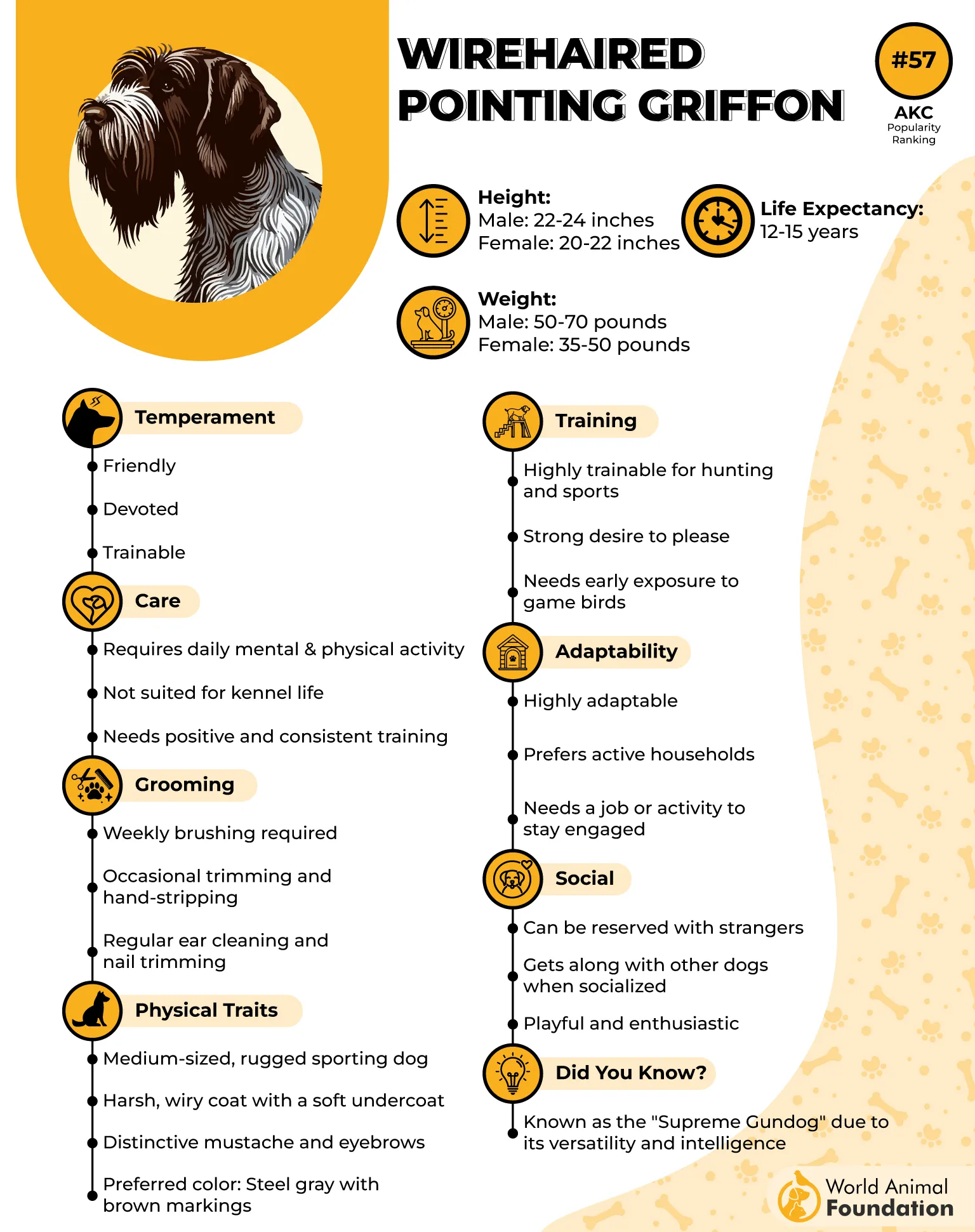
Upland birds are its bread and butter, and it retrieves waterfowl with equal enthusiasm.
Coat: Wiry outer coat with dense undercoat guards against thorns and cold water.
Beard and brows: Facial furnishings shield eyes and muzzle from thick brush.
Pace: Works close to the hunter, ideal for foot hunters in tight cover.
Griffons are famously mellow for a hunting breed, making them easy around families as well as game trails. Their eager-to-please streak makes training straightforward for most handlers. Cooler, wooded climates let this dog’s dense coat do exactly what it was built for.
Conclusion
Dense forest hunting rewards specialized traits over general versatility, and that’s the real takeaway here. A Hound built to bay through timber, a Laika bred to run silent, or a Wirehaired Gun dog armored for brush all beat a generalist when the cover gets thick.
The best breed for you comes down to your terrain, your game, and how loud you want your hunting companion to be. Match the dog to the job first, then let the adventure outdoors do the rest.
