




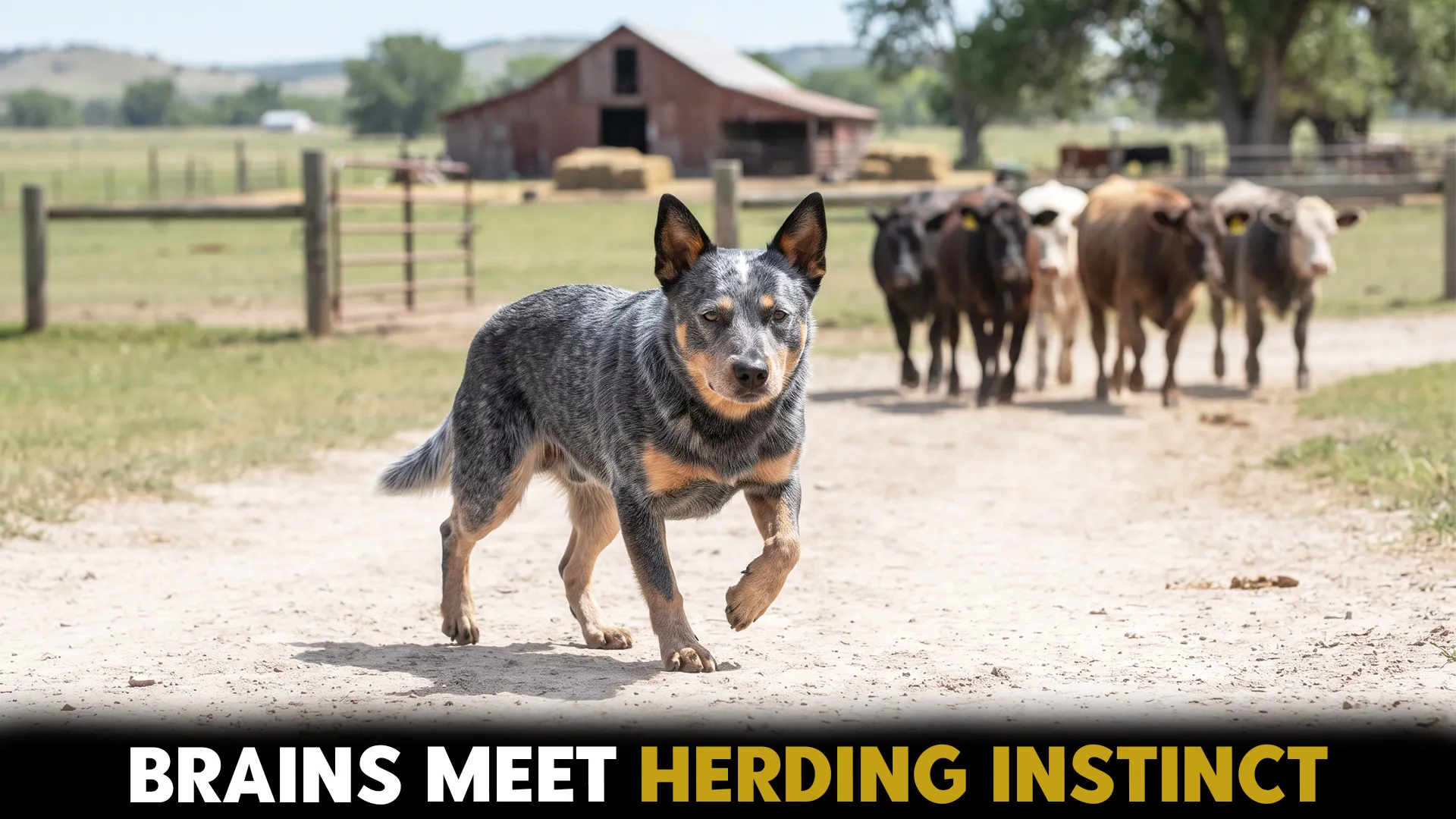
Herding dogs were bred for so much more than simply trailing livestock across a field. Their work has historically involved driving animals from place to place, rounding them up, keeping them in line, protecting them from danger, or gathering strays back to the group.
That kind of work shaped some very specific canine traits over time. A good herding dog needs sharp eyes that catch rapid movement, along with the ability to follow instructions while still making quick decisions on its own. Some breeds are built to work in close proximity to their handlers, while others are expected to cover ground more independently and manage animals with minimal direction.
These days, owners can channel those same herding instincts through activities like herding trials, obedience, agility, and other dog sports. Plenty of herding breeds also put those natural instincts to good use right at home.
The 10 breeds below show just how much variety exists within the world of herding dogs, each shaped by a different style of herding work.
Top Dog Breeds for Herding Enthusiasts
1. Australian Shepherd
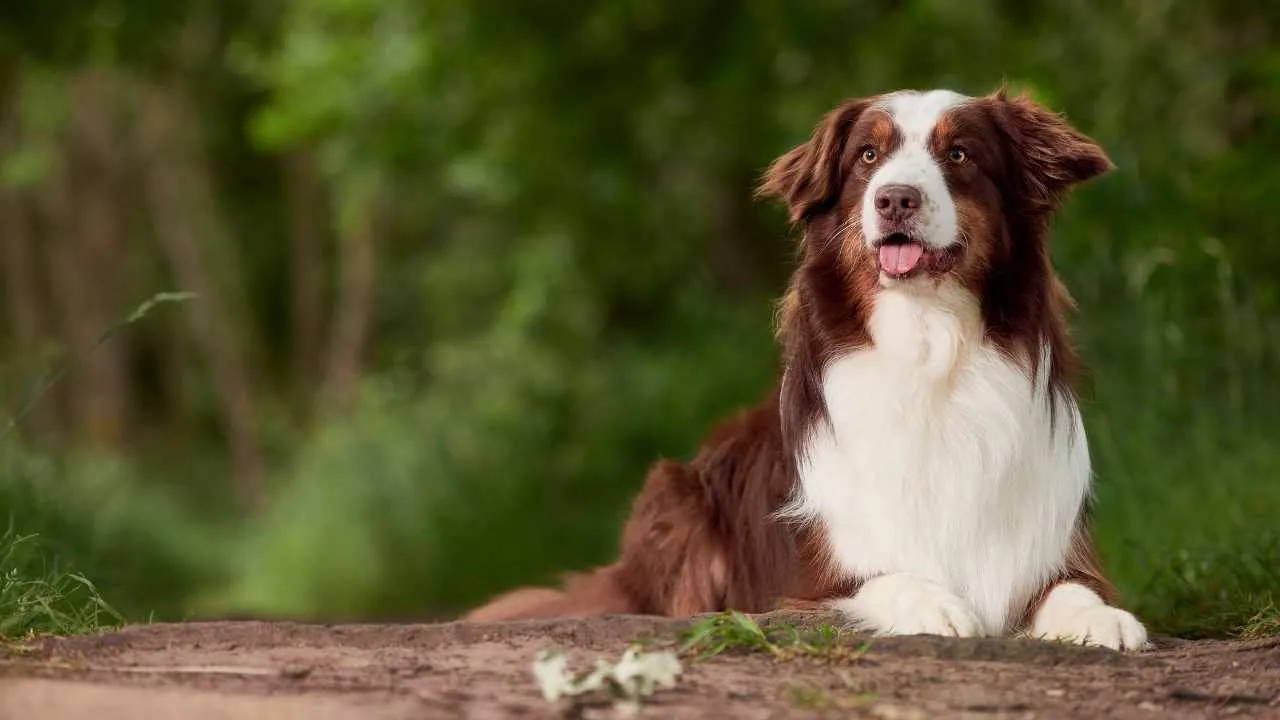
The Australian Shepherd is deeply woven into ranch life. Despite the name, this breed didn’t originate in Europe at all; it was actually developed in the United States, where it quickly became a valuable asset on ranches.
Their versatility is exactly what makes them such a favorite among herders. Aussies work smoothly with livestock and easily adjust their approach to fit changing conditions on working farms and ranches.
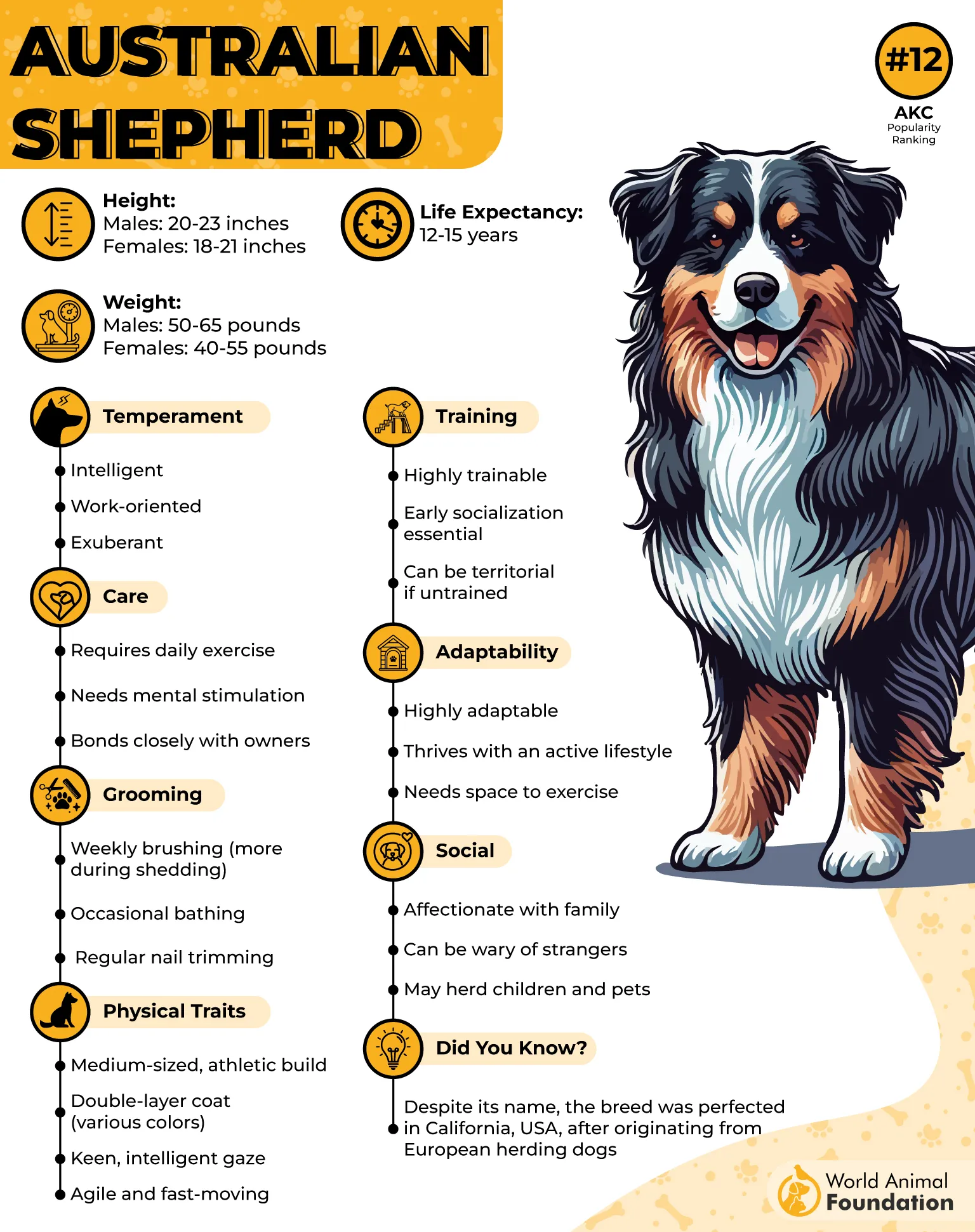
They also tend to stay closely engaged with their handlers, which makes them a rewarding breed to train, especially for owners who enjoy a more structured training routine. According to the AKC, Aussies need a job that keeps their brains working. Activities like herding games, obedience, rally, and trick training all make excellent outlets for that mental energy.
At the end of the day, the Australian Shepherd is far more than just a sheepdog; it’s a breed with a genuinely wide range of capabilities.
2. Australian Cattle Dogs
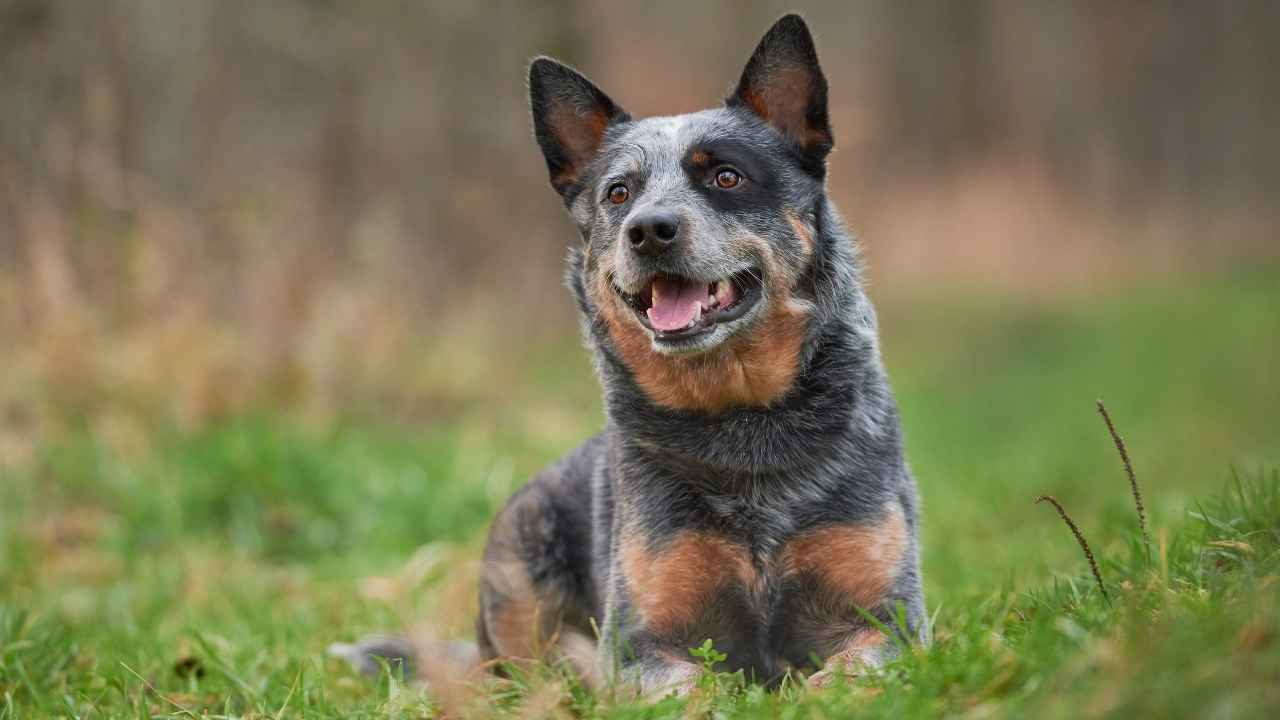
The Australian Cattle Dog was bred with an entirely different job in mind, originally developed to help manage cattle across Australia’s tough, rugged terrain.
Managing cattle is no small task, but this breed is more than up for it. Over time, they developed a courageous working style built around moving and controlling cattle through heel-nipping and precise herding movements.
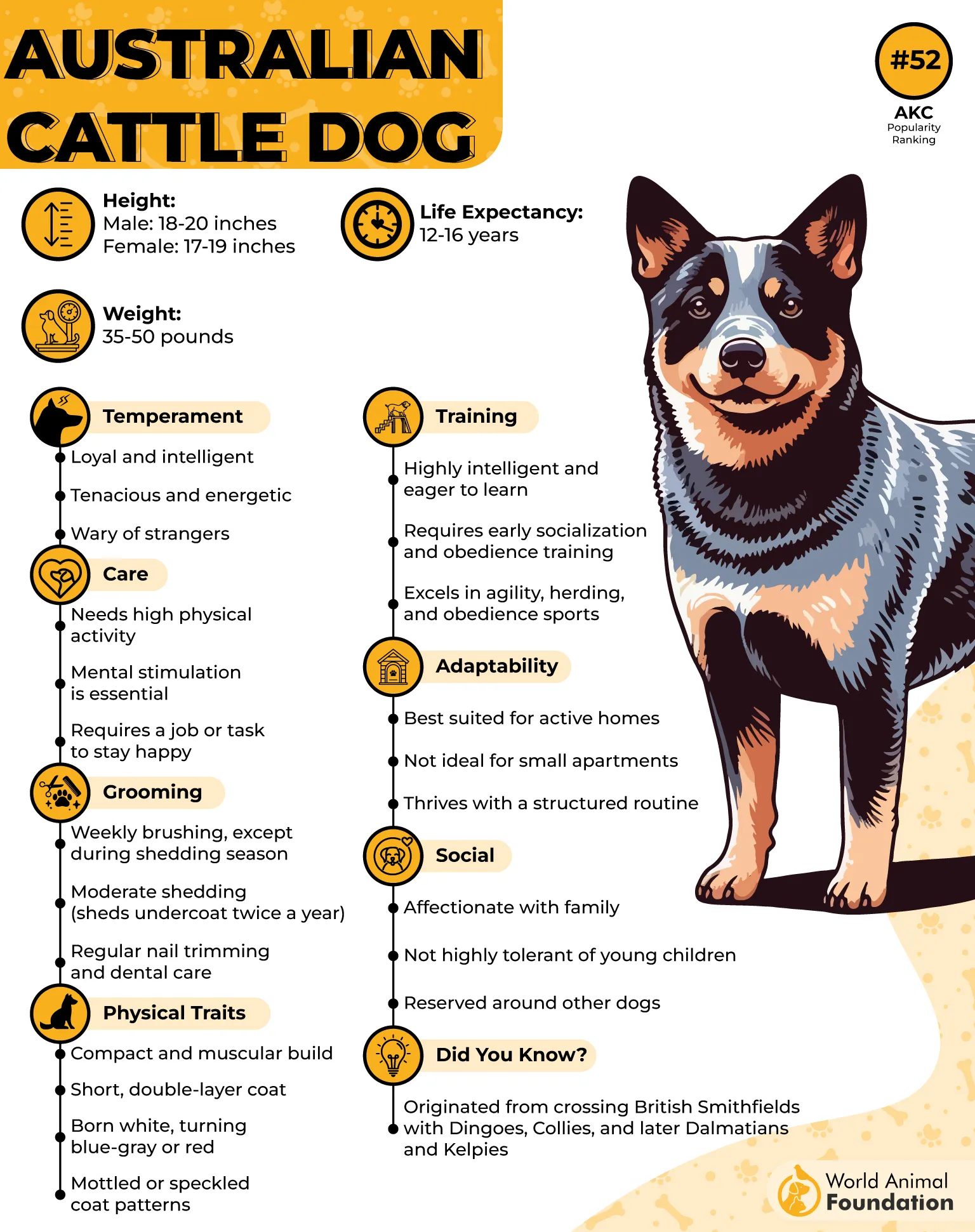
That history is exactly why these dogs can become so intensely focused, even in everyday situations, often triggered by a strong sense of urgency. Because of this, owners need to give them a job to do daily, or they can become destructive and difficult to manage, according to Hill’s Pet.
Those natural instincts deserve a real outlet in training. Herding activities are an excellent fit, but scent work, obedience, and problem-solving games work well too.
This breed is a particularly great match for anyone who loves high-energy dogs built for hard, hands-on farm work.
3. Border Collie
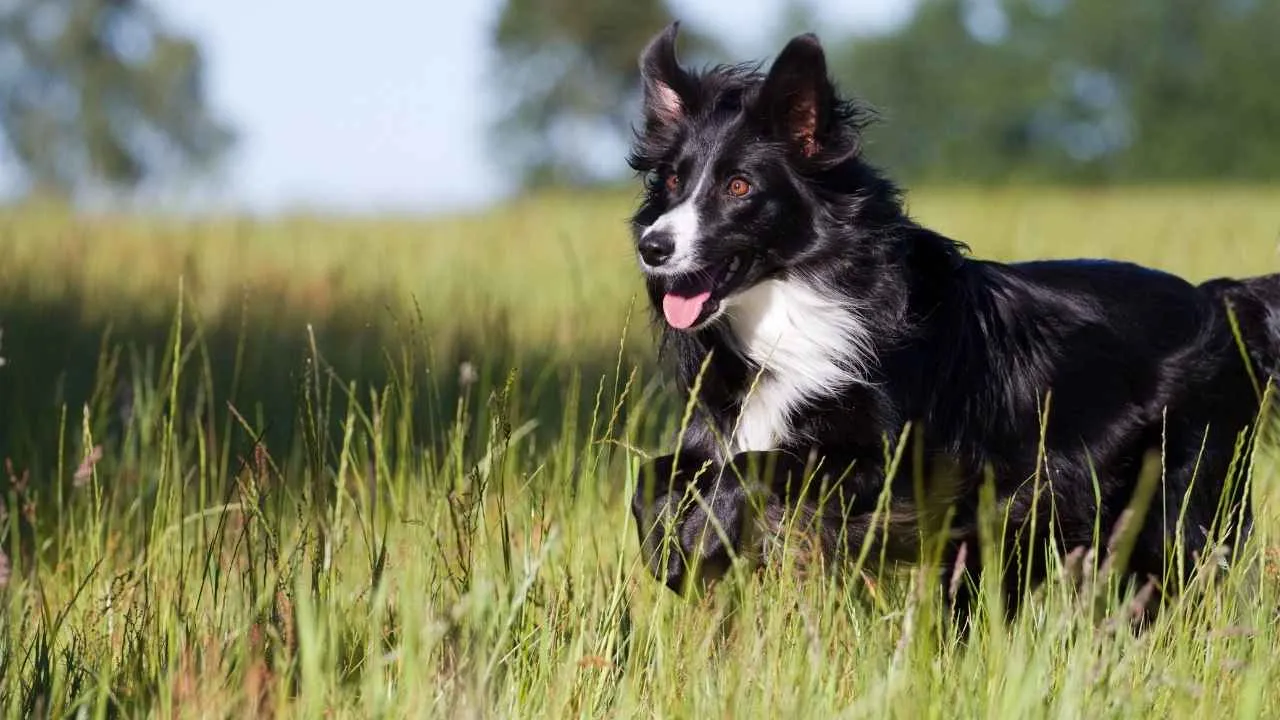
The Border Collie is widely considered the gold standard of precision herding. Traditionally used to carefully manage sheep, this intelligent dog breed excels at positioning livestock and responding to their every move.
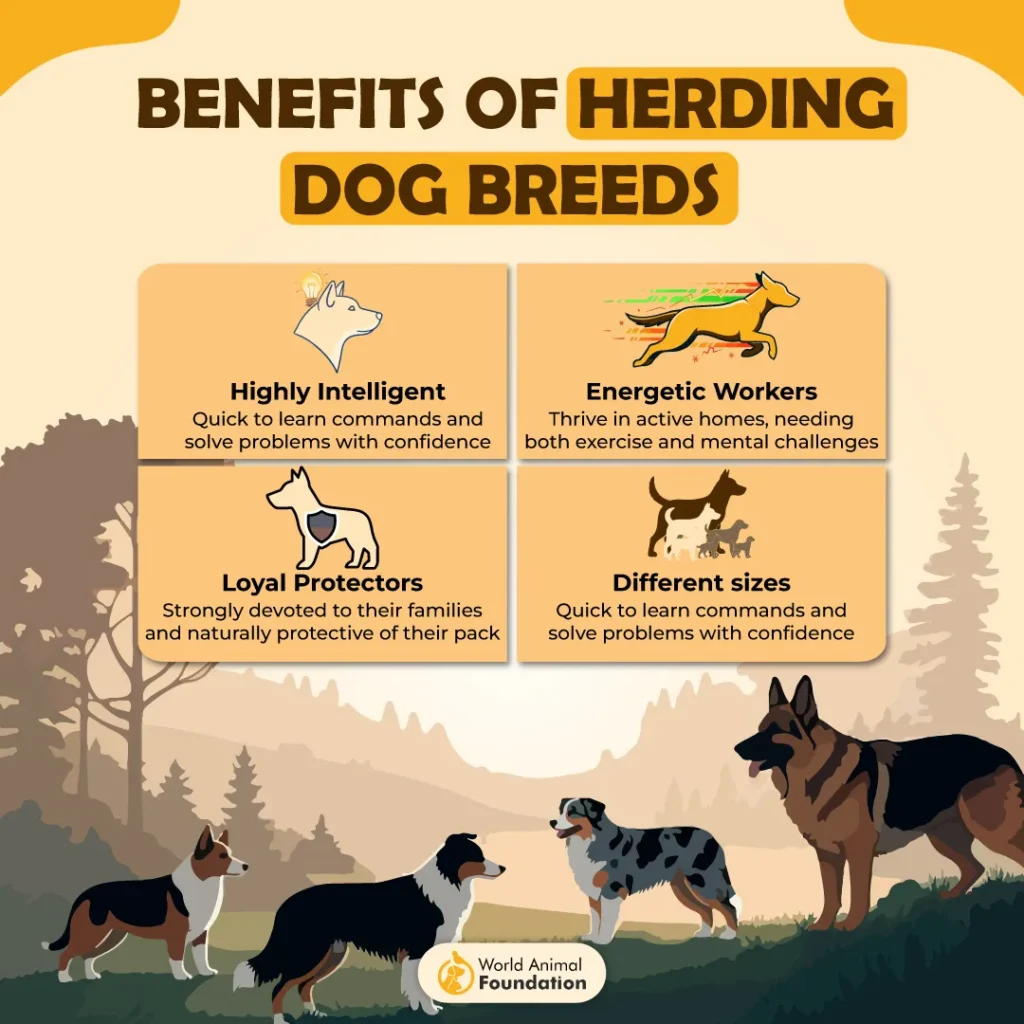
One of its most fascinating traits is the “eye,” an intense, focused stare. Rather than physically moving toward livestock, a Border Collie can influence their movement purely through posture and gaze, according to Purina. It’s genuinely fascinating to watch this breed at work.
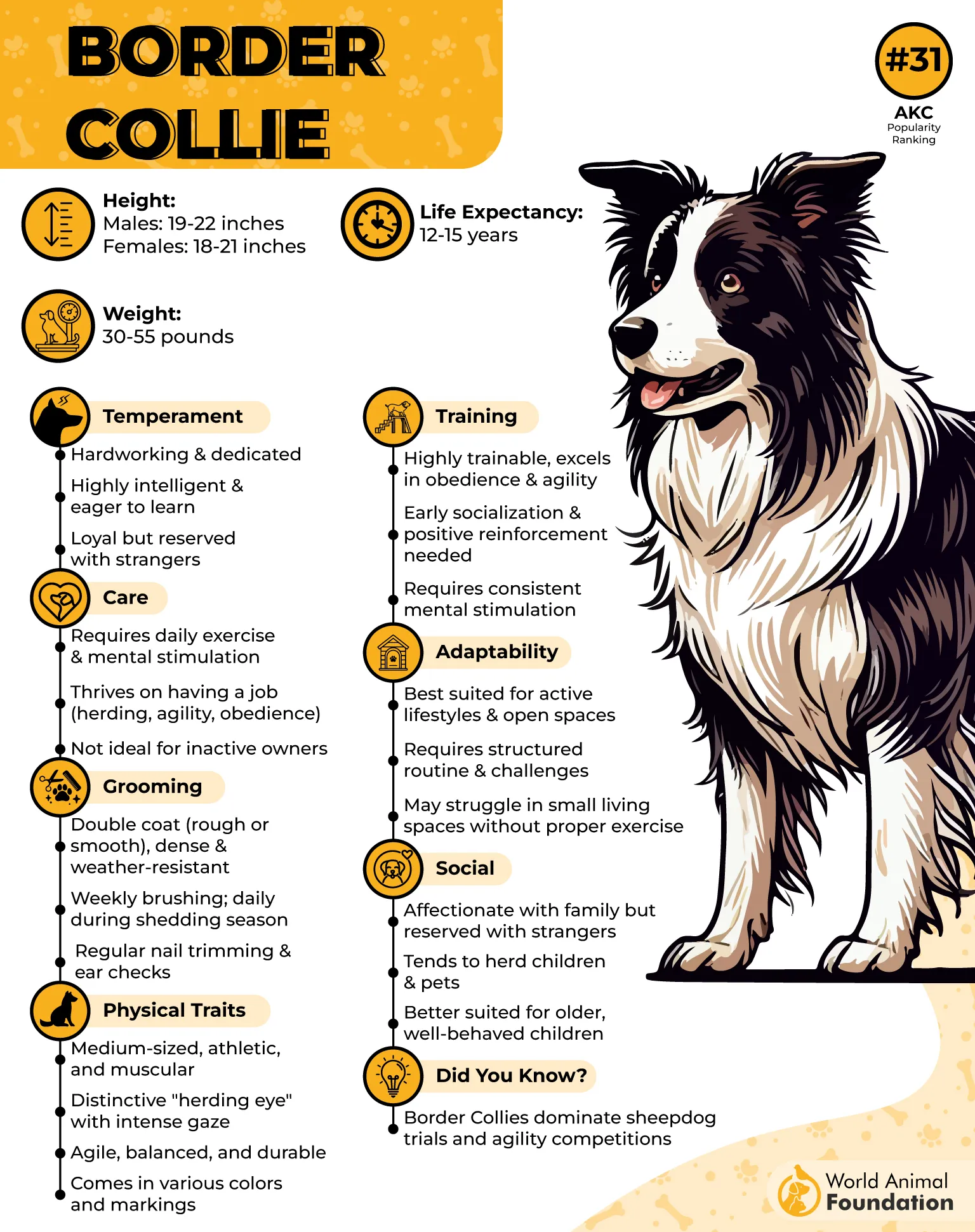
Good herding isn’t just about speed, either. It calls for patience, timing, spatial awareness, subtle pressure, and clear communication all working together. Border Collies are also highly sensitive to even minor changes in their environment, a trait that’s a huge asset during training but can become a challenge in a home without enough mental stimulation.
For anyone drawn to serious herding work, the Border Collie stands as a remarkable example of what selective breeding can achieve, turning raw instinct into genuine teamwork.
4. Polish Lowland Sheepdog
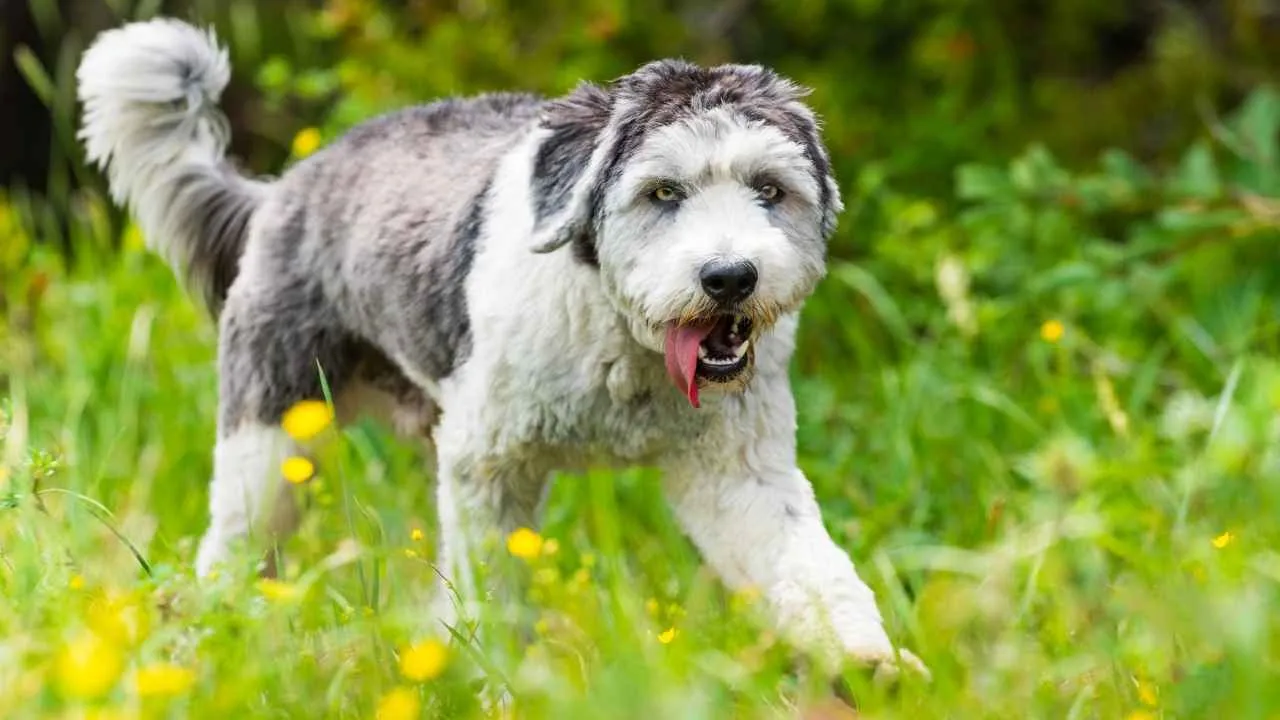
The Polish Lowland Sheepdog stands out as a truly unique member of the herding group. Bred in Poland for sheepherding, this breed also took on guarding duties and general farm work over the years.
Don’t let that shaggy coat fool you into thinking these dogs are laid-back loungers. They’re serious workers through and through, and that thick coat isn’t just for looks; it served a real purpose, keeping them dry and protected through harsh, cold weather while working outdoors.
This breed is also remarkably perceptive, staying keenly aware of everything happening within the family and its surroundings.
For herding enthusiasts, the Polish Lowland Sheepdog is a fascinating all-purpose farm dog. Its stamina, temperament, and athleticism are exactly what make it so valuable for demanding, hands-on labor. The one thing owners should keep in mind is that this breed needs a job to stay content. Without enough mental engagement, they can turn to destructive behavior.
5. Bergamasco Sheepdog
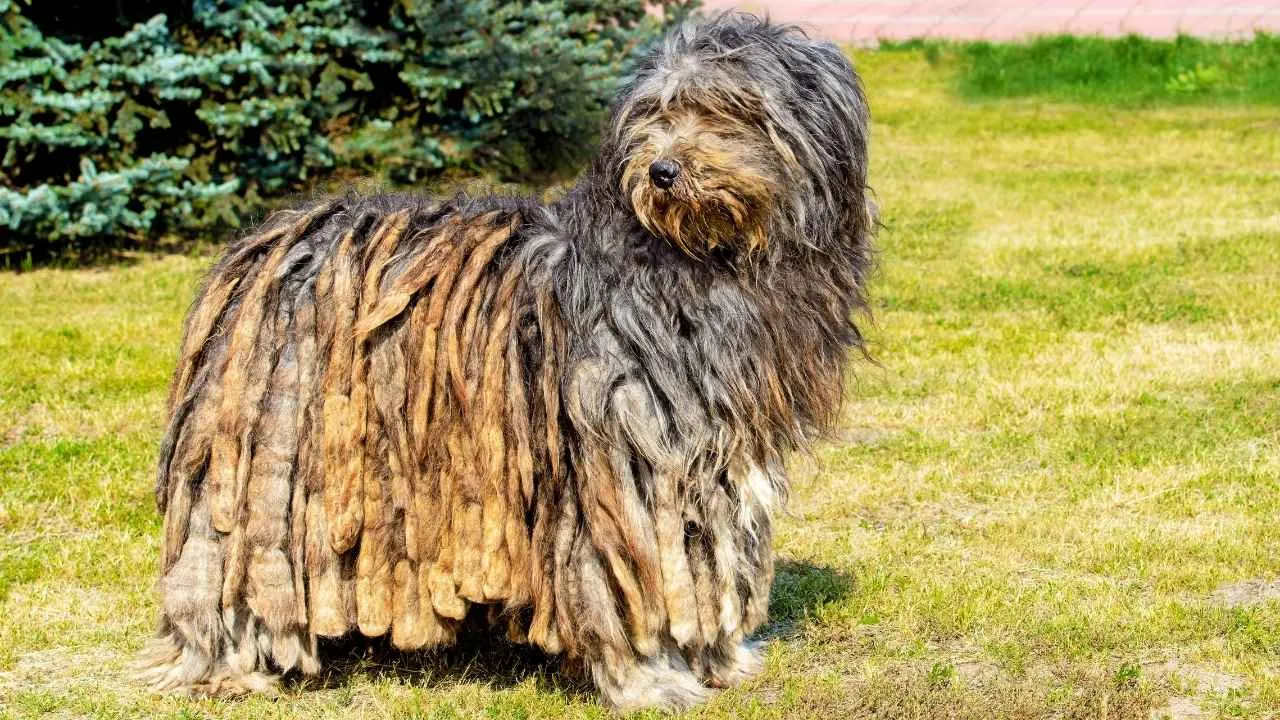
The Bergamasco Sheepdog is easily one of the most distinctive-looking breeds in the herding group. As they age, their famous coat naturally develops into thick mats, often called “flocks.”
That matted coat actually served a real purpose in their original mountain habitat. It helped keep them warm through harsh winters while also protecting their skin from scratches and bites while working closely among livestock.
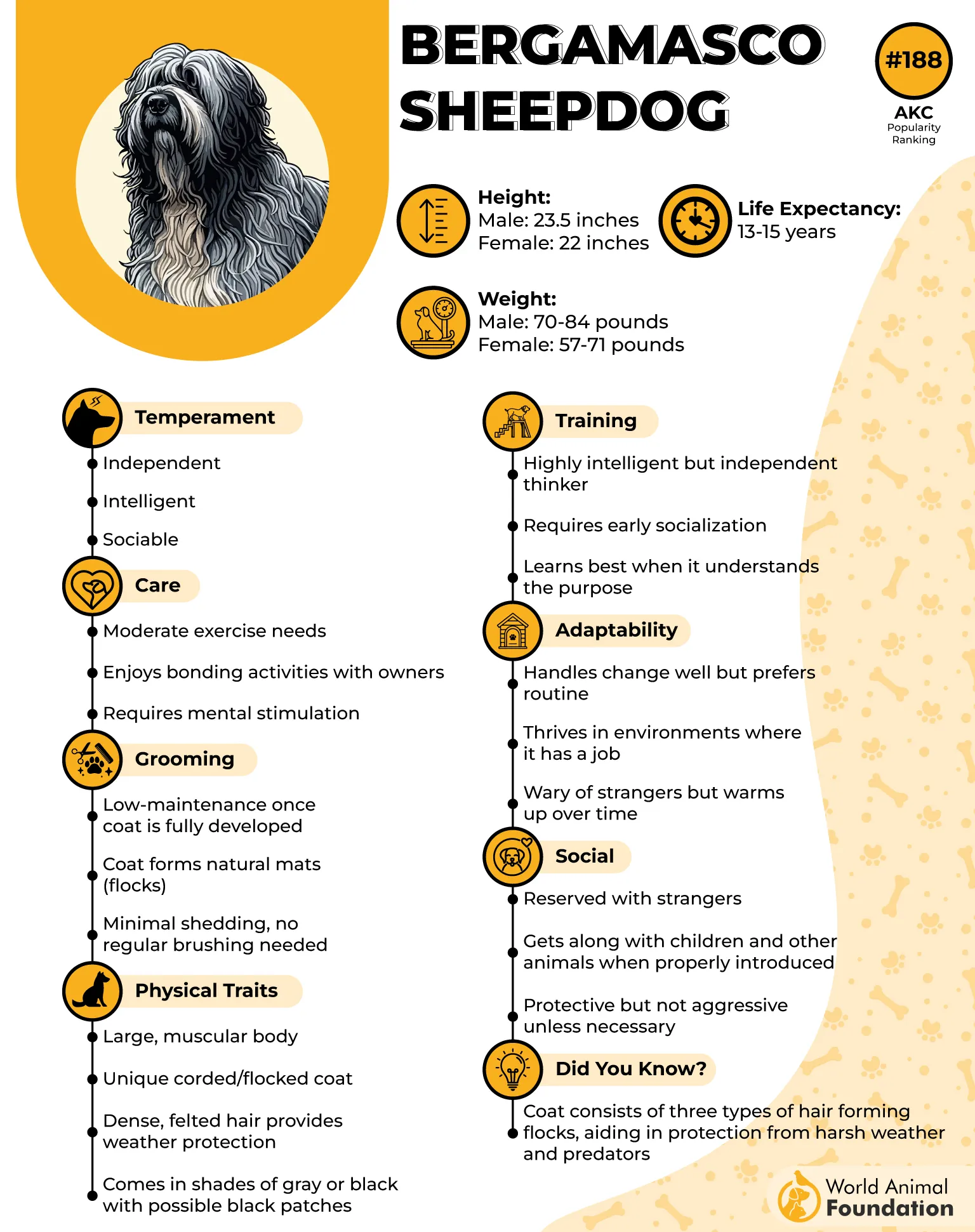
But the coat isn’t really why the Bergamasco earns a spot on this list. This breed evolved as a true mountain sheepdog, working in close partnership with their human handlers. They’re known for their problem-solving skills and independent thinking, which makes them especially fascinating to watch for anyone who enjoys seeing a dog herd without constant human direction.
That said, early socialization and training are essential for this breed. Given their heritage as working farm dogs, they can be prone to nipping and other behaviors that need to be managed early on.
6. Pembroke Welsh Corgi
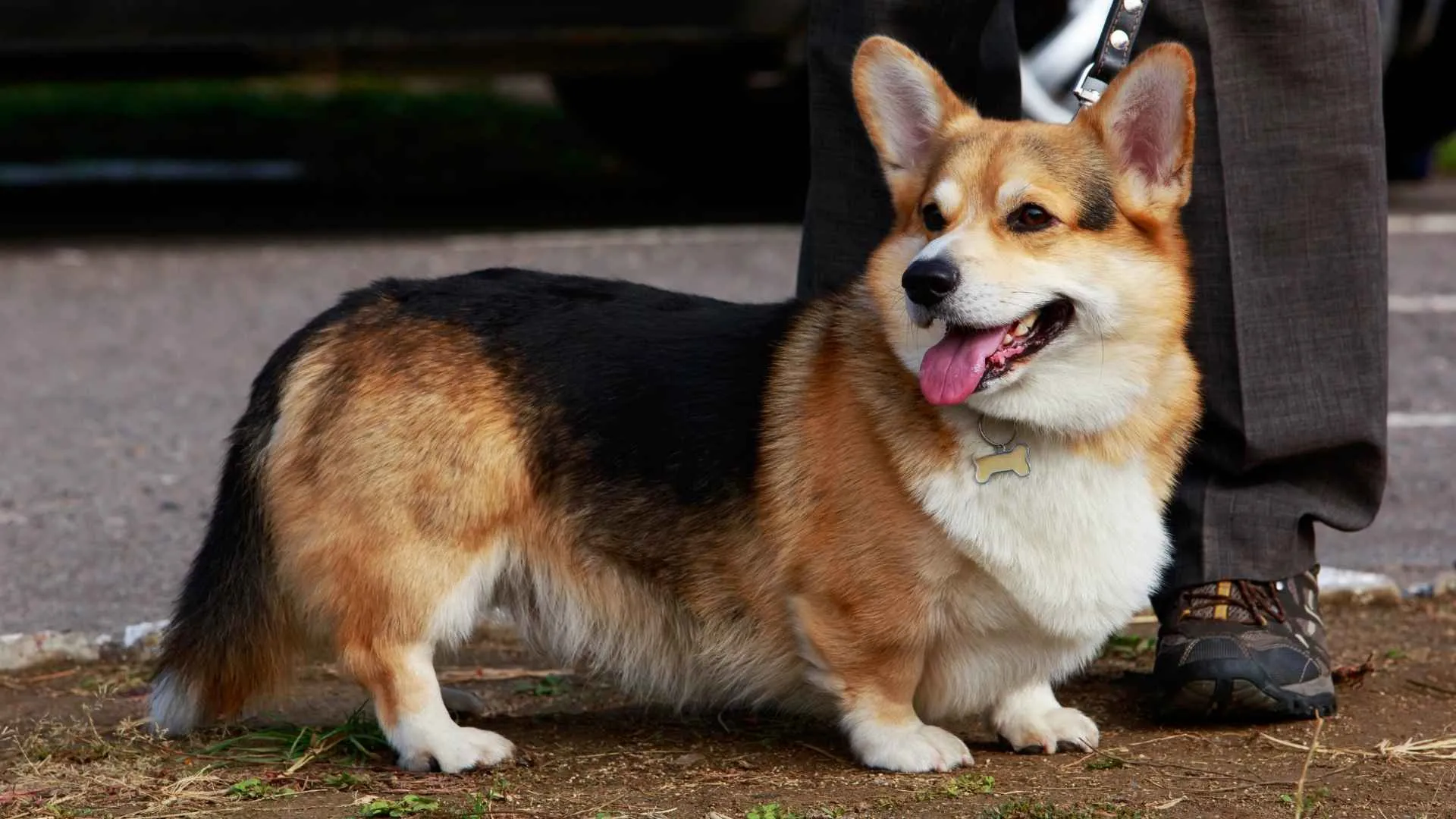
The Pembroke Welsh Corgi proves that herding dogs don’t always fit the classic sheepdog image people tend to picture.
This breed was actually developed for driving cattle. Its compact, short body was perfectly suited for maneuvering around the legs of much larger animals. Traditionally, a Corgi would approach cattle and nudge them with its nose, and if the animal didn’t move, the Corgi would dart in and nip at its heel to get it moving.
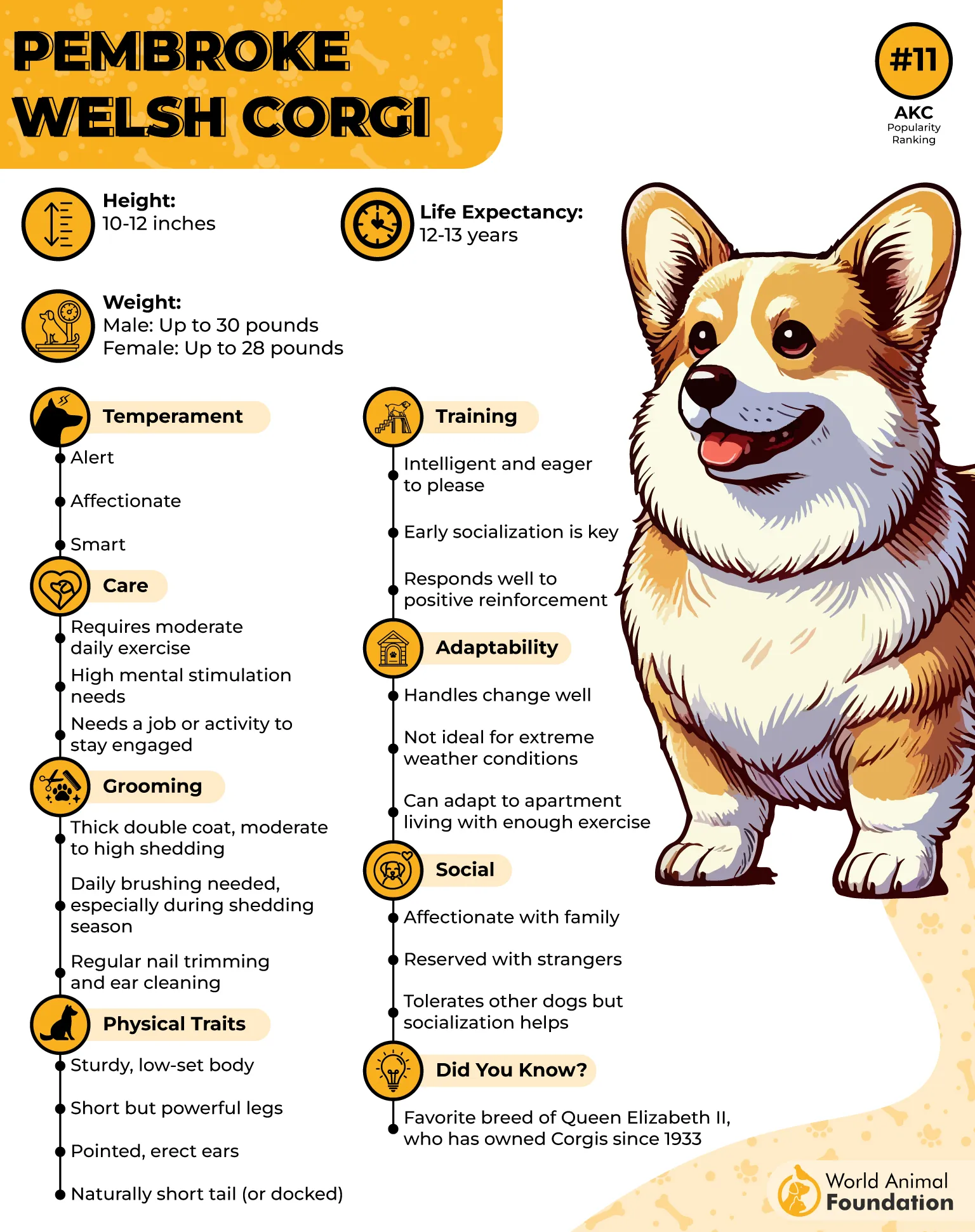
That history still shows up in Corgi behavior today. Pembrokes may try to “herd” activity around the household, and things like running feet, other pets, or general chaos can easily trigger those instincts.
The Pembroke also proves that herding history isn’t limited to sheep. Different breeds were shaped by the specific livestock they worked with, and for the Corgi, cattle left a distinct and lasting influence.
7. German Shepherd
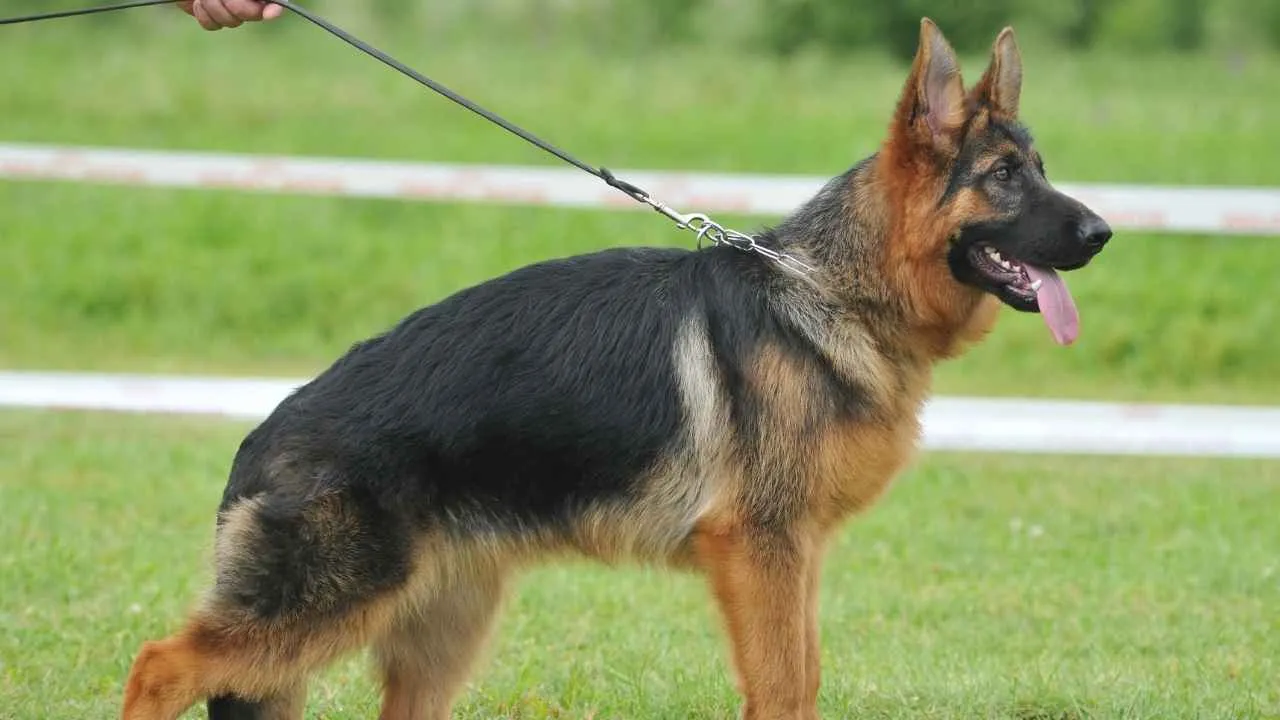
The German Shepherd’s working history runs far deeper than its modern reputation as a police and service dog. This breed actually traces back to Germany, where it was originally developed for sheep herding and flock management.
What’s truly remarkable is just how well those core working traits carried over into entirely different careers. A German Shepherd can learn complex command sequences, stay closely tuned to its handler, and work both independently and cooperatively depending on what the situation calls for.
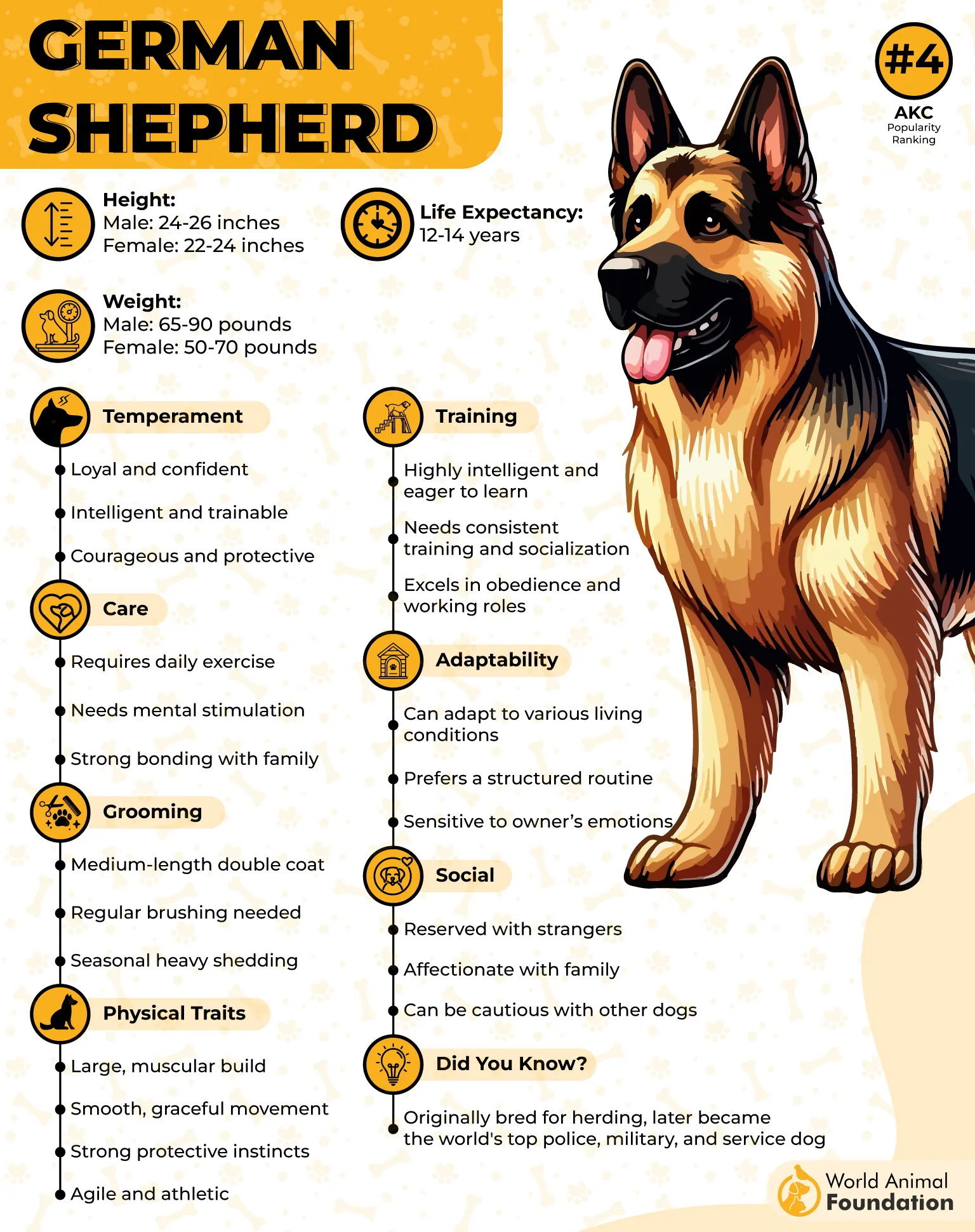
Those same qualities are exactly what allowed the breed to shift from traditional farm work into search and rescue, service work, detection, and so much more. In many ways, the German Shepherd shows how working traits can endure in a breed even as its actual job description evolves over time.
It’s also a fantastic breed for trainers who enjoy teaching dogs different roles, since German Shepherds genuinely seem to thrive when their learning has a clear purpose behind it.
8. Bouvier Des Flandres
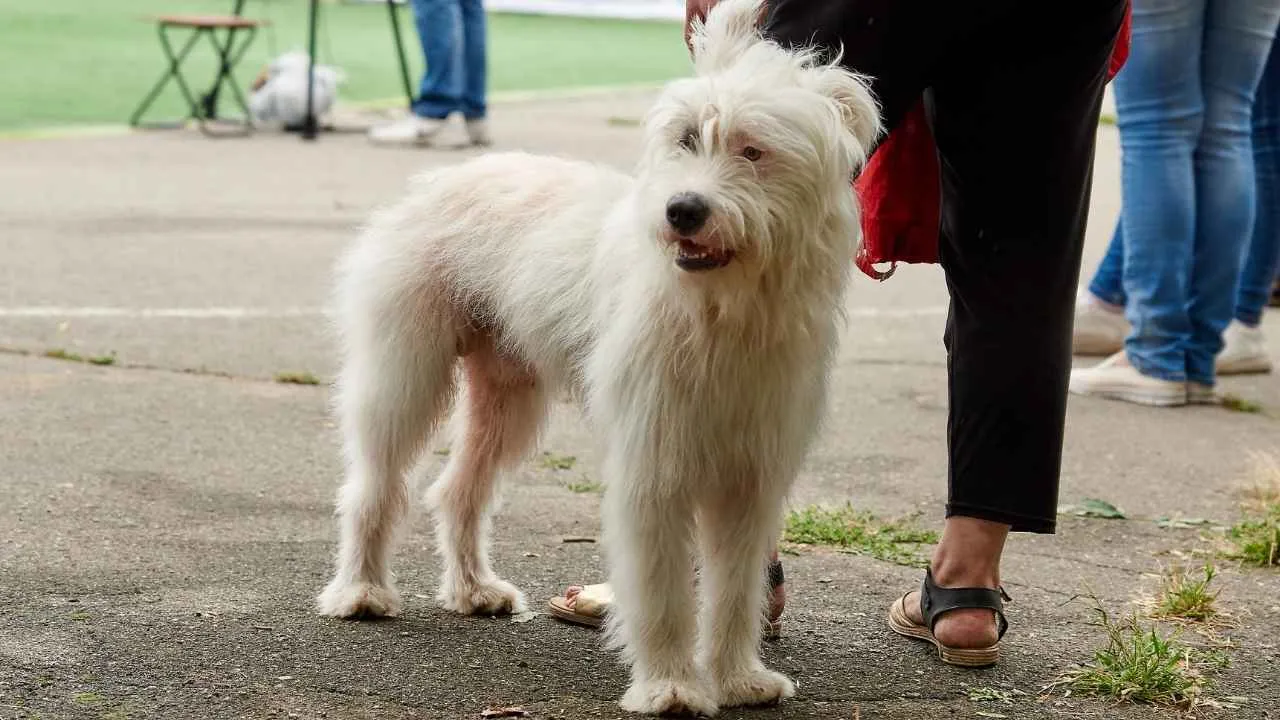
The Bouvier des Flandres was bred to be a true all-purpose farm dog from the Flanders region, and its responsibilities went well beyond simply moving cattle.
Bouviers were useful for cattle work, general farm labor, protection, and even pulling carts, which is exactly what makes this breed so practical and versatile as a working dog.
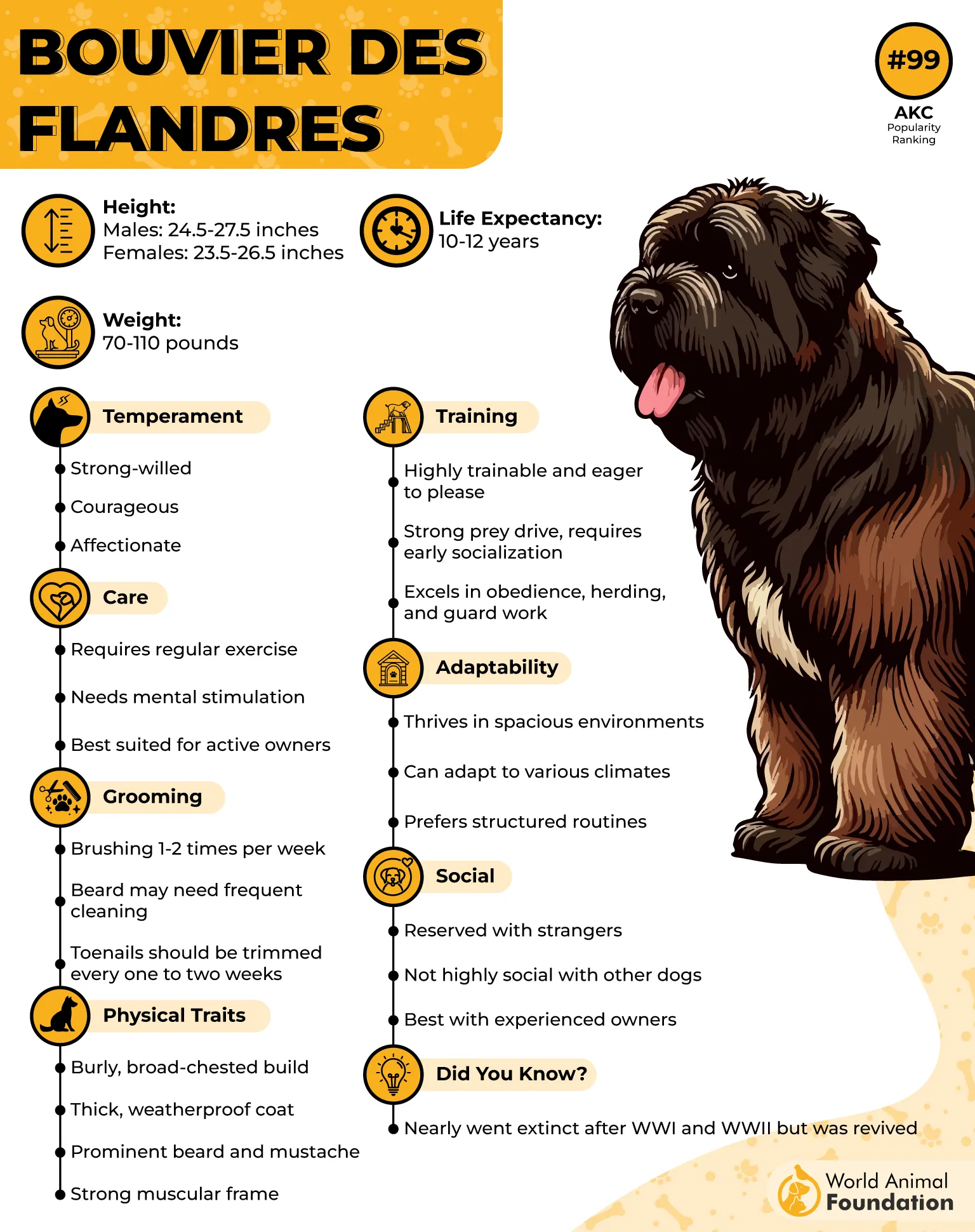
For herding enthusiasts, the Bouvier is a particularly interesting breed because it was developed for a much broader range of tasks than highly specialized sheepdogs. It represents the classic farm dog, one built to be useful across several different roles at once.
Its thick coat served a practical purpose too, helping the breed handle harsh weather, mud, and the general rough-and-tumble conditions of farm life.
Today, Bouviers still thrive on activities that give them responsibility and structure. They’re especially well-suited to owners who value a working dog capable of handling multiple roles around the farm.
9. Beauceron
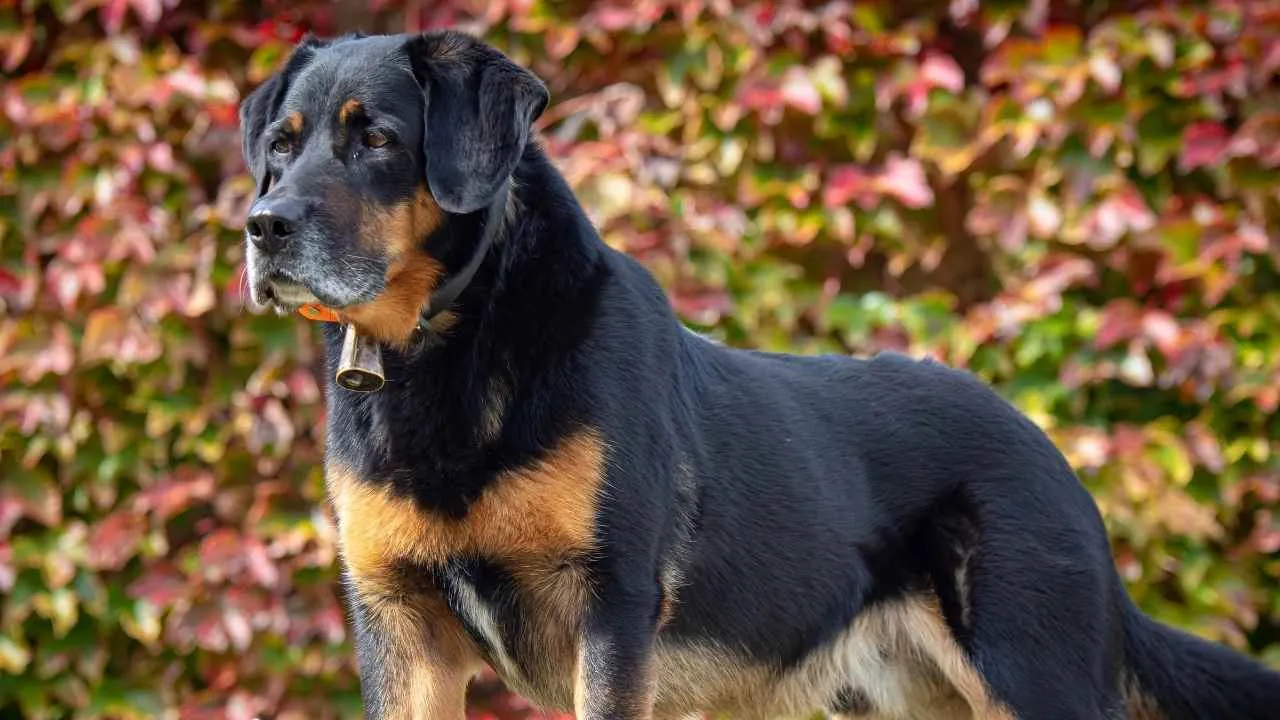
Another storied French herding breed is the Beauceron, with roots tracing back centuries in France.
Beaucerons were traditionally used to manage large flocks of sheep, which meant they needed to be brave enough to move animals confidently while still staying closely attuned to their owner’s commands.
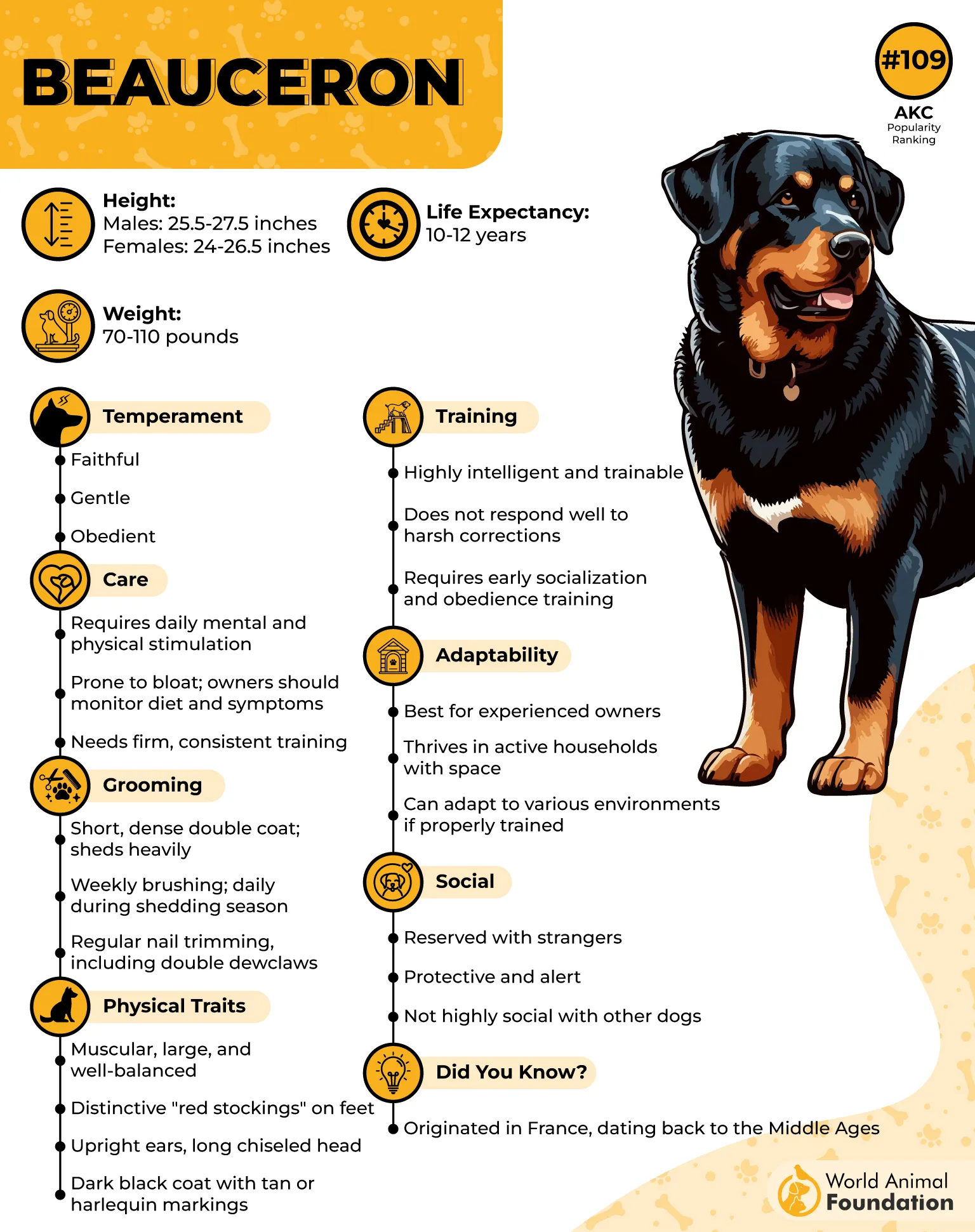
One particularly interesting part of their history is the sheer scale of work these dogs were capable of. In the past, Beaucerons were known for managing large herds with only minimal human assistance.
That history is exactly what shaped the breed’s independent yet trainable nature today. Modern Beauceron owners will find these dogs make excellent companions, well suited to herding, structured training, and activities that call for real decision-making.
They’re a great choice for anyone drawn to the more self-reliant, independent side of traditional herding work.
10. Briard
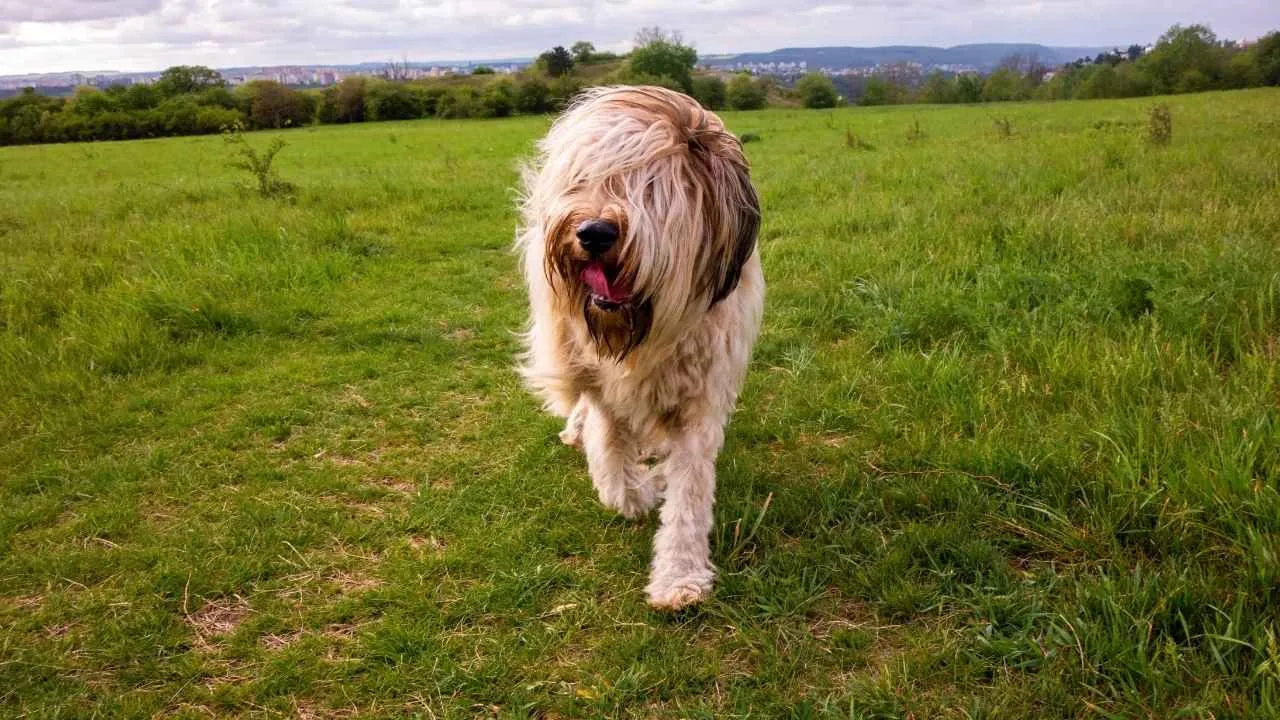
The Briard was originally bred in France as a farm and sheep-herding dog. Its long working history has made it one of the most well-known herding breeds, historically used to manage sheep and other farm animals. That signature long, flowing coat is also part of what gives the Briard its unmistakable look.
Like many herding breeds, Briards have a deep, instinctive understanding of livestock and their surroundings, giving them the mental and physical capability to manage animals effectively with consistent training.
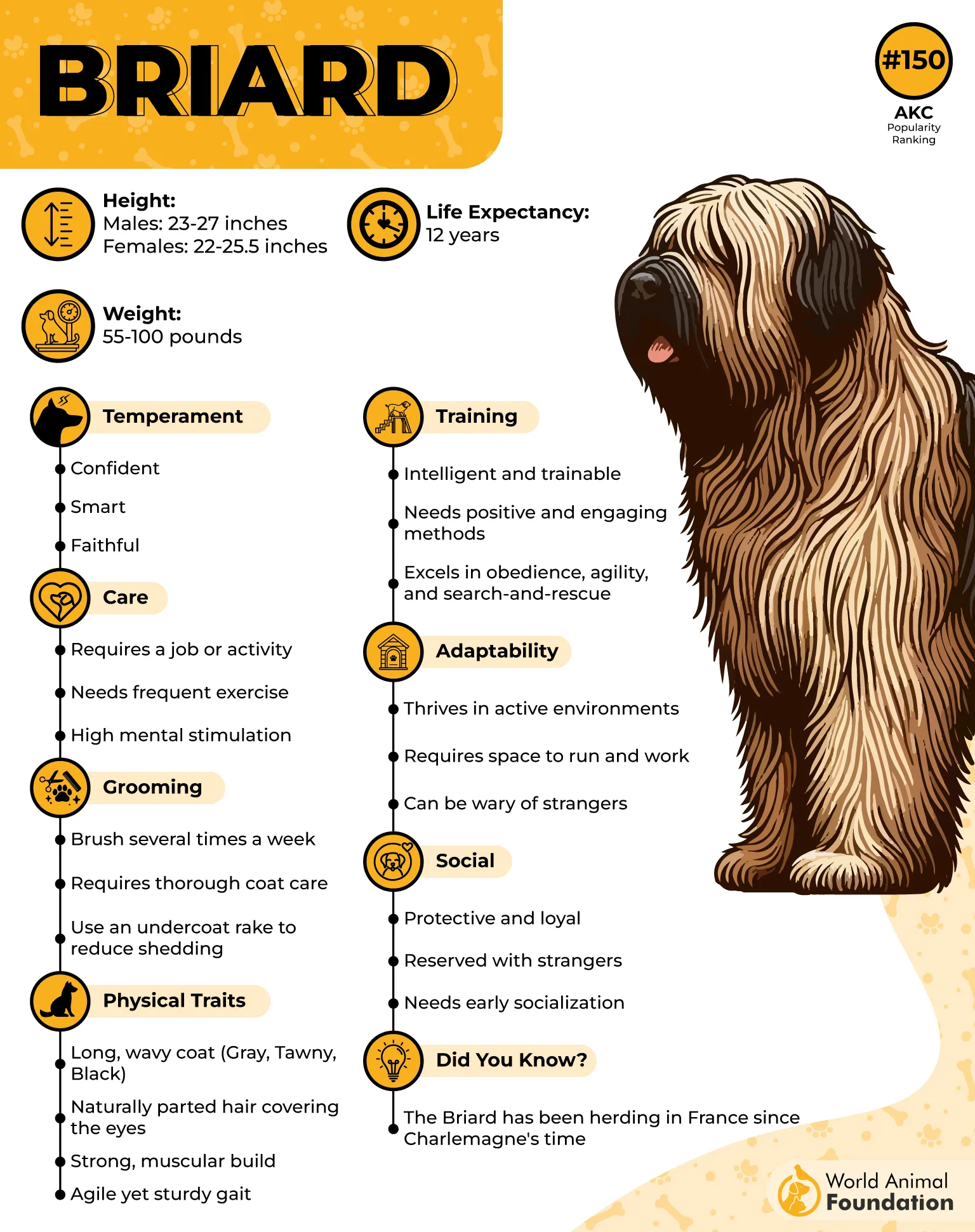
These loyal dogs also form deep bonds with their owners. Using treats during training sessions tends to work especially well, helping reinforce their strong herding instincts.
Beyond herding, Briards make wonderful family dogs too, and they thrive with active owners who enjoy running, jogging, or hiking, setting them apart from herding breeds that are purely built for managing livestock.
Keeping up with both mental and physical stimulation is key to maintaining their gentle temperament. Briards also do well in a variety of dog sports, from disc catching to search and rescue work.
Conclusion
Not every popular herding dog breed goes on to become a police or military working dog. Still, the breeds covered here belong to a hardworking group capable of putting in long hours in the field.
With regular exercise, mental enrichment, and daily walks, these loyal dogs tend to be highly trainable. Some were bred specifically to handle cattle, while others built their expertise around herding sheep.
What ties them all together, though, is that deep sense of loyalty toward the farmers and families they work with. Most are also safe to have around young children, since aggression really isn’t part of their nature.
If you’re a herding enthusiast, any one of these breeds could make a fantastic addition to your next herding activity.
