




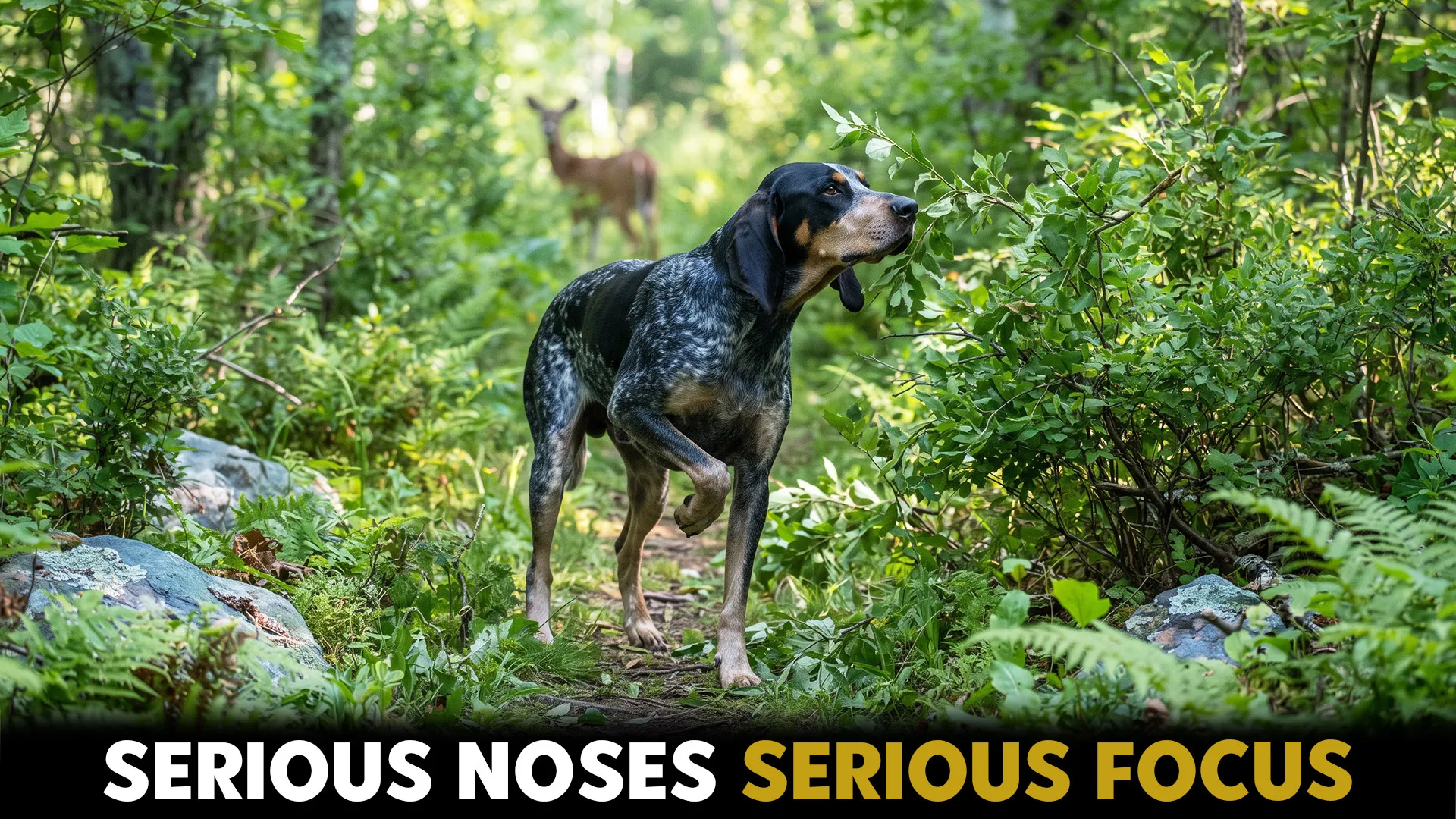
When wild animals go missing or get hurt, finding them in the thick brush or open countryside can feel almost impossible for human eyes. Luckily, dogs don’t see the wilderness the way we do. They experience it through an extraordinary world of scent.
That’s where specialized search dogs step in. From bird dogs that sweep broad fields on the breeze to deep-nosed hounds that can follow a faint ground track hours after it was left, these breeds turn raw instinct into a life-saving tool.
Working alongside trained handlers, they help locate lost, injured, or vulnerable wildlife safely and respectfully. Here are ten remarkable breeds leading the way in tracking and recovery.
Top Dog Breeds for Finding and Tracking Lost Wildlife
1. Irish Setter
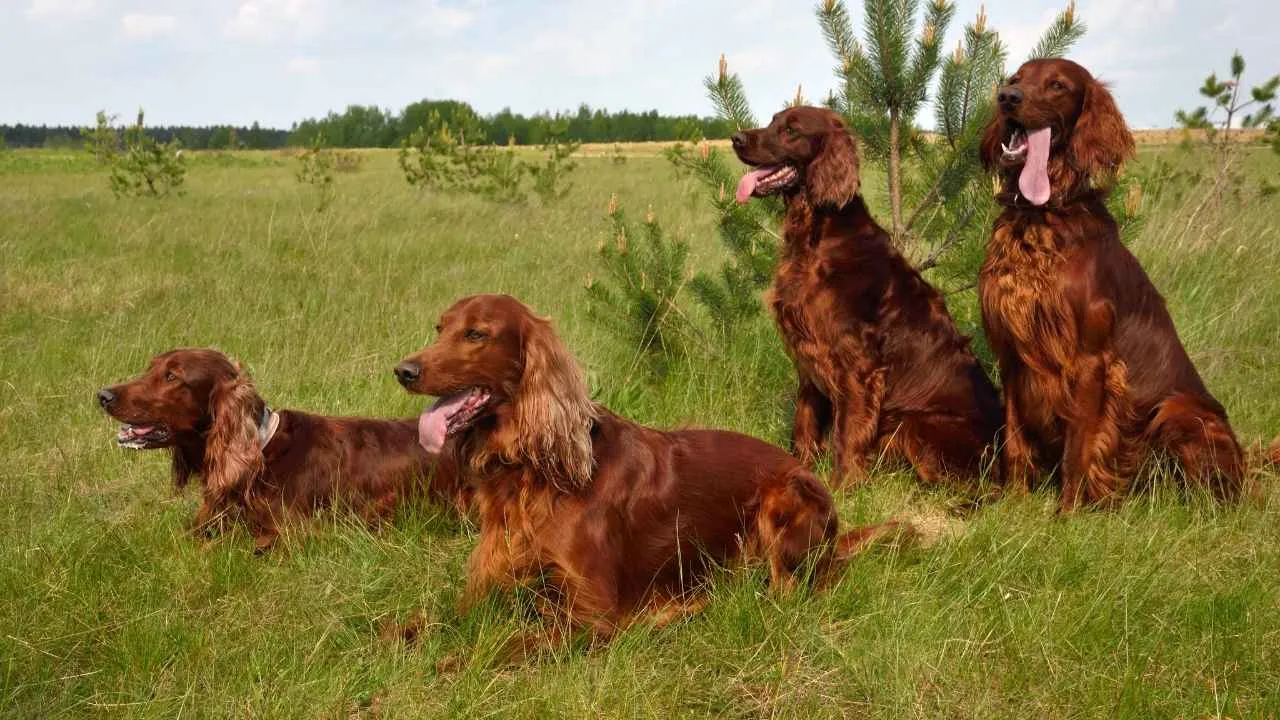
Irish Setter is like a flash of mahogany gliding effortlessly through tall grass, tail held high like a banner of pure excitement. Originally bred as a bird-finding dog, this high-energy worker brings an acute sense of smell, athletic grace, and boundless enthusiasm to outdoor search missions.
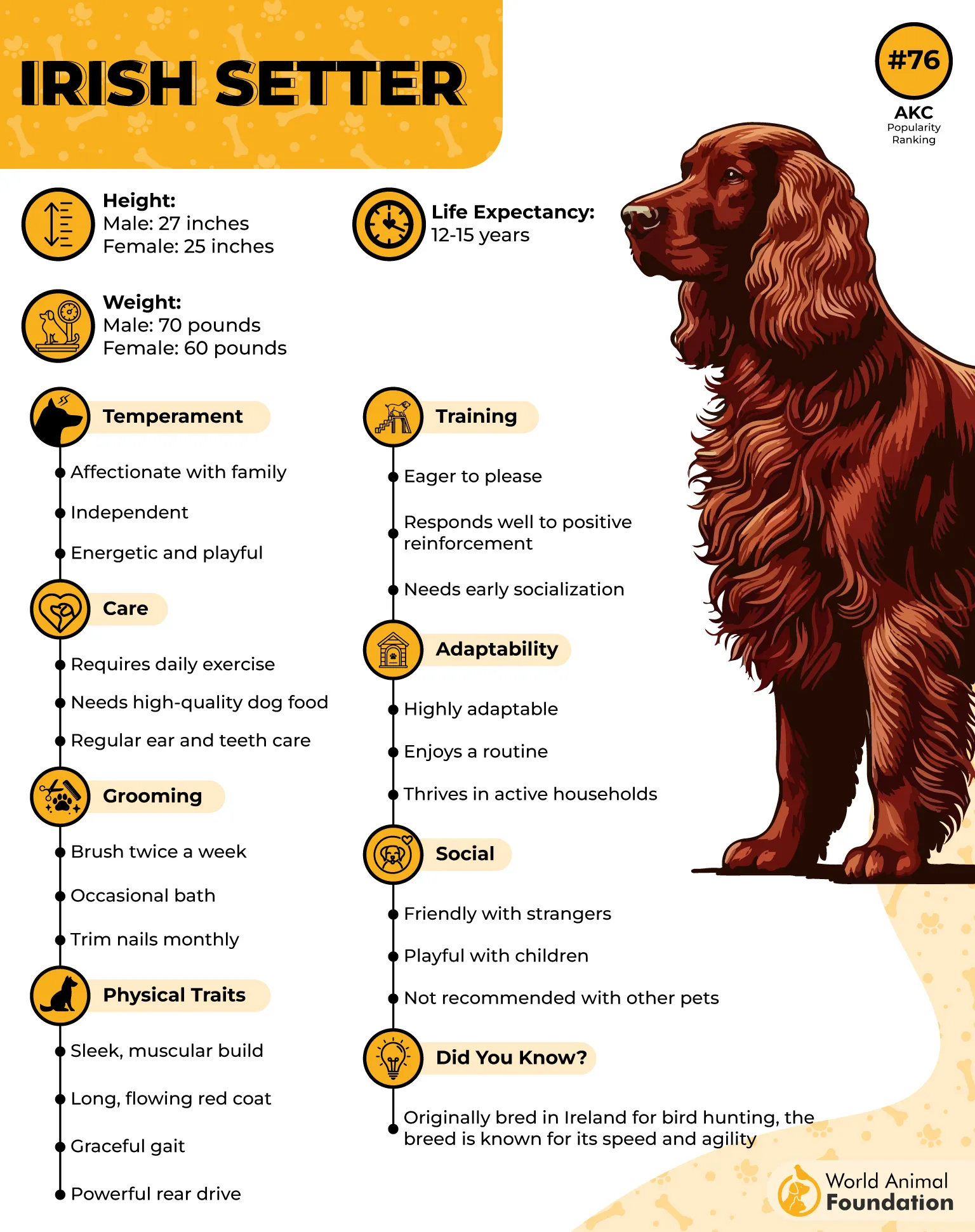
WebMD states that their long legs let them sweep across open fields and dense woodland in a matter of strides, making them ideal for covering vast stretches of land. Their innate focus on feathered game connects naturally to searches involving upland birds and general upland game, particularly when backed by specialized scent work.
Beyond their athletic ability, Irish Setters form incredibly deep bonds with humans. That close connection makes focused training much simpler when teaching the dog when to range, pause, and return on command.
Because they were bred to quarter fields systematically, their natural search pattern instinctively covers wide grid areas without leaving gaps. This systematic pacing helps handlers survey large tracts of wilderness in a surprisingly short timeframe.
2. Brittany Spaniel
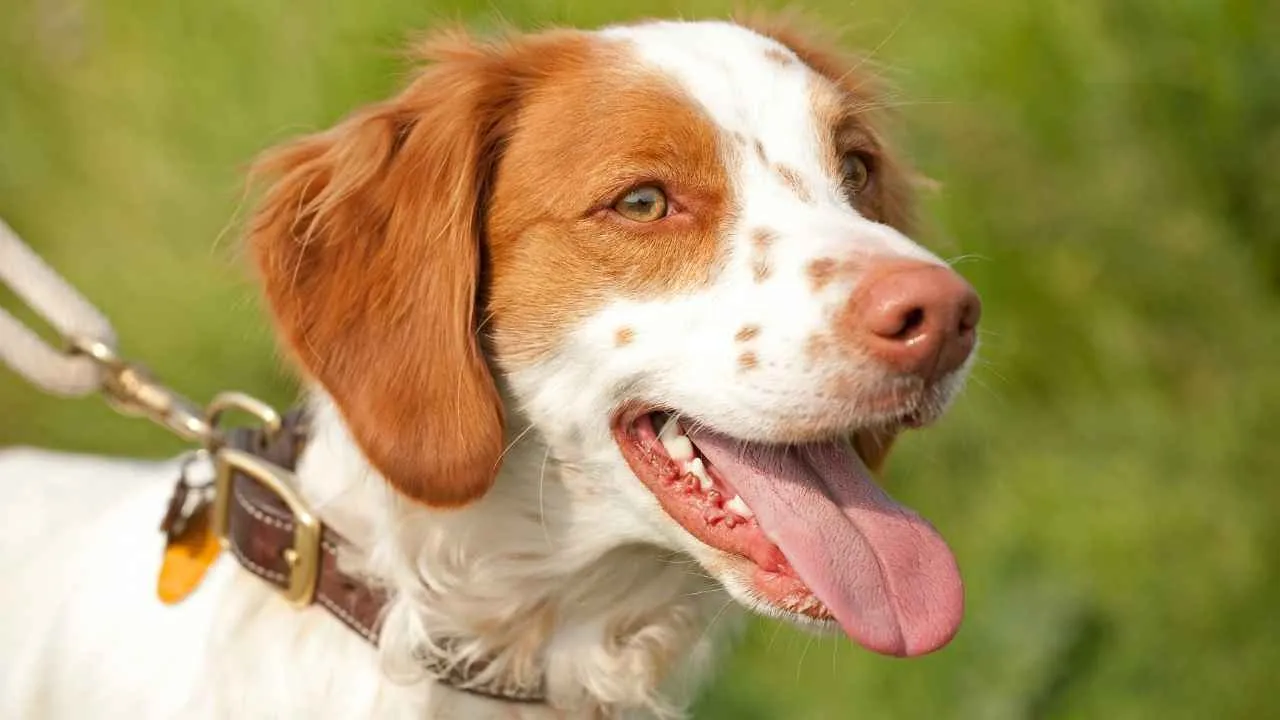
Don’t let the compact size fool you; this little dynamo, the Brittany Spaniel, operates like a hyper-efficient radar unit on four legs. As one of the most hardworking hunting dog breeds around, the Brittany is happiest when its nose picks up a trail worth deciphering, leaning heavily on a proud heritage as a bird dog skilled at searching, locating, and indicating scent with pinpoint precision.
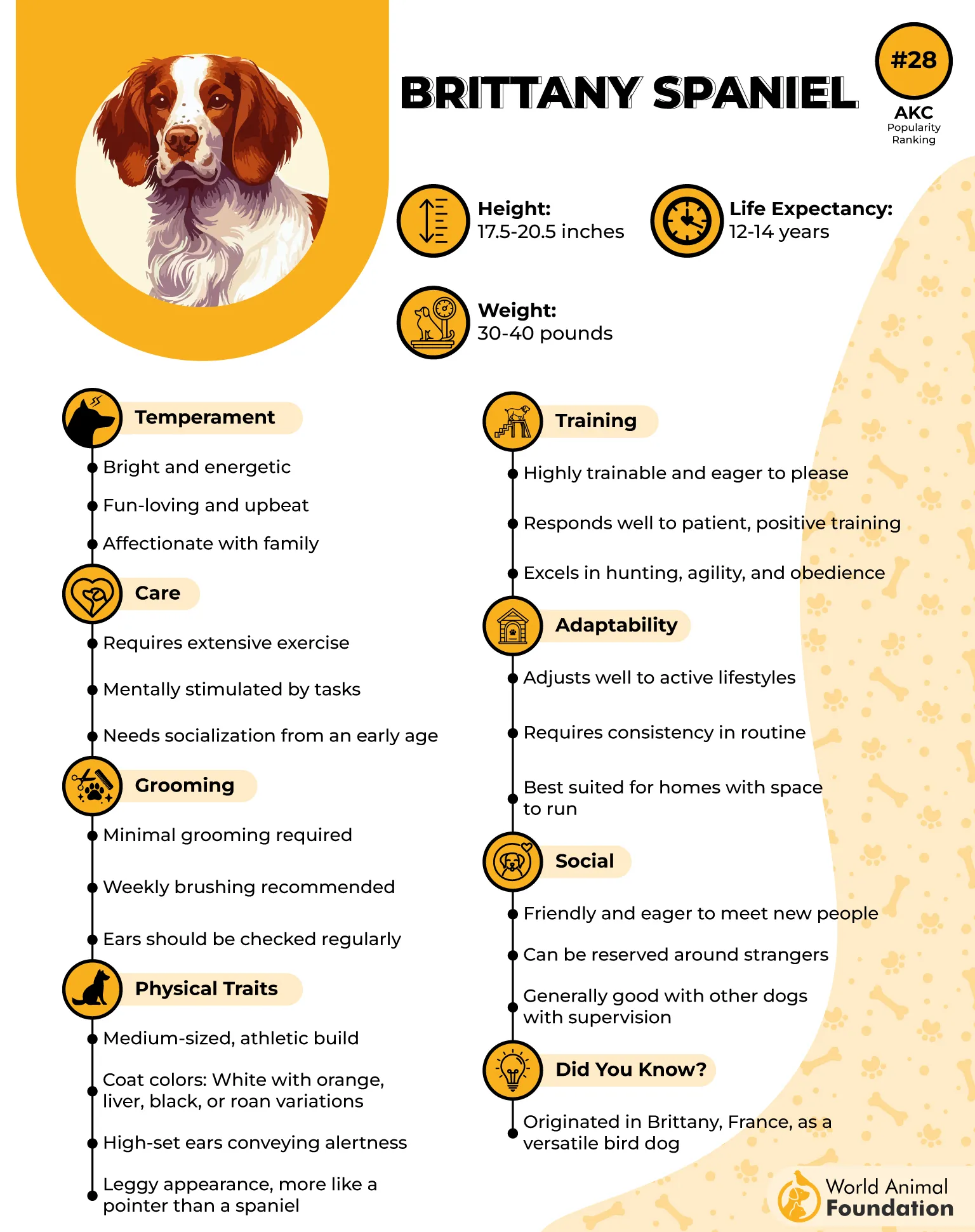
Their nimble frame allows them to navigate brush and undergrowth that would slow down larger dogs, while their impressive stamina keeps them moving during long, exhausting field sessions.
Eager to please and quick on their feet, Purina says that Brittanys excel with positive-reinforcement training. Just keep a steady hand on the wheel. That intense curiosity means a fresh, wild scent can easily tempt them to go rogue if left unguided. Their light build gives them a distinct advantage on soft marshland and steep inclines where heavier breeds might flounder.
Additionally, their keen visual awareness allows them to track subtle movements in dense foliage that other dogs might overlook.
3. German Shorthaired Pointer
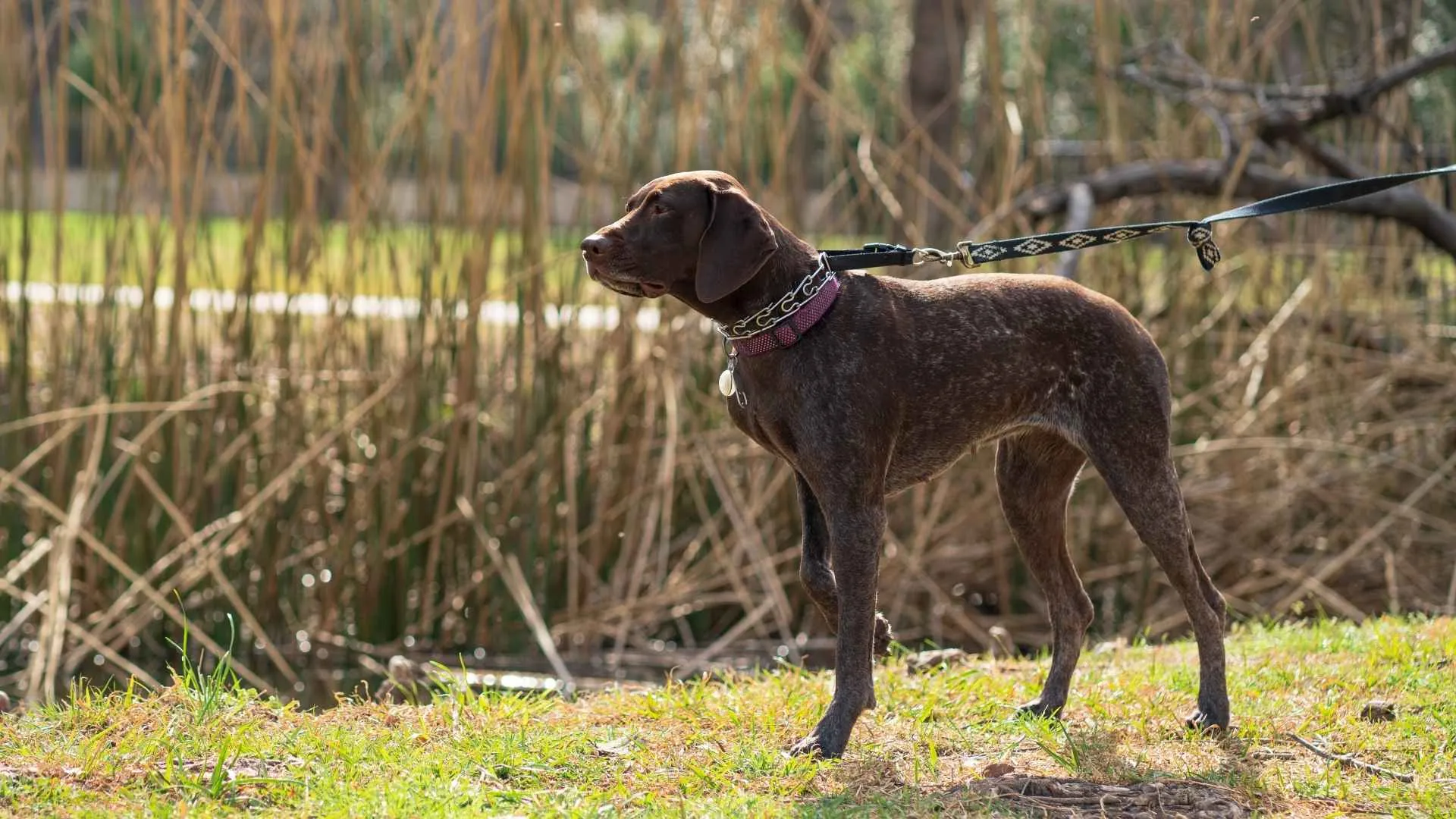
If you engineered the ultimate all-terrain tracker from scratch, it would look a lot like a German Shorthaired Pointer. Few sporting breeds match the sheer physical capability and versatility of this short-haired breed. Developed as an all-purpose hunting companion, this athletic powerhouse is equally adept at locating game, holding a steady point, and adapting to harsh conditions in the backcountry.
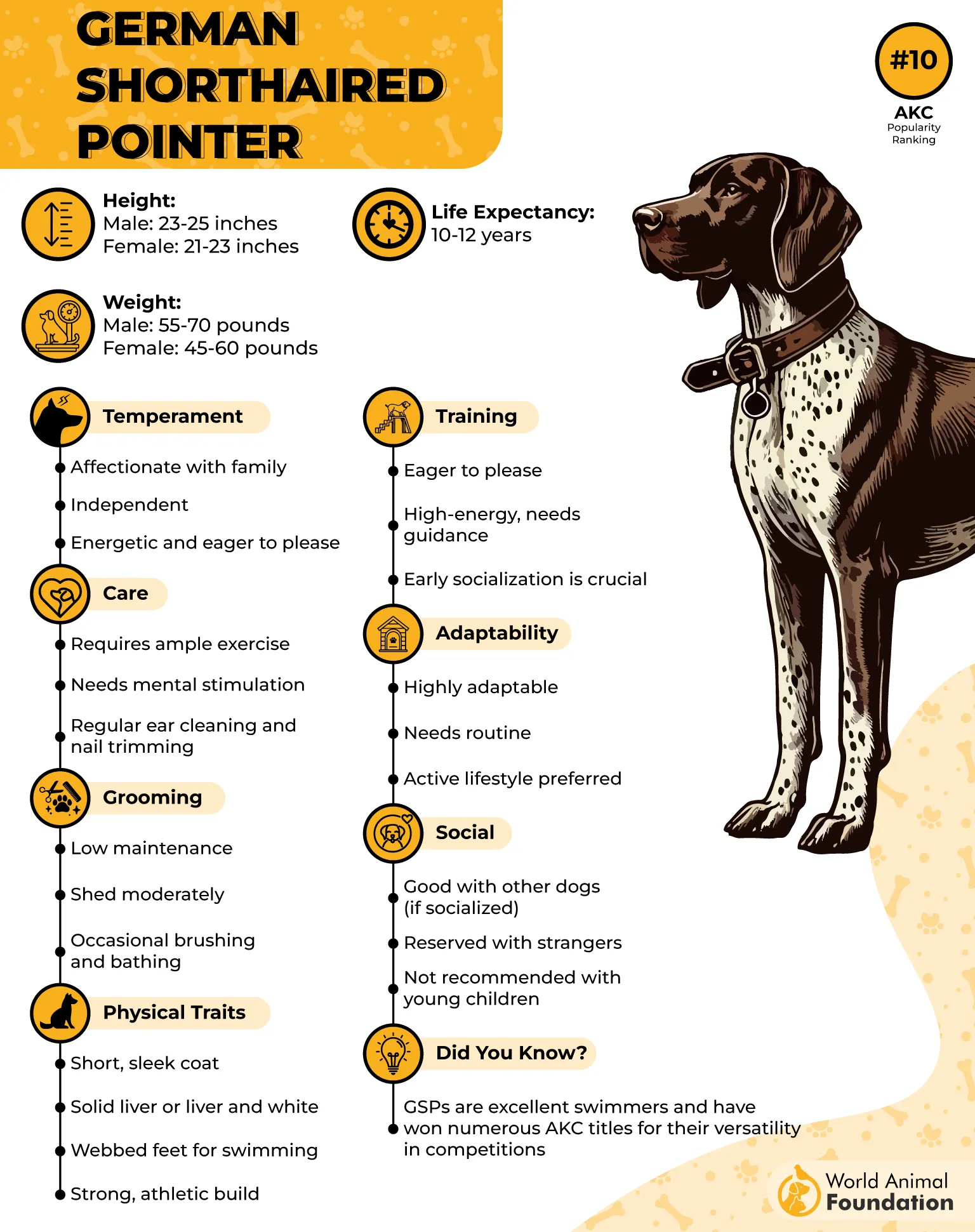
That built-in versatility provides a phenomenal foundation for complex wildlife searches. A powerful nose lets them pick up faint scent trails out of thin air, while their lean, muscular body guarantees they won’t tire during grueling operations.
Because they run on high energy, PetMD adds that life with one demands serious physical and mental engagement, but channel that fire into purposeful work, and you have an unstoppable partner. Their webbed paws make them surprisingly strong swimmers when searches cross rivers, creeks, or flooded timber.
Furthermore, their water-resistant coat sheds burrs and debris easily, keeping them comfortable through hours of rugged bushwhacking.
4. Weimaraner
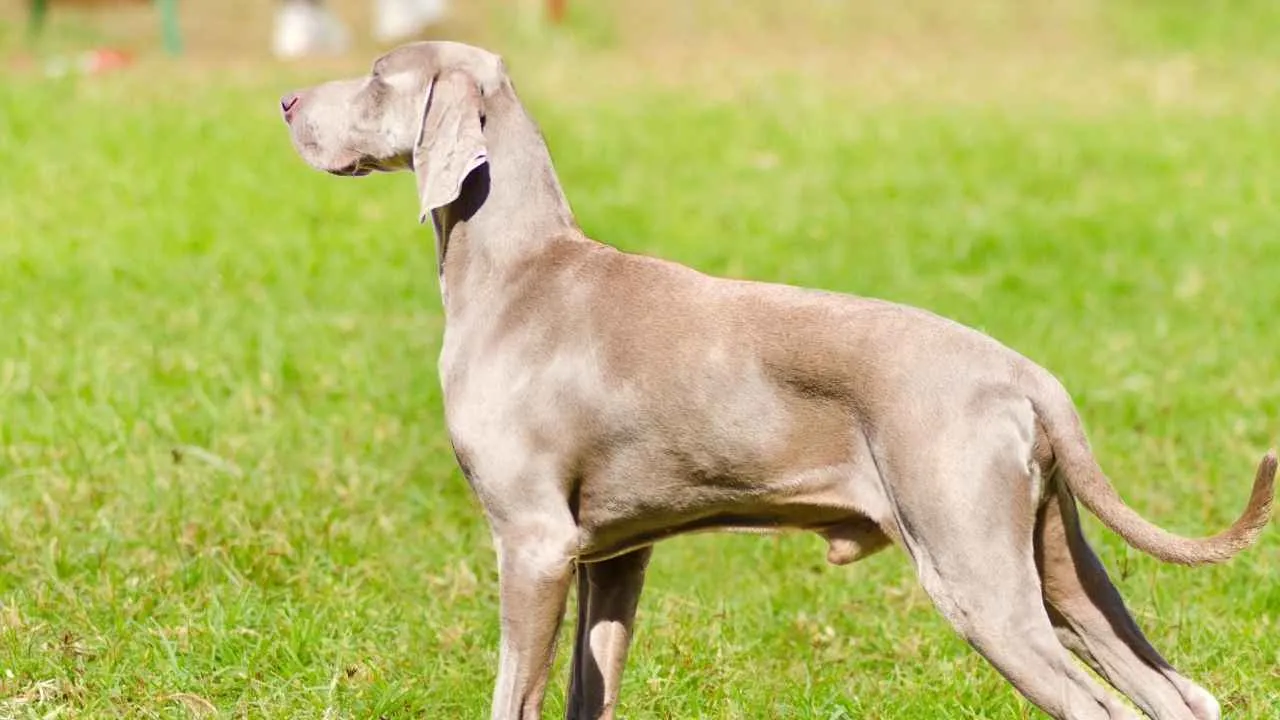
Earthy, elegant, and built like a sprinter, the Weimaraner commands instant attention the second it steps onto the trail. This “Gray Ghost” combines explosive speed, enduring stamina, and a sleek gray coat into a formidable package. This athletic hunting dog boasts a deep working history, originally crafted for high-stakes outdoor pursuits and tracking various types of big game across rugged landscapes.
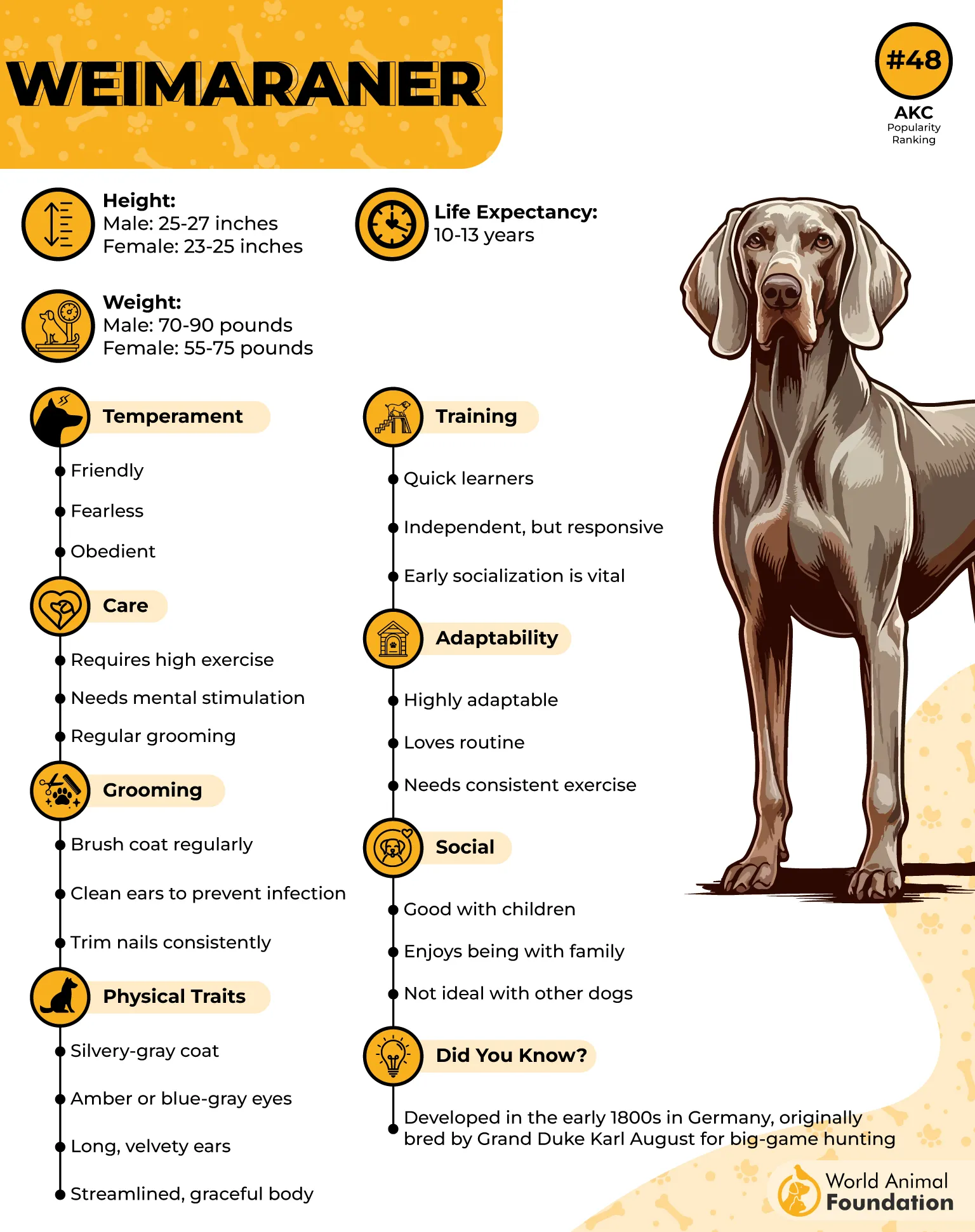
An exceptionally strong prey drive gives them an almost electric focus when locked onto fresh scent or moving prey. Managing that fierce drive takes experienced handling, especially when the goal is locating wildlife safely rather than giving chase.
Given structured practice, Weimaraners can hone those raw instincts into surgical search precision. Plus, their intense desire to stay close to their handler makes them excellent companions outside of working hours.
Their distinctive short coat makes it easy for handlers to quickly check for ticks, burrs, or minor injuries after a trek through thick vegetation. They also tend to work in proximity to their handler, reducing the risk of the dog getting separated in low-visibility environments.
5. English Pointer
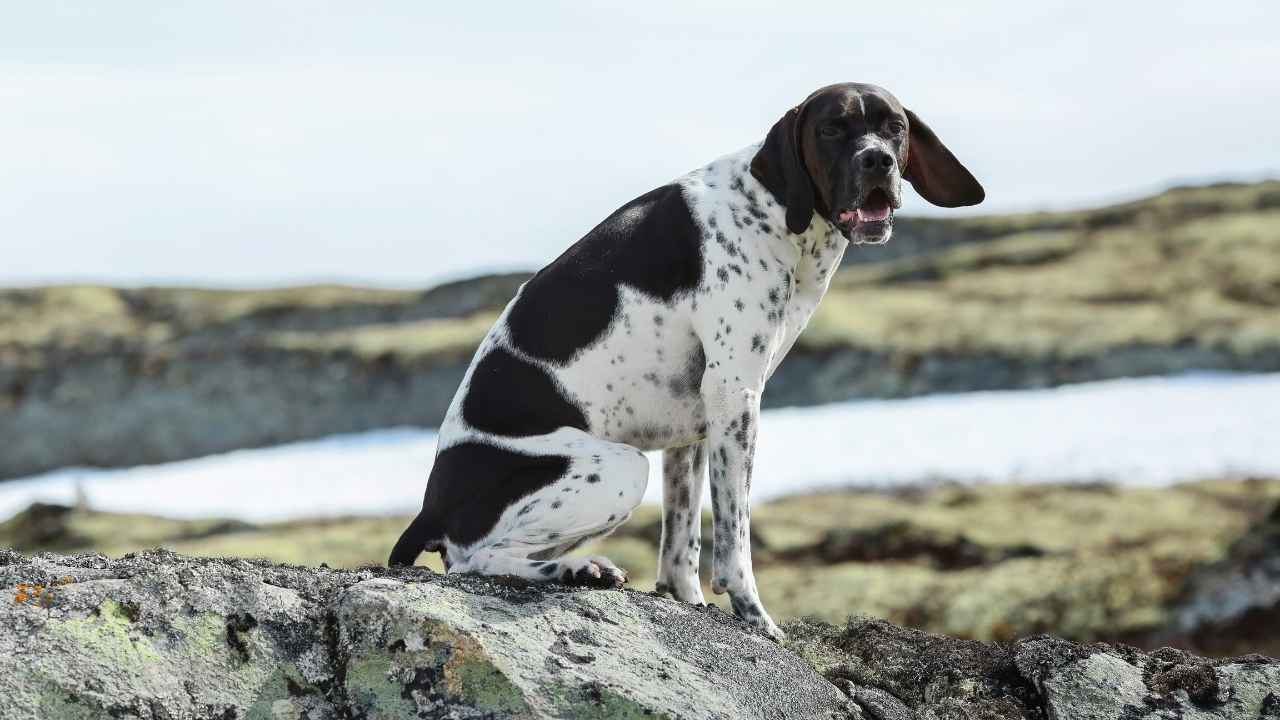
To see an English Pointer freeze mid-stride into a rigid, statue-like point is to watch pure evolutionary drive in action. These high-octane athletes were purpose-built to sweep vast fields for game birds and signal their discovery with that iconic posture.
An incredible sense of smell enables them to snatch scent signals right off the breeze across open country, while their remarkable endurance ensures they can cover territory for hours on end. Standing tall among classic gun dogs, they have long been prized by any hunter looking to systematically pinpoint and manage bird locations.
An English Pointer thrives on an active lifestyle paired with strong leadership; their instincts are powerful, but consistent guidance turns that raw power into a precision search tool. Their exceptional tolerance for warm weather allows them to maintain peak performance during dry, sunny search conditions that would exhaust heavier-coated hounds.
Their clean, rigid pointing posture also provides handlers with a clear directional line straight toward the target’s exact position.
6. Bluetick Coonhound
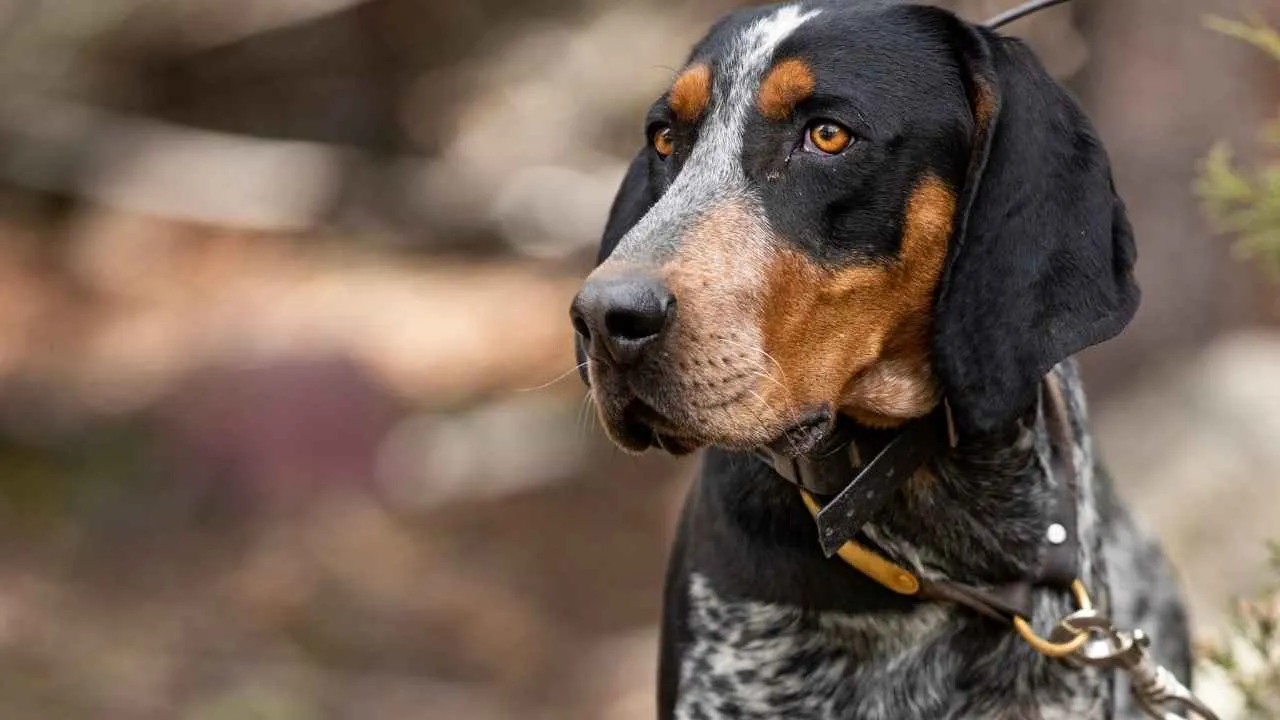
Shift gears from air-scenting pointers to a true ground-tracking specialist that lives and breathes cold scent trails. The Bluetick Coonhound enters the scene with a singular specialty: tracking over substantial distances. With a history rooted in tracking elusive animals like raccoons through dense forests, their heavy-duty noses are built to unravel complex tracks over massive distances.
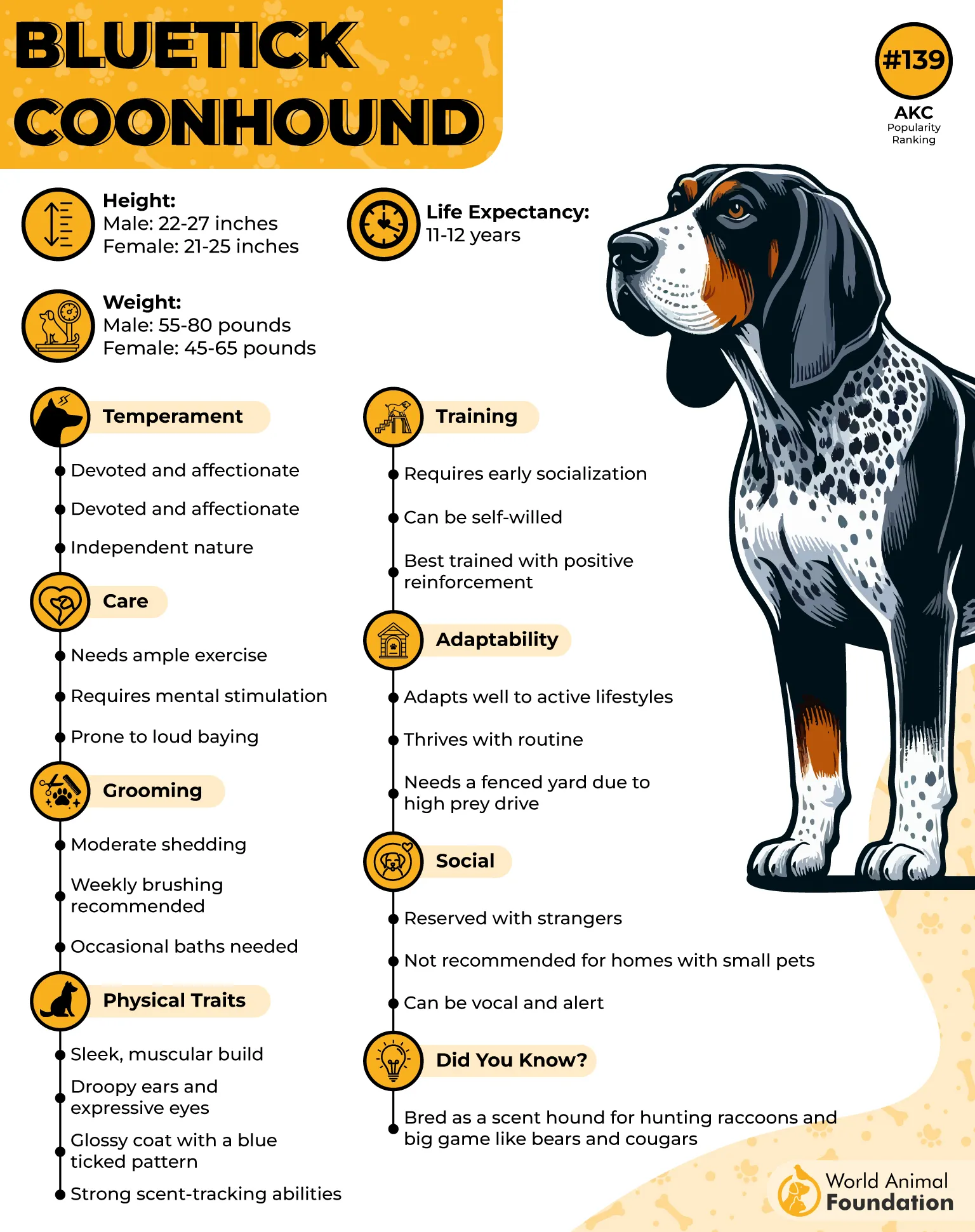
This persistent drive makes them invaluable when a wildlife search hinges on following a ground trail rather than spotting movement from afar. As they work, their resonant vocalizations act as a natural beacon, keeping handlers informed of their progress through heavy cover.
Blueticks are notoriously focused; once locked onto a trail, they tune out the rest of the world, making reliable recall and structured handling essential parts of their routine.
Their oversized, pliable ears act like natural sweeps, pushing airborne scent particles directly toward their nose as they track along the forest floor. Their tough, thick paw pads also protect them from sharp rocks, briars, and freezing ground during extended wilderness pursuits.
7. Bloodhound
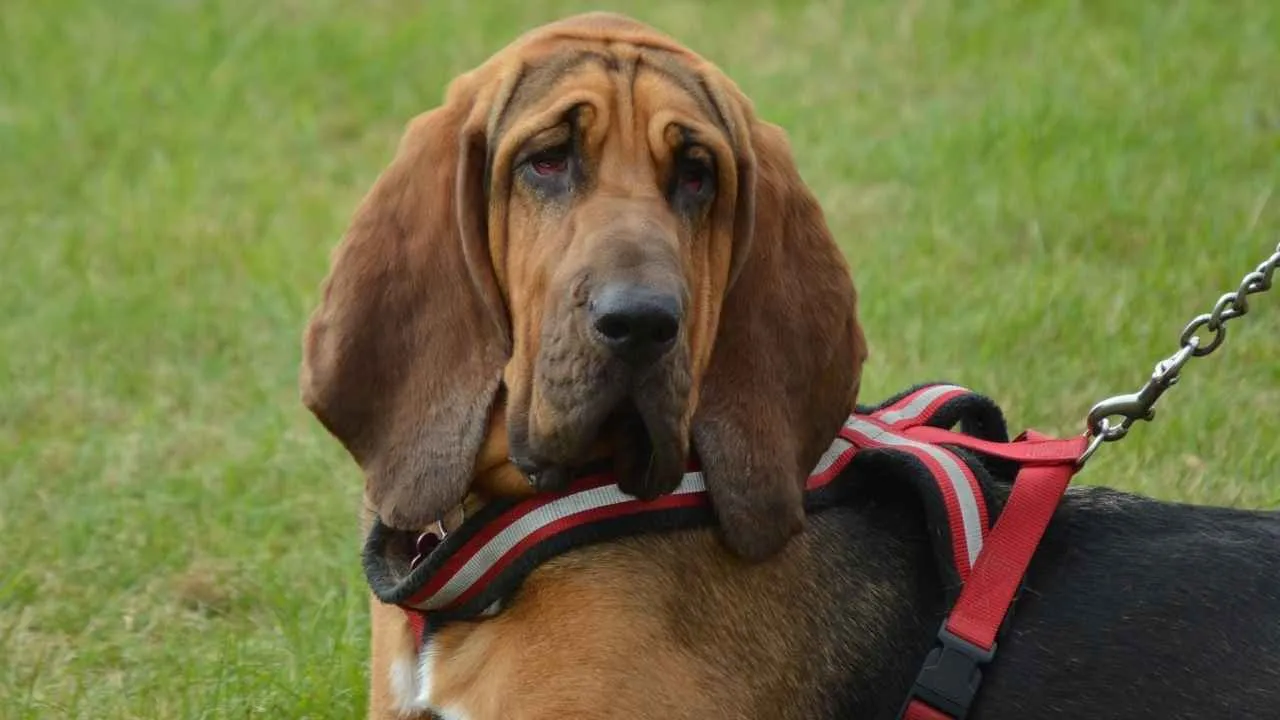
When a trail goes faint, and standard visual searches come up empty, you bring in the undisputed master of the scenting world, the Bloodhound. The Bloodhound’s long sweeping ears, loose facial skin, and legendary olfactory system make them instantly recognizable, but it’s their unrivaled scent-tracking ability that sets them apart.
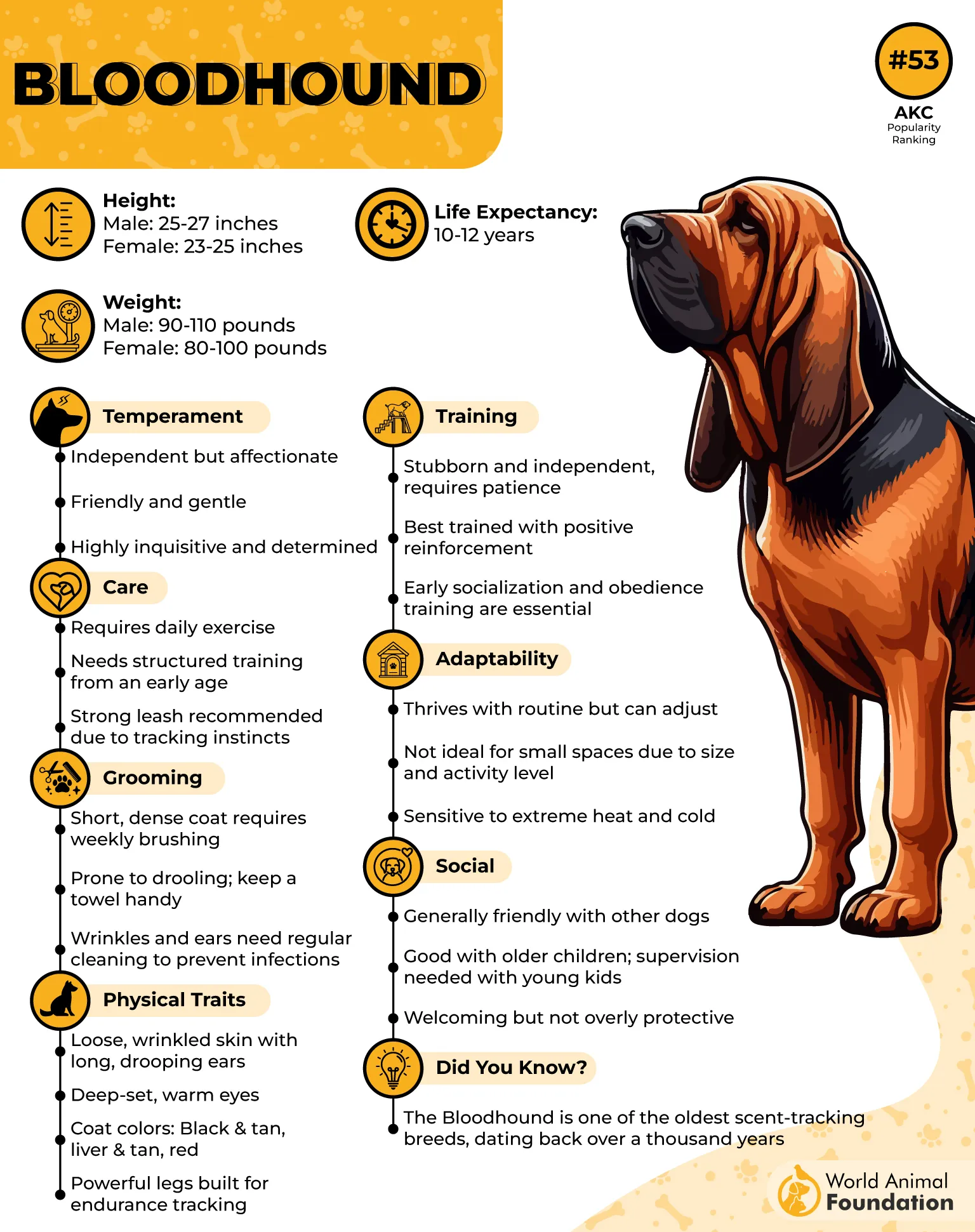
This makes them the gold standard for blood tracking, where specially trained dogs follow blood trails and scent footprints associated with injured or wounded game. Where human sight reveals nothing, a bloodhound methodically reads the ground like a book, piecing together tracks through unforgiving terrain.
Once a Bloodhound locks onto a target, they enter a state of total absorption, a relentless determination that rewards handlers who possess patience, physical strength, and expert tracking experience.
The deep wrinkles around their face help trap floating scent molecules, concentrating the olfactory information directly around their nostrils. They also possess an extraordinarily slow, methodical search pace that prevents them from overshooting delicate scent cues on older trails.
8. Beagle
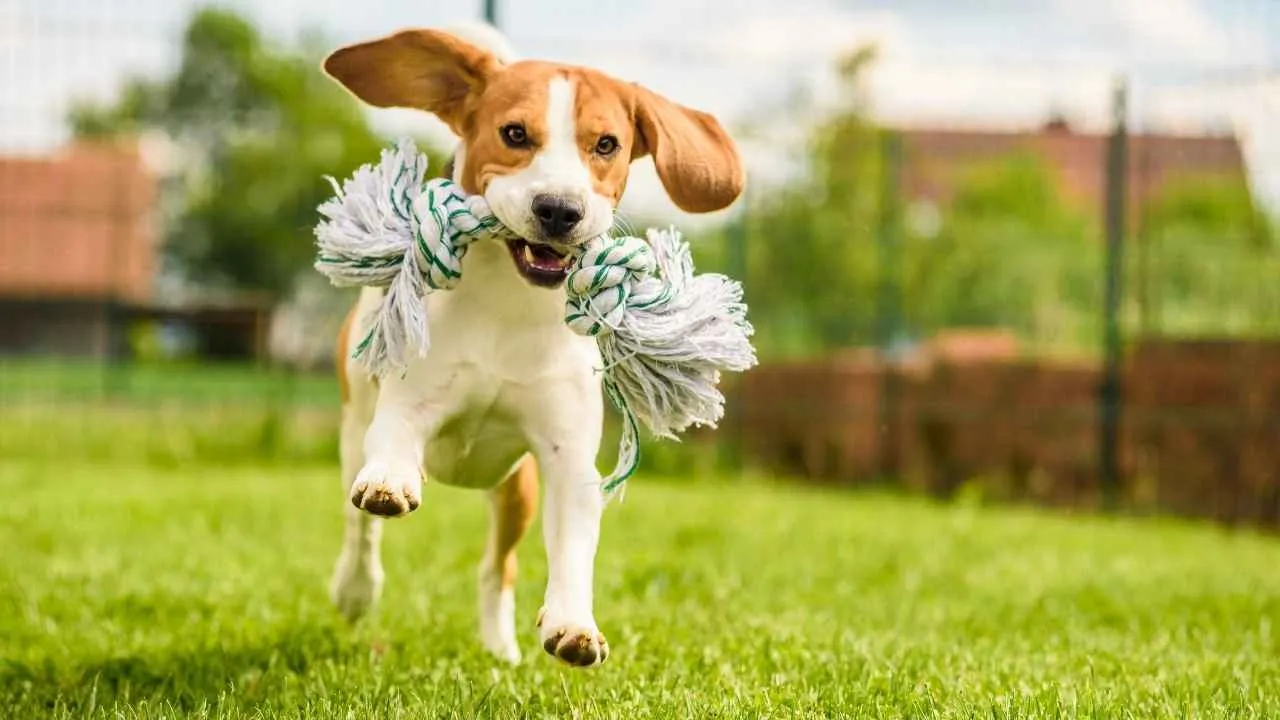
Pound for pound, few dogs on earth possess a tracking engine quite like this cheerful scent hound. The Beagle may be modest in height, but its nose operates on an elite level. Originally bred to follow small game such as rabbits, this compact hound possesses an obsessive, hardwired passion for ground-based scent.
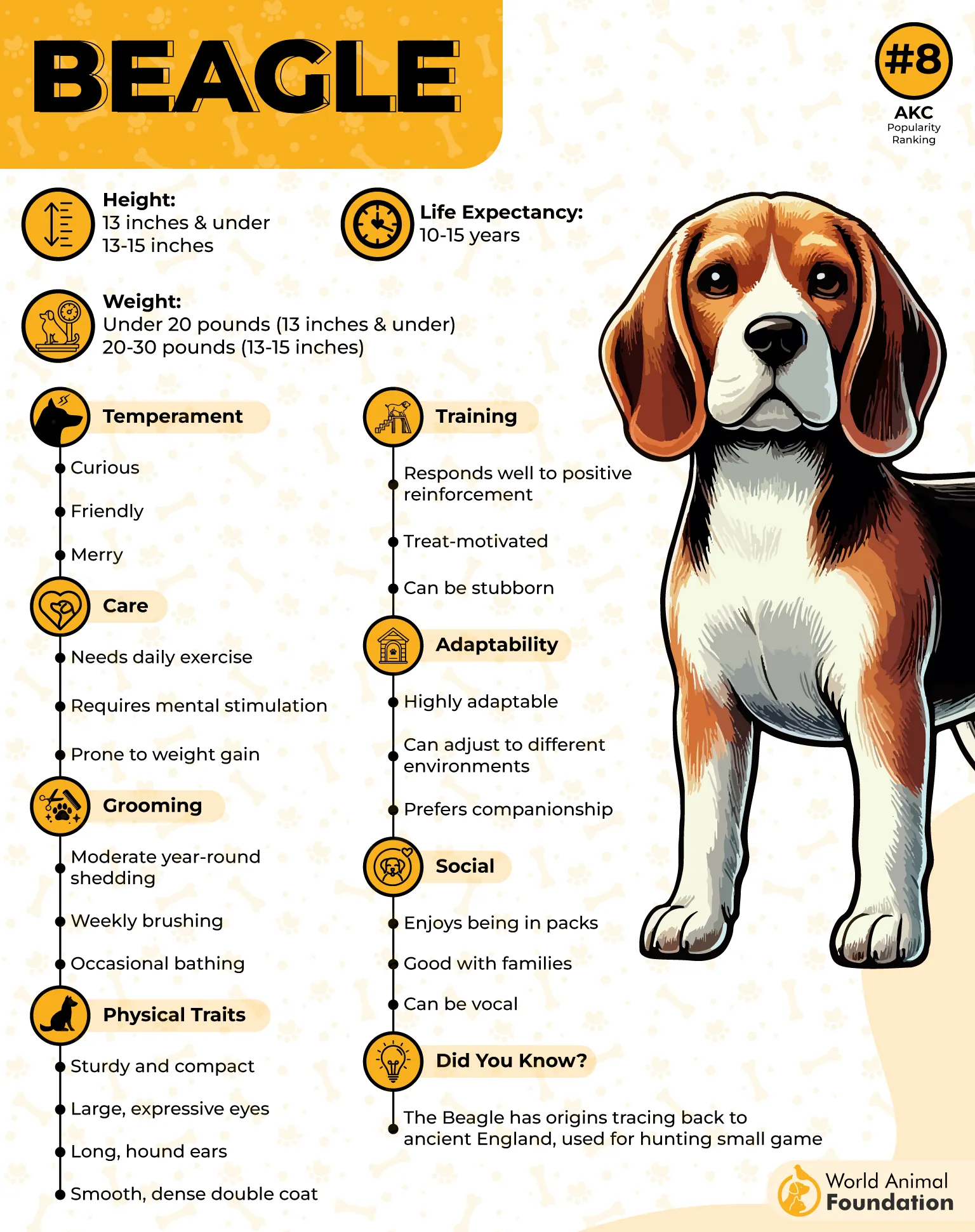
Their low profile and smaller size allow them to dive under thick briars and brush where a larger breed simply can’t fit. Their dogged persistence shines when a trail gets faint or tricky to decipher. Off-duty, Beagles are wonderfully affectionate around the family and gentle around kids and children alike, but beware of their famous independent streak.
Once a fascinating smell hits their nose, their ears tend to turn completely off. Because they carry less body weight, they exert far less physical impact on delicate habitats while searching through sensitive ecosystems. Their vocal “baying” tone changes distinctly depending on trail freshness, giving experienced handlers a live audio feed of the search status.
9. Labrador Retriever
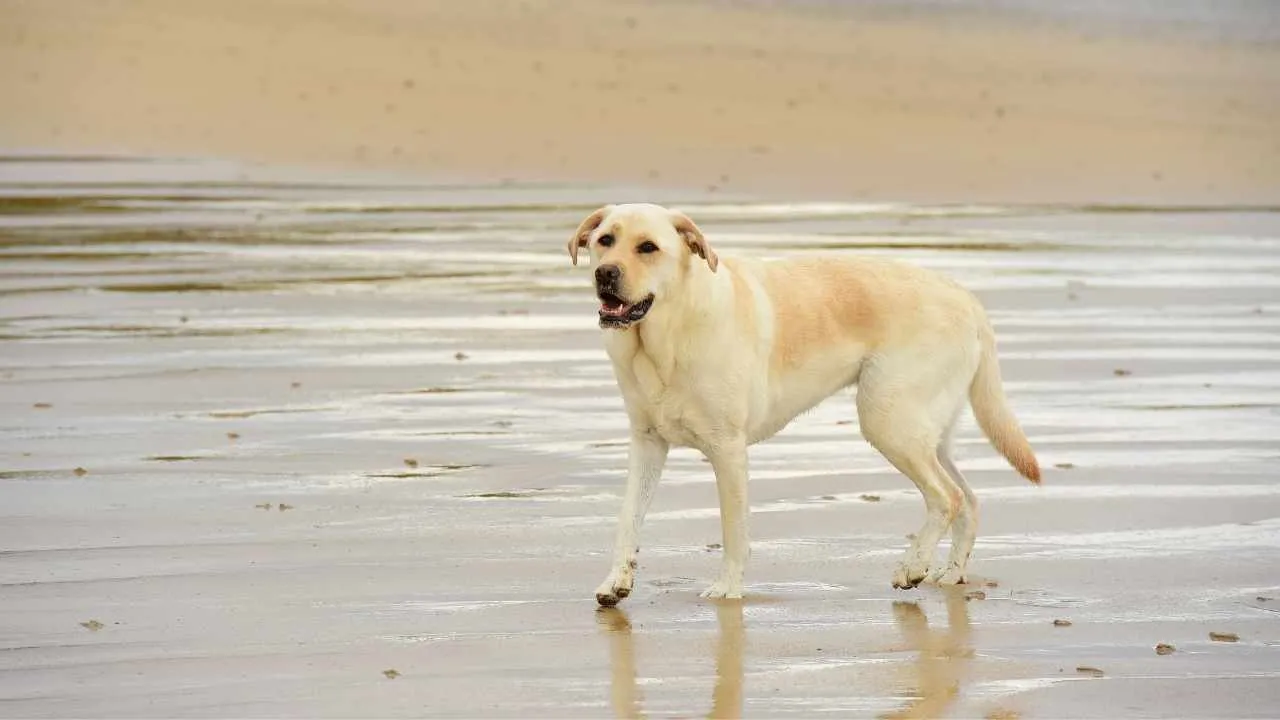
Combine an extraordinary nose with an unwavering desire to team up with people, and you get a search assistant, the Labrador Retriever, capable of tackling just about any job. This popular breed brings a famously cooperative attitude, steady work ethic, and versatile skill set to outdoor search missions.
These classic Labrador Retrievers pair a keen sense of smell with rugged stamina and a natural willingness to work.
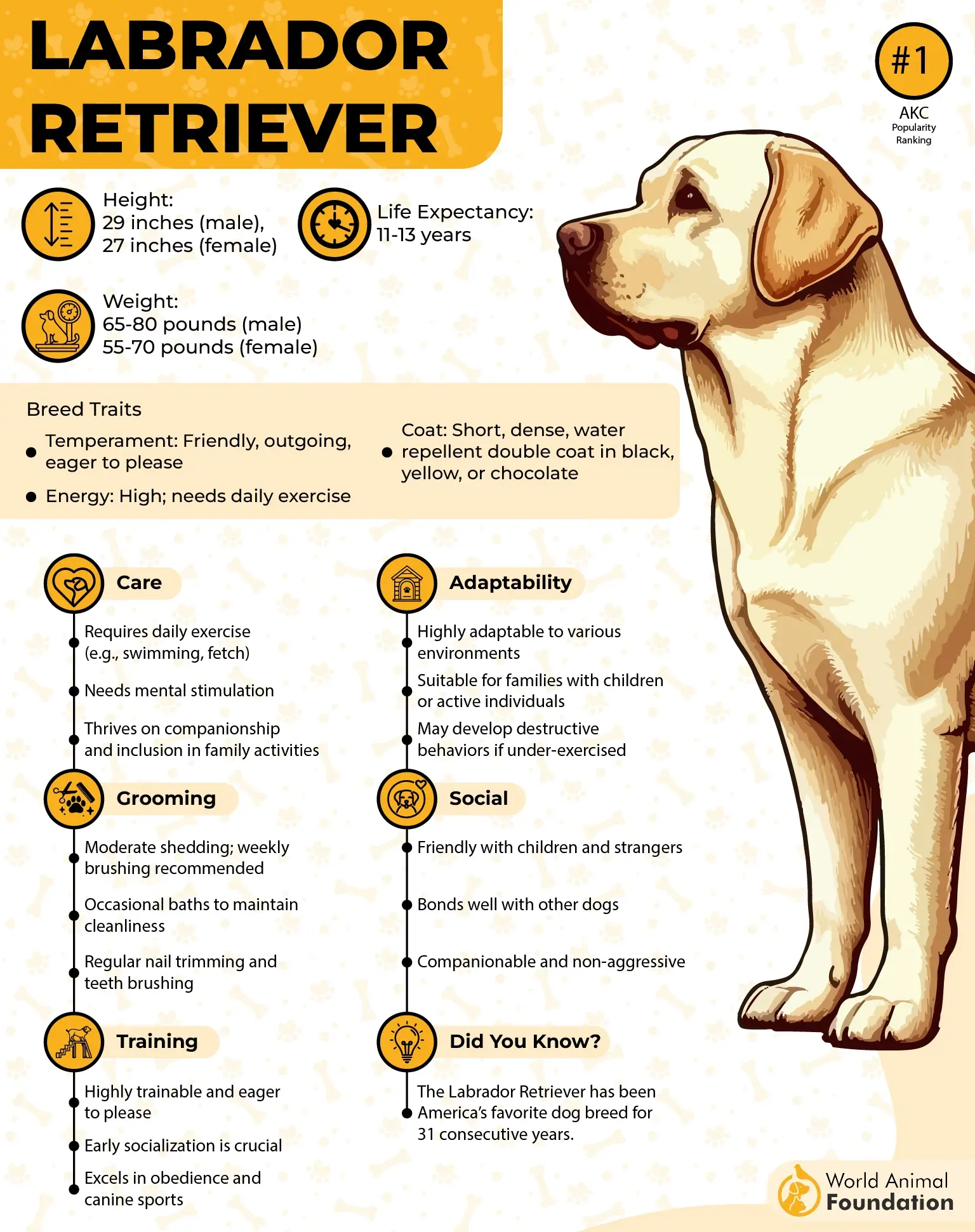
Their deep roots in waterfowl hunting mean they are completely at home splashing through marshes or navigating thick mud to recover waterfowl. That rare mix of scenting talent, swimming prowess, and eager trainability explains why Labs seamlessly transition into detection, tracking, and complex search operations.
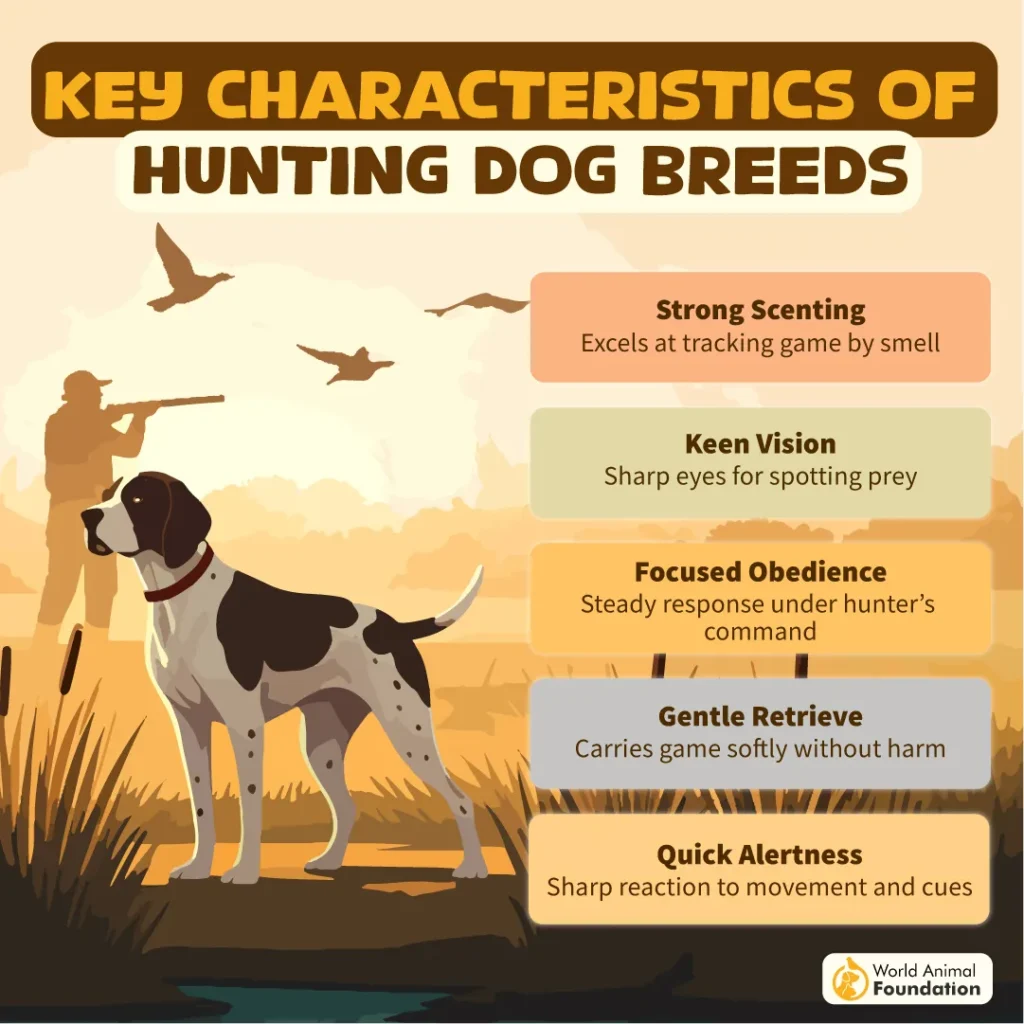
As arguably the most popular breed for active households, a well-trained Lab easily channels its enthusiasm into disciplined, highly effective fieldwork. Their dense, water-repellent double coat acts as thermal insulation, allowing them to search safely in freezing water or cold weather.
They also possess a remarkably gentle “soft mouth” instinct, ensuring that if they locate vulnerable wildlife, they can mark or hold the position without causing injury.
10. Pharaoh Hound
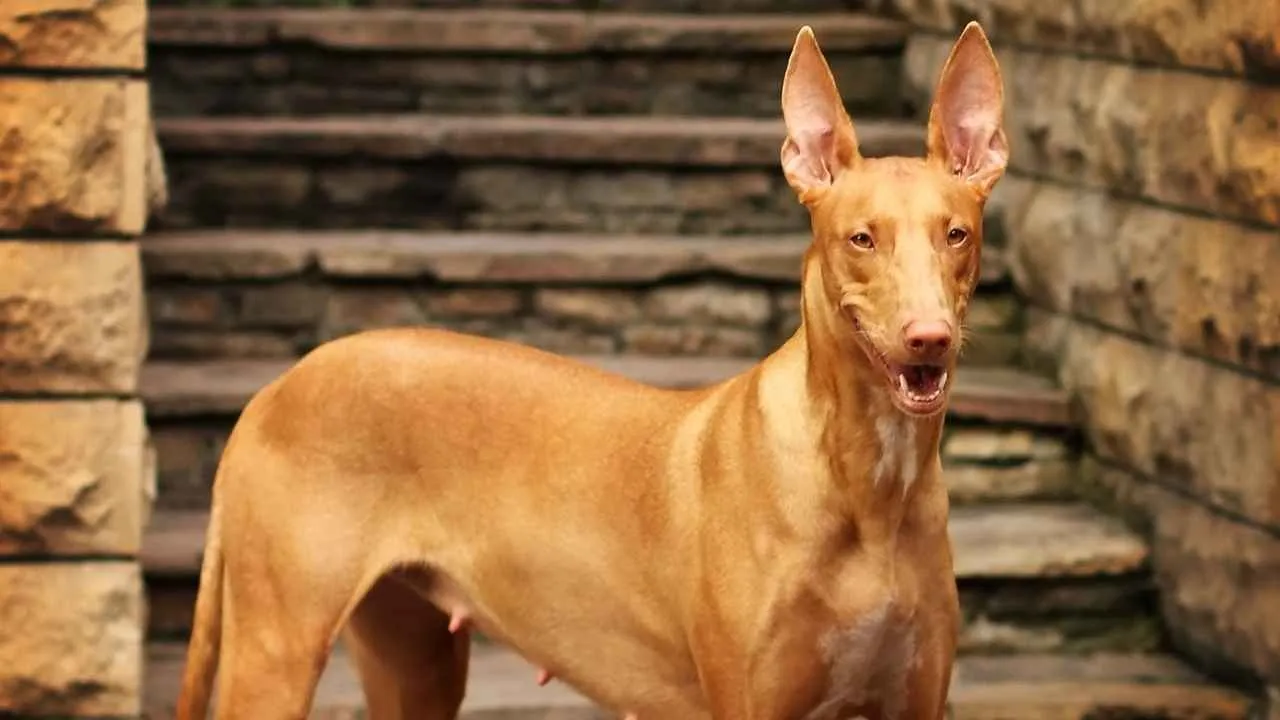
Stepping out of ancient history with lightning speed and sharp senses, this sleek hunter brings a truly unique flair to modern search work. Hailing from the Mediterranean island of Malta, Omlet states that the Pharaoh Hound was refined to hunt across harsh, rocky landscapes where fast reflexes, keen sight, and a sharp nose meant the difference between success and failure.
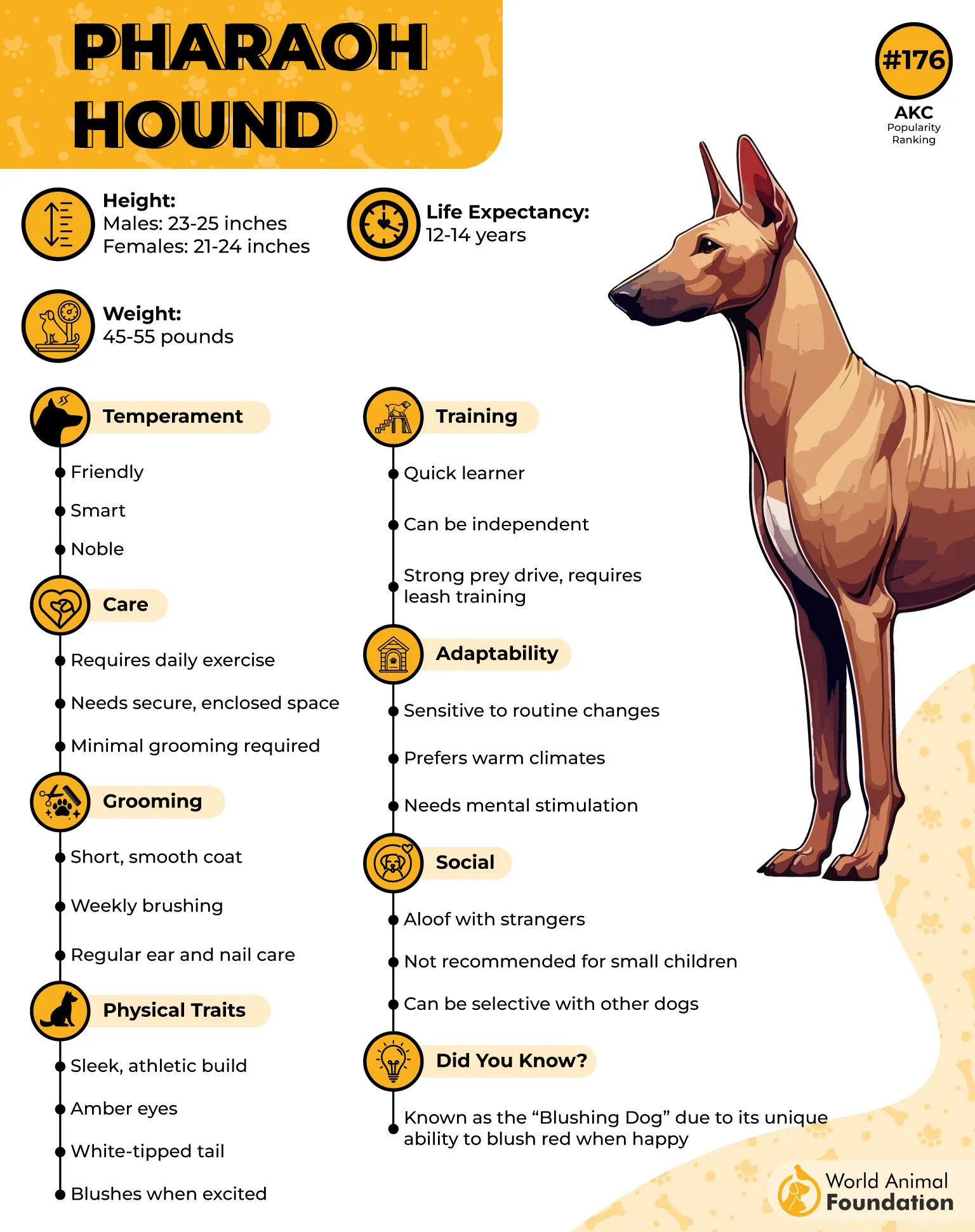
Their lithe, aerodynamic frame allows them to leap across uneven ground with effortless grace. Driven by a powerful instinct to spot and pursue moving targets, they require dependable recall and watchful supervision during field operations.
Their short coat demands minimal grooming maintenance, leaving more time for outdoor adventures and scent-based activities. While their independent nature requires a thoughtful, patient approach to training, their natural talents make them remarkable search partners compared to many other breeds.
Uniquely relying on both sight and sound alongside their sense of smell, they can pinpoint distant cracking twigs or faint rustling long before other scent hounds notice. Their large, erect ears act as acoustic dishes, helping them isolate animal calls across open, windy valleys.
Conclusion
From bird-finding Pointers to determined scent hounds, the best tracking dog breeds approach the same task in very different ways.
The environment matters just as much. Weather, vegetation, wind direction, terrain, and the age of a scent can influence how successfully a dog follows a track. A handler’s experience matters as much because the dog and person must work as a team rather than relying on instinct alone.
Specialized training also helps prevent unwanted chasing. Wildlife searches should prioritize locating a lost animal safely and minimizing disturbance, particularly when the species is vulnerable or injured.
Whether working through fields, forests, wetlands, or open countryside, these dogs demonstrate why canine noses remain such remarkable tools for finding wildlife that has disappeared from view.
