




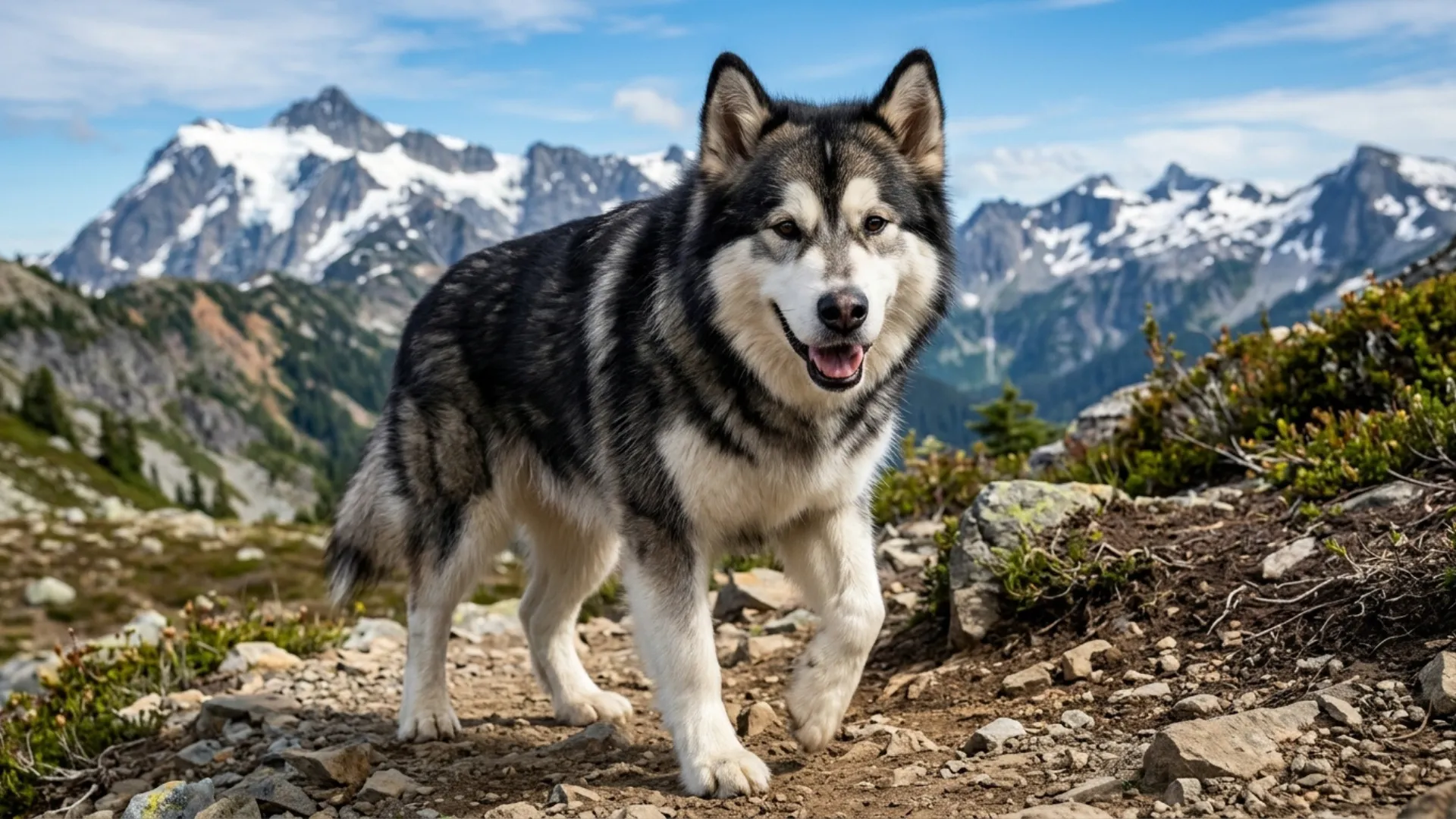
Some dogs treat a long walk as a warm-up, while others were bred to run all day. In fact, a well-conditioned adult of one athletic hunting breed may manage a 10-mile run and still ask what is for dinner.
That kind of stamina is thrilling, but it can also wear you out if your life does not match it. Choosing among the top dog breeds for a wild and active life takes more than a good-looking coat.
This guide introduces dog breeds built for trails, snow, and open country. It also shares the honest details that help you decide if you can keep up.
Ready to find the dog that fits your active lifestyle and outdoor adventures? Read on to meet the first contender, a dog originally bred to pull sleds for a living.
Top Dog Breeds for a Wild and Active Life
1. Siberian Husky
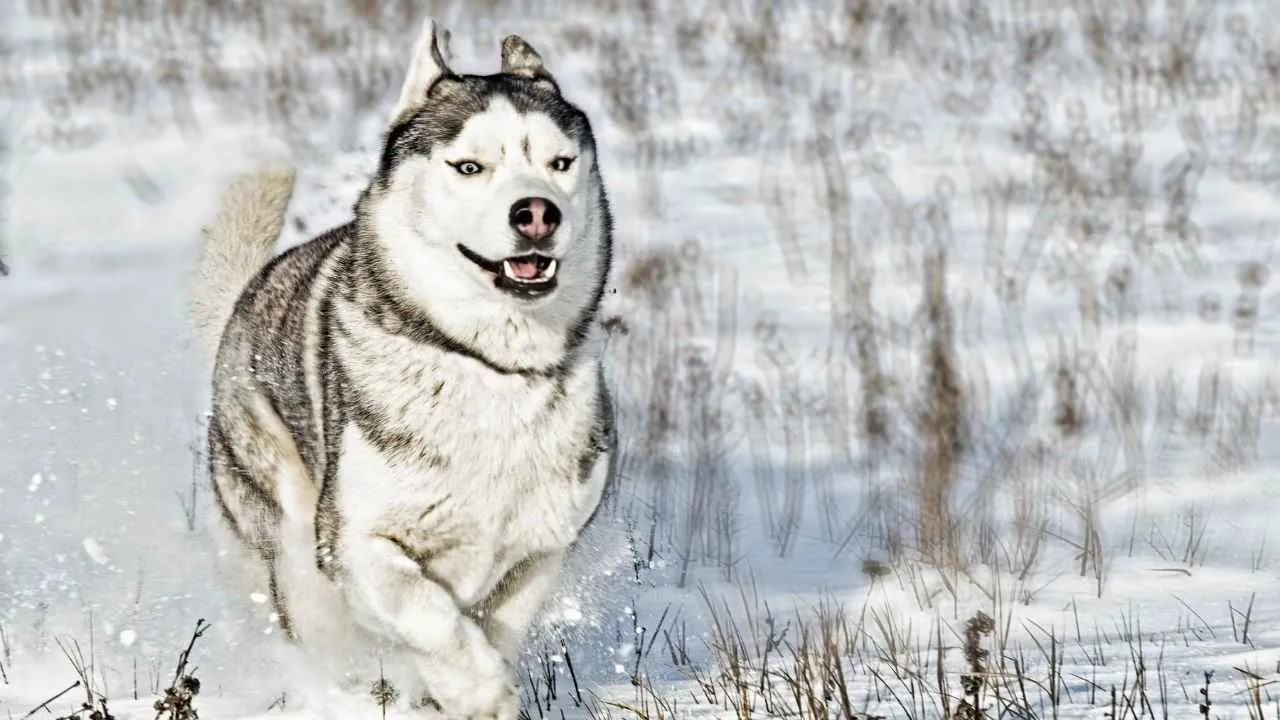
The Siberian Husky was originally bred by the Chukchi people of Siberia to pull sleds. That job explains its incredible endurance. The American Kennel Club notes the breed worked in packs across frozen land.
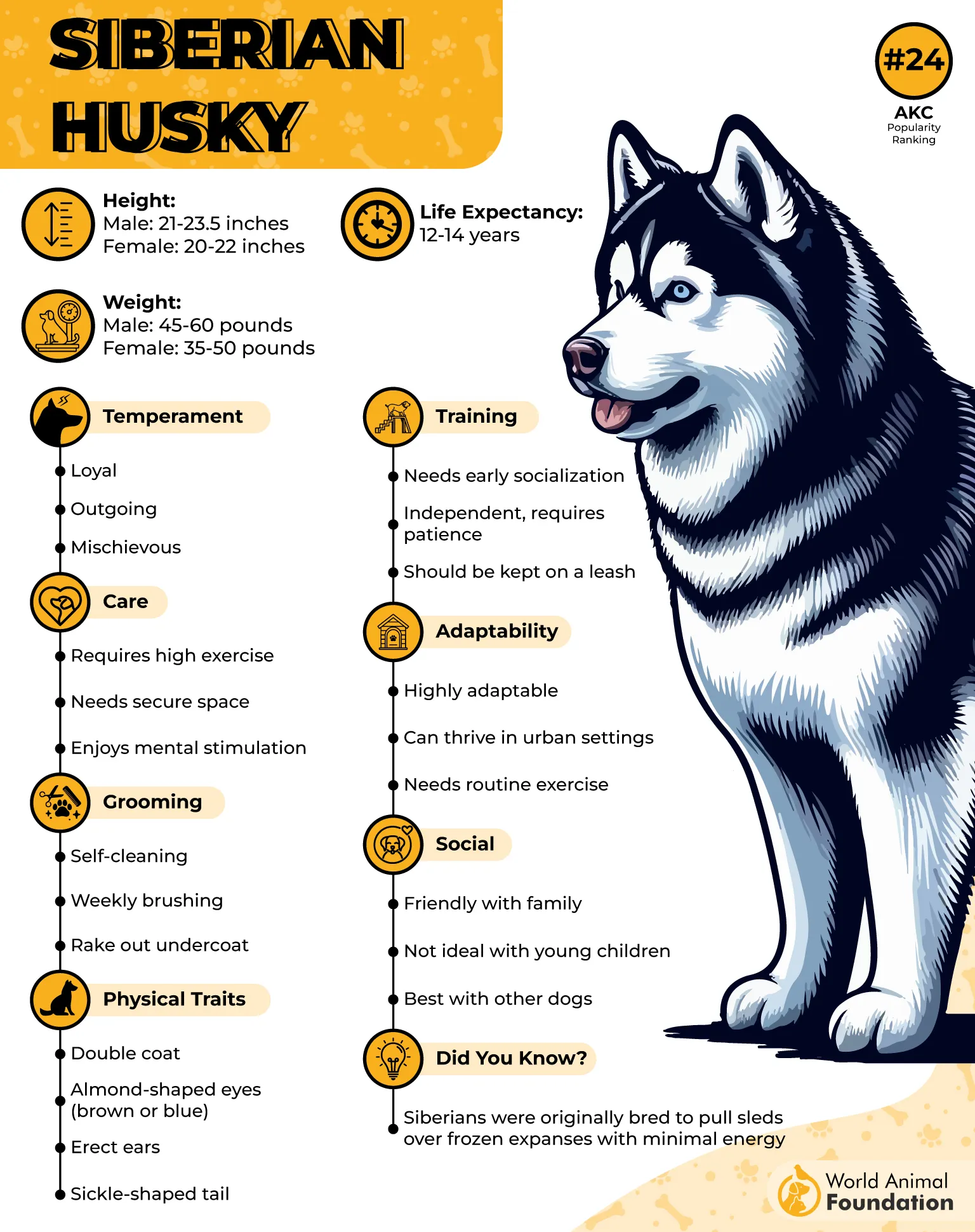
This high-energy dog loves long-distance running and hiking. It also enjoys outdoor adventures and interactive play with active owners.
Honest challenge: Heavy shedding and a talent for escaping fences.
Temperament and trainability: Friendly and clever, but stubborn, so training takes patience.
Climate and space needs: Cooler weather suits the thick coat, while heat calls for early morning exercise.
It is a natural fit for active families who enjoy the outdoors and long walks.
Fun fact: Sled dogs Balto and Togo became heroes in the 1925 serum run to Nome.
2. Alaskan Malamute
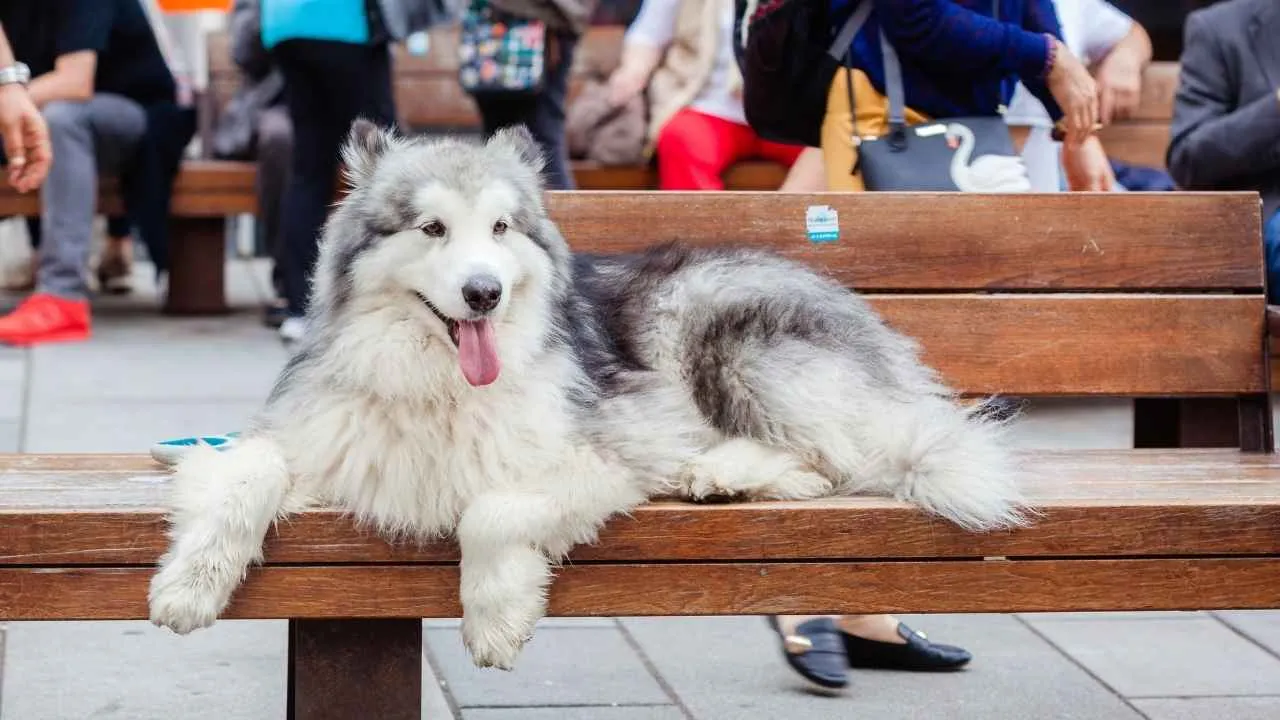
The Alaskan Malamute was bred originally by the Malemiut people of Alaska to haul heavy loads in Arctic conditions. That job explains its sheer strength. Britannica places the breed among the working dogs of the spitz family.
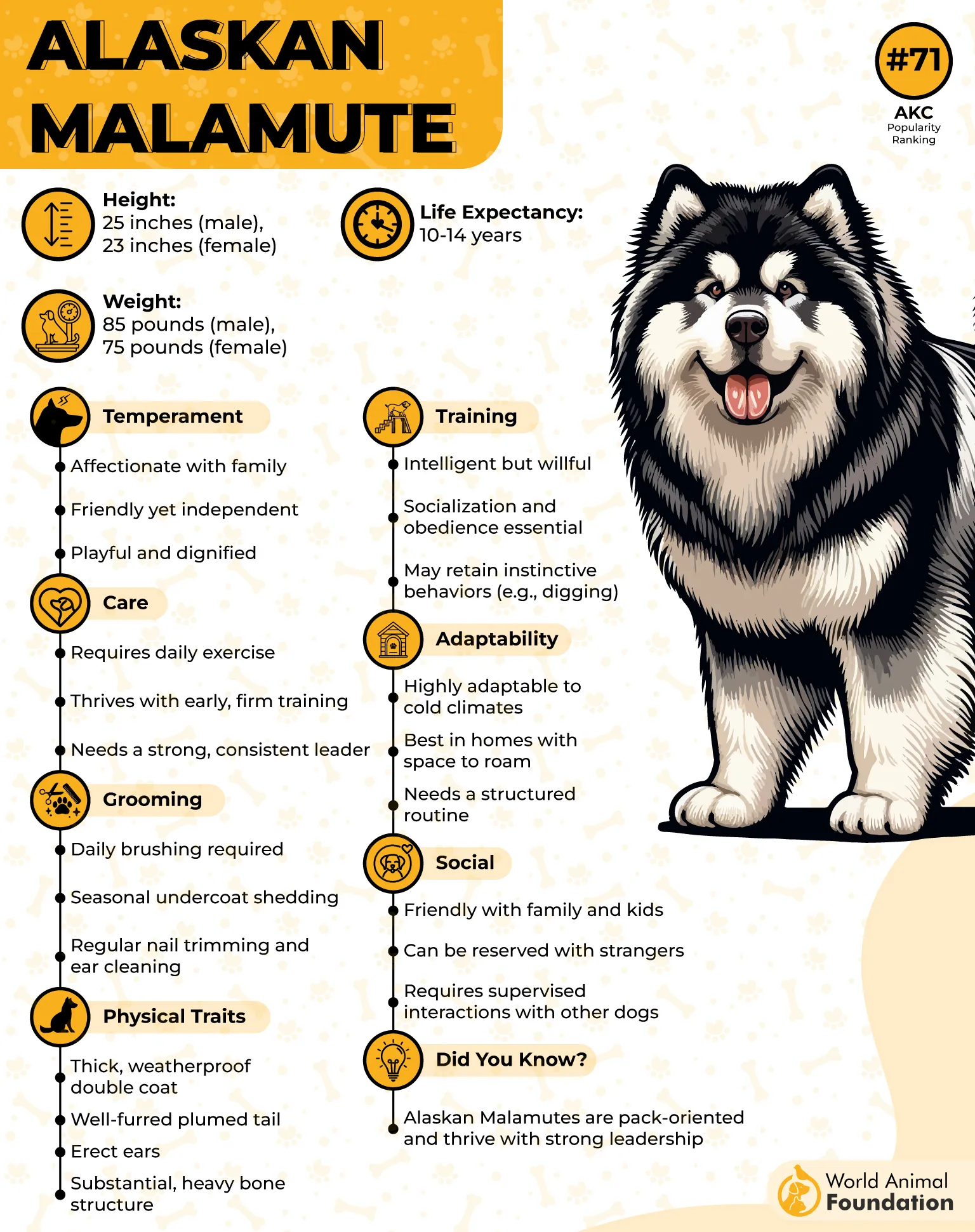
Expect a high-energy partner for hiking and long walks, with real skill at pulling sleds. Daily exercise helps them stay busy.
Honest challenge: Strong prey drive, heavy shedding, and a habit of digging under fences.
Temperament and trainability: Friendly and chatty, with a famous “woo woo” sound, yet independent and stubborn.
Climate and space needs: Thick fur suits the cold, but warm weather brings overheating, and a fenced yard is a must.
This breed suits experienced owners craving outdoor adventures.
Fun fact: Its plume-like tail curls over the back like a fluffy flag.
3. German Shorthaired Pointer
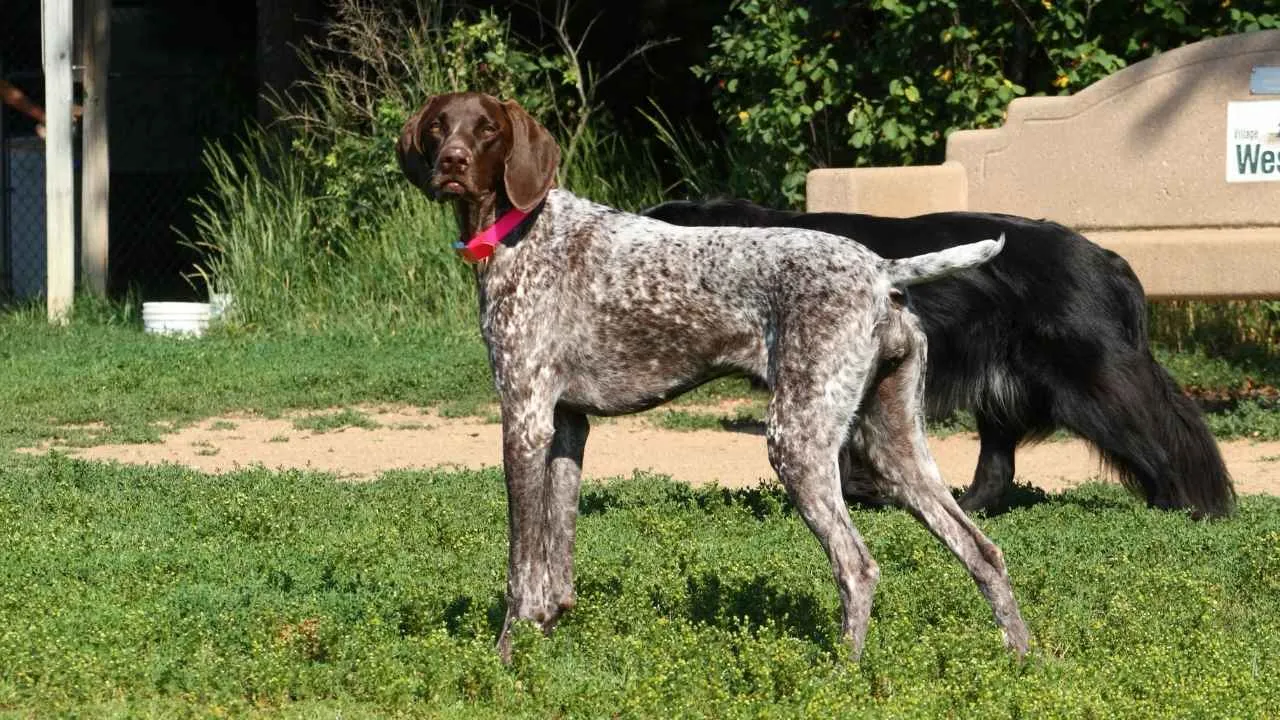
The German Shorthaired Pointer was originally bred in Germany in the late 1800s as an all-around hunting dog. It could hunt, point, and retrieve, which explains its endless drive.
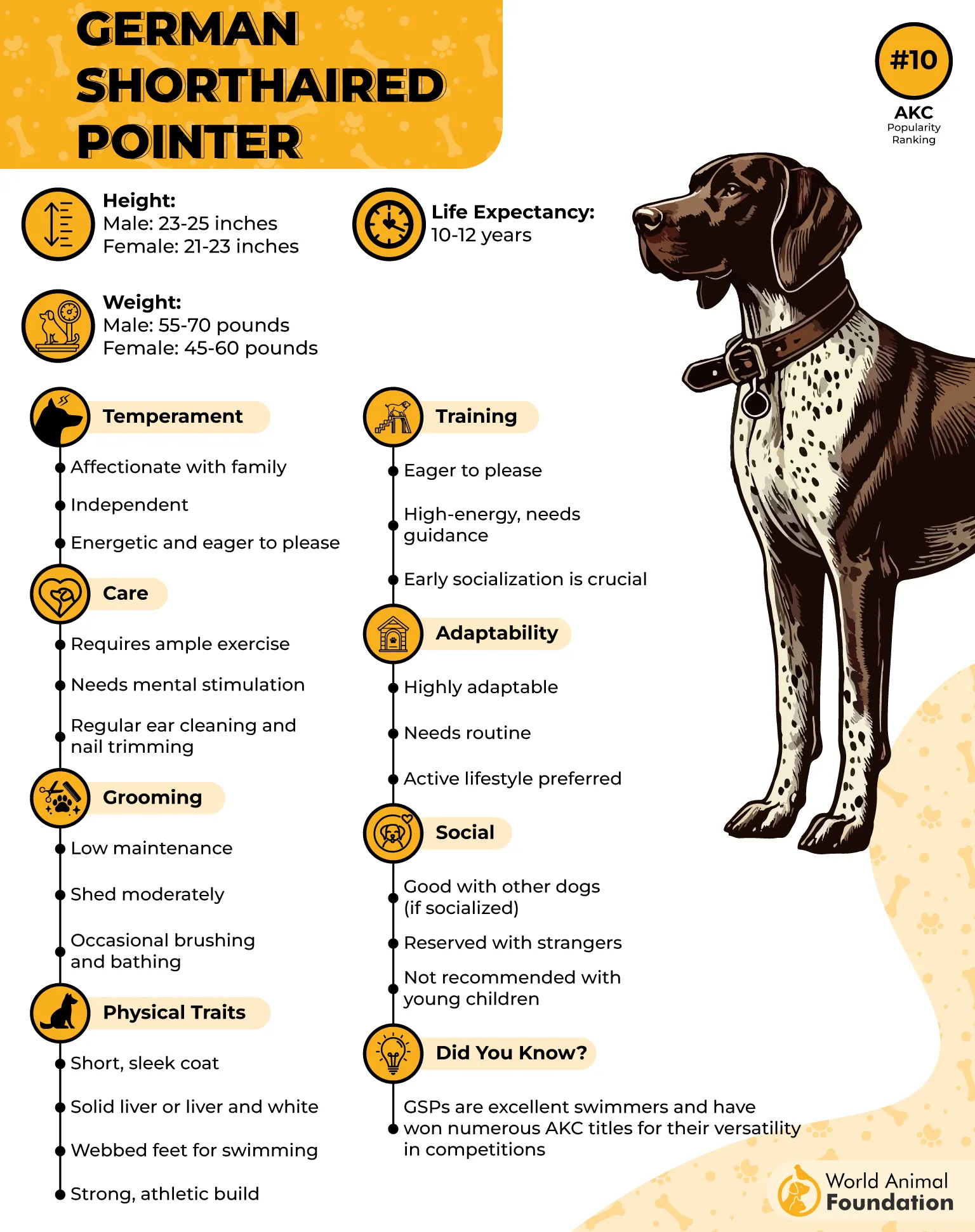
This energetic dog thrives on running, swimming, and dog sports like agility and dock diving. A simple walk will never be enough.
Honest challenge: Strong prey drive, plus destructive habits when bored or left alone too long.
Temperament and trainability: Highly trainable, affectionate, and eager to please, though harsh methods backfire.
Climate and space needs: Heat is no problem with water nearby, but cold and wet weather are tougher, and a large fenced yard is essential.
It is a natural fit for hunters and active families with older children.
Fun fact: This Pointer keeps its puppy energy well into old age.
4. Vizsla
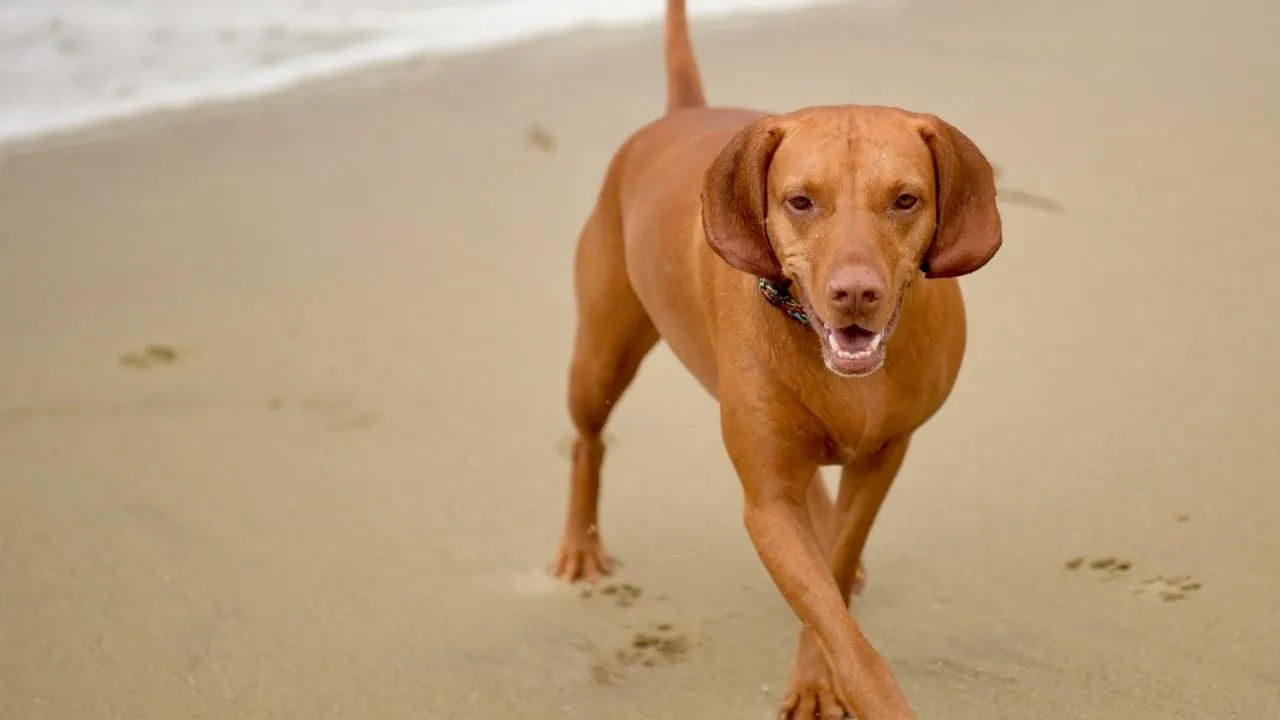
The Vizsla is a Hungarian breed descended from ancient Magyar hunting dogs. It was originally bred to point and retrieve, which explains its nonstop drive. Orvis says the breed nearly vanished after World War II before it was restored.
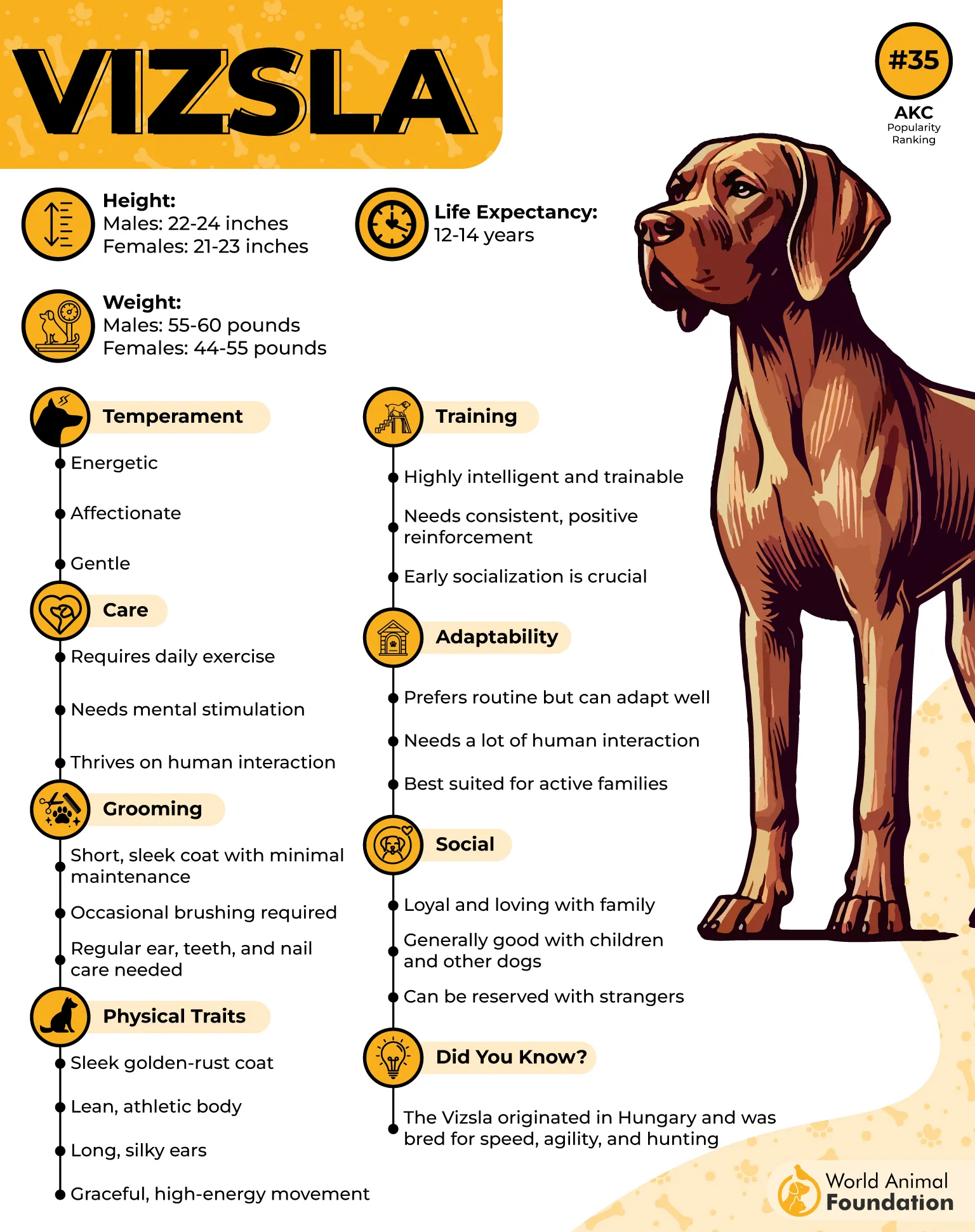
This high-energy athlete loves running, hiking, and playing fetch, so daily exercise is non-negotiable.
Honest challenge: Separation anxiety, since Vizslas want to stay close to their people at all times.
Temperament and trainability: Gentle, loving, and eager to please, with a whip-smart learning style.
Climate and space needs: The short coat has no undercoat, so cold days call for a jacket.
This breed is ideal for runners and active owners who work from home.
Fun fact: Webbed feet make the Vizsla a natural swimmer.
5. Weimaraner
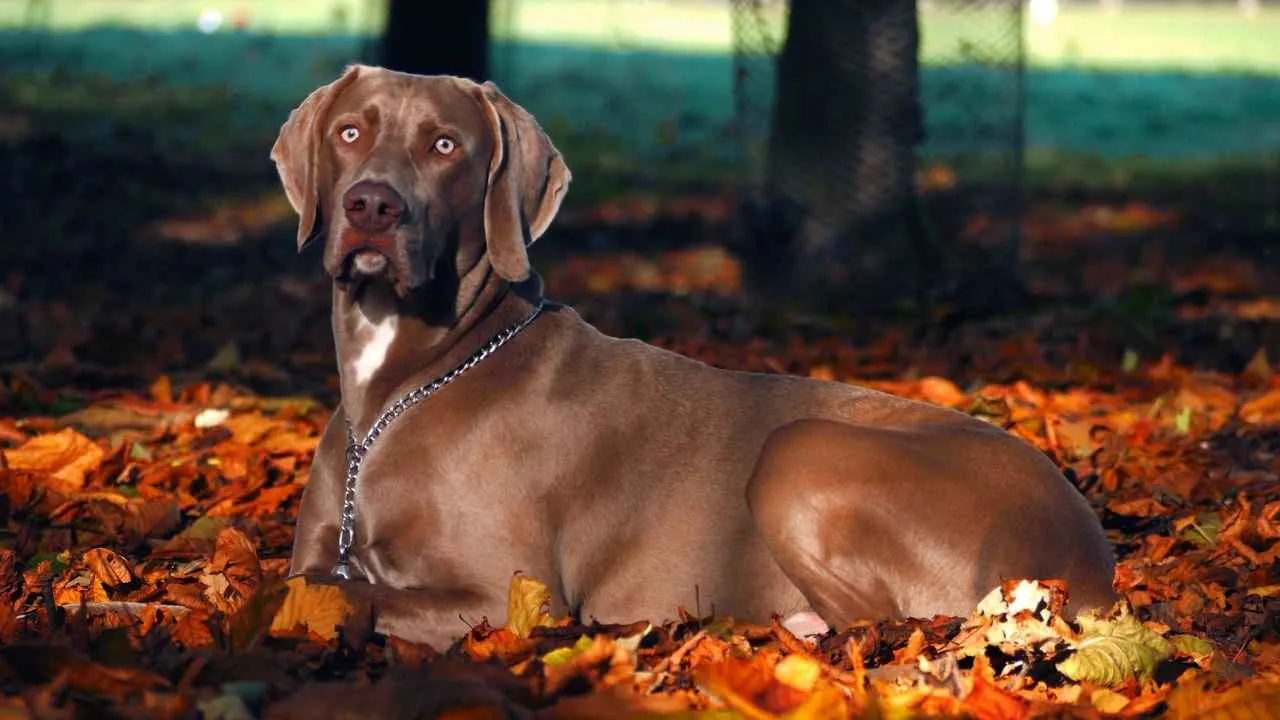
The Weimaraner was originally bred by the nobles of Weimar, who wanted pointers to hunt big game. Hill’s Pet says the breed later developed into a bird dog.
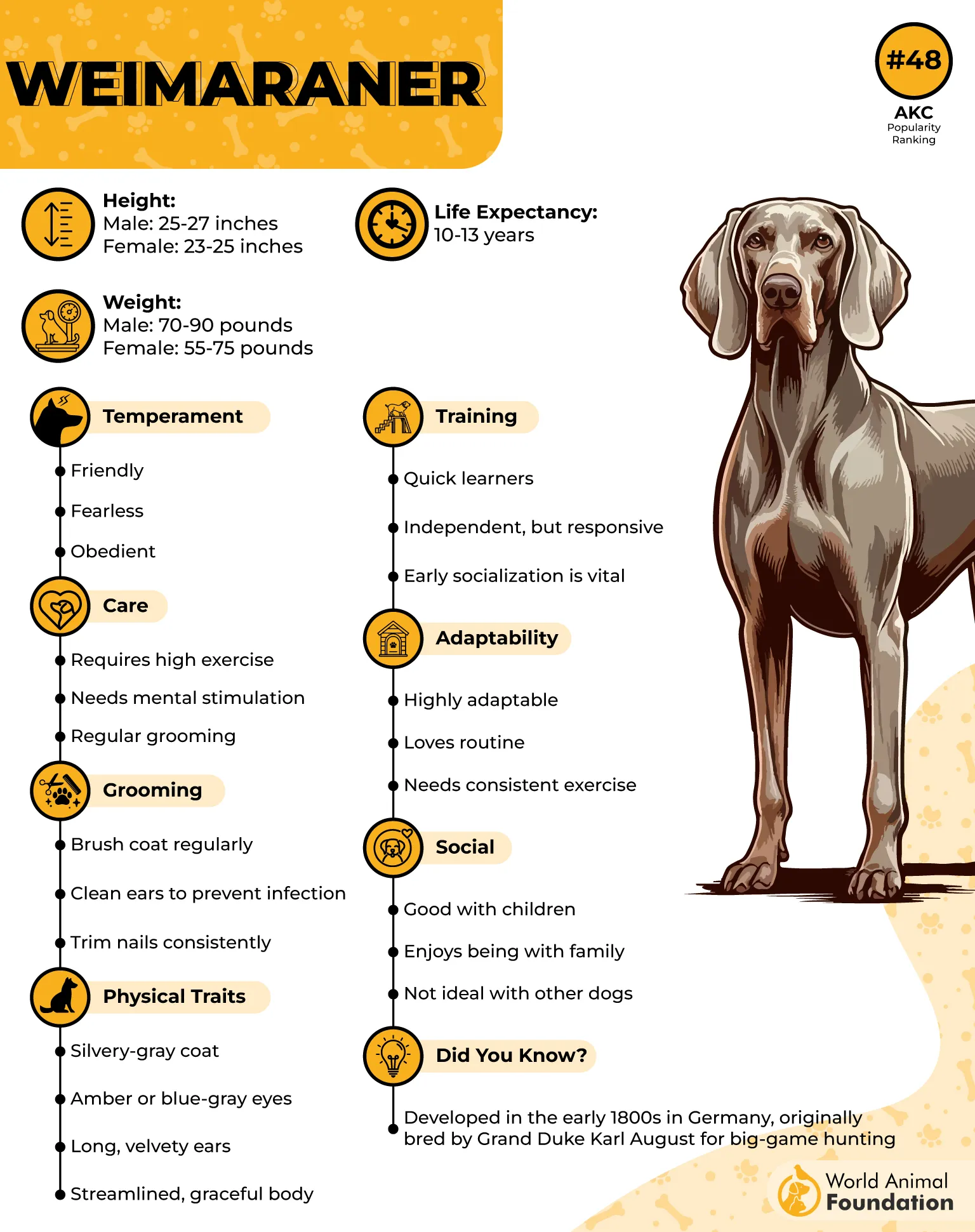
This very energetic breed shines at hunting, hiking, and other outdoor activities. Regular exercise keeps it happy and out of trouble.
Honest challenge: Isolation is tough, since a lonely Weimaraner may bark, chew, or escape.
Temperament and trainability: Highly intelligent and affectionate, but it needs mental stimulation to avoid destructive habits.
Climate and space needs: A large fenced backyard prevents roaming, and kennel life is a poor fit.

It suits active owners who want a constant outdoor partner, not just a pet.
Fun fact: The nickname Gray Ghost comes from its silver-gray coat.
6. Rhodesian Ridgeback
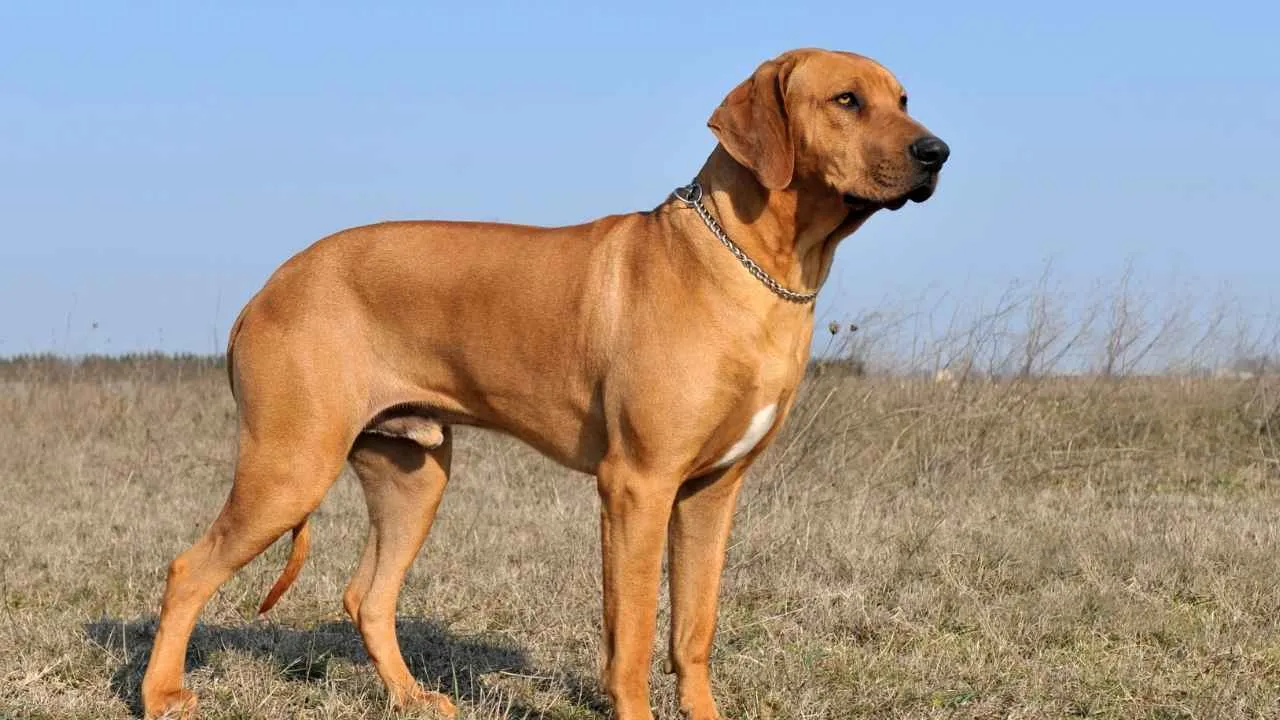
The Rhodesian Ridgeback was bred originally in Africa to track and flush out large predators, including lions. According to PetMD, that job earned the breed the nickname African Lion Hound.
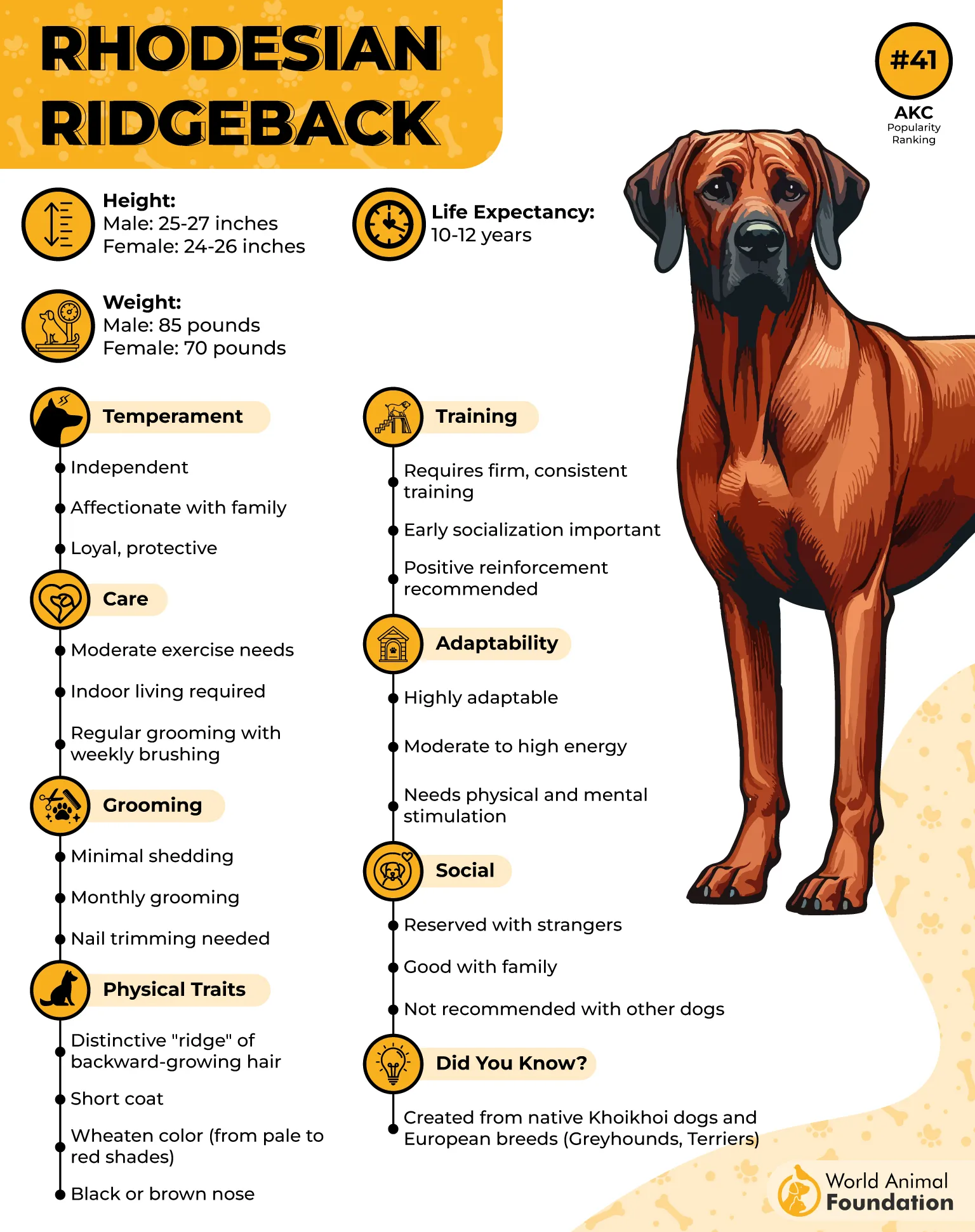
This athletic breed loves hiking, swimming, and jogging. It also excels on agility courses and in tracking.
Honest challenge: High prey drive, plus a habit of counter surfing to steal food.
Temperament and trainability: Loyal with family and aloof with strangers, with an independent streak that needs lifelong training.
Climate and space needs: Lots of space to run helps, and the short coat handles heat better than cold.
It is a great fit for families who can commit time to training and exercise.
Fun fact: Some pups are born ridgeless and are called Ridgeless Ridgebacks.
7. Irish Setter

The Irish Setter was originally bred in early 18th-century Ireland as a bird hunting dog. It used its keen nose to find birds, then froze to set their location.
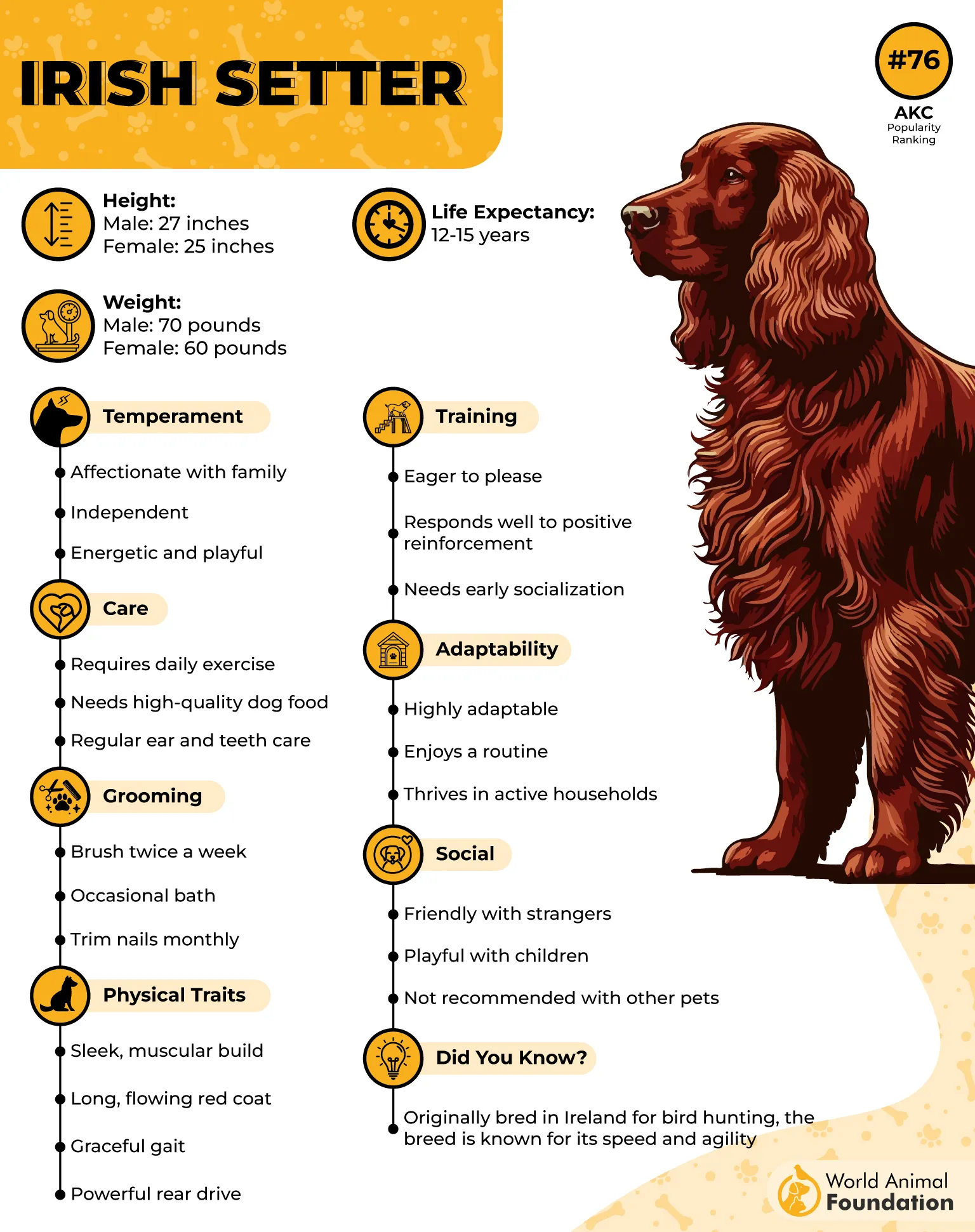
This high-energy dog needs vigorous exercise each day. It loves running, hiking, and playing fetch, and it makes a fine long-distance running partner.
Honest challenge: Separation anxiety, plus a long red coat that needs daily brushing.
Temperament and trainability: Joyful and loving, with a quick mind that enjoys varied lessons.
Climate and space needs: It dislikes the cold and needs a large, securely fenced yard.
It is well suited to active households that love family life and can be home often.
Fun fact: The breed was first called “Modder Rhu” in Gaelic, and this translates as “Red Dog.” The name fits because the breed is known for its rich mahogany-red coat.
Conclusion
The key takeaways are simple: the right dog breed is the one whose energy matches yours, and these active breeds all need physical and mental stimulation to stay happy. Choose well, and you gain loyal companions for hikes, family outings, and long hours outdoors, plus a very sleepy dog at bedtime.
Before you commit, meet the breed, chat with breeders or rescues, and test your routine with a few weeks of extra exercise and agility training. Then tell us in the comments which of these top dog breeds for a wild and active life you would take on your next adventure.
