




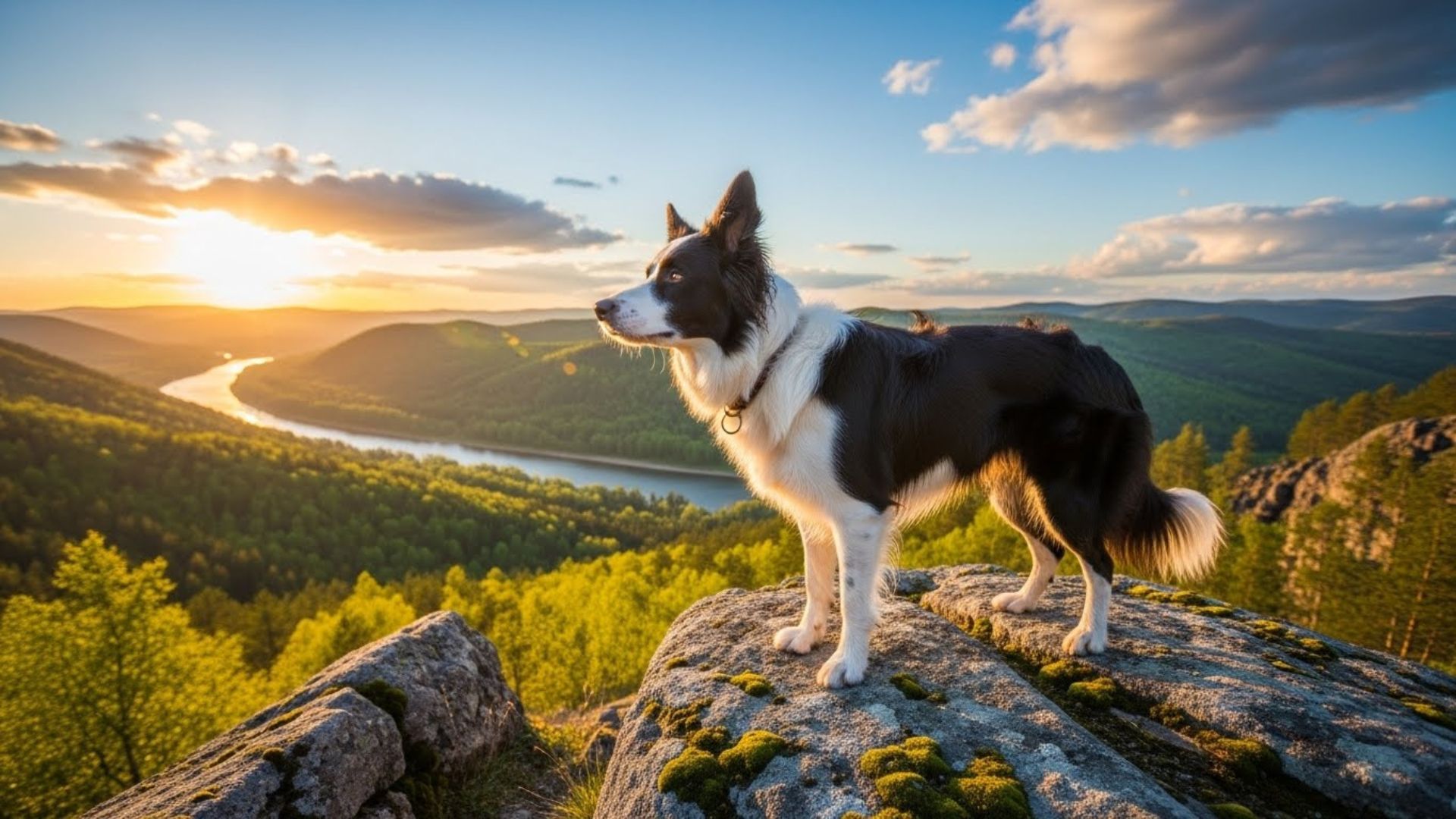
Life outdoors becomes truly exciting with a loyal, energetic companion. The right dog can turn simple hikes, jogs, or trail adventures into thrilling experiences filled with fun, challenge, and lasting memories. Their energy inspires humans to stay active and explore nature fully.
According to Purdue University, dogs and humans share a close bond that benefits both. Spending time with dogs can reduce stress, ease anxiety, lift mood, and make people happier. Moreover, dogs help in therapy, schools, and for veterans, improving health and well-being for both humans and dogs.
This blog explores top dog breeds for outdoor adventures, highlighting their energy, stamina, and traits. It helps readers choose the perfect companion for hiking, running, or water activities, ensuring every outdoor moment is fun and memorable.
Top Dog Breeds for a Life of Outdoor Fun
1. Border Collie
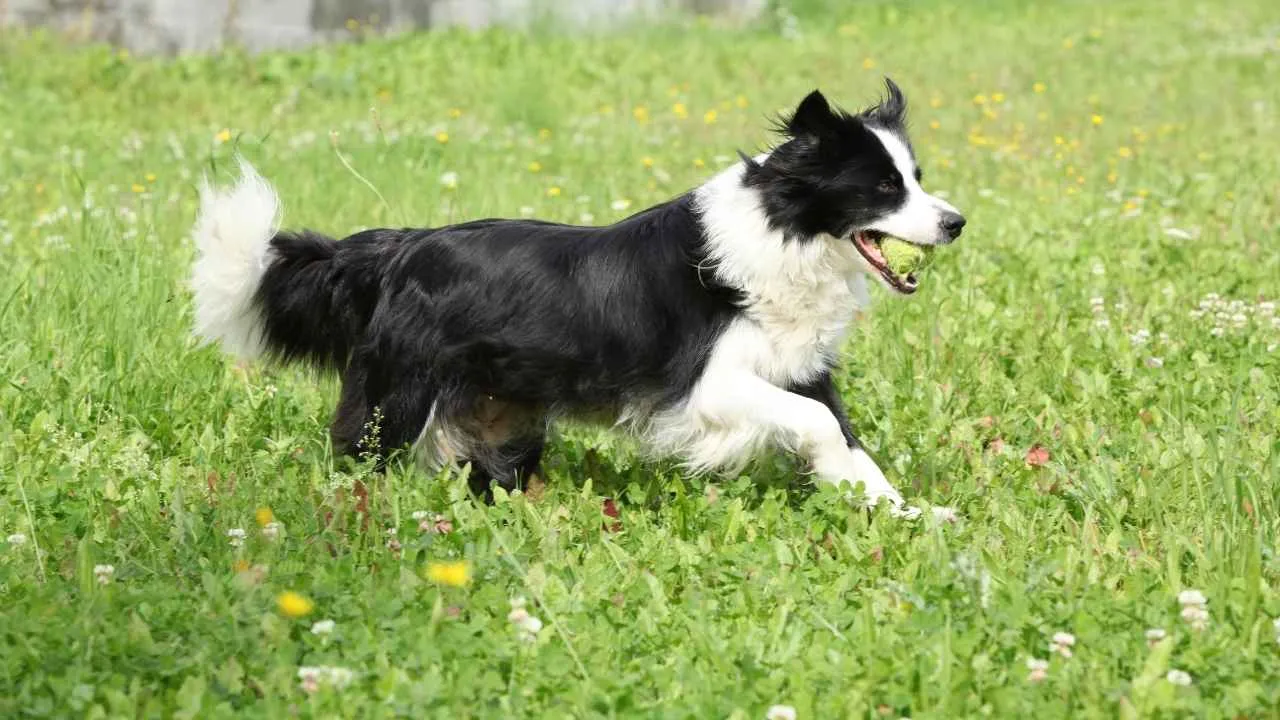
Originally bred in the misty Anglo-Scottish borders, these medium-sized herders descend from rugged Roman and Viking canines. These athletic superstars hold world records for brainpower, with one famous pup named Chaser recognizing over a thousand distinct objects!
When it comes to movement, the Border Collie possesses boundless energy levels that require way more than a casual block stroll. You’ll find they need at least sixty minutes of vigorous daily activity to keep their tails wagging happily.
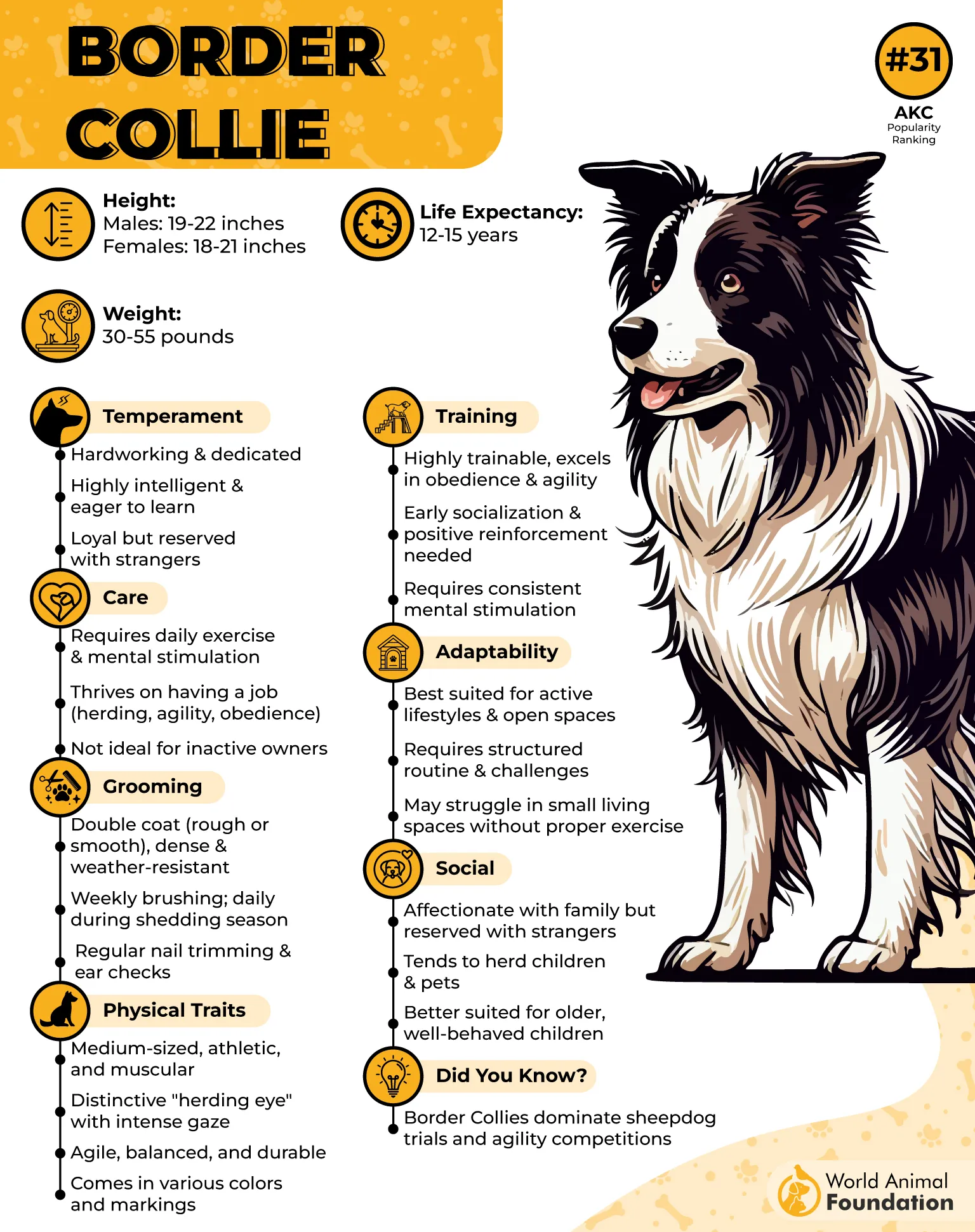
This breed is highly intelligent and versatile, making it the best dog breed for complex outdoor activities. While the Border Collie is a remarkably loyal dog, their high drive means they might try herding your toddlers or cats.
2. Rhodesian Ridgeback
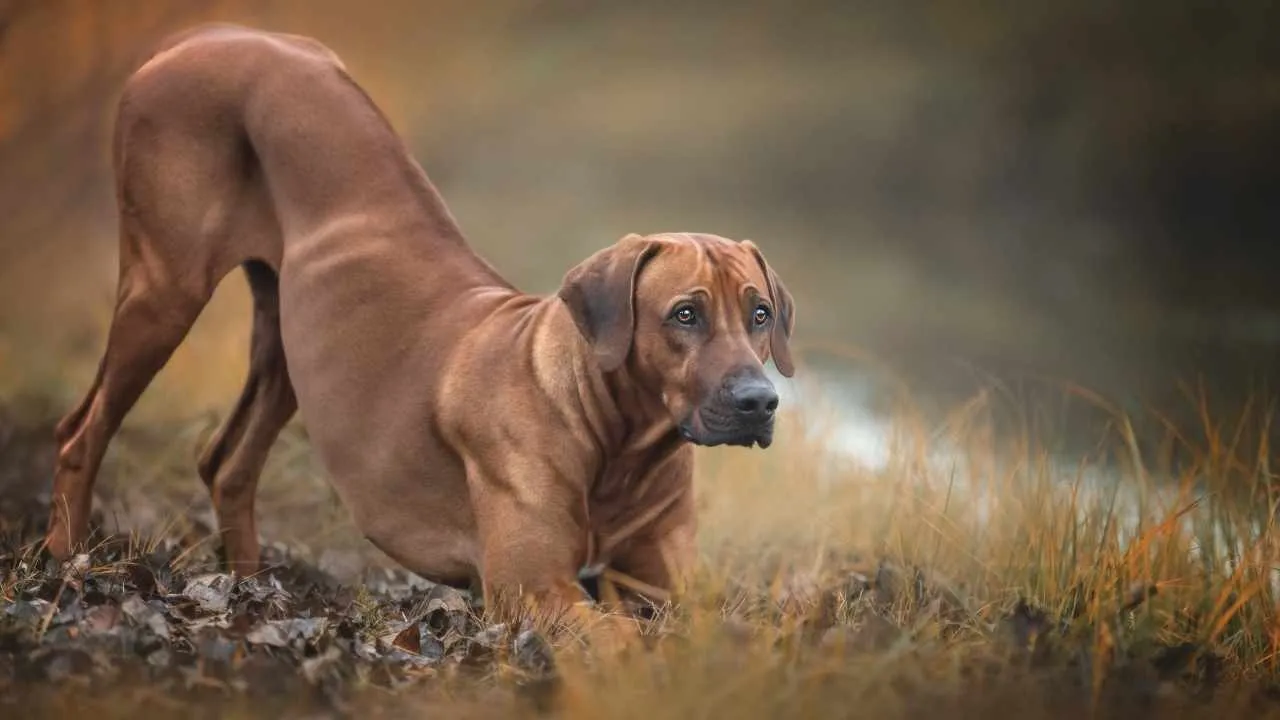
Known as the “African Lion Dog,” this dignified hound tracked large game across the savanna back in the day. Their most striking feature is that funky ridge of hair running backward along the spine, a hallmark inherited from indigenous Khoikhoi dogs.
These courageous sighthounds are built for endurance, handling long-distance treks with an effortless, ground-covering stride that puts my jogging to shame. A Rhodesian Ridgeback thrives on having a job and loves a good sprint in a safely fenced area.
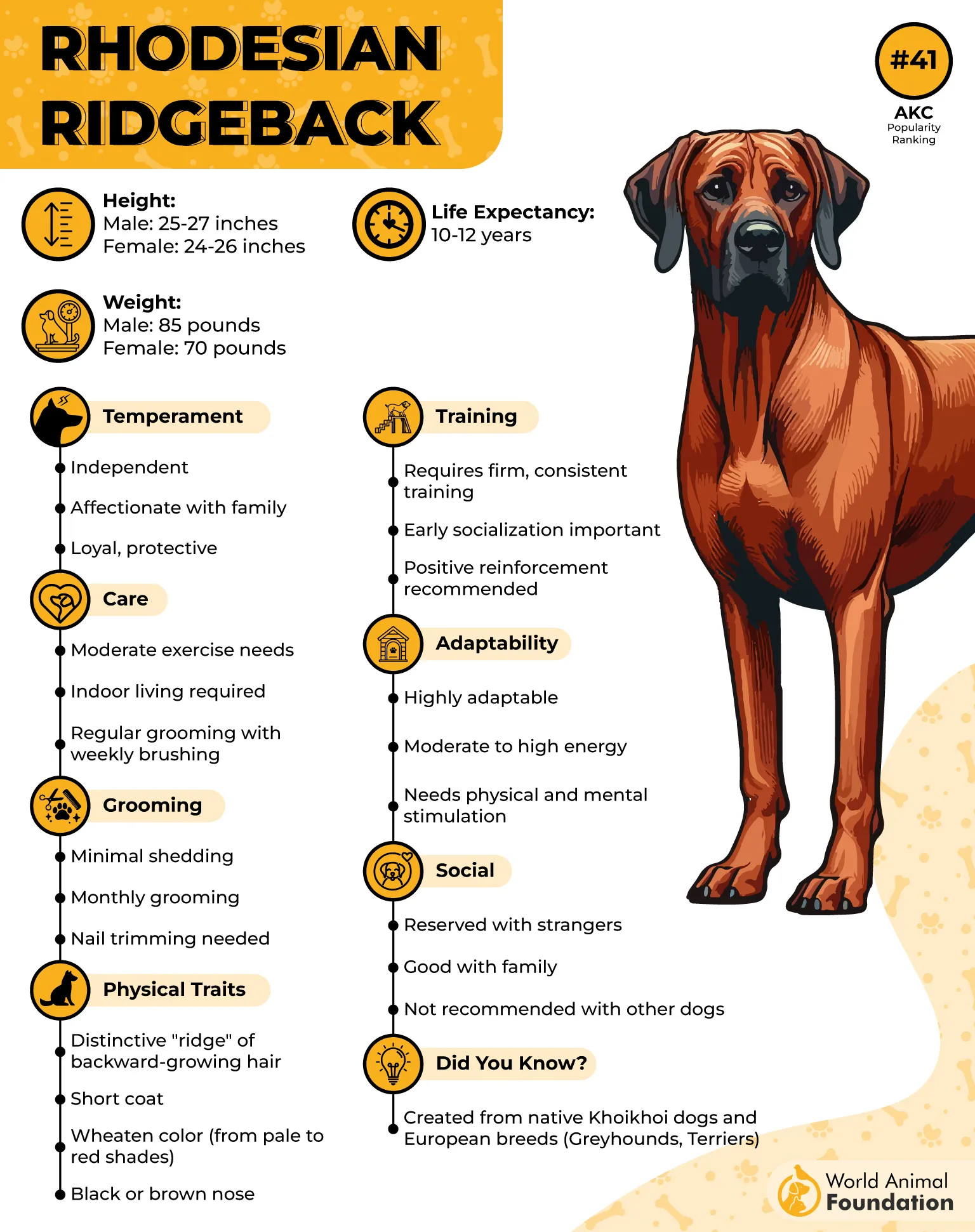
Rhodesian Ridgebacks are highly athletic dogs and devoted household protectors. They are generally even-tempered but independent, needing patient, consistent training as they can act bossy. Affectionate with their “pack,” they often stay naturally skeptical and aloof around strangers.
3. Golden Retriever
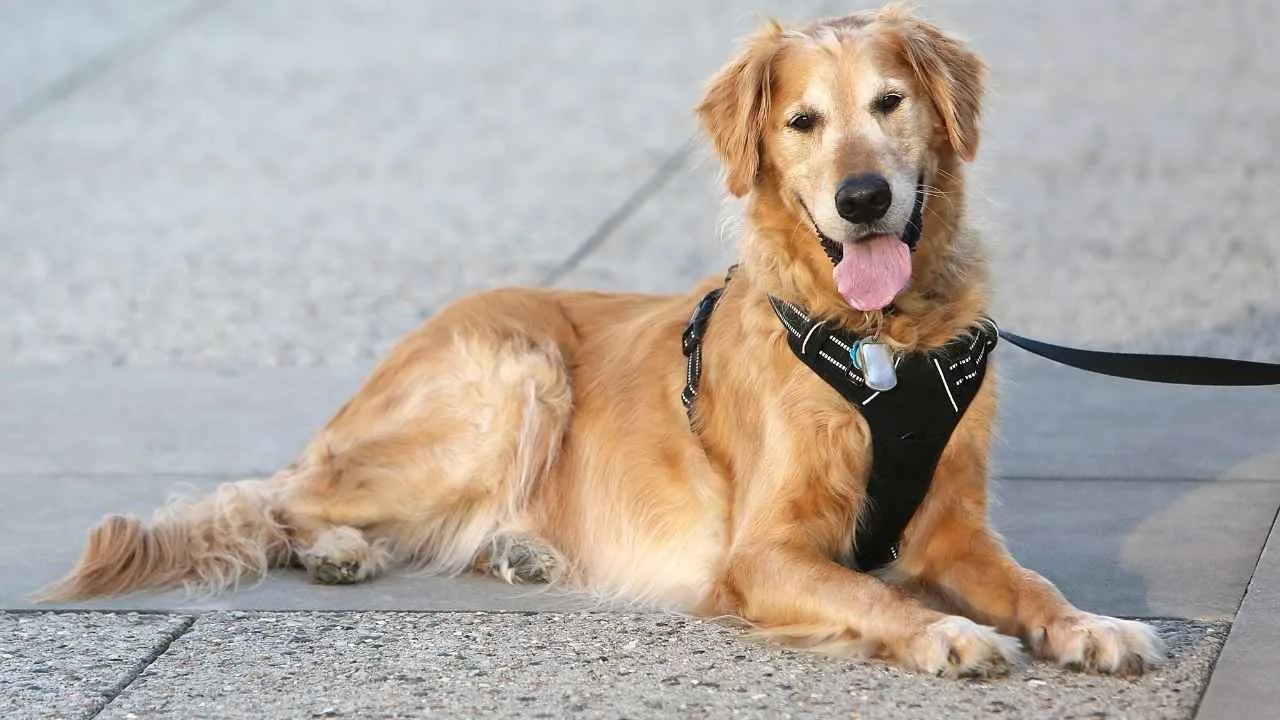
Developed in the Scottish Highlands by Lord Tweedmouth, these “smiling” dogs were created by crossing a yellow retriever with an extinct water spaniel. Known for their water-repellent coats and friendly, almond-shaped eyes, they radiate kindness. Remarkably, the first three AKC Obedience Champions came from this beloved, playful breed.
Golden Retrievers were bred as retrieving and hunting dogs; therefore, they are among the best outdoor dog breeds. Expert swimmers, they enjoy water activities and lake days, as mentioned by PetMD. Their high energy makes them excellent hiking partners or mountain trail adventurers.
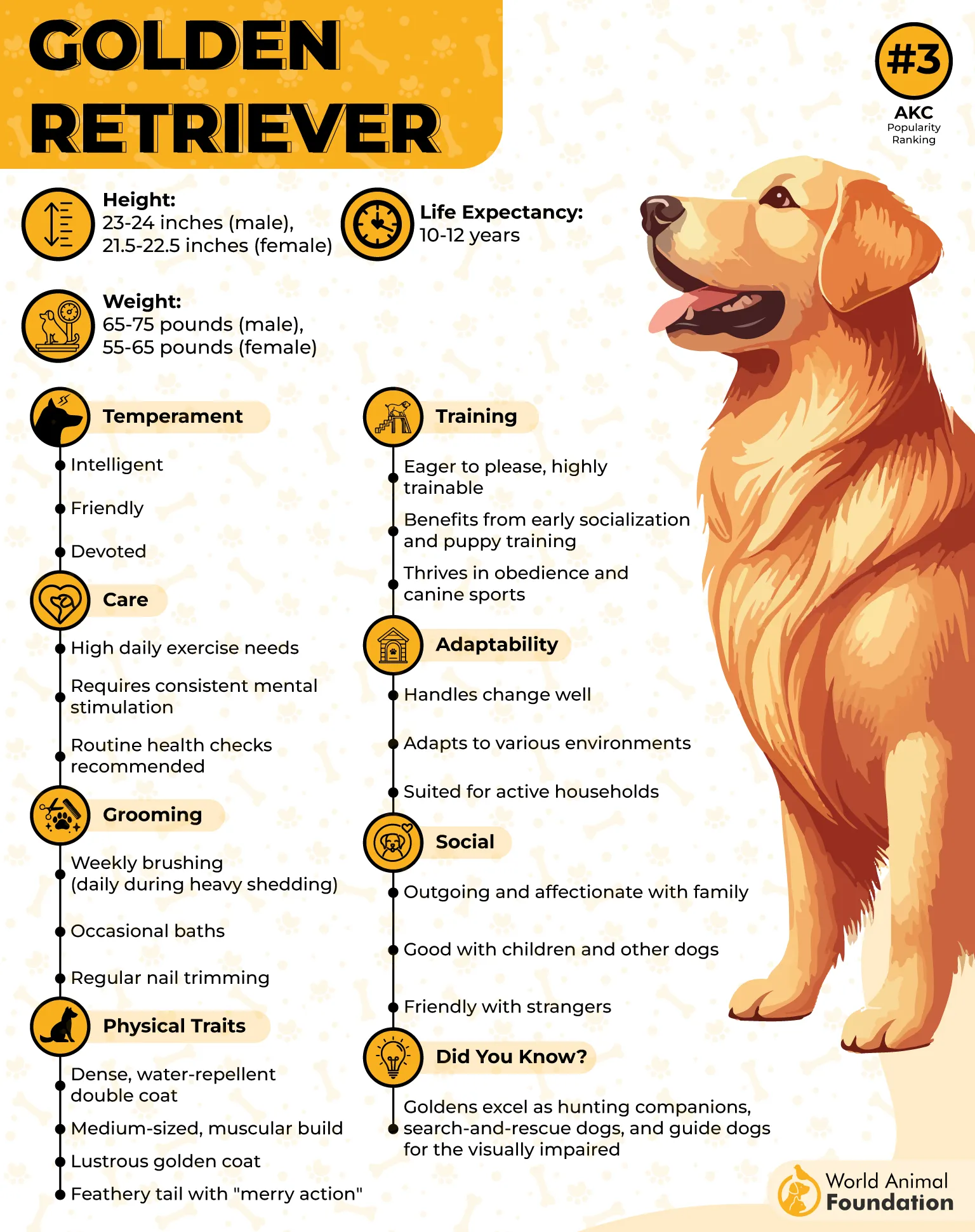
Golden Retrievers have a thick double coat that offers protection from the elements, though it sheds heavily, requiring regular grooming. Their sweet temperament makes them great hiking companions. Social and friendly, they rarely guard; instead, they greet everyone with enthusiastic affection.
4. Vizsla
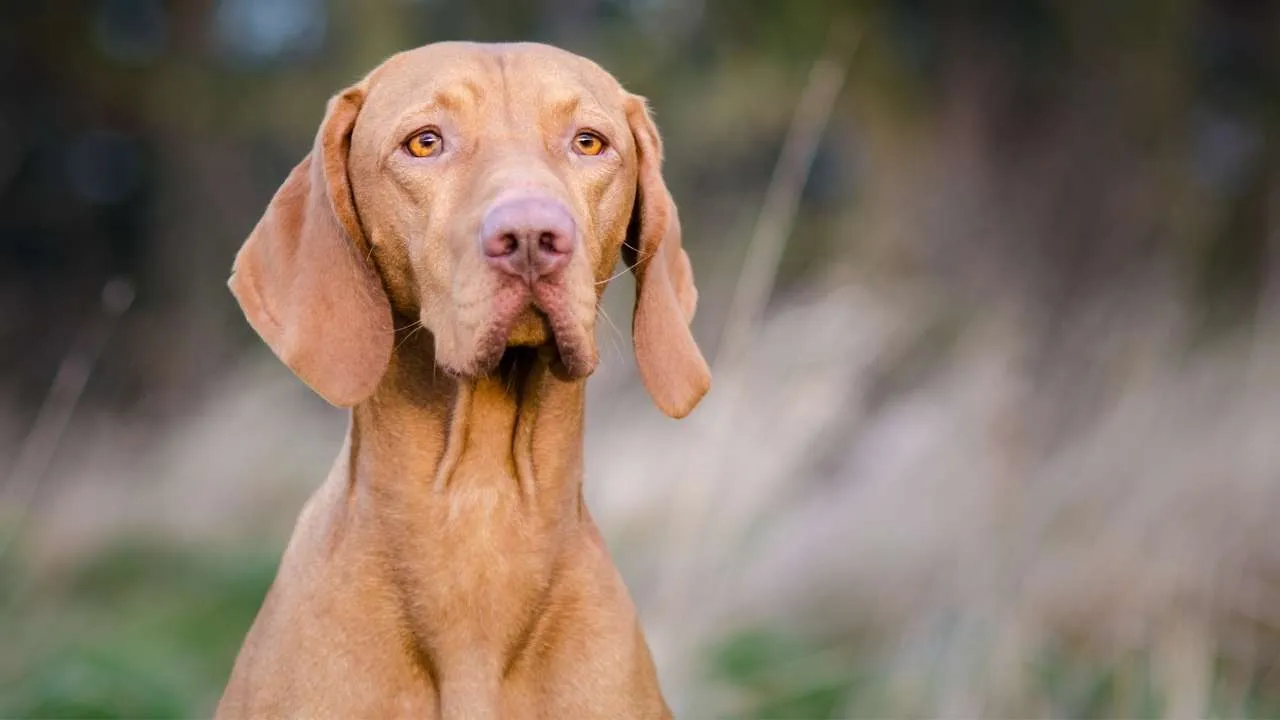
Dating back to the fourteenth century, the “Yellow Pointer” was the prized companion of Hungarian warlords and nomadic Magyar warriors. Bred to keep pace with cavalry across vast plains, they developed a streamlined, aristocratic appearance. Surviving near extinction after the World Wars, this golden-rust breed remains remarkably resilient in modern life.
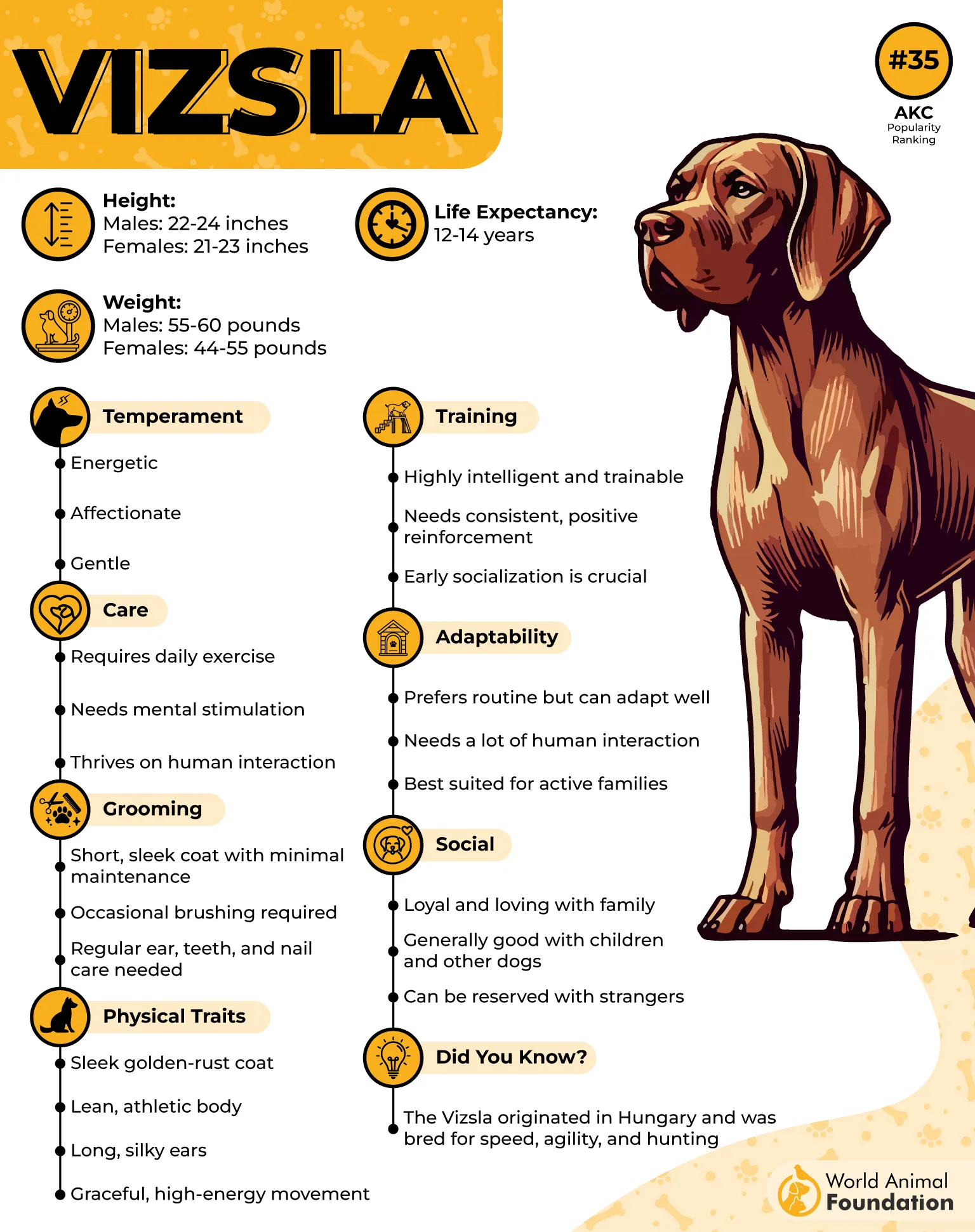
Often called “Velcro dogs,” Vizslas stick close to your side during outdoor adventures. Versatile and hardworking, they have immense stamina and exceptional physical abilities for all-day hiking or trail running. Light on their feet, they navigate rocky or tricky paths with ease and agility.

Living with a Vizsla requires an active lifestyle, as they become vocal and frustrated when left alone. Highly intelligent, they quickly learn new commands, with one even becoming the first AKC Quintuple Champion. With little body fat and a short coat, they may need a warm jacket for winter adventures.
5. Siberian Husky
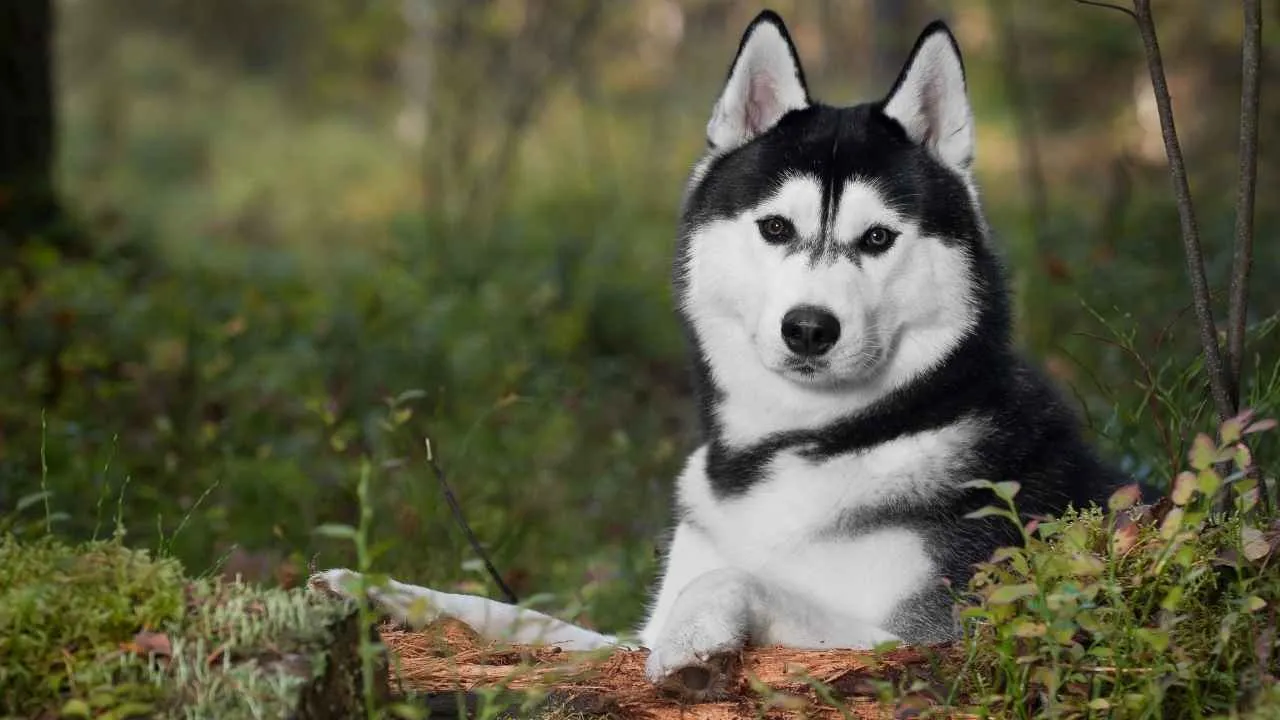
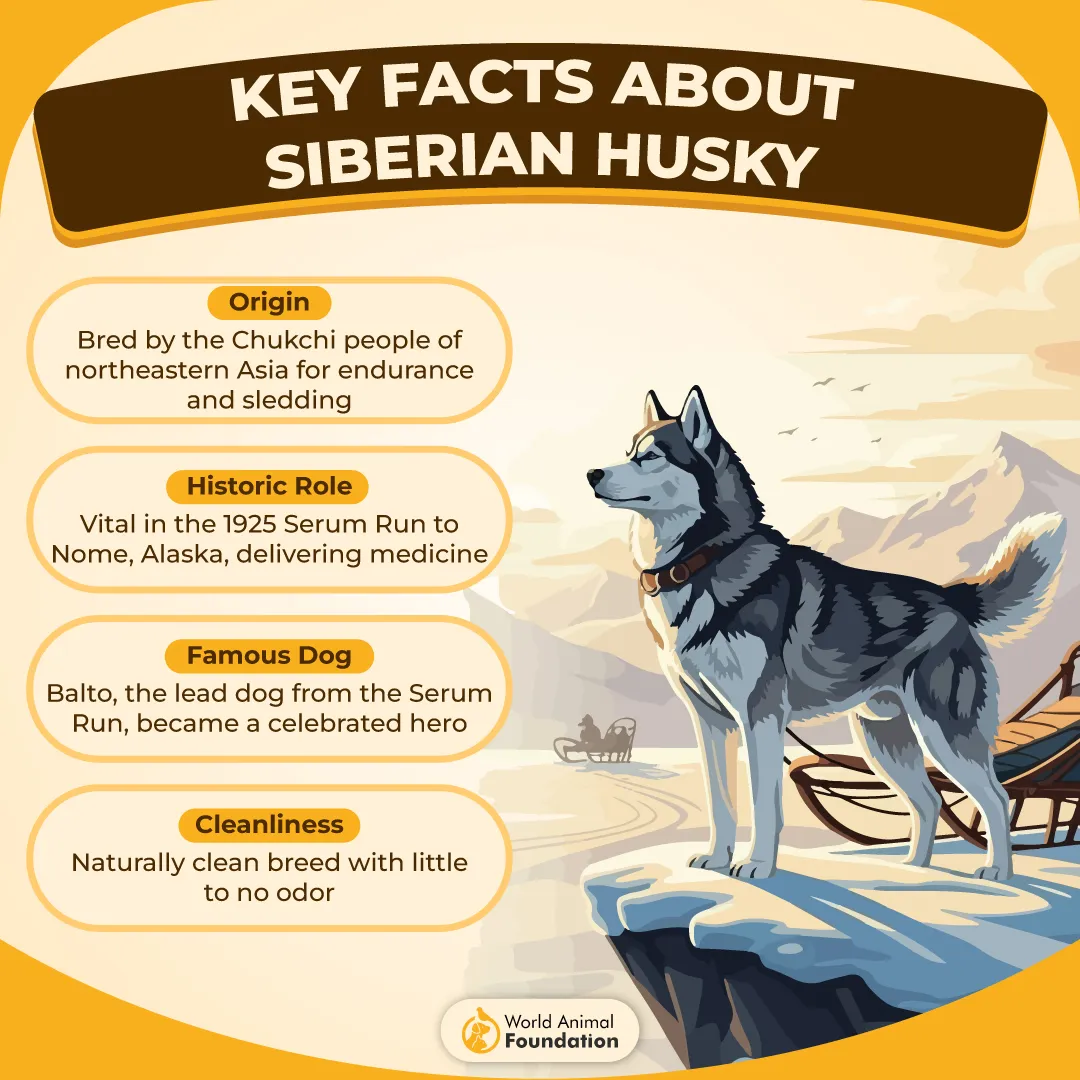
Bred by the Chukchi people of Northern Asia, these striking dogs were designed to haul light loads in cold climates. They are famous for captivating blue or multi-colored eyes and a thick, “snow-ready” double coat that suggests their northern heritage.
During the 1925 “Great Race of Mercy,” these heroic sled dogs saved an entire town by delivering life-saving medicine.
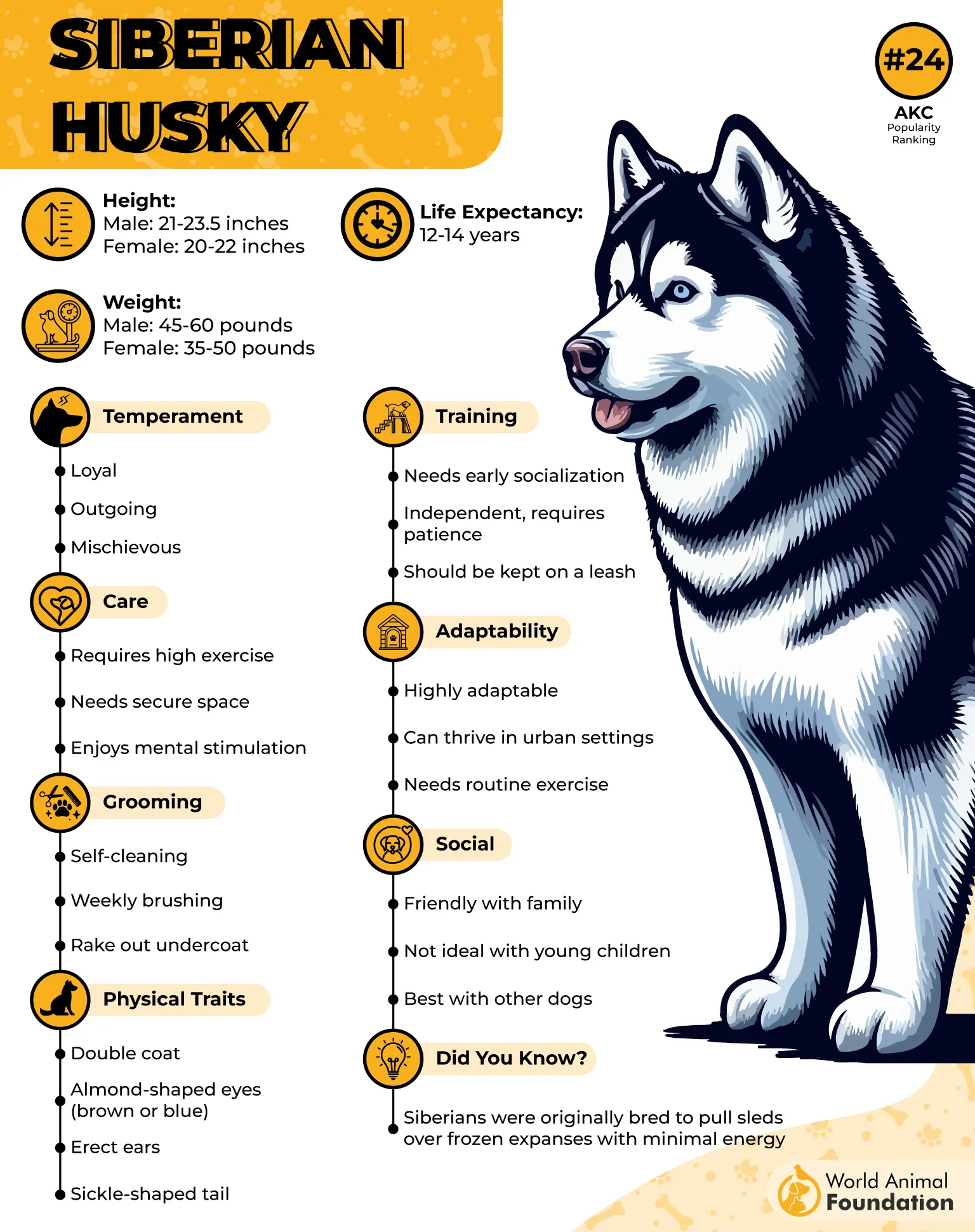
The Siberian Husky was bred to pull sleds and carts over long distances, giving them legendary endurance. Powerfully built yet light on their feet, they are graceful companions and outdoor enthusiasts for cold-weather jogging or winter camping. However, these energetic dogs are escape artists and may jump fences or dig tunnels if under-exercised.
Despite their wolf-like looks, Siberian Huskies are gentle, alert, and social with humans and other dogs. Not ideal watchdogs, they are too friendly to offer much protection. These loyal companions love to “talk” with howls and chirps, often providing amusing, dramatic morning conversations before your hike.
6. German Shepherd
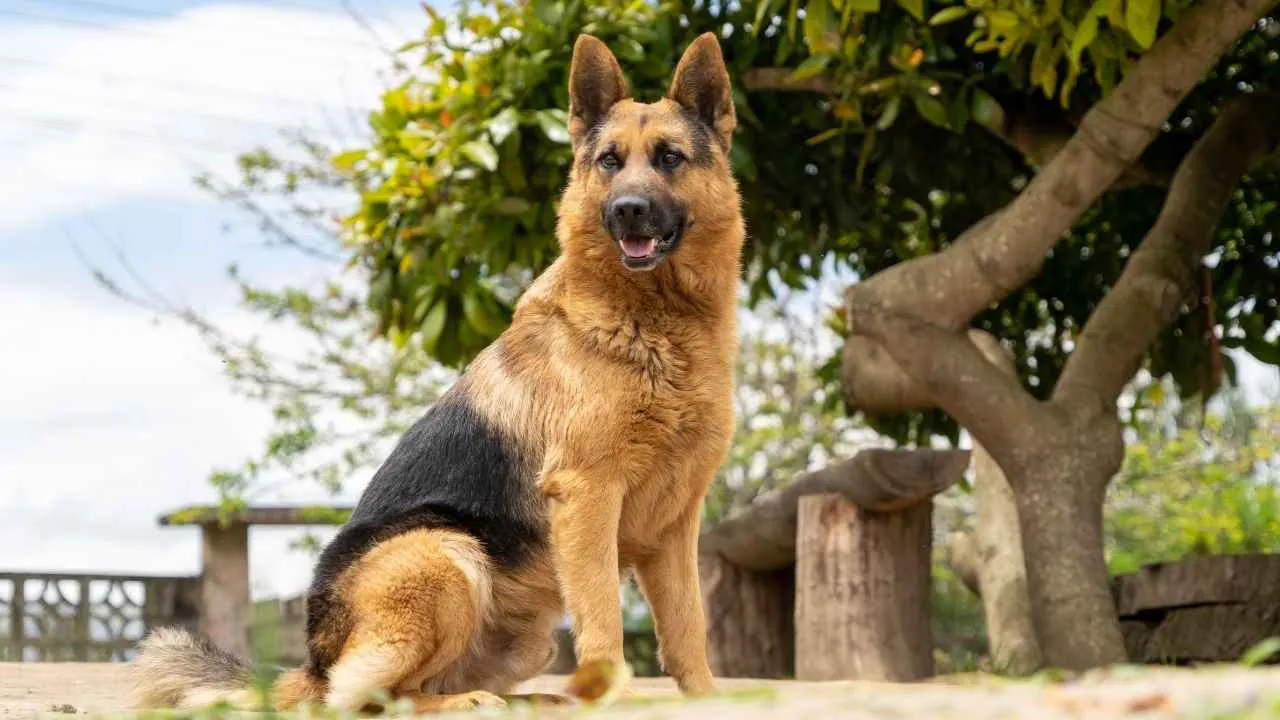
Born from a nineteenth-century quest to create the perfect herding dog, the German Shepherd is the brainchild of Captain Max von Stephanitz. These dogs are iconic for their pointed ears and fox-like tails, often serving as the first choice for search and rescue. One famous pup, Buddy, even became the first seeing-eye guide dog in the United States back in 1928.
German Shepherds are versatile, athletic companions always ready for challenges like steep climbs or long runs. With exceptional stamina, they thrive on purposeful activities such as hiking or patrolling. Highly intelligent and eager to work alongside their favorite humans, they are remarkably easy to train.
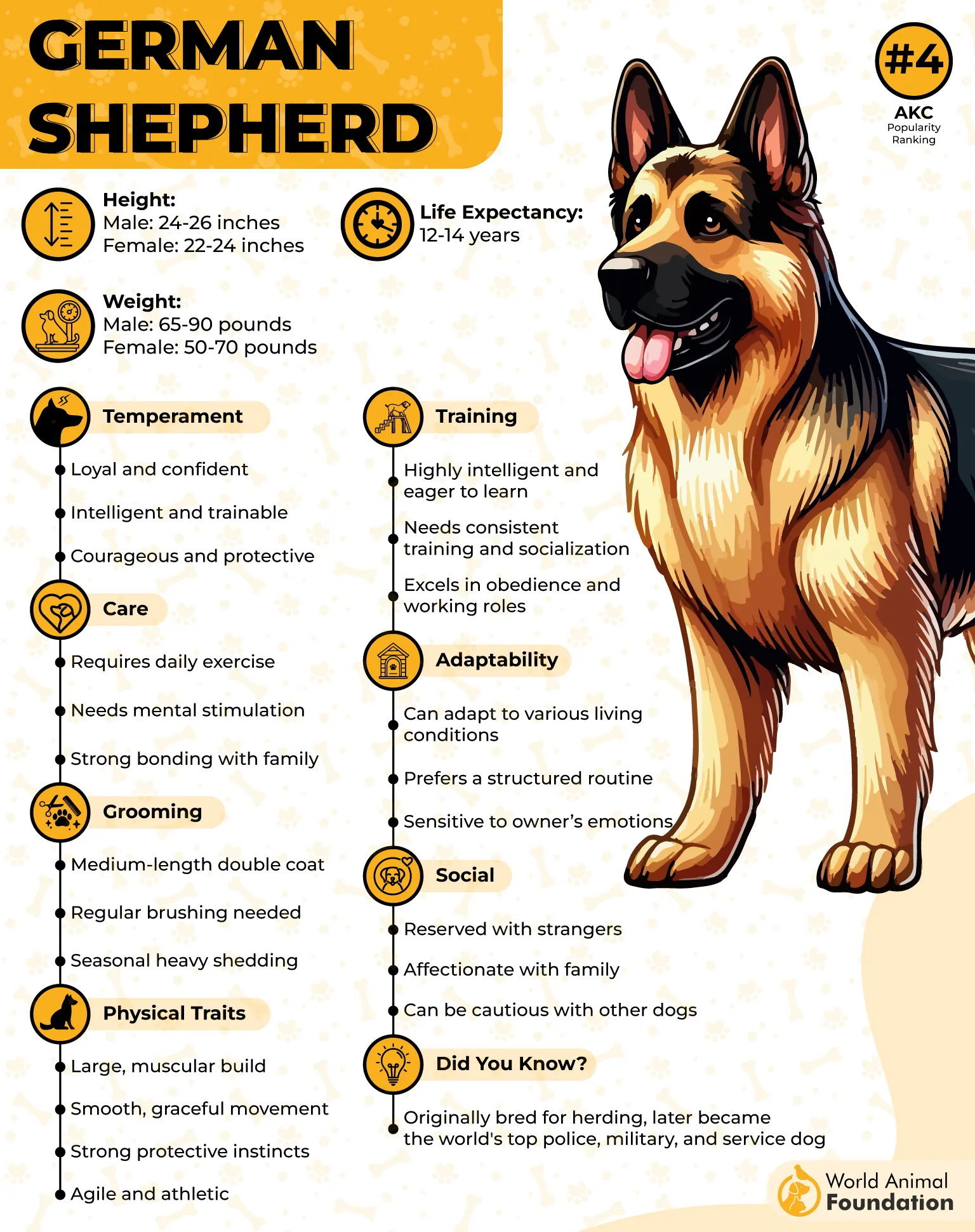
German Shepherds are intelligent, loyal, and naturally protective during outdoor adventures. These guard dogs form a strong bond with one person while staying devoted to the family’s safety. Powerful and brave, they need early socialization to keep their guarding instincts controlled.
7. Alaskan Malamute
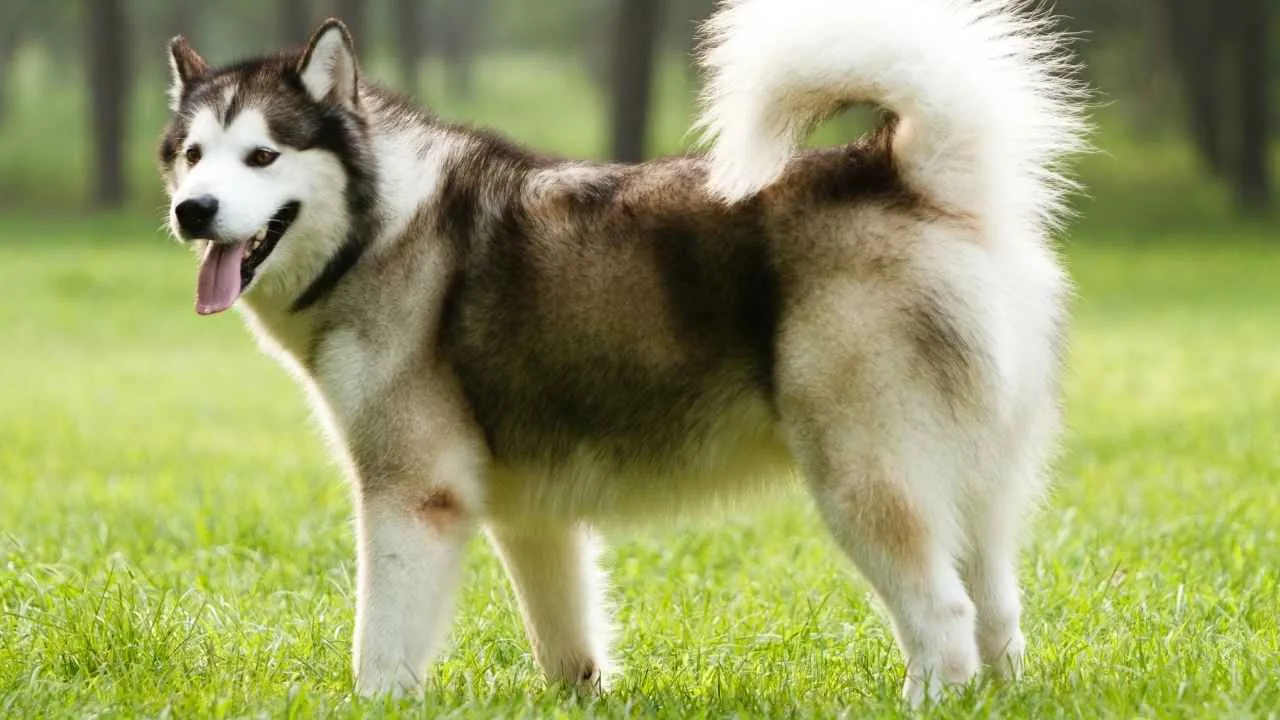
Among the oldest Arctic sled dogs, these “big teddy bears” were developed by the Mahlemut tribe for heavy freighting. They are much more substantial than their Husky cousins, built for sheer power rather than high-speed racing.
With a plumed tail carried over their back like a waving flag, they look absolutely majestic standing in the deep, white snow.
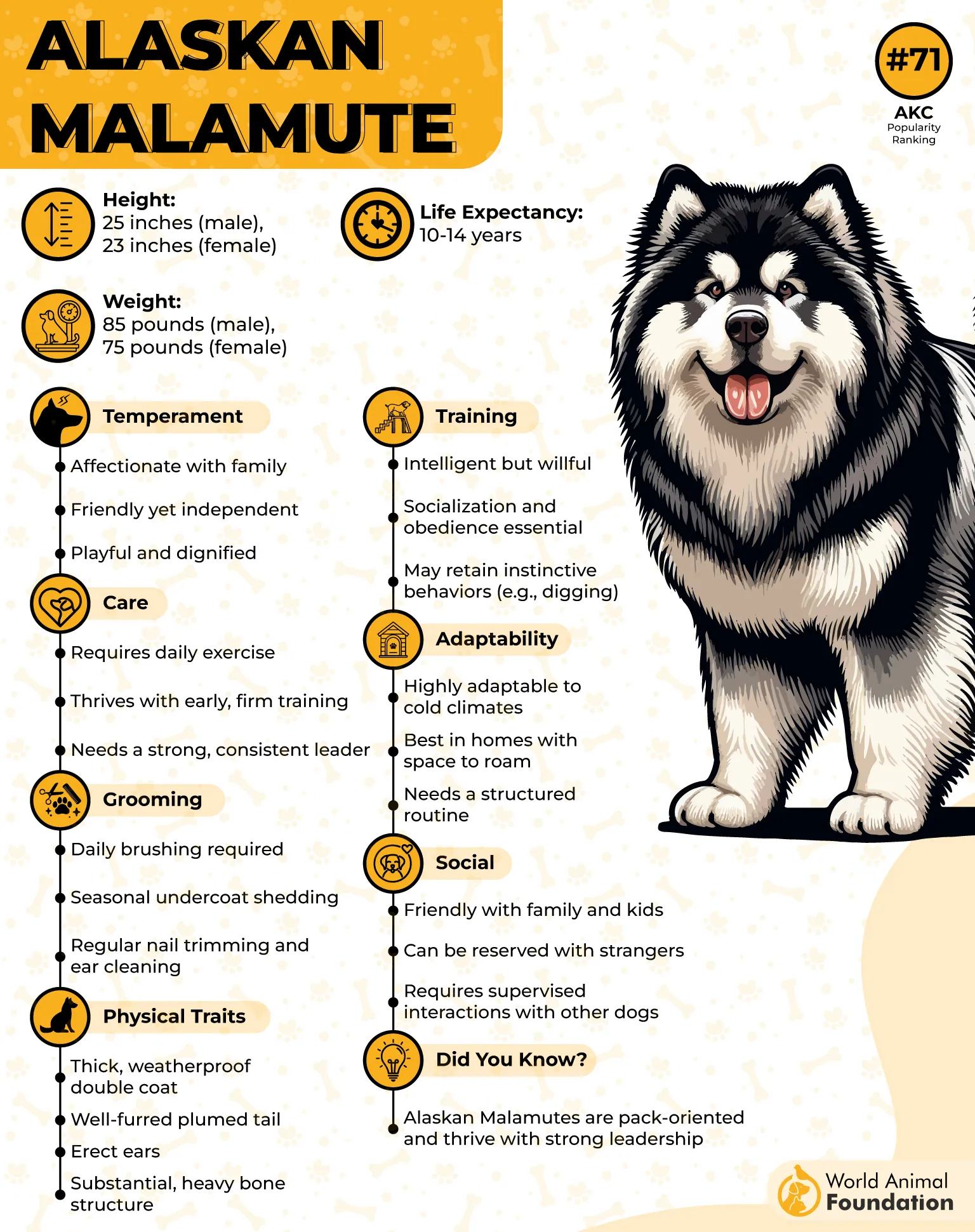
Alaskan Malamutes are great outdoors, but why? They are powerful freighting dogs built for endurance, able to pull heavy loads across frozen terrain without slowing. PDSA states they require at least two hours of daily activity for mental and physical stimulation.
Alaskan Malamutes, with their thick coats, are perfect for cold-weather activities but can overheat in summer. Playful, strong-willed, and energetic, they need active owners to manage occasional stubbornness.
Conclusion
For outdoor adventurers, having a highly energetic and athletic companion transforms every adventure into a thrilling, shared experience. Their intelligence, stamina, and agility make them excellent partners for activities like hiking, running, trail exploration, or water sports, keeping every outing lively and engaging.
These dogs offer loyalty and protective instincts, providing companionship and a sense of security, while their playful, social nature ensures that each moment outside is fun and memorable. Consistent training and mental stimulation help channel their energy positively, strengthening the bond between dog and owner.
With proper care, engagement, and regular activity, they thrive, rewarding owners with unforgettable outdoor experiences, endurance, and companionship every day.
