




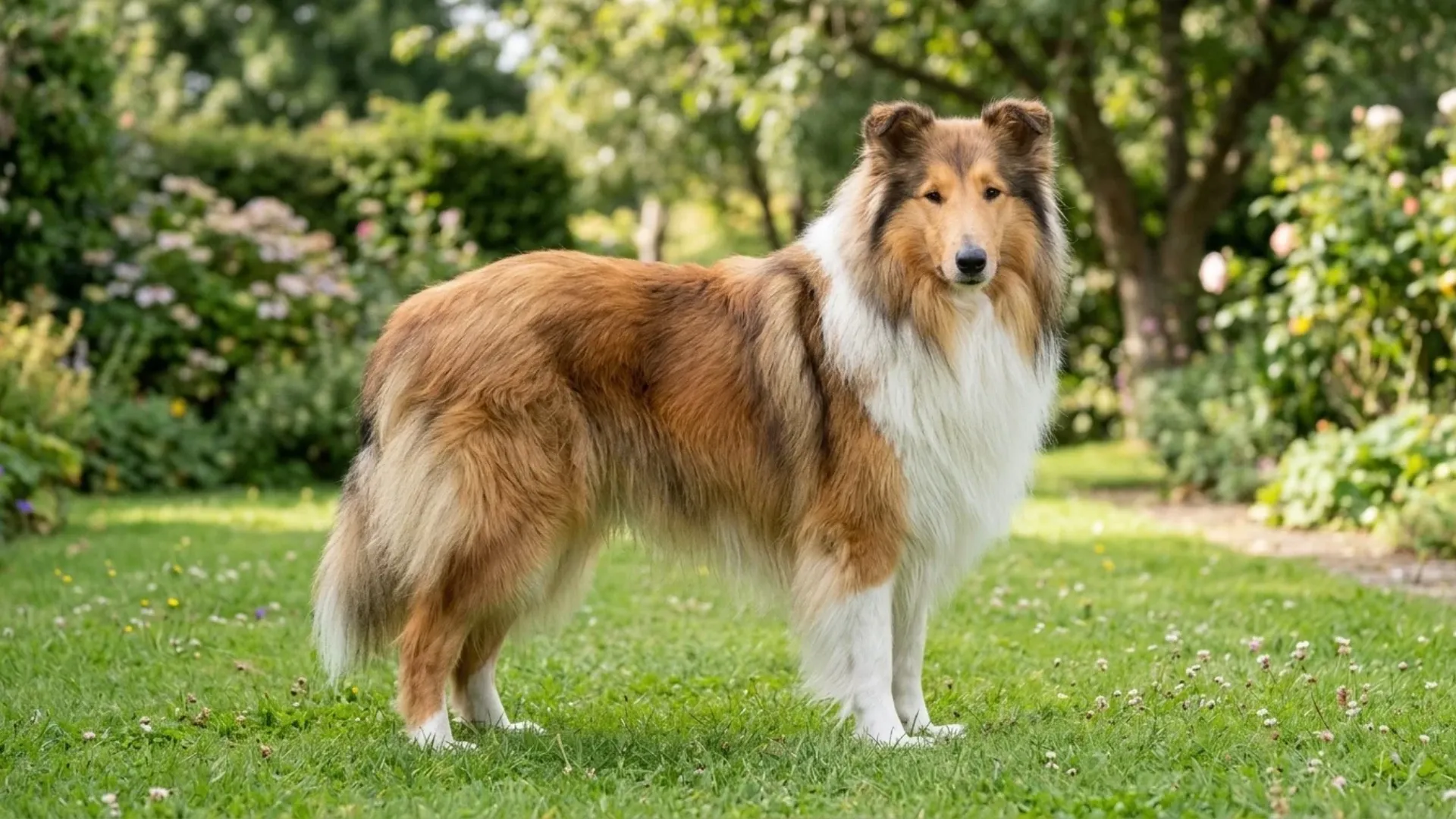
Have you ever seen a dog with a coat that looks painted by nature?
Sable dogs have a special charm that makes them hard to forget! Their coats often feature lighter hairs with dark tips. This creates a lovely mix of gold, tan, silver, red, or gray. Some puppies look darker at birth, then change as they grow.
German Shepherds, Collies, and Shetland Sheepdogs are well-known examples. However, sable coats appear in both large and small breeds. Each one brings its own look, history, and personality. Some dogs love a busy day outdoors, while others enjoy life as close companions.
So, which sable-coated dog might suit your home?
Let’s explore seven breeds with beautiful coats and unique traits. You’ll also learn what makes each breed special and what care it needs. Remember, a pretty coat catches the eye, but the right match goes much deeper.
Dog Breeds Featuring Gorgeous Sable Coat Colors
1. German Shepherd

Sable German Shepherds have coats with dark tips and lighter roots. Their colors can range from silver-gray to deep mahogany. Each hair adds depth, creating a striking, shaded look. These dogs have a long history of herding and service work.
They are known for their loyalty, sharp minds, and strong work ethic. Early training helps them become calm, confident companions. Use rewards and short sessions to keep lessons fun.
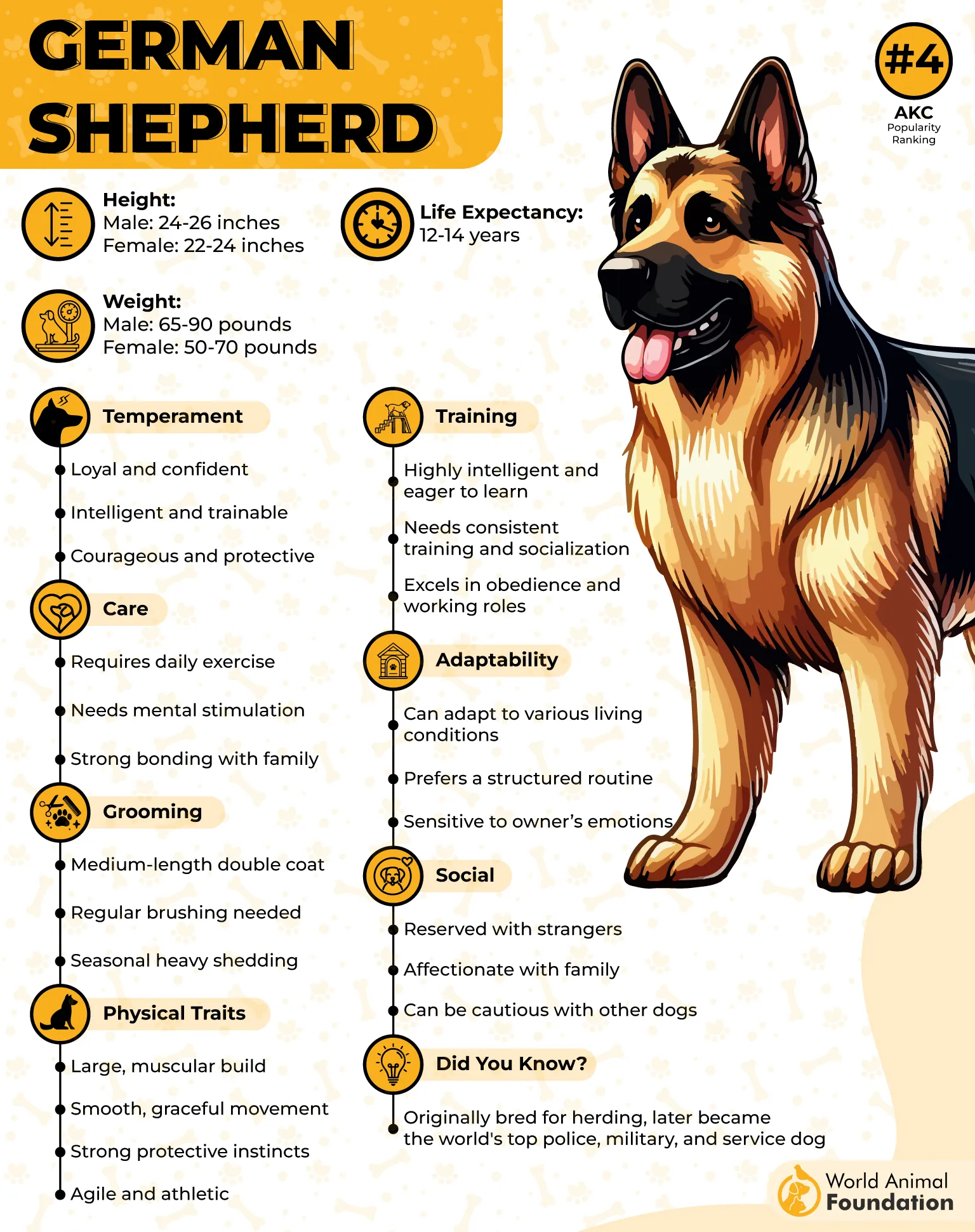
According to PetMD, German Shepherds have a double coat that sheds heavily. They also shed more in spring and fall, so extra grooming helps during these periods.
Caring for a Sable German Shepherd
Provide one to two hours of daily activity.
Choose food that suits their age and needs.
Ask your vet about hip and elbow dysplasia screening.
Keep vaccines, dental care, and parasite control up to date.
Choose ethical breeders who share health records and welcome visits.
2. Collie

Collies have a long history of helping farmers herd sheep. Their sable coats often blend rich tan shades with darker tips. According to the American Kennel Club, both Rough and Smooth Collies come in sable and white, tricolor, blue merle, or white.
These different colors give each variety its own charm. Their long faces and bright eyes add to their graceful look. Collies are also known for their gentle nature and close family bonds.
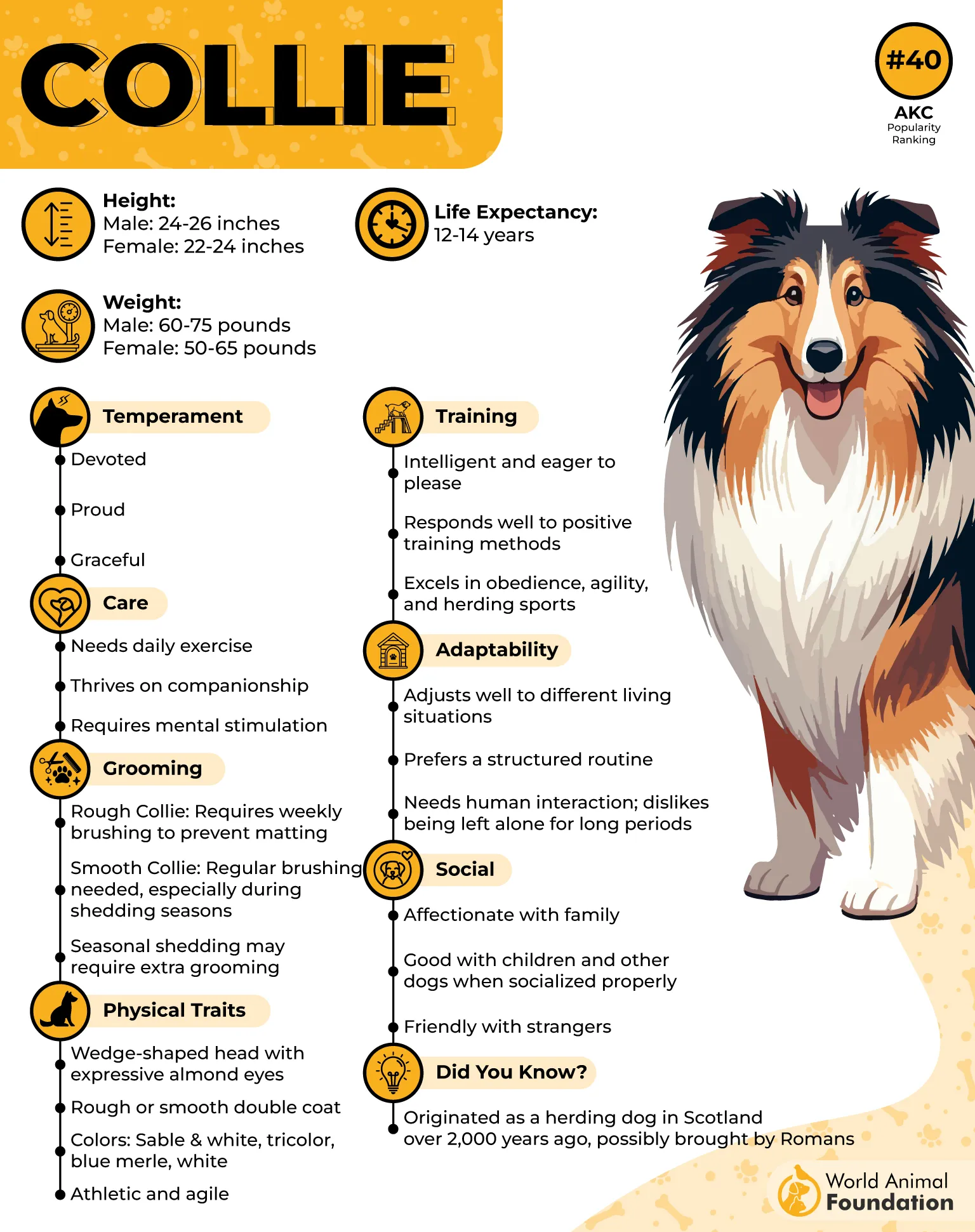
They often learn well with kind words and steady guidance. Puzzle toys and simple tasks can keep their minds busy. Rough Collies have longer coats, while Smooth Collies have shorter fur. Both varieties may shed more during seasonal changes.
Caring for a Collie
Brush their coat to manage loose hair and tangles.
Provide daily walks and fun mental challenges.
Use positive rewards to teach good habits.
Ask your vet about eye health and breed-related concerns.
Choose responsible breeders who share health records.
3. Shetland Sheepdog

The Shetland Sheepdog, or Sheltie, is a clever herding dog breed. Its long coat comes in sable, black, and blue merle. According to Britannica, sable shades range from brownish gold to mahogany. Blue merle blends blue-gray with black mottling.
Tan and white markings may also appear. These different colors give each Sheltie a unique look. Pet parents love their sharp minds and eagerness to learn. Shelties often excel in agility and obedience.
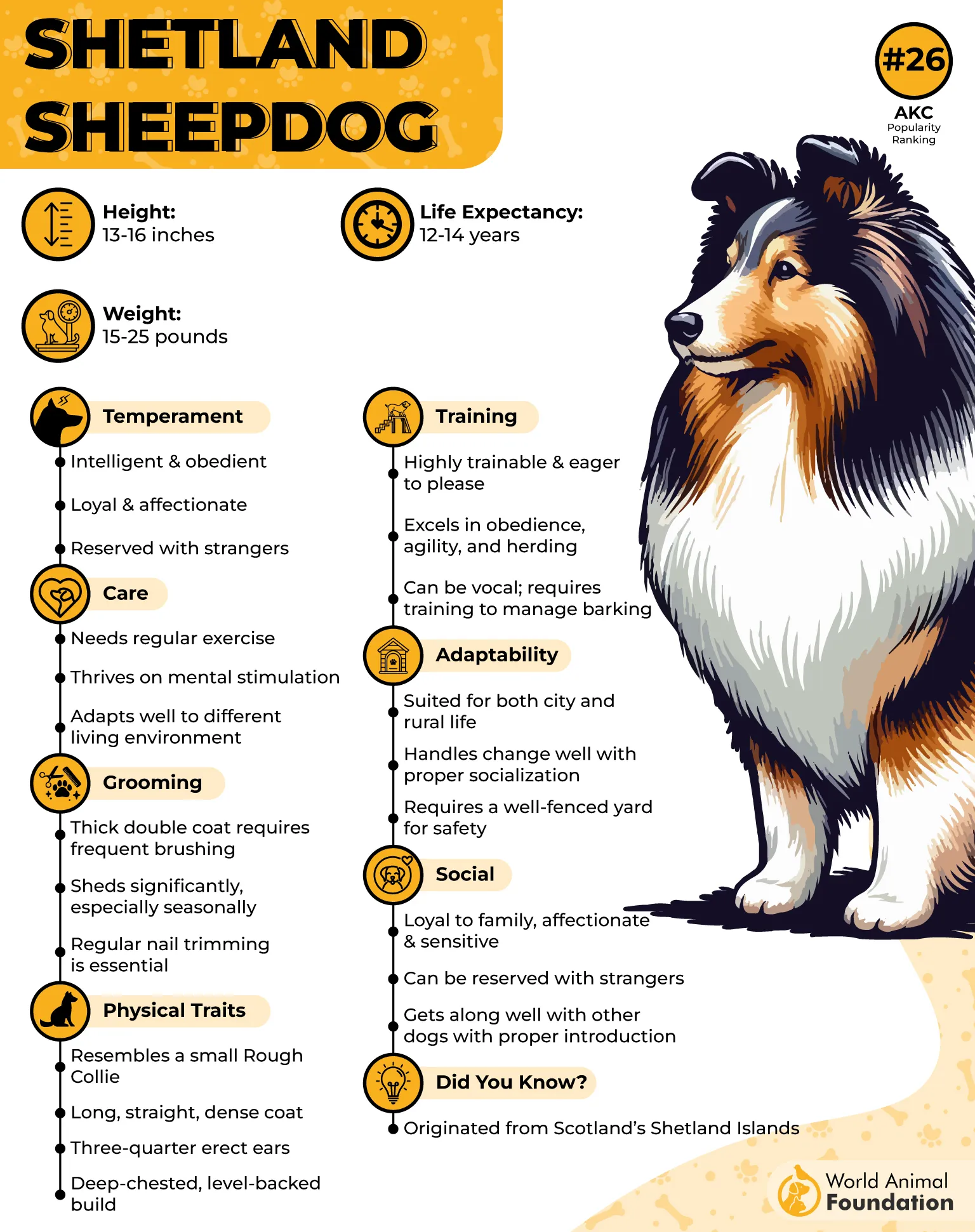
They respond well to praise and rewards. However, they may bark when excited or alert. Early socialization helps them feel more confident around strangers.
Caring for a Shetland Sheepdog
Brush their long coat to manage tangles and loose hair.
Offer puzzle toys to challenge their minds.
Use rewards to encourage calm behavior around visitors.
Introduce new people and places from an early age.
Plan daily activities to keep them engaged throughout the year.
4. Pomeranian

The Pomeranian is a small dog breed with a bold personality. Its fluffy coat comes in many shades, including orange, red, cream, white, and black. According to Purina, this breed has many coat color options, though orange and red are most common.
Orange sable Pomeranians have darker hair tips that add depth to their coats. Their sable coloring may change as puppies grow into adults. This breed has a lively spirit and often forms close bonds with its family.
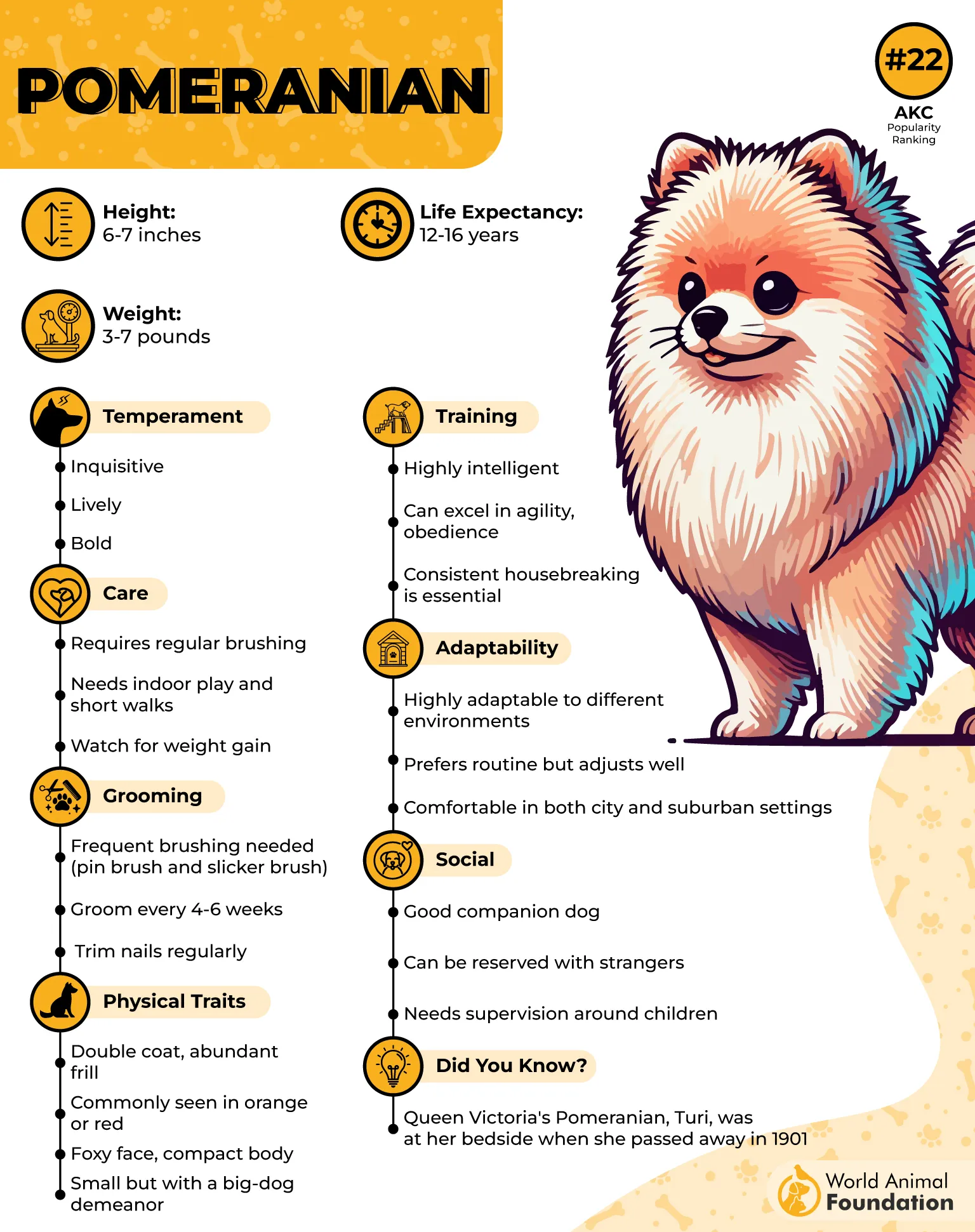
Despite its tiny size, it needs early training and fun activities. Short play sessions can keep its mind busy. Its small size and rich lineage make it a popular companion for many homes.
Caring for a Pomeranian
Brush their fluffy coat gently to prevent tangles.
Offer short play sessions and simple training games.
Start dental care early to protect their small teeth.
Supervise young children when they handle this delicate dog.
Ask your vet about coat changes and overall health.
5. Border Collie

The Border Collie is a working sheepdog known for its sharp mind. WebMD describes this breed as intelligent, obedient, energetic, and athletic. Border Collies were bred to herd livestock, especially sheep. Many people consider them among the smartest dog breeds in the world.
Their coat color can include sable, with lighter hair and dark tips. Black and white patterns are also common. These dogs need tasks that challenge both mind and body.
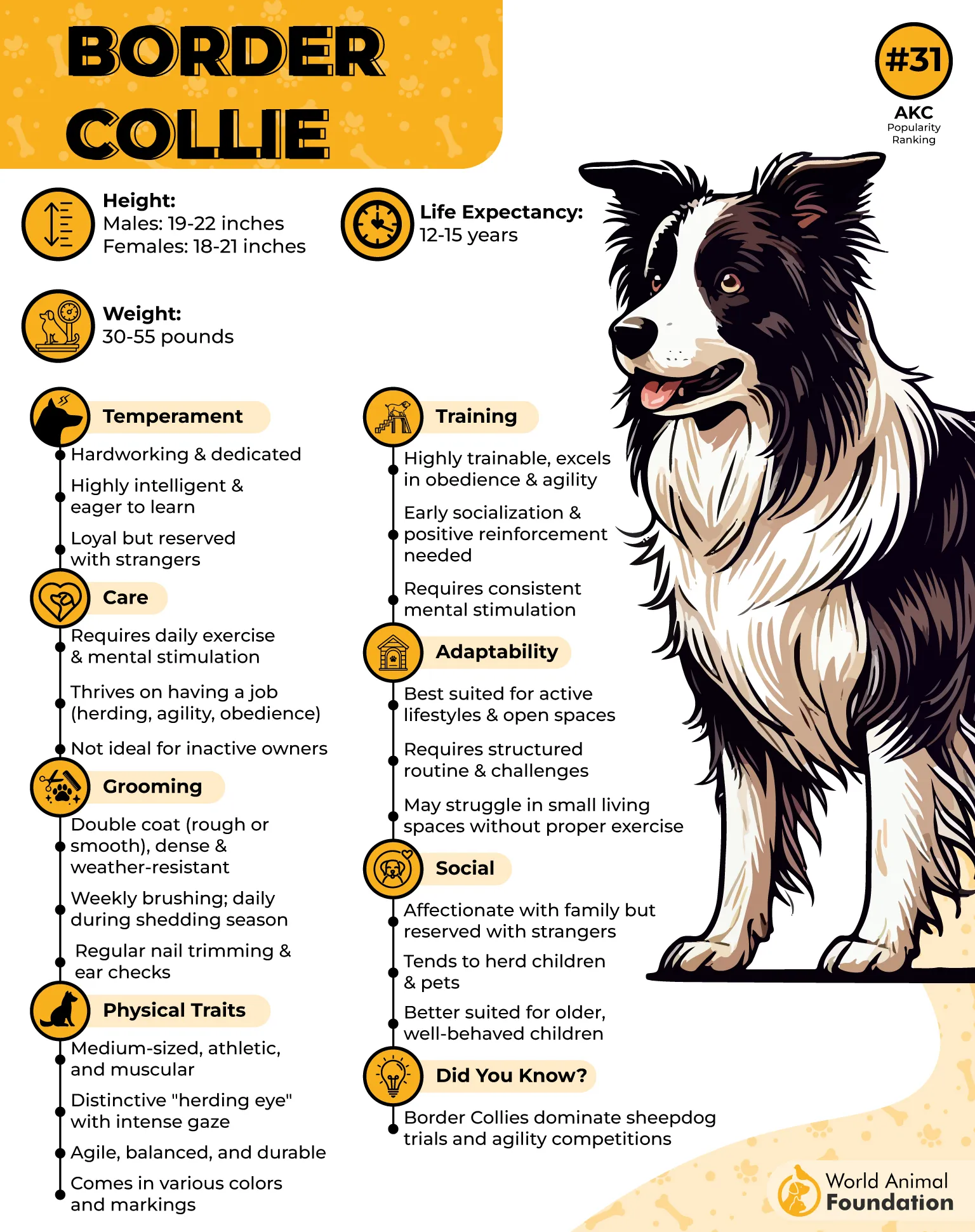
Herding games, agility, and scent work offer fun ways to stay busy. Without enough activity, they may become bored and develop unwanted habits. Short training sessions help them learn useful skills. However, this breed needs an active home and plenty of time from its owners.
Caring for a Border Collie
Provide daily exercise to meet their high energy needs.
Use puzzle toys to support mental stimulation.
Teach new skills through short, fun training sessions.
Brush their coat to remove loose hair and dirt.
Plan herding games or agility tasks to keep them engaged.
6. Icelandic Sheepdog

The Icelandic Sheepdog is Iceland’s only native dog breed. According to Wikipedia, it traditionally helped farmers herd sheep and horses. This herding dog has a thick coat that protects it in cold weather. Its color may include sable, tan, cream, and black, often with white markings.
These shades give the breed a warm, rustic look. Many owners value its cheerful nature and love of family life. Some may call it one of the friendliest dog breeds, though each dog has its own personality.
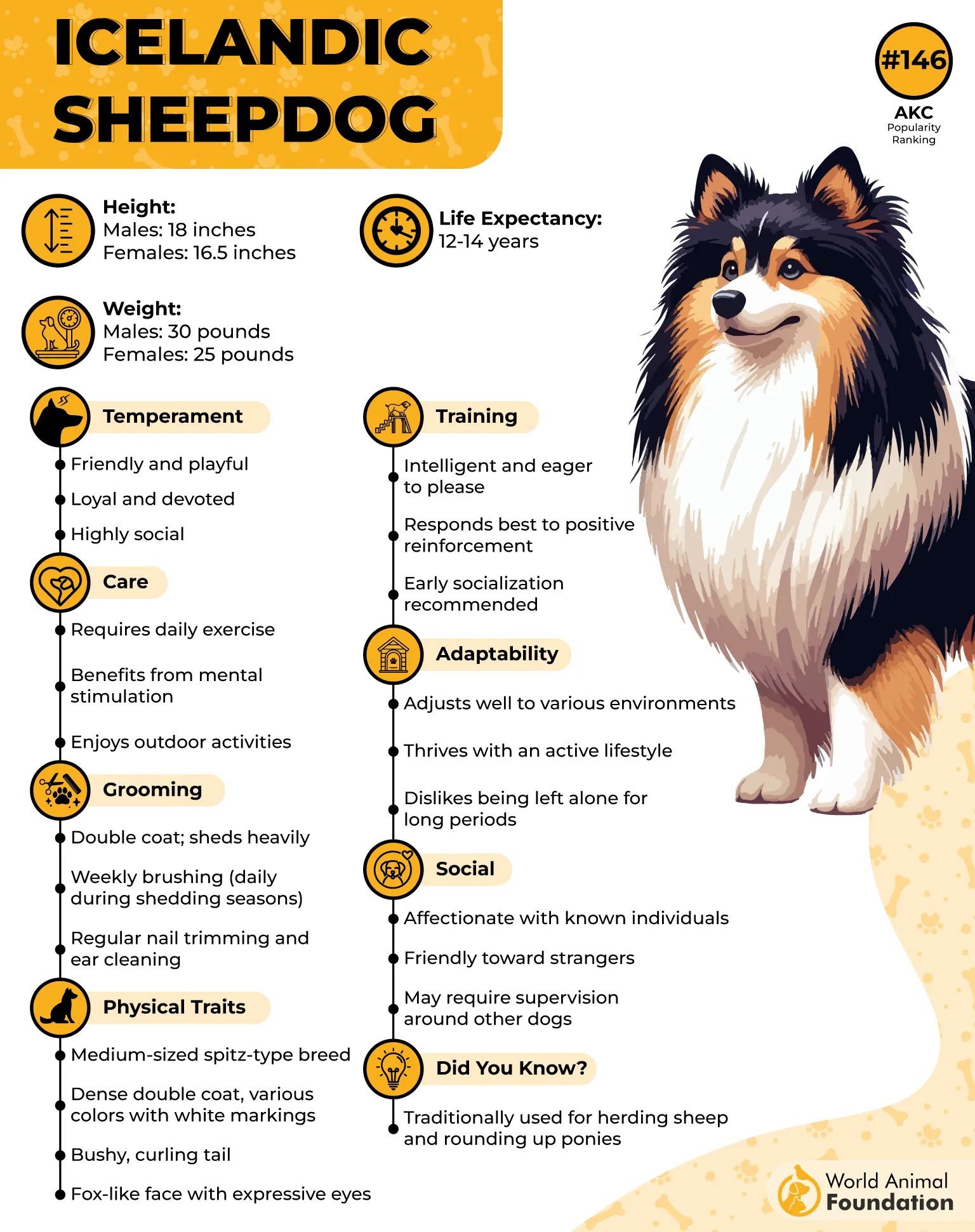
Icelandic Sheepdogs are alert and often bark to announce visitors. Clear cues can help manage this habit. Pet parents should also plan for seasonal shedding and warm-weather care. This social breed may fit homes that enjoy outdoor fun and time together.
Caring for an Icelandic Sheepdog
Brush their coat more often during seasonal shedding.
Provide daily walks and safe outdoor play.
Teach quiet cues to help manage frequent barking.
Offer balanced food and routine veterinary care.
Give them simple tasks and family time to stay engaged.
7. Cardigan Welsh Corgi

The Cardigan Welsh Corgi is an affectionate dog breed with deep roots in Wales. Farmers once used these sturdy dogs to drive cattle. Their long bodies, short legs, and bushy tails give them a distinctive shape.
According to Hill’s Pet, their coat color can include red and white, sable, brindle, blue merle, black, and tricolor. Many have white markings on their face, legs, or chest. In sable Cardigans, darker hair tips create a shaded effect across lighter fur.
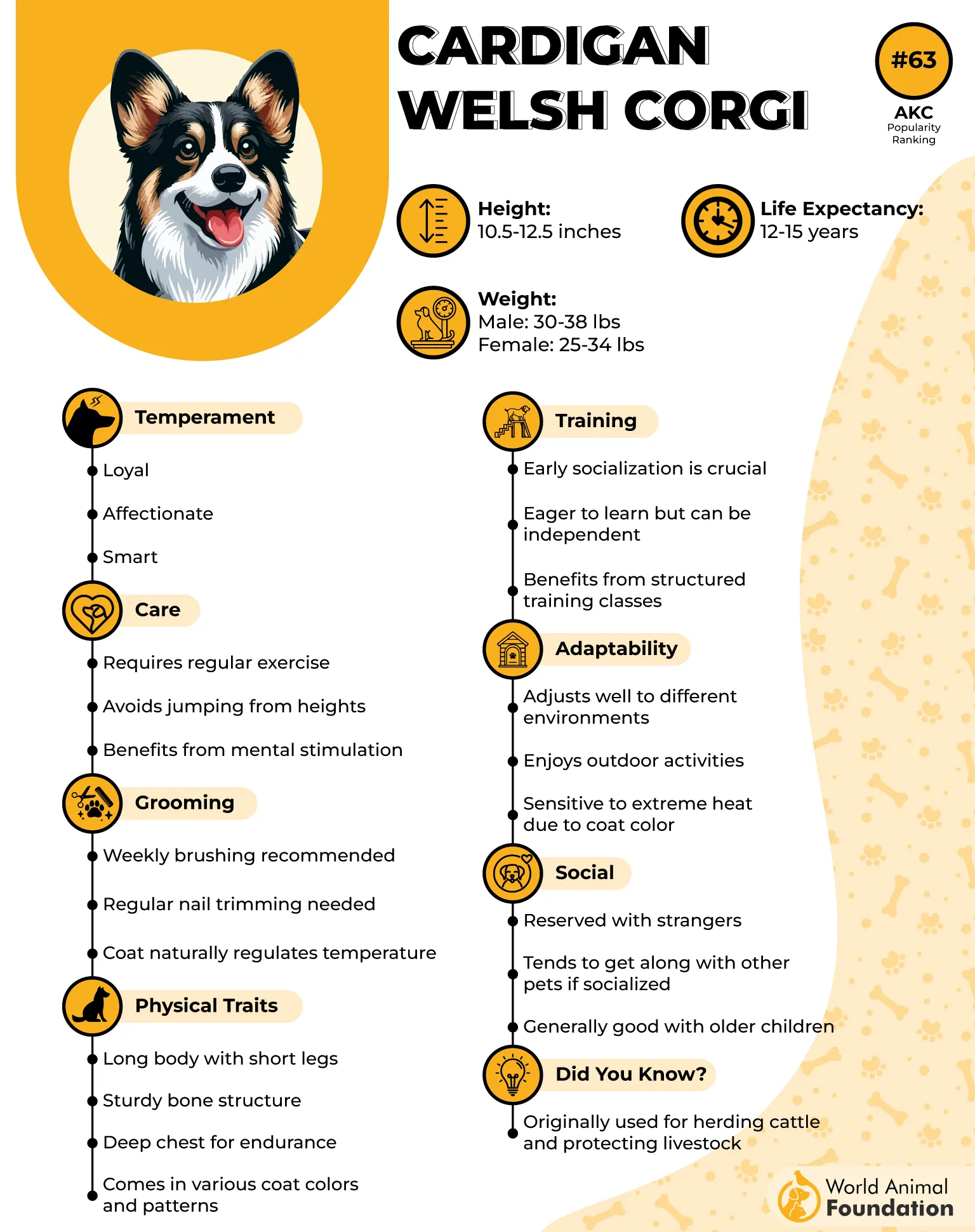
Their alert eyes and clever nature help them learn household routines. With proper care, they can enjoy a long life, but their backs need protection. Maintaining a healthy weight and avoiding repeated high-impact jumps can reduce strain on their spine and joints.
Caring for a Cardigan Welsh Corgi
Keep their weight healthy with measured meals.
Choose games that avoid repeated high jumps.
Take safe daily walks suited to their age.
Ask your vet about spinal, hip, and joint health.
Choose breeders who share health screening results and family history.
Conclusion
Sable coats bring beautiful shades to many beautiful dog breeds, from pale gold to deep red and gray. Some coats also feature black tips that create a rich, shaded look. As you discover these seven breeds, you’ll see how their colors, histories, and personalities differ.
A puppy’s sable coat may also change during its first year, making its adult appearance a surprise. Before you search for your perfect companion, consider each breed’s size, grooming needs, training, and activity level. Don’t ignore health or temperament just because a coat looks stunning.
Browse reputable breeders, ask about health checks, or consider adoption. Read about each dog’s needs before making a choice. You may agree that the best companion is not simply the one with the prettiest sable coat, but the one whose needs fit your home.
