




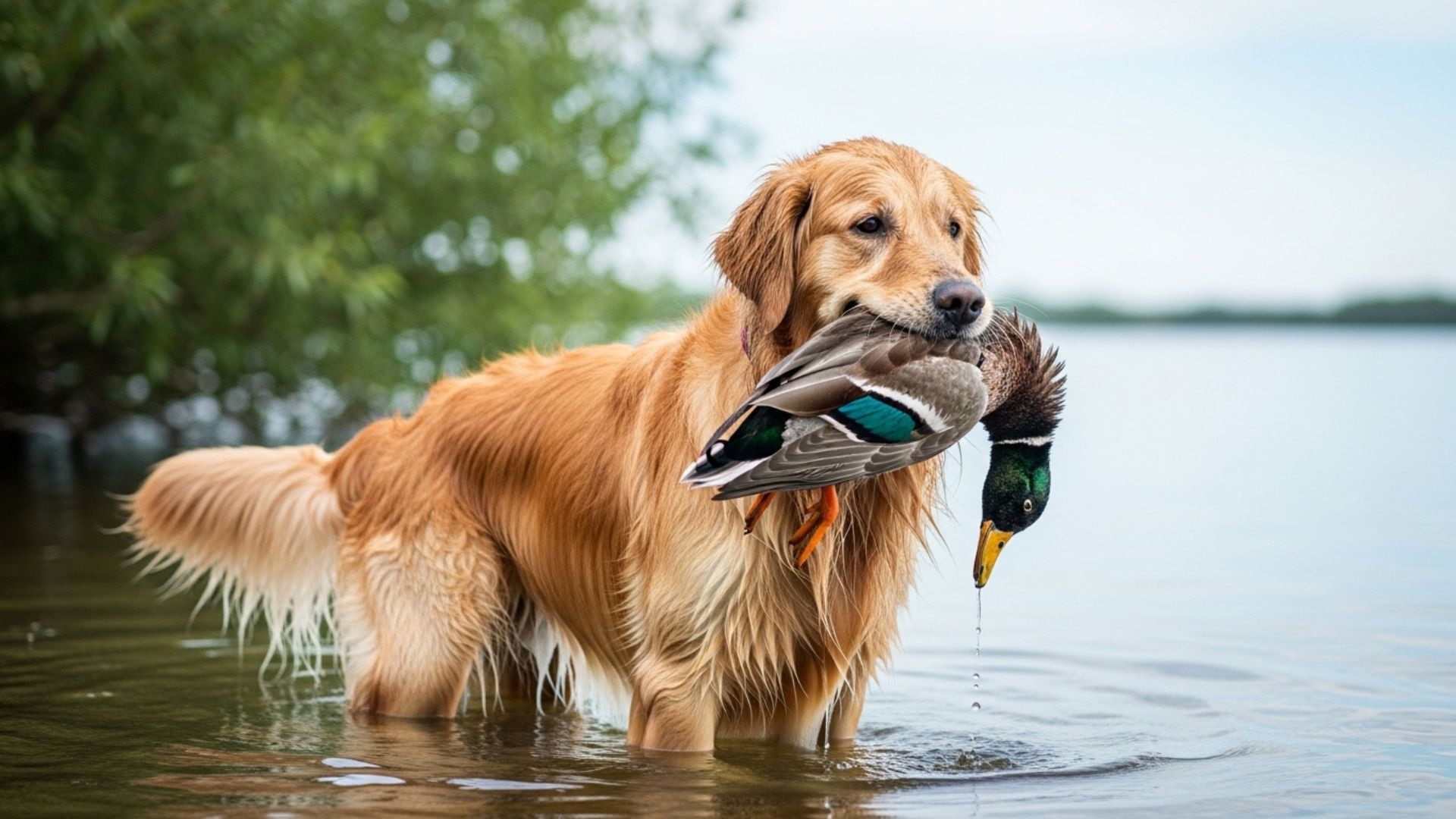
If you’ve ever spent a morning in a marsh or along a foggy lake, you know there’s something magical about hunting waterfowl. Now imagine having a four-legged partner by your side—someone who doesn’t just keep you company but actually makes the hunt smoother, faster, and more exciting. That’s the power of a great waterfowl dog.
These dogs aren’t just pets—they’re natural-born hunters with instincts honed over centuries. They can navigate icy waters, track elusive birds, and bring every catch back safely with a gentle mouth that never damages the game.
And beyond their skills, there’s something deeply satisfying about watching your dog work—the focus in their eyes, the precision in their movements, and the sheer joy they show when retrieving a bird. It’s a partnership built on trust, teamwork, and a little bit of awe.
In this article, we’ll dive into the traits, skills, and natural instincts that make certain dogs perfect for the job—so you can find the ultimate waterfowl hunting dog and enjoy every moment in the field.
Key Takeaways
Meet the top waterfowl dogs, from Labs to Portuguese Water Dogs, built for icy lakes and marshes.
See which breeds retrieve ducks, pheasants, and quail perfectly every time.
Discover how Chessies and Boykins combine smarts, stamina, and agility in the field.
Find dogs that are loyal at home and unstoppable in the hunt.
Dog Breeds Excelling at Waterfowl Hunting Naturally
1. Labrador Retriever
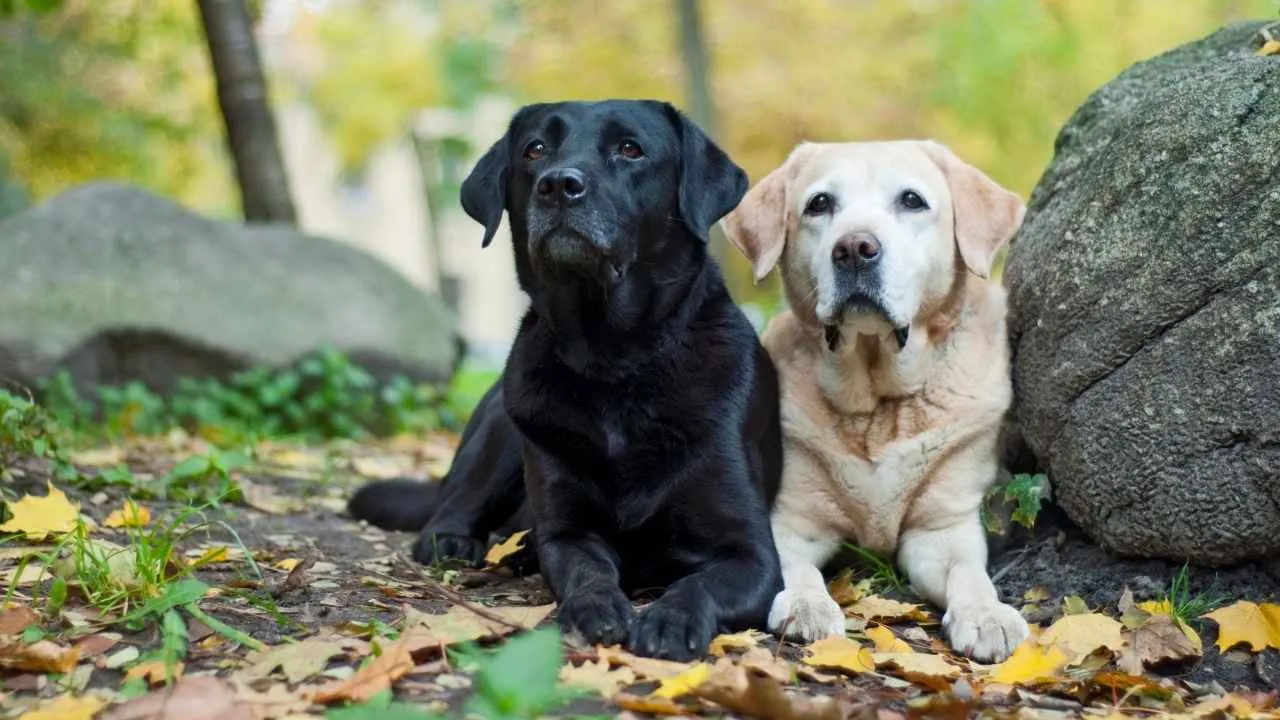
Few breeds are as closely associated with waterfowl hunting as the Labrador Retriever. Originating in the chilly waters of Newfoundland, Canada, Labs were first developed as fishing dogs. Today, Labs are celebrated for their love of water, intelligence, and unmatched retrieving instincts.
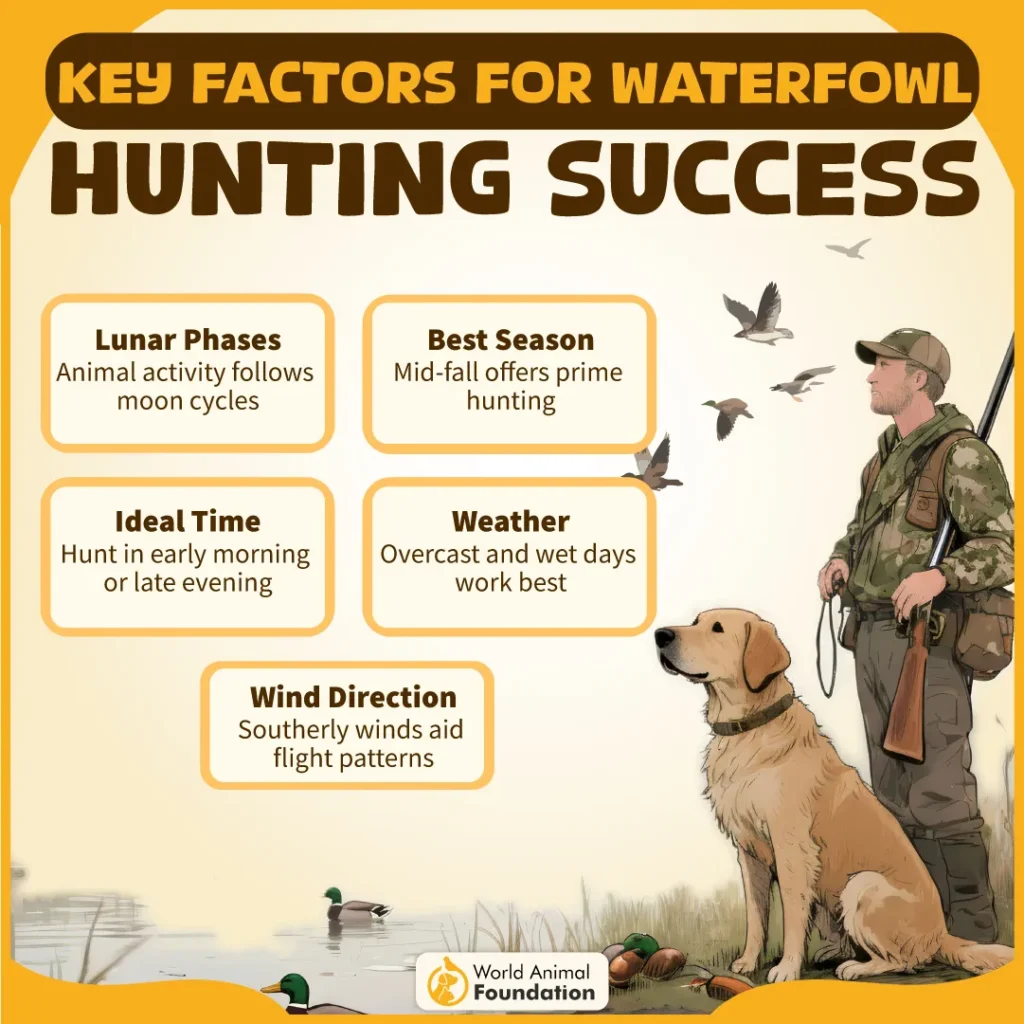
Why They Excel at Waterfowl Hunting
Labrador Retrievers are natural swimmers with water-resistant coats, webbed feet, and thick tails that act like rudders. These traits make them perfect for retrieving ducks from lakes, rivers, or marshes.
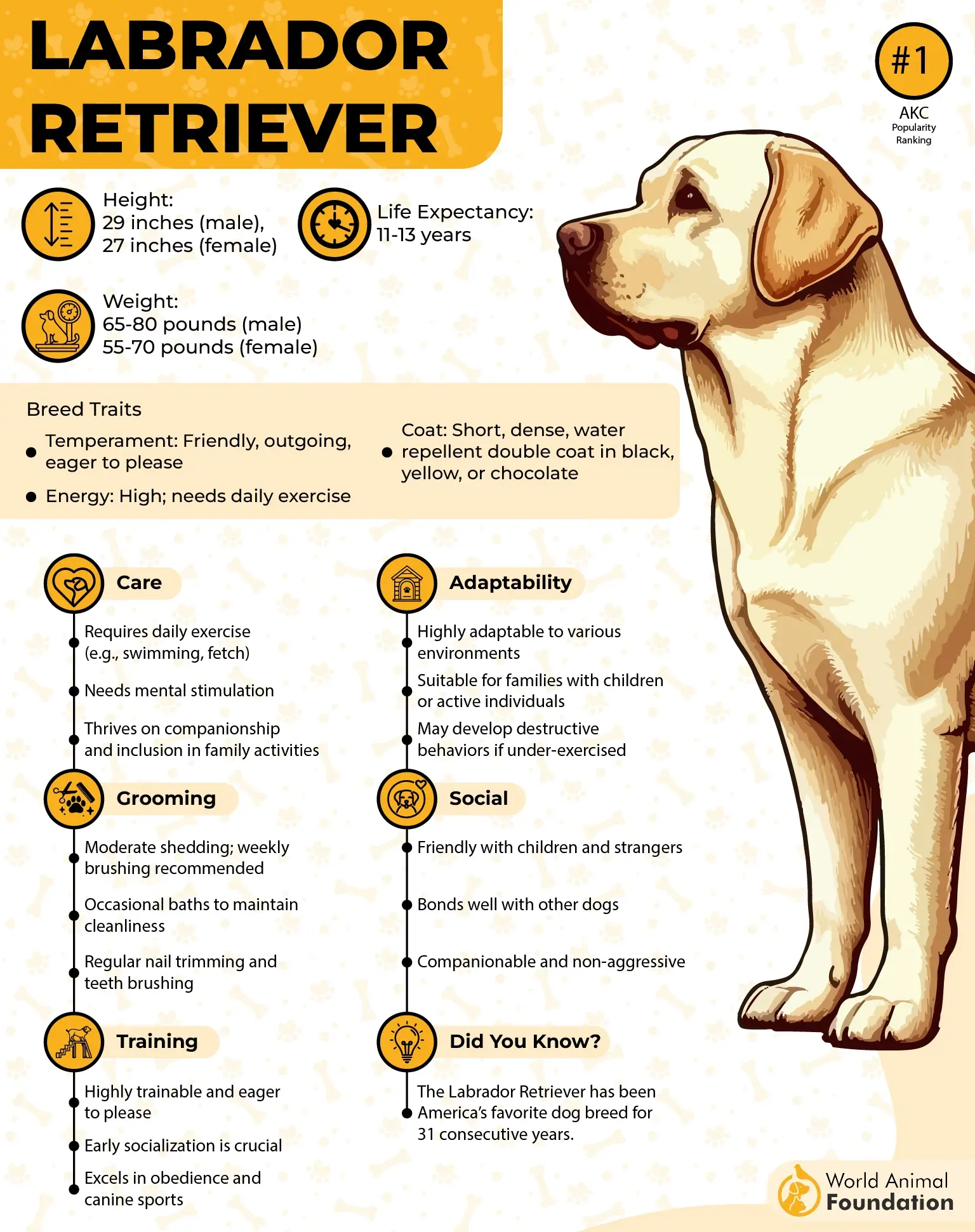
Their intelligence and eagerness to please make them highly trainable, while their strong work ethic and loyalty ensure they bring back every downed bird safely.
Excellent swimmers with a love for water
Gentle mouth to handle the game without damage
Highly trainable and obedient
Loyal, friendly, and reliable in the field
More Than Just a Hunting Dog
Labs aren’t only great hunters—they also make wonderful family pets. Their sociable and gentle nature means they fit easily into homes, while their drive keeps them focused in the field. Over the years, Labs have also excelled as service dogs, police dogs, and search-and-rescue companions.
Their reputation as the gold standard in waterfowl hunting is well-earned, combining natural instincts, physical ability, and an affectionate personality.
2. Chesapeake Bay Retriever
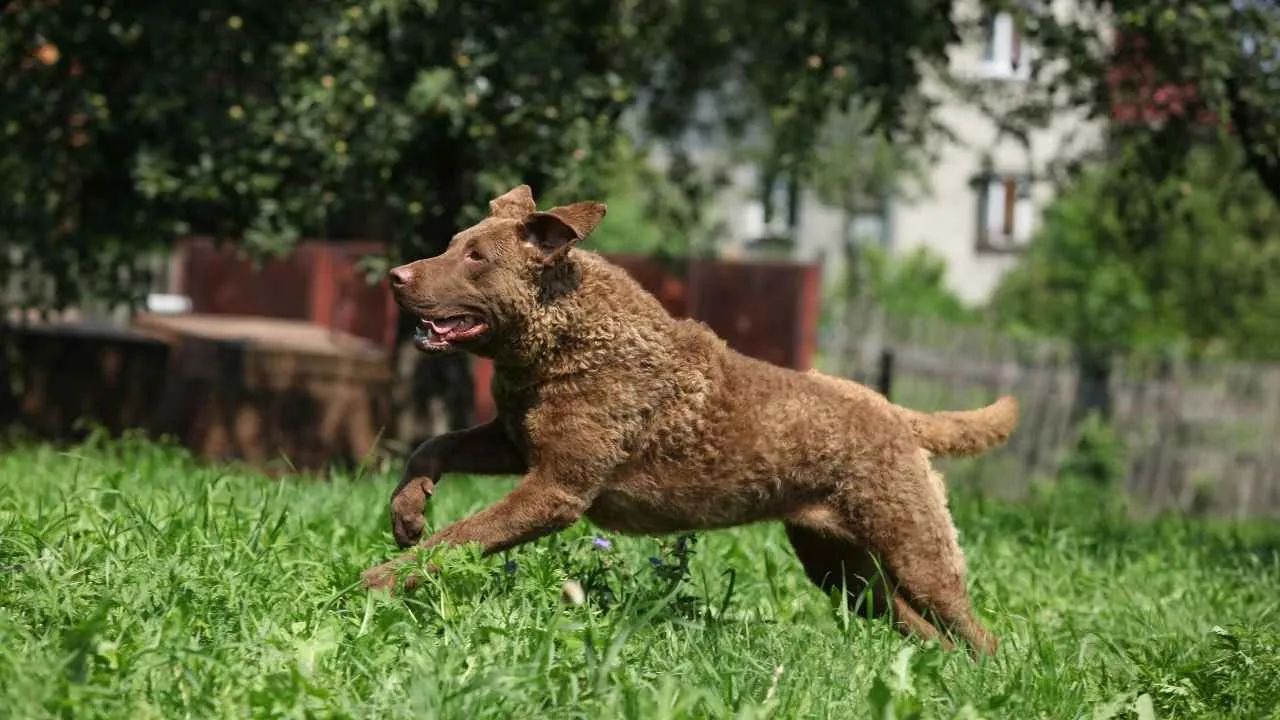
The Chesapeake Bay Retriever, or “Chessie,” was bred to handle the icy waters of the Chesapeake Bay and retrieve ducks under the toughest conditions.
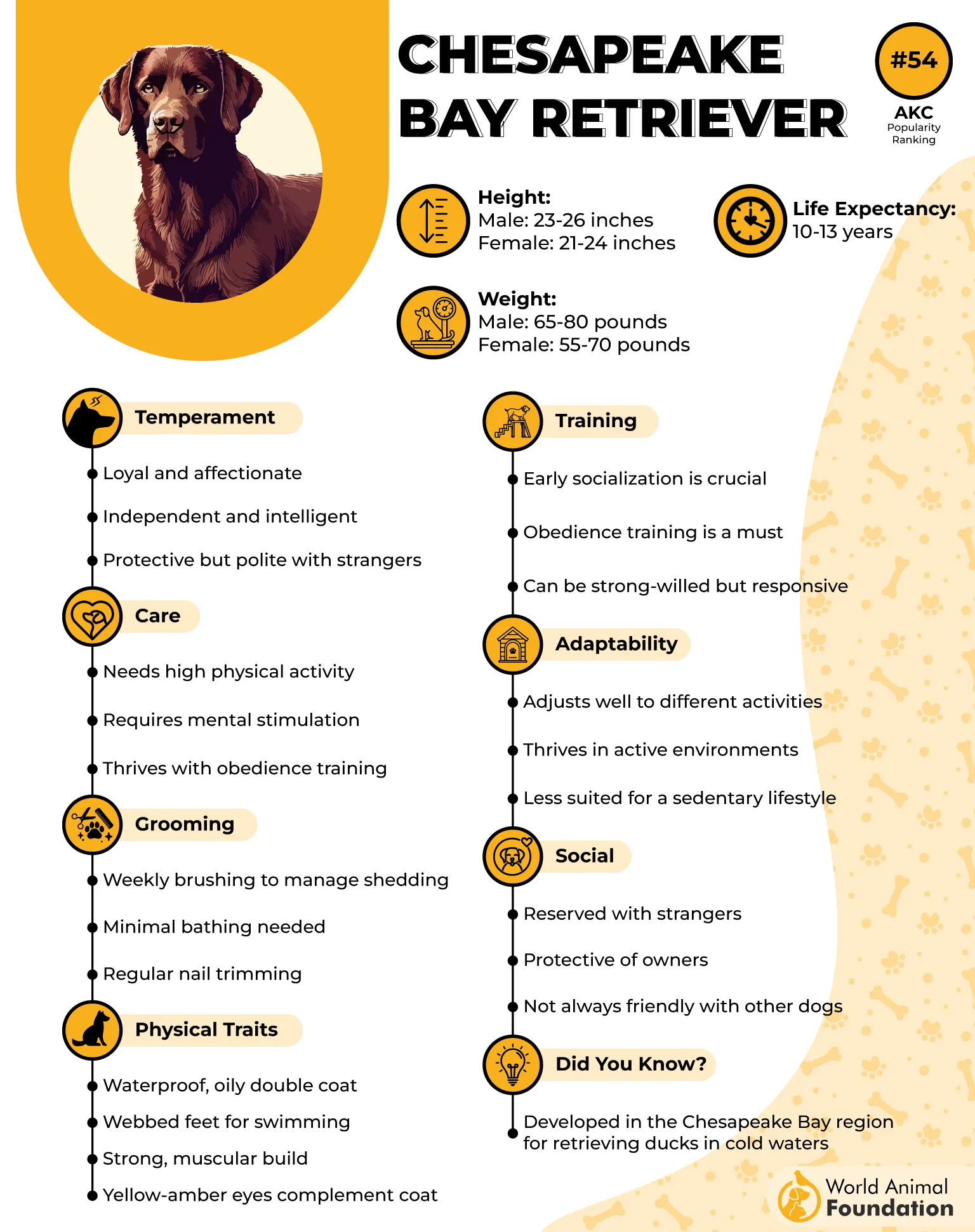
According to VCA, Chessies were recognized by the AKC in 1878 and have since become famous for their stamina, drive, and protective instincts.
Built for the Water and the Hunt
Chessies are natural water dogs with dense, oily double coats and webbed feet that keep them warm and allow them to swim effortlessly through cold water. They are tough, focused, and highly motivated, capable of retrieving dozens of ducks a day.
In addition to waterfowl, their intelligence and tracking skills make them versatile hunters for upland game birds like pheasants, quail, and grouse.
Dense, waterproof coat for cold water
Webbed feet for effortless swimming
Highly intelligent and trainable
Protective yet affectionate with family
Loyal Companions on and off the Field
Unlike some retrievers, Chessies can be reserved with strangers but are fiercely loyal and protective of their families. They thrive in active households and require consistent, reward-based training.
With the right guidance, these determined dogs excel as hunting partners while also making devoted companions at home. Their unique combination of strength, intelligence, and water-loving instincts makes them one of the most reliable and respected waterfowl dogs.
3. Golden Retriever
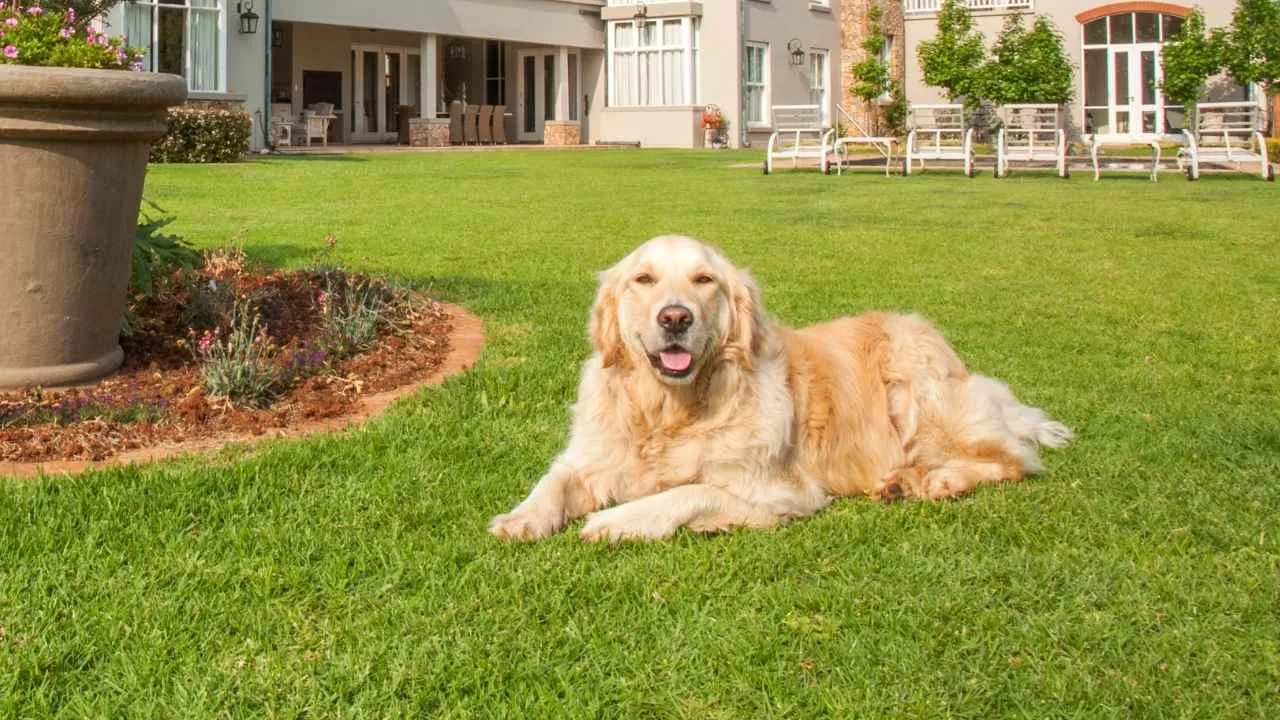
Golden Retrievers might be famous as family pets, but they were born to retrieve game. Bred in Scotland in the 19th century by Sir Dudley Marjoribanks, Goldens were developed from yellow flat-coated retrievers, water spaniels, Labs, and red setters.
The goal was a strong, water-loving dog with a long golden coat and the drive to pick up scores of birds from land or water during big shoots. Recognized by the AKC in 1932, Goldens quickly became popular for both hunting and companionship.
Why Goldens Excel at Hunting
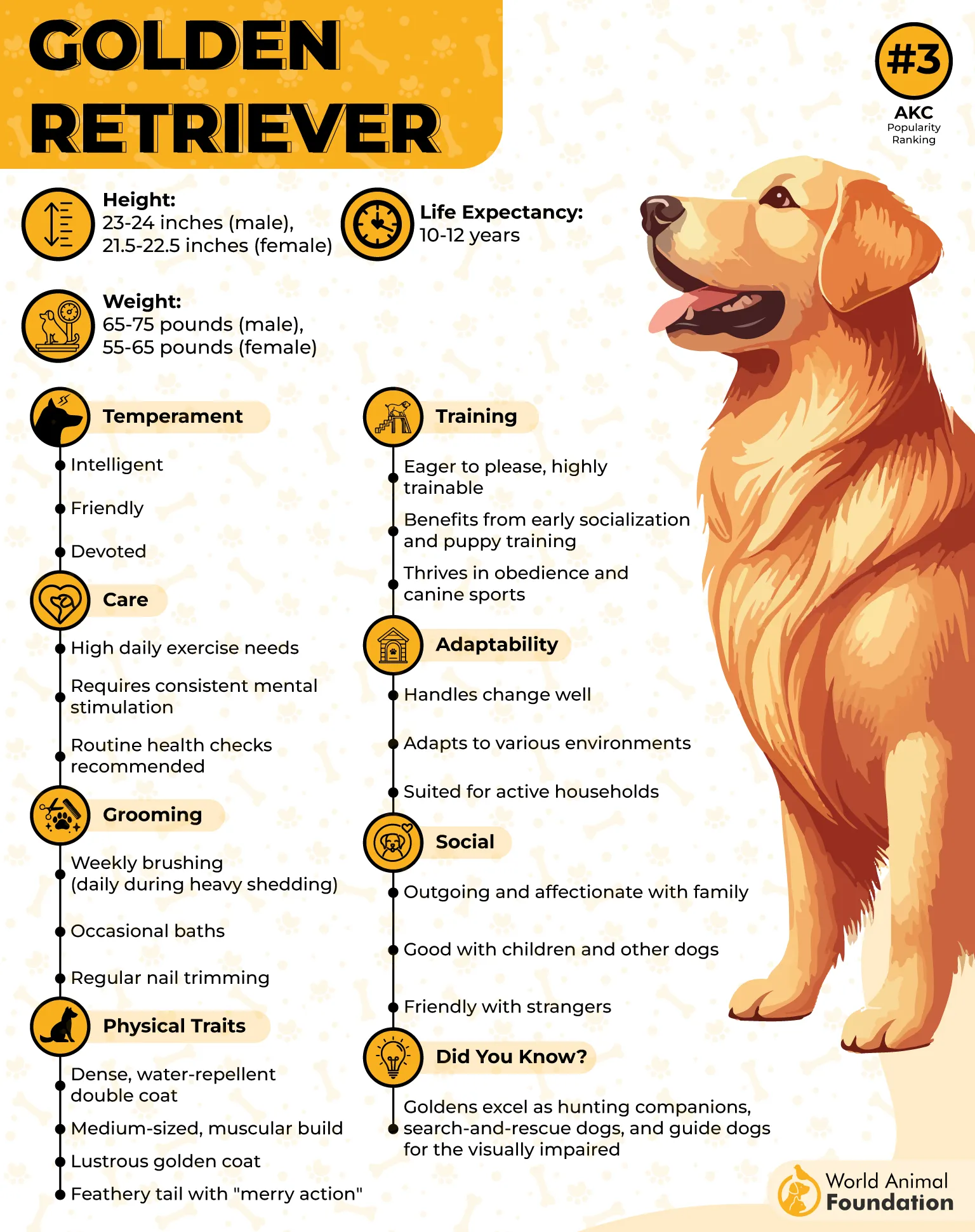
Golden Retrievers are natural swimmers with soft mouths, making them perfect for retrieving downed ducks without damage.
They are highly intelligent, eager to please, and quick learners, which makes training for hunting straightforward. Their versatility extends beyond waterfowl—they can also retrieve upland game and small prey.
Strong retrieving instincts and love of water
Soft mouth to protect the game
Highly trainable and obedient
Energetic, loyal, and focused with proper guidance
Loyal Companions at Home and in the Field
Goldens are more than hunters—they are loving, patient, and dependable family dogs. Their gentle temperament makes them excellent with children, while their work ethic keeps them engaged in the field.
With proper exercise and attention to joint health, Golden Retrievers thrive both as skilled waterfowl hunters and devoted companions, bringing elegance, intelligence, and enthusiasm to every hunt.
4. American Water Spaniel
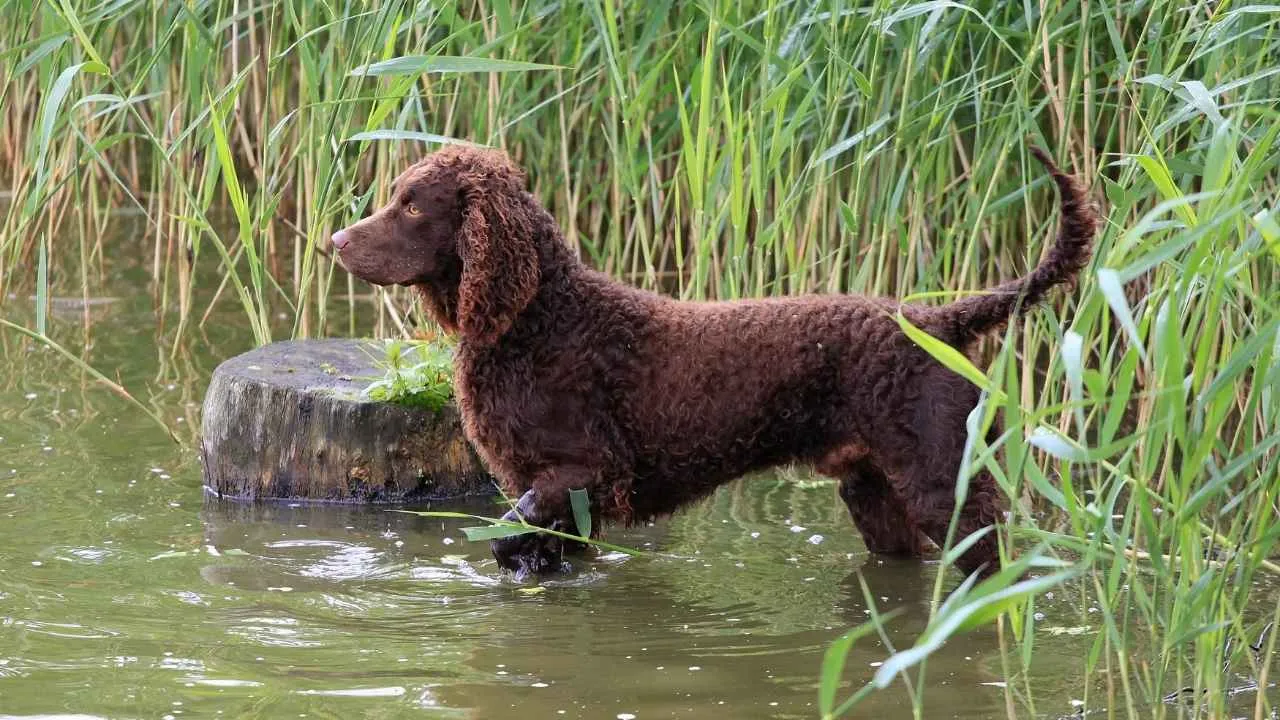
The American Water Spaniel hails from the Upper Midwest, where it was bred in the 1860s to hunt out of small boats. A smaller gundog with a curly black or dark brown coat, this breed was designed to retrieve waterfowl in lakes, marshes, and dense vegetation.
Though often overlooked, the American Water Spaniel combines the instincts of both retrievers and spaniels, making it a versatile and determined hunting companion.
Why They Shine in the Field
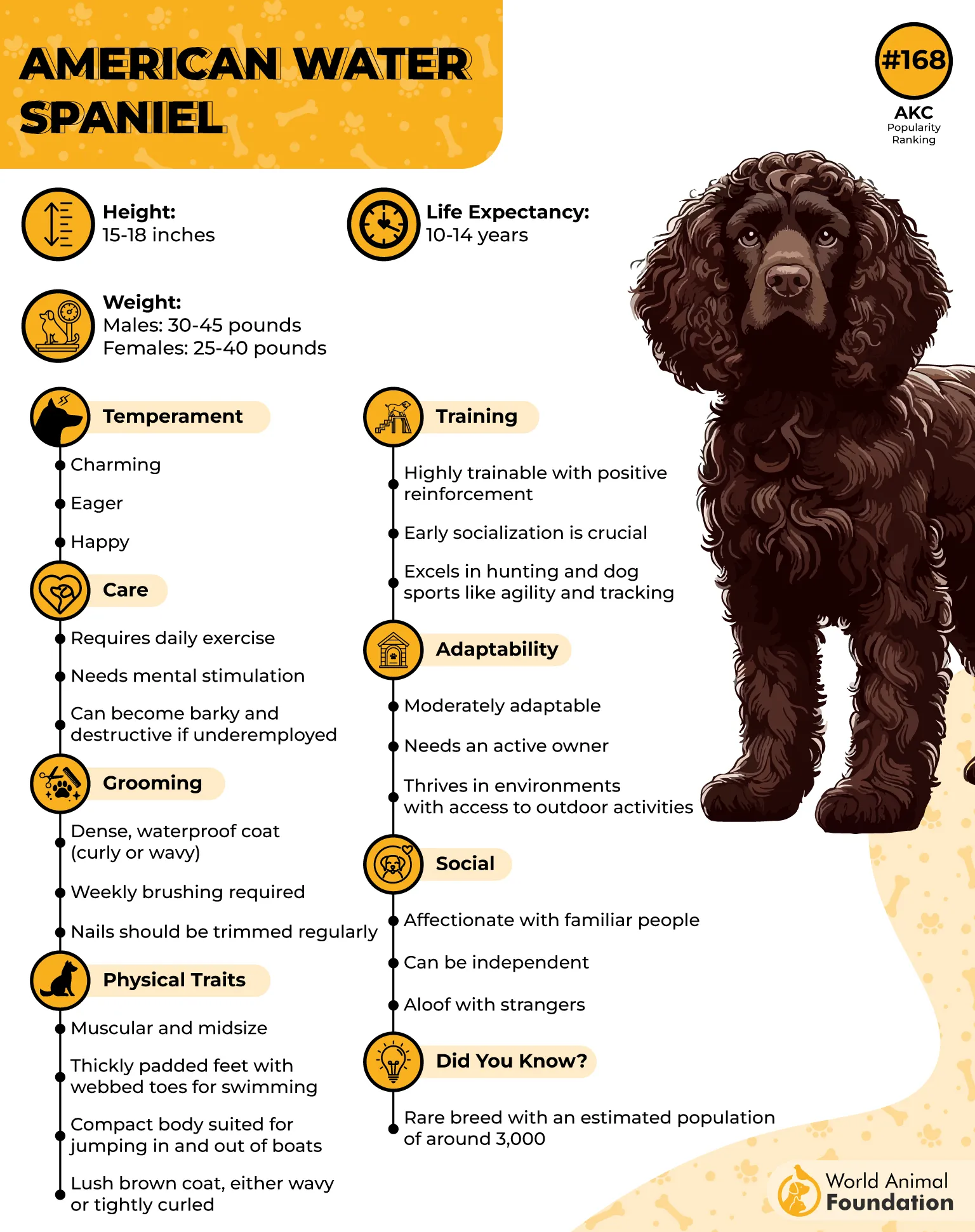
Despite their modest size, these dogs are natural swimmers with webbed feet, thick coats, and a strong retrieving drive. They excel in waterfowl hunting and upland game, using their keen noses and agility to track and retrieve birds in a variety of terrains.
Their intelligence and eagerness to please make them highly trainable, especially with consistent, reward-based methods.
Small but versatile hunting dog
Thick, waterproof coat for cold water
Strong retrieving instincts and determination
Skilled in both water and upland hunting
Loyal and Engaging Companions
American Water Spaniels aren’t just hunters—they’re affectionate and sociable with families, thriving on human interaction. Early socialization helps them adapt well to other dogs and people. Regular brushing keeps their curly coat healthy, while routine ear and nail care prevents issues.
For hunters seeking a lesser-known but highly capable waterfowl dog, the American Water Spaniel offers skill, loyalty, and enthusiasm in a compact package.
5. Nova Scotia Duck Tolling Retriever
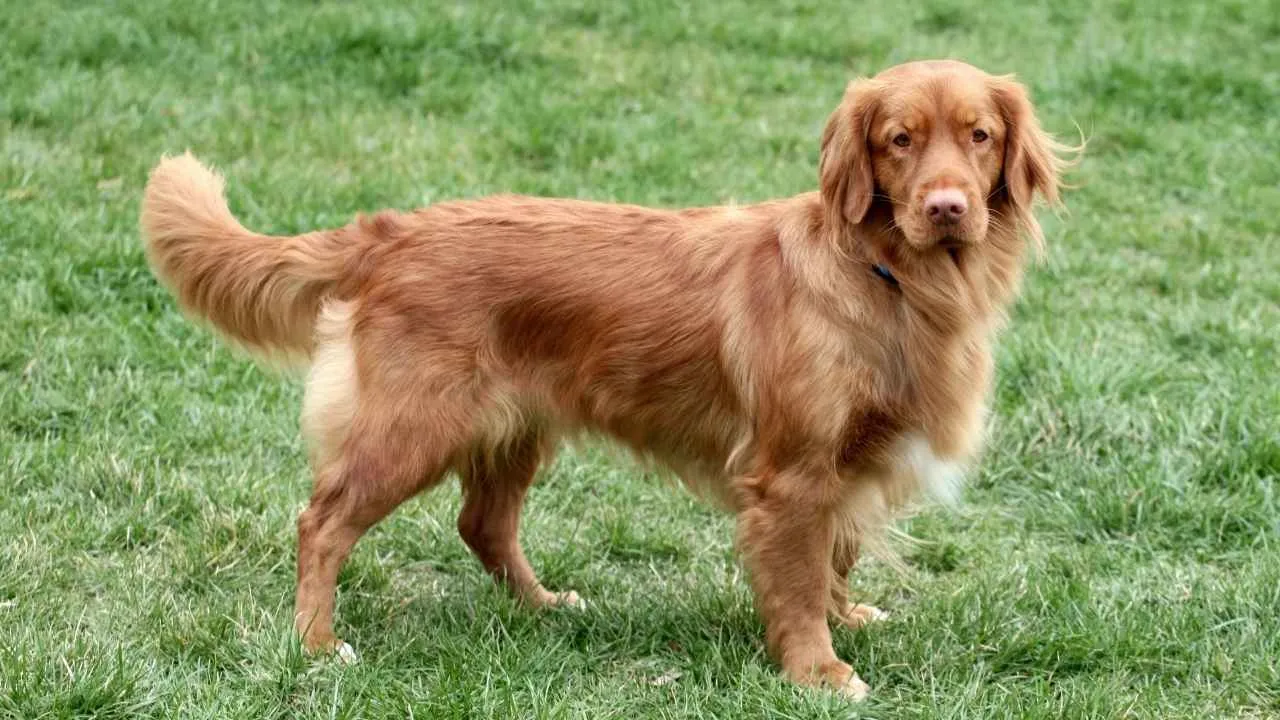
The Nova Scotia Duck Tolling Retriever, or “Toller,” is one of the most unique retrievers for waterfowl hunting. Developed in 19th-century Nova Scotia, Tollers were bred from cage dogs and retrievers to lure ducks close to shore.
Their playful antics, reddish coat, and white markings on the tail, feet, or head resemble a fox, tricking curious ducks into range. Once the birds are near, Tollers retrieve them from the water, combining cleverness with strong hunting instincts.
Why Tollers Excel at Waterfowl Hunting
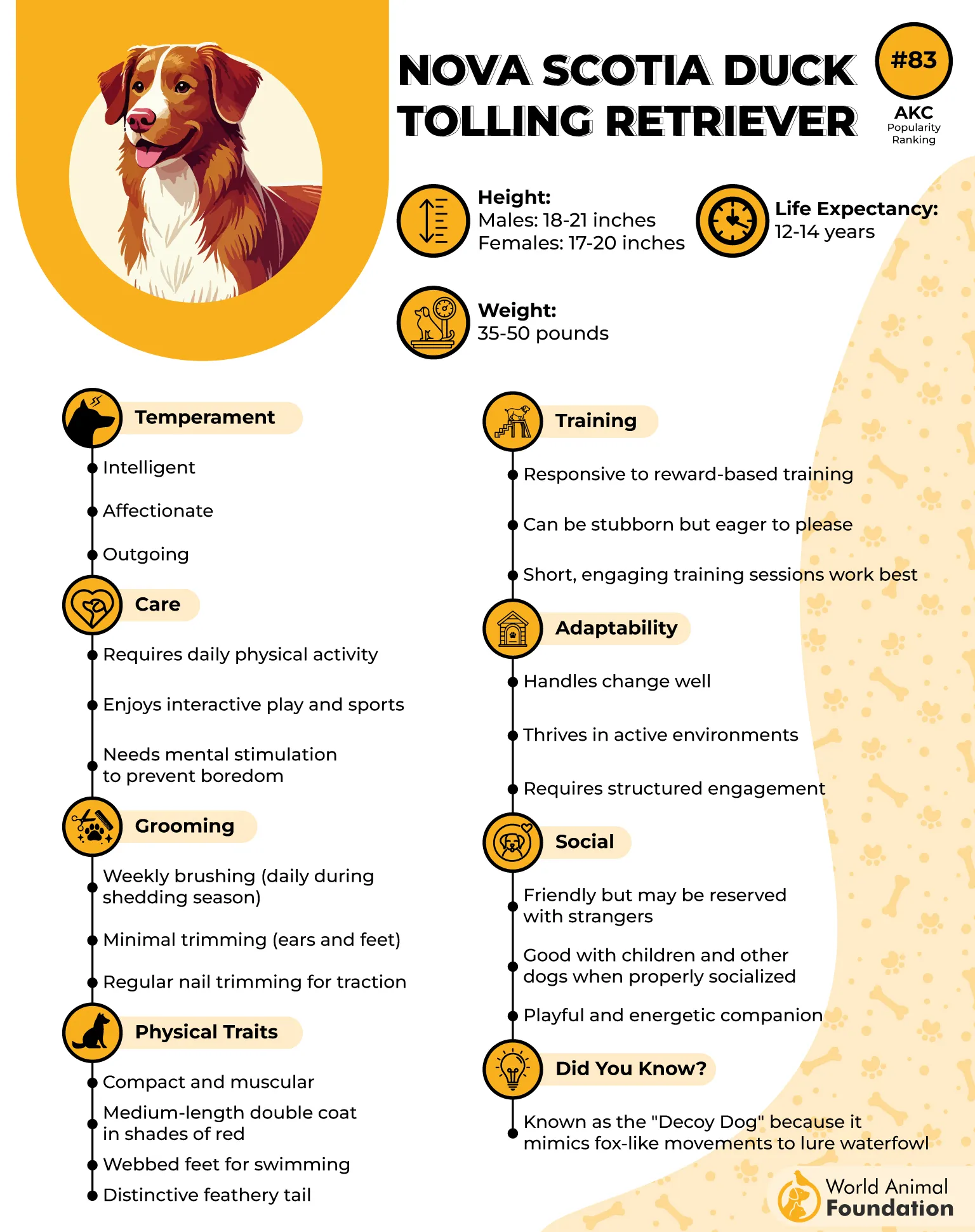
Tollers are the smallest of the retrievers but are full of energy, intelligence, and determination. Their compact, muscular build, water-repellent double coat, and strong swimming ability make them ideal for cold, wet conditions.
Beyond luring ducks, Tollers can also serve as regular retrievers and even excel in upland hunting.
Small but agile and strong
Energetic and playful hunting style
Excellent swimmer with a water-repellent coat
Versatile: retrieves waterfowl and upland game
Affectionate Companions with Endless Energy
At home, Tollers are intelligent, affectionate, and great with children. They thrive in active households, needing plenty of exercise through hunting, swimming, or hiking. Their boundless energy and playful nature make them both a delight in the field and a loyal, loving family companion.
6. Curly-Coated Retriever
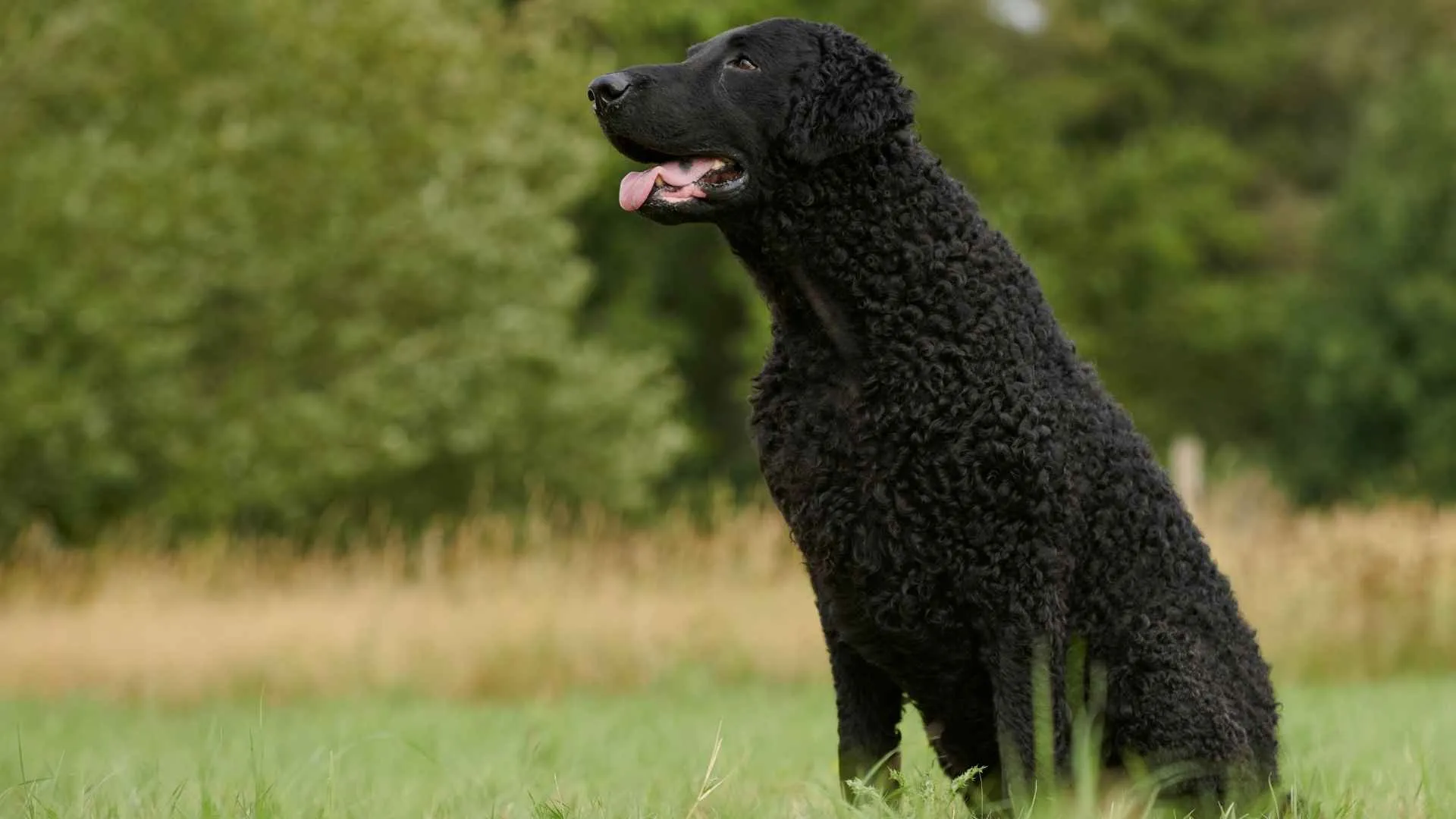
The Curly-Coated Retriever is one of the oldest retriever breeds, dating back to the late 1700s, according to PetMD. Known as the original retriever, this breed was developed from spaniels to hunt waterfowl and upland birds.
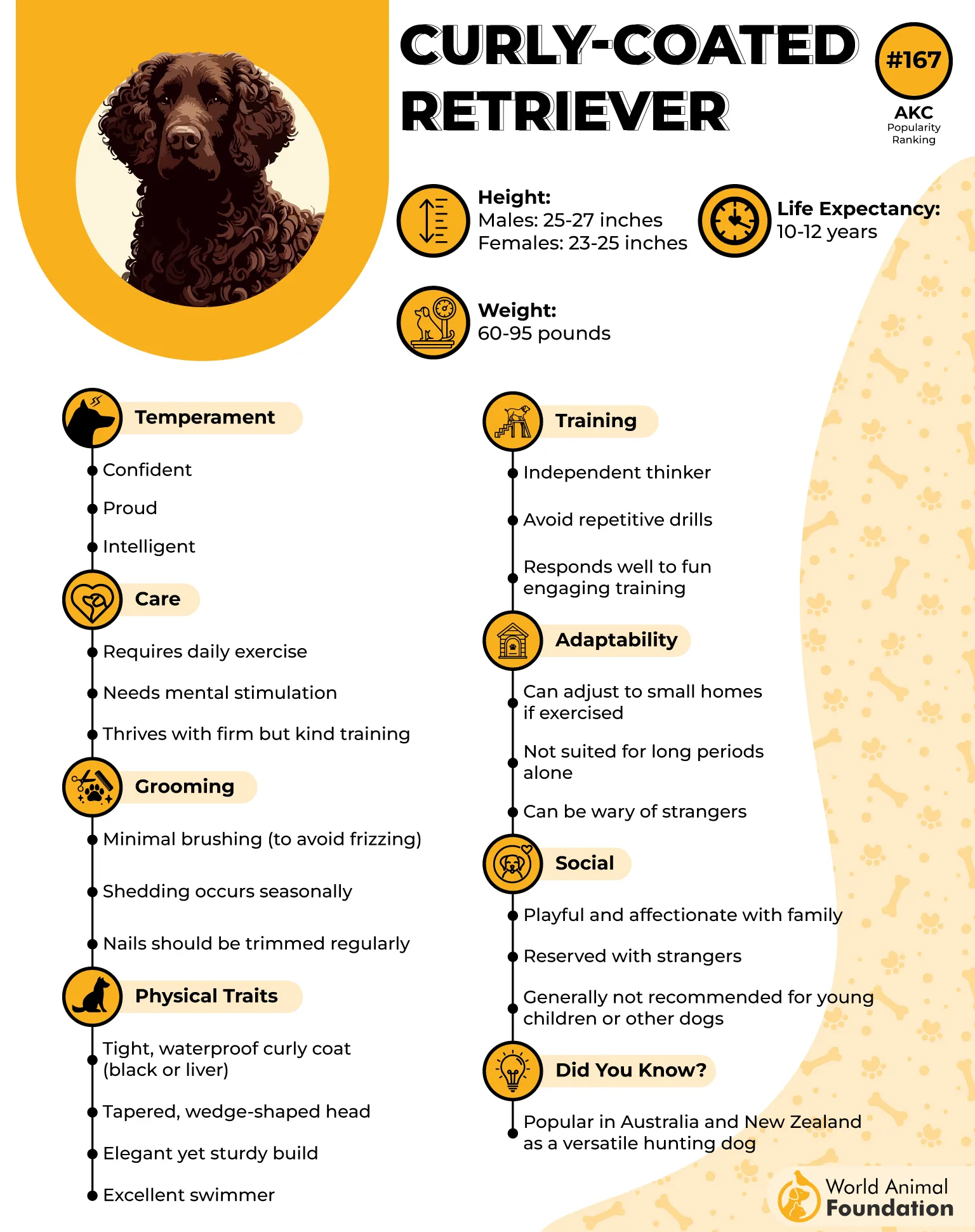
With its tight, curly coat in black or liver, the Curly is waterproof and thorn-resistant, perfect for navigating mucky swamps, thick brush, and icy lakes. Larger and more durable than many retrievers, Curlies are tireless in the field yet affectionate with their families.
Why Curlies Excel at Waterfowl Hunting
Curly-Coated Retrievers are strong swimmers and highly intelligent, able to think independently while retrieving birds. Their wedge-shaped heads, thick curls, and muscular build make them well-suited for all-weather hunting in challenging terrain.
These dogs are versatile, excelling both in waterfowl hunting and upland game, and their independence and confidence give them a unique edge compared to more gregarious retrievers.
Tight, curly coat for waterproof protection
Strong, durable, and tireless in the field
Intelligent and highly trainable
Excels in both waterfowl and upland hunting
Loyal, Independent Companions
While independent and sometimes reserved with strangers, Curlies are affectionate, playful, and loyal with their families. They thrive in active homes that provide plenty of exercise, swimming, and outdoor adventure.
With consistent training and socialization from a young age, the Curly-Coated Retriever makes a brilliant working dog and a devoted family companion.
7. Boykin Spaniel
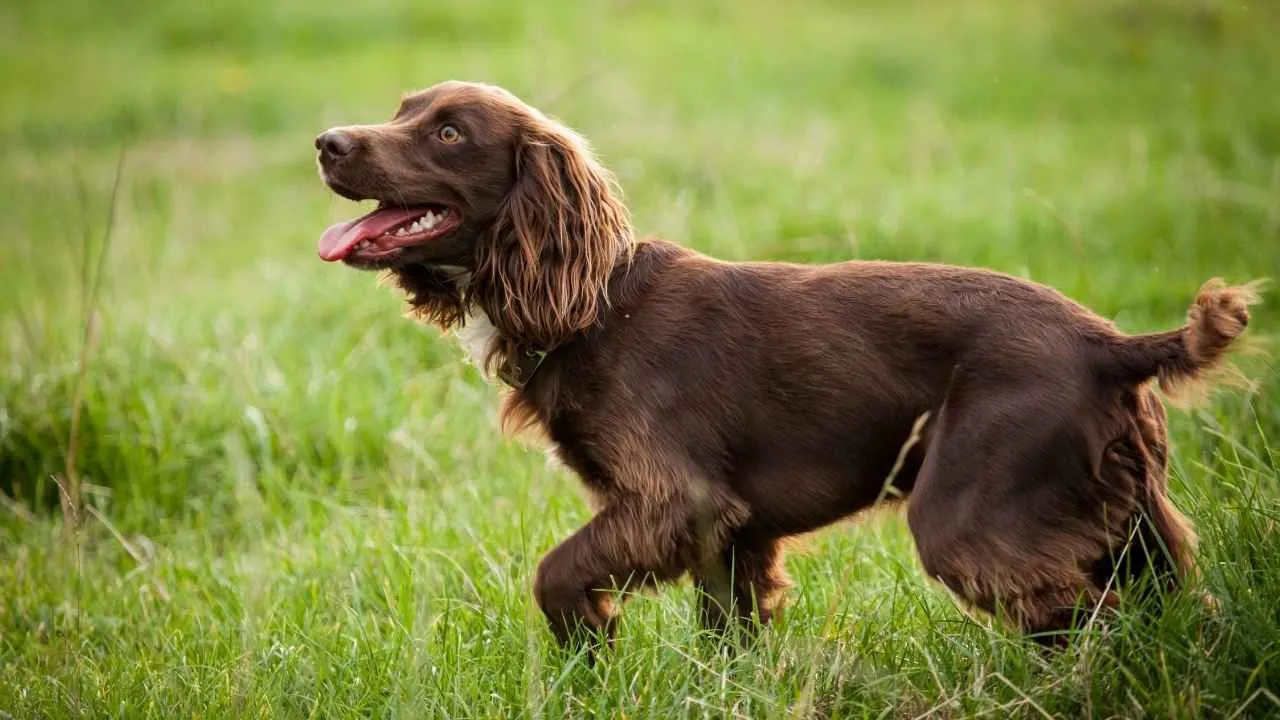
The Boykin Spaniel is a small, versatile retriever developed in South Carolina in the early 1900s. Trainer L. Whitaker Boykin crossed a client’s brown spaniel with springers, Chessies, and American Water Spaniels to create a compact dog ideal for swamps, river bottoms, and small boats.
With a curly dark-brown coat and a cheerful disposition, Boykins are perfectly suited for waterfowl hunting in tight spaces.
Why Boykins Excel at Hunting
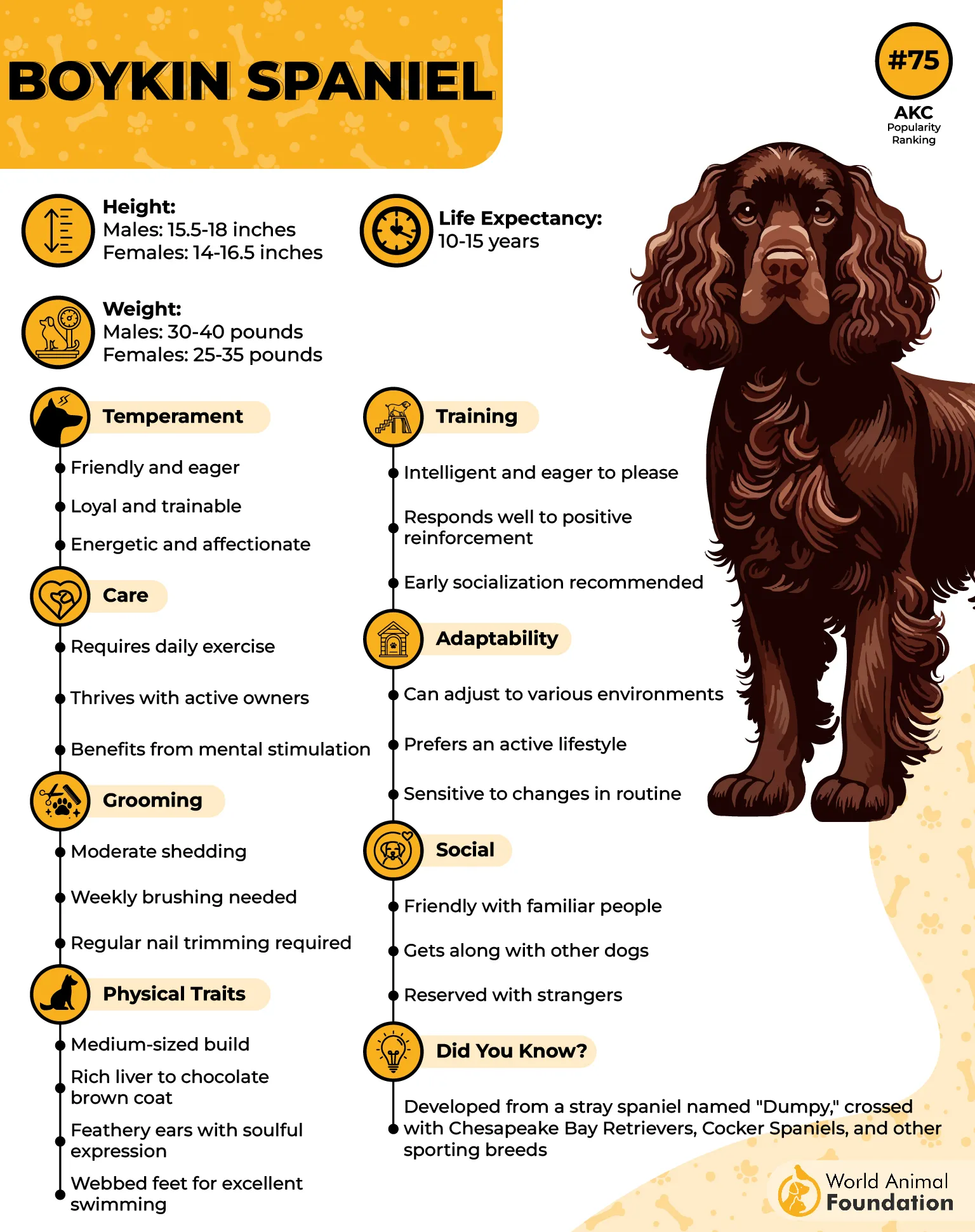
Boykin Spaniels are energetic, intelligent, and eager to please. Their compact size makes them agile in dense vegetation and marshy terrain, while their retrieving instincts ensure downed birds are brought back reliably.
They are versatile hunters, excelling in both waterfowl and upland game, and some even serve as blood-trailing dogs for deer.
Compact and agile for small boats and tight spaces
Medium-length, wavy coat for water and field conditions
Strong retrieving instincts and determination
Adaptable to upland and waterfowl hunting
Loyal Companions for Active Families
Boykins are affectionate, friendly, and rated highly for behavior with children by the AKC. They thrive in active households where they receive plenty of exercise, play, and hunting time.
Regular grooming, ear care, and training keep them happy and healthy. For hunters seeking a small, intelligent, and energetic waterfowl companion, the Boykin Spaniel is a dependable and lovable choice.
8. Irish Water Spaniel
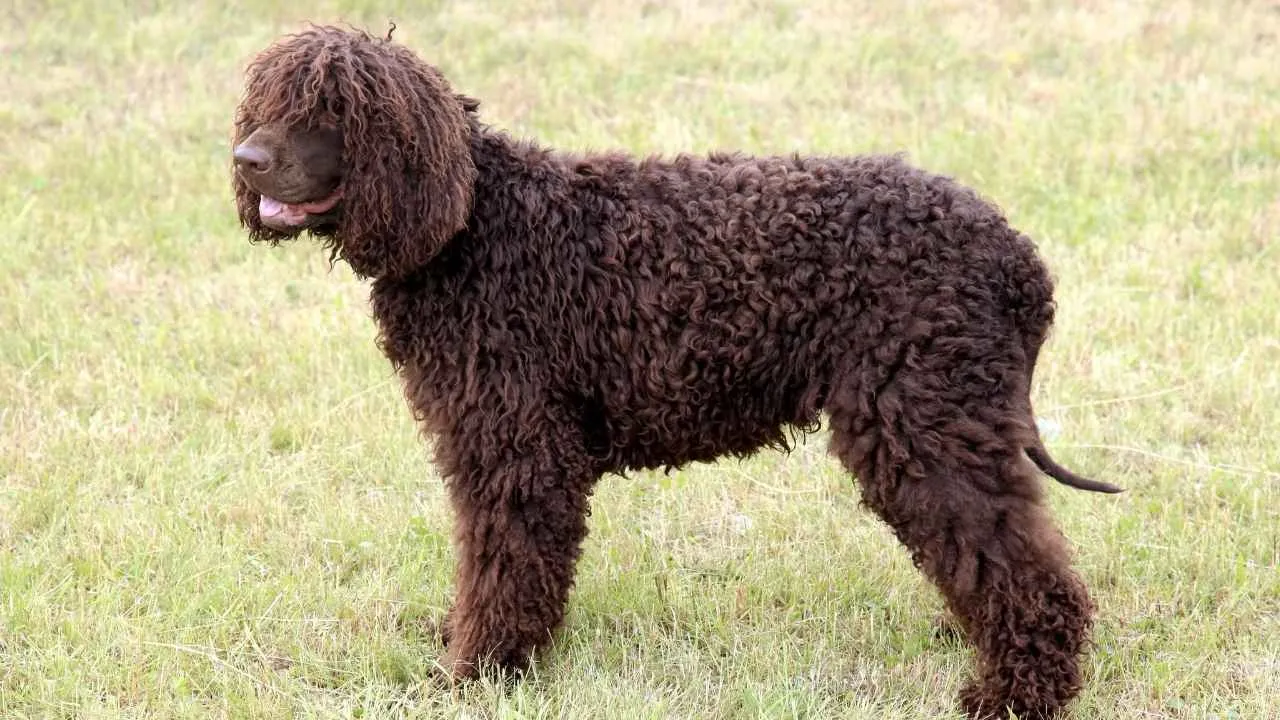
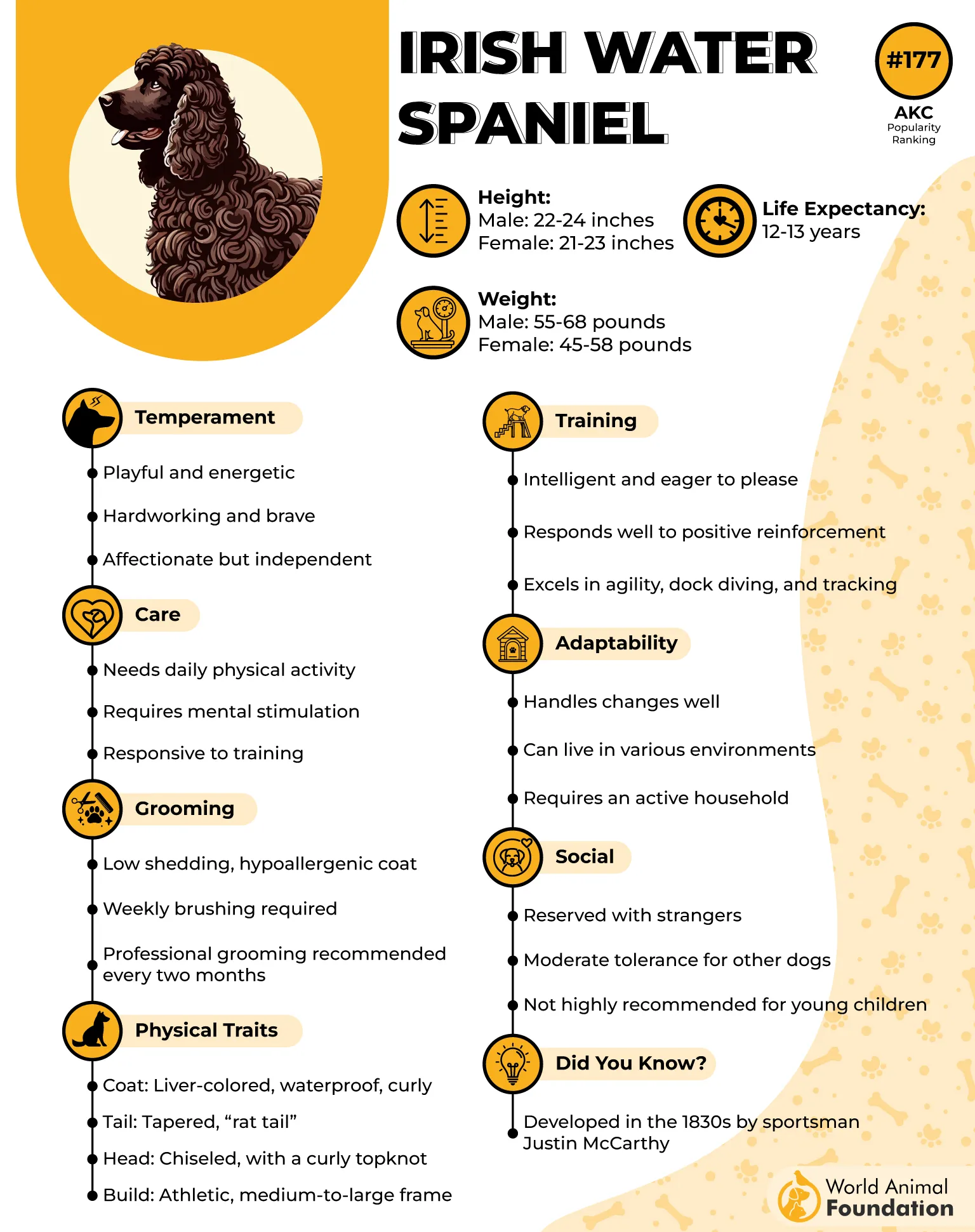
Bred in Ireland in the 1830s to withstand the cold North Sea, the Irish Water Spaniel quickly became a favorite among waterfowl hunters in Ireland, England, and later North America. With its long, curly, liver-colored coat and distinctive “topknot,” this breed is instantly recognizable.
Hardy, intelligent, and agile, Irish Water Spaniels are designed to retrieve birds from both water and upland terrain while remaining loyal companions at home.
Why They Excel at Waterfowl Hunting
Irish Water Spaniels are natural swimmers with webbed feet, dense waterproof coats, and excellent eyesight to mark falls. Their strong work ethic, problem-solving ability, and retrieving instincts make them reliable in the field.
They are versatile hunters, capable of working in wet, rugged conditions and adapting to upland hunting when needed.
Dense, curly coat for cold-water protection
Webbed feet for strong swimming ability
Intelligent, trainable, and problem-solving
Excels in waterfowl and upland hunting
Playful, Loyal Companions
Despite their rugged hunting abilities, Irish Water Spaniels are playful, affectionate, and good with children. Regular grooming, ear care, and nail trimming help maintain their coat and overall health.
With early socialization and consistent training, they make excellent family pets while remaining skilled and dependable waterfowl hunting partners.
9. English Springer Spaniel
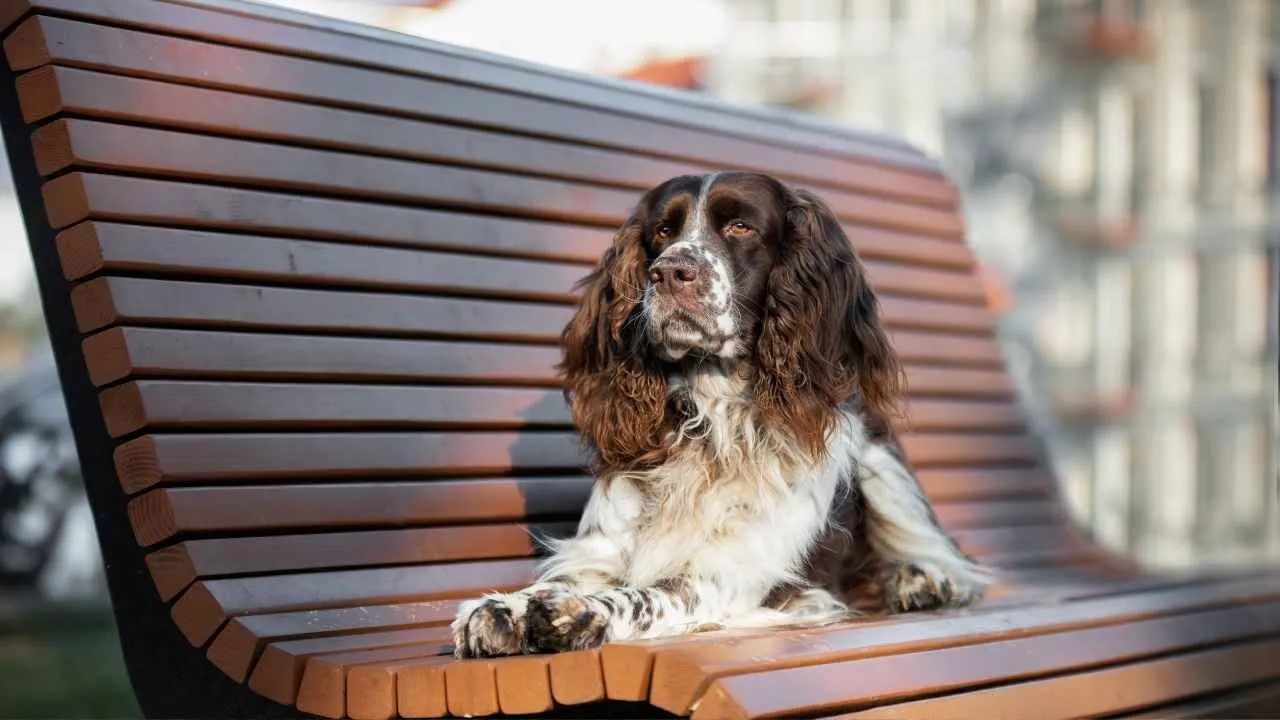
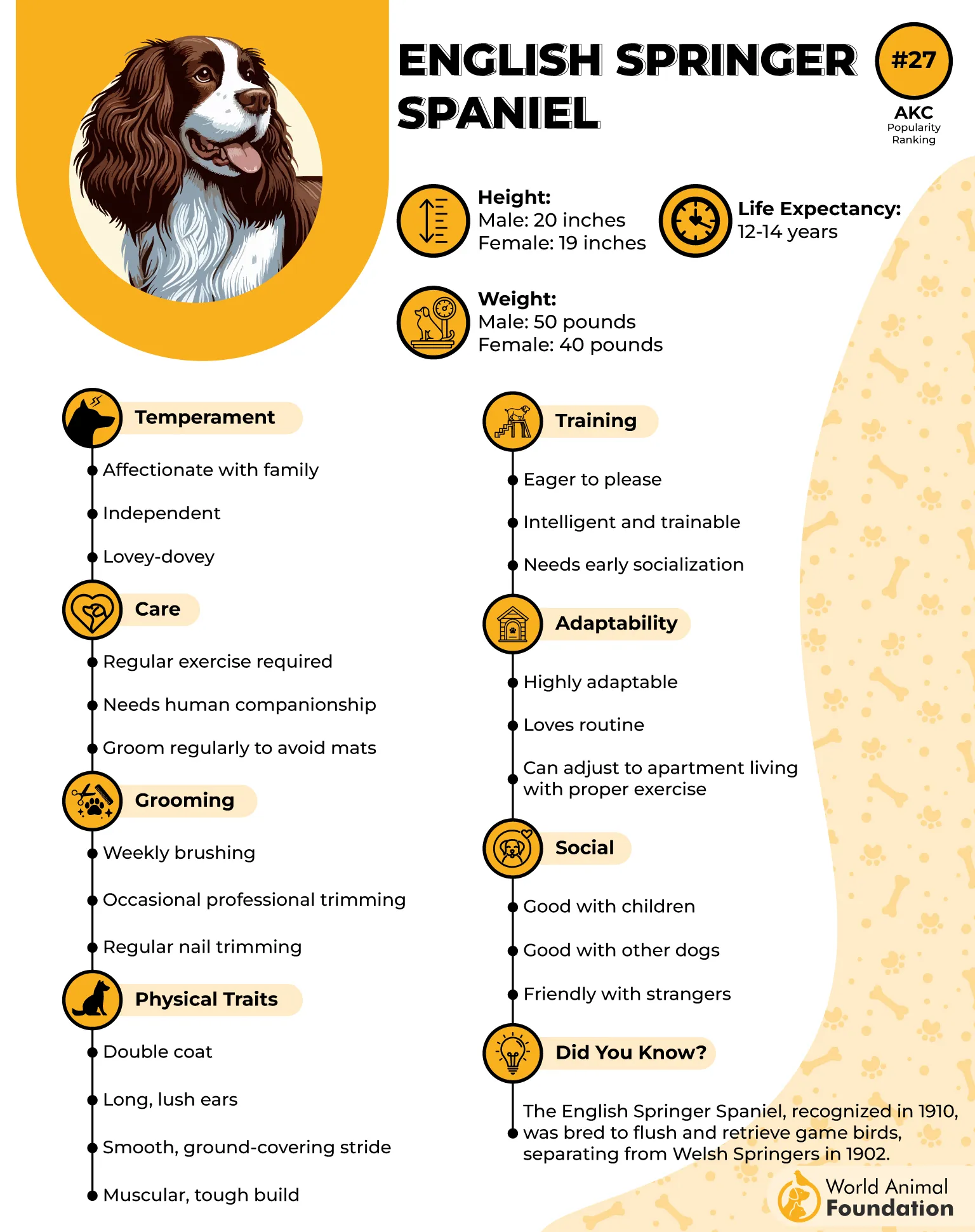
Bred in England to “spring” or flush game from dense cover, the English Springer Spaniel is a versatile hunting companion. Originally part of the same breed as the Cocker Spaniel, Springers were selected for size and hunting ability.
Agile, quick, and eager to please, they excel at flushing birds into flight and retrieving them from both land and water.
Why They Excel at Waterfowl and Upland Hunting
Despite being smaller than some retrievers, Springers are tough, intelligent, and tireless in the field. Their dense, waterproof coat, sharp instincts, and endurance make them highly effective for both waterfowl and upland hunting. They navigate dense brush with ease and work closely with hunters to ensure every bird is retrieved safely.
Agile and quick for flushing and retrieving
Dense, waterproof coat for all-weather hunting
Intelligent, responsive, and trainable
Versatile in waterfowl and upland hunting
Loyal Companions at Home and in the Field
English Springer Spaniels are friendly, affectionate, and bond closely with their families. Regular exercise, mental stimulation, and ear care are important to keep them healthy and happy.
With proper training and socialization, Springers balance their energetic hunting instincts with a calm, loving nature at home, making them ideal dual-purpose companions for active families and dedicated hunters alike.
10. Portuguese Water Dog
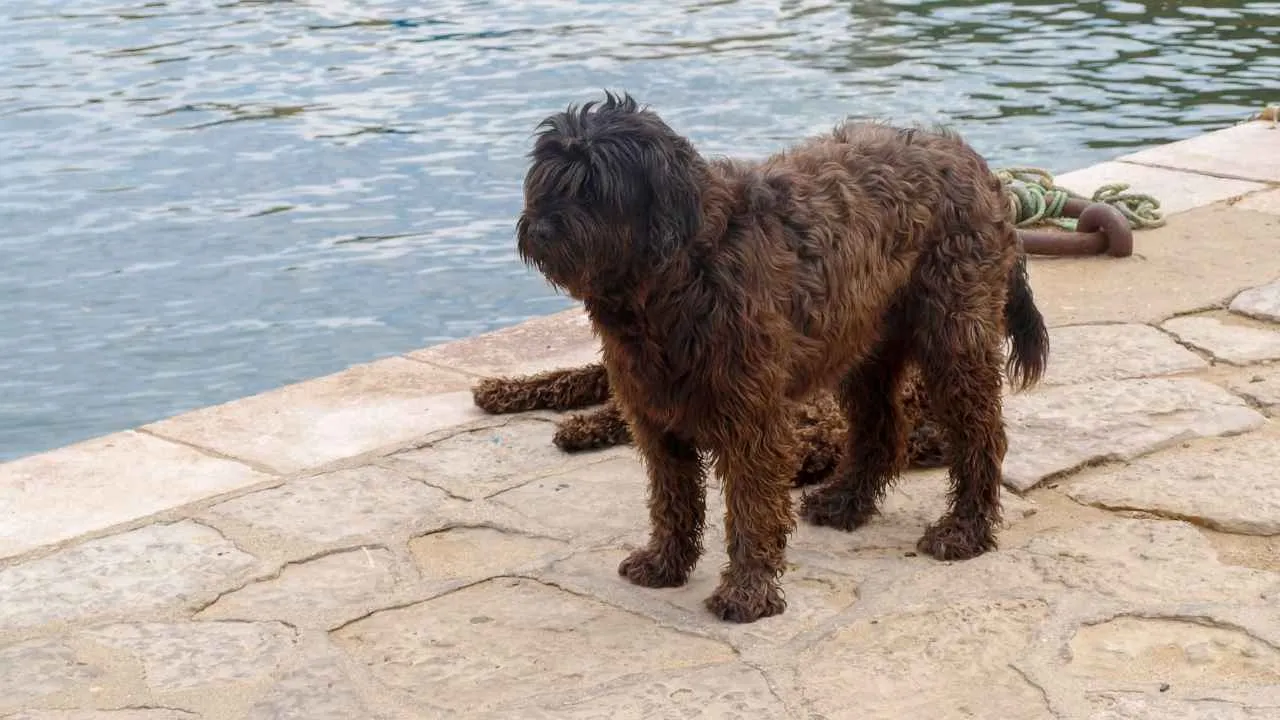
The Portuguese Water Dog, or PWD, was bred along Portugal’s coasts to assist fishermen. With a robust, medium-sized body and tight, low-shedding curls, this breed is built for swimming, retrieving fishing gear, and working in water.
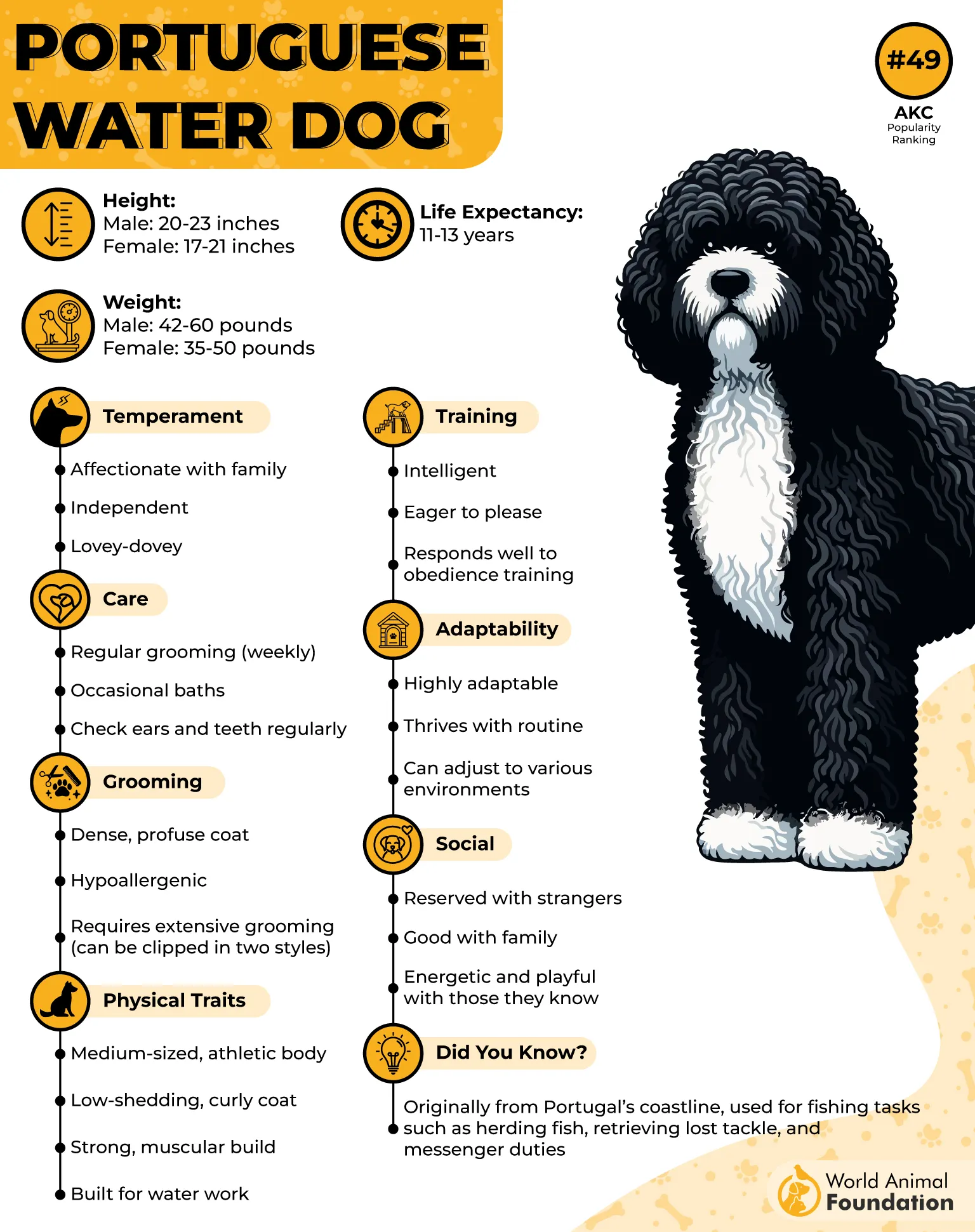
Spirited, athletic, and intelligent, PWDs are natural water dogs with a strong work ethic and playful personality.
Why They Excel at Waterfowl Hunting
PWDs are excellent swimmers with boundless energy and strong retrieving instincts. AKC mentions that their intelligence and “biddable” nature make them easy to train, while their curly, waterproof coat protects them in wet and cold conditions.
Strong swimmers with high endurance
Intelligent, eager to please, and highly trainable
Curly, low-shedding, water-resistant coat
Energetic and versatile for waterfowl hunting
Loyal Companions at Home
Despite their working heritage, Portuguese Water Dogs are affectionate and playful family pets. Regular exercise, mental stimulation, and grooming are essential to keep them happy and healthy.
With proper training and attention, PWDs bond closely with their families and make enthusiastic companions both in the water and at home.
Conclusion
Choosing the right waterfowl hunting dog is about more than just looks—it’s about instincts, intelligence, and a love for the water.
From energetic retrievers to clever spaniels, each breed brings unique strengths to the hunt, whether it’s retrieving downed birds, navigating dense marshes, or flushing game with precision.
No matter which breed you choose, their loyalty, drive, and companionship make every hunting adventure more rewarding.
If you’re ready to add a four-legged hunting partner to your team, take the time to research and meet dogs from reputable breeders or trainers. The right dog will not only improve your success in the field but will also become a trusted companion at home.
Remember—hunting with a dog is a partnership built on trust, patience, and shared excitement, and there’s nothing quite like the thrill of watching your dog work naturally in the marsh.
