




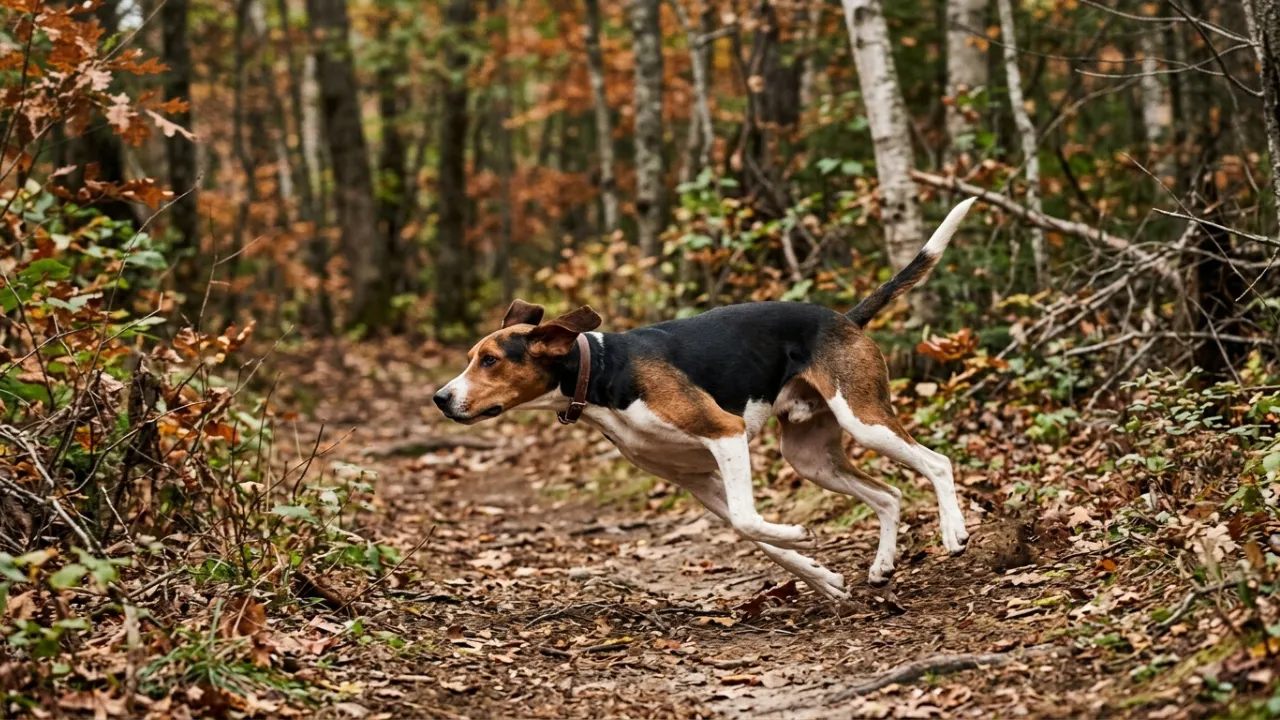
Living with a dog that has a strong hunting instinct can feel completely different from owning an easygoing companion that ignores everything around it. One sudden movement outside the window, a squirrel crossing the yard, or even the sound of birds nearby can instantly pull their attention away from everything else.
These hunting dogs stay alert in ways that surprise many owners, especially those who underestimate how deeply prey drive shapes behavior. Daily walks often require more focus, training takes extra patience, and outdoor time rarely feels predictable.
Yet for the right person, that intensity is exactly what makes these breeds so fascinating to live with. Their sharp instincts, relentless focus, and eagerness to chase give them a sense of purpose that never fully switches off. Some were developed to track, some to pursue, and others to react within seconds once movement appeared.
Ahead are the hunting breeds that carry those instincts more strongly than most people expect.
Key Takeaways
A single rustle outside can shift the entire attention of certain dogs, revealing just how powerful prey drive can be.
Breeds like the Weimaraner and German Shorthaired Pointer were developed for speed, focus, and endurance, turning natural prey drive into precise hunting skill.
From the scent-trailing Beagle to the steady tracking Black And Tan Coonhound, each breed reflects a history built around purpose and persistence.
Keep reading to see which of these determined companions match their instincts with the right home environment.
Dog Breeds Eager to Hunt – High Prey Drive List
1. Weimaraner
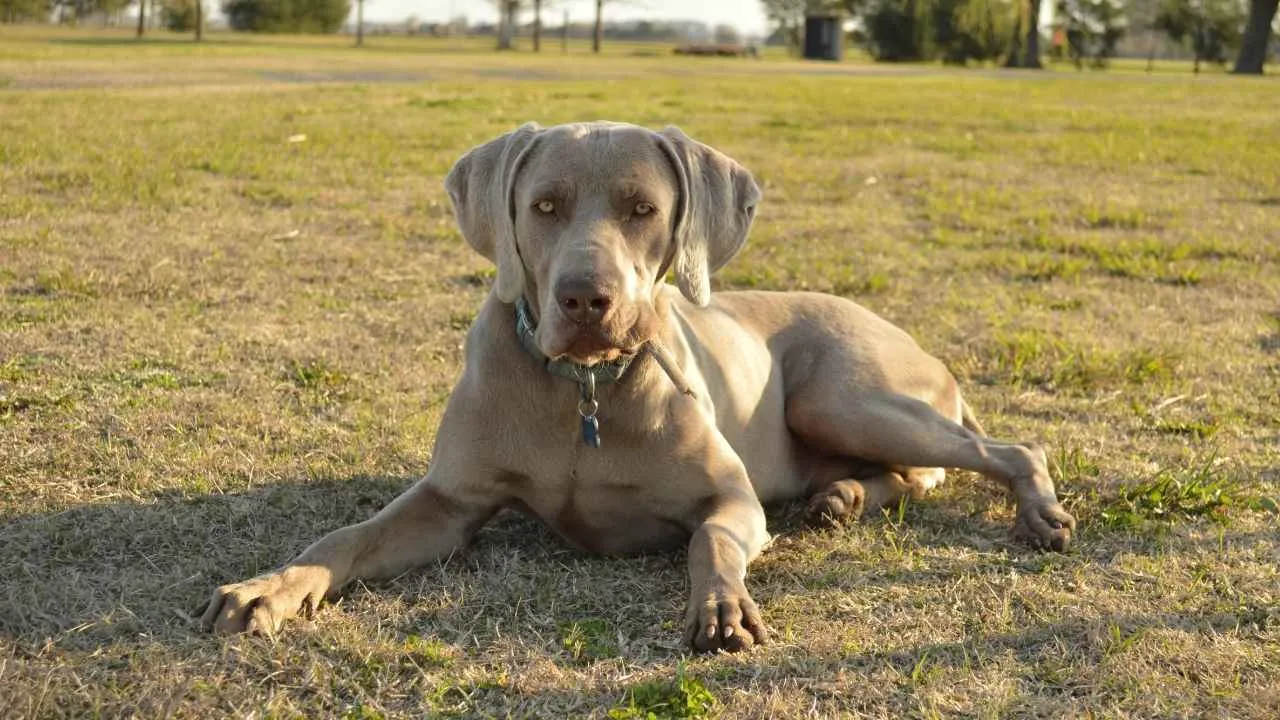
The Weimaraner was originally bred in 19th-century Germany by nobles aiming for exceptional tracking skill, speed, courage, and endurance.
Its design centers on field performance rather than casual companionship. The breed entered the United States in the late 1920s and gained attention for both hunting work and household presence.
Physical design linked to performance
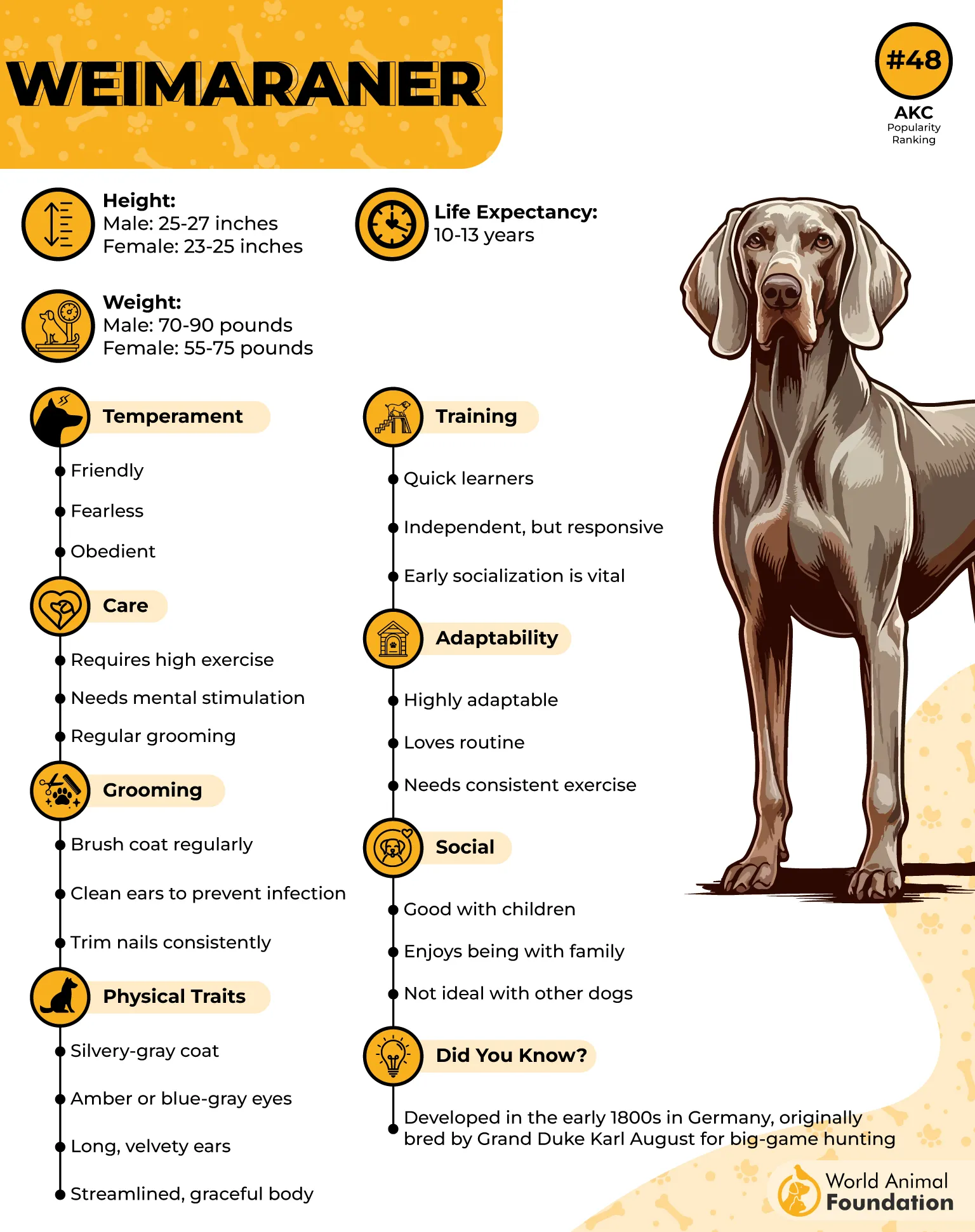
This hunting breed carries long legs and a streamlined gray coat that supports quick coverage of the ground during tracking tasks. Its athletic structure reflects the intention behind its creation, built for demanding outdoor work.
These traits connect directly to its working profile:
Exceptional tracking focus in field settings
High speed during pursuit activities
Strong durability for extended outdoor effort
Temperament and household dynamics
It is affectionate and highly trainable, responding well to regular guidance and social exposure. Its hunting instinct can influence reactions toward smaller animals, requiring thoughtful supervision in mixed-pet homes. Early socialization and steady routines shape balanced behavior in family environments.
2. Pointer
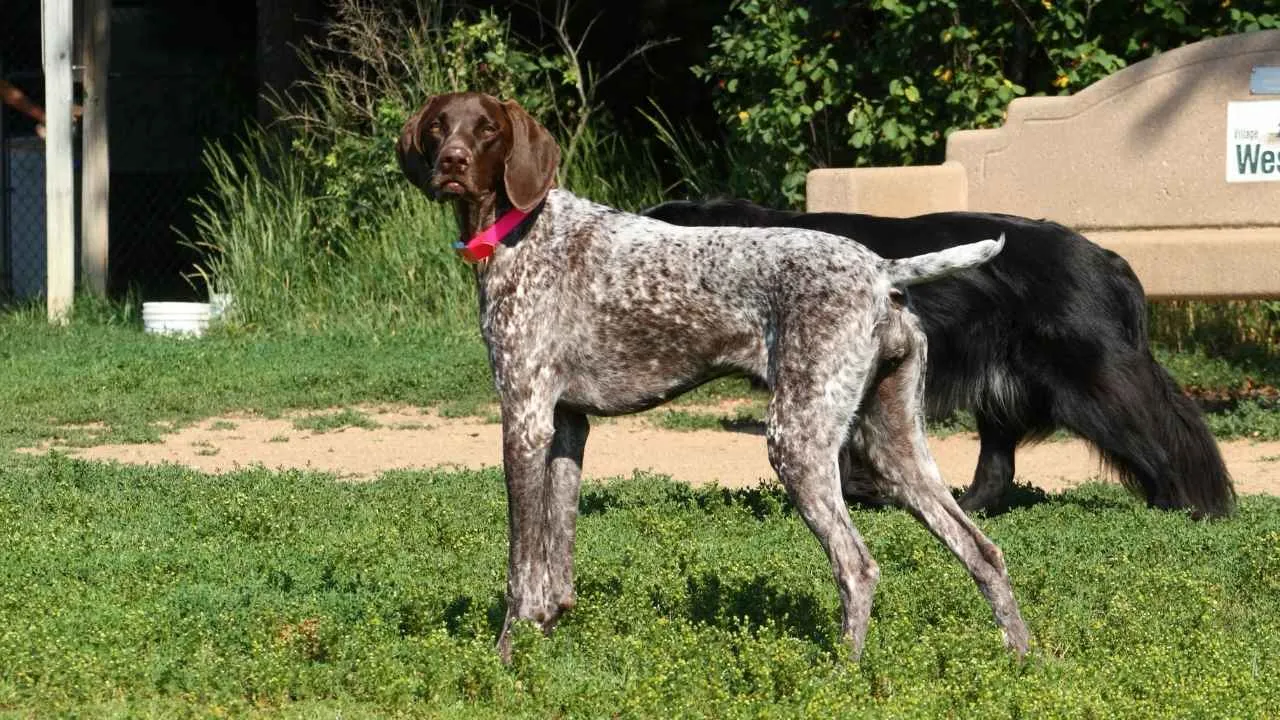
The Pointer breed is defined by its role in the field, where pointing game birds is its core function. Its build reflects speed, power, and graceful lines that support extended running across open land. This direct connection between name and task shapes how the breed operates outdoors.
Performance in open terrain
This gun dog works with intensity across wide spaces, using endurance and quick direction changes to locate birds and signal their position. Its athletic frame supports long-distance running and controlled stops during field work.
These qualities appear clearly during activity:
Locks onto scent and freezes to indicate game
Covers large ground with steady speed
Participates effectively in field-based competitions
Energy that needs structured outlets
The Pointer carries strong “hunt all day” stamina, requiring regular daily exercise to remain balanced in the home, as per the AKC.
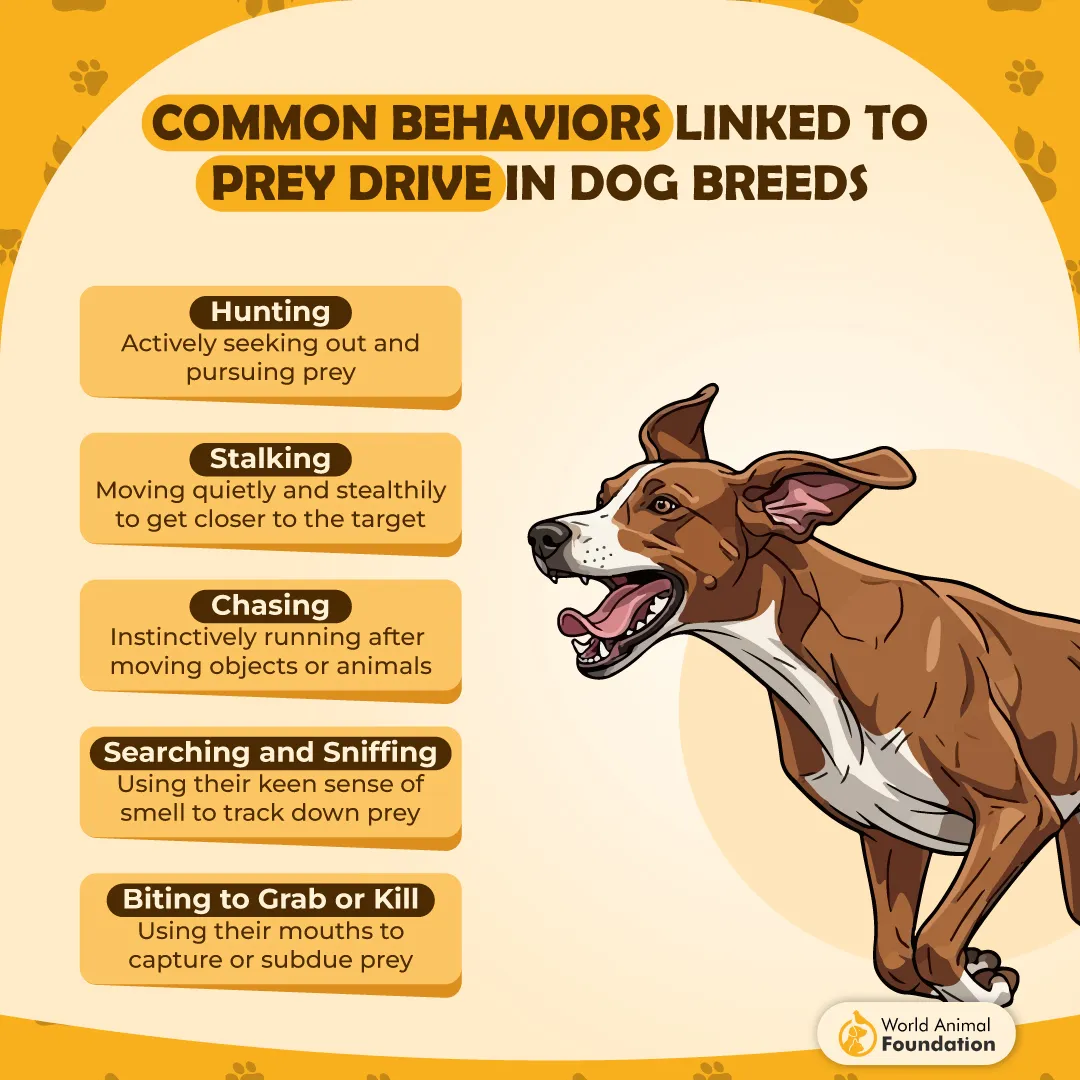
Long walks, vigorous play, and secure running space help channel a dog’s prey drive in productive ways. When its energy is properly directed, indoor behavior becomes more settled.
3. German Shorthaired Pointer
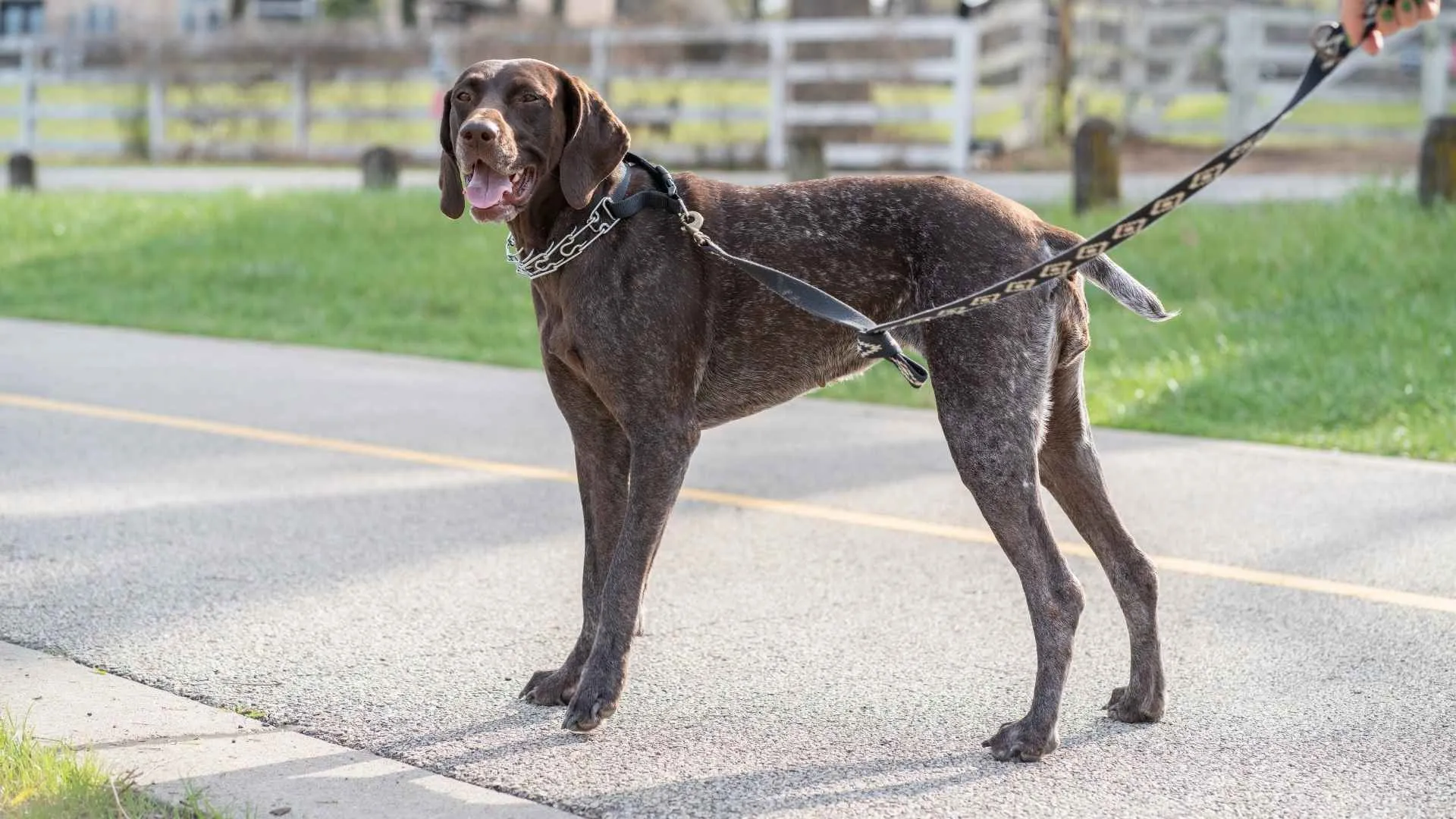
The German Shorthaired Pointer is recognized for a refined, athletic build that supports rapid acceleration and long-distance stamina. Its noble outline reflects a dog designed for efficient field performance rather than casual activity. The body structure aligns closely with demanding outdoor work.
Pointing behavior in action
It uses a distinctive hunting method, stopping abruptly and directing its nose toward the scent source instead of chasing immediately. This pause signals the hunter to act, creating a clear partnership between dog and handler.
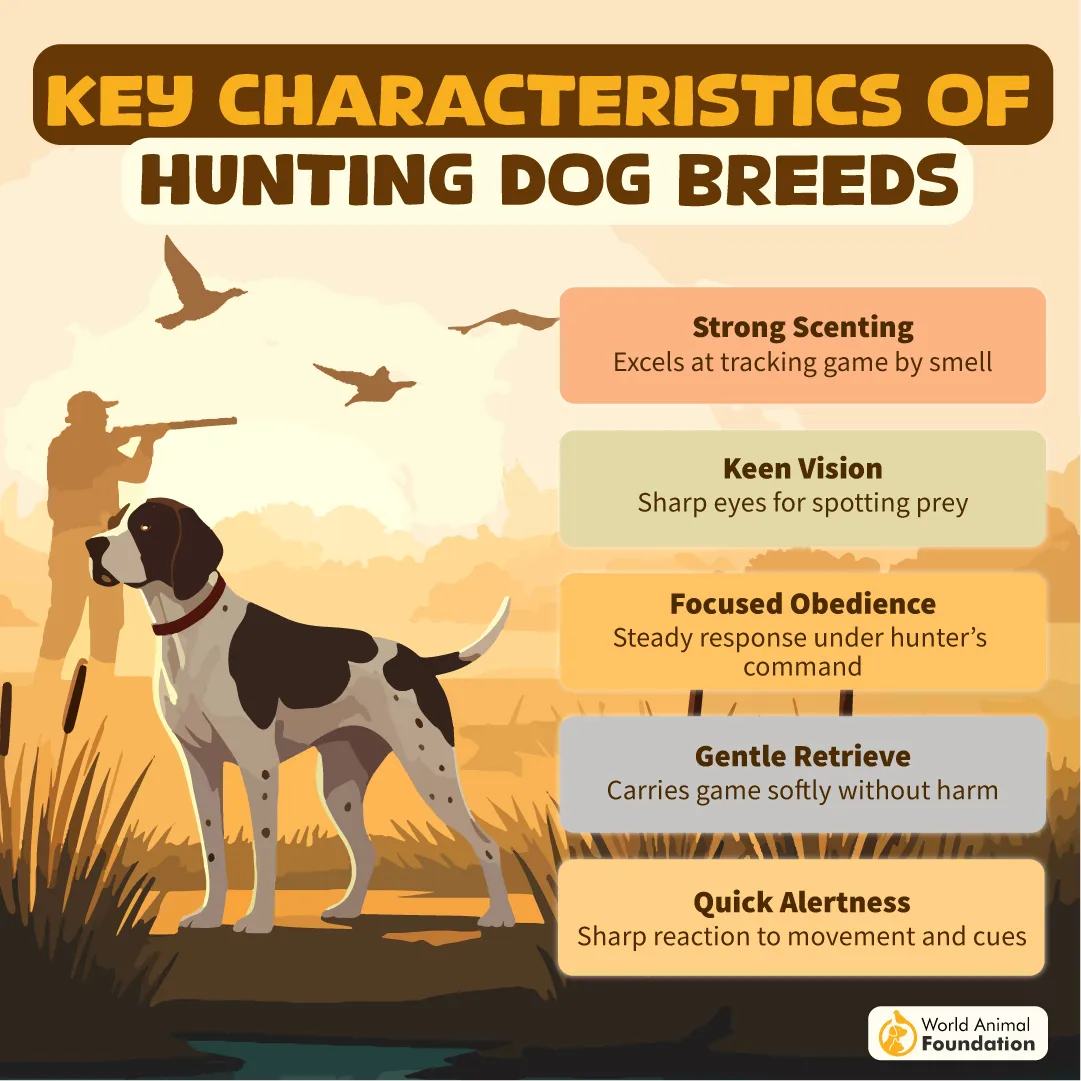
This field response appears through specific working traits:
Stops and freezes when scent is detected
Directs nose toward the game location
Waits for the handler signal before flushing
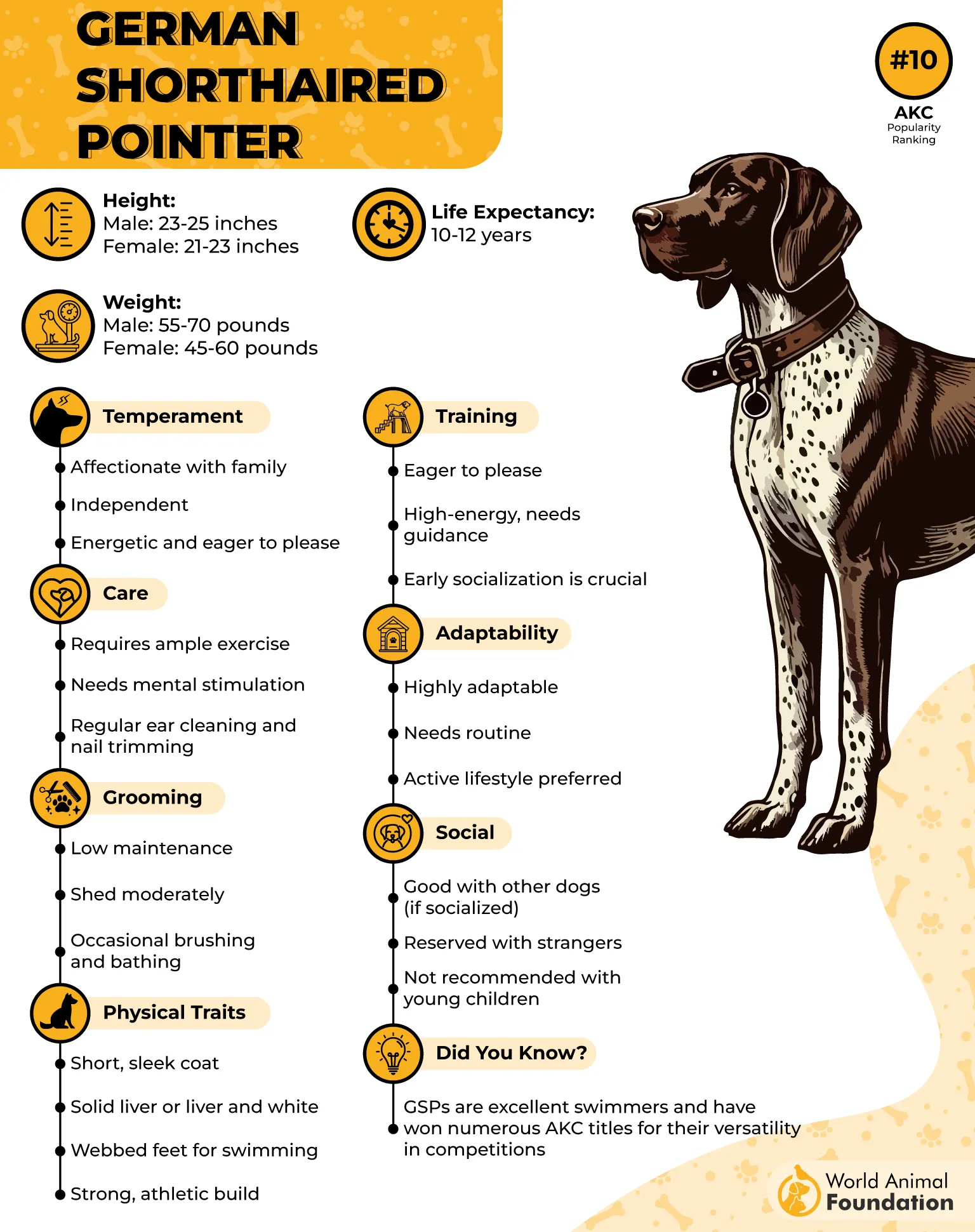
Prey instinct and home balance
This energetic dog carries a strong hunting instinct that influences its reaction to small pets, especially birds, as PetMD writes.
When energy needs are satisfied, it can settle comfortably with family members during quiet hours. Proper stimulation plays a direct role in shaping its behavior within the home environment.
4. American Foxhound
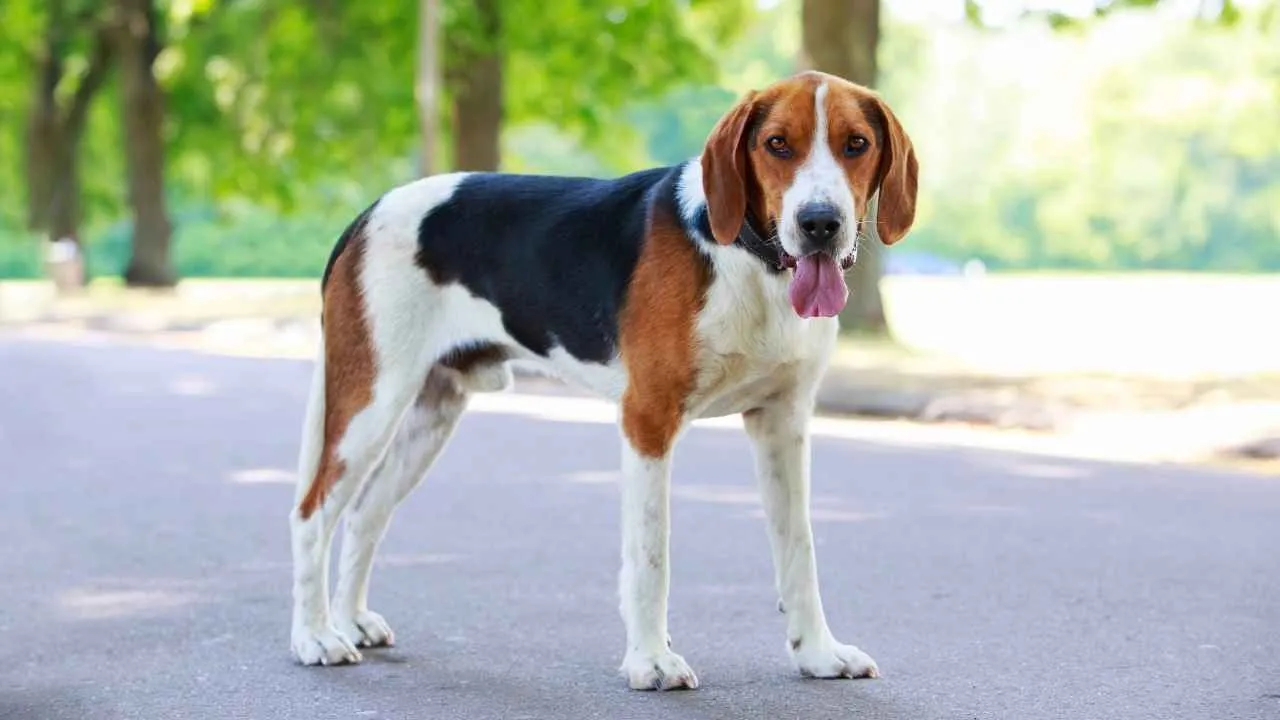
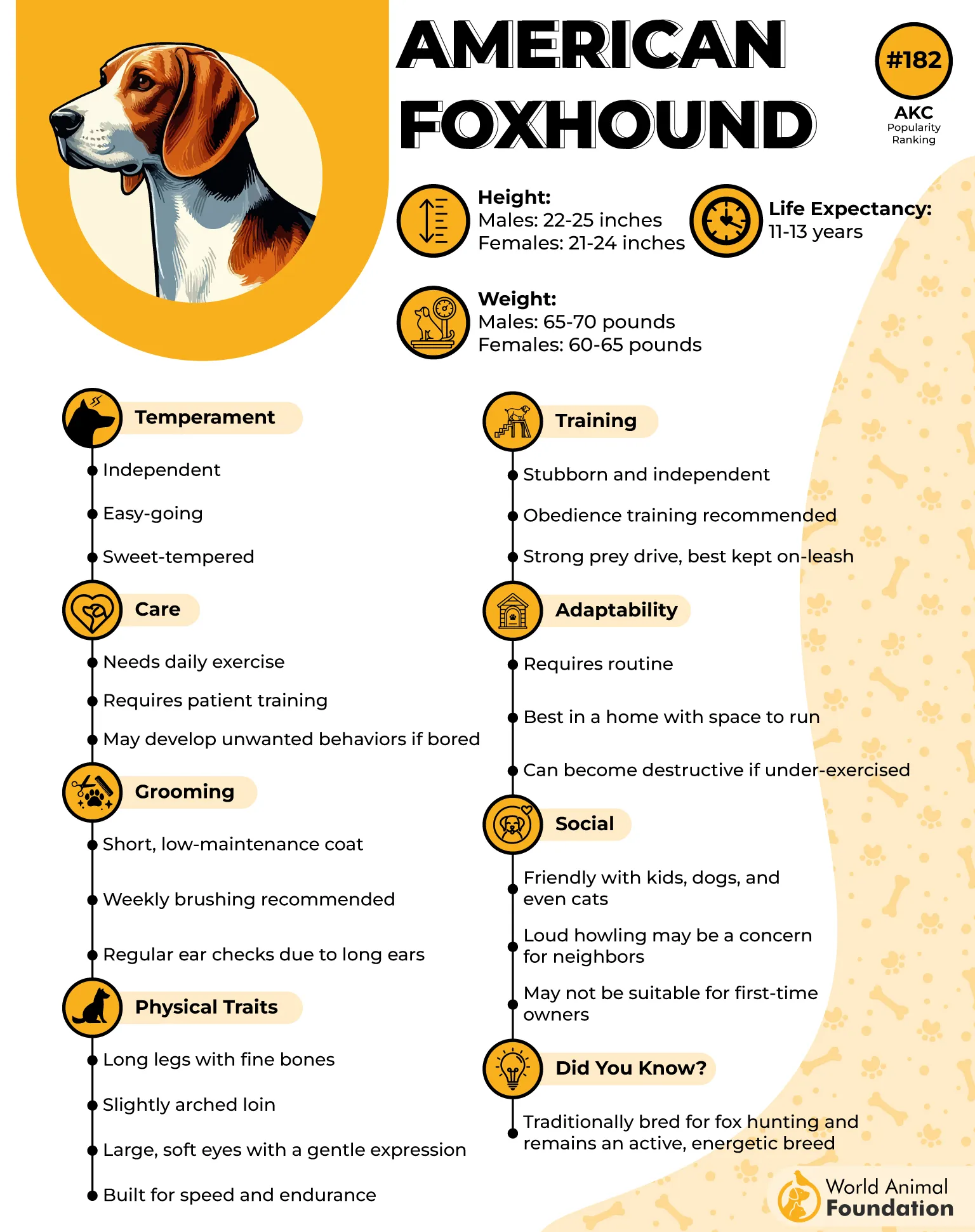
The American Foxhound was created for organized fox hunts, refined to run fast across open land while tracking scent with determination. Its long legs and endurance allow sustained pursuit rather than short bursts of effort. This design reflects a dog focused on trailing game across wide terrain.
Field traits tied to hunting purpose
It relies on high energy and strong scent focus, requiring directed activity to keep its drive balanced. Its natural prey instinct guides how it reacts to other pets or fast-moving animals like cats and rabbits, etc.
These working patterns are reflected in core characteristics:
Covers large distances during tracking
Responds strongly to scent trails
Requires secure fencing or leash control outdoors
Communication through voice
The American Foxhound uses a deep, carrying bay to signal progress during scent work, a vocal style once essential for coordinating with hunters.
Early training can reduce excessive vocalization, though the instinct to announce a trail remains part of its working nature. This trait connects directly to its original role in group hunts.
5. English Springer Spaniel
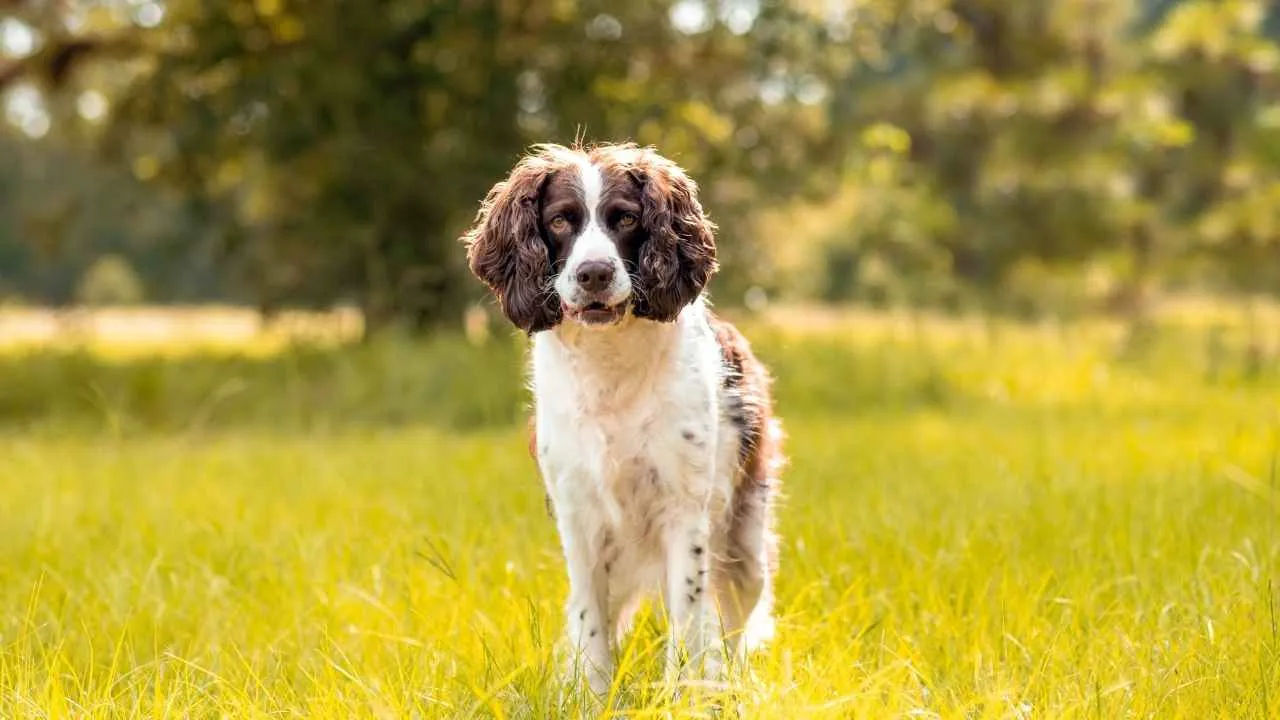
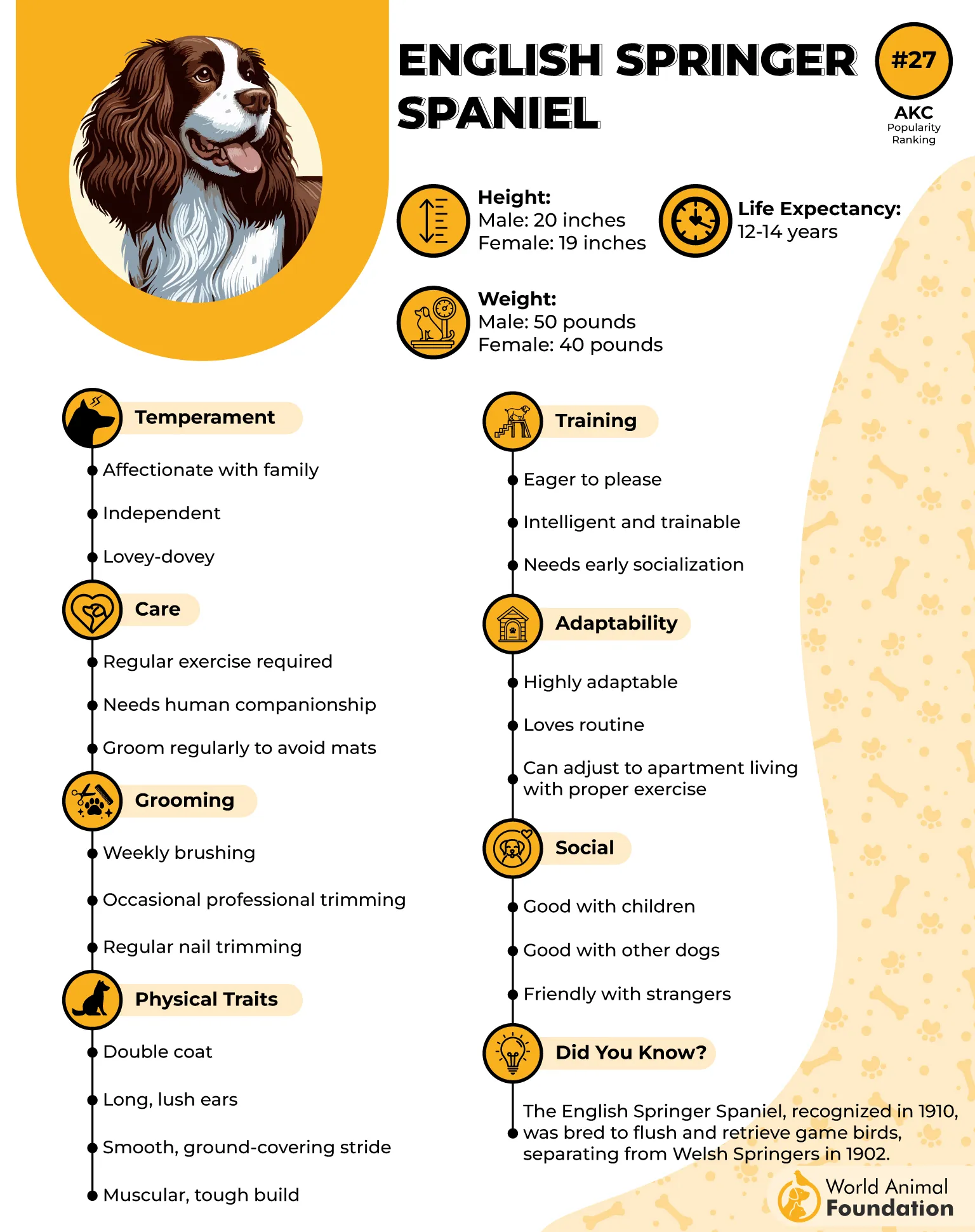
The English Springer Spaniel earned the name “springer” for its ability to flush birds into flight, a working style designed to assist hunters in the field. This action-based role centers on directing the game upward rather than endlessly pursuing. The breed’s energy connects directly to this specialized task.
Field performance in varied activities
This spaniel responds well to structured outlets that match their athletic drive, especially tasks that combine focus and movement. Its intelligence supports guided and proper training, and reward-based methods encourage consistent learning.
Common working outlets include:
Tracking across outdoor terrain
Retrieving during field sessions
Participating in agility-style exercises
Energy linked to engagement
The English Springer Spaniel benefits from regular exercise and proper mental stimulation, which help shape its balanced and approachable temperament. Without sufficient engagement, you may see destructive behavior such as increased barking, particularly in response to unmet activity needs.
6. Beagle
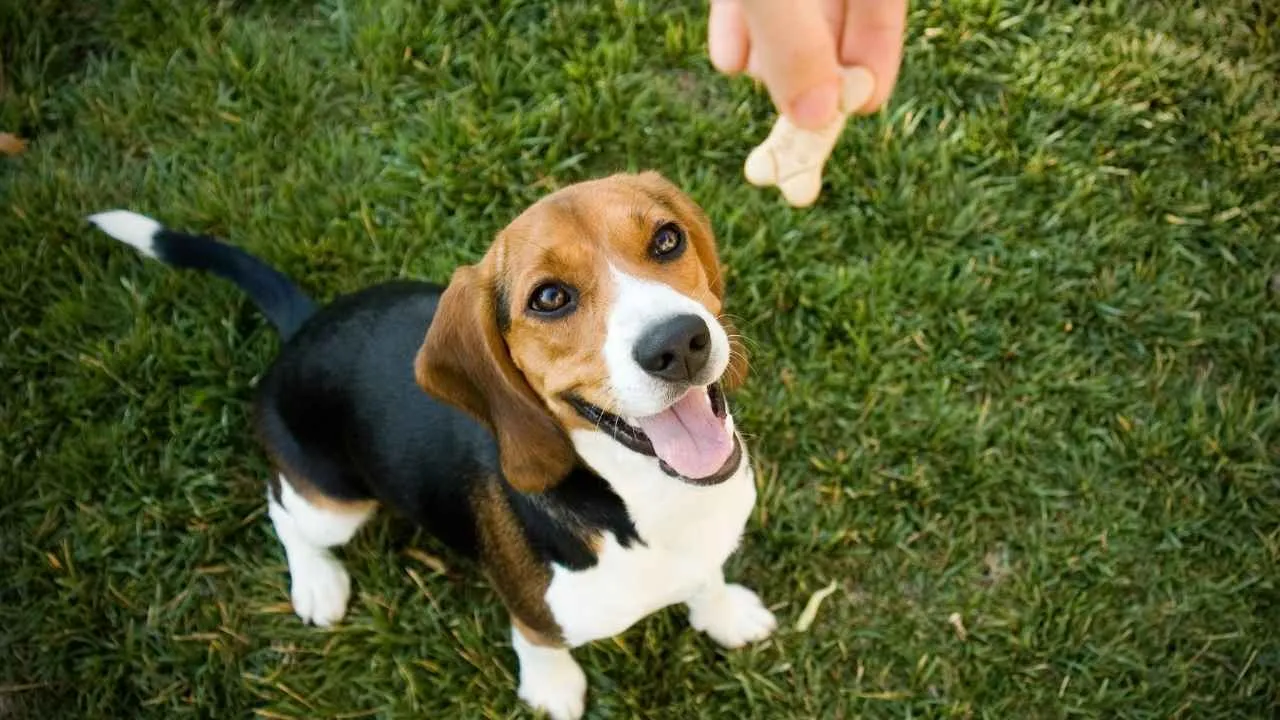
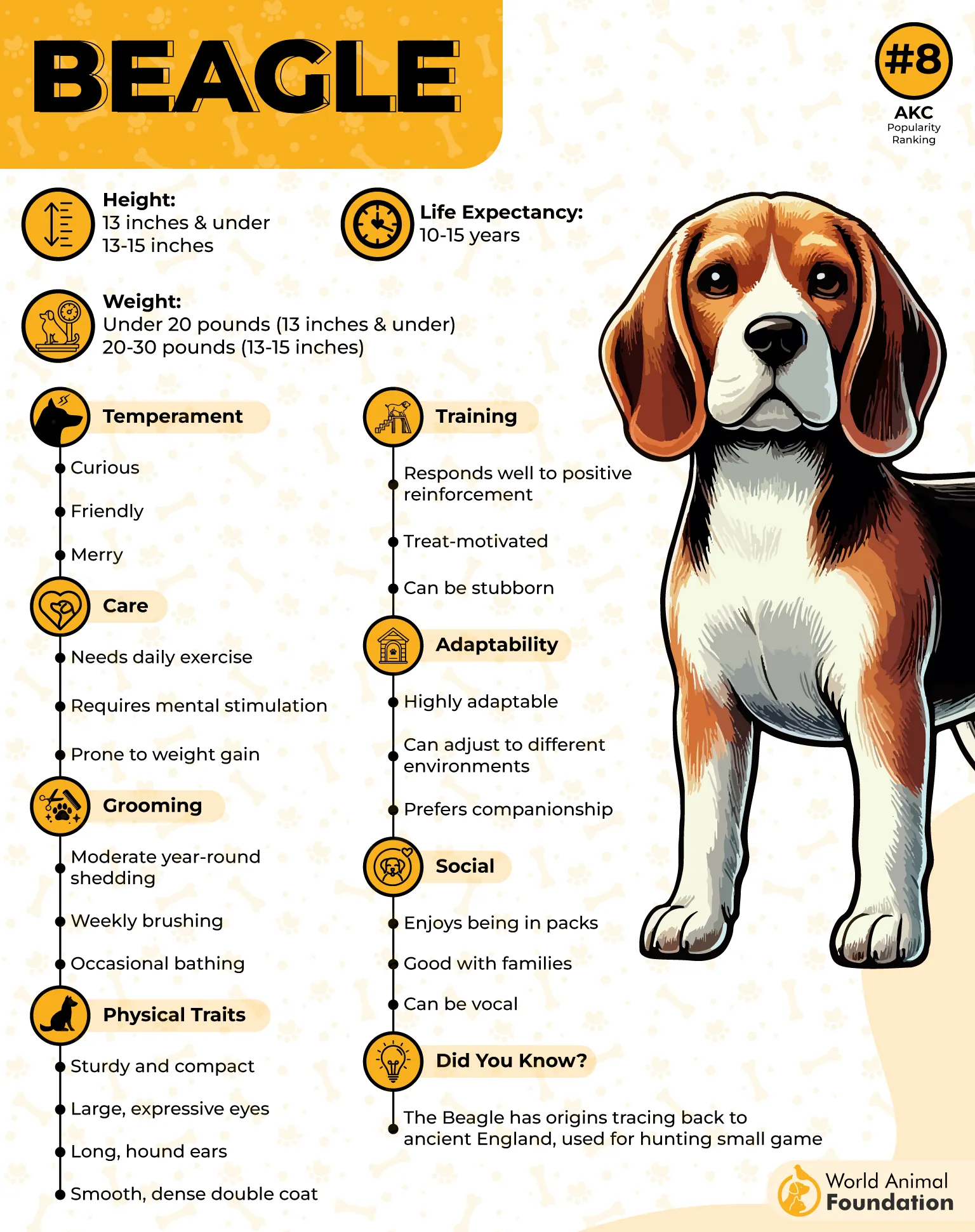
The Beagle is built around scent work, with a natural drive to follow trails wherever it leads. Its pack-hunting roots shaped a dog that tracks with determination and rarely ignores a strong smell. This focus can direct its attention quickly toward anything that captures its nose.
Behavior linked to scent focus
The Beagle responds strongly to environmental scents, which can lead it to wander if not guided properly. Its energy level supports long outdoor activity, yet supervision remains important due to its tracking instinct.
These traits appear clearly in daily situations:
Follows scent trails without hesitation
Requires structured supervision outdoors
If left unsupervised, they react quickly to moving wildlife
Energy balanced with age
Beagle puppies often carry high energy, while adults may slow slightly over time, yet both stages enjoy walks, runs, and hikes. Regular activity helps manage their natural drive and prevents boredom-related behavior indoors. The breed needs consistent engagement to stay balanced.
7. Black And Tan Coonhound
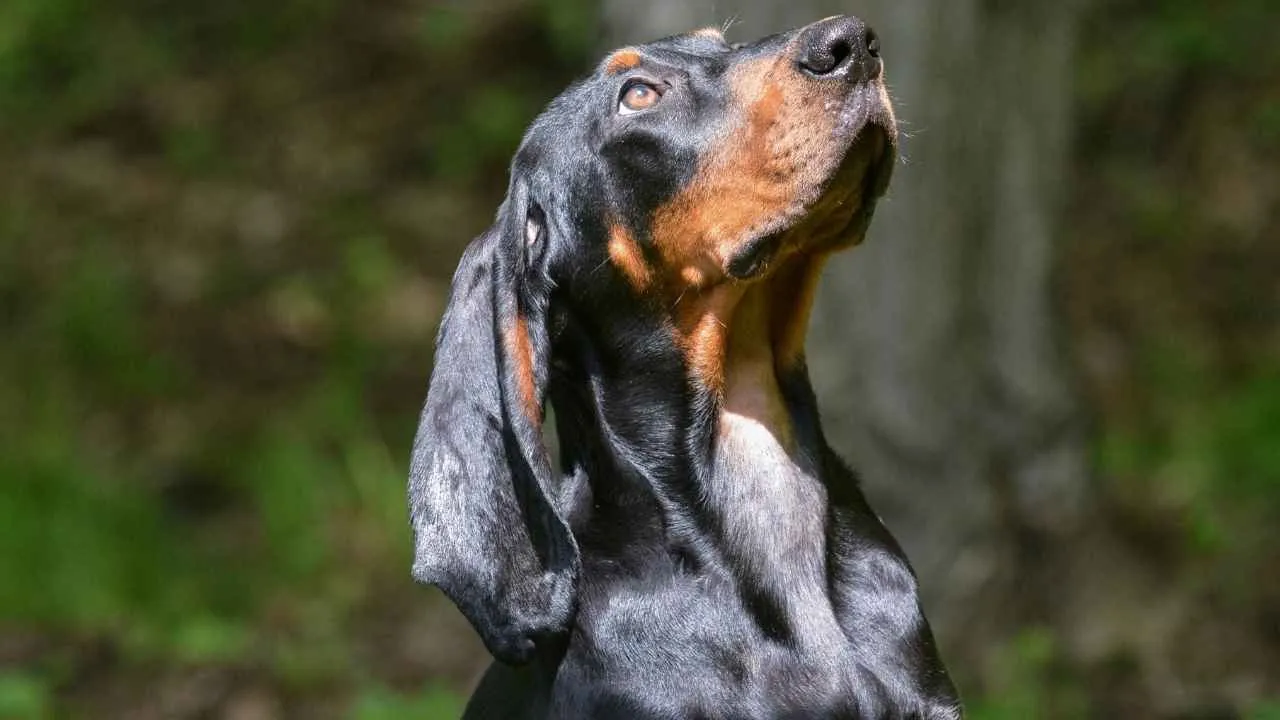
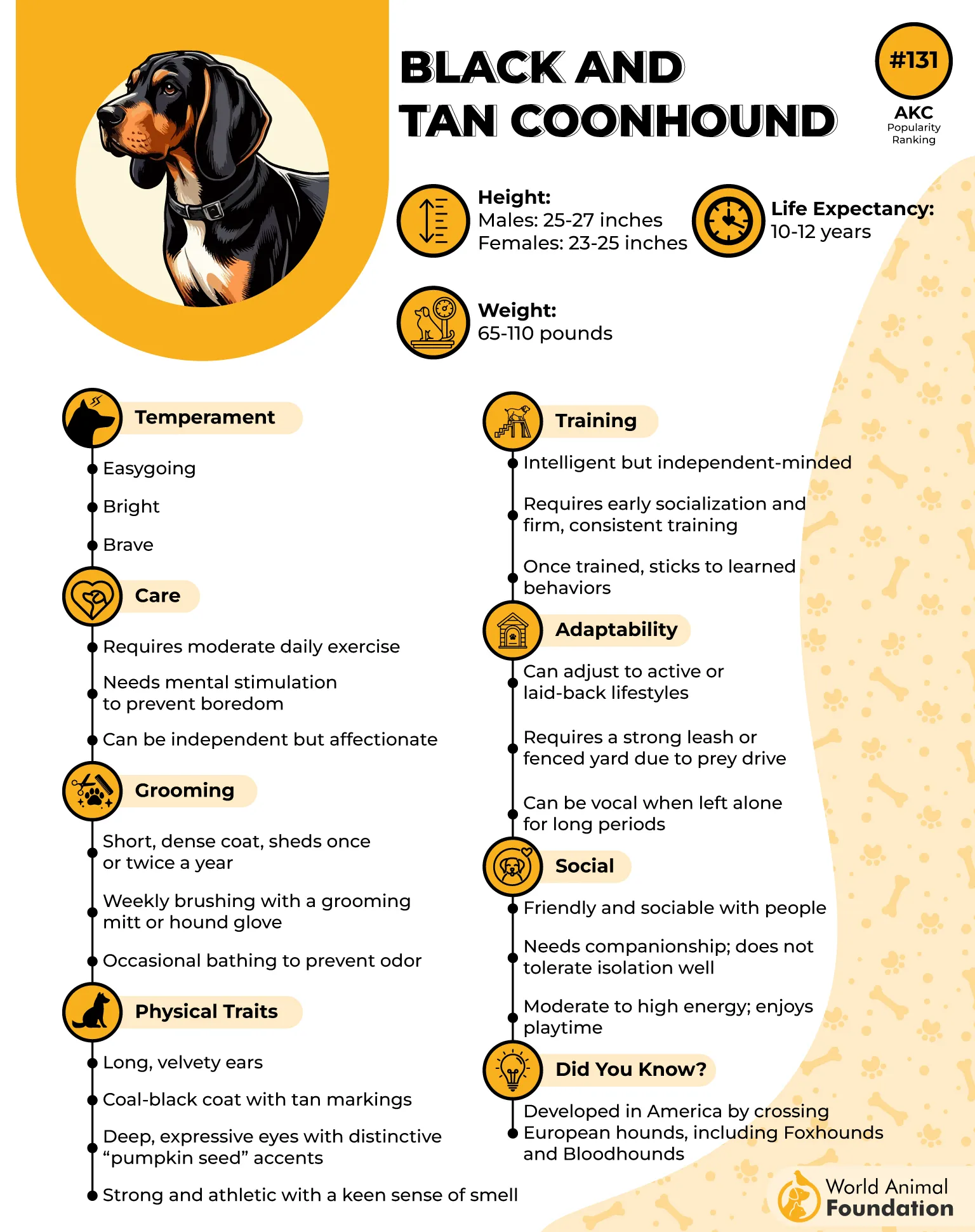
The Black and Tan Coonhound comes from crosses between Bloodhounds and Black and Tan Virginia Foxhounds, shaping a dog built for tracking bears and raccoons in the southeastern United States.
Its structure supports ground-focused scent work performed at a steady but quicker pace than its Bloodhound relatives.
Tracking behavior in action
This breed follows scent trails with determination, often keeping its nose close to the ground while covering long distances. Its working style is especially suited to trailing raccoons and opossums across open terrain.
This tracking approach appears clearly in field patterns:
Pursues scent trails across extended ranges
Uses ground scenting rather than visual chasing
Focuses intensely on detected odors
Temperament indoors versus outdoors
Like most dogs, they behave calmly and quietly inside the home, displaying a mellow and relaxed attitude around family members, as noted by Orvis. Once outside, its hunting instinct activates strongly, shifting attention toward scent exploration. This change in behavior defines how environments influence their drive.
Conclusion
Living with a hunting breed rarely feels dull once those instincts begin to show in everyday life. A drifting scent, sudden movement, or distant sound can pull their attention instantly, reminding owners how deeply purpose still shapes these dogs. What makes them challenging for some people is often the exact reason active families admire them so much.
Their focus feels intense, their energy stays active, and their determination never completely fades. Whether tracking, pointing, flushing, or trailing, each breed carries a history connected to real work in the field. With enough physical stimulation, these high prey drive dogs become a wonderful pet that thrives when both mind and body are occupied.
