




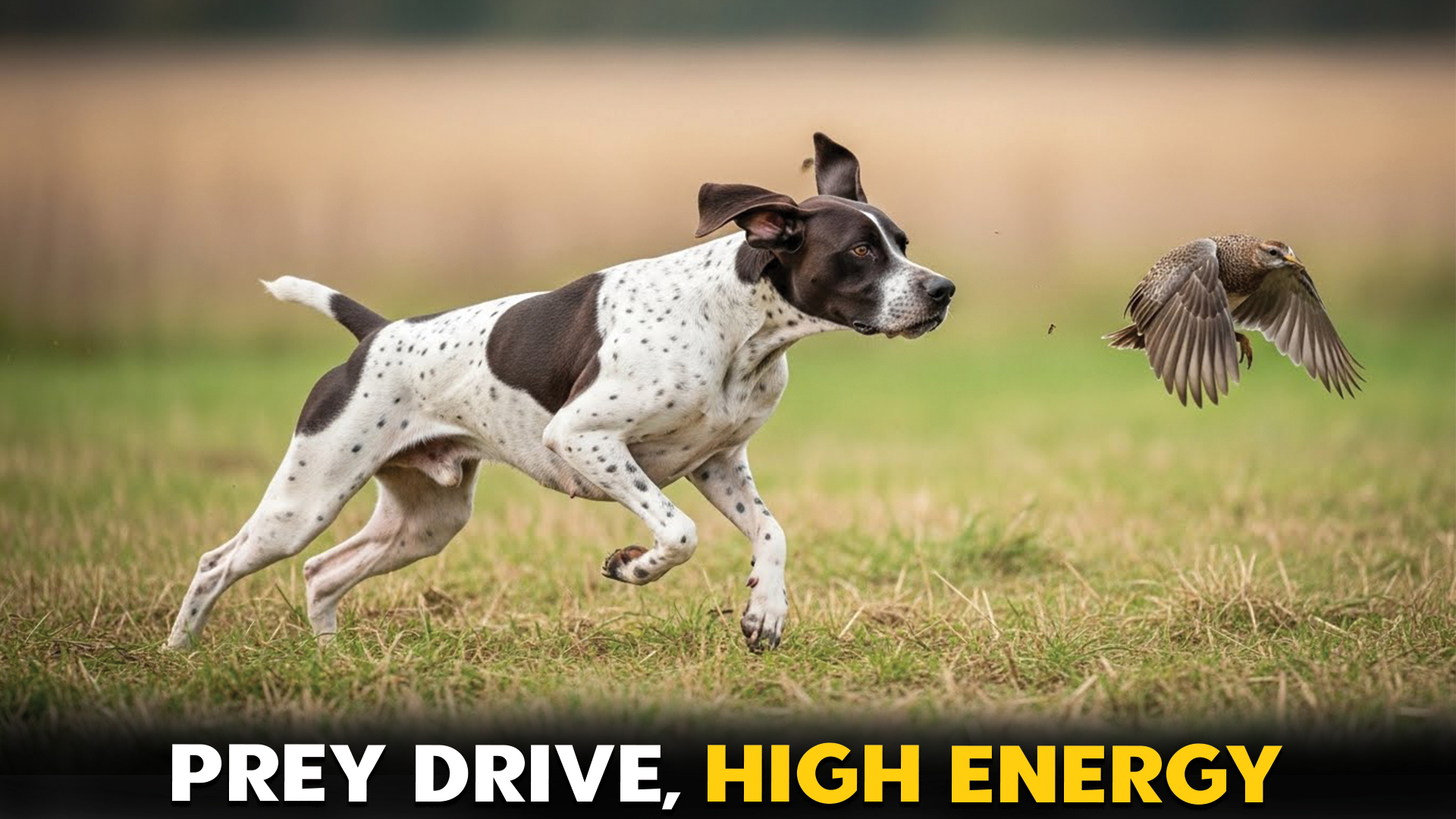
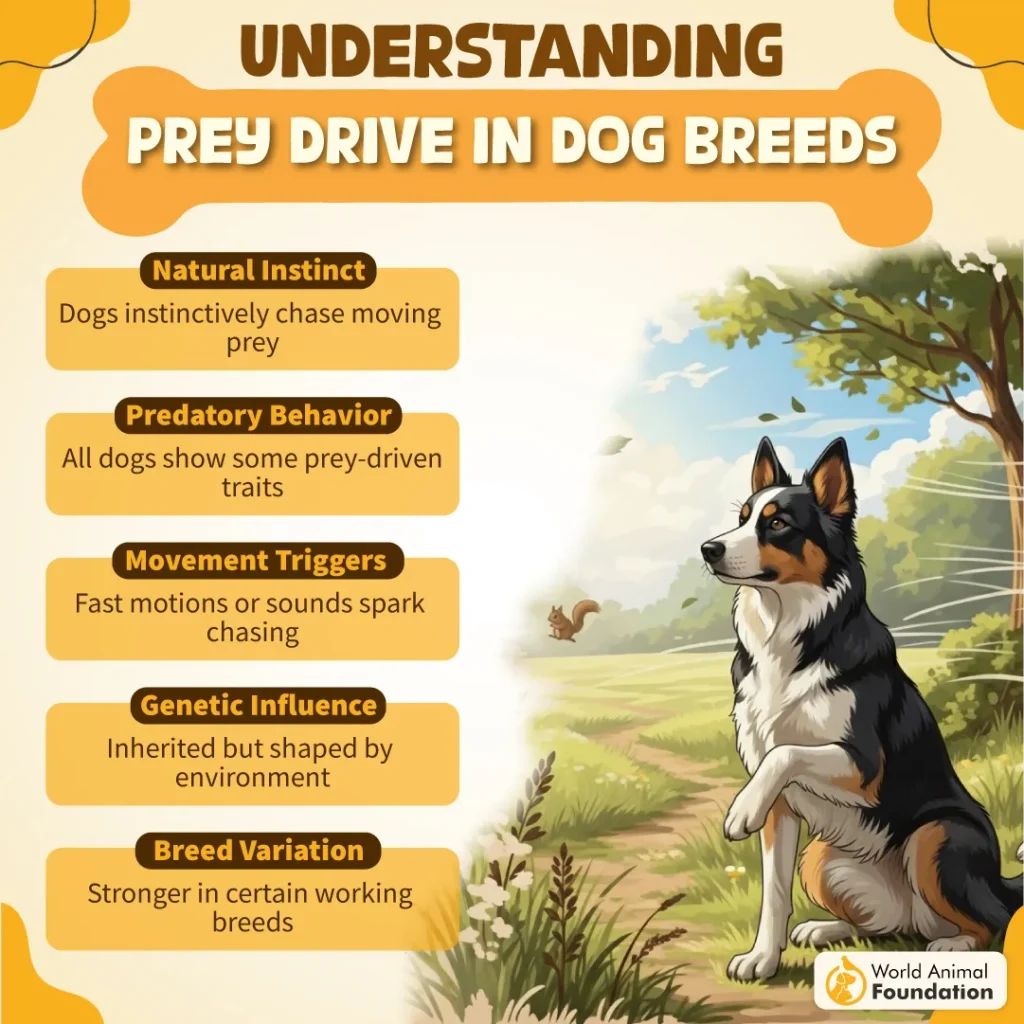
Dogs have been bred for centuries to perform specific tasks, and one of the most prominent traits is prey drive—the instinctual urge to chase, capture, or hunt. This natural drive varies widely among breeds, shaping their behavior, energy levels, and suitability for certain homes.
High prey drive breeds, such as terriers and hounds, are energetic, focused, and often relentless when tracking or chasing. Conversely, low prey drive breeds, like many companion or toy dogs, tend to be calmer, easier to control, and less likely to chase small animals, making them better suited for relaxed households.
Recognizing a dog’s prey drive is a key to meeting their physical and mental needs while fostering a strong, positive bond.
Dog Breeds Driven To Hunt with High and Low Prey Drive
Prey drive shapes a dog’s instincts, energy, and suitability for different activities and homes.
1. Cavalier King Charles Spaniel
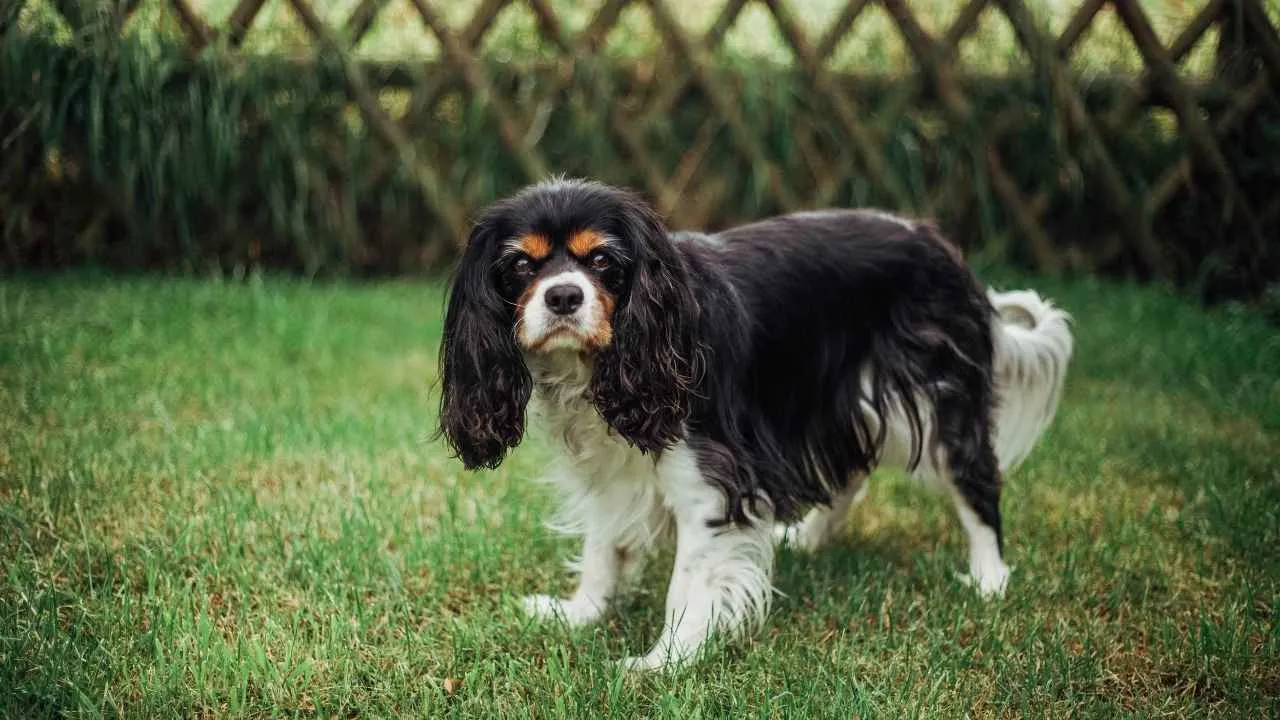
The Cavalier King Charles Spaniel carries centuries of British history in its name and demeanor. Combining the gentle charm of a toy breed with the energy of a sporting spaniel, Cavaliers are elegant, affectionate, and playful.
From Royal Courts to Modern Living
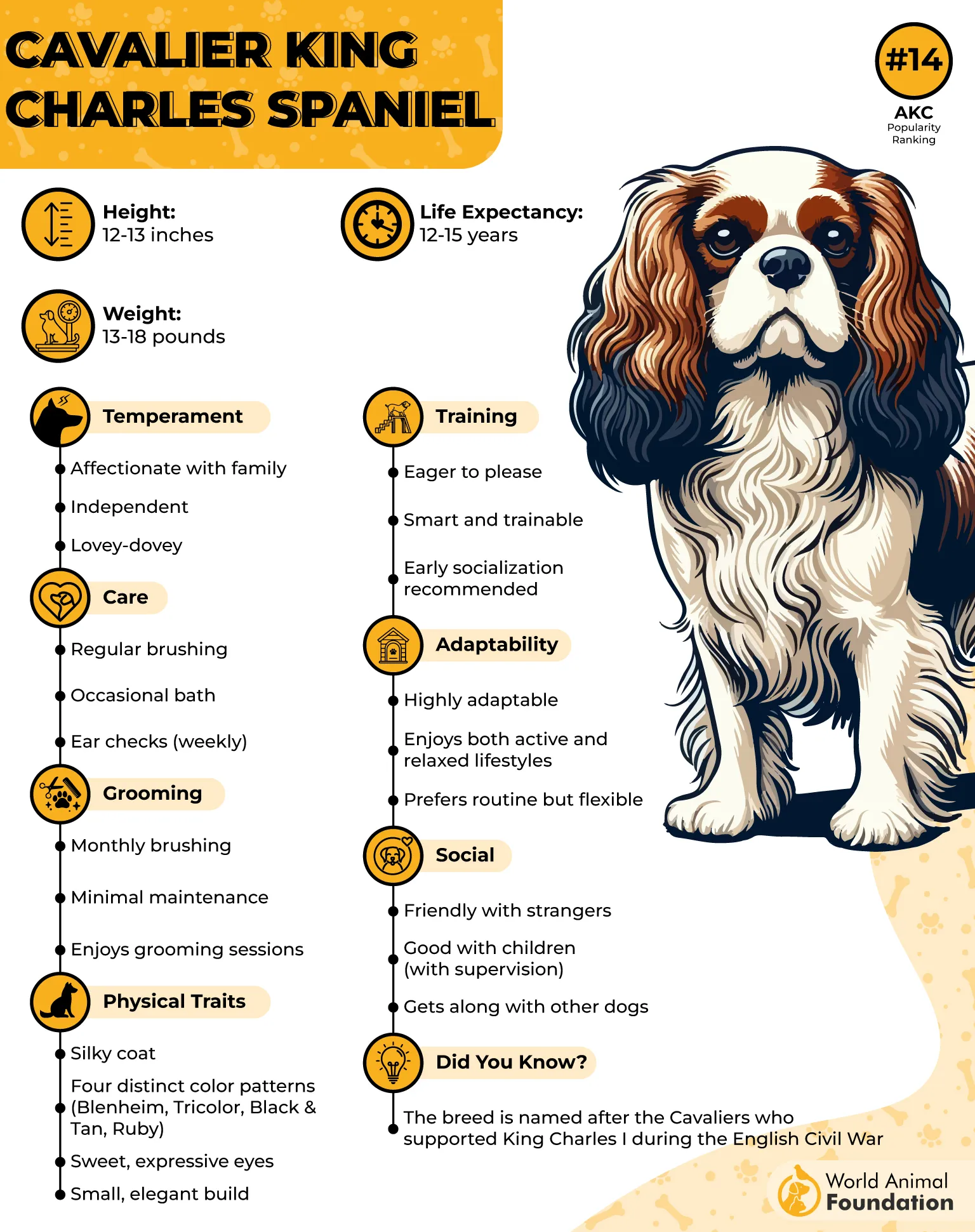
Once the favorite of King Charles I and II, toy spaniels were treasured by European aristocracy. The breed evolved through careful crossings with Asian toys, preserving a balance of beauty, grace, and companionship, as per Purina.
Exercise, Care, and Everyday Joy
Cavaliers enjoy moderate activity, such as two daily 20–30 minute walks, but are equally content lounging with their humans. Regular brushing keeps their long, silky coats tangle-free, and occasional supplements support joint, heart, and digestive health, ensuring these little aristocrats live happy, active lives.
Why Cavaliers Chase or Pause: Prey Drive Insights
Descendants of sporting spaniels retain mild hunting instincts
Gentle and social, but curious scents can trigger short bursts of chasing
Low-to-moderate prey drive makes them easy to train and control
Enjoy games like fetch and scent play, satisfying instincts safely
Fenced yards are recommended to prevent wandering after intriguing smells
2. Maltese
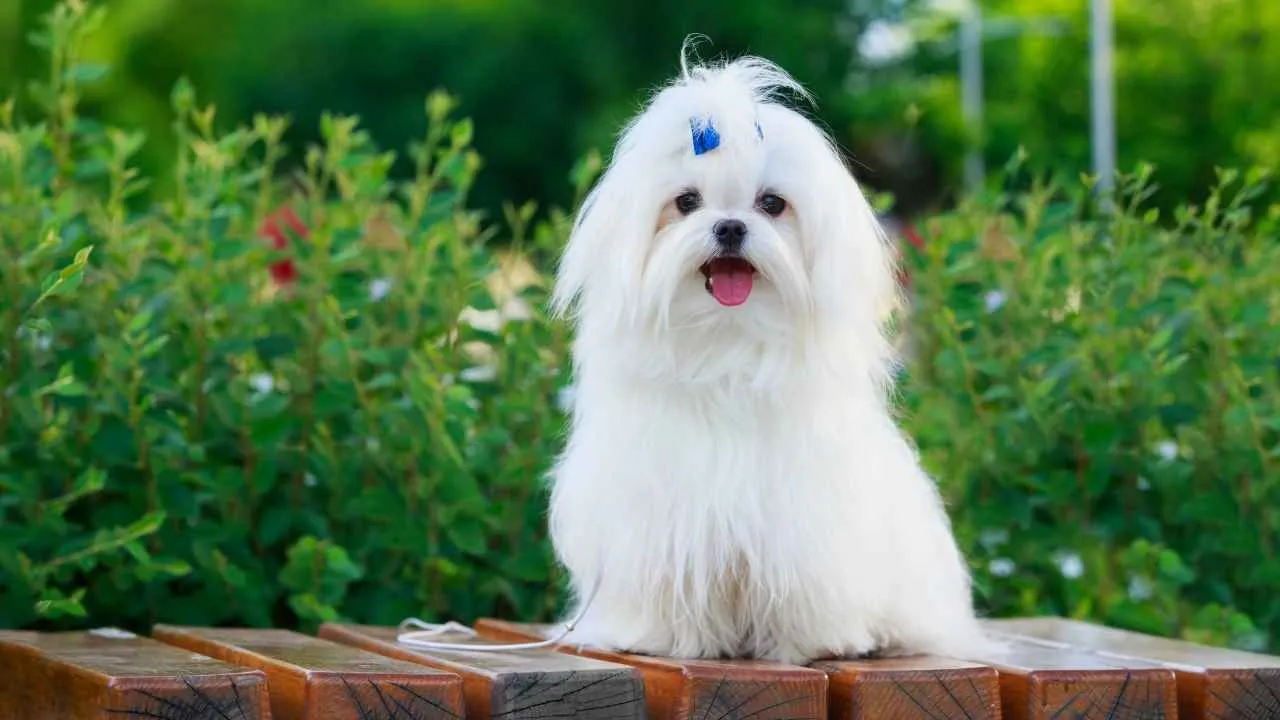
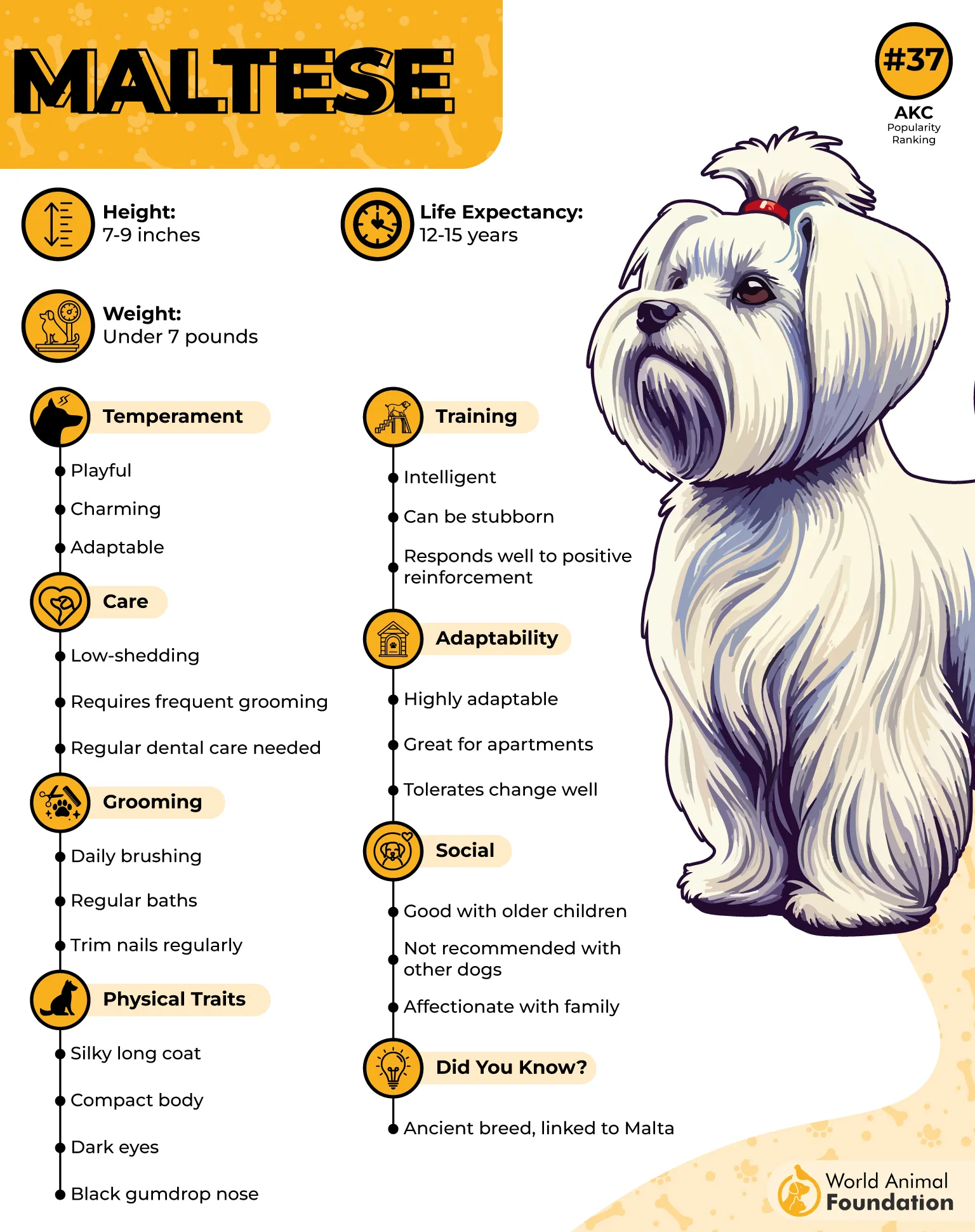
The Maltese, named after the island of Malta, has charmed humans for over 2,500 years, as per PetMD. Its long, flowing white coat, plumed tail, and expressive dark eyes make the Maltese a striking and affectionate companion.
Life of Luxury and Daily Adventures
Once the cherished pet of aristocrats, the Maltese thrives in small homes, apartments, or even as a traveling companion in a carrier. Despite its size, the breed enjoys leashed walks, games of fetch, and participation in dog sports like agility and obedience.
Grooming, Health, and Playful Nature
Maintaining the Maltese’s silky coat requires regular brushing, occasional clipping, and frequent bathing to prevent tangles and tear staining. With proper care, the Maltese remains playful, bold, and loving, delighting families of all ages with its spirited charm.
Why the Maltese Chases or Observes: Prey Drive Traits
Small in size but surprisingly fearless and bold
Low prey drive; more interested in play than hunting
Quick bursts of chasing toys or balls satisfy instincts safely
Alert and watchful, often barking at unfamiliar sights or sounds
Gentle and social, making controlled indoor activity ideal
3. Saluki
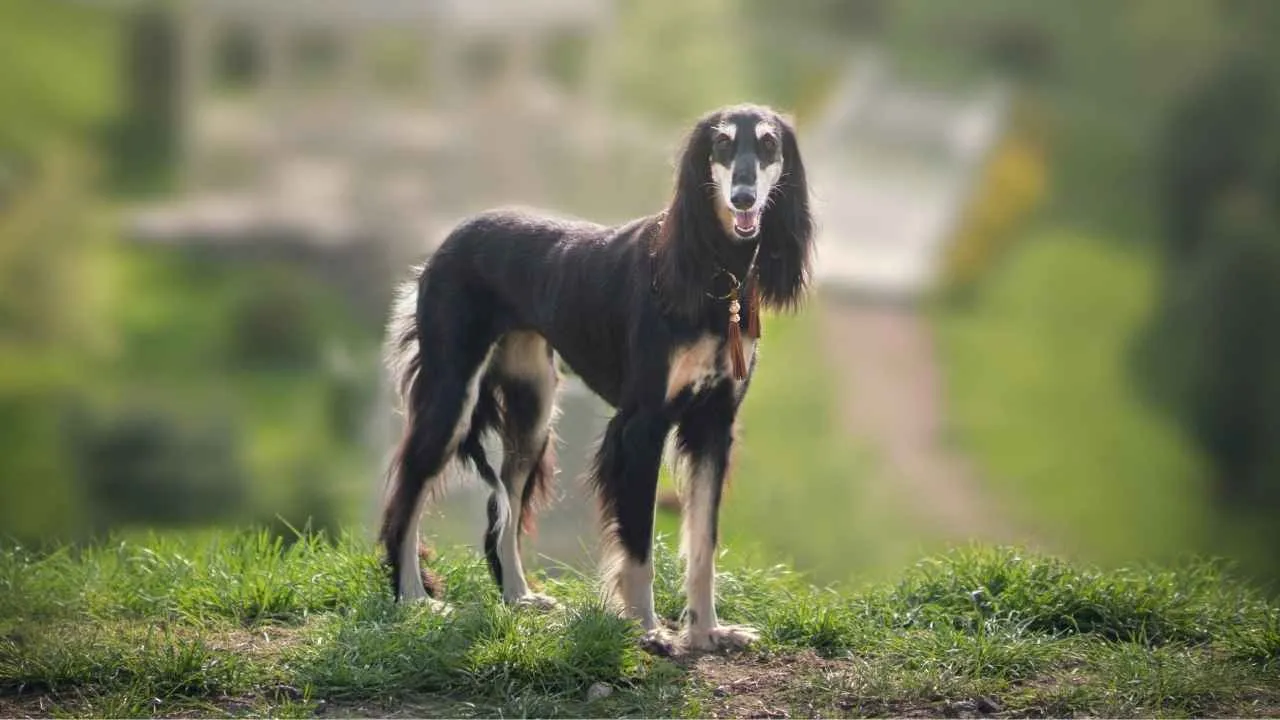
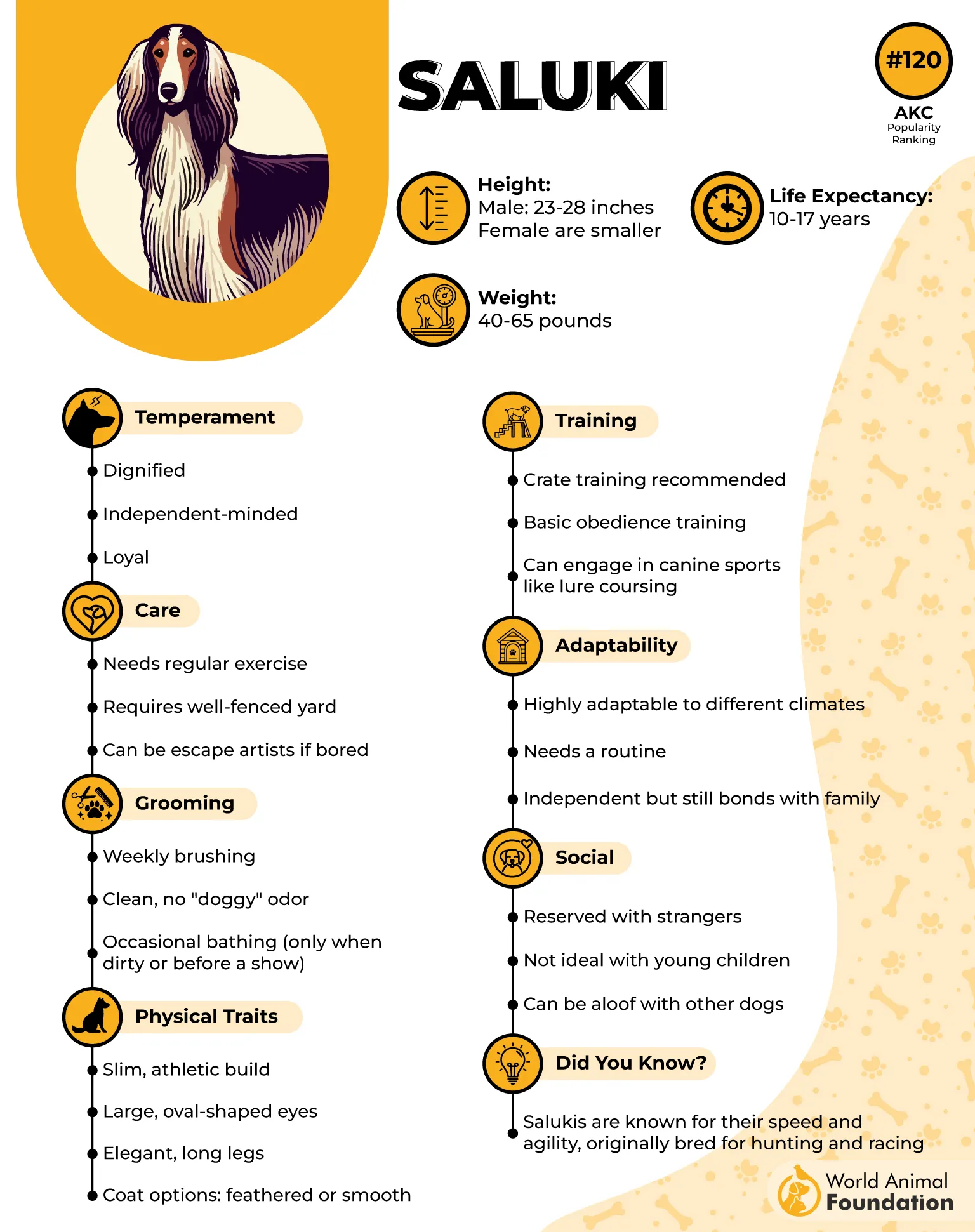
The Saluki, a graceful sighthound with a slim, muscular build, is built for speed and endurance, capable of sprinting up to 43 mph. Independent yet devoted, the Saluki forms deep bonds with family while remaining reserved around strangers.
Royal Roots and Ancient Legacy
Revered by pharaohs and nomadic tribes, the Saluki is one of the world’s oldest dog breeds, with origins tracing back thousands of years across the Middle East and Egypt. Once considered the royal dog of Egypt, Salukis were mummified alongside their owners and celebrated in tomb art, earning them a legacy of elegance and loyalty.
Life, Care, and Athletic Needs
Salukis require at least two hours of daily exercise and a secure, large yard to run safely. Intelligent yet independent, Salukis benefit from early socialization, mental stimulation, and positive reinforcement during training.
Why Salukis Thrive on the Chase: Prey Drive Insights
Originally bred for hunting and coursing small game
High prey drive fuels sprinting and outdoor exploration
Enjoy structured exercise and safe chasing games
An independent mindset can make training a challenge
Strong bond with family channels energy into loyalty and play
4. Rhodesian Ridgeback
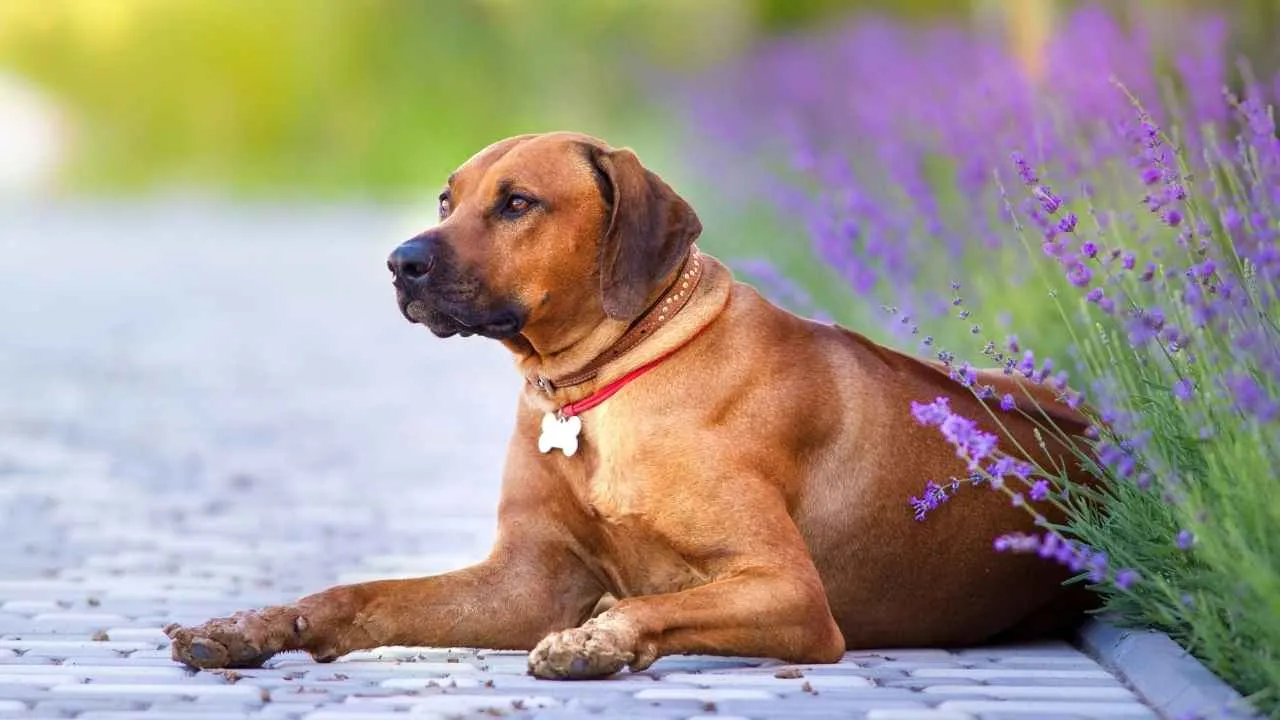
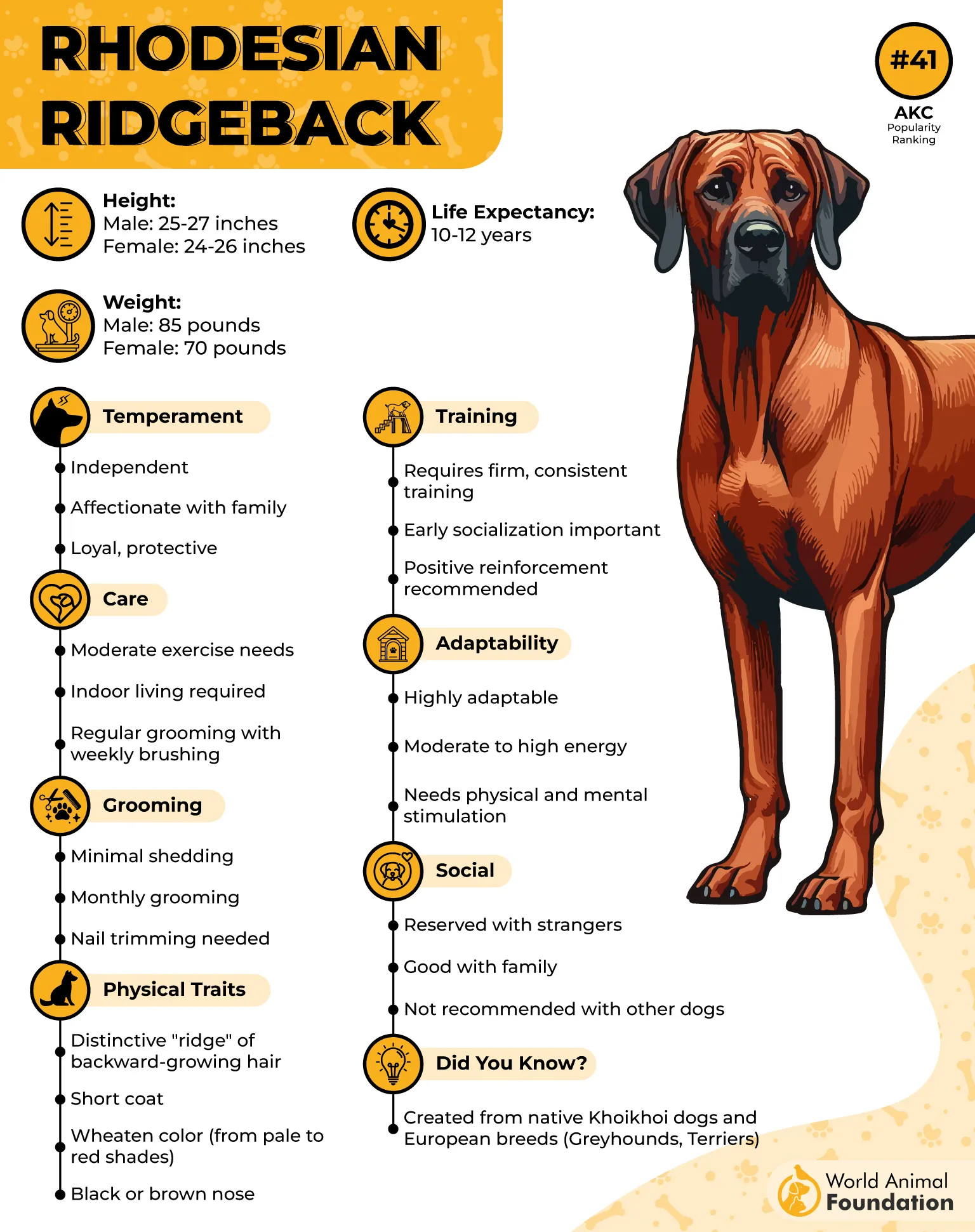
The Rhodesian Ridgeback, known as the African lion hound, is a strong, muscular dog with a distinctive ridge of hair along its back. Loyal and protective, these clever dogs form close bonds with their families while remaining reserved with strangers.
From African Bush to Family Guardian
Originating in South Africa, Ridgebacks were bred by Boer farmers to hunt large game, guard homes, and endure harsh climates. Early Europeans admired their resilience, and the breed standard was formalized in Zimbabwe in 1922, later gaining recognition by the AKC in 1955.
Exercise, Training, and Everyday Life
Ridgebacks require at least two hours of daily exercise, plus mental stimulation through training, scent games, and play. Short coats are low-maintenance, while regular brushing and attention to diet ensure a healthy, active, and happy dog.
Why Ridgebacks Chase and Protect: Prey Drive Traits
Naturally bred as a hunting dog and for tracking large game
High prey drive fuels running, scent work, and outdoor exploration
Protective instincts make them excellent family guardians
Intelligent and independent, requiring patient, consistent training
Strong bonds with family channel energy into loyalty and play
5. Pug
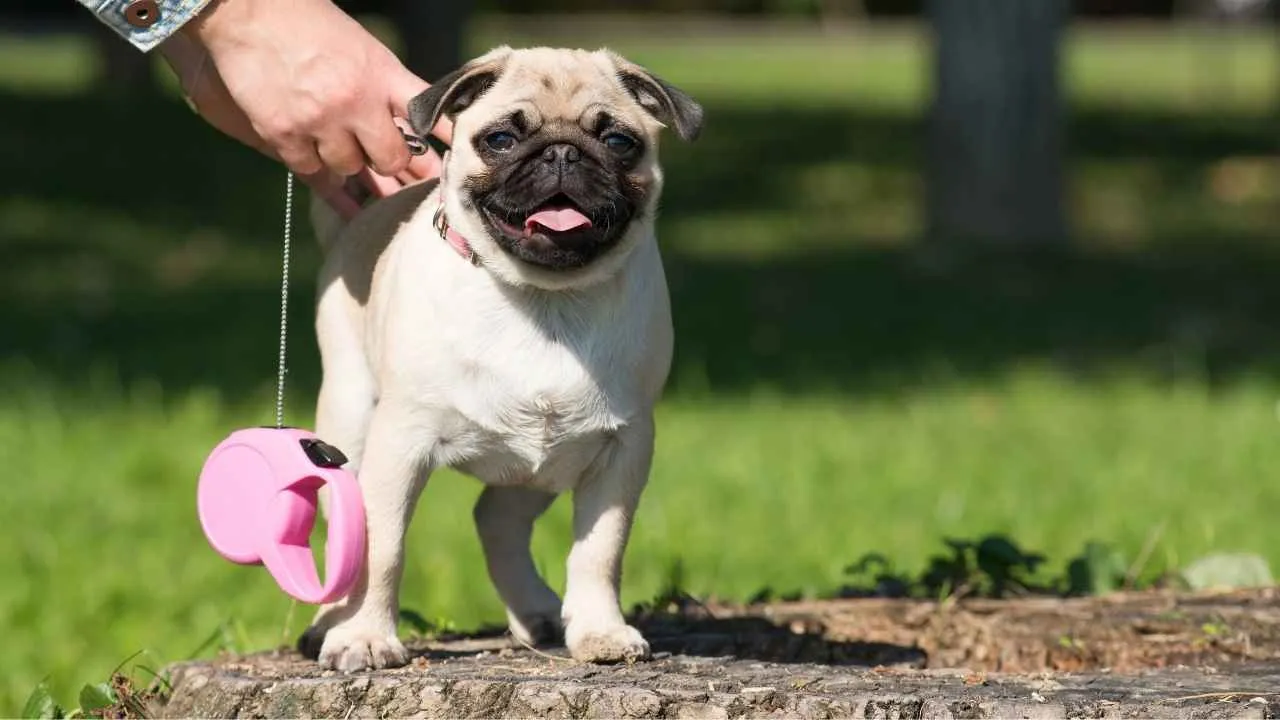
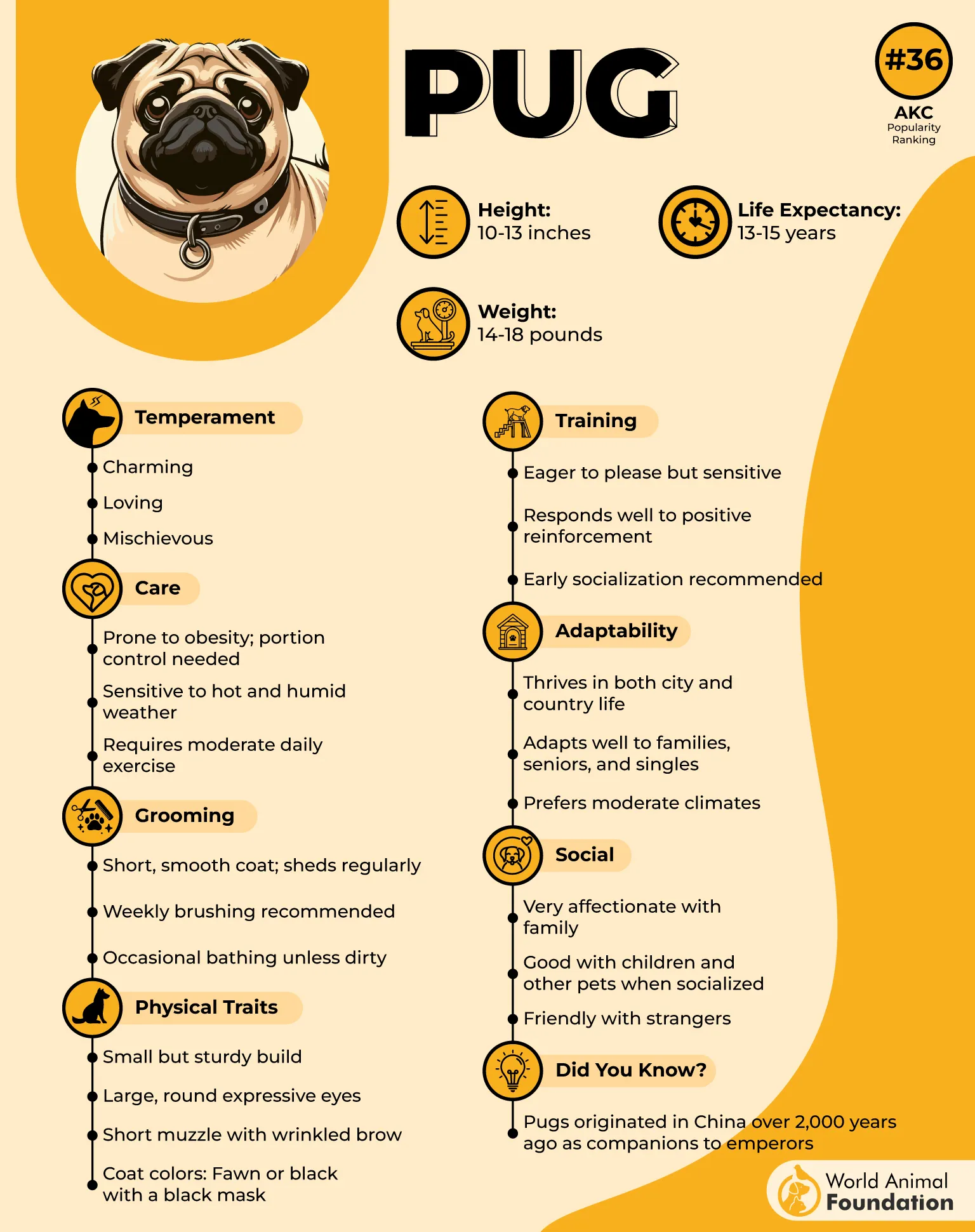
The Pug, a small yet muscular toy breed, has charmed humans for over 2,000 years. Once the beloved pet of Chinese emperors, this affectionate dog is playful, loyal, and full of personality. Its flat, wrinkled face, sparkling eyes, and curly tail make the Pug instantly recognizable and endlessly endearing.
From Imperial Palaces to Global Fame
Pugs traveled from China to Europe in the 1500s, gaining fame as royal companions in the Netherlands and England. Legends say a Pug saved the Prince of Orange, earning the breed royal status. Today, Pugs remain adored worldwide for their friendly, adaptable, and affectionate nature.
Daily Life, Care, and Playtime
Pugs thrive with short walks, indoor play, and mental stimulation, but they are not suited for high-energy exercise. Their short coats shed moderately and require regular brushing, while supplements may support skin and joint health.
Why Pugs Prefer Play over the Chase: Prey Drive Insights
Very low prey drive; more focused on humans than hunting
Short bursts of playful energy satisfy natural instincts
Gentle, friendly, and social with family and other pets
Indoor games and casual walks provide mental and physical stimulation
Easily trainable with positive reinforcement and praise
6. Papillon
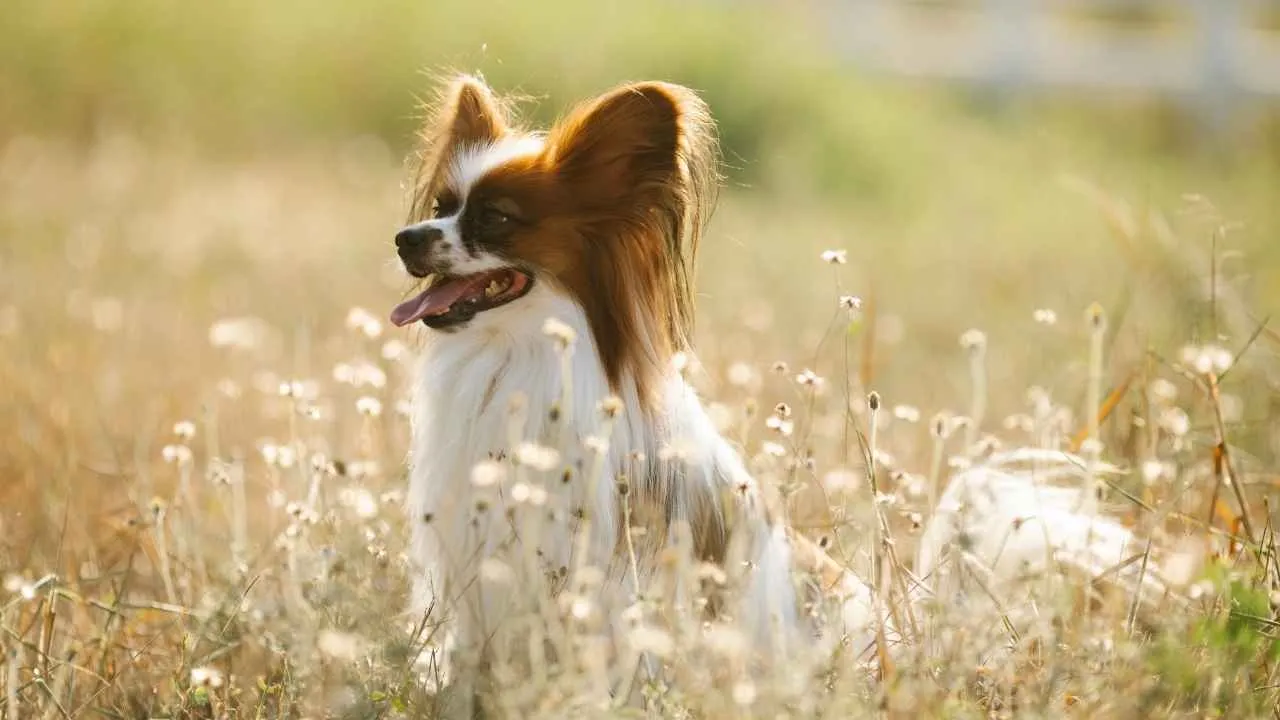
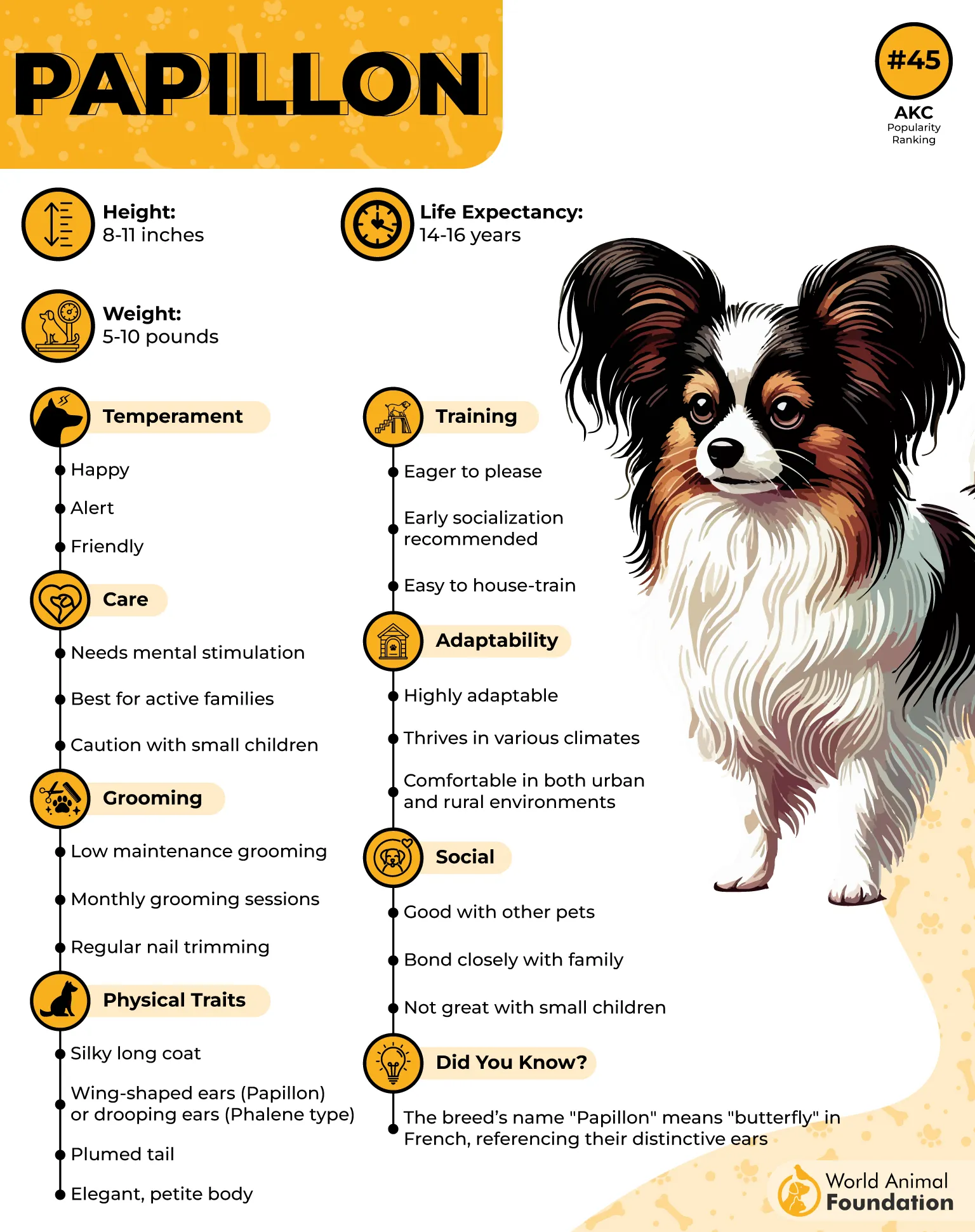
The Papillon, a glamorous toy breed named for its butterfly-like ears, combines elegance with intelligence. Small yet athletic, this dog boasts a long, silky coat, plumed tail, and expressive dark eyes, making it both a visual delight and a lively companion.
Royal Companions Through History
Bred as companions for European nobility, Papillons appeared in portraits alongside queens and aristocrats from the 1500s onward, as per WebMD. Known as Continental Toy Spaniels, these charming dogs flourished in France, Italy, and Spain, earning admiration for their grace, intelligence, and affectionate nature.
Daily Life, Training, and Play
Papillons thrive on mental stimulation and daily activity, enjoying games, tricks, and interaction with family or other pets. They are highly trainable thanks to keen intelligence, but need companionship to prevent loneliness.
Why Papillons Love to Chase and Learn: Prey Drive Insights
Moderate prey drive fuels short bursts of chasing and playful activity
Highly intelligent, learning new commands and tricks quickly
Energetic and alert, excelling in agility and dog sports
Affectionate and social, forming strong bonds with family and pets
Quick, small size allows safe indoor and outdoor play
7. Greyhound
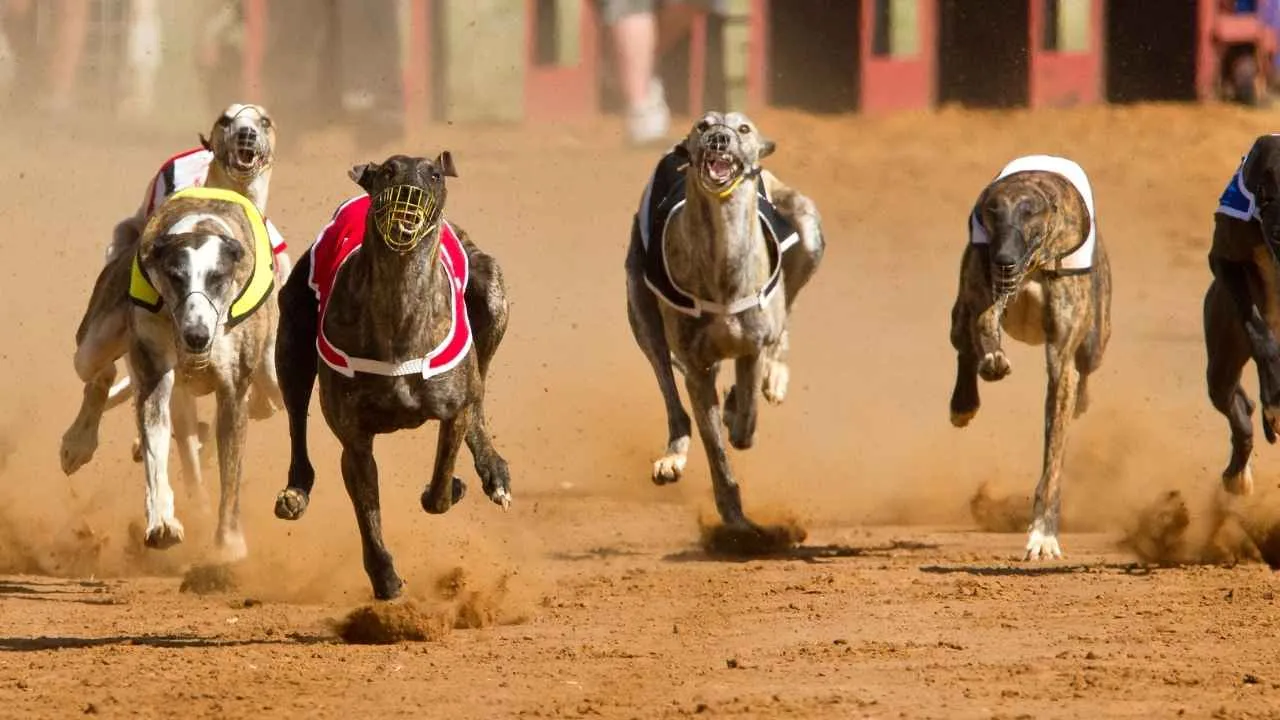
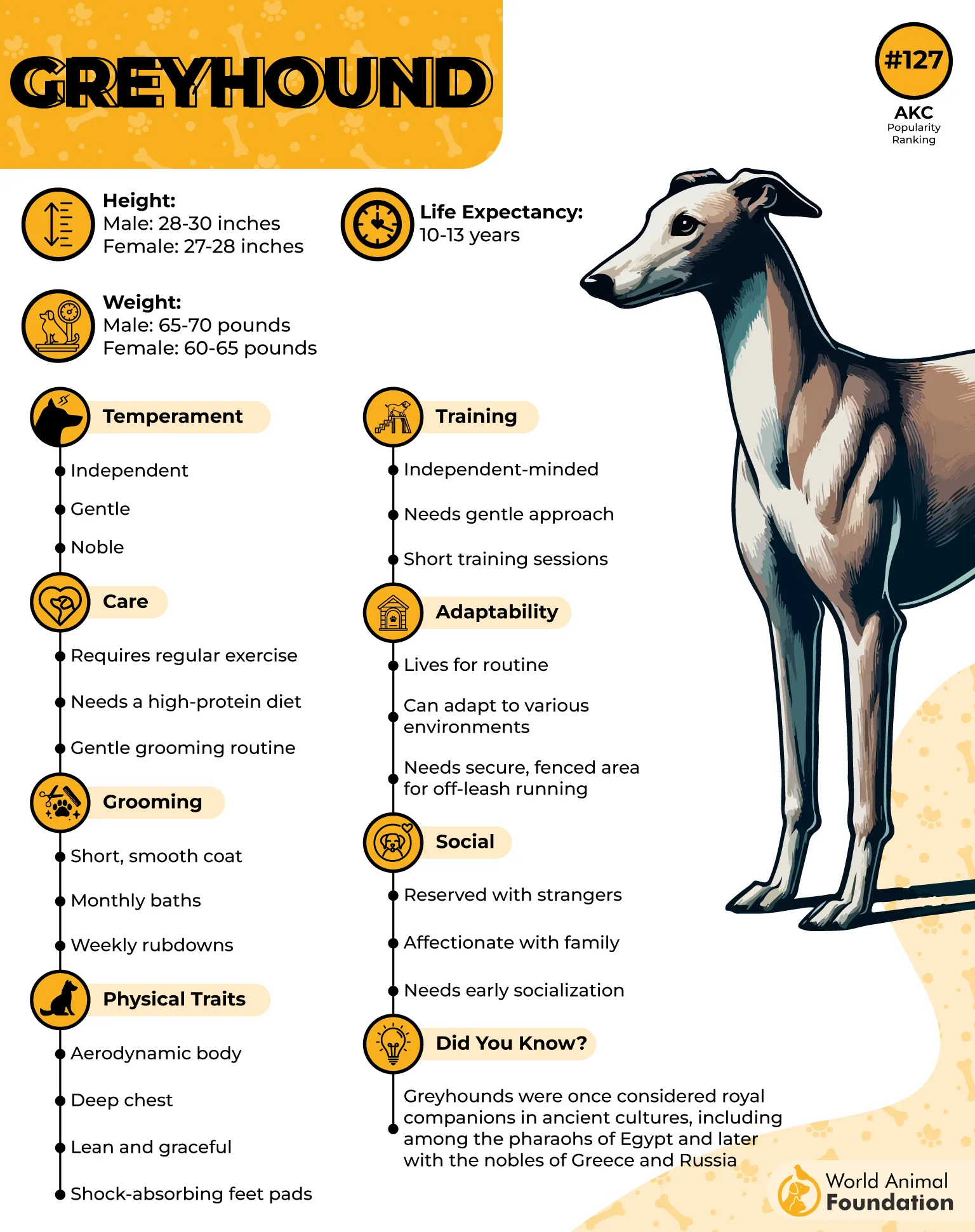
The Greyhound, renowned for its lightning-fast sprinting ability, is a sleek and athletic hound with a gentle, sweet temperament. Its lean, aerodynamic body, deep chest, and tucked waist exemplify the principle of “form follows function,” making it a natural-born hunter and elegant companion.
A Noble Legacy Through Time
Dating back over 8,000 years to ancient Egypt, Greyhounds were prized by pharaohs for hunting and companionship. Esteemed by nobles across Macedonia, England, and Russia, these hounds became symbols of refinement and grace.
Gentle Athletes for Modern Families
Though sprinters by nature, Greyhounds are surprisingly low-maintenance dogs and often enjoy lounging for most of the day. With proper socialization, Greyhounds can live safely with children and other pets, though their strong prey drive warrants caution with small animals.
Why Greyhounds Chase: Prey Drive Traits
Exceptional speed, built for chasing small game
Lean, muscular body optimized for sprinting
Independent yet loyal, forming close bonds with family
Minimal aggression toward other dogs due to pack hunting history
Low endurance for extended exercise, but high burst activity potential
Conclusion
Understanding dog breeds driven to hunt requires recognizing the difference between high and low prey drive. While some high prey drive dogs excel at catching prey or assisting in pest control, others are more relaxed, thriving in apartment life with minimal risk to small animals. Pet owners should assess canine instincts carefully to match their lifestyle with the physical and mental stimulation needs.
Early socialization, positive reinforcement, and early training are crucial for safety around small prey, guinea pigs, or small children, especially when closely supervised. Active families or dog owners who enjoy working dogs will find satisfaction in sporting dogs or gun dogs with strong hunting instincts.
Many dog owners value versatility, combining the sweet-tempered nature of best dogs with high energy and strong instinct for hunting dogs or guard dogs. From border collies to German Shepherds, Siberian Huskies, and Jack Russell Terriers, certain breeds excel at physical exercise, mental stimulation, and chasing wild animals like wild boar or smaller potential prey.
