




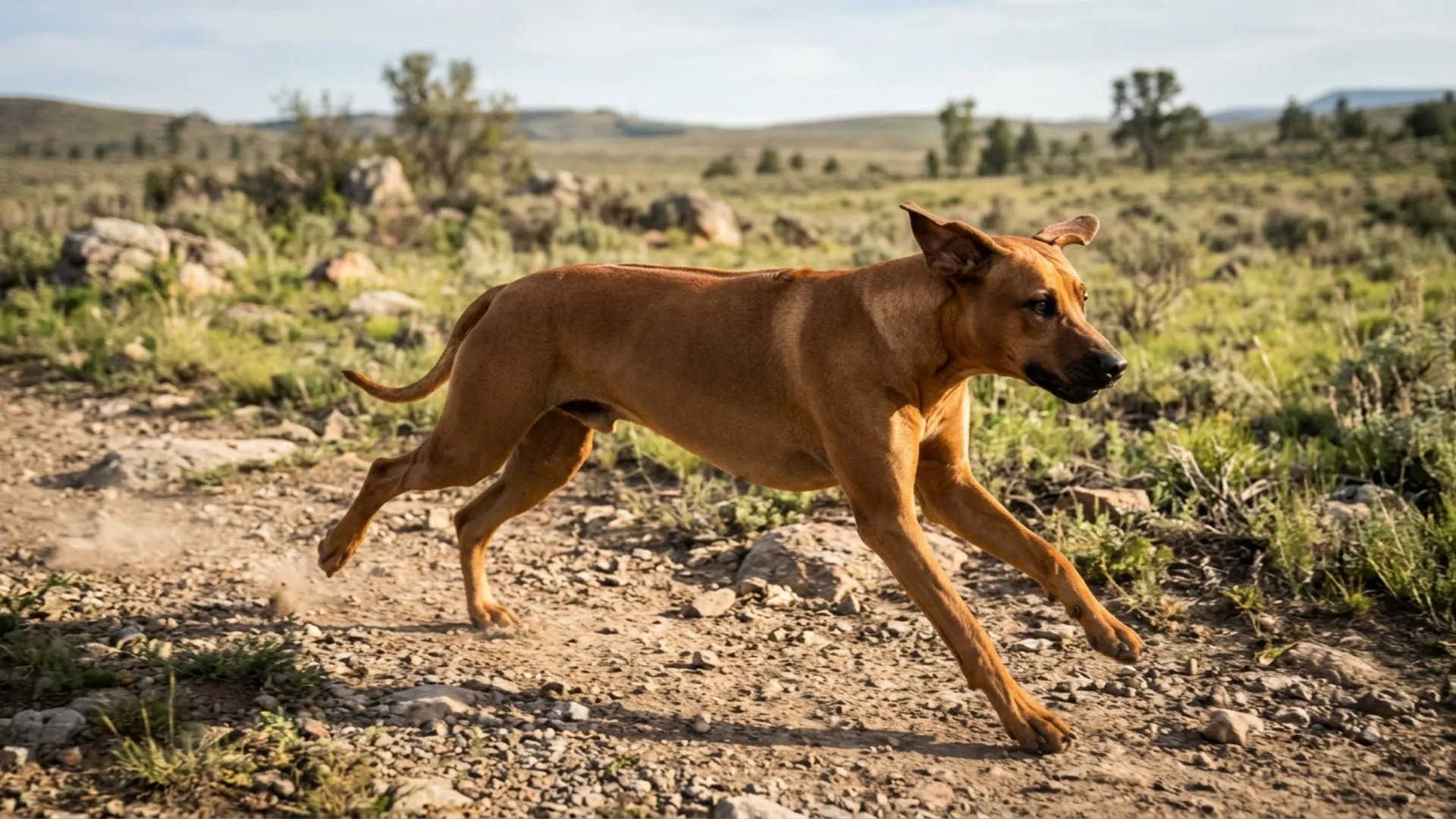
Some dogs are happy with a short walk and a soft bed. Others look at the front door as if it were an invitation to an adventure. If your idea of a good weekend involves hiking trails, long walks, swimming, camping, or simply getting outside, the right dog can make those moments even better.
Some strong breeds were developed for demanding work, so activity is more than a pastime for them. It is part of who they are. But high energy comes with responsibility. These dogs need proper training, exercise, recovery time, and safe outdoor routines.
Let us look at seven breeds that can turn an ordinary outing into something worth remembering.
Dog Breeds Designed for Outdoor Thrills and Fun
1. Australian Cattle Dog
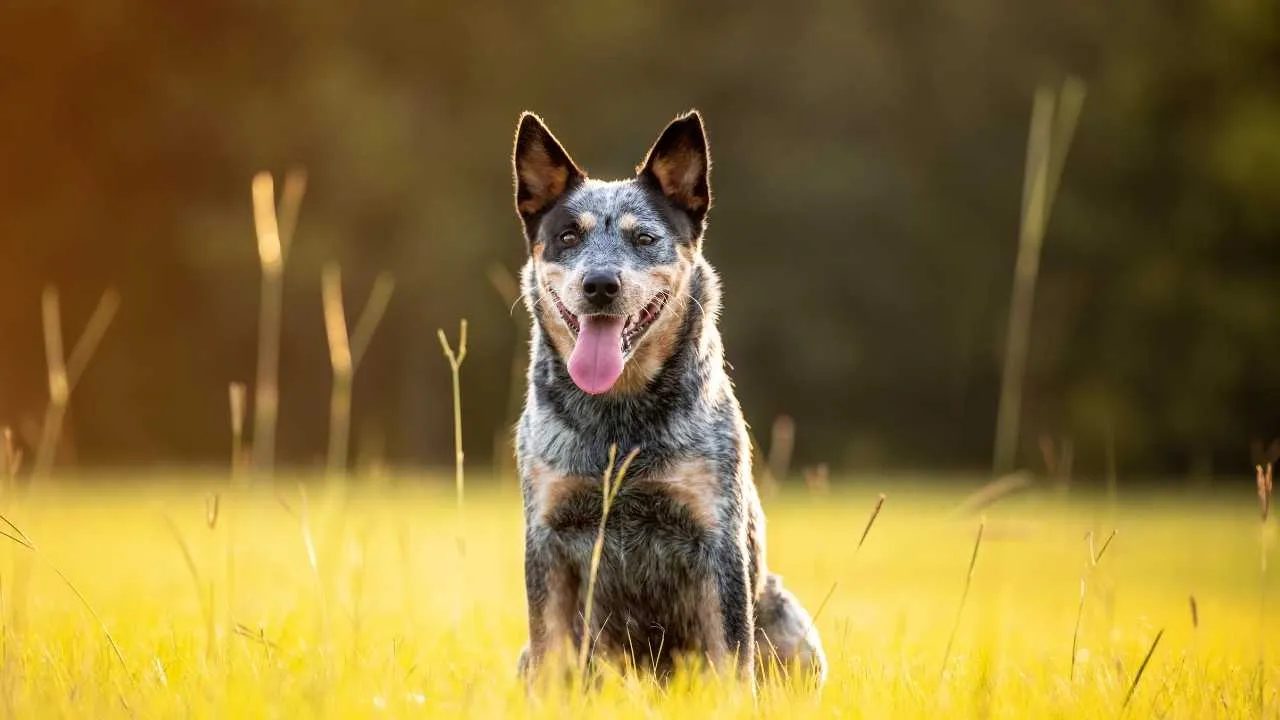
The herding dog was developed in Australia to drive cattle for long distances across rough terrain. It was designed to herd by biting, and thus, it is prone to nipping at children and other pets. The breed makes strong bonds with its owner and has strong protective instincts, as reported by Wikipedia.
The low centre of gravity allows low-to-ground bursts of speed and instant directional shifts. The highly developed forequarters and broad hindquarters minimize energy expenditures per stride, avoiding premature muscle fatigue. It has a water-resistant double coat that protects the skin from external stimuli.
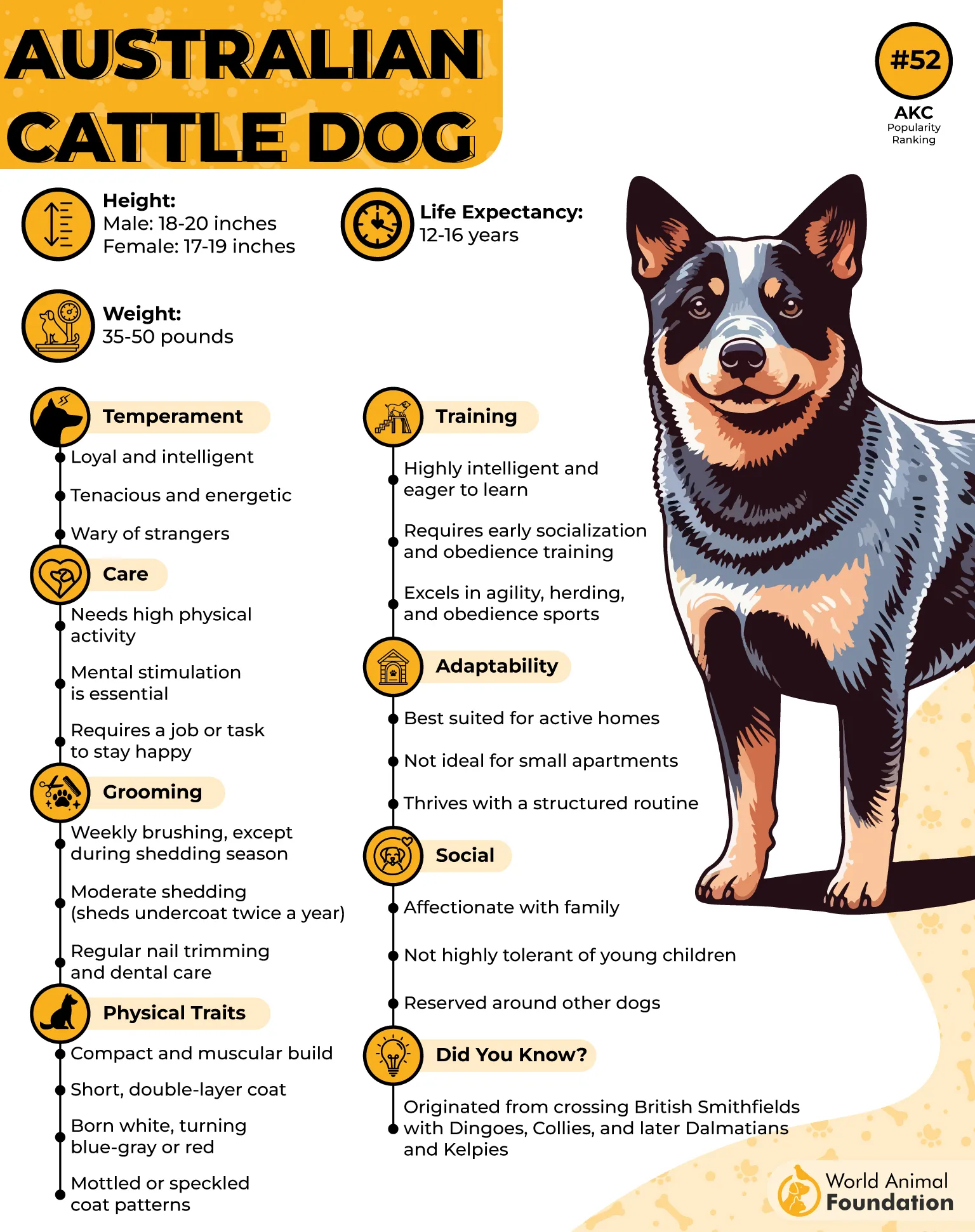
Because of its strong prey drive, the breed tends to chase moving objects and excels in agility sports, disc dog, flyball, backpacking, hiking, bikejoring, canicross, dock diving, and swimming.
2. German Shorthaired Pointer
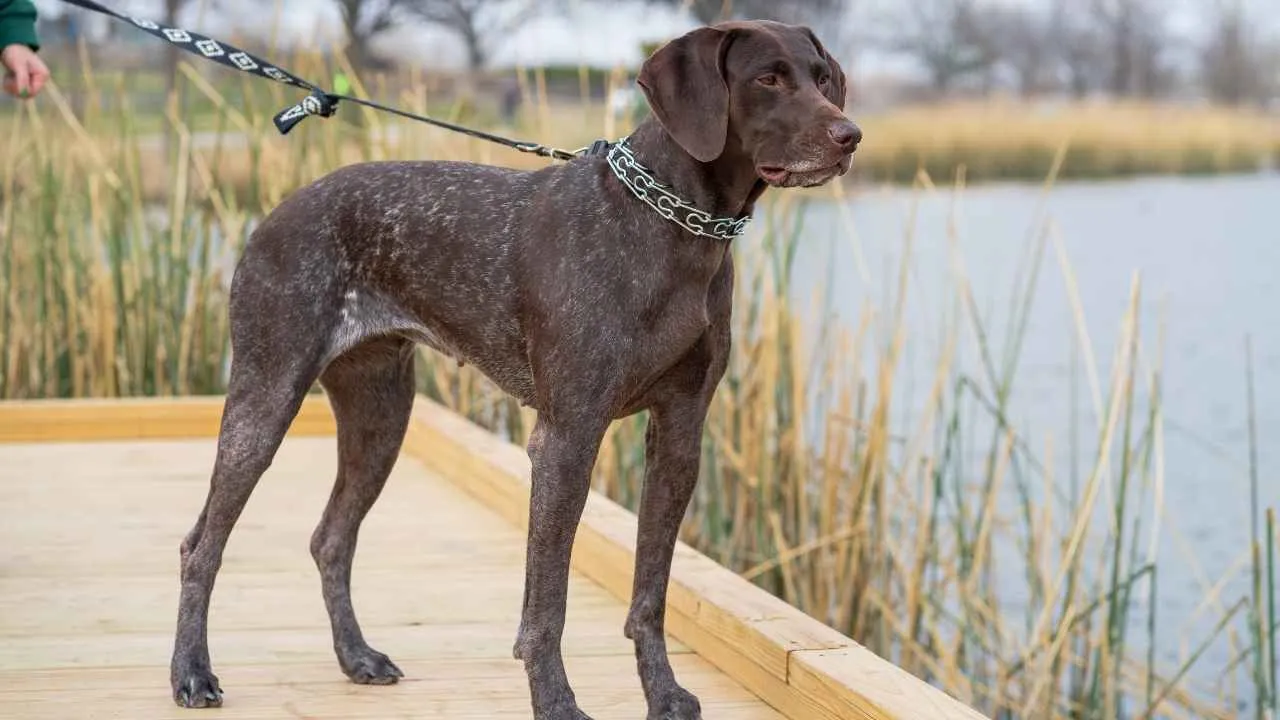
Originally bred in Germany in the 19th century, the German Shorthaired Pointer is closely related to the German bird dog. Prince Albrecht zu Soms-Braunfels was focused on developing an all-round hunting dog. It used its pointy nose to track and locate its prey.
It has a tight loin and a relatively shorter back that directs kinetic energy transfer to the fore and hind legs equally, and there is less loss during spinal flexion. The thick double coat sheds water rapidly, which regulates its core temperature, avoiding hypothermia. The strong scent receptors help it detect prey quickly.
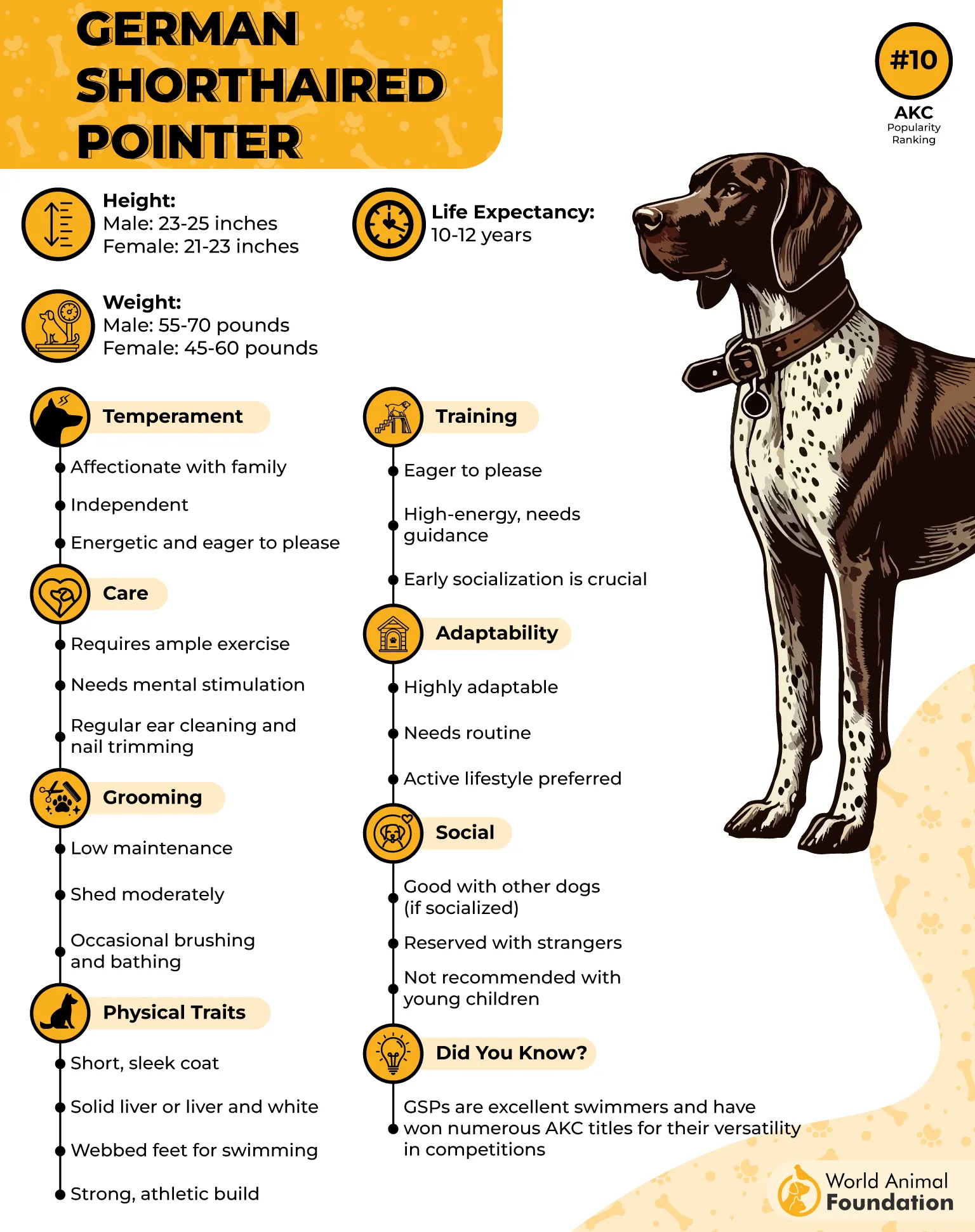
This outdoor dog has a high area-to-mass ratio, allowing it to dissipate heat quickly through panting and evaporation. All these abilities make it excel in waterfowl hunting, canine mushing, water sports, dock diving, and scent work.
3. Vizsla
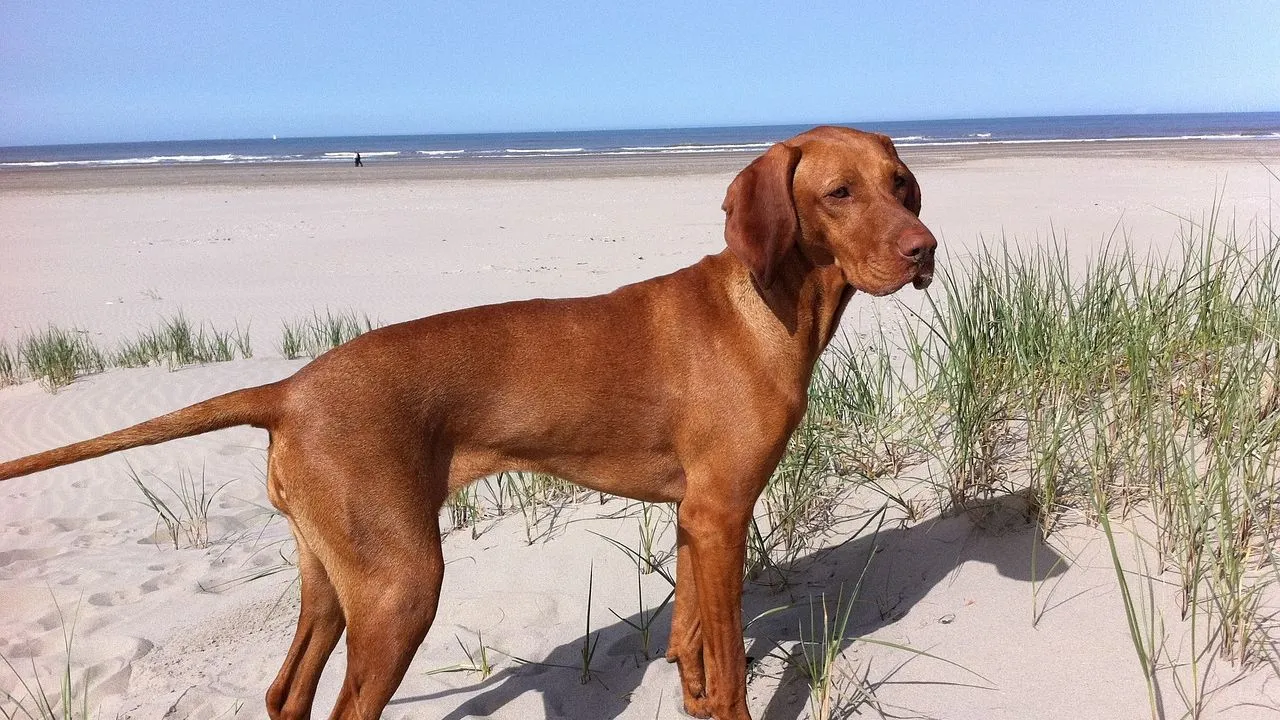
Closely related to the Weimaraner, this old breed was developed by crossing the Weimaraner and various pointers in the 20th century. However, it is also believed the dog was found in the 11th and 12th centuries and was used to hunt alongside Magyars, according to Purina US.
The sleek, tucked-in abdomen minimizes air resistance during full strides. It also lacks heavy bone structure that helps it climb and jump, and it can run at a high speed of 40 mph. The high-energy dog has webbed feet that help it swim. The breed tends to work closer to the owner.
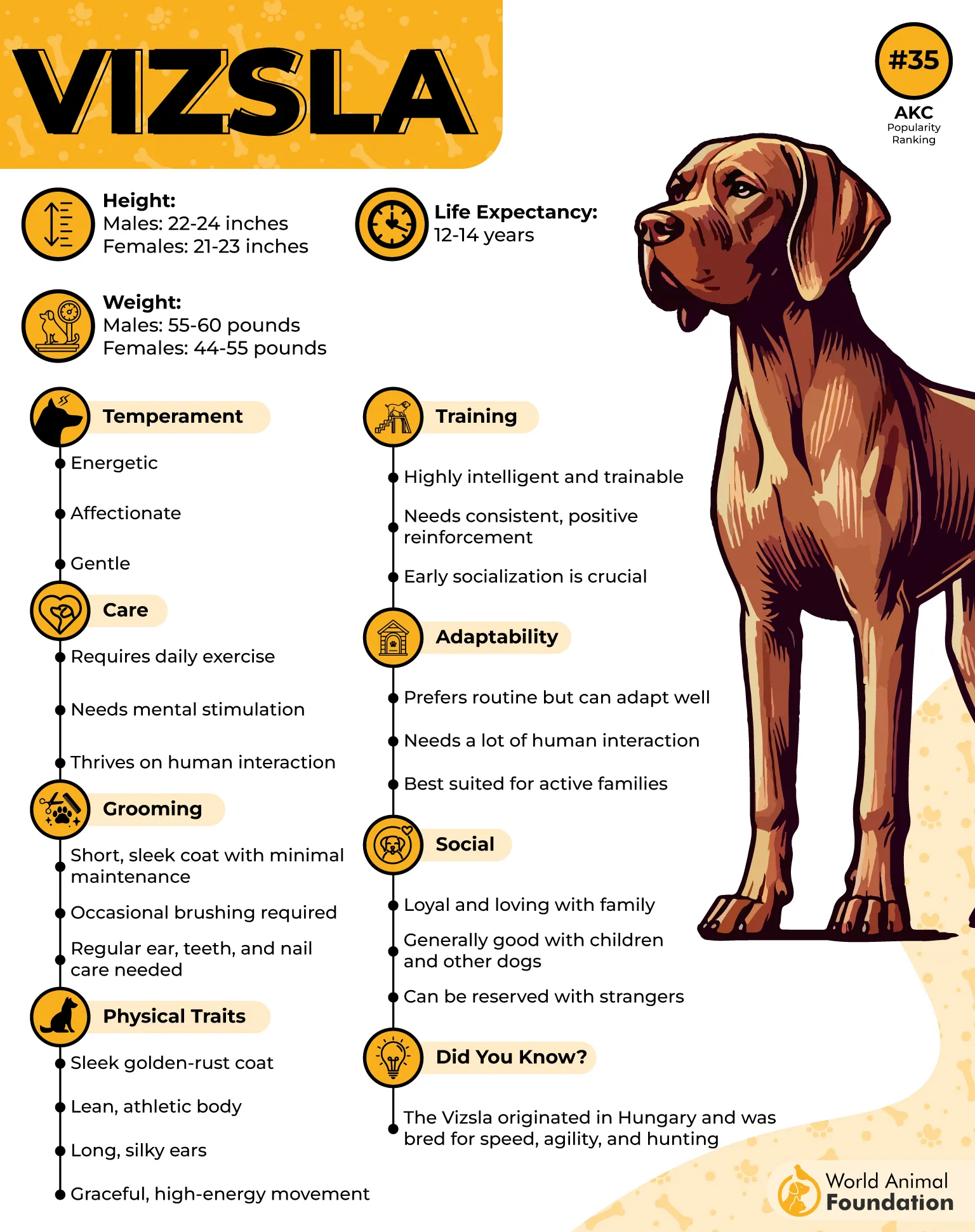
Since it works as a pointer, retriever, and a flusher, the dog thrives in outdoor adventures, such as hunting tests, field trials, agility training, scent work, trail running, and other dog sports.
4. Rhodesian Ridgeback
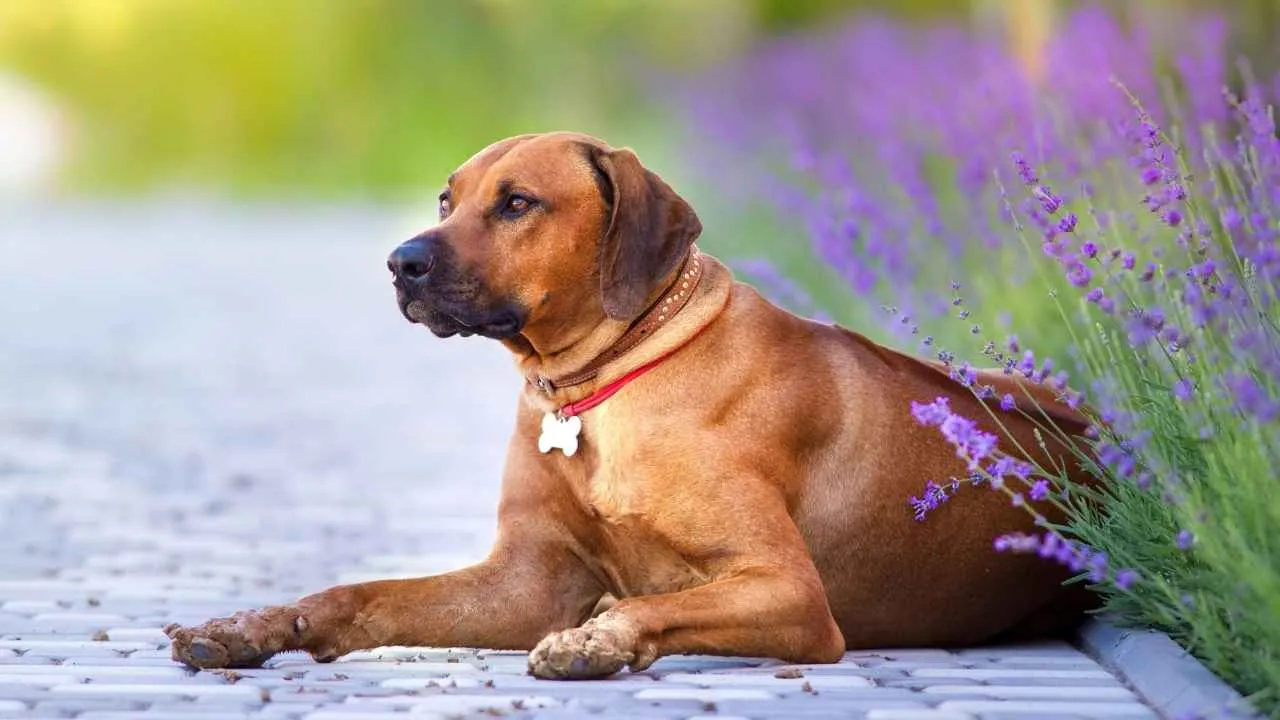
Also known as the ‘African Lion Dog,’ the breed was developed in the 17th century when the European settlers came to South Africa with their guard dogs. These dogs were a cross of the Great Dane, sighthounds, and mastiffs. These guard dogs were interbred with the local dogs, resulting in the Rhodesian Ridgeback.
Exclusively bred for the harsh African climates, this working dog has a high heat tolerance. Since it carries a sighthound’s genes, the breed can run at a high speed of 30mph.
The strong framework allows it to travel 24 hours without water. Being highly responsive and focused, the breed needs constant physical activity and mental stimulation.
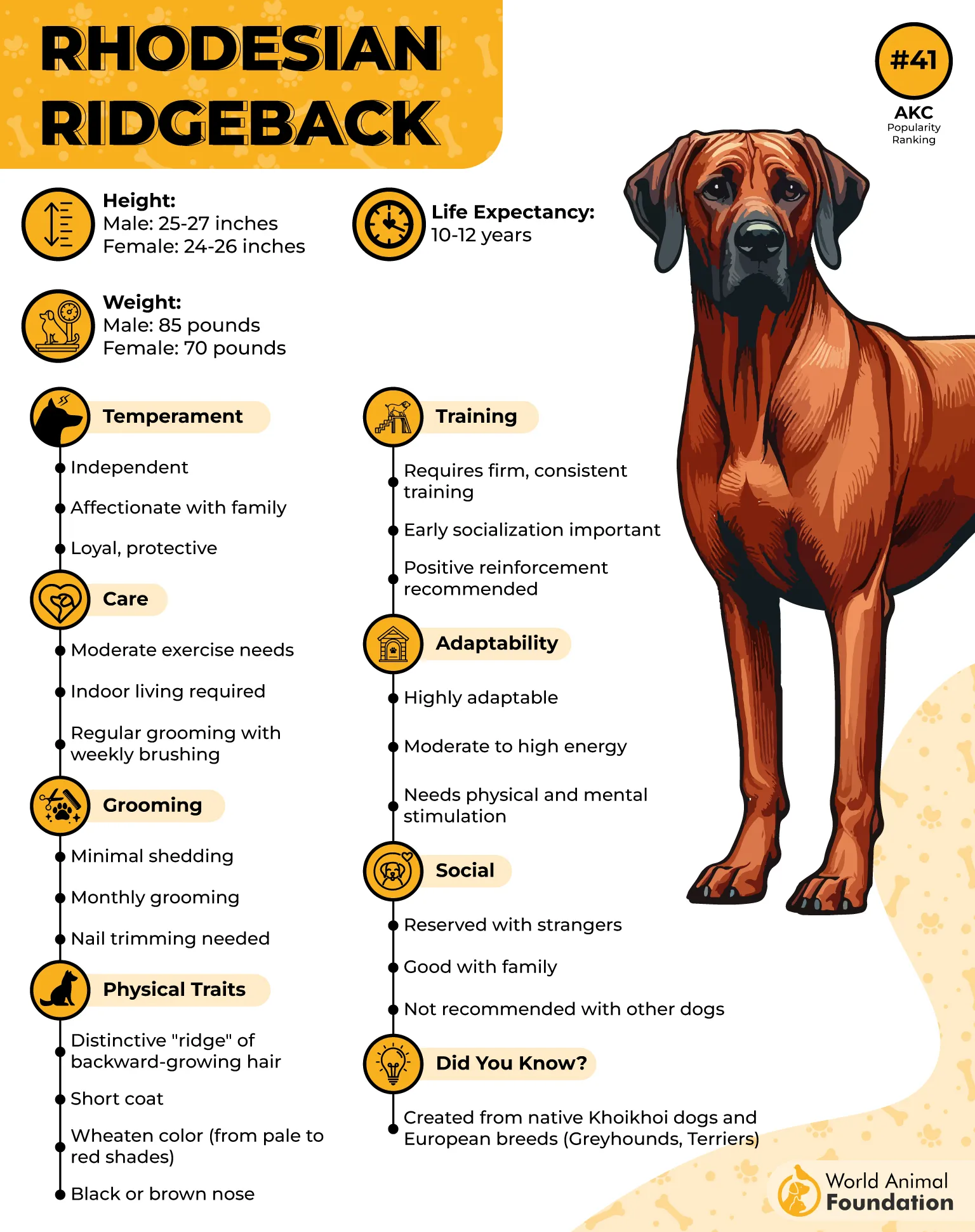
This is one of the few sighthounds that can compete in lure coursing trials. It also thrives in agility trials, backcountry hiking, backpacking, canicross, bikejpring, and nose work.
5. Alaskan Malamute
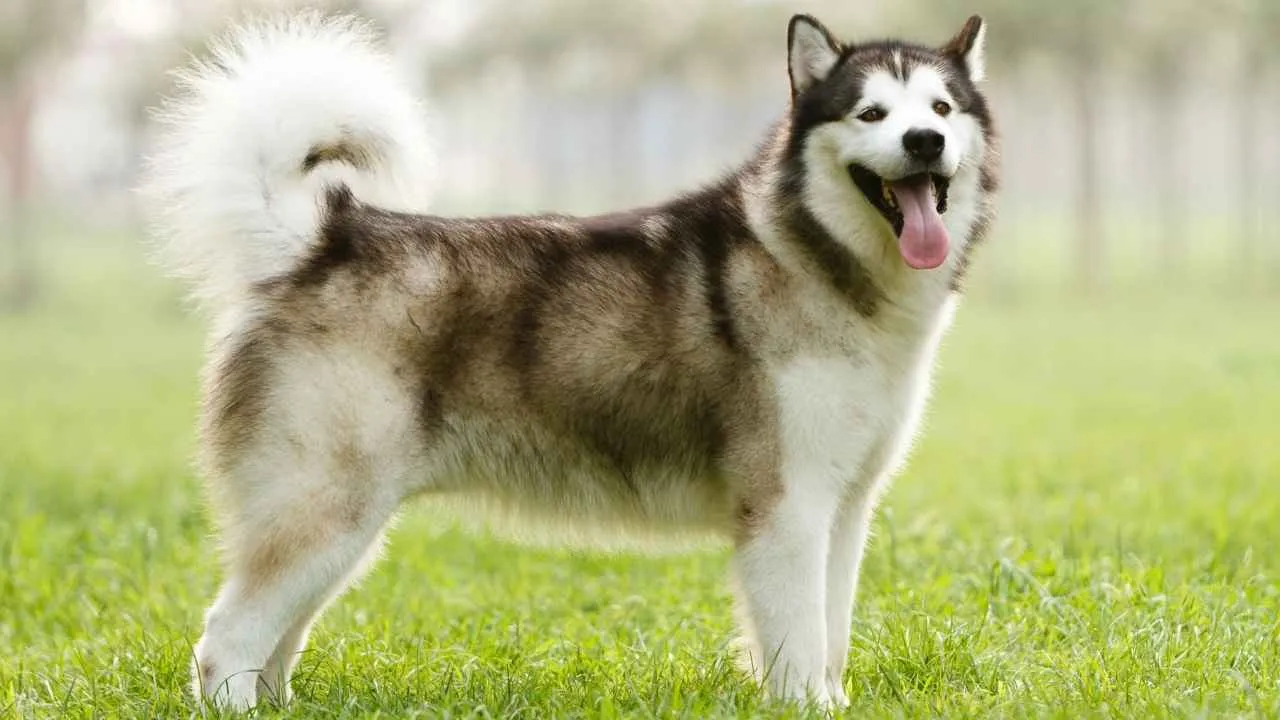
One of the sled dogs, like its cousin the Siberian Husky, the Alaskan Malamute was bred to haul heavy sleds over long distances. It was primarily used by miners in the 1890s in Alaska for sledding. The breed also helped U.S. soldiers during World War II, says Chewy.
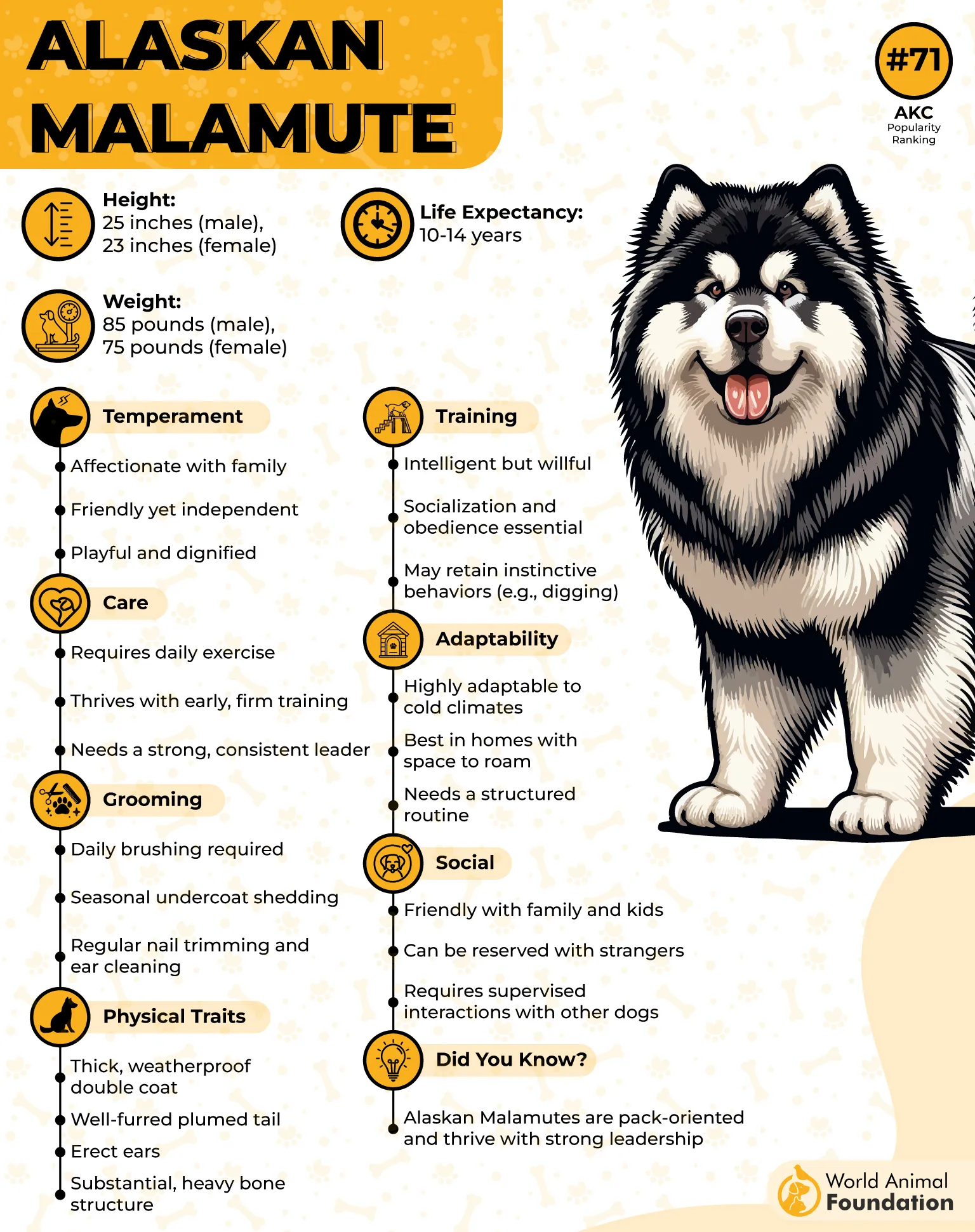
The great hiking companion has wide shoulders, a heavy bone structure, and a deep chest. This helps it perform high impact activities. The strong muscles have immense propelling power, because of which it exhibits a tireless, rhythmic gait. The unhigh-impactive system converts high-quality fats and proteins into slow-burning fuel, enabling energy conservation.
The bushy tail acts as a respiration shield that protects the nose and rest of the body while sleeping outdoors in cold weather. It is tightly closed and has deeply arched pads that act as a natural snowshoe. It actively participates in elite water sports, dry land pulling and drafting, and backcountry trekking.
6. Belgian Malinois
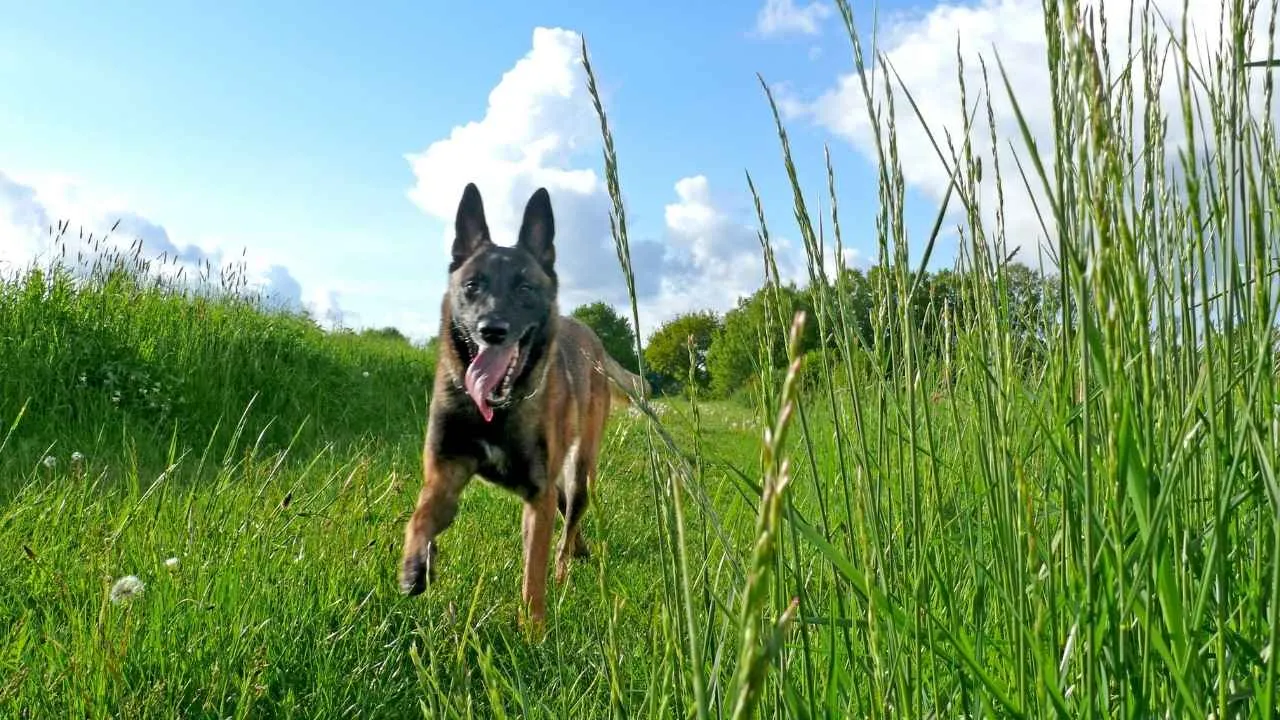
The history dates back to Belgium, where the breed was used by ranchers on farms to keep track of cattle and sheep. The thick-coated breed arrived in the U.S. in 1911 and was used in World War II. Its temperament has made it useful to police, military, and service departments.
The tight muscles reduce dead weight and allow it to make vertical leaps of 6 ft and run at a speed of 30 mph. A highly flexible waist and powerful hindquarters provide a springy gait that helps it navigate through rugged terrain. The big dog has an alert and active lifestyle, making it perform well outdoors.
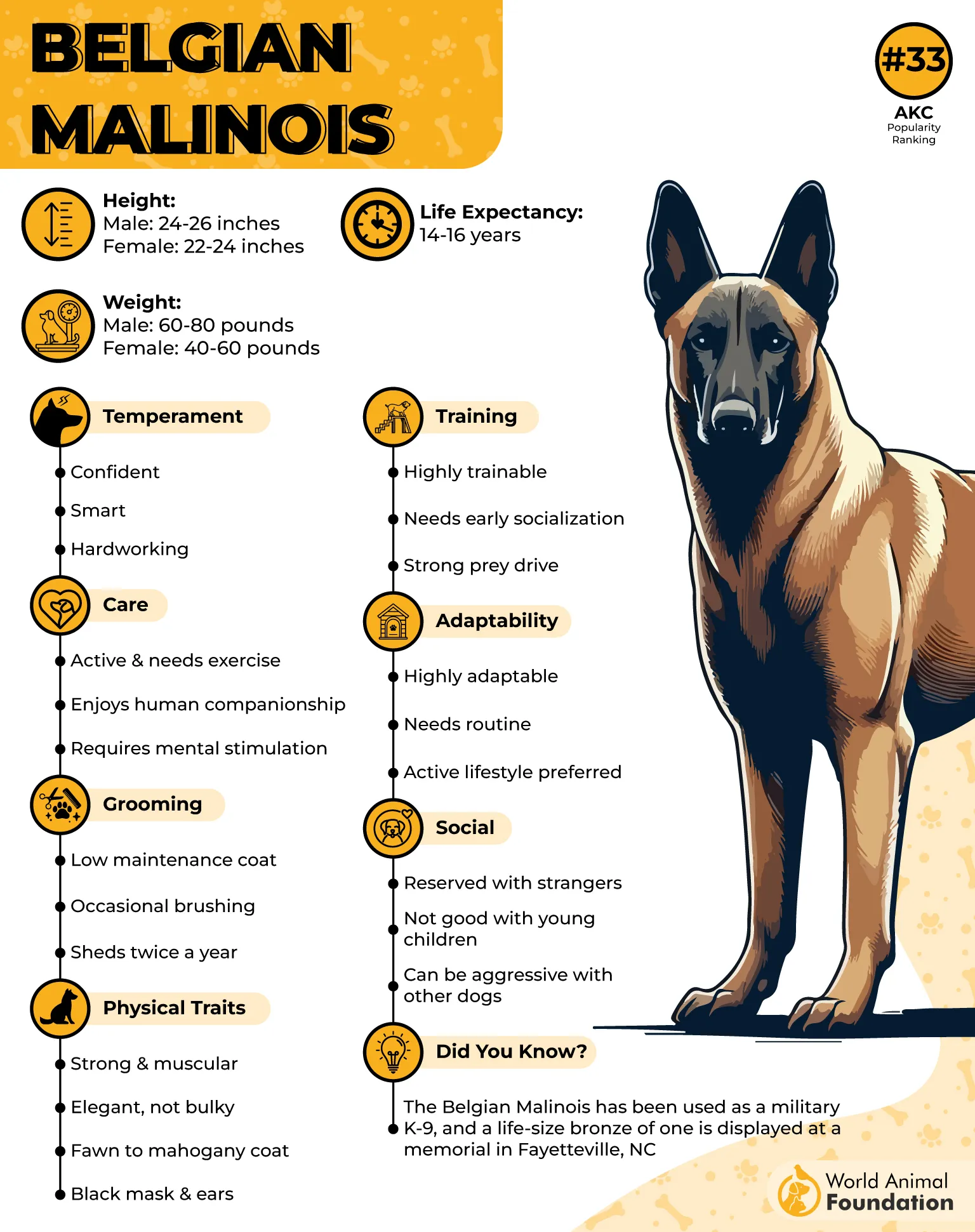
The large dog requires 90-120 minutes of daily exercise: protection sports, bite work, speed and agility courses, tracking, nose work, canicross, and bikejoring.
7. Labrador Retriever
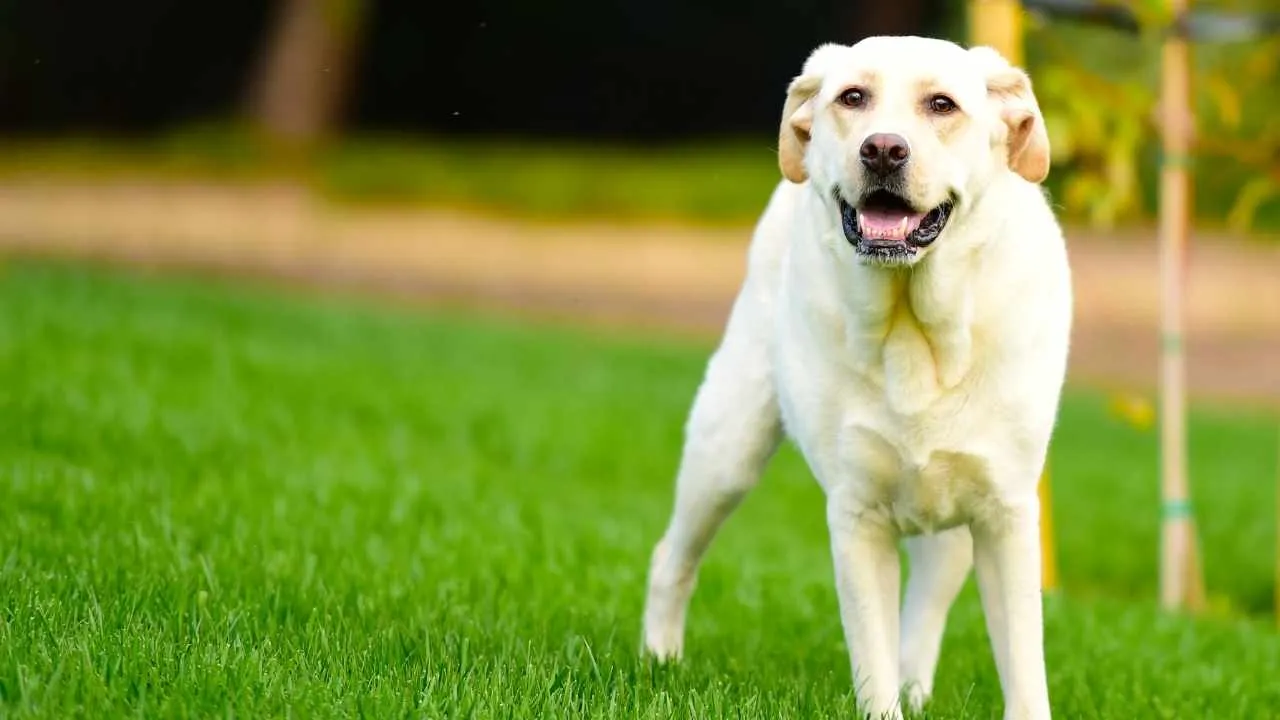
The great companion was developed from the St. John’s Dog imported from Canada that was used to haul nets for fishermen. The dog was then imported to England, where it was interbred with local dogs to breed the Labrador Retriever.
Known for its ‘otter tail,’ the breed remains balanced while swimming because of this tail. The dog has a soft mouth and retrieves objects without physically damaging them. The sporting dog has an intense desire to work outdoors because of its large lung capacity.
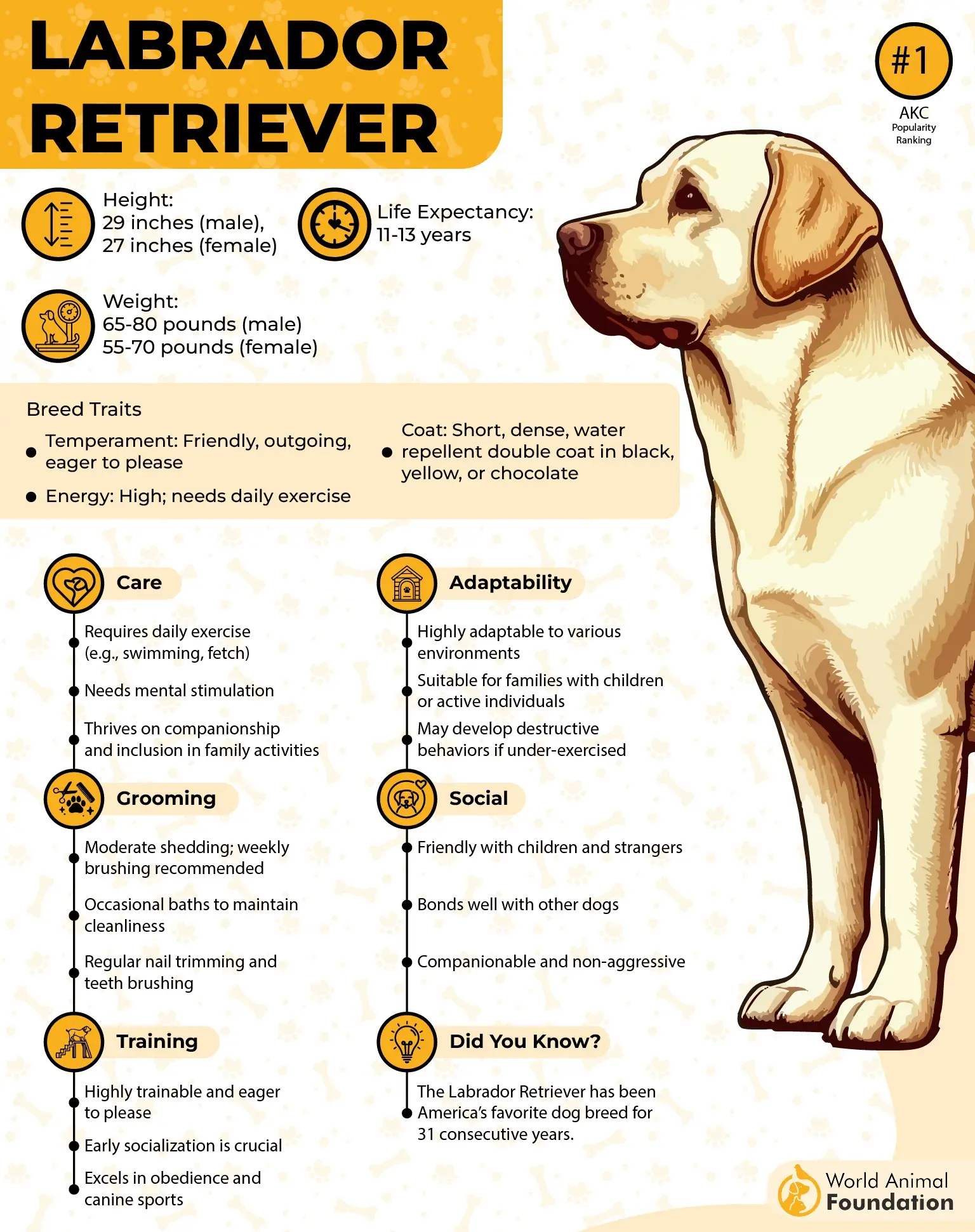
It needs 1-2 hours of daily exercise, and the breed enjoys hiking, water thrills, dock diving, gundog work, trail running, flyball, high-speed agility, search and rescue operations, and scent tracking.
Conclusion
Outdoor life can be wonderful with a dog that genuinely enjoys being part of it. The breeds on this list bring different strengths to the trail, campsite, backyard, or lakeside. Some are tireless workers, while others shine through their athleticism, retrieving skills, endurance, or willingness to learn. Still, choosing an active breed should never be based on stamina alone.
Think about your daily routine, experience with dogs, climate, available space, and the kind of activities you actually enjoy. A dog should fit your life rather than force your life to revolve around constant exercise. When the match is right, though, the reward is pretty special: muddy paws, tired legs, goofy smiles, and a four-legged companion ready to see where the next path leads.
