




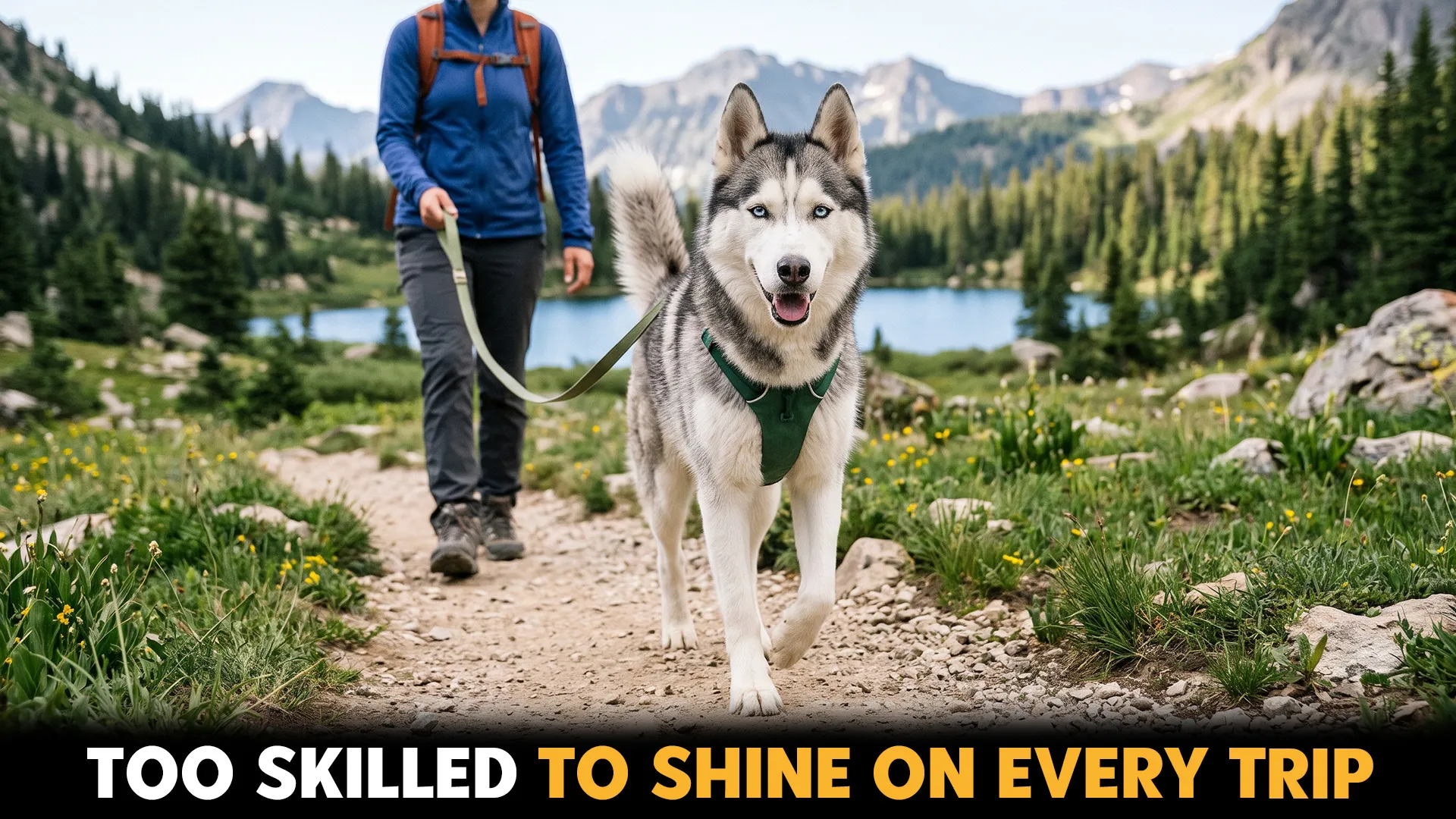
Imagine having a loyal companion for every trail, hike, and camping trip. The right dog can turn outdoor adventures into lasting memories. But not every dog can keep up with an active lifestyle. Some have the stamina to cover long trails. Others love swimming, running, and exploring new places.
Great outdoor companions also need sharp minds and energy. Their exercise needs can vary from breed to breed. Weather and terrain matter when choosing the right dog. Some handle freezing trails, while others prefer warmer days.
So, how do you find the best match?
This guide explores seven breeds built for active adventures. You will discover their unique strengths and daily needs. From long hikes to fun camping trips, each offers something different. Most importantly, you will learn how to choose a companion that matches your lifestyle.
Dog Breed Choices for the Ultimate Outdoor Experience
Here we go, one by one.
1. Labrador Retriever
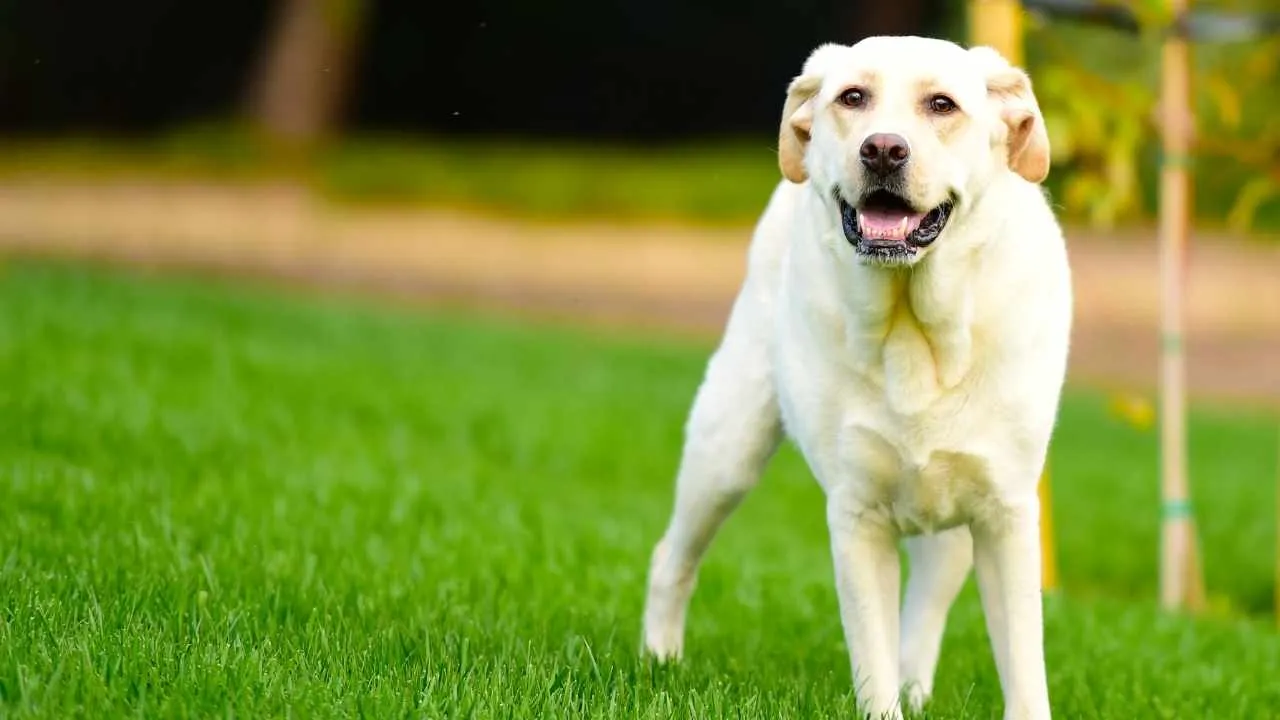
The Labrador Retriever remains a favorite among American families. Its history began as a working dog for fishermen. It helped retrieve nets and catch fish from the water. Today, this breed makes a wonderful outdoor companion. Its strong swimming skills make water activities especially fun.
It also enjoys hiking, camping, and exploring new places. Regular activity helps keep this energetic dog fit. It also helps prevent weight gain and obesity.
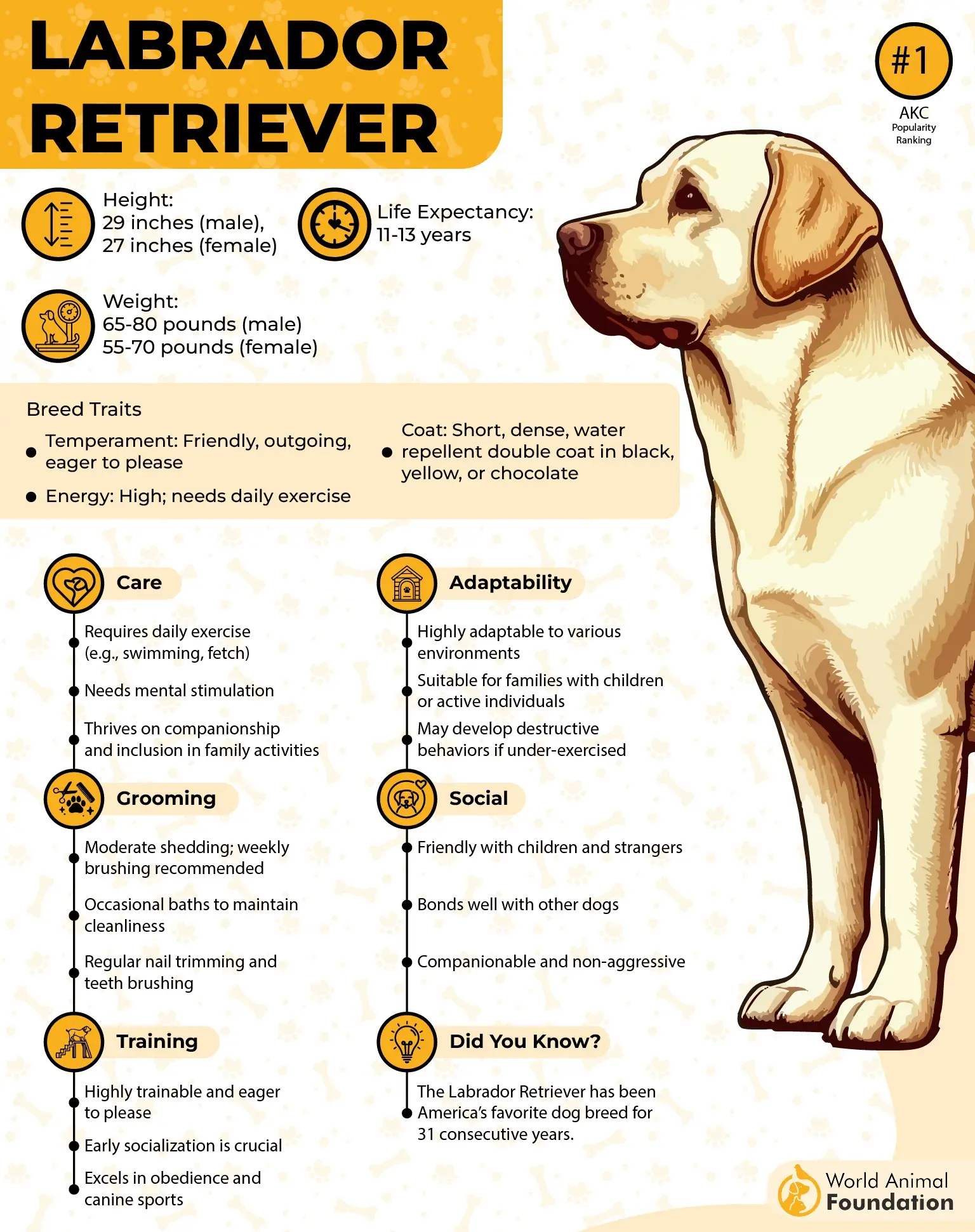
For many active families, Labs can be the best outdoor dog breed. Their friendly nature helps them get along with people. According to PDSA, Labradors are devoted, affectionate, and loving. They also learn quickly and enjoy pleasing their owners.
What Makes the Labrador a Great Adventure Partner?
Use positive rewards to make training fun.
Working-line Labs enjoy tasks that involve retrieving.
Give them adequate exercise to support good health.
Plan safe introductions before meeting another dog.
Pack warm gear for outings in cold weather.
2. Golden Retriever
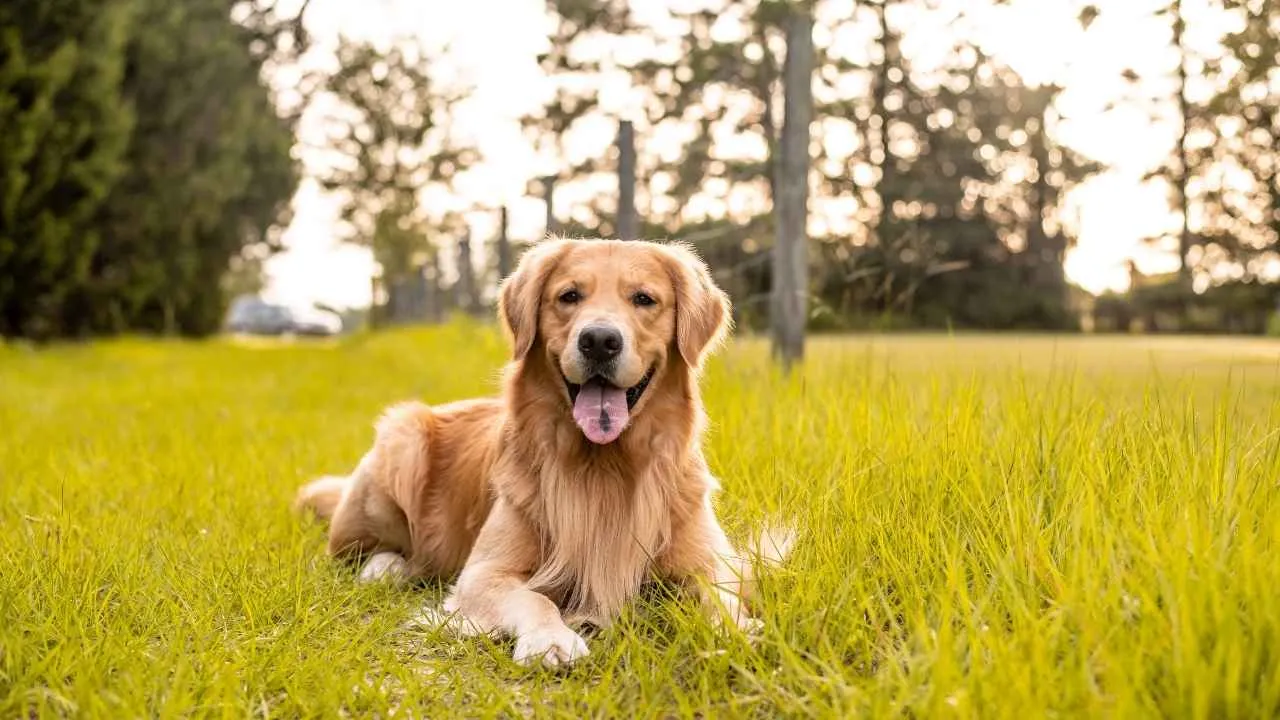
The Golden Retriever has Scottish roots as a hunting companion. Its thick double coat helps protect it in water. This popular breed also loves swimming and outdoor activities.
Its water-loving nature makes lakes and beaches great destinations. However, owners should watch for overheating during warm weather. Its outgoing personality makes family trips more enjoyable. According to Purina, Goldens are playful, tolerant, and intelligent.
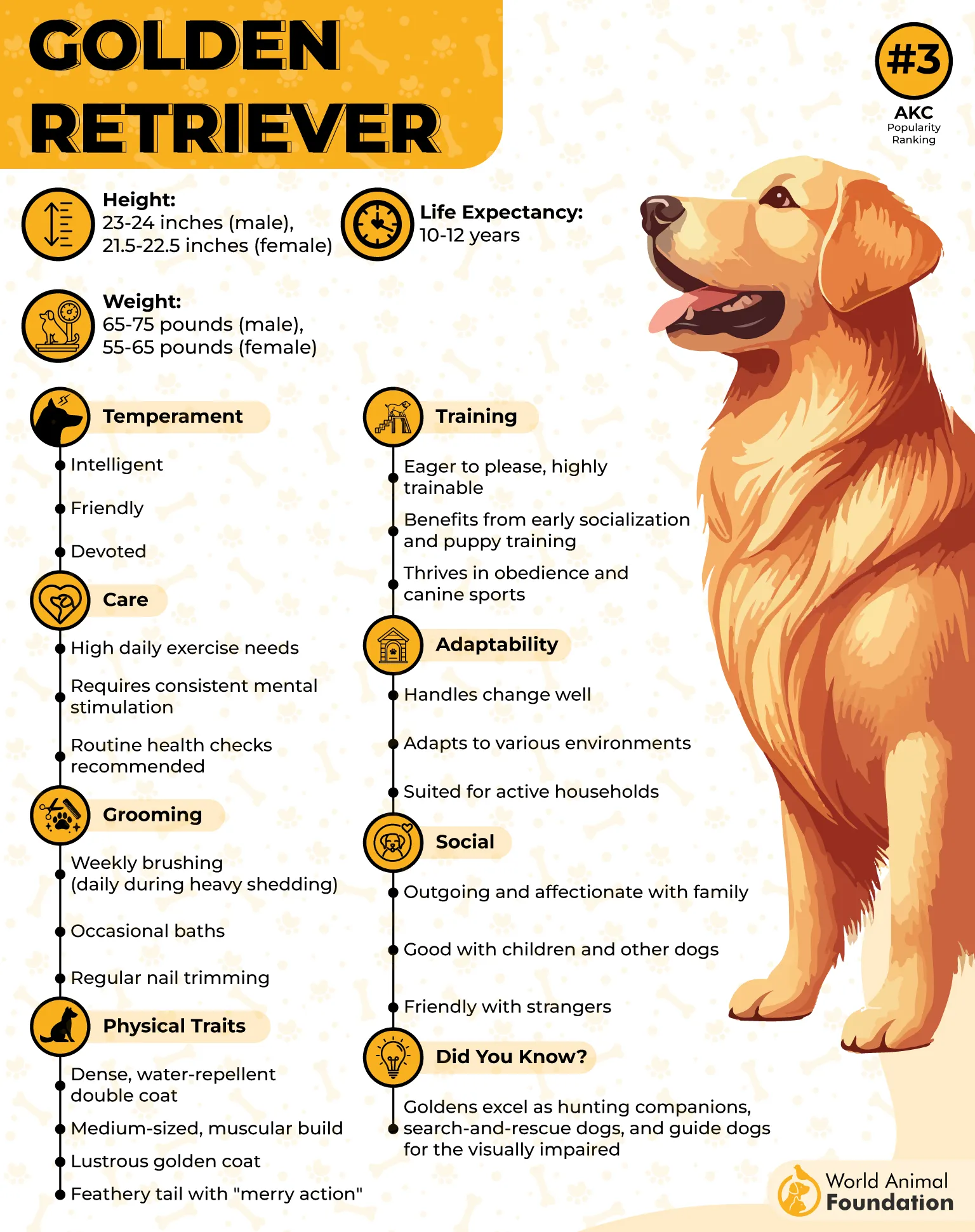
Golden Retrievers also learn quickly and suit many different households. Their gentle nature makes them excellent family pets. Many also work as service dogs. After outdoor adventures, their coats need proper care. Regular brushing helps remove dirt and loose hair.
What Makes Golden Retrievers Great Family Companions?
They often enjoy playing with other dogs.
Fetch games provide fun ways to stay active.
Gentle swimming sessions offer great exercise.
Check their ears after swimming to prevent moisture buildup.
Include them in group games and family outings.
3. Australian Shepherd
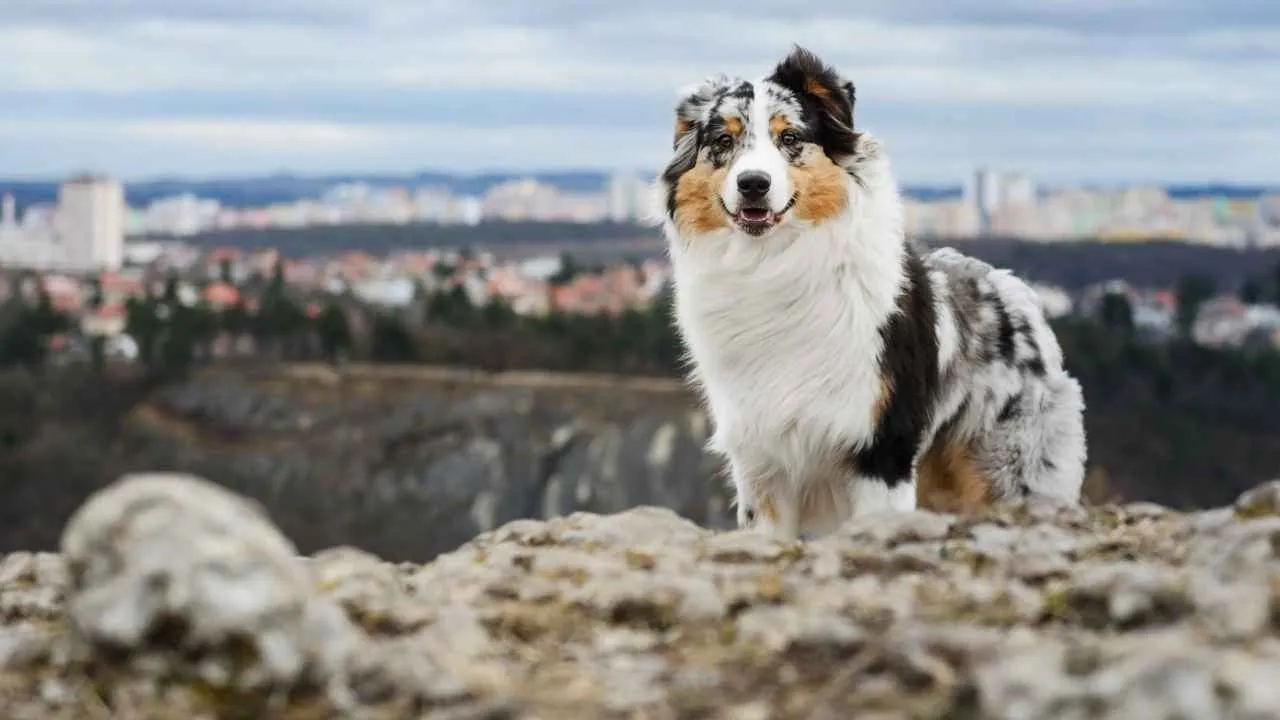
The Australian Shepherd is an athletic breed with strong herding roots. Despite its name, it developed as a working ranch dog. It was originally bred to manage livestock. This herding dog has a strong desire to stay busy.
PetMD describes Aussies as highly intelligent, active, and agile. Their muscular build supports quick movements and strong endurance. This high energy makes them suited to an outdoor lifestyle. They need over two hours of vigorous exercise daily.
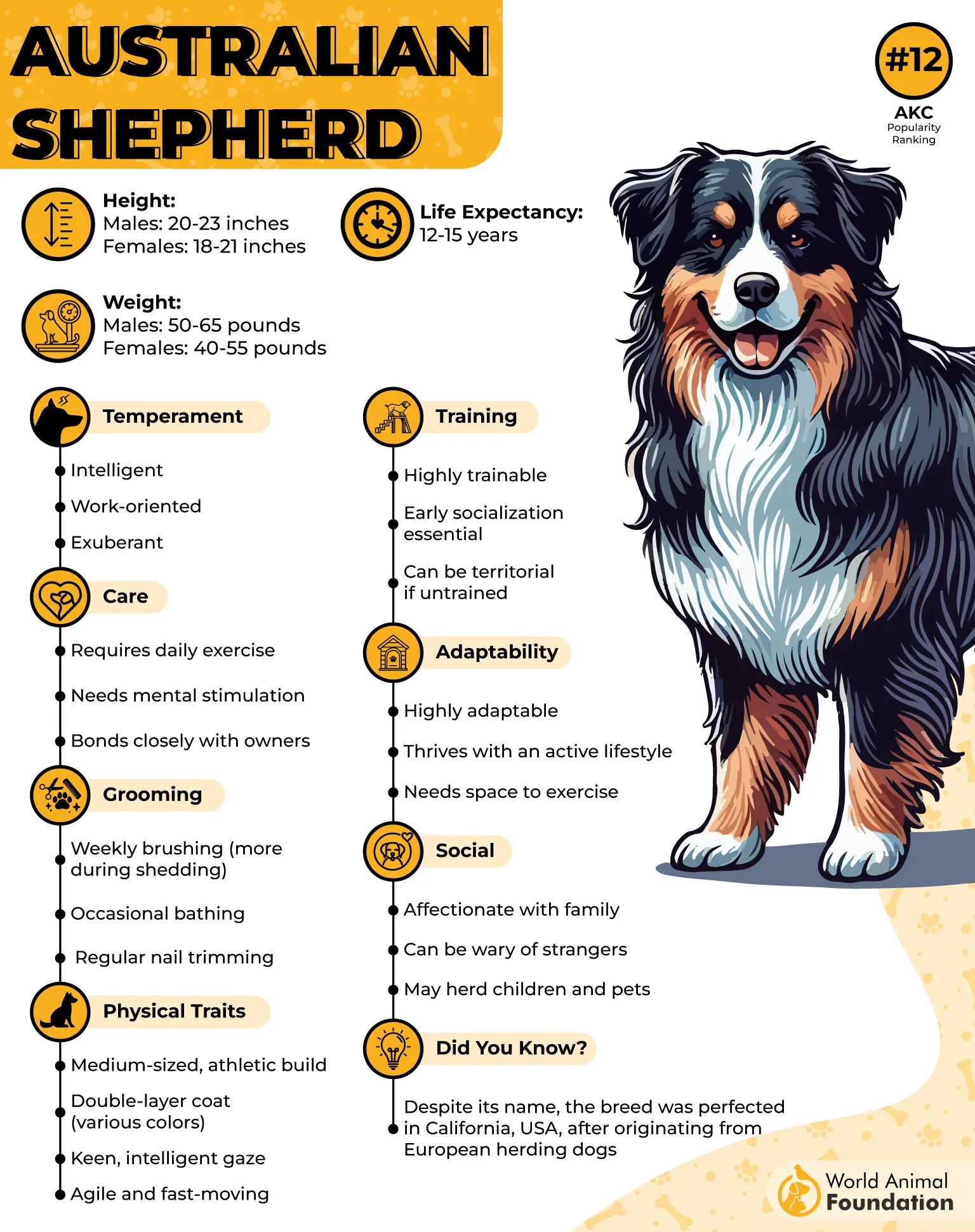
Agility games and challenging tasks keep them engaged. Without enough activity, boredom can lead to unwanted behavior. For active owners, Australian Shepherd may be the best dog breed. However, their needs matter when choosing the perfect match.
Keeping an Australian Shepherd Happy and Engaged
Use clear commands during daily training sessions.
Teach calm behavior around other animals.
Rotate games to keep their minds active.
Give them simple jobs around the home.
Build exercise time gradually to avoid strain.
4. Border Collie
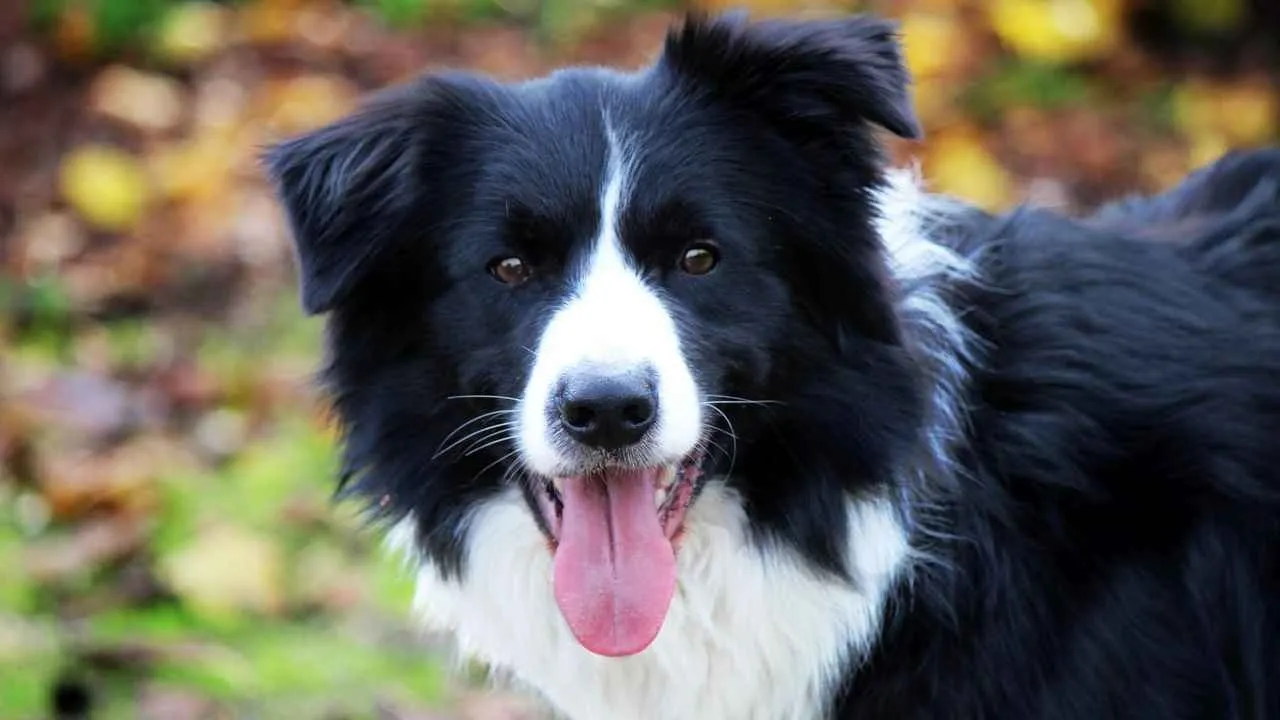
The Border Collie has a long history as a herding dog. It worked along the English-Scottish border for centuries. Britannica traces its roots to Roman and Viking herding dogs. Today, it ranks among the most intelligent breeds. Its sharp mind makes learning new tasks easy.
It also excels in agility competitions and active sports. This breed can thrive with outdoor living opportunities. However, it needs more than space to run. Mental stimulation keeps its busy mind engaged.
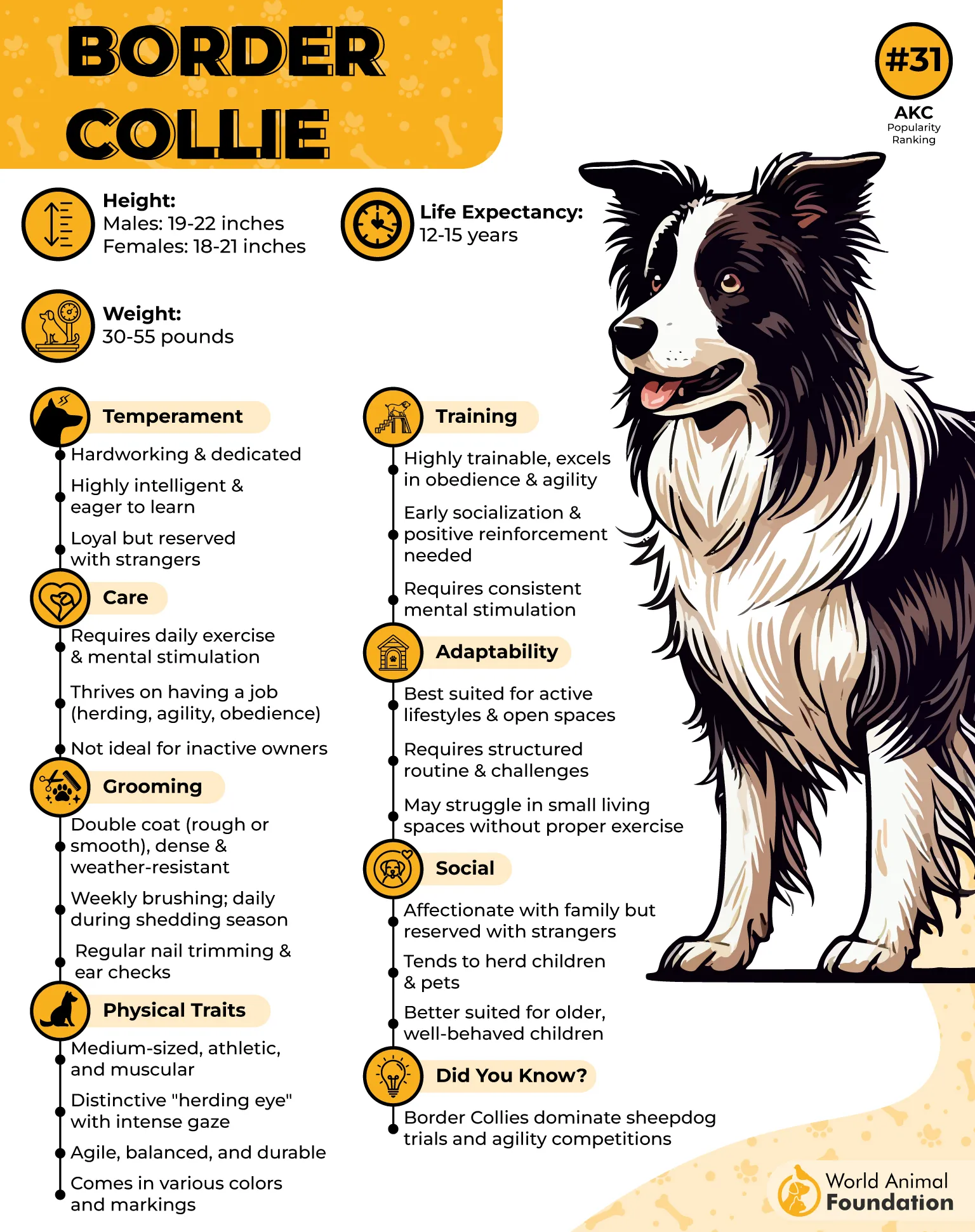
An experienced owner can bring out its best qualities. Border Collie suits people who enjoy active training. With the right care, it becomes a rewarding adventure partner.
Creating the Right Environment for a Border Collie
Provide enough outdoor space for safe play.
Keep its coat healthy with regular grooming.
Introduce other pets through calm, supervised meetings.
Adjust outdoor plans to each weather condition.
Use varied challenges to keep boredom away.
5. Siberian Husky
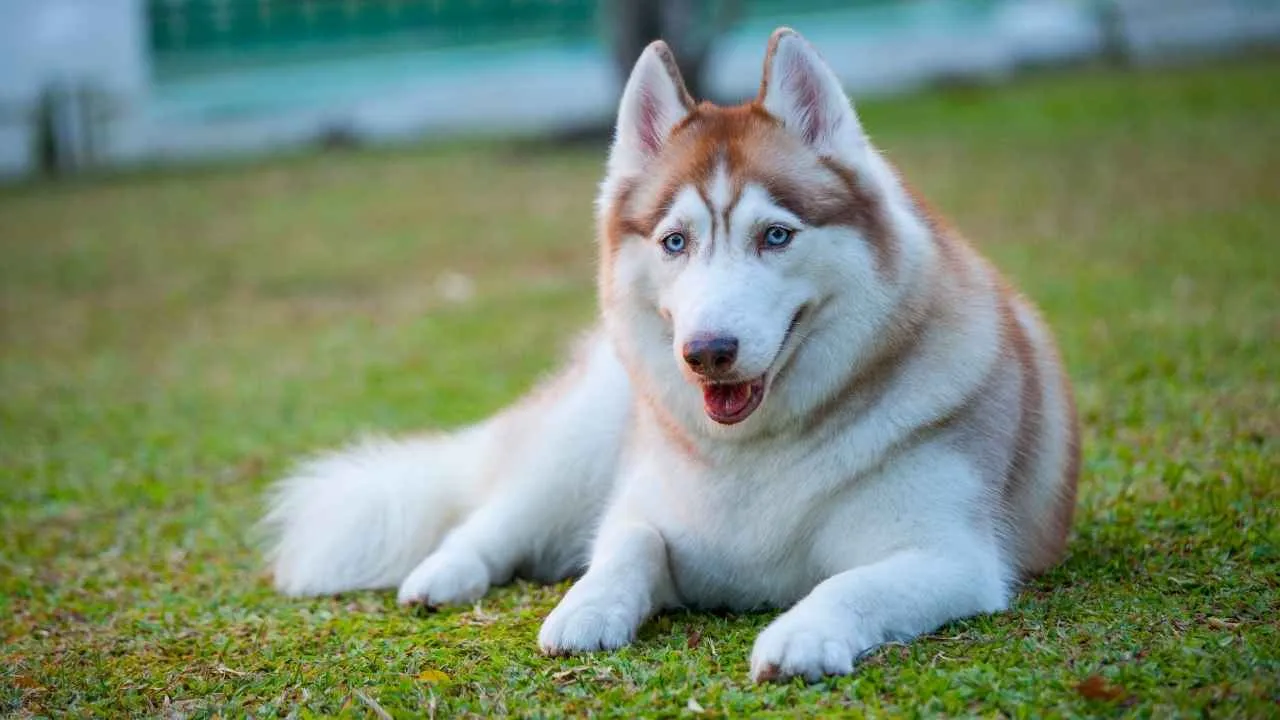
The Siberian Husky is a classic northern sled dog. It was bred to pull loads across frozen Arctic trails. These dogs can cover long distances with ease. Their stamina makes them excellent partners for multi-day hikes.
Their thick double coat helps them handle freezing conditions. However, they struggle in hot climates and need shade. This active dog enjoys many outdoor activities. Hill’s Pet describes Huskies as intelligent but independent.
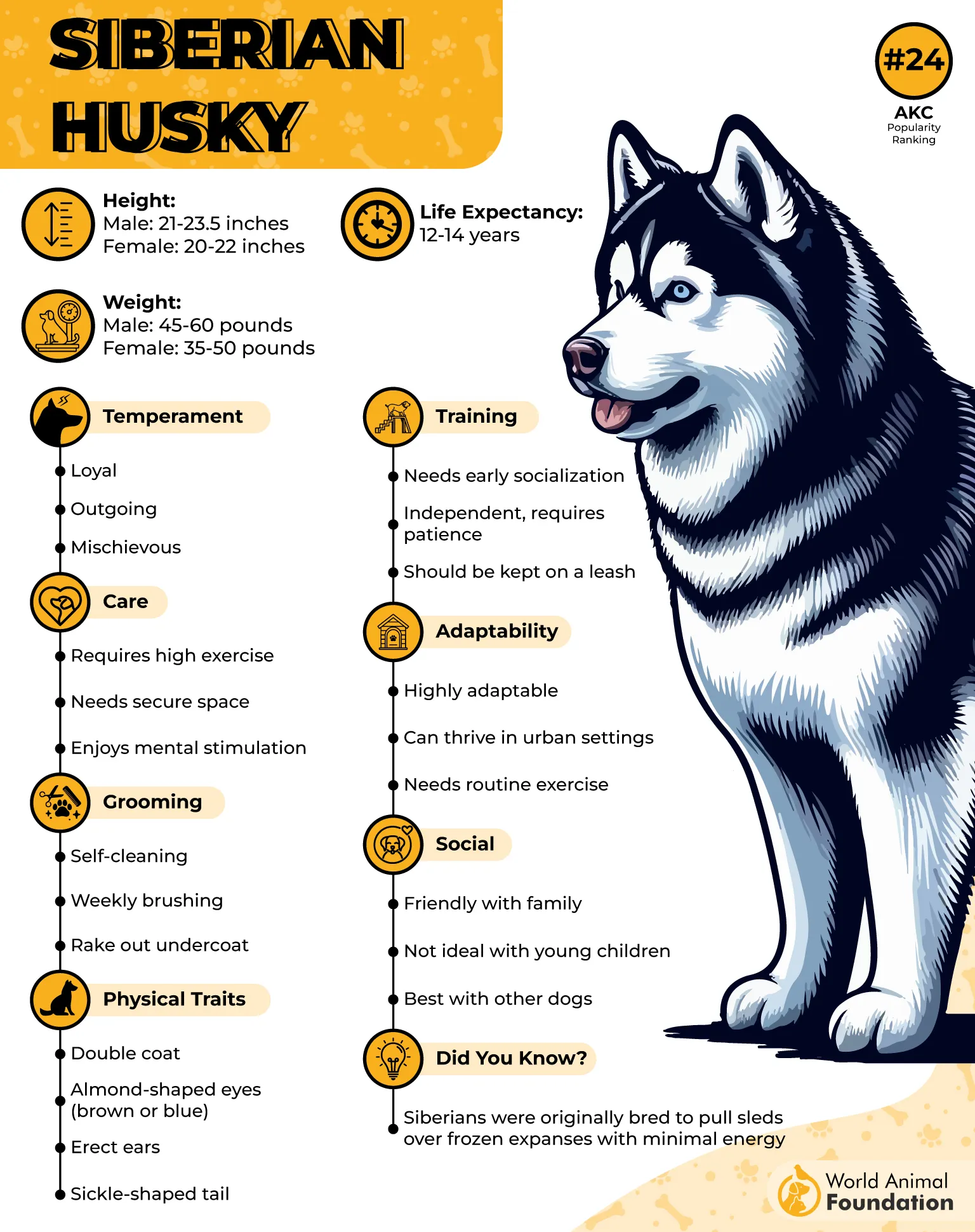
Huskies also enjoy human company and need gentle training. Their friendly nature makes them good family companions. With proper care, they can thrive in active homes. Their physical abilities make them a strong contender for the best dog breed among endurance lovers.
Important Care Tips for Siberian Husky Owners
Secure fences help prevent wandering and escape attempts.
Check their paws after long outdoor walks.
Never force exercise during extreme heat.
Consider adopting a rescue dog through shelters.
Their upright ears need regular checks for dirt.
6. German Shorthaired Pointer
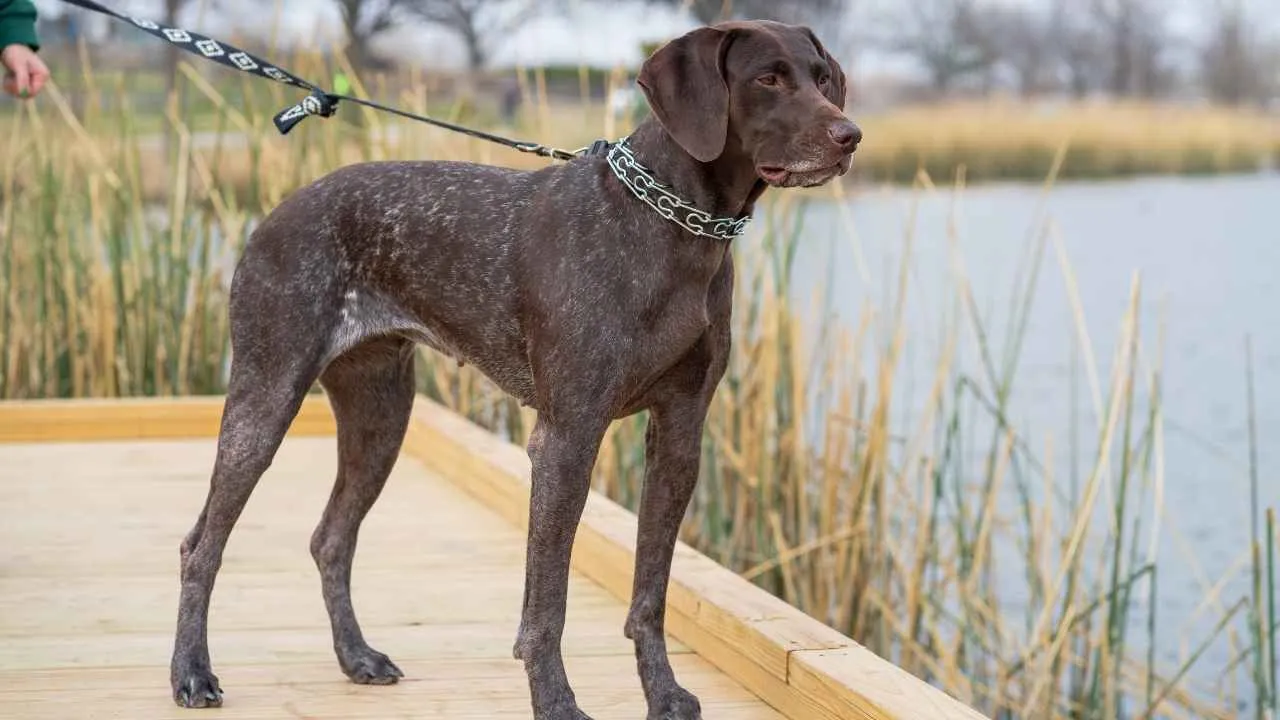
The German Shorthaired Pointer is a skilled hunting dog from Germany. It was developed to track and point game. Its sharp nose makes it excellent at scent-based tasks. Some owners also explore activities like truffle hunting.
The American Kennel Club describes it as an enthusiastic, versatile gundog. This athletic breed enjoys running, swimming, and field sports. Its speed and endurance support long outdoor adventures. However, its short coat offers limited warmth in cooler climates.
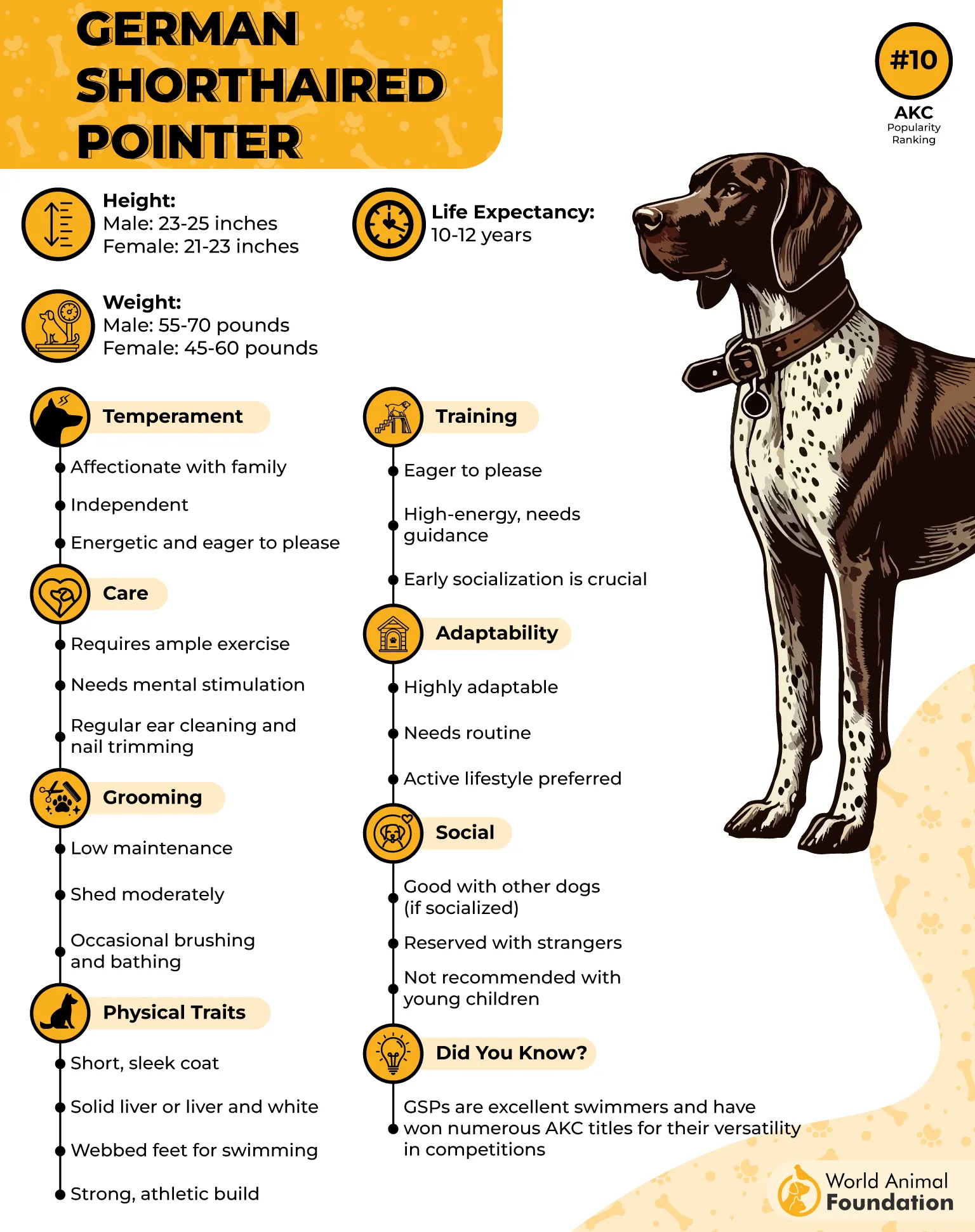
These pointer dogs need daily activity and positive training. With enough outdoor space, they make a perfect dog for active homes. Among sporting breeds, they can be the best dog breed for owners who love outdoor challenges.
Helping Your German Shorthaired Pointer Stay Safe
Install secure fencing to prevent unexpected escapes.
Use recall practice before off-leash adventures.
Check floppy ears regularly for dirt and moisture.
Offer scent games to challenge its natural tracking skills.
Provide warm shelter after chilly outdoor outings.
7. Vizsla
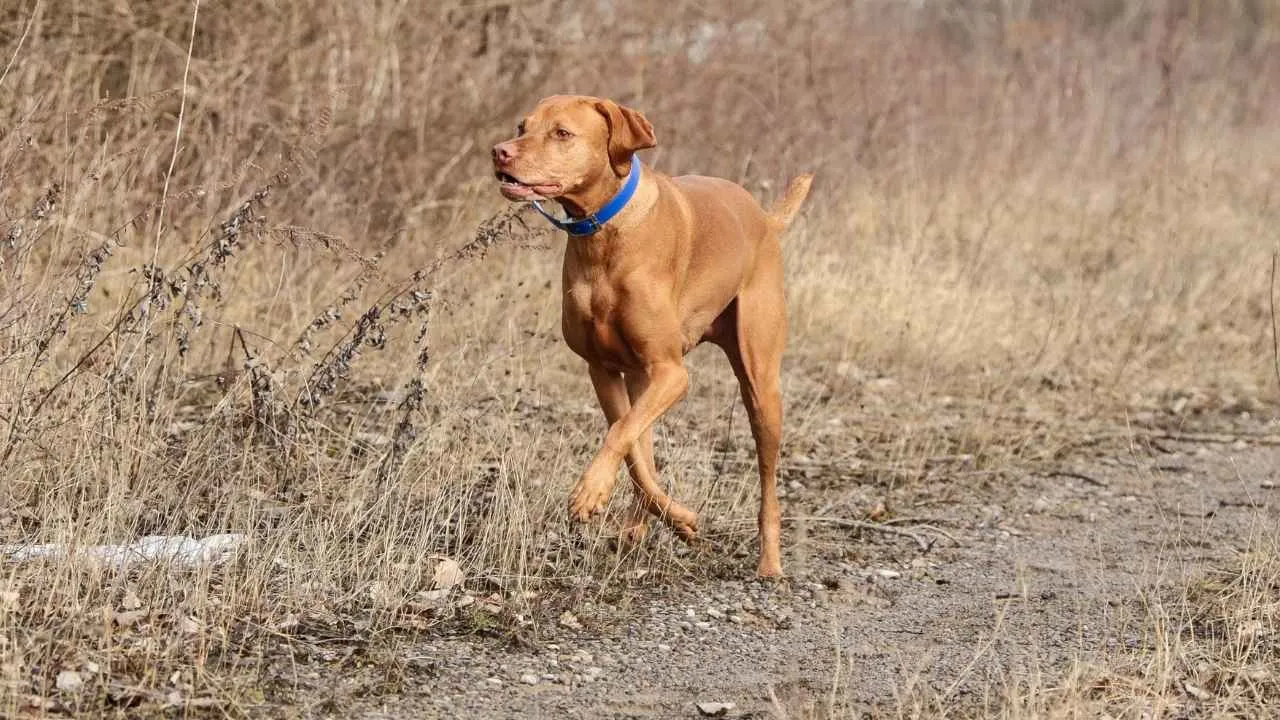
The Vizsla is a Hungarian hunting dog with a rich history. According to Wikipedia, it traditionally helped hunters track, point, and retrieve game. It can even retrieve birds from water. This working breed has a lively and affectionate nature. Vizslas form strong bonds with their families.
They also need plenty of human interaction daily. Regular physical activity keeps them happy and healthy. Running, swimming, and exploring the great outdoors suit them well. However, their short coat offers little protection in cold weather.
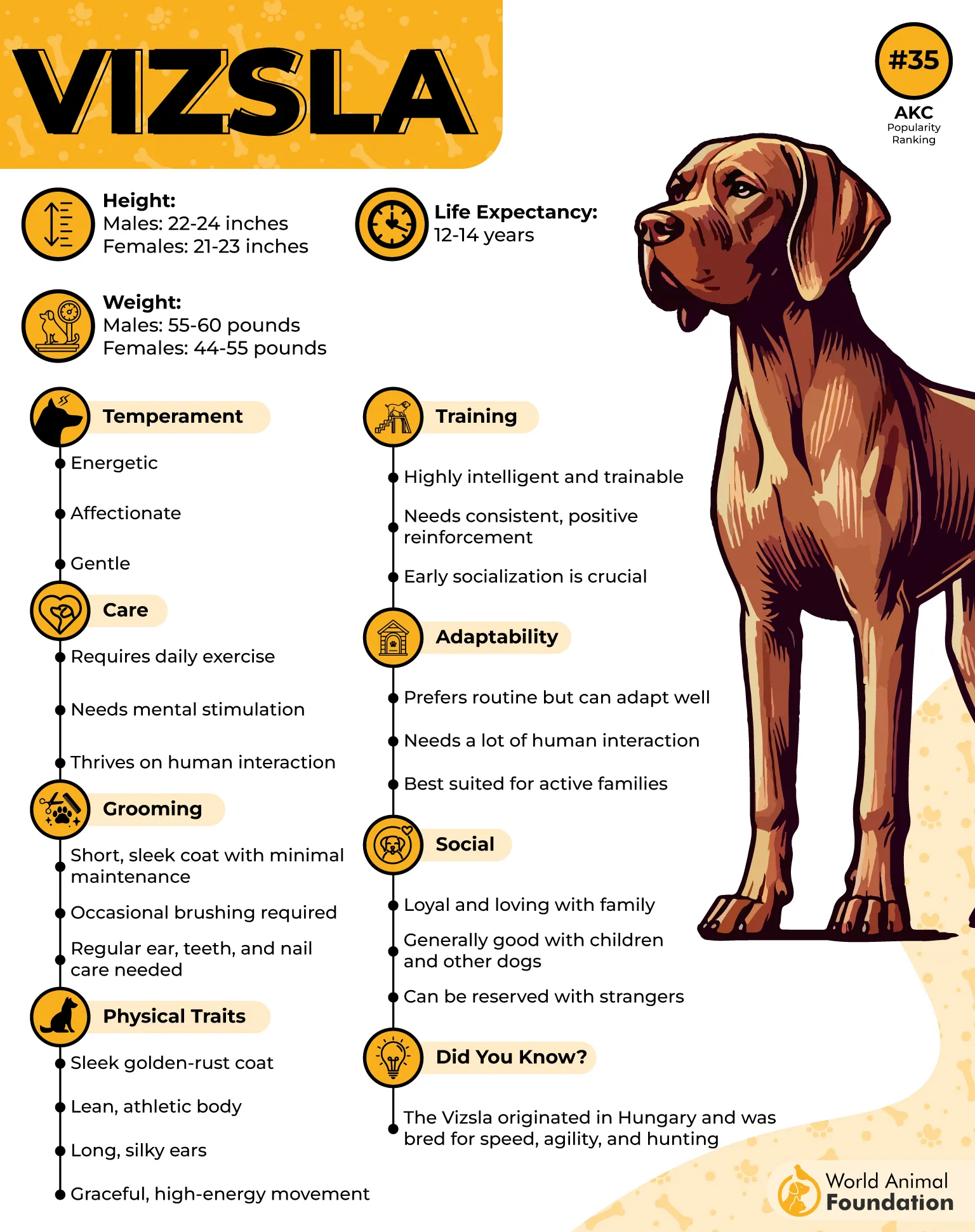
They also need shade and fresh water during hot weather. For an outdoorsy type, this hunting breed can be the best bet. Its energy makes it a strong contender for the best dog breed among active owners.
Keeping a Vizsla Active and Happy
Visit a dog park for safe social play.
Include scent games to challenge its hunting instincts.
Avoid leaving it alone for long periods.
Build daily routines around exercise and companionship.
Choose active games that encourage teamwork.
Conclusion
Finding the right canine companion makes outdoor adventures more rewarding. These seven breeds offer different strengths and abilities. Some love swimming, while others excel in cold weather. Their stamina, intelligence, and endurance also vary.
Certain breeds need more exercise than others. So, consider your local climate and favorite terrain. Build fitness through gradual training and protect their paws. Also, watch for health concerns like hip dysplasia. Proper care helps most dogs stay active and comfortable.
Whether you prefer small dogs or a large dog, consider your lifestyle. Many breeds thrive with exercise and human companionship. Selective breeding has shaped many dogs and their abilities.
You can also adopt a shelter dog from an animal shelter. Remember, responsible care makes every outdoor adventure safer. Even an elevated floor at home can support comfortable rest.
