




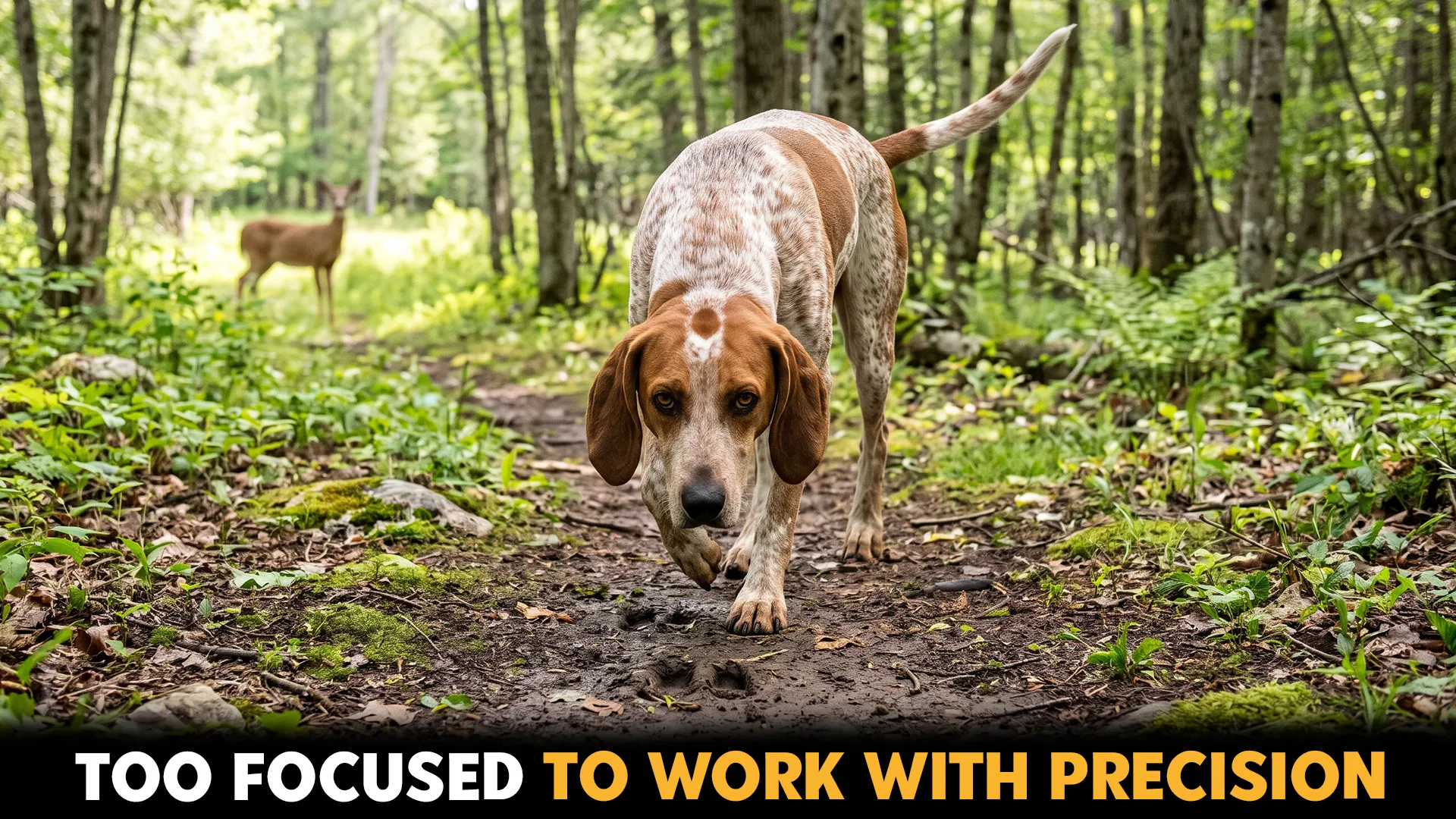
Ever followed a blood trail through the woods, only to have it suddenly disappear? One minute, you’re making progress. The next, you’re staring at leaves, wondering where on earth that deer went! Well, that’s when a good tracking dog can become your favorite hunting partner.
These four-legged detectives have impressive noses, determination, and a knack for following scent trails that human eyes simply can’t see. And here’s the interesting part! Some can follow faint blood trails, while others are trained to track the scent of wounded deer even when visible clues disappear.
So, which dogs have the nose, stamina, and tracking instincts for the job? Let’s meet the top dog breed choices for deer tracking experts!
Did you know?
Dogs have a hidden sensory structure called Jacobson’s organ, located in the roof of their mouth. It helps detect chemical signals called pheromones, adding another fascinating layer to how these remarkable sniffers understand the world around them!
Top Dog Breeds Choices for Deer Tracking and Hunting
1. Bloodhound
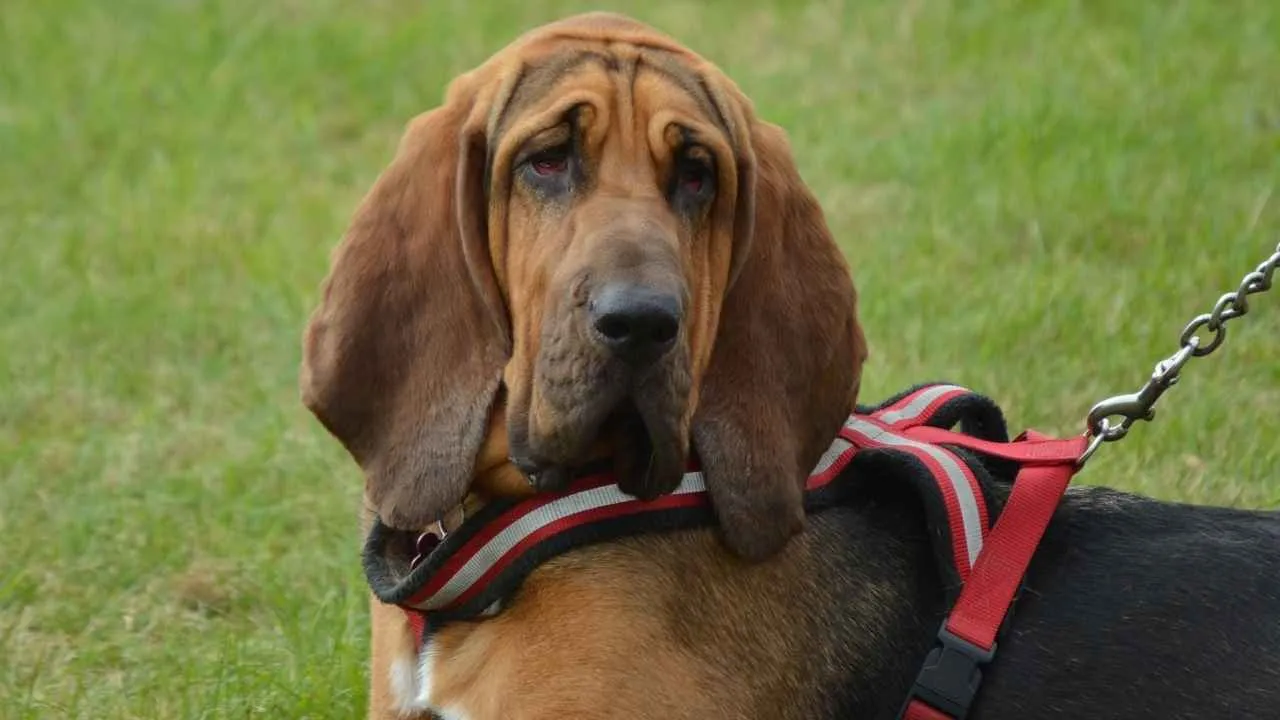
There’s a reason the Bloodhound has earned a reputation as a legendary scent detective! Developed in medieval Europe, this remarkable hound originally helped hunters locate deer and wild boar, following their scent while larger hunting packs handled the chase.
And when a deer trail becomes difficult to follow, this dog’s nose can be a tremendous advantage! Bloodhounds are determined trackers that can follow older scents across considerable distances, making them valuable partners when ordinary searching methods fall short.
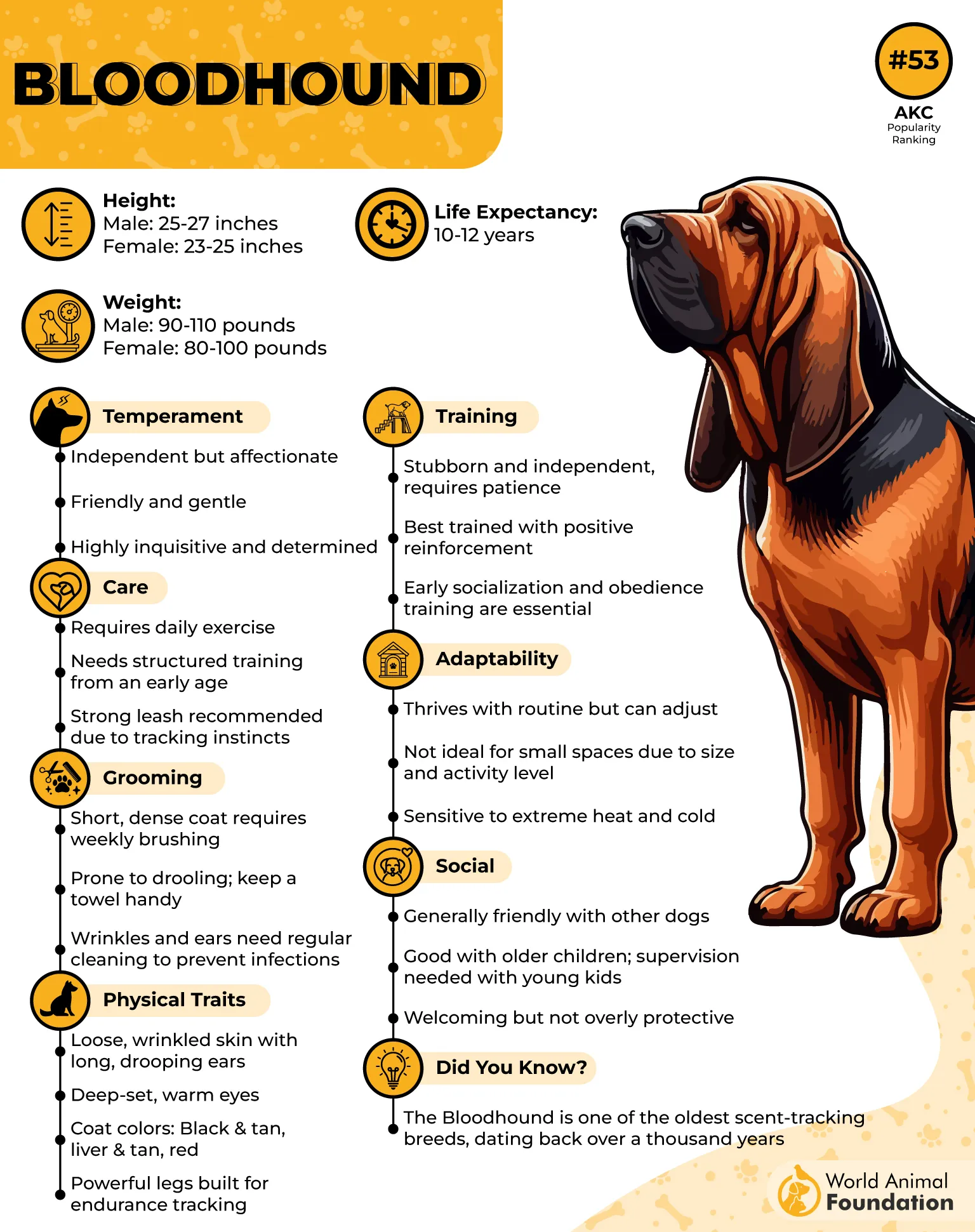
Those enormous, drooping ears aren’t just there to make everyone smile! Along with loose facial skin, they help gather scent particles around the nose. Add powerful legs and impressive stamina, and you’ve got a dog equipped for demanding tracking work.
Of course, the Bloodhound’s passion for following scents doesn’t end with deer tracking! These remarkable blood tracking dogs can become completely absorbed in a trail, making patience, consistent guidance, and regular scent-based activities essential for their handlers.
What Makes This Breed Worth Considering
Used in law enforcement to locate missing people and fugitives.
A skilled blood dog that can follow scent trails of deer and other game over long distances.
2. Bavarian Mountain Scent Hound
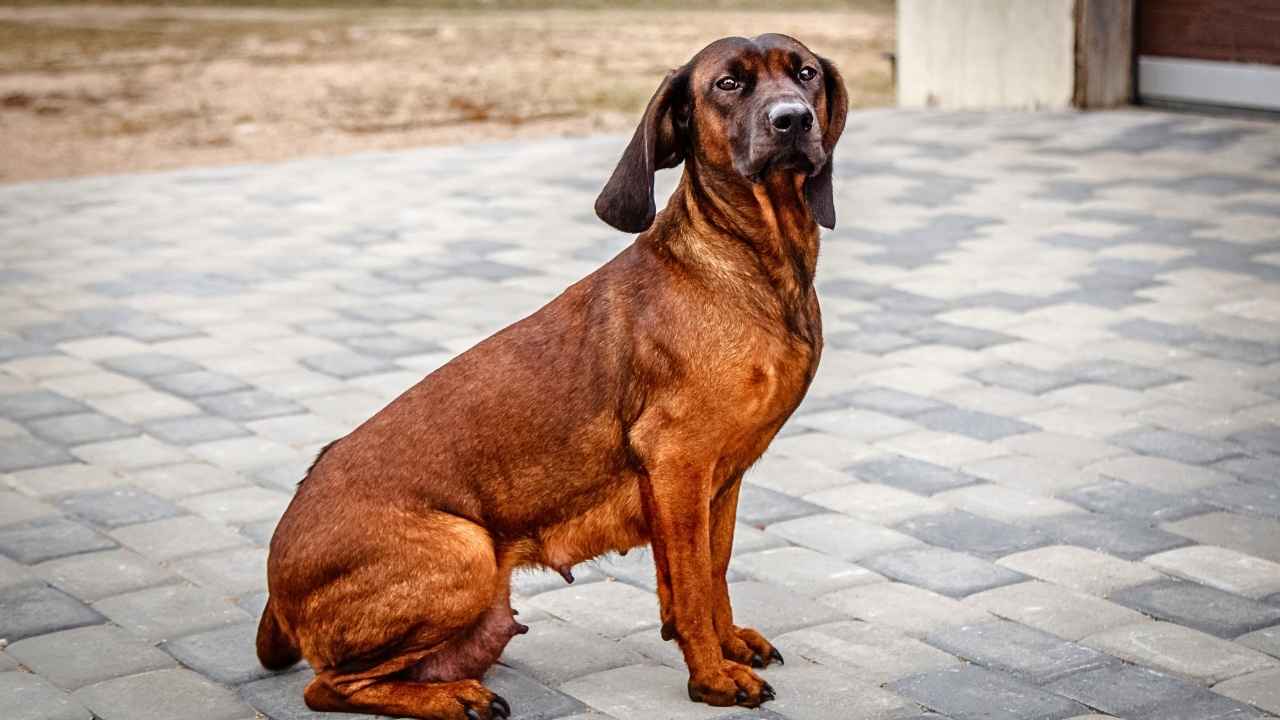
A faint trail winding through steep mountain country is exactly the sort of challenge the Bavarian Mountain Scent Hound was developed to handle! Originating in Germany, this specialized hunter was bred to locate wounded game across difficult Alpine terrain.
Now, finding an injured deer requires more than following the freshest smell around! This hound’s exceptional ability to distinguish wounded game from other animals of the same species makes it a good blood trailing dog, helping it stay focused on the intended trail.
And teaching this focused hunter takes patience and encouragement! Bavarian Mountain Scent Hounds are intelligent working dogs that respond well to positive reinforcement. Their independent nature makes regular practice important, especially when developing reliable scent-following skills.
There’s plenty of strength behind this dog’s great nose, too! Its muscular build and considerable endurance allow it to tackle demanding mountain searches. These athletic hounds were developed for sustained outdoor work rather than occasional, leisurely adventures.
What Makes This Breed Worth Considering
Traditionally valued by foresters, gamekeepers, and experienced hunters.
Excels at blood-trailing deer, even across challenging mountain terrain.
3. Hanoverian Scenthound
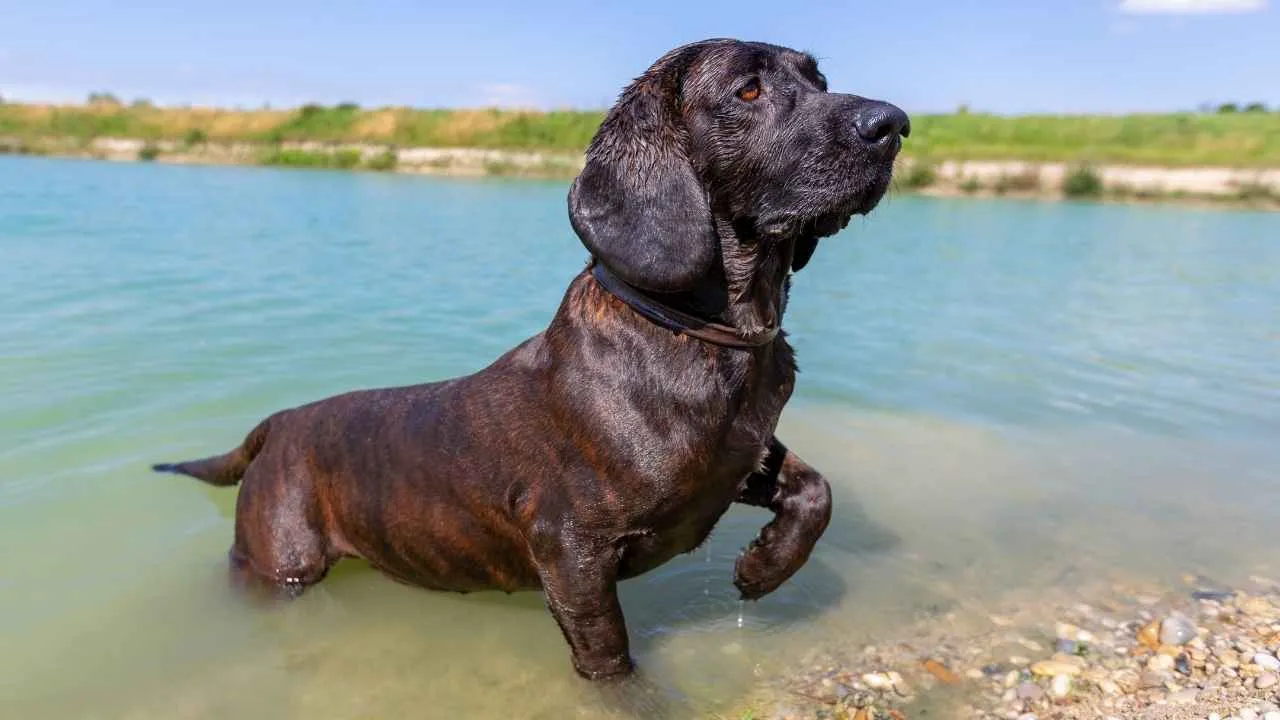
Long before modern tracking equipment entered the picture, German hunters relied on specialized scent hounds to locate wounded animals. The Hanoverian Scenthound developed from these working traditions, earning recognition for its ability to follow difficult trails with determination.
But there’s a surprisingly calm personality behind this serious hunting dog’s expression! Hanoverian Scenthounds are loyal, intelligent, and independent. They often develop a particularly strong attachment to one person, making the relationship with their regular handler especially important.
And this is certainly no dog that needs perfectly smooth ground beneath its paws! The Hanoverian Scenthound is suited to demanding outdoor environments, with the physical strength and endurance to work through woodland and challenging hunting terrain.
Once the day’s work is finished, this energetic hound still needs meaningful activity to stay satisfied. Tracking exercises and outdoor adventures suit its instincts, while consistent handling helps manage the independence that comes naturally to a working scent hound.
What Makes This Breed Worth Considering
Excels at trailing wounded game, helping hunters locate injured animals.
Possesses a muscular, powerful frame suited to substantial outdoor demands.
4. American Foxhound
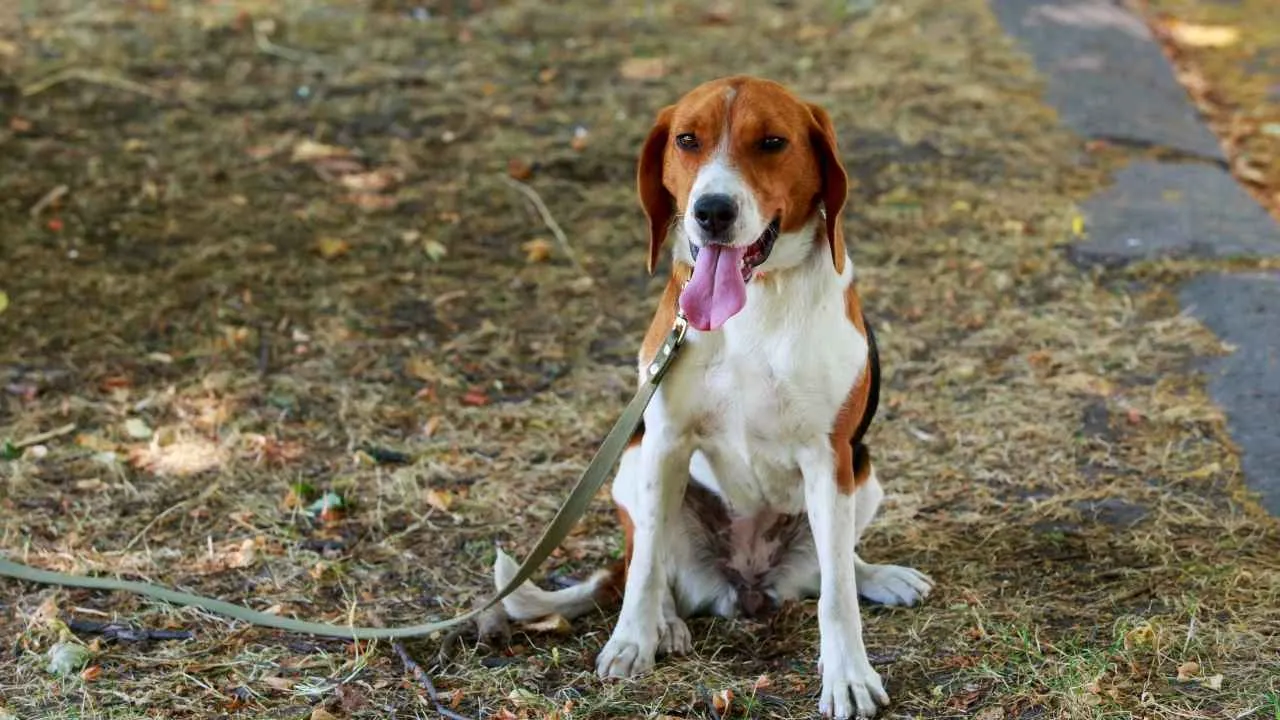
Recognized by the AKC in 1886, the American Foxhound has a fascinating hunting history! George Washington played an important role in developing this sleek breed from imported hunting hounds, helping shape an enduring American sporting tradition.
Now, this is a dog that certainly knows how to put its nose to work! American Foxhounds possess strong scenting instincts and can become deeply interested in animal trails, making tracking activities a natural outlet for their abilities.
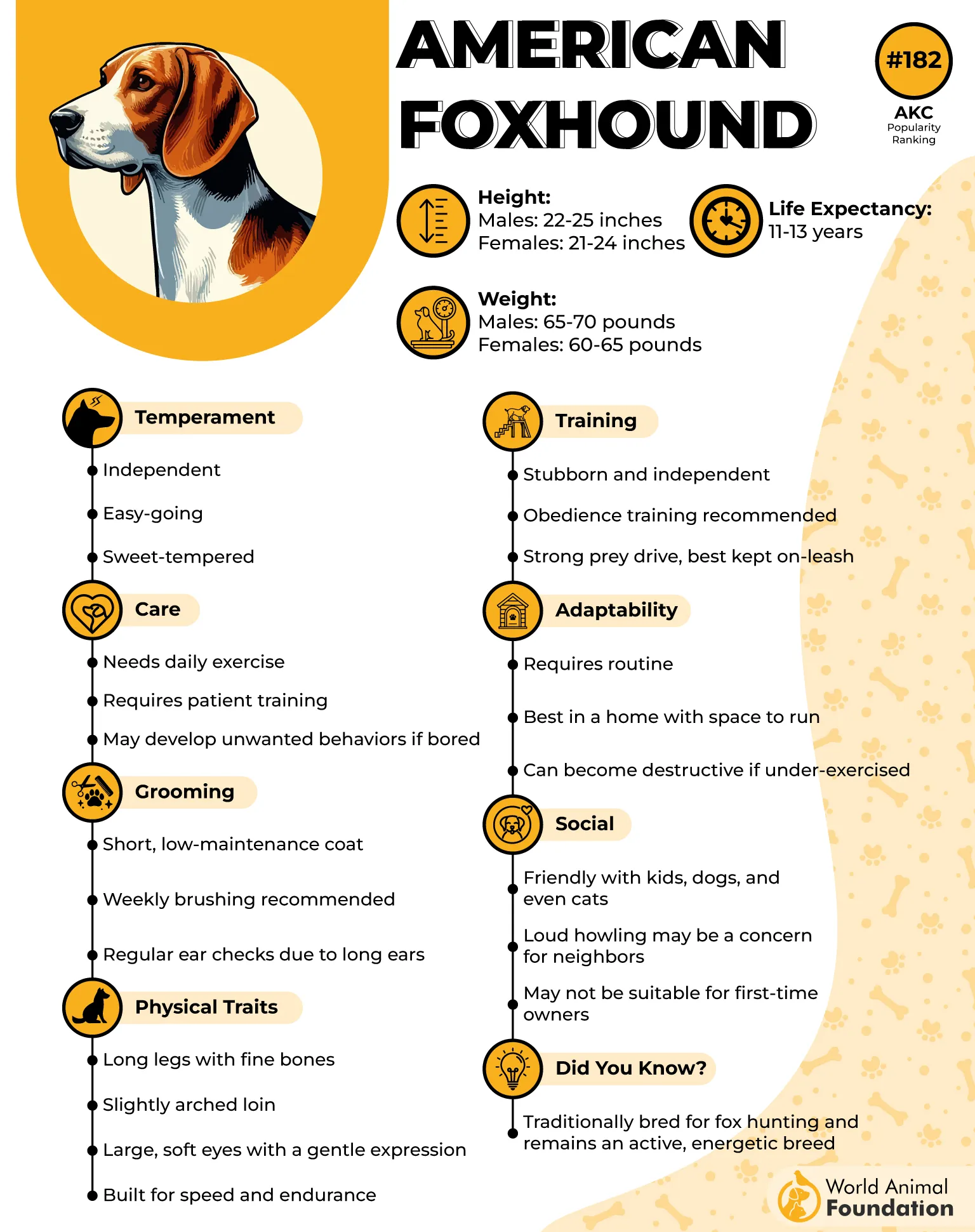
Although fox hunting shaped the breed’s original purpose, its scenting ability also makes it worth considering for specialized deer-tracking training. Its speed and endurance are useful qualities for covering ground, particularly when a search stretches across demanding countryside.
Working with this hound calls for an understanding of its independent nature. American Foxhounds were developed to pursue scents with other hunting dogs, so patient handling and consistent commands are important when keeping them focused on the hunter’s directions.
What Makes This Breed Worth Considering
Traditionally worked alongside mounted hunters during organized fox hunts.
Short, hard-textured fur helps protect the body from underbrush.
5. English Coonhound
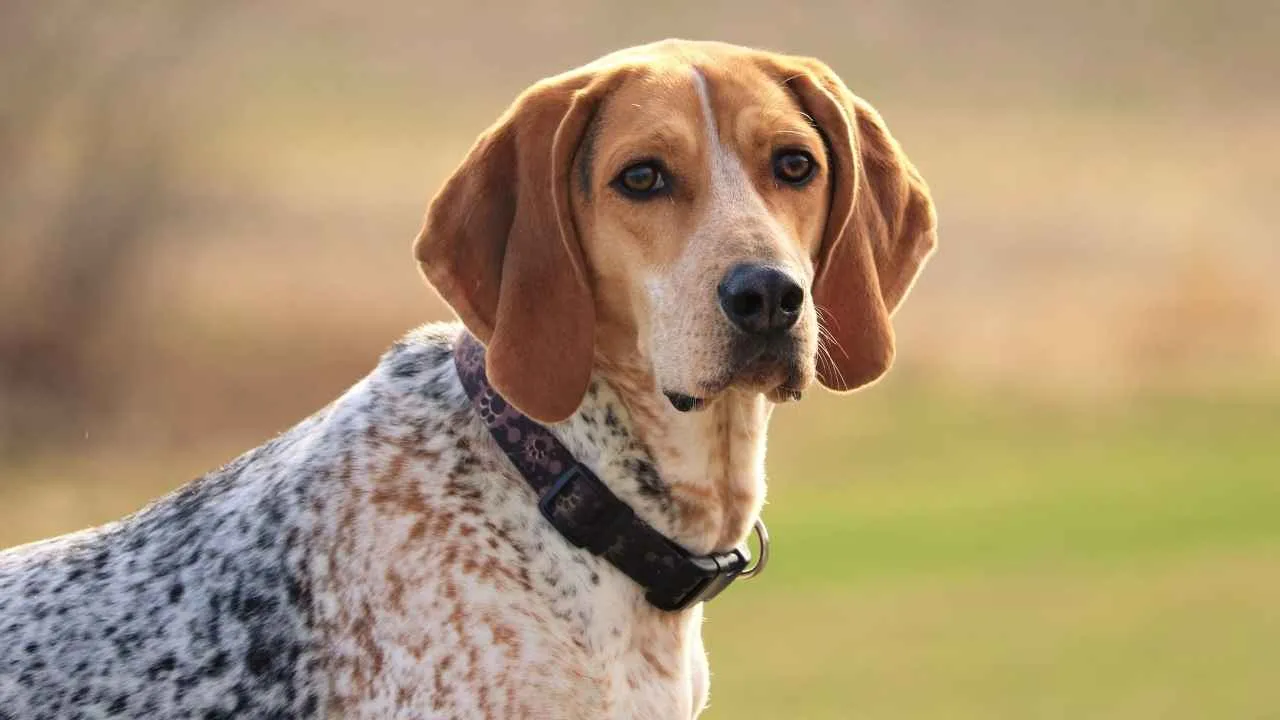
Foxes by daylight and raccoons after dark! That’s the unusual hunting background of the English Coonhound, also known as the American English Coonhound. Descended from Virginia hunting hounds, this energetic pup developed into a versatile American scent hunter.
And there’s more to the English Coonhound than its enthusiasm for hunting! These friendly, outgoing dogs have sociable personalities and enjoy being around people and other dogs. Their energetic nature makes them particularly suited to active households that appreciate an adventurous hound.
A blood trail doesn’t always remain easy to follow, especially when a wounded deer moves through thick vegetation! As a blood-trailing dog, the English Coonhound brings strong scenting instincts and impressive endurance to challenging searches across demanding outdoor terrain.
Of course, their hunting history involves more than simply running through forests. These hounds can work across varied terrain, and their protective coats help them navigate brushy areas. That combination supports the demanding conditions associated with traditional hunting activities.
What Makes This Breed Worth Considering
A distinctive bawling voice helps hunters recognize the dog’s activity during a pursuit.
Generally friendly and comfortable around other dogs, reflecting its pack-hunting background.
6. Black and Tan Coonhound
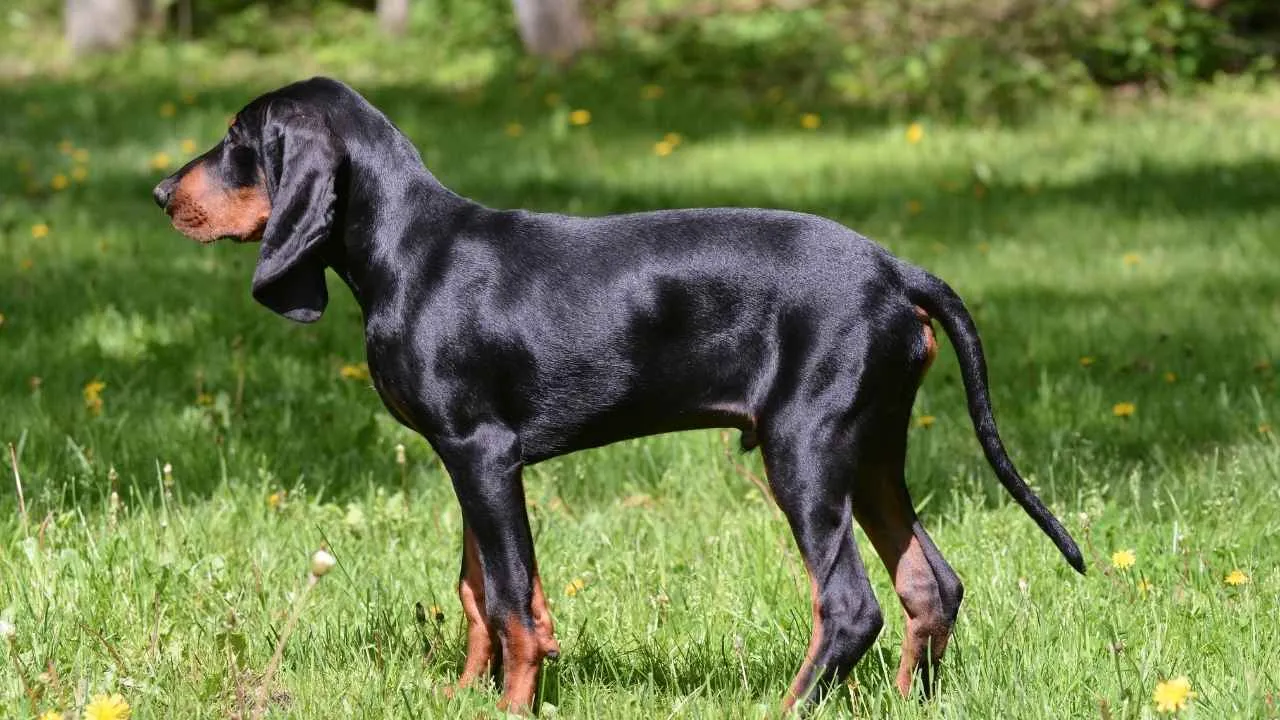
Some dogs simply cannot resist a good mystery, especially when it comes with an interesting scent! The Black and Tan Coonhound is a determined hunting dog with a powerful nose, making it worth considering for challenging deer-tracking work.
The story of this American hunter begins in the late 1700s. Hunters in the Southeast crossed Bloodhounds and Foxhounds to develop a dog capable of independently following prey, even when the scent trail had grown old and faint.
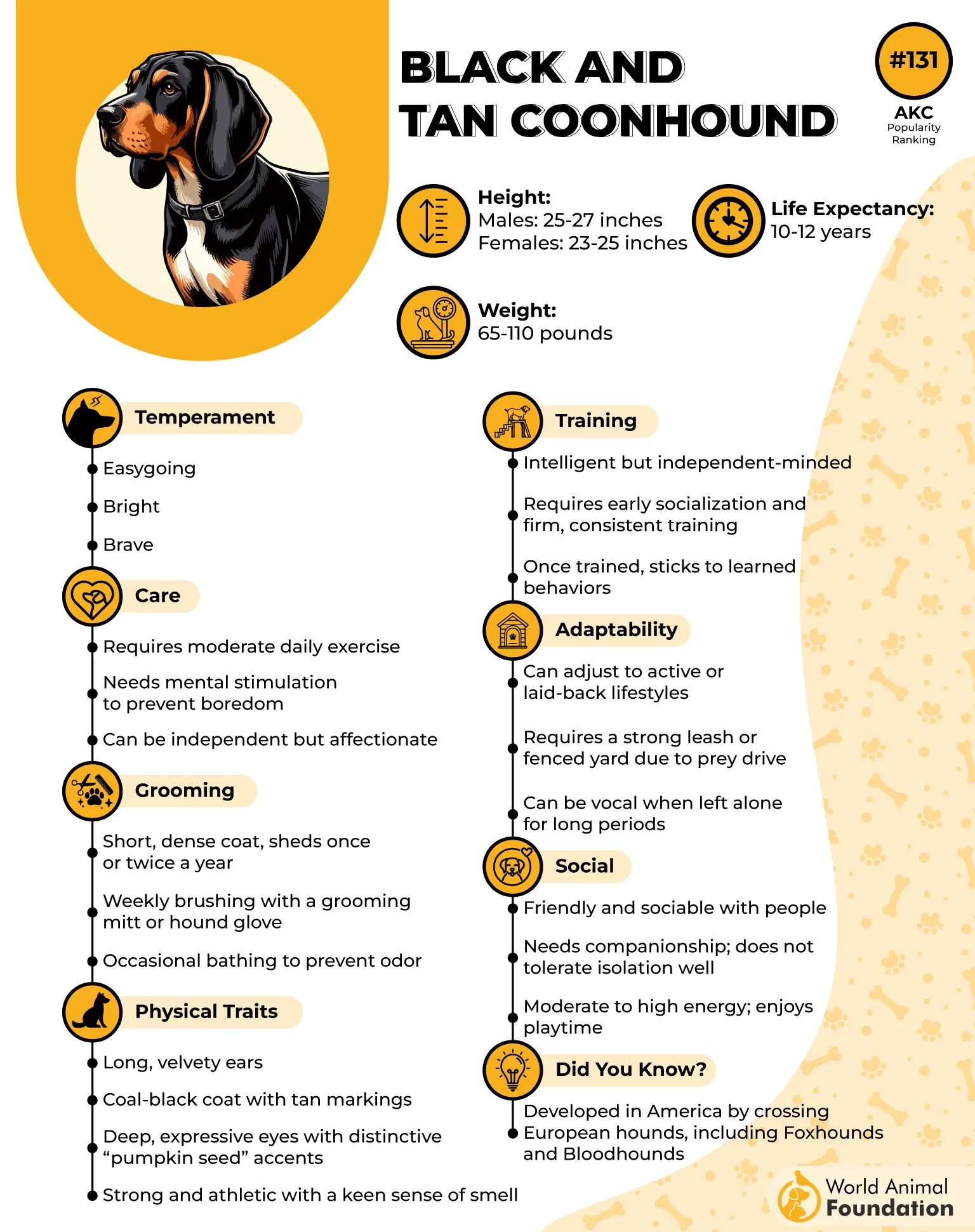
As mentioned by WebMD, early socialization and obedience training are important for managing this dog’s hunting instincts. Behaviors learned during puppyhood can remain throughout its life, so teaching the right habits early makes a meaningful difference.
And raccoons aren’t the only animals on this hunter’s radar! Black and Tan Coonhounds can track deer, bears, and cougars using their sensitive noses. Such versatility makes them useful for hunters pursuing different kinds of game.
What Makes This Breed Worth Considering
Can work independently or alongside a pack during hunting activities.
Handles rugged terrain while following challenging scent trails.
7. Plott Hound
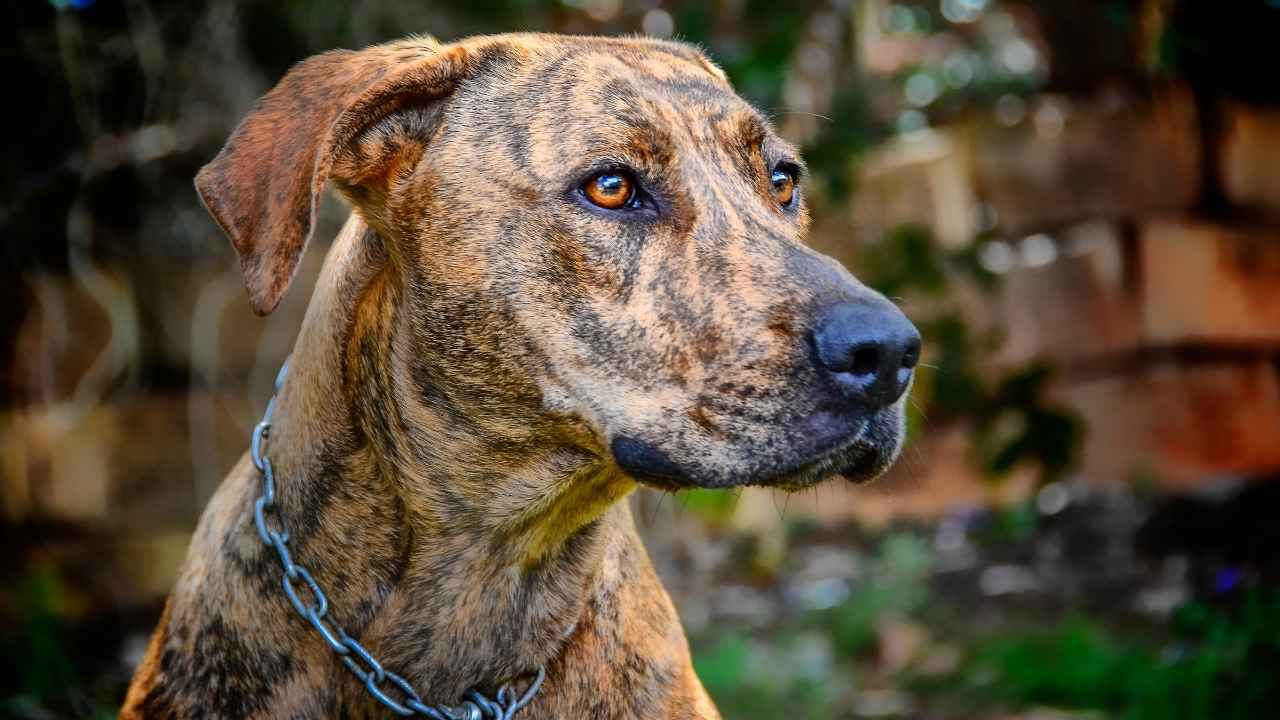
There’s something seriously impressive about a dog willing to tackle formidable game in the wilderness! The Plott Hound brings courage, determination, and a long hunting tradition to the field, making this athletic breed an interesting choice for experienced hunters.
When deer or bucks disappear into thick woodland, strong tracking instincts become particularly valuable. Plott Hounds were developed for pursuing large game, especially bears and wild boars, and their persistence makes them candidates for specialized tracking work.
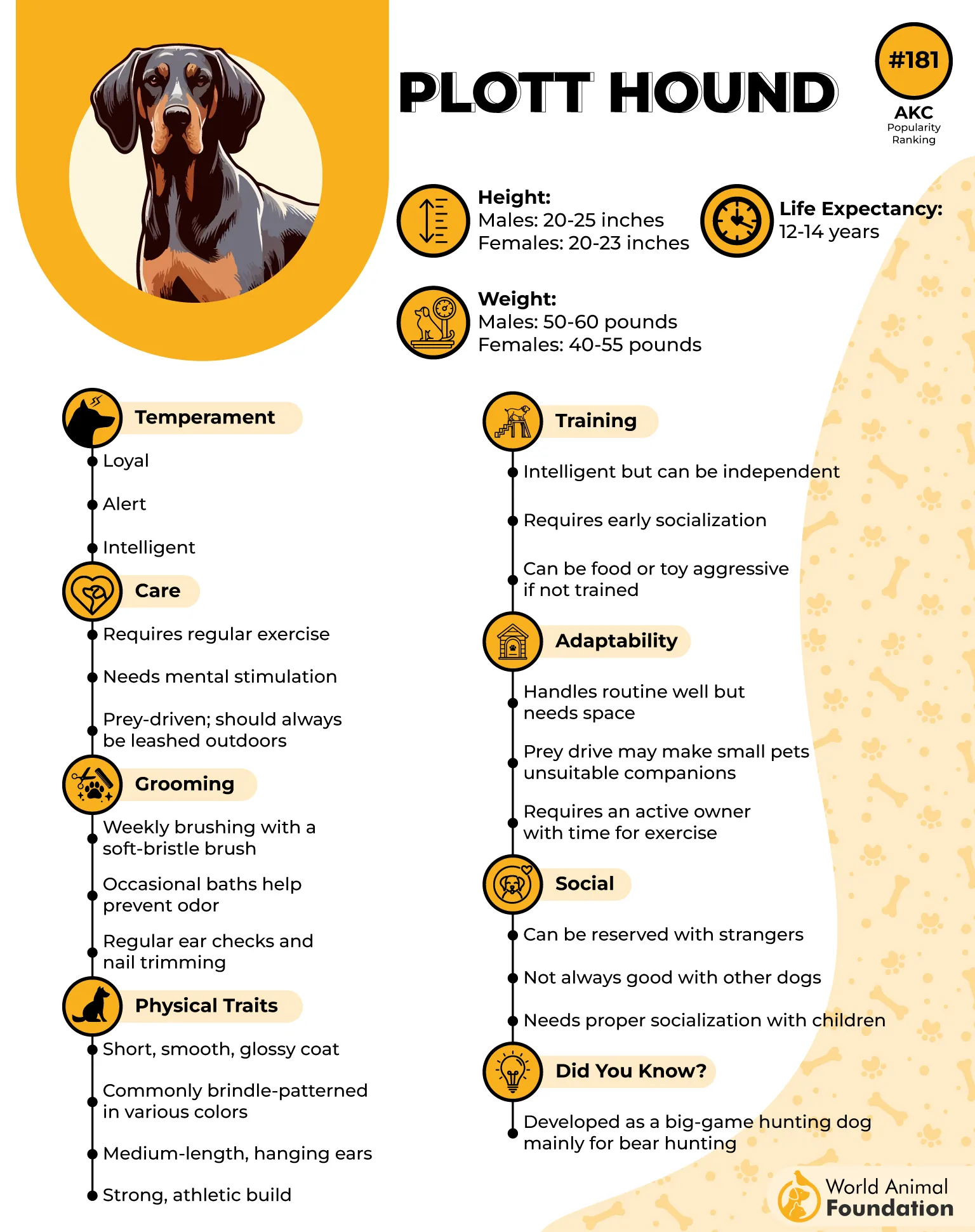
As noted by PetMD, Plott Hounds are intelligent dogs that enjoy having tasks to complete, although they can be stubborn. Starting training and socialization early, using positive reinforcement, and turning lessons into games helps keep them engaged.
Of course, an exciting smell can turn an ordinary walk into an unexpected adventure! Keeping a Plott Hound on a lead helps prevent wandering. These enthusiastic hunters may pursue interesting scents, making controlled outdoor exploration particularly important.
What Makes This Breed Worth Considering
Produces a distinctive ringing bark that helps hunters recognize its activity during a pursuit.
Works across varied landscapes, from mountain trails to swampy ground.
8. German Shorthaired Pointer
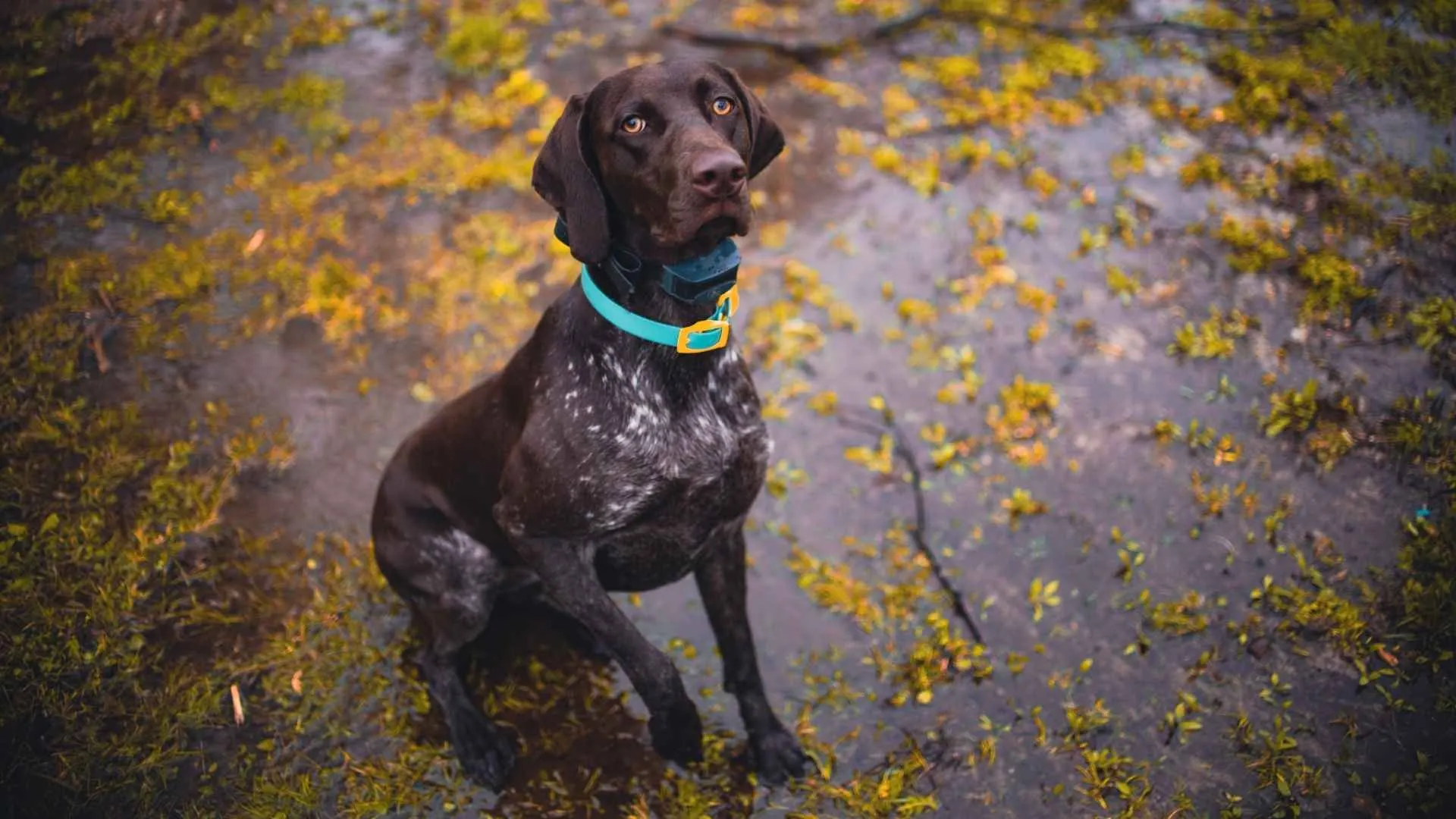
A German Shorthaired Pointer certainly knows how to make hunting look like teamwork! This versatile gundog combines sharp senses with athletic ability, giving hunters a working partner that can search, point, and retrieve during different outdoor pursuits.
Ever seen a hunting dog suddenly become a statue? That’s pointing! German Shorthaired Pointers locate upland game through scent before holding a steady position, giving hunters an indication of where the hidden bird or other quarry is located.
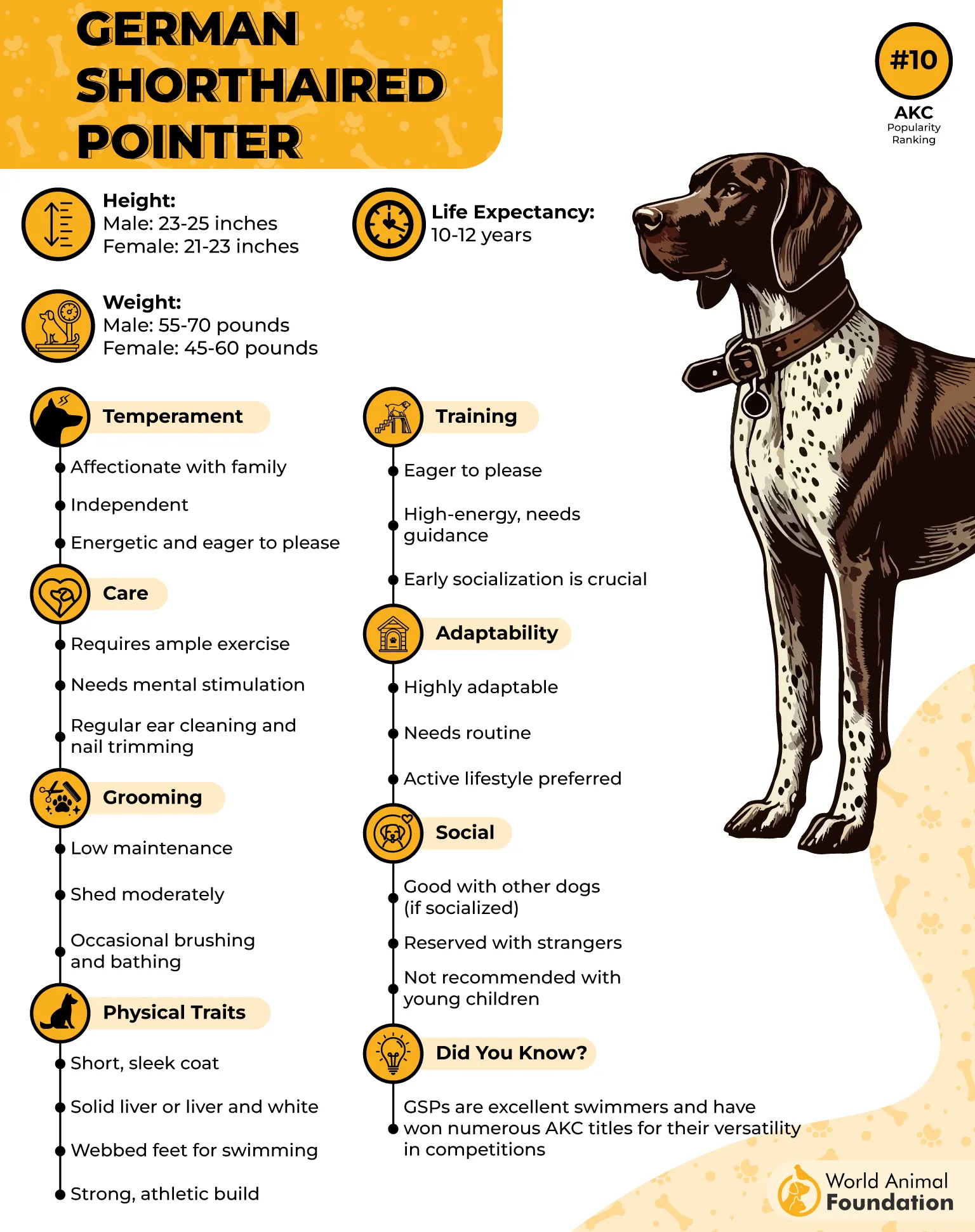
And these dogs don’t simply disappear after finding something interesting! German Shorthaired Pointers were developed to cooperate closely with hunters, remaining attentive to located game. That focus allows their handlers to approach and take an active role in the hunt.
But what if a wounded deer disappears into thick vegetation? A suitably trained German Shorthaired Pointer can help follow its scent. Its thorough searching abilities make this versatile hunter useful for game recovery beyond traditional bird hunting.
What Makes This Breed Worth Considering
Retrieves shot game with a soft mouth, helping prevent unnecessary damage.
Possesses webbed paws and a water-resistant coat that support swimming during hunting activities.
9. Labrador Retriever
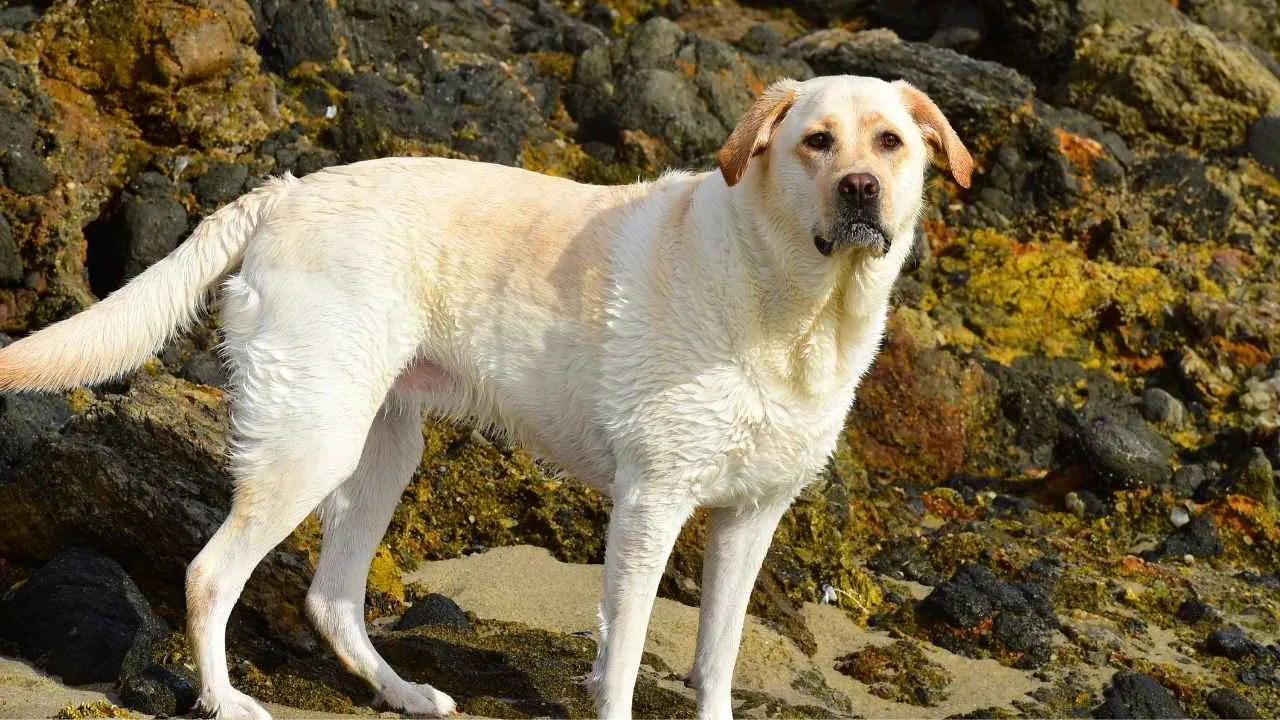
There’s a wonderfully practical side to the Labrador Retriever’s cheerful personality! Behind that friendly expression is a hardworking gundog with a history of helping hunters, especially when a successful hunt requires finding and bringing back fallen game.
And water certainly doesn’t discourage this enthusiastic hunter! Labradors descended from water-working dogs and became skilled bird retrievers. Their traditional duties included collecting ducks and other fallen birds, particularly when the quarry landed in lakes or waterways.
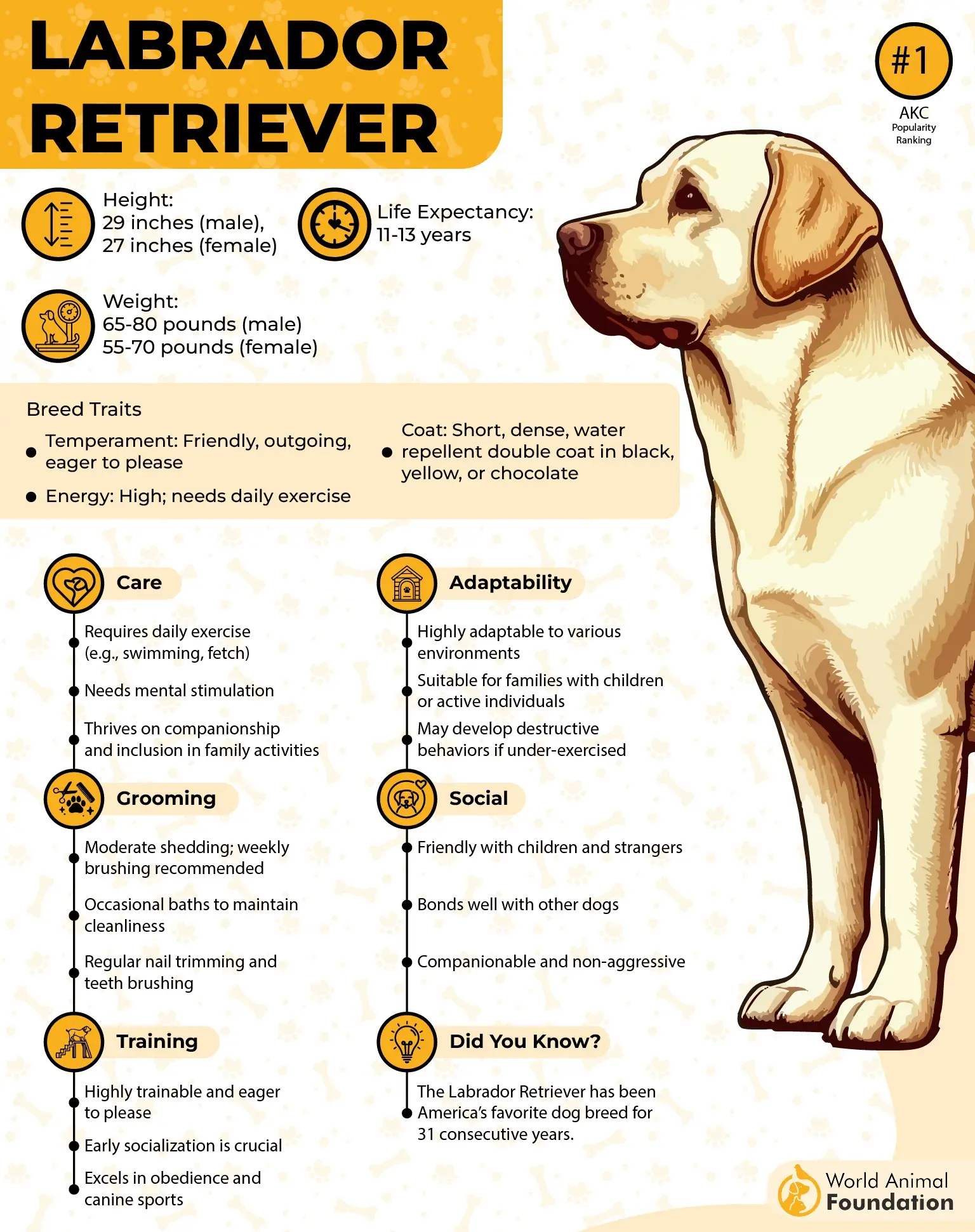
But what happens when wounded game cannot be recovered immediately? Labradors can also learn to locate injured animals, including deer. Their willingness to cooperate with people makes them promising candidates for hunters developing specialized recovery skills.
Now, keeping a Labrador happy involves more than an occasional stroll around the yard! These active dogs enjoy physical challenges and mental stimulation. Long walks, scent games, and retrieving activities provide enjoyable outlets for their energy and working enthusiasm.
What Makes This Breed Worth Considering
Responds enthusiastically to reward-based instruction and enjoys learning new tasks.
Field-bred and show-bred Labradors offer different activity profiles for prospective working-dog owners.
10. Beagle
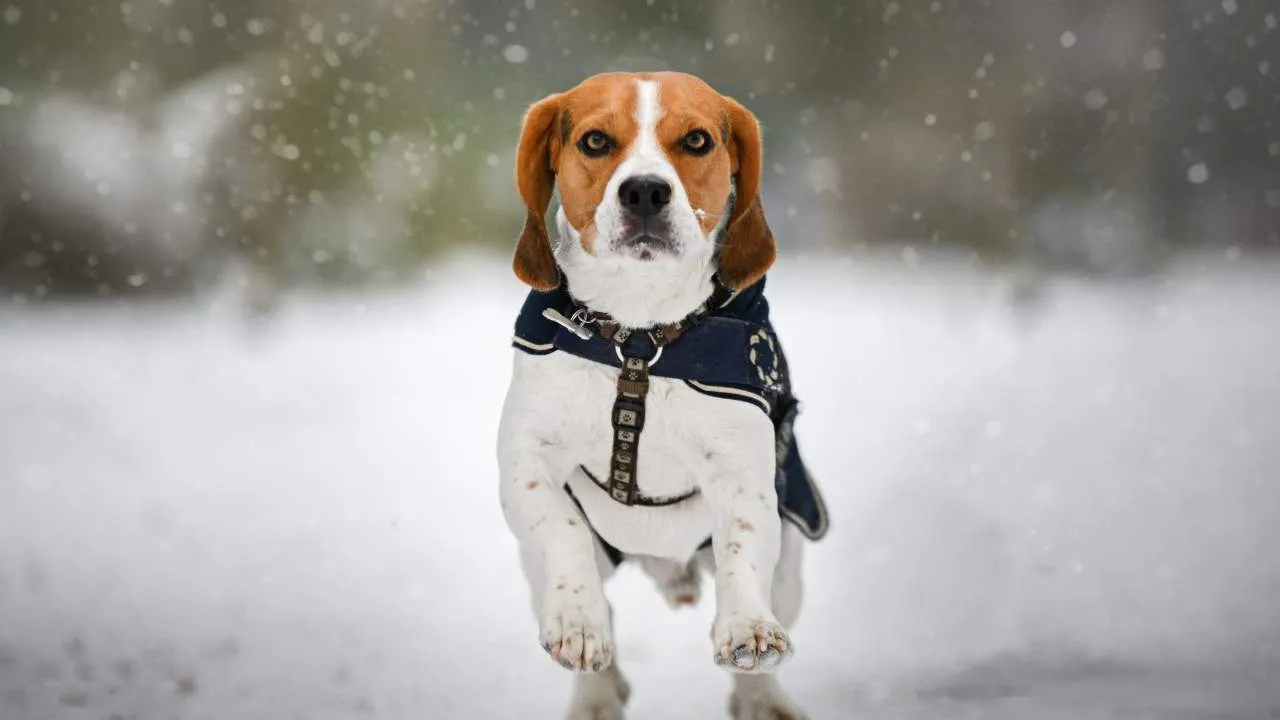
That cheerful face might suggest a playful little troublemaker, but there’s a serious hunting dog underneath! The Beagle brings curiosity and determination to scent work, making its natural tracking instincts particularly interesting for hunters exploring different working breeds.
Long before becoming a familiar family favorite, Beagles were developed in England to pursue rabbits and hares. Their compact build allowed hunters to follow them on foot, making the hunt possible without relying on horses.
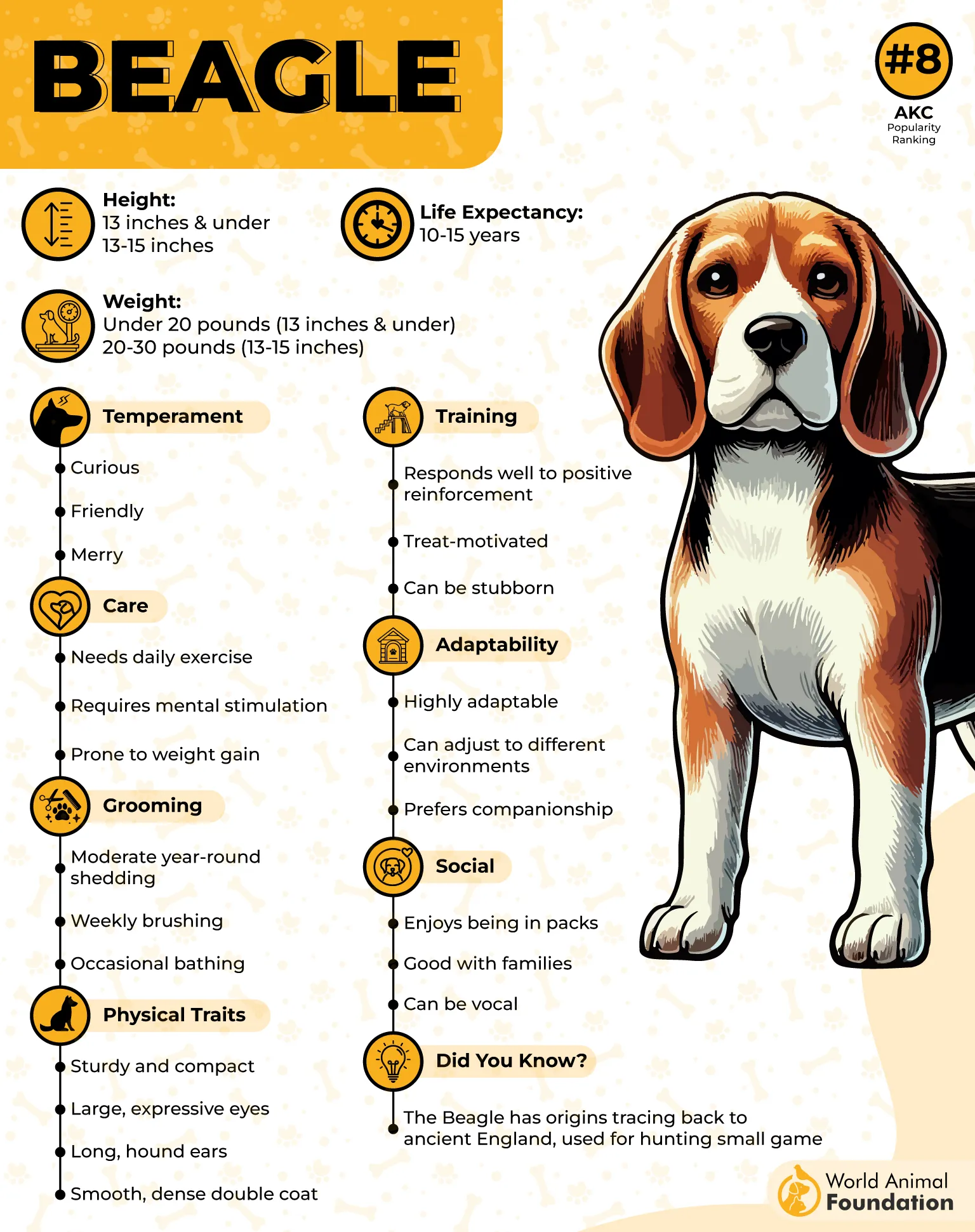
Don’t underestimate that nose when considering a Beagle for finding wounded deer! These curious hounds follow animal scents with remarkable determination. Their natural hunting instincts provide a promising foundation for locating injured game with proper blood-tracking training.
And yes, getting a Beagle’s attention when an exciting smell appears can test anyone’s patience! Fortunately, tasty rewards and positive reinforcement help maintain motivation. Short, interesting lessons and early socialization encourage better cooperation from this determined hunter.
What Makes This Breed Worth Considering
Enjoys working alongside other dogs and participating in group activities.
Uses distinctive baying sounds that hunters can recognize from a distance.
Conclusion
A great deer tracking dog brings much more to the hunt than an impressive nose! Determination, endurance, and the ability to follow challenging scent trails all matter. Some breeds specialize in wounded game, while others offer versatility that makes them valuable partners for experienced hunters.
So, which four-legged tracker deserves a place beside you? Consider your hunting environment, the dog’s natural abilities, and the training you’re prepared to provide. The right match can make every search more rewarding and build a working partnership you’ll genuinely treasure for years to come.
