




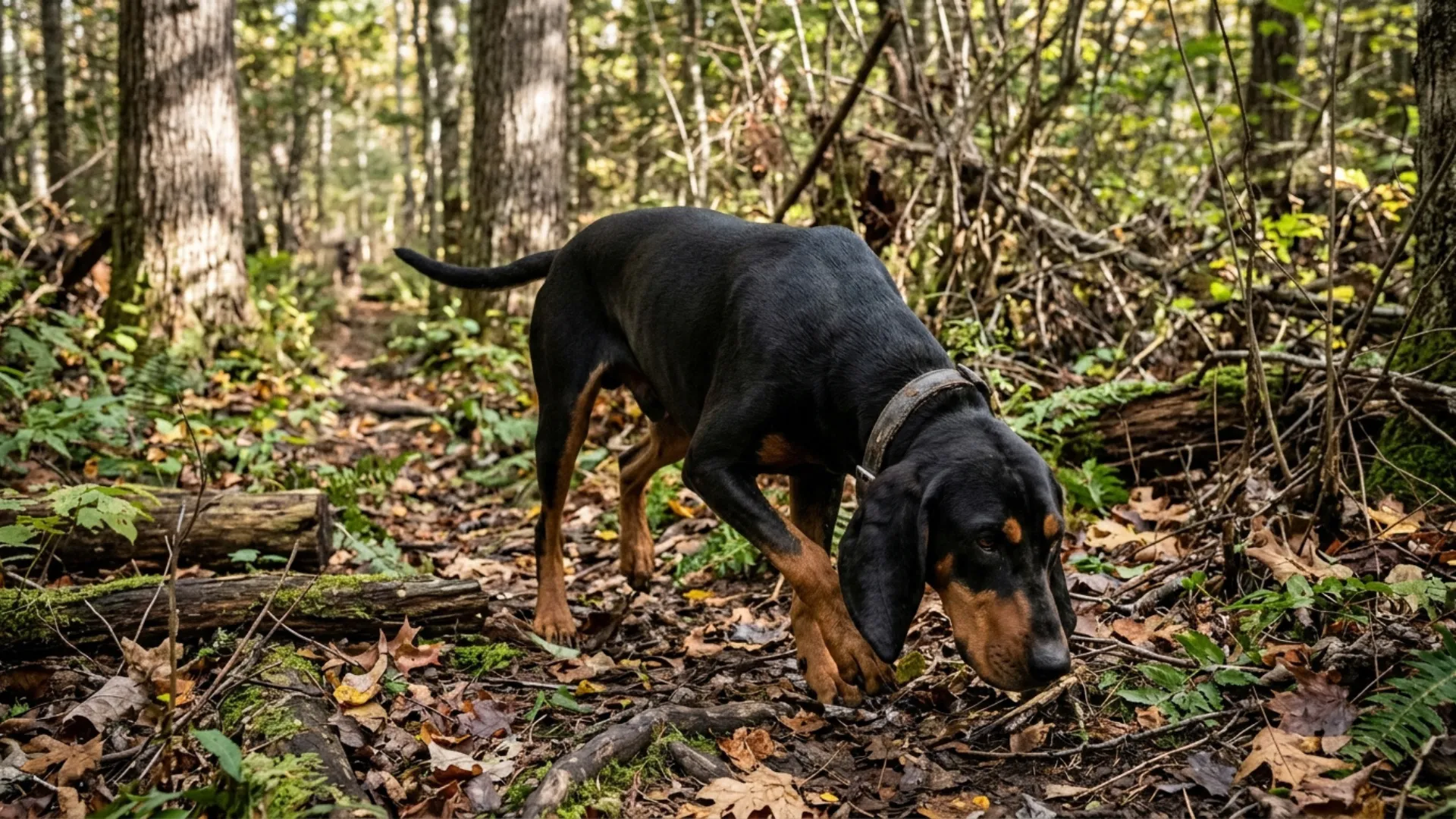
Ever seen a dog freeze mid-walk, stare at a squirrel, and forget you exist?
That’s prey drive. And some dogs have a LOT of it.
These dog breeds were built to track, chase, and hunt. They did it for centuries, and honestly, they’re still very good at it.
If you are a pet parent who loves energetic dogs…
And you don’t mind a dog who lives by their nose…
Then this list is for you.
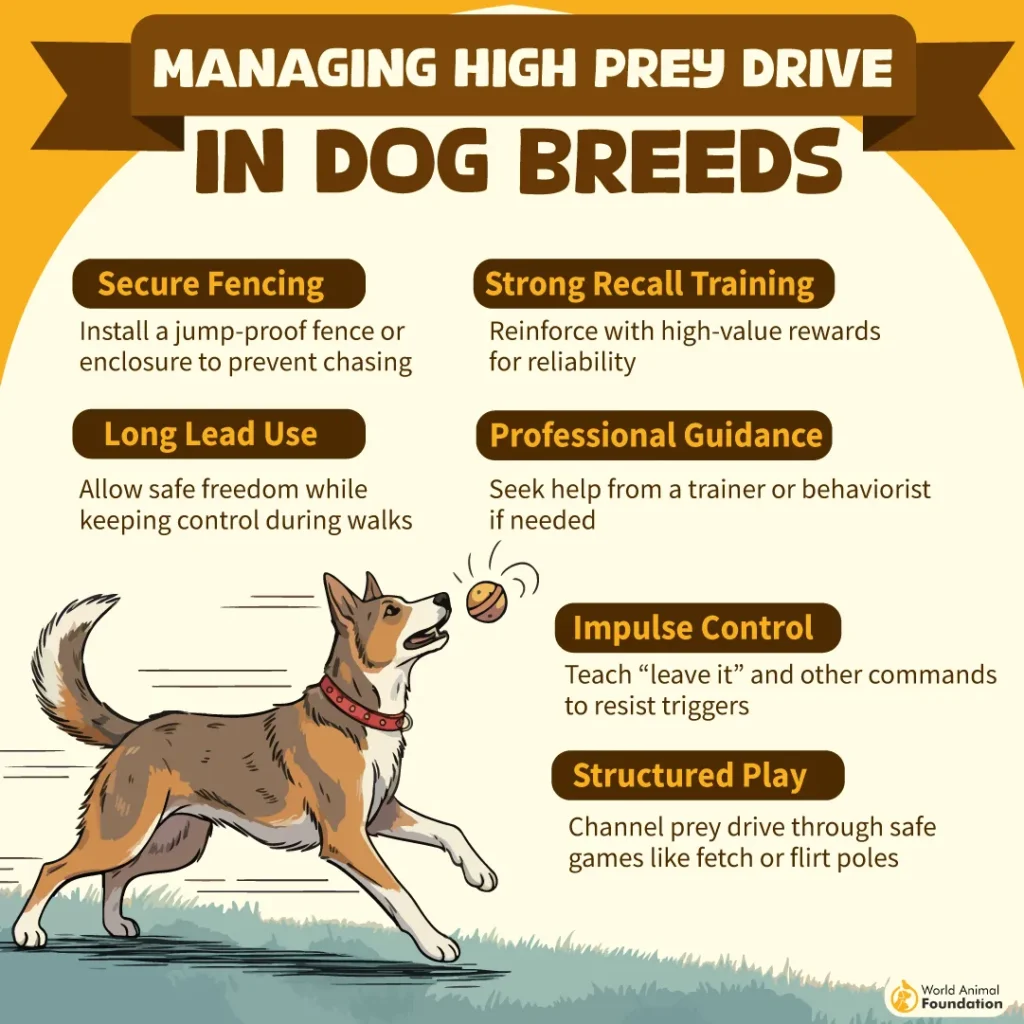
Fair warning, though. A strong prey drive is not a bad habit. It’s instinct. It means early training, a fenced yard, and an owner who stays one step ahead of the next squirrel.
Did You Know?
According to Hill’s Pet Nutrition, prey drive isn’t one single thing. Experts describe it as a chain: search, stalk, chase, grab, bite, kill, bite. Breeders kept different links for different jobs. Border Collies kept the stare, the stalk, and the chase, but not the bite. That’s why they herd sheep instead of hurting them. Hounds kept the searching and chasing. Many terriers kept almost all of it.
So when your dog goes after a squirrel, it’s not being bad, but running a very old program.
Dog Breeds Built for Pursuit – High Prey Drive
1. Boerboel
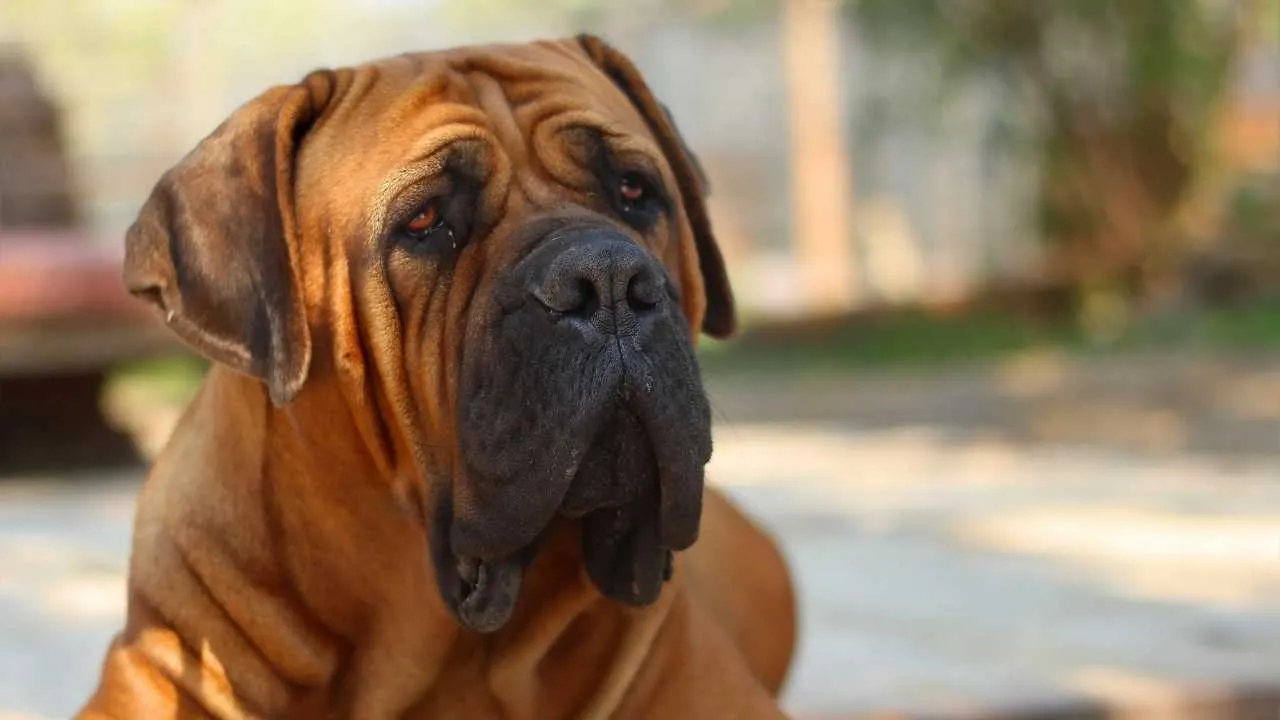
The Boerboel comes from South Africa. Its name means “farmer’s dog” in Afrikaans. Farmers used these big Mastiff-type dogs to guard homes and stock from predators.
This huge, muscular dog has a strong instinct to chase off anything that doesn’t belong. That’s prey drive at work. Intruders, wild animals, and even the neighbor’s cat can set it off.
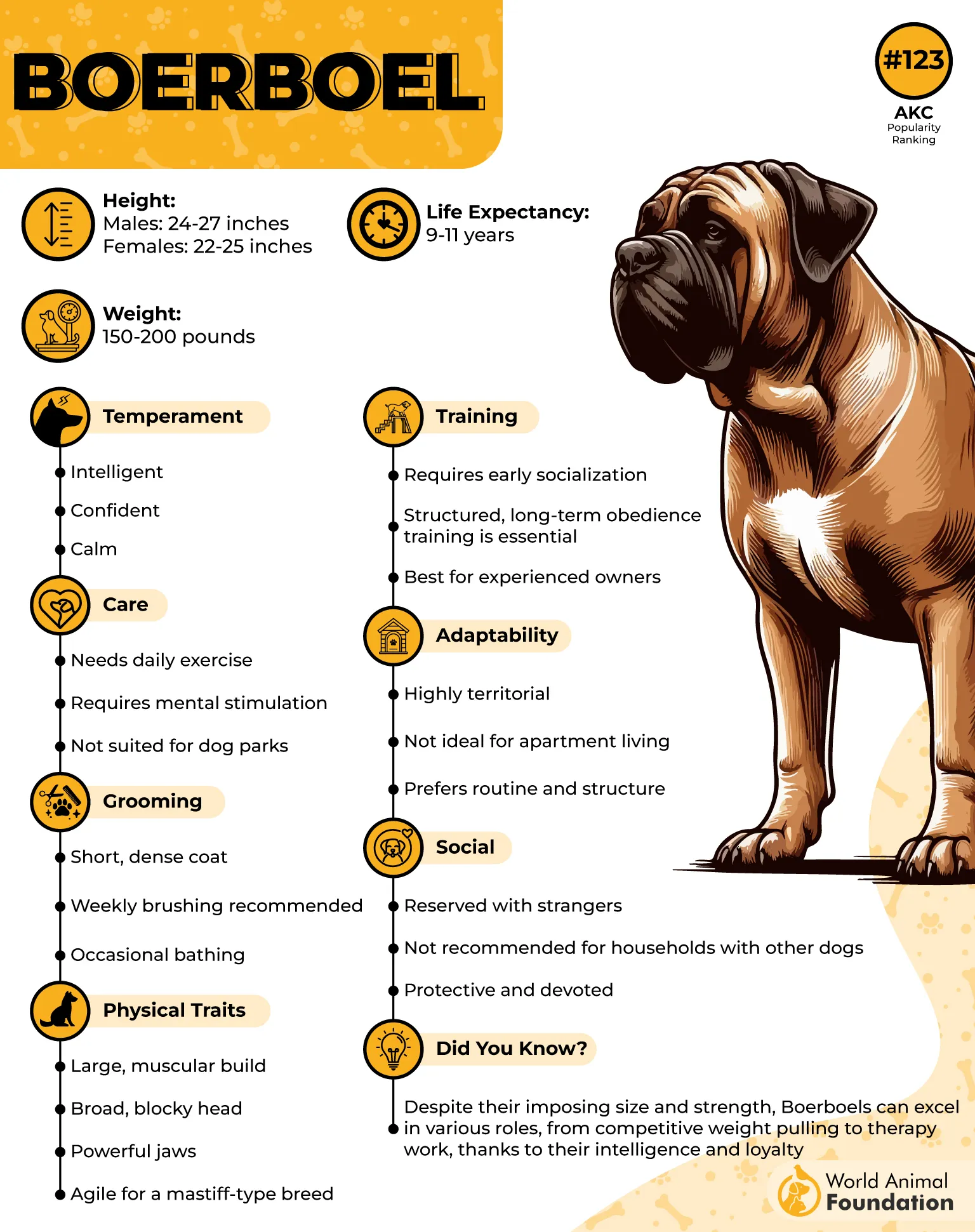
Boerboels are loyal and calm with their own family. But they are strong-willed. A dog this size needs early socialization and early training, or it will start making its own rules. Start training the day you bring a Boerboel puppy home. Use firm, fair, positive reinforcement and keep sessions short.
Keep them on a leash in public. Keep the fence tall. And be careful around small pets, because a dog this big can hurt a small animal fast. This breed works well with experienced owners who can manage this dog’s prey drive.
2. Black and Tan Coonhound
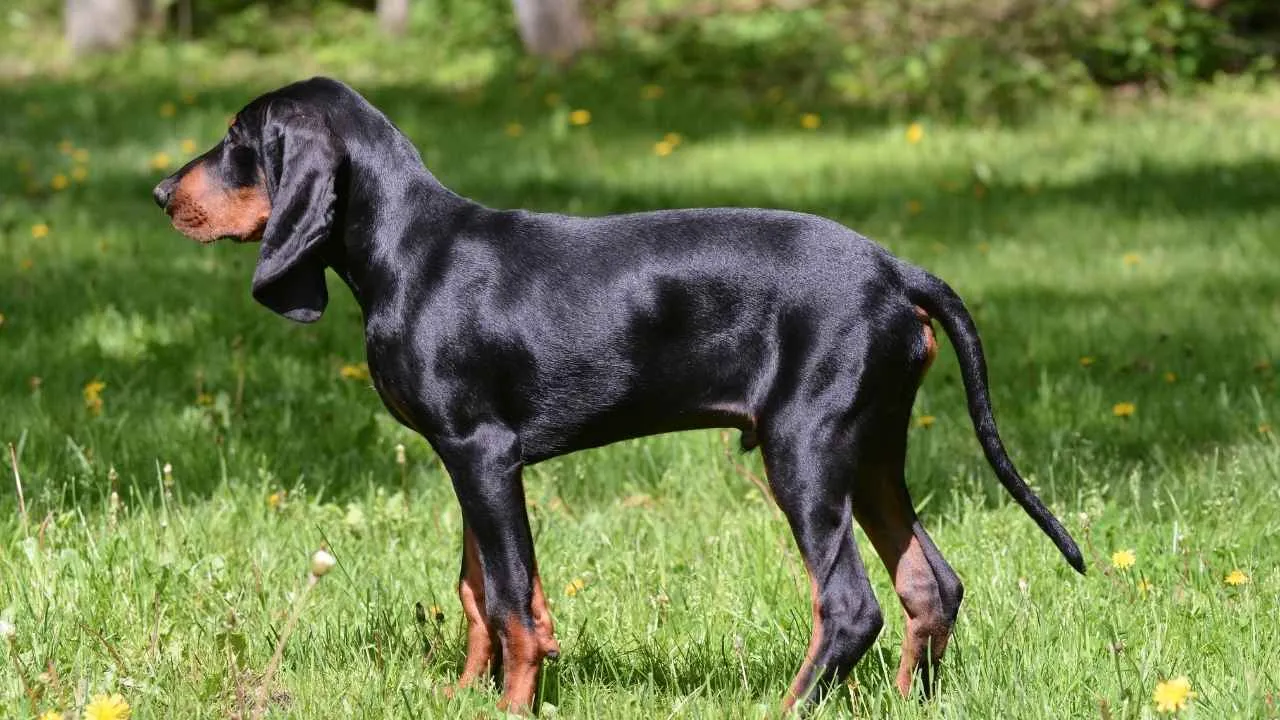
The Black and Tan Coonhound was bred in the United States to hunt raccoons and possums at night. When the animal climbs the tree, the dog stays below and calls out until the hunter arrives.
This hound dog breed has a great nose and a deep, loud voice. Once it picks up a scent, nothing else matters. Not your recall command, your treats, nothing.
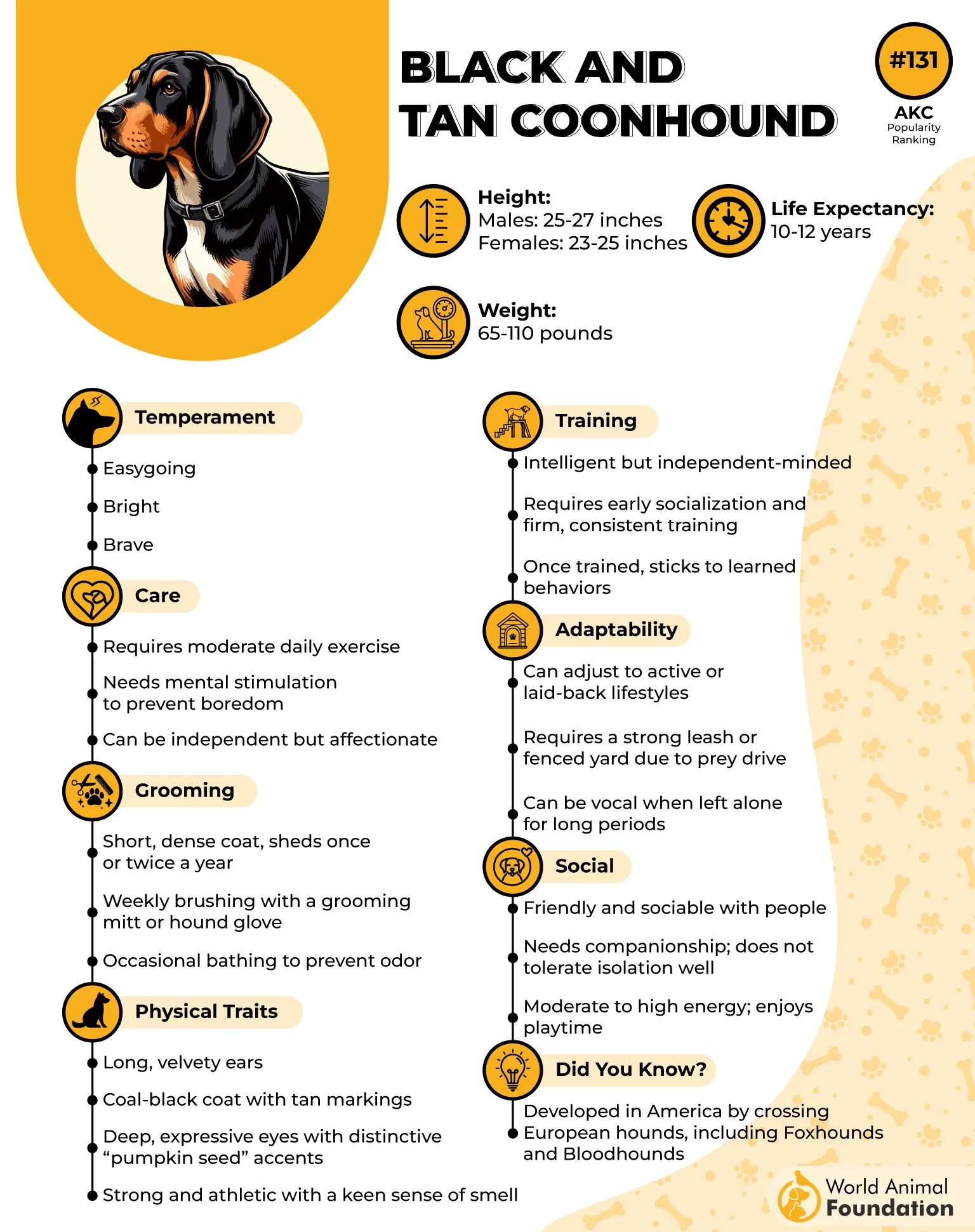
At home, these dogs are friendly and laid-back. They love long walks and need plenty of exercise. A fenced yard is a MUST, and it needs to be a good one, because Coonhounds are escape artists when a smell catches their attention, as noted by Bark.co.
Give them a long daily walk where they can sniff. A tired Coonhound is a calmer one.
Expect some barking and baying, too. Your neighbors will notice. And other pets, especially cats, may look like treed prey to this dog.
3. Borzoi

The Borzoi is a Russian sighthound. Russian nobles used them to run down wolves. They hunt by sight and speed, not by scent.
Borzois are tall, graceful, and surprisingly quiet. Indoors, they are calm and gentle. Outdoors, it’s a different story. If a rabbit bolts across the field, the Borzoi is gone in a flash, and you won’t catch up.
That’s why these hunting dogs should never be off leash in an open area. The chase instinct switches on in half a second. A tall, secure fence works well. A safe dog run or fenced field lets them stretch out for a full sprint.
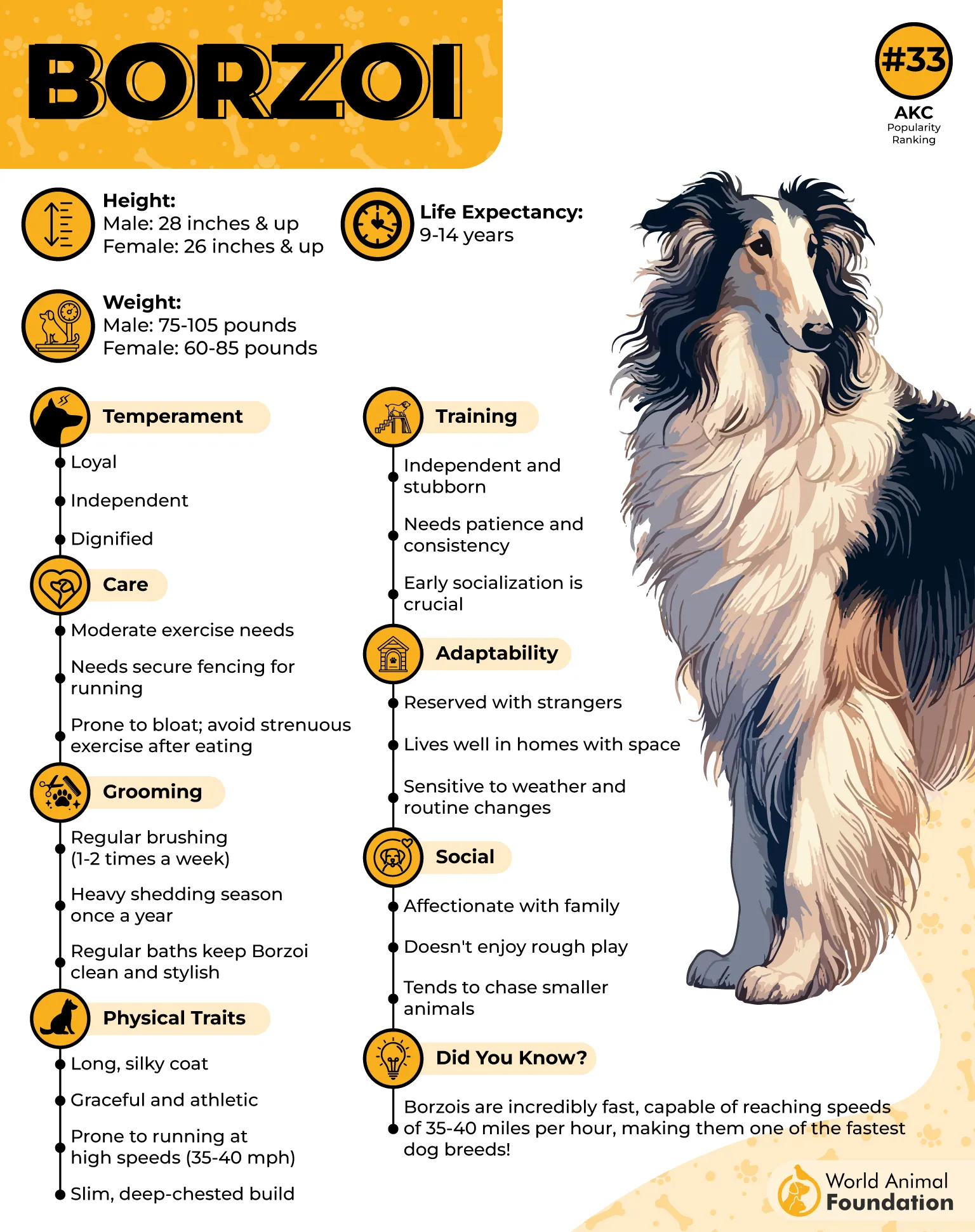
These Russian dogs need daily exercise, but not marathons. A good sprint in a safe, fenced space and a walk usually do the job.
They are sensitive dogs, too. Harsh training doesn’t work. Keep it gentle and patient. Small dogs, cats, and other small animals that run can trigger the chase. Keep this high prey drive dog under scrutiny if you have small pets around.
4. Bloodhound
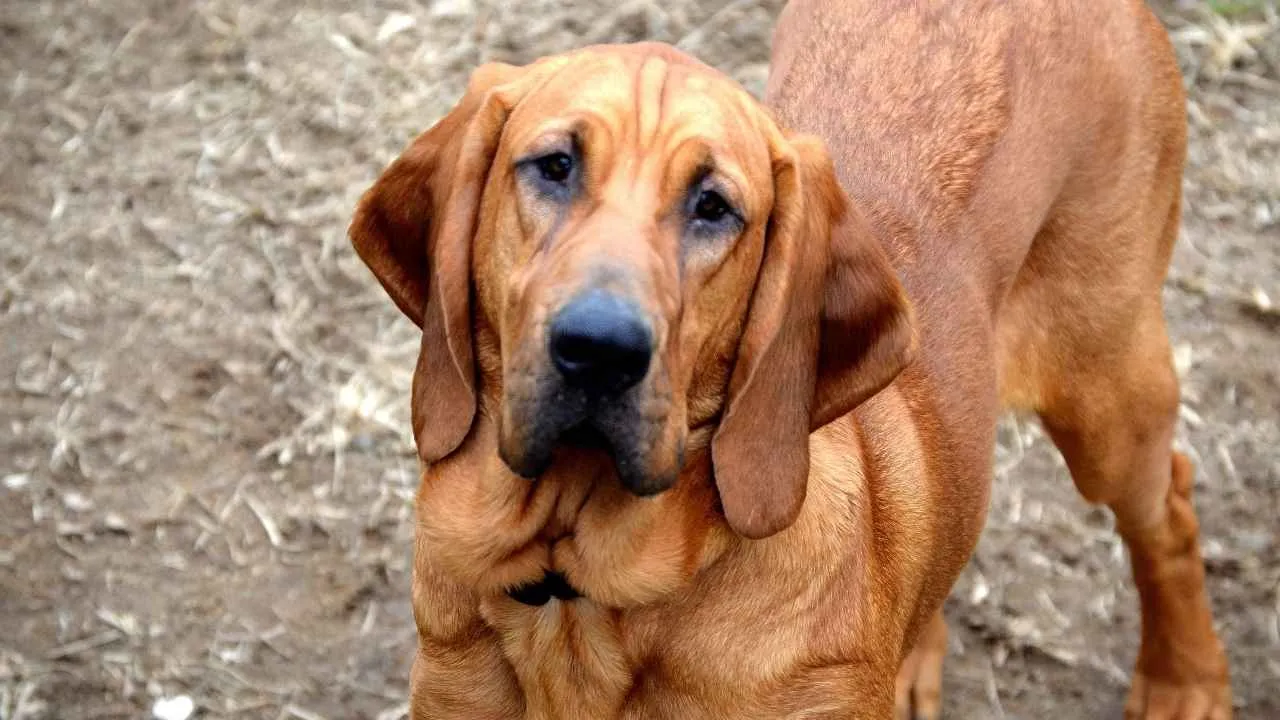
The Bloodhound is the famous scent tracker of the dog world. People bred it in Europe centuries ago to follow a trail. Today, Bloodhounds still help find missing people.
With a Bloodhound, the nose runs the show. These tracking dogs have far more scent receptors than people do. Once they lock onto a trail, they can follow it for miles and tune out everything else, including you.
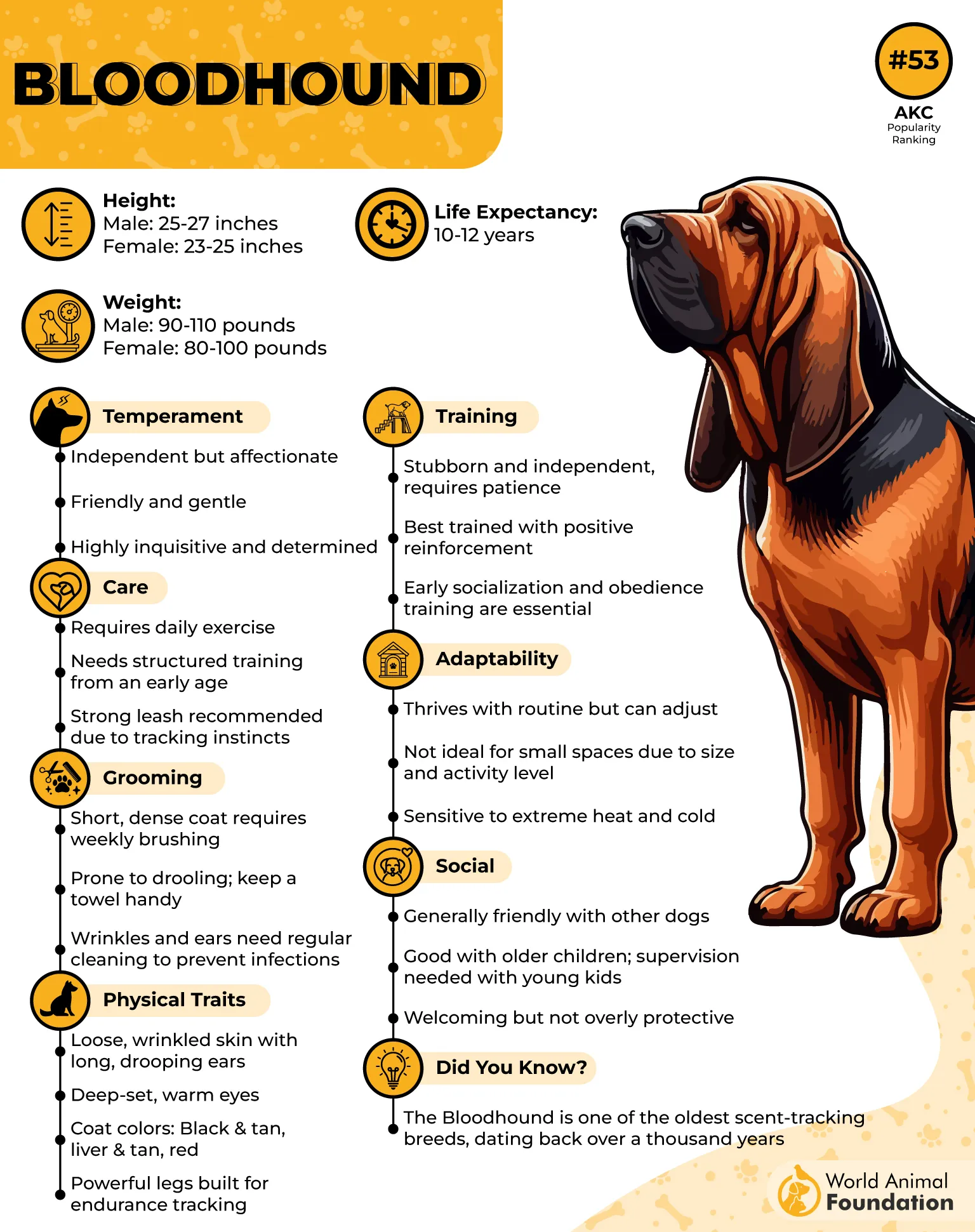
They are gentle, friendly, and great with kids. They are also stubborn. Training takes patience and lots of treats. A strong recall is very hard to build for high prey drive breeds, so a leash is your best friend. Never let a Bloodhound off leash near a road. When the nose takes over, their brakes stop working.
Give them long walks and mental stimulation. Sniff games, like hiding treats in the yard, keep a Bloodhound happy and busy.
5. Beagle
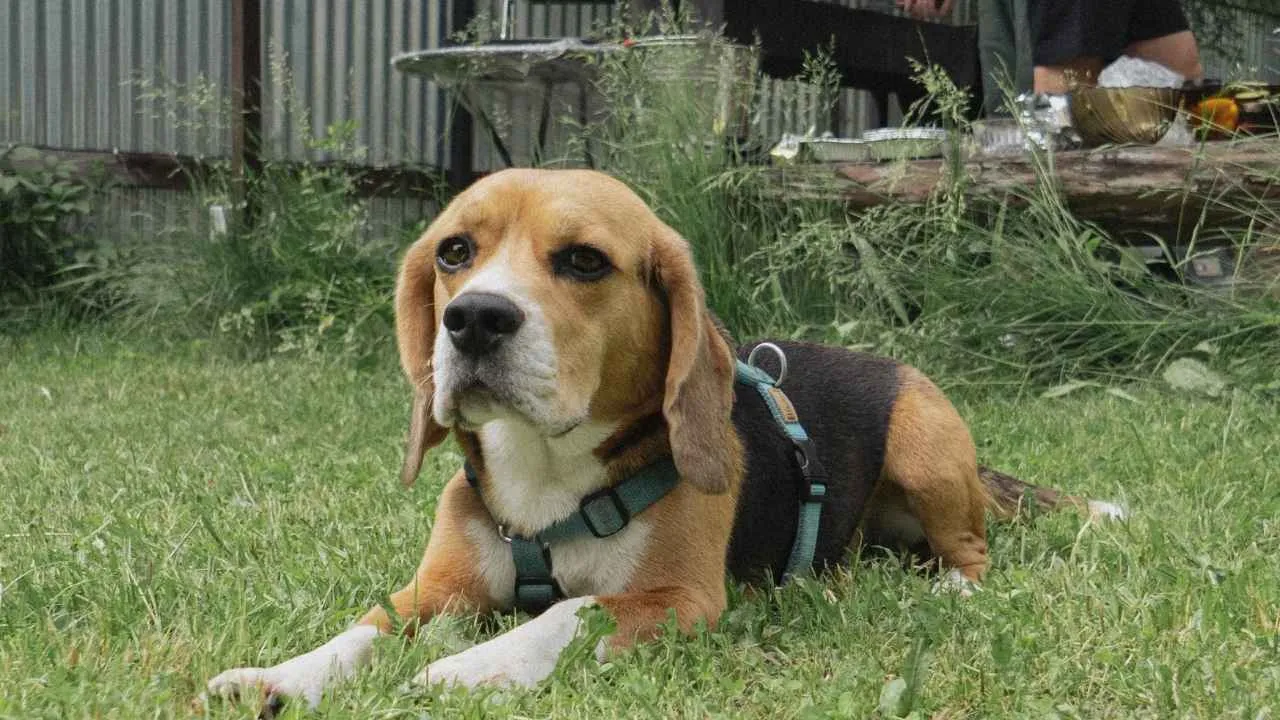
The Beagle was bred to hunt rabbits and hares in packs. These small hunting dogs follow their nose and NEVER quit.
Beagles are friendly, curious, and merry. They love people and other dogs. According to the American Kennel Club, they are “loving and lovable.” But the nose leads the way. Show them a scent trail, and they will follow it right out of your yard.
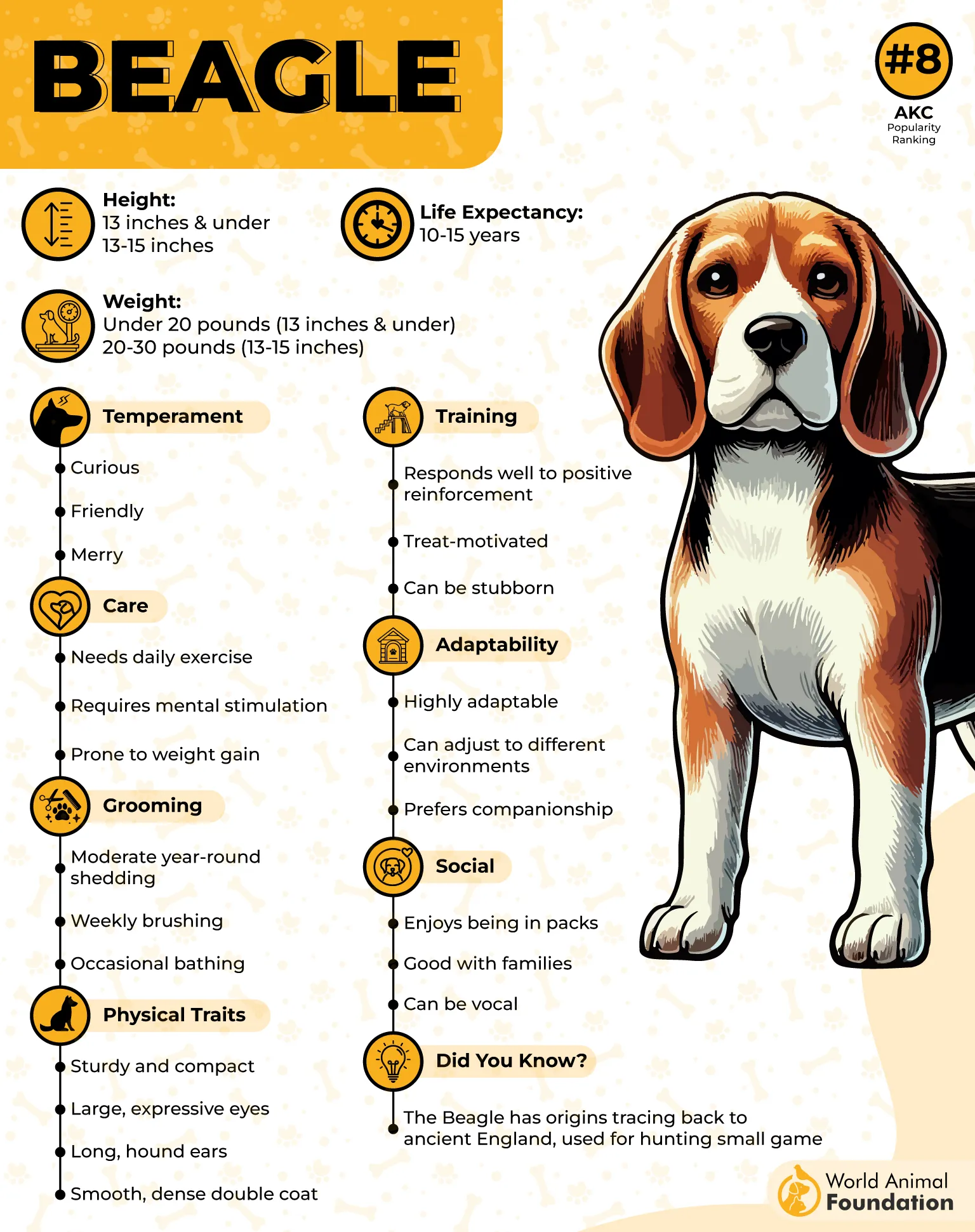
Many Beagles dig under fences or squeeze through gaps. They are real escape artists, so check your fences often. Beagles also do best with company, because they were bred to work in packs.
They have high energy for a small dog. Daily walks and play are a MUST. Without mental stimulation, a Beagle gets bored, and a bored Beagle howls, digs, and raids the trash.
Small pets like rabbits and hamsters should stay well out of reach. Hunting them is what Beagles were made to do.
But all in all, they are great companion dogs.
6. Plott Hound
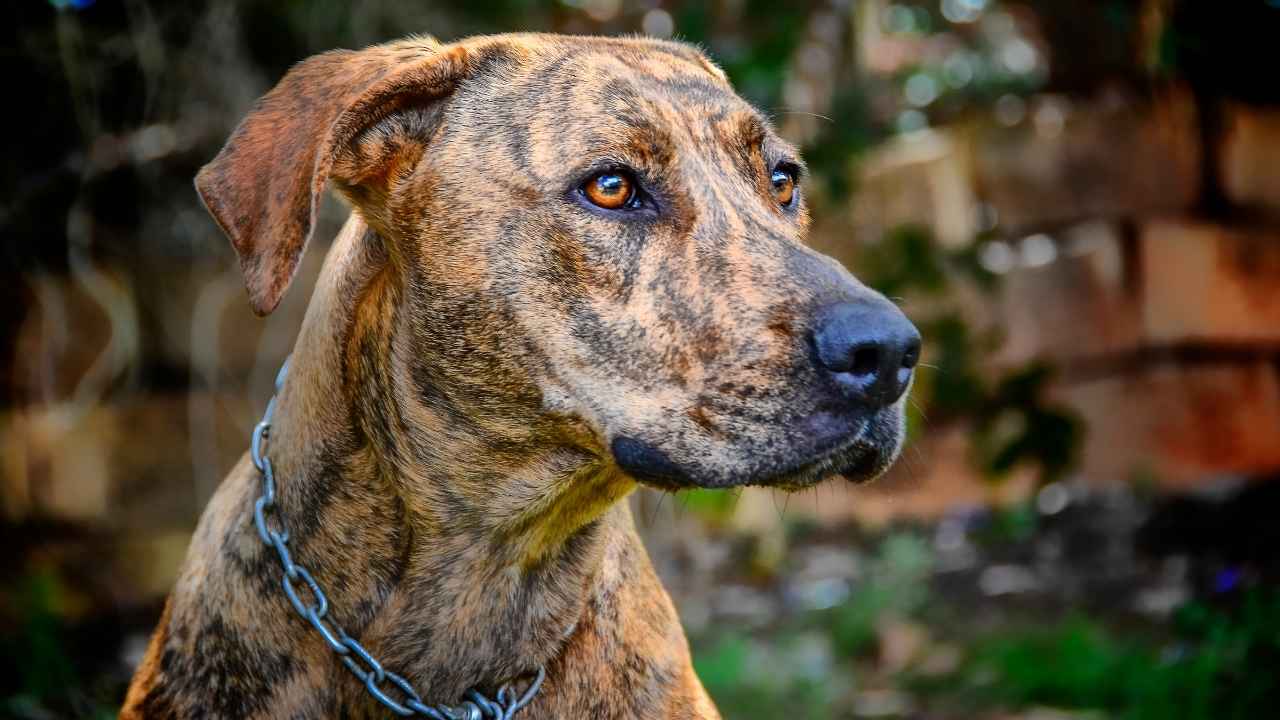
The Plott Hound was developed in North Carolina to hunt bears. The Plott family built the breed from the hounds brought over from Germany in the 1700s. Later, hunters used them on wild boar, too.
These dogs are tough, brave, and athletic. They have a strong prey drive. A Plott will follow a scent for hours, then bay loudly to tell you where the game is. Plotts are known for strong stamina, and they will keep going long after you are tired.
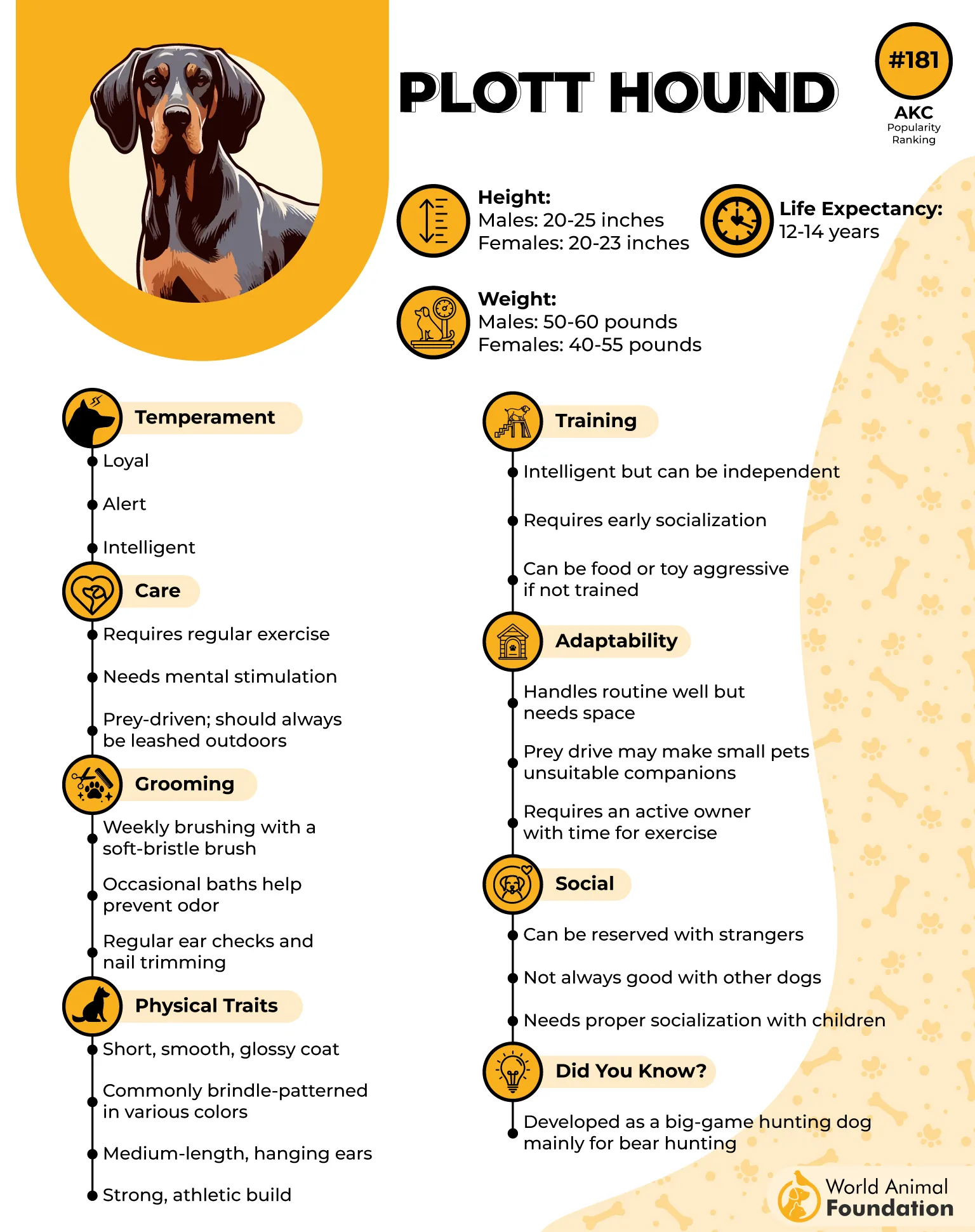
They are loyal and sweet with family. But they are intense. They need lots of exercise, a job to do, and an owner with time. A flirt pole is a great tool. It’s a pole with a lure on a rope, and it lets them chase safely. A secure yard with a high fence is non-negotiable.
Early socialization and training are super important to make these loyal dogs forever companions. A Plott without manners can be pushy with other animals and sees small pets as game.
7. Nova Scotia Duck Tolling Retriever

This is the clever one on the list. “Tollong” means luring. Hunters used the dog’s playful moves along the shores to draw curious ducks closer. Then the dog retrieved the birds.
Tollers are smaller than Labs, with a red-orange coat and a fox-like look. These working dogs are smart, fast, and full of energy. Many dogs will play fetch until you give up.
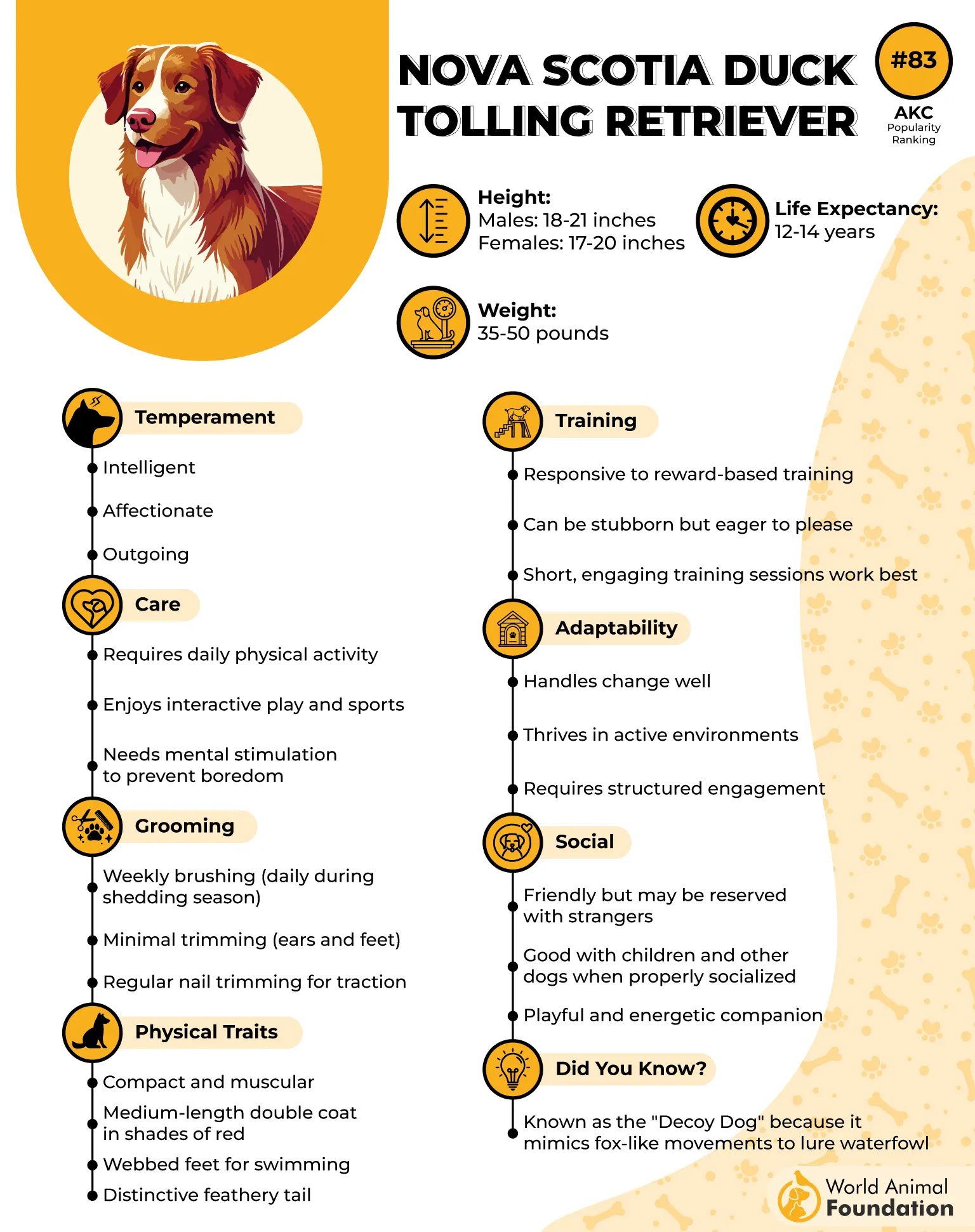
This dog’s prey drive shows up with birds, squirrels, and anything that moves. They need real exercise every day, plus mental stimulation like training games and puzzle toys. Many love swimming and water retrieving, which makes a great outlet for these water dogs. A bored Toller invents its own fun, and you won’t love it.
They are loving with family. But this dog’s behavior can be reserved with strangers. Early socialization helps manage their strong drive.
Conclusion
High prey drive dogs are NOT for everyone.
If you want a dog that ignores squirrels, cats, and small pets, these breeds will be a tough match. But if you love long walks, active days, and a dog who gives 100 percent, they are a blast to live with.
You can’t remove prey drive. But you can manage it.
Start early training and early socialization with puppies. Teach a strong recall in a quiet place first, then add distractions slowly. Use a leash in open areas, even if your dog is well trained. And never trust a recall when a squirrel is running. Honestly, very few dogs are that good.
Most dogs like Siberian Huskies, Afghan Hounds, Jack Russell Terriers, Rhodesian Ridgebacks, Doberman Pinschers, and Basset Hounds can have a strong prey drive too. Even Border Collies show it, just in a different way.
Pet owners, BEWARE!! A strong prey drive in dogs never fully goes away. You manage it, and the dog learns it. Keep that fenced yard secure, keep your dog on a leash, and keep training for life.
Do that, and your dog’s instinct becomes a strength instead of a problem. You will both be happier, and the squirrels will have to deal with it.
