




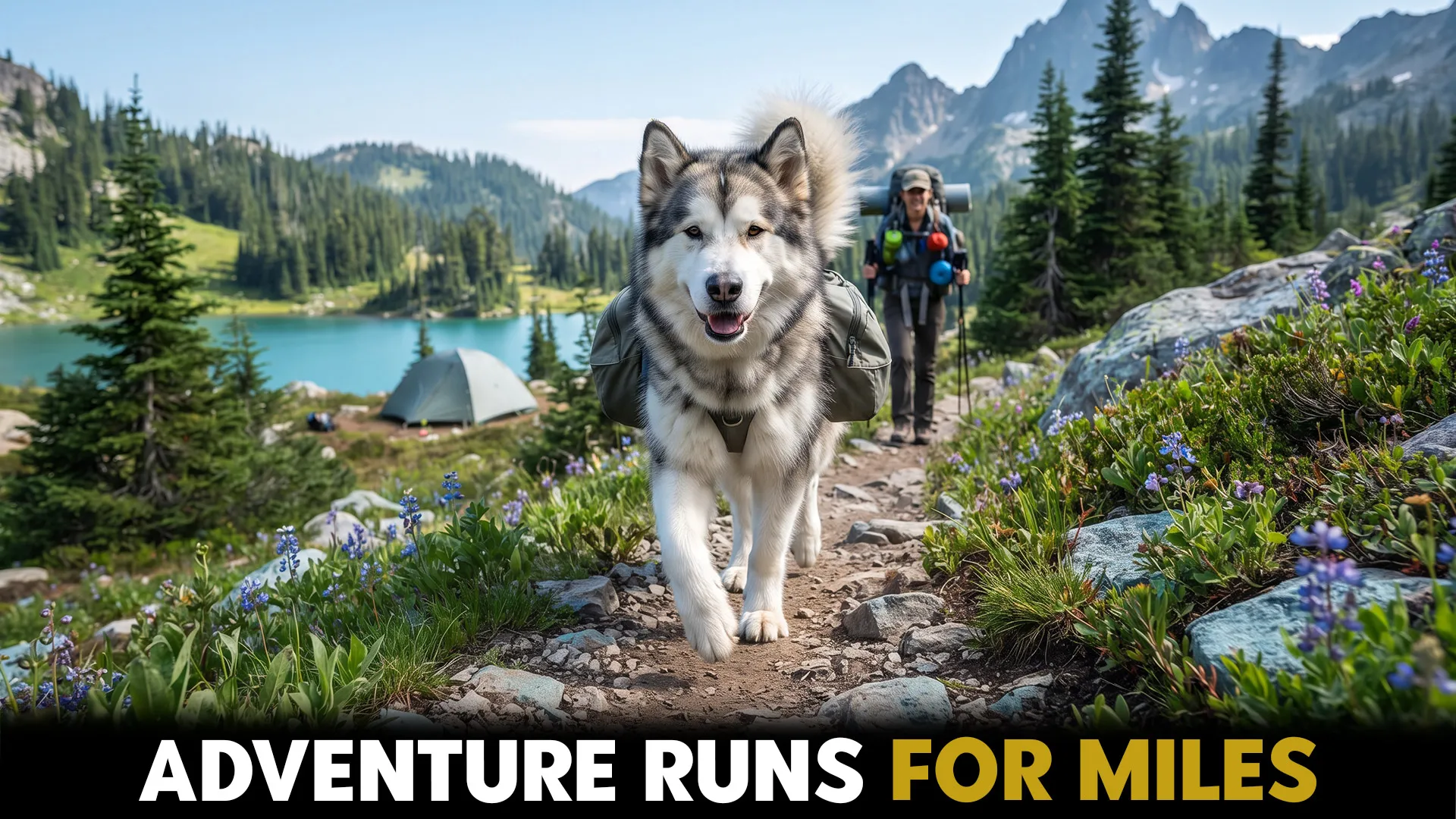
Some adventures are measured in miles, while others are remembered in muddy paws, quiet campsites, and the sound of a dog happily trotting beside you.
Long-distance camping and backpacking demands more than enthusiasm, though. This journey can involve steep climbs, uneven ground, changing weather, limited access to water, and hours spent away from familiar surroundings.
For dogs that genuinely enjoy an active lifestyle, the above-mentioned things can become a part of the excitement rather than being a challenge and burden. Their natural endurance, physical strength, curiosity, and willingness to stay engaged can make them wonderful companions for extended outdoor trips.
Remember, choosing a trail partner is not simply about finding the most energetic dogs. Temperament, trainability, adaptability, health, and ability to recover after demanding activities all matter. With the right preparation and realistic expectations, a well-suited dog can turn a long stretch of wilderness into a shared experience filled with exploration and companionship.
Dog Breeds Built for Long‑Distance Camping and Backpacking
1. Siberian Husky
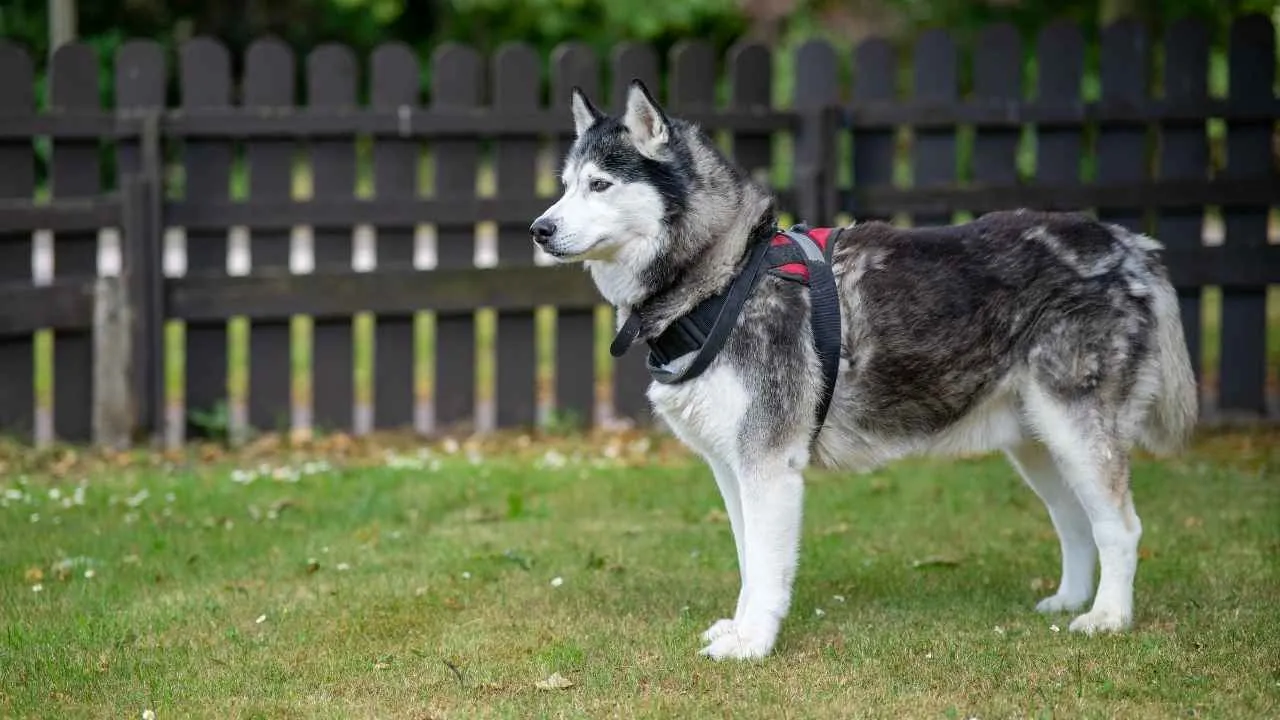
Endurance, efficiency, and power stem from Siberian Huskies, which is supported by their heritage. These medium-sized dogs were originally bred for pulling heavy loads across long frozen distances by the Chukchi people of northeastern Siberia.
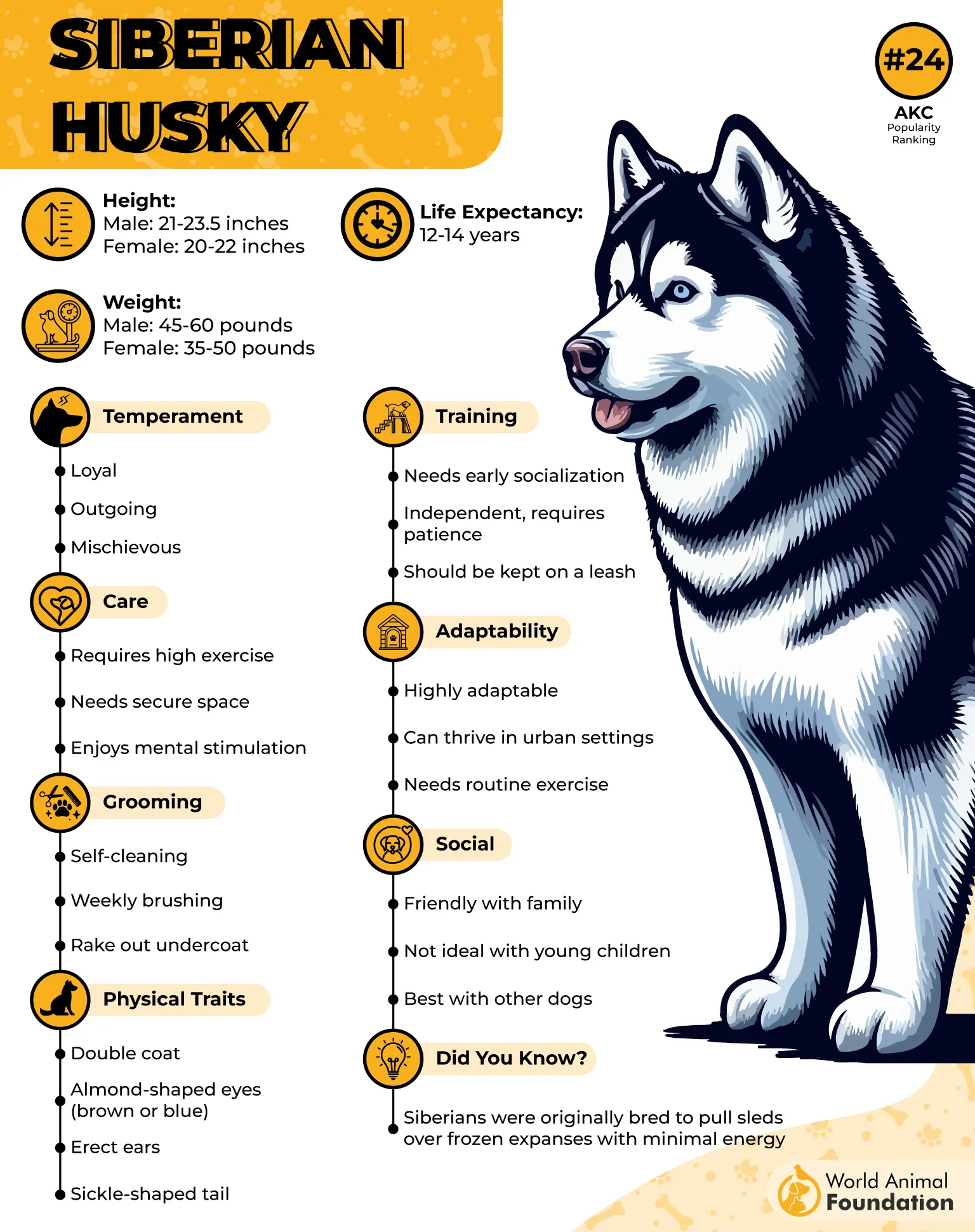
Siberian Huskies are not only pets, but they make wonderful companions for active families and thrive in outdoor activities. With their strength, resilience, and ability to do things with their owners even in harsh weather, they make great hiking buddies.
These dogs require plenty of exercise and mental stimulation on a regular basis to channelize their boundless energy, or develop destructive behaviors. They do have a strong prey drive, which makes leash training necessary along with early socialization to do well on trails.
2. Vizsla
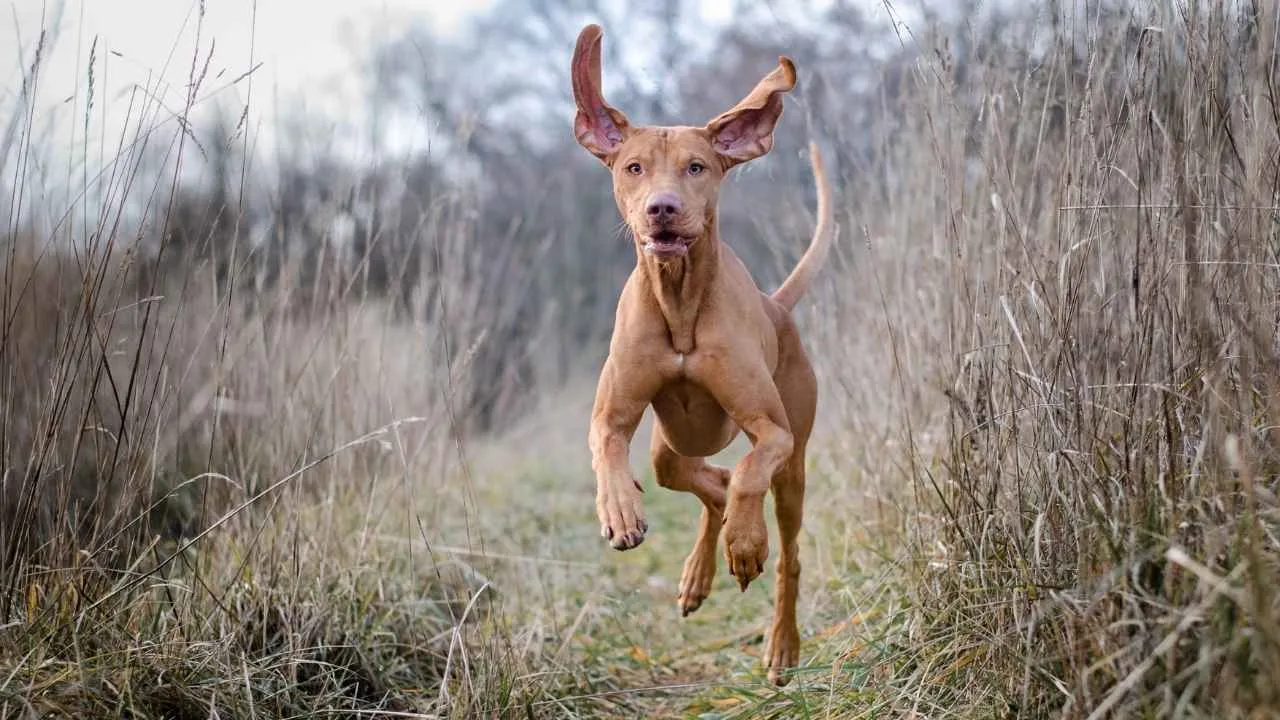
With short golden rust colored coats, Vizslas came from hunters to hunt and work in fields. These dogs are considered excellent hunting companions for experienced owners who have the thrust to explore outdoors. They not only offer a loving companionship but also are highly energetic to act as adventure dogs.
Vizslas are strong, agile, and athletic dogs with a good size. They can easily be managed on trails, boats, and airplanes. They love to go outside and can keep pace on hikes, runs, and even cycling, showing their stamina, agility, and zest for adventures. Off-leash runs should also be provided to them as a regular activity.
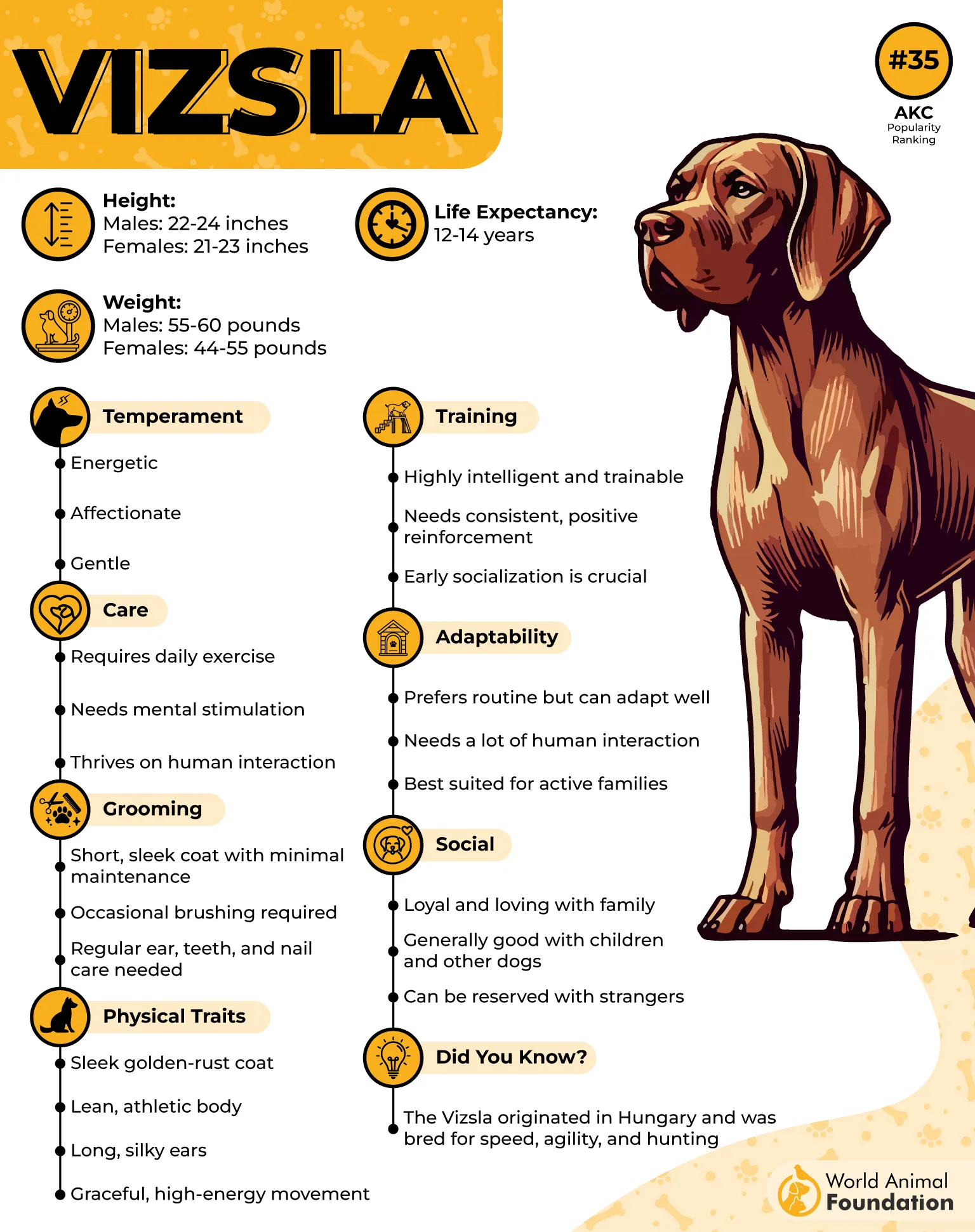
When it comes to their temperament, Vizslas are loving, gentle, and loyal dogs. They are also called Velcro dogs due to their strong bonds with their owners and disliking to be left alone for longer time spans. Consistent and positive training is encouraged in them as puppies, according to the AKC.
3. German Shorthaired Pointer
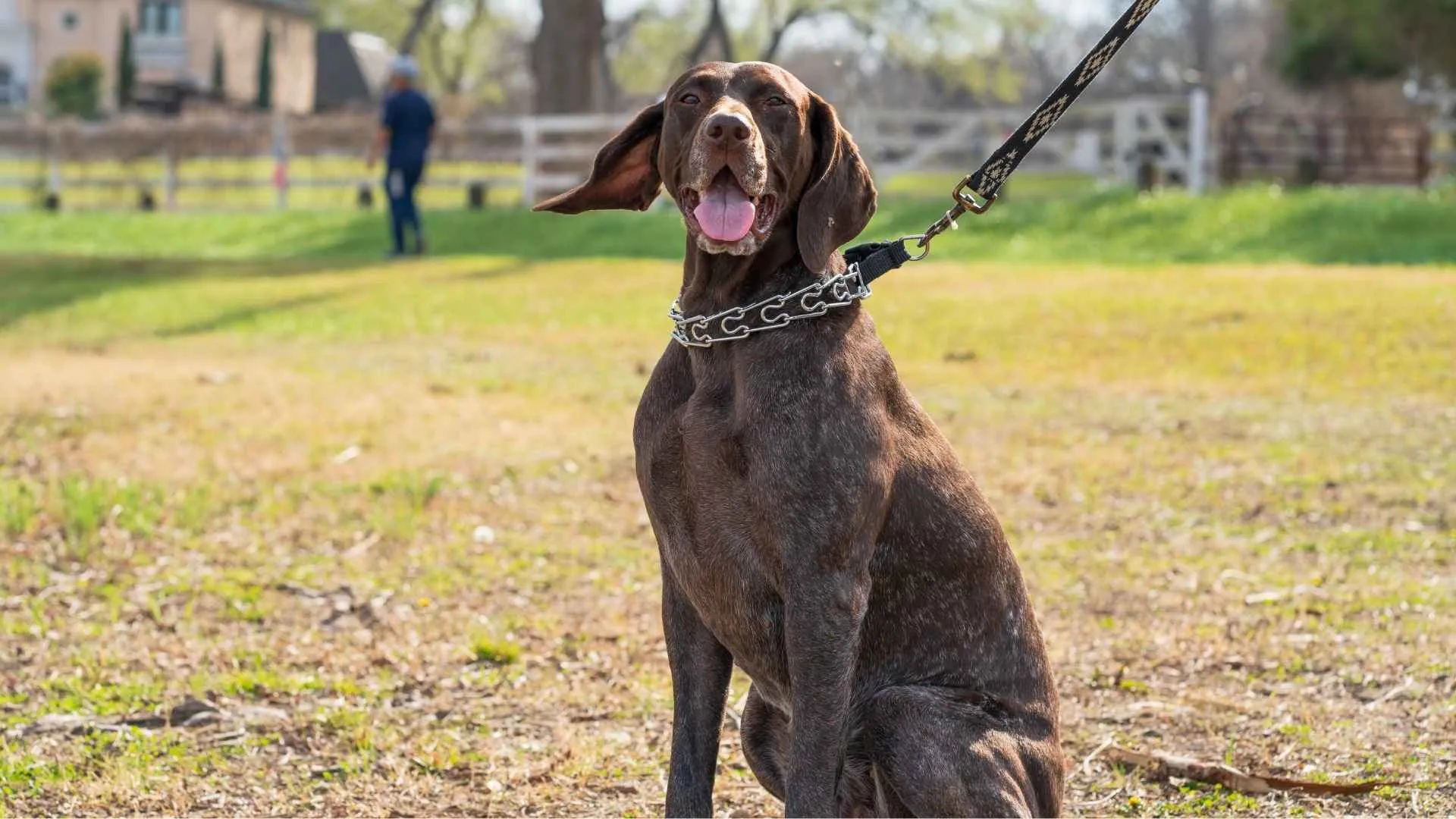
Used to be a versatile hunting breed in the initial times of discovery, German Shorthaired Pointers were named as poor man’s dog. They are also called bird dogs due to their retrieving and tracking abilities for upland birds. GSPs have enough energy levels to be the hiking dogs for many outdoorsy families.
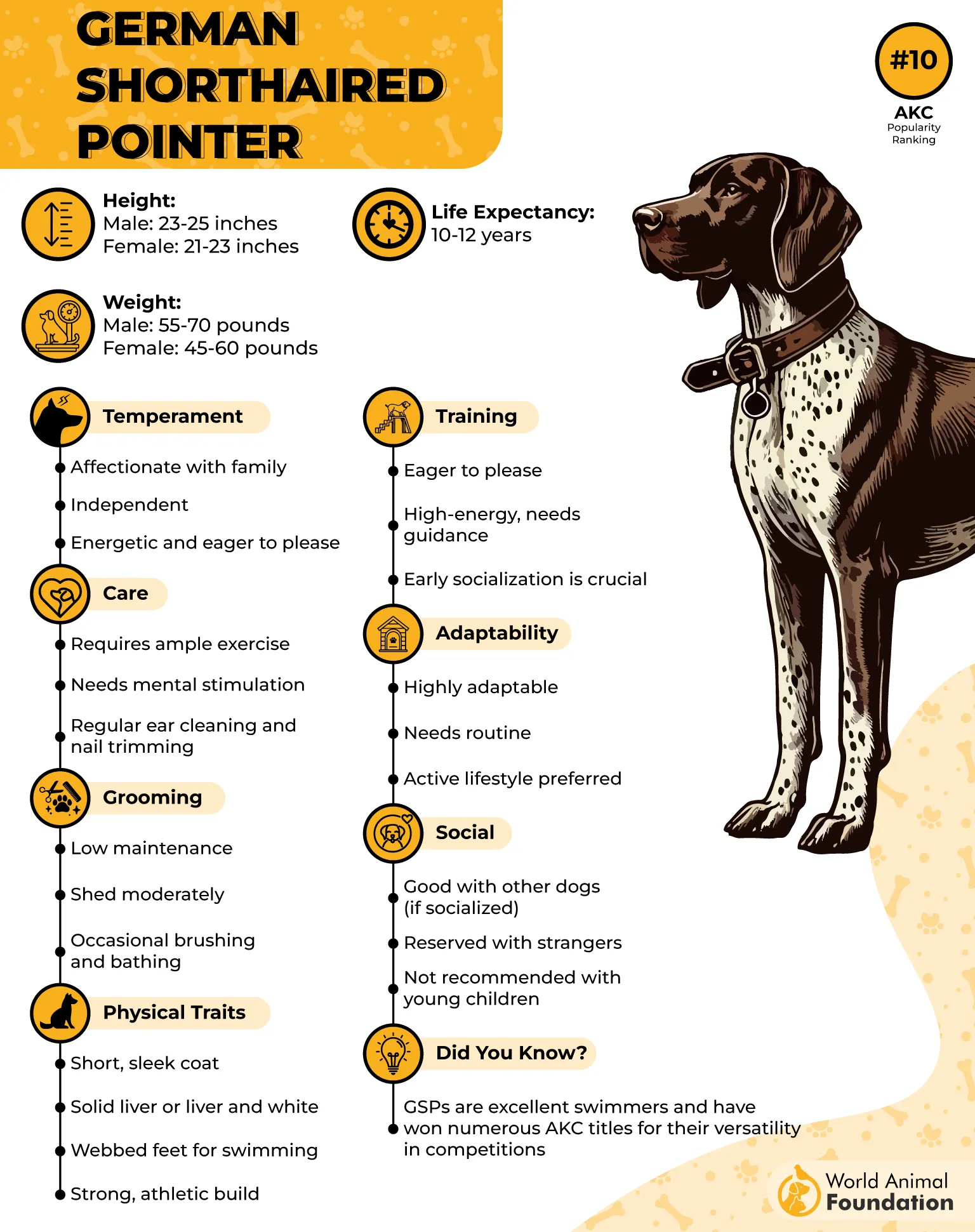
They are friendly, enthusiastic, and highly trainable dogs. Leaving them alone or to their own devices will bring destruction, as they thrive when involved in different family activities, either outside or inside. Their energy should be channeled well through daily exercise and mental stimulation.
Though German Shorthaired Pointers get along well with other dogs upon socialization, generally they may become aggressive with the sex of dogs. Although they enjoy a lifespan of 10 to 12 years in the right environment, just like other breeds, they are also prone to joint-related problems.
4. Border Collie
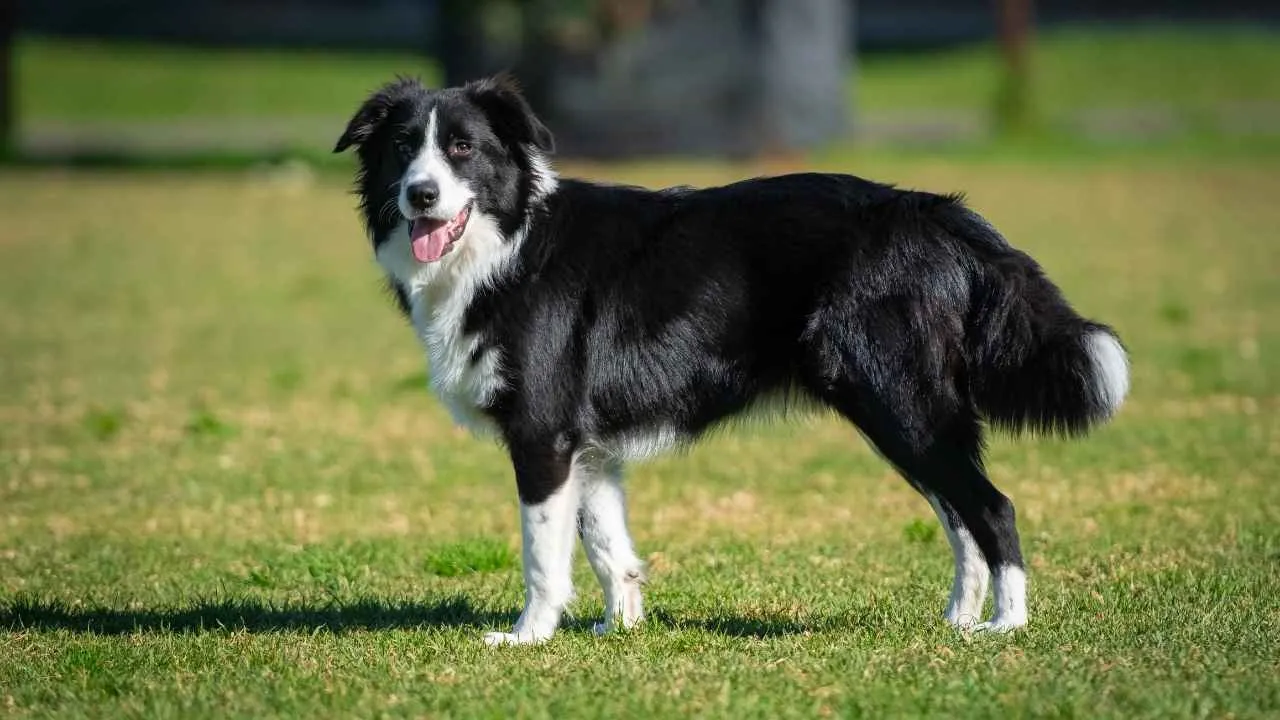
The Einstein of Dogs – Border Collies are the smartest canines in the world, and they make great hiking partners for people who enjoy long hikes and have prior experience handling active dogs. They have been celebrated for their working drive, high energy, and easy-to-train nature for a very long time.
Border Collies thrive when offered opportunities to have a job that can either be herding, practicing agility, or joining outdoors with their pet parents. Their thick double coat protects them from the harsh elements of the environment, while keeping them insulated in winter.
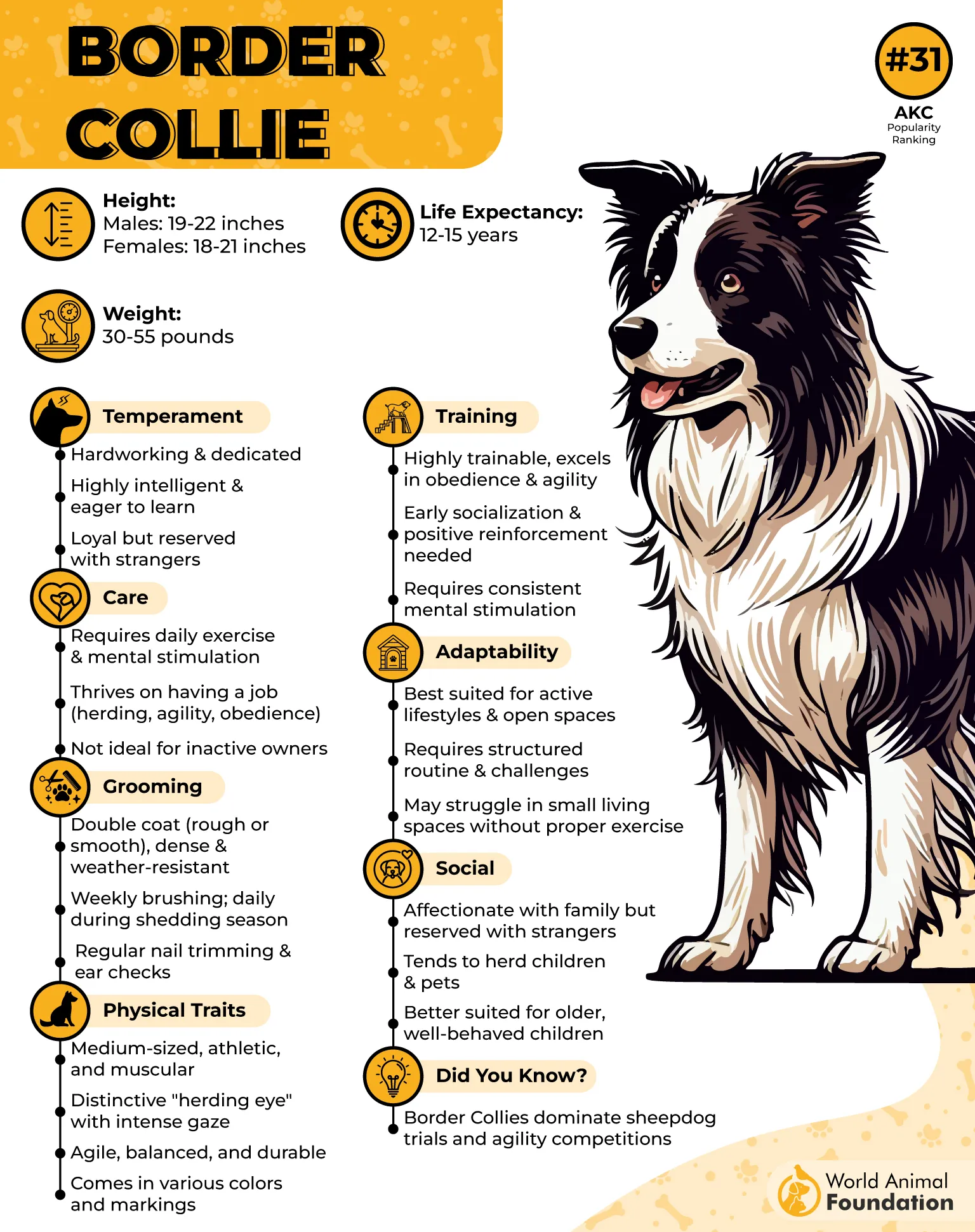
These agile dogs love doing fast-paced activities where their bodies and minds both are challenged, such as swimming, hiking, brisk walks, running, and many others. They tend to make strong bonds with their family members and show affection and loyalty by living near them.
5. Weimaraner
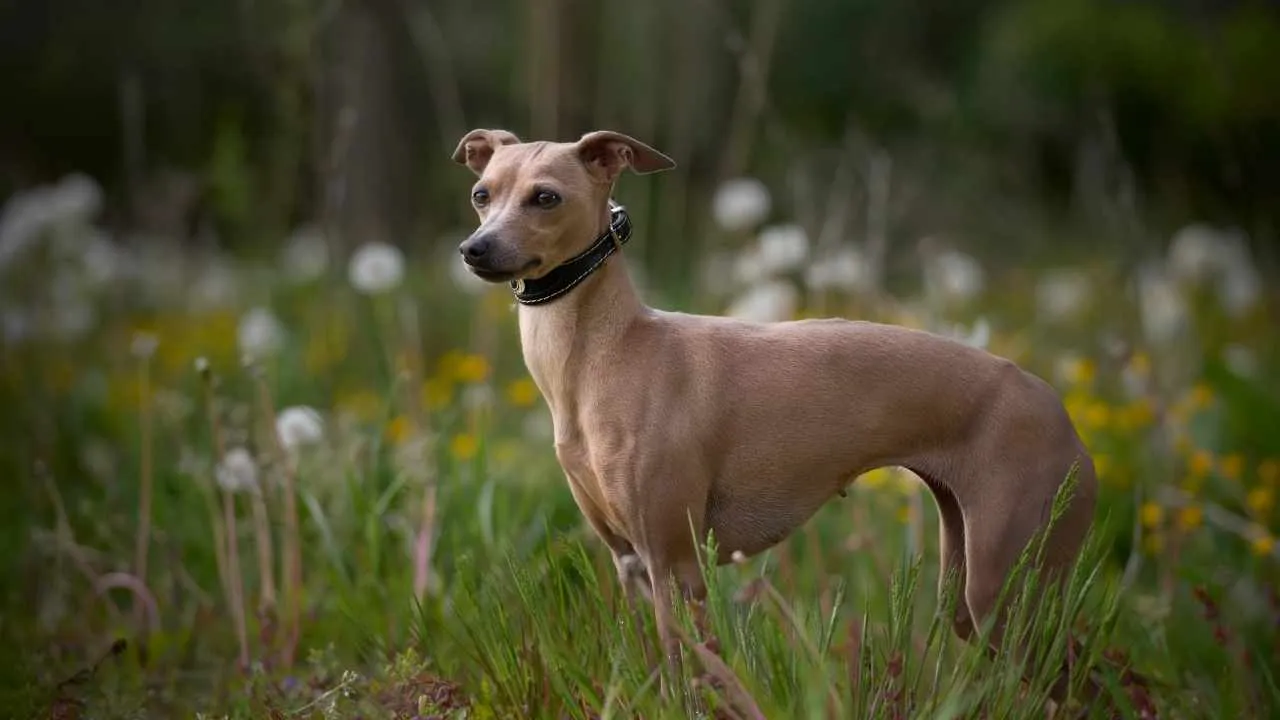
We are talking about one of the most agile dogs that were bred for strict standards. They were initially used by the nobility of France as companions and gun dogs, says Orvis. They are also called Gray Ghosts due to their swift movements and silver gray colored short coats.
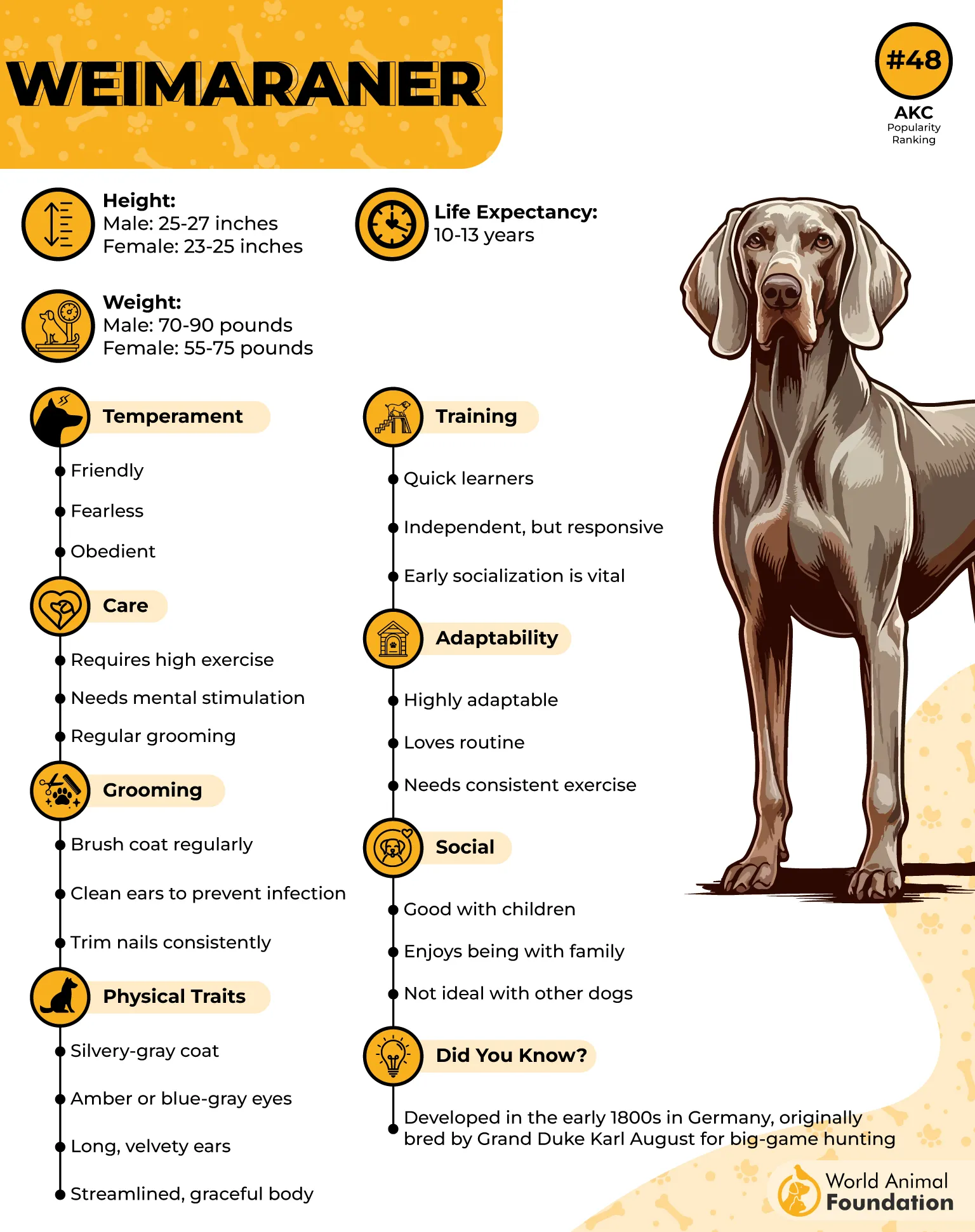
Weimaraners are recognized as high-energy dogs with lots of stamina and a sturdy build, helping them to go on hikes even in rough terrain for long hours. With an alert, loyal, and obedient disposition, they also make great family pets if provided with ongoing training and exercise.
Weims are incredibly smart dogs and are often referred to as dogs with human brains, which also reflects their independent streak. Their speed, stamina, and courage need to be channeled well through different stimulation. They are eager to please and trainable dogs, but they are not a good option for novice owners.
6. Labrador Retriever
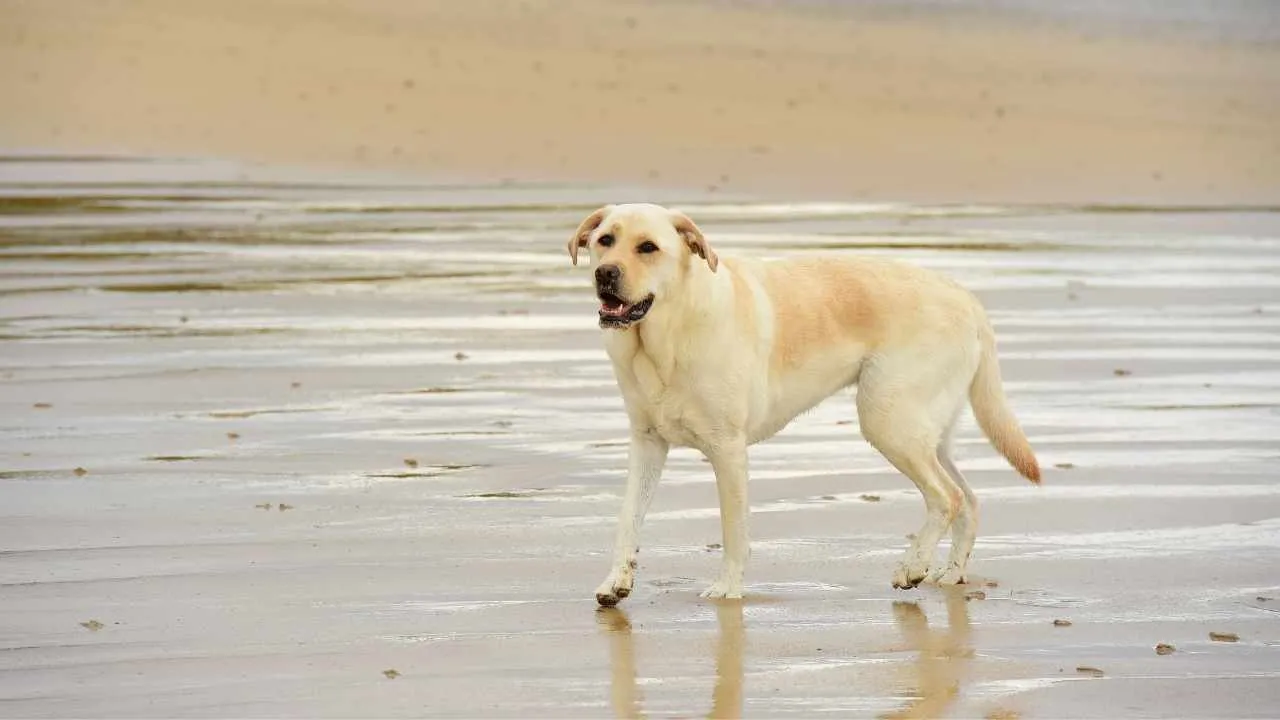
If you are the one who is new to the dog world, and also a great athlete, sports person, or prefer a highly active routine along with a strong desire to have a companion by your side, the Labrador Retriever might be one of the best choices to go with; all credit goes to its friendly, easygoing, and boundless energy.
Their athletic frames, when combined with their high energy levels and exploring nature they make great partners for long hikes. From urban households to rural beach gateways, Labrador Retrievers are exceptionally adaptable canines.
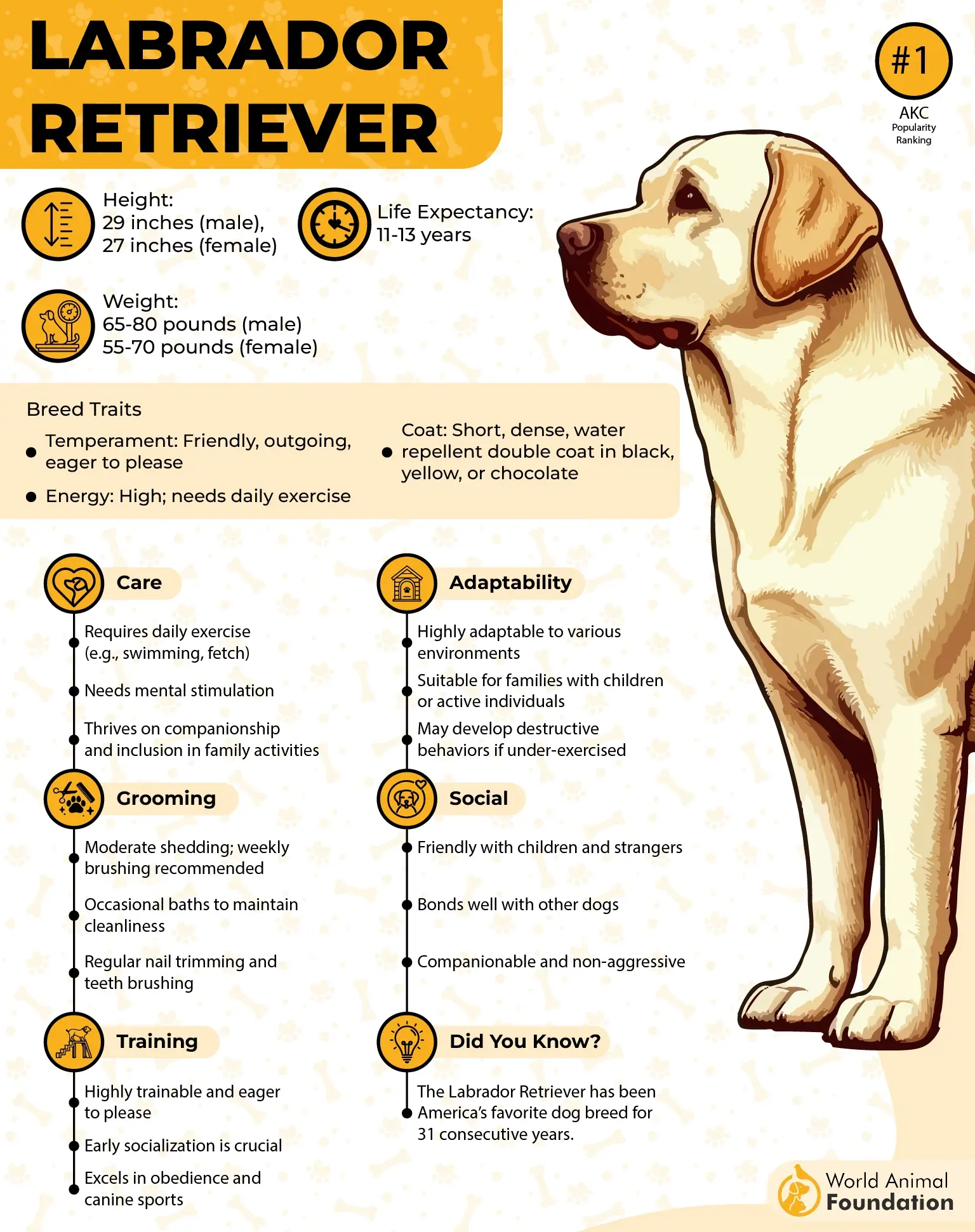
According to PetMD, they love to be friends with anyone they meet and do not show aloofness towards strangers, yet socialization still plays a crucial role. With a gentle temperament and excellent scenting abilities, they not only shine as hiking dogs but also in law enforcement agencies and therapy work.
7. Rhodesian Ridgeback
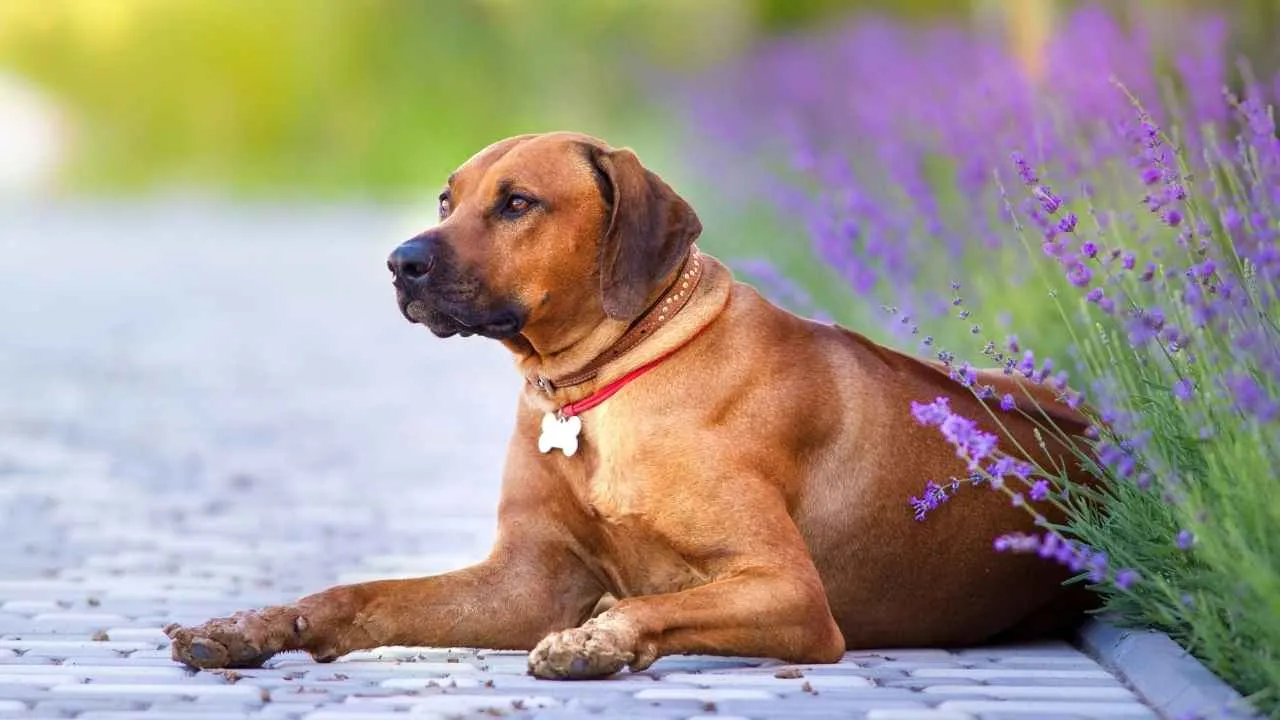
Our article is ending with the last breed, but not least, the Rhodesian Ridgeback dogs, that also stand among top trail partners. Hailing from African country Rhodesia that is now known as Zimbabwe, these dogs were built to hunt large game such as lions, baboons and leopards.
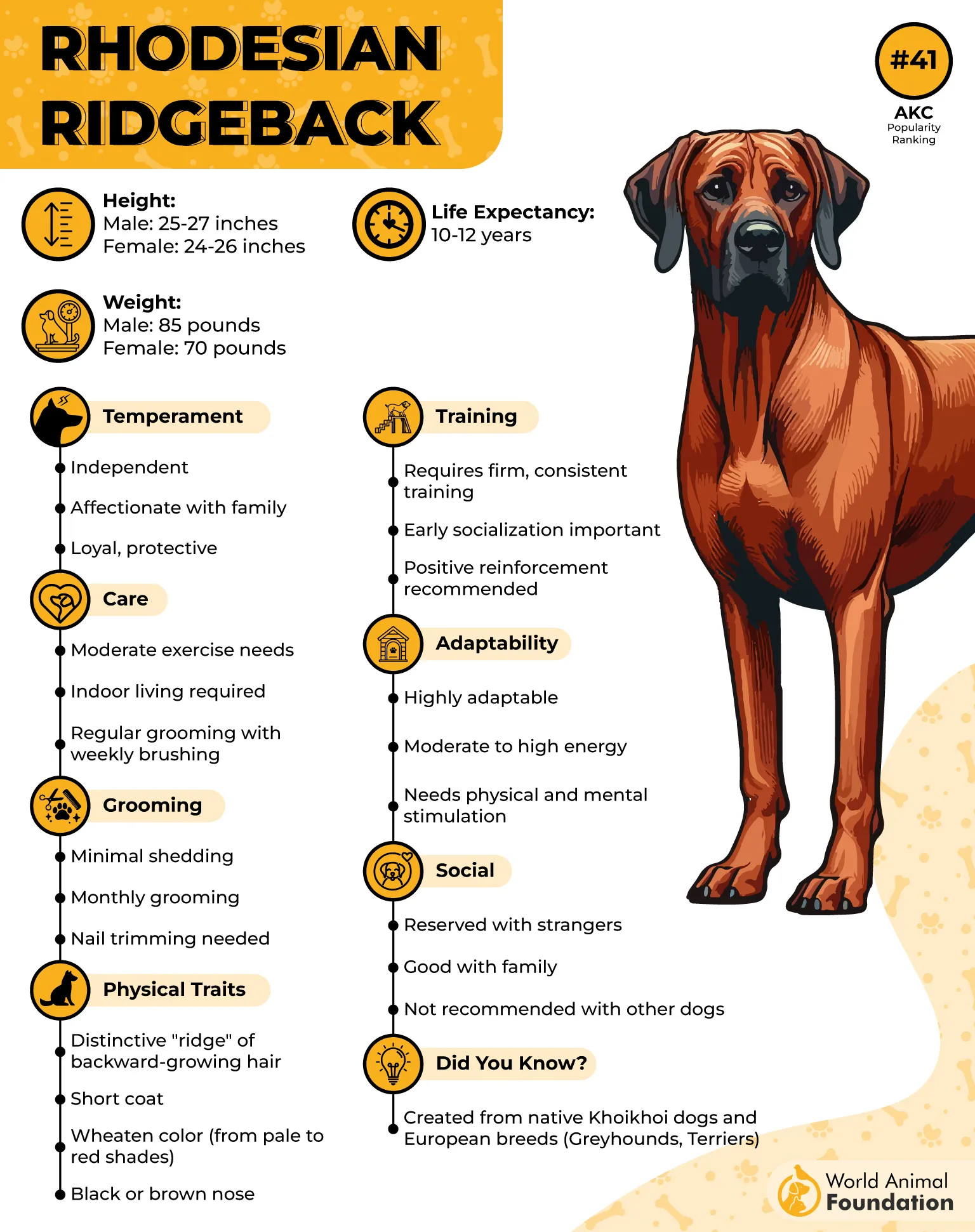
Their instincts to explore and hunt are still highly prized in today’s age by many dog lovers. Innate love for movement, high energy, stamina, and intelligence- all of these senses easily find their way when they are involved in some kind of adventures with their owners, like long hikes.
Rhodesian Ridgebacks, as a large and powerful breed, require extensive exercise, socialization, and training. Once they have burnt off their energy, they become calm indoors and enjoy snoozing and lounging with their favorite one, as if they are completely unaware of the hardships of life.
Conclusion
There is always something special about sharing a long trail with a dog that genuinely enjoys the journey. From early morning climbs to quiet evenings at camp, an energetic and well-prepared canine companion can make backpacking feel even more rewarding.
Dogs should be trained to respond reliably around wildlife, other hikers, and unfamiliar surroundings, and after that, the trail becomes an opportunity for both dog and owner to explore at a comfortable pace.
