




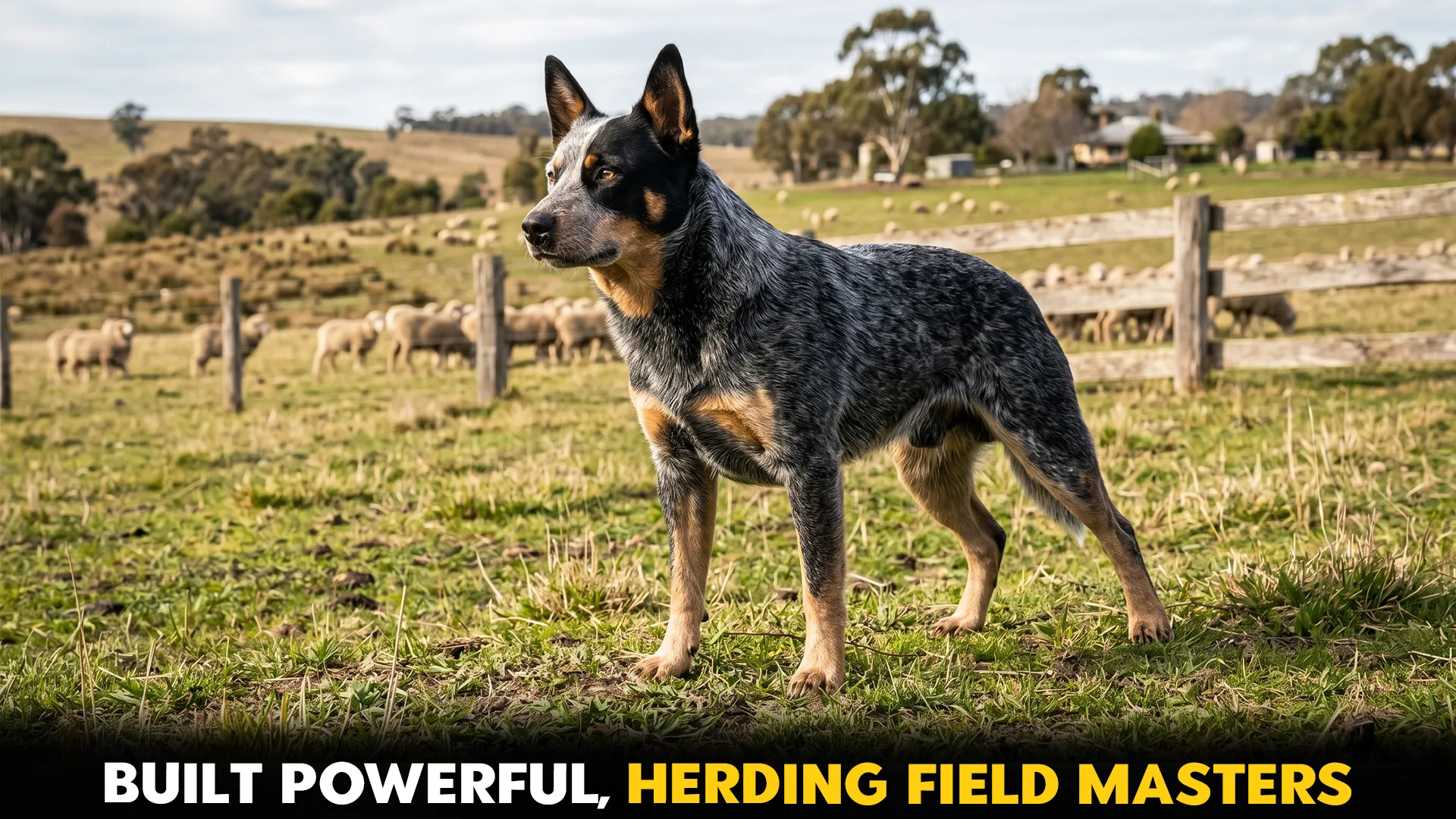
Some dogs were made for cuddling on the couch… and then there are the absolute legends built to herd cattle, guard flocks, track game, and outwork humans before breakfast. These powerhouse breeds weren’t designed for ordinary pet life—they were shaped by rugged landscapes, tough jobs, and centuries of survival instincts.
These dogs bring main-character energy to everything they do. Strength, brains, loyalty, stamina? They understood the assignment.
Whether they’re patrolling mountains, moving livestock like furry CEOs, or thriving in high-stakes working roles, these breeds are basically the overachievers of the canine world. Some are tactical geniuses, some are born guardians, and some have enough energy to make your morning coffee feel lazy.
In this lineup, we’re diving into nine powerhouse dog breeds built for fieldwork and herding—exploring what makes them iconic, what jobs they were born for, and why these working legends still have people obsessed today. Spoiler: these dogs are not just built differently… they’re built elite.
Powerhouse Dog Breeds Built for Fieldwork and Herding
1. Anatolian Shepherd
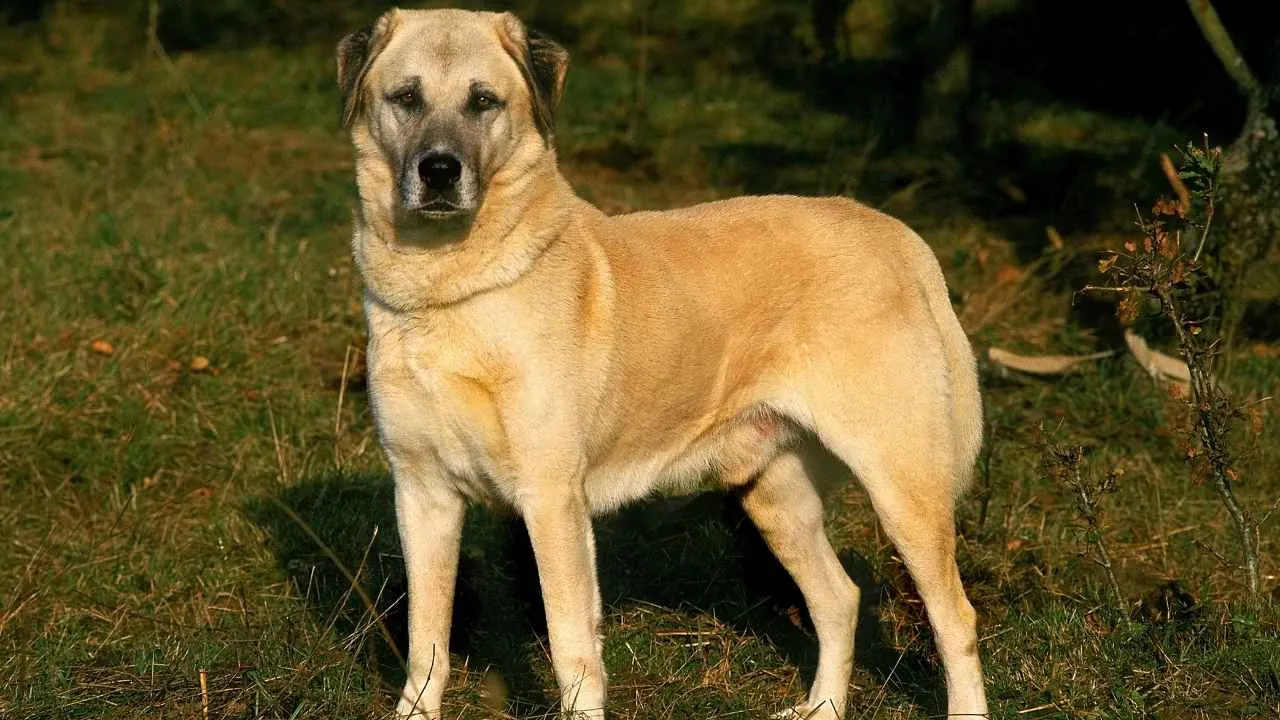
The Anatolian Shepherd is essentially the “silent security system” of the dog world, originally bred in Turkey to guard livestock against wolves and other large predators. These dogs don’t chase trouble—they end it with calm authority and insane territorial awareness.
Farmers still rely on this herding breed today because they don’t need constant direction to make smart, protective decisions.
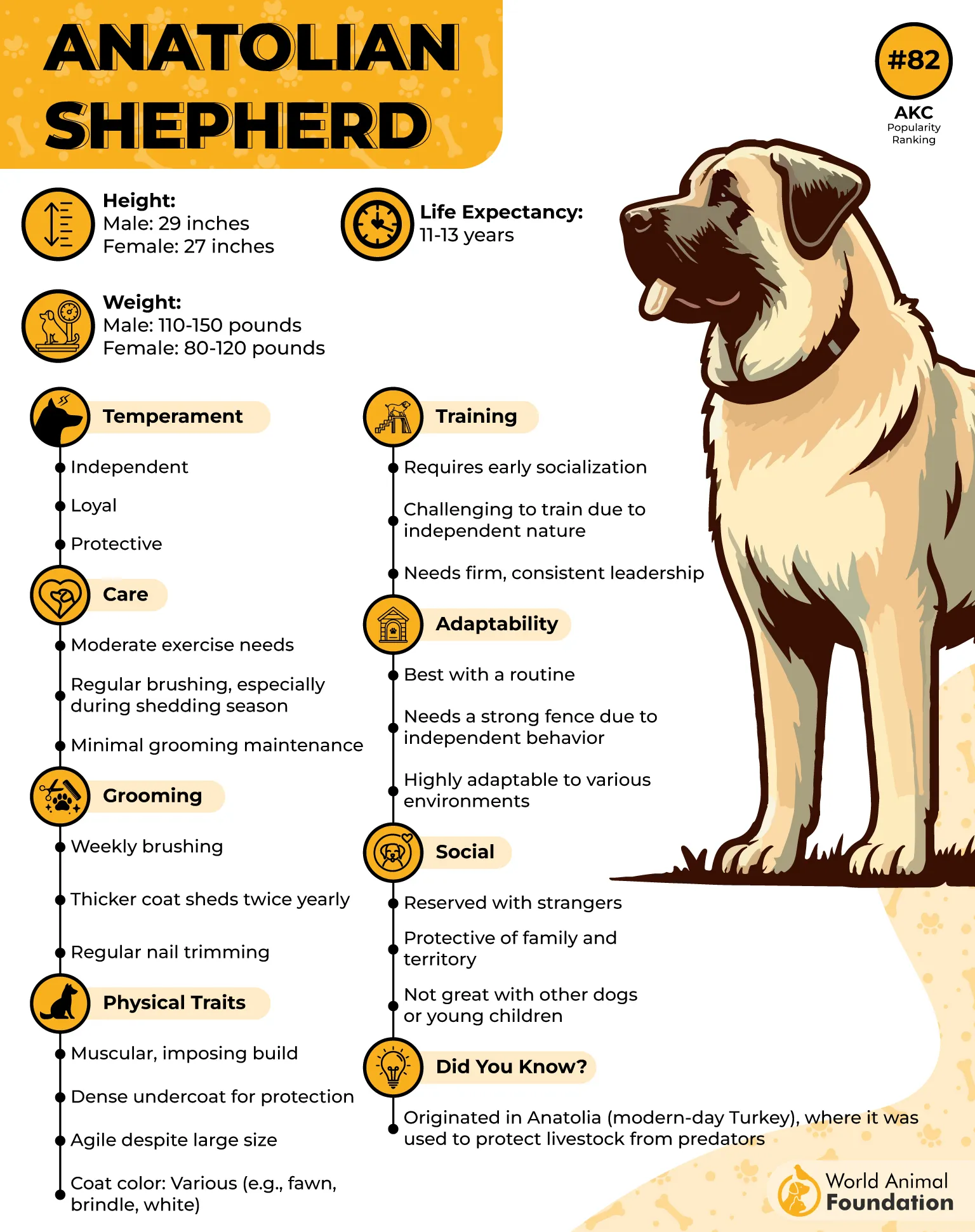
A very real and well-documented example of these dogs working in field conditions comes from livestock protection programs in the United States and Turkey.
They’re not clingy pets; they’re independent thinkers with ancient working instincts baked into their DNA. Real shepherd communities report that Anatolians often patrol large areas of land alone without supervision, which is unusual compared to most breeds.
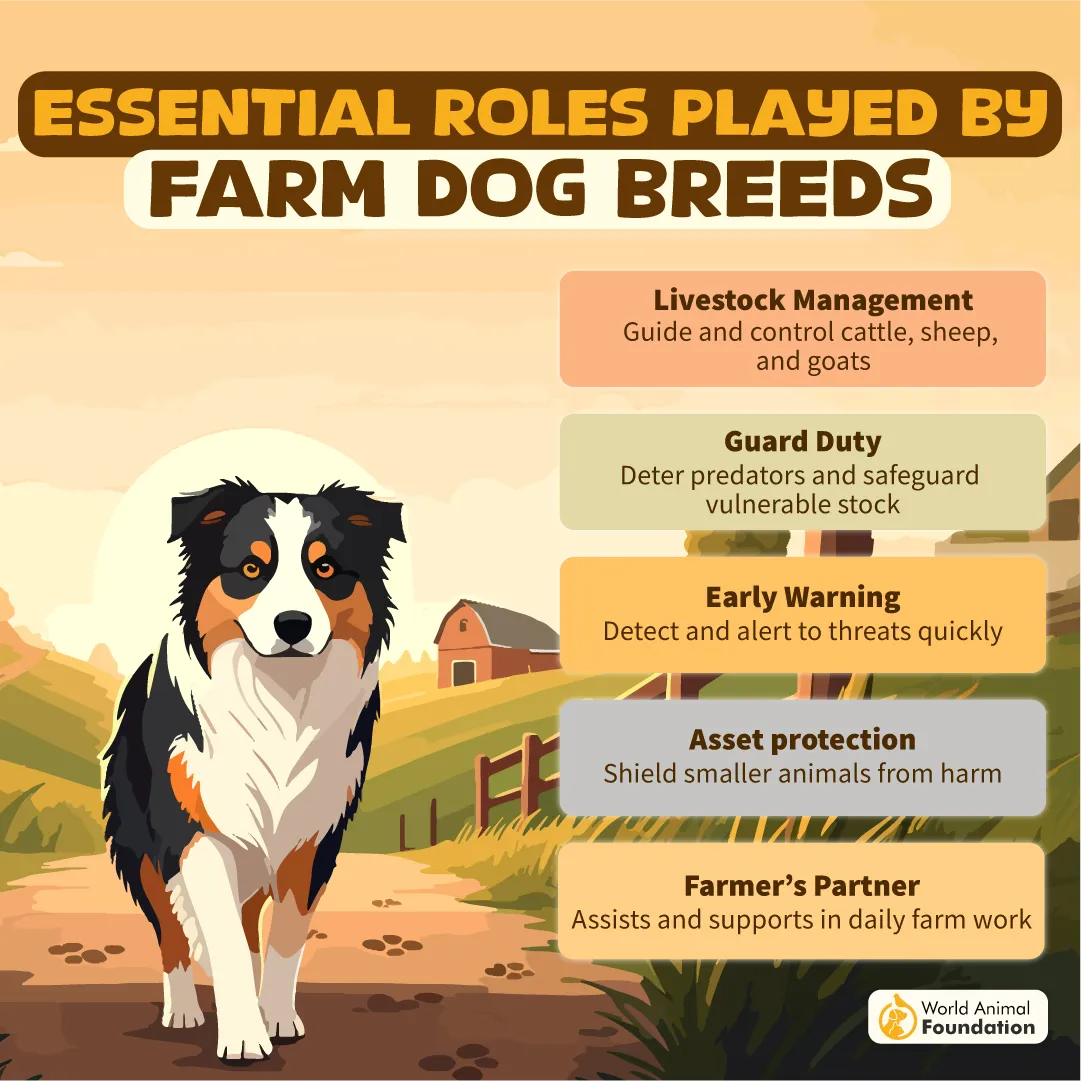
That independence is exactly what makes them elite livestock guardians.
Real Fact: In places like the American West (Wyoming, Montana, and Idaho), ranchers use them to protect sheep herds from predators such as coyotes, wolves, and even mountain lions. One widely reported field setup involves a single Anatolian or a bonded pair being released with a flock in open grazing land for weeks at a time—no fences, no constant human supervision.
2. Australian Cattle Dog
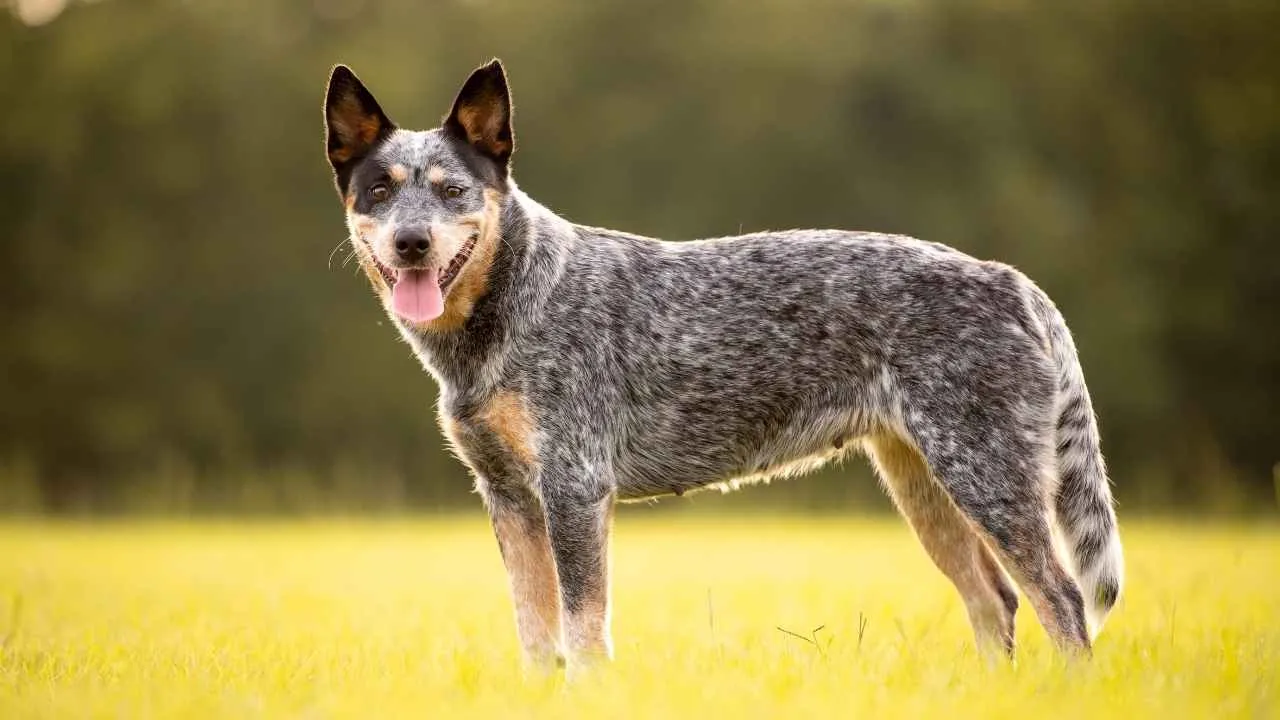
This breed is basically energy bottled into fur, bred in Australia to herd cattle across rough, massive terrain. They’re famous for “heeling,” which means nipping at livestock’s heels to keep herds moving—efficient but intense. Ranchers love them because they don’t quit, even in brutal heat.
Australian Cattle Dogs are ranked among the most intelligent working dogs in studies by canine behaviorists.
That intelligence, however, comes with the potential for chaos if they’re bored for even five minutes. You either give them a job, or they create one you didn’t approve of.
Owners often describe them as “work mode 24/7 unless asleep.” They form insanely tight bonds with their handlers but expect constant mental stimulation. This is not a Netflix-and-chill dog—it’s a “let’s move the world” dog.
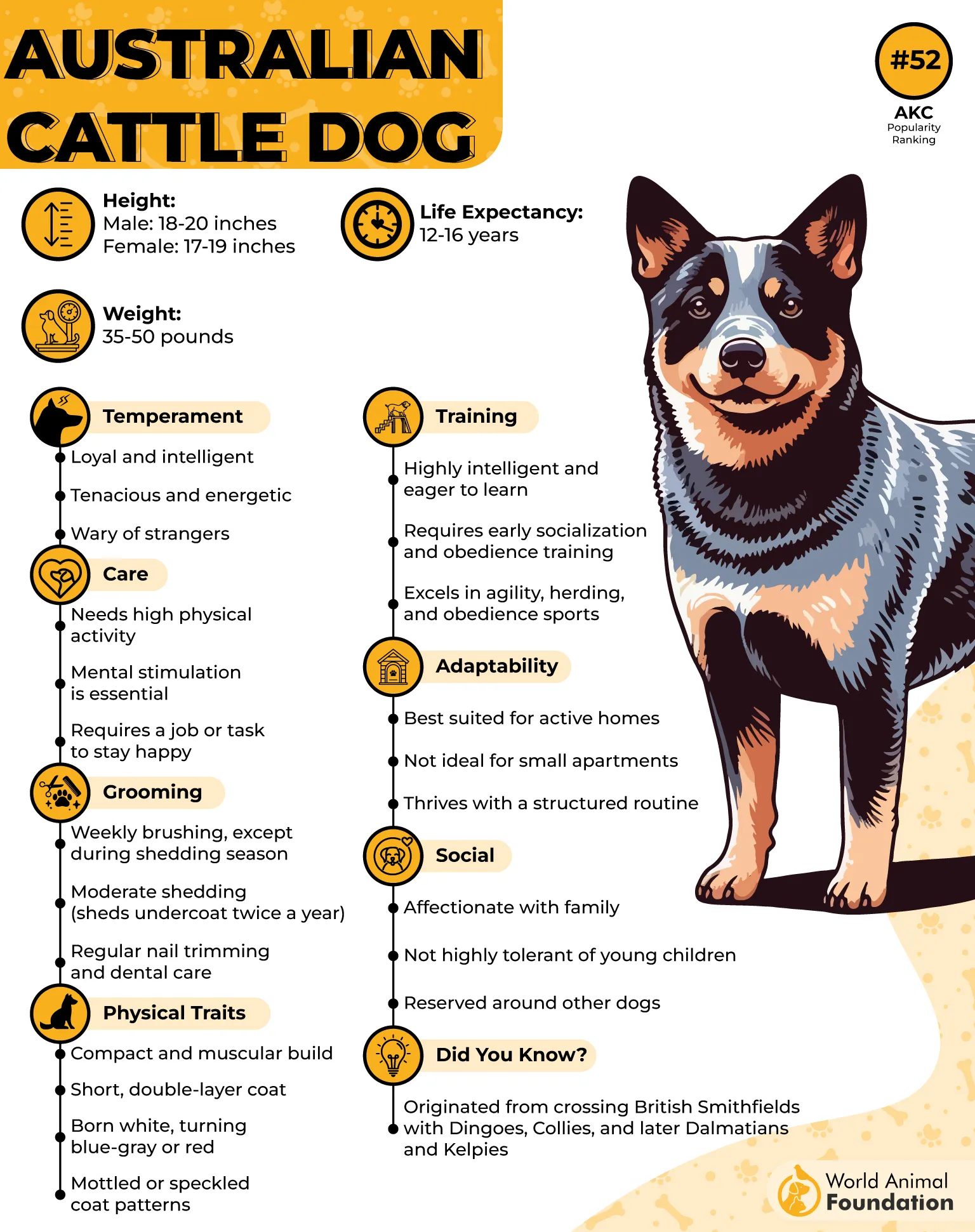
Here’s the wild part: they’re famous for a behavior called “heel nipping”, where they instinctively nip cattle at the heels to keep massive herds moving across open land. It’s not aggression—it’s precision herding. Ranchers actually rely on this trait because it works so efficiently on stubborn livestock.
Fun fact: They were literally bred by mixing herding dogs with wild dingoes in Australia to survive harsh ranch conditions—and that’s why they’ve got that “built different” energy.
3. Australian Shepherd
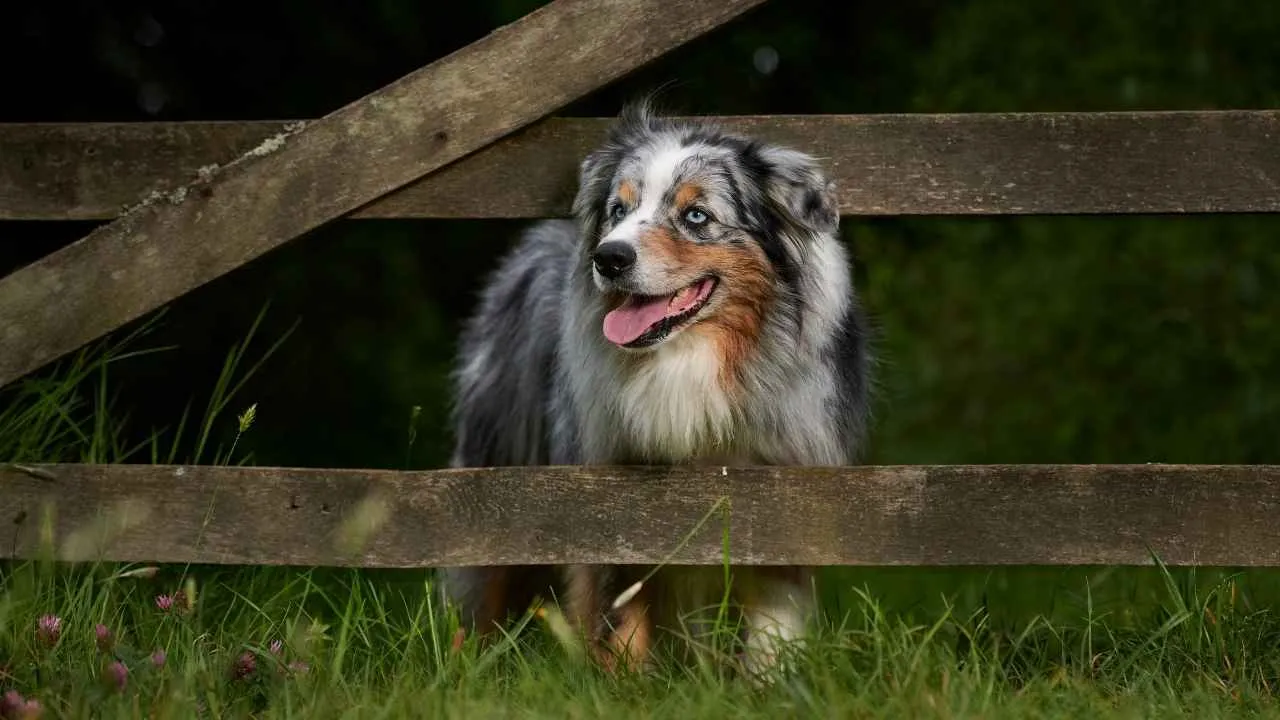
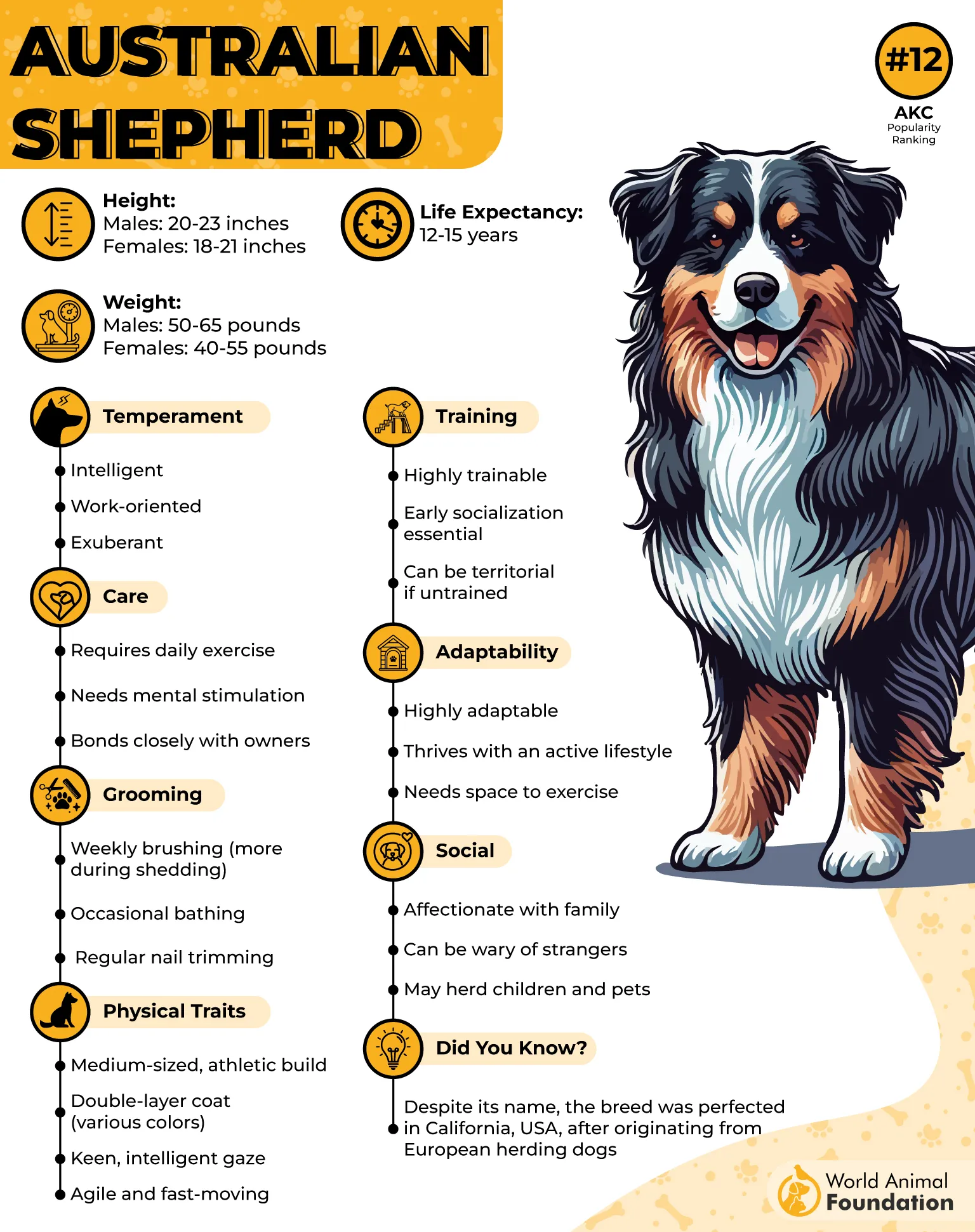
Despite the name, the Australian Shepherd was actually refined in the United States for ranch work. These dogs became rodeo and farm legends because of their insane agility and responsiveness. They can shift direction mid-run like they’re playing real-life parkour.
They’re known for reading human emotions extremely well, almost like emotional mirrors.
Ranchers often say Aussies anticipate commands before they’re even spoken, which sounds fake but isn’t. That intuition makes them both workers and companions.
Their double coat and stamina make them perfect for long outdoor days. But they need daily engagement, or they’ll start inventing “projects” indoors. Think of them as creative problem-solvers with fur.
At home, these Shepherd dogs are famous for their “velcro dog” behavior. They bond so tightly with their humans that they often shadow them from room to room, like a furry assistant who never clocks out. On ranches, this makes them insanely effective because they’re constantly tuned in to the handler’s movement and commands.
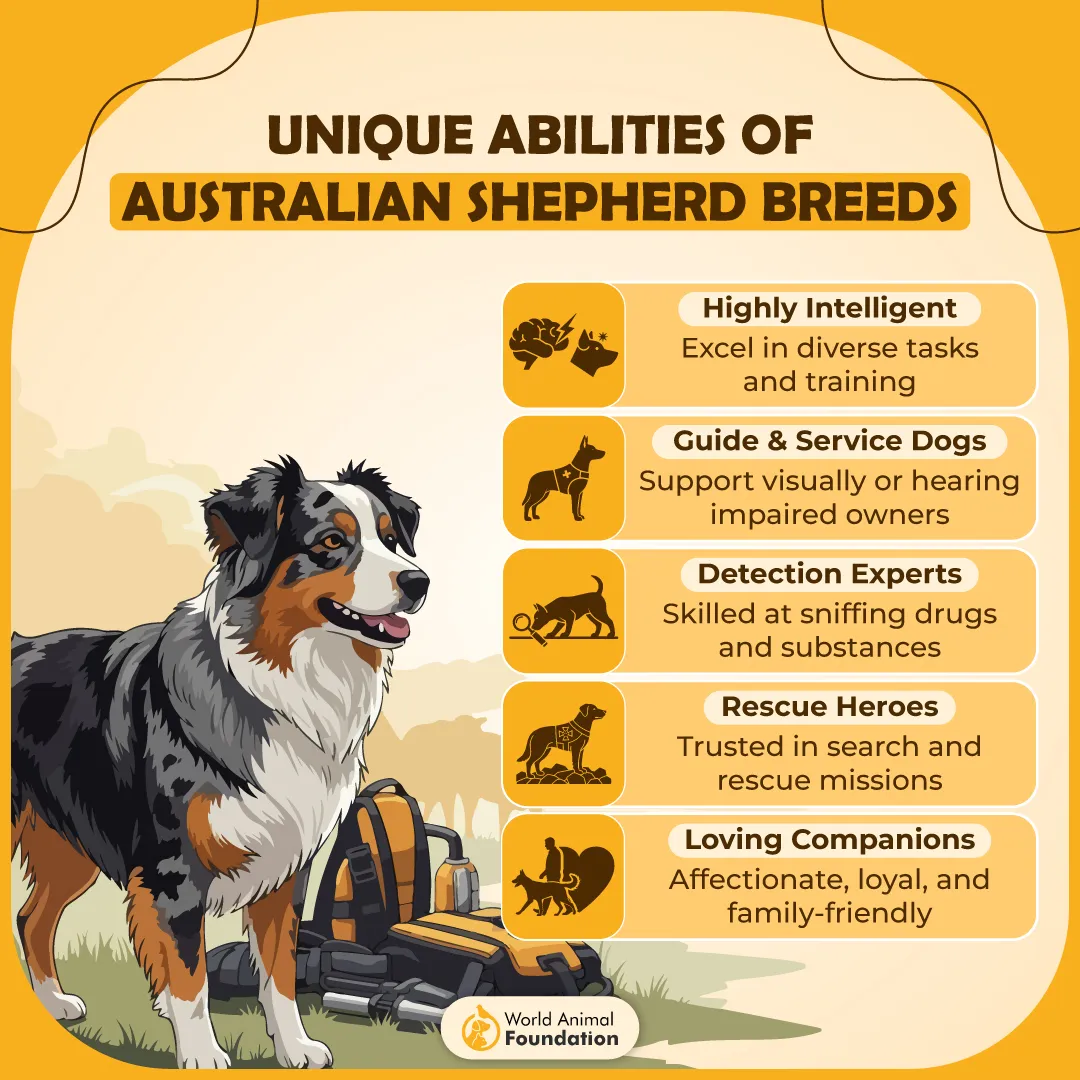
Did You Know? They were developed in the United States to work on ranches, and the “Australian” label likely came from association with Basque shepherds who brought sheep dogs from Australia in the 1800s. Ranchers in the American West just stuck with the name—and it never changed.
4. Border Collie
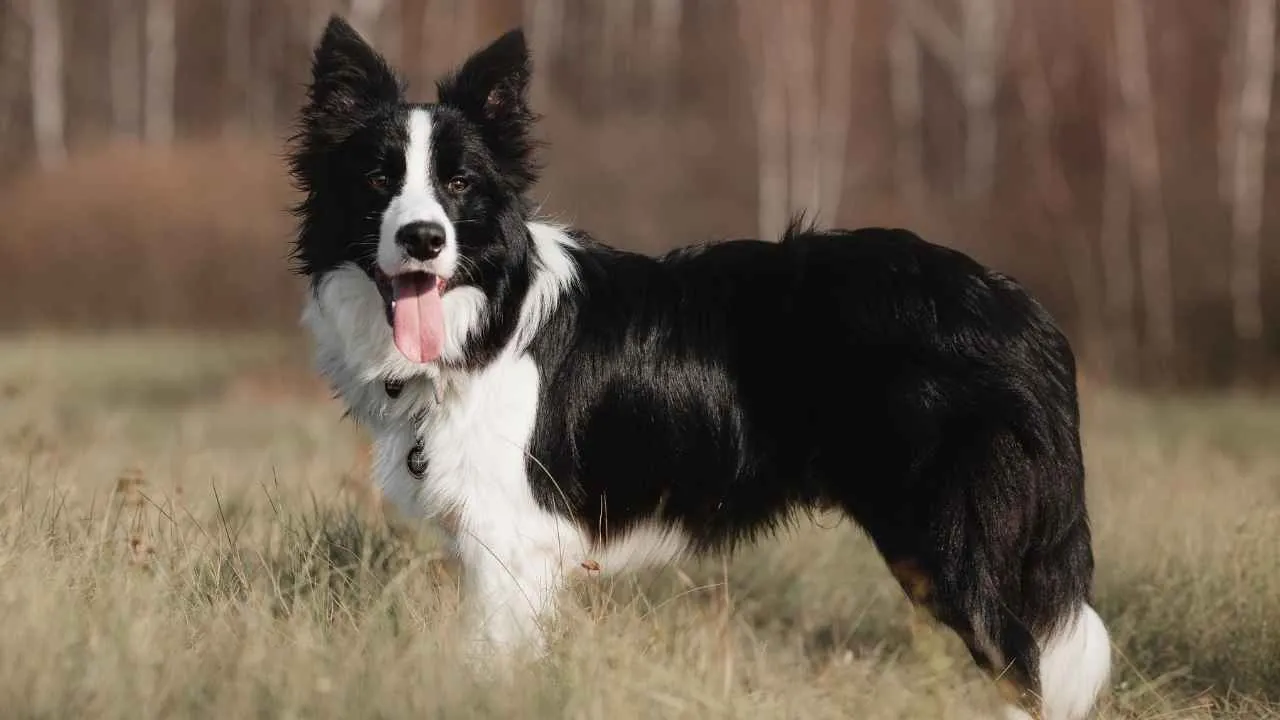
Border Collies are widely considered the smartest dog breed in the world in multiple canine cognition studies. They were engineered in the UK border regions specifically for herding sheep with precision. Their signature stare, called “the eye,” is enough to move livestock without physical contact.
They don’t just follow commands—they analyze them in real time and sometimes outperform expectations. Farmers often joke that Border Collies “run the farm better than humans.”
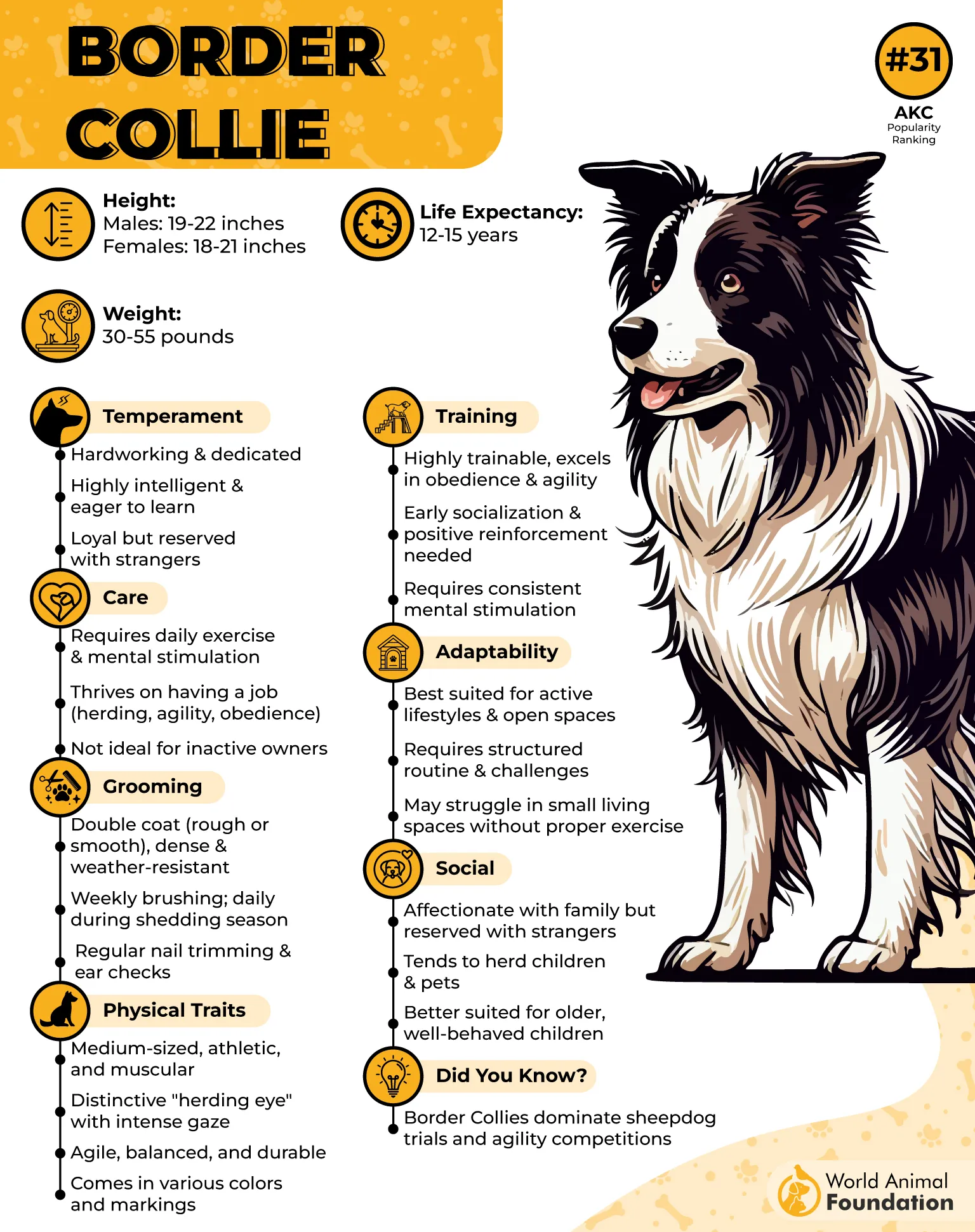
That level of intelligence can be both impressive and overwhelming.
They thrive on structured tasks like agility courses, search work, and complex herding. Without mental challenges, they get restless fast. Basically, give them puzzles, or they’ll design their own.
A Stat To Know: This herding dog breed is consistently ranked #1 in canine intelligence in studies of working and obedience intelligence. This means many of them can learn a new command in fewer than 5 repetitions and often obey it correctly on the first try at a success rate of over 95% when properly trained.
5. Belgian Malinois
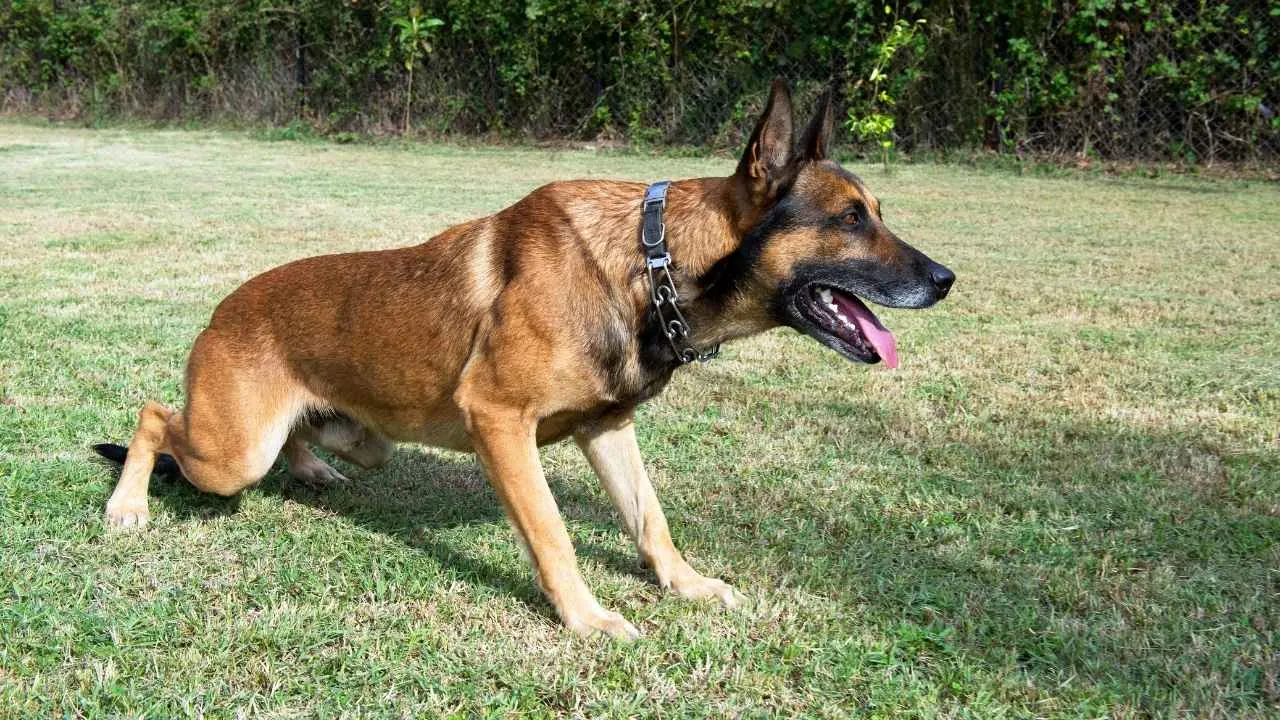
The Belgian Malinois is essentially the elite athlete among working dogs, widely used in military and police K9 units worldwide.
Their drive, speed, and obedience levels make them ideal for high-risk operations. They’ve even been part of special forces missions like the one that took down Osama bin Laden.
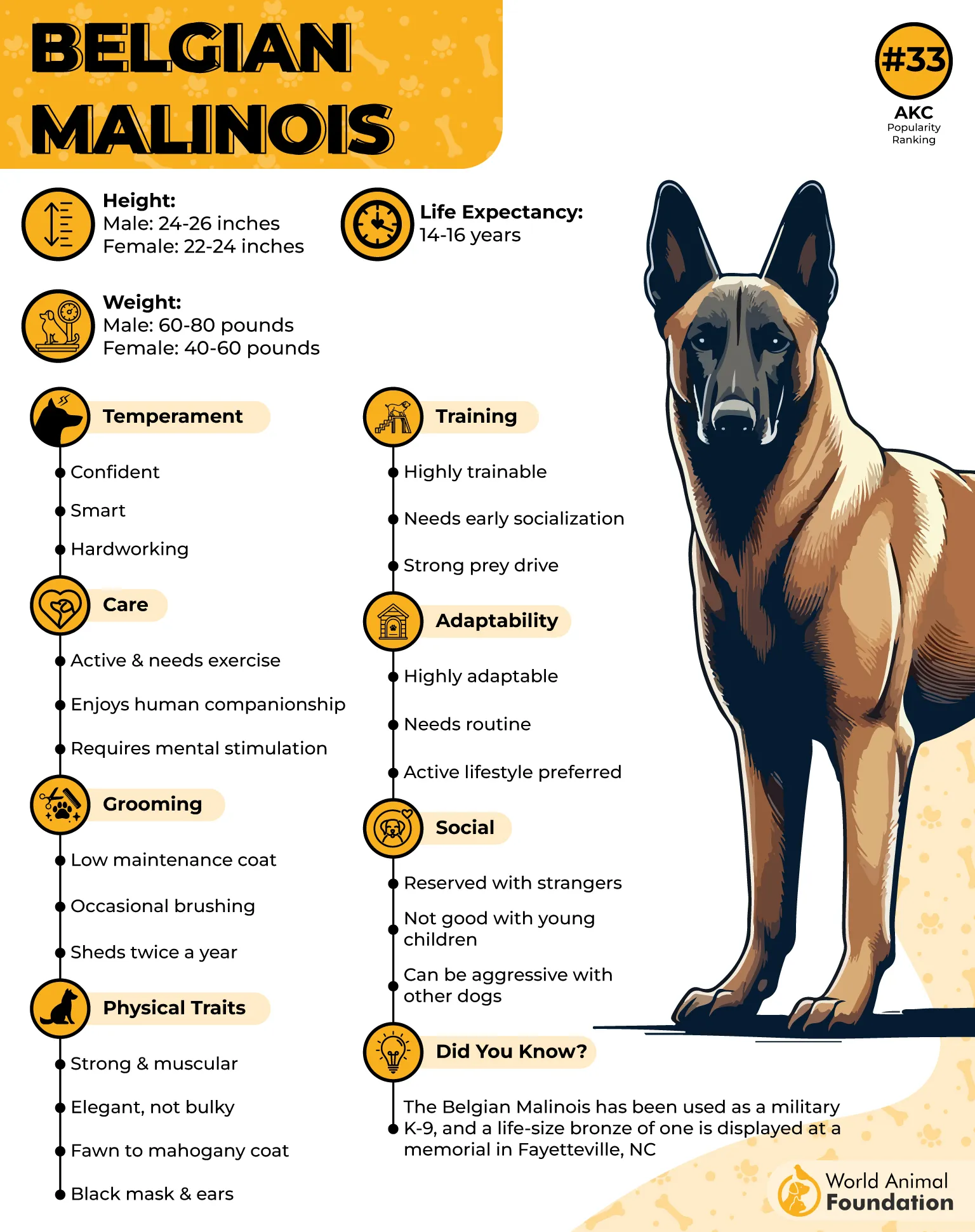
They are extremely trainable but require experienced handlers because of their intense nature. A bored Malinois is not just energetic—it’s strategically destructive. They need structured work, not casual walks.
Wanna know how it feels to have this dog as a pet? Check out this Reddit thread, and it will give you a good idea!
A more accurate way to put it: they’re high-drive working dogs built for nonstop action and intense focus. In real working roles like military and police K9 units, these energetic dogs are often chosen over other breeds because they can sprint, track, and switch tasks repeatedly without losing intensity or attention.
Their bond with handlers is famously strong, almost like a tactical partnership. They read commands, tone, and movement with precision. These loyal companions are not a beginner-friendly breed—it’s a professional-grade working machine.
6. German Shepherd
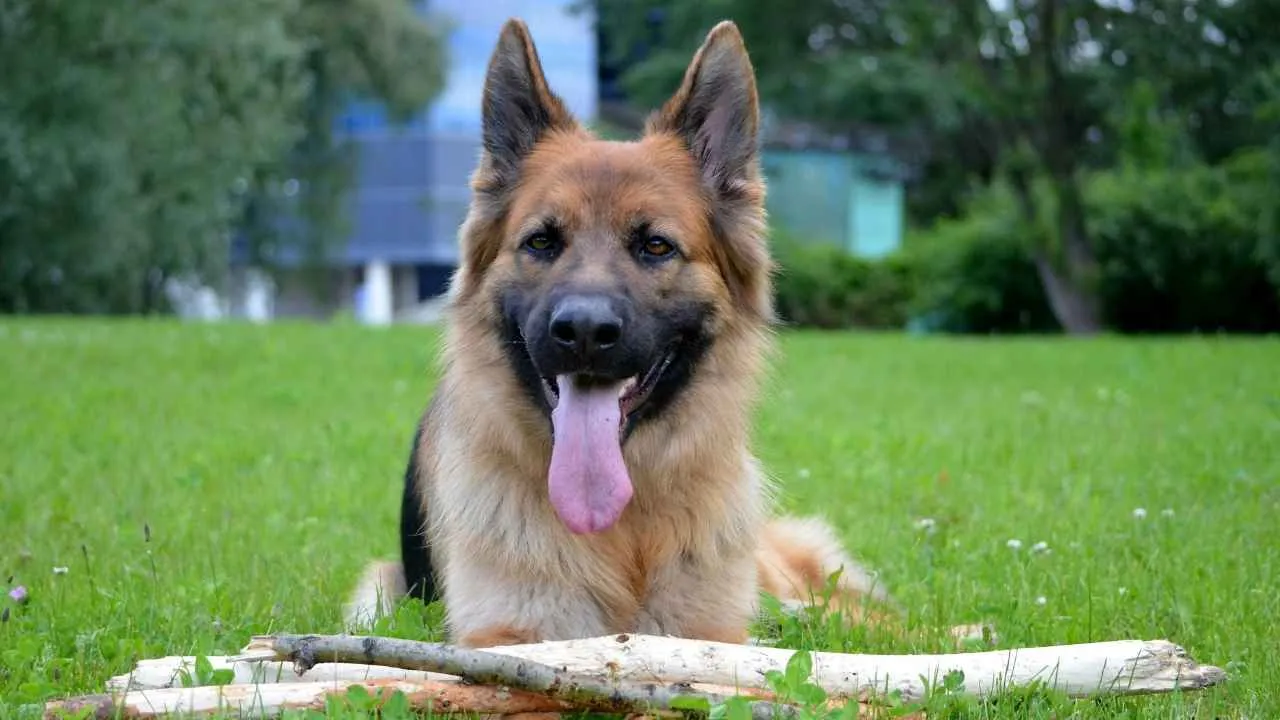
German Shepherds are the ultimate all-rounders, originally developed in Germany for herding and later adapted for police, military, and service work. They combine intelligence, loyalty, and physical strength in one balanced package. That’s why they dominate working dog roles globally.
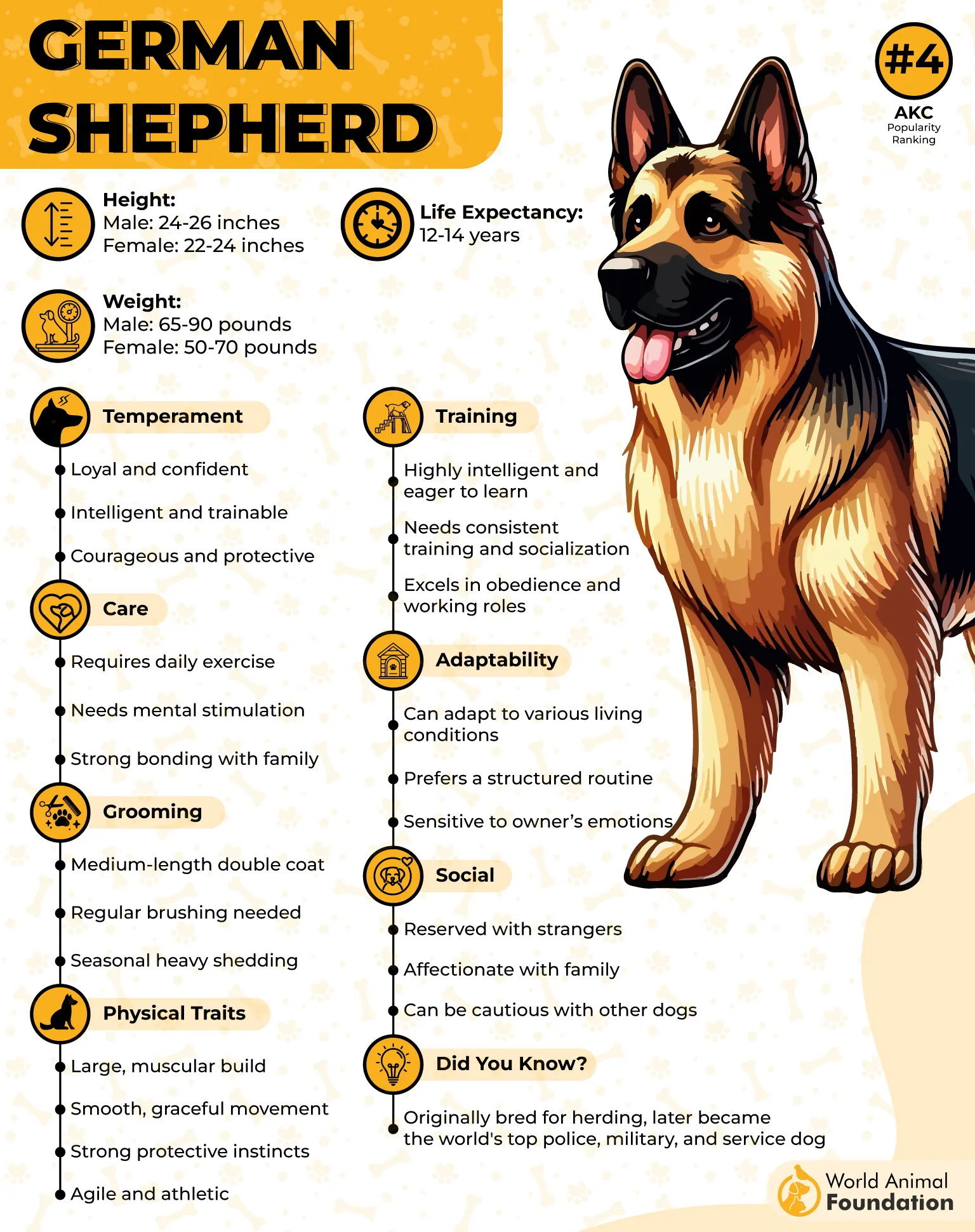
They’re known for their ability to distinguish between normal situations and real threats. Studies in canine cognition highlight their strong problem-solving skills and their ability to retain obedience.
That’s why they’re used in everything from rescue missions to detection work.
At home, they are one of the many dog breeds that are deeply loyal and family-oriented. They often form strong protective bonds with children and primary caretakers. Think of them as calm professionals until duty calls.
The German Shepherd is one of the most trusted breeds as search and rescue dogs (SAR). It combines intelligence, endurance, and nerves of steel under pressure. In real SAR operations, German Shepherds are trained to locate missing people in disaster zones like earthquakes, avalanches, floods, and collapsed buildings.
7. Great Pyrenees
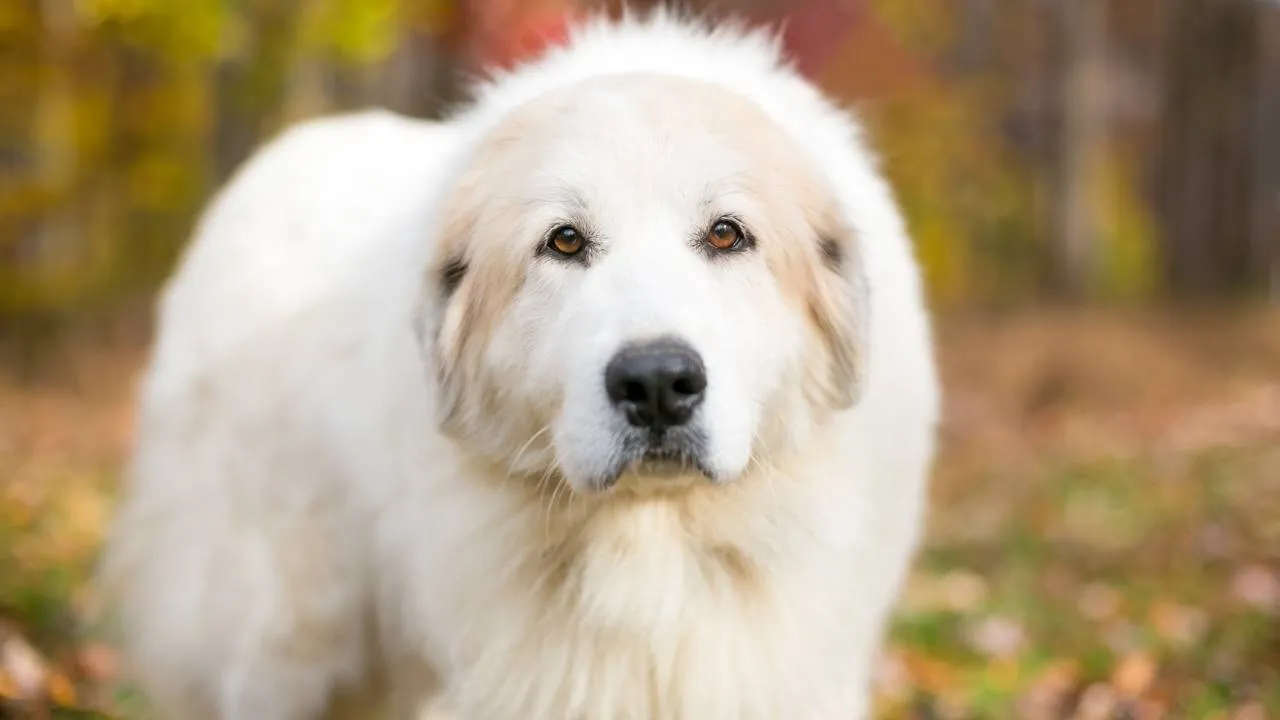
The Great Pyrenees is a fluffy mountain guardian bred to protect sheep in the Pyrenees Mountains between France and Spain. It is often underestimated because of its fluffy coat, but underneath all that “snow-cloud” fur is a seriously powerful working body.
These intelligent dogs often worked alone for days, making independent decisions without human input. That shaped their calm but highly alert personality.
They are famously gentle with their flock but instantly defensive toward predators.
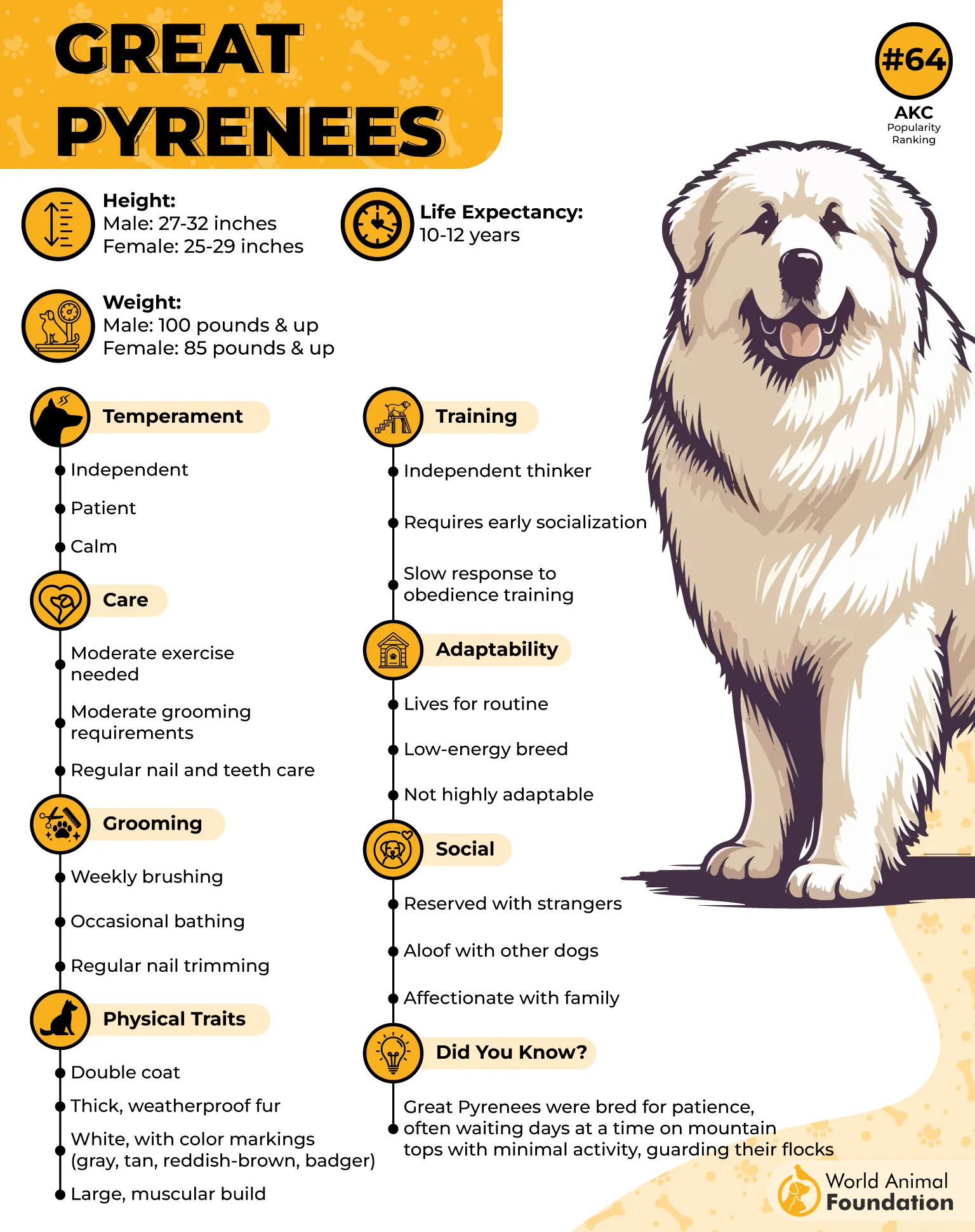
Farmers still use them because they don’t panic—they assess and act. Their white coat also helped them blend into snowy environments for stealth protection.
At home, Purina claims that they’re relaxed but always aware of their surroundings. They tend to patrol at night, which is classic guardian behavior. Think of them as peaceful roommates who secretly run security at 3 AM.
Historical Fact: Despite their calm appearance, they were bred to patrol livestock areas independently for hours or even days in the Pyrenees Mountains. That required not just endurance, but strong muscular stamina—enough to climb steep slopes, move through snow, and physically deter predators when needed, often without human backup.
Conclusion
These nine powerhouse breeds aren’t just pets—they’re working legends shaped by centuries of fieldwork, herding, and survival roles. From Border Collies solving livestock chaos to Anatolian Shepherds silently guarding entire flocks, each breed brings a different kind of intelligence to the table. Their abilities aren’t random—they’re the result of real-world demands and selective breeding across generations.
What makes them stand out isn’t just strength or speed, but decision-making under pressure. Whether it’s a Belgian Malinois in tactical service or a Great Pyrenees patrolling mountain terrain, these dogs operate with purpose. That purpose-driven mindset is what turns them into elite working companions.
At home, they shift from “job mode” to family guardians, but the instincts never fully switch off. That’s why training, structure, and engagement matter so much for these breeds. Without direction, their intelligence doesn’t disappear—it just finds its own path.
