




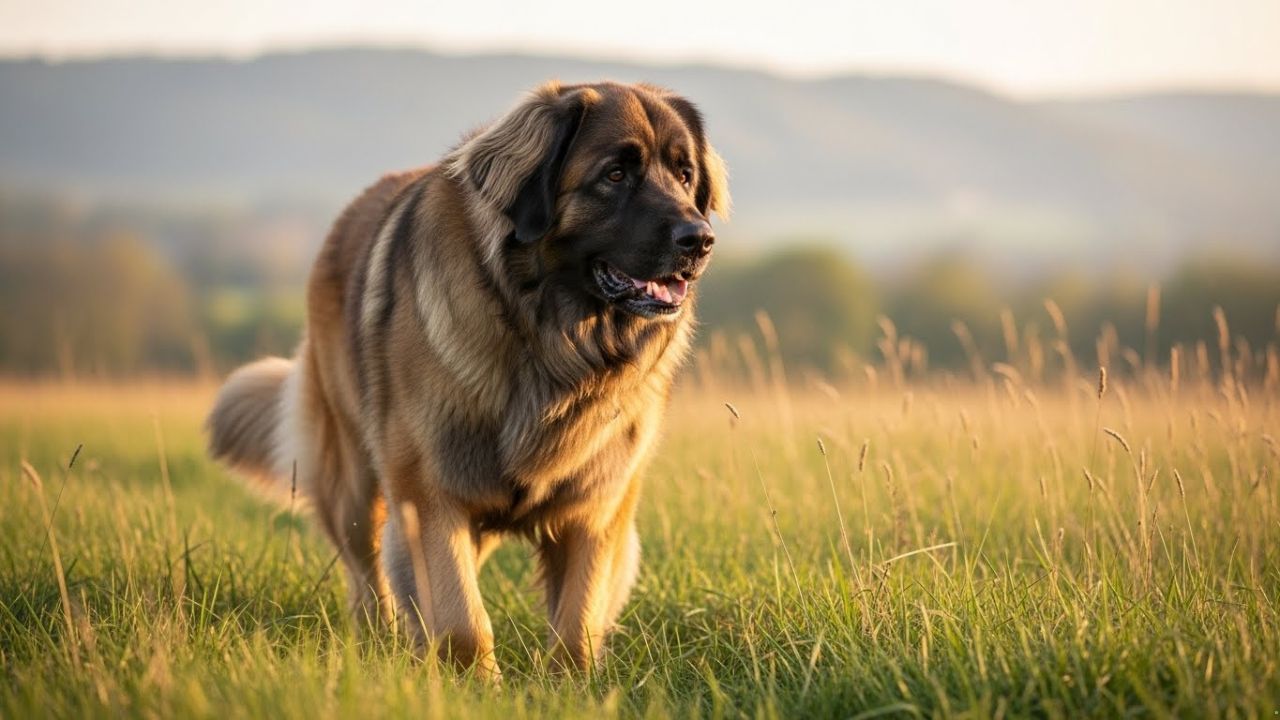
Have you ever wished dogs could stay with us just a little longer? It can feel unfair that some dogs seem to age faster, even when they are loved, fed well, and cared for every day.
Many people are surprised to learn that a dog’s size is often linked to how long they live. In general, larger dogs tend to have shorter lives than smaller dogs.
That is a real pattern seen in many studies and vet records. But life span is not only about size. Daily habits, health care, and even small choices at home can make a big difference over time.
In this blog, we will talk about why some dogs have shorter lives, what signs to watch for as they grow older, and simple ways to help your dog live a healthier, happier life.
Dog Breeds and Their Relatively Short Lives
1. Neapolitan Mastiff
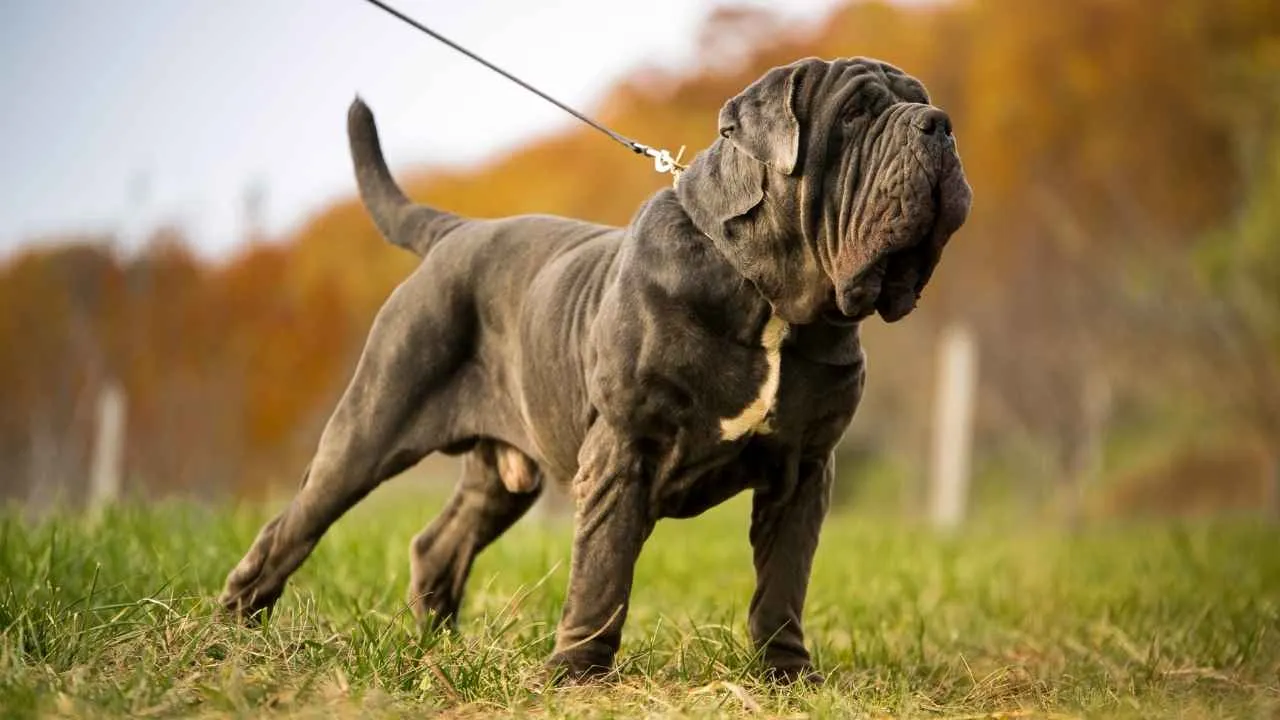
If you love a “don’t mess with my house” vibe, the Neapolitan Mastiff shows up like a living fortress. But yep, it’s also on the list of short-lived dog breeds, and that can hit you right in the feelings.
This dog is a powerful guardian that can be wary of strangers, yet sweet and steady with loved ones. This breed has a life expectancy of about 7–9 years, and says that a shorter time is tied to sheer size and a higher risk of health issues.

Sounds crazy, right?
The big stuff to watch is the heart disease side of things. Dilated cardiomyopathy can show up, sometimes with coughing, weakness, or even sudden collapse.
And those famous wrinkles? Cute, but they can also mean skin fold irritation and allergy drama. Think of it like “extra laundry, but on a dog.” Exactly.
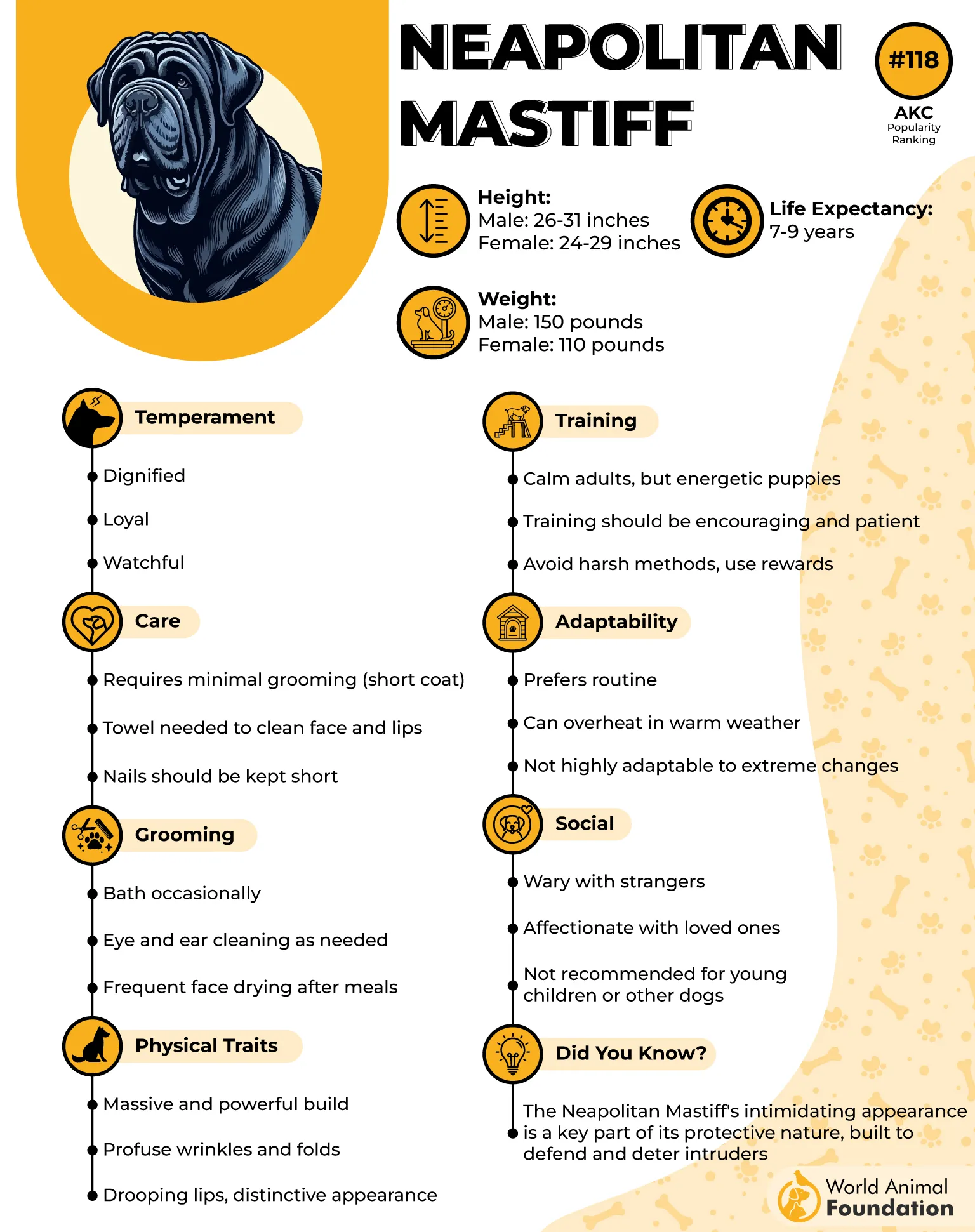
But wait, there’s more! PetMD also warns about gastric torsion (GDV), a serious bloat and twist situation. If you ever see retching with no vomit, a swollen belly, or panic pacing, call your vet fast.
Little things that help
Keep skin folds clean and dry.
Ask your vet about heart checks as your pup hits middle age.
Feed calmly, and avoid wild play right after meals to lower bloat risk.
2. Leonberger
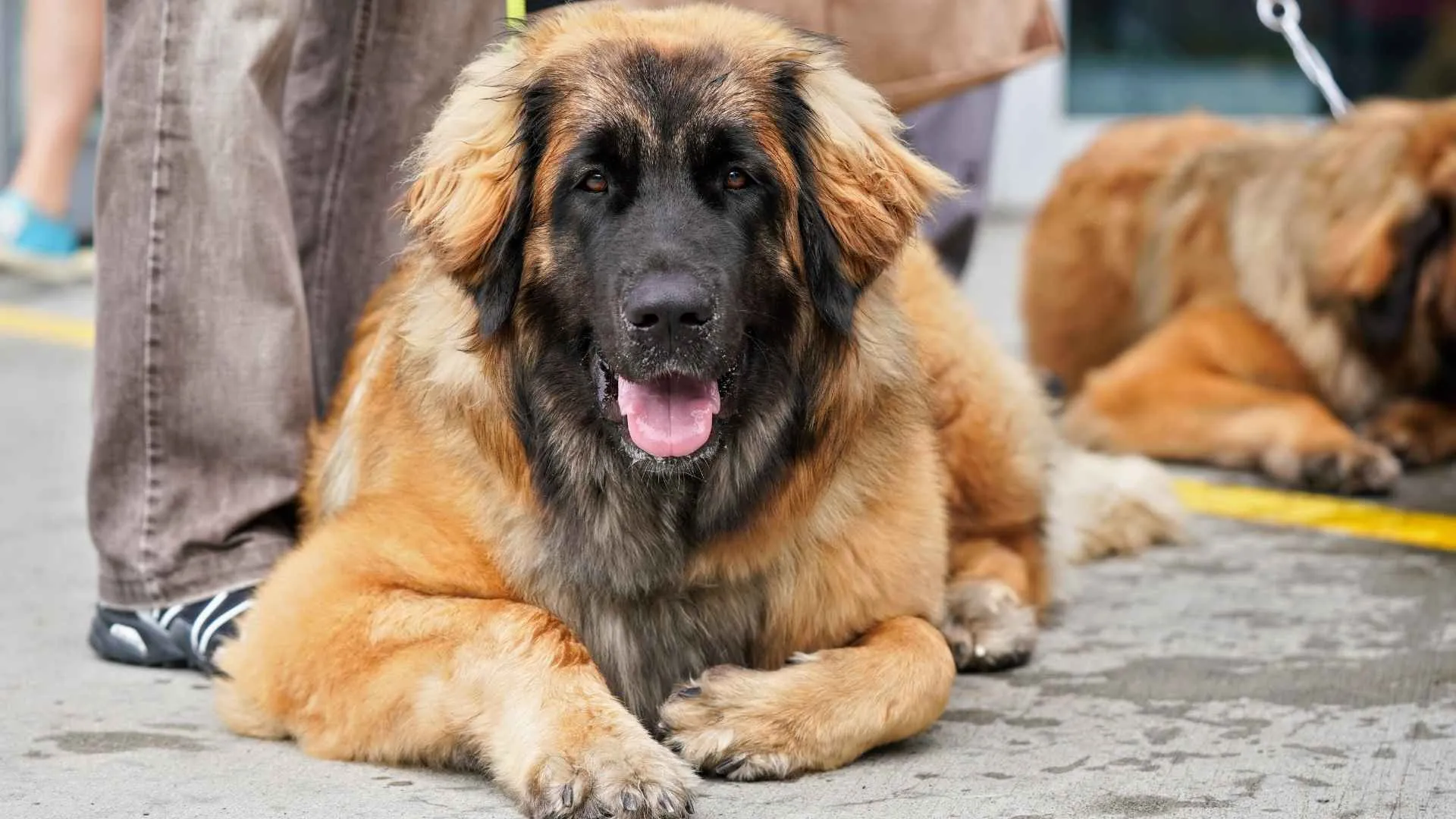
The Leonberger is basically a walking hug with a lion vibe. It’s one of those dog breeds that feels like a fluffy best friend and a polite roommate at the same time.
But it’s also among the breeds with the shortest timelines for large dogs, so planning ahead matters. This pup has an average lifespan of around 8–10 years, which is a tough little truth.
Here’s the good part. This breed often wants to be close, calm, and involved. Like your shadow, but with more fluff.
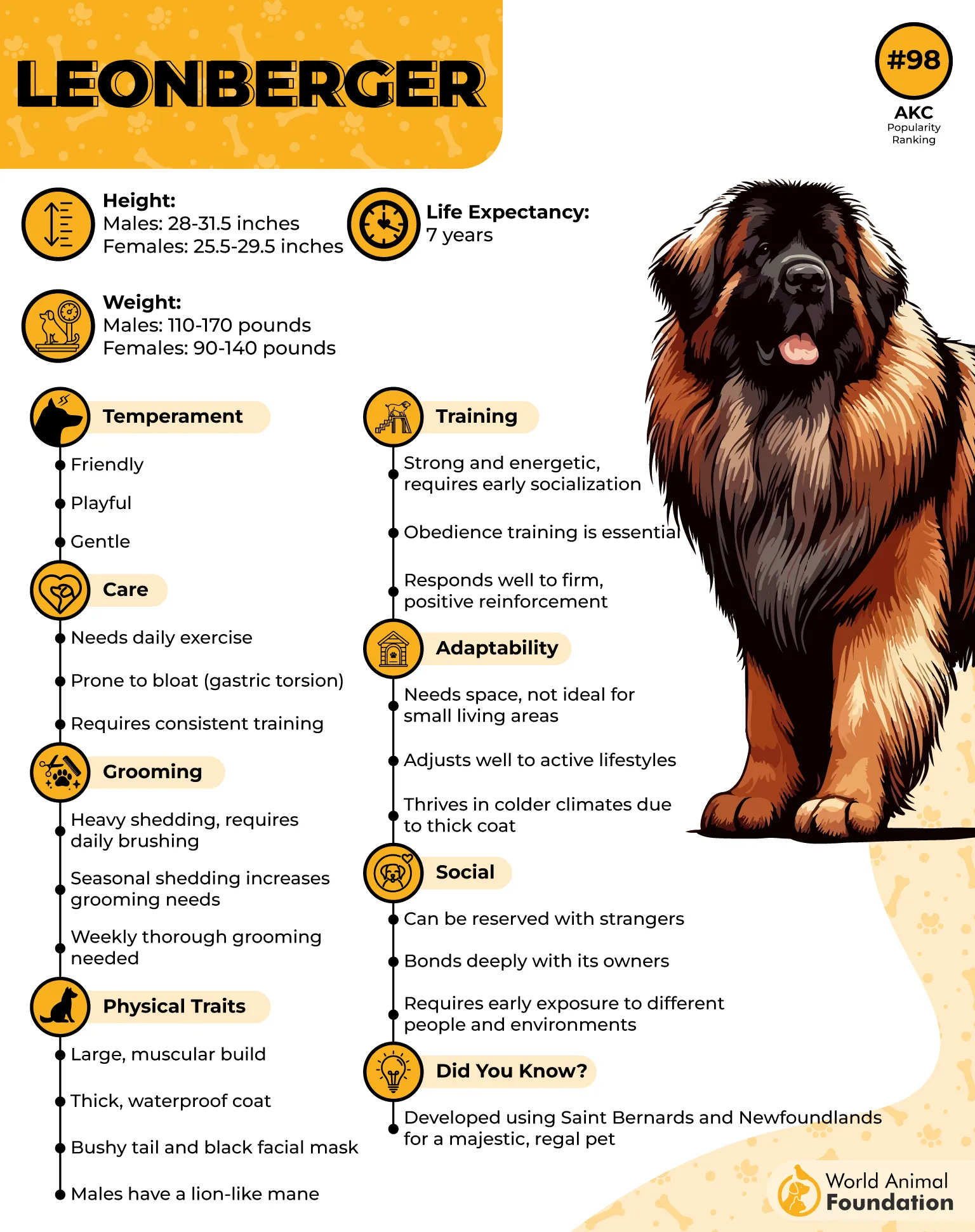
Still, the short life risk is real, and it’s often linked to the body working hard, fast, for many years.
The common health problems include hip dysplasia, elbow dysplasia, heart disease (including DCM), and even laryngeal paralysis.
So your game plan is steady habits. Think daily exercise that’s low impact, a balanced diet, and regular veterinary care so small issues do not turn into big ones.
What makes this breed special
Big “gentle soul” energy, often calm at home.
A known list of common health concerns you can screen for early.
Thrives when life is steady, not chaotic.
3. Bernese Mountain Dog
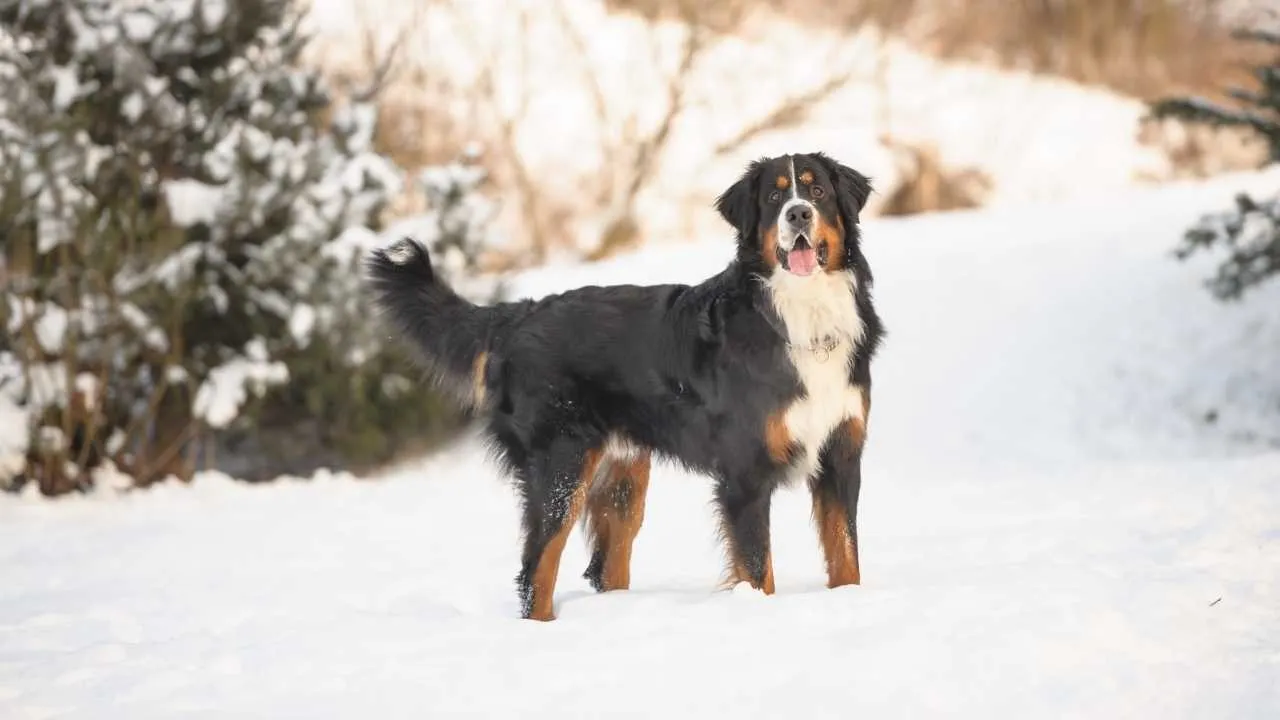
The Bernese Mountain Dog is that friend who is sweet, loyal, and always down for a cozy hang. They are strong working dogs with an affectionate nature and a calm, easy vibe with their people.
But yes, it’s also one of the breeds with the shortest runs, which is why this topic matters so much.
An Arch Creek Animal Clinic guide says the average lifespan is often 7–10 years, and calls that a relatively short life expectancy linked to size and inherited risks.
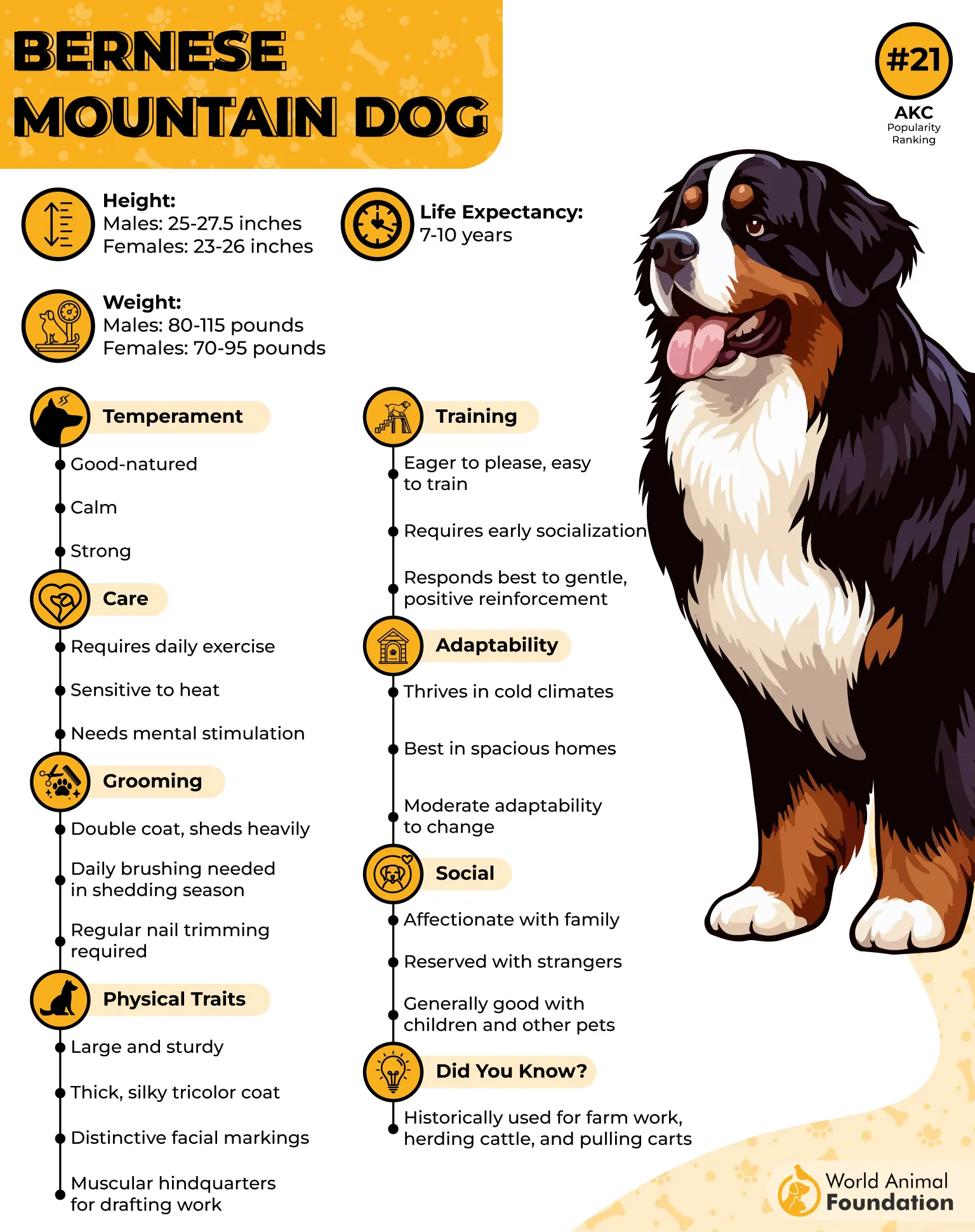
It also points to screening ideas like hip and elbow checks, heart exams, and more. That’s not “extra,” that’s smart.
Health-wise, this breed can face joint trouble like hip and elbow dysplasia, plus bloat risk. And yes, cancer can be part of the story in this breed.
One scary example is bone cancer, which can happen in very large bodies as they age. So watch for limping that does not improve, and do not “wait it out” forever.
Quick care wins
Keep up with joint-friendly regular walks.
Ask your vet about screening early, not late.
Pick a proper diet so that growth and joints are supported.
4. Great Dane
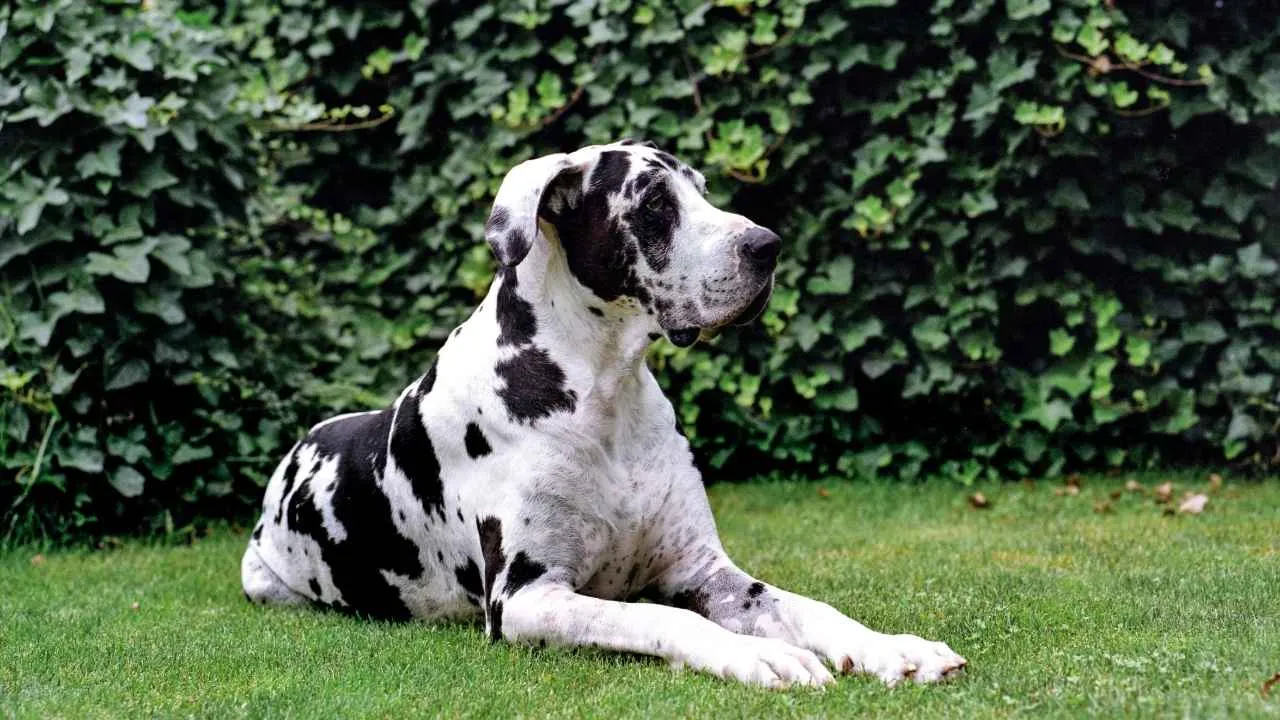
The Great Dane is basically a couch-sized sweetheart who thinks it is a lap dog. These dogs were originally bred for hunting wild boar, which is wild when you see them gently leaning on you for pets.
But this is also one of the classic breeds with the shortest stretches of life, and it can feel unfair.
They are friendly and patient, with a calm “gentle giant” vibe. Great Danes live about 8–10 years, with some only 6–7. That’s a very real shortest lifespan reality for some pups.
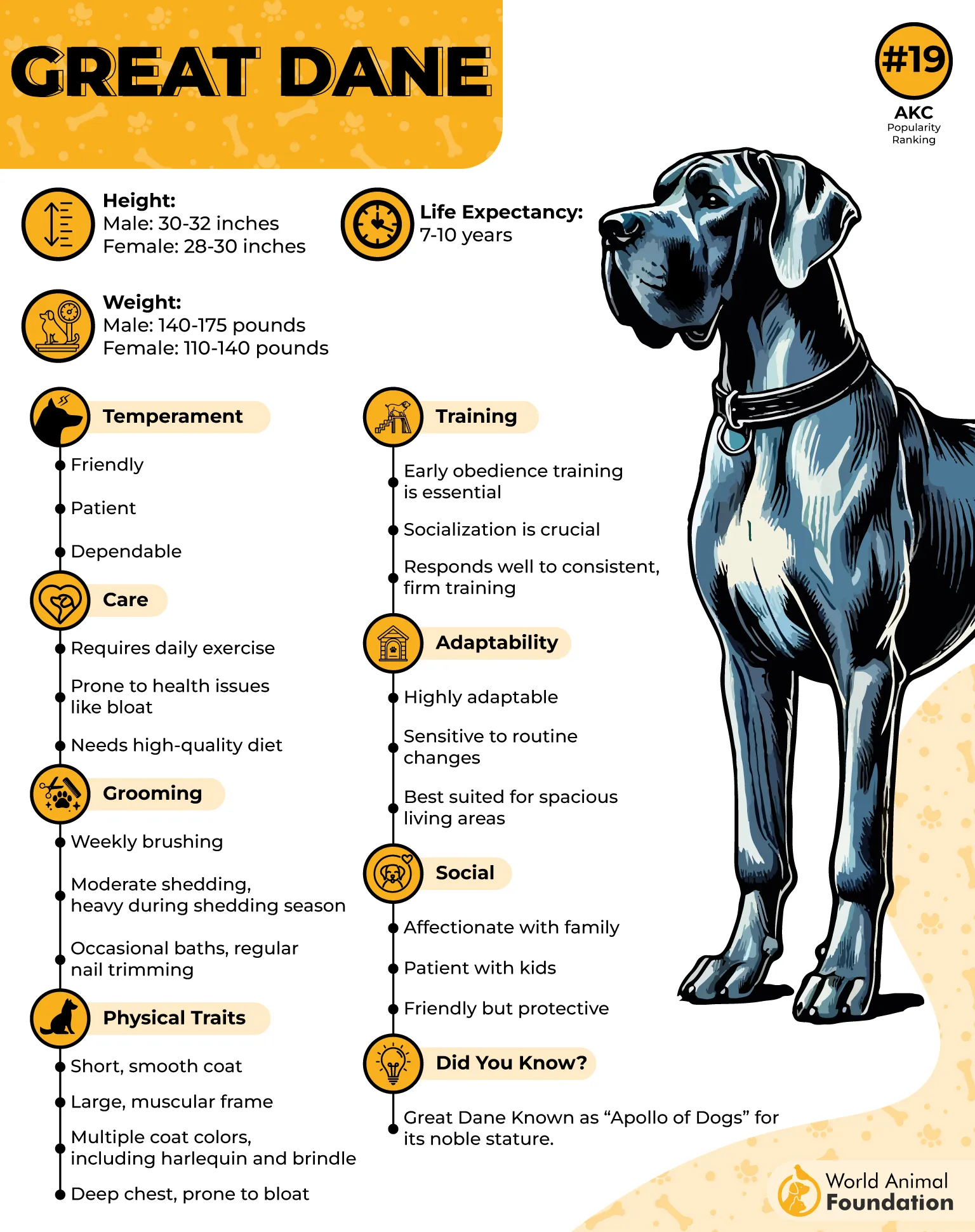
So what matters most? Protect the joints, protect the heart, and keep life steady. Big bodies can mean more strain, more joint issues, and more serious conditions over time. Exactly.
Also, bloat is the “nope, emergency” topic with deep-chested dogs, so learn the early signs and talk to your vet about prevention steps.
Why this breed feels so unique
A “big soft baby” personality in a giant frame.
A known pattern of short life that rewards early, calm routines.
Often happiest with gentle play, not nonstop chaos.
5. Bullmastiff
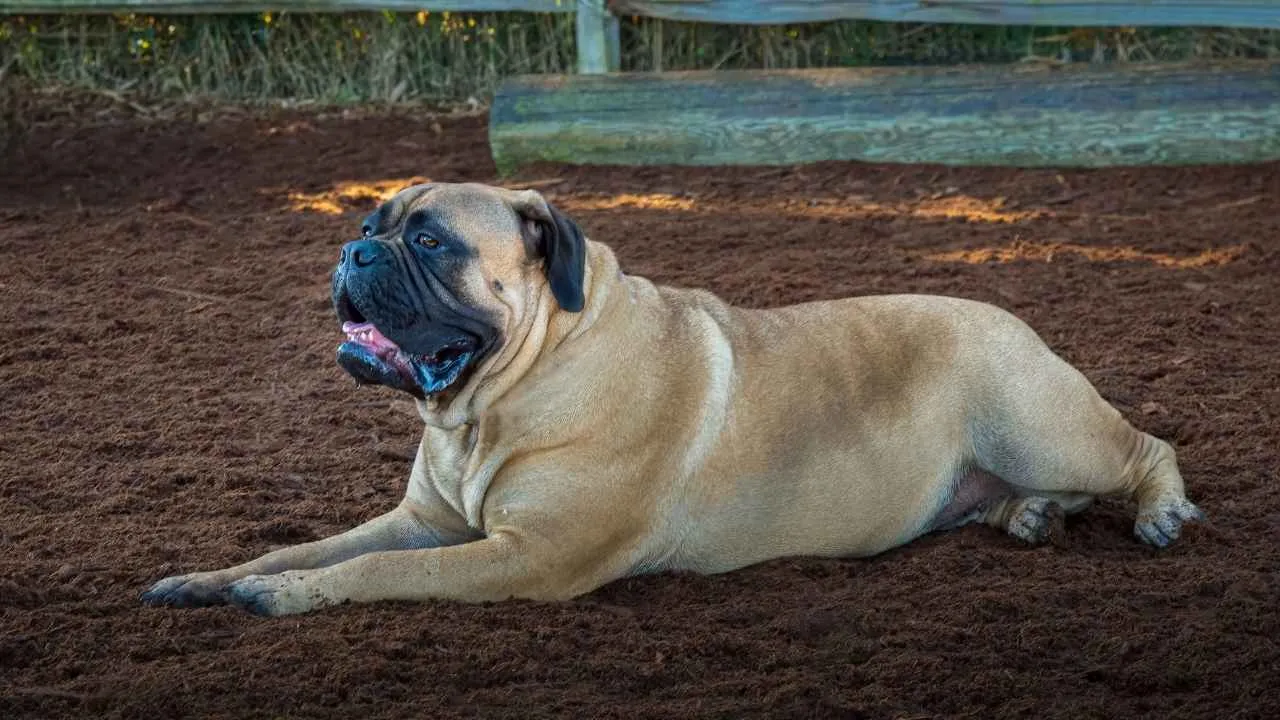
The Bullmastiff gives “serious security guard” energy, but with a sweet, family-first heart. They are one of the breeds that are as courageous, calm, and devoted.
The typical Bullmastiff life expectancy is about 7–9 years, and large dogs often don’t live as long as smaller dog breeds.
These dogs are intelligent and need early training because a big, confident dog without manners is basically a lovable wrecking ball. And here’s the best part. When trained well, they can be calm, steady, and super loyal at home.
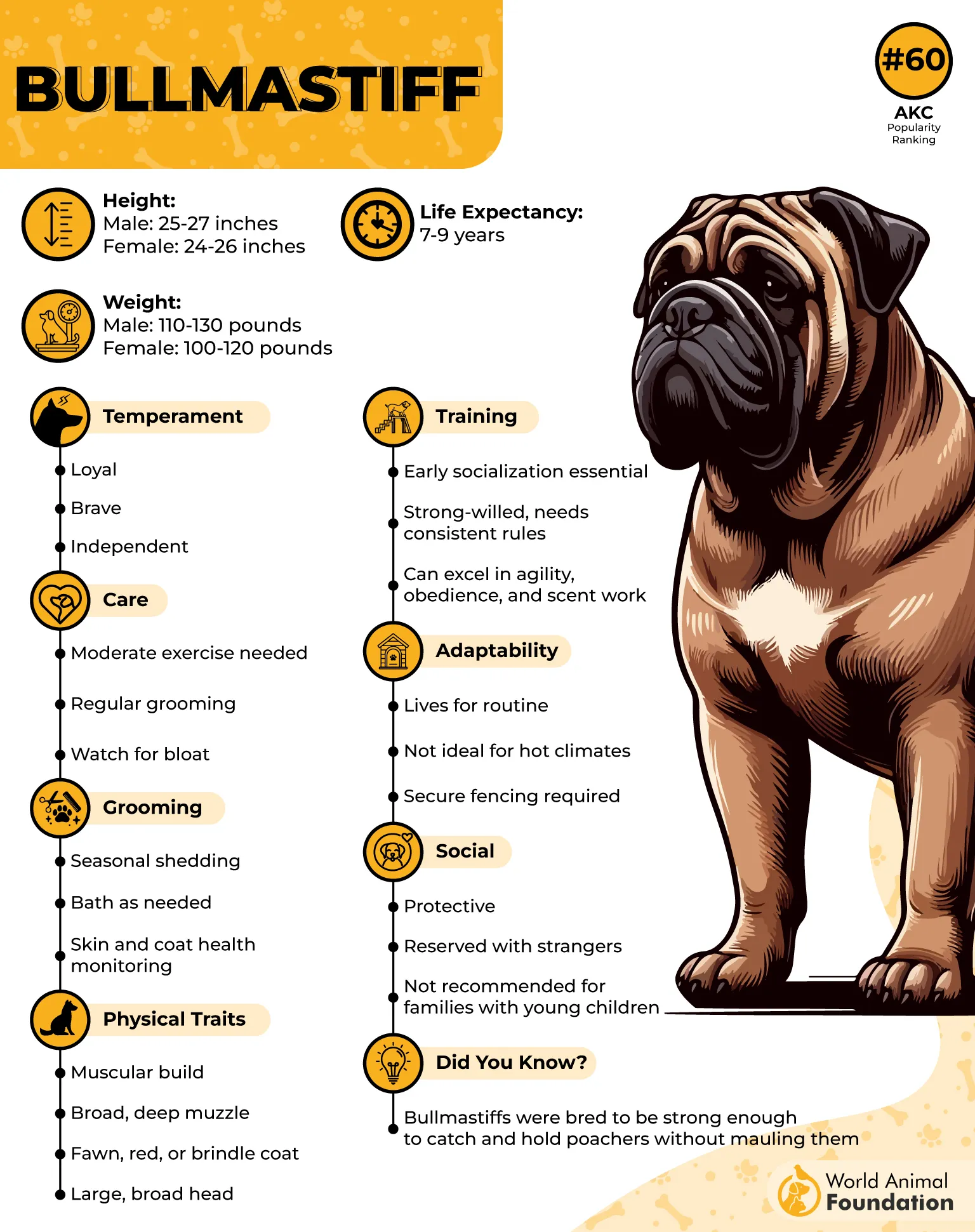
For health concerns, PetMD highlights heart conditions like DCM and subaortic stenosis, plus eye issues like entropion.
It also talks about hip dysplasia, where the thigh bone does not sit right in the hip joint and can lead to arthritis and pain. So keep exercise steady, keep weight in check, and do not skip vet visits.
Small tips that matter
Stick to regular exercise, not marathon runs.
Watch for breathing or fatigue changes that could mean heart trouble.
Feed a quality large breed dog food for the right life stage.
6. Irish Wolfhound
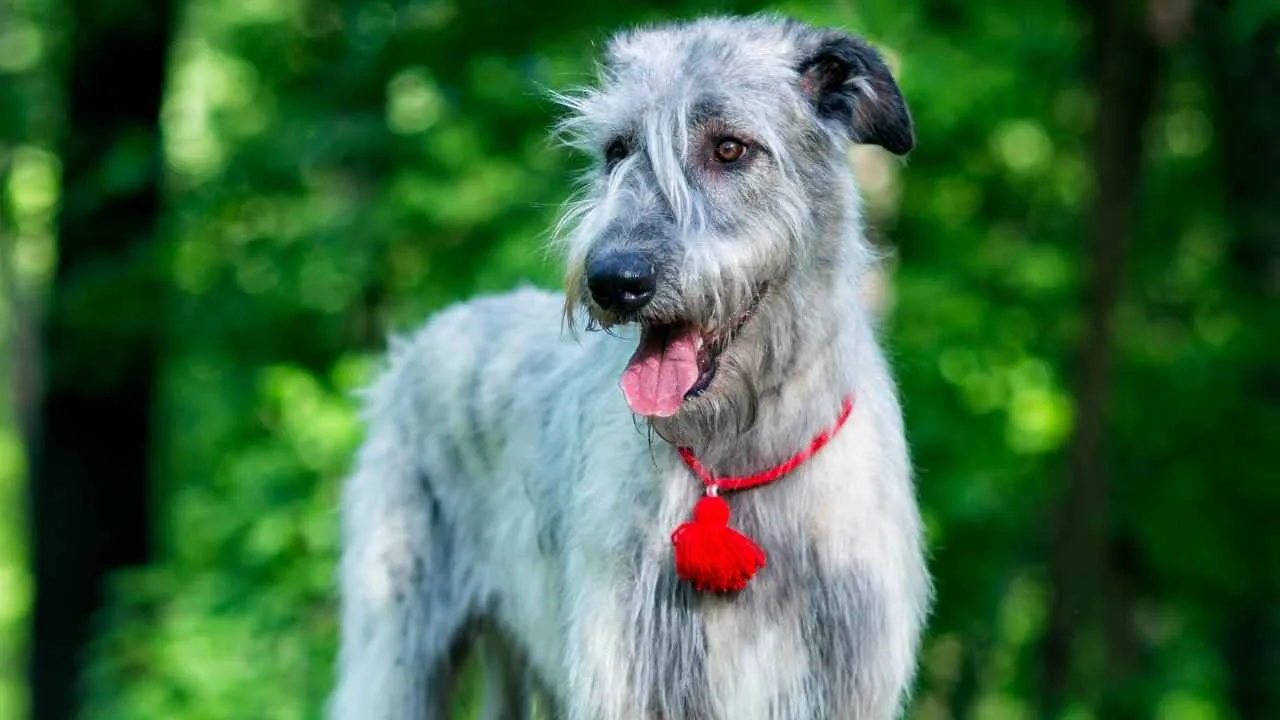
The Irish Wolfhound is tall, calm, and quietly dramatic in the best way. But yes, it’s also among the breeds with the shortest windows, and that can be hard for prospective dog owners to accept.
WebMD notes these dogs have moderate energy, need lots of space to exercise, and take a long time to mature. So you may have a “big kid” for a while. Very relatable.
That slower maturity can matter because the body is still developing while life is moving fast. Keep things gentle, and don’t rush the hard stuff.
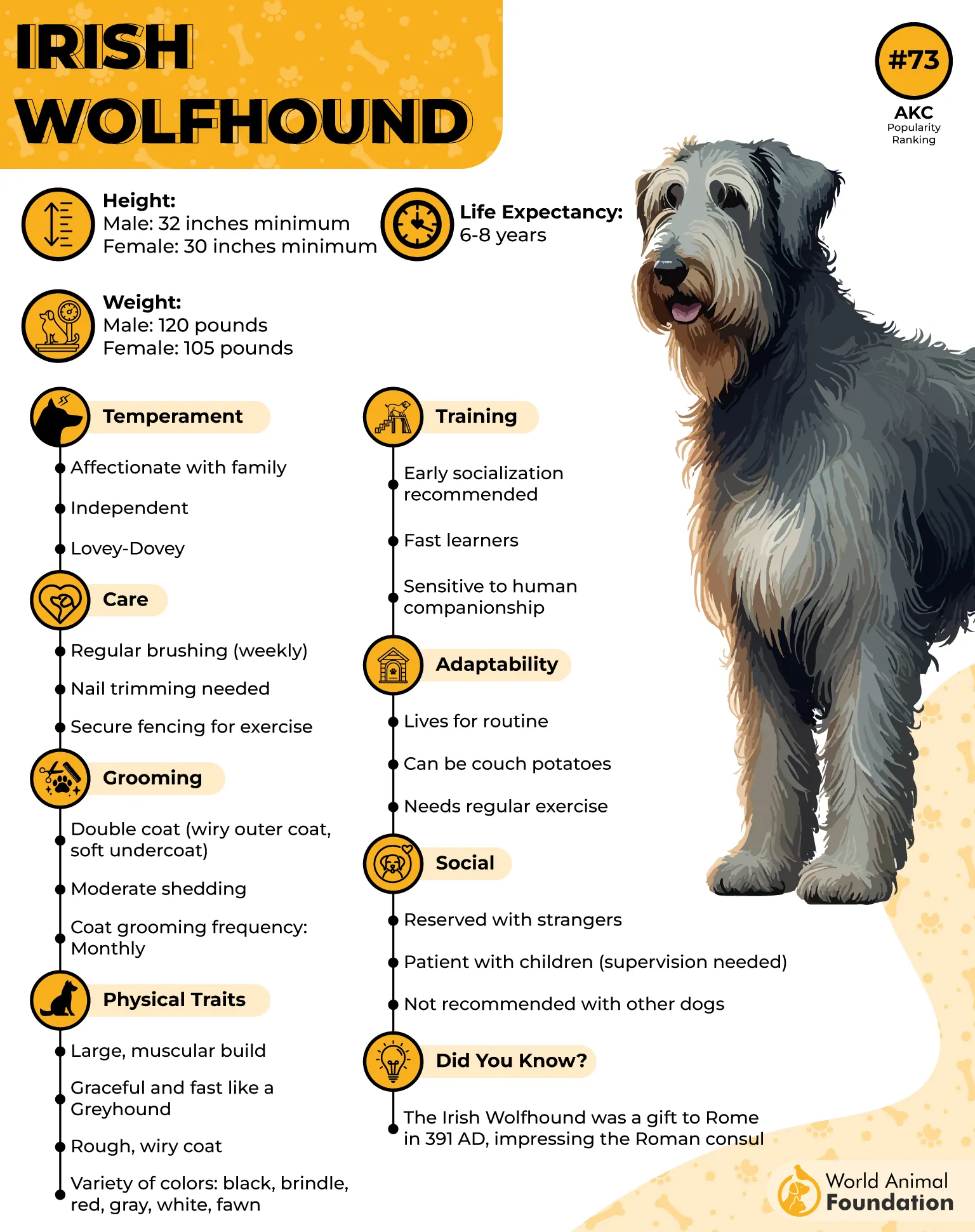
Many people choose this breed for its calm companionship. But the reality is that a shorter average life expectancy is common, so you want smart routines from day one.
Think soft surfaces, good footing, and a balanced diet tailored to joint support as they age. And keep an eye on energy dips, because big dogs can hide pain like it is their job.
What stands out here
A gentle, quiet presence that feels calming at home.
Slow to mature, so puppy time lasts longer.
Does best with steady structure and low-impact movement.
7. Saint Bernard
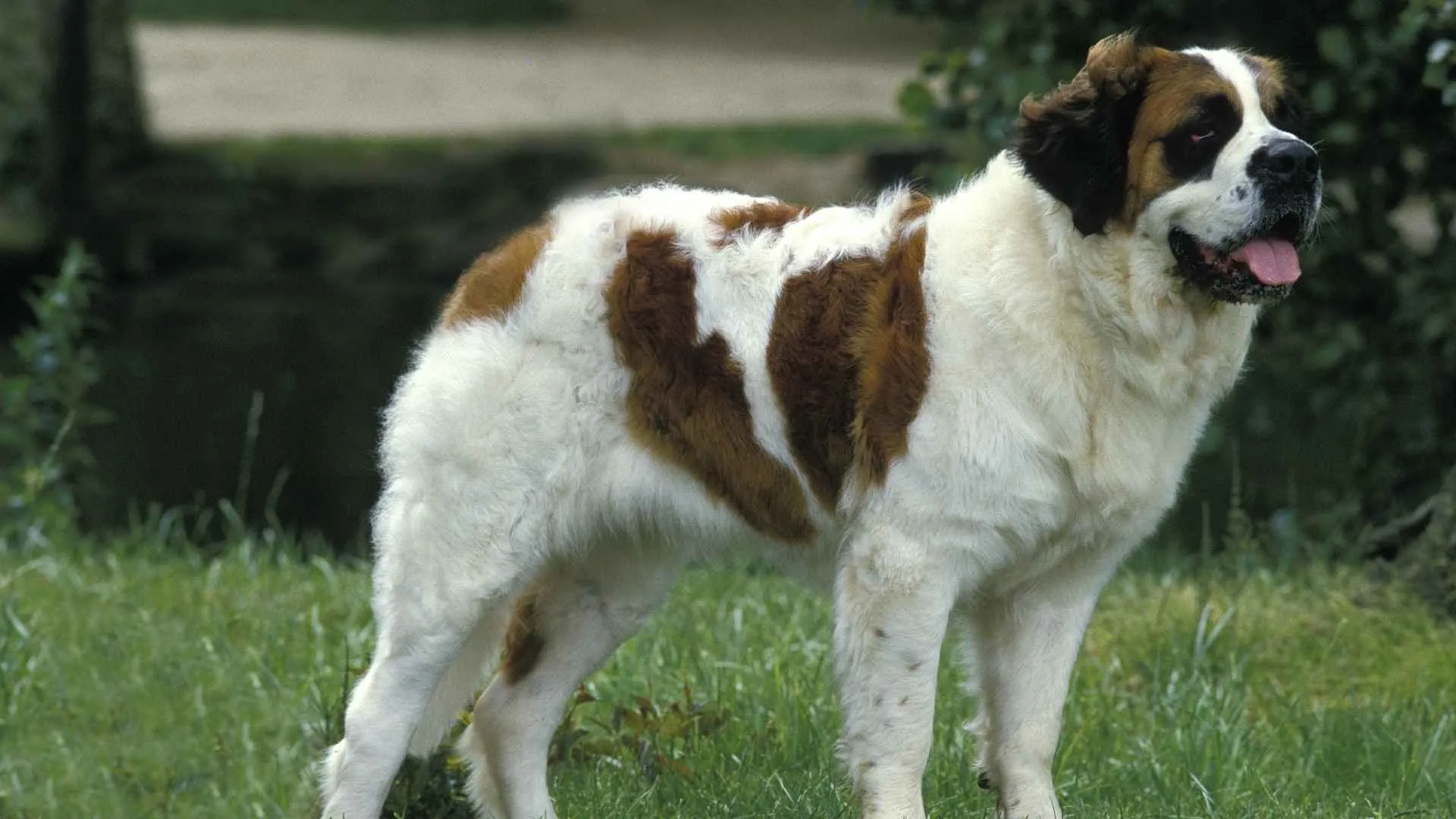
The Saint Bernard is basically a walking warm blanket with a face that says, “I forgive you.” AKC describes a friendly, patient dog that is famously gentle with family.
But it’s also talked about as one of the breeds with the shortest spans among very large breeds, so it fits this topic perfectly.
HolistaPet lists a life expectancy of around 8–10 years and points to big body strain as part of the reason for a shorter dog’s life. It also mentions joint problems like canine hip dysplasia, plus heart problems. So the vibe is lovable, but the care needs are serious.
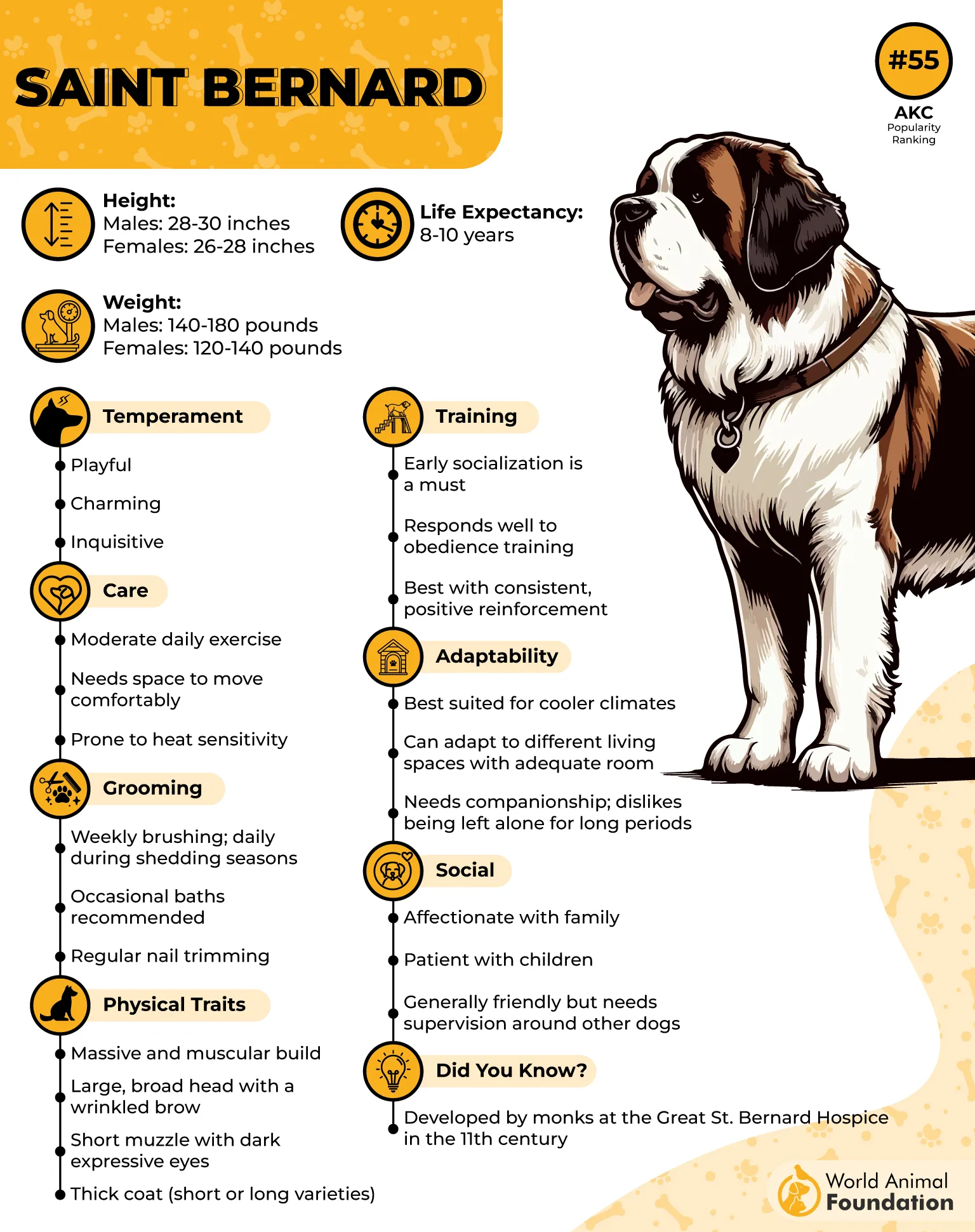
Here’s the good part. You can still do a lot. Keep movement gentle, keep weight stable, and protect the joints. Also, do not sleep on grooming.
Regular grooming helps you spot skin changes, lumps, or sore spots early. And don’t forget dental care. Mouth pain can mess with eating, sleep, and even mental health.
Helpful focus points
Joint comfort comes first as your dog ages.
Watch for tired breathing or low stamina that could hint at heart trouble.
Keep checkups consistent, even when your dog “seems fine.”
Conclusion
Bringing home puppies is pure joy, but it also means thinking ahead about potential health issues.
Certain breeds can face many health problems and various health problems, including joint issues, spinal disease, and other health issues that may shorten the time those breeds live. That can include breeds like the Dogue De Bordeaux, American Bulldog, and Scottish Deerhound.
It can also include brachycephalic dogs like French Bulldogs, where breathing can be one of the most common health concerns.
This is where breeding practices matter, and why checking breed clubs and health testing is such a smart move for your future canine companions.
But here’s the good part. Plenty of furry friends can still live long and enjoy good health with the right start. Some other breeds tend to do well over time, like toy poodles and Yorkshire Terriers, and many mixed-breed dogs can be great picks, too.
Keep up with vet visits, feed well, and watch for early signs of potential health issues. And if your pup is your only dog, give them steady play, calm routines, and lots of love. That combo does more than you think.
