




Some dogs stick around for what feels like forever… and some other dogs, well, they remind us way too soon that time with our furry companions is precious.
It’s one of the truths dog owners don’t really want to think about. But when you are picking a breed, mostly one of the giant breeds or large breeds, knowing about their life expectancy is just part of being a responsible pet owner.
Because not all dog breeds are equal when it comes to how long they live. Some smaller dog breeds can hang around for 15+ years. On the other hand, certain large breeds… might only give you seven or eight good years if you are lucky.
And, yes… that’s hard!
But today, we are going to talk about nine dog breeds and the realities of a limited lifespan. The ones who live big, love hard, and unfortunately, don’t always get the long runway we wish they had.
Dog Breeds and the Realities of a Limited Lifespan
1. Leonberger
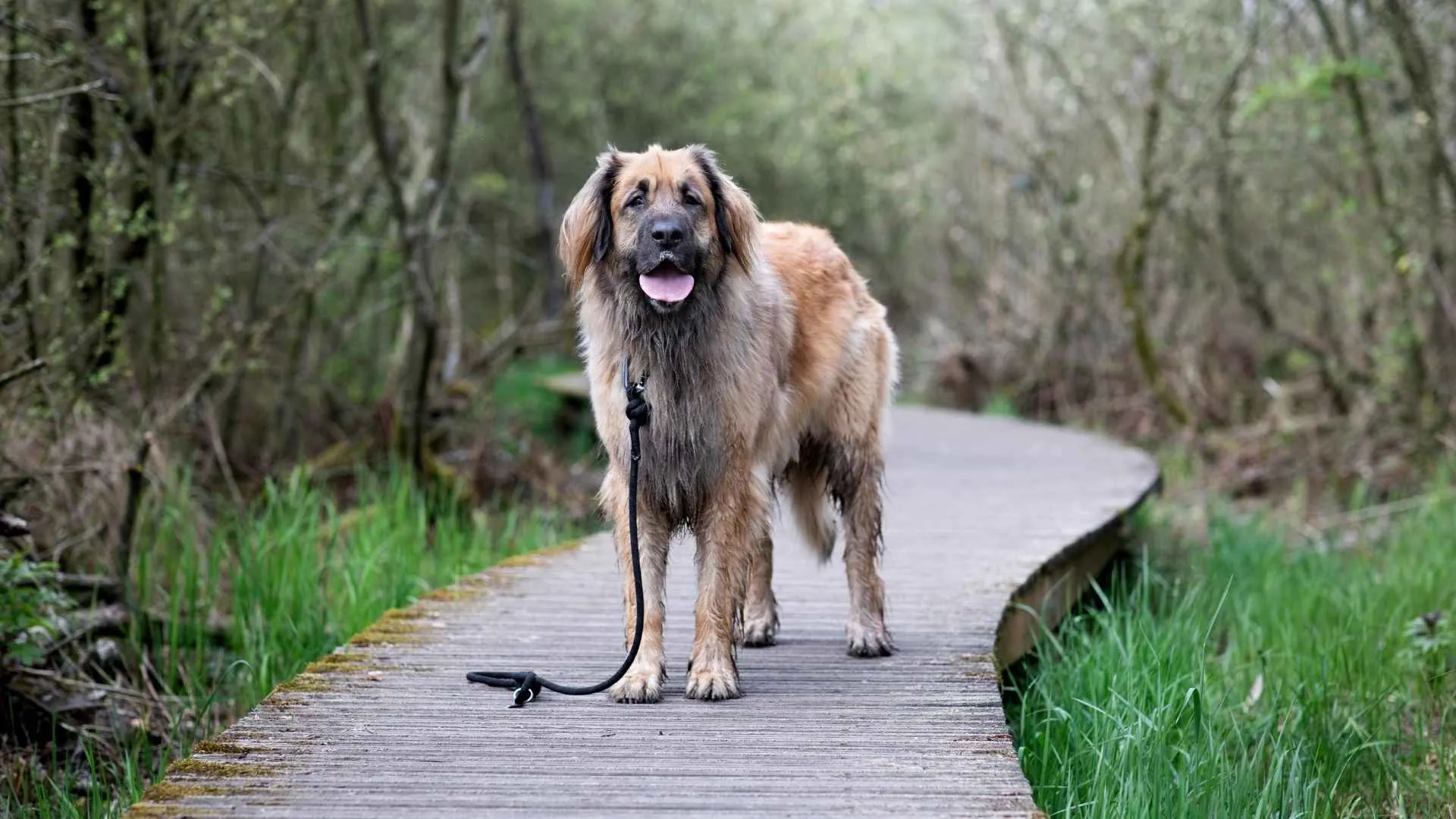
The Leonberger is one of those large dogs that looks like a lion decided to become a family pet. Originally bred in Germany as companion dogs and working animals, these giants can weigh up to 170 pounds.
And yes, they are sweethearts.
But the tough part: this dog’s life expectancy is only around 7 years, as per the American Kennel Club.
That’s it. For such a loving and loyal dog, that timeline feels too short.
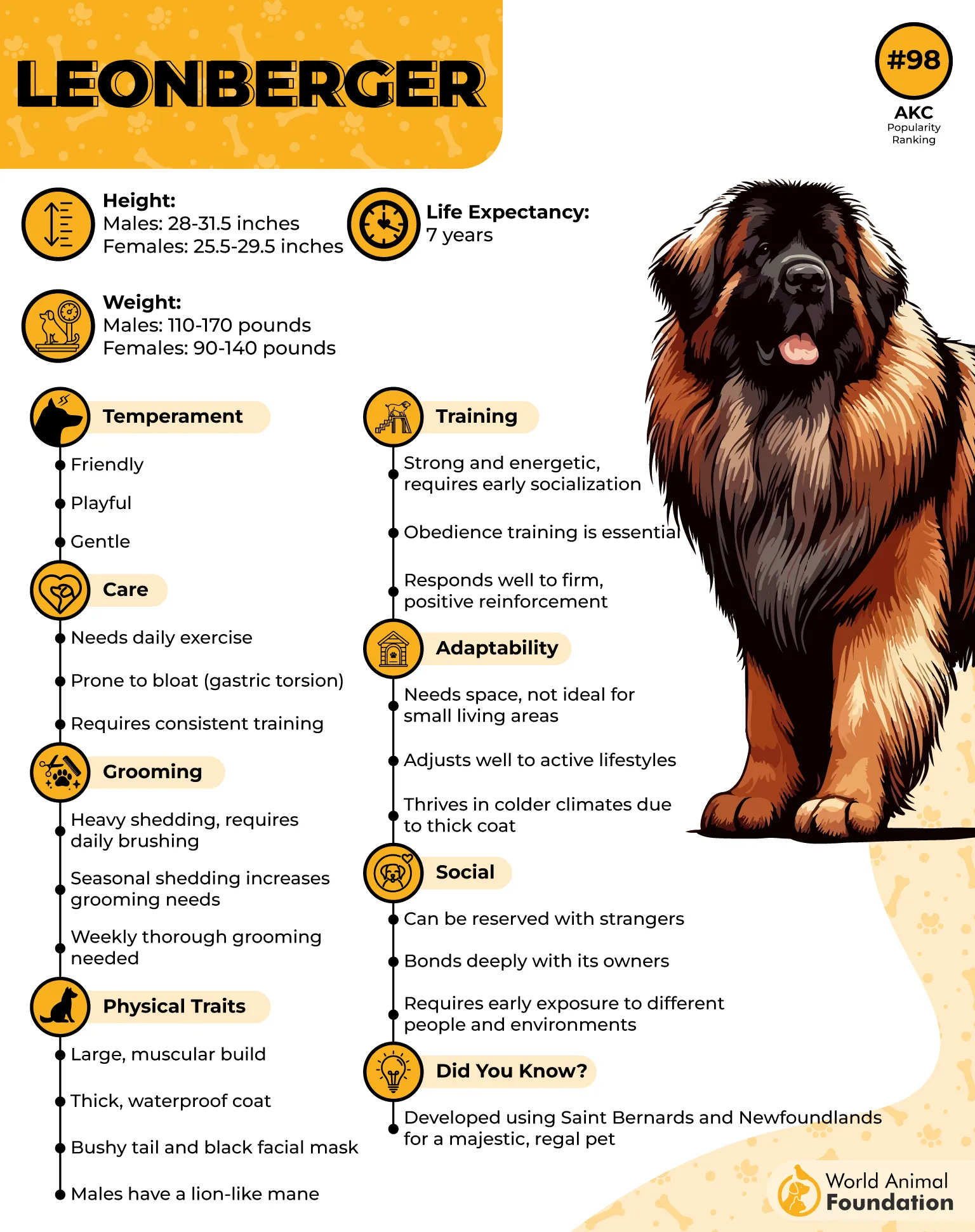
Leonbergers are prone to several health issues, such as hip dysplasia, heart problems, and certain cancers. Because of their size and body mass, their joint health takes a beating early on, and this becomes a real concern as they age.
Mixed-breed dogs or crossbred dogs tend to dodge some of the genetic issues, but purebred dogs usually face the reality of a limited lifespan.
These dogs are great with families, gentle with young dogs and kids, and incredibly patient. But pet owners need to be prepared for such a short expectancy of these beloved furry companions.
2. Newfoundland
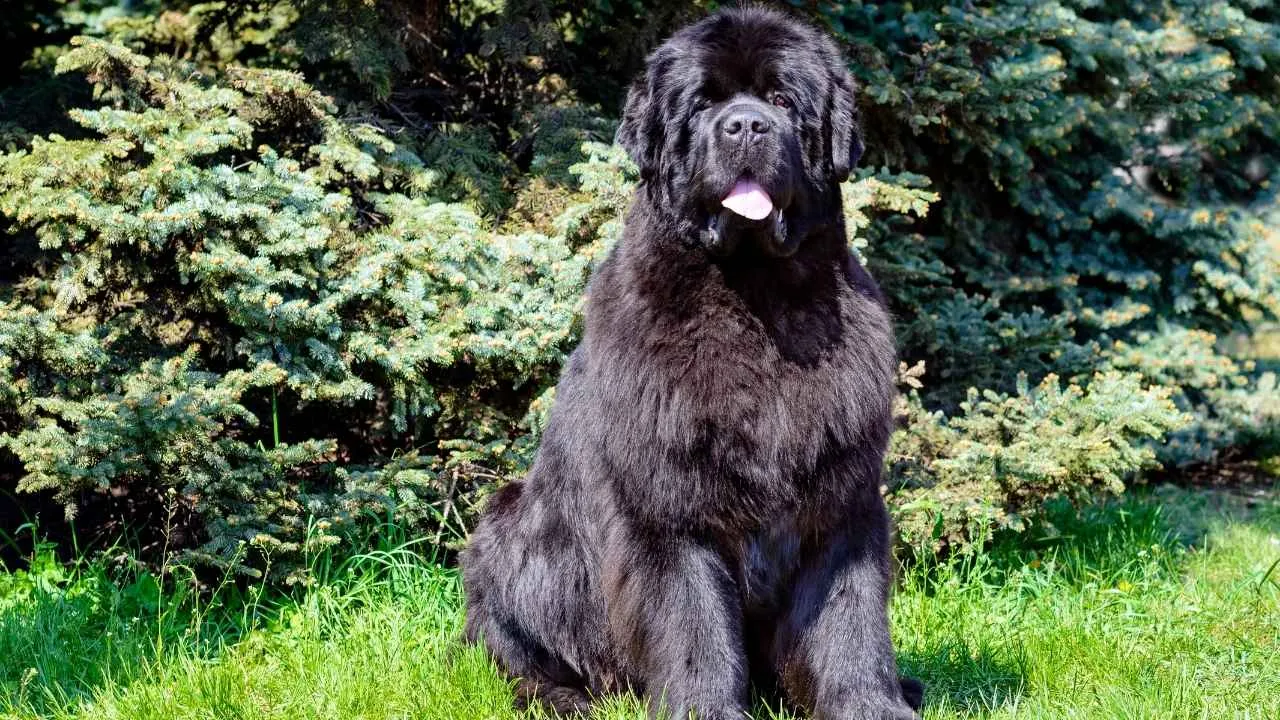
Big, fluffy, water-loving dogs.
The Newfoundland, or “Newfie,” is basically a bear disguised as a dog. These dogs were originally bred as working dogs for fishermen in Canada. They used to pull nets and rescue people from the water, as noted by Britannica. They are strong, loyal, and ridiculously sweet. With a 150+ pound weight.
But their median lifespan is around 9 to 10 years.
And for dog owners who fall in love with these gentle giants, that decade goes by way too fast.
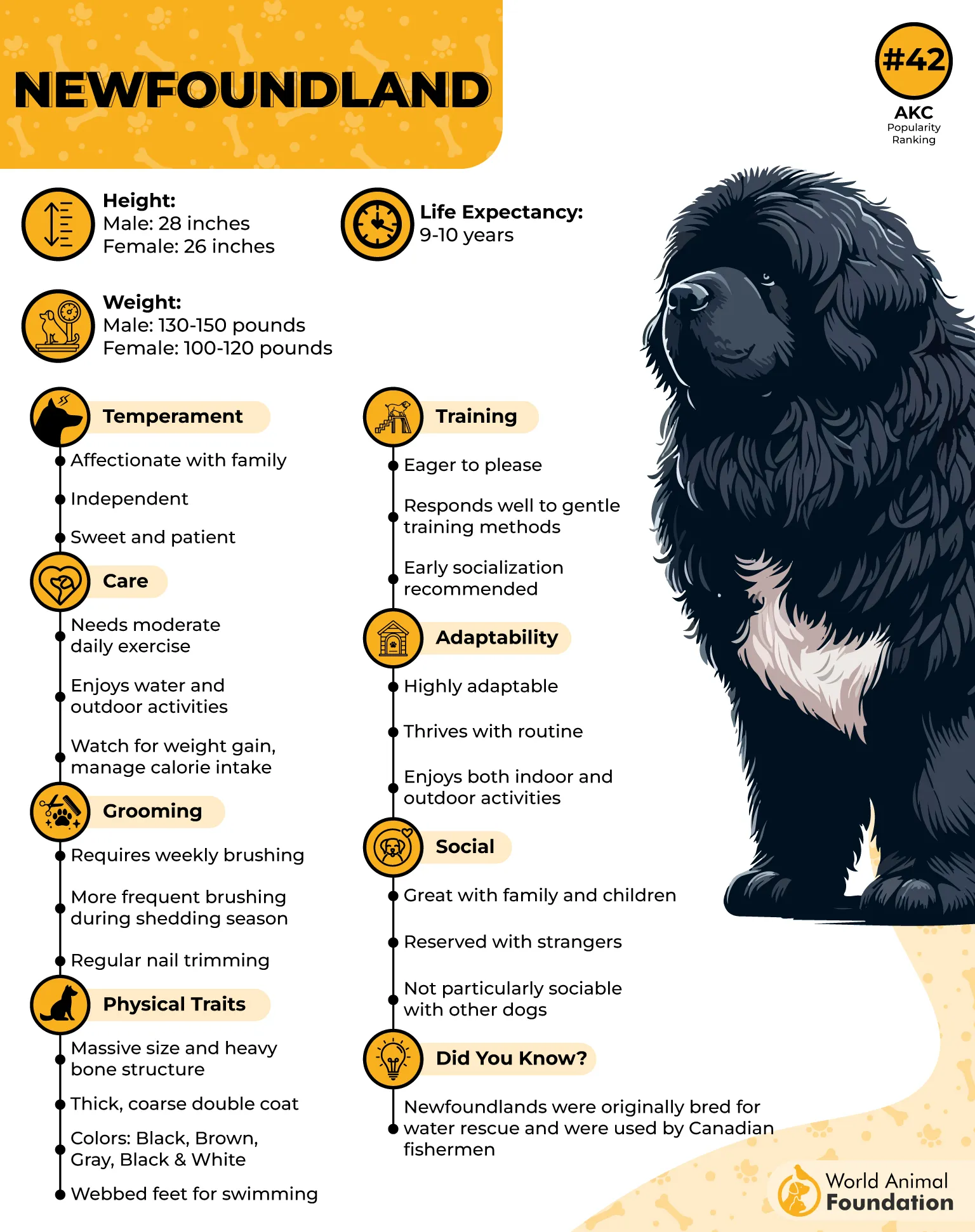
Newfoundland dogs struggle with health conditions like heart disease, hip dysplasia, and bloat… a life-threatening issue common in large breeds.
Their curly coat needs regular grooming, but more importantly, this dog’s health is dependent on constant monitoring. Female dogs in this breed tend to live longer than males, but the difference in average life expectancy is minimal.
They are incredible companion dogs for families who live near water and have space for a dog of this body size. Just know that when you bring home a Newfie, you are signing up for a love story with a bittersweet ending.
3. Rottweiler
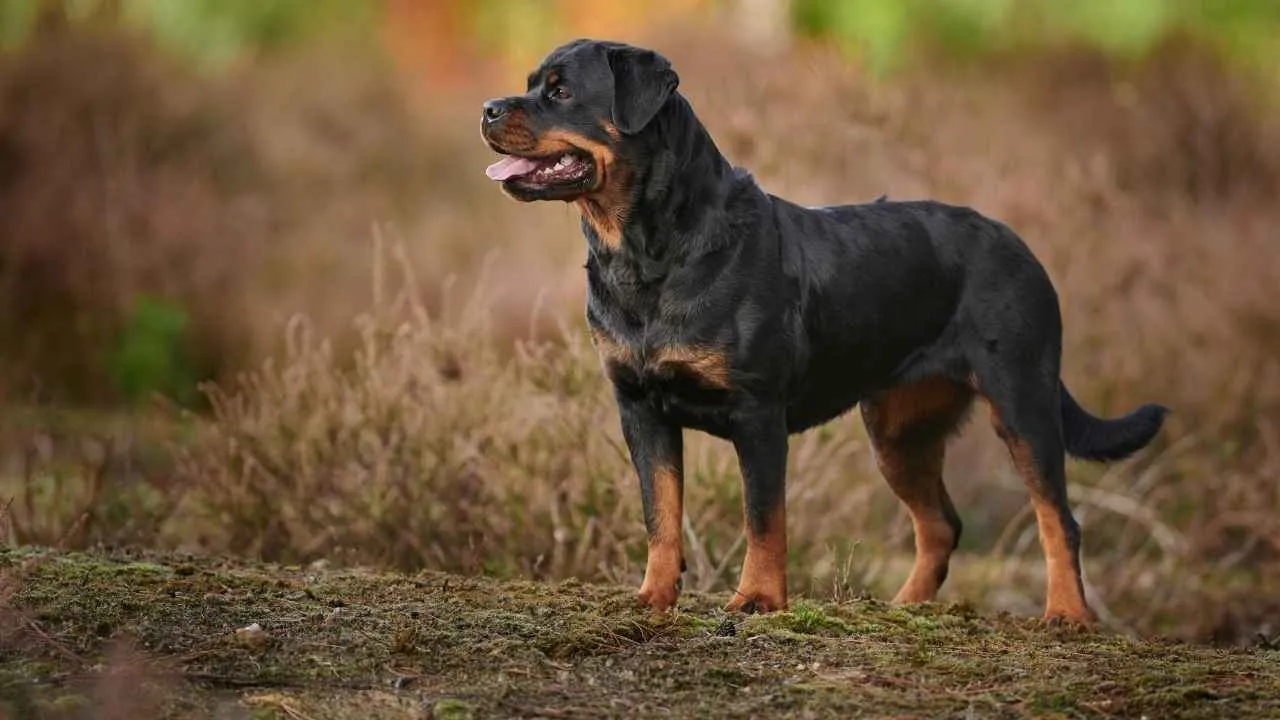
Loyal, strong, and seriously misunderstood dogs.
Rottweilers, or “Rotties,” get a bad rep sometimes. But anyone who’s owned one knows the truth: they are devoted, protective, and deeply connected to their people.
They were bred as herding and guard dogs in Germany, and they are very intelligent and trainable.
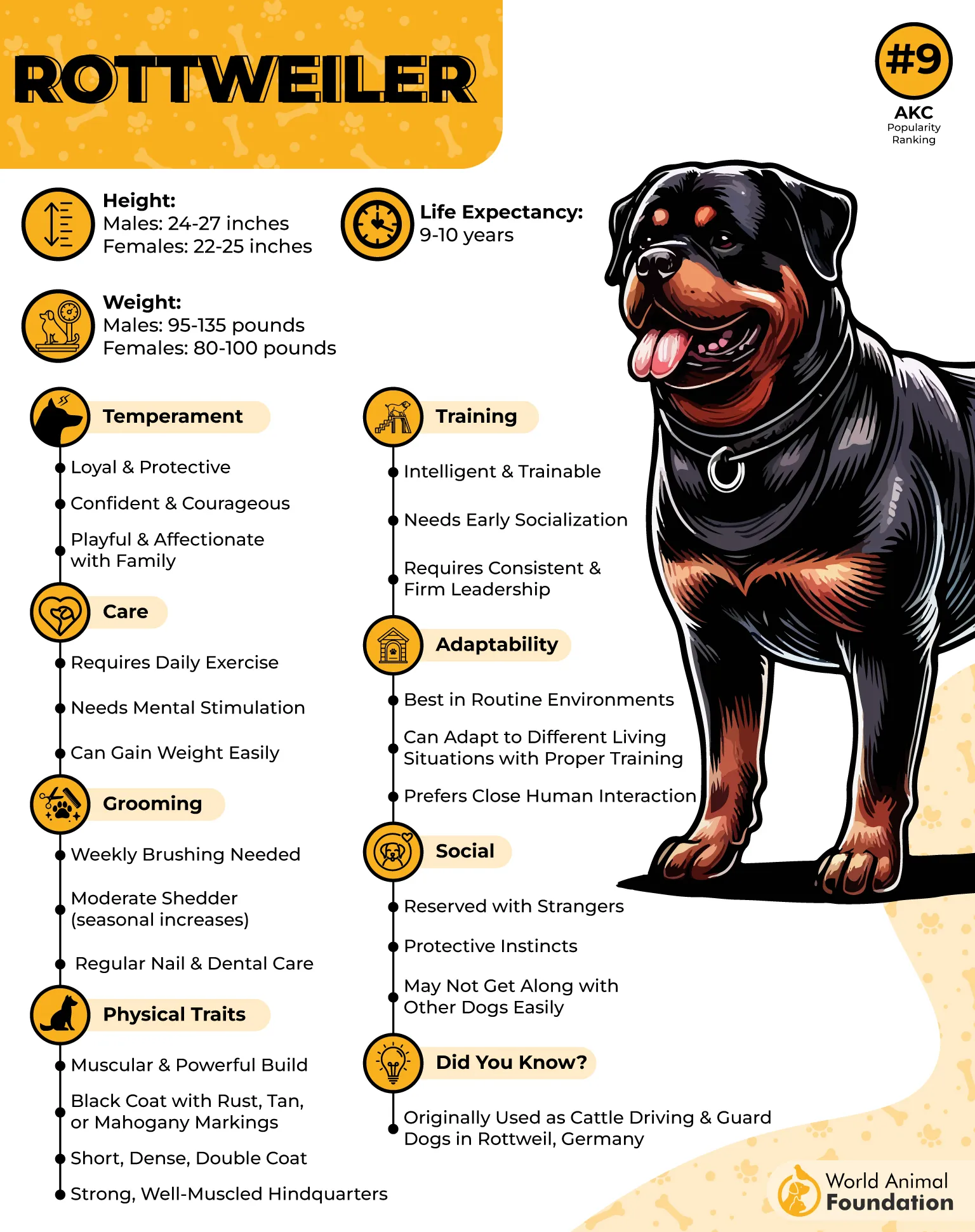
Their average life expectancy sits around 9 to 10 years, which is pretty standard for larger breeds. But given their role as working dogs and their size, health issues can pop up earlier than many dog owners expect.
Hip dysplasia, heart problems, and cancer are common in Rottweilers. Breeding practices play a huge role here. Responsible breeders screen for these health issues, but not all do.
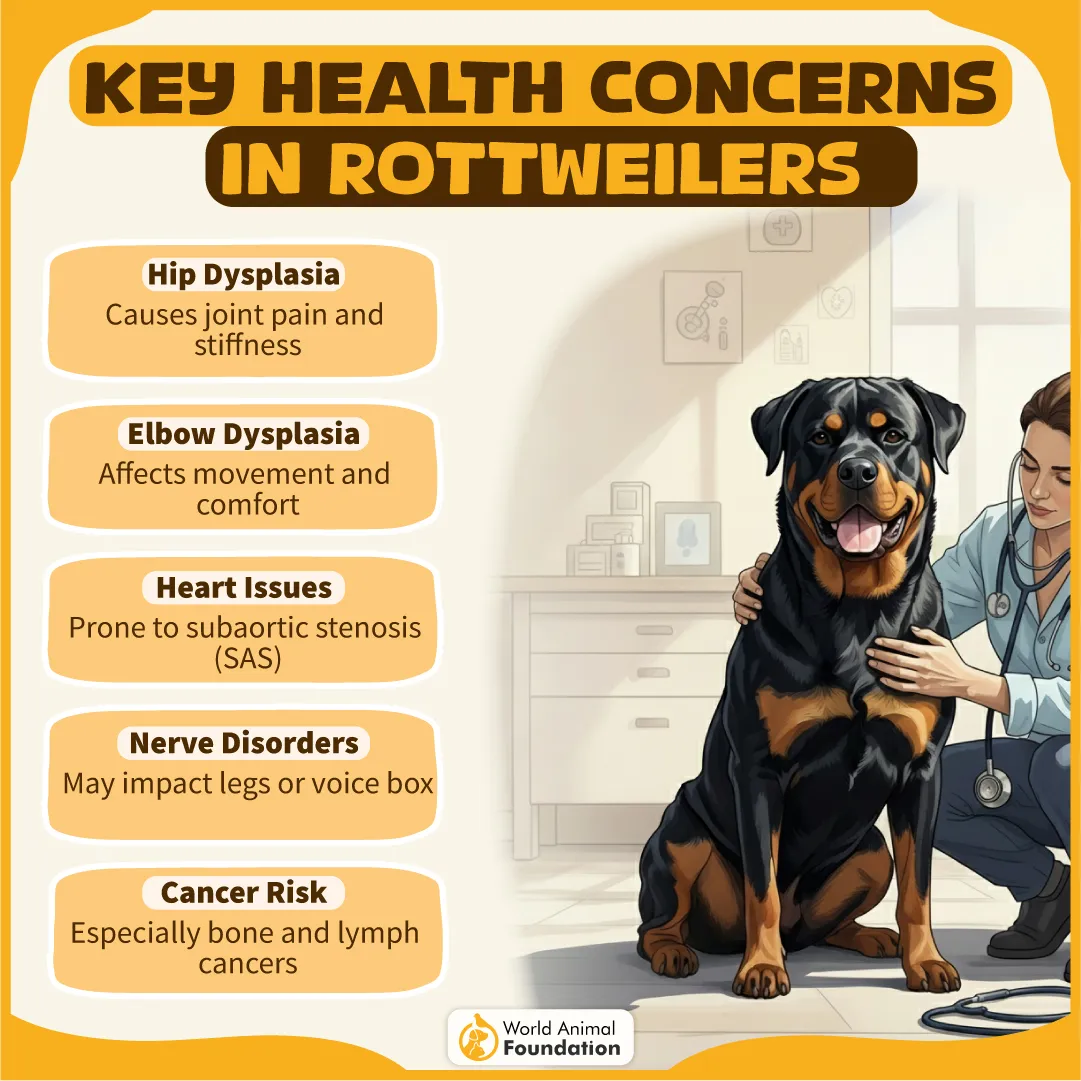
Pure breeds from breed registries might have better health status tracking, but it is still a gamble.
Rottweilers thrive with experienced owners who understand their need for structure, training, and exercise. They are not the kind of dog you just leave in the backyard. They need engagement, purpose, and companionship.
And when you give them that, they will give you everything in return… just maybe not for as long as you’d hope.
4. Broholmer
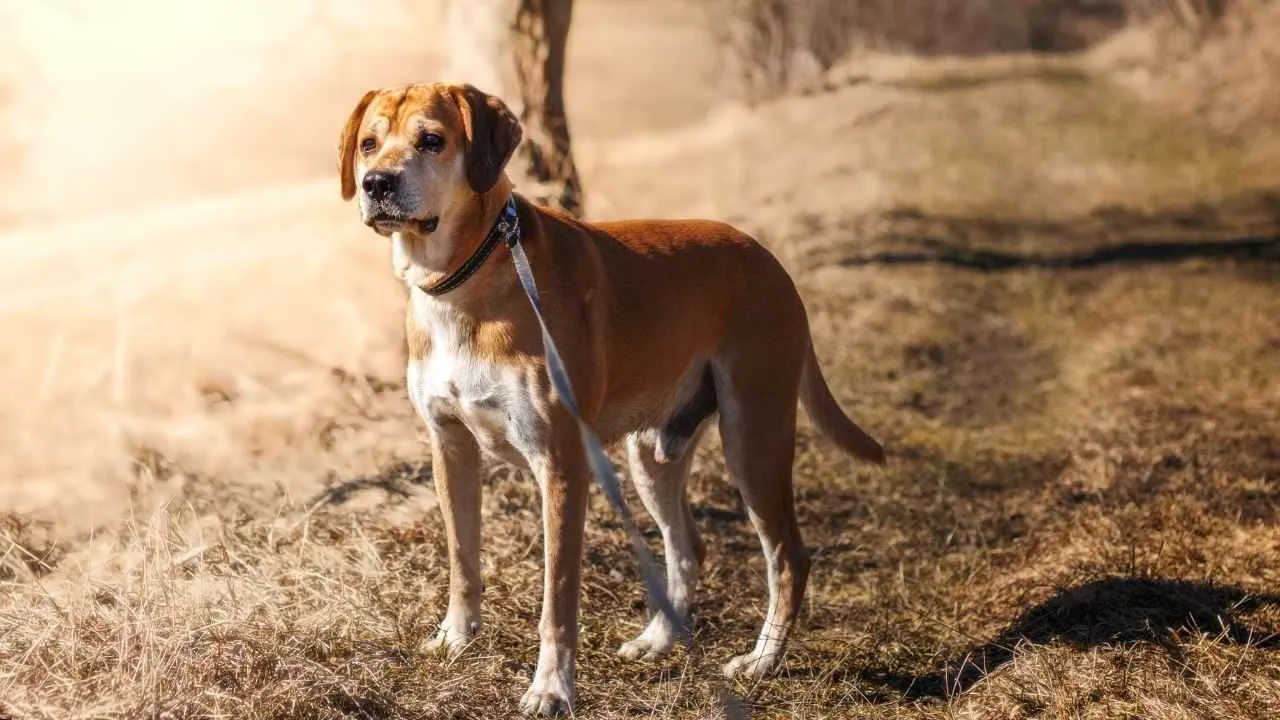
Rare, calm dog. Built like a tank.
The Broholmer is a Danish breed that most people in the U.S. have never even heard of.
These dogs are massive. 130 pounds of calm and watchful energy. They were bred as guard and hunting dogs for estates and noble families in Denmark.
Their annual life expectancy is around 7 to 12 years. On the shorter end for giant breeds, but not shocking given their size.
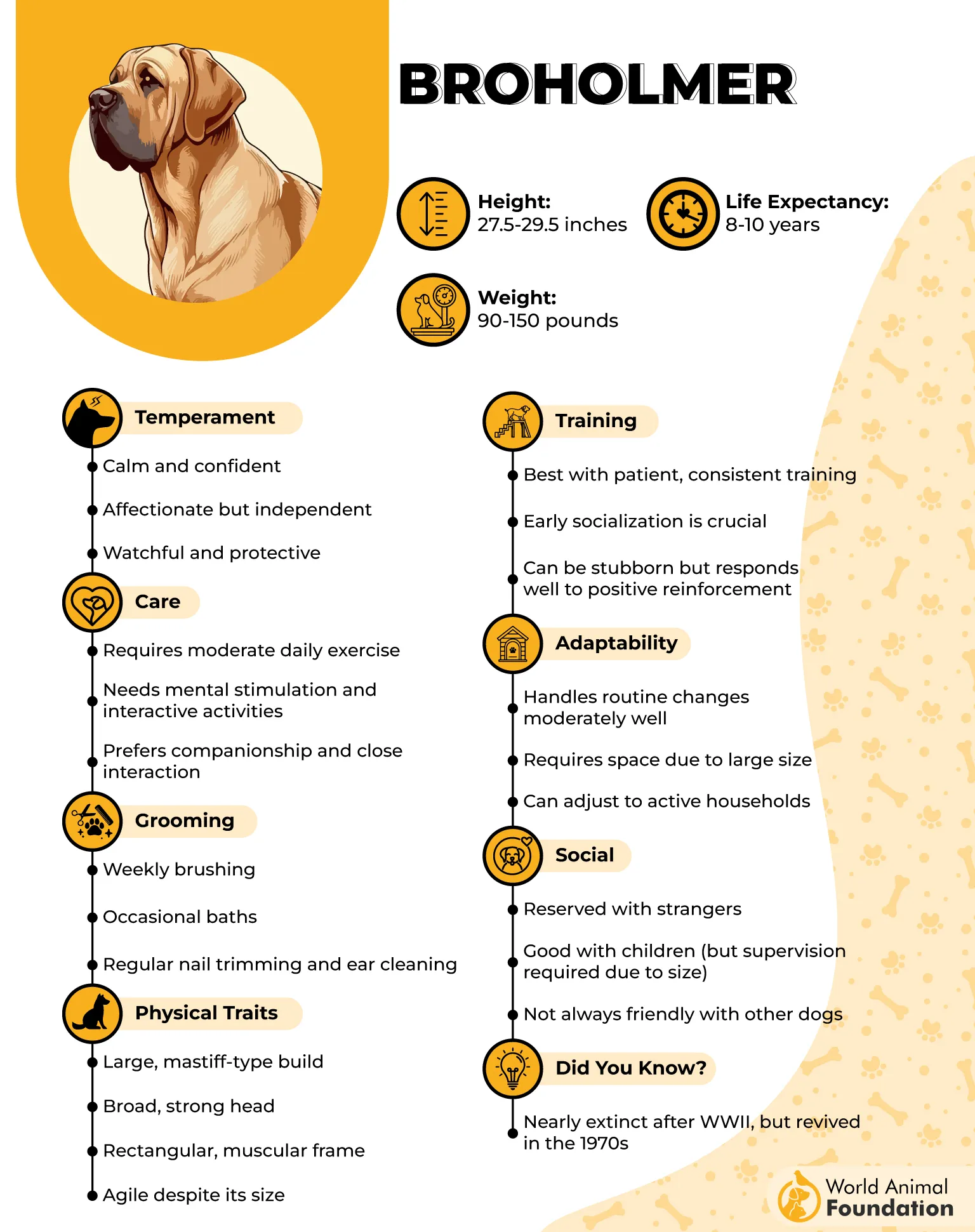
Broholmers are prone to hip dysplasia and elbow issues, common problems in many breeds. Large breeds, specifically.
Their body size puts pressure on their joints early. And as they age, mobility becomes a real concern. Veterinary professionals recommend maintaining a healthy weight and providing joint supplements to help extend their quality of life.
Because they are such rare dogs, finding a Broholmer in the U.S. is tough.
But for those who do, they get a loyal, calm, and protective companion dog. Just one with a shorter timeline than smaller breeds tend to have.
5. Bulldog
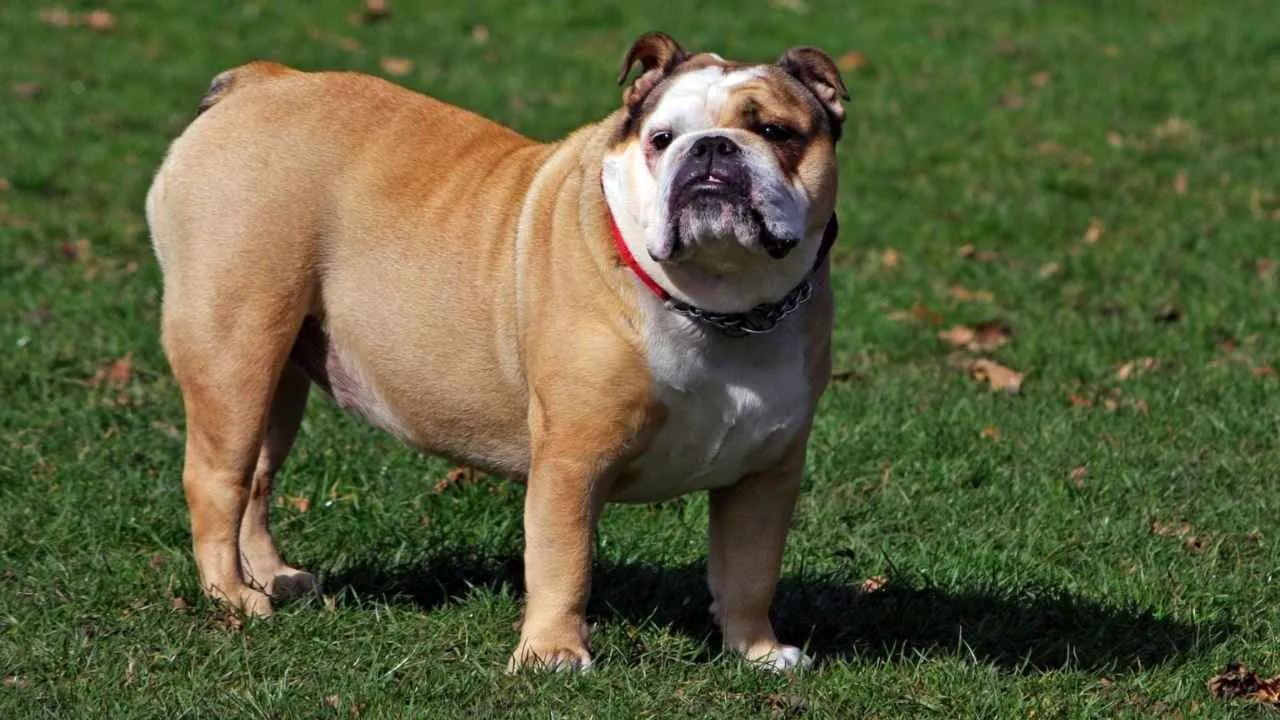
Wrinkle-faced. Adorable. Breathing like it’s a workout.
Bulldogs, mostly the English Bulldog and French Bulldog, are iconic.
They have got that smooshed face, that chunky body, and that “I don’t care” attitude that people absolutely love. But the reality of the flat-faced breeds like Bulldogs is: they have the shortest life expectancy among popular dog breeds.
This dog’s lifespan is 8 to 10 years, basically. And some even live less, depending on health complications.
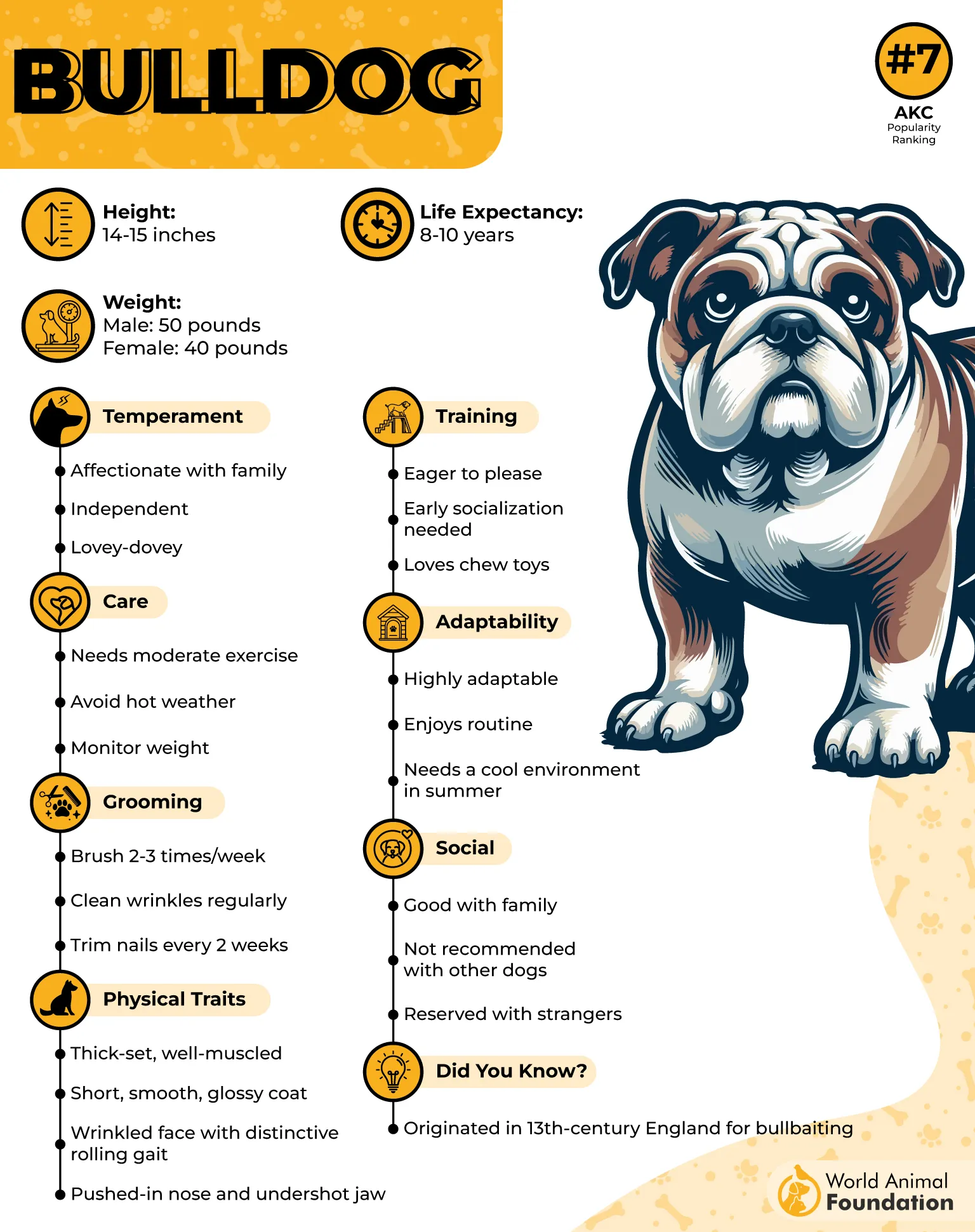
Brachycephalic breeds (that’s the fancy term for flat-faced breeds) struggle with Brachycephalic Obstructive Airway Syndrome. Basically, the squished faces of these wrinkly dogs make breathing harder, mostly in heat or during exercise.
Add in hip dysplasia, skin issues, and heart problems, and you have a breed with a lot of health conditions to manage.
Bulldogs are companion dogs. They love being around their people, they are great with kids, and they are low-energy compared to hunting dogs or herding breeds.
But their breeding practices have led to serious health trade-offs, and that affects this breed’s lifespan.
6. Saint Bernard
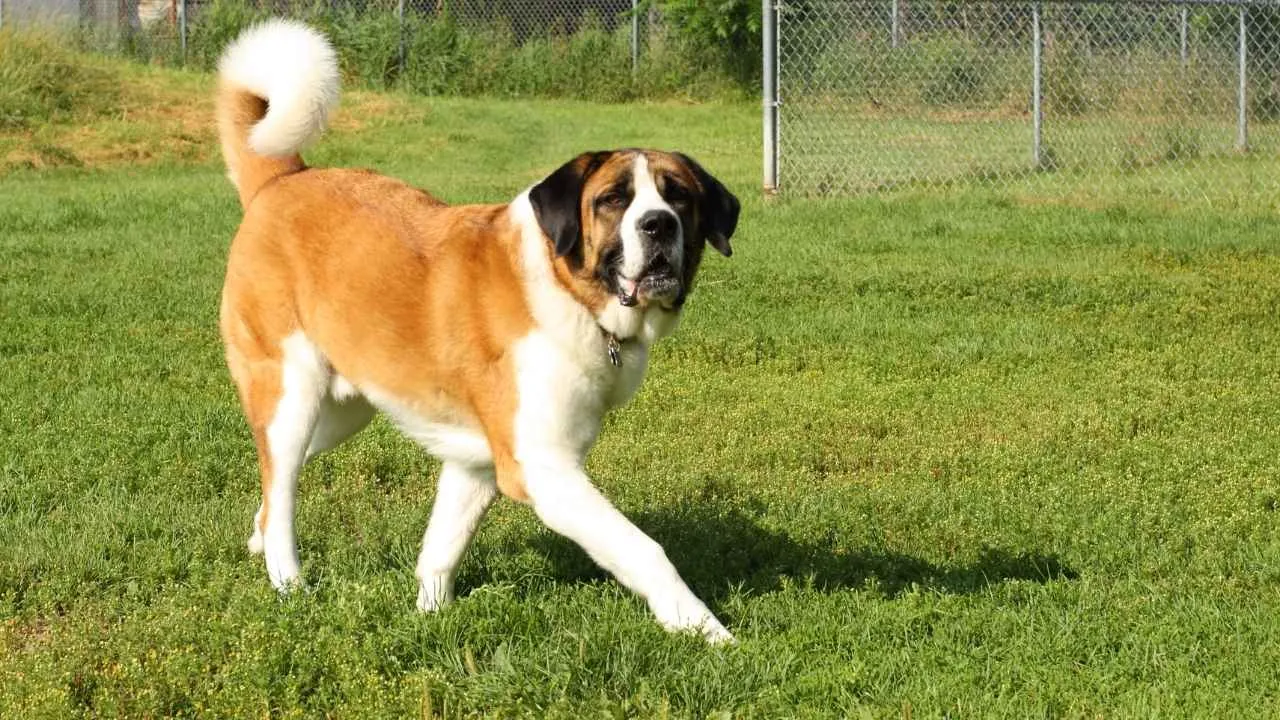
Massive. Drooling. Absolute sweethearts.
Saint Bernards are the rescue dogs of legend, originally bred in the Swiss Alps to find lost travelers in the snow. They are gentle, patient, and unbelievably loving. But, these muscular dogs are also one of the giant breeds with a heartbreakingly short life expectancy.
Most Saint Bernards live around 8 to 10 years.
Some make it longer. But many don’t.
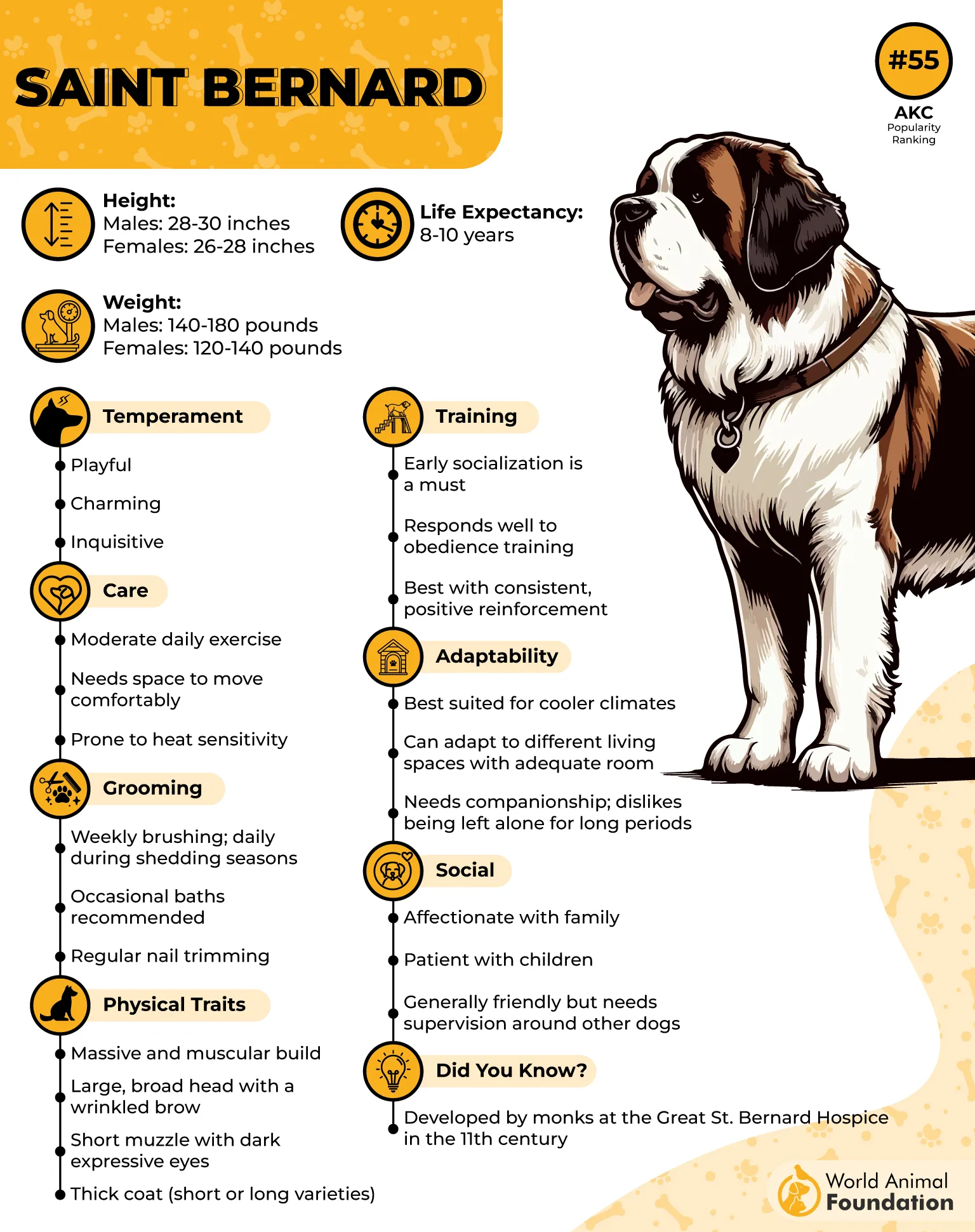
Their sheer size is both their charm and their downfall. Hip dysplasia, heart disease, and bloat are major concerns. An older dog in this breed often deals with mobility issues, and keeping their weight in check is important for joint health and overall well-being.
Saint Bernard dogs are fantastic family dogs in homes with space. But potential dog owners need to understand that with giant breeds, the trade-off is not a long lifespan compared to smaller breeds.
It is one of those realities of a limited life expectancy that is hard to swallow.
7. Great Dane
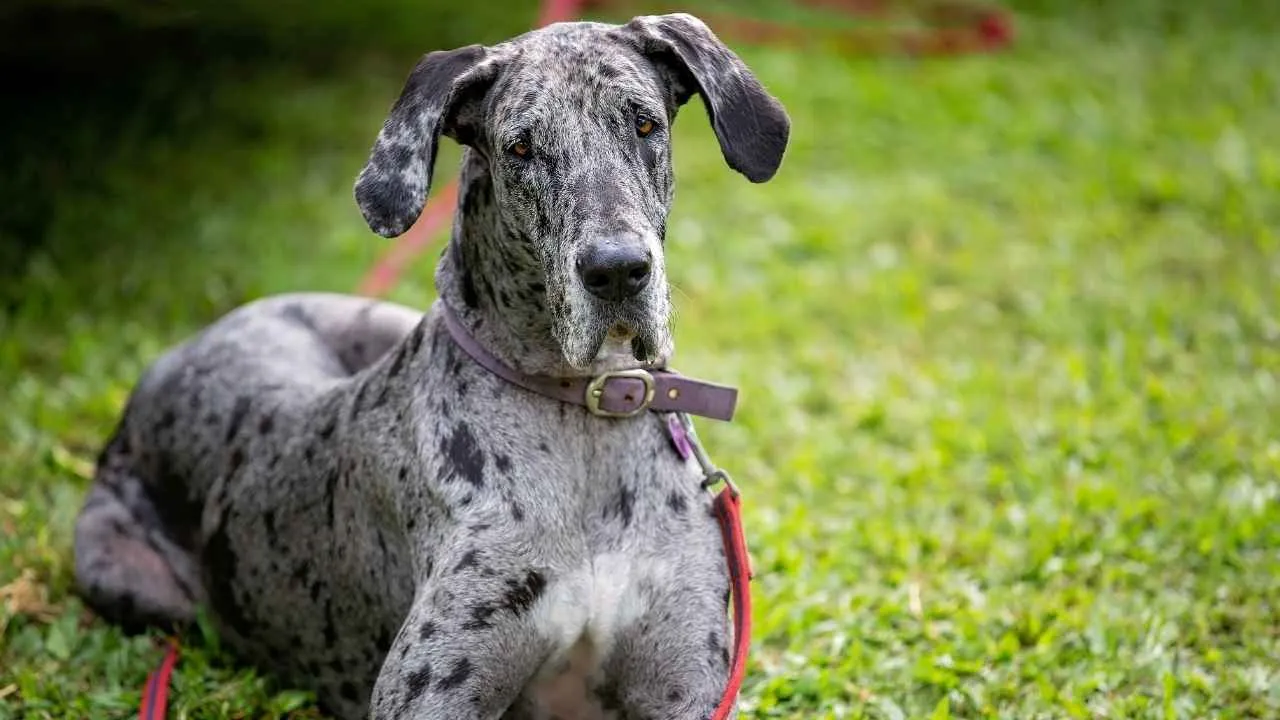
Tall. Elegant. Living life in fast-forward.
The Great Dane is probably the most well-known giant breed out there.
They are the dogs that make people do double-take because… how is that a dog? They are more like small horses. But their median age is one of the shortest: around 7 to 10 years.
Some Danes don’t even make it to 7.
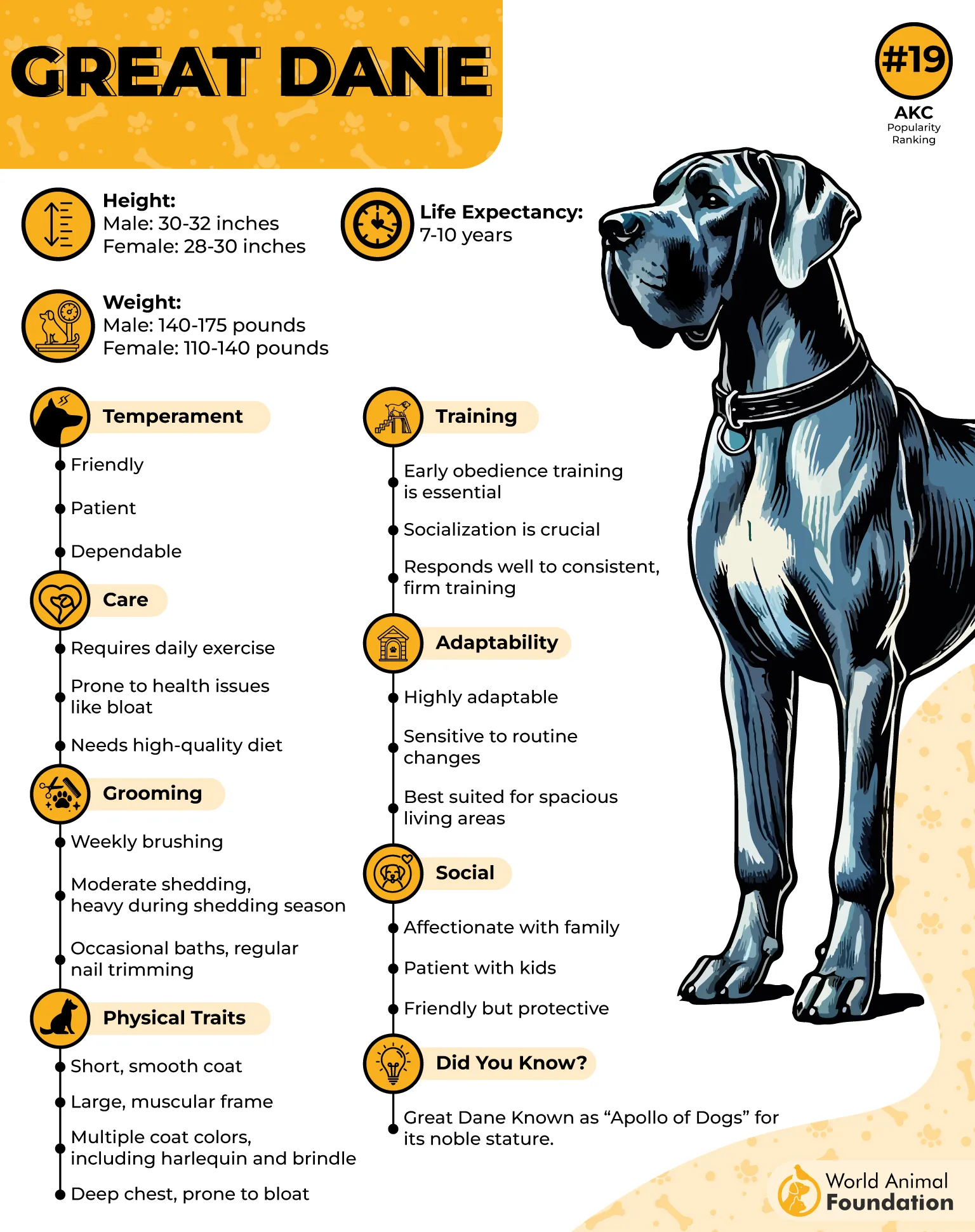
Great Dane, tall and skinny dog, faces a laundry list of health issues: heart disease (dilated cardiomyopathy), hip dysplasia, bloat, and bone cancer. Their rapid growth as young dogs puts strain on their developing bodies. And, by the time they are considered an older dog, they have already been through a lot.
Despite their size, Great Danes are known as gentle giants. They are affectionate, goofy, and chill indoors. They are great with kids, other pets, and they just want to be near their people.
But their life expectancy compared to medium-sized dogs or smaller breeds is shorter.
Loving a Great Dane means accepting that every moment counts.
8. Bernese Mountain Dog
Gorgeous and heartbreakingly short-lived.
This big fluffy dog is one of the most beautiful dogs out of several dogs out there.
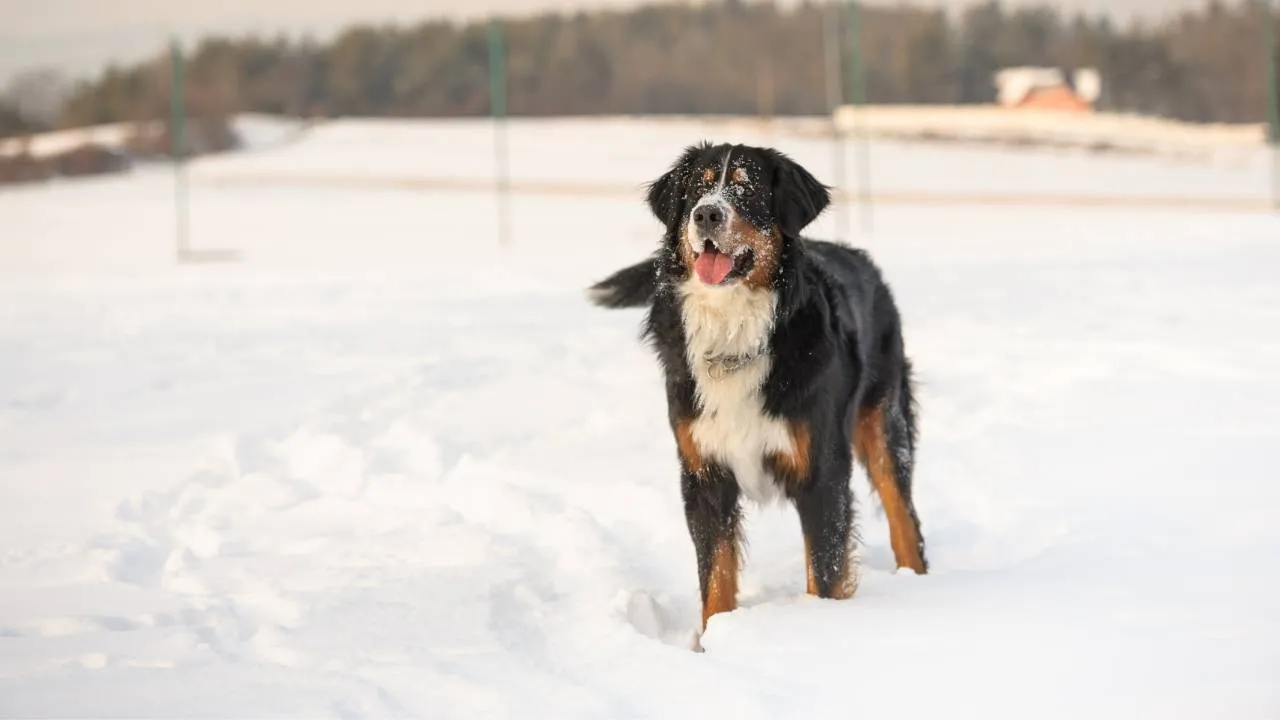
They have a tri-colored coat and a sweet and calm demeanor. And yes, they are the kind of dogs everyone wants. Originally bred as working dogs in the Swiss Alps, they are strong, loyal, and gentle.
But their average life expectancy is around 7 to 10 years.
And many Berners don’t even hit the higher end of that range.
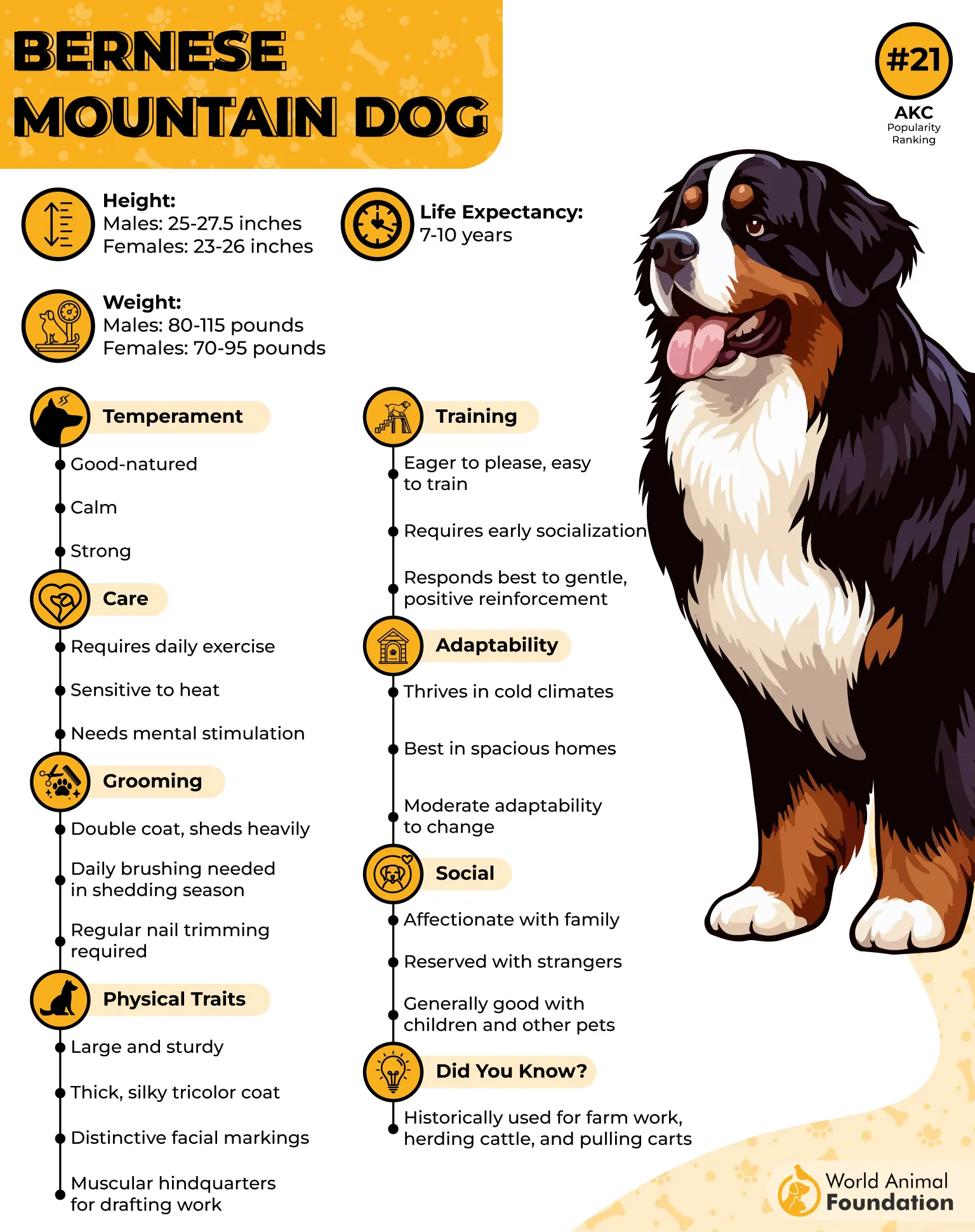
According to PetMD, these dogs are prone to many types of cancers. Histiocytic Sarcoma and other cancers cut their lives short far too often. Hip and elbow dysplasia are also at increased risk, and they affect their mobility as they age.
Even with these health challenges, Berners are incredible family dogs. They are patient with kids, good with other pets, and they thrive in homes where they can be part of the action.
But the reality is, this breed’s lifespan is one of the hardest truths for any dog owner to face.
9. Bullmastiff
Protective, powerful, and devoted dog.
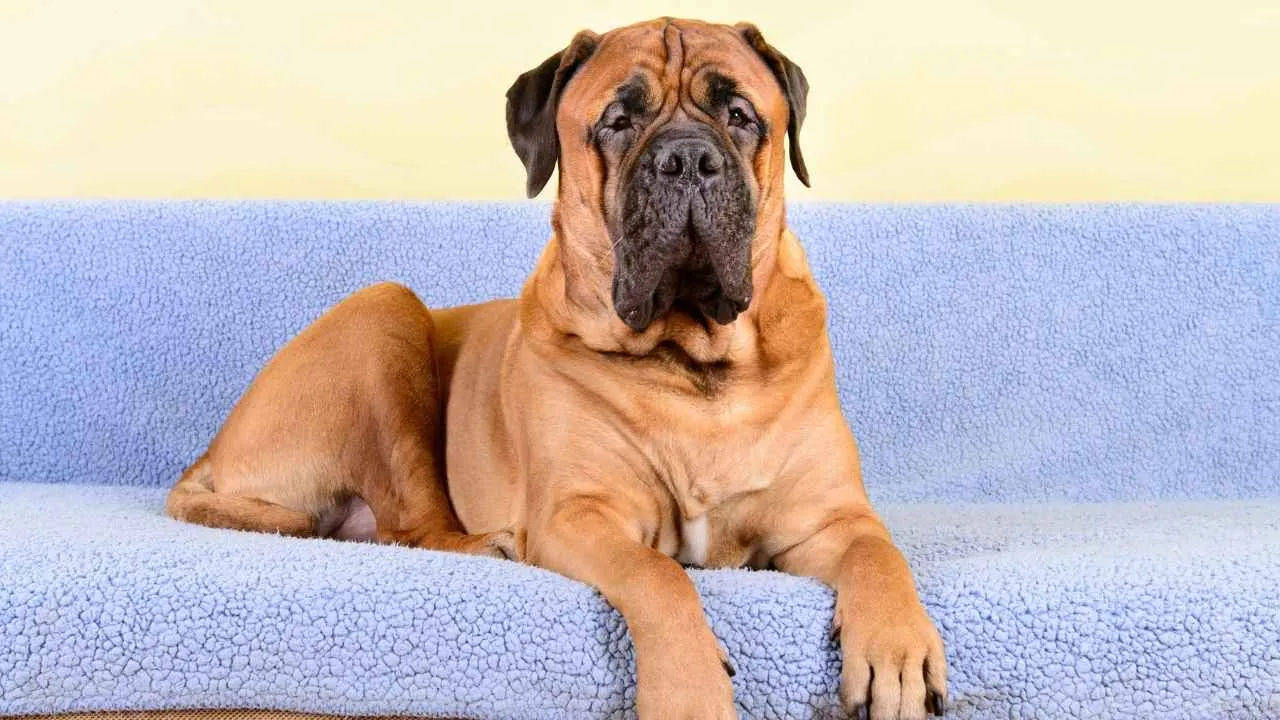
The Bullmastiffs were bred in England to guard estates and catch poachers. They are big, muscular, and intimidating to strangers… but total softies with their families.
These Mastiff-type dogs’ lives are usually around 7 to 9 years. This average lifespan is typical for giant breeds, but still tough for anyone who loves them.
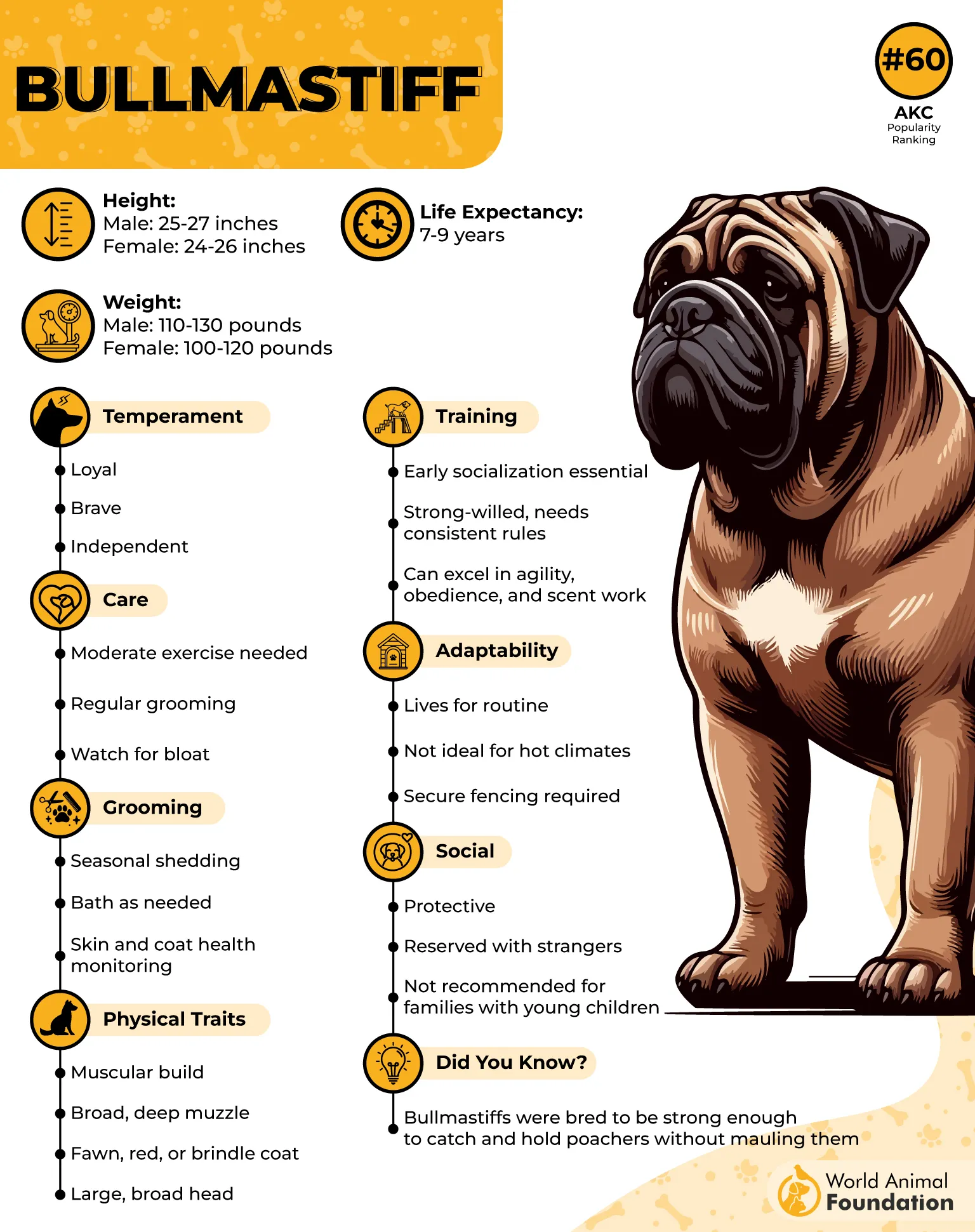
Bullmastiffs deal with hip dysplasia, heart issues, and certain cancers. Their size and body mass add to joint problems, and as they age, maintaining a healthy weight and staying active becomes important for extending their quality of life.
They are low-energy dogs, but they still need regular exercise and mental stimulation.
Bullmastiffs are loyal, protective, and deeply connected to their families. They are amazing guard dogs and gentle with kids when properly trained.
But like all the breeds on this list, the dog years of this breed are limited.
Conclusion
Some dogs leave us way too soon.
And yeah, that’s one of the hardest parts of being a dog owner. These nine dog breeds and the realities of a limited lifespan remind us that loving a gentle giant or a dog with known health issues means enjoying every SINGLE moment.
Different breeds have different life expectancies. Smaller breeds tend to live longer; your Cavalier King Charles Spaniel, Tibetan Spaniel, or West Highland White Terrier might hit 12 or 15 years.
Mixed-breed dogs and crossbred dogs have longer life expectancies compared to purebred dogs, thanks to genetic diversity. But giant breeds burn fast and bright.
Annual life expectancy data from breed registries and veterinary professionals show that body size, breeding practices, and health conditions all play a role. Neutered animals tend to live slightly longer, and female dogs often outlive male dogs by a small margin.
But, all in all, it is not about the number of dog years you get. It is about the love, the loyalty, and the joy these furry companions bring into our lives.
