




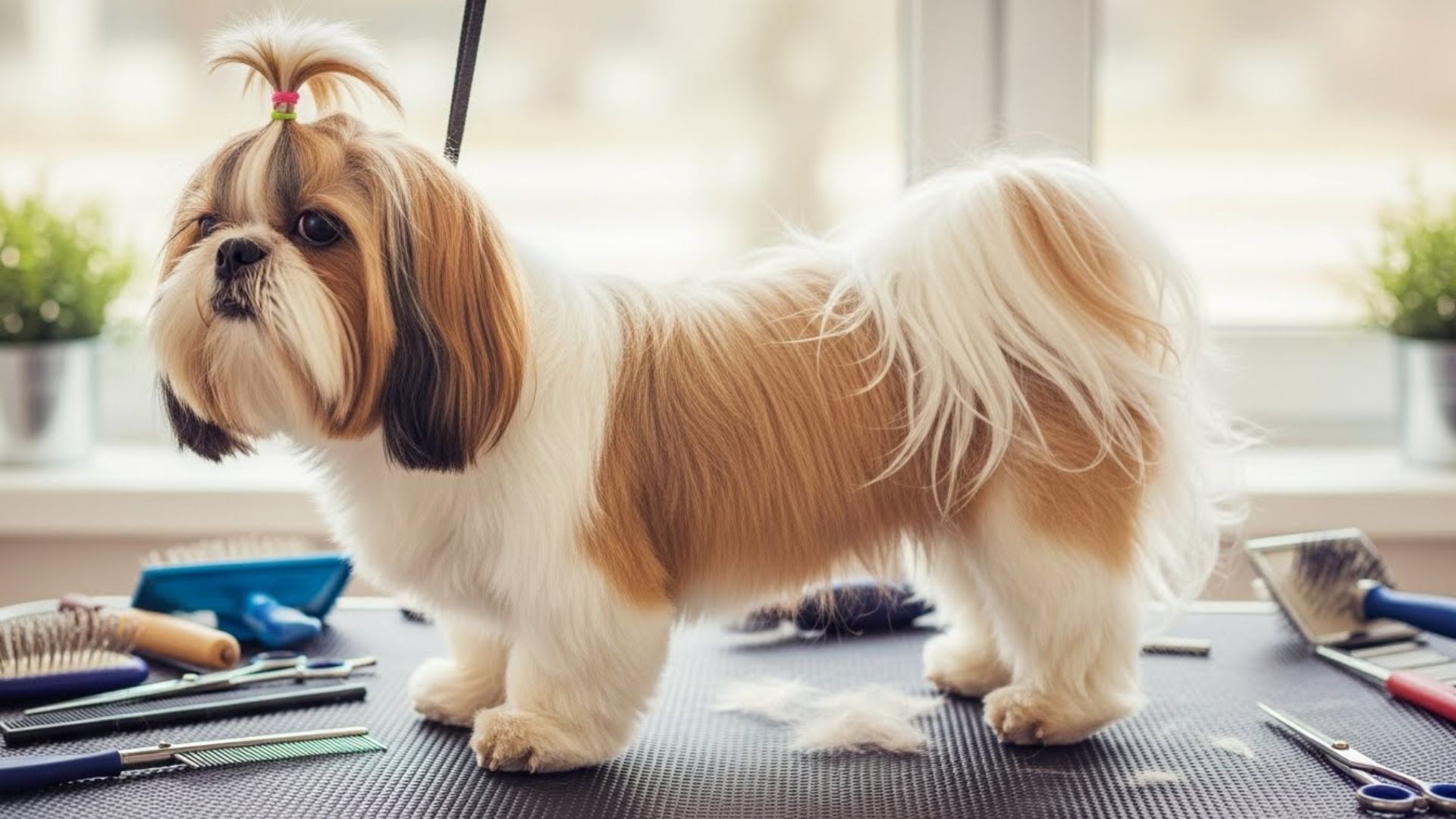
Dogs bring joy, companionship, and unconditional love, but not all breeds are equally easy to care for. Some dogs have low-maintenance coats, while others require constant attention to keep their fur healthy and clean. For many owners, grooming becomes more than a routine—it turns into a full-fledged challenge.
Some breeds are known for their beautiful yet high-maintenance coats. Without regular brushing, trimming, and professional grooming, their fur can become matted, tangled, or even lead to skin problems. Understanding a breed’s grooming needs is essential before bringing a dog into the home.
Beyond aesthetics, grooming also impacts a dog’s comfort and overall health. Regular care helps prevent infections, reduces shedding, and strengthens the bond between the dog and its owner. For owners, mastering grooming isn’t just about appearance—it’s a commitment to well-being.
Dog Breeds: A Grooming Challenge For Owners
1. Shih Tzu
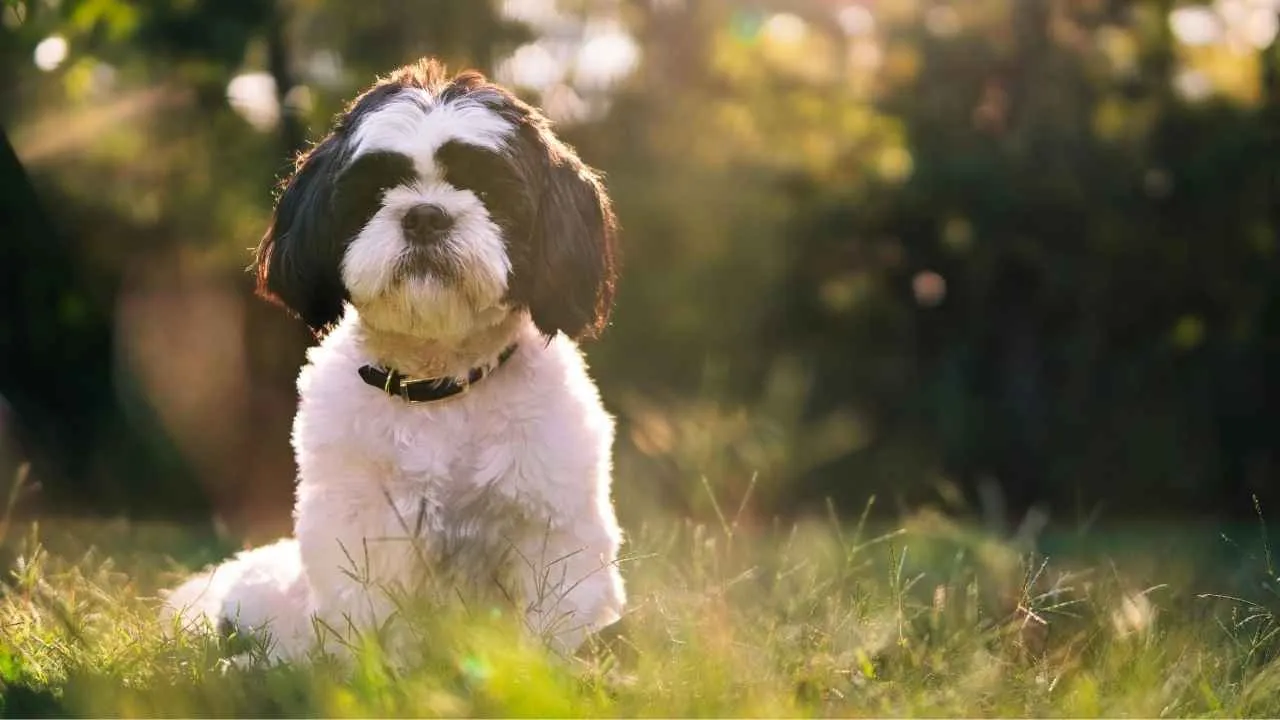
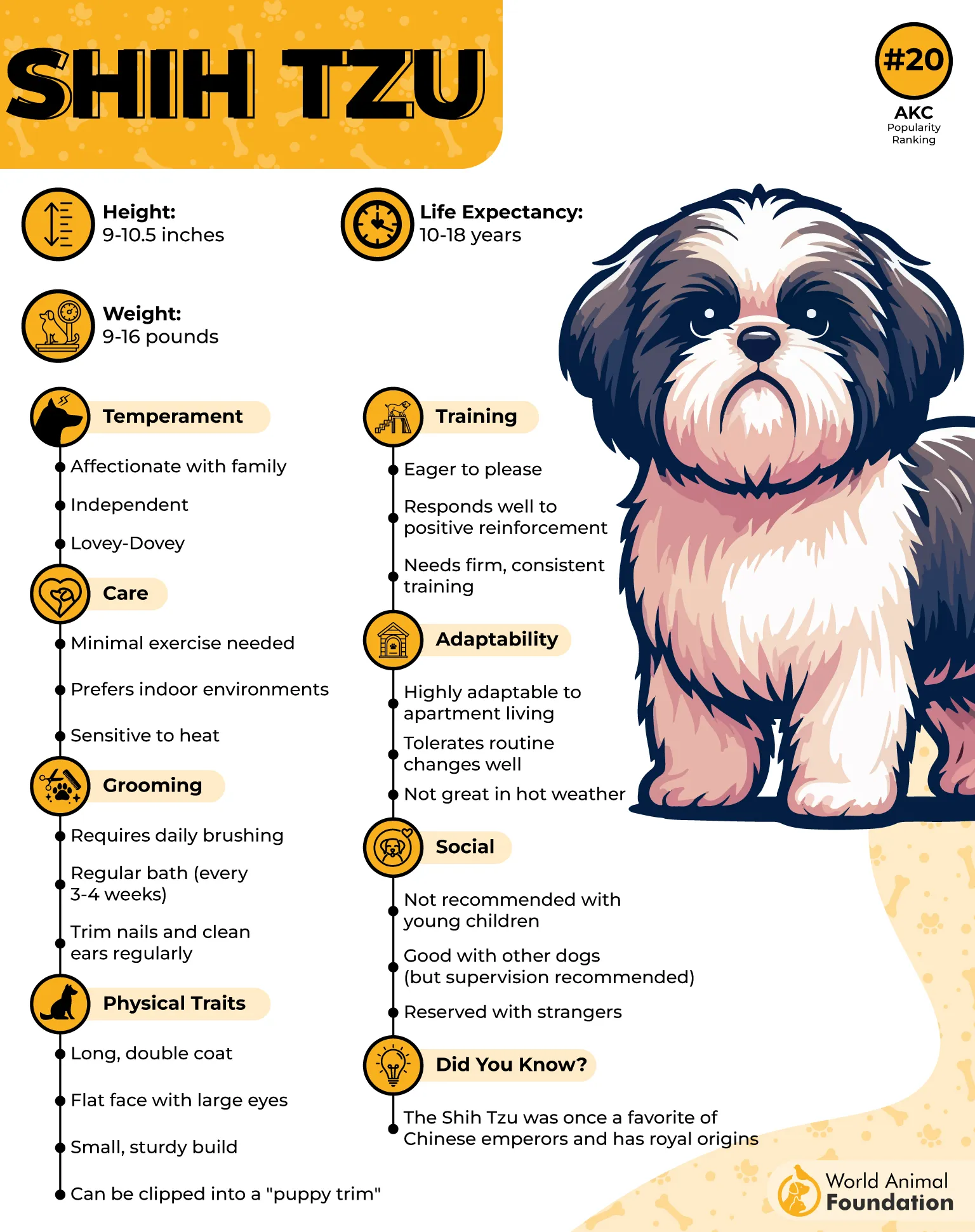
With its big dark eyes and sweet expression, the Shih Tzu has charmed families for centuries. This little “Lion Dog,” weighing 9–16 pounds, is surprisingly sturdy for its size. Its playful, affectionate personality makes it a perfect lapdog for apartments or homes without large yards.
From Palace Halls to Living Rooms
Shih Tzus were bred by Chinese emperors, carefully developed from Lhasa Apso and Pekingese lines to live a life of luxury. Once hidden behind palace walls, they only became widely known in the 1930s. Today, they remain adored worldwide, continuing their royal tradition of doting on their humans.
Beauty with a Purpose
This breed is more than cute—they’re smart, trainable, and love attention. Shih Tzus thrive on praise and treats, making training a rewarding experience. Despite shedding very little, their long, flowing coats demand frequent brushing and trimming to stay healthy and tangle-free, as per Purina.
Why Shih Tzus Can Be Grooming Challengers
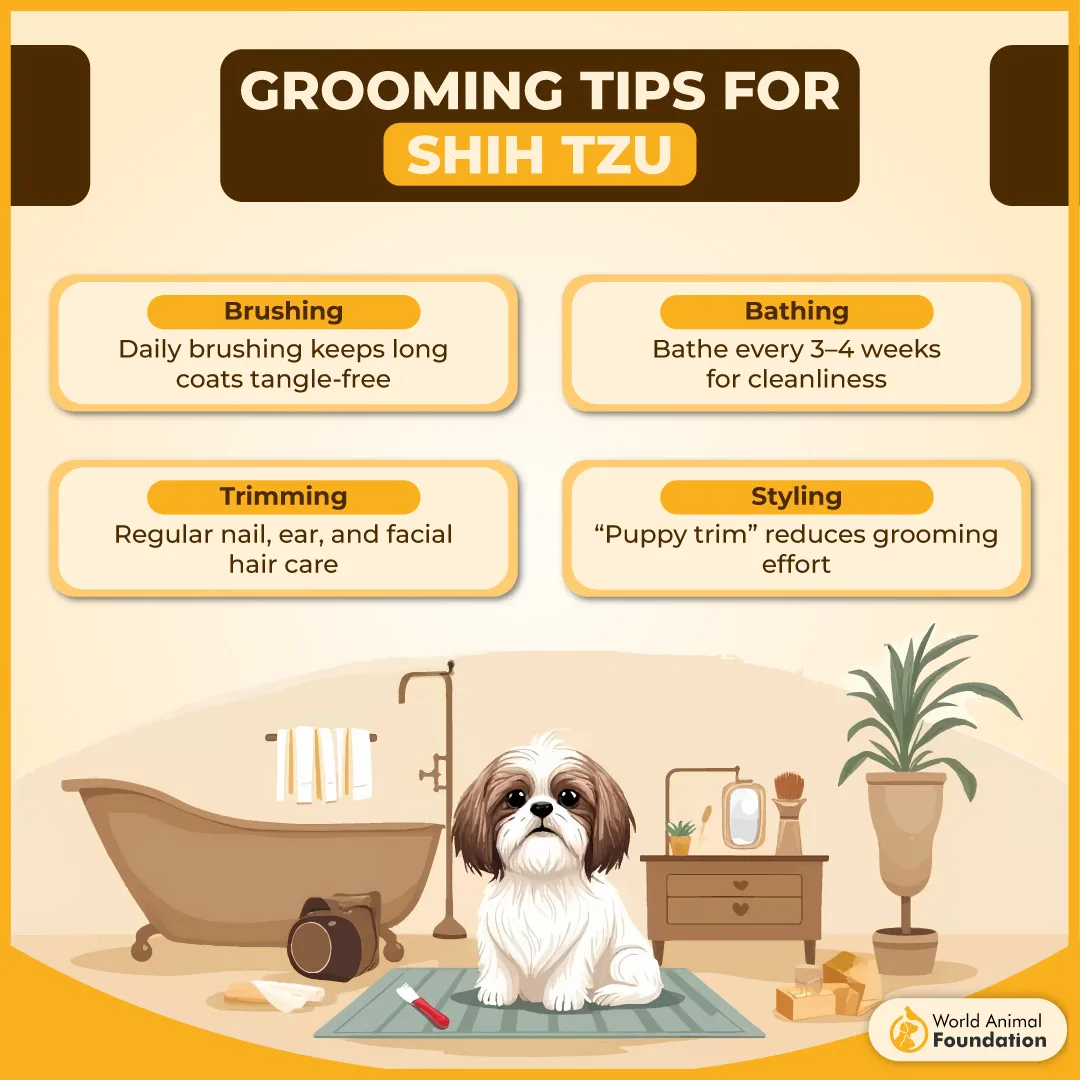
Their long, silky hair grows continuously and mats easily if neglected
Frequent brushing is needed to prevent tangles and knots
Professional and proper grooming is often required to maintain coat length and style
Facial hair requires daily cleaning to avoid tear stains and debris
Regular ear and dental care is essential due to their small size and facial structure
2. Poodle
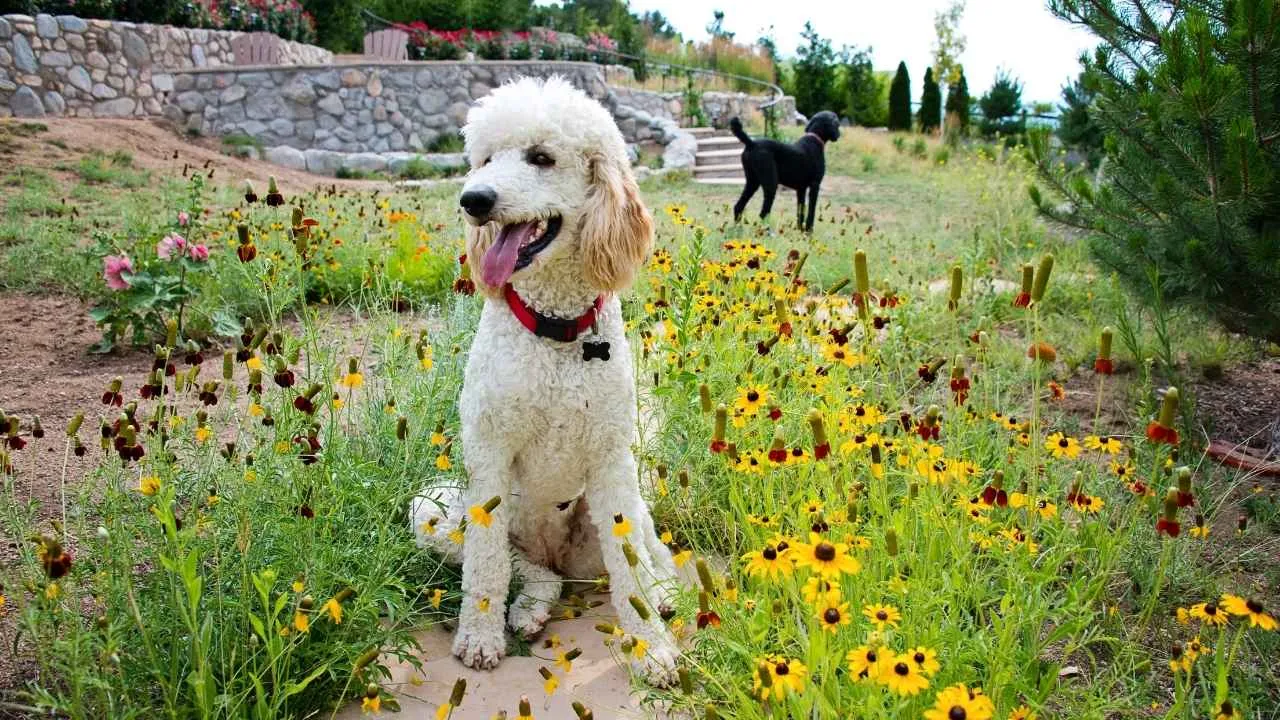
Poodles, elegant and intelligent, come in three sizes: Standard, Miniature, and Toy. Originally bred in Germany as water dogs, these dogs are active, playful, and highly adaptable, thriving in homes with daily exercise and mental stimulation.
From Water Dogs to Show-Stoppers
Though often linked to France, Poodles were developed for hunting in cold waters, their curly coats protecting joints and chest. Over centuries, their intelligence and versatility brought them into noble homes and even European circuses. Today, they excel in both dog sports and as family companions.
Coats That Command Attention
Poodles’ curly, non-shedding hair is beautiful but high-maintenance. Mats can form easily without frequent brushing and clipping, and show cuts require regular grooming. Their coat demands a steady hand, patience, and regular care to keep it healthy and elegant.

Why Poodles Challenge Groomers
Dense, curly hair mats quickly if not brushed daily
Frequent clipping or professional grooming is essential
Show trims require intricate styling and maintenance
Topknots, ear fringes, and oiling add extra care demands
Neglecting grooming can lead to painful tangles and skin issues
3. Afghan Hound
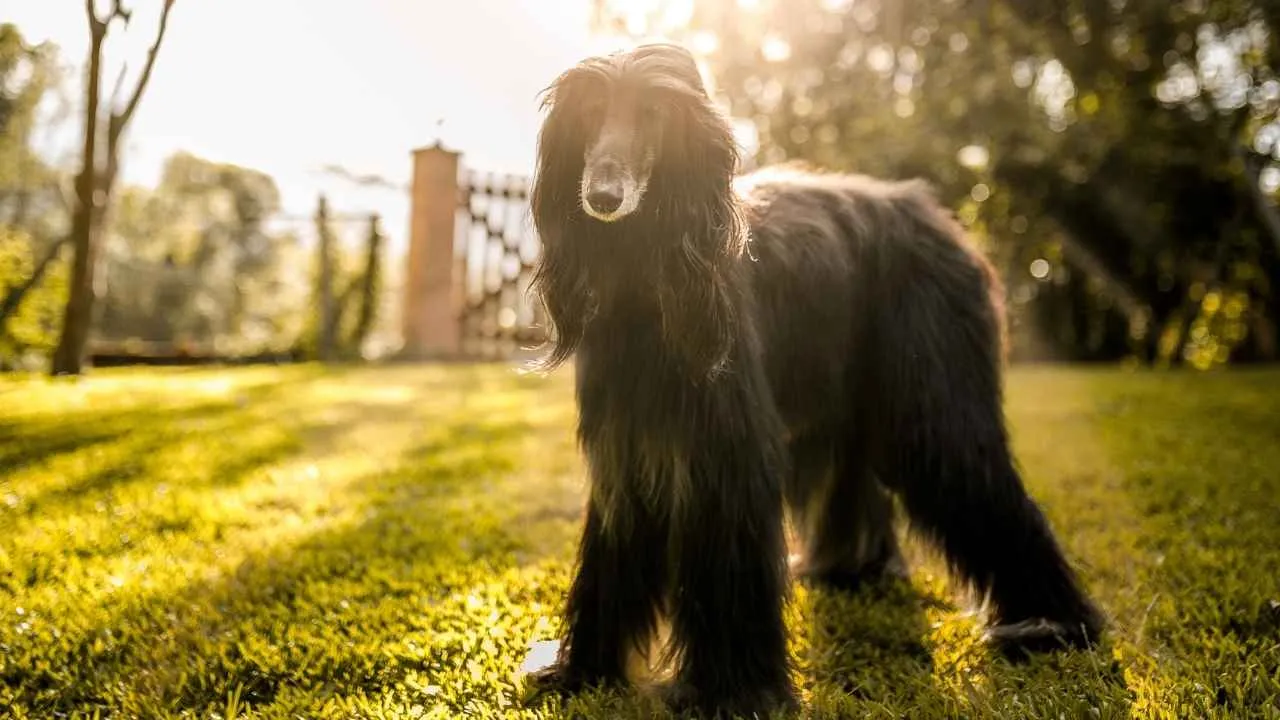
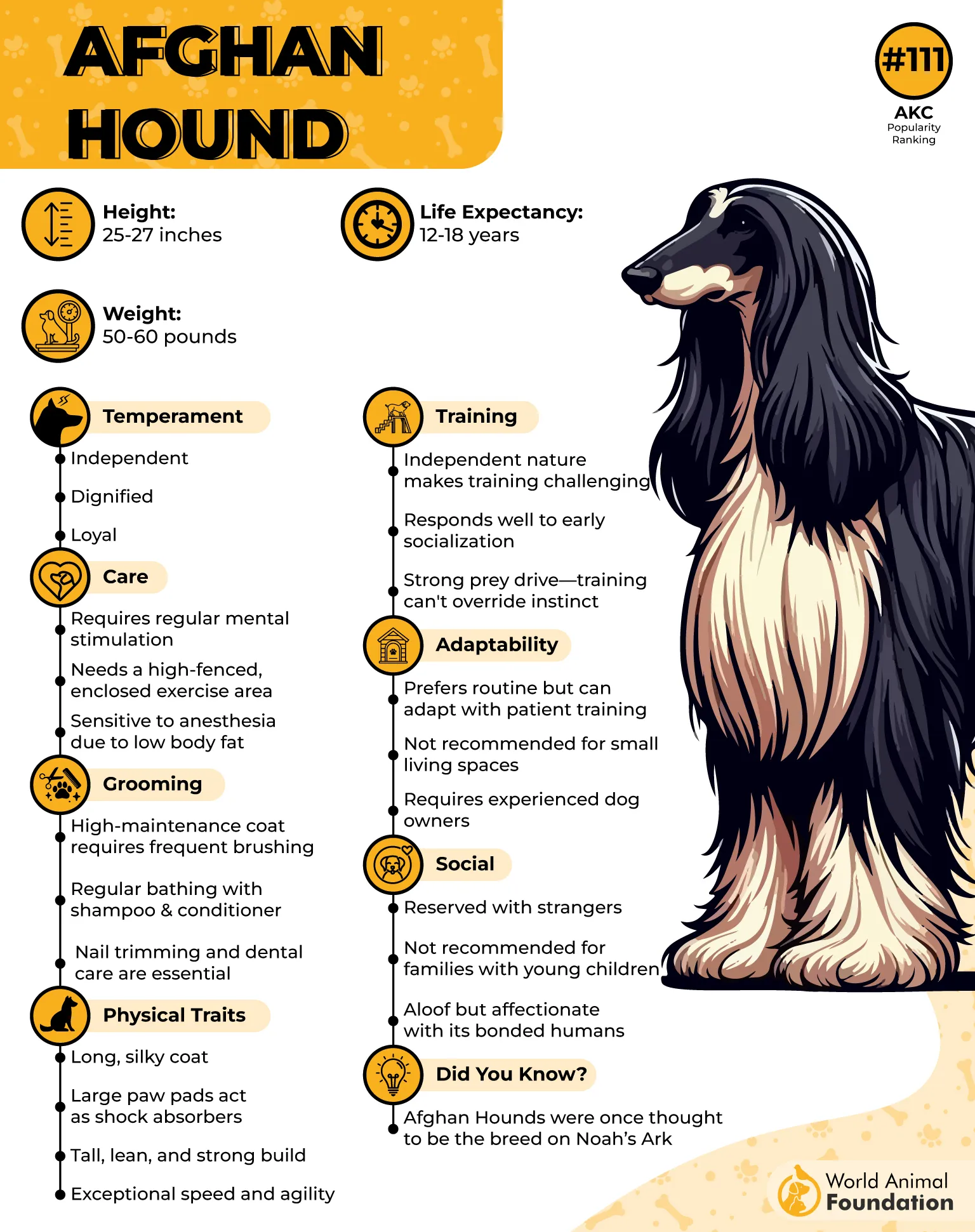
The Afghan Hound is a striking sight, with flowing silky hair and an aristocratic stance. Standing up to 27 inches tall, this agile and powerful hound combines elegance with bursts of playful silliness. Their loyalty shines for the right owners who appreciate both grace and independence.
From Ancient Mountains to Modern Homes
Afghans are one of the world’s oldest dog breeds, bred for speed and hunting in Afghanistan’s harsh terrain. Introduced to Europe in the 1800s, they became favorites among British officers and nobility. Today, they are show-stopping furry friends, admired for both beauty and athleticism.
A Coat That Commands Respect
The Afghan’s long, silky coat is beautiful but high-maintenance. Regular brushing is essential to prevent mats, especially around ears and topknots. While they shed minimally, their flowing locks require patience, consistency, and occasional baths to maintain that signature silky sheen.
Why Afghan Hounds Are Grooming Challengers
Long, fine hair tangles easily and must be brushed several times per week
Topknots and head hair often need tying to prevent mats and debris
Ears are prone to infection due to long hair, requiring regular cleaning
Bathing is needed only occasionally, but drying and detangling take time
Their flowing coat demands patience and skill to keep it silky and smooth
4. Maltese
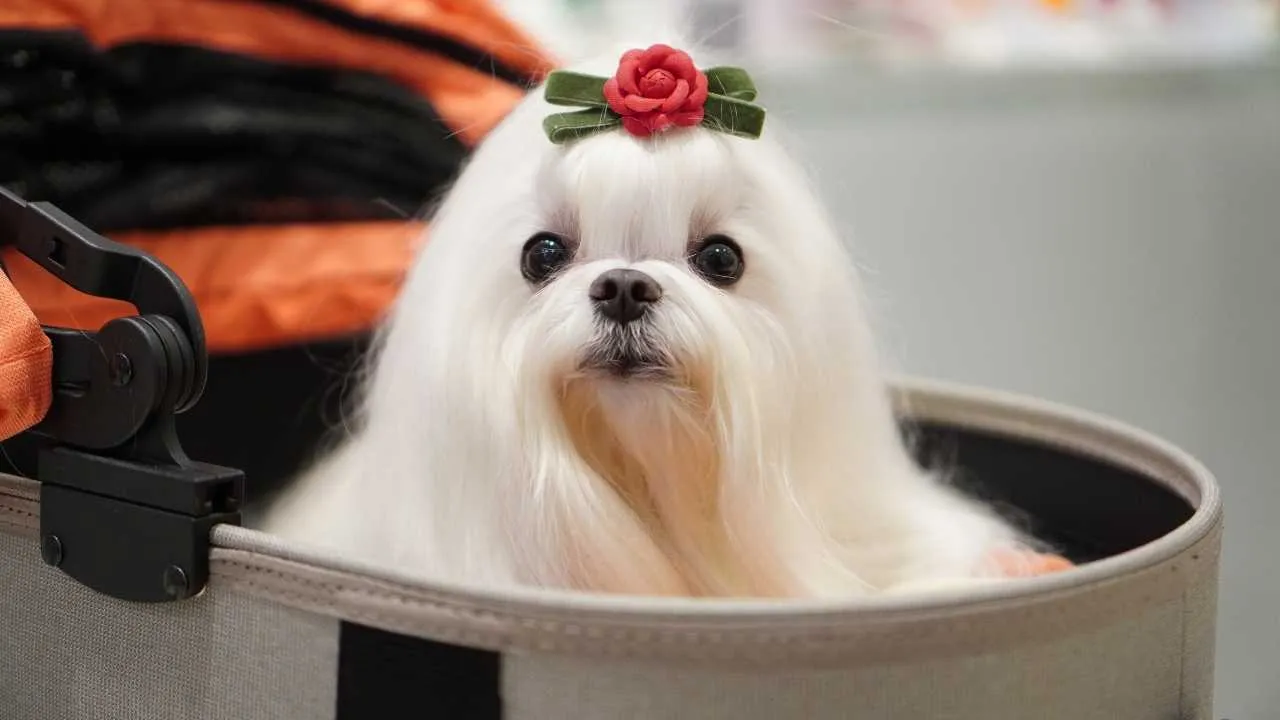
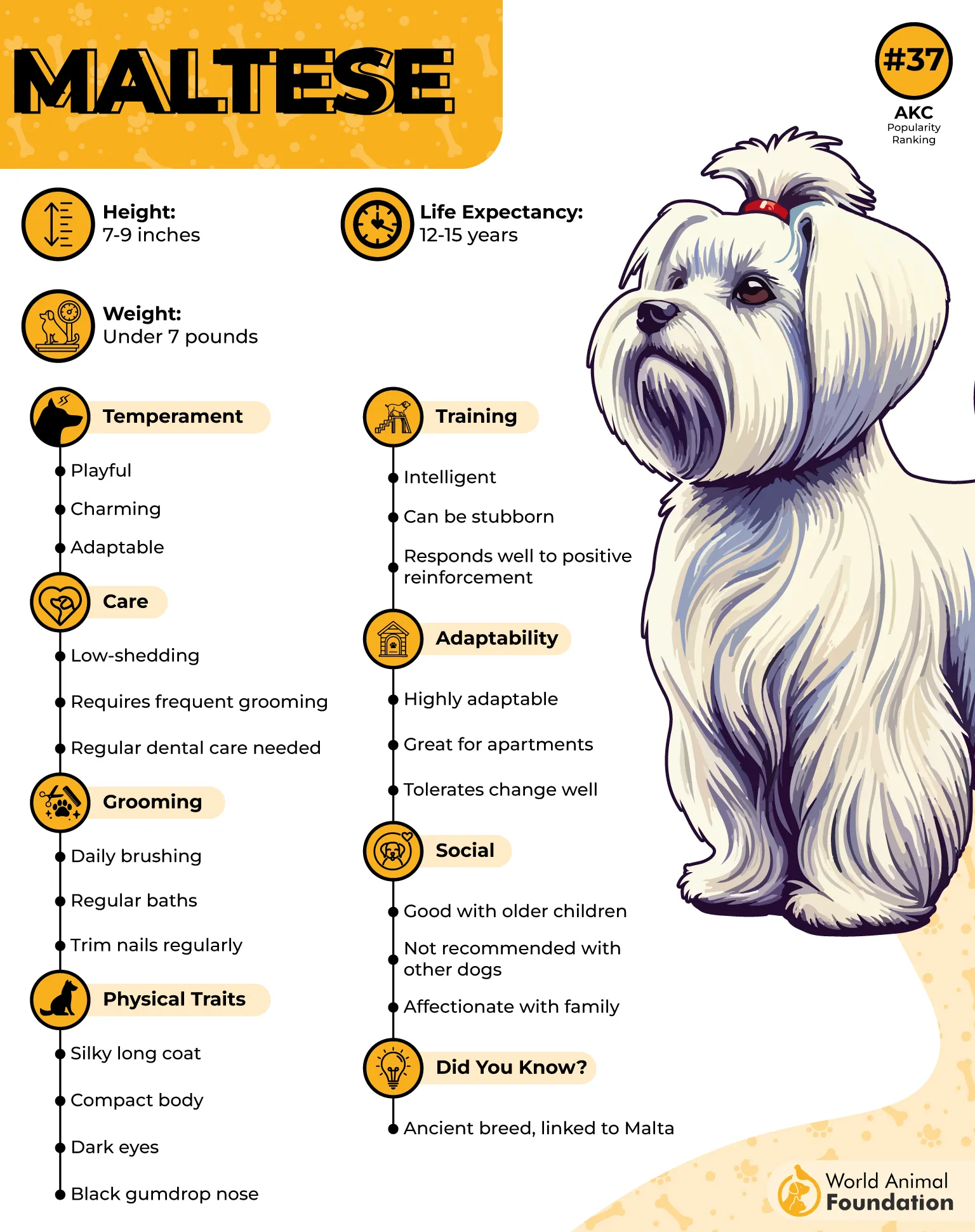
The Maltese is a delicate yet lively toy breed with a pure-white, flowing coat and a plumed tail. Though small, these small dogs are bold, affectionate, and playful, making them ideal companions for older children and seniors. Their charm and energy shine in both homes and apartments.
From Ancient Malta to Modern Homes
With a history spanning over 2,500 years, the Maltese was cherished by aristocrats and scholars alike, as per Hill’s Pet. Beloved in Egypt, Greece, and Rome, this breed has long been admired for elegance and beauty. Today, they remain adored lapdogs, known for their lively spirit and devoted companionship.
Silk, Shine, and Sheer Maintenance
The Maltese’s long, silky coat is striking but high-maintenance. Daily brushing and regular bathing are essential to prevent tangles, mats, and tear stains. Show-quality Maltese require careful topknot wrapping and attention to hair around the eyes to maintain their iconic pure-white appearance.
Why Maltese Dogs Test Groomers
Long, fine hair tangles and mats easily without daily brushing
Tear stains and saliva can discolor the coat if not cleaned frequently
Hair around the eyes and ears requires careful attention to prevent infection
Regular baths and conditioning are needed to keep the coat silky and soft
Show dogs demand precise styling, including topknots and flowing locks
5. Bichon Frise
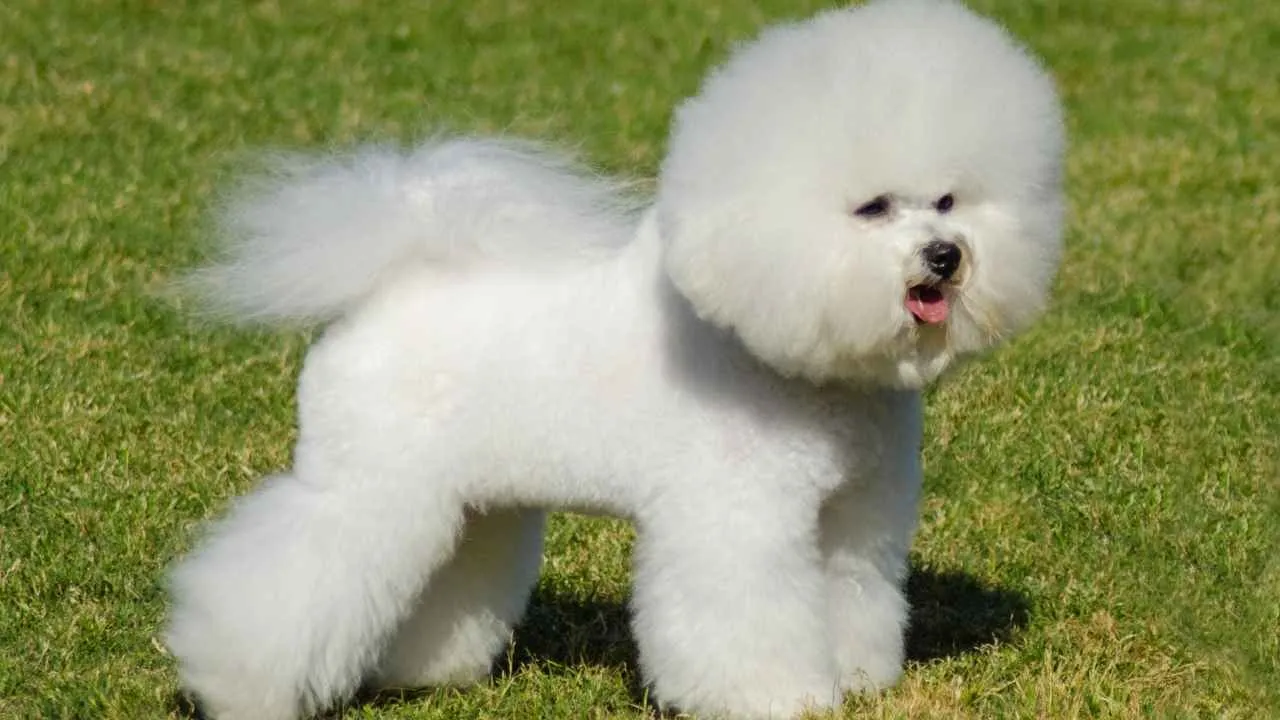
The Bichon Frise may be compact, but its charm and energy are larger than life. Cheerful, playful, and affectionate, this small white dog delights families and strangers alike with its happy-go-lucky antics and friendly disposition.
From Mediterranean Sailors to Royal Courts
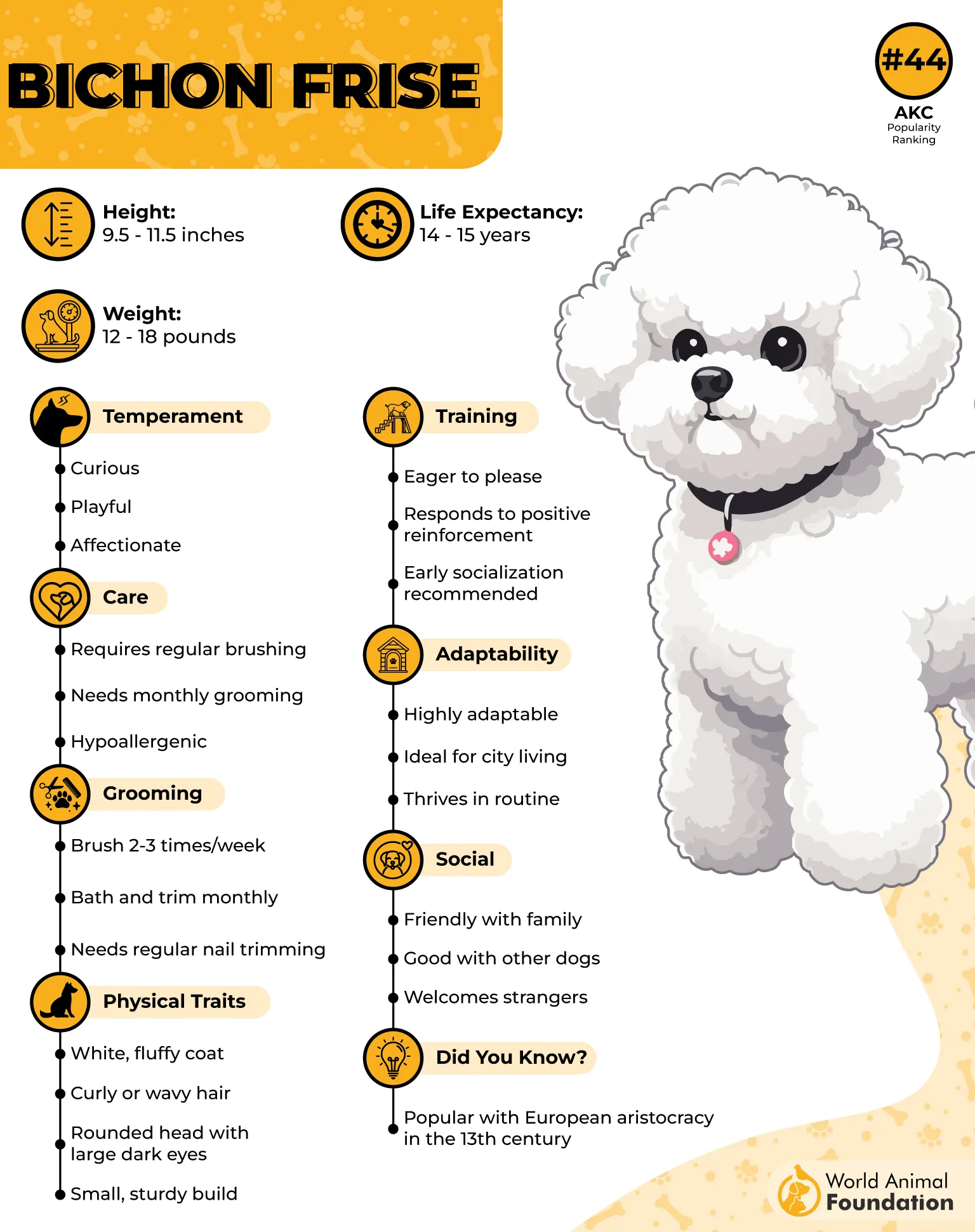
Bichons trace their roots to the Mediterranean and Tenerife, where sailors and nobles adored them, according to the AKC. Renaissance royalty treasured them for their beauty and intelligence, and later, street performers and circuses showcased their cleverness.
Curly Coats That Demand Devotion
The Bichon Frise’s plush, curly coat is a signature feature, soft and springy but prone to mats without consistent care. Daily brushing, regular trimming, and occasional baths are essential to maintain the coat’s springy texture and iconic white appearance.
Why Bichon Frises Are Grooming Challengers
Curly, dense coat mats quickly if not brushed daily
Hair around the eyes can stain from tears and requires cleaning
Regular trimming is needed to maintain the plush, springy texture
Ears and tail hair require extra attention to prevent tangles and debris
Show grooming demands precise shaping, trimming, and styling
6. Puli
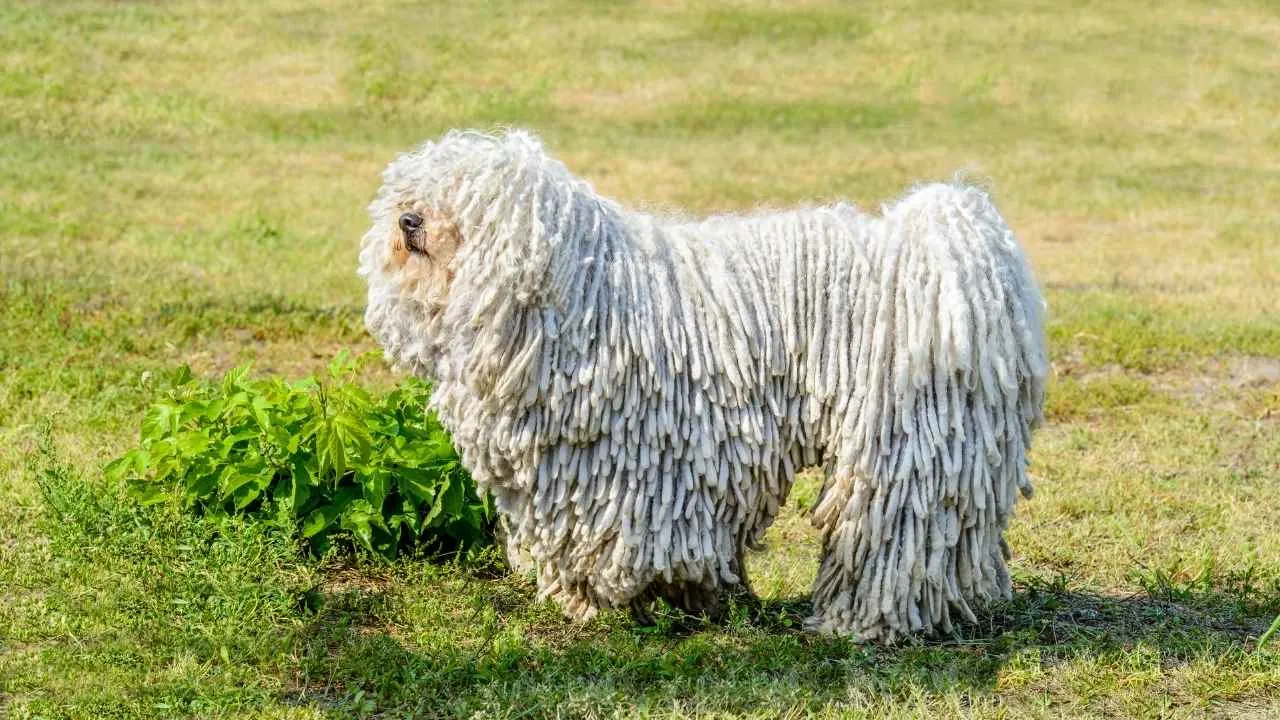
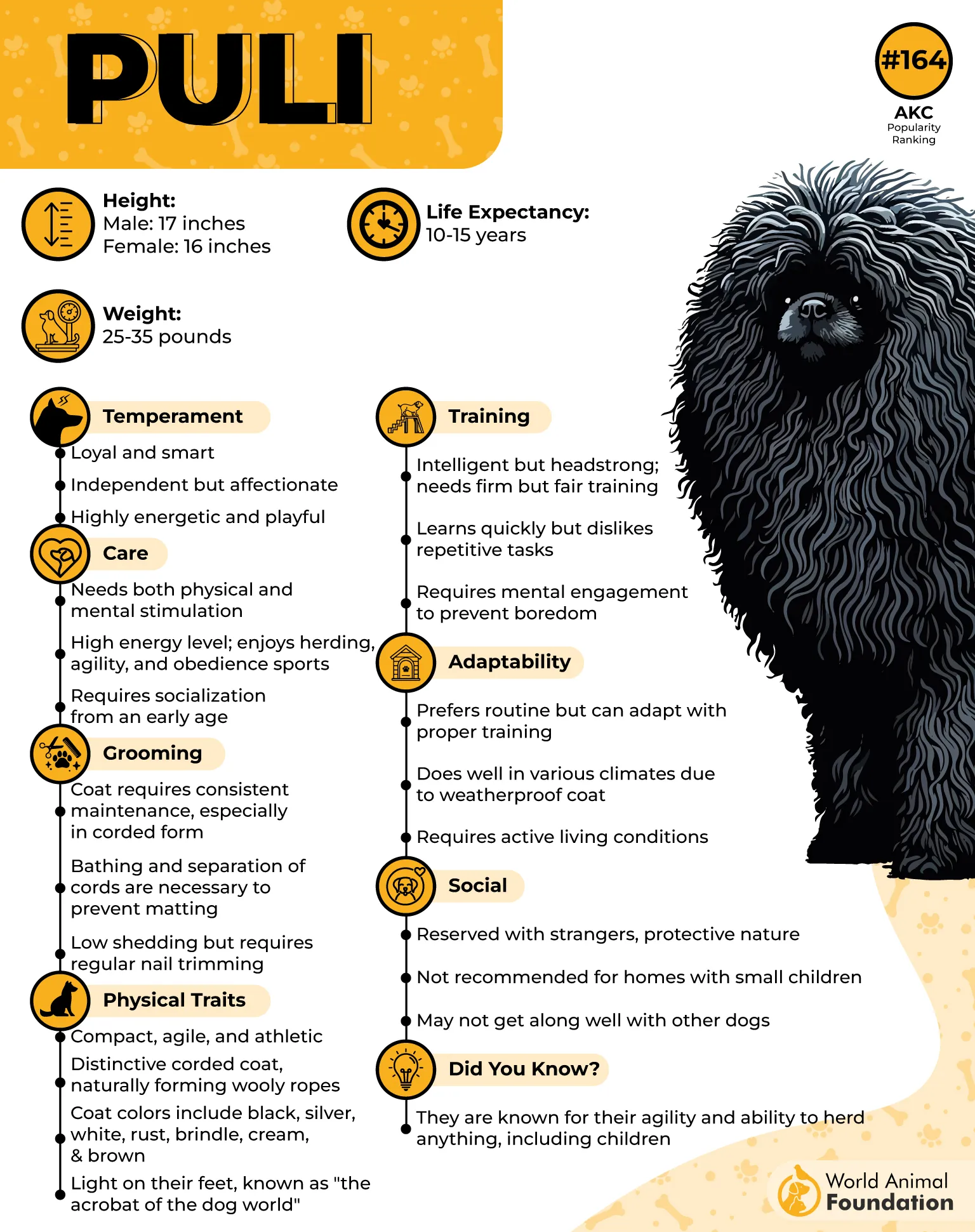
The Hungarian Puli is a medium-sized herding dog known for its iconic corded coat that can reach the ground. Beneath the flowing locks is a sturdy, athletic dog brimming with energy and intelligence. Pulis thrive on activity and love spending time with their families.
From Hungarian Fields to Modern Families
Originally bred for herding sheep in Hungary, Pulis have a protective streak and an uncanny ability to herd almost anything that moves. They reached the U.S. after World War II and now excel in dog sports, obedience, and as loyal family companions, as per WebMD.
Cords That Command Patience
A Puli’s corded coat is beautiful but extremely high-maintenance. The cords must be separated as they form, bathed with care, and dried thoroughly to avoid mildew. Owners need patience and often professional guidance to maintain the signature dreadlocks.
Why Pulis Are Grooming Challenges
A corded coat requires careful separation to prevent one giant mat
Bathing and drying can take hours due to dense, heavy cords
Brushing out trimmed Pulis must reach the skin weekly to avoid mats
Hair above the eyes may need trimming for visibility
Maintaining cords demands consistent effort and knowledge of cord formation
7. Komondor
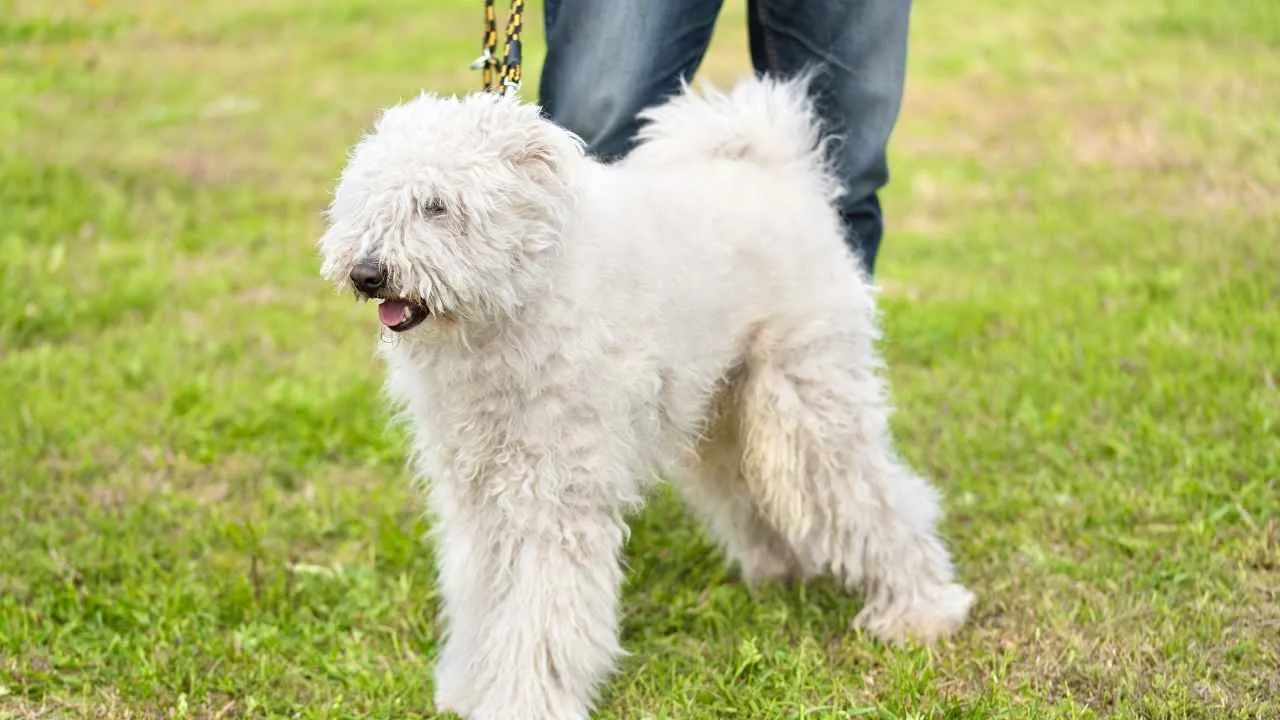
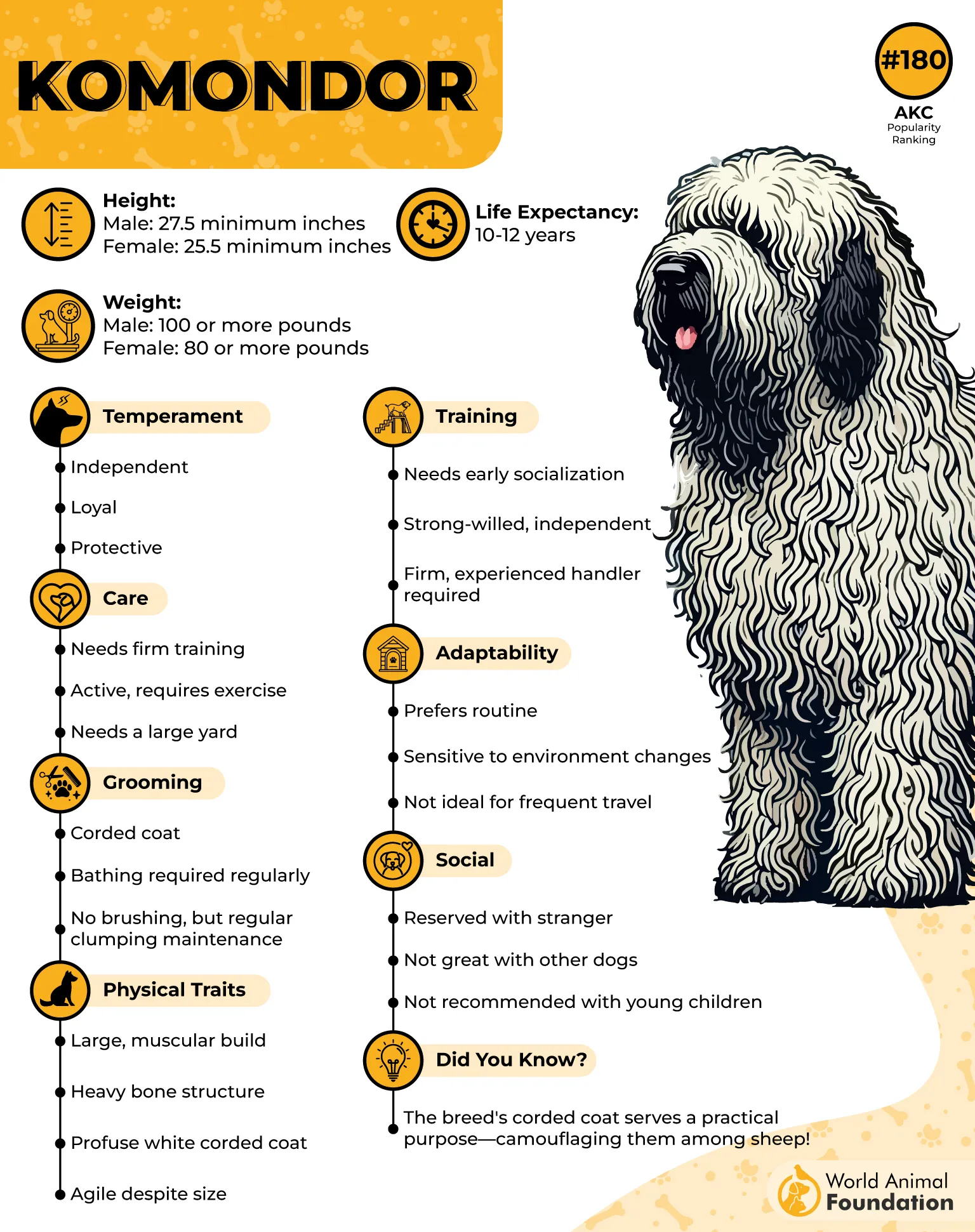
The Komondor is a massive Hungarian flock guardian famous for its profuse white cords covering its entire body. Beneath that striking coat lies a powerful, agile dog capable of protecting livestock from wolves and other predators. Their unique look makes them instantly recognizable anywhere.
Ancient Protectors Turned Family Companions
For centuries, Komondorok were the Kings of Hungarian pastures, blending seamlessly with sheep thanks to their corded coats, as per PDSA. Today, they are loyal, protective family dogs who thrive with early socialization and gentle exposure to children and other pets.
Cords That Command Respect
The Komondor’s coat forms naturally from a soft undercoat and a curly, coarser outercoat. By age two, cords develop fully, giving the breed its mop-like appearance. Maintaining this look takes patience, consistent care, and knowledge of cord separation to prevent mats and tangles.
Why Komondorok Are Grooming Challenges
Cords must be regularly separated to avoid dense mats
Bathing requires careful soaking, scrubbing, and long drying sessions
A coat can trap debris, requiring inspection after outdoor activities
Hair around the eyes may need trimming for visibility
Early cord training and ongoing maintenance are essential for healthy fur
Conclusion
Caring for dogs with dense coats or flowing hair can turn dog breeds into a grooming challenge for owners. High-maintenance breeds often require daily brushing, frequent grooming sessions, and professional grooming to prevent matting, manage shedding, and maintain the dog’s comfort.
For pet owners, consistent grooming is key to a positive grooming experience, especially for breeds with dense double coats, curly coats, or thick undercoats. Slicker brushes, regular baths, nail trimming, and grooming appointments help maintain long hair, wavy coats, and silky hair while preventing infections and skin issues.
Different long-haired breeds have different grooming needs, from weekly brushing to extensive grooming and regular trims. From gentle giants to affectionate companions, even smaller dogs with floppy ears or flowing coats can pose grooming challenges.
