




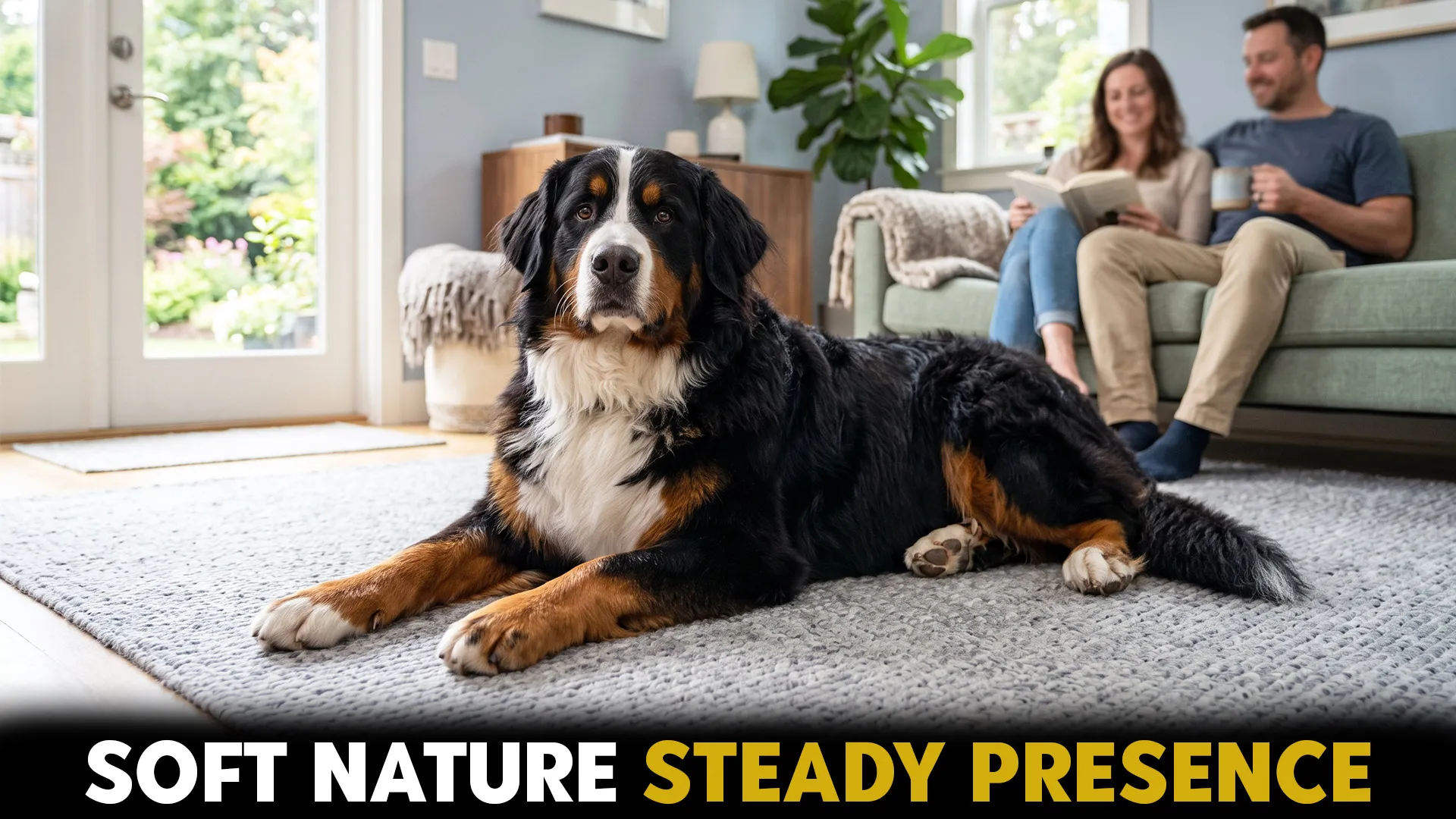
A guard dog doesn’t have to make your home feel like a fortress. Some dogs are naturally protective yet calm, gentle, and happy to relax alongside their families. For a peaceful household, that balance can make all the difference.
The ideal guard dog is alert enough to notice unusual activity but composed enough not to overreact. With proper training and early socialization, these dogs can learn when to stay watchful and when it’s time to simply enjoy family life.
If you want a loyal protector without constant intensity or chaos, you’re in the right place. Let’s explore docile guard dog breeds that can bring both security and serenity to your home.
Key Takeaways
Meet calm protective dog breeds that keep your home safe without the chaos.
See why Great Pyrenees, Newfoundlands, and Bullmastiffs stand out for peaceful homes.
Discover how Bernese Mountain Dogs and Leonbergers balance loyalty with gentle temperaments.
Find out which breed fits your space, lifestyle, training experience, and daily routine.
Docile Guard Dog Breeds for a Tranquil Home
1. Great Pyrenees
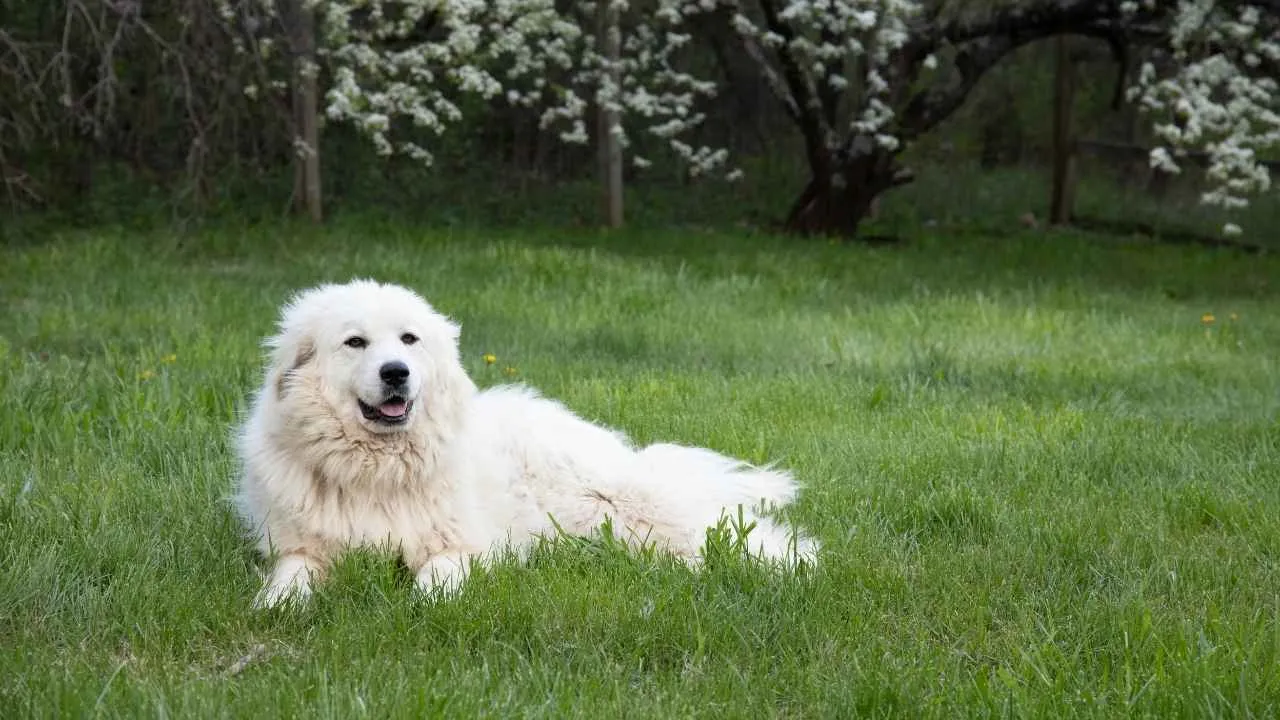
For a calm home, a Great Pyrenees can be a wonderful choice. These majestic guardians were bred in the Pyrenees Mountains to protect sheep from predators.
Their strong protective instincts remain, but they are usually gentle and calm with the people they love. Their thick white coats also helped them blend into snowy mountain landscapes.
Why Great Pyrenees Fit Tranquil Homes
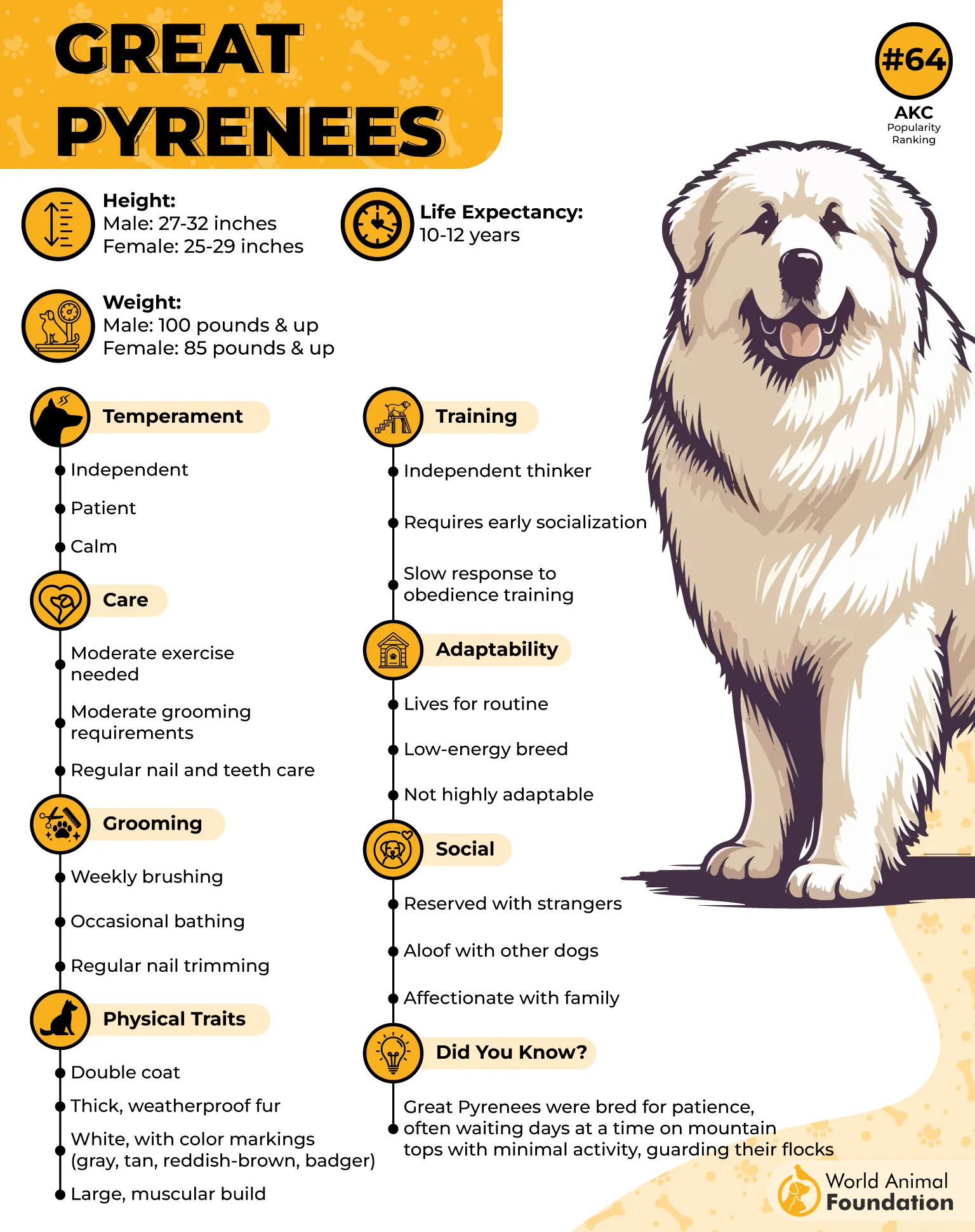
Great Pyrenees are patient, affectionate, and naturally watchful. They are not overly active and often enjoy a peaceful home life. They can get along well with children and other pets when properly socialized.
However, their independent nature can make training challenging. Early socialization, consistent training, and positive reinforcement help them become well-mannered companions.
Care and Temperament
These dogs enjoy outdoor time and roaming, so a secure, sturdy fence is important. They can also be vocal and may bark to alert their families to unfamiliar activity. Their long outer coat is resistant to dirt and tangles, but they are heavy shedders and benefit from regular brushing.
2. Newfoundland
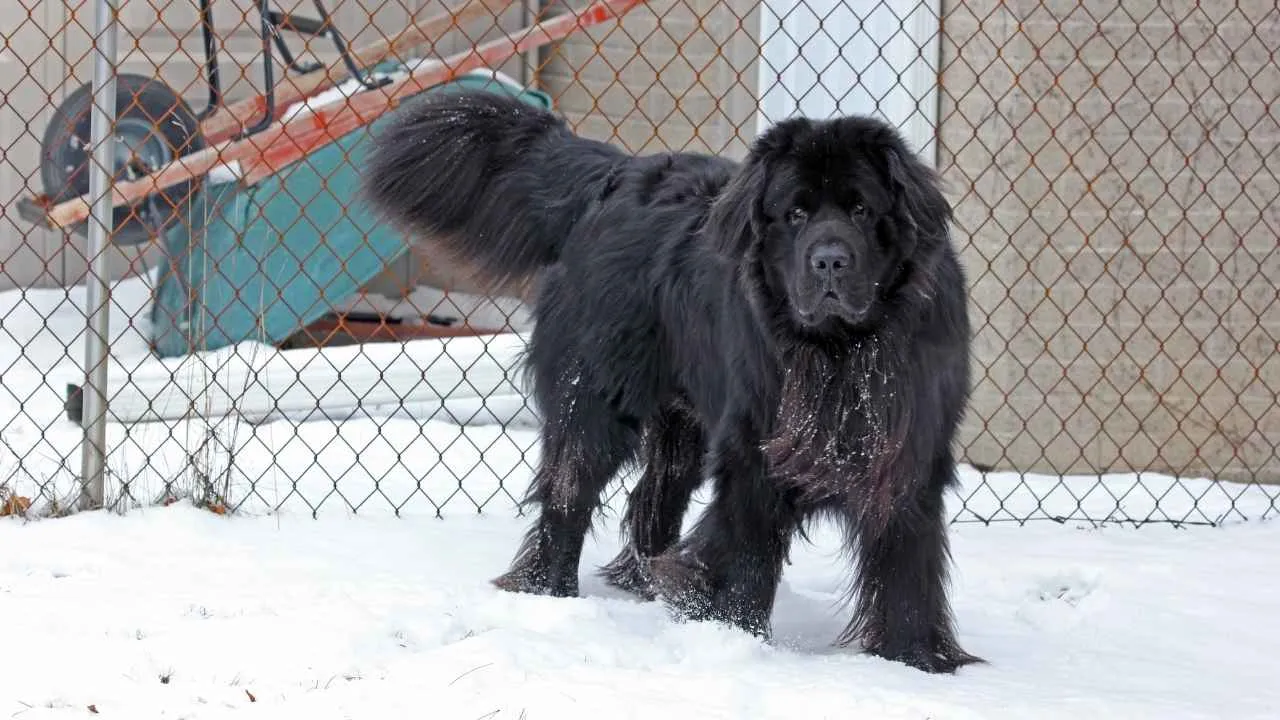
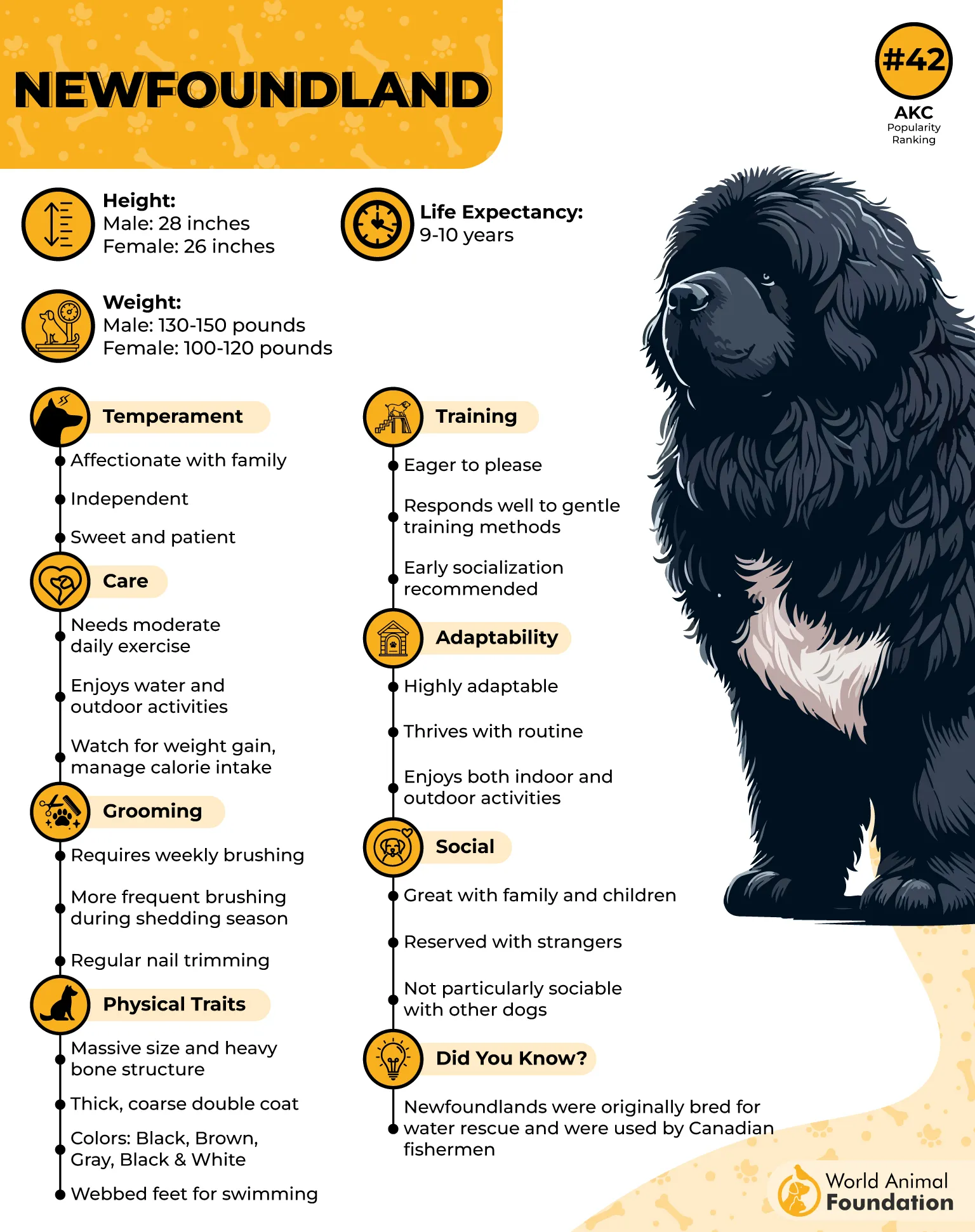
If you want a protector with a gentle heart, the Newfoundland is hard to overlook. Known for its calm and friendly nature, this working breed was developed in Newfoundland, Canada, where it helped fishermen and became famous for water rescues.
Its history also shaped a dog that is strong, watchful, and dependable without being overly aggressive.
Calm Protectors for Family Homes
Newfoundlands are incredibly affectionate, patient, and especially tolerant of children. They usually get along well with other dogs, cats, and small pets, according to PetMD.
Despite their gentle nature, they can be protective and may place themselves between their family and a stranger. They are not known for excessive barking, but they remain alert to what is happening around them.
Care and Daily Life
Newfoundlands have a thick, water-resistant double coat and shed throughout the year. Weekly brushing helps remove dead hair and prevent mats, while heavier seasonal shedding may require more frequent grooming. They also drool, so regular cleanups are part of life with this breed.
Daily walks, playtime, hiking, or swimming help keep them fit. Early leash training, obedience training, and socialization are important because their size and strength can make them difficult to manage if untrained.
3. Bullmastiff
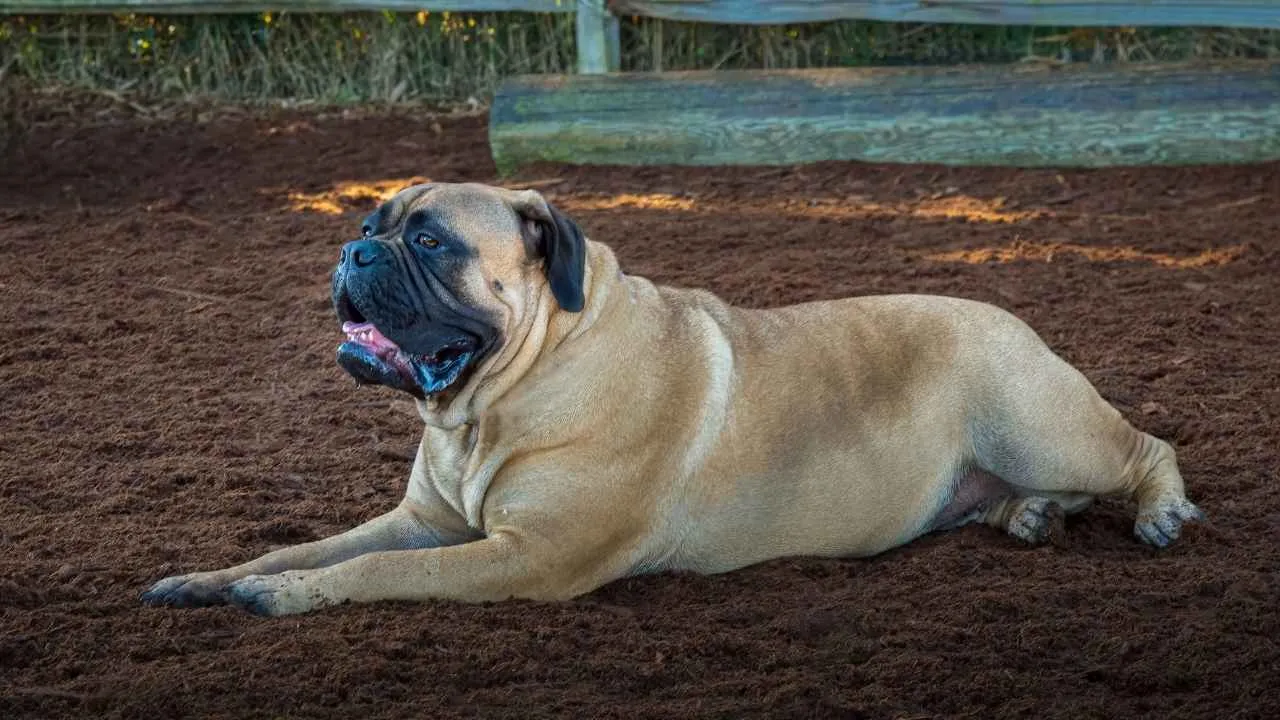
Originally developed by English gamekeepers to protect estates from poachers, Bullmastiffs combine strong guarding instincts with a surprisingly gentle and affectionate nature.
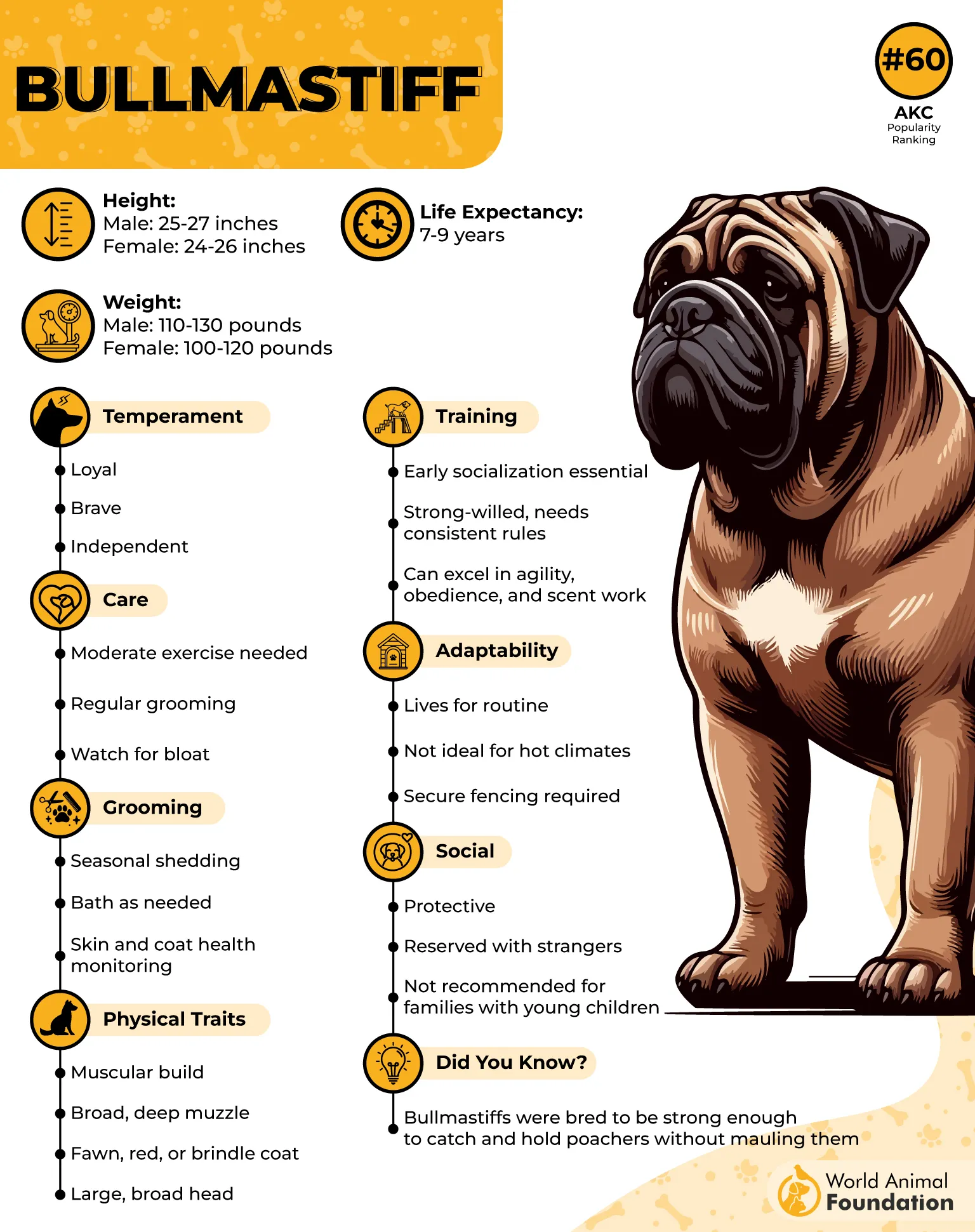
These confident dogs are deeply devoted to their families and prefer being involved in household life rather than left on their own. Their quiet, steady personality makes them a natural fit for homes that want a dependable protector without constant noise or excitement.
Calm Protectors
Bullmastiffs are generally calm, loyal, and loving with their families, including children. They are not excessive barkers, but they stay alert and will speak up when something seems unusual.
They can be reserved around unfamiliar people and animals, making early socialization important. With consistent guidance, they can become well-mannered companions that know when to relax and when to stay watchful.
Training and Care Needs
These intelligent dogs learn quickly, but their independent, strong-willed side means training should begin early. Positive reinforcement, obedience training, and leash skills are especially important because their strength can make an untrained Bullmastiff difficult to manage.
Daily walks and play in a securely fenced yard provide enough activity for most, while their short coat needs little grooming beyond regular brushing. Their drooling jowls may require a little extra cleanup, but overall, they are relatively low-maintenance dogs with a calm presence.
4. Bernese Mountain Dog
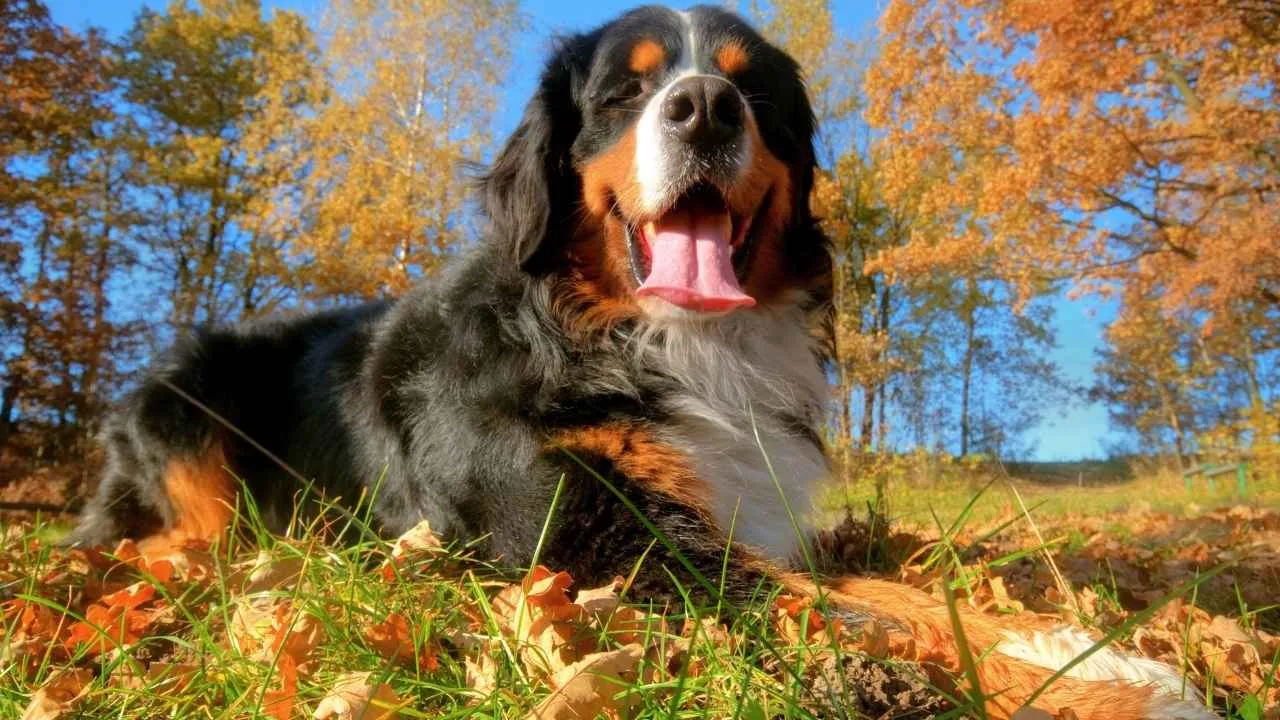
Originally bred as farm dogs in the Swiss Alps, Bernese Mountain Dogs helped drive cattle, guard livestock and homes, and pull carts. Today, these gentle giants are better known as devoted family companions.
Their quiet temperament, affectionate personality, and strong bond with their people make them a lovely choice for homes that want a calm presence with natural protective instincts.
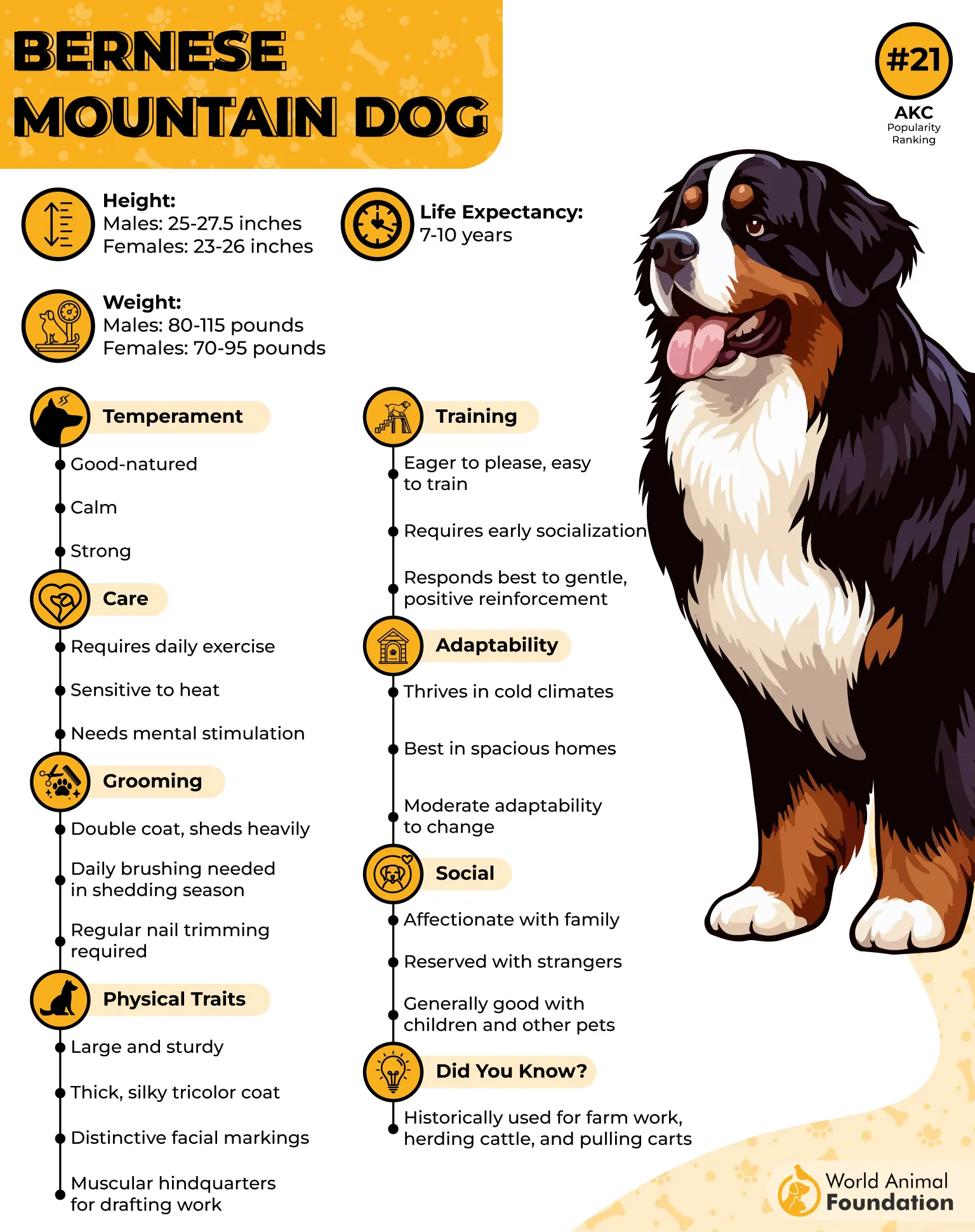
Gentle Family Guardians
Bernese Mountain Dogs are loyal, patient, and generally calm around family members, children, and other pets. They tend to bond with the whole household and enjoy staying close to their people.
While they can be somewhat shy around strangers, early socialization helps them become more confident and comfortable in new situations. Their quiet nature also means they are not typically excessive barkers.
Training and Daily Needs
Berners are intelligent and eager to please, so they respond well to calm, consistent training and positive reinforcement. Daily walks, hikes, light play, or scent-based activities help keep them physically and mentally content without requiring intense exercise.
Their thick double coat sheds heavily year-round and needs frequent brushing, so owners should be prepared for regular grooming and plenty of fur around the home. They also prefer cooler climates and may struggle with heat, making a cool, comfortable living environment important.
5. Leonberger
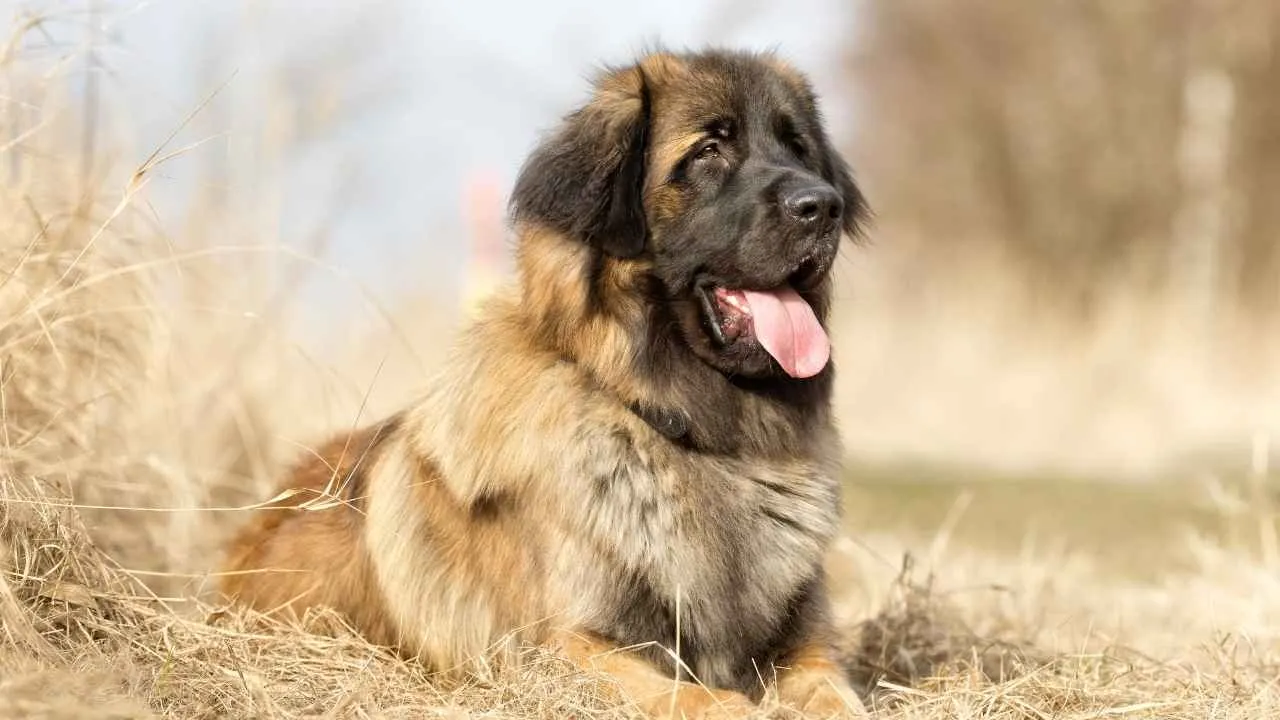
Leonbergers may look imposing, but their gentle, affectionate nature makes them surprisingly well suited to tranquil homes. Originally developed in Leonberg, Germany, they were bred as strong protectors and later became valued as family companions and working dogs.
Today, these loyal giants are known for their calm demeanor, intelligence, and deep attachment to their families.
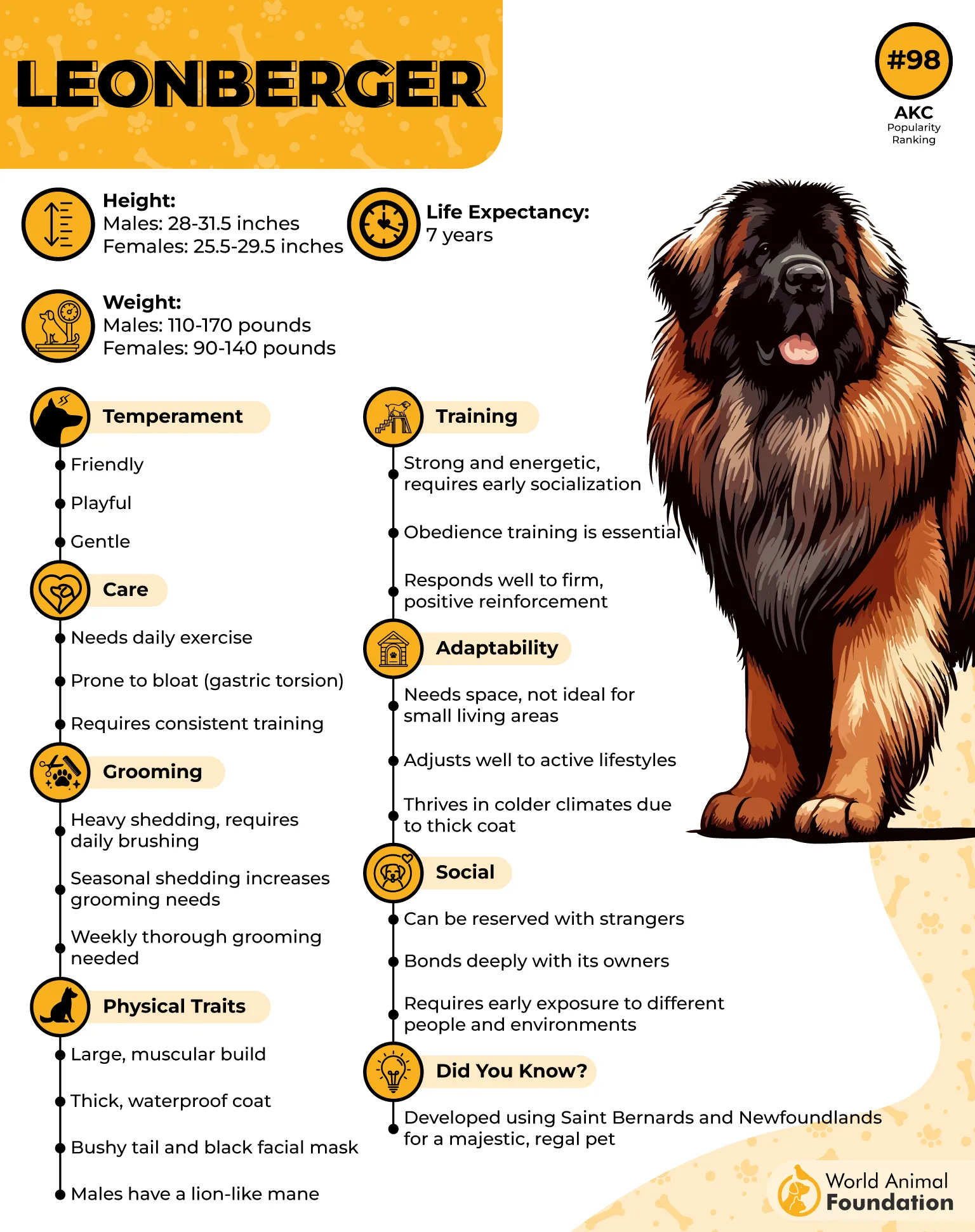
Calm and Loyal Guardians
Leonbergers are patient, confident, and generally gentle with children and other pets when properly socialized. They tend to assess situations before reacting, making them thoughtful rather than overly reactive protectors.
Royal Canin says they are also relatively quiet and usually do not bark or dig excessively. However, their protective instincts can appear during adolescence, so early socialization and consistent obedience training are important.
Training and Care Needs
These dogs thrive on human companionship and do not enjoy being left alone for long periods. Daily walks, hiking, swimming, structured play, or activities such as cart pulling can keep them physically and mentally satisfied.
Their dense double coat sheds heavily throughout the year and needs frequent, often daily, brushing to prevent mats.
6. Saint Bernard
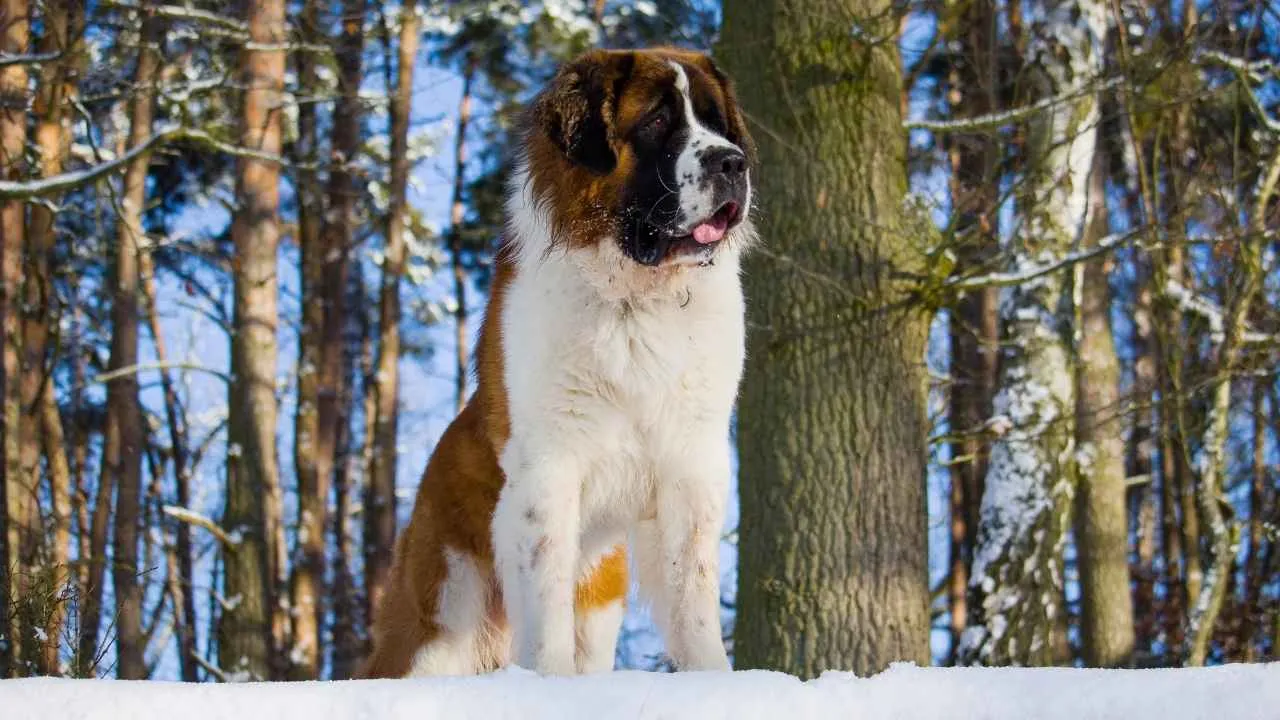
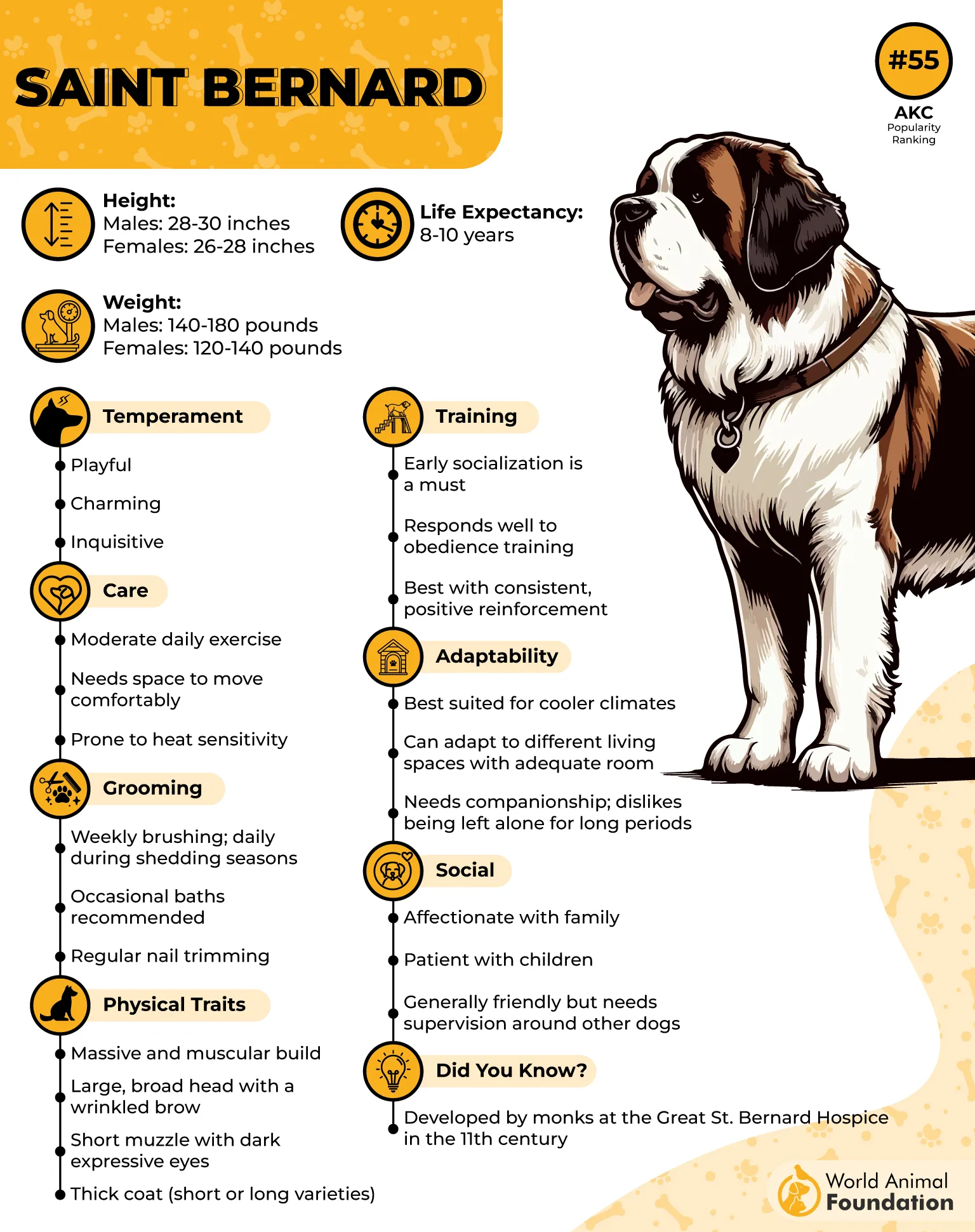
Saint Bernards are famous for their gentle nature, but their history as watchdogs and mountain rescue dogs gives them a protective side, too. These powerful dogs are loving, placid, and deeply devoted to their families.
They tend to welcome people rather than intimidate them, yet they can quickly step in when they believe someone they love is in danger.
Gentle Family Protectors
Saint Bernards are patient, tolerant, and especially good with children who know how to interact respectfully with dogs. They usually get along well with other dogs and animals, particularly when socialized from a young age.
These social dogs love being part of family life and can become unhappy when left alone for long periods. Their calm, easygoing personality makes them a natural match for peaceful households that want a reassuring guardian without an intense temperament.
Training and Daily Needs
Although laid-back as adults, Saint Bernards need early training and socialization because their size and strength can make poor manners difficult to manage. They are intelligent, eager to please, and respond well to positive reinforcement.
A daily walk of around 30 minutes is usually enough, although they can enjoy relaxed hikes and activities such as swimming, nose work, or carting. Regular brushing helps manage seasonal shedding, while owners should also be prepared for considerable drooling.
7. Kuvasz
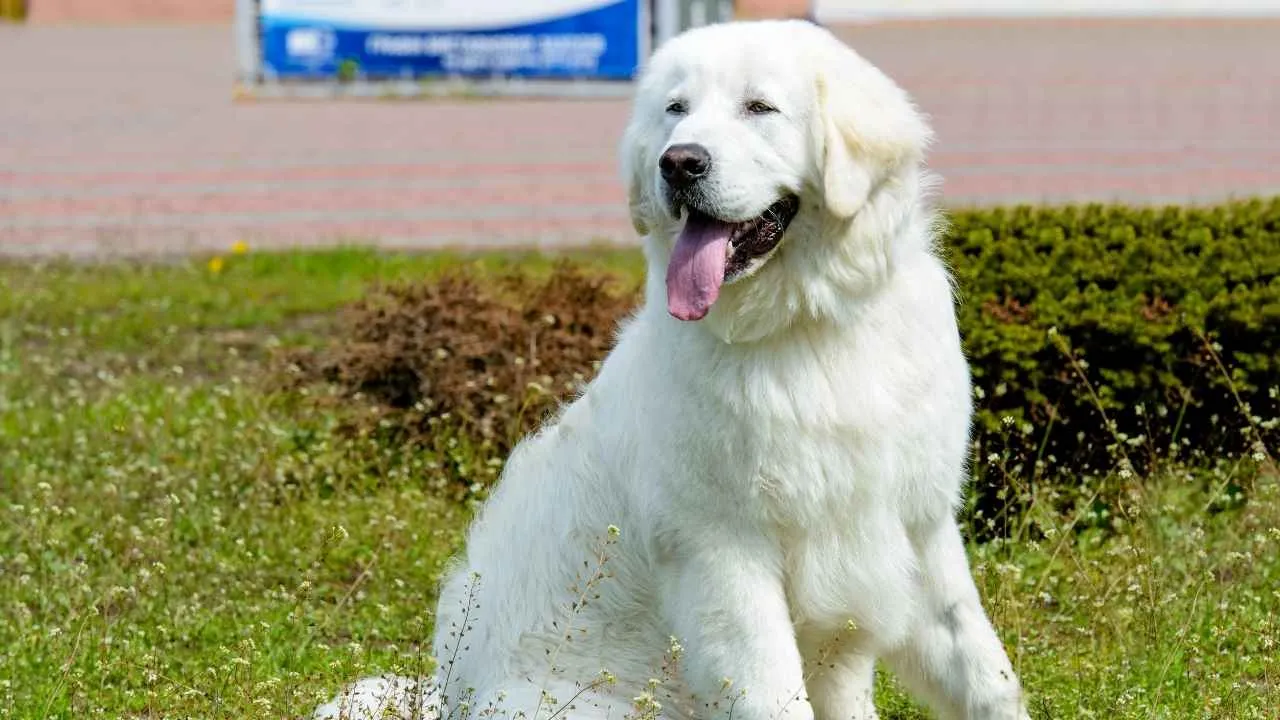
Kuvaszok may look like fluffy white royalty, but beneath that striking coat is a brave and devoted livestock guardian. Originally bred in Hungary to protect sheep, cattle, and homes, these intelligent dogs are naturally watchful and independent.
Calm and Watchful Guardians
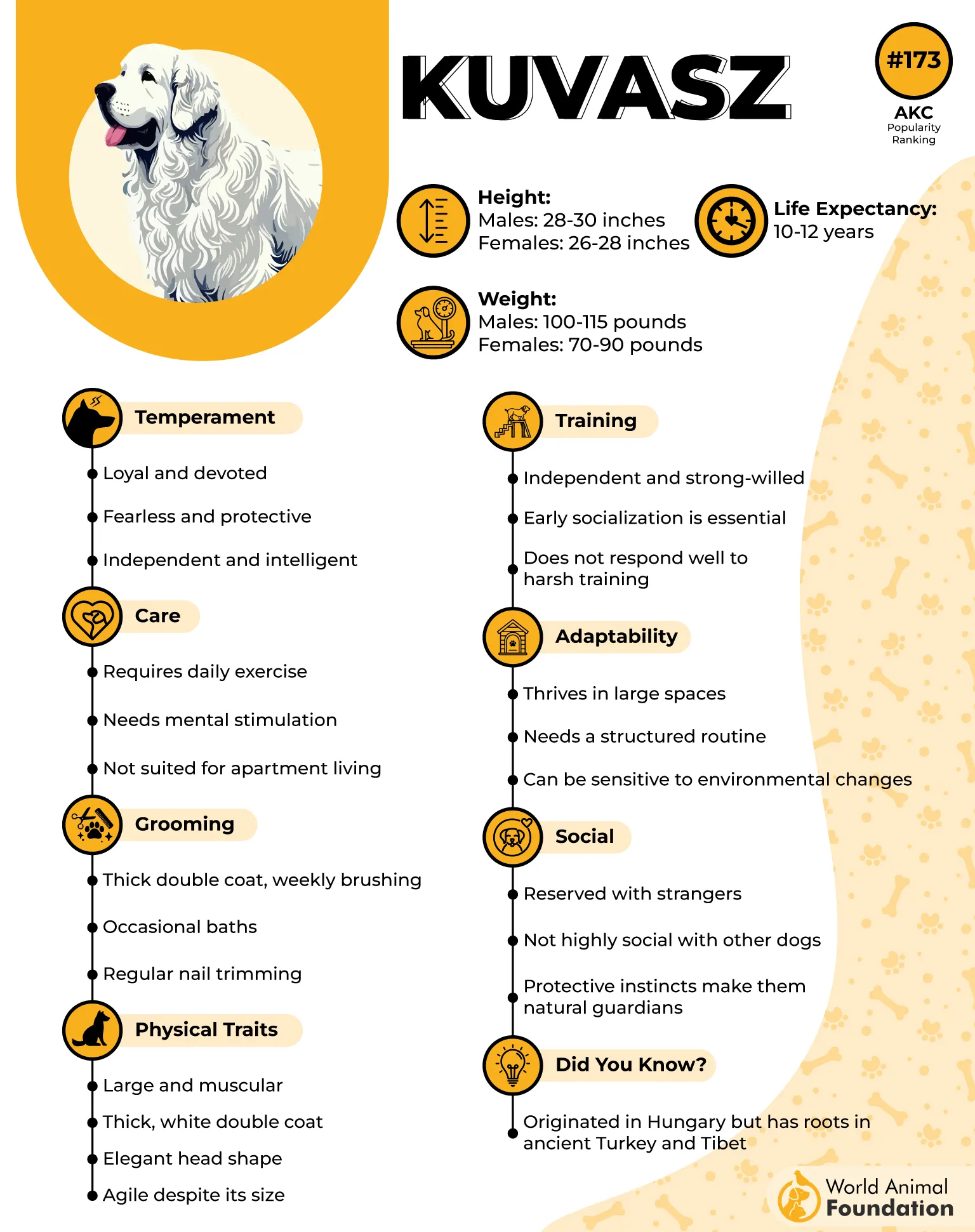
Kuvaszok are gentle and tolerant with children and familiar animals when properly socialized. They tend to be reserved around strangers and may bark when something seems unusual, but they can learn to distinguish between genuine threats and everyday visitors.
Their independent nature means they do not always seek constant attention, yet they form deep bonds with their families and remain attentive to what is happening around the home.
Training and Space Needs
WebMD mentions that these dogs are best suited to experienced pet parents who understand guardian breeds. Consistent, positive training and early socialization are essential, as harsh methods can damage their trust and inconsistent training may encourage unwanted behaviors.
Kuvaszok need regular exercise, mental stimulation, and plenty of secure space to roam, making them a poor fit for apartments. Their thick white coat is relatively easy to maintain with brushing a few times a week, although seasonal shedding can be significant.
Conclusion
Choosing a protection dog for a tranquil home doesn’t mean giving up on protection. The above breeds show that a dog can be watchful and fiercely loyal while still being gentle, calm, and affectionate with its family.
The right training, socialization, exercise, and living environment can help bring out that balanced temperament.
Before choosing a protective breed, consider your space, experience, daily routine, and ability to meet its grooming and exercise needs. A calm guardian is more than just a protector at the door. It can become a steady, loving presence that makes your home feel safer without taking away its sense of peace.
Looking for more pups that make excellent guard dogs? You can also check out the German Shepherd, Great Dane, Doberman Pinscher, Belgian Malinois, Cane Corso, and Rhodesian Ridgeback.
