




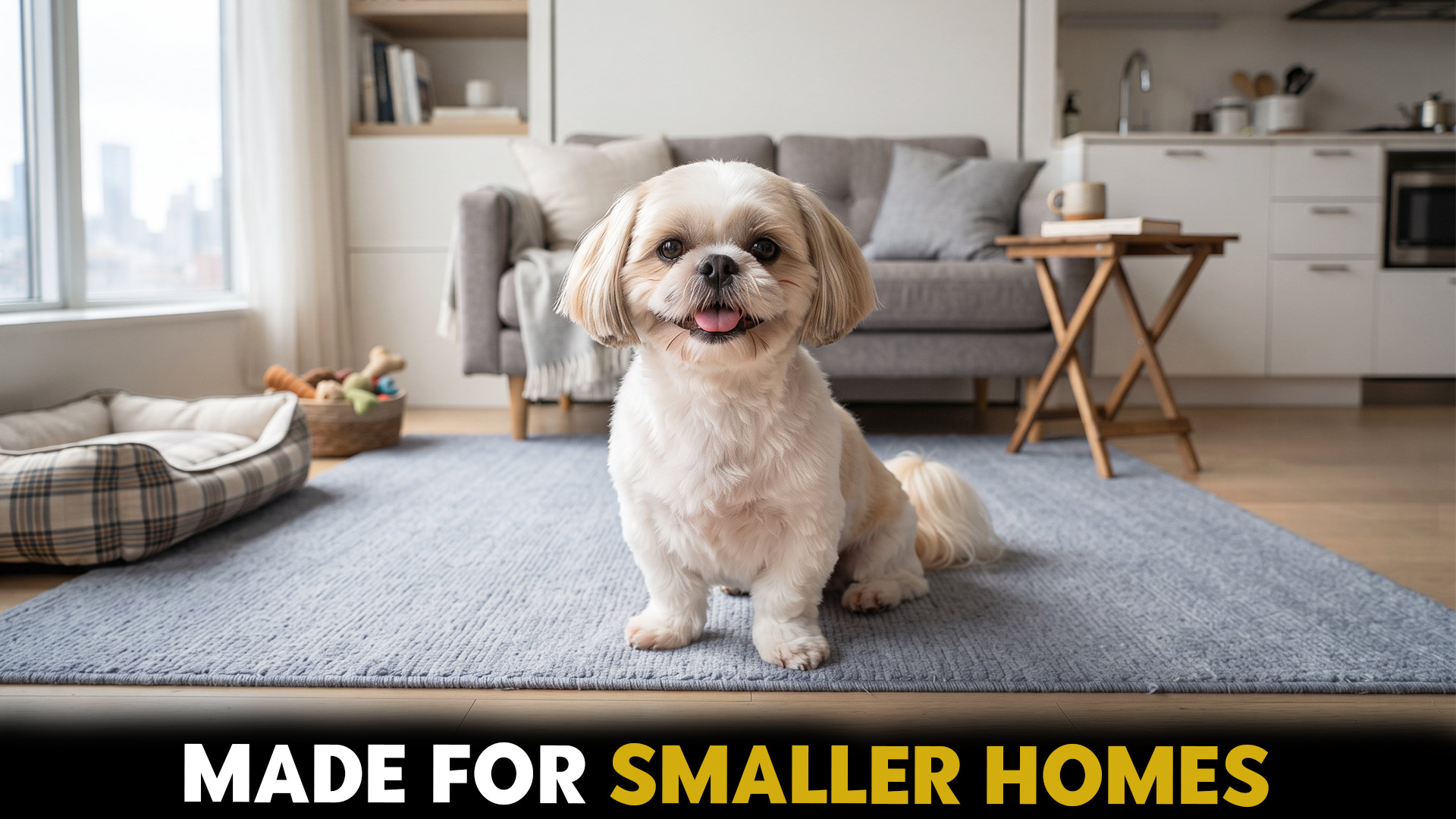
A small home does not mean a small life with a dog. In fact, the right breed can turn a cozy apartment, condo, or compact house into a happy little headquarters. The trick is looking beyond size. Exercise needs, temperament, barking, grooming, and how well a dog handles indoor life all matter.
Breeds such as the Cavalier King Charles Spaniel, Shih Tzu, Havanese, Maltese, Bichon Frise, Pug, and Yorkshire Terrier can suit smaller homes when their needs are met. The American Kennel Club lists several of these breeds among good apartment choices, but there is no one-size-fits-all answer.
Your daily routine matters just as much as your square footage.
Let’s go through some of the delightful small dog breeds that seem suitable for small spaces.
Delightful Dog Breeds Suited for Small Homes
1. Cavalier King Charles Spaniel
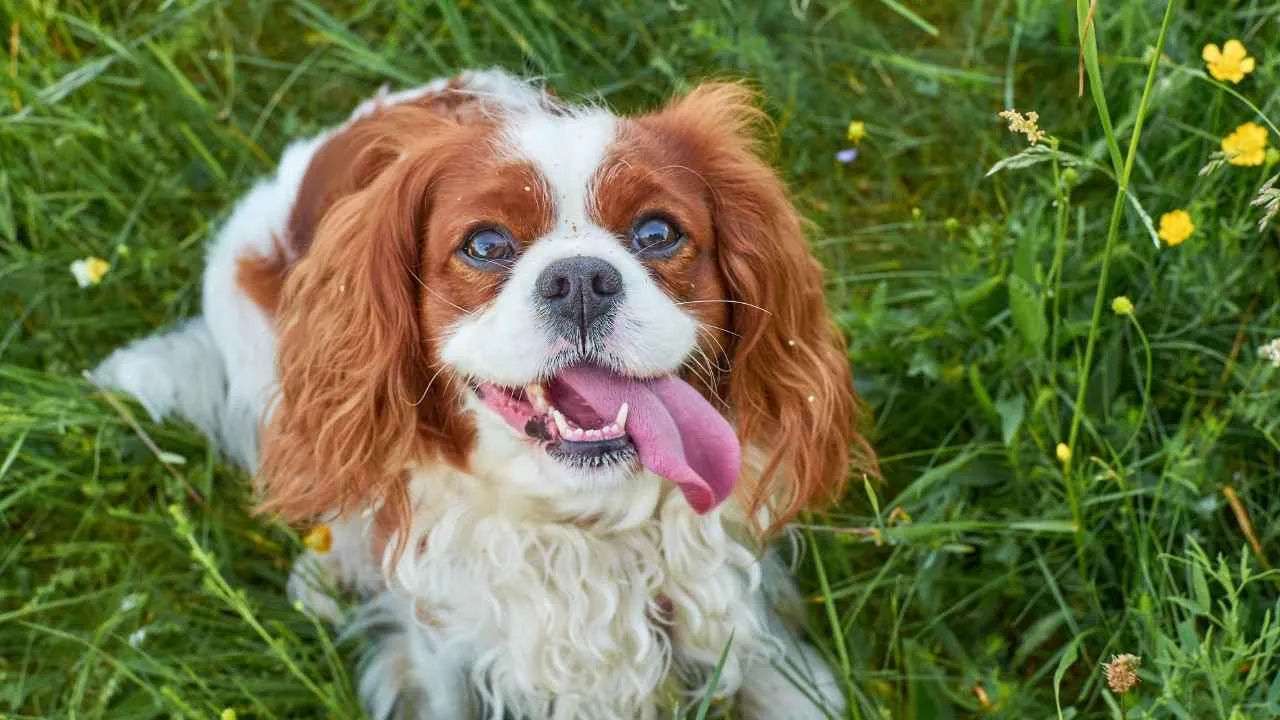
Developed as a toy Spaniel and favored by British royalty, the Cavalier King Charles Spaniel gained popularity in the 17th century. An American Toy Spaniel enthusiast, Roswell Eldridge, led to the formation of the modern-day Cavalier, according to Orvis.
The energetic small dog breed has a playful personality and is loved by families because of its neonatal features. Despite being smaller in size, it does not get intimidated by larger dogs. The breed loves spending its time with humans and is sensitive to harsh training.
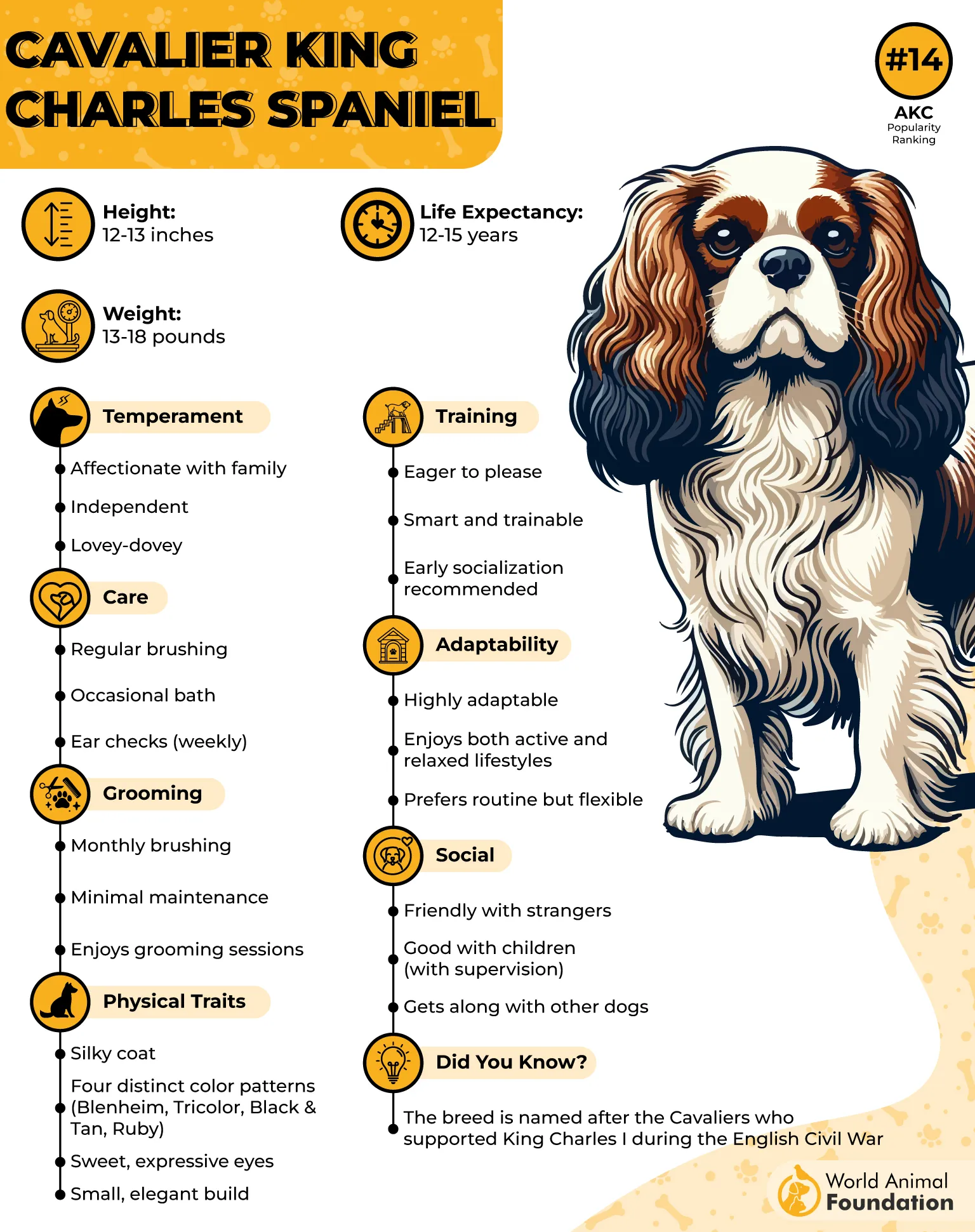
This apartment-living breed welcomes kids to play fetch. It is not a good guard dog since it makes friends with everyone but will bark at the door knock. The breed has moderate energy levels and does not require strenuous exercise.
2. Shih Tzu
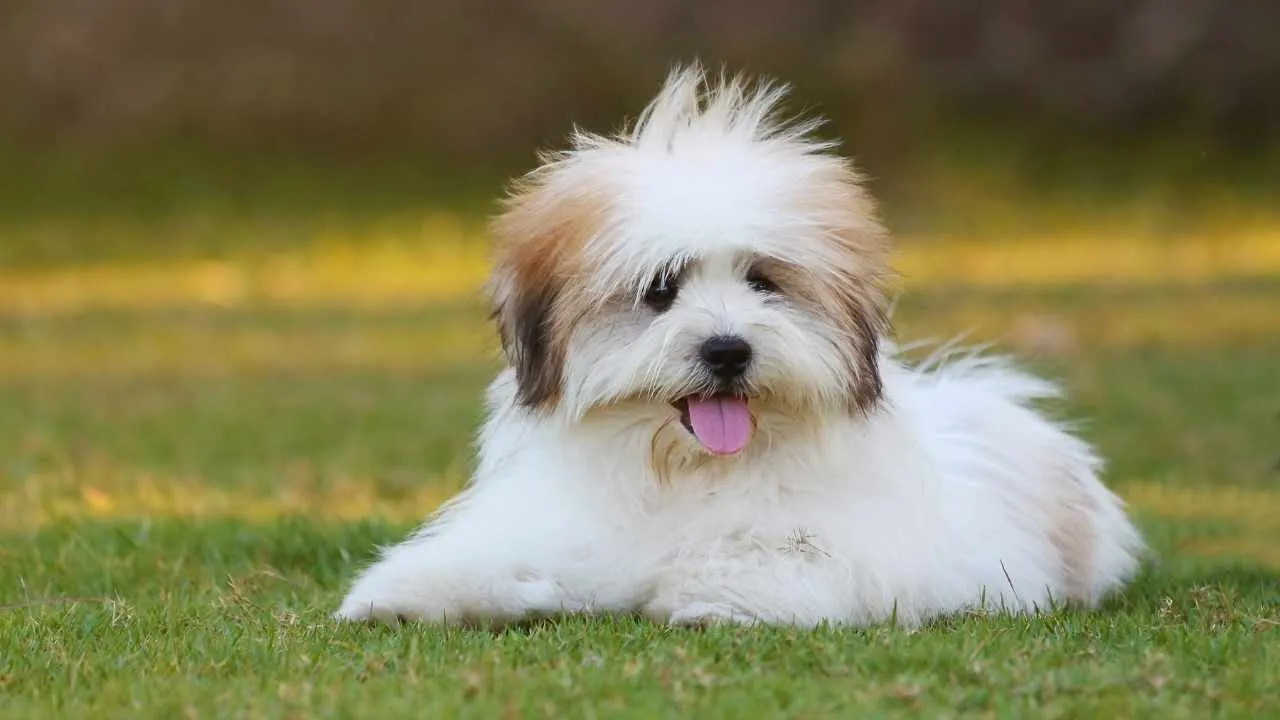
The history of this ancient breed dates back to 1,000 B.C. Originally bred in Tibet, the Shih Tzu was developed as a lap dog by the Buddhist monks and was given to the Chinese royalty as a gift. It was later bred with the Pug and the Pekingese after it went through population decline.
Also known as the ‘little lion,’ this extremely active dog has a thick ruff around its neck, giving it a lion-like appearance. This pint-sized pooch loves cuddling you on the couch and is also happy to trot by your side in the park. It has an alert nature and keenly observes its surroundings, and barks when it notices anything unusual.
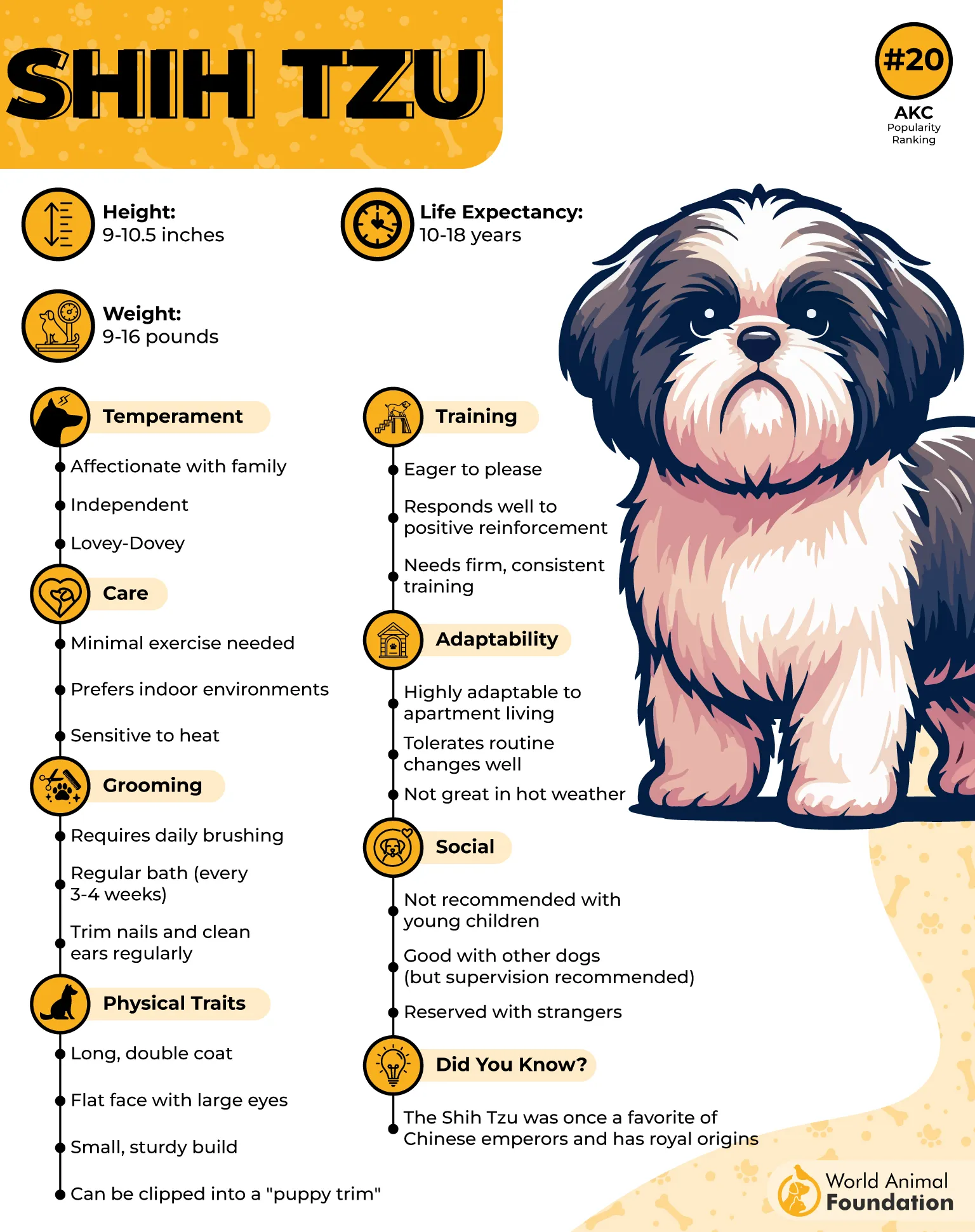
Since it has a slight independent streak, it may be stubborn sometimes; thus, proper socialization and obedience training are important. Its calm demeanor and loyal nature make it an excellent emotional support animal.
3. Havanese
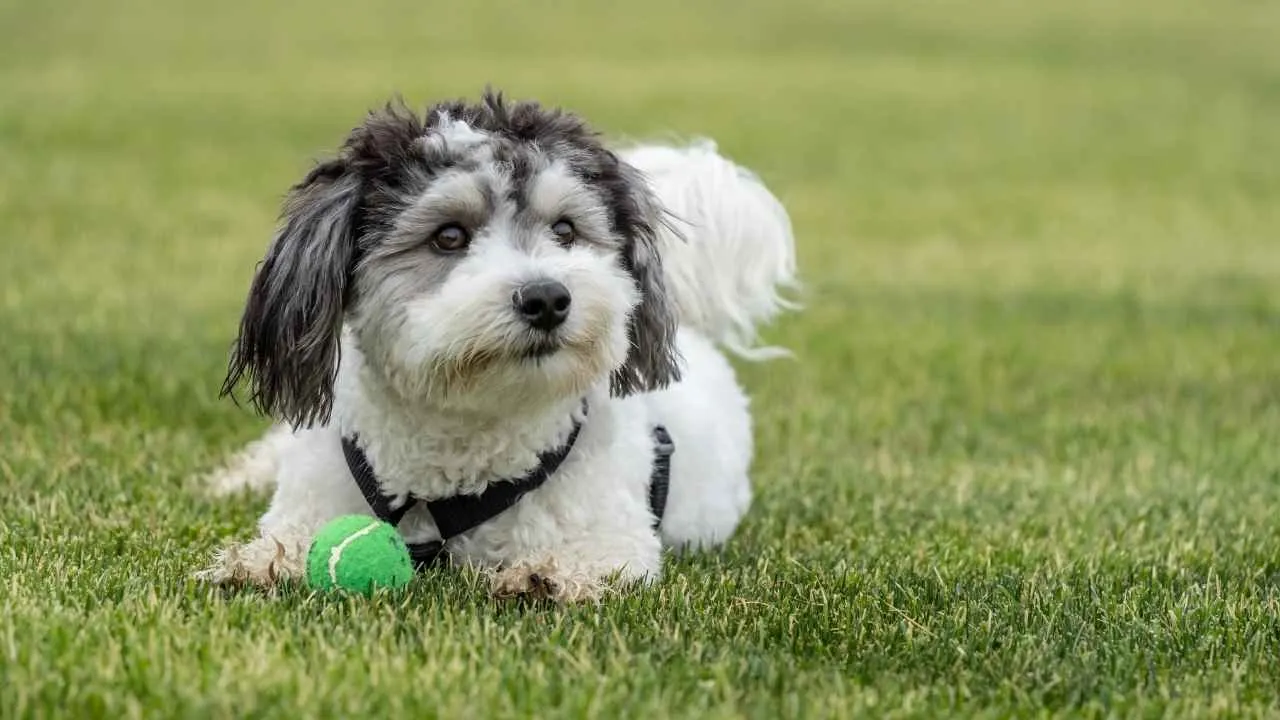
This Bichon-type dog breed was originally developed in the Mediterranean region centuries ago. The Spanish traders brought this breed to Cuba, where it gained popularity among the rich people and was nicknamed the White Cuban. Then it arrived in Europe and started performing as a circus dog, says Omlet.
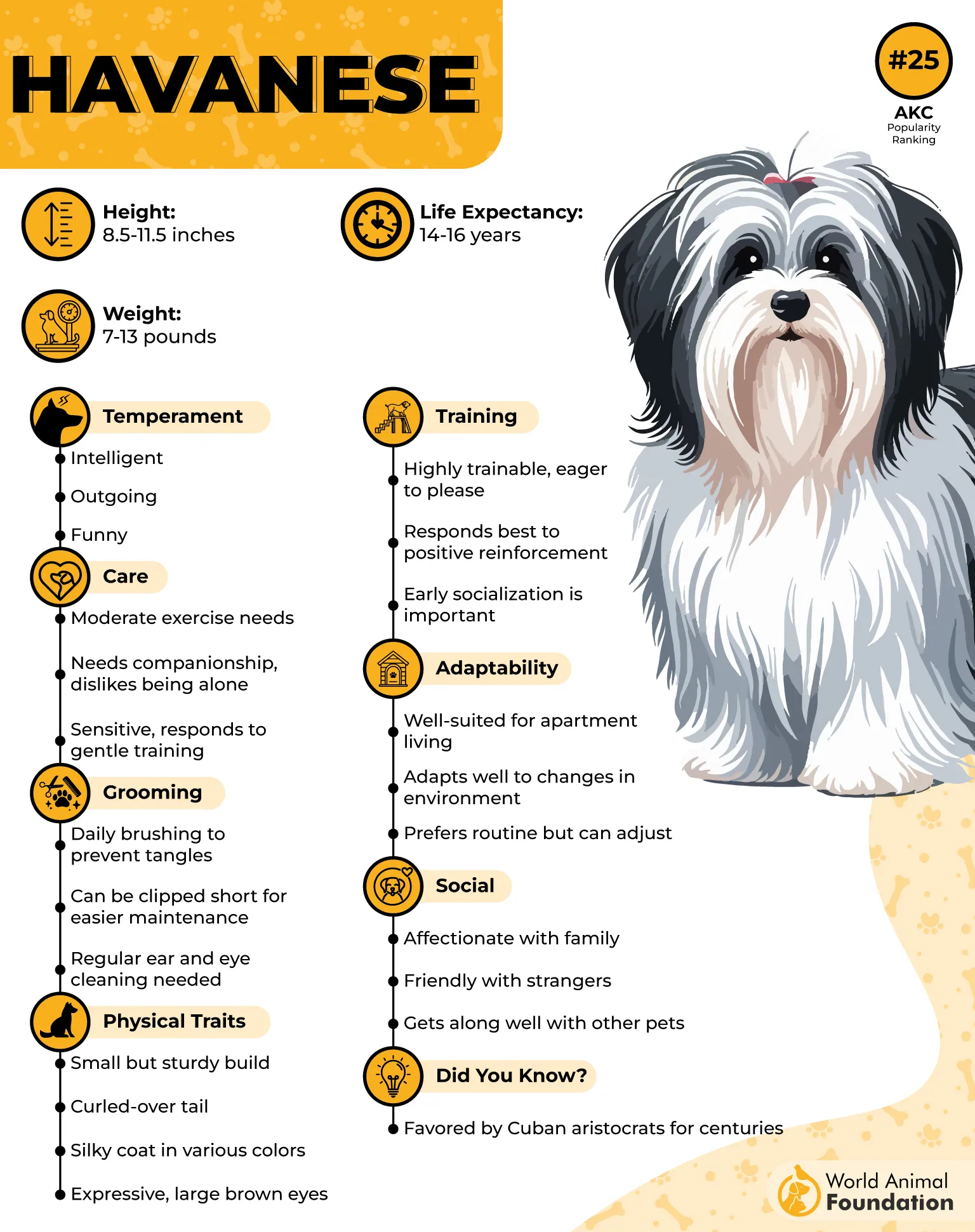
Because of its circus heritage, it loves being the centre of attention. Since it is a social butterfly, it makes good friends with family members, children, other pets, and even strangers. The small breed has a sweet habit of twisting you around its paws. It takes up a high vantage point to sit on and observe its surroundings clearly.

It is highly food motivated and loves to please its owner, making it easy to train. This apartment dog makes strong bonds with the owner and may develop separation anxiety when left alone for too long.
4. Maltese
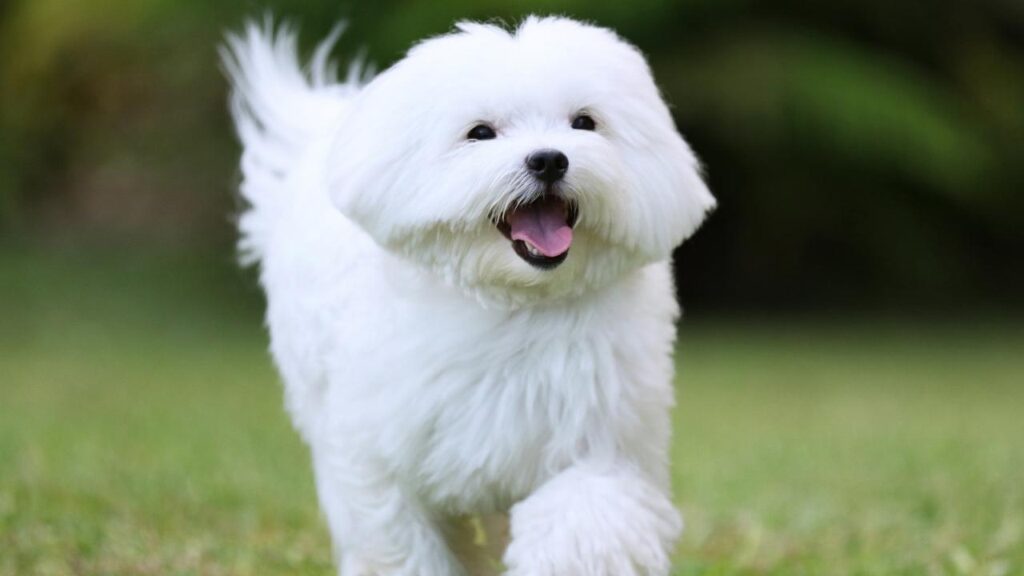
Developed as a lap dog, the Maltese originated on the island of the Mediterranean Sea. The breed was loved by the Greeks in the 4th and 5th centuries and was widely depicted in their artwork for centuries. This white dog was also a status symbol in ancient Rome and was loved by the British royalty.
The dark and bright eyes with a gumdrop-shaped black nose on this pure white silky coat give it a teddy-bear-like appearance. It has an outgoing nature and is highly adaptable in a multi-pet household. The breed should always be supervised around young kids, as they can accidentally hurt the lively little dog.
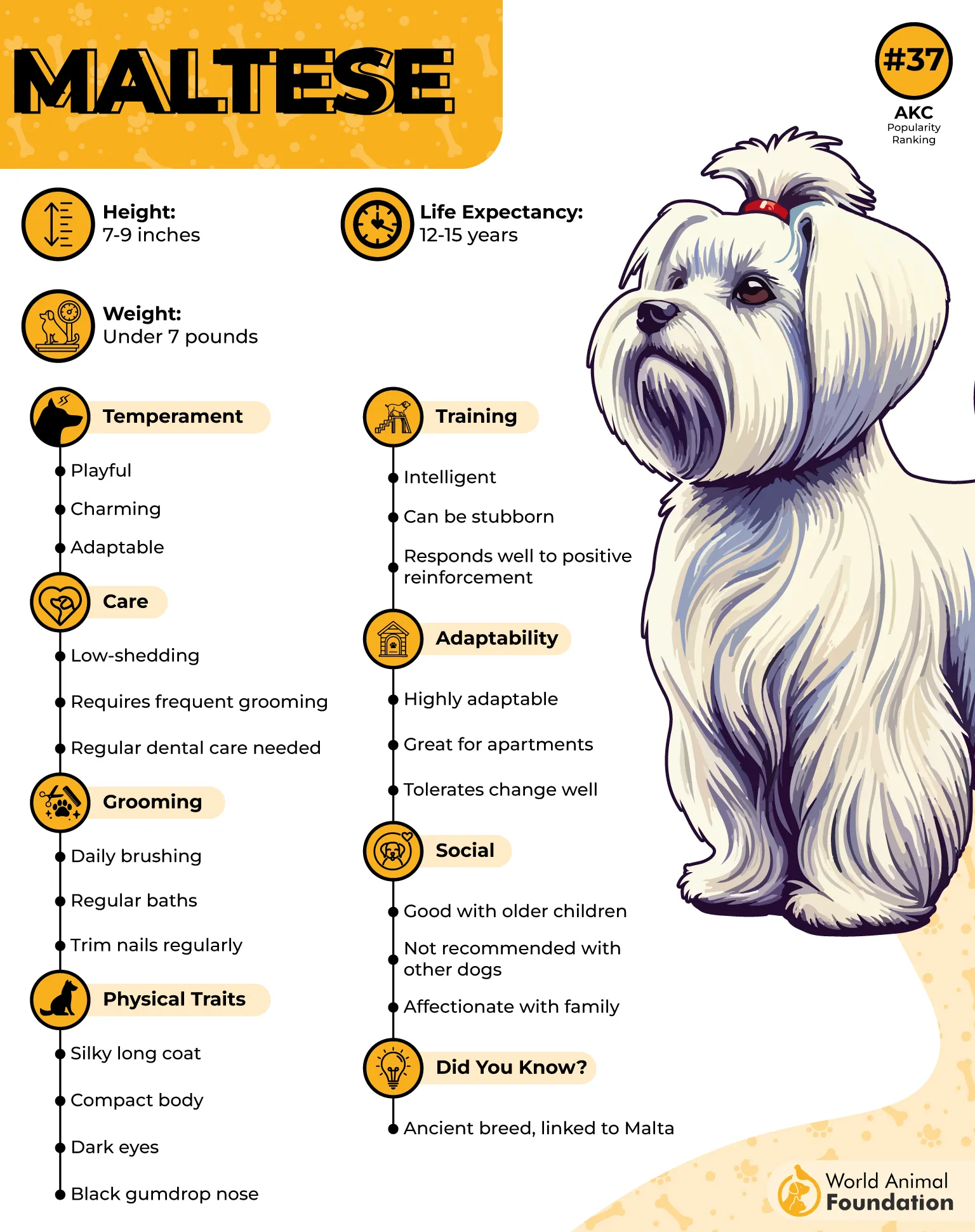
It reads human emotions, body language, and facial expressions well, making it an ideal therapy dog. It either sits quietly by your side or in your lap to comfort you.
5. Bichon Frise
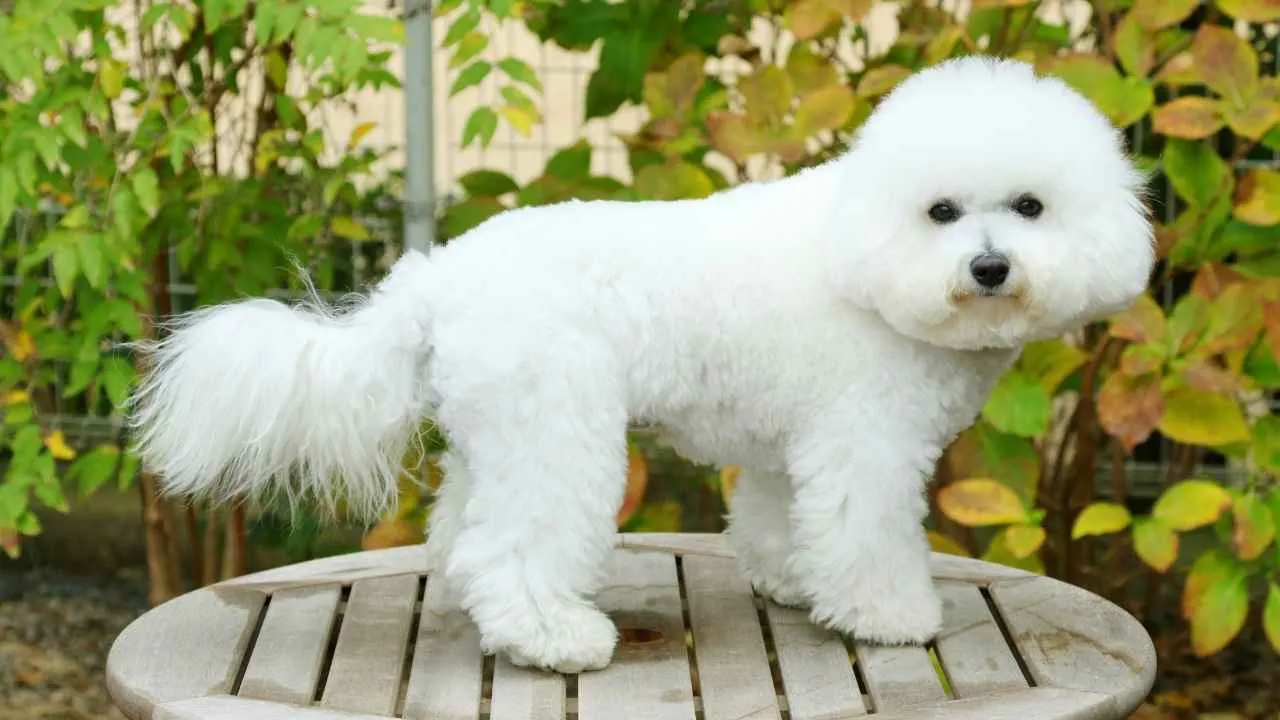
The history of the Bichon Frise begins in the Canary Islands in the 13th century, where sailors used to take it to the ships and trade it. This made it popular in Europe. It was especially loved by the aristocrats who adopted the breed as a lapdog. The breed had to come out of the palaces for survival after the French Revolution.
This non-sporting breed has a white, fluffy coat, making it look like a ‘living stuffed animal’. The breed has an affectionate nature and is extremely loyal and gentle with kids. Despite having a thick coat, it is a hypoallergenic breed and traps loose hair inside. However, frequent brushing is required.
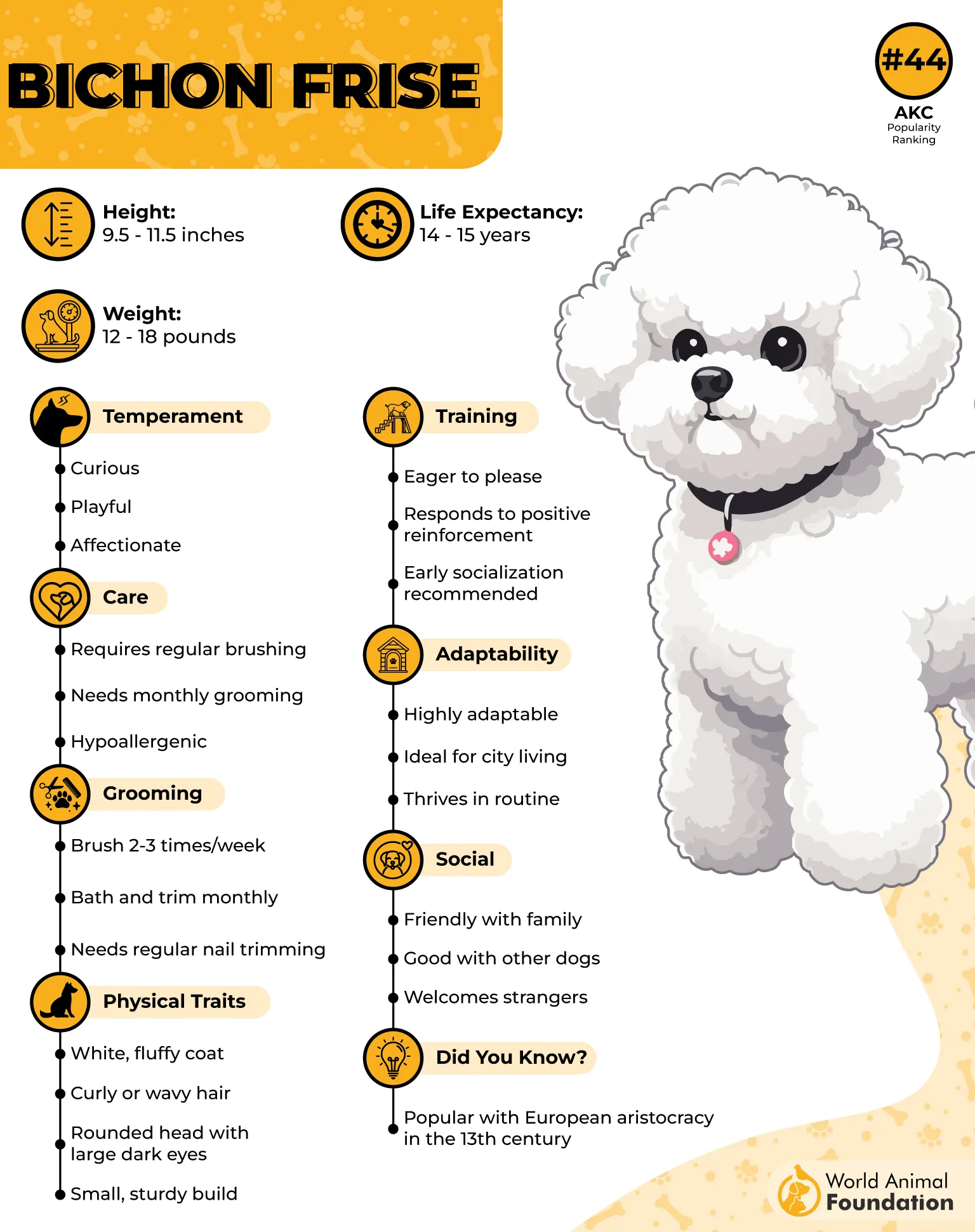
While it loves spending its time on the couch, the breed is known for the ‘Bichon Blitz,’ where it zooms around in the house, moves in tight circles, and jumps on the furniture before finally coming back to its resting phase.
6. Pug

Developed in China, the breed began traveling abroad in the 16th century, arrived in Europe, and gained instant popularity in Holland. Queen Victoria is said to have at least 38 Pugs in her palace. The small dog was finally recognized by the American Kennel Club in 1885.
This highly adaptable breed thrives both in the royal palaces and in compact spaces. Being a brachycephalic breed, it has narrowed airways and a flat face, making breathing slightly difficult. It makes loud and funny noises while sleeping because of this feature.
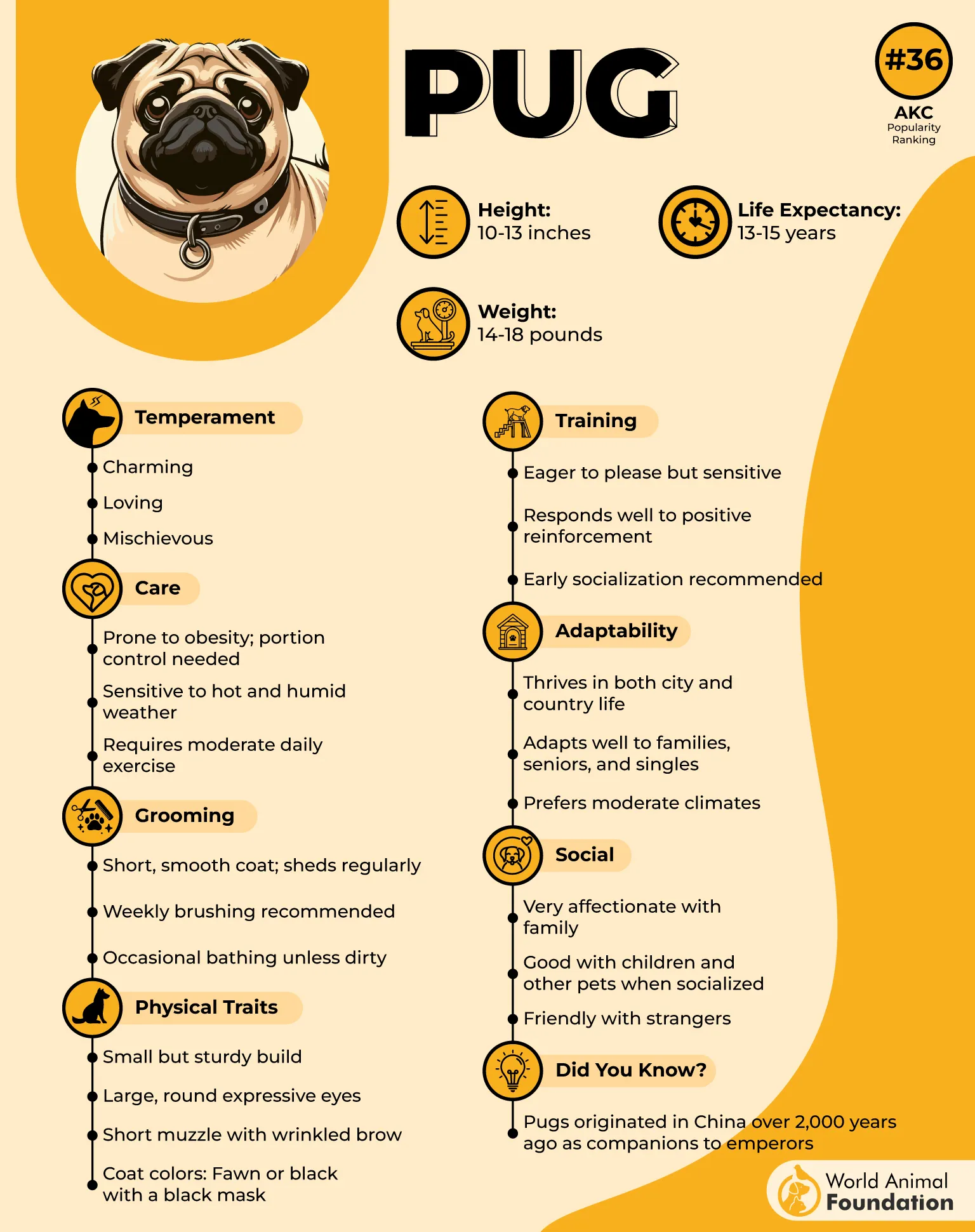
The best apartment dog loves to participate in daily activities. The extra-large and bulging eyes are prone to injury. Teach your kids how to behave around the breed properly.
7. Yorkshire Terrier
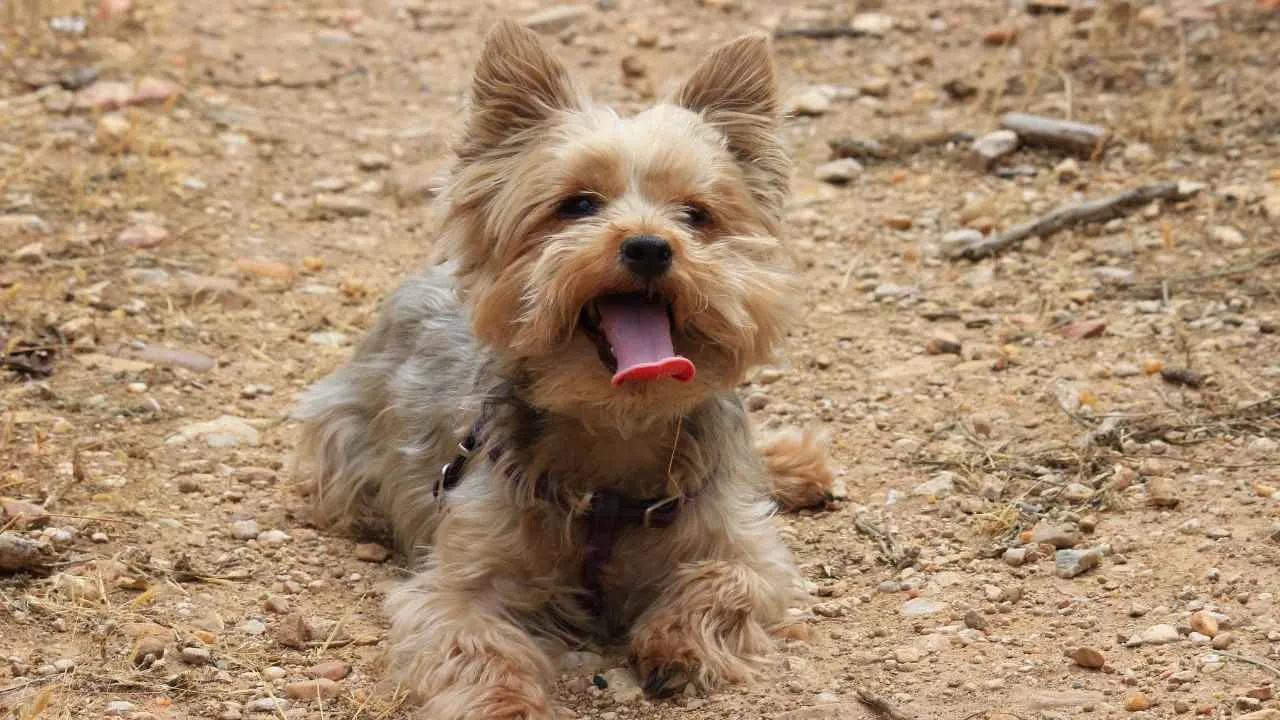
This small hunting dog was bred in England in the 19th century and is descended from the Scottish Terrier. Its primary purpose was to hunt and kill small animals in the cotton and wool industries, such as rats and rodents, as noted by Britannica. It then grabbed the attention of the posh Victorian women who adopted the breed as a lap dog.
This highly intelligent and spunky dog has a bossy attitude. It tends to learn complex tricks and commands within 5-10 repetitions. Being extremely playful and loyal, it bonds closely with the owner family and makes an excellent pet with strong watchdog instincts.
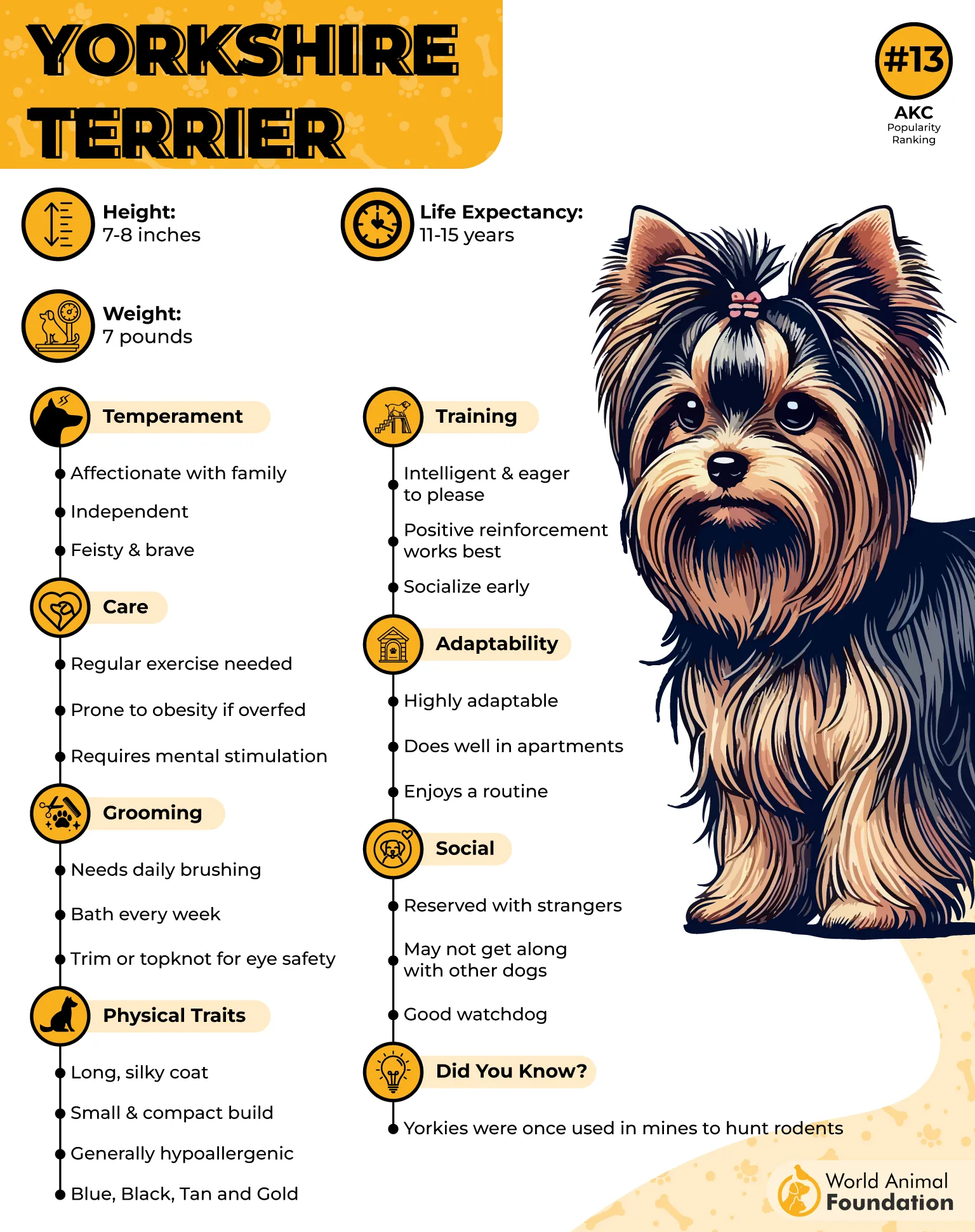
Despite having endless energy, the breed has regular exercise and mental stimulation needs: short walks, puzzle toys, agility training, scent work, and dog sports.
Conclusion
Choosing a dog for a small home is less about counting square feet and more about understanding the dog living beside you.
A compact breed can still have plenty of personality, energy, grooming needs, and opinions about what belongs on the couch. The Cavalier may suit someone wanting a gentle companion, while a Shih Tzu or Maltese can be a better match for a quieter indoor routine.
A playful Bichon or Havanese may bring more bounce to the household, while a Pug can be perfectly happy keeping you company at home.
Before bringing any dog home, think honestly about your time, activity level, noise tolerance, grooming budget, and ability to provide daily attention. When those pieces fit, even a small home can feel wonderfully full.
