




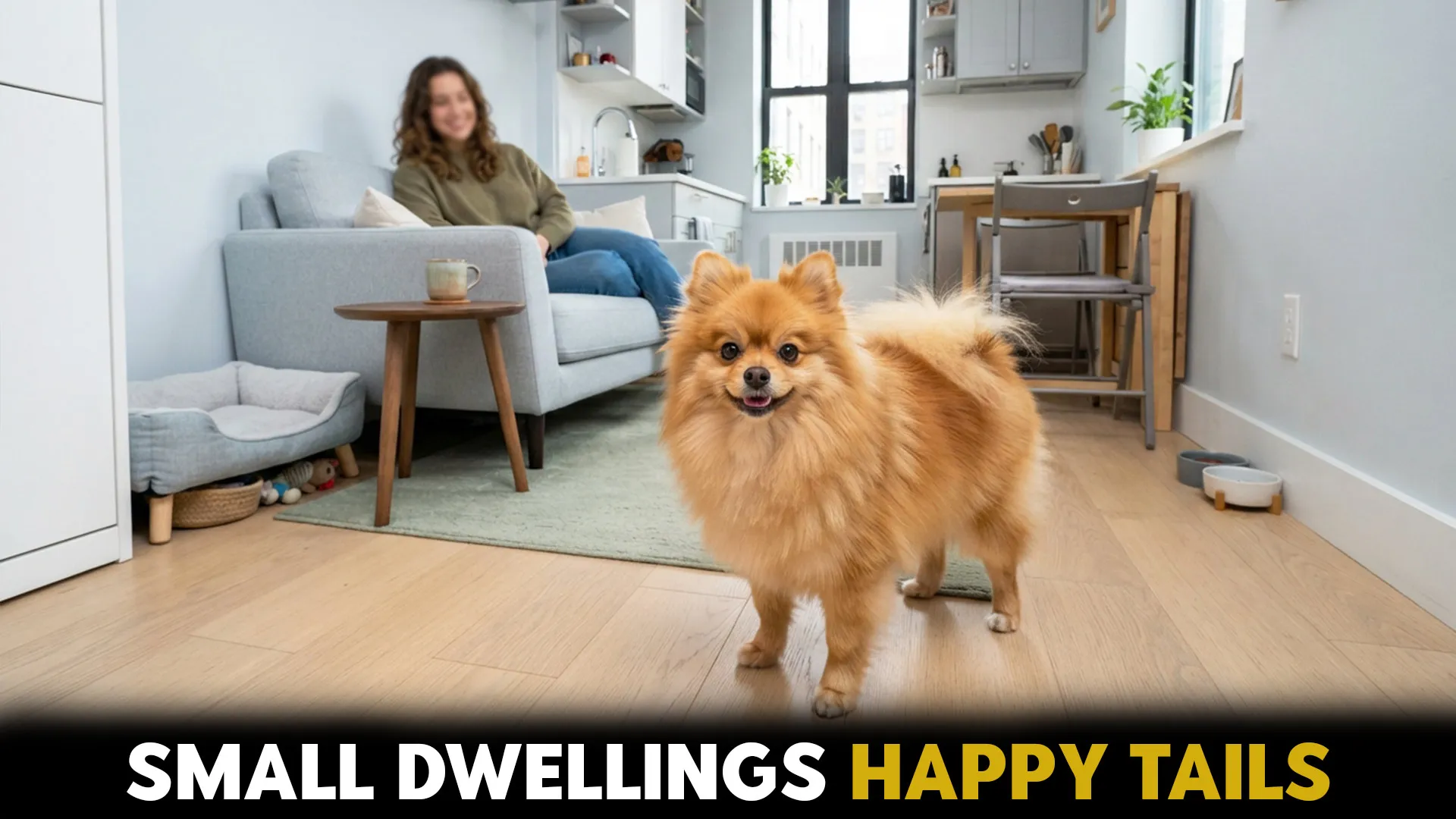
Does living in a small apartment mean saying goodbye to your dream of having a dog? Not at all! While a spacious backyard can be nice, many dogs are perfectly happy making a cozy apartment their home.
What matters most is finding a companion whose energy level, temperament, and daily needs fit comfortably into your lifestyle and available space.
The best apartment dogs are not simply the smallest ones. A dog’s personality, exercise requirements, barking habits, and ability to relax indoors can make a much bigger difference.
So, if you’re ready to welcome a four-legged furry friend into your smaller space, keep reading to discover some of the best apartment dogs that can make apartment living feel a whole lot more joyful.
Delightful Dog Breeds Ideal for Small Space Living
1. Cavalier King Charles Spaniel
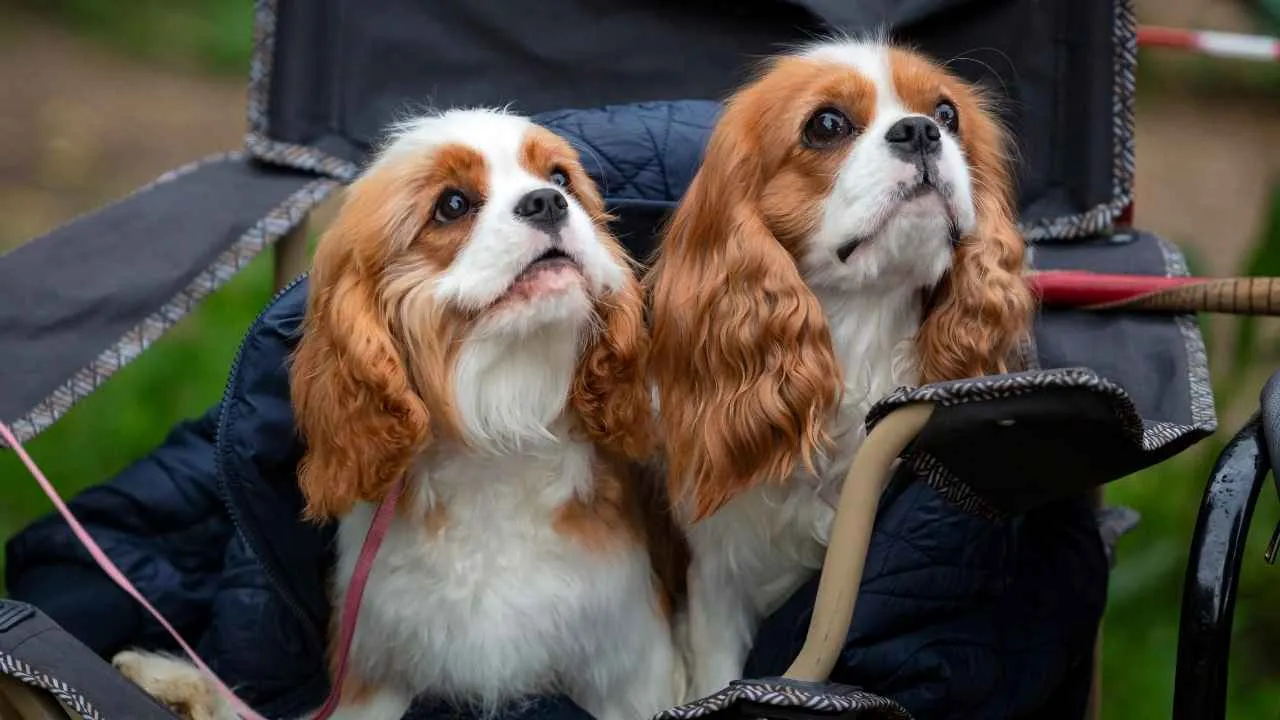
Originally bred as companion dogs, Cavalier King Charles Spaniels were loved by British royalty and often kept close for warmth and company. Their gentle nature and love of people still make them wonderful household companions.
Temperament and Exercise Needs
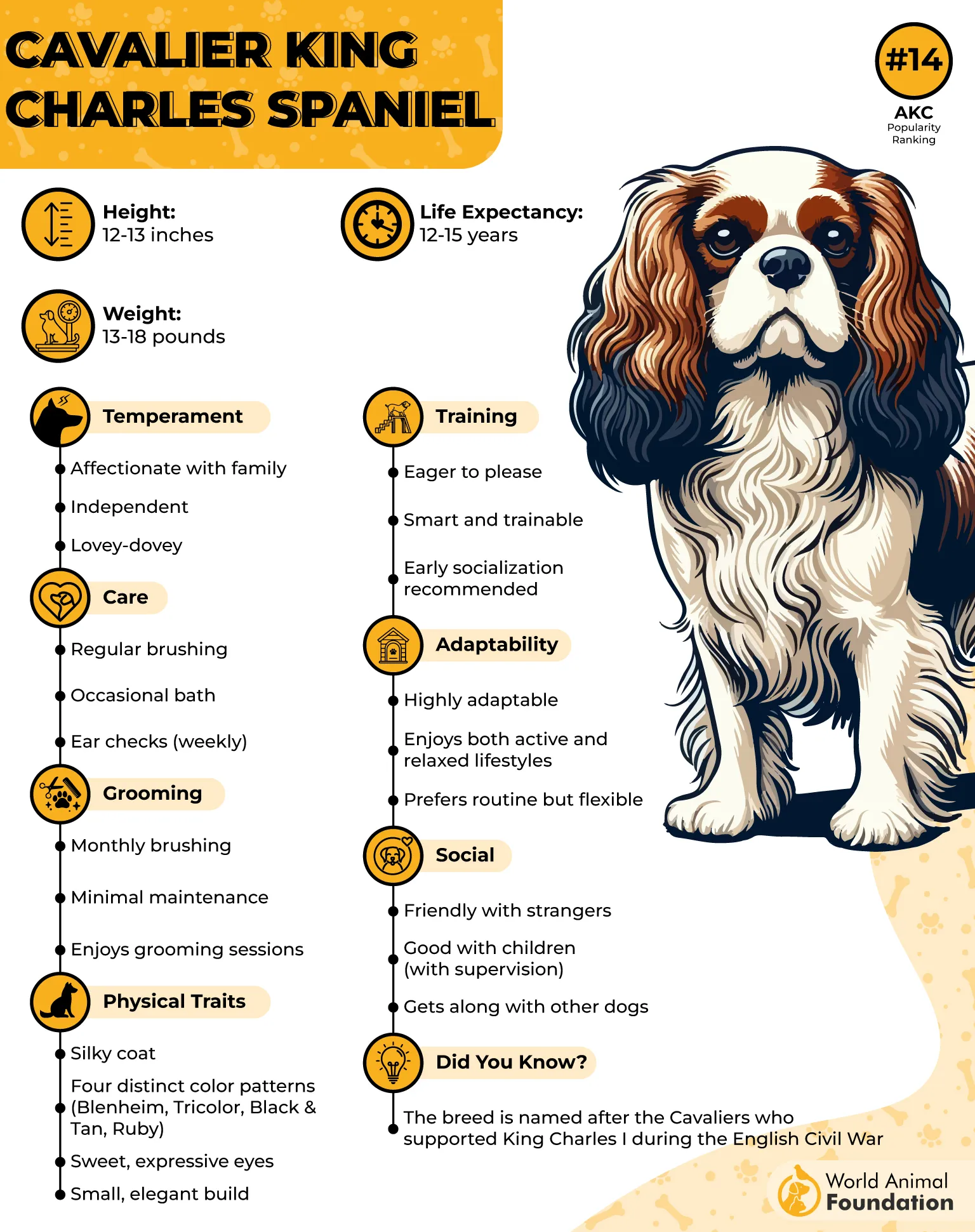
Cavaliers have moderate exercise needs and can manage well in apartments with daily walks and playtime. Two 20- to 30-minute walks can usually meet their exercise needs. They are friendly with children, cats, other dogs, and strangers.
Their playful and eager-to-please nature also makes them fairly easy to train. They are generally not big barkers and are not known for being strong watchdogs.
Grooming and Companionship
Their long, smooth coats need weekly brushing, along with routine bathing and professional trimming when needed. They shed lightly, mainly during spring and fall. Cavaliers are highly social and prefer staying close to their families.
PetMD mentions they can become upset when left alone for long periods, so they need plenty of human interaction. They should also be kept on a leash or in a fenced area outdoors, as interesting scents may tempt them to run off.
2. French Bulldog
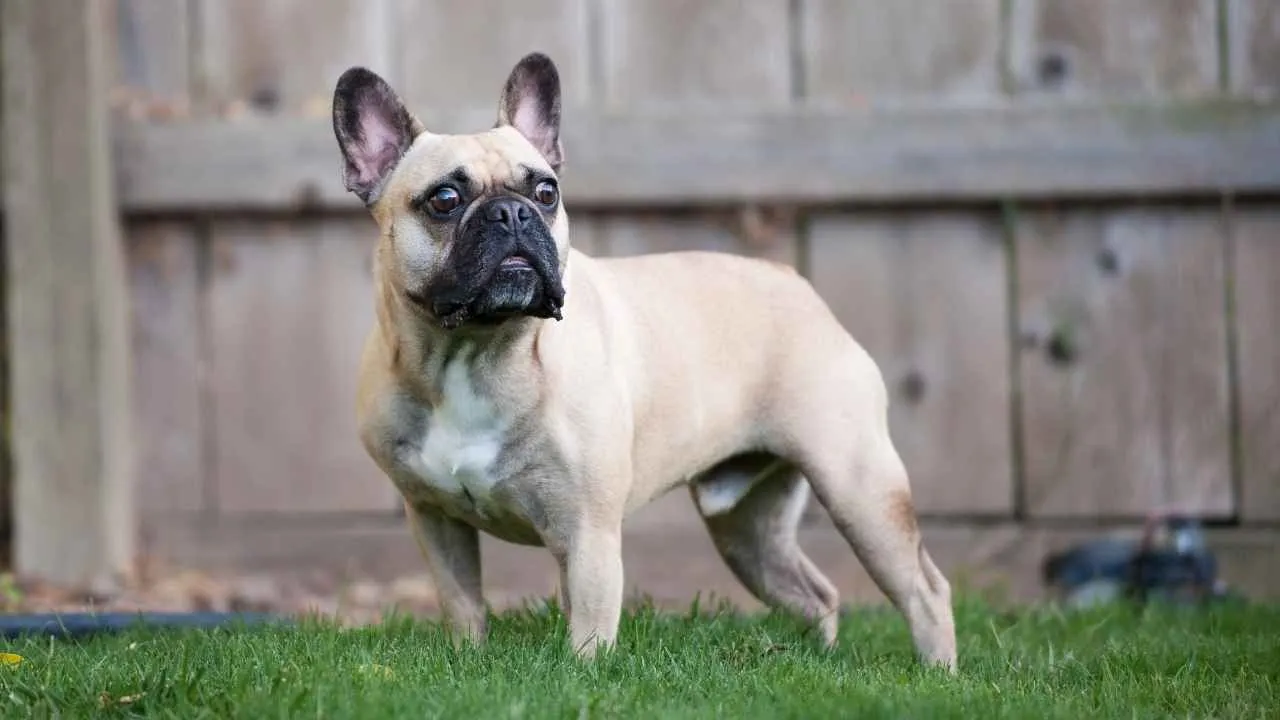
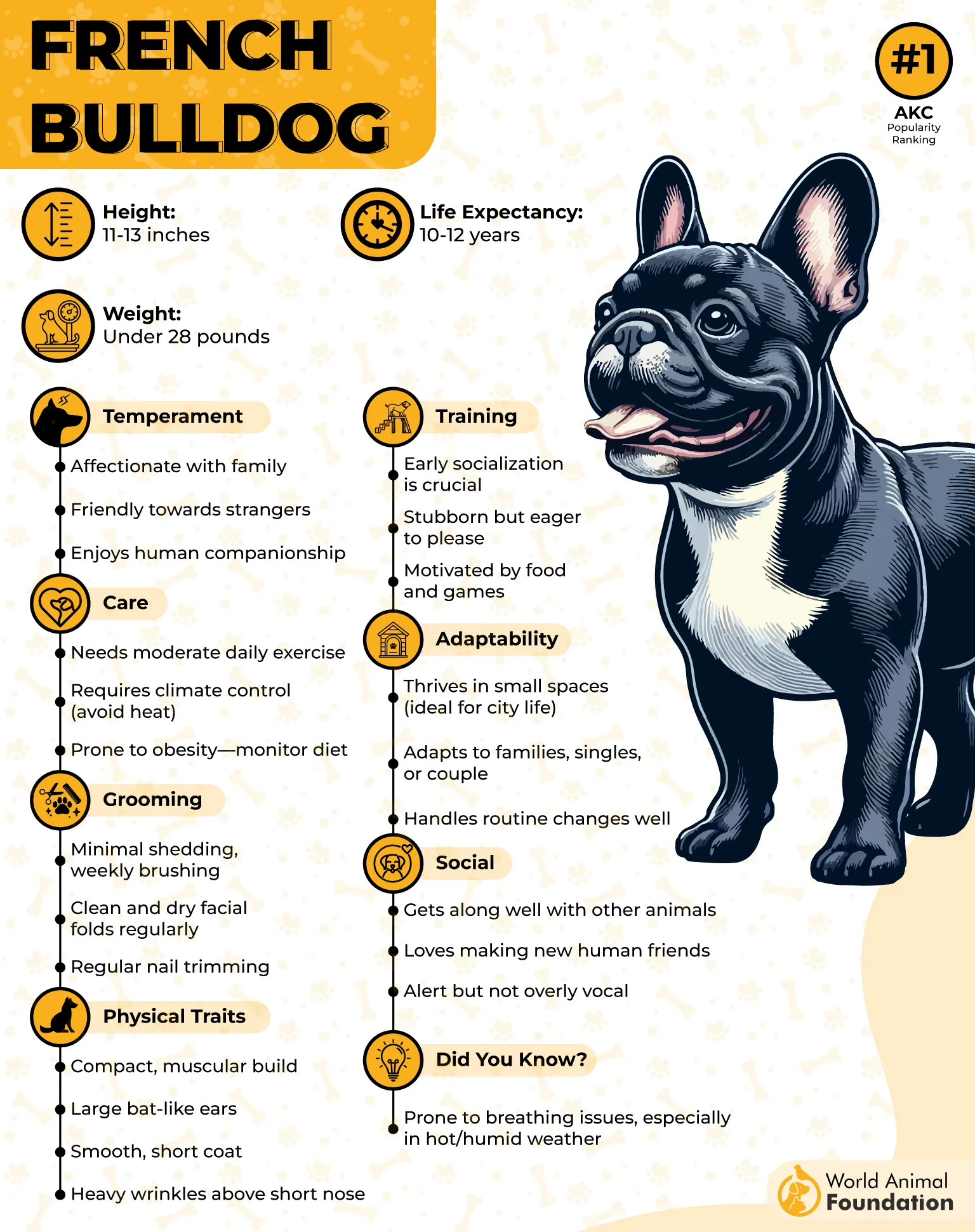
French Bulldogs, or “Frenchies,” are cheerful, affectionate dogs with a playful personality and compact build. They were developed as lap pets by English lace makers and later became popular in France.
Today, their easygoing nature and love of attention make them especially appealing for smaller living spaces.
Temperament and Exercise Needs
Frenchies enjoy both playtime and relaxing indoors, so they do not need a large yard. A brisk daily walk is usually enough, but they are not suited to jogging or intense exercise. They are generally friendly with children, people, and other dogs.
Frenchies can be stubborn during training, so patience and positive methods are helpful. They are also not big barkers, although they may alert their owners when something excites them.
Care and Grooming
Their short, smooth coats are easy to maintain and need little grooming. However, their facial wrinkles should be cleaned regularly to keep the skin healthy. Because of their short muzzles, Frenchies are sensitive to heat and humidity and can overheat easily.
They also do not swim well and should never be left unattended around water. Their tendency to snort and snore is another familiar part of life with these affectionate house dogs.
3. Shih Tzu
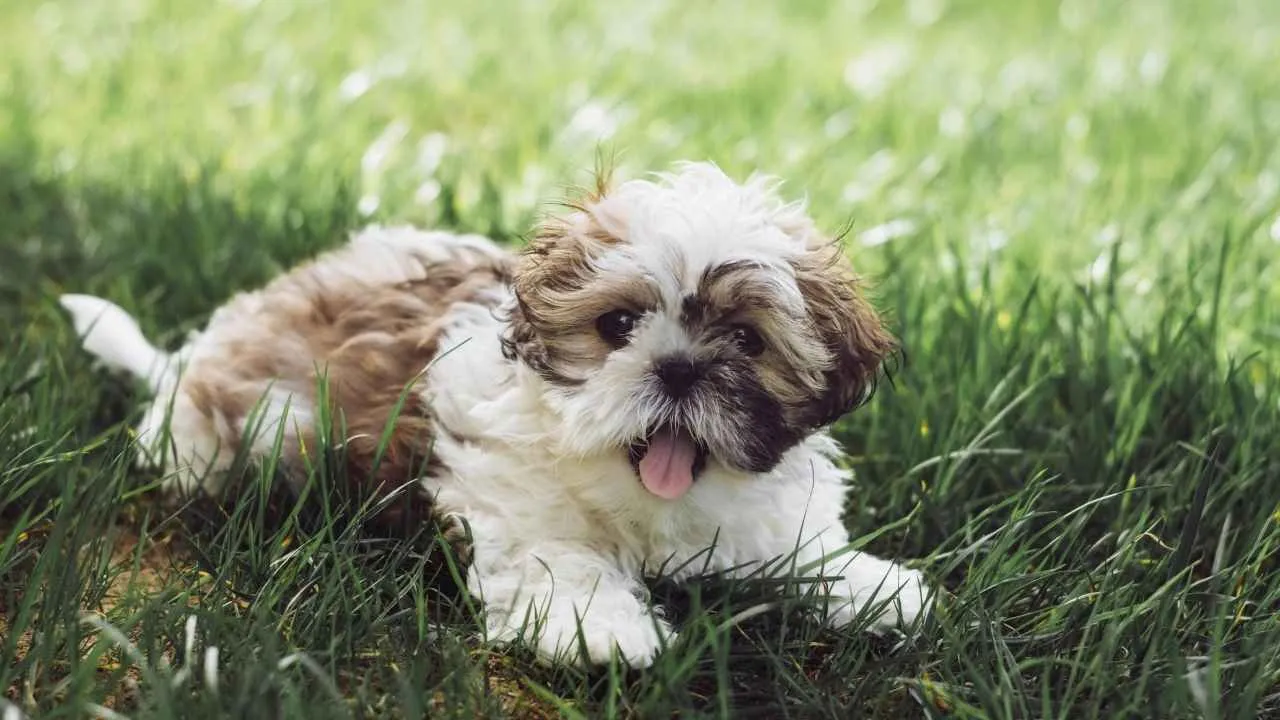
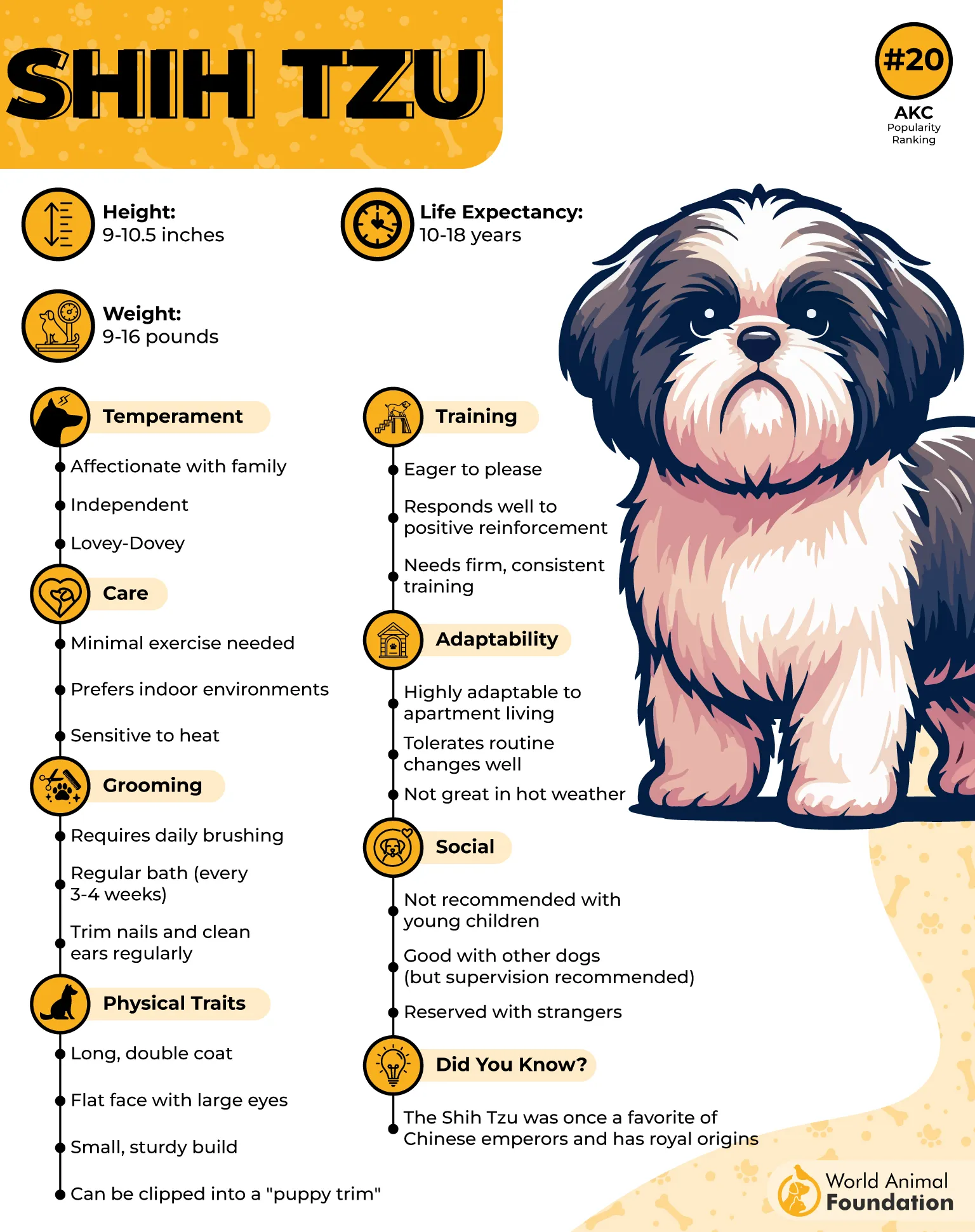
Shih Tzus were bred to be affectionate companion dogs, making them a natural fit for small homes. Their name means “lion dog,” and the breed has a long history linked to Chinese royalty and Buddhism.
Today, these cheerful little dogs are known for their friendly, playful personalities and strong attachment to their families.
Temperament and Exercise Needs
Shih Tzus are outgoing, loyal, and happy around people and other animals. They enjoy playing but are just as content curling up beside their families. A 30-minute walk and some indoor playtime can usually keep them active.
They can learn quickly but may be slow to obey, so patient training works best. Early socialization is important, especially around children, and interactions should be supervised because of their small size.
Grooming and Daily Care
Their long, luxurious coat grows continuously and can easily tangle or mat. Weekly brushing and bathing are needed if the coat is kept long, while regular professional grooming is also helpful. Many owners choose a shorter “puppy cut” to make upkeep easier.
Shih Tzus do not shed much and are often described as hypoallergenic, although no dog is completely hypoallergenic. They also prefer being around their people and may become unhappy when left alone for long periods.
4. Pug
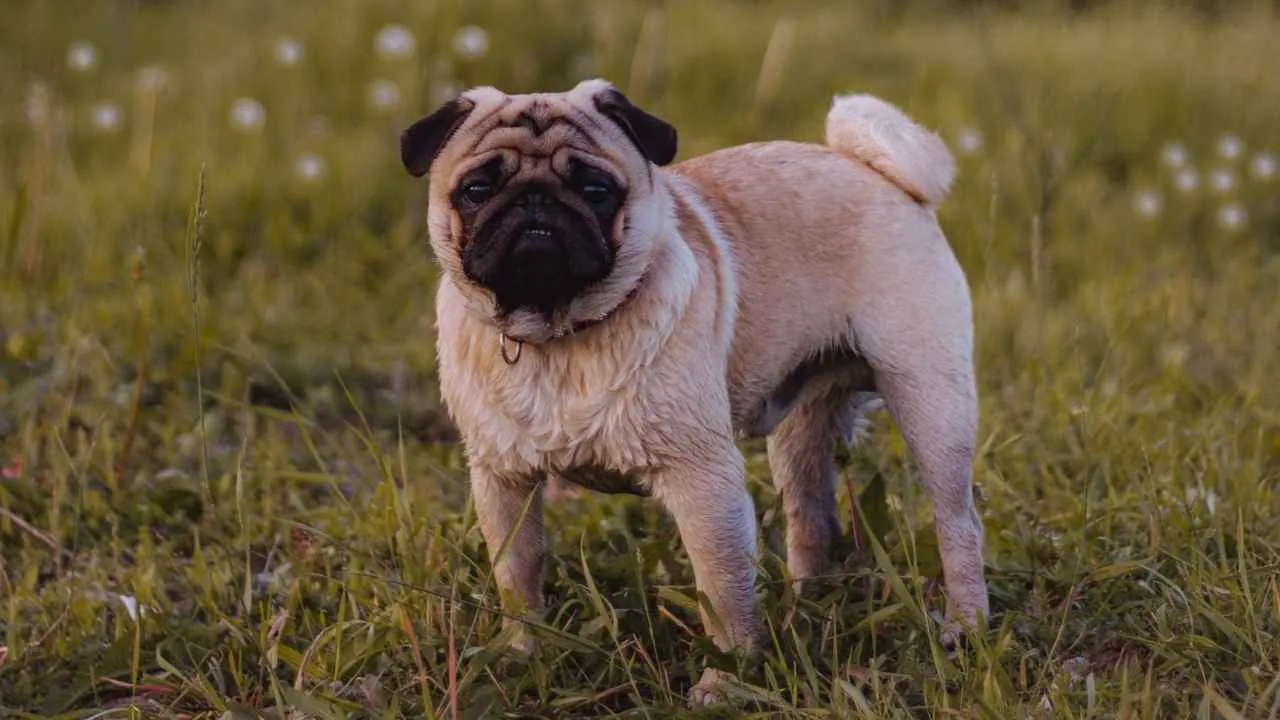
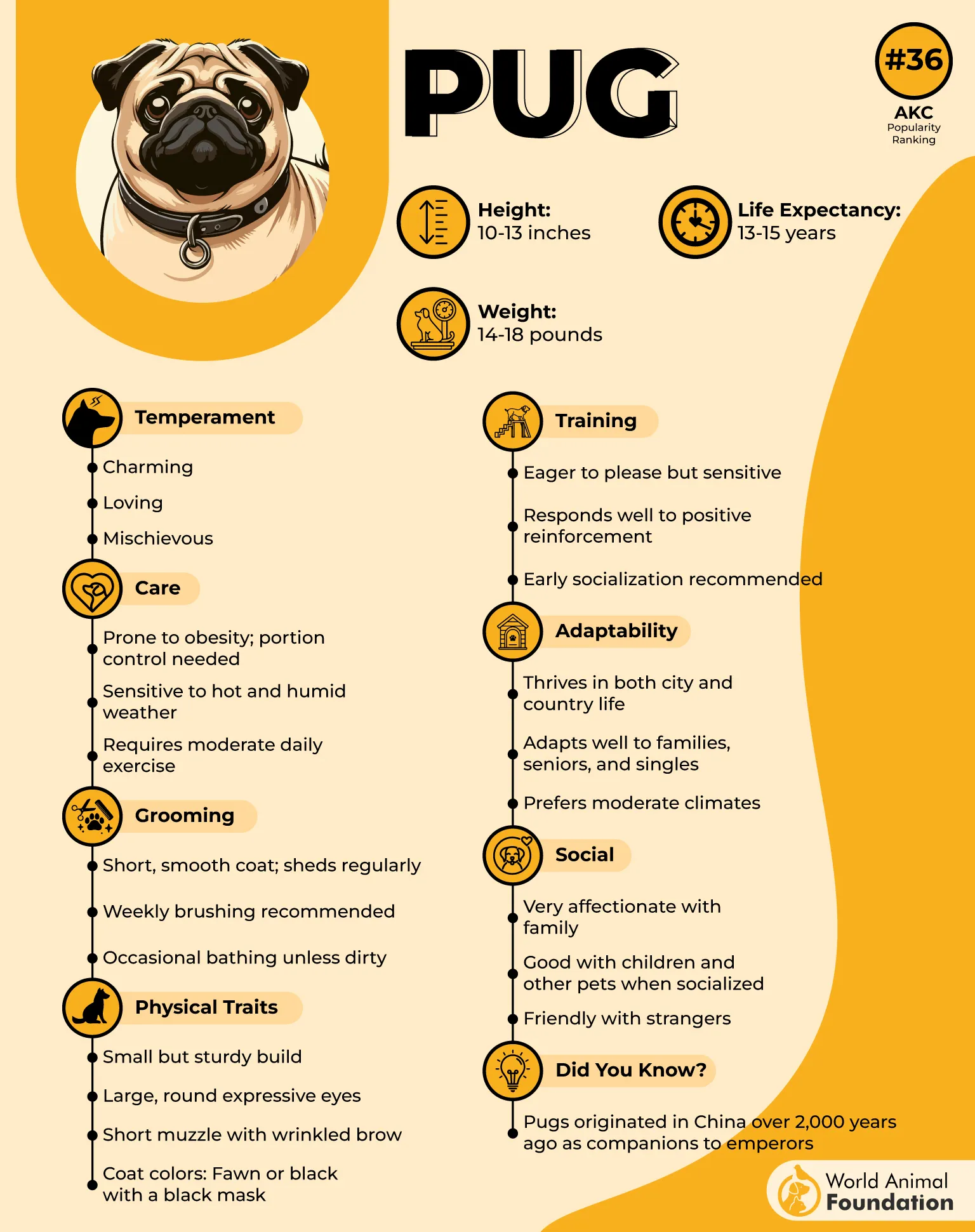
Pugs are funny, affectionate, and people-loving dogs that can settle comfortably into smaller homes. Originally from China, this ancient breed has been a favorite companion of royalty for centuries.
Pugs love being involved in family life and are often happiest sitting beside their people or climbing onto their laps.
Temperament and Exercise Needs
Pugs are friendly, playful, and generally easygoing with children, strangers, and other pets when properly socialized. They enjoy attention and can be eager to please, although they may be stubborn and need patience during training.
Several short walks of around 15–20 minutes work well for most Pugs. They are not suited to running or intense exercise and often prefer a casual walk followed by a long nap. Regular activity and careful food portions are important because they can become overweight.
Care and Health Considerations
Their short coat needs brushing several times a week, with more frequent brushing during spring and fall shedding seasons.
Because Pugs have flat faces and narrow airways, they often snore, make loud breathing sounds, and can struggle with heat and strenuous activity, as mentioned by Britannica.
They are best kept mainly indoors, with outdoor time carefully controlled during hot weather. Their breathing should also be monitored for signs of distress or overheating.
5. Toy Poodle

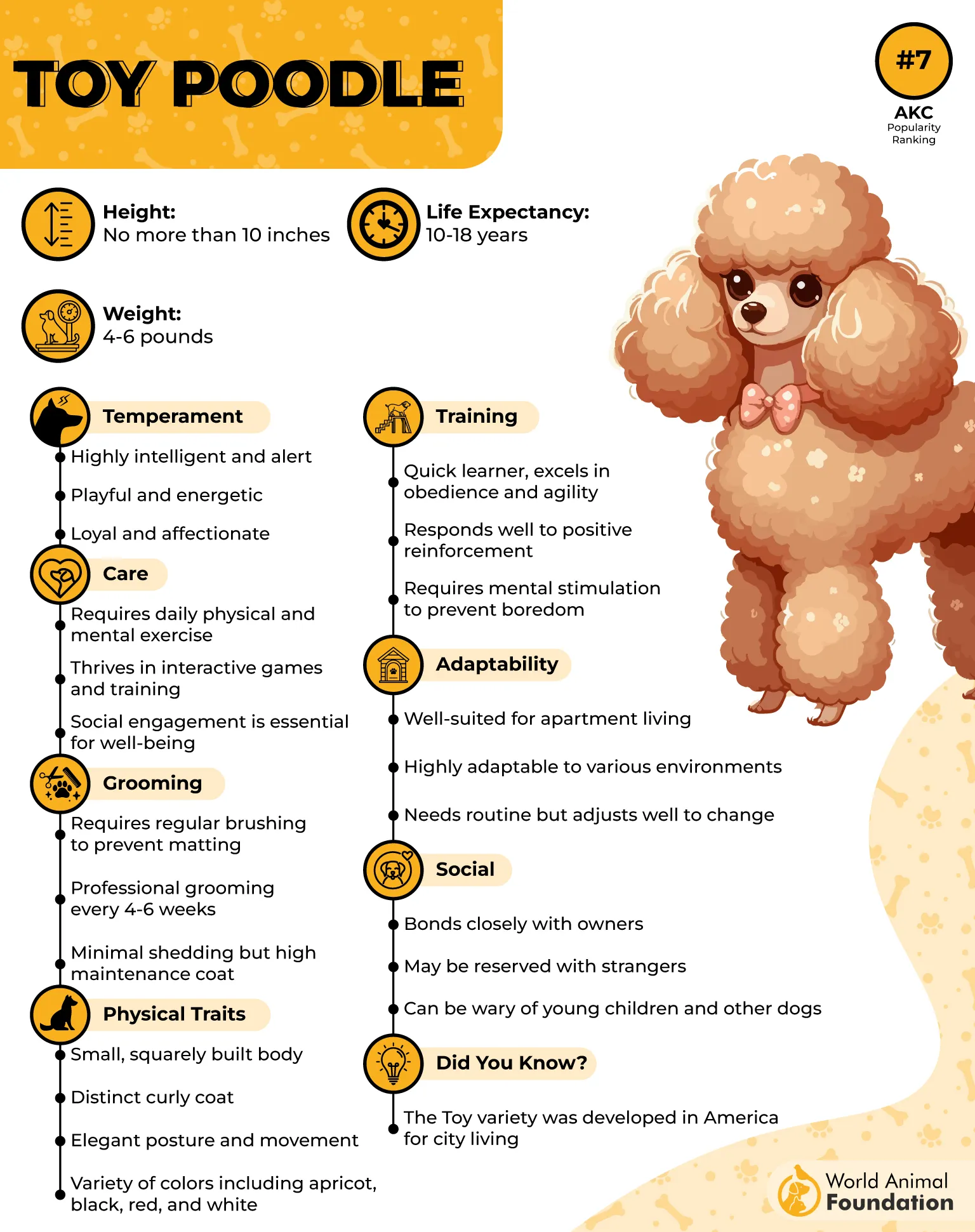
Toy Poodles may be tiny, but their intelligence and playful personalities are anything but small. Originally developed from larger Poodles, they were bred down to become companion dogs.
They are affectionate, sociable, and love being involved in family life, making them a lively addition to a smaller home.
Temperament and Exercise Needs
Toy Poodles are exceptionally smart, eager to please, and quick to learn. They respond well to fun, reward-based training and enjoy learning tricks. Despite their size, they are active and need daily exercise, but much of it can come from indoor games and play sessions.
Short walks are also important. Their intelligence means they need mental stimulation too, as boredom can lead to mischief or destructive behavior. They generally do well with children, dogs, and other pets.
Grooming and Companionship
Their curly coat grows continuously and needs regular professional trimming, usually every four to six weeks. They shed very little, although no dog is completely hypoallergenic. Toy Poodles form close bonds with their owners and do not enjoy being left alone for long periods.
They can also be alert and may announce visitors without being aggressive. Their small stature makes them particularly easy to manage in apartment settings, while their affectionate nature means they are also happy relaxing close to their people.
6. Pomeranian
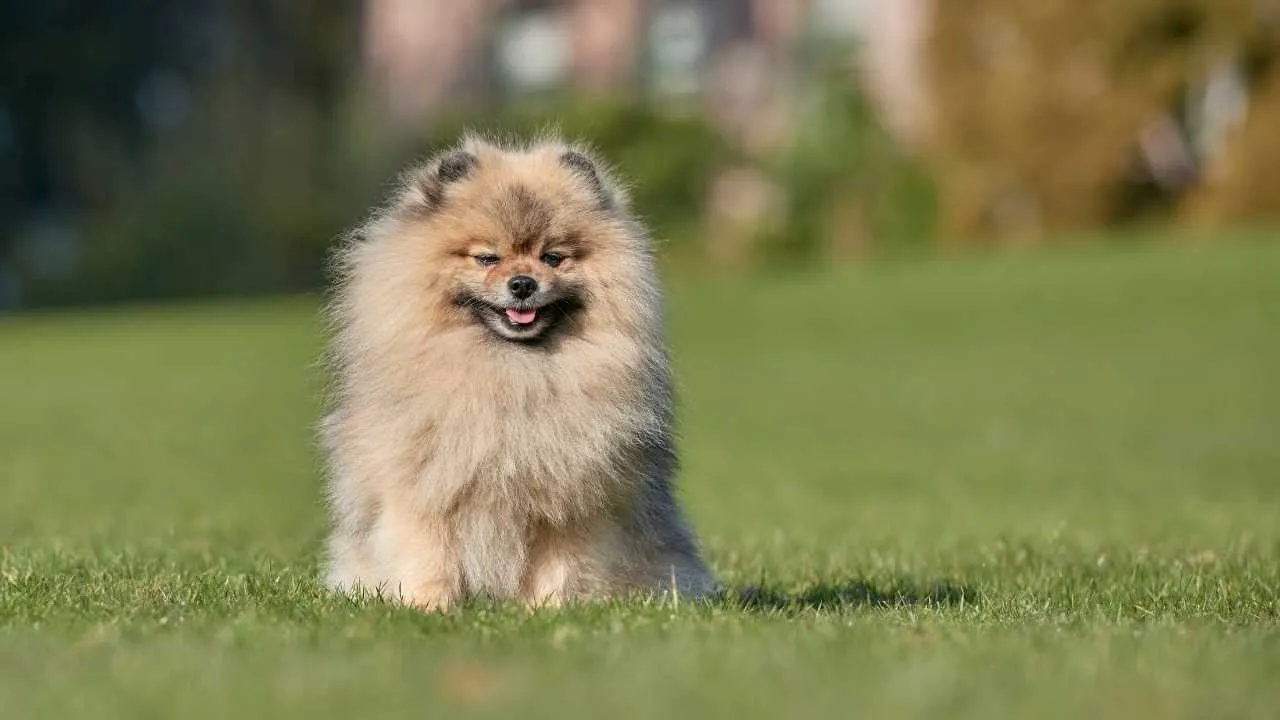
Pomeranians may be tiny, but these pocket pups have the confidence and energy of much larger breeds. They descended from Spitz-type dogs and were originally much larger, working as herding dogs before being bred down in size.
Today, their fluffy double coats, foxlike faces, and cheerful personalities make them popular tiny companions for apartment dwellers.

Temperament and Activity Needs
Pomeranians are intelligent, playful, confident, and full of energy. They enjoy games, short walks, toys, and learning tricks, so mental stimulation is important. They can be stubborn but are generally easy to train with consistency.
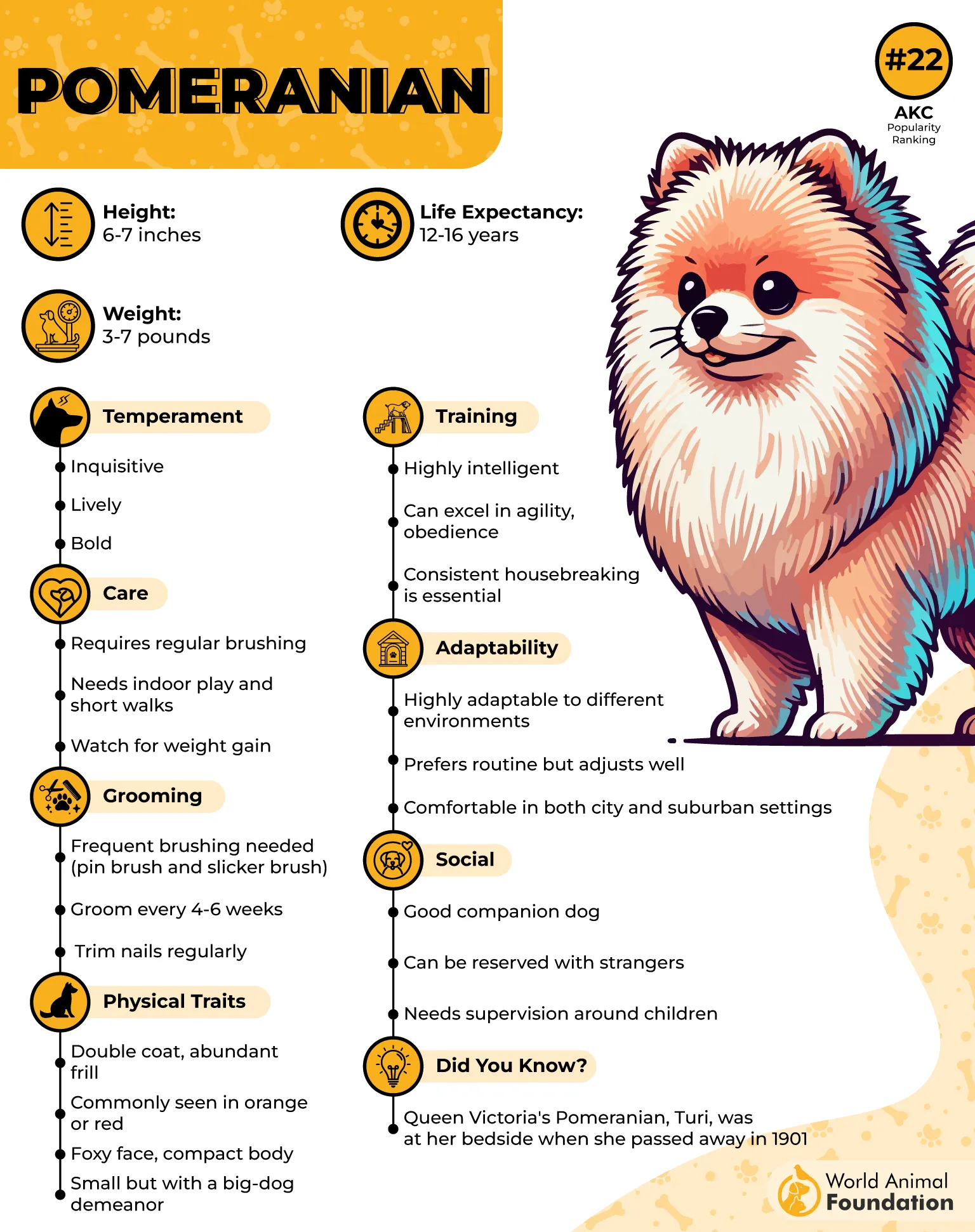
Poms often do well with other pets and older children who know how to handle small dog breeds. Early socialization helps them become more comfortable around unfamiliar people and situations. They are also alert watchdogs and may bark excessively.
Grooming and Small-Space Care
Their thick, fluffy coats need daily brushing and regular grooming. Keeping the coat shorter can make upkeep easier. Pomeranians do not need extensive outdoor activity and can live comfortably in small apartments or homes without yards.
However, they are active little dogs that still enjoy walks and adventures. Because of their tiny size, they should be watched closely outdoors, as they can escape easily and may be vulnerable to larger animals and predatory birds.
7. Bichon Frise
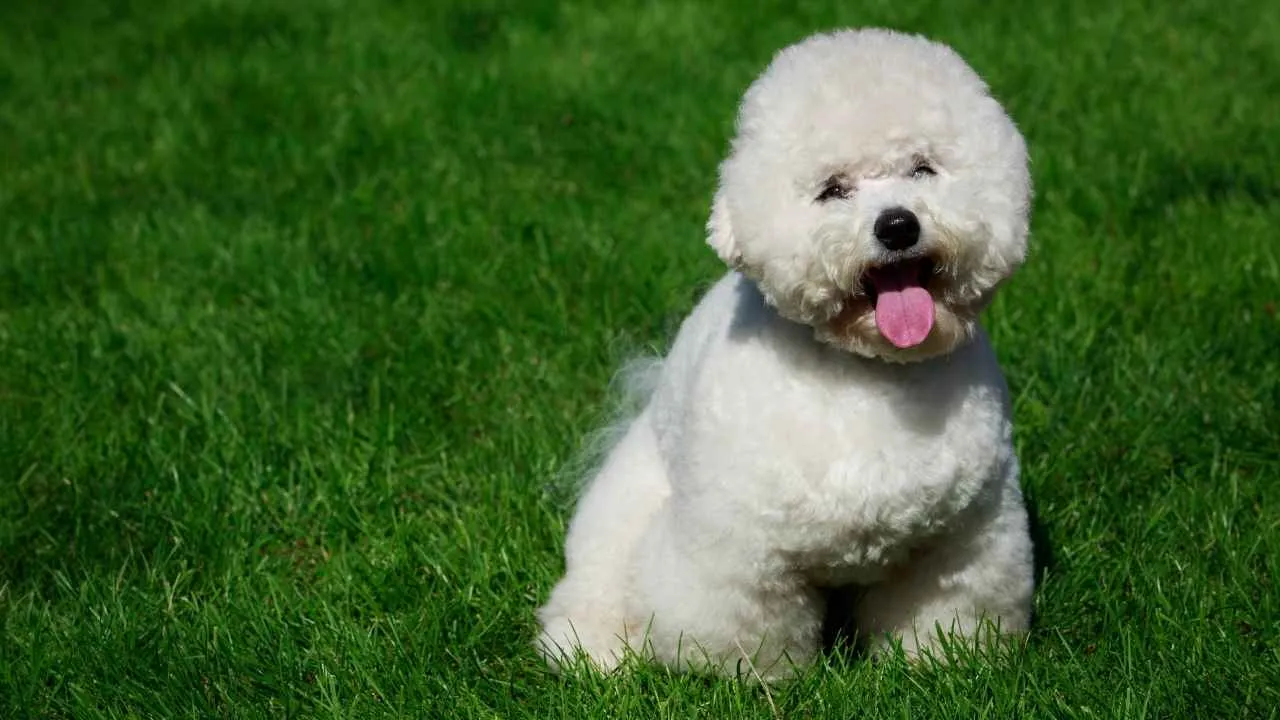
Bichon Frises are cheerful, playful, and affectionate dogs that love being around people. Their friendly and adaptable nature makes them versatile companions for families, first-time pet parents, and people of different ages.
They also tend to get along well with children, other dogs, and household pets. Once their playful energy is satisfied, they are happy to cuddle up with their family.
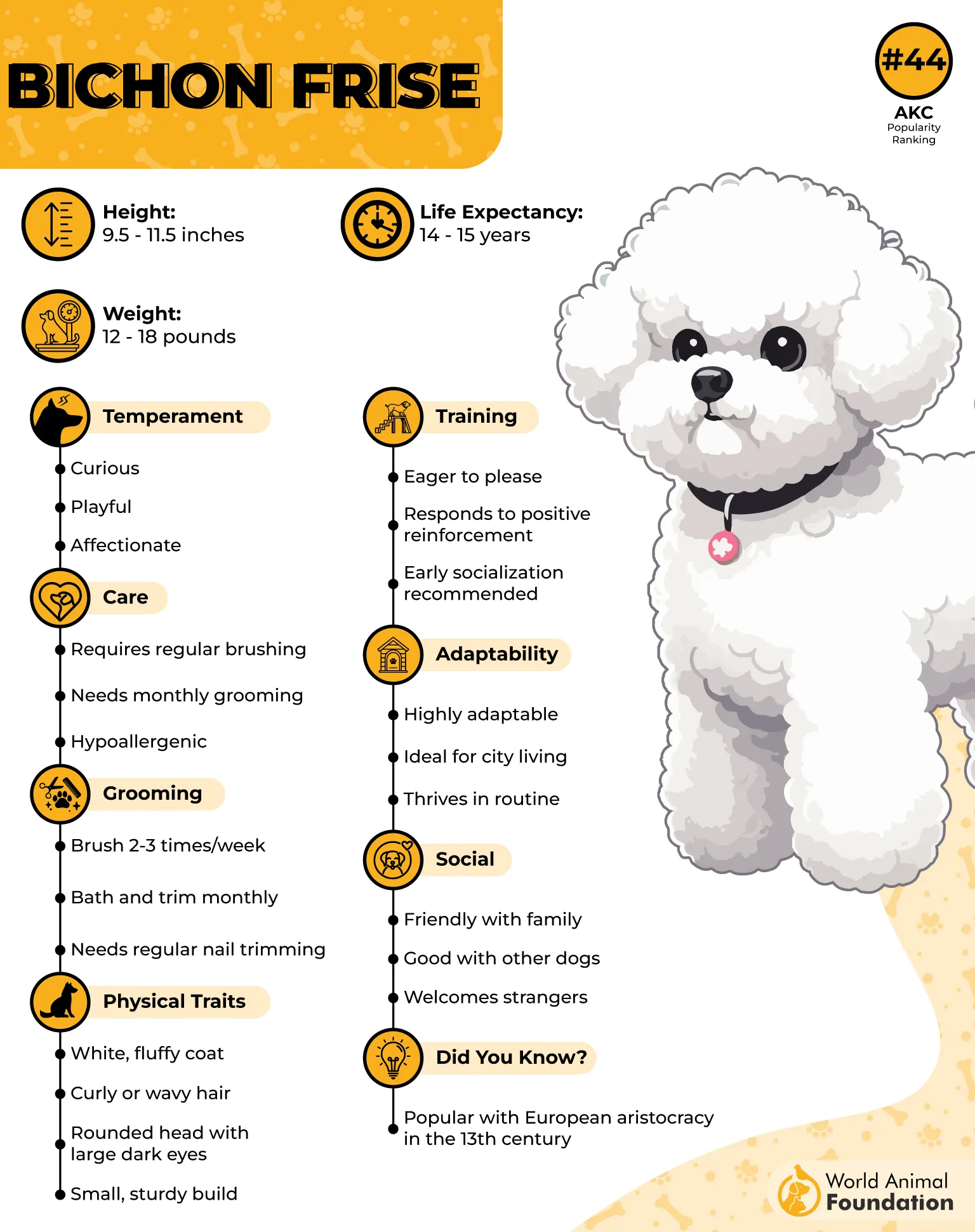
Temperament and Exercise Needs
Bichons are intelligent, curious, and eager to please, which makes them relatively easy to train. Early socialization and consistent training are important, especially because they can become bored and destructive when left without enough attention or activity.
They need moderate exercise, such as short daily walks and play sessions. They also enjoy learning tricks and staying involved in family activities. Bichons love human company and may struggle when left alone for long periods.
Grooming and Daily Care
Their low-shedding coat can be suitable for some people with allergies, although no dog is completely hypoallergenic. Their curly coat needs regular care, including frequent brushing, monthly baths, and professional grooming.
Bichons are also naturally alert and may bark at unfamiliar sounds, sometimes excessively. Early training can help manage this habit, which is especially important in apartment settings. Omlet says they make good watchdogs but are far too small to be protection dogs.
Conclusion
Living in a small home does not mean you have to miss out on the joy of having a dog. From affectionate companions to playful and intelligent little personalities, the breeds in this guide show that the right dog can thrive without a huge backyard.
What matters most is matching their exercise, grooming, training, and companionship needs with your daily routine.
Before bringing a dog home, take time to consider your space, schedule, and lifestyle. A smaller home can still become a big world for the right dog when they have enough attention, activity, and love.
After all, the best canine companion is not the one that needs the most room, but the one that fits naturally into your life.
