




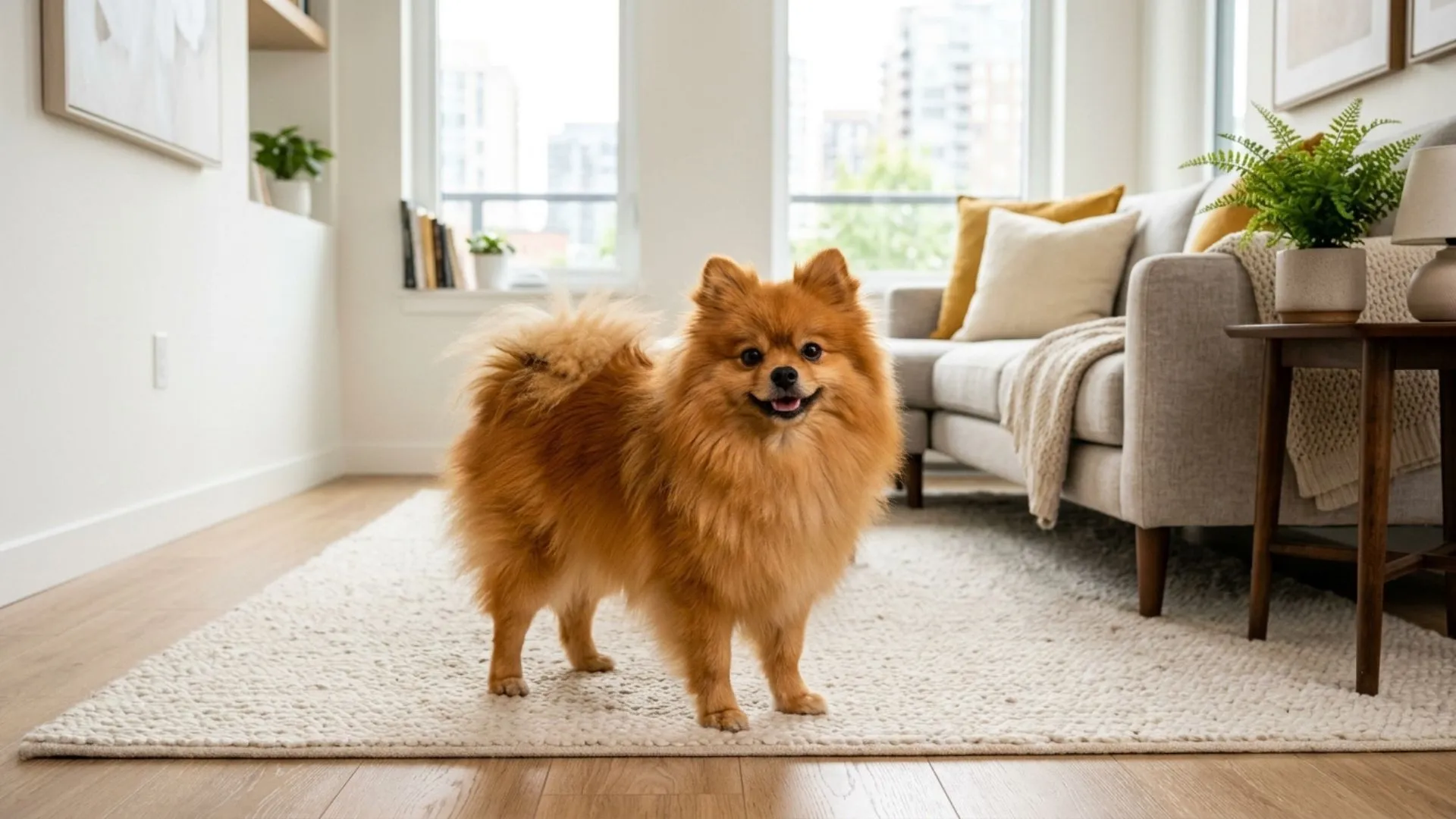
Living in a smaller home does not mean giving up the dream of having a dog. In fact, many breeds are happier curled up beside their favorite human than running across a huge backyard. As actress Audrey Hepburn once said, “The best thing to hold onto in life is each other.”
Dogs prove that every single day.
The secret is choosing a breed whose personality, exercise needs, and size match your lifestyle instead of your square footage. Whether you are in a city apartment, a townhouse, or a cosy cottage, the right four-legged buddy can fit right in.
Let us meet ten delightful dog breeds that bring big love, playful charm, and plenty of tail wags, demanding limited space.
Delightful Dog Breeds for Limited Space Homes
1. Toy Poodle
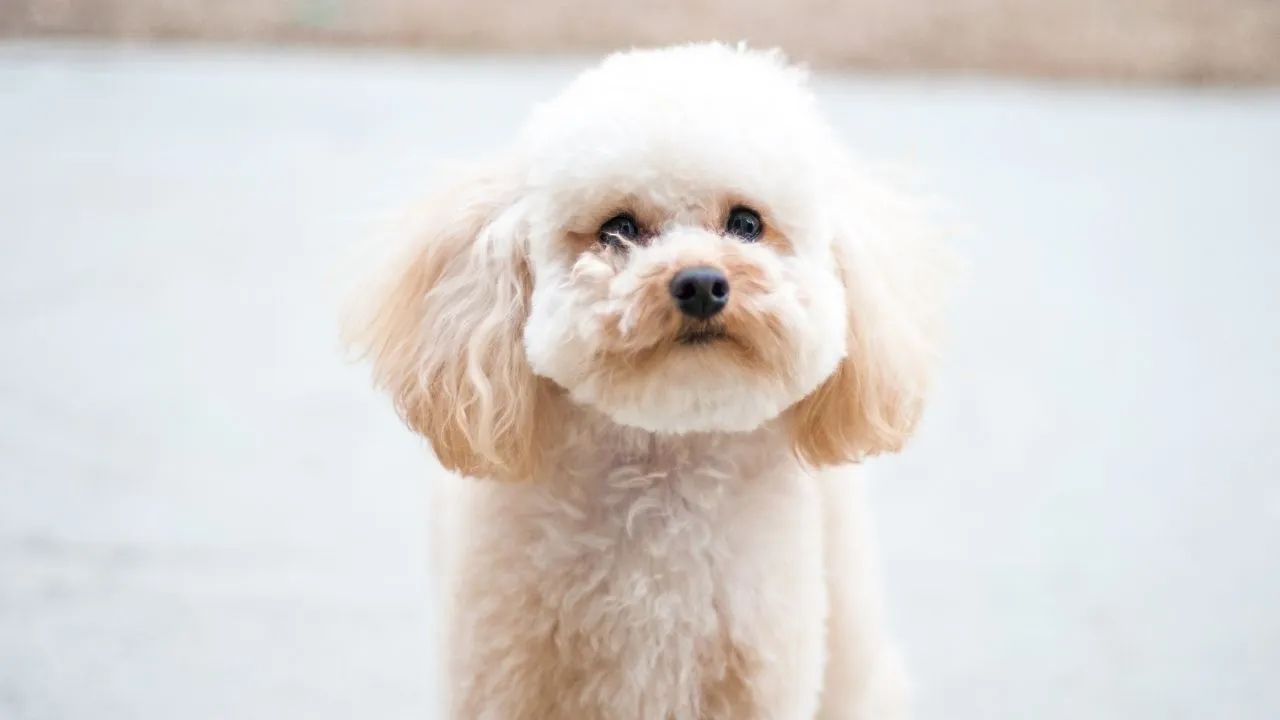
The Poodle was originally bred for duck hunting and was used to retrieve waterfowl in Germany. The name comes from the word ‘pudel,’ which means ‘to splash.’ After becoming famous in French nobility, it went through size reduction to be a lap dog, resulting in the toy poodle, according to Pooch & Mutt.
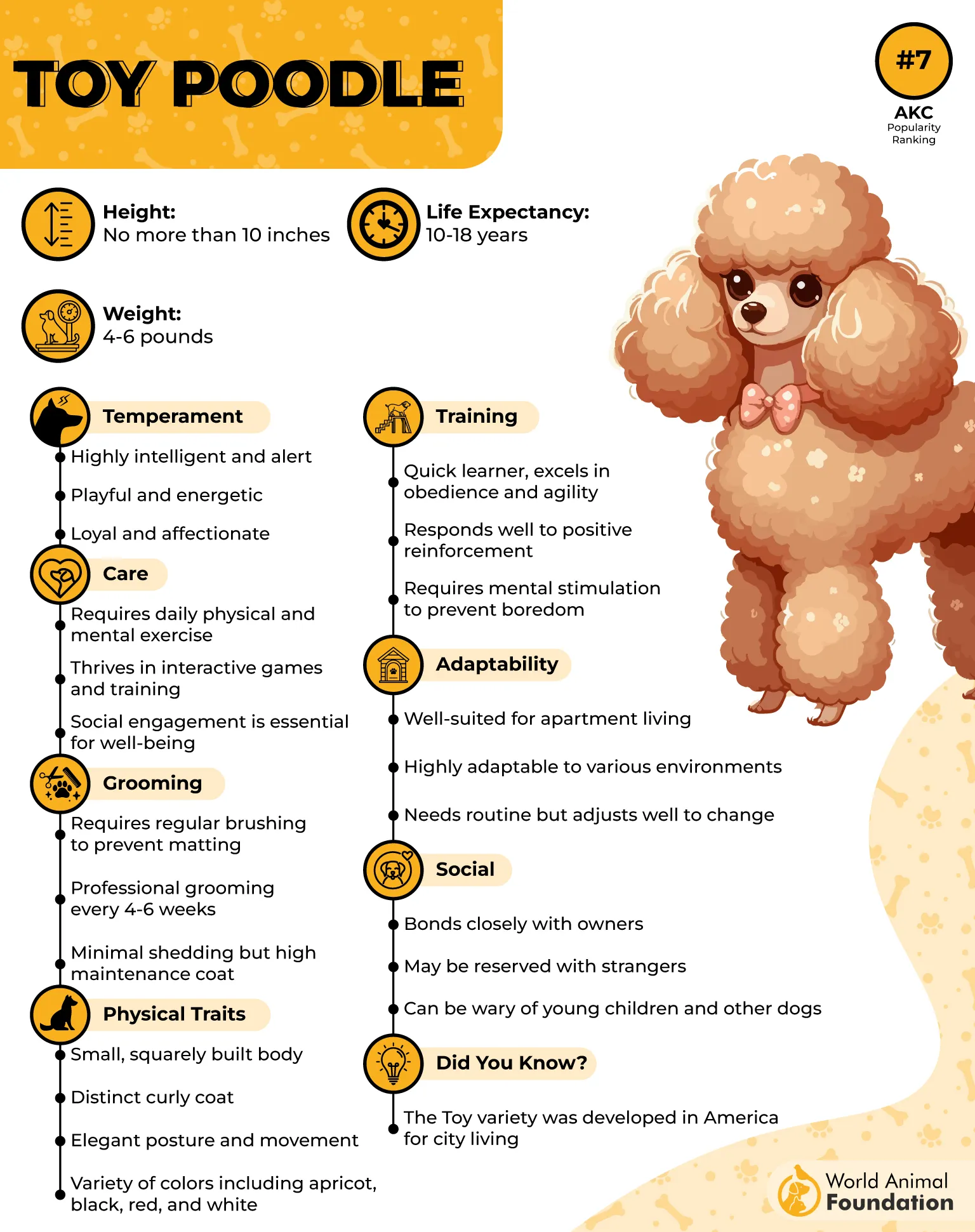
It is the most intelligent dog in the toy breeds and has a weather-resistant double coat that makes it ideal for allergy sufferers. As it has a history as a circus breed, it loves to entertain its owner. Despite that, it is super alert and makes it a great watchdog. It barks to alert the owner of a potential threat.
It has moderate exercise needs (30-40 minutes daily): tug-of-war, running, soft fetching, and mental stimulation. Early training and proper socialization are suggested to avoid destructive behaviors.
2. Pomeranian
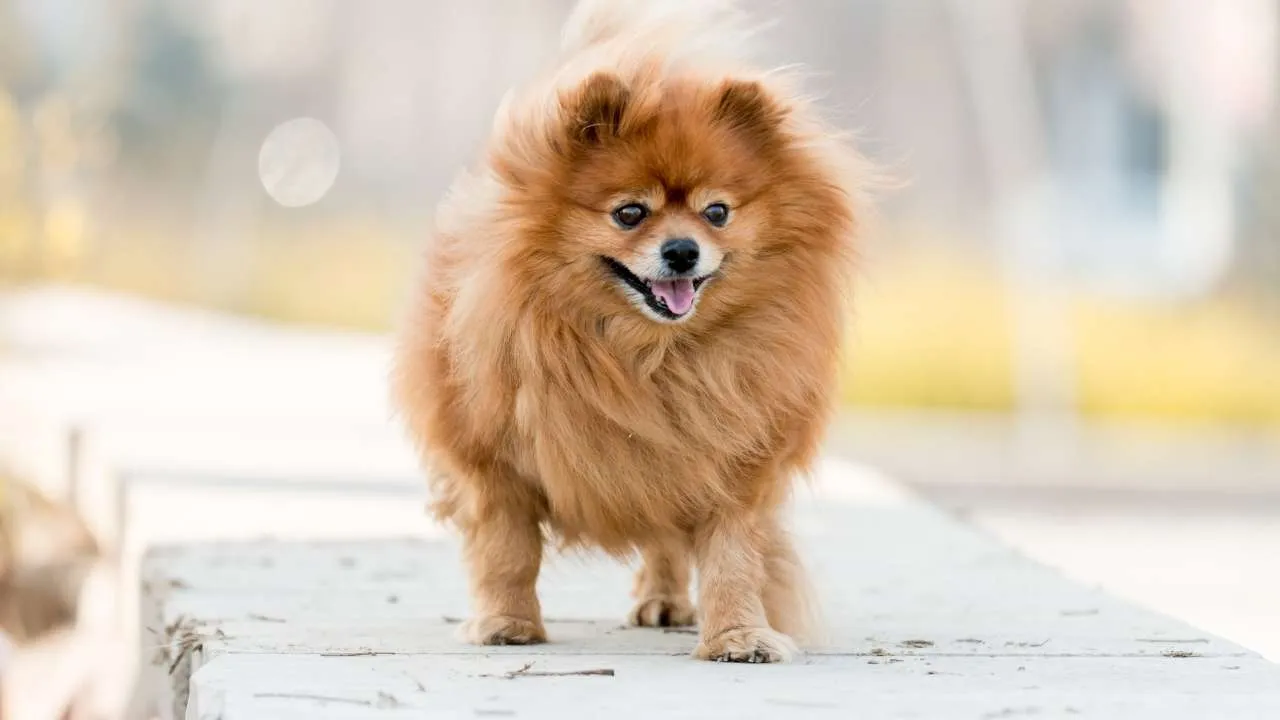
Originally bred from the Spitz dogs in Iceland that were used to pull sleds and herd reindeer, the Pomeranian was a much bigger breed back then, as noted by Showsight Magazine. It was famous among English royalty, including Queen Charlotte and Queen Victoria.
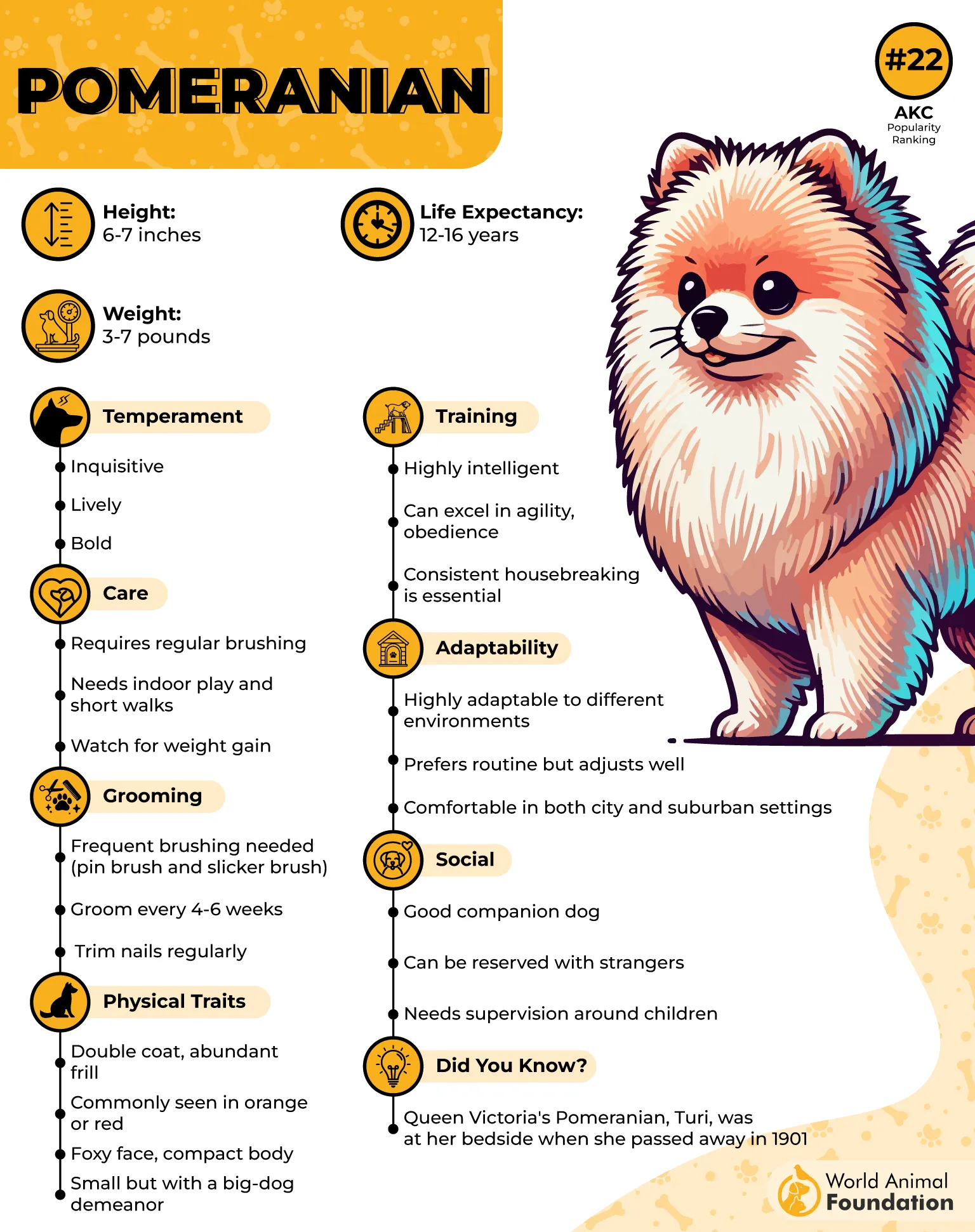
Do not be fooled by its small size; it is a highly outgoing dog and loves to yap. It makes a great personal watchdog because of its alert nature. It is not a lap dog and carries an inquisitive and independent nature, making it snuggle in bed and on the sofa.
Also known as the ‘one man dog,’ it may develop separation anxiety if left alone for too long. The breed needs at least 30 minutes of daily exercise: 2 short walks, running, puzzle toys, and indoor play.
3. Yorkshire Terrier
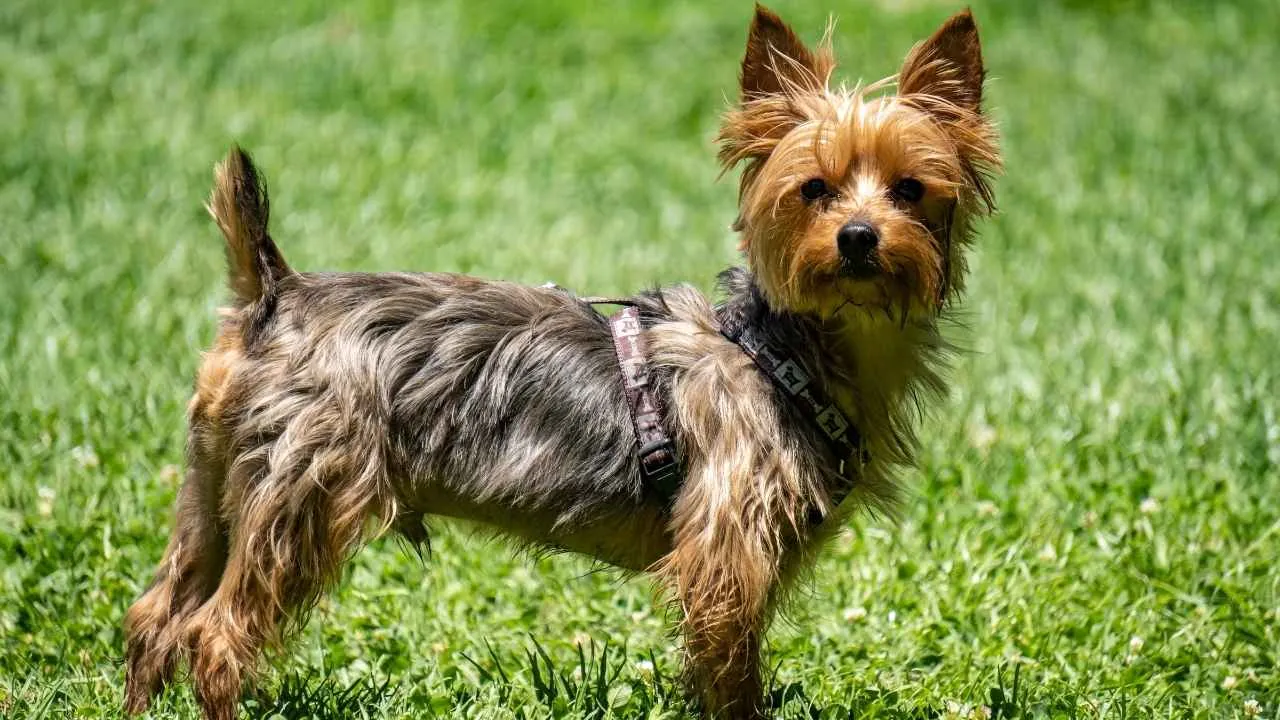
It is a relatively newer breed with the origin dating back to the 1850s. The Scottish workers brought their ‘broken-haired terriers’ to the city of Yorkshire during the Industrial Revolution as a ratter breed for the textile mills. It was then interbred with the local terriers, including Waterside Terrier, Skye Terrier, and Dandie Dinmont, resulting in the Yorkie.
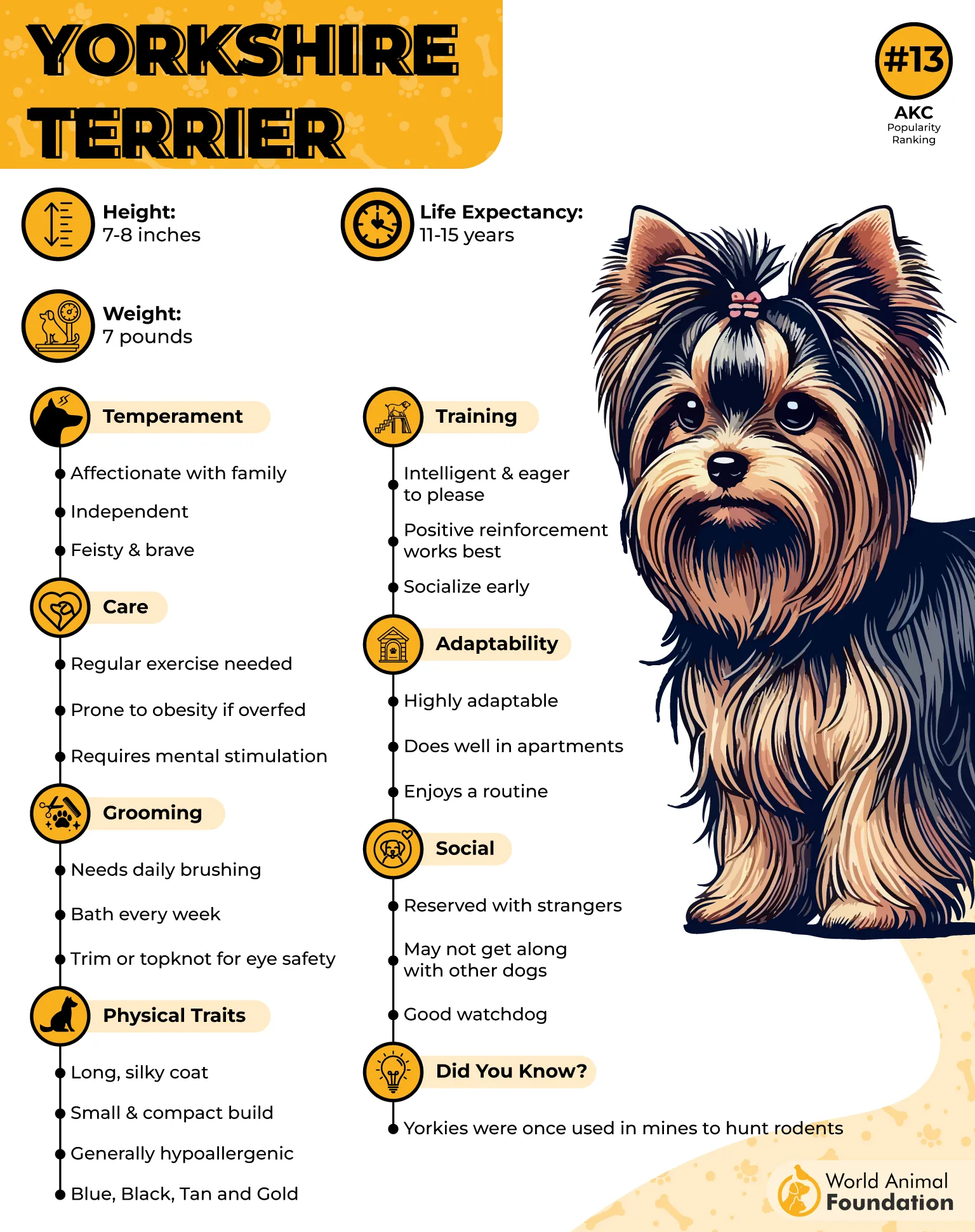
Because of its strong hunting instincts, it tends to chase small moving objects. This small dog breed is aloof with strangers and tends to protect its loved ones from strangers and other dogs by barking. It has a territorial nature and can be aggressive when someone invades its tiny personal space.
The apartment dog needs 30-45 minutes of daily exercise: brisk walks, puzzle toys, fetching, and interactive play games. Since it has a high prey drive, it can selectively hear the owner’s commands. Thus, early obedience training is important.
4. Cavalier King Charles Spaniel
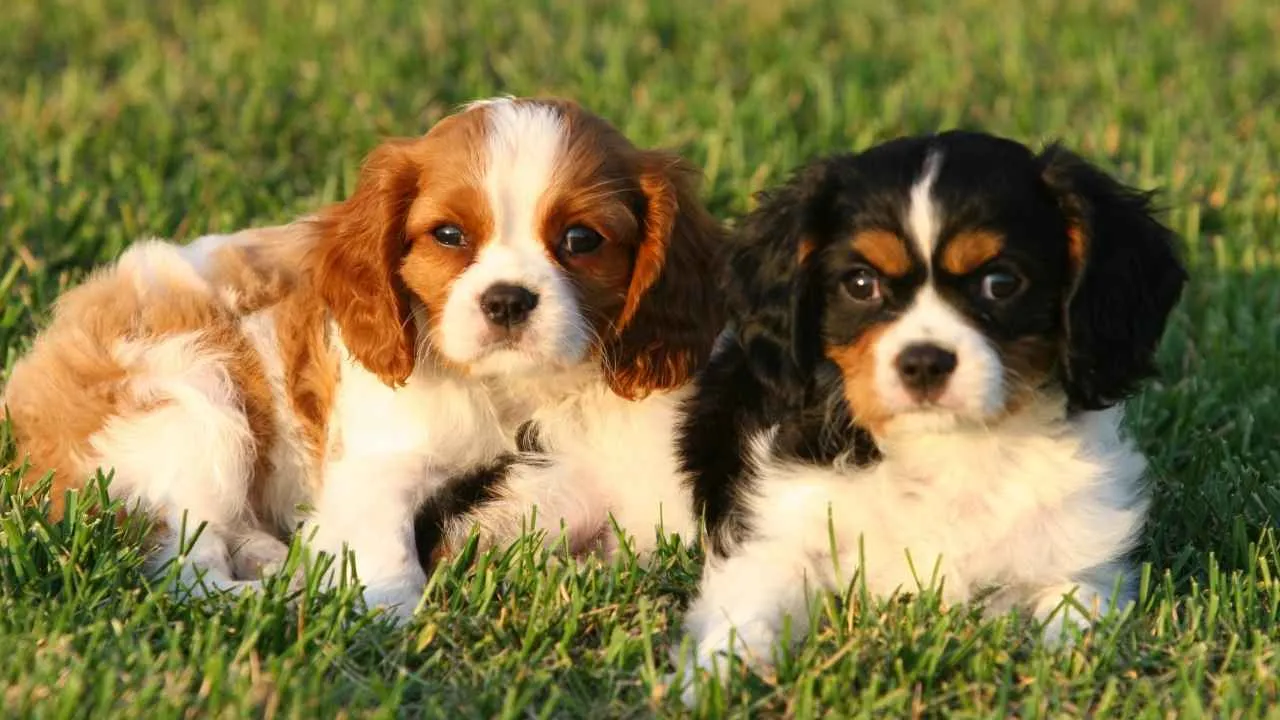
This small breed was favored by the British royalty, especially King Charles II in the 17th century. Roswell Eldridge is credited with the development of the modern-day Cavalier. This companion dog was recognized by the American Kennel Club in 1995, as per Orvis.
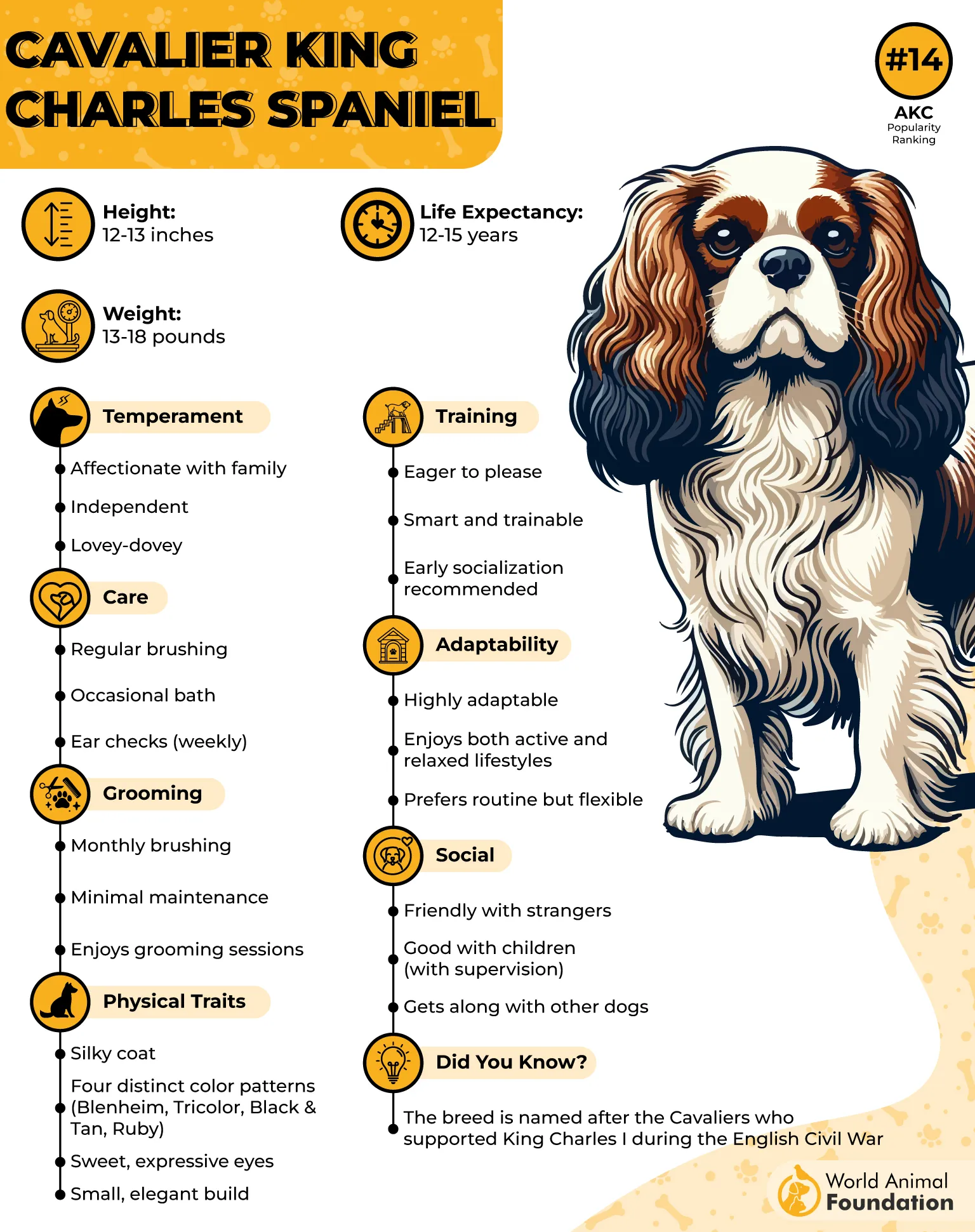
This energetic dog has bright, expressive eyes, a round face, and a compact size. It carries these neonatal attributes into adulthood, making it more lovable. It is emotionally attuned to the owner’s emotions and widely used as a therapy dog. It loves to go on a hike (3 miles) and run (1 mile) with you.
It willingly welcomes kids to play with it. It has an affectionate nature and makes everyone its friend, making it a poor guard dog. It has moderate energy levels and needs high-intensity exercise indoors.
5. Shih Tzu
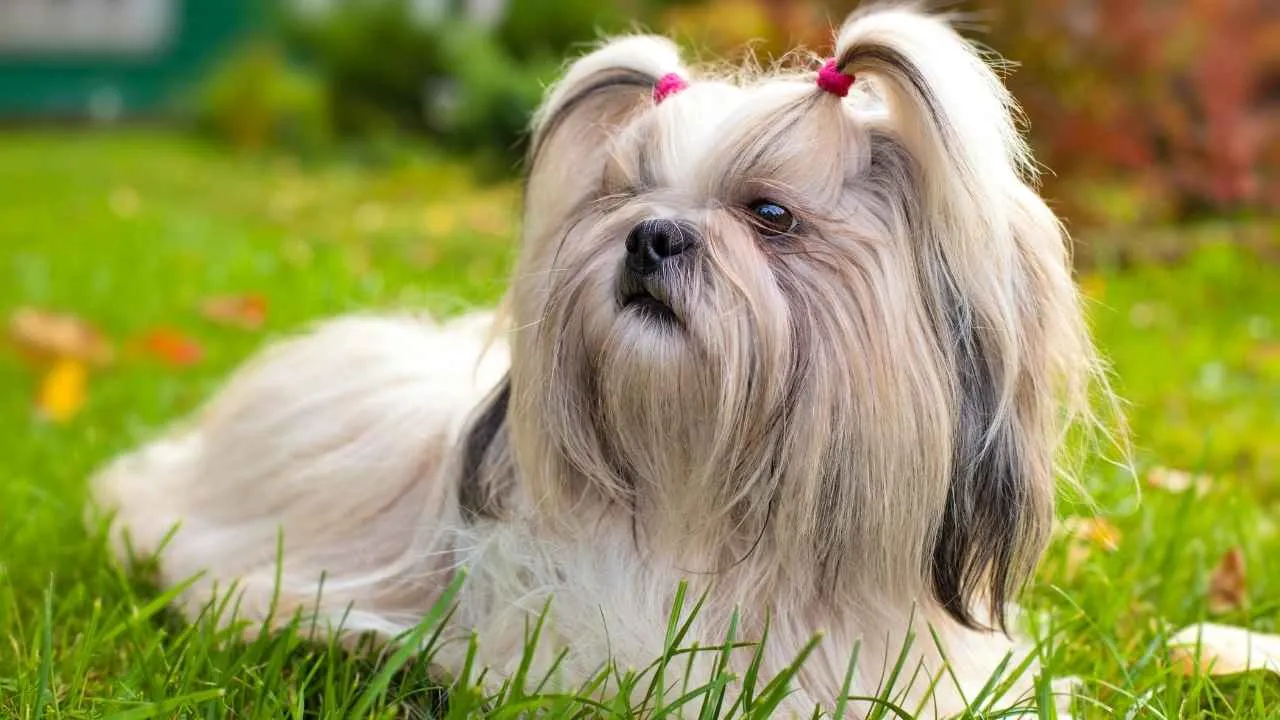
This ancient dog breed was originally developed by the Tibetan monks and the royalty as a companion and a watchdog. It is the 14th oldest breed in the canine kingdom. It is believed that this dog was kept alongside lions as a companion some 6,00 years ago.
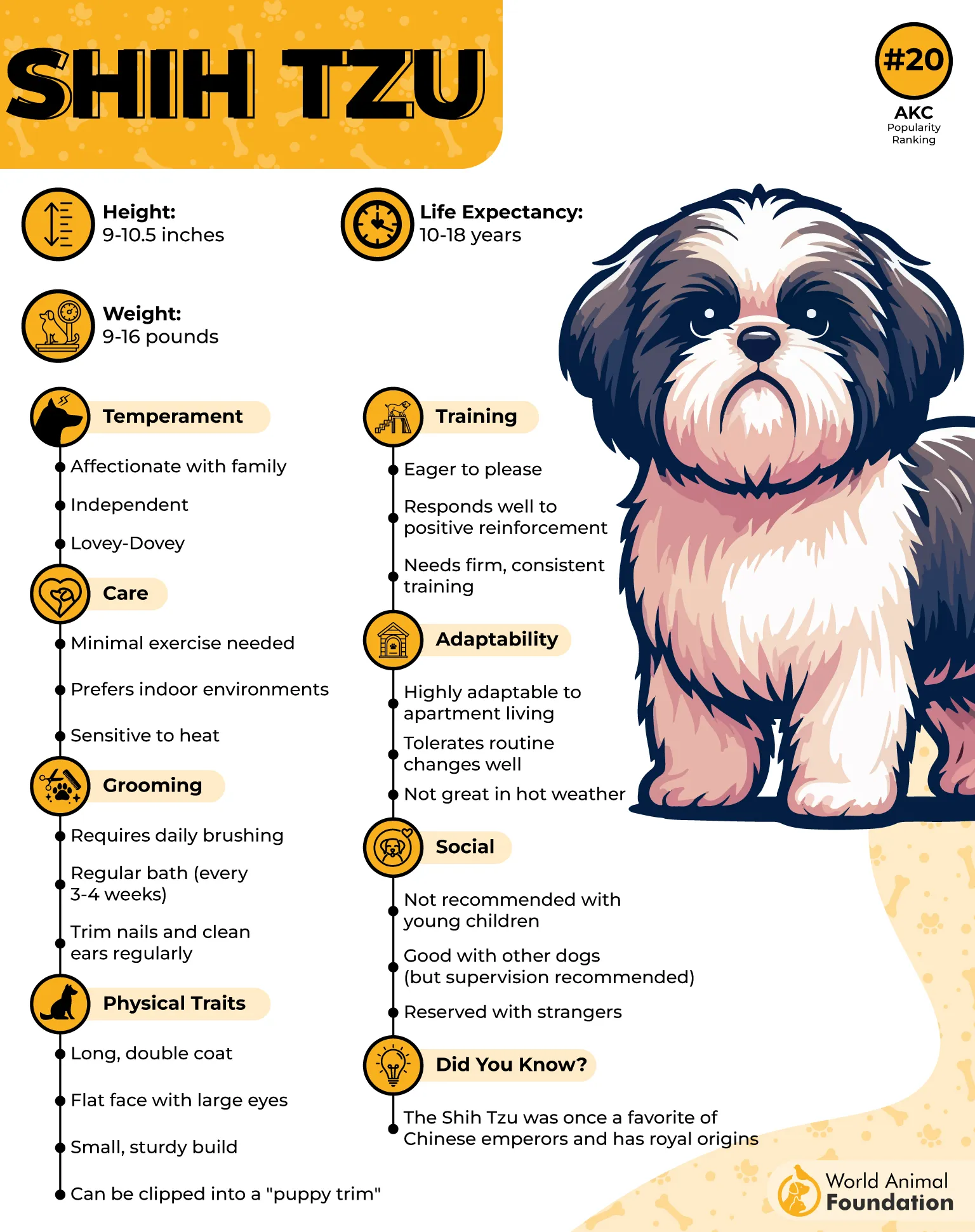
A broad head and well-placed eyes deliver a friendly expression. It has a plumed tail that is carried high and proud. The breed has an alert nature and often barks when a stranger is approaching. It adapts easily in every environment. Since it is temperature sensitive, it does not prefer much time outdoors.
The delightful companion needs at least 40 minutes of daily exercise. Since it is a brachycephalic breed and may face breathing difficulty when outdoors, focus more on light indoor activities. It can be given alone time for 4-8 hours, but leaving it alone longer can lead to destructive behavior.
6. Bichon Frise
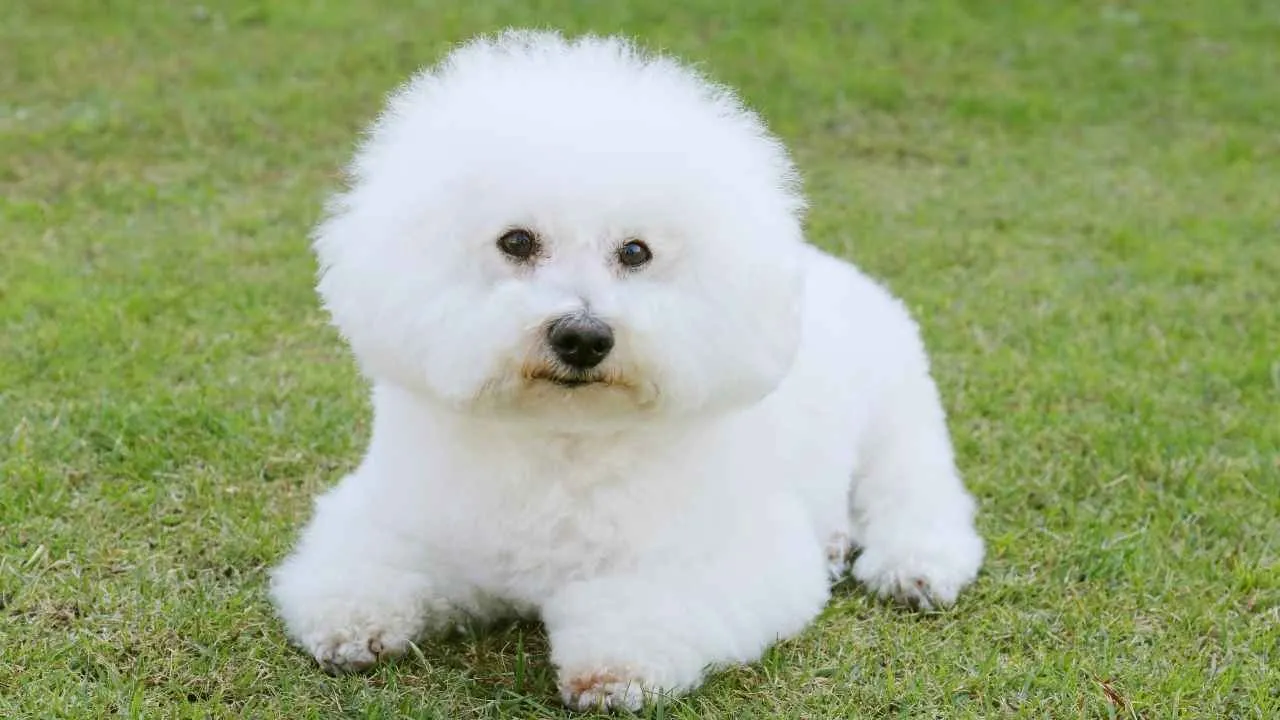
The breed is descended from a water spaniel found in the Mediterranean region. This dog accompanied sailors in the 14th century and was often named the ‘Tenerife’ or ‘Bichon.’ It used to be the favorite companion of Henry III of England, who used to carry it in a basket around its neck.
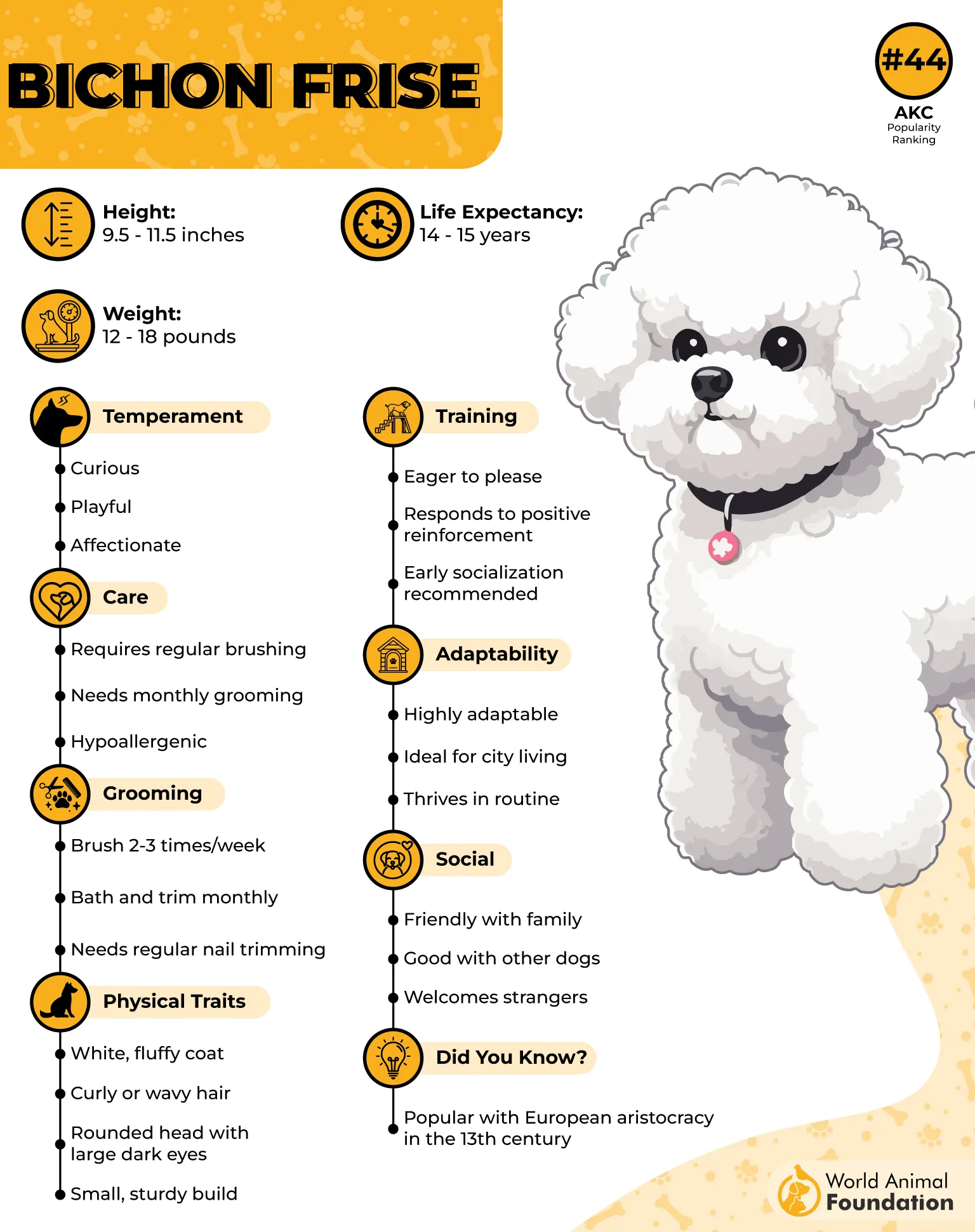
Also known as the ‘white powder puff dog,’ it has alert eyes, erect ears (covered with hair), and a plumed tail curled over the back. It has a thick beard and a moustache, giving it a cute and intimidating appearance. It has a moderate energy level, and because of its small stature, it tires easily.
The breed adapts well to apartment living. It needs only 30 minutes of daily exercise: daily brisk walks, indoor play, and soft fetching. Although it does not shed much, it needs frequent brushing.
7. Pug
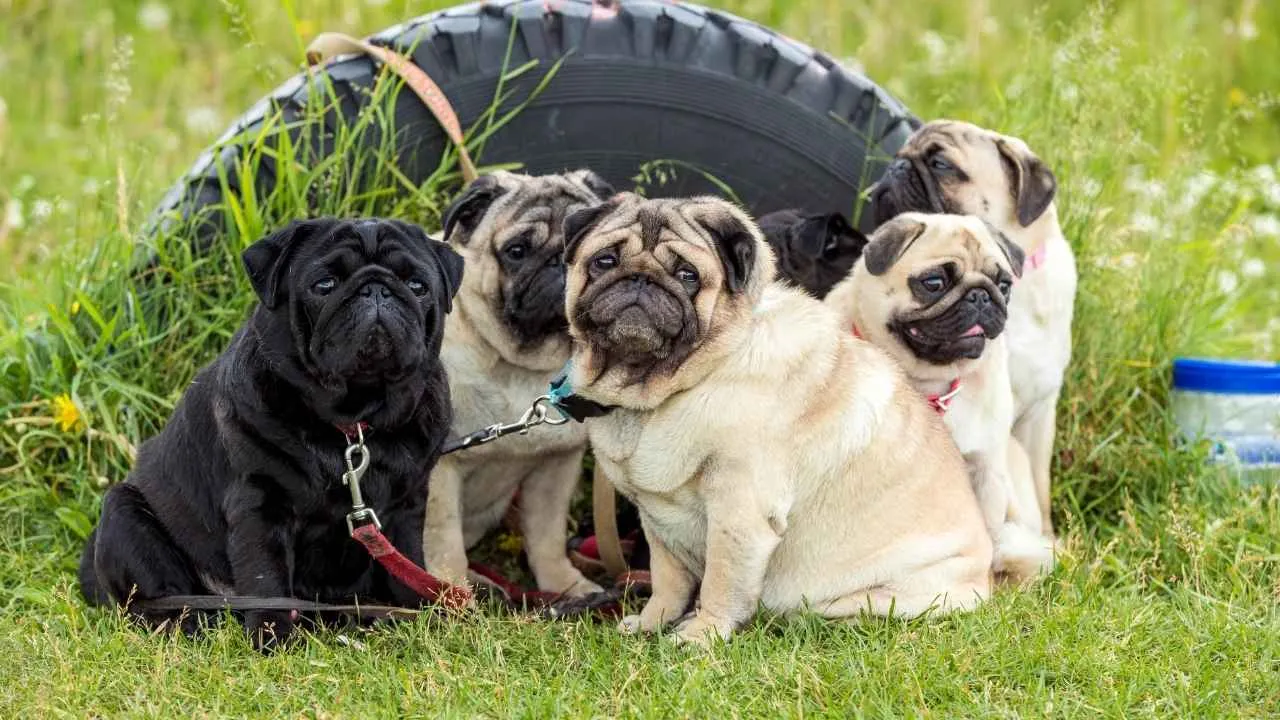
One of the ancient dog breeds, the history of this best dog breed dates back to 400 BC. It is closely related to Pekingese, and some believe that it is descended from the Bulldog or the Mastiff. The breed stepped out of China in the 16th century.
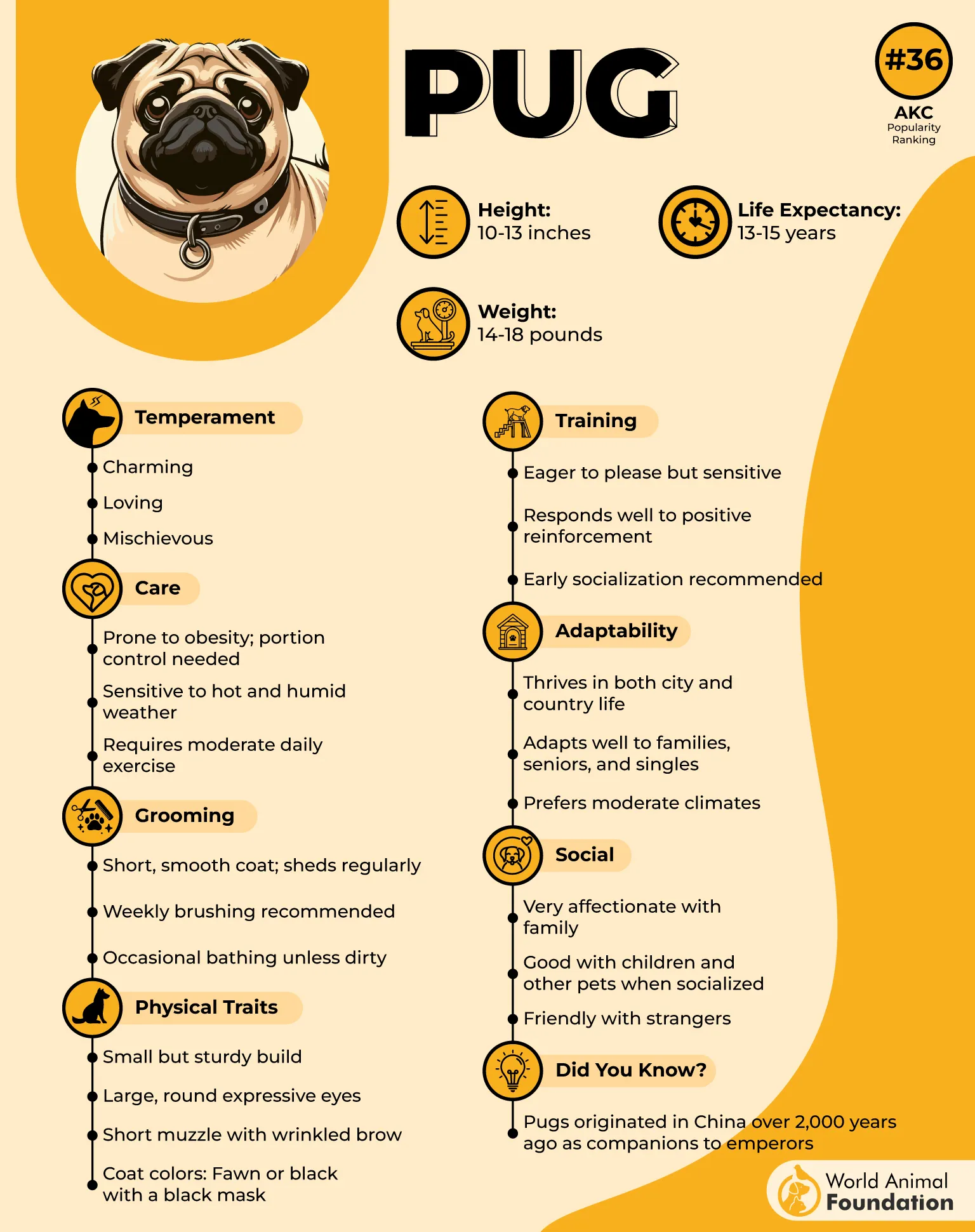
It loves to curl up in your lap for a snooze. While not being barky, it barks only to alert the owner. The breed is prone to heat stroke and heat exhaustion because of the short muzzle that makes it hard for the breed to cool down. It is highly food-motivated, making it highly trainable. However, keep a check on weight management.
The breed has moderate exercise needs (30-60 minutes): dog sports, puzzle toys, interactive toys, rally, agility, and fetching. It is a low-maintenance dog that requires weekly brushing to remove loose hair and evenly distribute natural oils.
8. Havanese
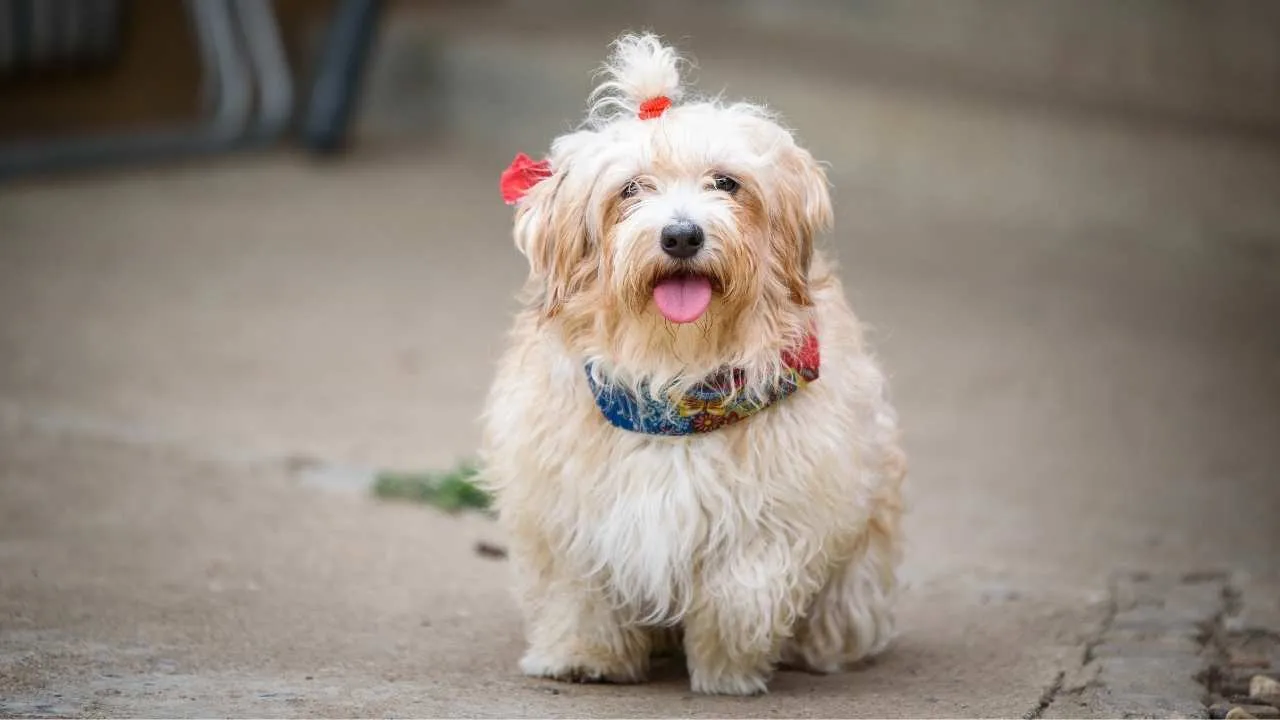
This small dog came from Spain to Cuba through Tenerife, Canary Islands. The breed is closely related to Bichon Frise. It used to be one of the favorites of royalty. The breed almost went extinct and was revived in the United States.
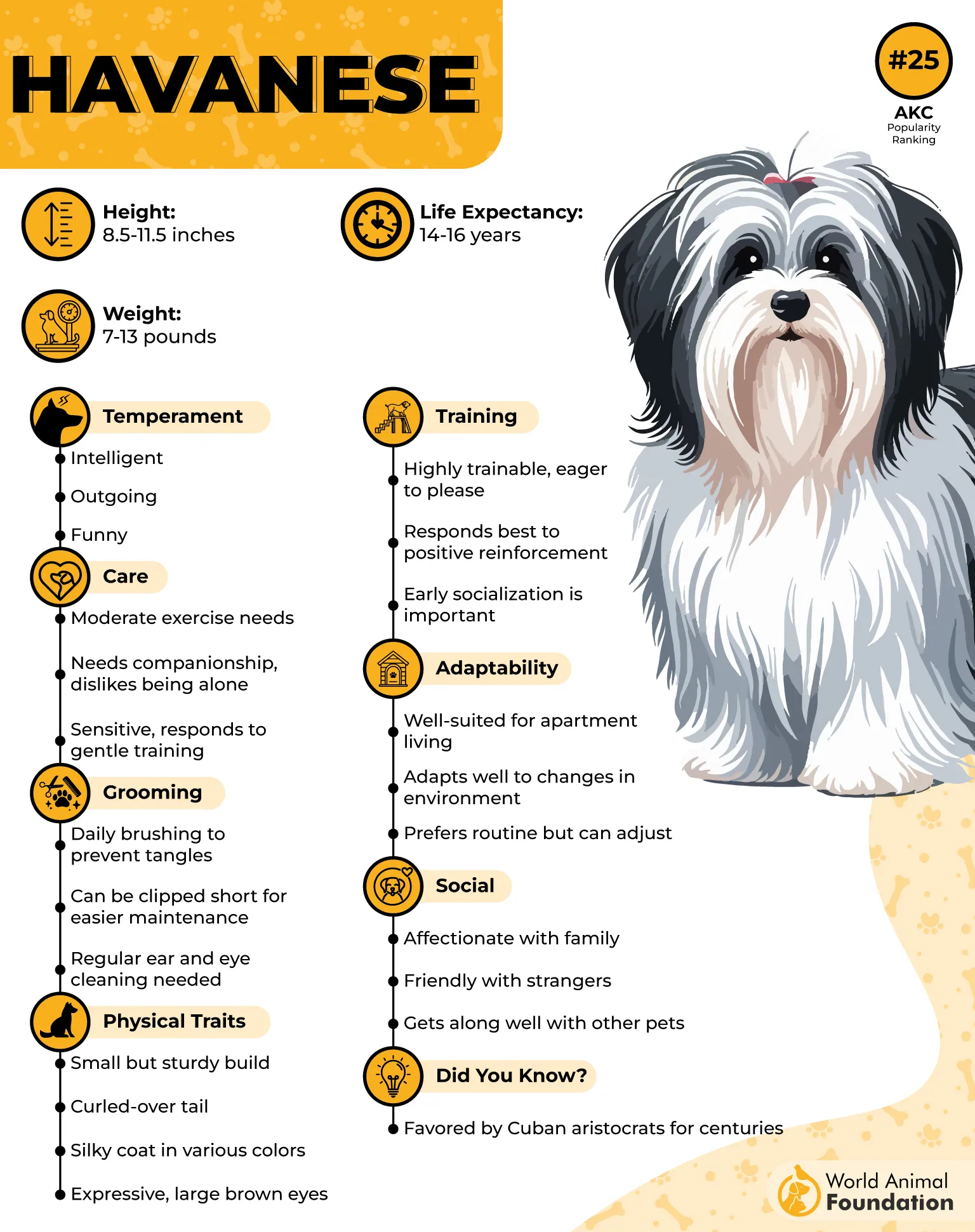
The breed lives up to 14-16 years, giving you enough time to make memories with it. The couch potato is ideal for small apartment living because of its compact size. It has a hypoallergenic coat and is perfect for people with allergy issues. The breed has a small stomach, cutting the food expenses (1/2 to 1 cup of dry dog food).

It is a moderately active dog that requires regular exercise (30 minutes a day). The charming companion needs weekly brushing. Basic positive reinforcement training is required as it is a highly intelligent breed and tends to learn complex tricks quickly.
9. Papillon
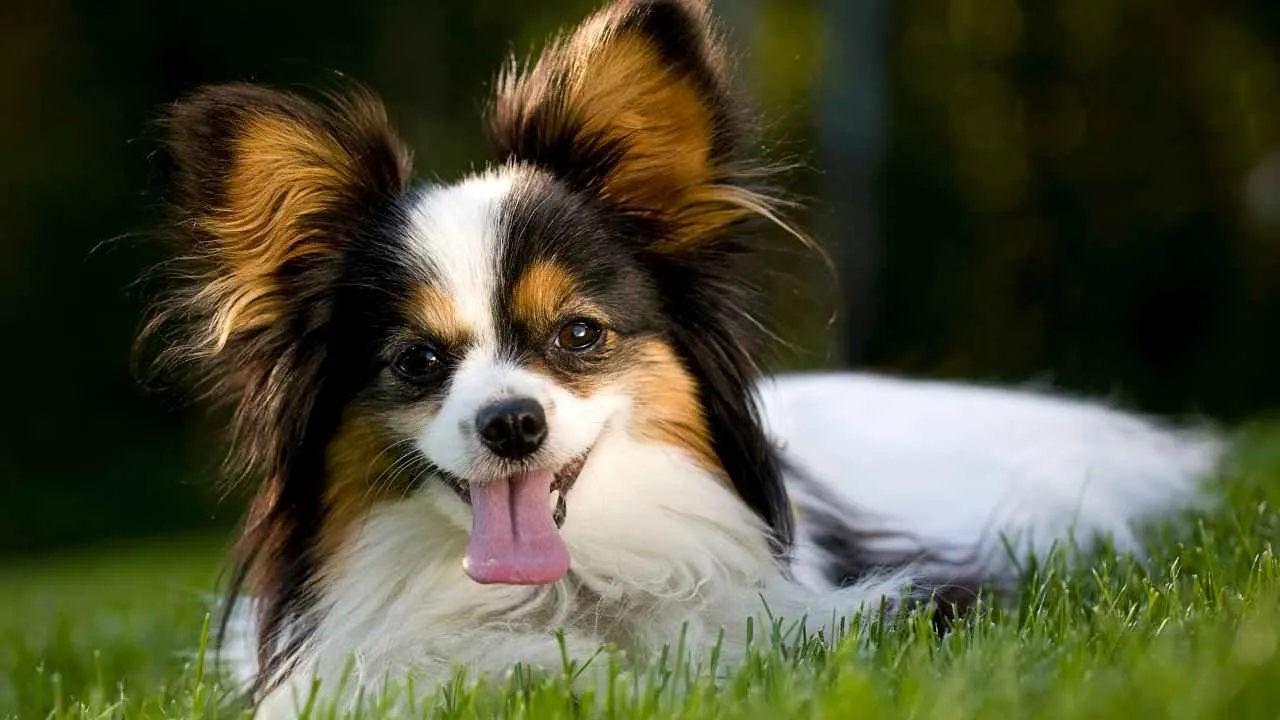
Originating in France, the breed was given the name because of the butterfly ears. Once known as a ‘dwarf spaniel,’ its history dates back to the 13th century. It gained popularity in Spain and Italy and was depicted in ancient paintings. It was brought to the U.S in the 19th century.
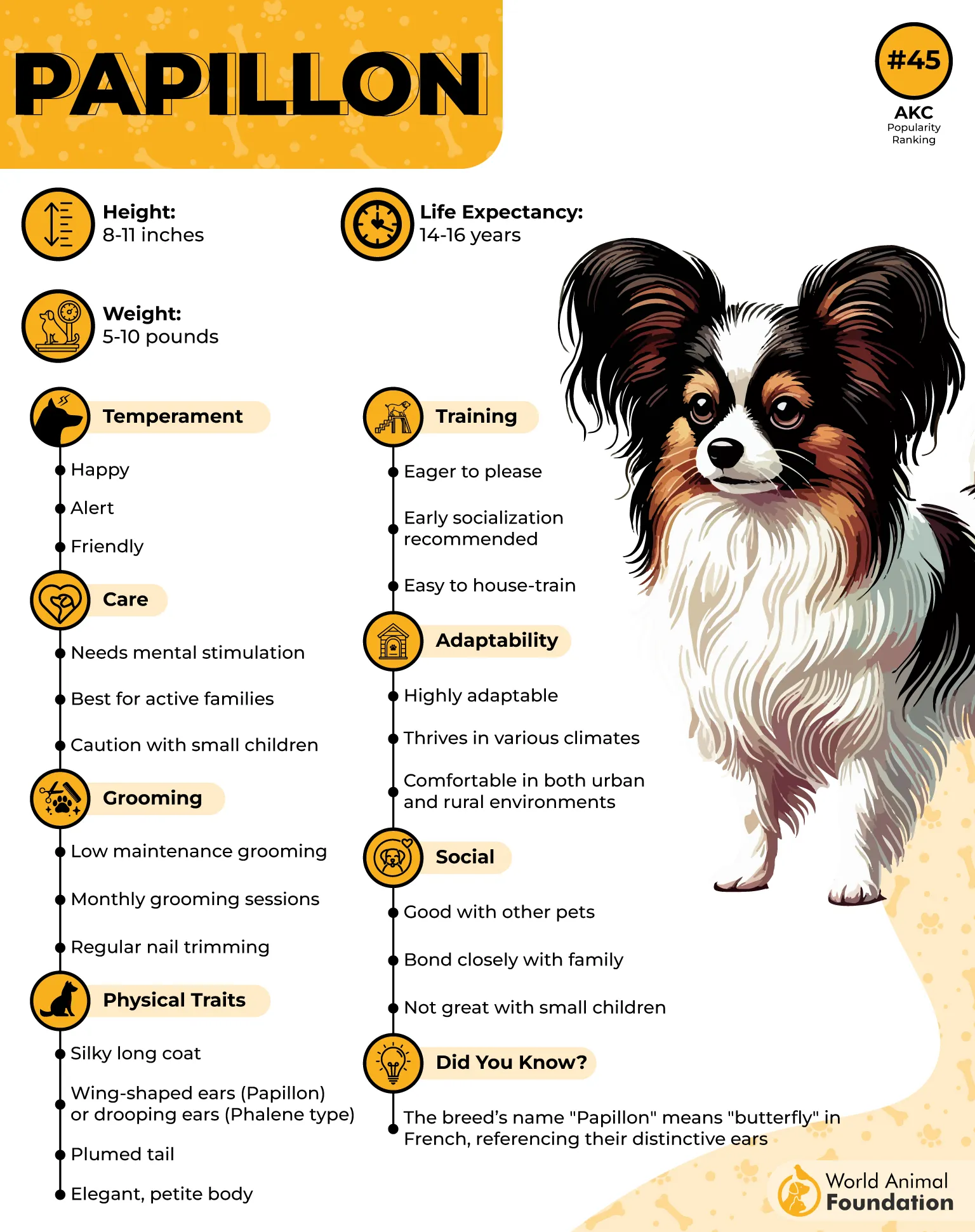
Great for first-time dog owners, it gets along well with cats if properly trained. The dog can be accidentally hurt by young kids because of its small size. Since the breed is single-layered, it is temperature sensitive and needs more indoor play time.
The breed excels in dog sports and obedience training. It needs 30-45 minutes of daily exercise. It has moderate grooming needs: brushing (2-3 times a week). The hair does not grow continuously.
10. French Bulldog
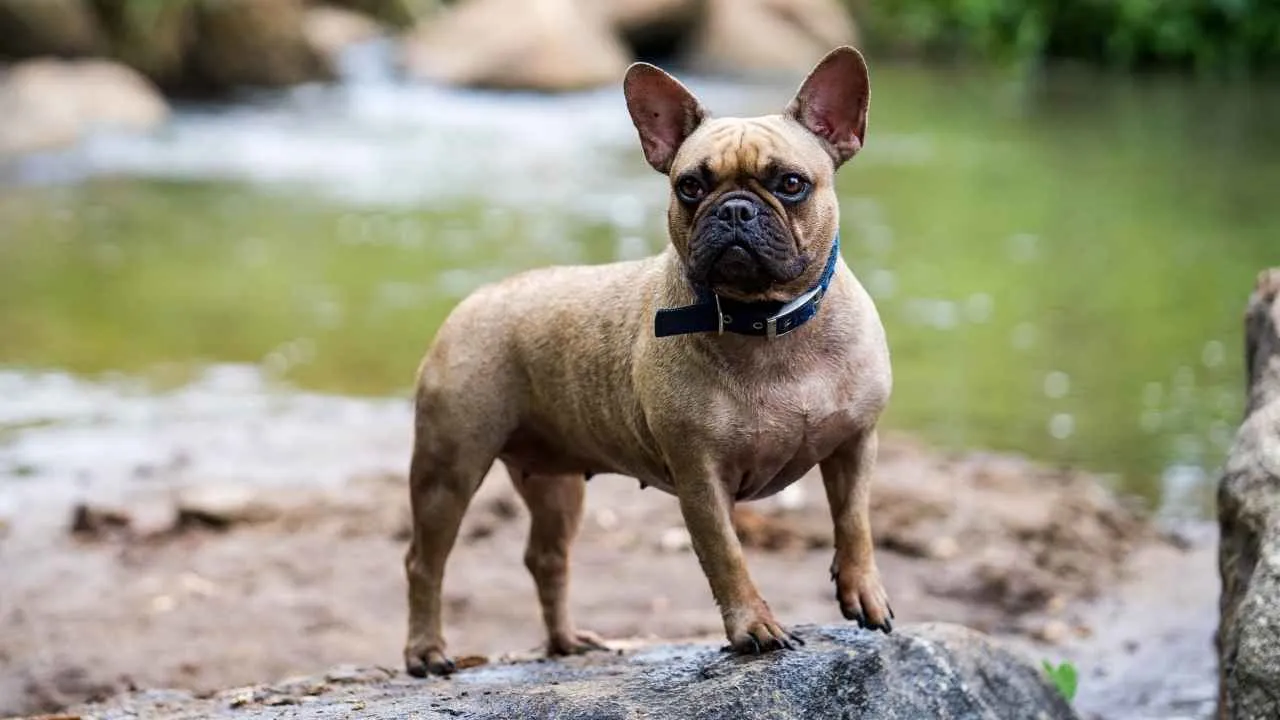
Also known as Frenchie, the dog was developed in Paris in the 19th century. It is a cross of a toy Bulldog and a local Parisian ratter. It is prone to certain health conditions because of the flat face and skin wrinkles.
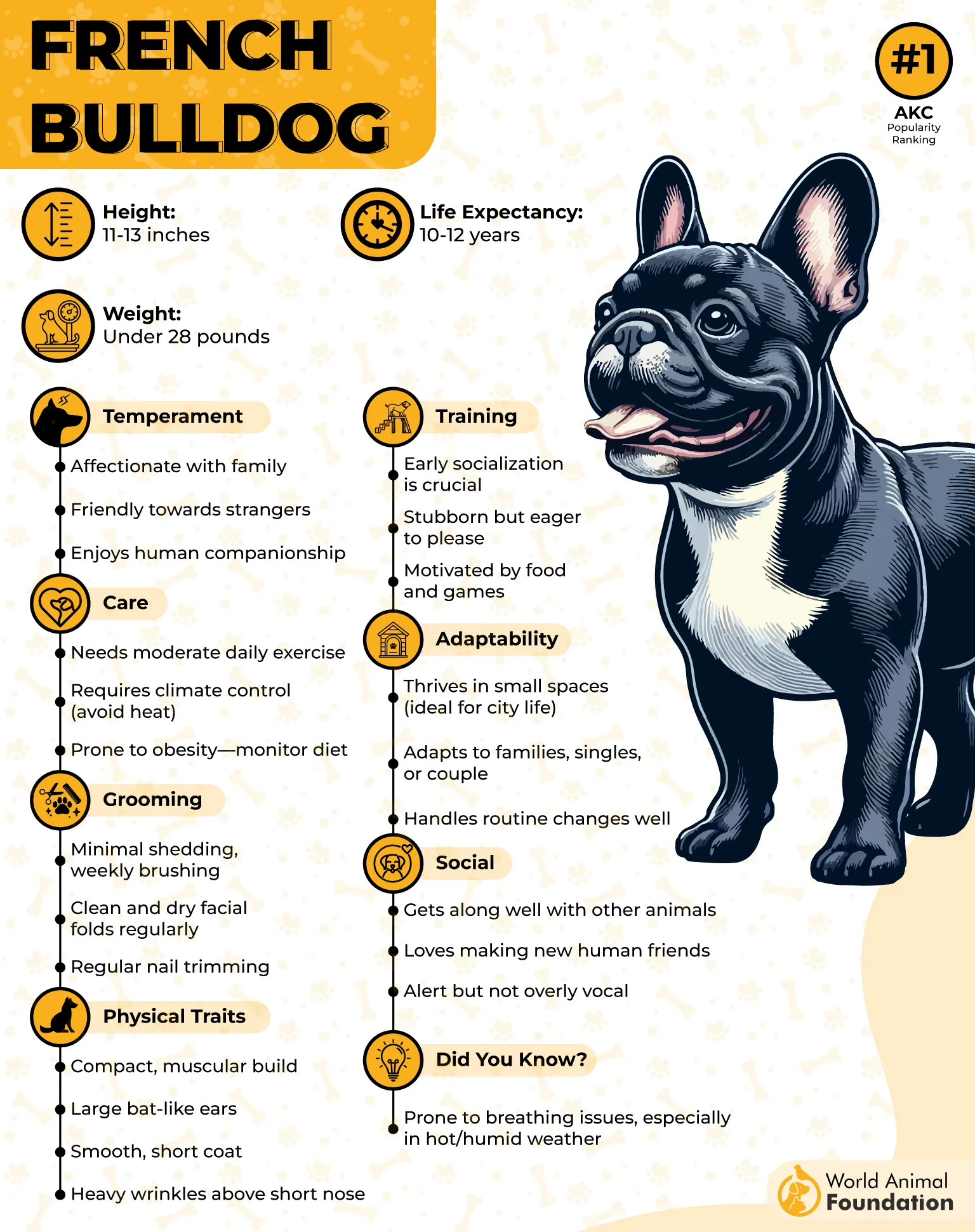
This non-sporting breed has a petite body and a heavily muscled chest. It is a poor swimmer because of unequal distribution of mass. It has an outgoing personality and makes good friends with everyone. The breed is suspicious of new environments.
The breed only thrives in activities when they are fun. The dog has regular exercise needs: fetching, tug-of-war, agility, obedience training, short walks, and hide-and-seek games.
Conclusion
A small home can still be the perfect place for a happy dog when you choose a breed that naturally adapts to limited space. While size matters, personality, energy level, grooming needs, and daily exercise are just as important.
Every dog on this list offers something unique, from playful entertainers to calm cuddle experts, proving that great companions come in many different packages.
Spend time learning about each breed before making your decision, and think honestly about your schedule and lifestyle. When the right match comes along, your home will not feel small at all. It will simply feel warmer, livelier, and filled with the kind of loyalty that makes every day a little brighter.
