




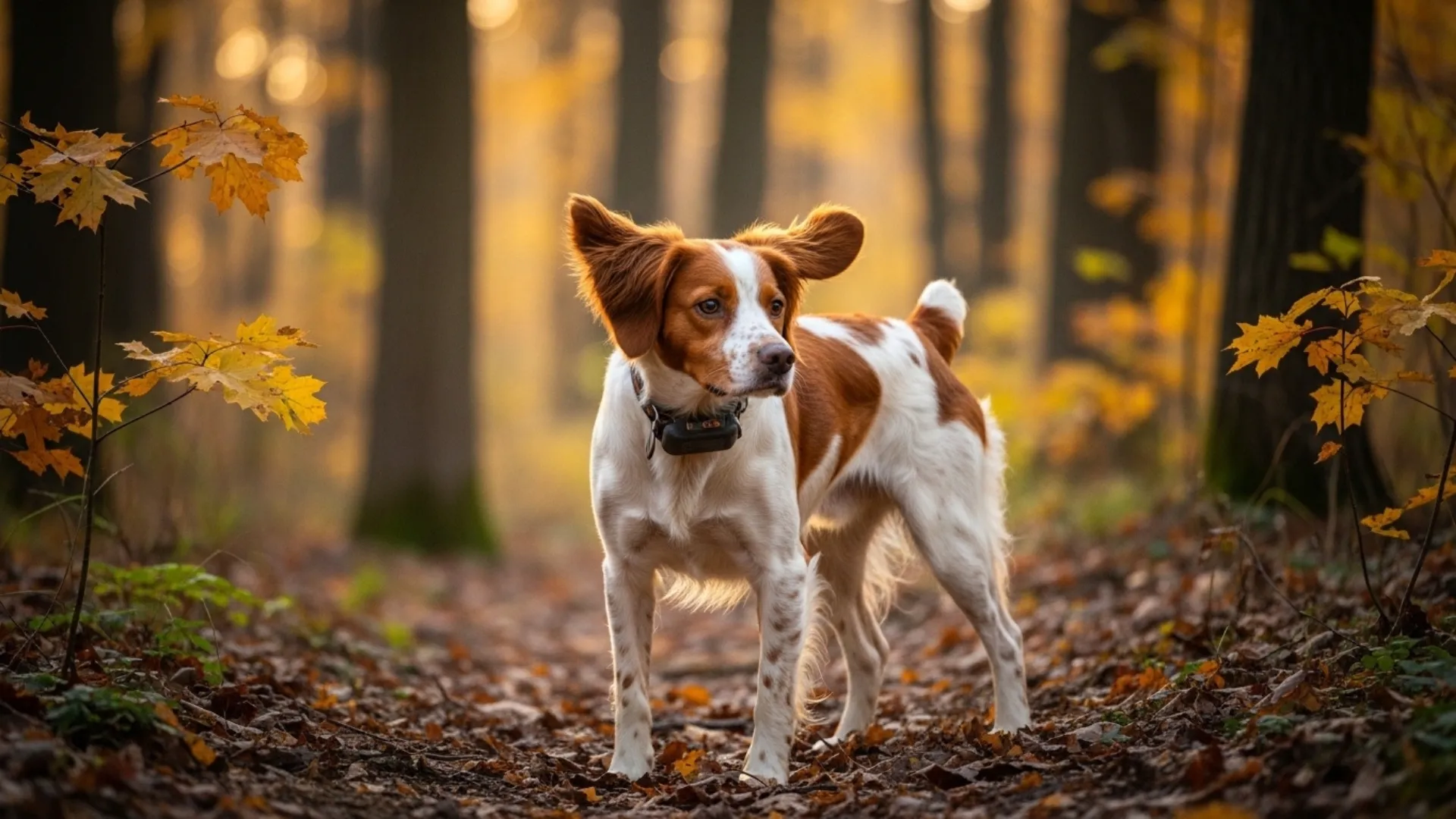
When it comes to deer hunting, the right dog can make all the difference between a lost trail and a successful recovery. Hunting dogs are bred for specific roles, and certain breeds excel at tracking deer across challenging terrain using scent, stamina, and focus.
From determined scent hounds to versatile all-around hunters, each type brings unique strengths to the field. Choosing the right breed depends on your hunting style, environment, and expectations in the field.
In this guide, we’ll explore the top deer hunting dog breeds known for their tracking skills, reliability, and partnership with hunters, helping you find the perfect companion for your next hunt.
Top Deer Hunting Dog Breeds: Tracking Experts
1. Irish Setter
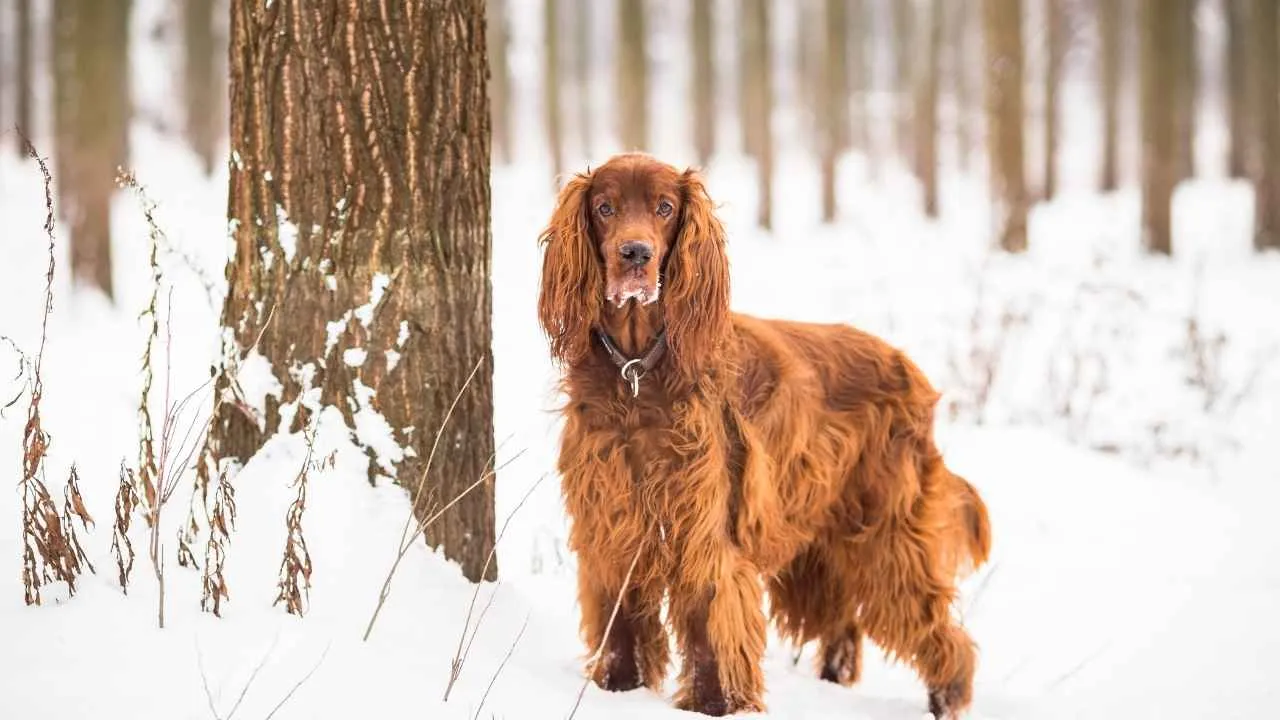
Few dogs bring as much flair to the field as the Irish Setter. Known for its striking red coat, this breed has a long history as a capable pointing dog that once dominated early field trials in the United States. Even after a period where appearance took priority, dedicated breeders helped restore its strong hunting instincts.
Irish Setters cover ground quickly and smoothly, staying focused while searching for game. As per Orvis, they have the stamina to keep going for hours, making them well-suited for hunters who prefer long days outdoors.
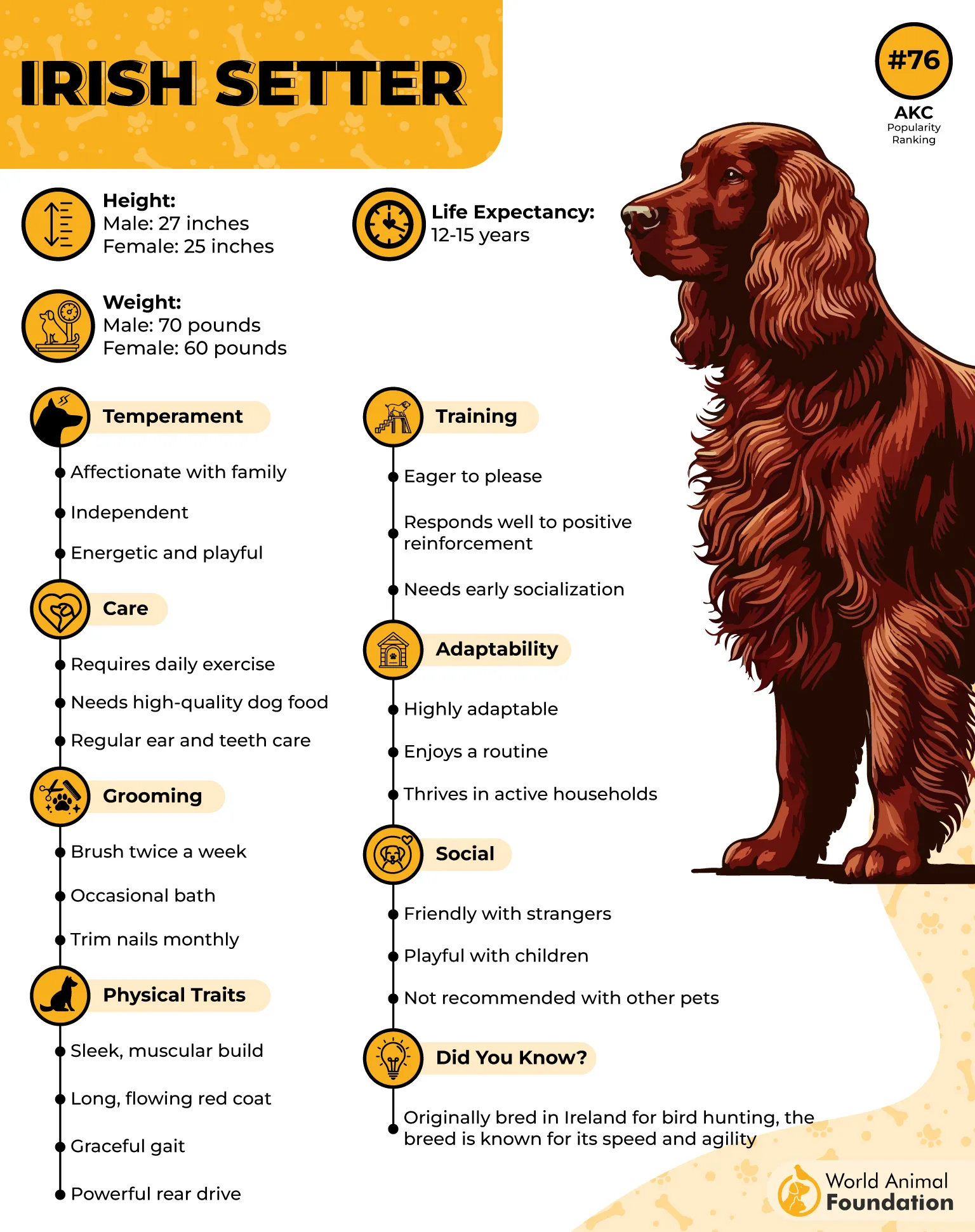
Life with an Irish Setter is anything but dull. These dogs are full of energy and thrive when given a job, whether that is hunting or simply staying active with their family. Without enough exercise, they can get into mischief, so keeping them busy is part of the deal.
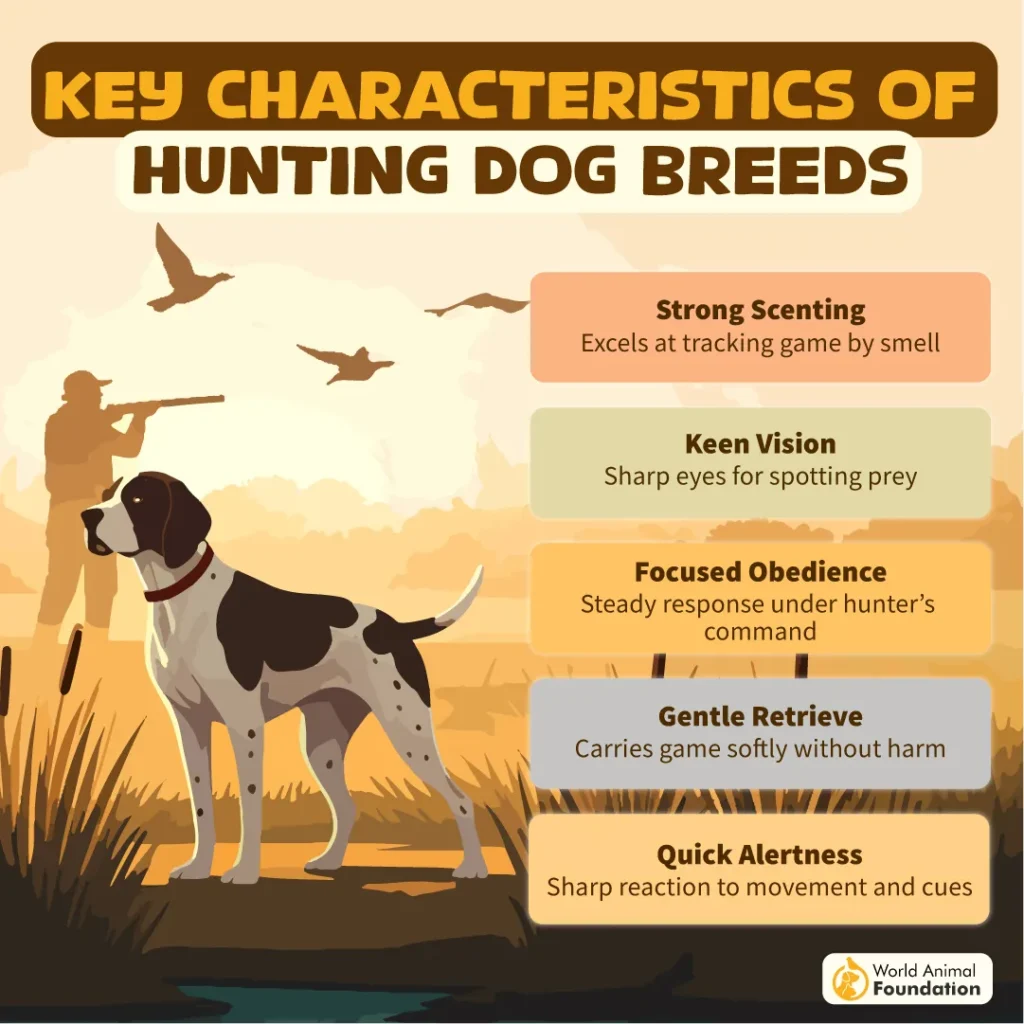
Why This Breed Is a Good Fit
Strong endurance helps track and search across wide hunting areas
Natural pointing ability supports locating wounded game efficiently
High energy keeps them engaged during long hunting sessions
2. Brittany Spaniel
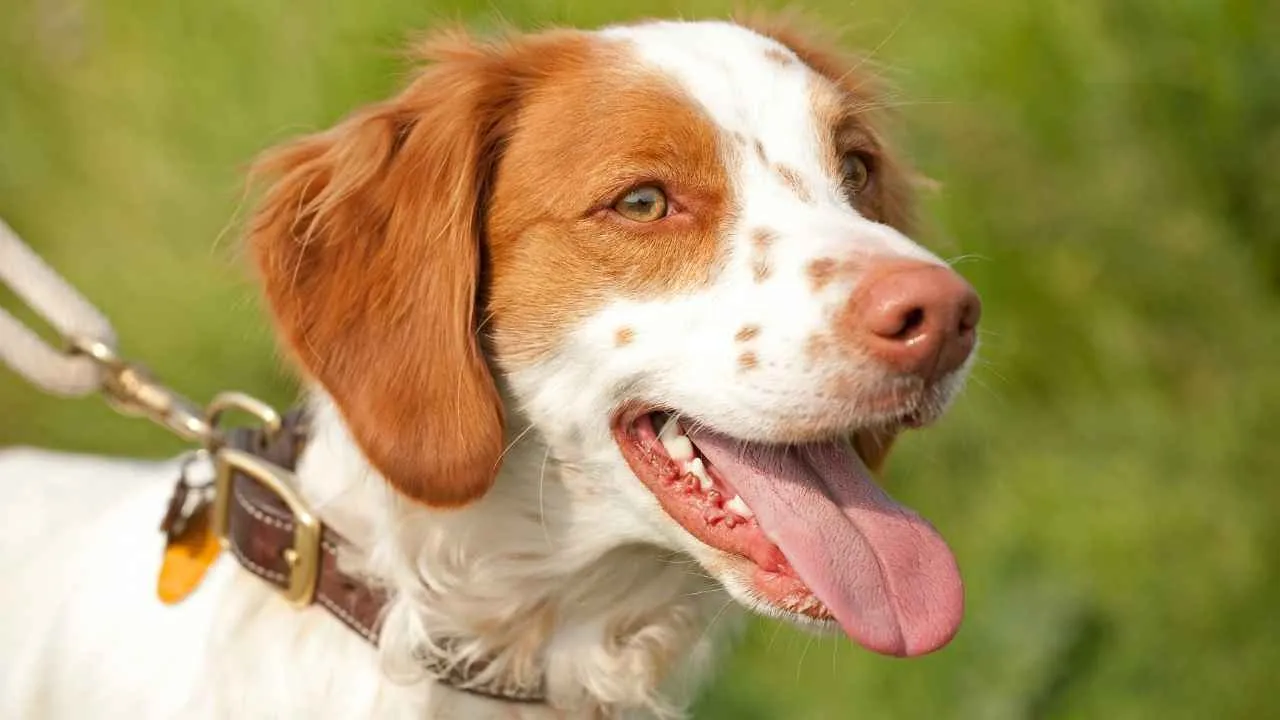
The Brittany Spaniel is the kind of bird dog that prefers action over sitting still. Originally bred in France, it quickly gained attention for handling multiple hunting roles without hesitation. Whether pointing, flushing, or retrieving, this breed adapts easily to different situations, as noted by PetMD.
In the field, Brittanys show impressive instinct, sometimes pointing game as young pups without formal training. They are especially effective with birds and small game, using their keen nose to locate hidden targets. Larger animals, however, tend to make them hesitant, which reflects their design as a lighter hunting dog.
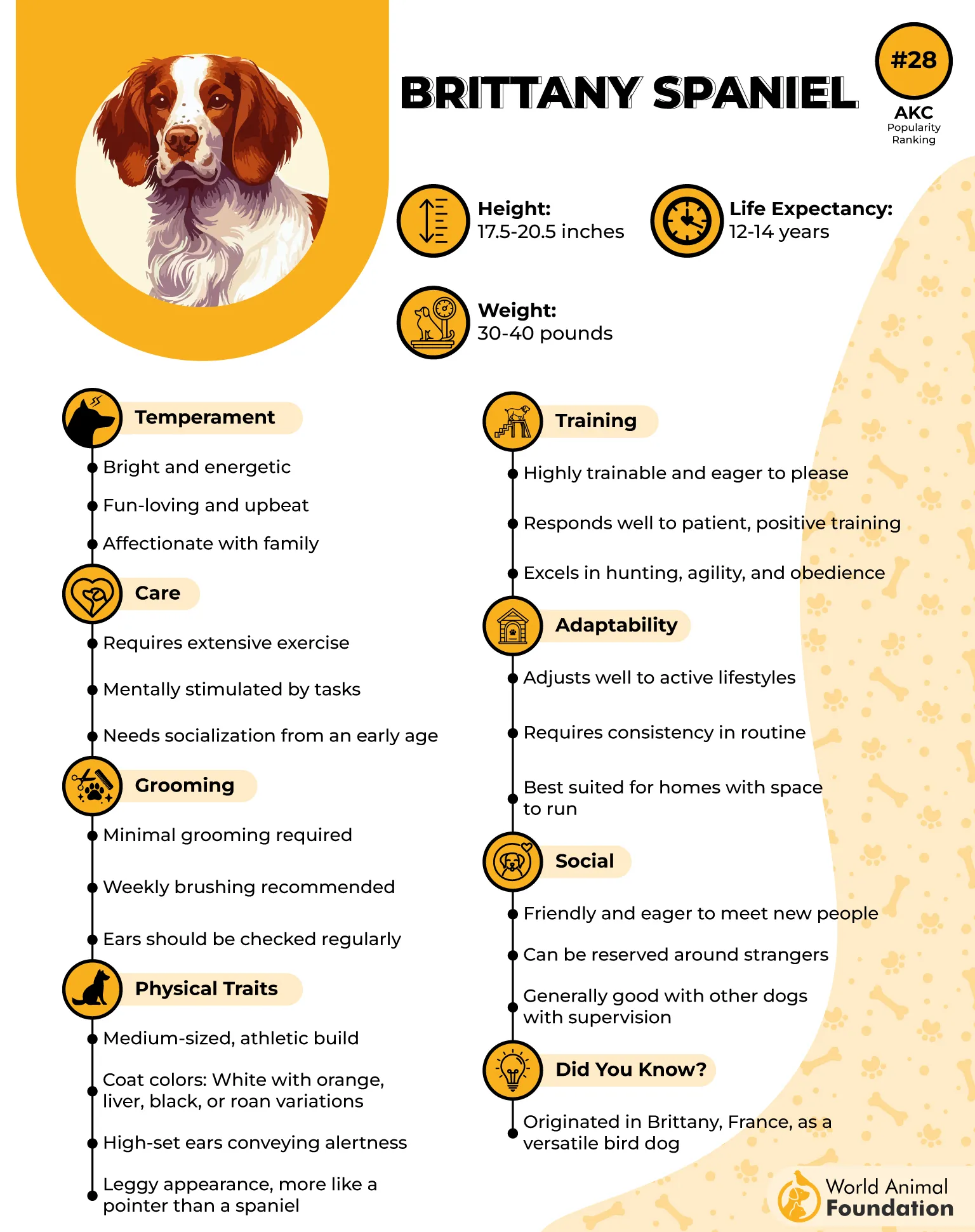
They are just as lively at home as they are outdoors. Brittanys are friendly, sensitive, and eager to please, but they need consistent activity to stay happy. Regular exercise and interaction are key to keeping their playful nature under control.
Why This Breed Is a Good Fit
Versatile skill set allows tracking, pointing, and retrieving in one dog
Sharp nose helps locate game in dense or tricky environments
Manageable size makes them easy to handle during hunts
3. German Shorthaired Pointer
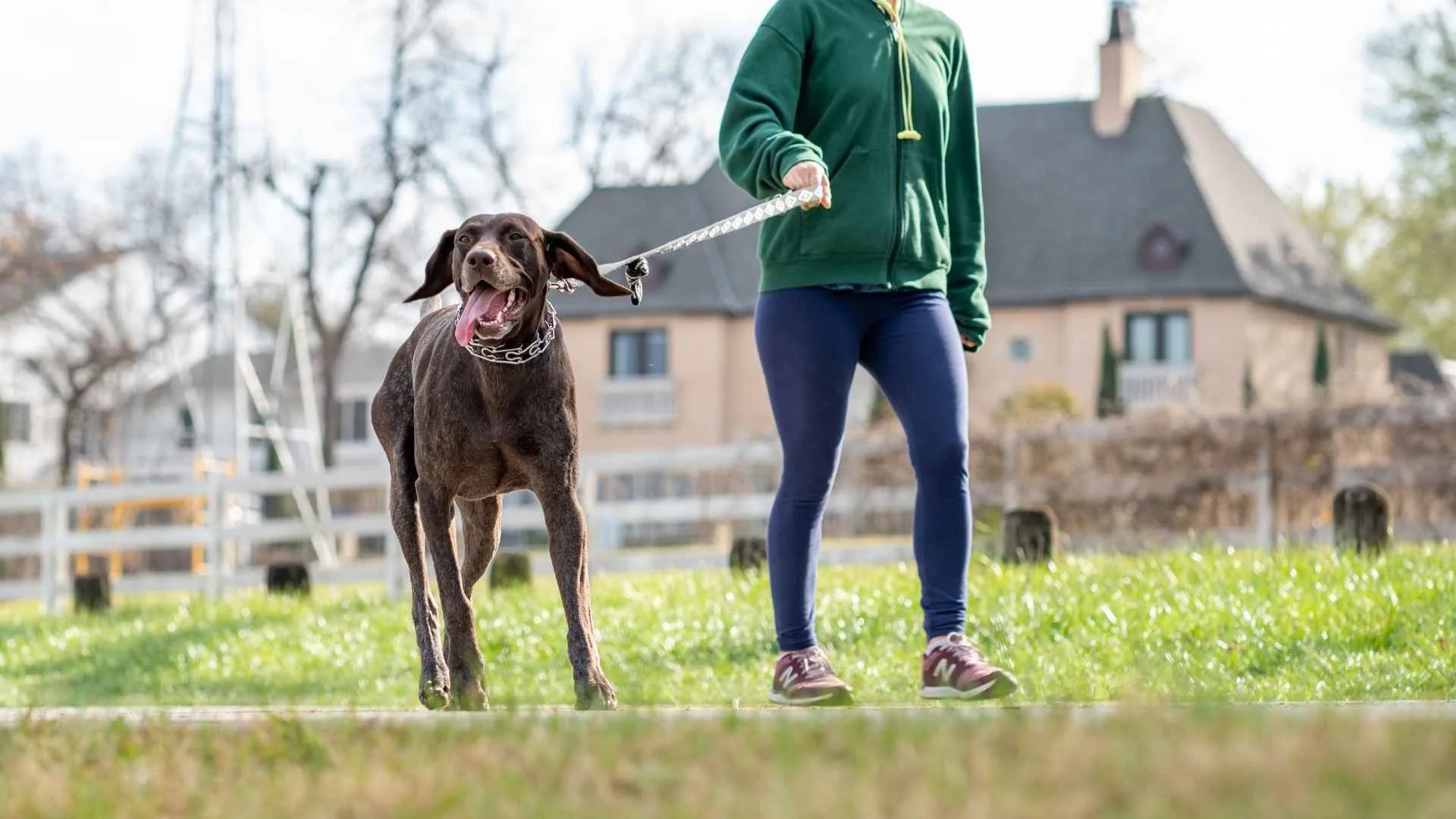
If versatility had a mascot, it would probably be the German Shorthaired Pointer. This breed was developed to handle nearly every hunting task, from pointing and retrieving to tracking animals like deer. It is the kind of dog that rarely needs to be told twice what to do.
Energy is a defining trait here. These dogs are always ready to move, whether running across fields or swimming through water. Their strong prey drive keeps them locked in on a target, which is great for hunting but means they need proper control during off-leash time.
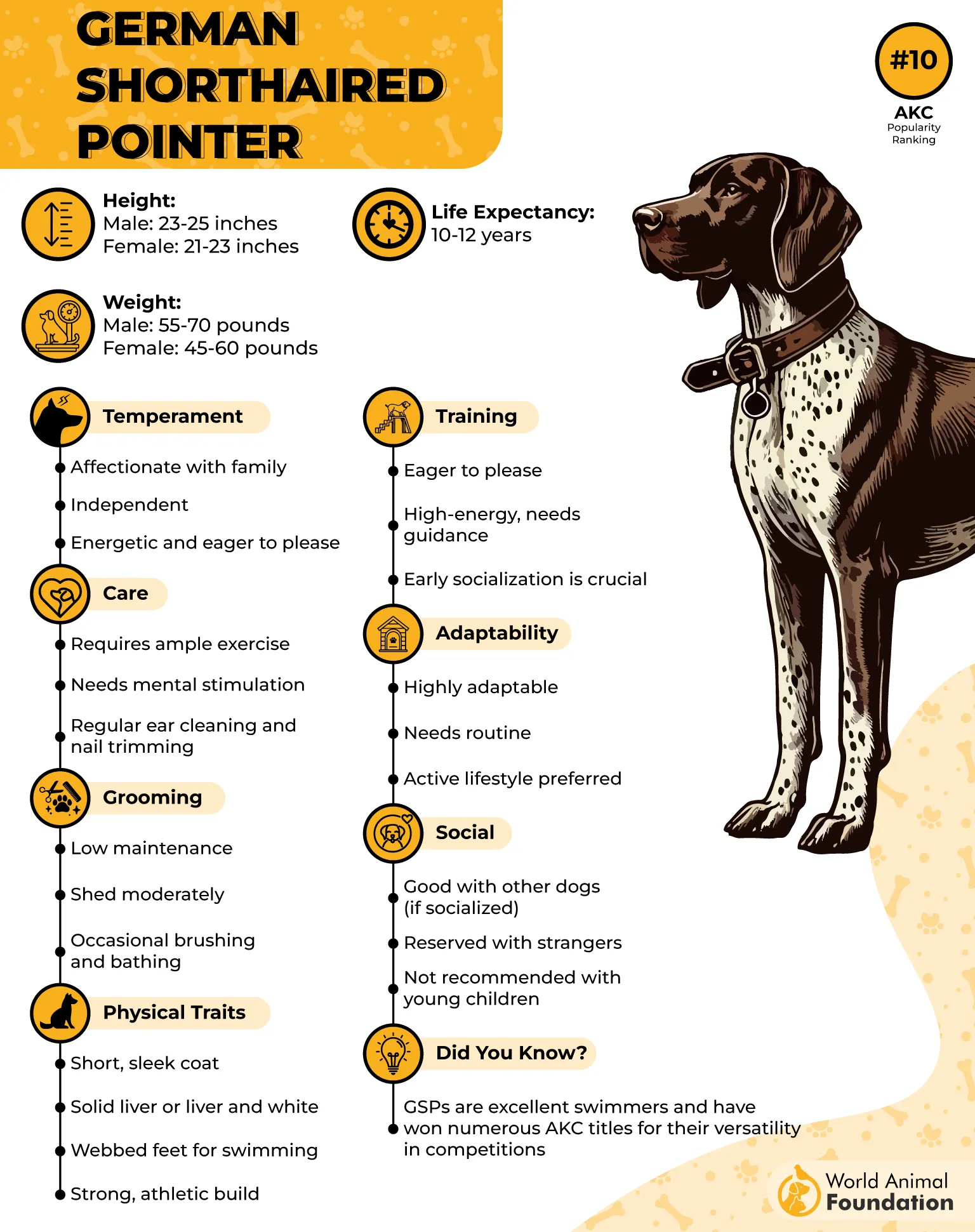
Training a GSP is usually a rewarding experience because they are eager to learn and respond well to guidance. Still, their high energy means they need both mental and physical challenges to stay balanced. Give them a job, and they will happily rise to the occasion.
Why This Breed Is a Good Fit
Can track deer and handle multiple hunting roles with ease
High stamina supports long and demanding hunts
Quick learning makes advanced field training more effective
4. Basset Hound
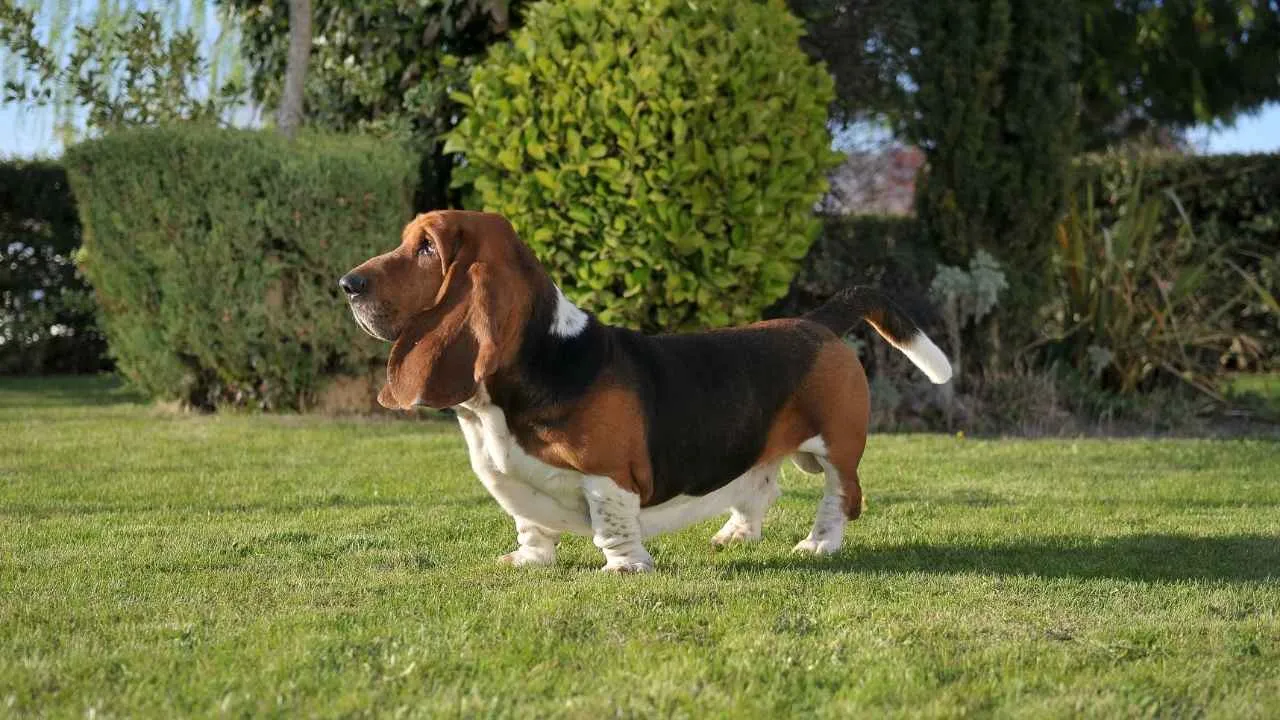
The Basset Hound might not look like a serious hunter at first glance, but its nose tells a different story. Developed in France, this breed has been used to track animals like rabbits and deer for centuries. Its scenting ability is incredibly strong, second only to the Bloodhound.
The Basset takes a slow and steady approach. It follows a scent carefully and thoroughly, rarely rushing the process. Once it locks onto a trail, it becomes deeply focused and may ignore distractions, including its owner calling it back.
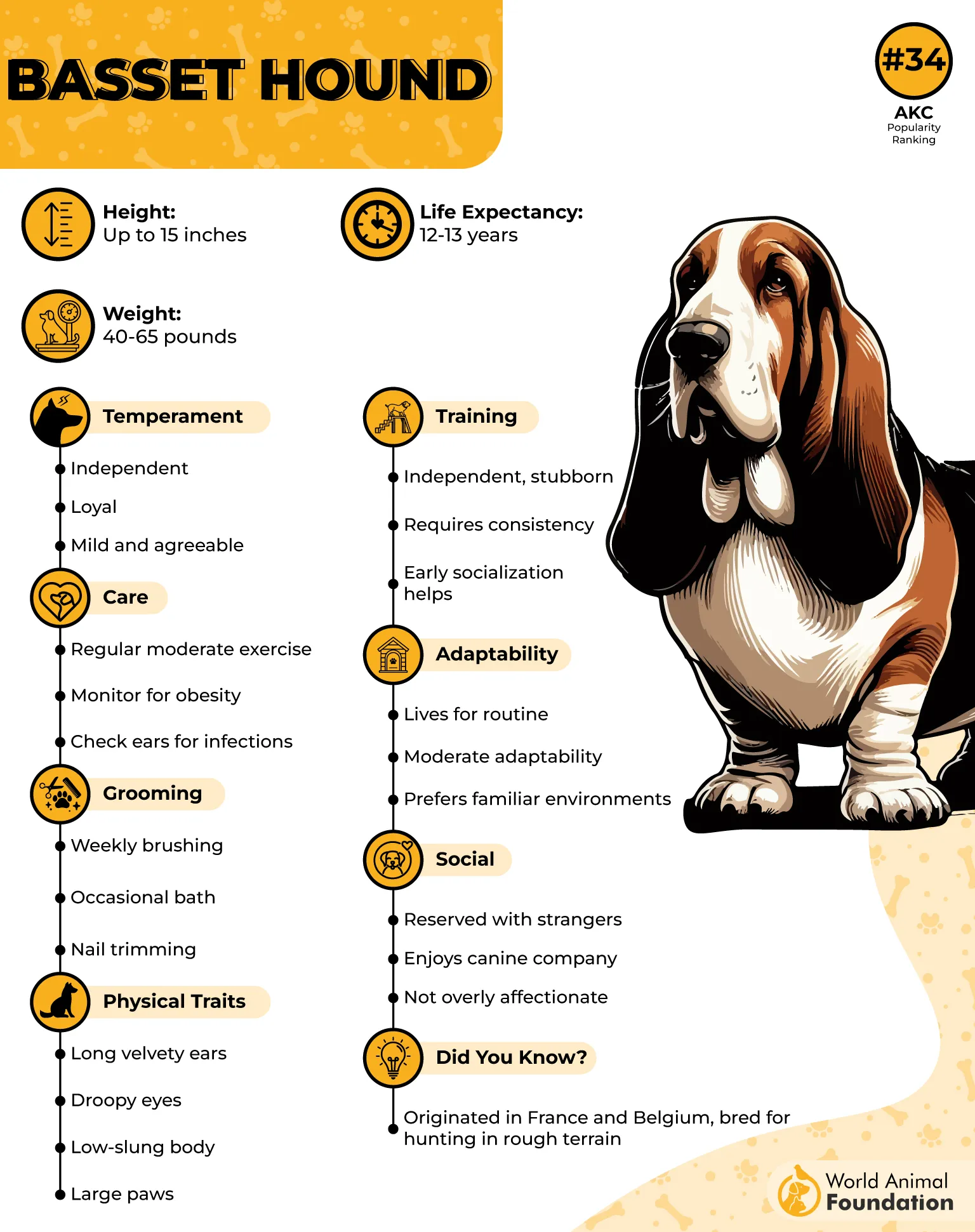
At home, the Basset is calm, friendly, and surprisingly laid-back. According to Hill’s Pet, training can take patience because of its stubborn streak, but its easygoing nature makes it a pleasant companion. Regular exercise is still important, even if this dog prefers a relaxed pace.
Why This Breed Is a Good Fit
Exceptional scent tracking makes it reliable for following deer trails
A steady pace allows accurate blood tracking over long distances
Strong focus helps stay on a trail even in challenging conditions
5. Weimaraner
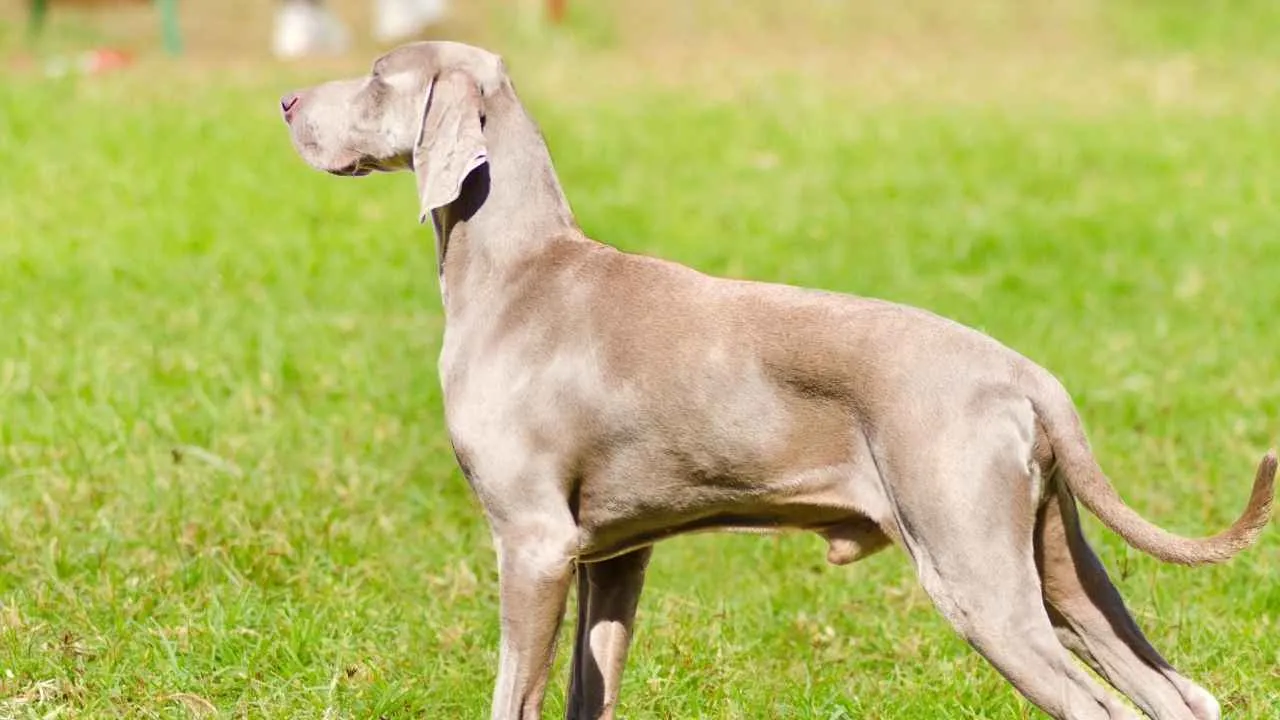
The Weimaraner was built for serious hunting long before it became a family favorite. Originally used by German nobles to pursue large game like deer and boar, this breed later adapted to hunting smaller animals and birds. That early background still shows in its bold, driven attitude in the field.
This is not a dog that enjoys sitting still. Weimaraners are highly energetic and thrive on constant movement, whether running, tracking, or retrieving. Their alert nature and strong instincts make them quick to react, which is useful during hunts but requires proper direction.
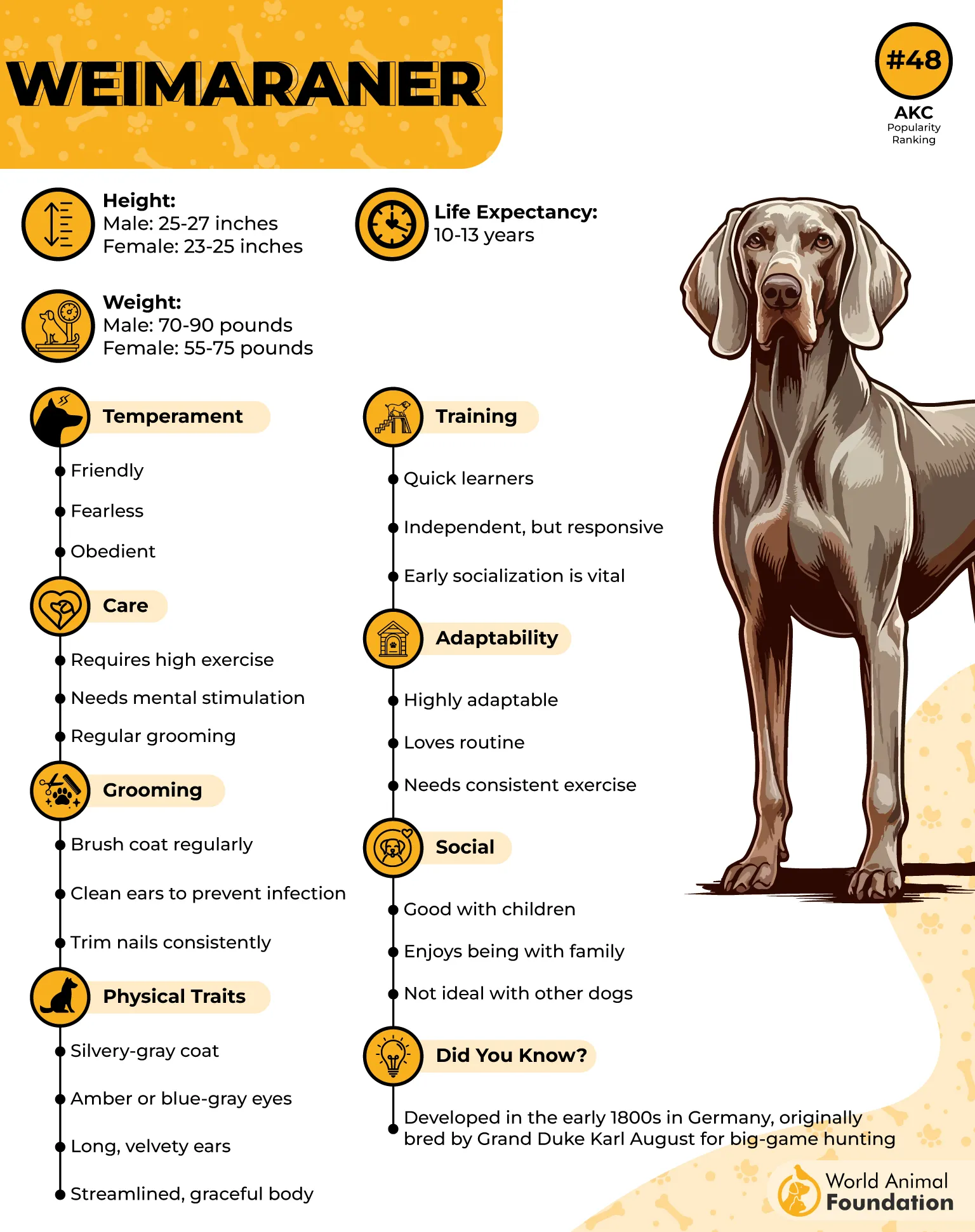
They are good family dogs that are deeply attached to their owners and want to be involved in everything. Training is usually straightforward since they are eager to please, though distractions can occasionally get in the way. With enough activity, they stay balanced and focused instead of becoming overly restless.
Why This Breed Is a Good Fit
Background in big game hunting makes them comfortable tracking deer
High energy supports long hours of active field work
Strong awareness helps detect movement and changes quickly
6. English Pointer
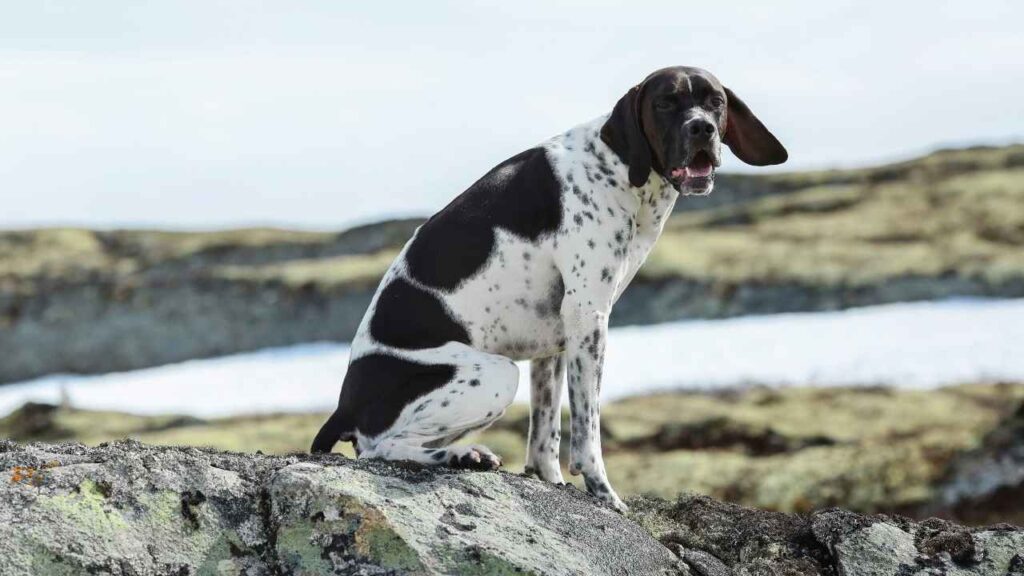
The English Pointer does one thing exceptionally well and makes it look effortless. When it detects a game, it freezes in a classic stance, guiding hunters directly to the target. This instinct appears early, sometimes even in very young dogs.
Speed and endurance define how this breed works. Pointers can cover large areas quickly, using their sharp sense of smell to locate hidden animals. Once they pick up a scent, they follow it with focus, often ignoring distractions around them.
Despite their athletic ability, they can be a bit independent. Training works best with consistency, as they tend to think for themselves rather than blindly follow commands. Give them enough exercise, and they are far easier to manage both in the field and at home.
Why This Breed Is a Good Fit
Clear pointing behavior helps pinpoint the game location quickly
Strong scent tracking supports efficient deer trail detection
Endurance allows wide-area searching without slowing down
7. Bluetick Coonhound
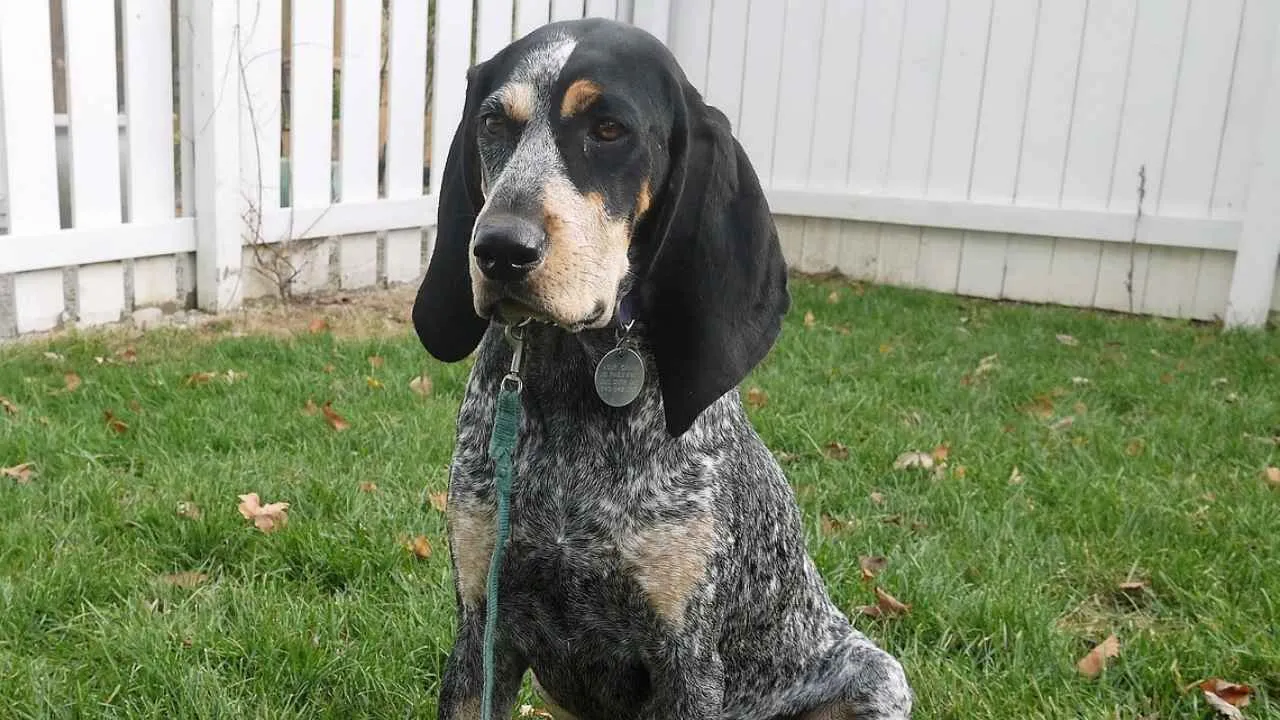
Bluetick Coonhounds are built to follow a scent no matter how long it takes. Once they pick up a trail, they can stay on it for hours or even days, showing impressive determination. This makes them particularly useful when tracking animals that have traveled far.
Their behavior changes depending on the situation. At home, they are affectionate and easygoing, but on a hunt, they become focused and driven. They are also known for their loud, distinctive baying, which helps hunters follow their progress from a distance.
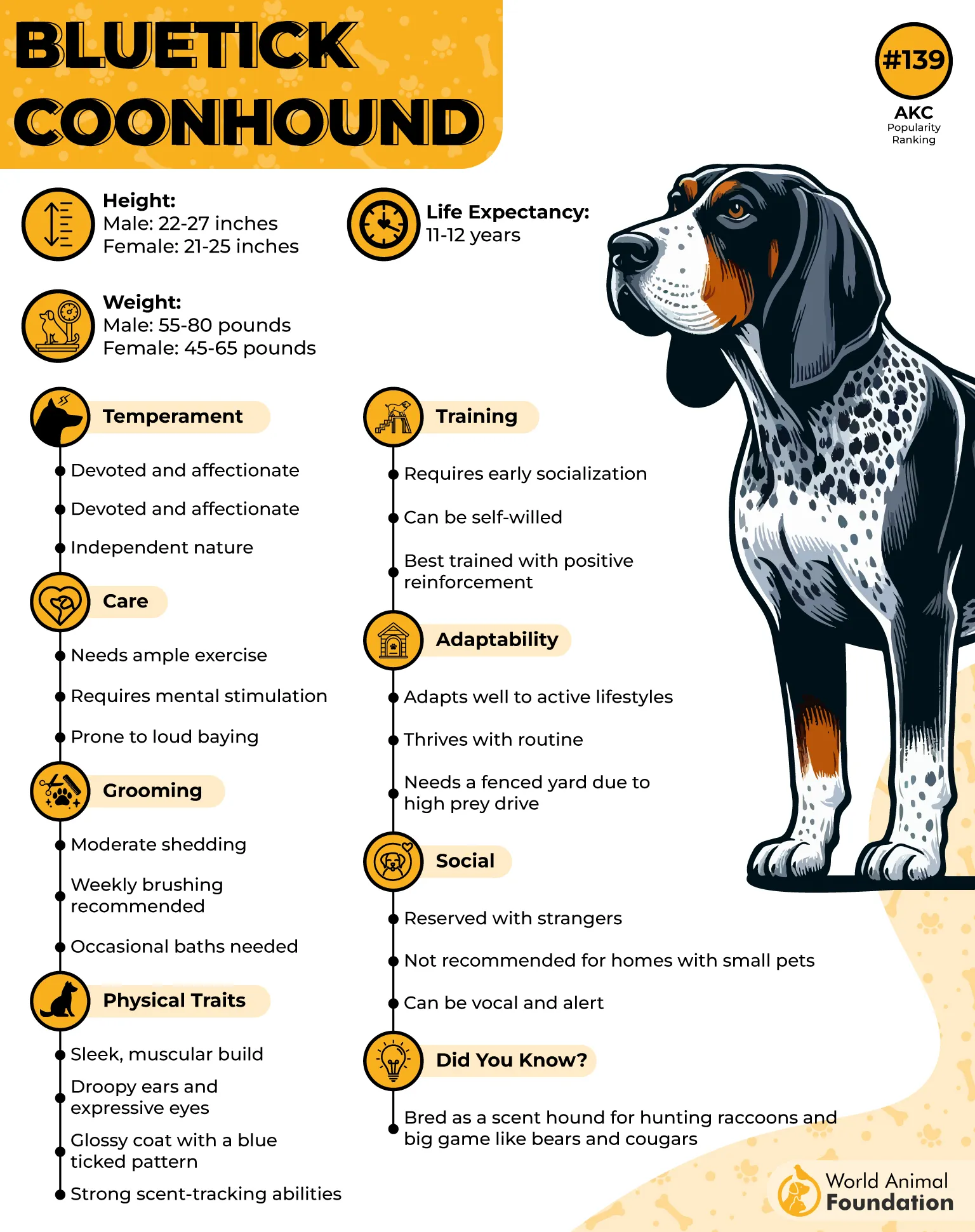
These dogs need space and supervision because their strong prey instinct can lead them to wander. Regular activity and mental engagement are essential to keep them balanced. Without enough stimulation, they can become difficult to manage.
Why This Breed Is a Good Fit
Exceptional scent endurance allows tracking older or fainter trails
Vocal tracking style helps hunters stay connected during pursuit
Determined nature keeps them committed until the trail ends
8. Bloodhound
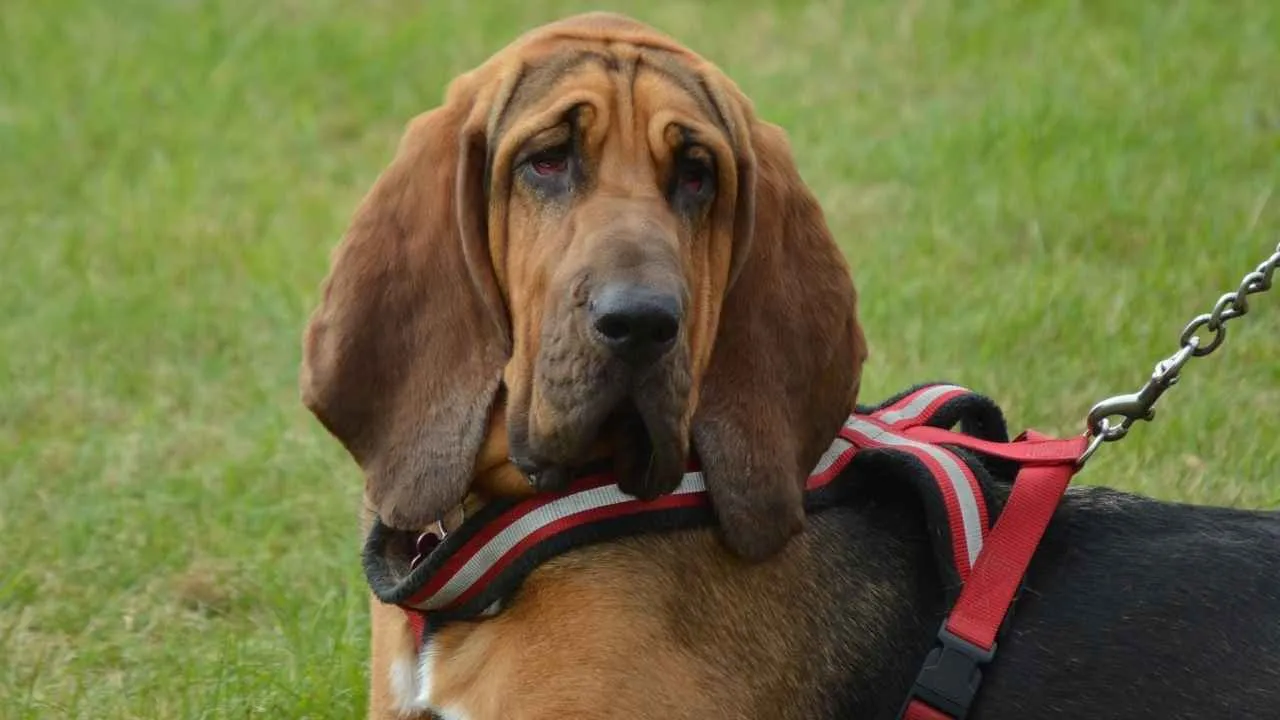
The Bloodhound is famous for its nose, and for good reason. This breed has been used for centuries to track game and is still trusted for search and rescue work today. Its ability to follow scent trails is so precise that it has even been used in legal investigations.
Tracking is what this dog lives for. Bloodhounds can follow a scent for long periods without giving up, using both patience and endurance. Once they lock onto a trail, they will pursue it with complete focus, often ignoring everything else around them.
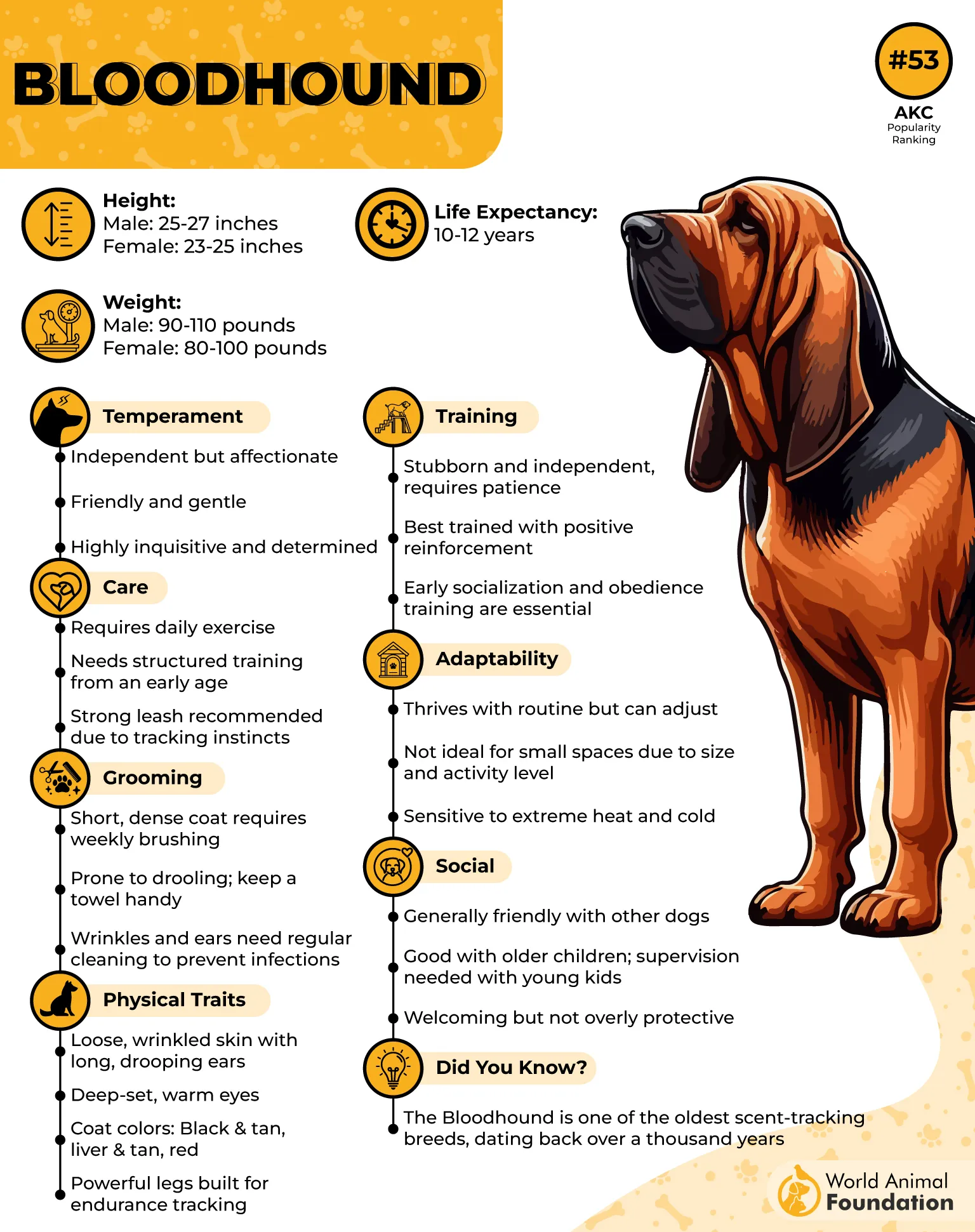
They are gentle and social at home but require careful handling outdoors. Their strong tracking instinct means they should always be in a secure area or on a leash. Training takes persistence because they tend to think independently rather than respond instantly.
Why This Breed Is a Good Fit
Among the most reliable scent trackers for following deer trails
High endurance allows long-distance tracking without fatigue
Focused tracking behavior reduces the chance of losing a trail
9. Black and Tan Coonhound
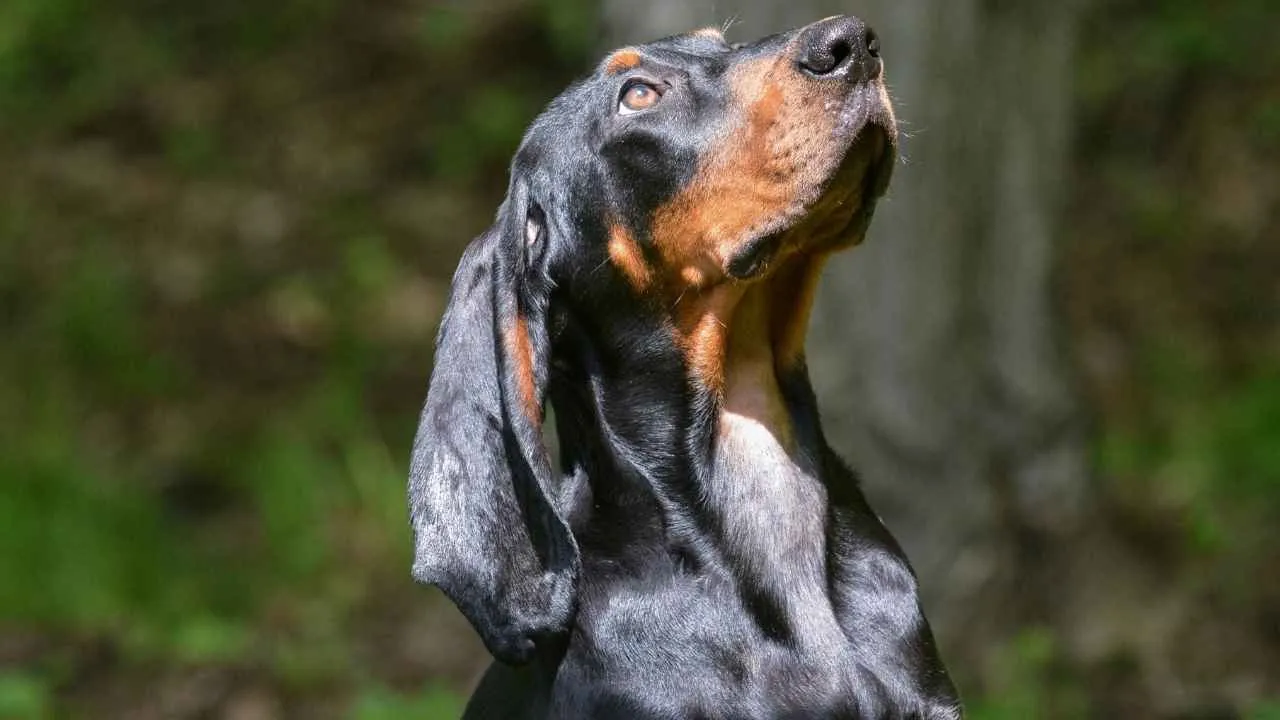
The Black and Tan Coonhound combines power with a strong tracking instinct. Originally developed from hound breeds, it is capable of following a scent across different terrains and has been used to track animals like deer and even larger game.
These dogs are steady workers who take their job seriously. They move with long, efficient strides and rely heavily on their sense of smell to stay on track. While they are playful at home, their focus sharpens when they are working a scent trail.
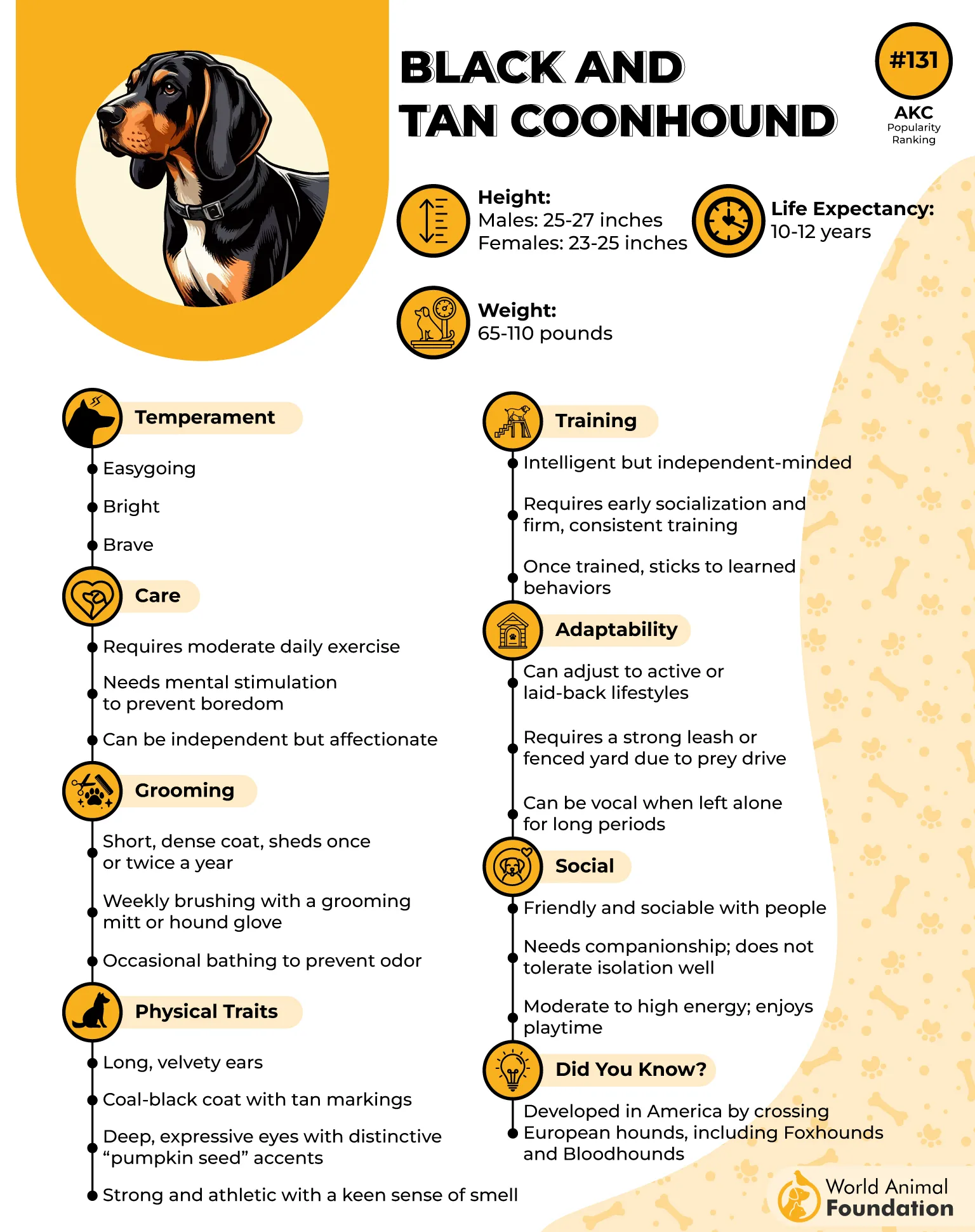
Training requires patience because they can seem stubborn, but they are intelligent and capable when handled correctly. They also need regular activity to stay mentally engaged, as boredom can lead to unwanted behavior.
Why This Breed Is a Good Fit
Strong scenting ability supports reliable deer tracking
Physical strength helps navigate rough terrain during hunts
Persistent tracking style keeps them working even on difficult trails
Conclusion
Choosing the right deer hunting breed comes down to how you hunt and what you expect in the field. Some breeds excel at following scent trails for miles, while others bring speed, versatility, or sharp pointing instincts.
Each dog offers a different style of tracking, from slow and methodical to fast and wide-ranging. The best choice is one that matches your terrain, pace, and experience level.
Other breeds such as the Golden Retriever, Labrador Retriever, English Springer Spaniel, American Foxhound, and Redbone Coonhound can also prove good as tracking dogs and for retrieving tasks.
With proper training and care, these breeds can become reliable partners that not only improve your success but also make every hunt more engaging and rewarding.
