




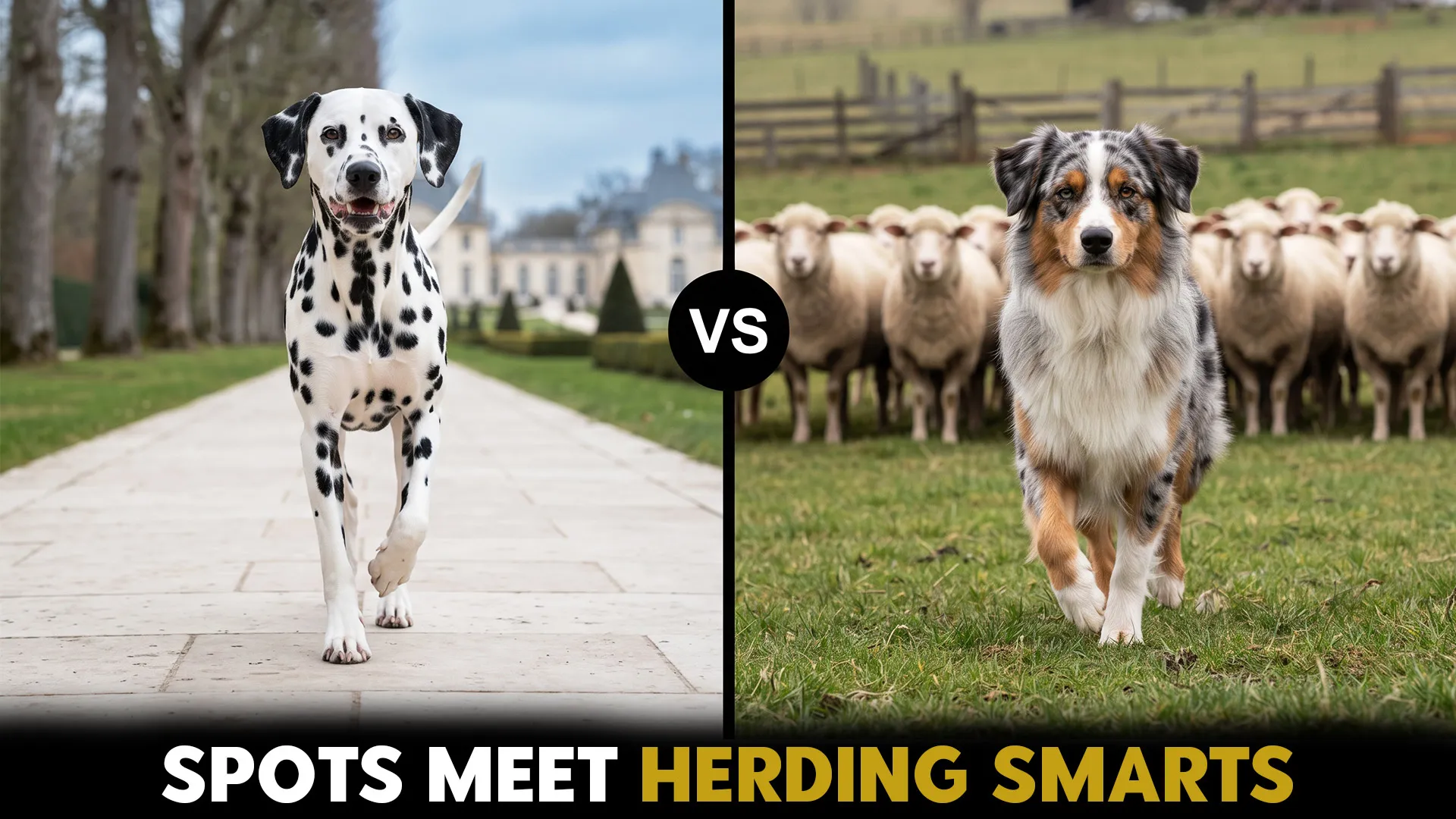
Two high-energy dogs, one very important question: Which one is actually ready to match your lifestyle without completely taking over your schedule? Both bring brains, enthusiasm, and enough energy to make a quiet afternoon feel suspiciously unproductive. They love staying busy, learning, moving, and being involved in whatever their humans are doing.
But this is where things get interesting. Their coats, personalities, training styles, exercise demands, and everyday care are far from identical. One may thrive with structured activities and constant mental challenges, while the other may suit someone who genuinely enjoys an active, on-the-go routine.
So, lace up those walking shoes. It’s time to see which energetic dog truly fits your life.
Did you know?
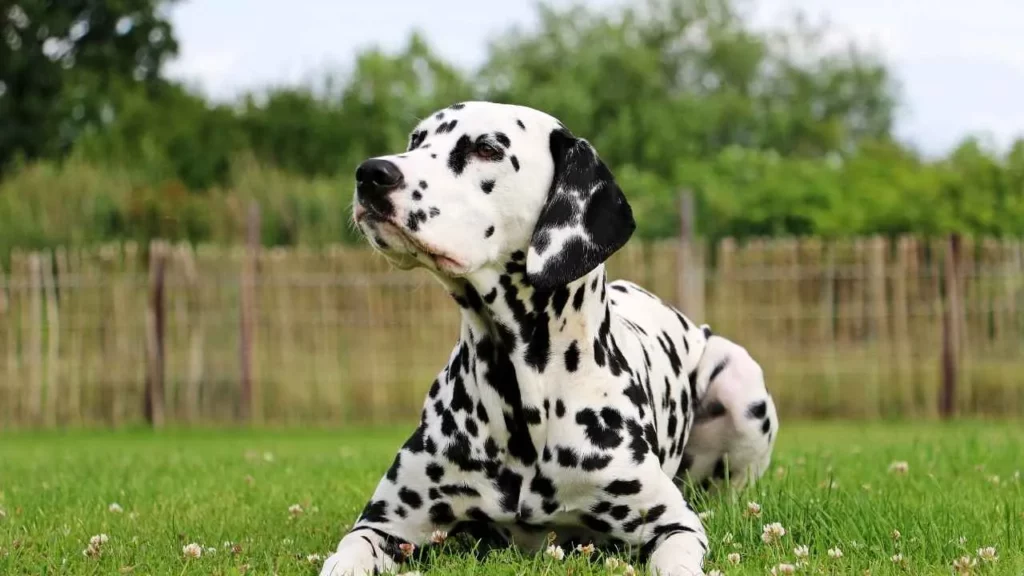
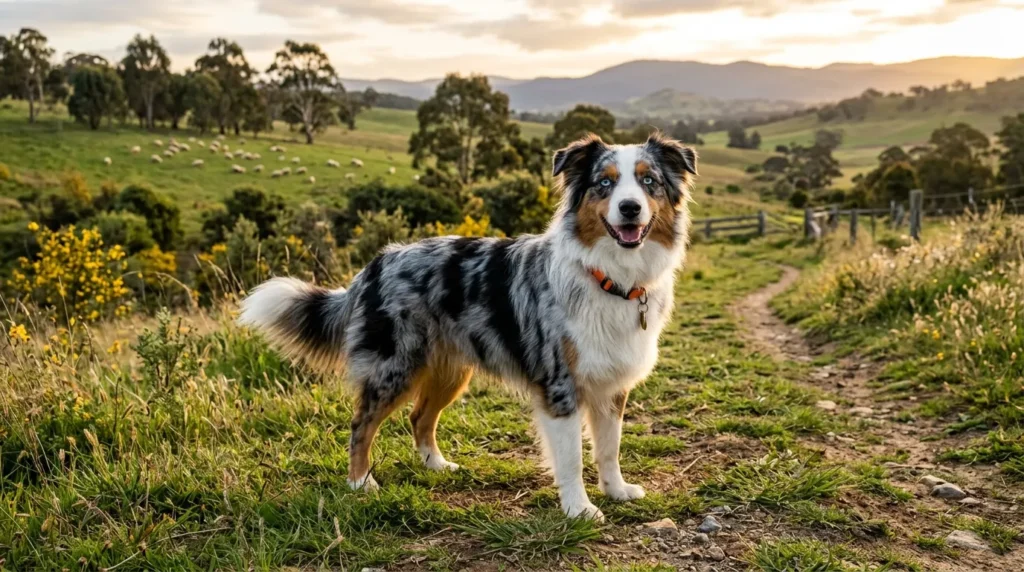
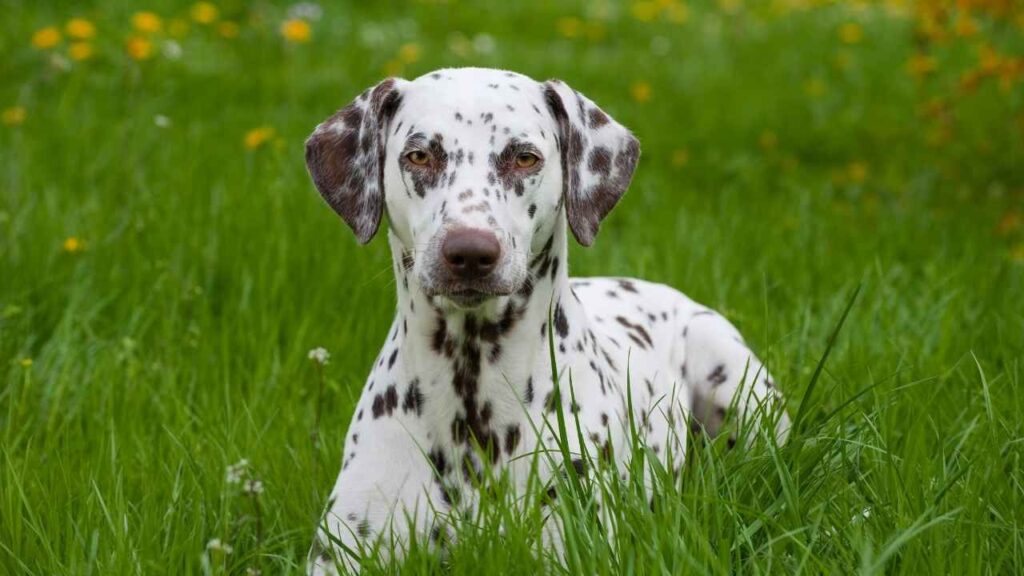
Australian Shepherds may have heterochromia, meaning each eye can be a different color, including blue, brown, hazel, amber, or green. Meanwhile, the Dalmatian puppies are born completely white without spots. Their distinctive black or liver-colored markings gradually appear and become clearer as they grow.
Dalmatian vs. Australian Shepherd: Key Traits Compared
1. Origins & Purpose
Their names may suggest straightforward hometown stories, but these two breeds arrived at their modern identities through very different working paths. One became closely tied to American ranch life, while the other built a centuries-long reputation around horses and carriages.
The Australian Shepherd was originally bred in the United States, with European herding ancestry connected to Basque shepherds. Ranchers valued these dogs for intelligence, versatility, and strong herding instincts, making the Aussie a practical worker rather than merely a pretty face.
The Dalmatian carries its name from the Dalmatia region along the Adriatic coast. By the 1800s, these athletic dogs were running beside European carriages, helping protect horses and later working alongside horse-drawn fire engines. Quite the career résumé.
2. Size & Build
Put these dogs side by side, and neither looks built for leisurely decorative duty. Both bring athletic construction to the comparison, although their silhouettes tell different stories, with one appearing sleek and powerful while the other breed carries a rugged working-dog frame.
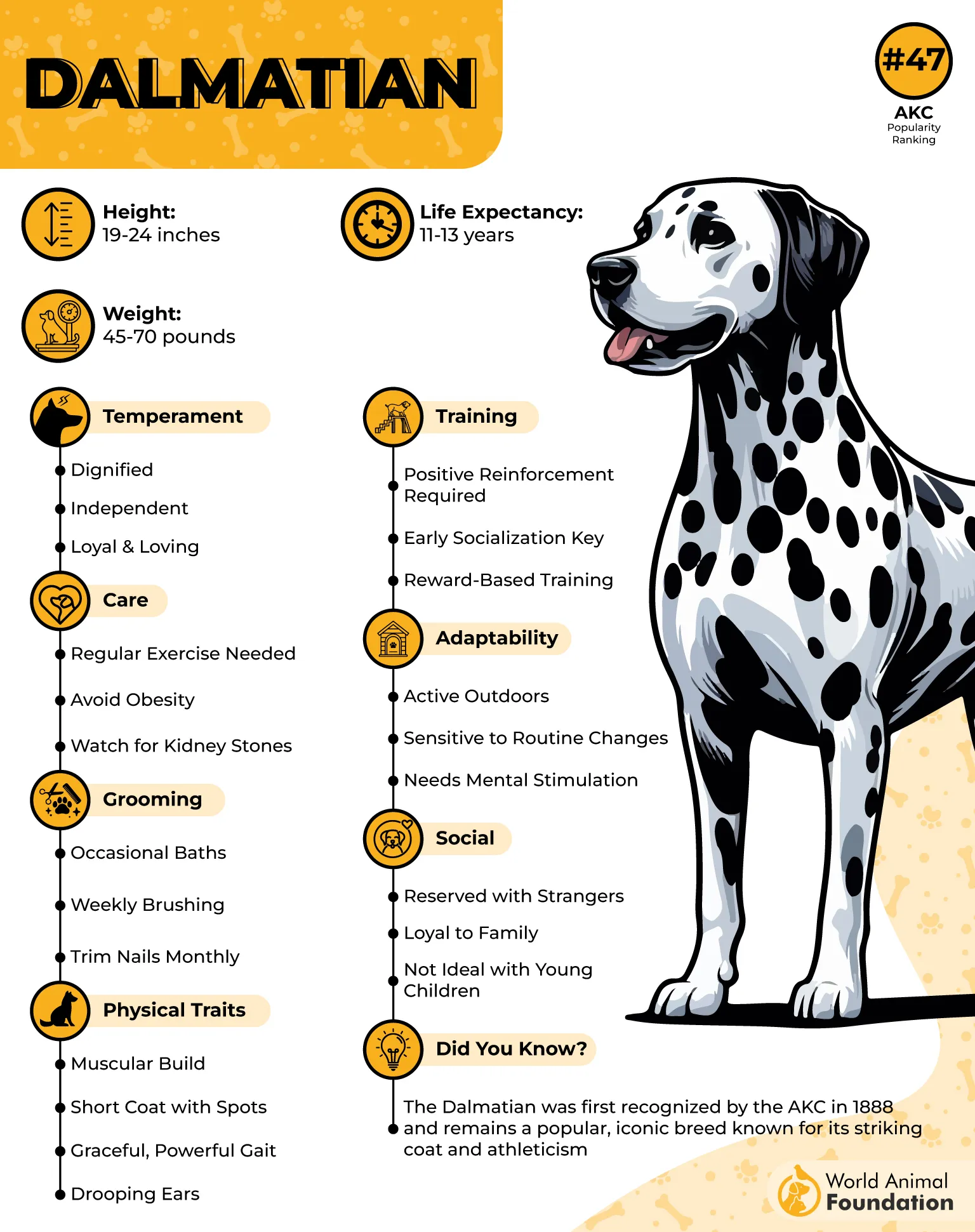
Under those famous spots, the Dalmatian is muscular and designed for sustained movement. Powerful hindquarters support a smooth gait, while the breed’s athletic frame and remarkable endurance fit beautifully with its long history of running beside horses and carriages.
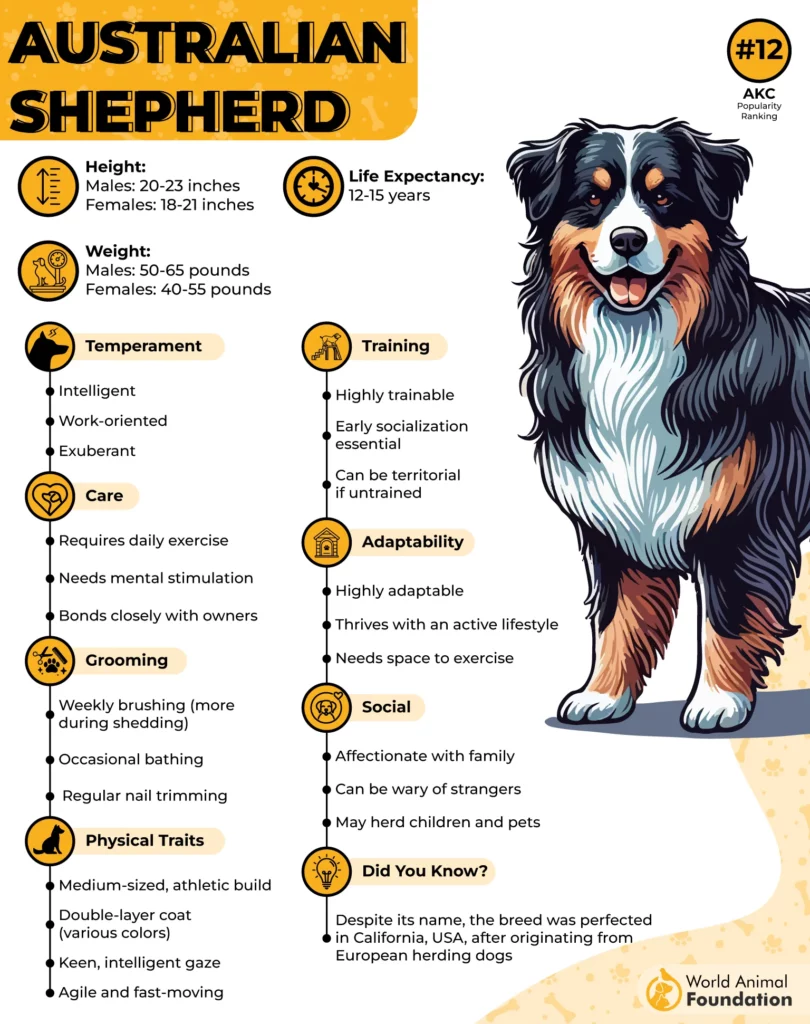
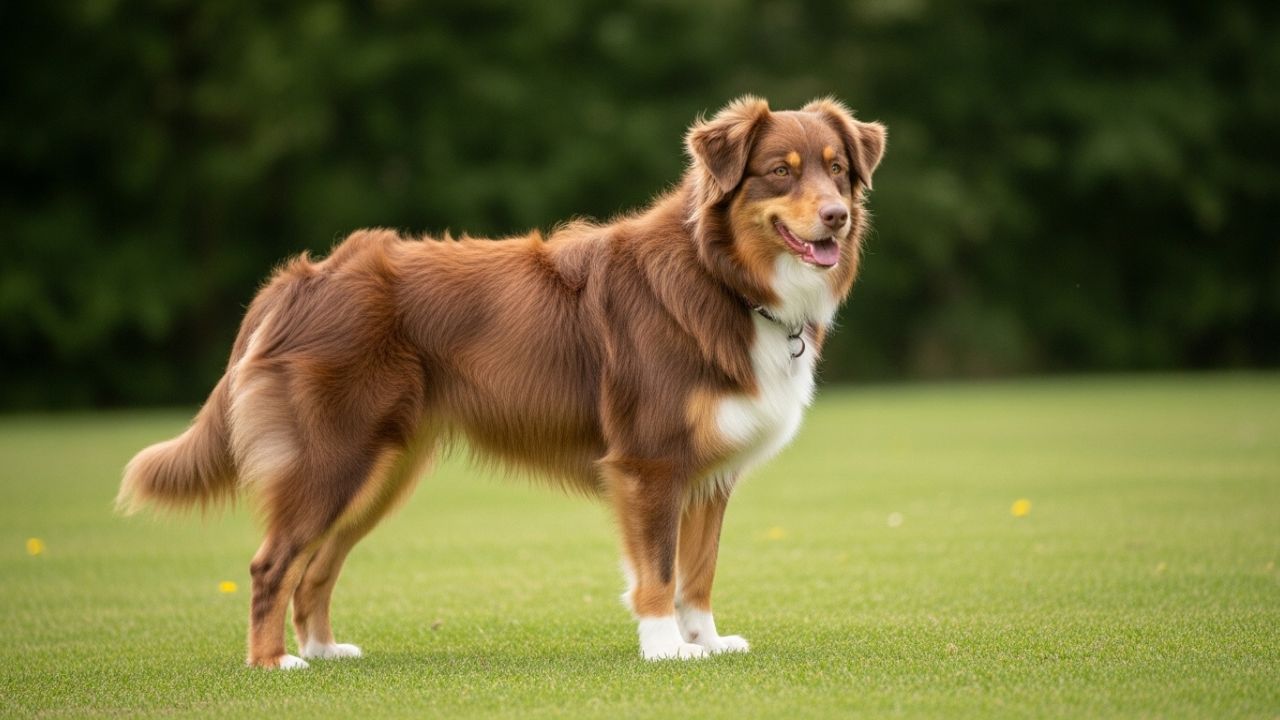
The Australian Shepherd has a compact, agile working look, wrapped in a medium-length double coat that can be blue merle, black, red merle, or red. The build of this medium-sized dog supports quick movement around livestock, while its overall appearance reflects the toughness and mobility expected from an energetic herding dog breed.
3. Pricing & Availability
Here comes the part where the dog comparison meets the wallet. Both breeds are listed as readily available, but their quoted puppy price ranges differ, meaning the initial purchase may look slightly different before food, training, toys, and everything else begins.
The Australian Shepherd is generally available through breeders and breed-specific sources, so prospective owners have several places to begin their search. Taking time to evaluate the breeder, health practices, and individual puppy can make the process much more worthwhile.
Dalmatians are also widely available, and breed rescues or shelters may sometimes have dogs needing homes. Rather than rushing toward the first spotted face you see, focus on responsible sources and whether the individual dog genuinely suits your household.
4. Temperament & Personality
Personality is where this matchup stops looking like two energetic dogs wearing different coats. Both can be smart and lively, yet their social styles have their own flavor, especially around family, strangers, attention, and the very serious business of staying involved.
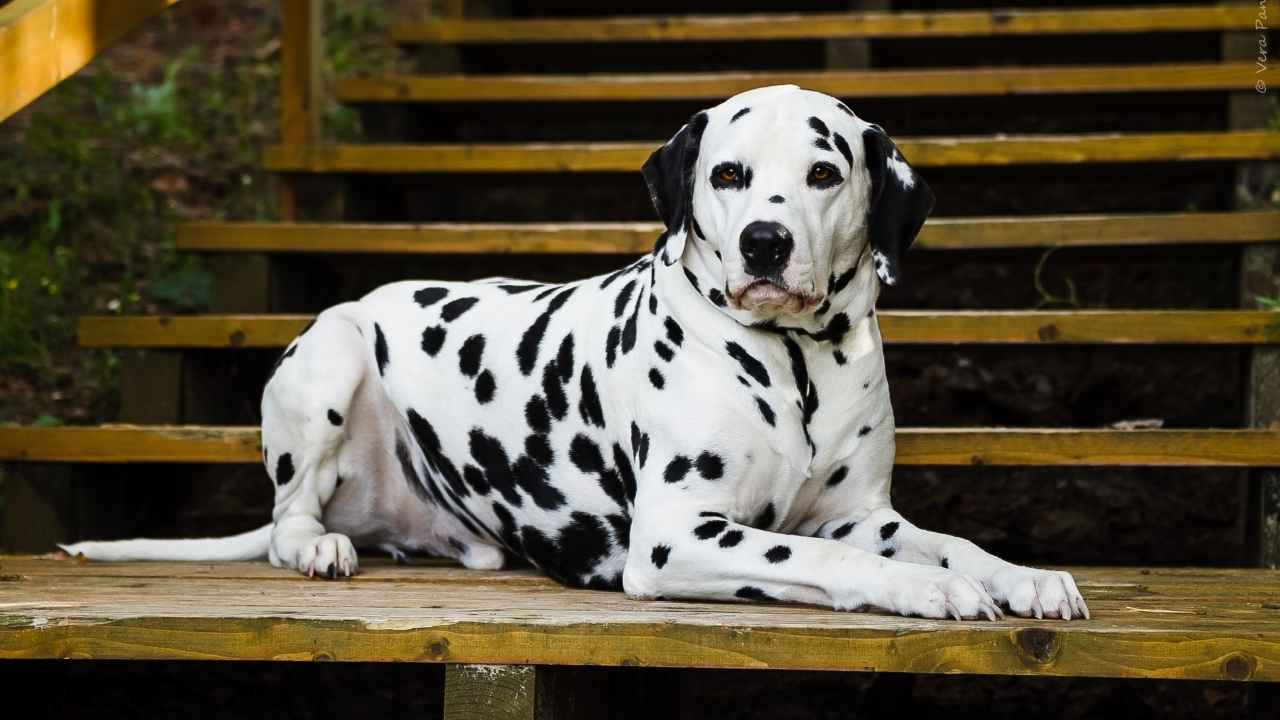
Dalmatians are described as confident, energetic, loyal, watchful, and friendly with familiar people. They may take time warming up to strangers, but around their household they can be entertaining clowns who genuinely want a front-row seat to family activity.
Australian Shepherds bring intelligence, activity, loyalty, and strong herding instincts into everyday life. They can be reserved around strangers and thrive when included in family routines, which explains why an Aussie may casually appoint itself supervisor of whatever everyone is doing.
5. Exercise Needs & Energy Levels
Neither dog is likely to applaud a lifestyle built entirely around remote controls and strategic couch positioning. Energy is a major shared trait here, but the important question is how owners channel that enthusiasm into movement, mental challenges, and genuinely useful activities.
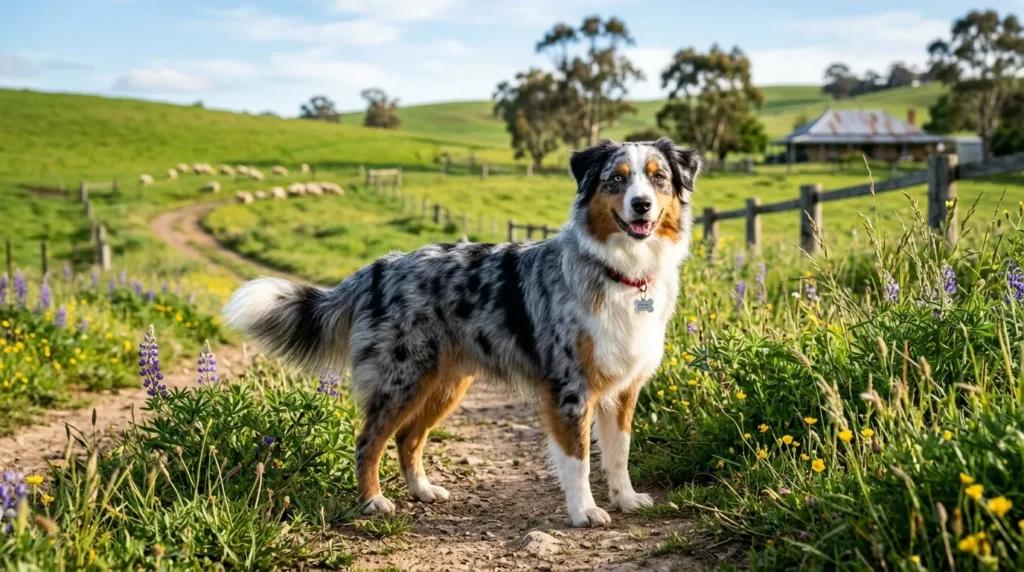
For the Australian Shepherd, high energy comes bundled with a strong need for both physical exercise and mental stimulation. Walks, runs, herding, agility, and obedience activities can all provide outlets for a dog that genuinely appreciates having something meaningful to do.
According to the AKC, Dalmatians need regular physical and mental exercise to stay happy and out of trouble. Running, hiking, backyard games, or joining an owner for a jog can give this high-energy dog a satisfying outlet.
6. Training & Obedience
Brains are definitely present on both sides of this comparison, but intelligence does not automatically mean identical training experiences. One tends to bring eagerness and quick learning, while the other dog benefits especially from patient methods that keep lessons positive and worthwhile.
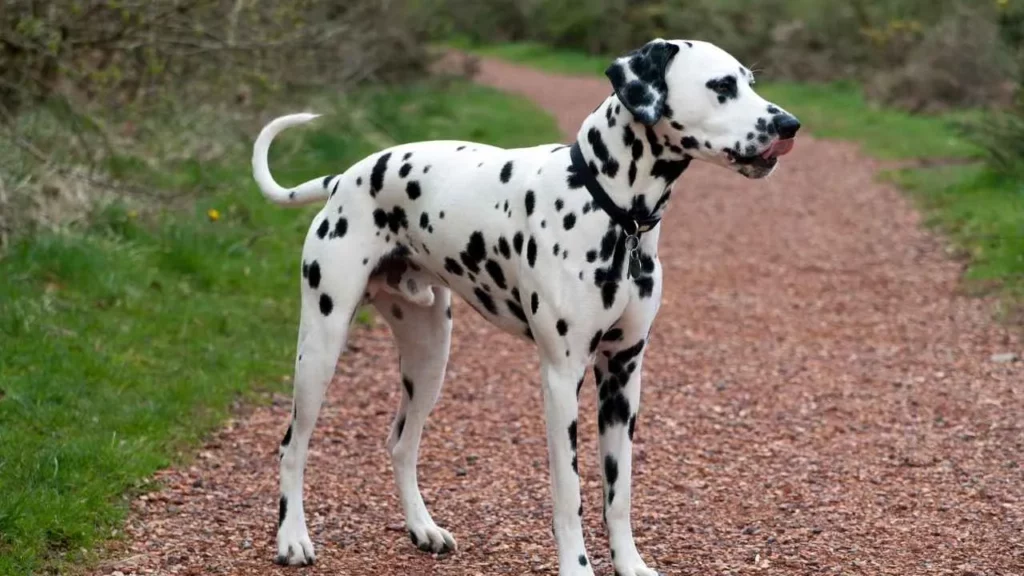
Dalmatians can be sensitive learners, so positive, reward-based techniques are strongly encouraged. Early socialization and puppy training help them become well-mannered adults, while exposure to pleasant new people and places can make unfamiliar situations feel much less dramatic.
As noted by PetMD, Australian Shepherds are highly intelligent, motivated dogs that respond readily to positive reinforcement. Puppies should avoid strenuous long-distance exercise until fully grown, helping protect developing joints, hips, and elbows during their important growth period.
7. Grooming Needs & Shedding
Coat care brings a funny little plot twist. The fluffy-looking dog needs regular brushing, while the sleek spotted one hardly looks capable of leaving much hair anywhere. Looks, naturally, do not tell the whole grooming story here.
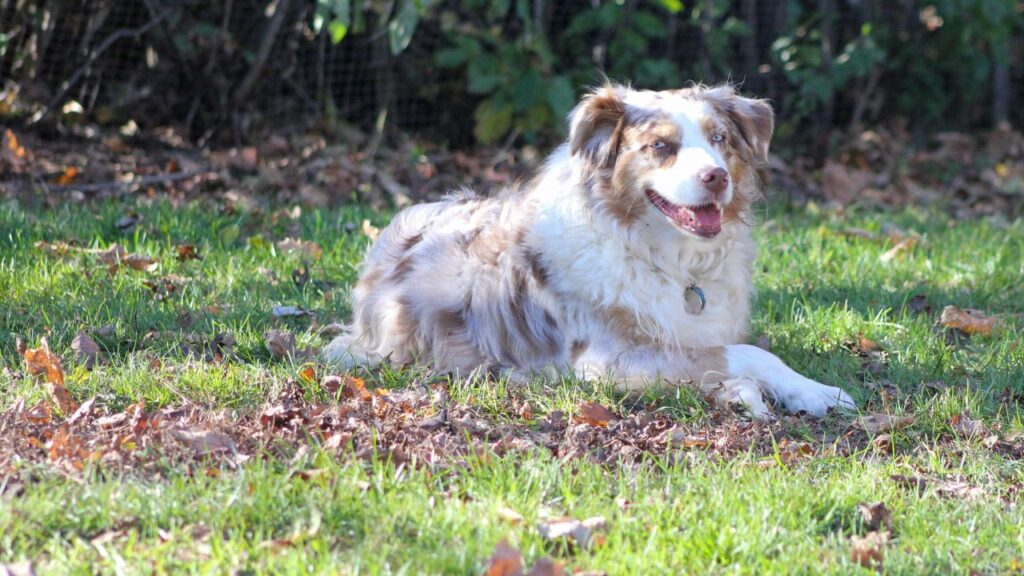
As mentioned by Purina, the Australian Shepherd has a medium-length coat with a weather-resistant undercoat and some feathering. Brushing two or three times weekly is usually enough, with extra grooming needed during shedding or after muddy adventures.
Dalmatians have a short, fine coat, so grooming itself is fairly simple. Weekly brushing helps remove shedding hair and maintain the coat, proving that short fur does not automatically mean your brush gets to retire early.
8. Working Background & Protective Instincts
Both breeds have working credentials, but their historical job descriptions could hardly be mistaken for each other. One spent generations managing stock, while the other became famous beside horses, coaches, and fire equipment, with protective behavior woven into both backgrounds.
The Dalmatian was historically used to run beside carriages and protect horses, later developing a famous connection with horse-drawn fire engines. Protective instincts remain part of the breed, and Dals can be alert, reserved with strangers, and dependable watchdogs.
Australian Shepherds were developed as versatile working dogs with strong herding and guarding instincts. Their high intelligence and trainability made them useful on farms and ranches, while their work history later expanded into service, police, therapy, and search-and-rescue roles.
9. Health & Lifespan
Here is the less glamorous part of breed comparison, but it matters enormously. Both dogs can enjoy many active years, yet each comes with health considerations prospective owners should understand rather than discovering them through an unexpectedly dramatic veterinary appointment.
Australian Shepherds commonly live around 12 to 15 years. They can be prone to health conditions such as hereditary cataracts, hip dysplasia, and epilepsy, so responsible health testing is an important part of selecting a puppy.
Dalmatians generally have an expected lifespan of around 11 to 13 years. Deafness and kidney or urinary stones are notable breed concerns, so responsible breeding, hearing evaluation, veterinary guidance, and appropriate dietary management can become particularly important throughout their lives.
10. Which Energetic Dog Fits Your Lifestyle?
This decision is less about declaring a universal winner and more about checking your calendar. Both dogs expect genuine participation from their humans, so the better fit depends on whether your routine can accommodate regular activity, engagement, and a dog that stays busy.
The Dalmatian suits an active household ready for frequent physical activity and plenty of company. Running, hiking, and other adventures suit its stamina. With early socialization and training, the Dalmatian can make a good family dog and is often better suited to families with older children rather than younger kids.
The Australian Shepherd is a good breed for an active owner who enjoys combining movement with mental work. Exercise, obedience, and agility suit this intelligent, hard-working dog. With proper socialization and supervision, Aussies can typically do well with children, cats, and other pets in family life.
Conclusion
So, where does that leave this energetic showdown? Both dogs bring intelligence, personality, loyalty, and a serious love for staying involved, but they fit different lifestyles. The Australian Shepherd may suit someone who enjoys structured activities, mental challenges, and working closely with a highly trainable dog.
The Dalmatian may appeal more to an owner ready for plenty of movement, adventure, and a lively personality. The right breed is the one whose needs genuinely match your routine, energy, and commitment. In the end, the best decision is one that creates a happy, rewarding life for both you and your dog.
