




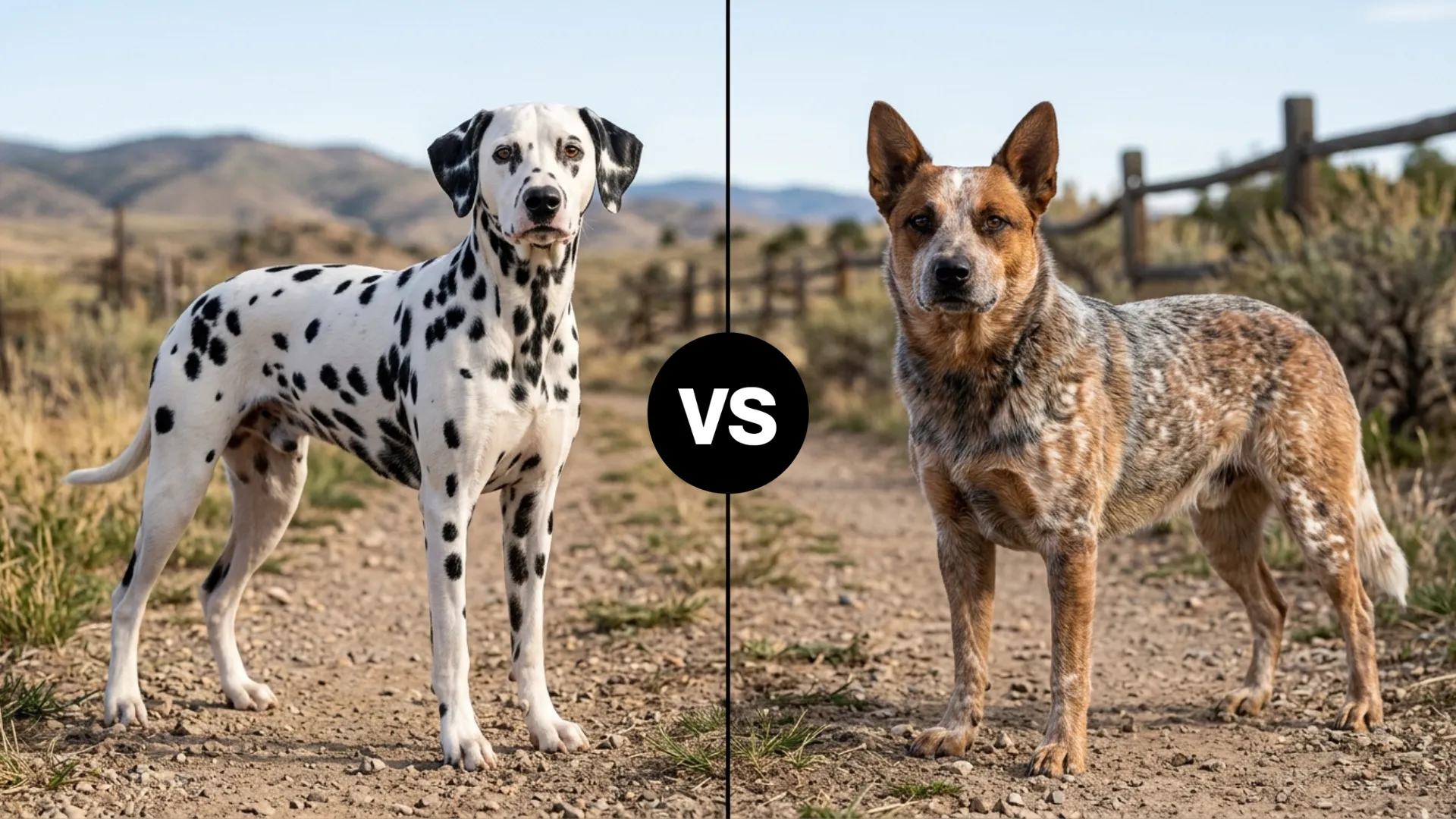
The Dalmatian vs. Australian Cattle Dog comparison brings together two energetic, intelligent breeds with very different working backgrounds. Both can be loyal companions, but their personalities, training needs, and daily routines are far from identical.
Dalmatians are known for their athletic nature, striking spotted coats, and outgoing personalities. Australian Cattle Dogs, meanwhile, are intense, focused workers with strong herding instincts and a serious need for mental stimulation.
Choosing between them often comes down to your lifestyle, experience level, and how much time you can dedicate to exercise and training. One may suit an active family, while the other may be a better match for someone who enjoys structured activities and consistent challenges.
This comparison breaks down the key differences so you can decide which breed fits your home best.
Dalmatian vs. Australian Cattle Dog
This guide looks at their origins and purpose, size and physical build, temperament, exercise needs, training ability, coat care, health, and lifespan. Understanding these differences can help active families choose wisely.
If you are trying to find the better match, this comparison will make the choice much easier.
Origins & Purpose
Two working breeds, but two very different jobs.
Dalmatian
The Dalmatian traces its roots to Dalmatia, a historic region of Croatia. According to Wikipedia, it was originally bred as a hunting dog before becoming famous as a carriage dog. Its stamina helped it run beside horse-drawn coaches and fire carriages.
This alert breed also helped guard people and property along the way. Over time, its striking coat and working history made it a valued companion. Today, the AKC recognizes the Dalmatian as part of the Non-Sporting Group.
Australian Cattle Dog
The Australian Cattle Dog developed for hard work in the harsh Australian outback. The breed originated in New South Wales, where breeders needed a tough herding dog breed for moving cattle and herding sheep.
George Elliot helped develop early lines, while later breeders such as Robert Kaleski supported the breed’s development. Dingo ancestry also shaped its working abilities.
Often called the Blue Heeler, Red Heeler, or Queensland Heeler, it became known for controlling cattle over long distances. The American Kennel Club places it in the Herding Group.
Size & Physical Build
Both breeds are athletic, but their bodies serve different purposes.
Dalmatian
The Dalmatian has a lean, athletic frame built for steady movement. Its long legs and balanced body help it cover ground with ease. This strong dog breed has a graceful outline without looking heavy or bulky. Its famous spotted coat gives it a look that is easy to recognize.
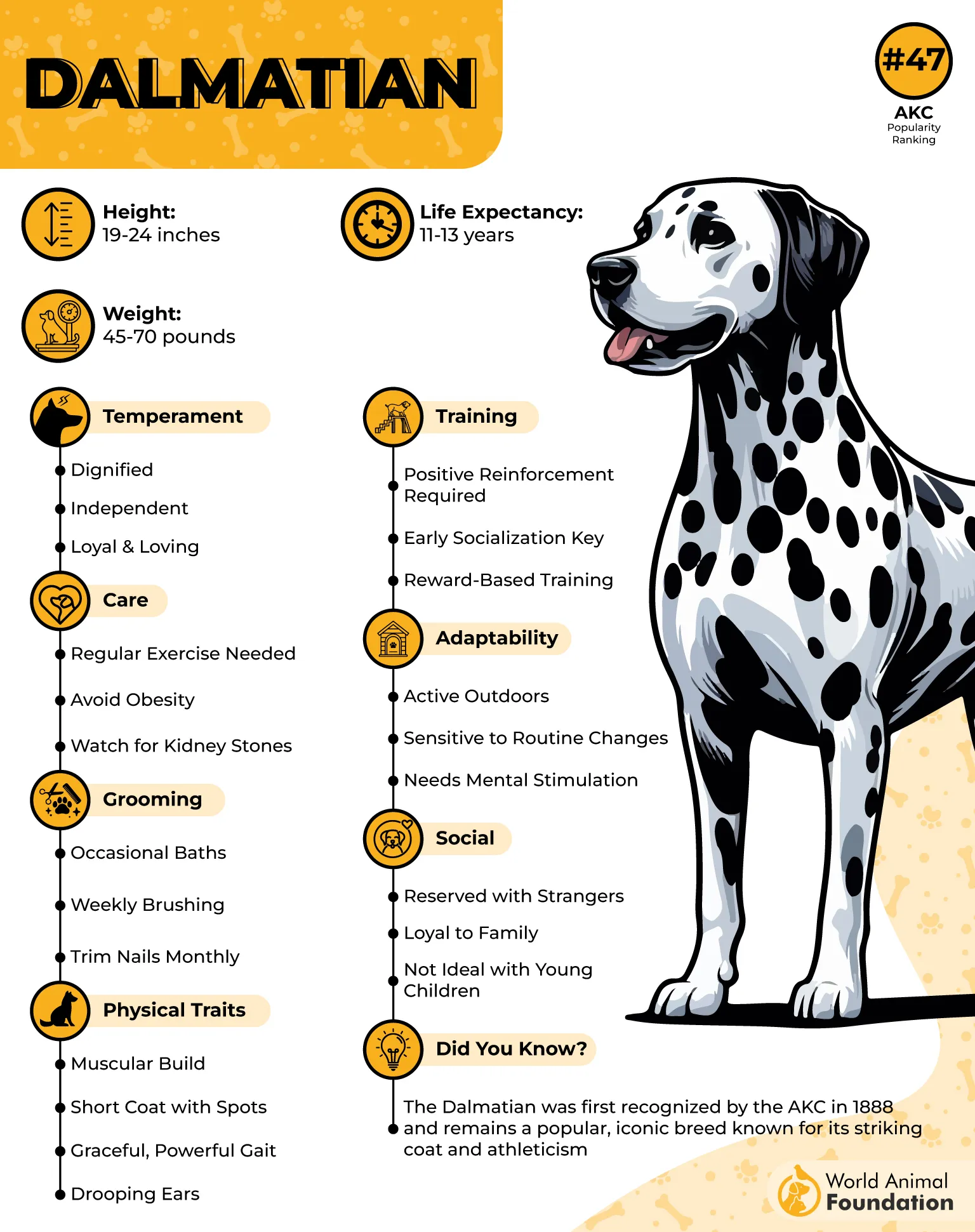
The breed’s body also supports the stamina needed for long periods of activity. Even young puppies show the breed’s athletic shape as they grow. Overall, the Dalmatian looks more streamlined than rugged, with a build suited to running and endurance.
Height: Male – 19 inches; Female – 18 inches
Weight: Male – 35–45 lbs.; Female – 35–45 lbs.
Australian Cattle Dog
The Australian Cattle Dog has a compact, muscular, and robust frame. According to Purina, it is a medium-sized breed, with a sturdy body made for demanding work. Often called the Australian Heeler, it has alert, pricked ears and an intelligent expression.
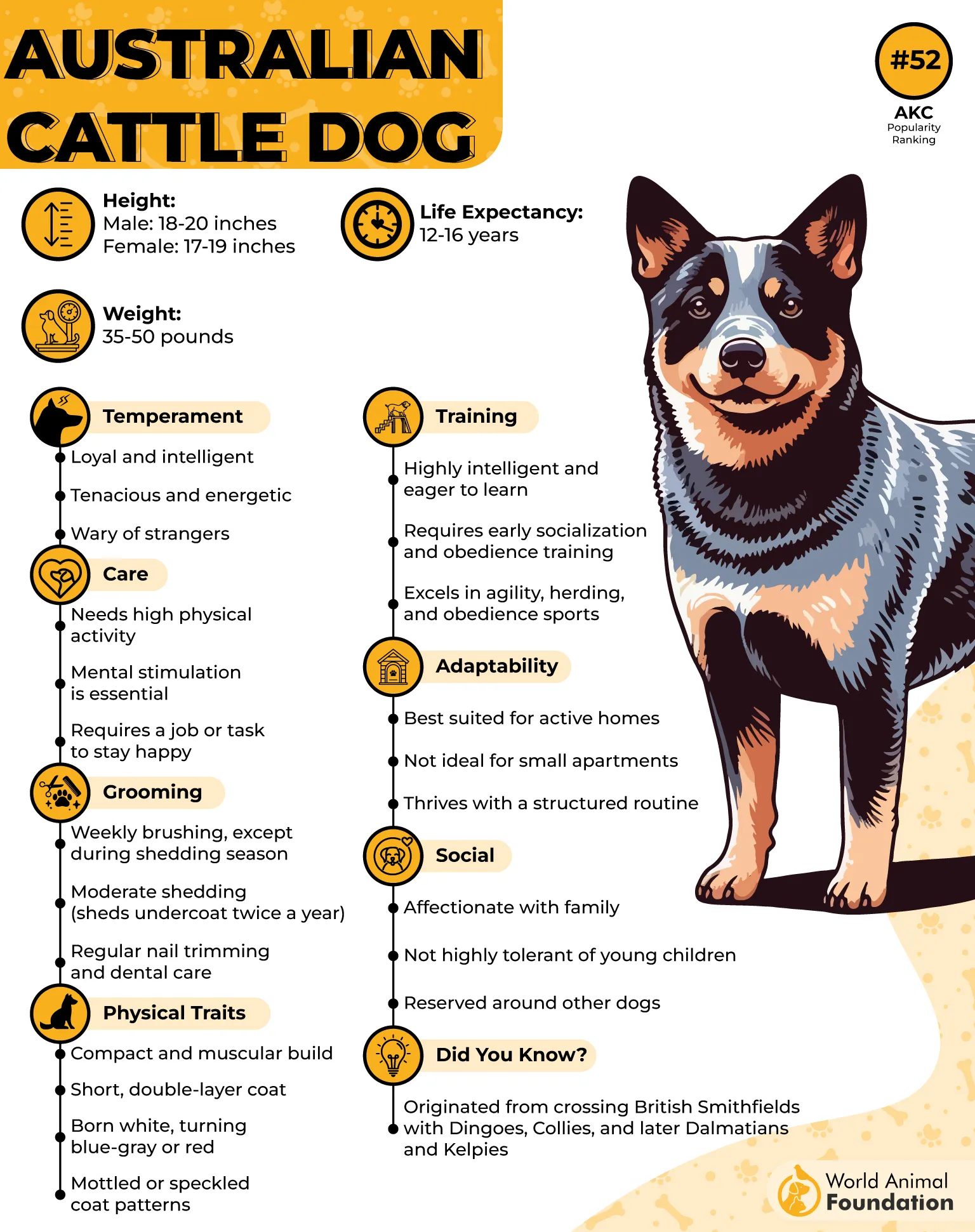
Its short, dense coat helps protect it from rough weather and outdoor brush. The breed has blue, blue-mottled, and red-speckled coat patterns. Its solid build gives this strong dog breed power without making it overly heavy.
Height: 19–24 inches
Weight: 45–70 pounds
Temperament & Personality
Two loyal breeds can still behave quite differently.
Dalmatian
The Dalmatian is a lively companion with a strong bond with family. According to Britannica, it suits active people of many ages, though its energy may overwhelm kids and seniors. It can enjoy other dogs and household cats, but some individuals may react poorly to unfamiliar dogs.
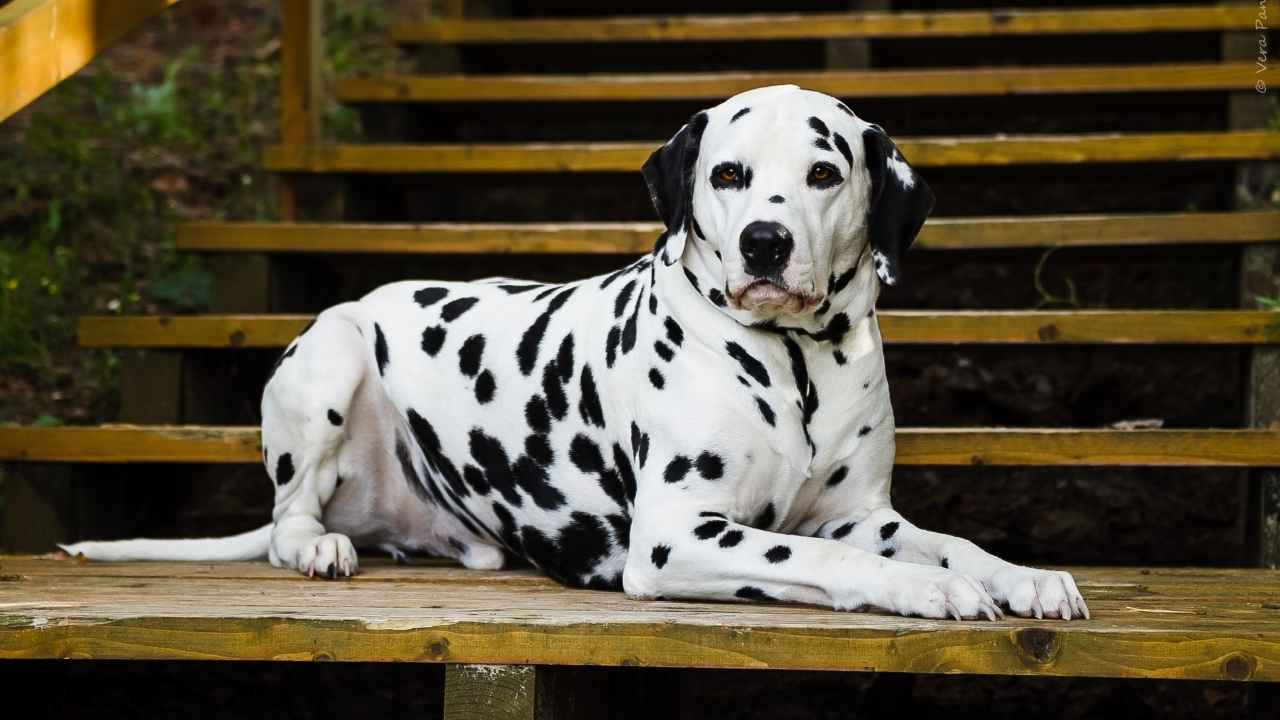
Strangers may also see a more watchful side. Its natural guarding instinct makes it a useful watchdog without constant barking. The breed also has a natural affinity for horses, which reflects its working past. An evenly speckled coat adds to its well-known look, while its playful nature keeps family life fun.
Australian Cattle Dog
The Australian Cattle Dog breed is more intense and work-focused. It needs close human contact and useful tasks to stay content. Its herding background, shaped partly by the dingo, gives it a strong instinct to control movement. This can include nipping at running children.
Early social training can help guide this behavior. Owners should watch for each sign of stress, excitement, or boredom. Unlike some other breeds, Blue Heelers often stay quiet until they have a reason to warn their person.
Exercise & Energy Levels
Both breeds need active homes, but their exercise styles differ.
Dalmatian
Dalmatians are built for movement and steady endurance. They need an active routine that keeps their bodies busy each day. Long walks, running, hiking, and playful games can help use their energy. A high-energy Dalmatian may happily keep going when its owner feels tired.
This makes the breed ideally suited to active owners who enjoy outdoor time. Trips across rough terrain can also provide a useful challenge. Mental games add variety and help prevent boredom.
Rather than relying on one short walk, families should offer several chances to move, explore, and interact throughout the day.
Australian Cattle Dog
The Australian Cattle Dog needs at least two hours of exercise each day. According to Hill’s Pet, this should include physical activity, mental stimulation, and training. Its intense drive makes simple walks less satisfying than purposeful tasks.
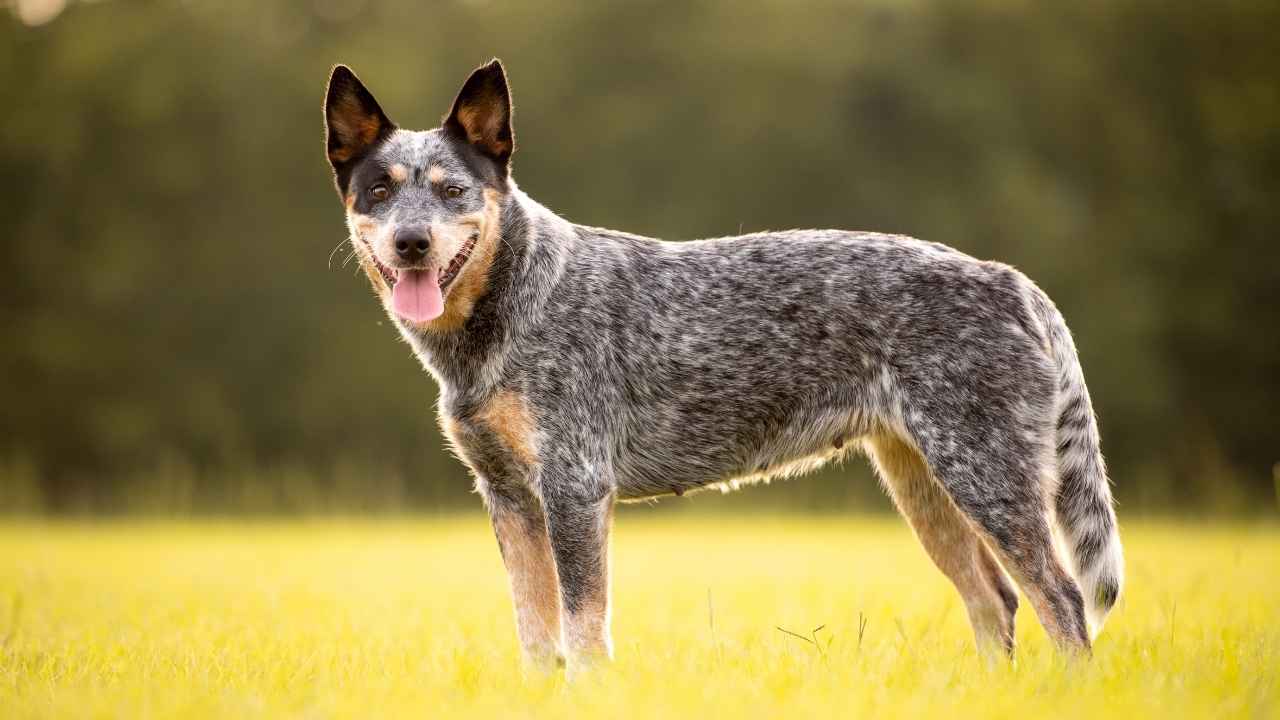
Agility, fetch, herding games, and other dog sports can challenge both body and mind. Its history, including dingo ancestry, helps explain its stamina and independent thinking. A blue dog left bored for too long may develop difficult behaviors. Therefore, structured activities give this clever worker a better outlet.
Training & Intelligence
Smart dogs learn best when training fits their nature.
Dalmatian
The Dalmatian responds best to kind and steady guidance. According to the American Kennel Club, early socialization helps puppies become confident around new people and places. Owners should introduce each individual dog to pleasant experiences from an early age.
Reward-based lessons can build trust and make learning enjoyable. Puppy classes can also teach good manners before unwanted habits develop.
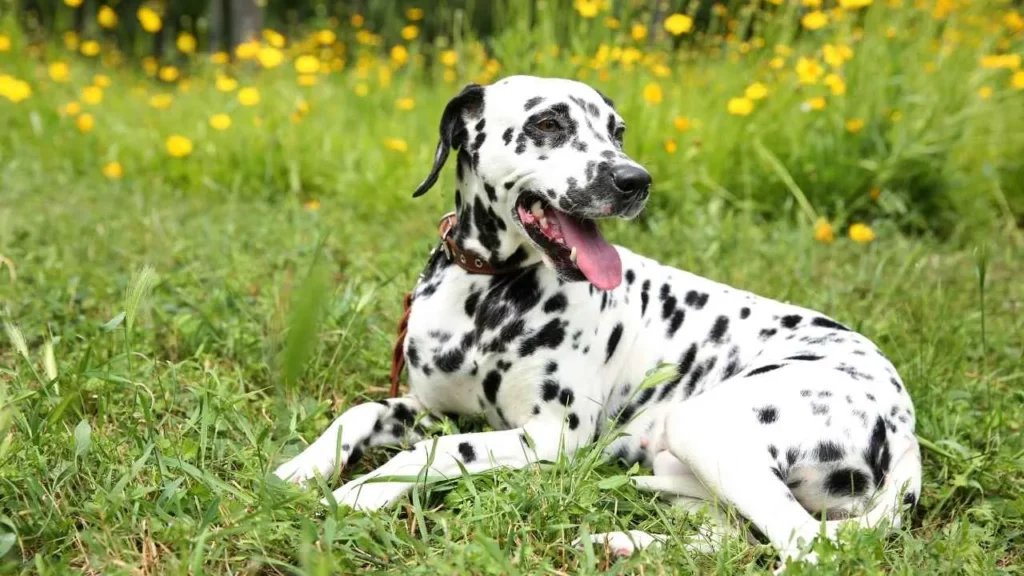
This approach helps a Dalmatian become a confident and well-mannered companion. Owners should keep lessons positive and clear. That helps the dog stay focused and enjoy each new challenge.
Australian Cattle Dog
The Australian Cattle Dog is a quick learner with a strong independent streak. It developed in Australia, where its working role demanded sharp thinking and reliable responses. Often linked with the red dog or Red Heeler type, it can learn commands quickly and handle demanding tasks.
Some sources rank the breed among the smartest dog breeds. Training should begin from day one with clear rules and patient handling. Obedience work, problem-solving games, and structured tasks keep its mind engaged.
Consistency matters because this independent worker may test unclear limits. Patient training can turn its intelligence into useful skills.
Coat Maintenance
Neither breed needs fancy styling, but regular care matters.
Dalmatian
The Dalmatian has a short coat that is simple to manage. Its smooth hair does not need frequent trimming or complicated grooming sessions. However, loose hairs can appear year-round, so regular brushing helps keep them under control.
The breed’s famous white markings and dark spots also make loose hair easy to notice around the home. A weekly brushing routine can remove dead hair and keep the coat looking neat.
Owners should also check the ears, nails, and skin during routine care. This simple approach helps keep the Dalmatian clean without taking much time.
Australian Cattle Dog
The Australian Cattle Dog has a dense double coat designed for outdoor work. According to WebMD, its two layers protect it from the elements while it works in fields. The undercoat becomes heavier during seasonal shedding, so brushing at least once a week helps remove loose hair.
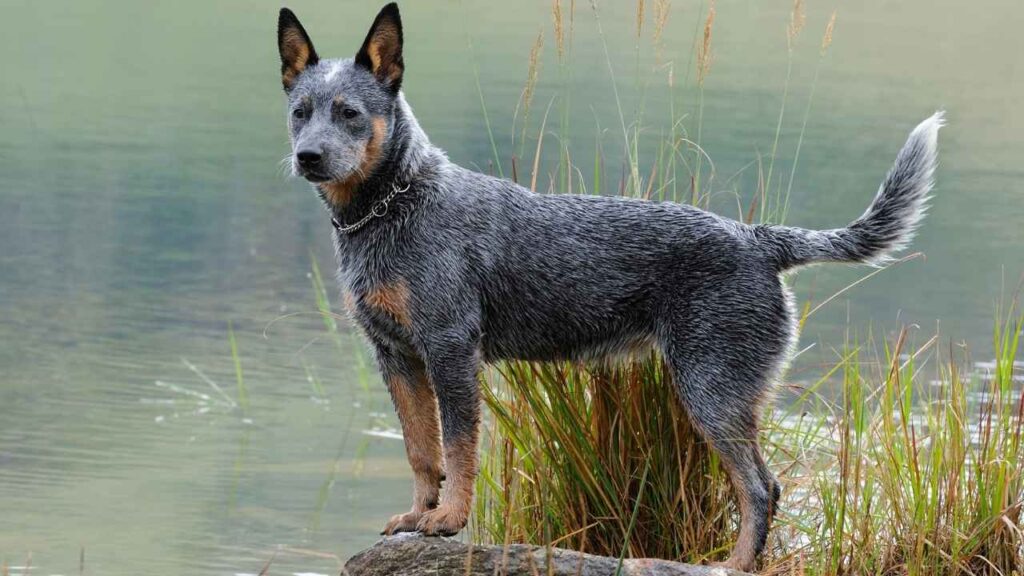
This thicker layer also provides useful protection around the body and legs. Unlike breeds that need styling, its coat can be left unchanged apart from basic care. Occasional baths can help after muddy or dirty outdoor adventures.
Health & Lifespan
Both breeds can face inherited health concerns.
Dalmatian
Dalmatians are active dogs, but they can develop certain breed-related health problems. According to PDSA, screening and testing are available for some of these conditions. Genetic deafness is one concern, and the BAER test can check a dog’s hearing.
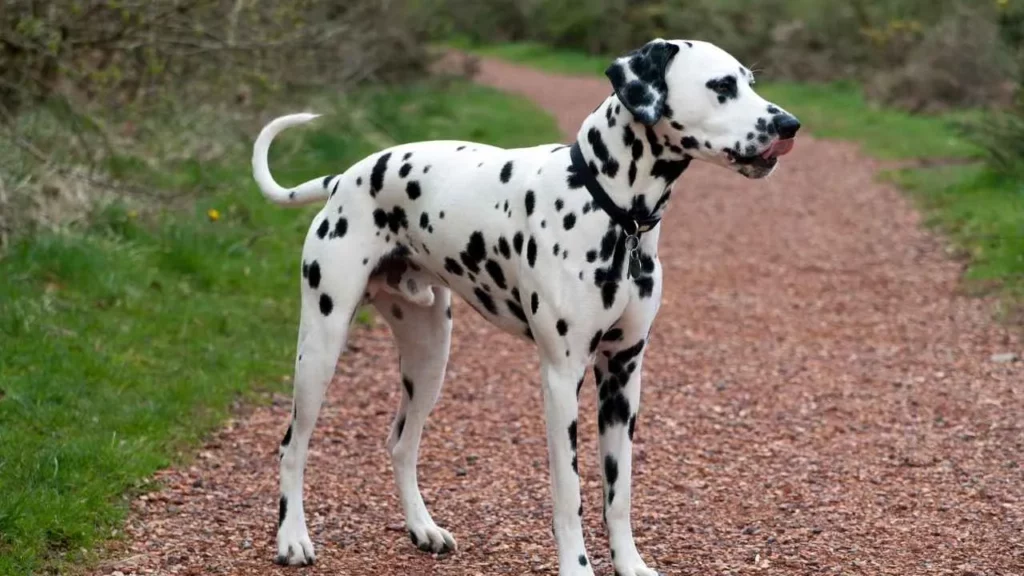
Dalmatians also have a unique metabolic system that can increase their risk of urinary stones and crystals. Owners should watch for any sign of discomfort, changes in urination, or unusual behavior. Regular veterinary checks can help spot problems early and support a healthier life.
Australian Cattle Dog
Australian Cattle Dogs also have several health concerns worth knowing. According to a study, about 10.8% of Australian Cattle Dogs are deaf in one or both ears, making hearing checks useful. Progressive retinal atrophy can affect the eyes and may eventually cause blindness.
Hip dysplasia can occur, although it is not among the most common conditions. Elbow dysplasia and patellar luxation can also affect some dogs.
Patellar luxation may cause sudden lameness, so owners should take any unusual movement seriously. Early checks can help identify problems before they become harder to manage.
Conclusion
Choosing the right dog is simply about finding the best match for your lifestyle. Both breeds can be loyal, intelligent, and rewarding companions, but their needs can differ greatly.
The cattle dog stands out as a high-energy worker, shaped by a history of managing half-wild cattle in demanding conditions. Known by some as the Hall’s Heeler, it brings strong instincts and a serious work ethic to family life.
Reputable breeders can help families find a healthy, well-matched companion. Training and early socialization are especially important when living with strangers, children, or other pets. Barking and protective behaviors should also be guided with patience.
While neither breed should automatically be viewed as dangerous, poor handling can create problems. Understanding each dog’s temperament, exercise needs, and training requirements will help owners enjoy a happier and more rewarding relationship.
