




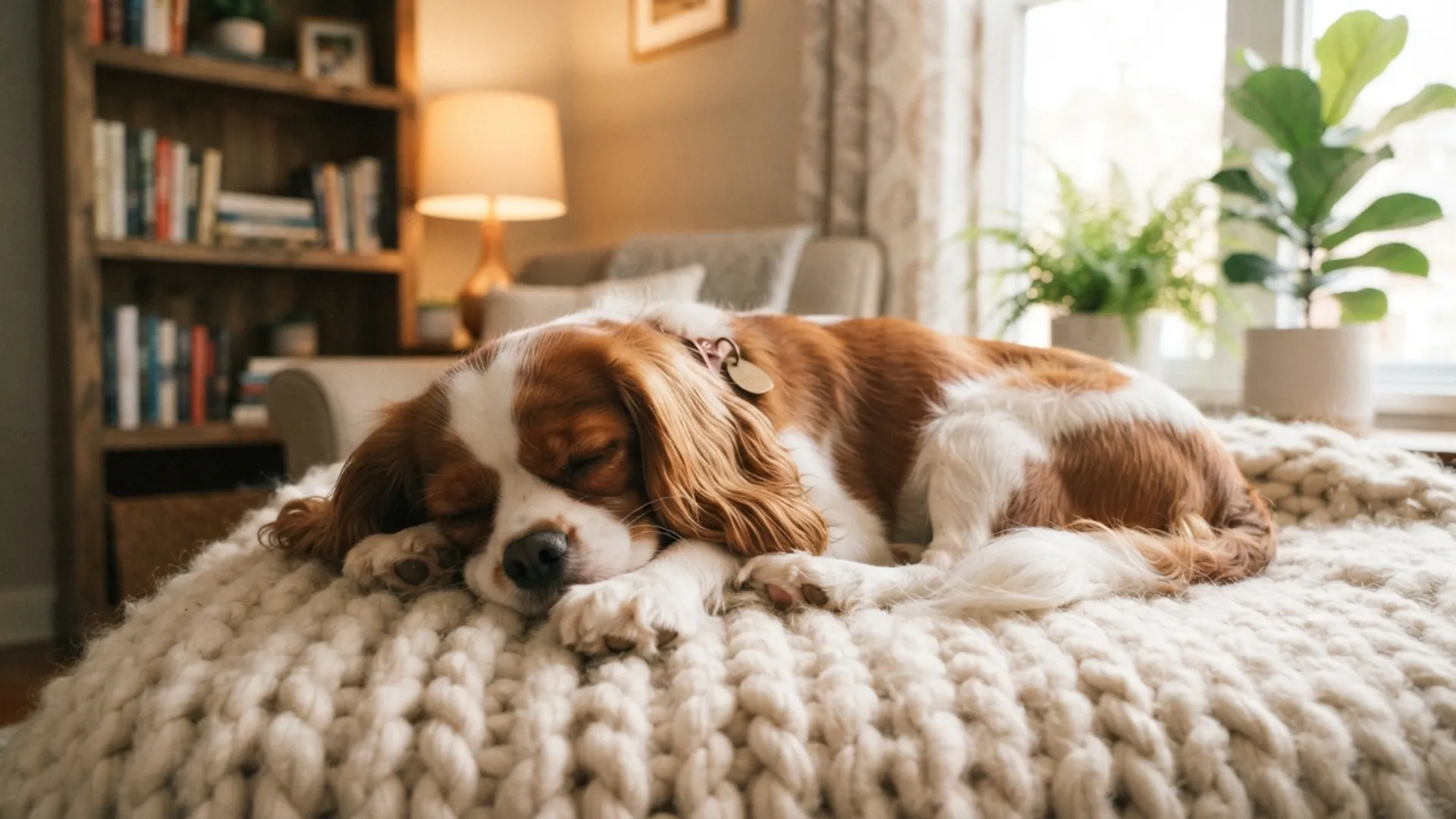
If your dream home feels like a peaceful reading nook rather than a 24-hour dog park, a quiet dog is your vibe, not a super-lively one. Some dog breeds are happiest in calm homes, where they can snuggle into soft blankets, enjoy simple routines, and stay close to their people.
A “quiet-home dog” is not automatically a lazy dog, though. Every breed still needs appropriate exercise, mental stimulation, training, veterinary care, and social contact, and individual personalities can differ dramatically even within the same breed.
Let’s talk about the quiet dogs that have a calm temperament, don’t resort to excessive barking, and maintain a calm demeanor even when guests arrive without prior notice.
Cozy Dog Breeds That Thrive in a Quiet Home
1. Japanese Chin
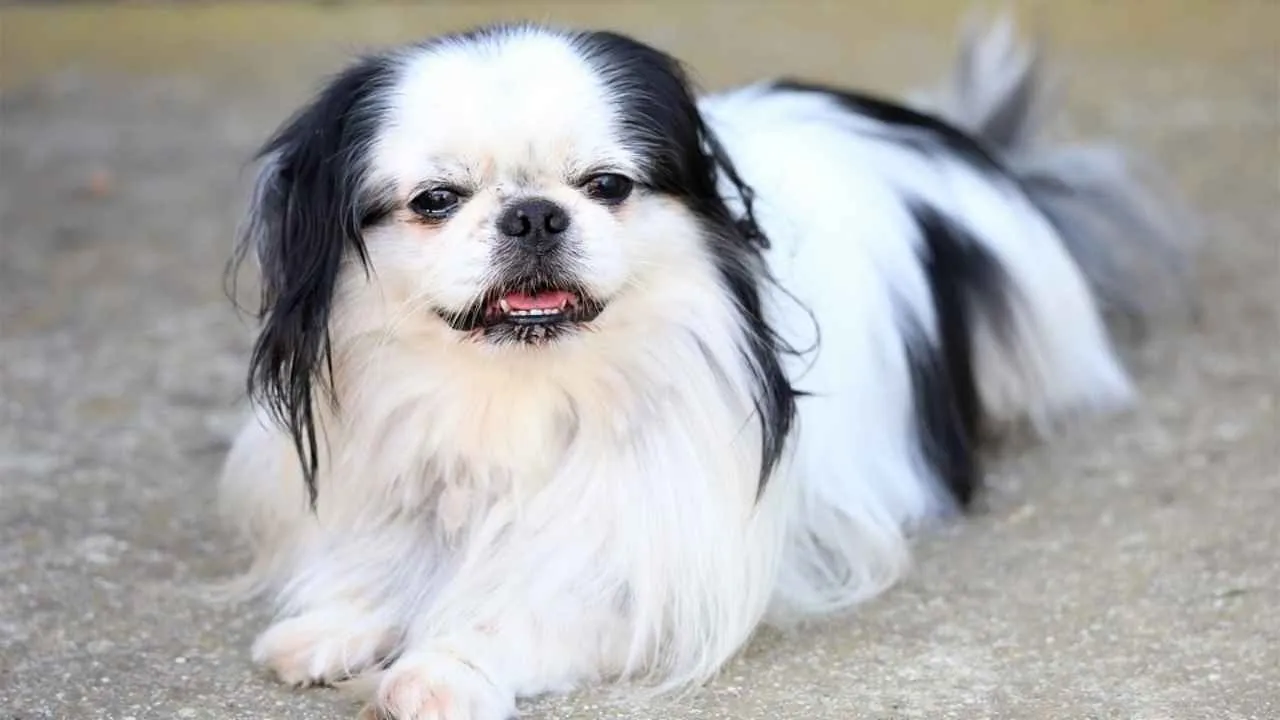
The Japanese Chin practically arrives with “indoor bestie” energy preinstalled. The AKC describes the breed as graceful, fastidious, amusing, and generally quiet.
Their behavior can feel surprisingly cat-like, which longtime breed fans often point out. A Chin may perch on furniture, carefully groom itself, move delicately through the house, and decide that your lap is their ultimate sanctuary. These Japanese dogs tend to appreciate human company without requiring the nonstop physical intensity of many working or sporting breeds.
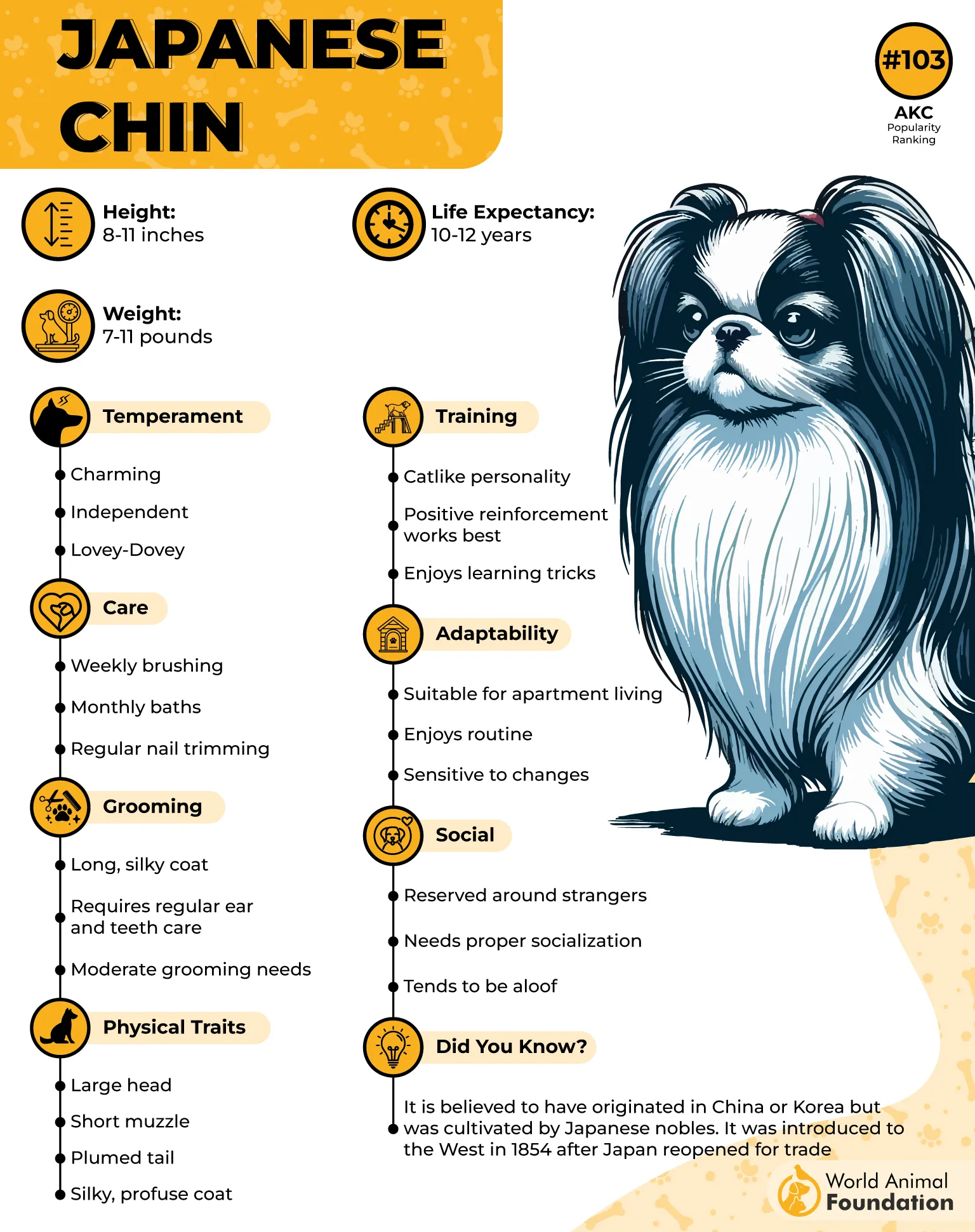
That compact size does not mean exercise should disappear from the schedule. Short walks, gentle play, basic training, and little puzzle games can keep the brain and body occupied without turning the day into canine boot camp.
One important consideration is heat, especially because short-faced dogs may struggle more with cooling than dogs with longer muzzles. Air conditioning, shade, water, and skipping hard exercise during hot conditions are not luxury extras—they are responsible care.
What They Do In a Quiet Home
Turn sofas, cushions, and sunny windows into a personal network of tiny luxury lounges.
Offer close companionship without needing hours of intense outdoor activity every day.
2. Cavalier King Charles Spaniel
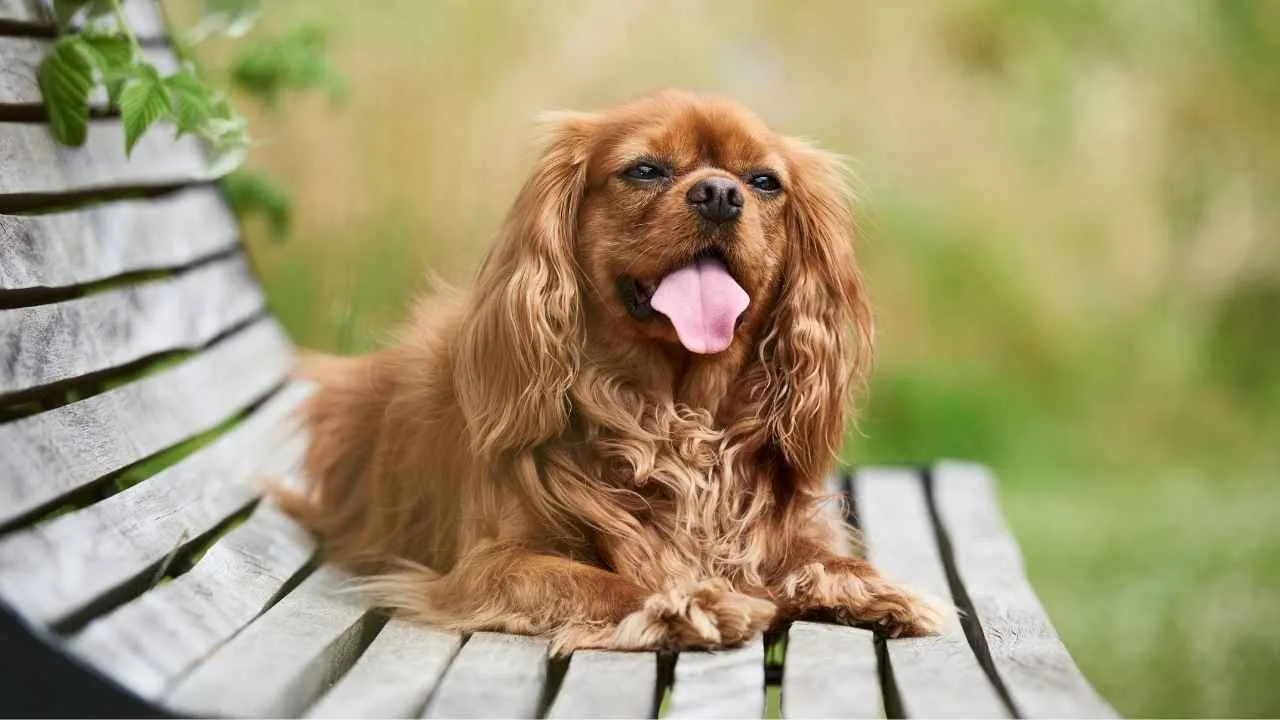
A Cavalier King Charles Spaniel looks like somebody designed a dog specifically for Sunday mornings. The breed combines the affectionate nature of a toy companion with the athletic spark found in spaniels.
Great for apartment life, many Cavaliers are remarkably adaptable when their physical and social needs are met. They can enjoy a walk or a playful training session, then settle down beside a person for a long stretch of remarkably uneventful couch time.
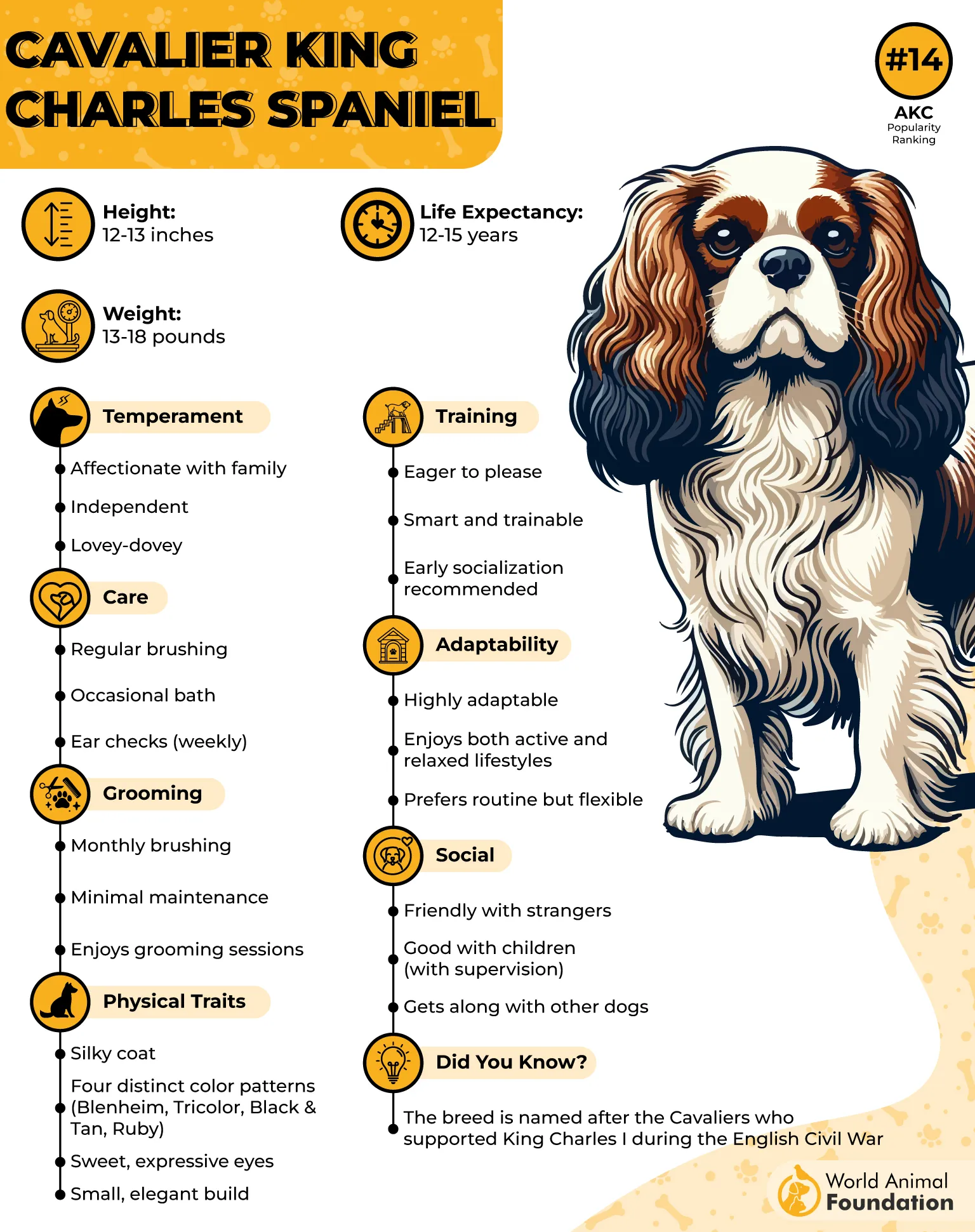
Early socialization and puppy training are recommended so that all that sweetness grows into solid everyday manners rather than clinginess, jumping, or selective hearing when something interesting appears outside.
PetMD lists these tiny dogs among breeds predisposed to degenerative mitral valve disease, while noting that mitral valve insufficiency accounts for a large proportion of canine heart disease overall. Responsible breeding, regular veterinary examinations, and listening carefully when a veterinarian recommends heart screening therefore matter a lot more than simply choosing the cutest puppy.
What They Do In a Quiet Home
Happily switch between a neighborhood stroll and a long snuggle session beside their person.
Bring cheerful social energy without needing the constant intensity of a high-drive working dog.
3. Pug
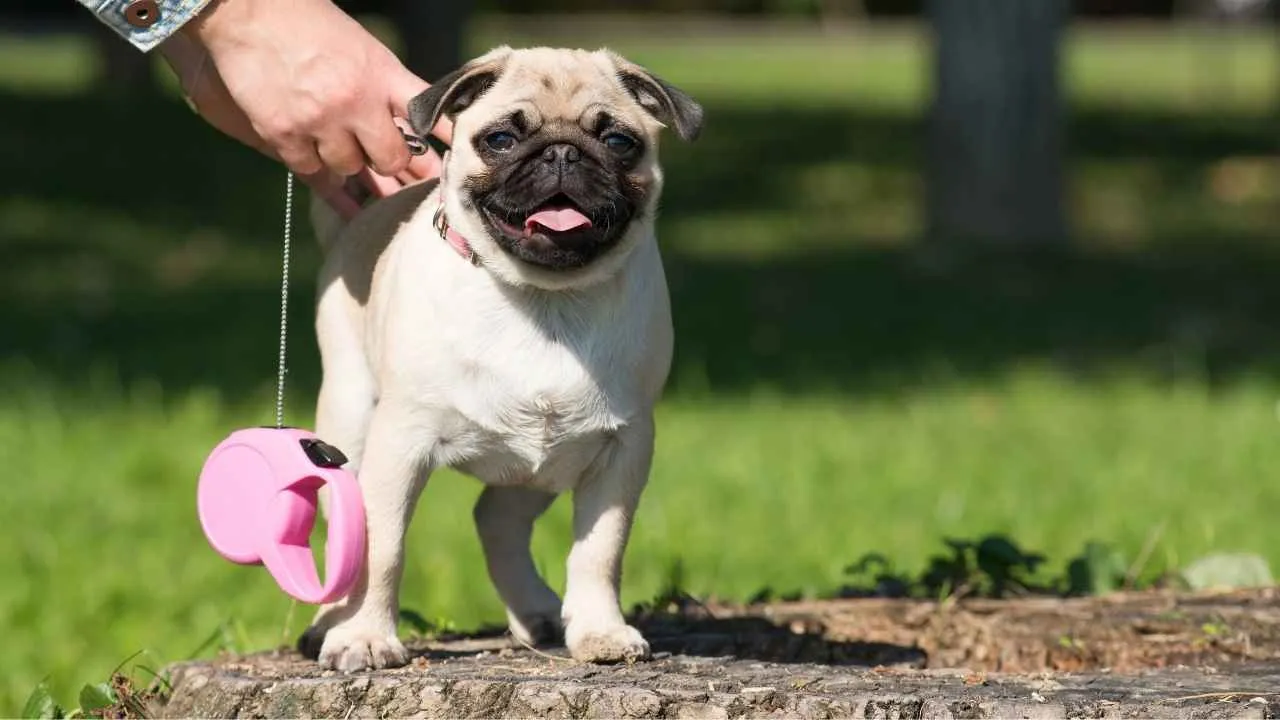
Pugs are basically tiny comedians who discovered that physical comedy works even better when you have enormous eyes. Purina describes them as devoted companions whose history includes Chinese imperial households and later Holland’s royal House of Orange.
A peaceful household can suit their personality beautifully, but owners still need to provide daily movement. Pugs are famously food-motivated, and overeating can lead to unwanted weight gain.
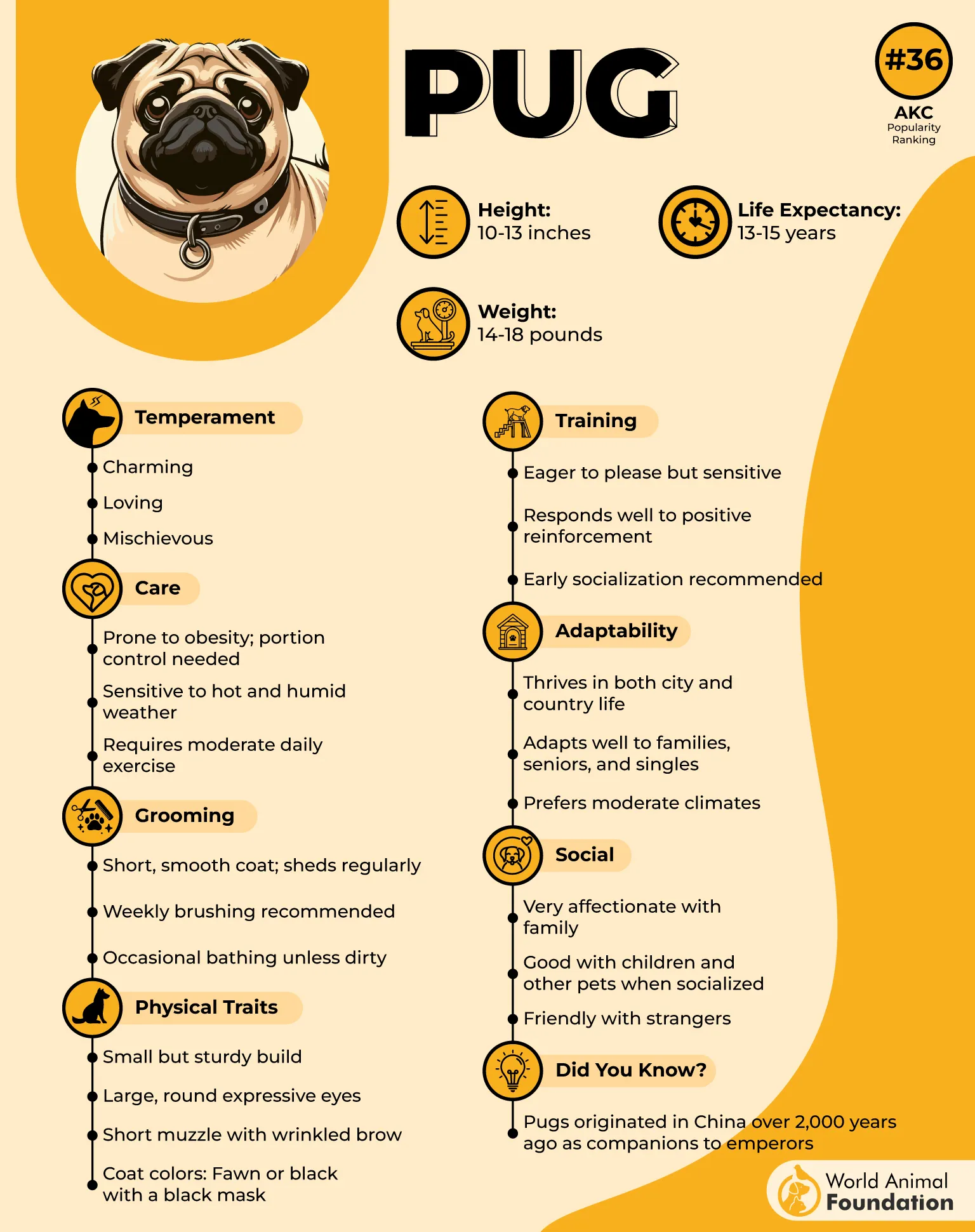
Warm weather deserves extra respect with this apartment dog. They have a higher risk of heatstroke than most other dogs. That makes cool indoor spaces, fresh water, carefully timed walks, and avoiding strenuous activity in hot weather particularly sensible.
Quiet-house life can also help, as owners have more opportunities to notice subtle changes in breathing, mobility, appetite, or stamina. Snorting should never automatically be dismissed as “just a Pug thing” if breathing looks difficult or a dog appears distressed.
What They Do In a Quiet Home
Supply elite-level comic relief between naps without requiring a wilderness expedition every afternoon.
Enjoy short play sessions that some truly dedicated sofa occupants can follow.
4. Pekingese

Pekingese is a compact, loyal toy companion developed for the ruling classes of ancient China. Historically, they were closely connected with China’s imperial household.
A calm, small space can work nicely for these low-maintenance dogs because they are not generally built around endless high-speed activity. These apartment-living dogs often carry themselves with an independent streak and may not respond to requests with the instant “absolutely, boss” enthusiasm seen in some highly biddable breeds.
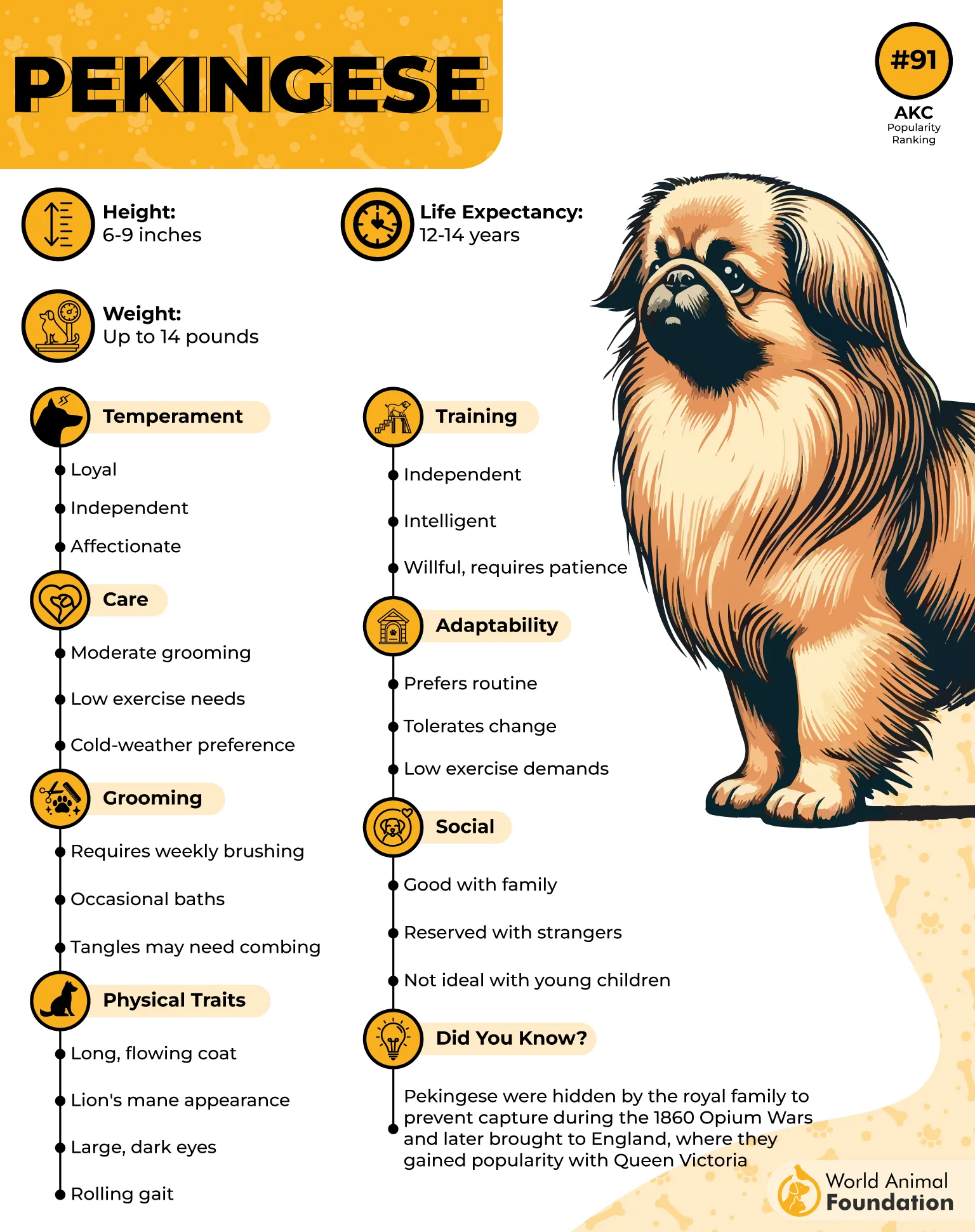
Regular brushing and general grooming are necessary to keep long furnishings manageable, and a peaceful grooming routine from puppyhood can make the process far less dramatic. Quiet-home people who genuinely enjoy brushing a small dog while watching TV may consider that self-care with bonus fur.
These adaptable couch potatoes are brachycephalic, so heat and respiratory comfort deserve serious attention too. Flat-faced dogs can have difficulty cooling efficiently, and veterinary research has repeatedly linked brachycephalic anatomy with a higher risk of heat-related illness.
What They Do In a Quiet Home
Treat a favorite chair like a miniature royal throne and supervise household affairs from there.
Pairs well with patient owners who enjoy grooming, short outings, and a dog with opinions.
5. Newfoundland
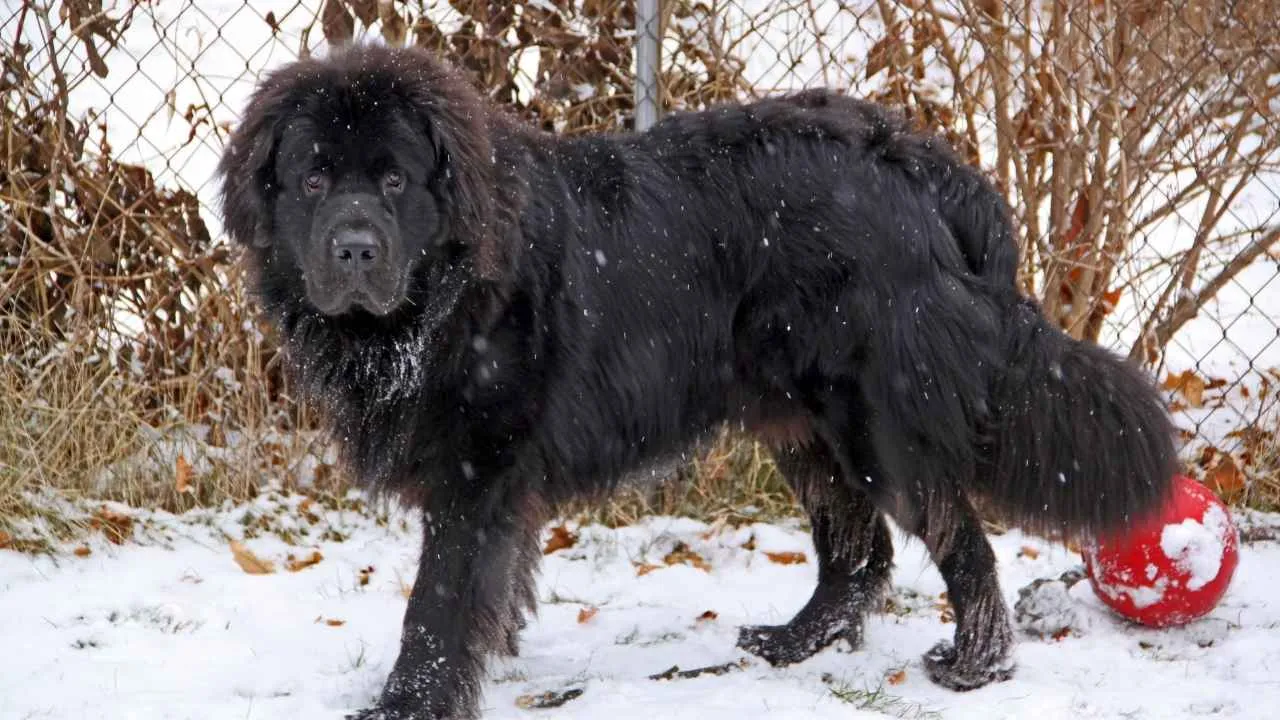
The Newfoundland is a massive working breed, yet Omlet describes it as sweet-tempered, patient, and famously companionable.
They were not created to decorate giant dog beds. Their history is closely tied to Newfoundland and maritime work, and the breed became renowned for strength in the water and lifesaving ability. At home, their huge bodies often come with a surprisingly mellow emotional setting.
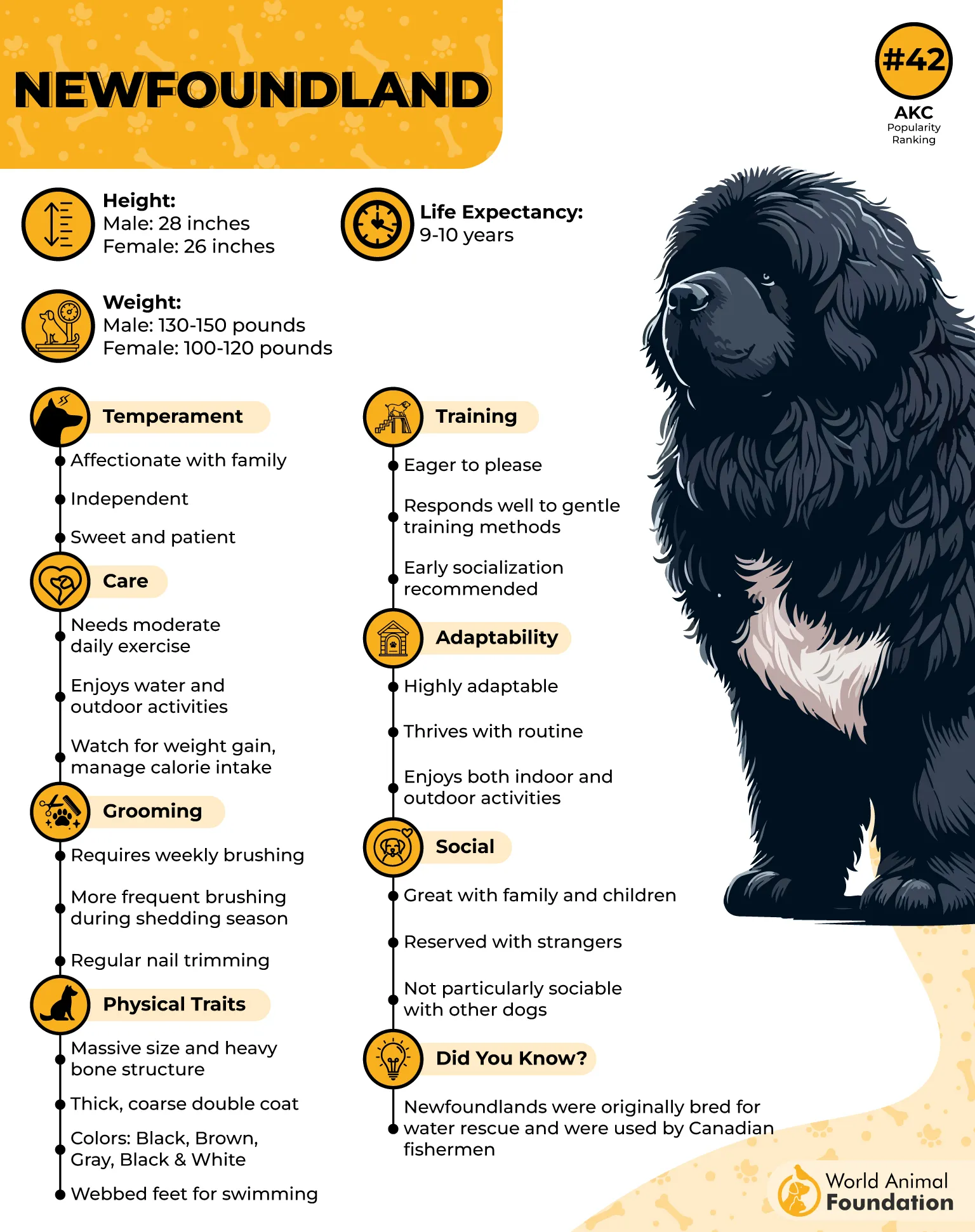
The trick is that “calm indoors” only works when the dog receives suitable exercise, training, socialization, and space to move comfortably.
They have substantial coats designed for serious weather and water work, which means brushing, shedding, wet fur, and housekeeping become part of the lifestyle. Add the possibility of drool, and minimalist white sofas may suddenly feel like an unnecessarily difficult side quest.
Because they grow into extraordinarily powerful animals, manners should begin while the puppy is still manageable. Loose-leash walking, calm greetings, settling on cue, cooperative grooming, and safe interactions are essential skills, not cute extras.
What They Do In a Quiet Home
Become an enormous, reassuring floor-level presence during slow evenings and lazy weekends.
Settle beautifully after appropriate exercise, rather than needing constant high-speed entertainment.
6. Saint Bernard
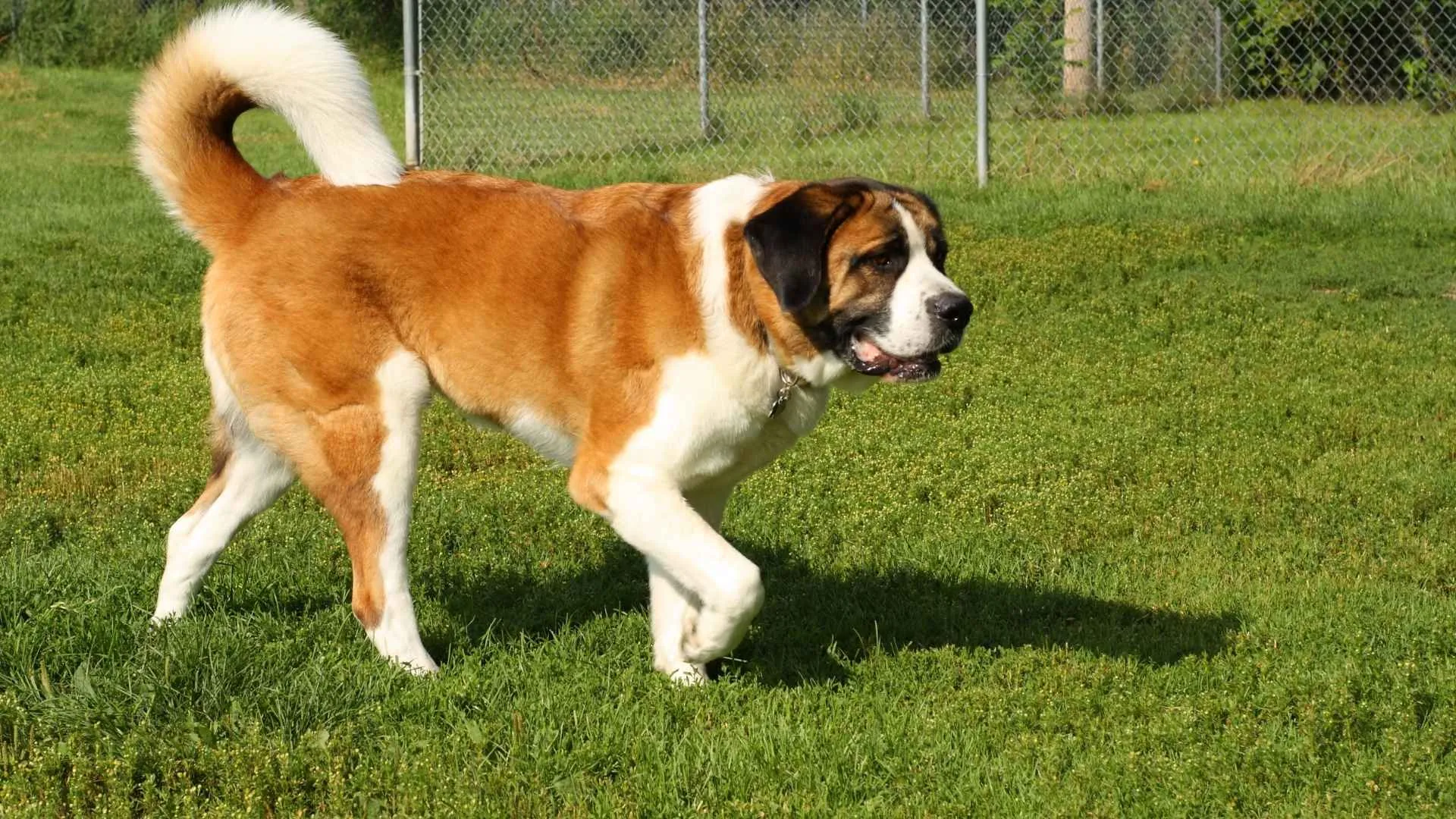
Saint Bernards are patient, watchful, and kind giants and are associated with the Swiss Alps.
Inside modern homes, a well-exercised adult Saint can be impressively relaxed. They generally do not need to spend 12 hours practicing canine parkour, but their tremendous size still requires ample space, regular outings, strong joints, and thoughtful conditioning.
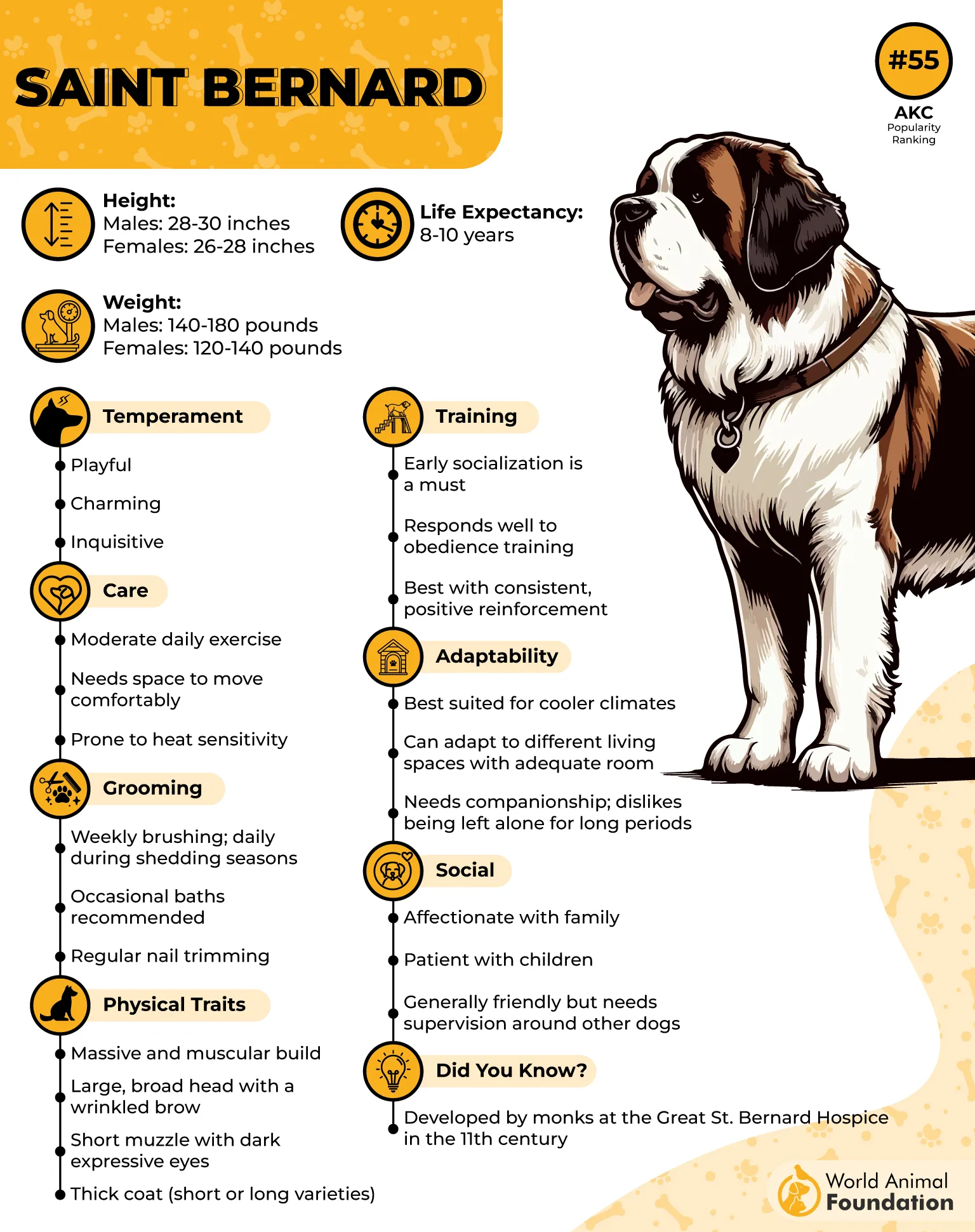
Training needs to happen early, as they tend to grow up really fast. Teach polite greetings, leash manners, waiting at doors, handling tolerance, and a reliable settle before the dog grows into its final boss form.
Saint Bernard ownership also means accepting a certain level of mess. Large mouths produce drool, and substantial coats produce hair. For the right person, though, those housekeeping issues are a small price to pay for living with such a famously patient companion.
What They Do In a Quiet Home
Stretch out nearby like an oversized security blanket while the rest of the household winds down.
Add gentle, steady energy to a home—as well as an objectively impressive quantity of dog.
7. Great Dane
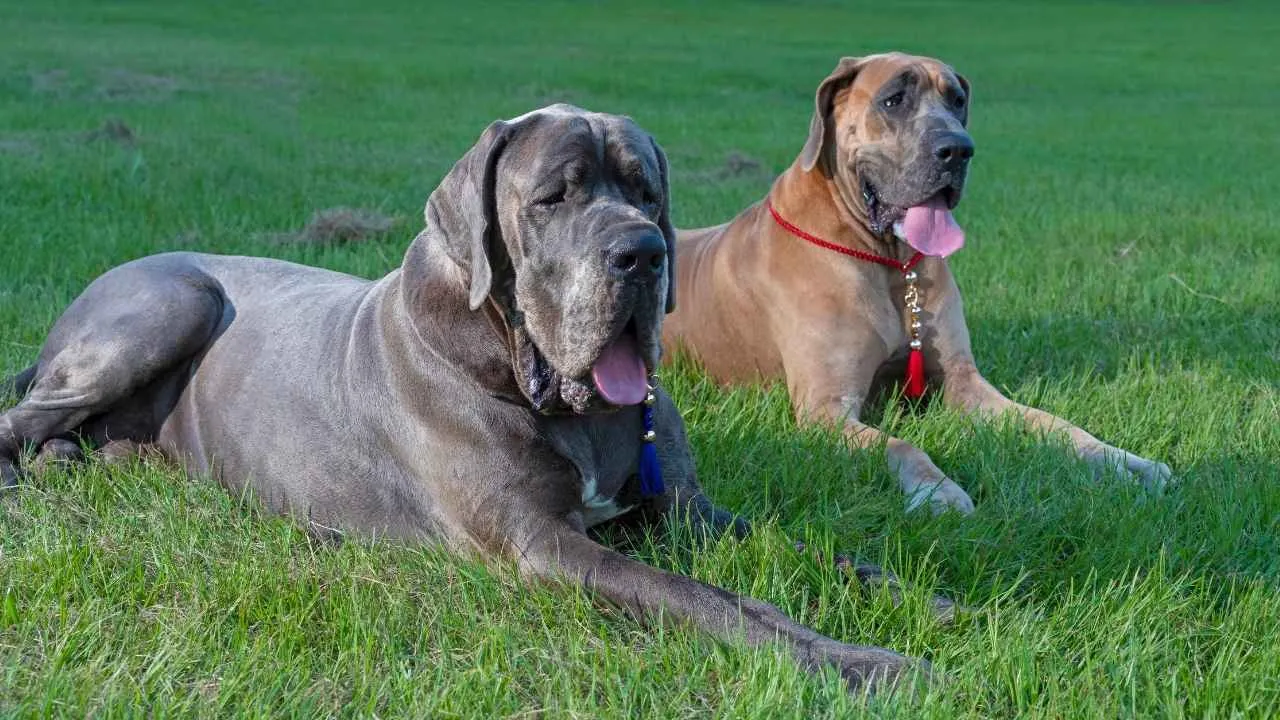
The Great Dane is easygoing, friendly, dependable, and a joy to live with when owners are prepared for its extraordinary scale.
For a giant dog, many Great Danes are remarkably content to settle around the house after suitable daily exercise. Their body size does mean that floor space, vehicle space, food bills, veterinary logistics, and sturdy equipment need more consideration than they would for a toy breed.
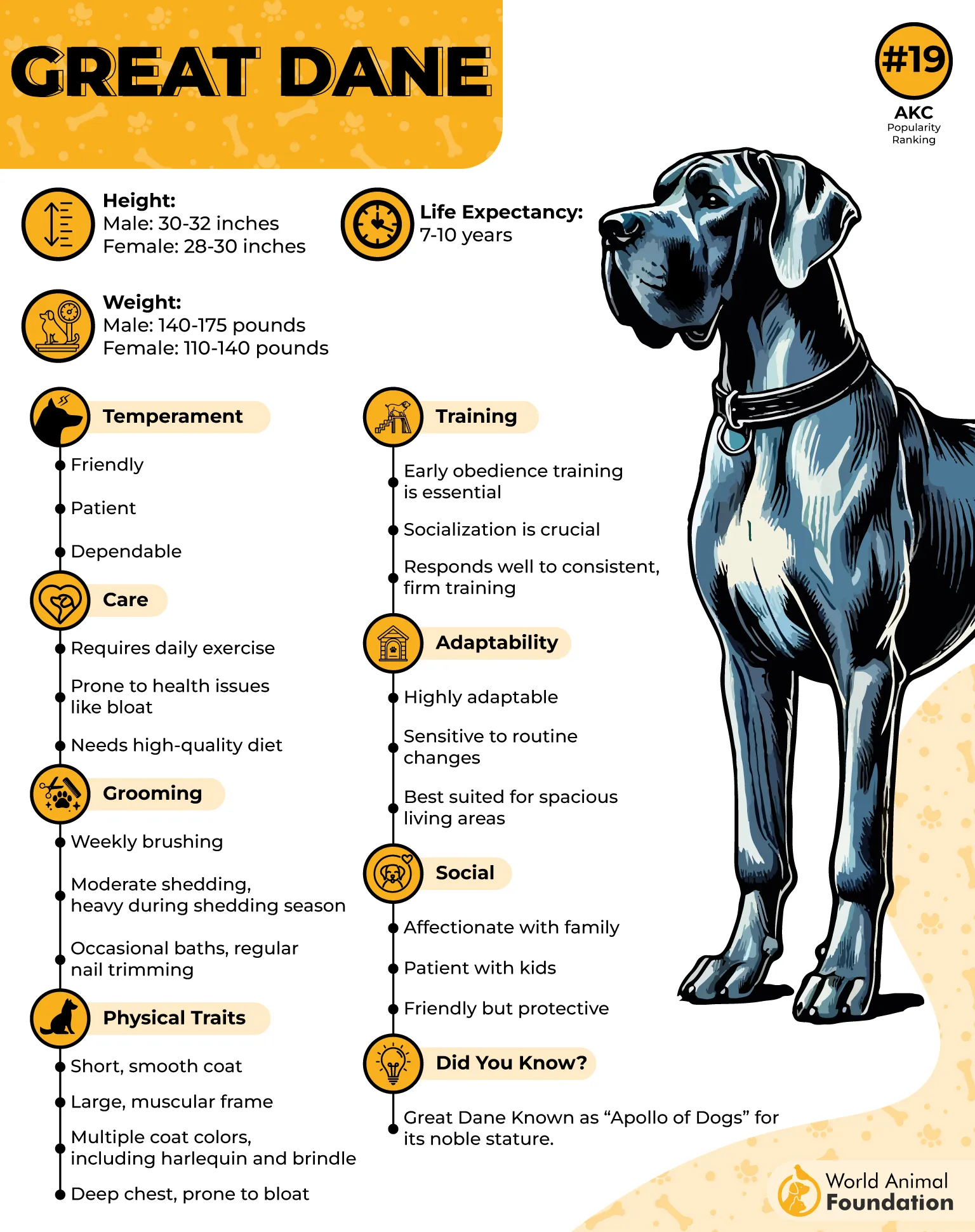
Health planning should be part of that commitment from day one. They have relatively short lifespans, typically around 8 to 10 years, and gastric dilatation-volvulus, or bloat, is a particularly important emergency risk.
Emotionally, they often thrive when they are included rather than parked outside as ornamental security systems. Positive training, predictable household rules, comfortable sleeping areas, and daily interaction help channel their social nature into peaceful indoor behavior.
What They Do In a Quiet Home
Collapse onto beds and rugs with the dramatic elegance of a Victorian aristocrat fainting at dinner.
Offer a calm indoor presence once their walks, training, and social needs have been handled.
8. Clumber Spaniel
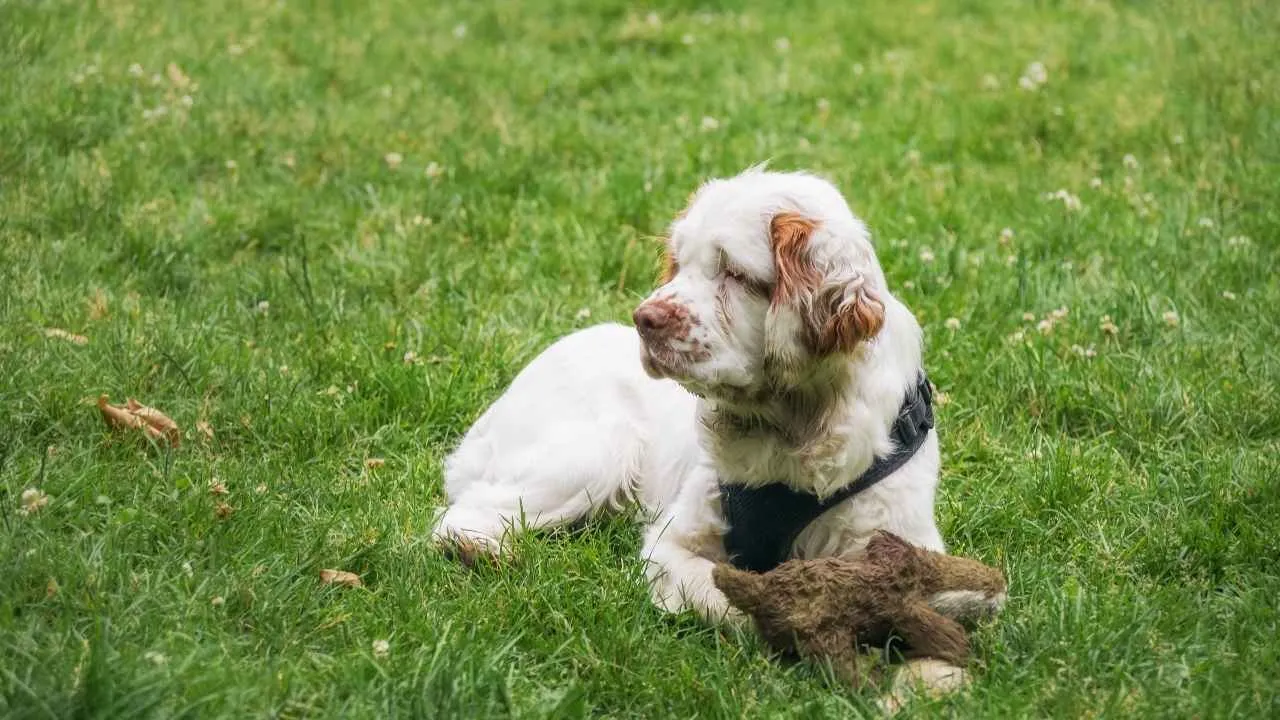
Clumber Spaniels are dignified, mellow, amusing, and gentlemanly. These dogs make amiable, polite housemates, which helps explain why people who want a substantial dog without constant emotional fireworks may find the breed appealing.
Daily walks, sniffing opportunities, retrieving games, and occasional adventures can satisfy instincts without requiring the home itself to function as an obstacle course.
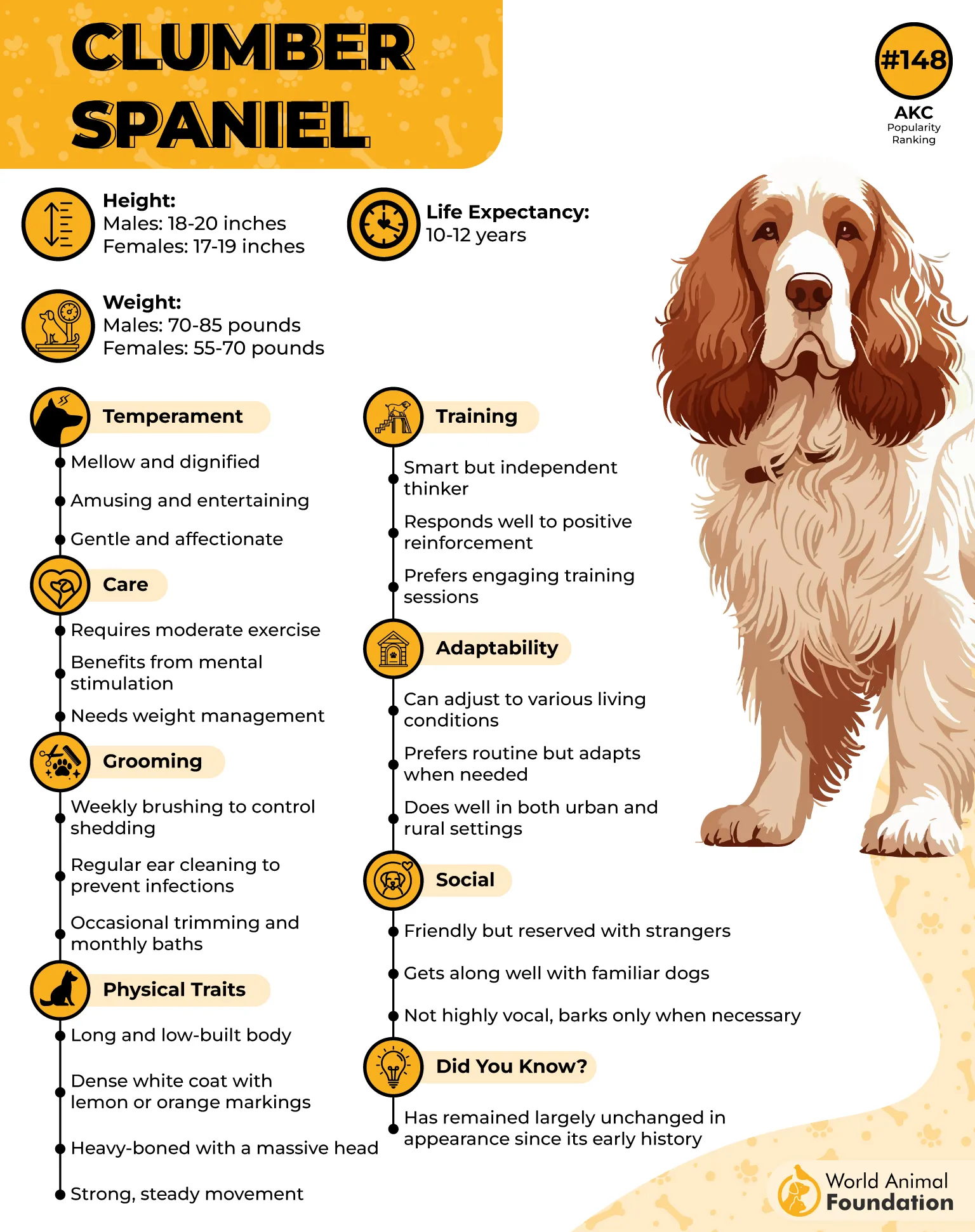
These Spaniels are not a zero-maintenance choice, though. Expect shedding, coat care, and potentially some drool, while those low bodies can carry impressive amounts of outdoor debris back into the house. If you consider vacuuming a normal household activity rather than a personal attack, you are already mentally prepared.
Training should lean into their intelligence without making every session painfully repetitive. Short lessons, food rewards, scent games, retrieving, and relaxed consistency usually make more sense for a thoughtful sporting dog than endless drilling.
Once the brain has had something useful to do, the Clumber is very capable of embracing the indoor soft-life agenda.
What They Do In a Quiet Home
Shift comfortably between leisurely activity outdoors and impressive levels of relaxation indoors.
Bring a sporting-dog personality without demanding that every day become an endurance event.
9. Irish Wolfhound
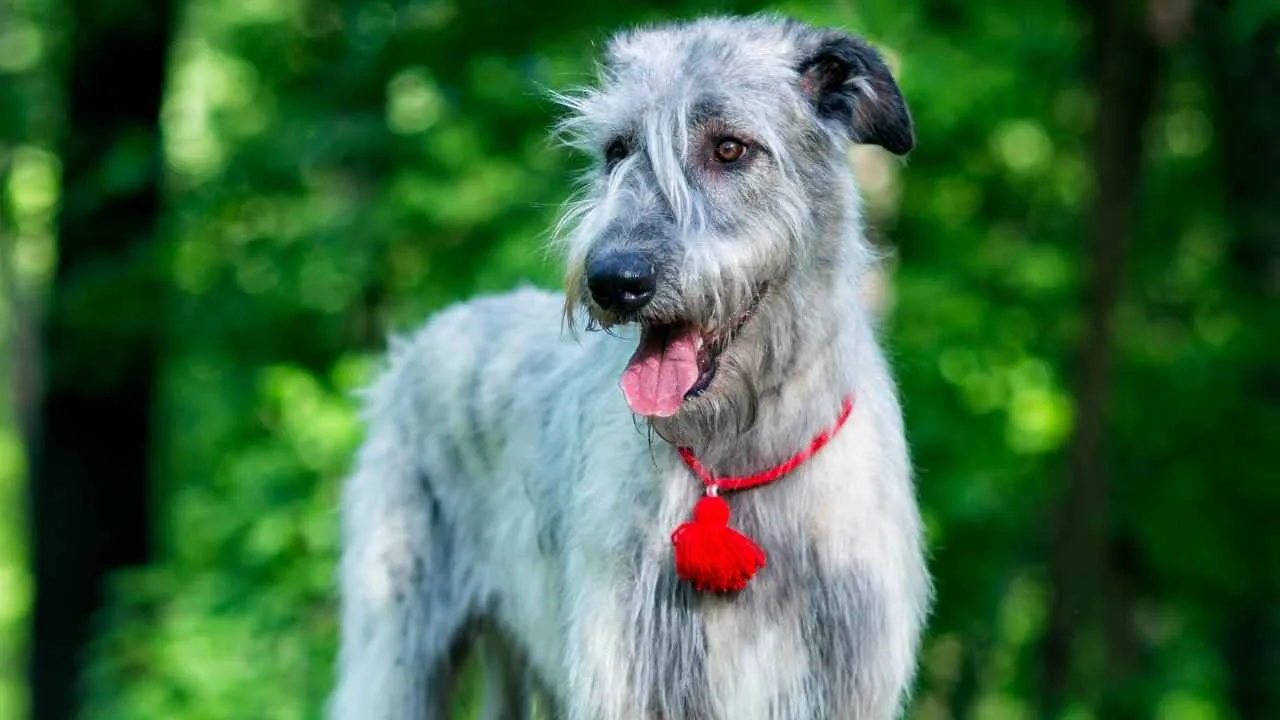
The Irish Wolfhound is a calm, dignified, kind, serene, and the tallest of all AKC breeds. That combination of enormous scale and soft temperament is exactly why the breed keeps appearing in conversations about gentle giants.
Calm indoors does not mean these dogs should live an entirely sedentary life. Wolfhounds have sighthound ancestry and benefit from suitable exercise, space to move, and opportunities to stretch their long legs safely.
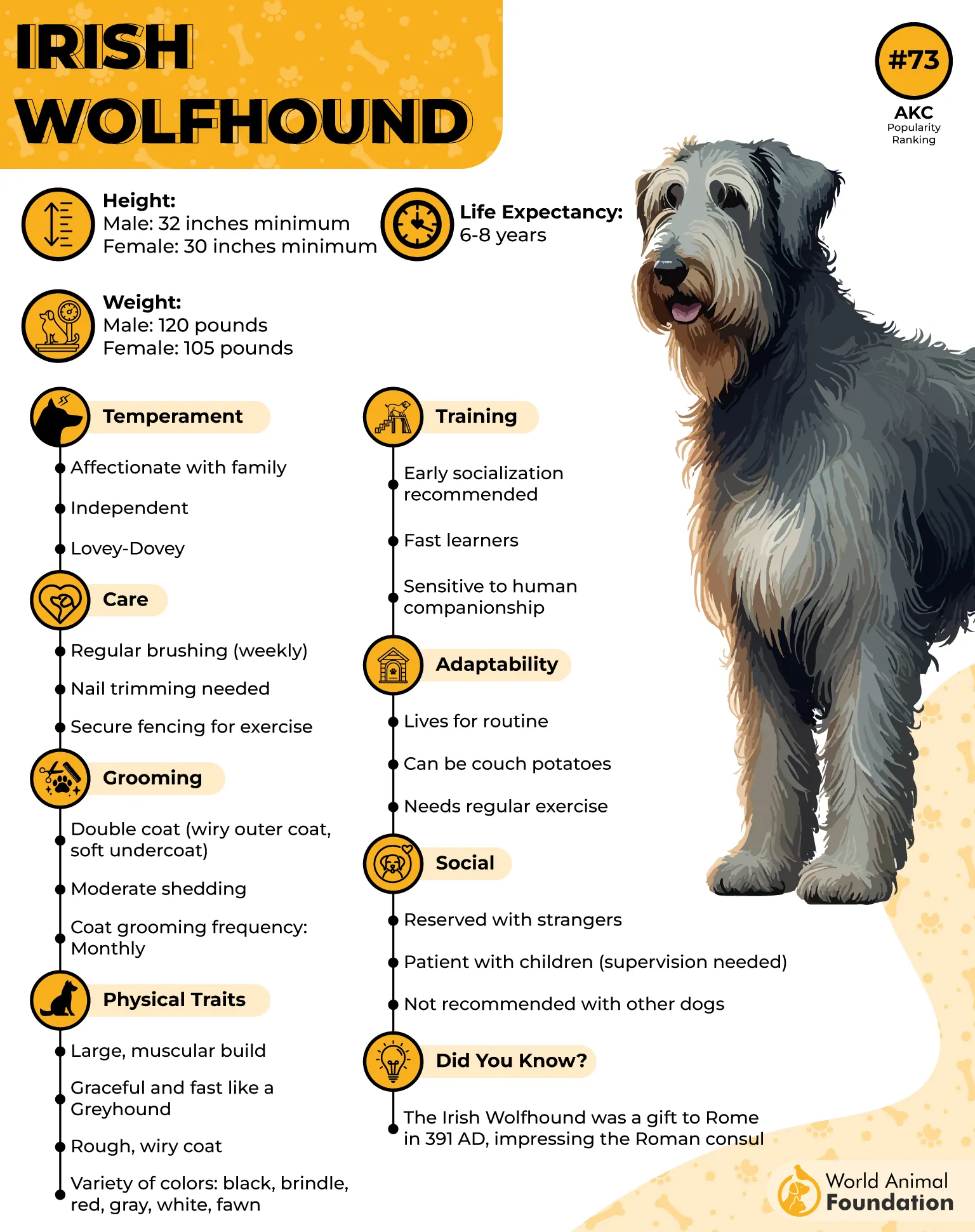
Secure areas are especially valuable because a suddenly moving target can trigger instincts quickly.
Their sheer size affects almost every practical decision. Beds, vehicles, veterinary equipment, medication doses, food quantities, and even where to place a water bowl become giant-breed considerations.
For people prepared for that reality, their peaceful nature can be deeply appealing. The breed is not generally known today as a sharp guardian; rather, it is a serene companion.
What They Do In a Quiet Home
Spend downtime close to their humans once their need for safe, appropriate movement has been met.
Make large, uncluttered resting spaces far more valuable than noisy entertainment or frantic activity.
Conclusion
A peaceful dog is not created by breed alone. Genetics can influence energy level, sociability, sensitivity, barking tendencies, and behavior, but training, health, age, socialization, environment, and individual personality all shape the dog that eventually shares your home.
Most importantly, choose based on the dog’s full needs rather than a cute photo or the promise of a calm personality. The goal is not simply to find a dog that likes a quiet home—it is to create a home where that dog can be healthy, understood, active enough, and genuinely content.
