




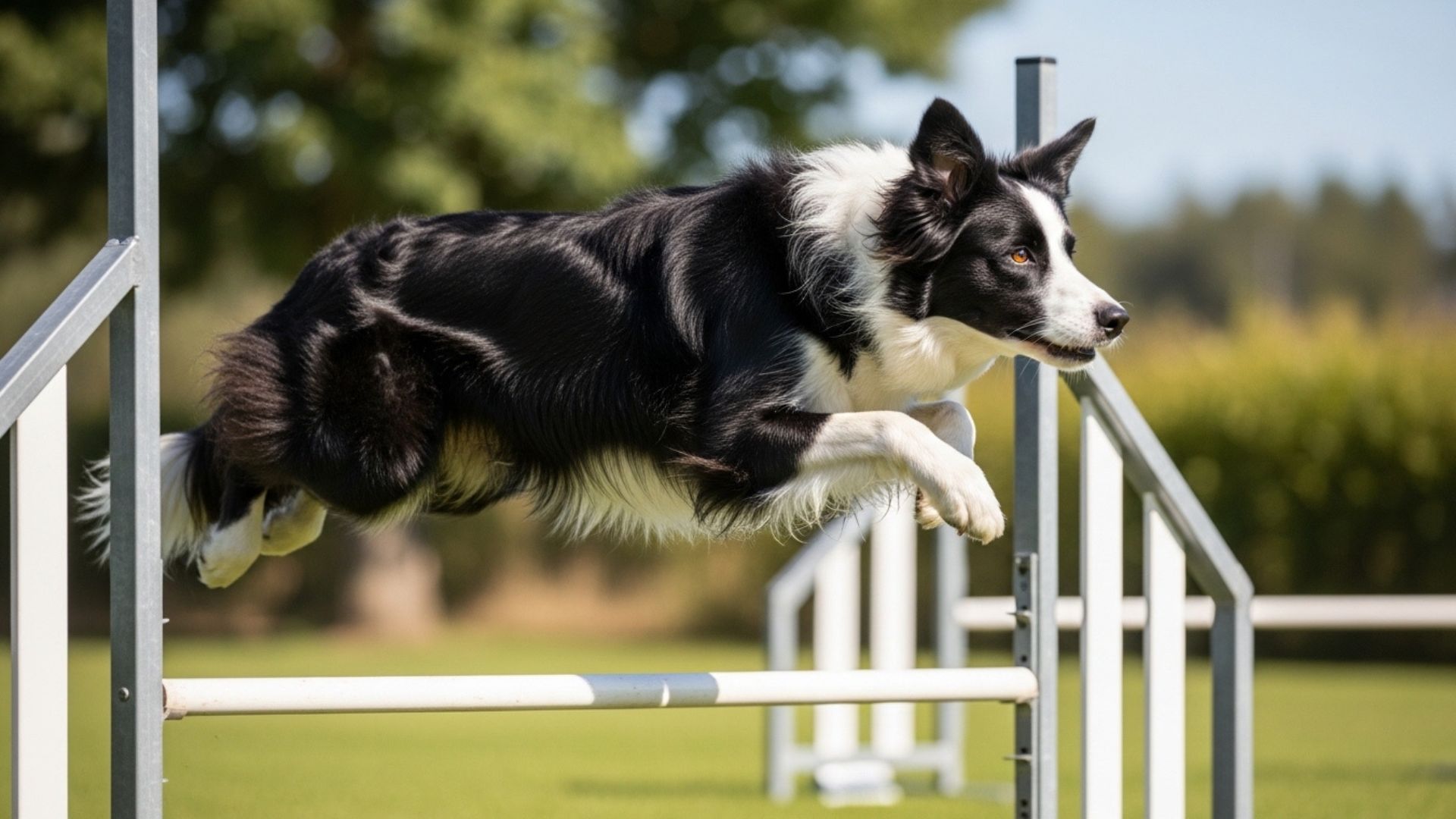
Many dog owners will insist their pup is the “smartest”—and honestly, they might be onto something. In flashes of brilliance, your dog lets you know it’s dinner time without being told, or races to the door the moment you pick up their leash.
Researchers estimate that dogs can be as cognitively sharp as a two-year-old human—but some breeds rise to the very top of the intelligence chart. From problem-solving skills to quick learning, these world’s smartest dog breeds are celebrated for their brains as much as their loyalty and charm.
Whether it’s mastering complex commands, excelling in dog sports, or reading your moods before you say a word, these clever pups prove that intelligence comes in all shapes and sizes—and can make life with them endlessly rewarding.
Here, we’ll explore the most intelligent dog breeds, their unique skills, and what makes them such extraordinary companions.
Clever Dog Breeds: A Guide to Smart Training
1. Border Collie
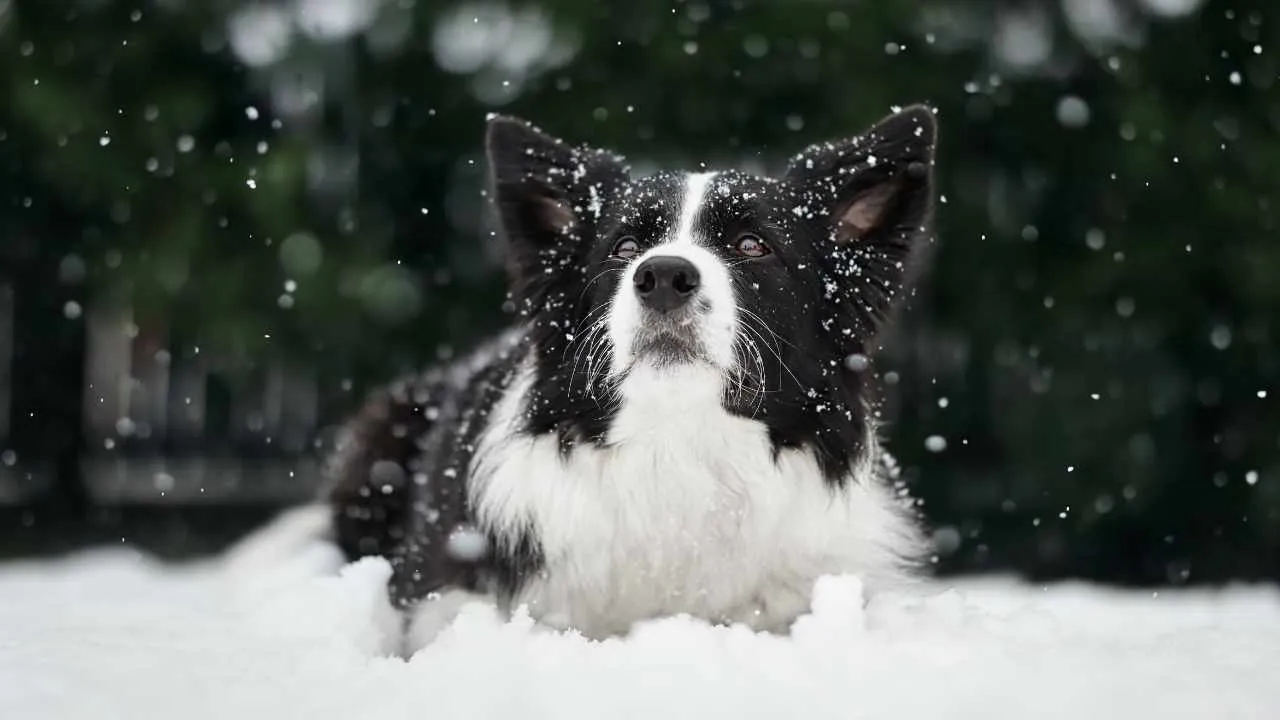
Best For: Active owners, dog sports enthusiasts, and anyone who wants a four-legged teammate instead of a couch potato.
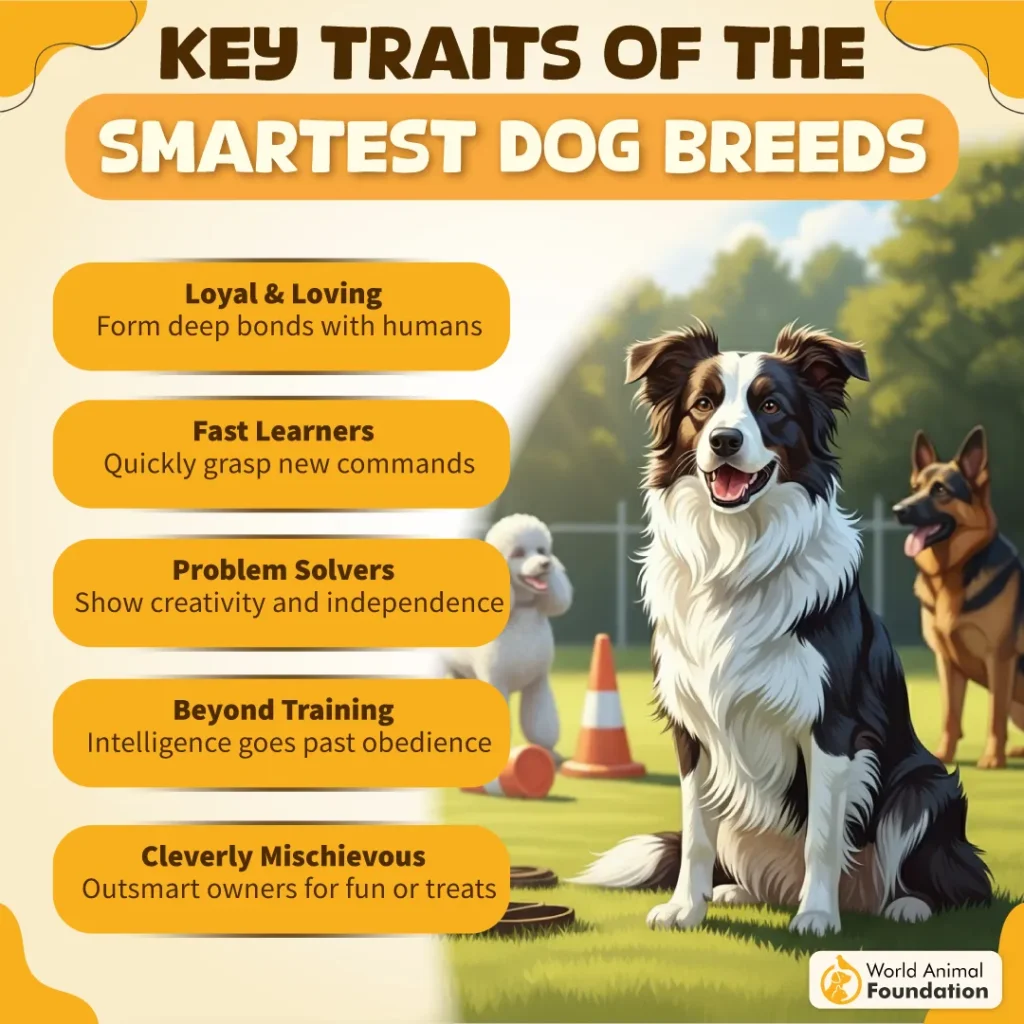
If dogs had report cards, the Border Collie would be the one bringing home straight A’s… and then asking for extra credit. Paws down, this quick-as-lightning herding breed is widely considered the smartest dog on the planet—and it knows it.
These medium-sized herding dogs are problem-solvers, strategists, and workaholics wrapped in a fluffy, medium-sized body (usually between 30 and 55 pounds).
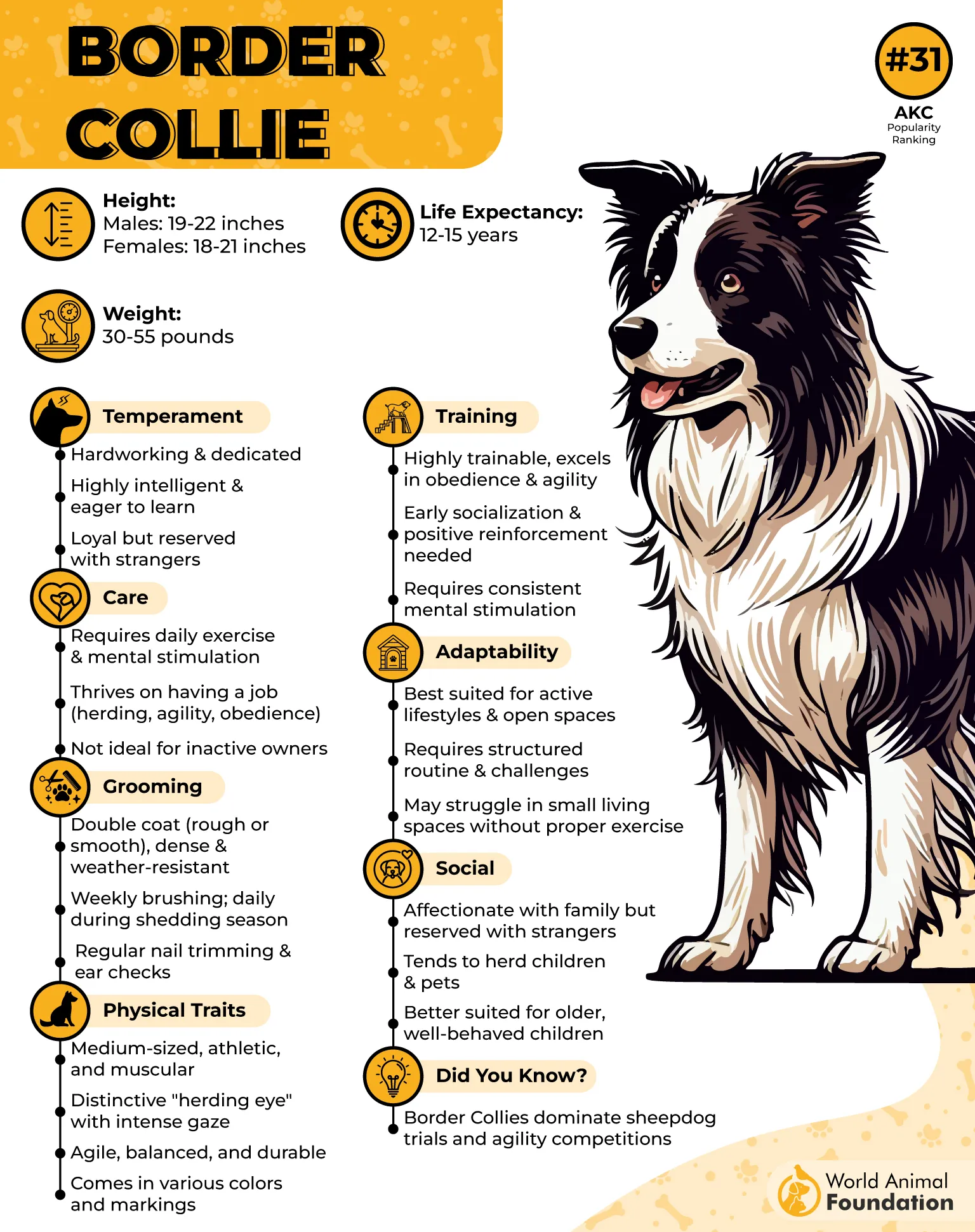
Originally bred to herd sheep with intense focus and precision, they’ve carried that “must finish the task” attitude straight into modern family life. Whether it’s fetching a ball, learning a new trick, or reorganizing your household routine, they’re always on the job.
According to WebMD, Border Collies need plenty of physical exercise and mental stimulation, which is a polite way of saying: skip training day at your own risk. Bored Border Collies don’t just chew shoes—they invent hobbies, and you probably won’t approve of them.
Their intelligence is legendary. In fact, one famously brainy Border Collie reportedly learned to recognize over 1,000 words. That’s more vocabulary than some humans have before coffee. Teaching them new commands is usually easy; convincing them not to outthink you is the real challenge.
Keep sessions fun, fast-paced, and challenging. Puzzle toys, agility training, advanced obedience, and interactive games are Border Collie catnip. Repetition without purpose? They’ll see right through it.
2. Poodle
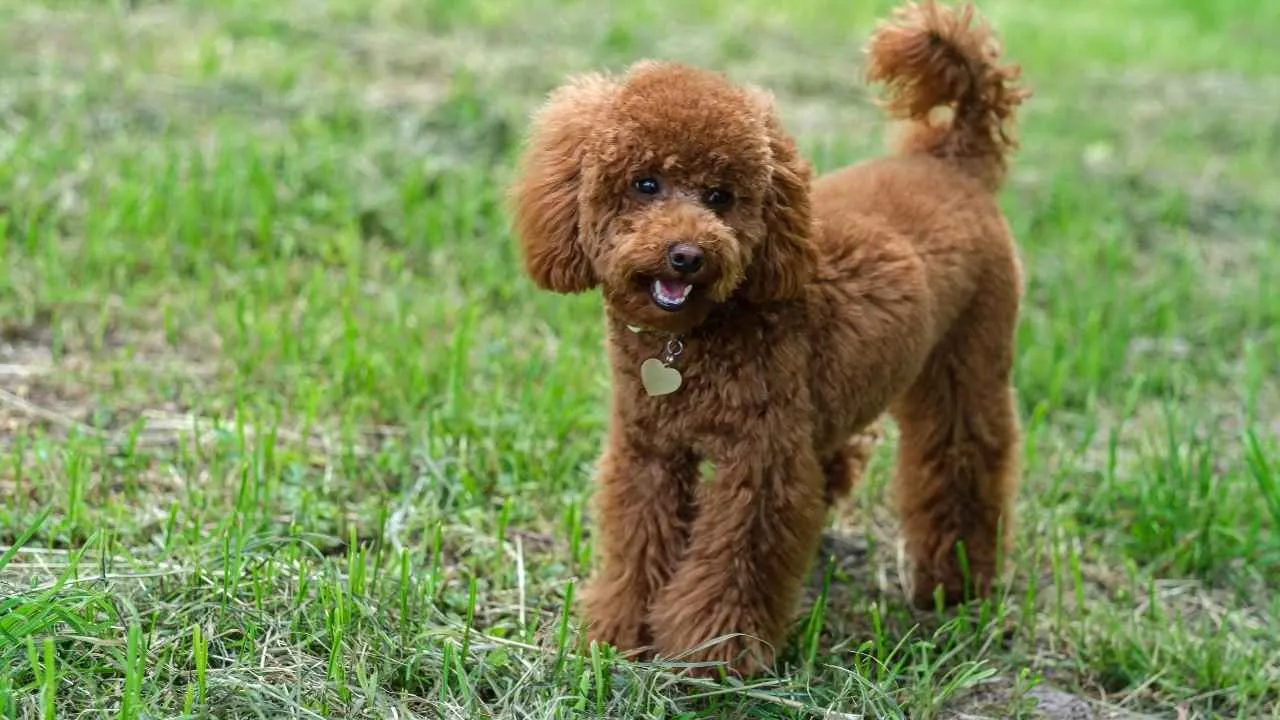
- Best For: Families, first-time dog owners, and anyone who wants a smart, trainable companion with low shedding and high charm.
Don’t let the fancy haircut fool you—under those curls is a brain that’s always switched on. Whether Toy, Miniature, or Standard, Poodles are among the smartest dog breeds around, proving that intelligence and style can absolutely coexist.
These intelligent breeds are wonderfully attentive. Give them clear, consistent instructions, and they’ll pick up new commands faster than you can say “sit.” In fact, they don’t just learn tricks—they remember them. This is the kind of dog that hears a command once and thinks, “Got it. What’s next?”
One of their biggest strengths is their eagerness to please. Poodles genuinely enjoy working with their humans, which makes training feel less like a chore and more like a fun collaboration. Toss in a little praise, a tasty treat, or a new challenge, and you’ve got a very motivated student.
Because they’re so exceptionally intelligent, Poodles thrive on mental stimulation. Obedience competitions, agility courses, puzzle toys, and even learning silly tricks (yes, they can learn to fetch your slippers and judge your fashion choices) keep them happy and well-behaved.
Without stimulation, though, they may resort to entertaining themselves—and trust us, their ideas are usually more creative than yours. Positive reinforcement is the key. Poodles respond best to encouragement, consistency, and variety.
3. German Shepherd Dog
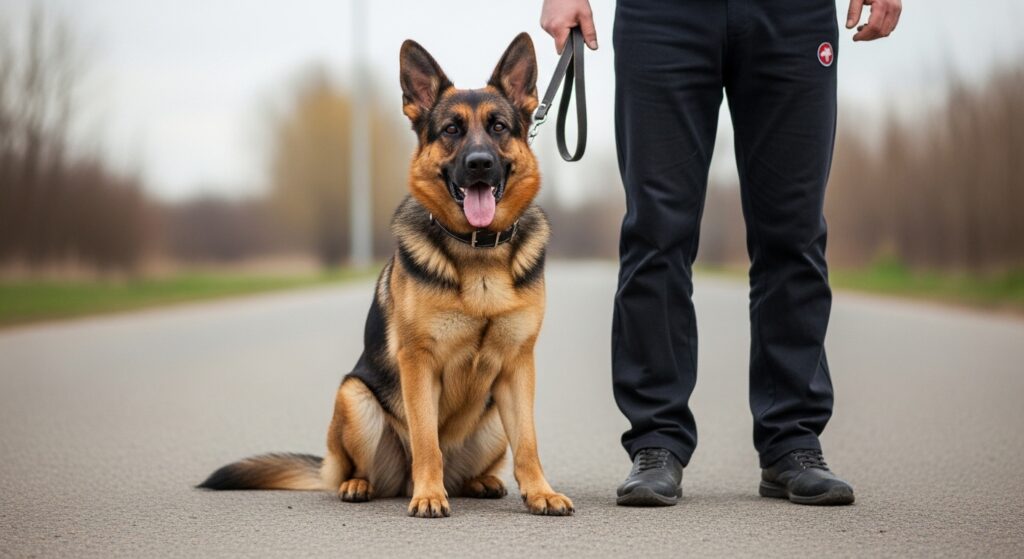
Best For: Active owners, families willing to invest time in training, and anyone looking for a loyal companion who takes their role as “guardian” very seriously.
Few dog breeds command respect quite like the German Shepherd Dog. Recognized worldwide as a top-tier service and working dog, the GSD is the total package: courageous, confident, fiercely loyal, and seriously smart. If this breed had a résumé, it would be several pages long—and heavily endorsed.
Bred as herding dogs, German Shepherds possess sharp instincts and intelligence that make them excellent guard dogs, guide dogs, able to assess search and rescue mission and respond quickly.
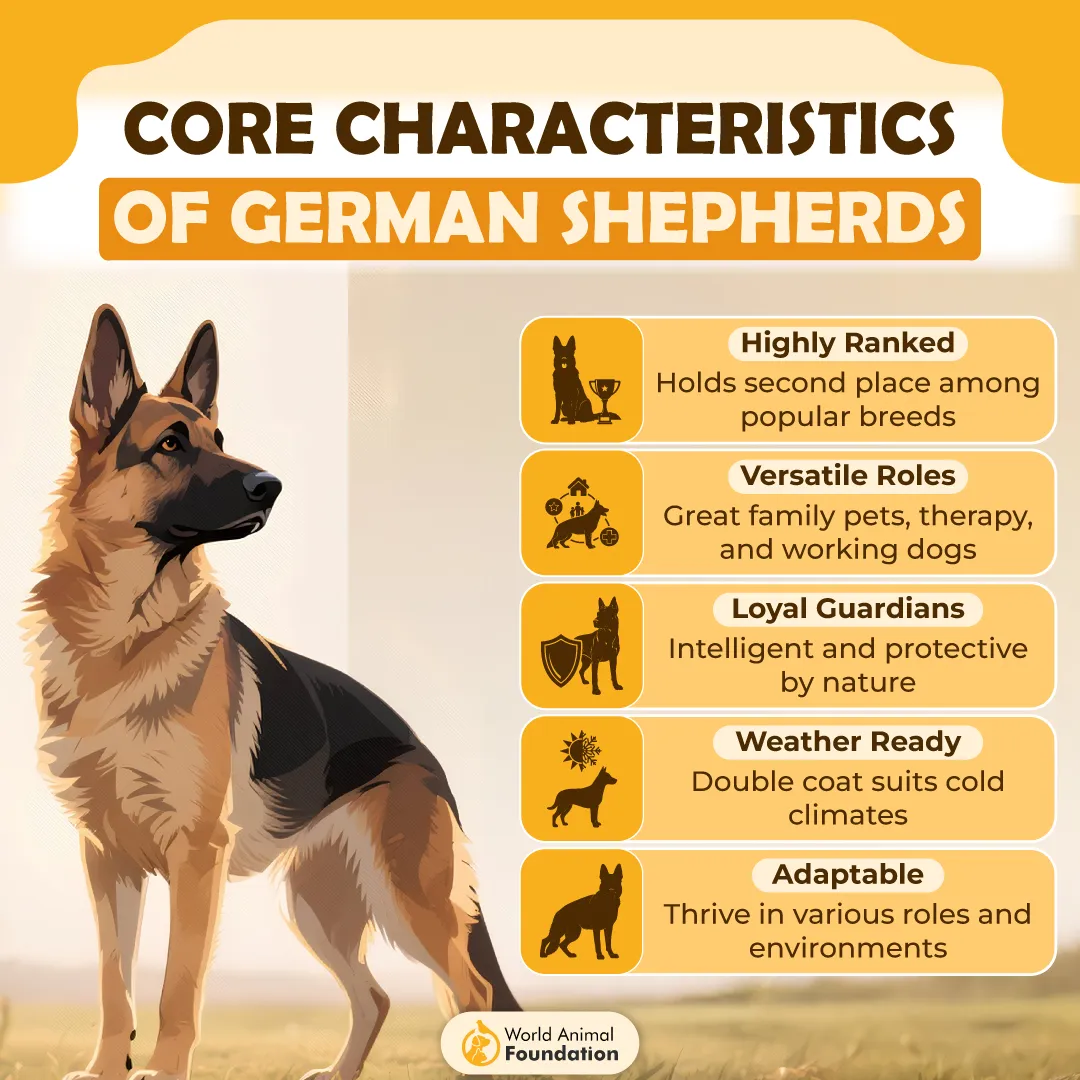
This isn’t paranoia—it’s adaptive intelligence paired with instinct. They don’t just react; they evaluate. Basically, they’re the dogs who read the room before making a move.
German Shepherds thrive when they have a job to do. Training isn’t optional for them—it’s essential. Without regular tasks and challenges, a GSD can become restless, bored, and a little too inventive for your liking.
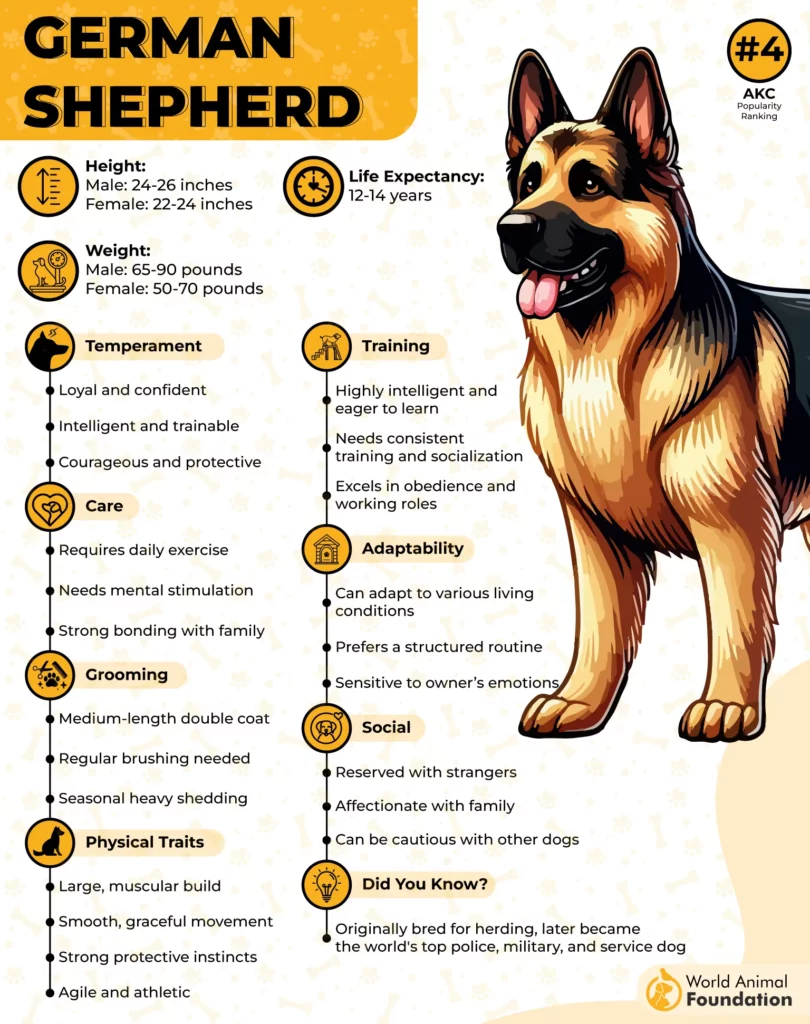
According to the American Kennel Club (AKC), German Shepherds stand proudly in the front rank of canine royalty because of their defining character traits: loyalty, courage, confidence, and a remarkable ability to learn commands for a wide range of tasks.
German Shepherds excel with structured, goal-oriented training. Obedience work, scent tracking, protection sports, service tasks, and advanced commands keep their minds sharp and their tails wagging.
4. Golden Retriever
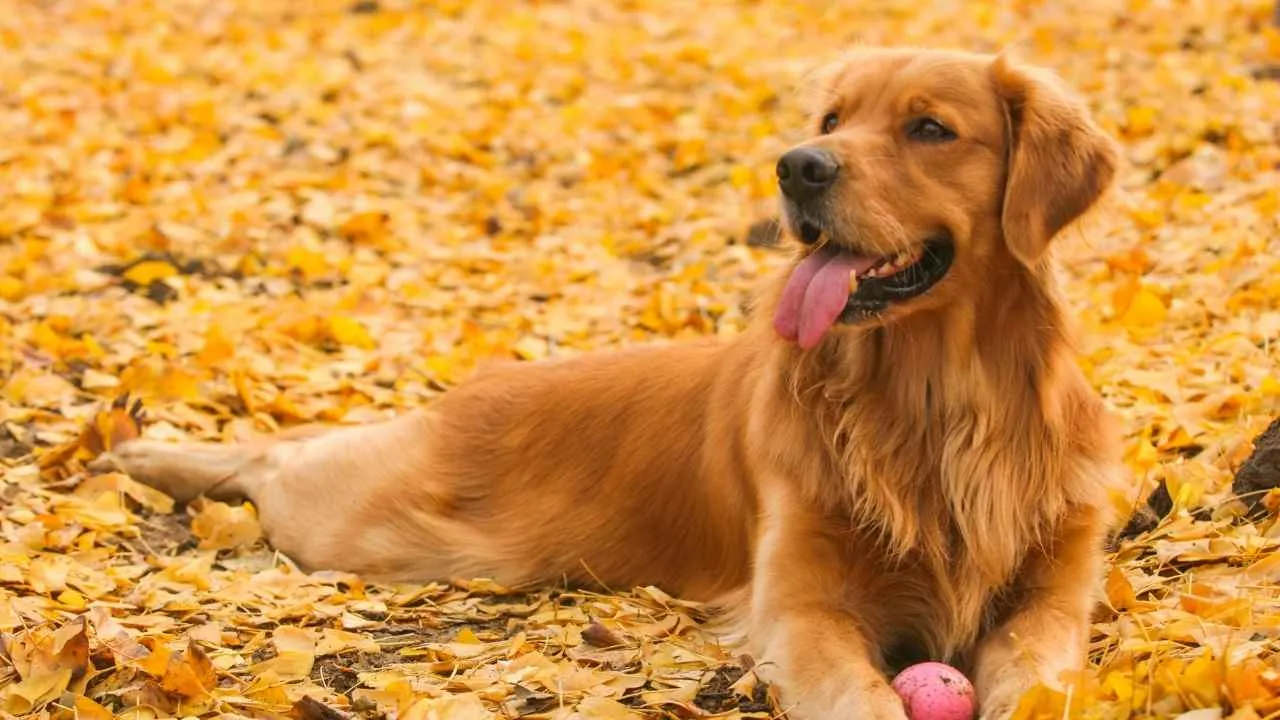
Best For: Families, first-time dog owners, therapy and service work, and anyone who wants a smart dog that doubles as a full-time best friend.
If happiness came with a tail, it would probably belong to a Golden Retriever. This Sporting Group favorite is a sweetheart in both looks and personality—and just happens to be incredibly smart, too. Goldens are naturally eager to please, which makes training feel less like work and more like teamwork.
Loyal to the core and quick to catch on, Golden Retrievers learn commands fast and actually enjoy showing off what they know. Put them in obedience trials, and they’re more than happy to outperform other retrievers—with a big grin on their face the whole time.
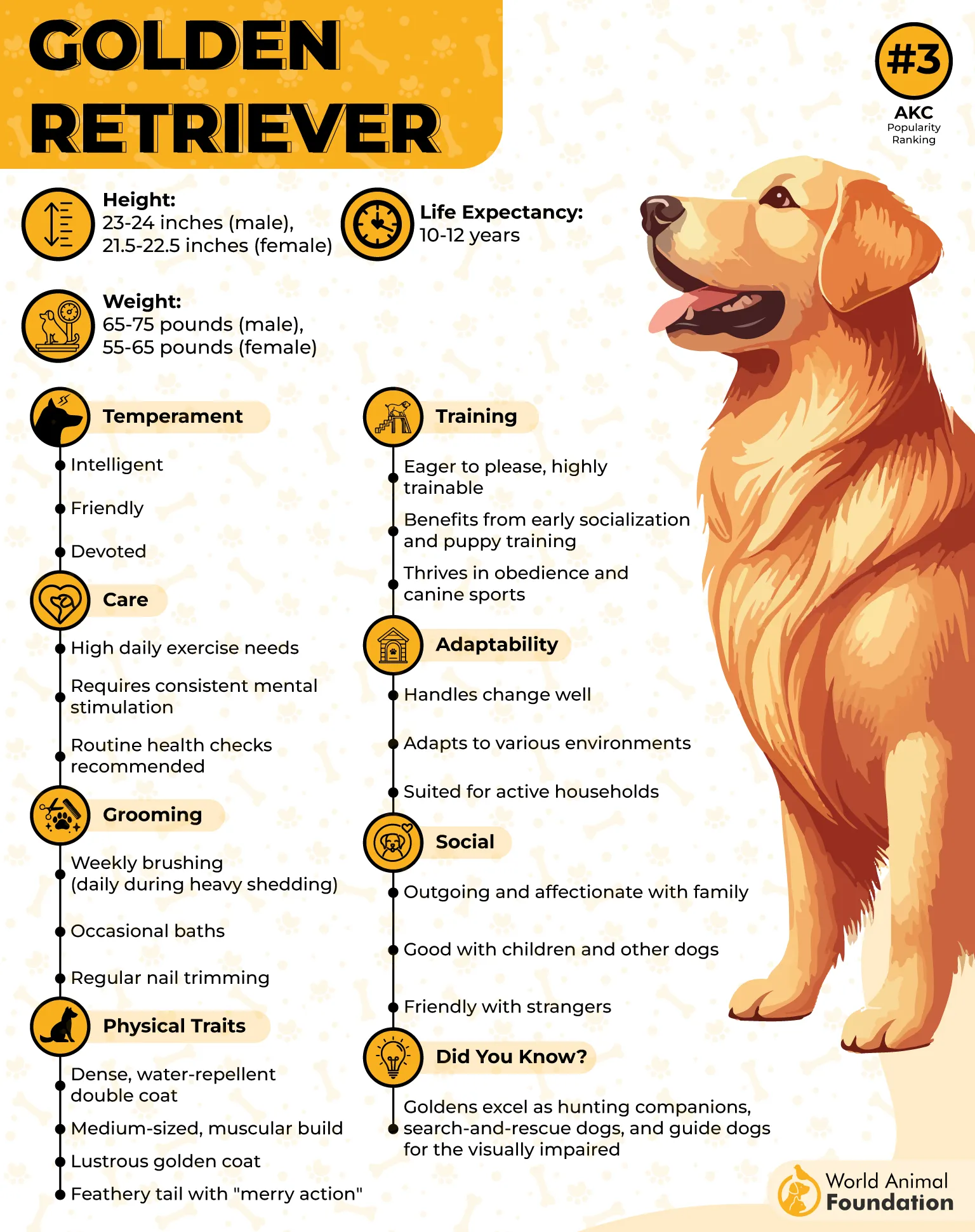
According to Purina, Golden Retrievers are not only highly intelligent but also deeply empathic. They seem to feel what their humans feel, which explains why they excel as service dogs, therapy dogs, and emotional-support companions.
Whether they’re guiding, comforting, or simply resting their head on your knee at the perfect moment, Goldens have an uncanny emotional radar. Their intelligence, paired with their gentle temperament, makes them one of the most versatile breeds around.
It’s also why the Golden Retriever consistently ranks among the top ten most popular dogs in the United States—because who wouldn’t want a smart dog that’s also your biggest fan?
Golden Retrievers respond best to positive reinforcement and consistency. Keep sessions upbeat and rewarding, and they’ll give you 110% effort—possibly with a happy dance included.
5. Doberman Pinscher
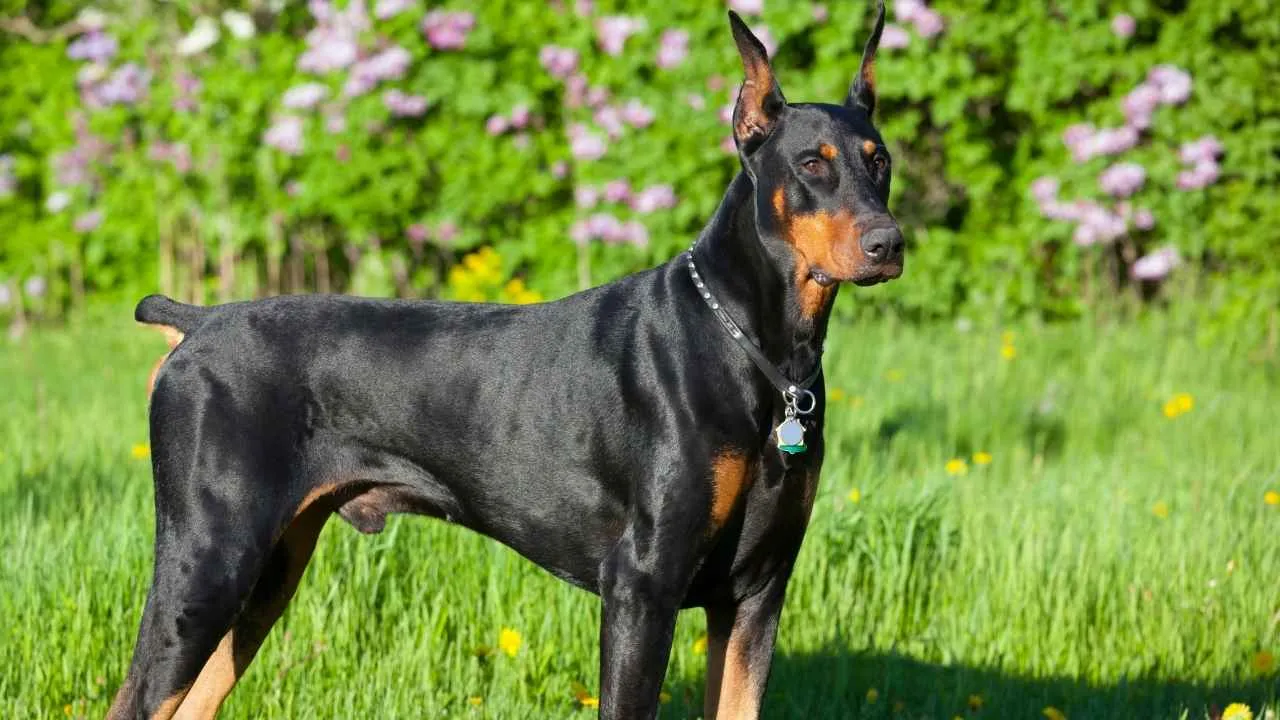
Best For: Experienced dog owners, active households, and anyone looking for a loyal, intelligent guardian who’s always on high alert.
Sleek, powerful, and unmistakably striking, the Doberman Pinscher doesn’t just look intelligent—it absolutely is. This iconic black-and-tan breed easily competes for valedictorian of the Working Group, and yes, it fully deserves the title.
Named after Louis Dobermann, who developed the breed as a fearless personal protector, the Doberman was designed to be alert, loyal, and ready for action at a moment’s notice. What sets them apart, though, is their exceptional perception.
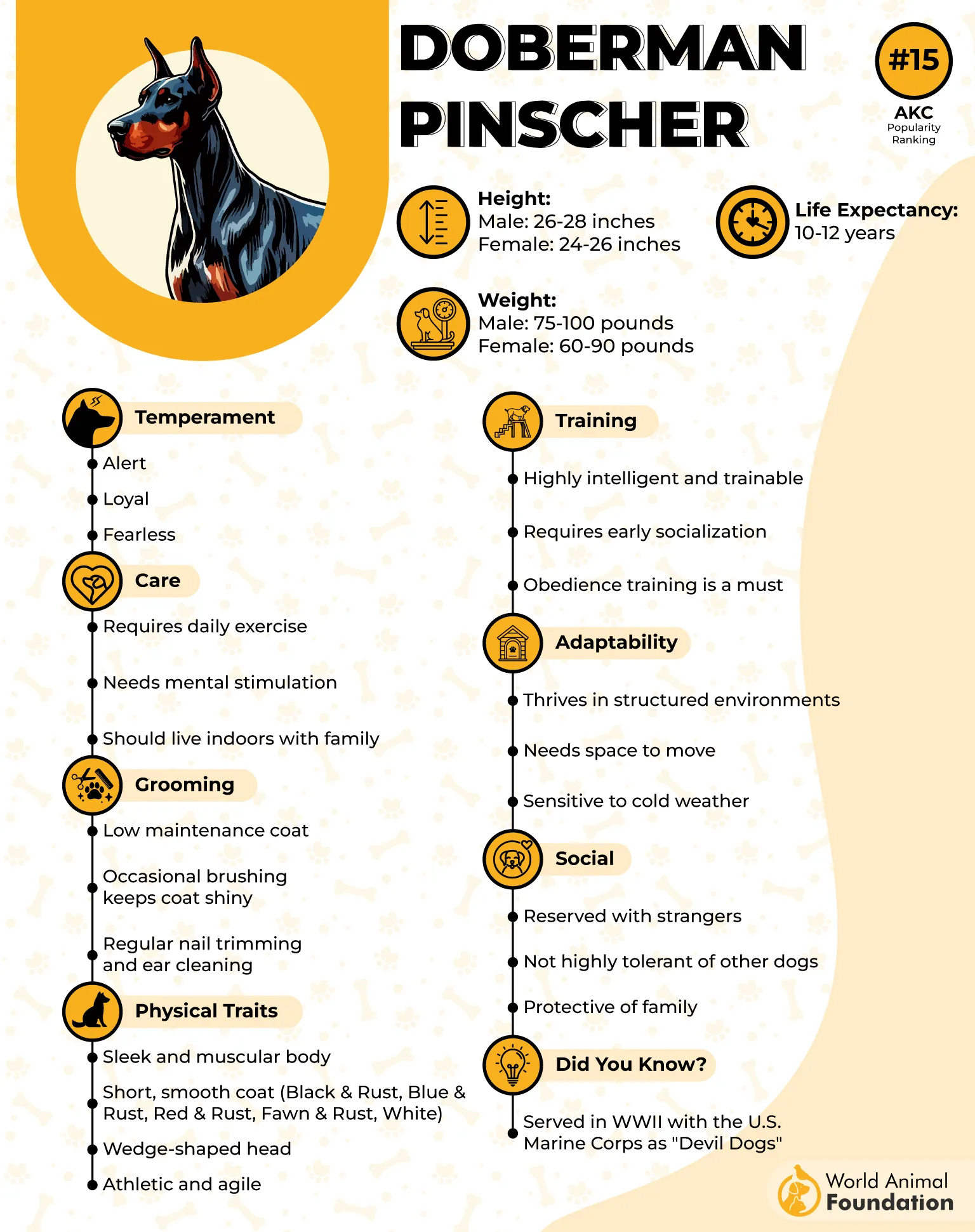
Dobermans don’t just hear commands—they anticipate them. Sometimes it feels like they’re already halfway through the task before you finish speaking. Highly active and deeply devoted to their people, Dobermans excel in obedience training and thrive on structure.
They love having a purpose and perform best when both their minds and bodies are kept busy. Without regular challenges, this smart cookie may start conducting unauthorized home-security patrols—or reorganizing your schedule.
Despite their tough reputation, Dobermans are often affectionate, sensitive, and incredibly people-oriented. They bond closely with their families and take their role as protectors very seriously. Think of them as elegant bodyguards who also appreciate praise, routine, and the occasional belly rub.
6. Shetland Sheepdog
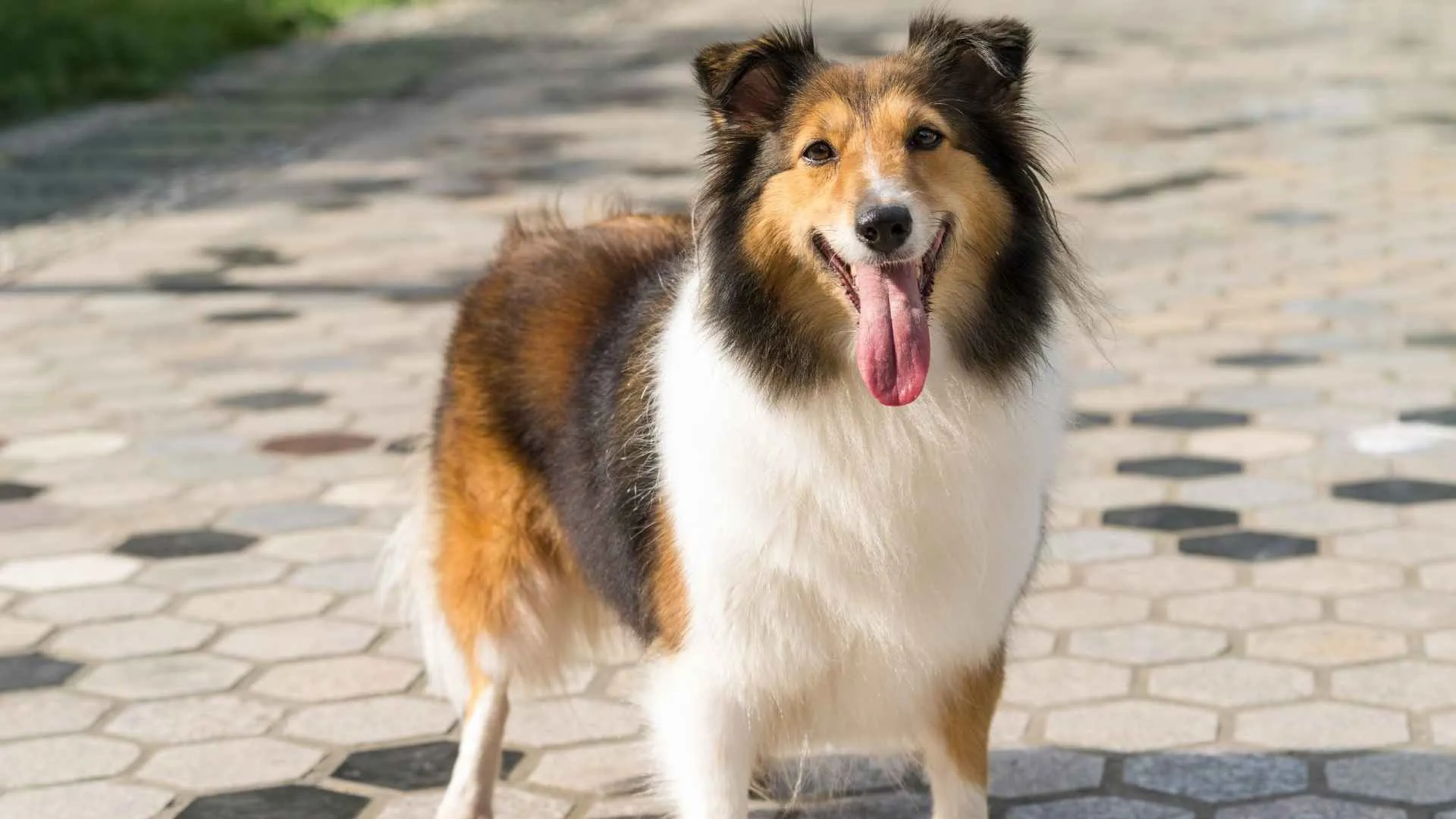
Best For: Active families, dog sport enthusiasts, and anyone looking for a smart, affectionate dog in a smaller package.
Don’t let the petite stature fool you—standing just 12 to 15 inches tall, the Shetland Sheepdog packs an impressive amount of intelligence into a compact, fluffy frame. This breed is a full-blown brainiac that lives to herd anything that moves… including sheep, squirrels, and occasionally small humans who wander off course.
Often described as a Collie in miniature, Shelties are fast, agile, and incredibly clever. They learn new commands at lightning speed and genuinely enjoy the challenge of training.
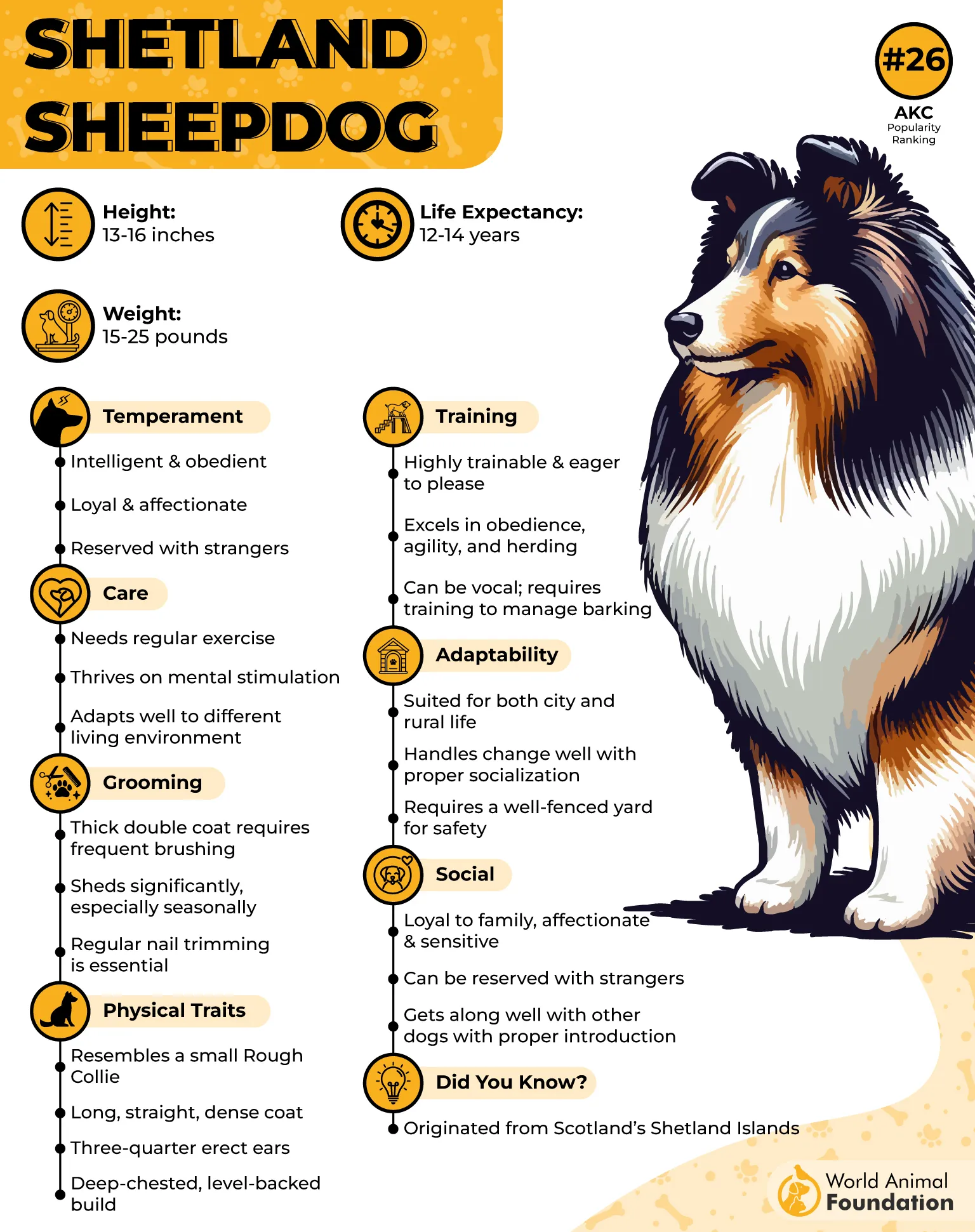
In fact, they don’t just participate in dog sports—they dominate them. Agility, obedience, herding trials, and rally competitions are where Shetland Sheepdogs really shine.
Deeply devoted to their people, Shelties form strong bonds with their families and love being involved in daily activities. They’re happiest when they have both mental and physical outlets, and they thrive on praise and purpose. Leave them bored, though, and they might take it upon themselves to manage household traffic flow.
Keep training sessions upbeat, varied, and engaging. Shelties respond best to positive reinforcement and clear direction—they’re sensitive souls who want to get it right.
7. Labrador Retriever
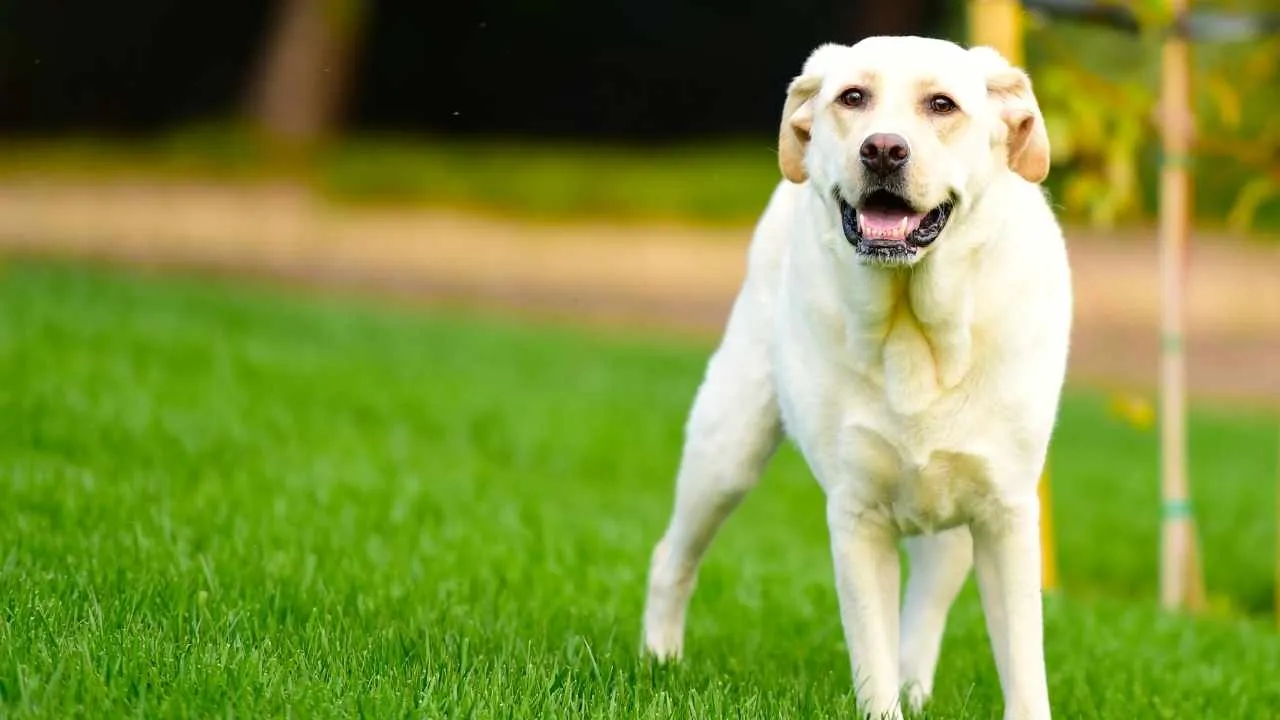
Best For: Families, first-time owners, active households, and anyone who wants a smart, loving companion with an unbeatable attitude.
Friendly, active, and endlessly affectionate, the Labrador Retriever is basically the dog world’s people-person. Consistently ranking as one of the most popular breeds, Labs have mastered the art of being both highly intelligent and incredibly approachable.
As members of the Sporting Group, these medium-sized dogs are high-spirited and always ready for action—whether that’s charging through a field, splashing into a lake, or enthusiastically supervising household activities.
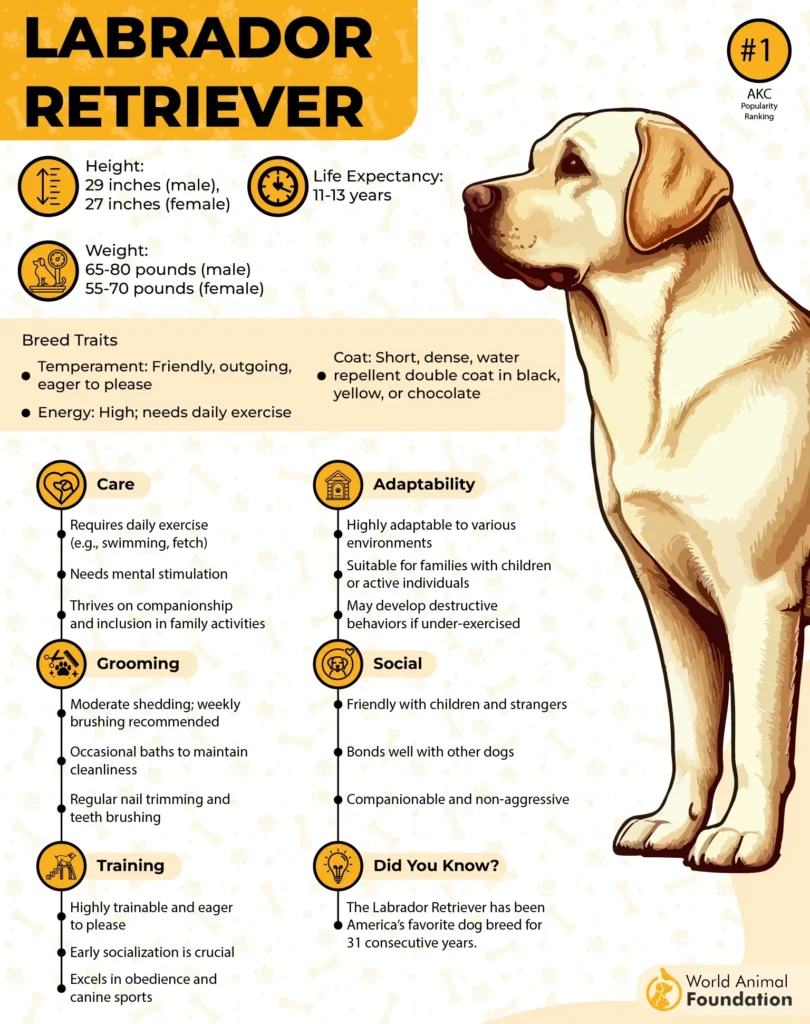
Natural swimmers with boundless energy, they were bred to retrieve game from water, and many Labs still act like every puddle is a personal invitation. When it comes to training, Labs shine. They’re fast learners, eager to please, and motivated by praise, play, and—let’s be honest—food.
This combination makes them outstanding candidates for obedience work, service dog roles, search-and-rescue, and therapy programs. Teaching a Lab is usually straightforward; convincing them not to overdo their enthusiasm is the real challenge.
Despite their go-go-go attitude, Labradors are affectionate family dogs who love being included in everything. If you’re doing it, they want to help—even if “helping” mostly involves wagging their tail and bumping into furniture.
Keep sessions fun and reward-based. Labs respond best to positive reinforcement and variety. Bonus points if water or retrieving games are involved.
8. Papillon
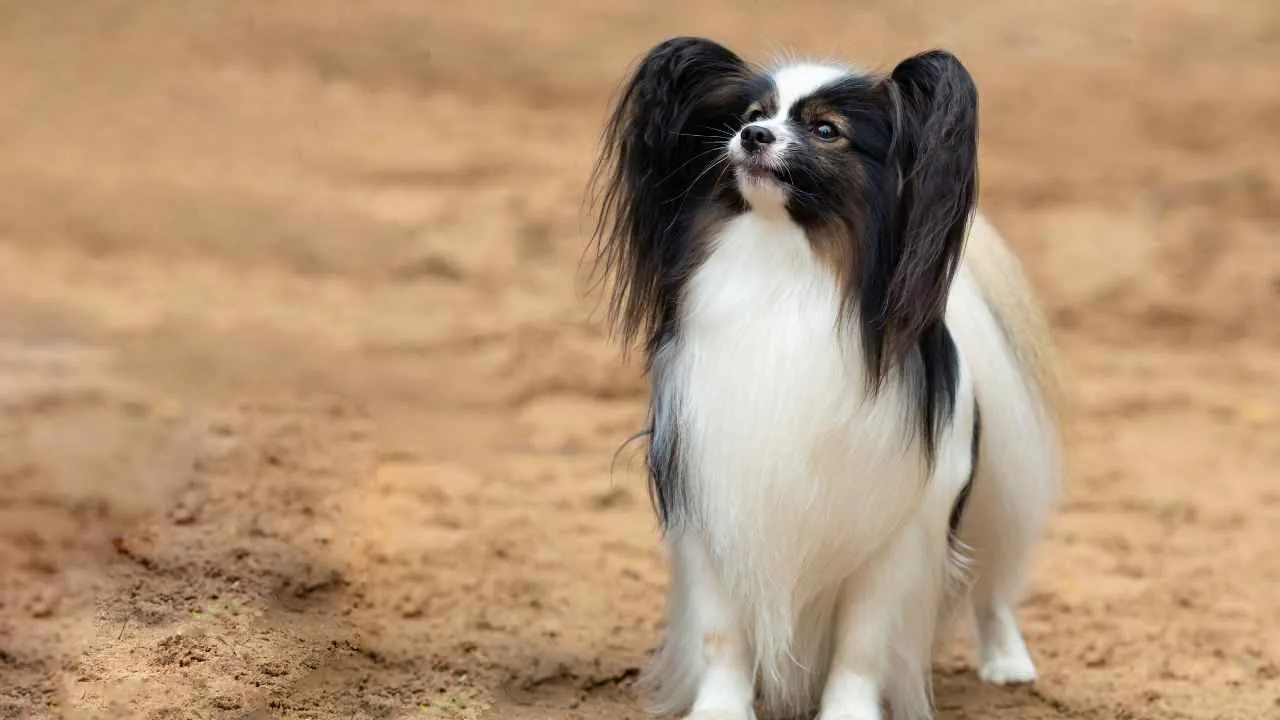
Best For: Anyone looking for a small dog with a big personality, active households that can match their energy, and obedience or agility enthusiasts.
Don’t let the delicate, butterfly-like ears fool you—the Papillon is a pint-sized powerhouse of intelligence and energy. According to Britannica, Papillons are considered the smartest and most trainable of all toy breeds, making them the overachievers of the miniature dog world.
This breed thrives on mental challenges and physical activity. Their combination of intelligence, athleticism, and eagerness to please makes them quick learners and stars in obedience and agility competitions.
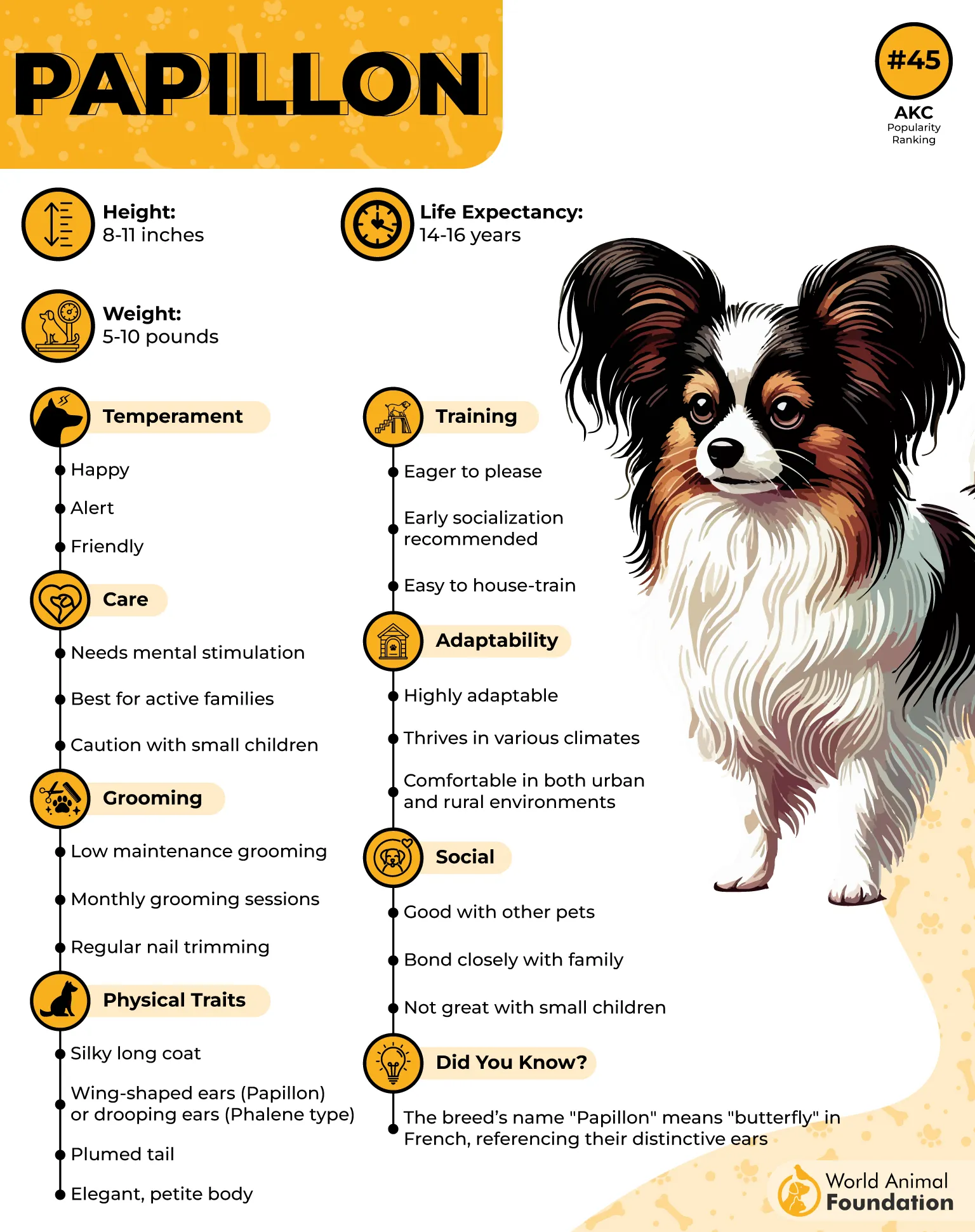
Watching a Papillon in action is like watching a tiny acrobat with a PhD in trick performance—they can leap, twist, and retrieve with precision and flair. Papillons also love to play. Fetch, catch, and interactive games aren’t just fun—they’re training disguised as entertainment.
Give them tasks, puzzles, or tricks to learn, and these clever canines will approach it with enthusiasm that rivals dogs ten times their size. Keep training sessions short, fun, and reward-based. Their little bodies burn energy quickly, but their brains crave constant stimulation.
9. Rottweiler

Best For: Experienced owners, active families, and anyone looking for a loyal, intelligent companion who doubles as a guardian.
Don’t let the muscular build and serious expression fool you—the Rottweiler is a thinking dog with remarkable intelligence and focus. Originally bred to drive cattle and pull carts, Rottweilers have problem-solving abilities that thrive when given a clear job and structure.
Courageous, confident, and fiercely loyal, this breed excels at obedience, protection work, and service tasks. Rottweilers are not only quick learners—they also possess a strong sense of judgment, making them excellent guardians for family and property alike.
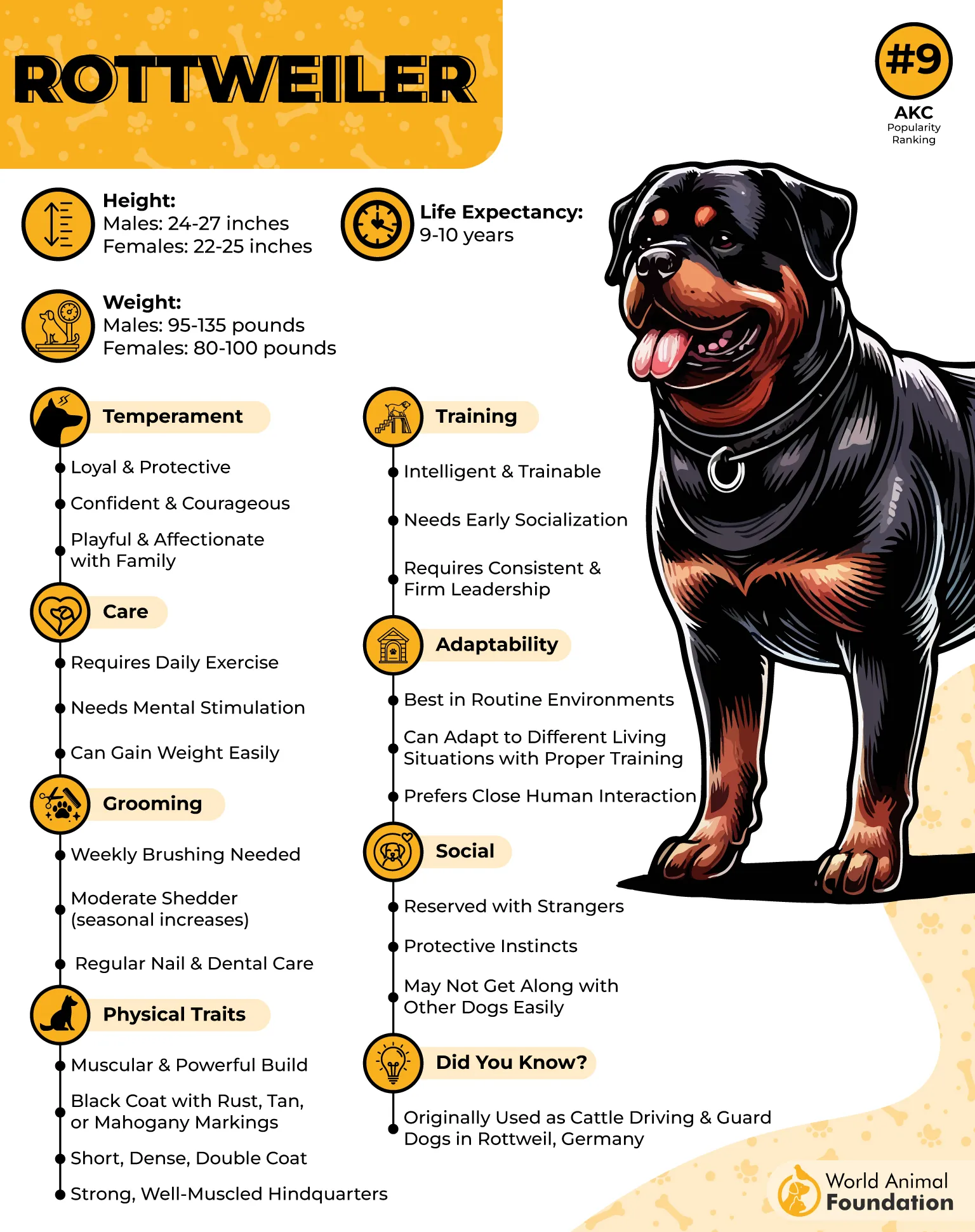
But beneath the tough exterior is a dog who adores its humans and can be surprisingly affectionate with early socialization. Because Rottweilers are intelligent and highly active, mental and physical stimulation are a must.
Training isn’t just about commands—it’s about giving them challenges that engage their minds and bodies. From advanced obedience to tracking and agility exercises, Rottweilers thrive on having a purpose.
Conclusion
Dogs with excellent problem-solving skills and high canine intelligence bring both joy and challenge to pet parents. Some of the smartest breeds excel in obedience, mental stimulation, and clever tasks, making them well-suited for families who enjoy active, engaging companions.
Consistent training, daily mental workouts, and interactive play help these clever dog breeds reach their full potential while strengthening the bond between dog and owner. Whether serving as guide dogs, family pets, or working partners, these intelligent dogs thrive when given structure, praise, and opportunities to solve problems.
For pet parents willing to invest time and energy, smart dogs reward their households with loyalty, energy, and unmatched companionship.
