




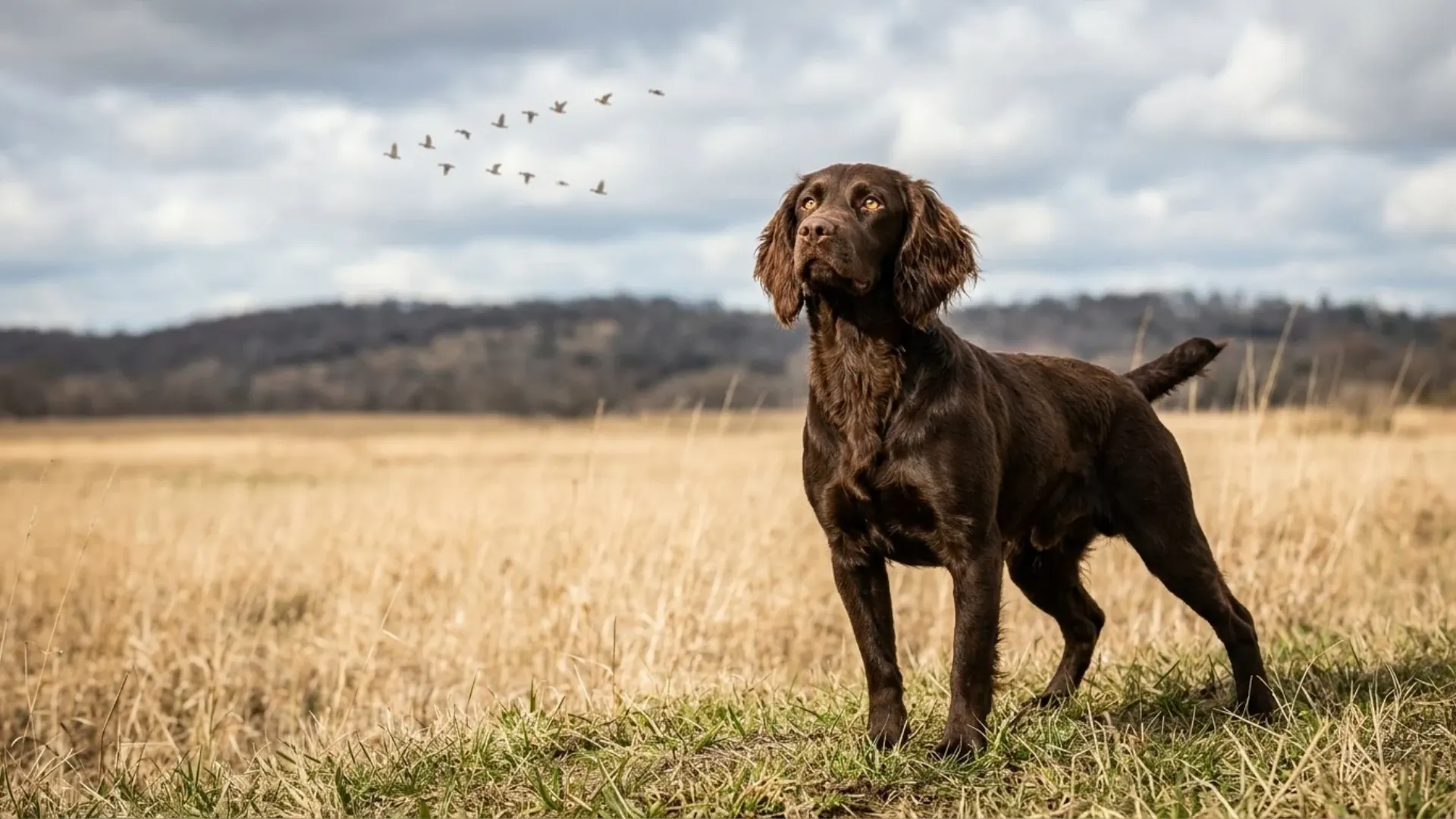
There is no better relationship than a partnership between a bird hunter and a sporting dog breed. These breeds have been around long before modern-day dog sports. These versatile hunting dogs were used for upland bird hunting due to their amazing hunting styles.
Some were experts in hunting in frozen terrains while some are classic bird dogs that work in forests and vast fields. What makes bird dogs interesting is the division of labour. Two breeds can hunt the same bird, such as pheasants, but will have totally different working styles.
The following are examples of some of the best breeds to be associated with game bird hunting. All these pups have special talents that are useful in the field.
Classic Dog Breeds that Chase Game Birds in Wide Open Skies
1. Nova Scotia Duck Tolling Retriever

The Nova Scotia Duck Tolling Retriever is one of the most unusual retrievers on the list. The Toller was not bred to just hunt the ducks on its own. It was bred to assist the hunters in waterfowl hunting. It can move around along the shore and distract curious ducks.
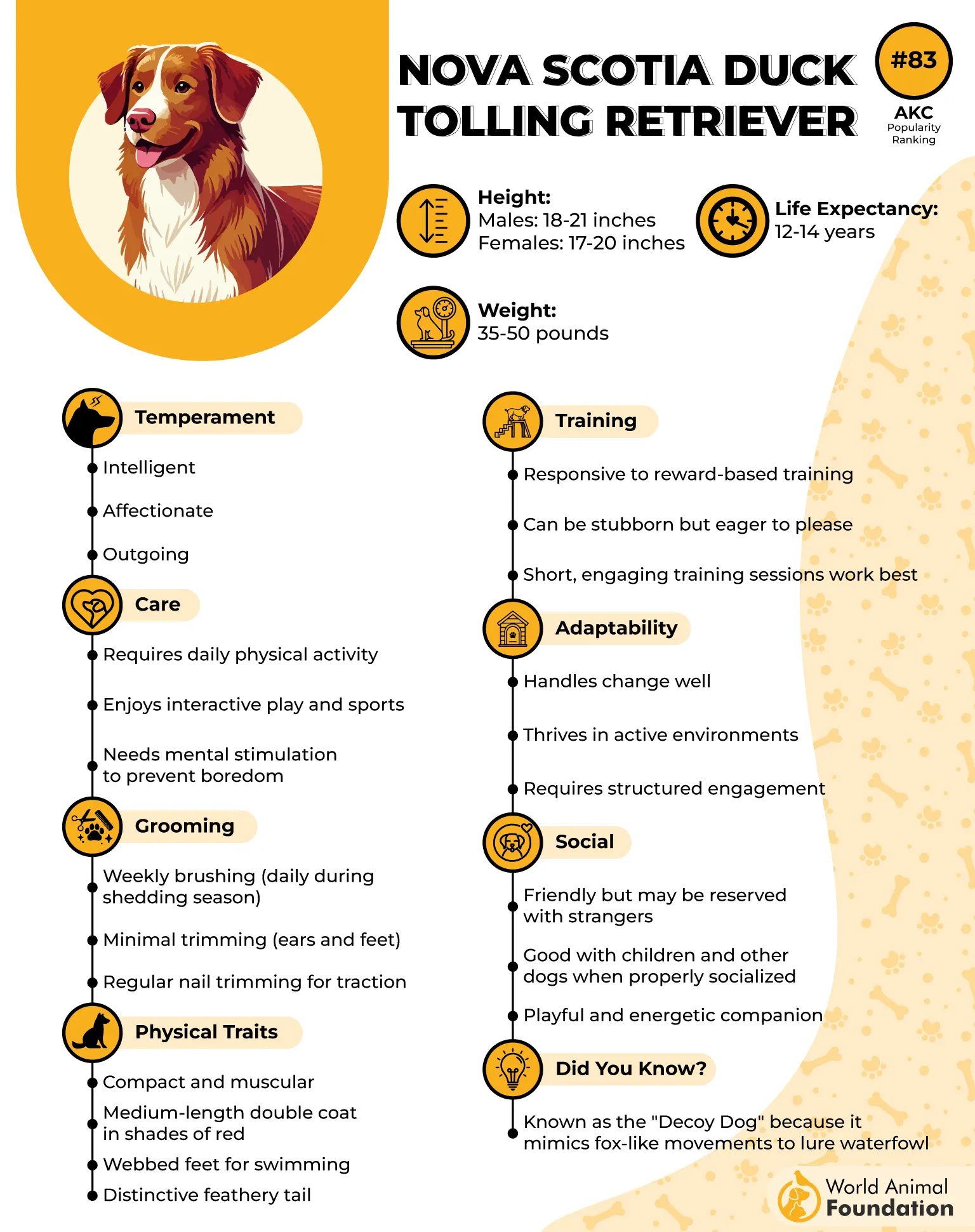
If the birds were in the shooter’s shooting range, he could aim and shoot the birds and then throw the dog at them. This dog originated from Little River, as stated by The American Kennel Club. Its fox-like colour and movement helped it in this exceptional method of waterfowl hunting.
The Toller also has excellent retrieving ability. It performs very well alongside versatile hunters. This dog can get stubborn at times, which is why early training is necessary. Most dogs respond well to reward-based training, so pet parents can use treats while training these folks.
2. Brittany
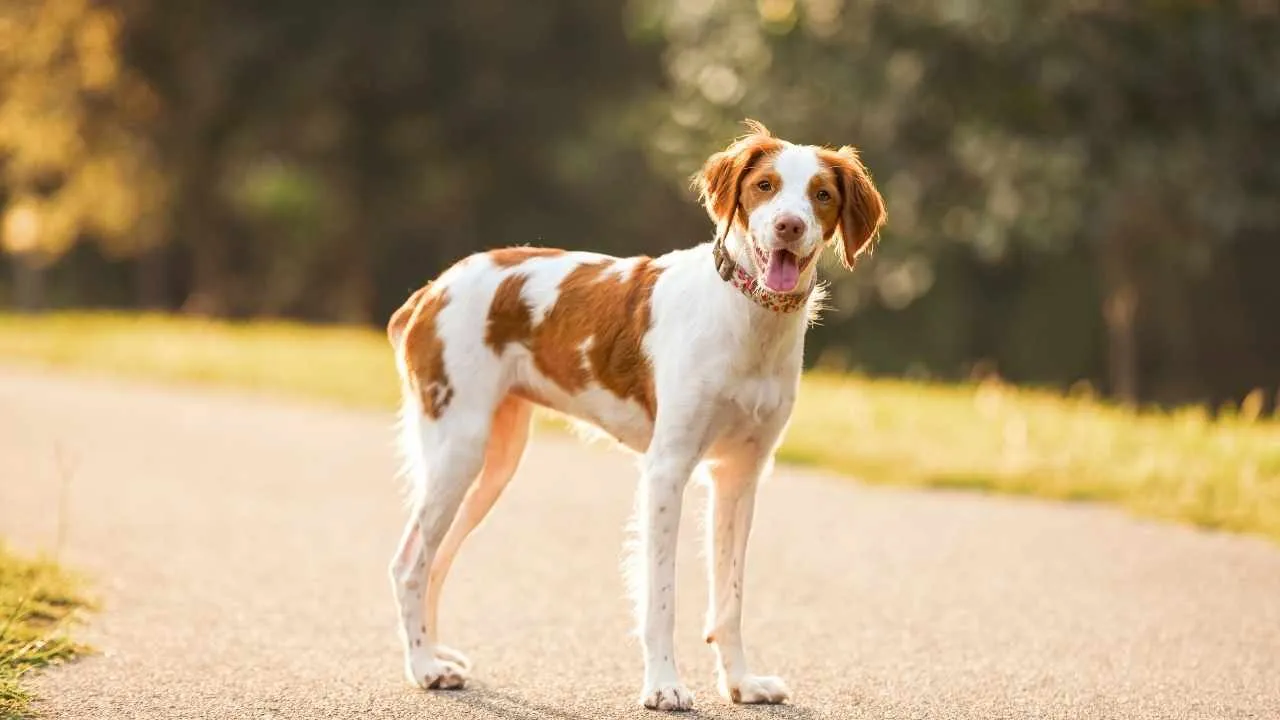
The Brittany has an ability in the field: finding birds and signalling where they are before flying. It was bred in France and evolved to become a multi-purpose pointing dog. A Brittany will investigate the area, locate the game scent, slow down, and then signal the location of the game to the hunter.
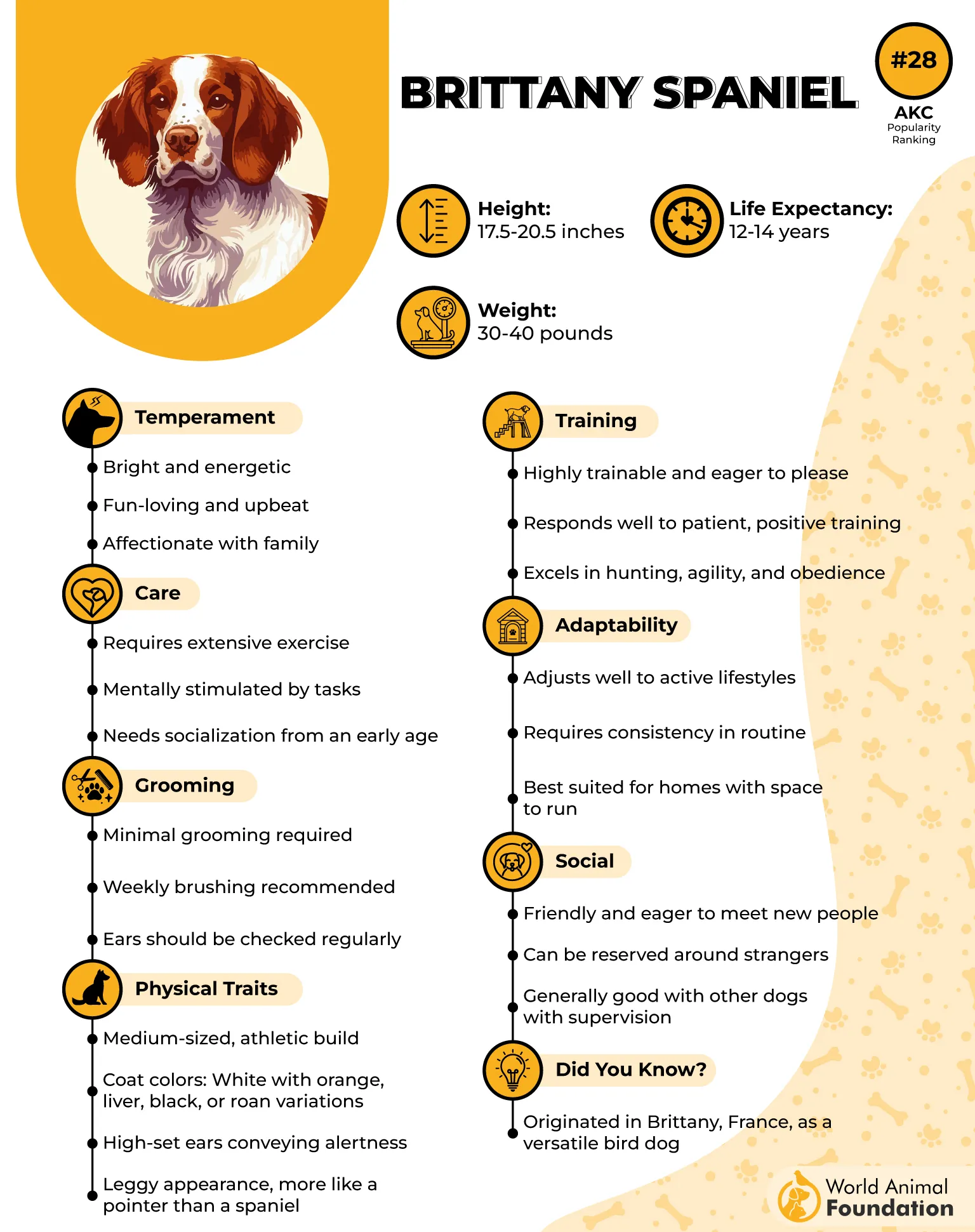
This dog does not chase the bird immediately; it rather waits and stays attentive until the hunter gets in position. This enables the hunter to set the time of flushing birds.
Brittanys gained popularity in the United States in the 20th century and were known as great stamina dogs. They were quick, which helped them to excel at agility and obedience training. Positive reinforcement training methods are encouraged to make them good retrieving dogs.
3. English Springer Spaniel
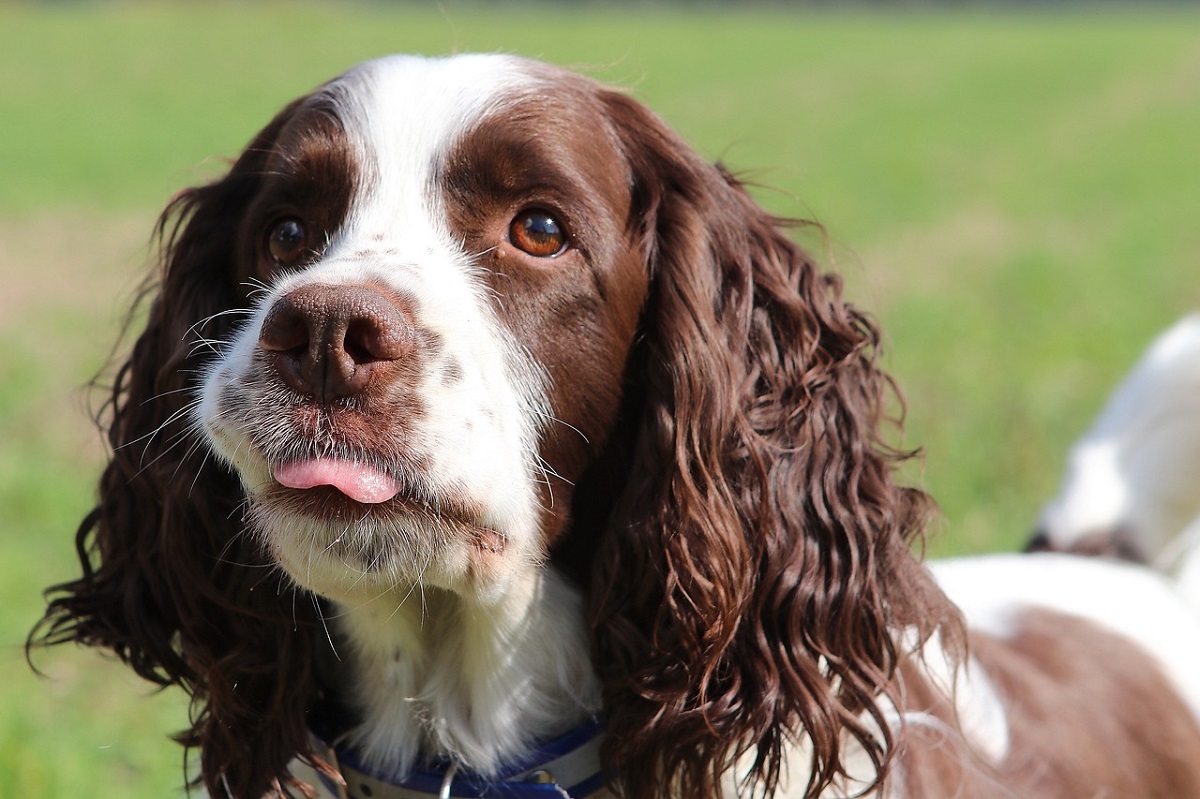
The English Springer Spaniel is not a pointing dog. It is a flushing bird dog instead. When the Springer sees game, it enters the area and pushes the bird into flight mode.
The hunter then gets an amazing opportunity to shoot the bird. The dog can then retrieve the bird easily afterwards. This style will require a dog to be able to manoeuvre through dense cover quickly and smoothly.
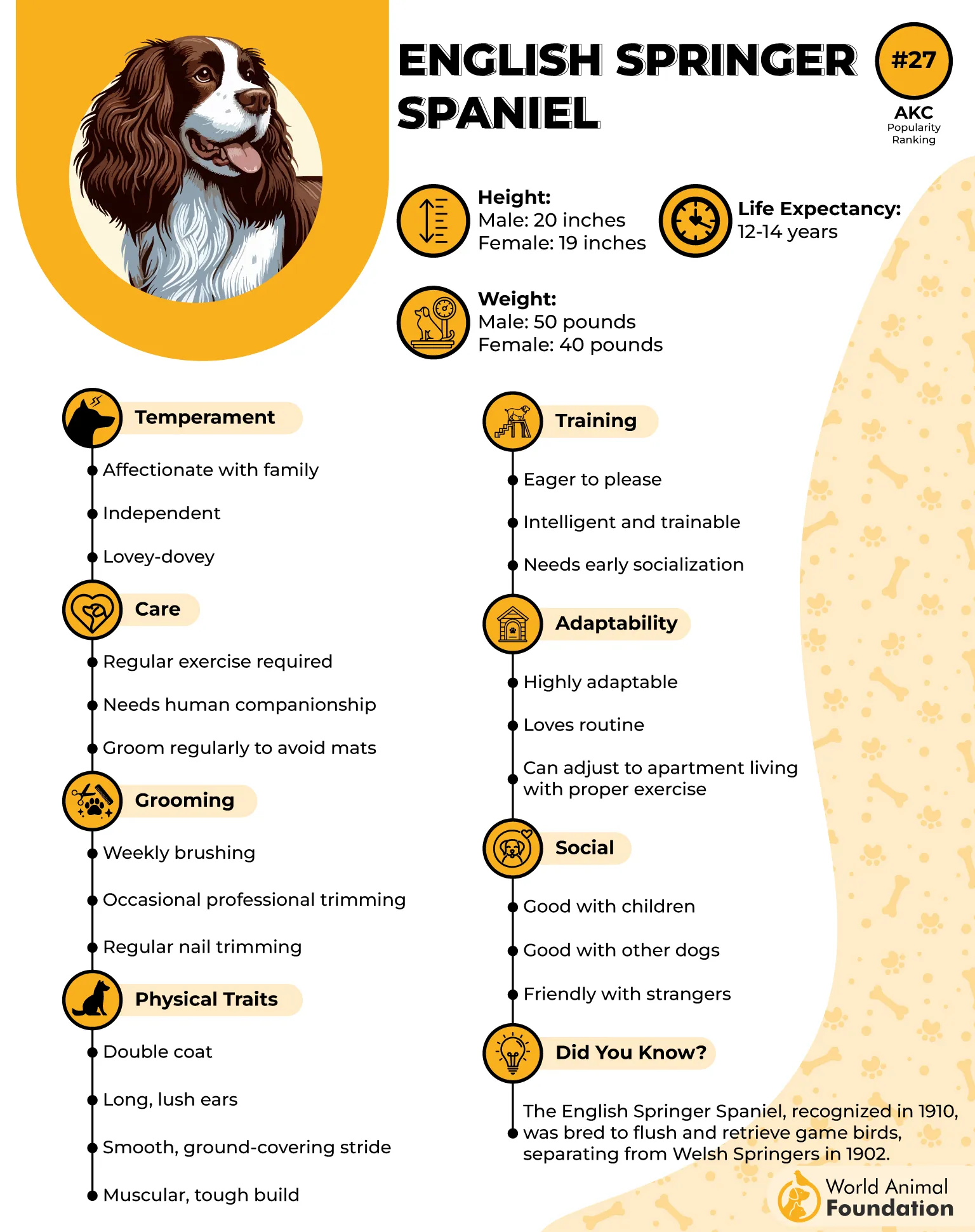
Springers were bred to be companion dogs and eventually made their name as hunting dogs and field trial competitors. Their name is also derived from an old division of the Spaniels.
In the past, the larger puppies of Spaniels were called Springers, while the smaller ones were named Cocker Spaniels.
4. German Wirehaired Pointer
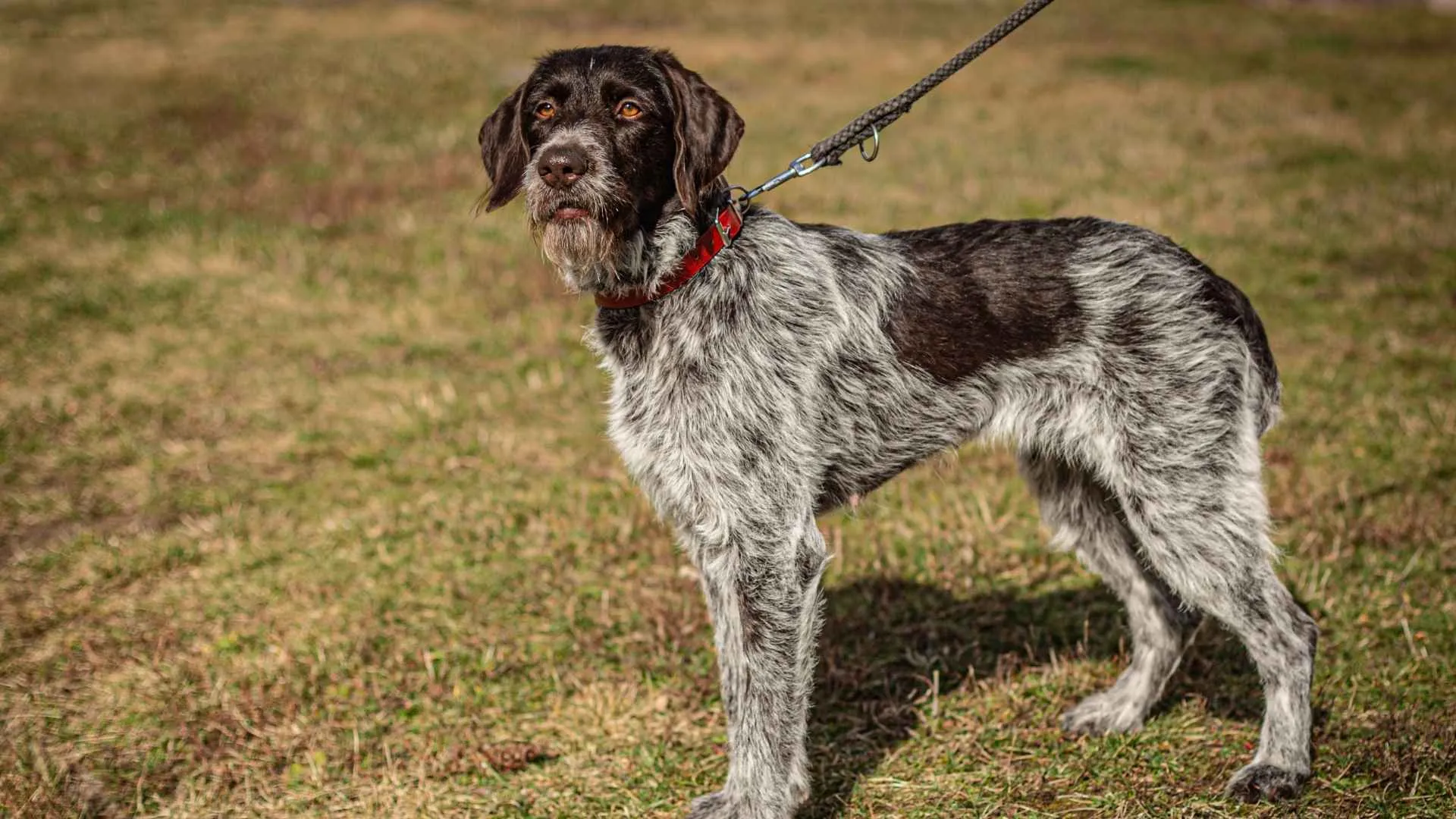
The German Wirehaired Pointer excels under tough conditions with consistent training. This upland hunting breed has a rough, weather-resistant coat that protects it when working in thorny vegetation, rough areas, and bad weather.
The coat is also somewhat waterproof, so this dog can work in water unlike other breeds as well. Their instincts and exceptional scenting ability help them to find birds in thick cover. They are able to point birds on land and even in icy waters.

If hunters are constantly shifting from field to water, then a versatile dog like the German Wirehaired Pointer can be the right breed for graceful movement not only in open terrain but also in rugged terrain and upland areas.
5. Chesapeake Bay Retriever
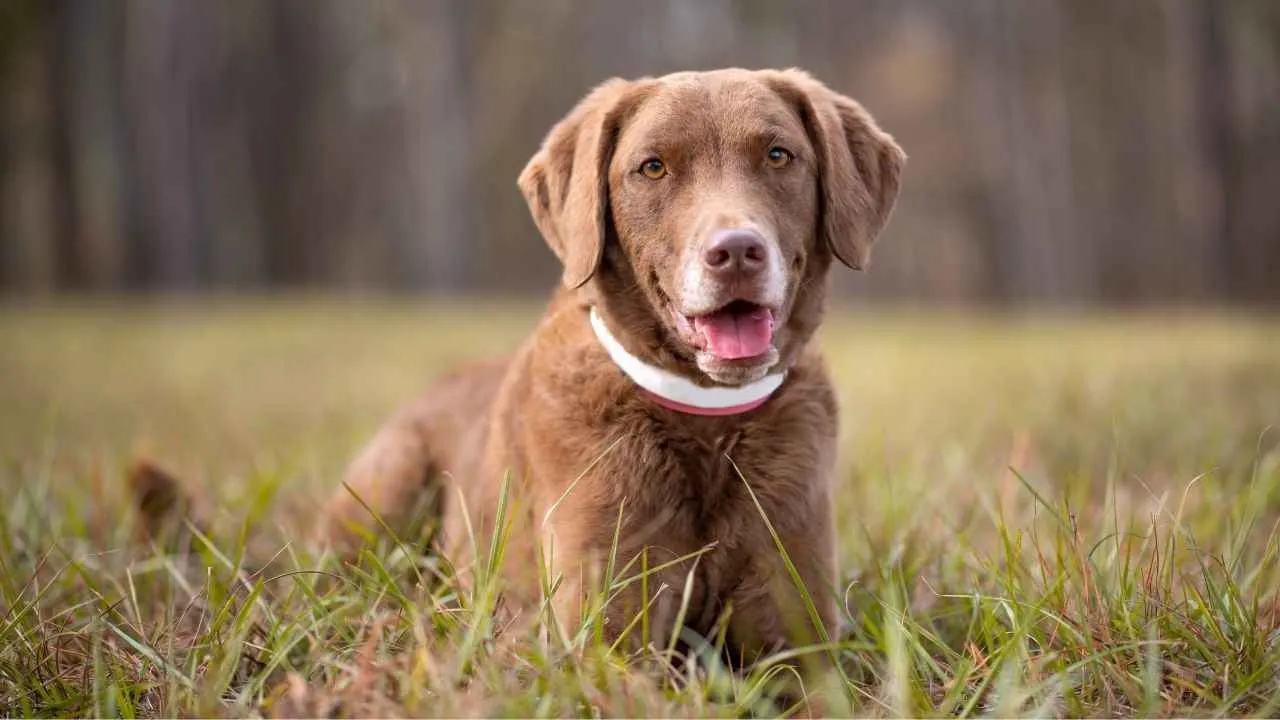
The Chesapeake Bay Retriever has an entirely different challenge. It specializes in cold, challenging water bird rescues. This one is better suited to experienced handlers with high energy levels. The breed was tied to waterfowl hunting around the Chesapeake Bay, with retrieving waterfowl in cold, difficult conditions.
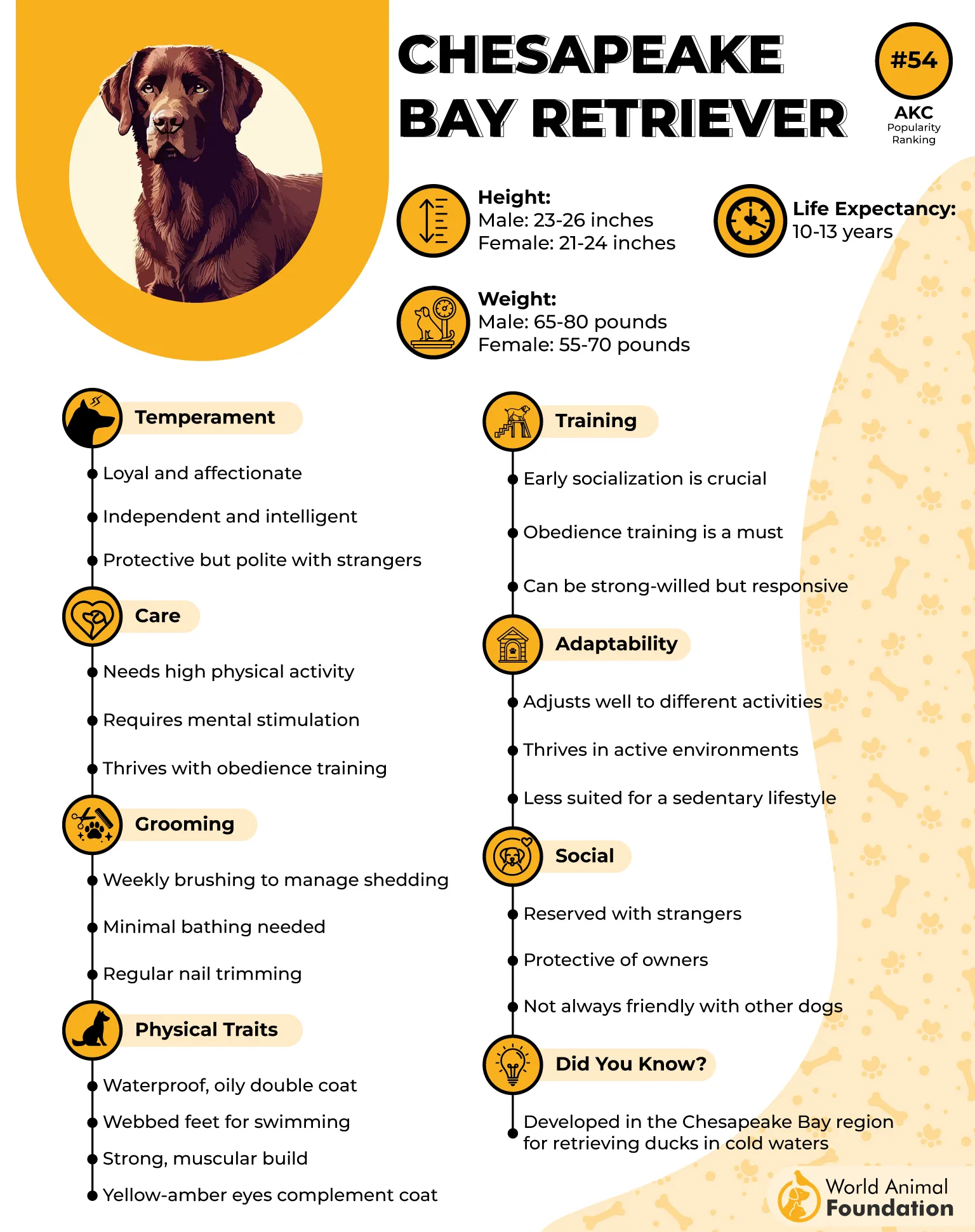
This different breed is not about displaying a dramatic pointing stance, but is more about what comes after the shot. This dog has a keen sense to work in heavy cover at a steady pace. It is not very outgoing and does not mix well with other hunters.
Handlers can use advanced training methods to polish their retrieving skills and heighten their natural ability. They can be kept in homes with older children instead of those with younger kids and small pets, as stated by Purina.
6. Labrador Retriever
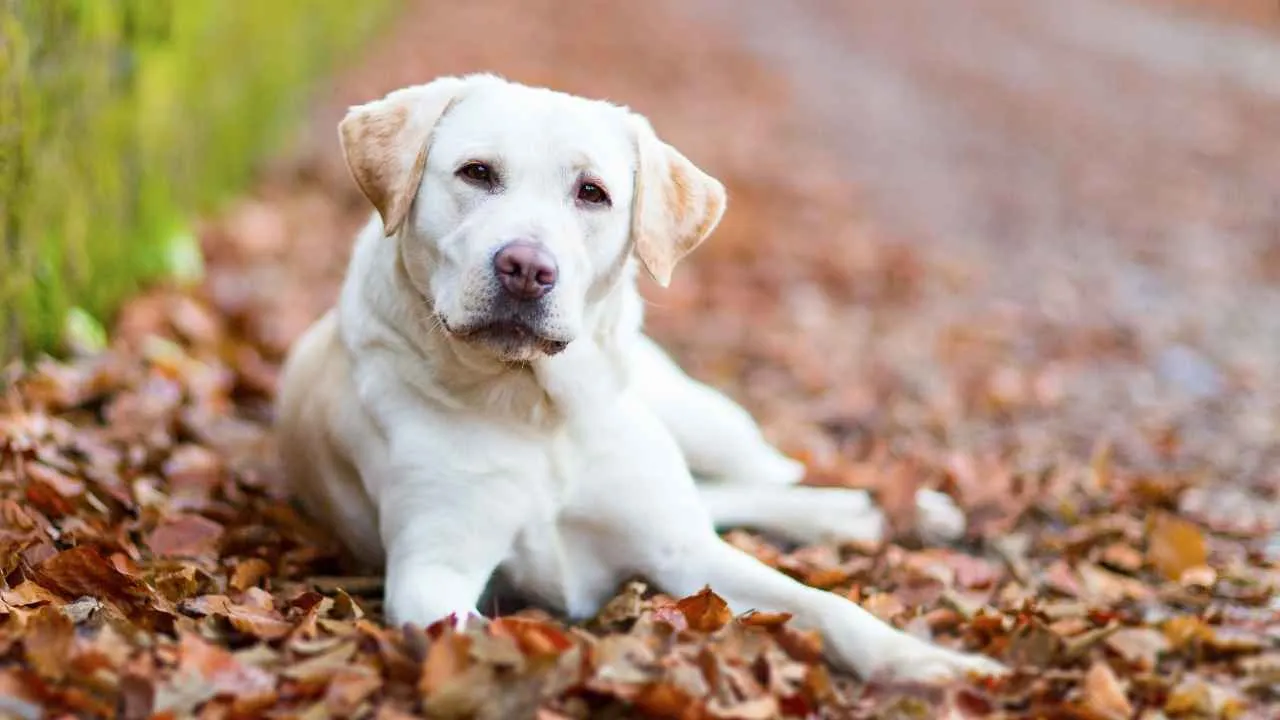
One of the best hunting skills of Labrador Retrievers is that they remember where birds have landed. If a bird is dropped at some distance, or even outside the dog’s line of sight, the hunter can make the dog run after it to catch it.
The Labrador Retriever was originally bred to be a sport dog for waterfowl, pheasant hunting, and other upland birds. This dog is very popular among modern-day hunters. With proper training, this furry friend is much more obedient than other dogs.
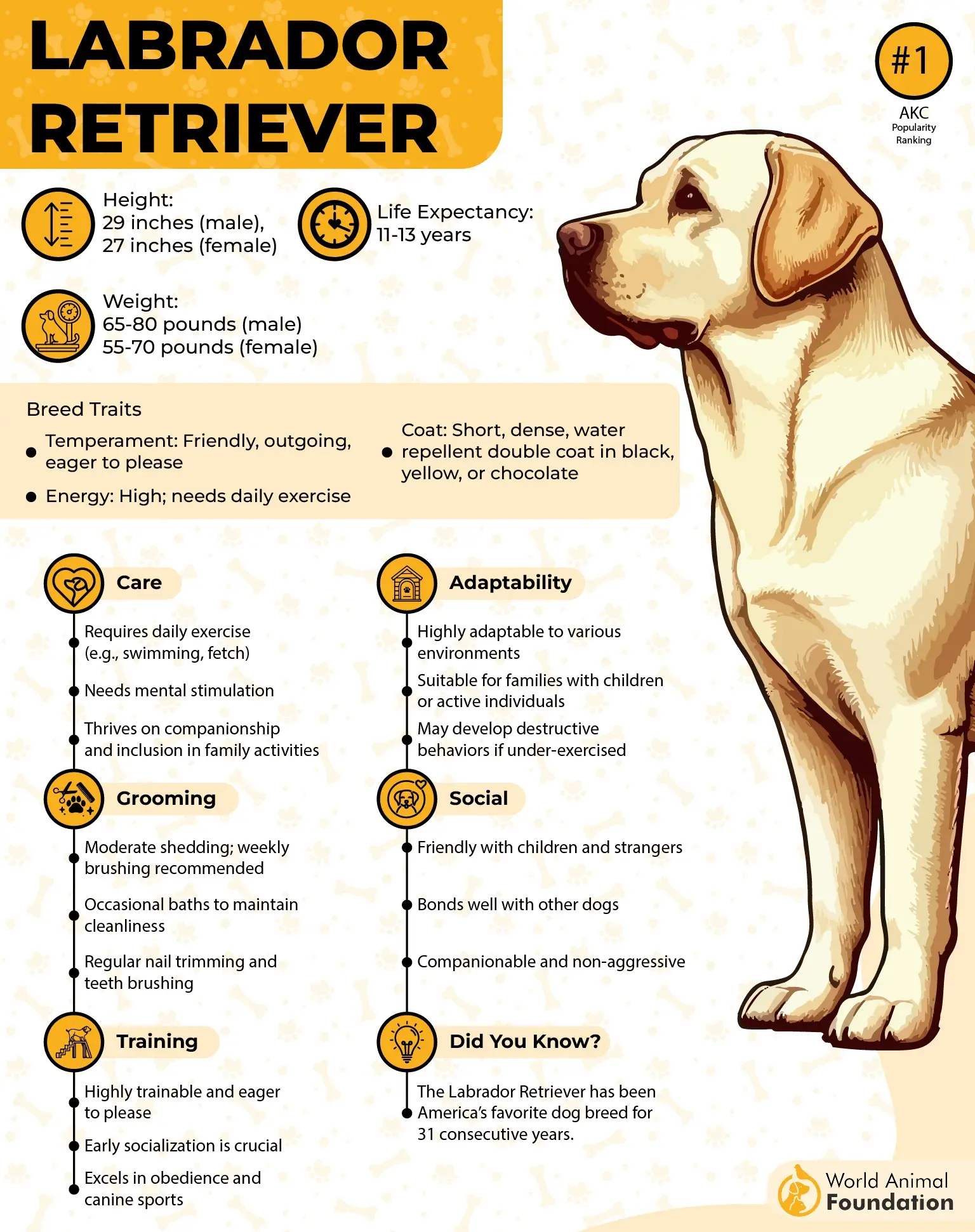
A good hunting partner should be able to listen for sounds such as gunfire and flowing water and should also have a good ability to smell so that chasing birds is easier. This highly trainable dog requires plenty of exercise each day because of its energetic nature. Mental stimulation can be provided through fun game activities like running and chase ball.
7. German Shorthaired Pointer
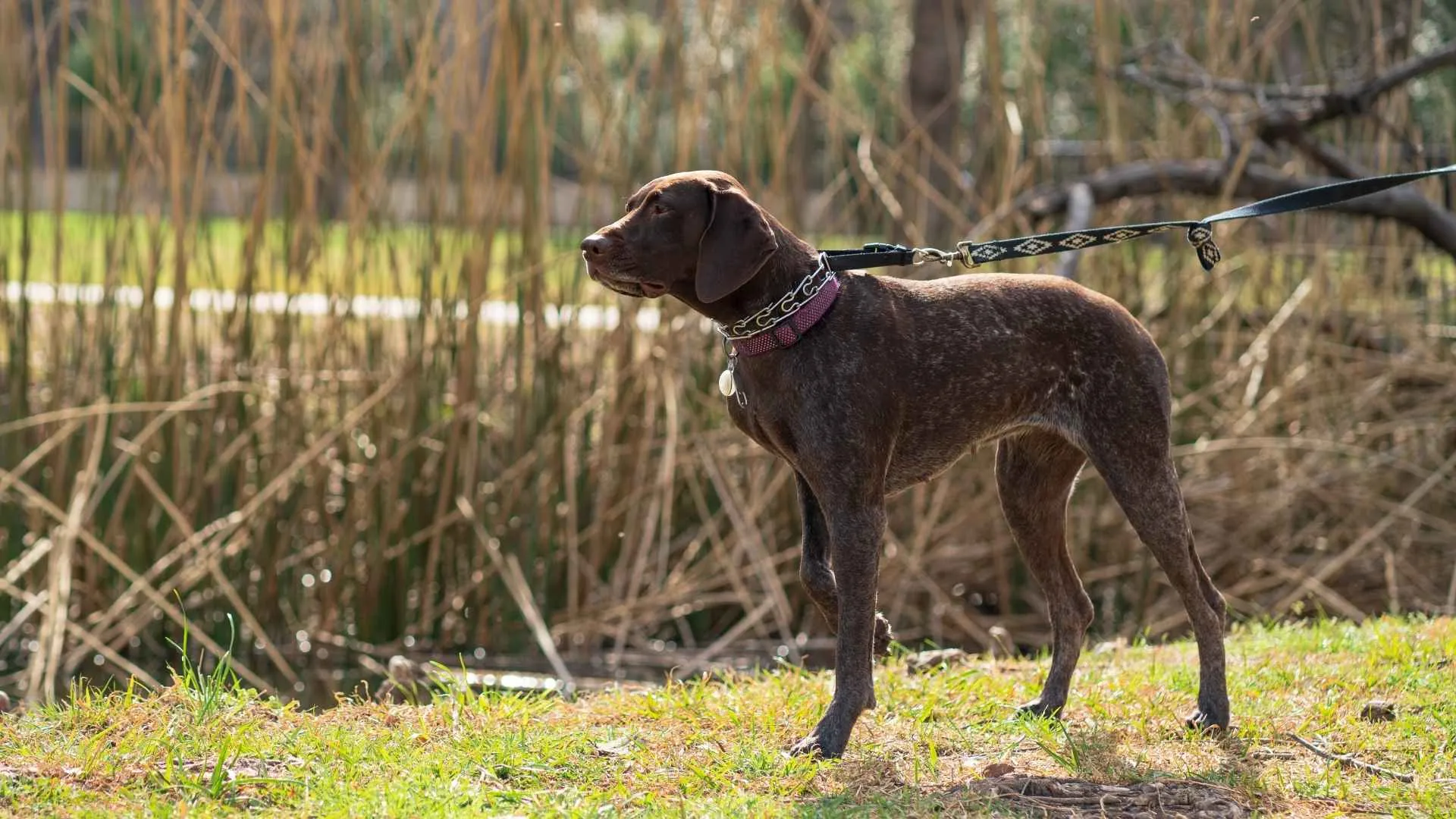
The German Shorthaired Pointer is a versatile all-rounder dog breed. It was not designed to do a specific job. It is a dog that could point, retrieve, train, and hunt a variety of game in a variety of settings. This one is a large dog that requires plenty of space for activity.
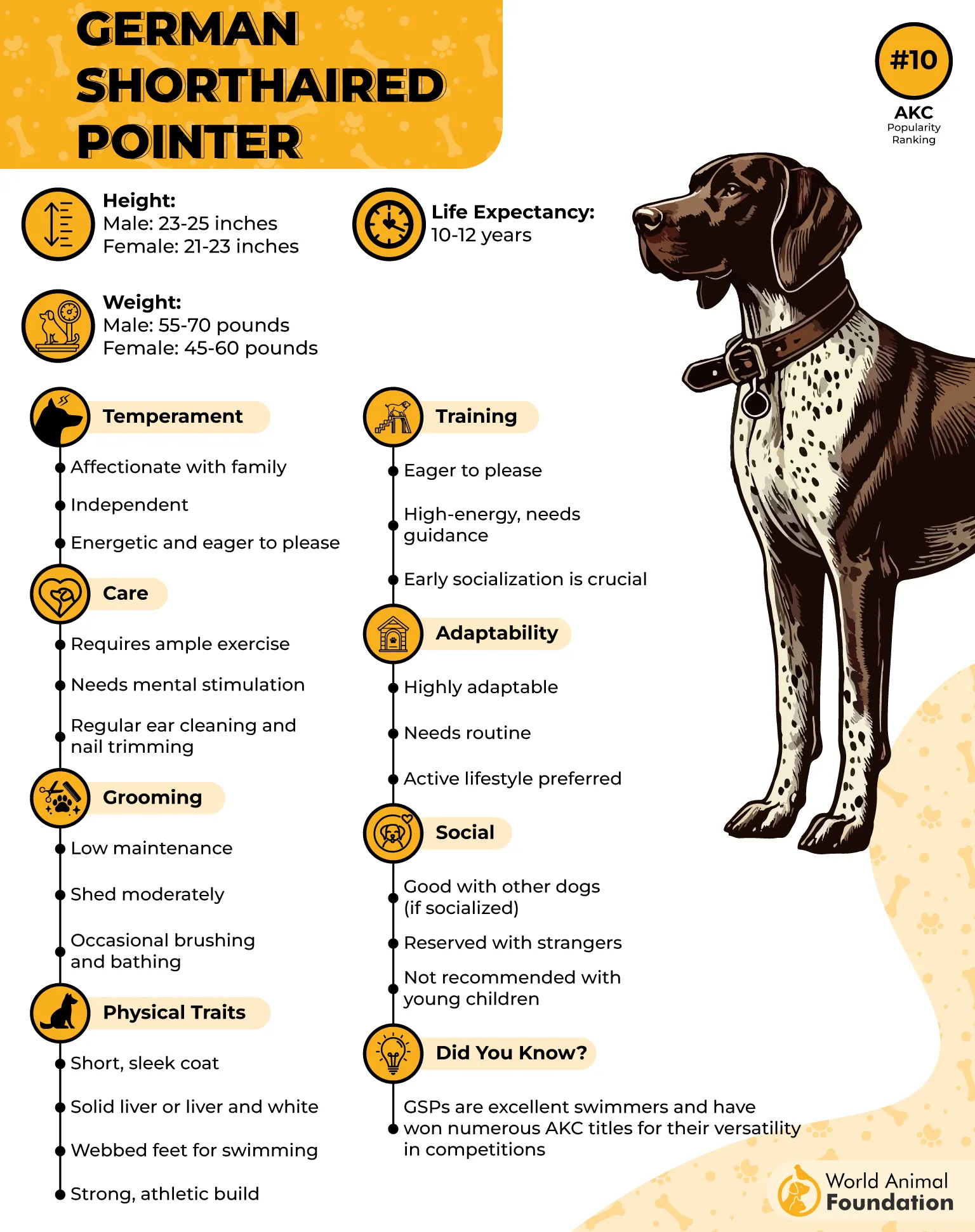
Its versatility is what makes this dog so interesting. A GSP can find an upland bird and point it. It can go after it after the shot and bring it back to its master. This dog is used for hunting and pointing competitions throughout the world, too.
Without purpose, a GSP can become destructive and develop unwanted behaviors. This is why early training is necessary for this pup. The period between 6 months and 3 years is the most challenging, but if one succeeds in training it in this period, then this dog can be one of the best companions.
8. Vizsla
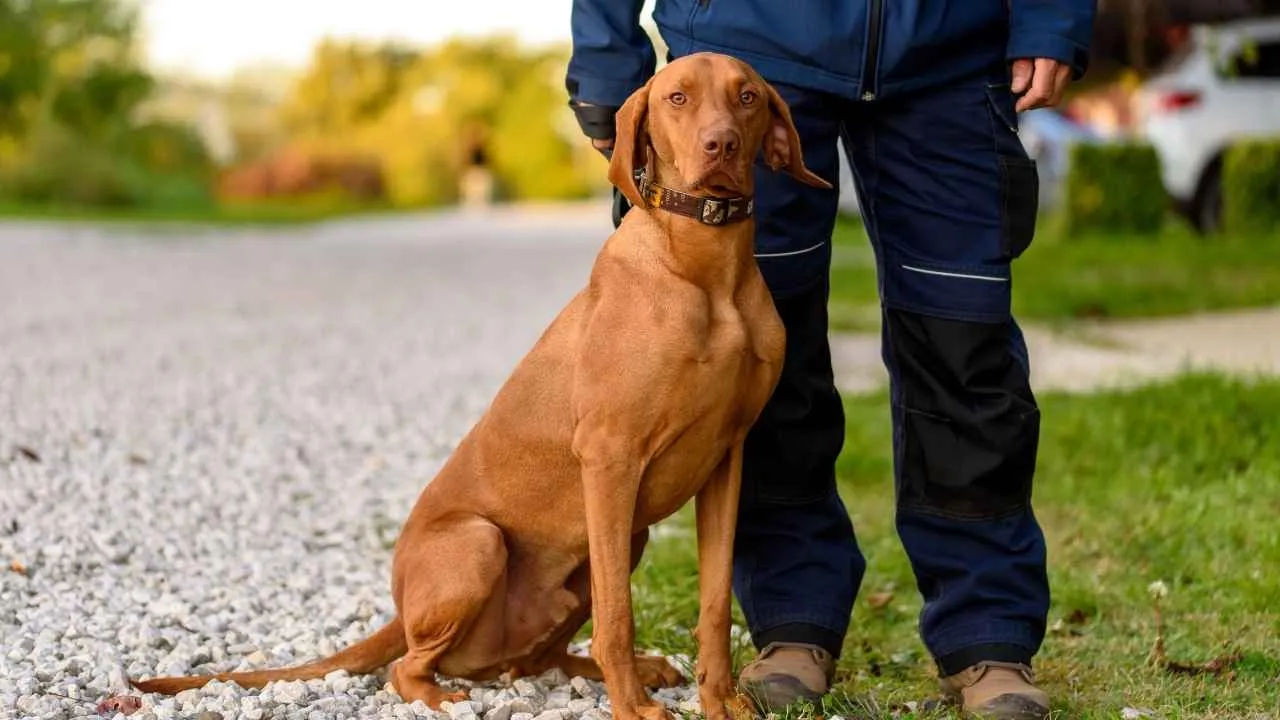
The Vizsla’s bird pointing and close association with the hunter is what makes it strong in bird hunting. It was bred as a Hungarian gundog and was widely used as a pointing and retrieving dog. It can excel in both upland game hunting and waterfowl hunting.
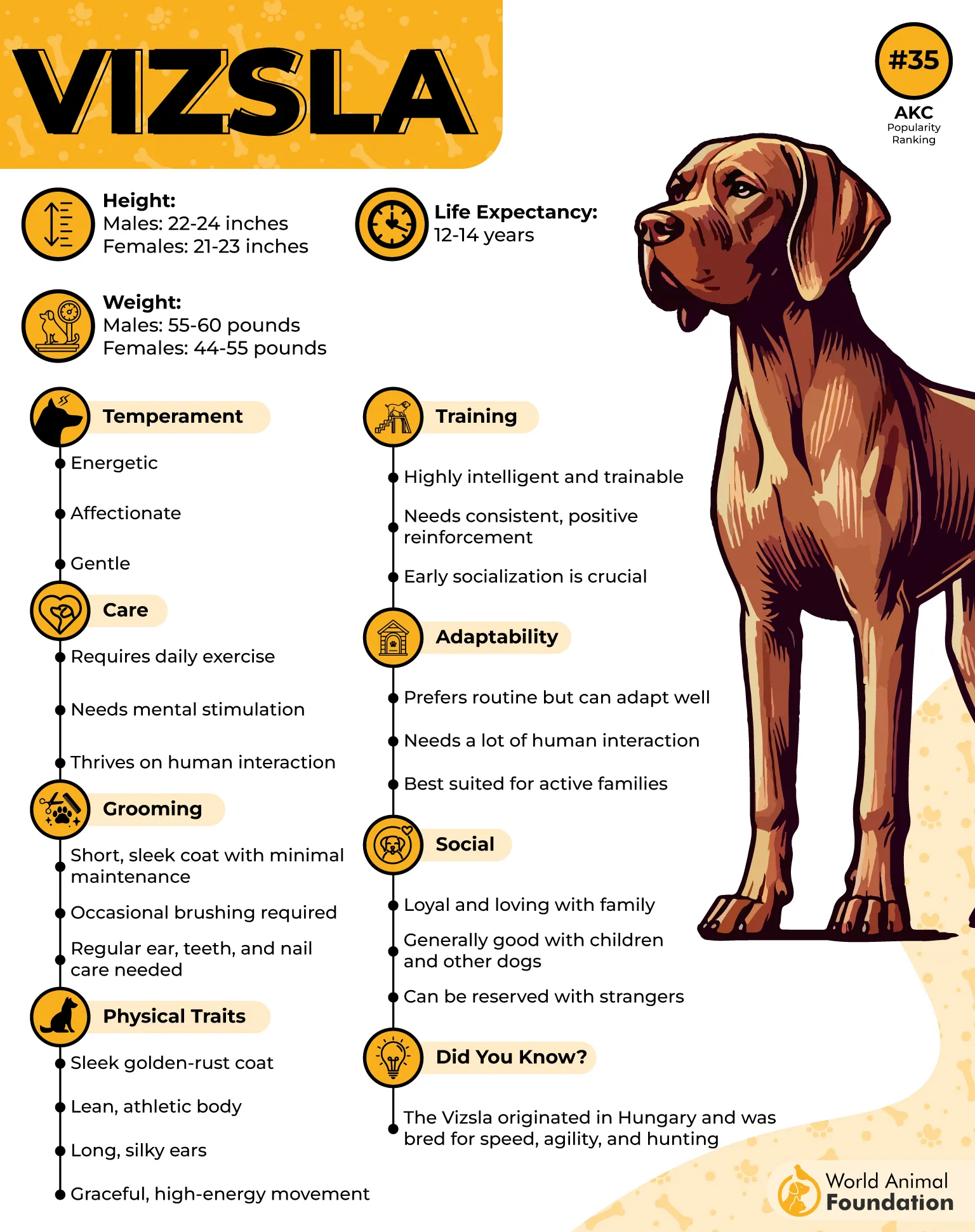
This dog is a team player. This is why communication is an important aspect in this pup’s life. The dog is able to anticipate the changes in direction during commands. If you are a pet owner, then you should be able to understand its body language.
The dog’s sleek body helps it to work long hours in the fields. This pup can get manipulative at times, which is why it should be taught to obey commands. It has a short coat which does not need a lot of grooming, so it is a perfect choice for people who hate brushing and bathing a dog.
9. Weimaraner
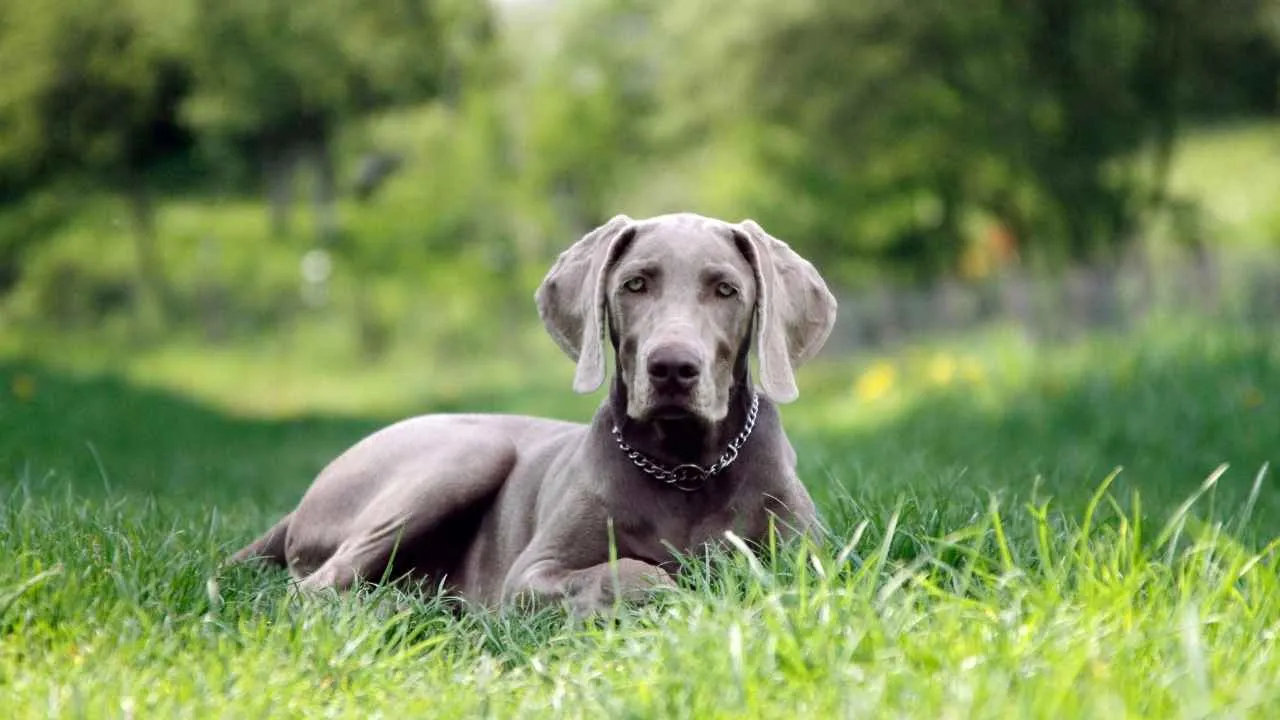
The Weimaraner adds another kind of versatility to bird hunting in upland fields. It was bred in Germany as a hunting dog and has proved to be a working dog for a variety of game. It is still acknowledged as a pointing breed, and is also allowed to compete in retriever hunting tests today.
These dogs have a strong nose which helps them to chase birds at lightning speed. They have a silver-gray coat that gives them a distinct appearance. Their coat is usually the first thing people notice about them.
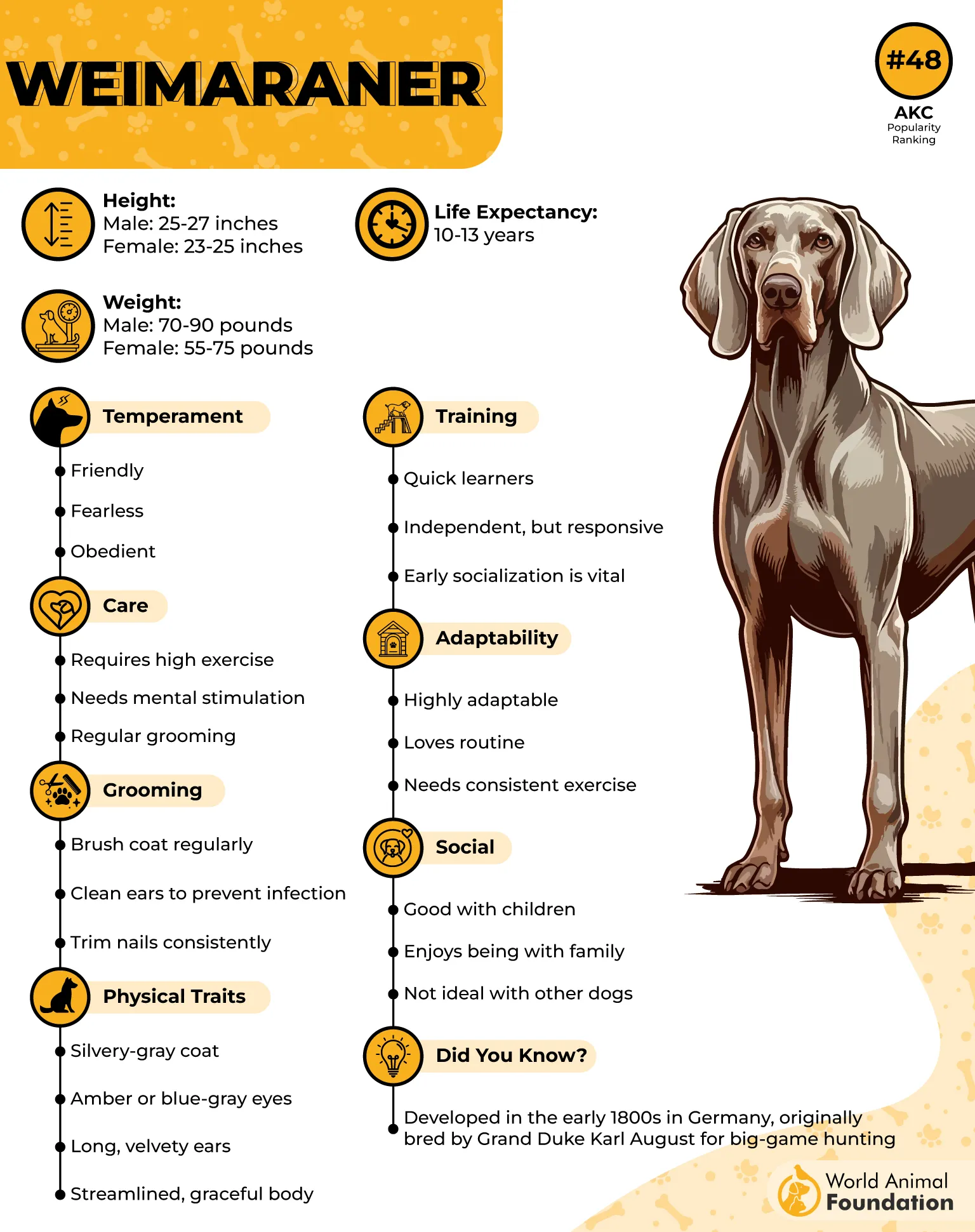
Weimaraners are extremely intelligent, which can be good news or bad news too. Their intelligence makes them learn things pretty fast, which can cause a lot of independence. PetMD says that these dogs are very friendly but can bark excessively if they are left alone for a long time.
10. Boykin Spaniel
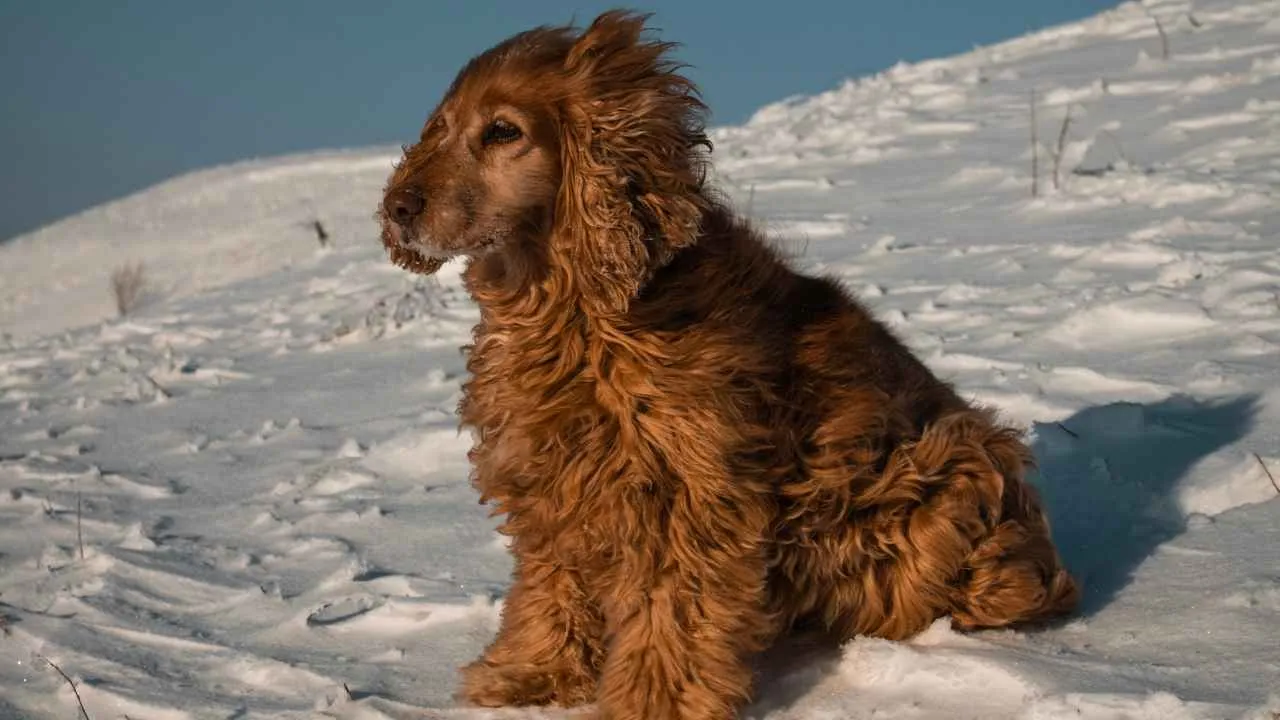
The Boykin Spaniel is definitely one of the most particular breeds with a strong prey drive on the list. It was created by the hunters of South Carolina and became famous for hunting in the Wateree River Swamp.
They were used for hunting turkeys and eventually came into use with other birds, such as ducks and doves. These dogs like to bond closely with owners, which is why you should indulge in activities that can be enjoyed by both the owners and the dogs.
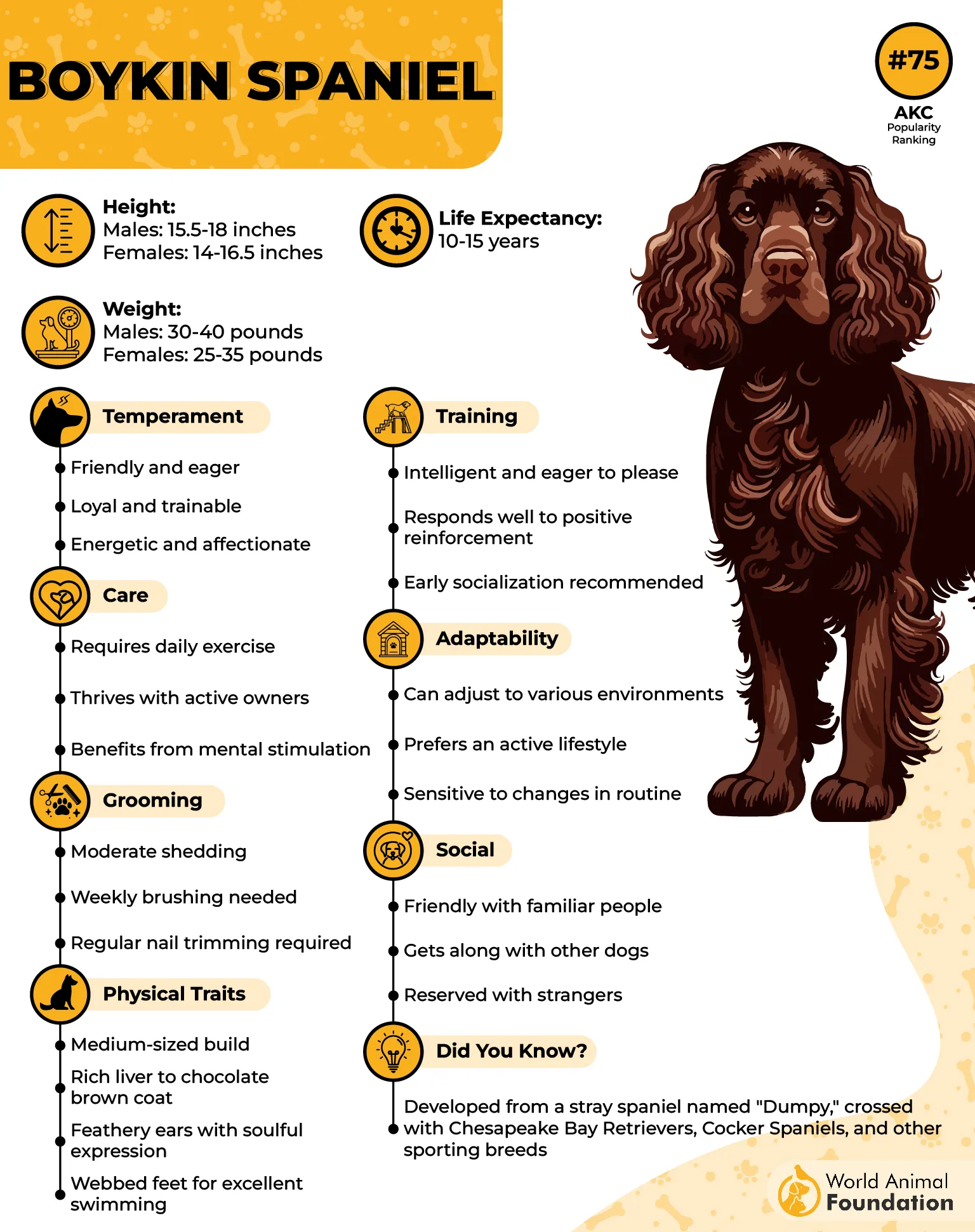
These dogs have a cheerful temperament, which is why they are excellent pets to keep around children. These energetic breeds thrive well with active families and need a lot of exercise on a daily basis. Biking, running, and hiking are good forms of activities.
Conclusion
The biggest mistake when comparing bird dogs is treating them as though they all perform the same job. The reality is that they all perform the same tasks with different styles. No two dogs can ever be the same. Some can be kept as family dogs while others can only be kept on fields as hunters.
You will find pointing dogs, flushing dogs, and retrieving dogs. If you are a passionate bird hunter, then getting one of the dogs on this list will be the best option.
But always remember, hunting dogs have special training requirements, and food needs too. If you are someone who can invest a good amount of time and energy, then go ahead and get yourself a good field partner.
