




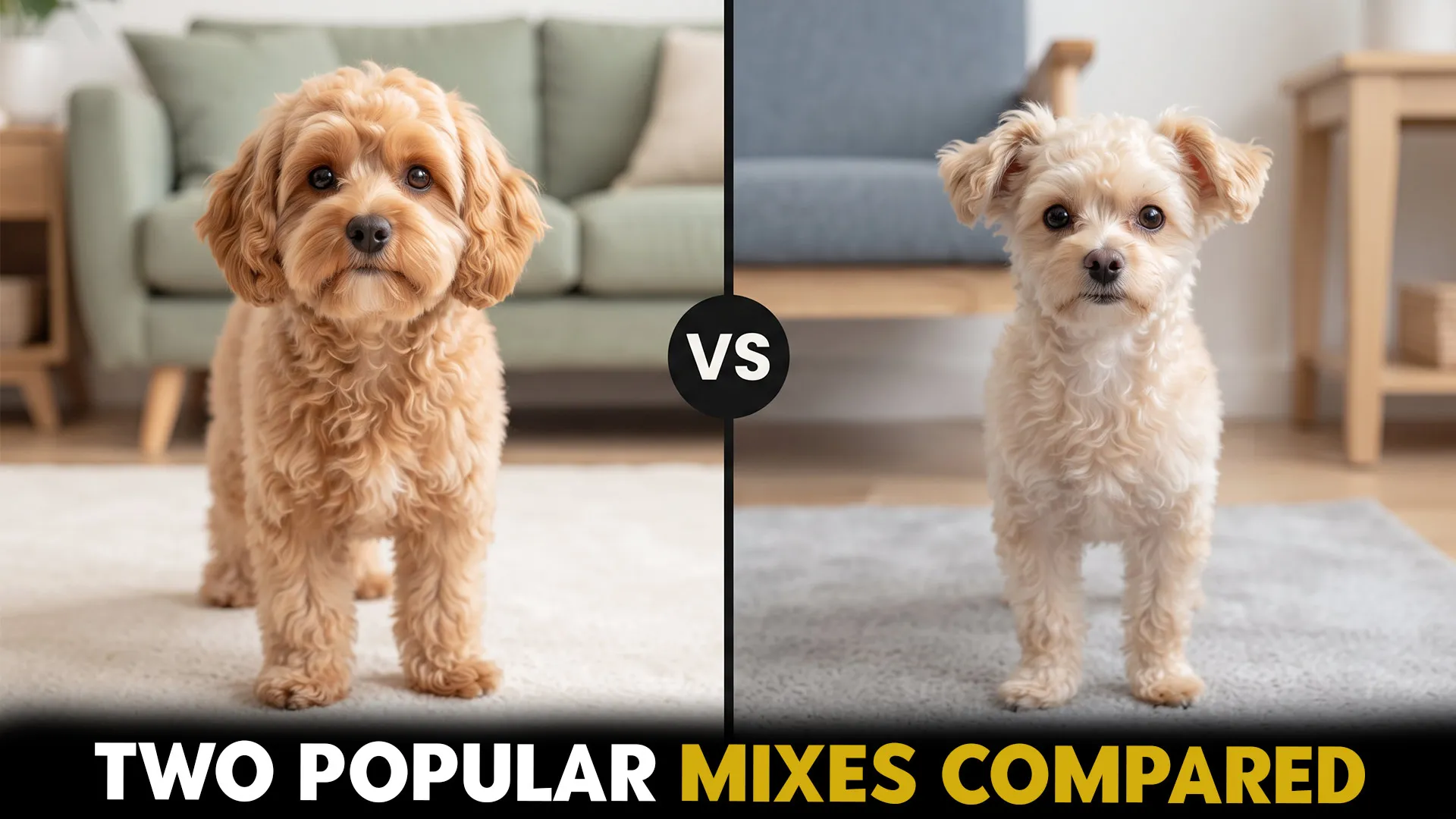
Choosing between a Cavapoo and a Chi-Poo can feel like choosing between two extremely cute contestants who both arrived carrying Poodle DNA and unreasonable amounts of personality. Both are small Poodle crosses, usually become strongly attached to their humans, and can fit comfortably in relatively compact homes.
A Cavapoo combines the Cavalier King Charles Spaniel with a Toy or Miniature Poodle, while the Chi-Poo—also called a Chipoo or Poochi—combines a Chihuahua with a Toy or Miniature Poodle.
Personality is where this comparison gets particularly interesting. Cavapoos often inherit the Cavalier’s soft, sociable companion temperament alongside the Poodle’s intelligence, while Chi-Poos can combine Poodle cleverness with the Chihuahua’s confidence, alertness, and stronger independent streak.
Both can be fantastic companions, but their differences become much clearer once we compare them category by category.
Cavapoo vs. Chi-Poo Dog Breeds: Must-Know Points
Breed Origins & Functional Background
The Cavapoo, not a purebred dog, brings together two breeds whose historical careers were very different but eventually converged around human companionship. The Cavalier King Charles Spaniel developed as a Toy Spaniel closely associated with British aristocratic life, while the Poodle descended from serious water-retrieving working dogs.
The Poodle side deserves more respect than the haircut sometimes receives. Poodles were historically used as water retrievers, and even today’s Toy and Miniature varieties retain impressive intelligence, athletic ability, and responsiveness to training. So when your Cavapoo solves a puzzle toy faster than expected, that brain did not appear accidentally.
The Chi-Poo starts from a very different non-Poodle foundation. Chihuahuas are an ancient Mexican companion breed known for tiny size, alertness, confidence, and strong attachment to people, while the Poodle contribution adds working intelligence and athleticism.
Physical Characteristics & Body Structure
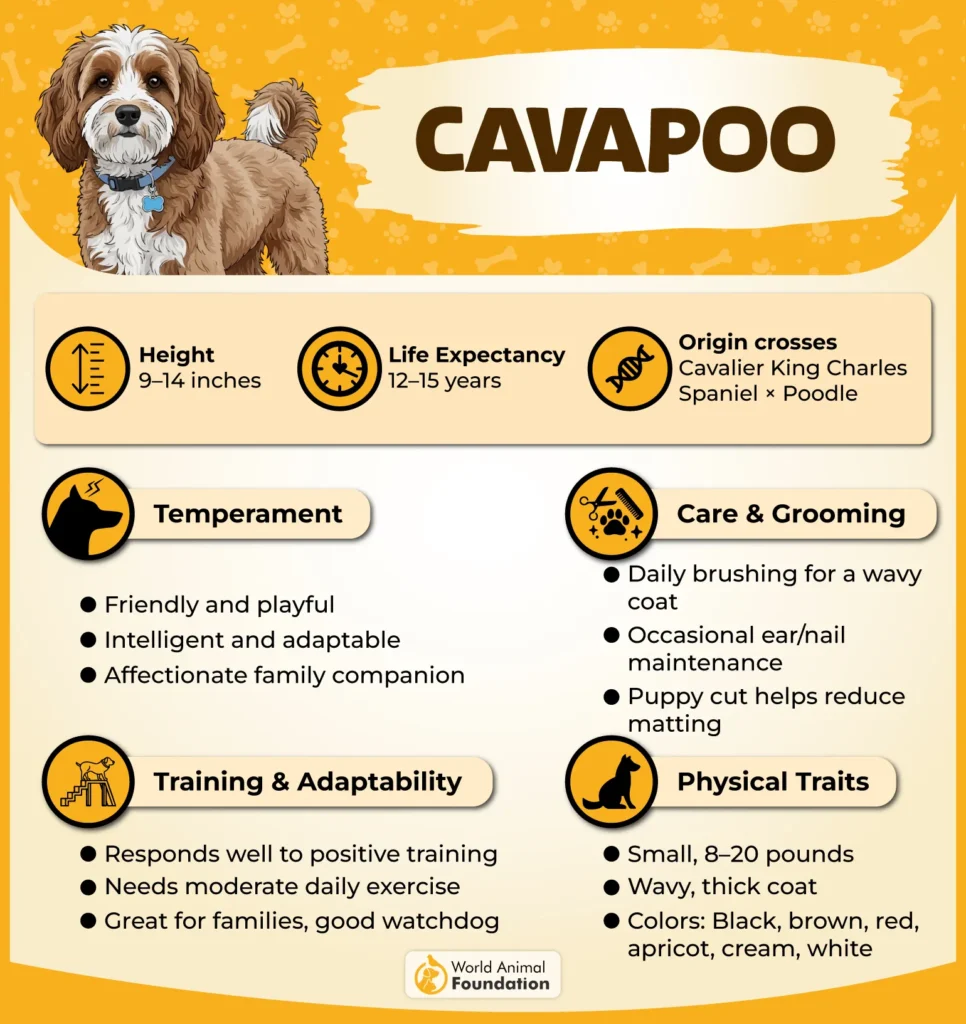
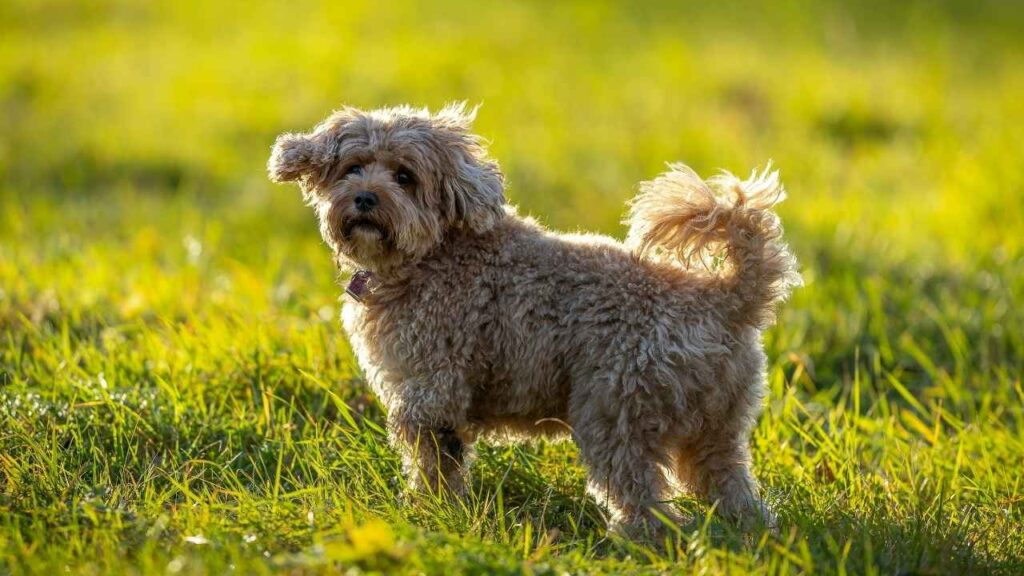
The Cavapoo is usually the larger and sturdier-looking of the two crosses. A Cavapoo with Miniature Poodle ancestry may look considerably more substantial than one descending from a Toy Poodle.
Their Cavalier ancestry can contribute a softer, rounder expression, drop ears, dark eyes, and a moderately solid little frame. Some Cavapoos resemble curly Cavaliers, while others look as if someone had gently rounded the edges of a miniature Poodle.
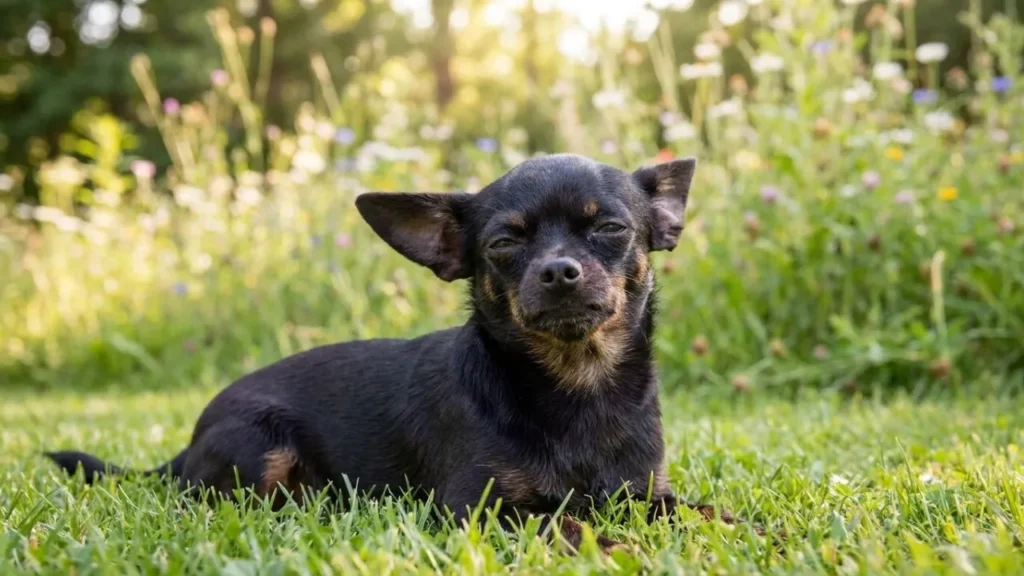
Chi-Poos generally operate on a smaller physical scale, Rover mentions. A Miniature Poodle parent can push the mix upward, but many Chi-Poos remain extremely portable adults.
Their appearance can also vary more dramatically depending on whether the Chihuahua parent has a smooth or long coat and whether the Poodle contribution dominates. You might see upright Chihuahua-like ears, floppy or semi-floppy ears, finer legs, rounder skulls, curly coats, wiry waves, or surprisingly smooth hair.
For households with small children, the Cavapoo’s greater average substance can be an advantage, although no small dog should be handled roughly. Chi-Poos weighing only a handful of pounds can be injured accidentally by falls, careless handling, or rough play with much larger dogs, and the Chihuahua Club of America specifically emphasizes the physical vulnerability of tiny Chihuahuas.
Temperament & Behavioral Profile
Cavapoos are generally known for being openly affectionate, sociable, playful, and eager to join in whatever their family is doing. They are relatively gentle and even-keeled among Poodle mixes.
That social softness comes partly from the Cavalier. The official Cavalier standard emphasizes a temperament that combines a sporting character with gentleness and affection, and those qualities often show up strongly in Cavapoos.
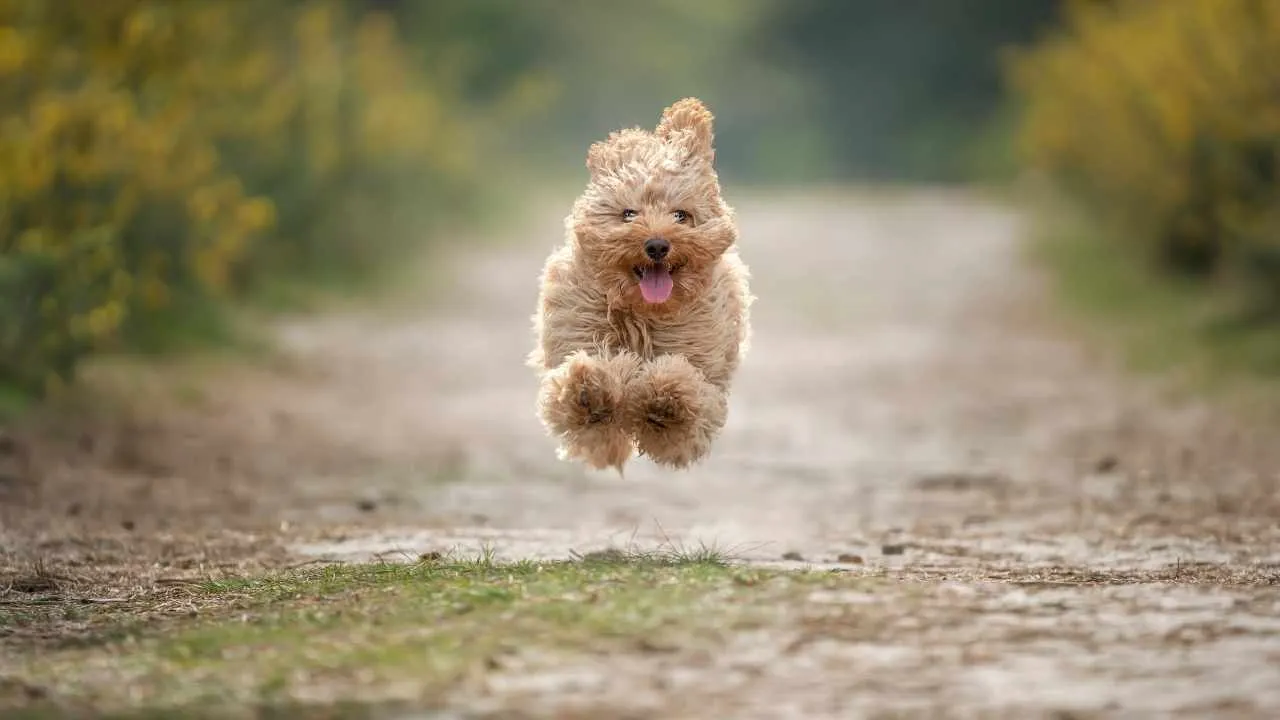
Chi-Poos can be equally affectionate but often bring more edge and alertness. They may inherit the Chihuahua’s sass and vigilance or the Poodle’s active, social style, while both parents contribute playfulness and strong attachment to humans.
Both crosses can struggle with being left alone because attachment to humans is a major feature of their personalities. Cavapoos appear particularly prone to separation-related distress, and bored or lonely Chi-Poos may resort to barking or other unwanted behavior when companionship and activity are lacking.
Activity Requirements & Energy Levels
Neither dog requires Husky-level endurance, but neither should be mistaken for a decorative pillow with a digestive system. Cavapoos usually need moderate daily activity, including walks, play, training, and mentally engaging games, although recommendations vary by size, age, and individual temperament.
The Cavalier influence can make the Cavapoo somewhat easier to settle after activity. Many are perfectly happy alternating neighborhood walks with fetch, food puzzles, training sessions, and serious cuddling appointments.
When compared to most other dog breeds, Chi-Poos may surprise people because tiny does not automatically mean low energy. Both Chihuahuas and Poodles can be energetic, and Chi-Poos need daily opportunities to exercise their bodies and minds.

The Chi-Poo may therefore display shorter, more intense bursts of activity compared with the somewhat steadier Cavapoo, claims PetMD. Poodle inheritance can produce enthusiasm for fetch and learning, while Chihuahua traits may create surprisingly spirited play sessions followed by an immediate return to somebody’s lap.
Trainability, Intelligence & Learning Ability
Both mixes have one enormous training advantage: Poodle brains. Poodles are highly intelligent, adaptable, people-oriented dogs that learn quickly and respond especially well when owners provide consistent instruction. This means both Cavapoos and Chi-Poos can learn far beyond basic sit-stay-come routines.
Cavapoos often combine intelligence with a particularly cooperative social temperament. They are eager to please and well-suited to positive-reinforcement training, while noting that trick training that involves close interaction with their humans can be especially rewarding.
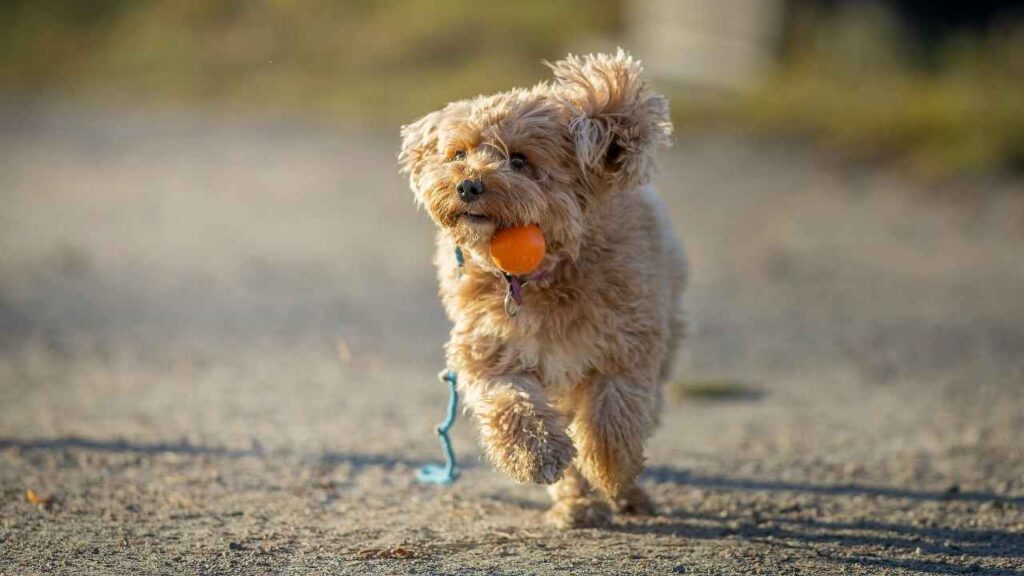
They can still learn undesirable behavior equally efficiently. Purina warns that intelligent Cavapoo puppies may pick up bad habits as quickly as the right ones if people are inconsistent, which is why short, fun training from puppyhood matters.
Positive reinforcement is ideal for both dogs. Reward-based lifelong learning works for Chi-Poos, with games and socialization providing mental exercise while helping puppies become comfortable around unfamiliar people, animals, and environments.
Coat Maintenance & Grooming Needs
Cavapoo coats can range from straighter and silkier to loose waves or dense curls depending on whether Cavalier or Poodle genes dominate. Still, there is no reliable way to know exactly what an adult puppy’s coat will become.
Brushing many Cavapoos about 3 times weekly and scheduling professional grooming every 6 weeks, although individual coat types may require more frequent attention.
Chi-Poo grooming is usually somewhat more variable and can sometimes be easier. The Poodle parent contributes long curly hair, while the Chihuahua parent may contribute a much shorter, smoother coat so that adult Chi-Poos can land anywhere between those extremes.
A curlier Chi-Poo will need regular combing and potentially professional clipping, much like other Poodle mixes, while a short-coated individual may need little more than routine brushing.
A thorough brushing session around twice weekly is a reasonable general starting point, with actual care adjusted according to coat type. This gives the Chi-Poo a potential grooming-cost advantage—but only if Chihuahua-style hair wins the genetic coin toss.
Neither of these loving dogs should be advertised as guaranteed hypoallergenic.
Average Lifespan & Longevity
Both dogs offer the longevity advantage commonly associated with smaller canine bodies. The Cavapoo’s typical lifespan is 12–15 years, which means bringing one home can easily become a decade-plus commitment.
Chi-Poo, a generally healthy breed, may potentially push the longevity range even further because both parent breeds are long-lived. Chihuahua life expectancy is around 14–16 years, and Poodles roughly 10–18 years, depending on variety; Chi-Poo longevity generally falls within the parental ranges.
Long lifespan does not automatically equal guaranteed good health, though. Cavapoos can inherit health concerns associated with Cavaliers and Poodles, including patellar luxation, hip dysplasia, ear infections, eye disorders, and cardiac concerns, which are worth investigating.
Chi-Poos can inherit their own collection of small-dog issues. Patellar luxation and tracheal collapse are among potential concerns, emphasizing that mixed breeding does not magically erase conditions present in either parent population.
Suitability for Family Life vs. Guard Duties
For general family life, the Cavapoo gets the easier recommendation. The cross has an affectionate nature and is sociable and adaptable, and many do well with children who understand gentle interaction as well as with other household animals.
The Cavalier side contributes softness while the Poodle contributes engagement, producing a combination that often slips naturally into busy family routines.
Cavapoos are great family dogs, but children must understand that the puppy is a living animal, not a toy. Adults should supervise interactions with young children regardless of breed, especially because even a sturdier Cavapoo remains relatively small.
Chi-Poos can also make affectionate family companions, but their smaller size demands more physical caution. Very young children or large dogs may accidentally injure these petite mixes, even when everybody involved has friendly intentions.
When it comes to guarding, neither breed belongs in the serious-protection category. Their small size means they lack the physical capabilities expected of breeds developed for genuine guarding, although either may serve as a watchdog by barking when something unusual occurs.
The Chi-Poo generally has the stronger alert-dog potential because Chihuahua ancestry brings vigilance and confidence, while Cavapoos are usually more socially welcoming toward unfamiliar people.
Conclusion
The Cavapoo and Chi-Poo share plenty of winning qualities. Both are compact, clever, affectionate Poodle mixes that can adapt to smaller homes, enjoy training, and form incredibly close relationships with their humans.
If your dream dog involves brains, companionship, manageable size, and some possibility of a low-shedding coat, both deserve a place on the shortlist.
Ultimately, choose the Cavapoo if you want a slightly larger, softer, highly social family companion, and lean toward the Chi-Poo if you prefer an ultra-compact, lively, intelligent dog with more independent and alert tendencies.
Neither is objectively superior, and individual mixed-breed dogs can always surprise us by ignoring every neat category humans create for them.
