




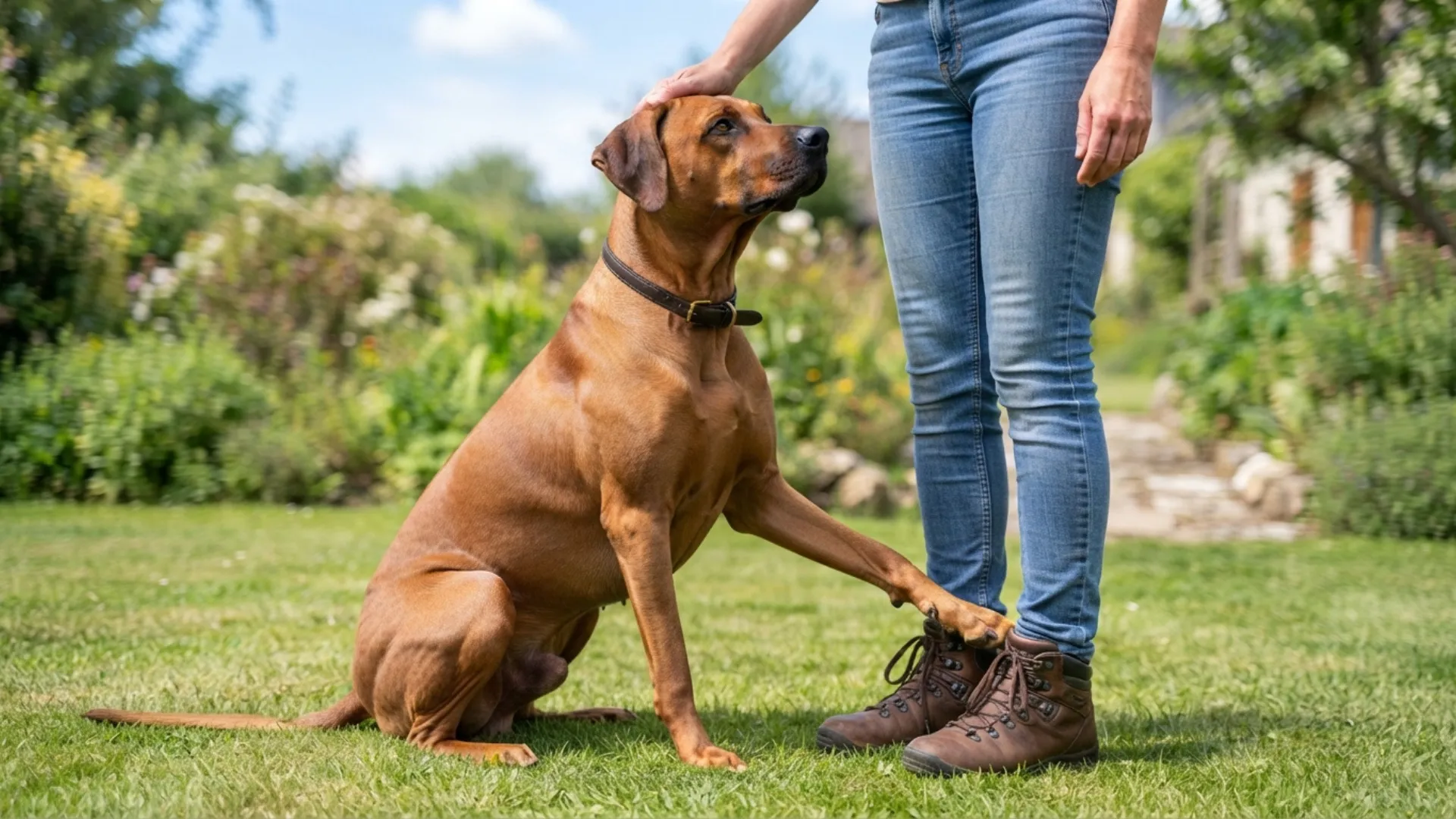
Want a dog who can keep an eye on the house without acting like they’ve had six cups of coffee? Calm guard dogs can bring that sweet spot of watchfulness, loyalty, and laid-back companionship.
These dogs may look imposing enough to make an unexpected visitor reconsider their life choices, yet many are affectionate and easygoing around the people they trust. Of course, calm does not mean “zero effort.” Proper training, socialization, and responsible handling still matter.
Ready to meet the protective pups who can guard the home and still appreciate a good lounge session? Let’s get into it.
Did you know?
Dogs are pack animals and naturally want to belong. Your family can become their pack, where trust, cooperation, and loyalty matter deeply. That pack-minded devotion may help explain why dogs are so loyal and protective of their owners.
Calm Guard Dog Breeds: Loyal and Easygoing Protectors
1. Mastiff
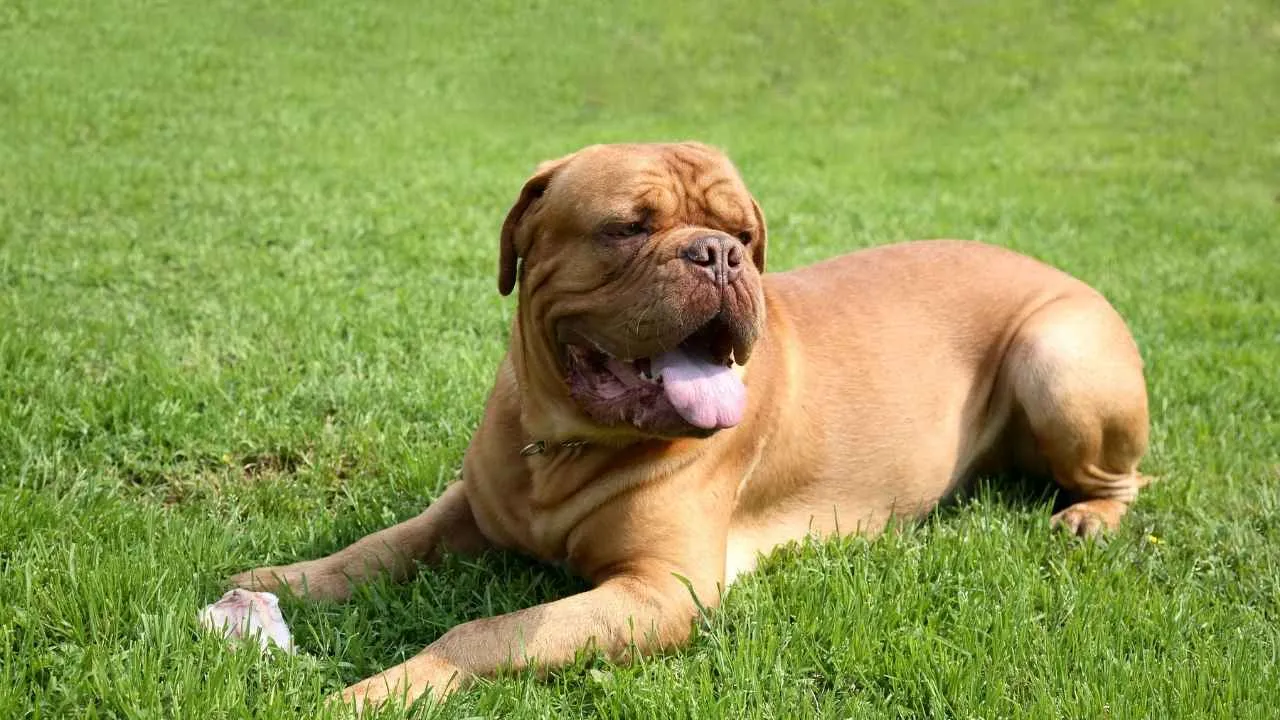
The Mastiff brings a serious guardian presence with a surprisingly soft center. Dignified, good-natured, and courageous, this loyal companion has a patient, lovable personality that feels more like a steady household bodyguard than a four-legged alarm system.
Originally bred for demanding work, Mastiff ancestors guarded farms, livestock, and homes while also serving as hunting companions. That working background explains the breed’s watchful streak, though modern Mastiffs are better known for calm companionship than nonstop action.
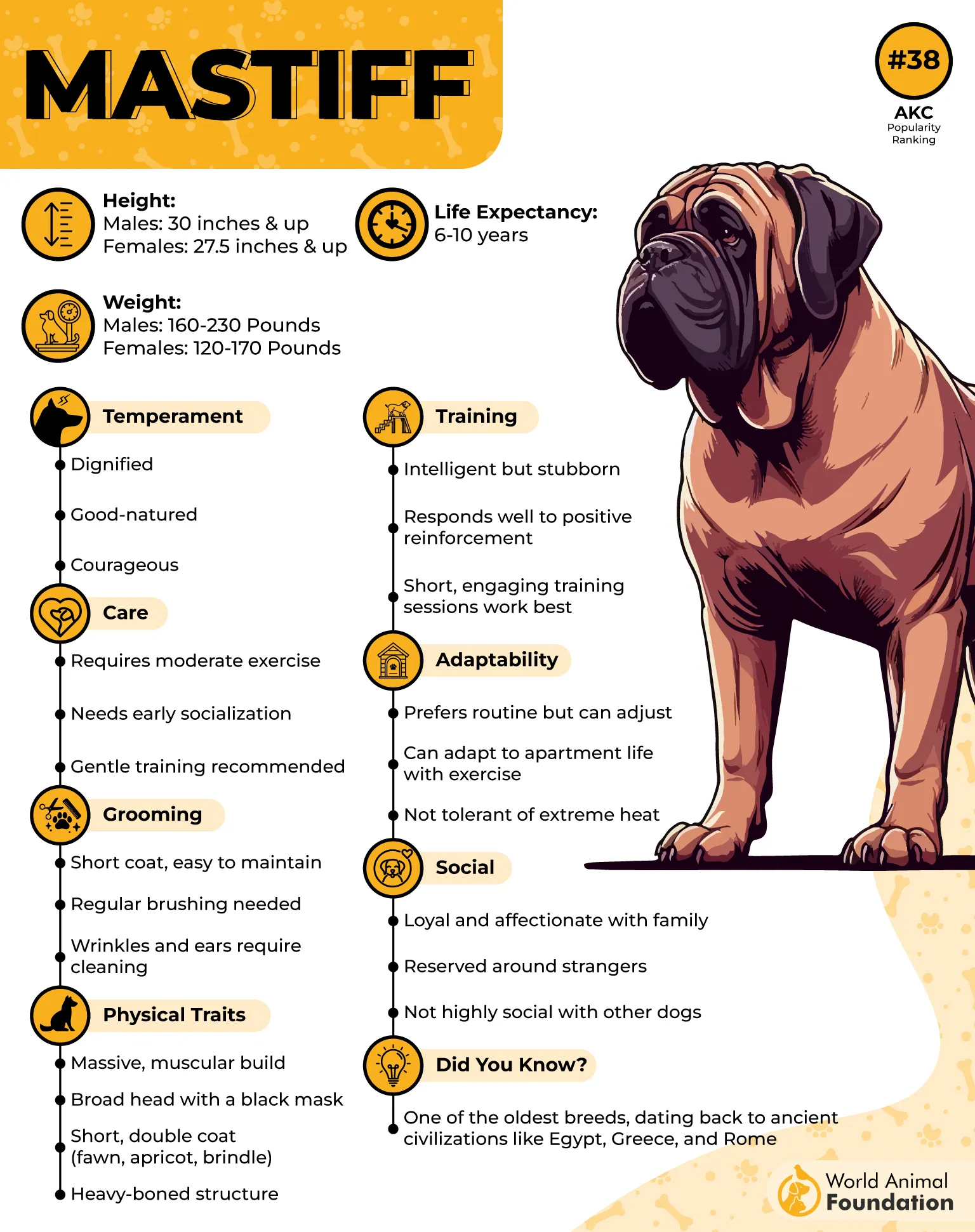
Loyalty comes naturally to the Mastiff, but so does an easygoing side that appreciates plenty of quiet time. The breed stays watchful around strangers, remains devoted to family, and usually prefers calm companionship over unnecessary drama or constant activity.
What Makes This Breed Stand Out
Its short coat keeps routine grooming fairly simple, though those famous facial wrinkles need regular cleaning.
Its patient, good-natured temperament gives the Mastiff a notably gentle side despite its powerful and imposing guardian presence.
2. Rhodesian Ridgeback
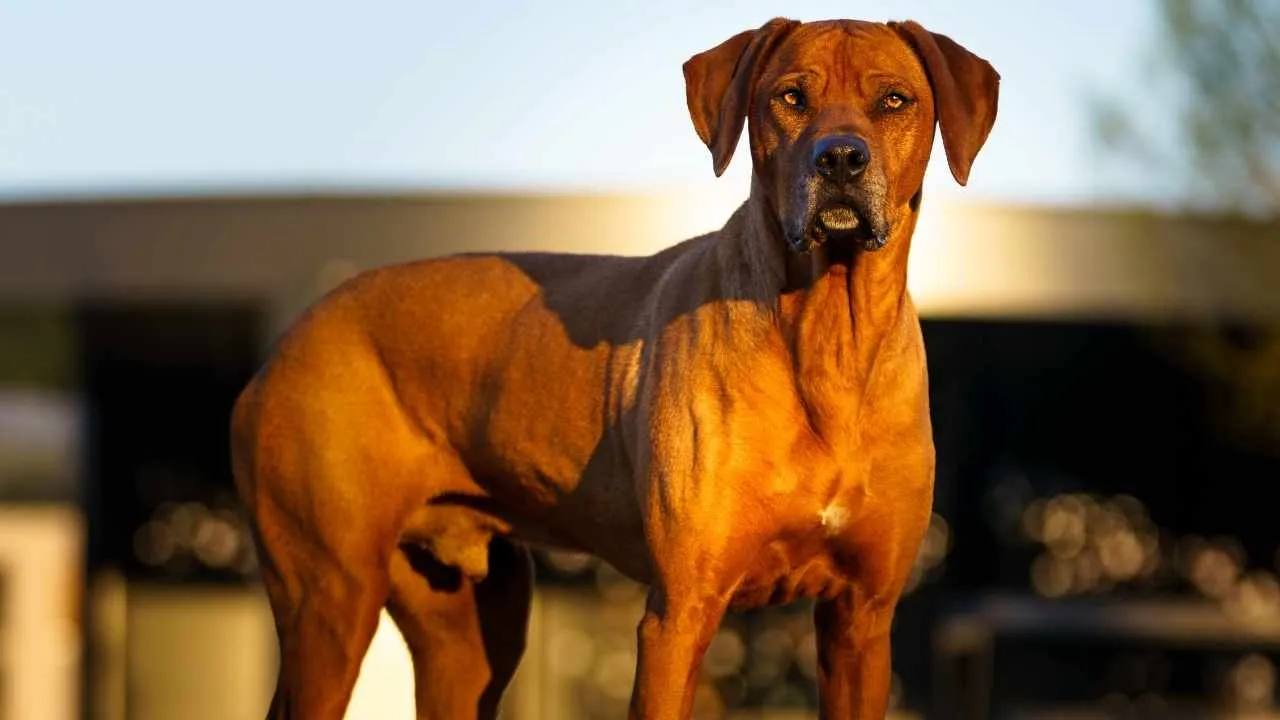
The Rhodesian Ridgeback has one unmistakable calling card: that backward-growing ridge along the back. Underneath it is an intelligent, gentle hound with independence to spare, giving this incredibly loyal protector a personality that feels polished, confident, and just a little opinionated.
Family members usually get the Ridgeback’s softer side, especially when the dog is properly trained and socialized. Other dogs can become good companions after proper introductions, while smaller family pets may trigger the breed’s strong prey drive and require careful supervision.
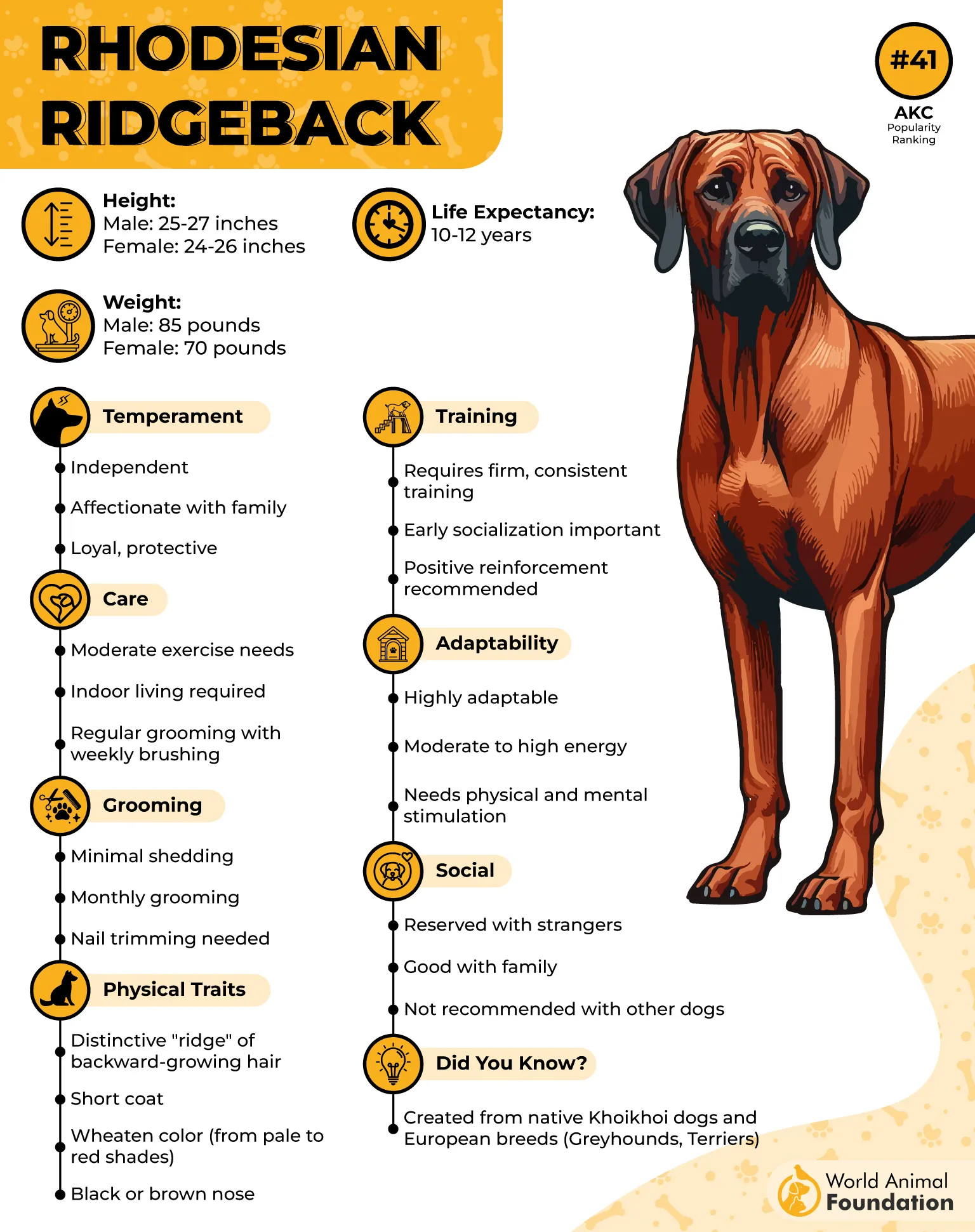
As noted by PetMD, Rhodesian Ridgebacks are intelligent and can learn quickly, but their independent streak makes lifelong obedience training important. Positive reinforcement works best, while mental stimulation helps keep these adaptable dogs engaged even without a specific job.
What Makes This Breed Stand Out
The Ridgeback’s distinctive backward-growing ridge of hair gives the breed a unique appearance that immediately sets it apart from other dogs.
Many owners report that Ridgebacks are not excessive barkers, often saving their voice for boredom or announcing someone at the door.
🎧 Dogcast
Episode 37 — Why Dogs Stay Close without Touching
If you don’t hear sound, tap the button above to enable audio.
3. Great Pyrenees
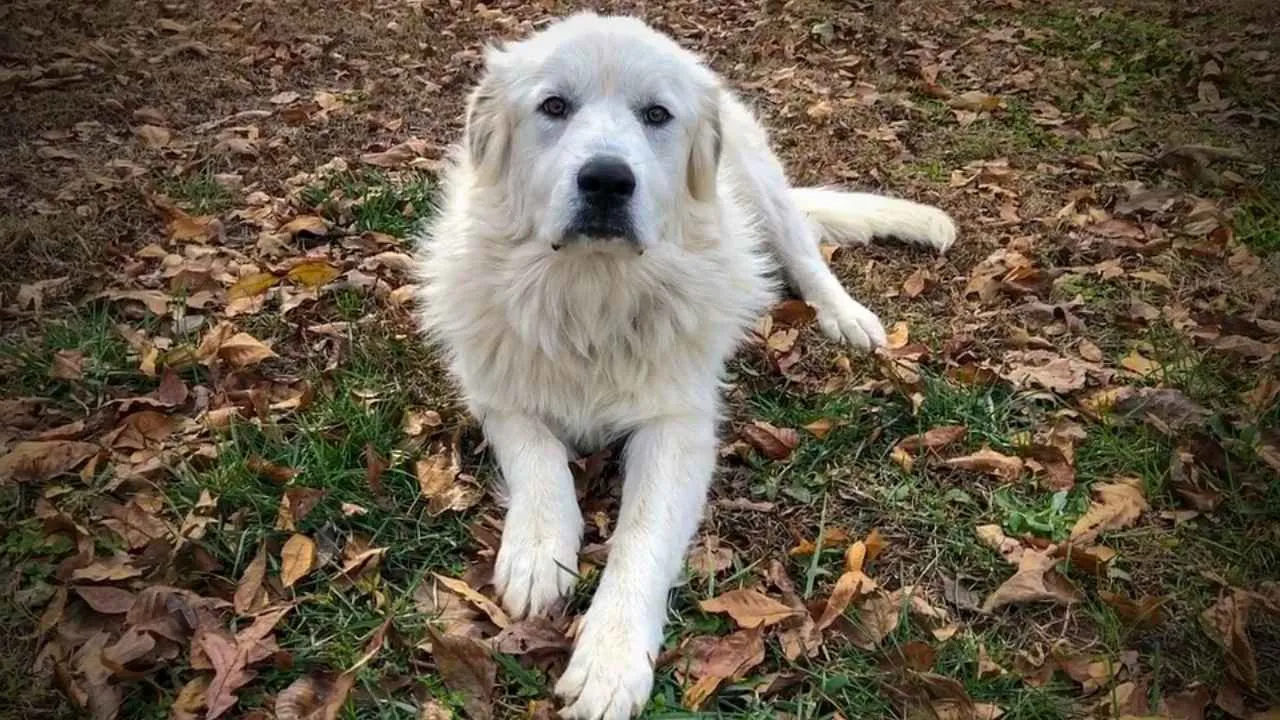
The Great Pyrenees does not waste energy trying to look busy. Calm, patient, and watchful, this guardian breed tends to observe first and react when necessary, creating a reassuring mix of laid-back companion and protector when circumstances call for it.
Protective instincts run deep in the Great Pyrenees, a breed developed to guard livestock from serious predators. That history shows in its habit of watching, conserving energy, and stepping forward quickly when something appears threatening to those under its care.
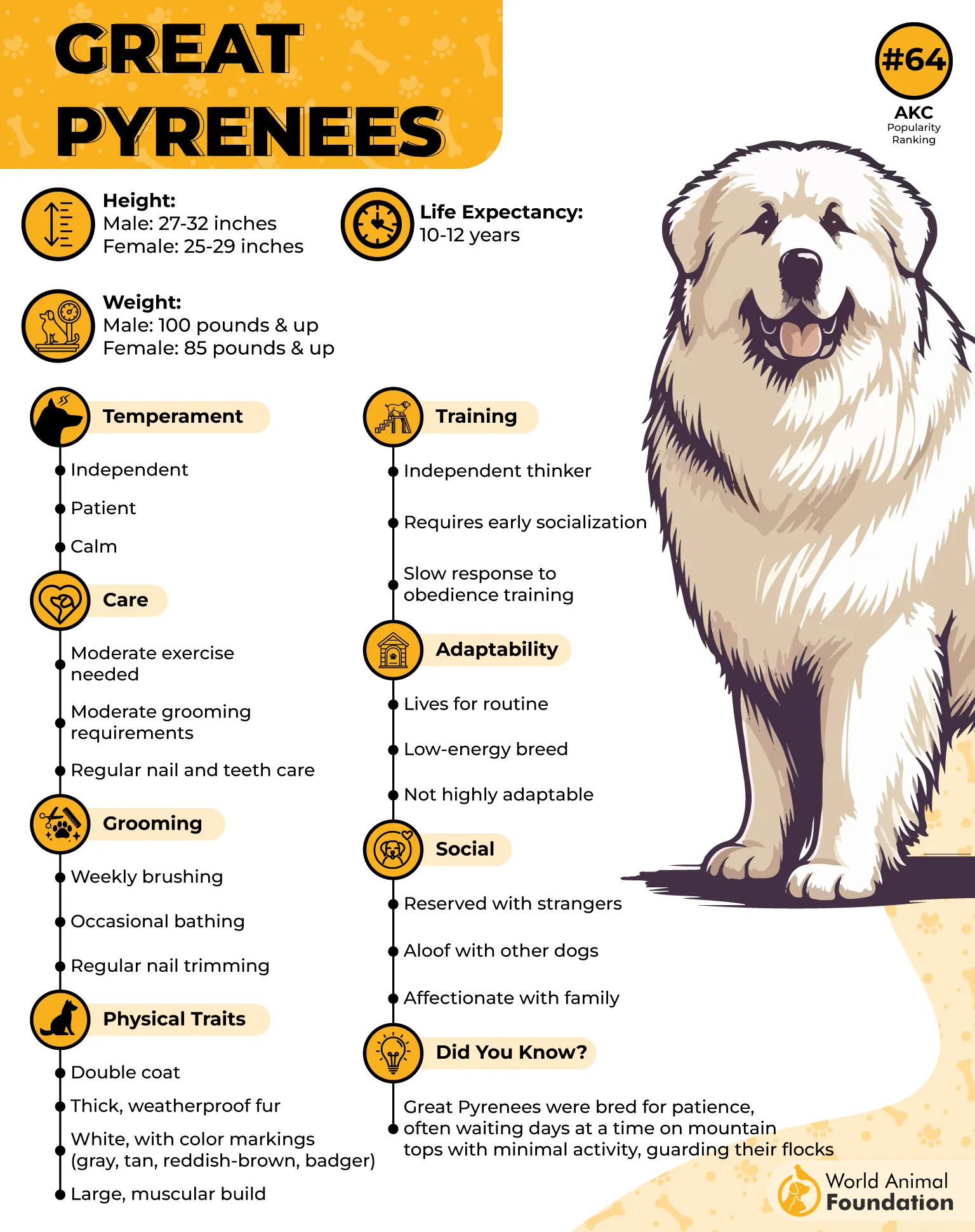
A properly trained protection dog can respond with control rather than needless aggression. For the Great Pyrenees, early socialization, clear guidance, and positive training help channel natural guarding tendencies so the dog can remain composed, manageable, and appropriately watchful.
What Makes This Breed Stand Out
That enormous fluffy coat is surprisingly dirt- and tangle-resistant, although weekly brushing helps manage the enthusiastic shedding situation.
Structured quiet cues can teach this naturally alert watchdog when its warning has been heard and the situation is handled.
4. Newfoundland
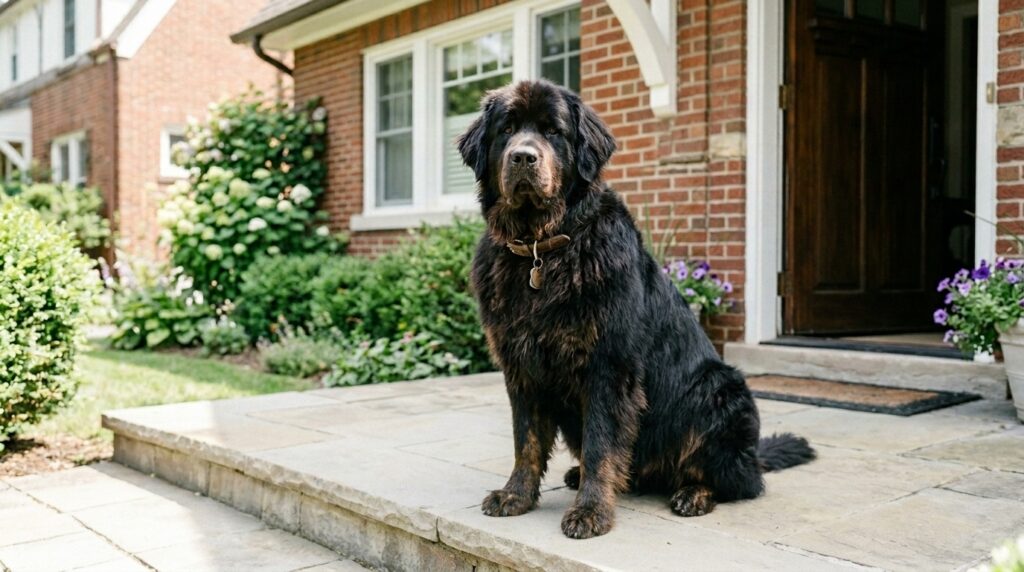
Few dogs combine working-dog credentials with such an openly sweet personality as the Newfoundland. Known for patience and a soft, balanced temperament, this devoted companion was recognized by the AKC in 1886 and brings gentle confidence into family settings.
As a search and rescue dog, the Newfoundland has an impressive résumé in the water. Natural swimming ability and lifesaving instincts helped make the breed famous for water rescue, where strength, courage, and a willingness to help truly shine.
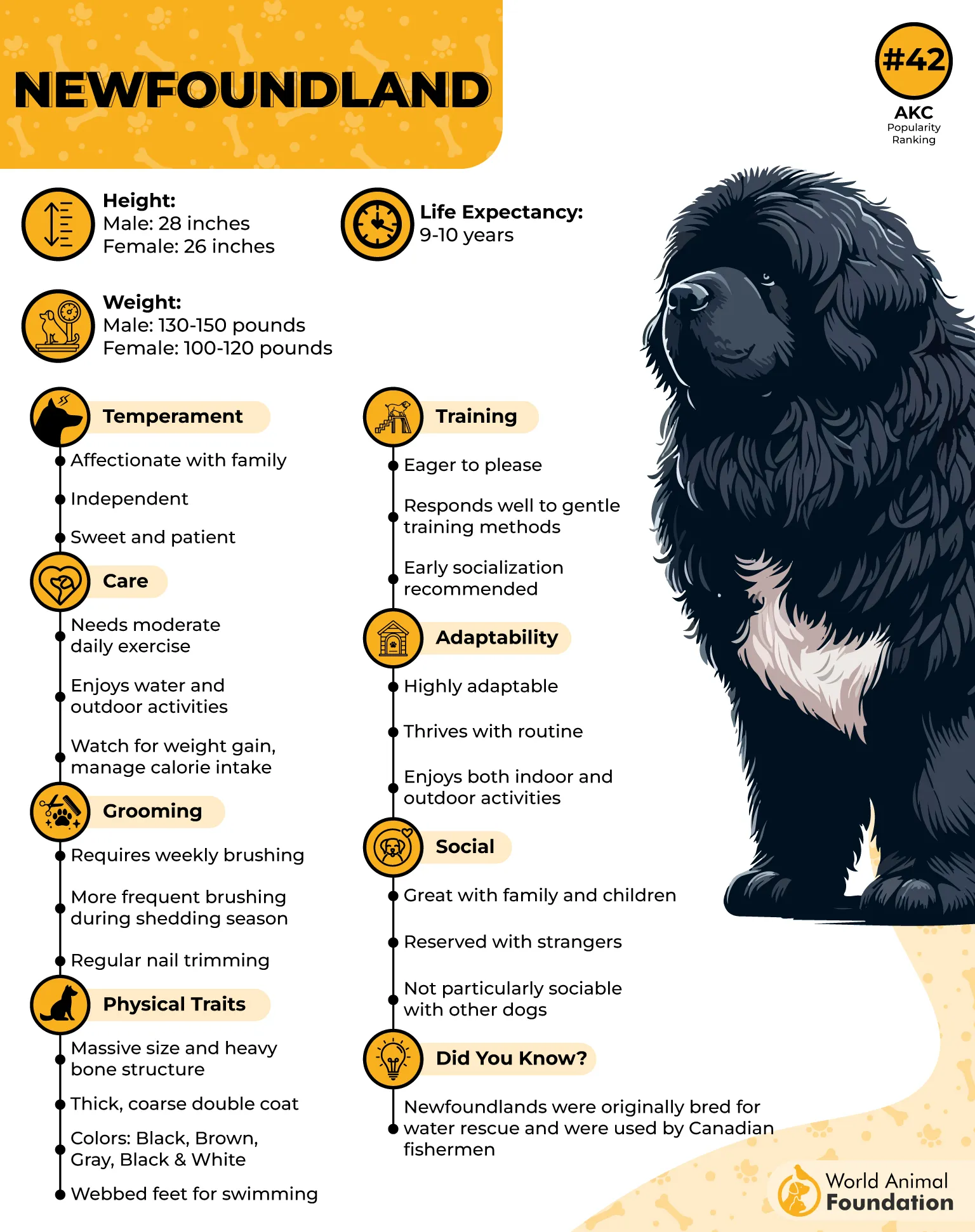
Family life suits the Newfoundland beautifully when there is enough room for such a substantial companion. The breed is calm at home, patient with children, friendly with other dogs and cats, and happiest when included closely in everyday household life.
What Makes This Breed Stand Out
Newfoundlands are eager to please and generally trainable, responding much better to gentle guidance than harsh corrections.
Draft work is another trick in the Newfoundland toolkit, with some dogs enjoying carting and drafting alongside their other activities.
5. Great Dane
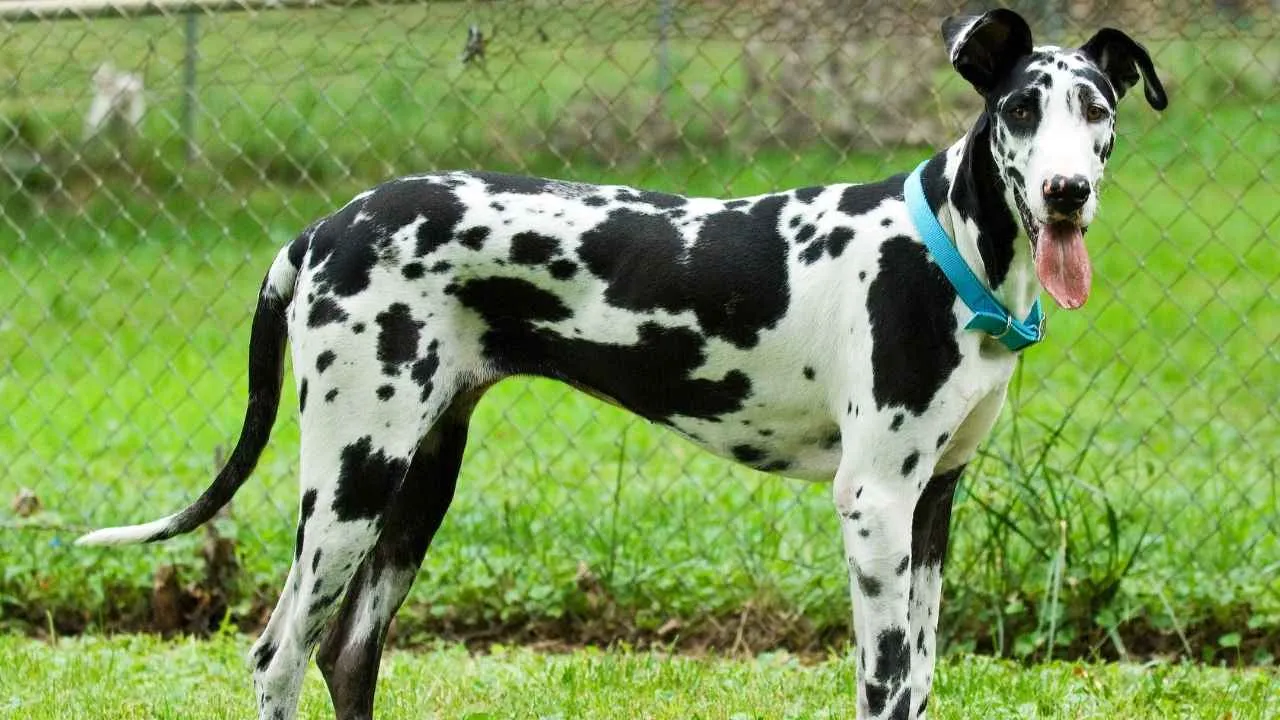
The Great Dane brings a rather funny contradiction to the room: an imposing guardian wrapped around a friendly, patient personality. This easygoing dog enjoys people, makes friends readily, and can look wonderfully serious while being an affectionate household companion.
Its nature is gentle, loving, and dependable, with a strong fondness for human contact. Some Great Danes also make excellent guard dogs, combining devotion to family with an alert presence that can make unwanted visitors reconsider their plans.
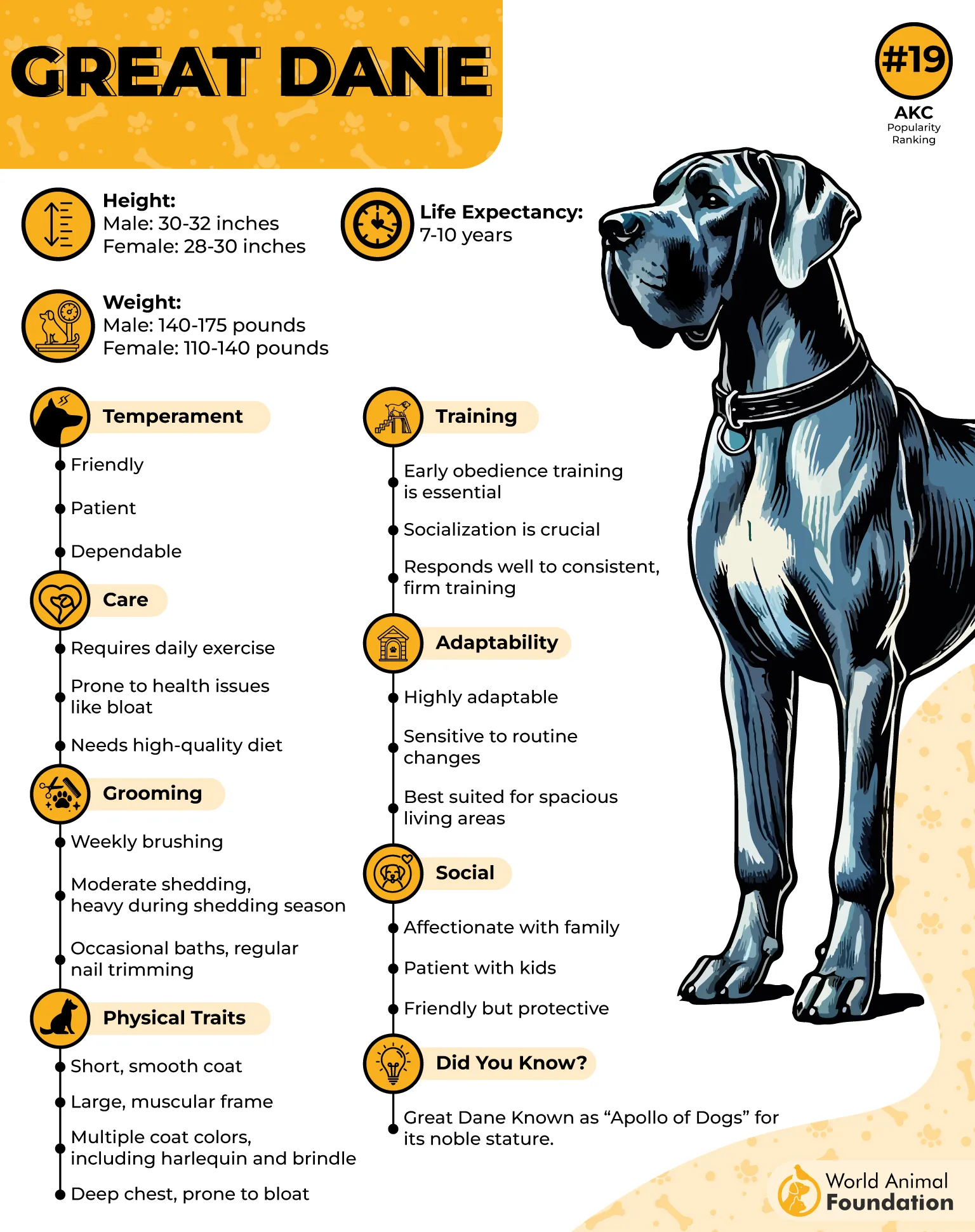
Consistent training matters because the Great Dane is powerful and needs good manners from an early age. Puppy classes, early socialization, and obedience work help shape an adaptable companion, while its friendly nature usually responds well to steady instruction.
What Makes This Breed Stand Out
A short, smooth coat keeps grooming refreshingly manageable, with weekly brushing usually helping control loose hair.
Patient behavior around children adds another appealing side to a dog whose appearance alone can make an impressive first impression.
6. Leonberger
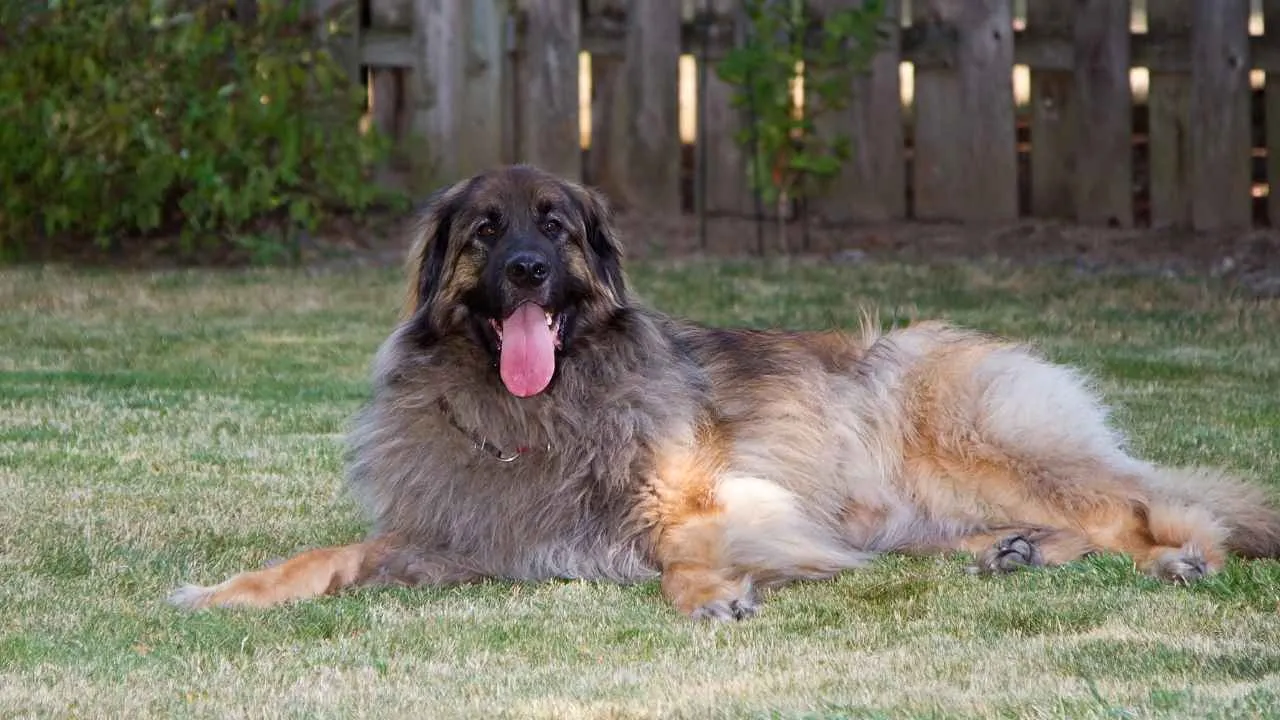
The Leonberger has the sort of personality that makes all that lion-like fluff feel slightly misleading. Beneath the grand appearance sits a friendly, playful, gentle dog with serene patience and a strong desire to stay close to the family.
Calling the Leonberger a gentle giant fits nicely, but this soft character still comes with protective judgment. This large dog can assess before acting and may use quiet observation or door blocking instead of turning every unfamiliar moment into a performance.
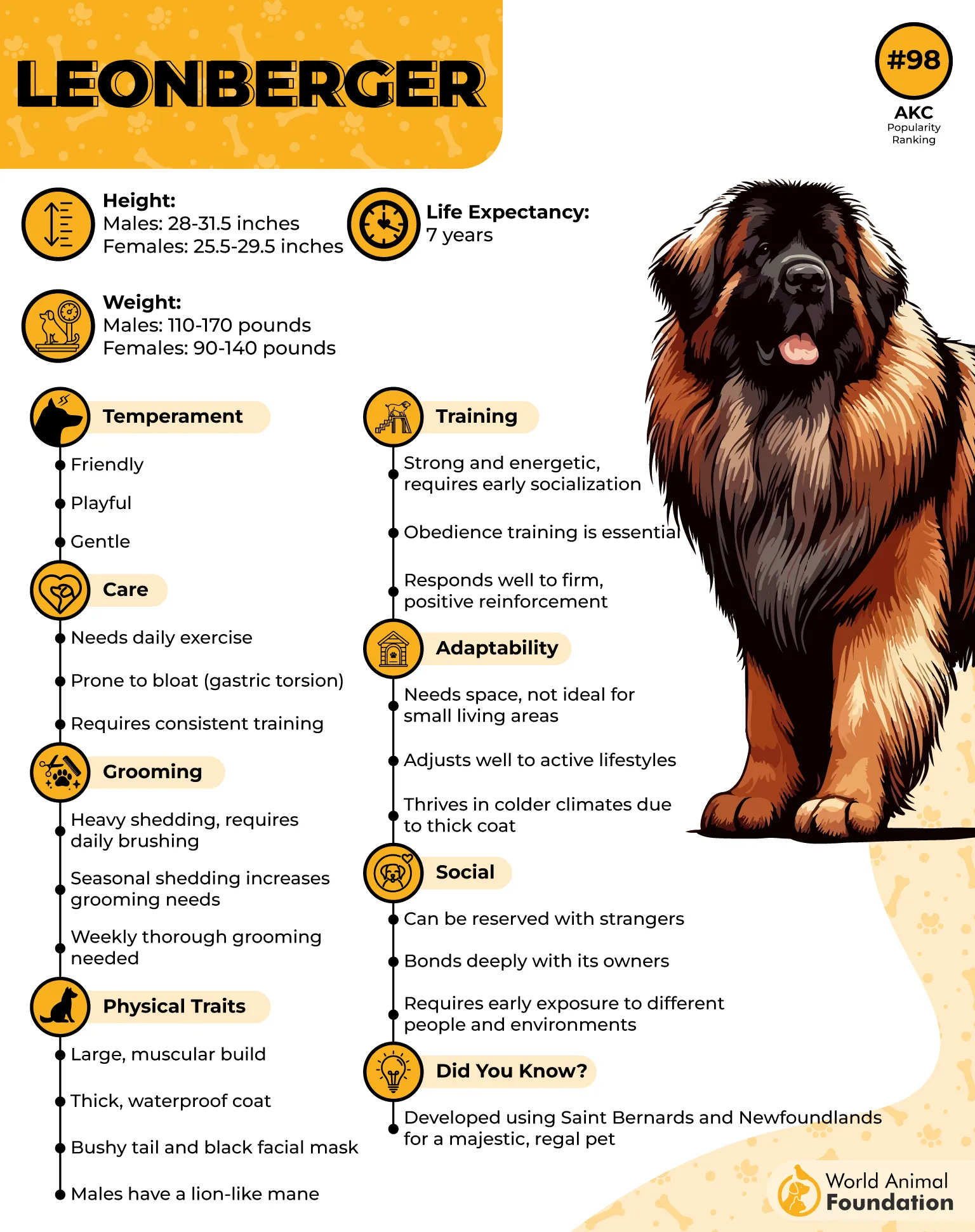
As mentioned by WebMD, adult dogs need at least one hour of exercise and high-energy activity each day to work those powerful muscles. Puppies, however, should take things easier because their bones may still be developing.
What Makes This Breed Stand Out
Leonbergers can put their working background to good use through activities such as cart pulling, sled pulling, and swimming.
Well-socialized Leonbergers can be welcoming toward strangers and amenable to other dogs, giving this powerful breed a notably sociable streak.
7. Tibetan Mastiff
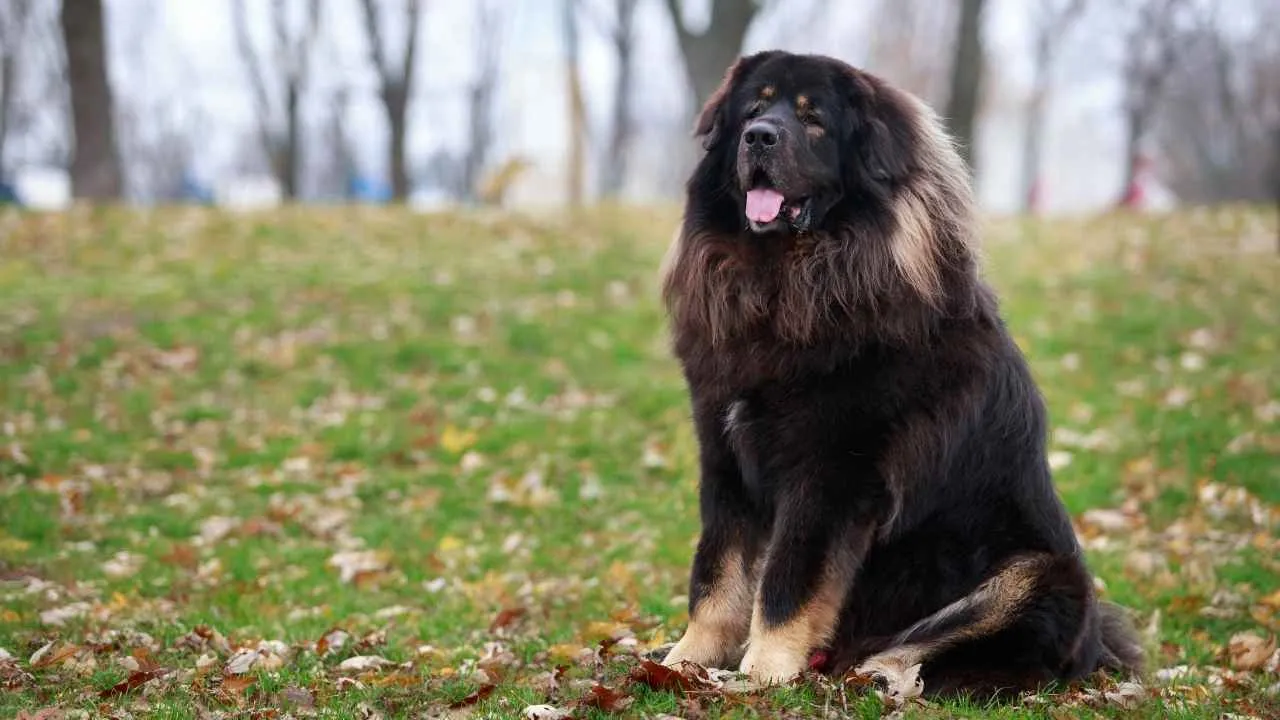
The Tibetan Mastiff does not need to fuss about looking formidable. Reserved, intelligent, and naturally watchful, this ancient guardian can be mellow around the house while keeping a very serious eye on people and situations beyond its trusted circle.
Originally bred in the Himalayas, the Tibetan Mastiff commonly protected homes and livestock. That old assignment still shows clearly today, because guarding property and family comes naturally to a dog developed to watch, judge, and respond without constant direction.
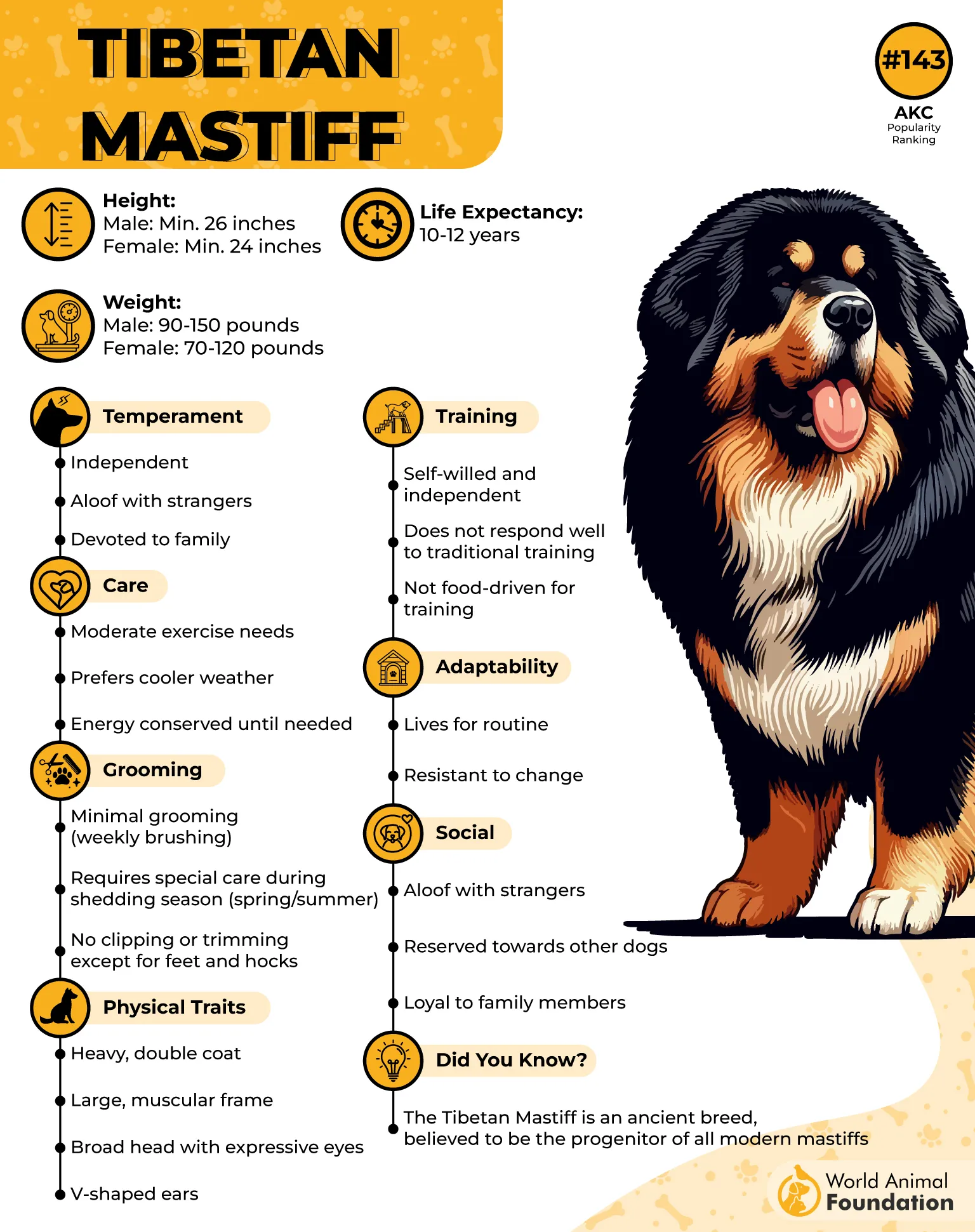
Calm indoors and deeply devoted to family, the Tibetan Mastiff saves its energy until something actually matters. It stays watchful around strangers, takes protection seriously, and can move quickly when needed, giving loyalty a quiet rather than constantly busy style.
What Makes This Breed Stand Out
That enormous double coat is lower maintenance than it looks for much of the year, although seasonal undercoat shedding becomes dramatically heavier.
Its preference for purposeful activities such as patrolling gives the Tibetan Mastiff a distinctive working style that suits its natural guardian instincts
Conclusion
A calm guard dog can bring steady companionship, quiet confidence, and a reassuring protective presence into everyday family life. The best guard dog for you is the one whose personality, training needs, activity level, and home requirements fit comfortably with your routine, so living together feels natural, enjoyable, and genuinely rewarding for everyone involved.
Take your time before deciding, and think about which breed truly suits your household rather than simply choosing the most impressive one. The right guard dog should feel like a trusted companion first, with protection as part of the package. When that connection clicks, you may have found your perfect partner.
🐾 Can You Score 5/5 on These Calm Guard Dogs?
Which breed was originally developed to guard farms, livestock, and homes?
What unique physical feature makes the Rhodesian Ridgeback instantly recognizable?
Which breed was developed to guard livestock from serious predators?
In which year was the Newfoundland recognized by the AKC?
Which calm guard breed is known for its lion-like fluff and cart pulling abilities?
Which breed was originally bred in the Himalayas as a home and livestock guardian?
