




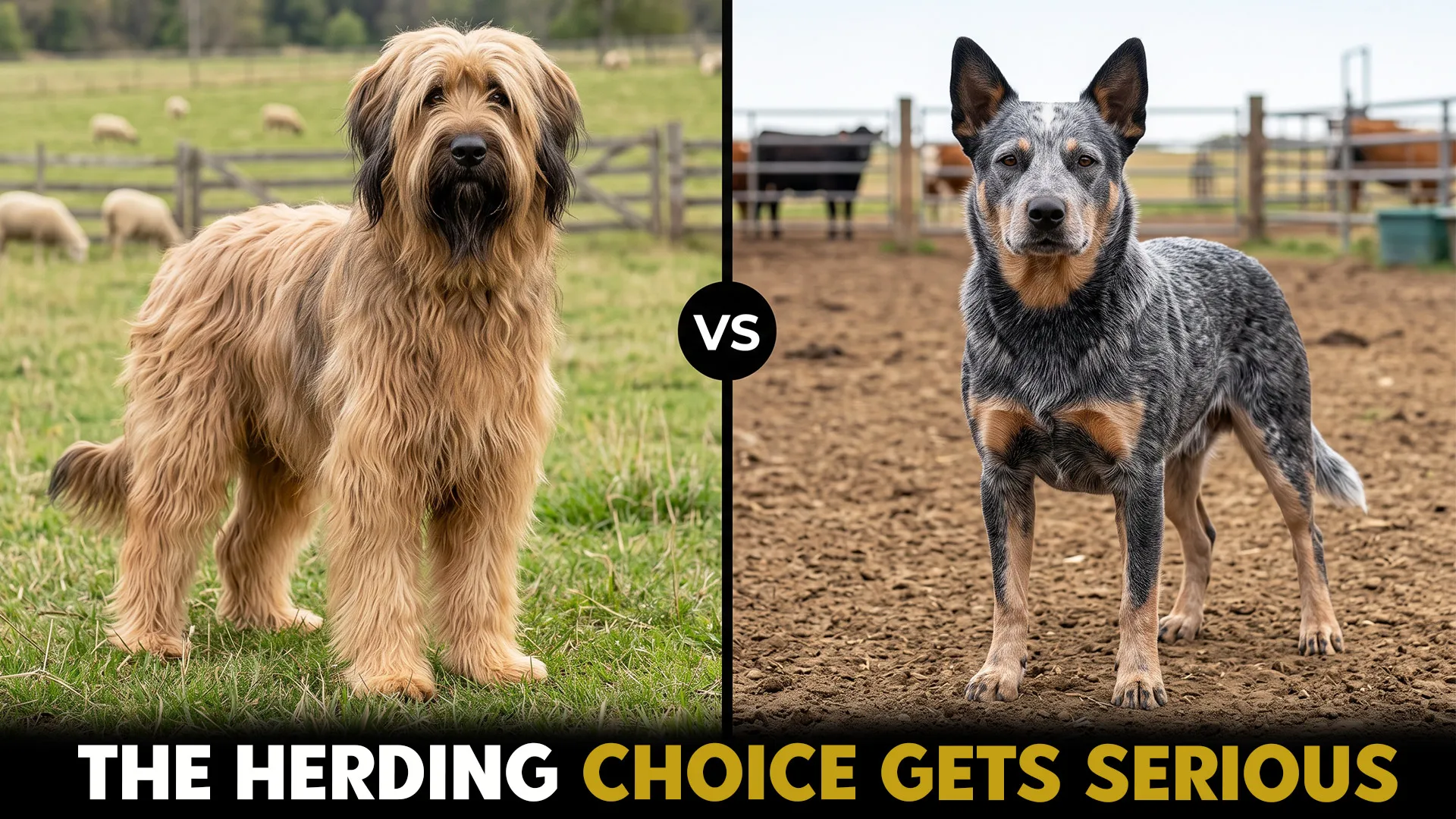
The Briard and Australian Cattle Dog are two incredible herding breeds with impressive intelligence, protective instincts, and hardworking personalities. However, while the Briard is a large, shaggy French guardian, the Australian Cattle Dog is a compact, energetic powerhouse developed for handling stubborn livestock. Both dogs are loyal companions, but their daily needs and personalities differ surprisingly.
So, which breed deserves a place in your home? Whether you’re looking for a fluffy family protector or an athletic adventure partner, understanding their differences can make your decision much easier.
Let’s compare their appearance, strength, exercise needs, trainability, grooming requirements, and overall lifestyle compatibility.
Briard vs. Australian Cattle Dog: Key Differences
This comparison highlights their key differences to help you decide which dog may be the better fit for your lifestyle.
Physical Features
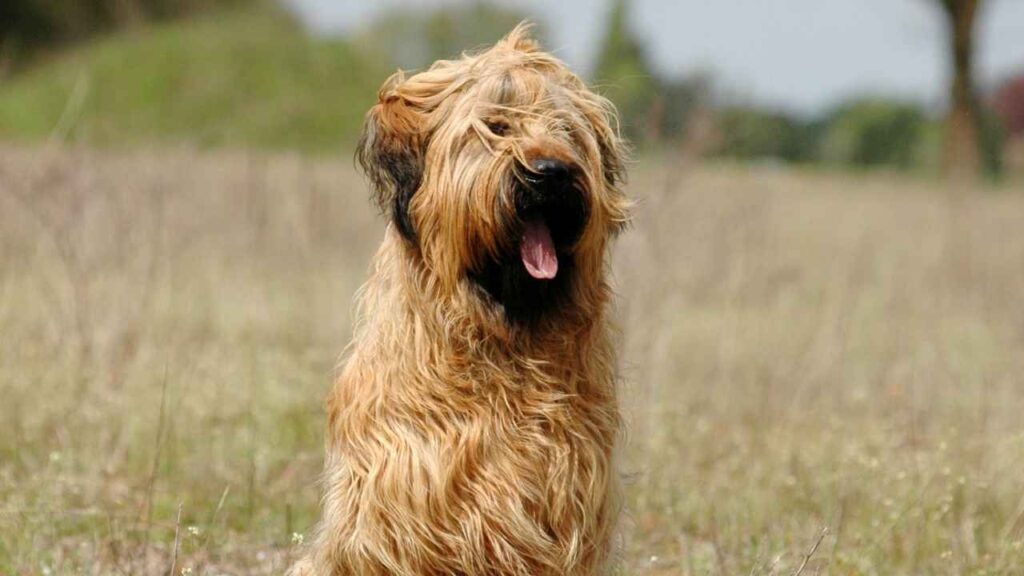
The Briard is a large, muscular French herding dog, standing about 22–27 inches tall and typically weighing 55–100 pounds. Its long, shaggy double coat comes in shades of black, gray, and tawny, giving it that effortlessly fabulous appearance. Seriously, this dog looks like it walked straight out of a luxury shampoo commercial.
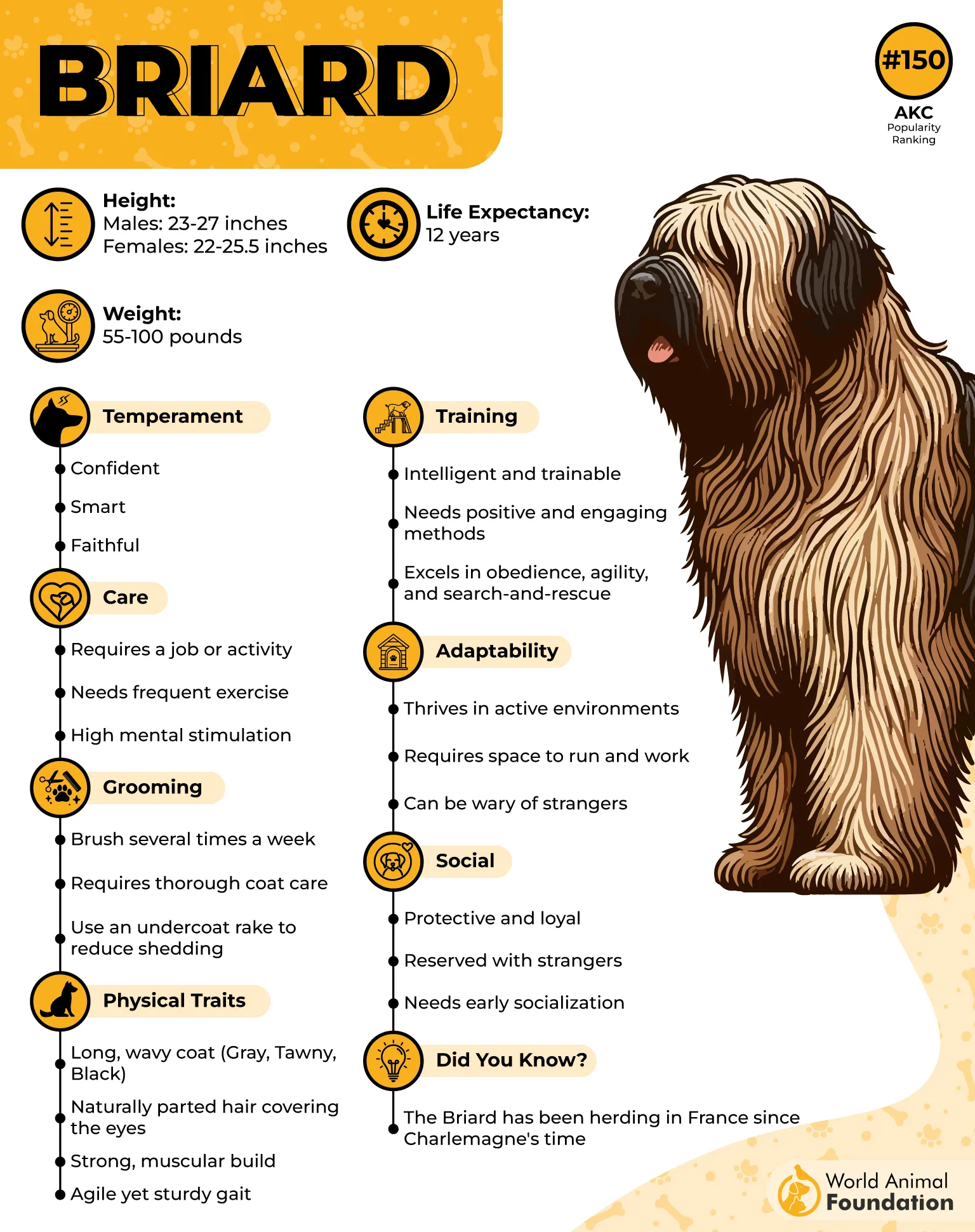
Despite its fluffy exterior, it has a strong, athletic body with well-developed muscles and a deep chest. Its expressive eyebrows, distinctive beard, and double rear dewclaws make it especially recognizable. These physical traits reflect its history as a hardworking livestock guardian, not just a fashionable companion.
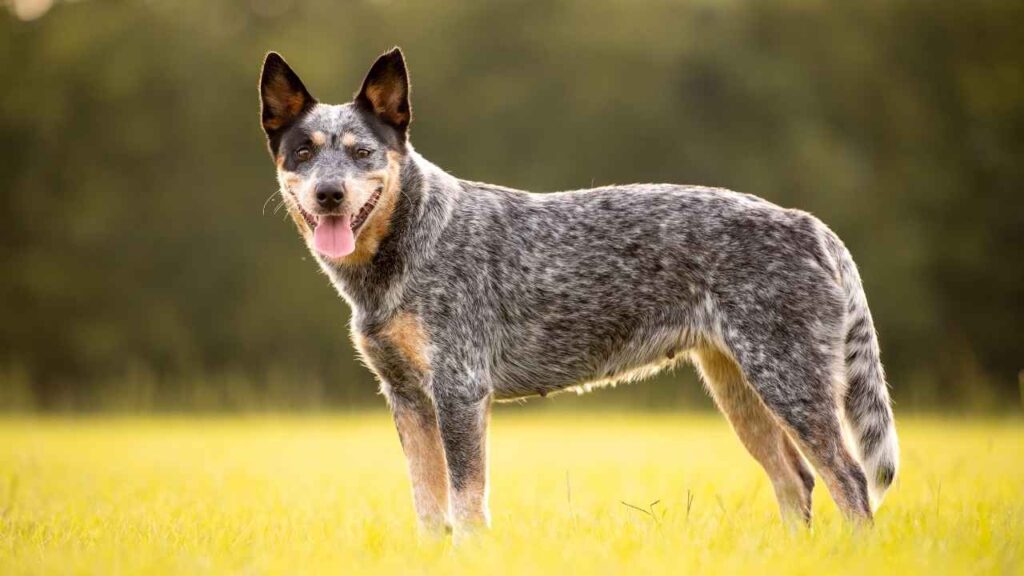
The Australian Cattle Dog is smaller and more compact, typically standing 17–20 inches tall and weighing around 35–50 pounds. Its muscular body, broad head, and upright ears give it an alert, athletic look. Unlike the Briard’s flowing locks, this breed rocks a short, weather-resistant double coat.
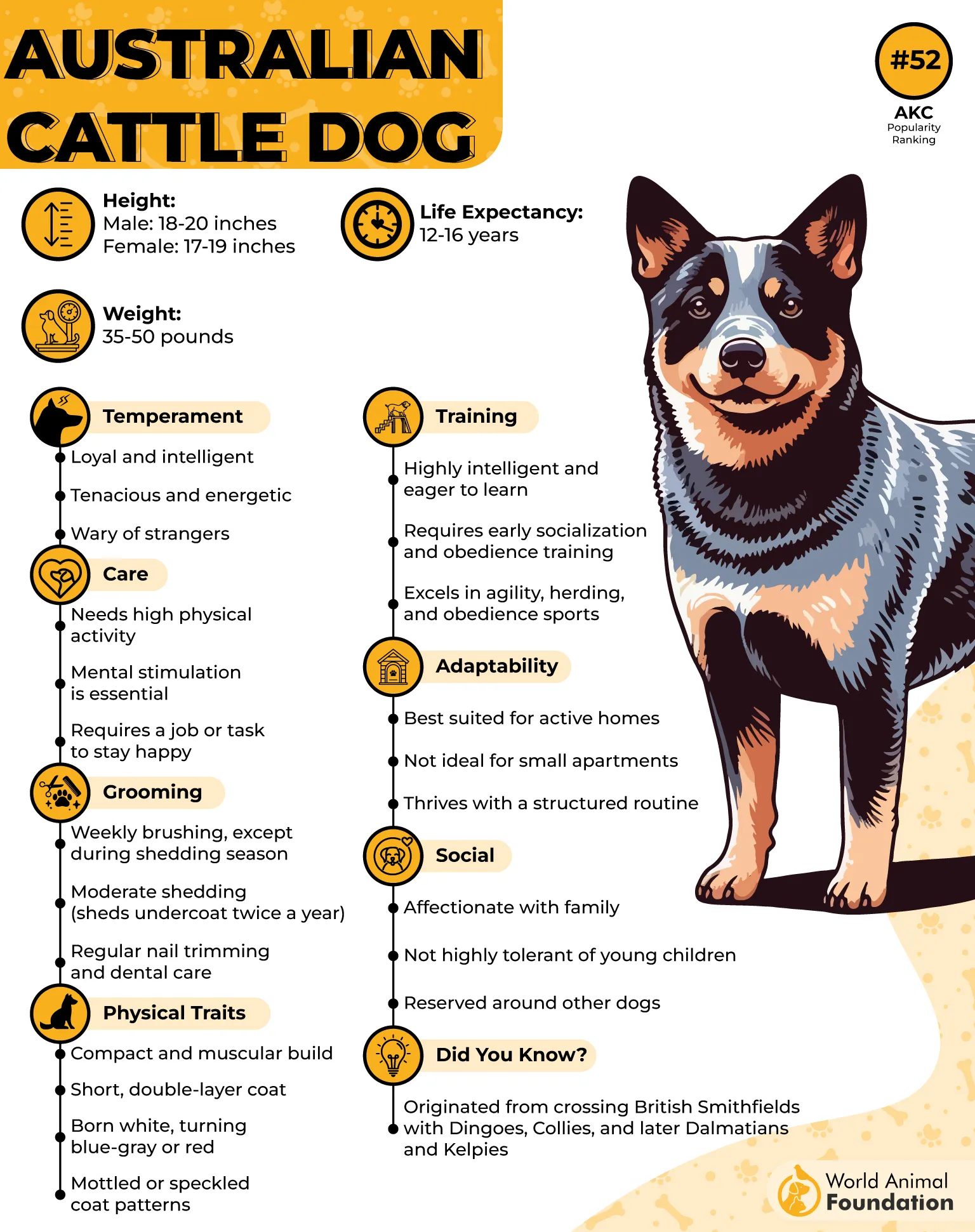
Its distinctive blue- or red-speckled coloring makes it immediately recognizable among working breeds. Interestingly, Australian Cattle Dog puppies are generally born predominantly white, with their characteristic colors developing as they mature. The result is a sturdy, agile dog built for demanding physical activities rather than winning a fluffiness competition.
Speed & Strength
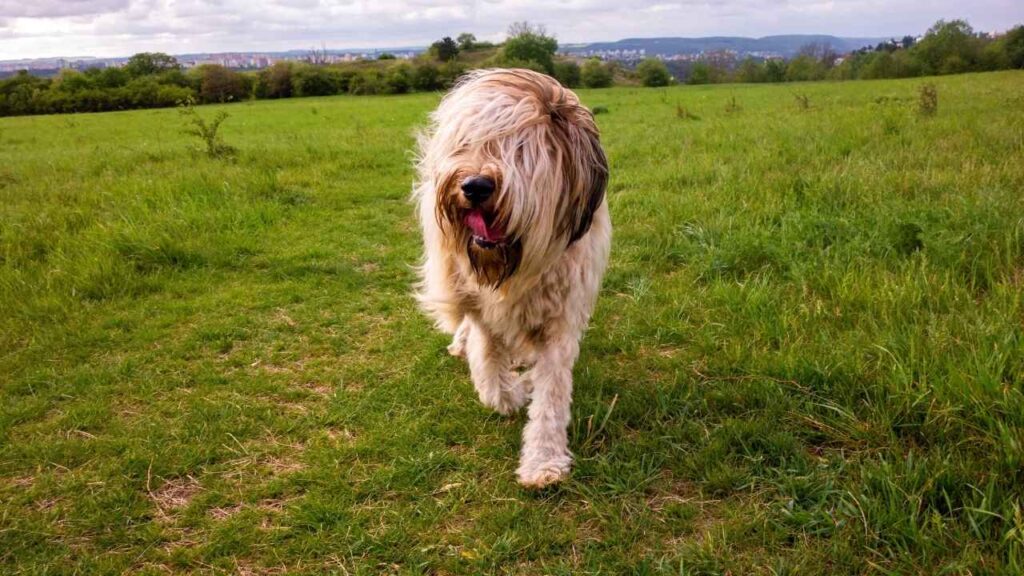
The Briard combines considerable strength with surprisingly graceful movement, thanks to its powerful frame and traditional herding background. Historically, these dogs helped move and protect livestock across challenging French landscapes, requiring both endurance and physical control. Their larger size gives them an advantage in overall body mass compared with Australian Cattle Dogs.
However, don’t underestimate their agility simply because they’re covered in long hair. According to UKC Dogs, when properly conditioned, Briards can perform well in herding trials, obedience competitions, and agility. Their movement is smooth and efficient, making them capable working dogs rather than slow-moving fluffy giants.
The Australian Cattle Dog is practically built for speed, precision, and rapid directional changes. Its compact structure and powerful hindquarters help it move quickly around cattle while avoiding kicks and sudden movements. Think of it as a four-legged athlete with impressive reflexes and absolutely zero interest in skipping cardio.
Although smaller than the Briard, this breed has exceptional strength for its size. Australian Cattle Dogs excel in activities that demand acceleration, stamina, and sharp turns. Their agility and endurance make them excellent candidates for demanding dog sports and active outdoor adventures.
Exercise & Energy Levels
Briards are energetic working dogs that need regular physical activity and mental stimulation to remain happy. Many healthy adults benefit from about 60–90 minutes of daily exercise, though individual needs vary by age and fitness. Long walks, hiking, herding activities, and interactive games provide excellent opportunities to burn energy.
Unlike some intensely driven working breeds, many properly exercised adult Briards can learn to settle comfortably indoors. However, they still need consistent engagement and quality time with their families to prevent boredom. Basically, they’re adventurous companions who may also appreciate some well-earned couch time.
Australian Cattle Dogs have exceptionally high energy levels and thrive in households that genuinely enjoy physical activities. Many healthy adults benefit from 90–120 minutes or more of varied daily exercise, with requirements depending on conditioning and temperament. PDSA says hiking, agility, structured retrieving, and advanced training can help satisfy their impressive drive.
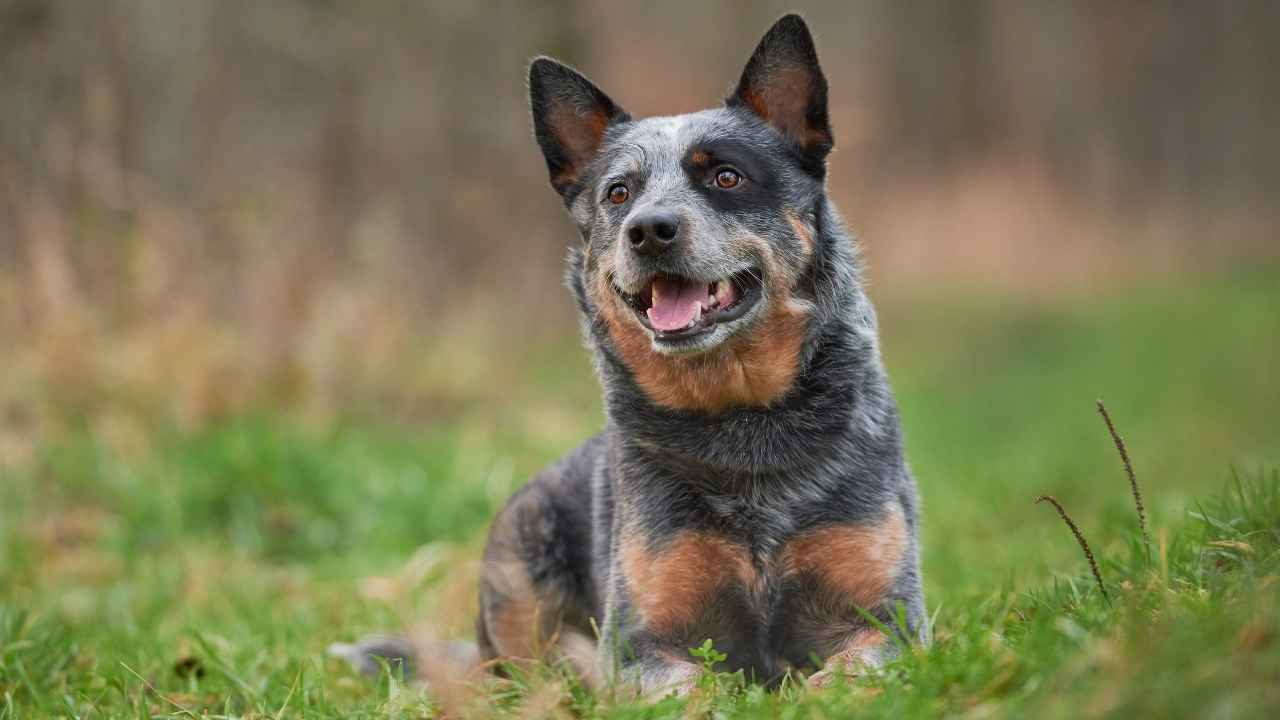
Without enough appropriate stimulation, these clever dogs may develop unwanted behaviors such as destructive chewing, excessive barking, or chasing moving objects.
Simply tiring them out physically isn’t always enough because they also need problem-solving challenges and opportunities to practice calm behavior. If you want a dog that encourages an active lifestyle, this enthusiastic fitness buddy is the one.
Training & Intelligence
Briards are smart dogs known for their independent thinking and strong learning abilities. As livestock herders, they learned to make decisions without constant human direction, which can explain their occasional stubbornness. They can master complex commands, but sometimes they prefer to do things their own way.
Positive reinforcement, consistent expectations, and engaging training sessions generally produce the best results. Early obedience training matters because managing a large, untrained Briard can become physically challenging. With patience and respectful handling, these clever French guardians can become responsive, trustworthy companions.
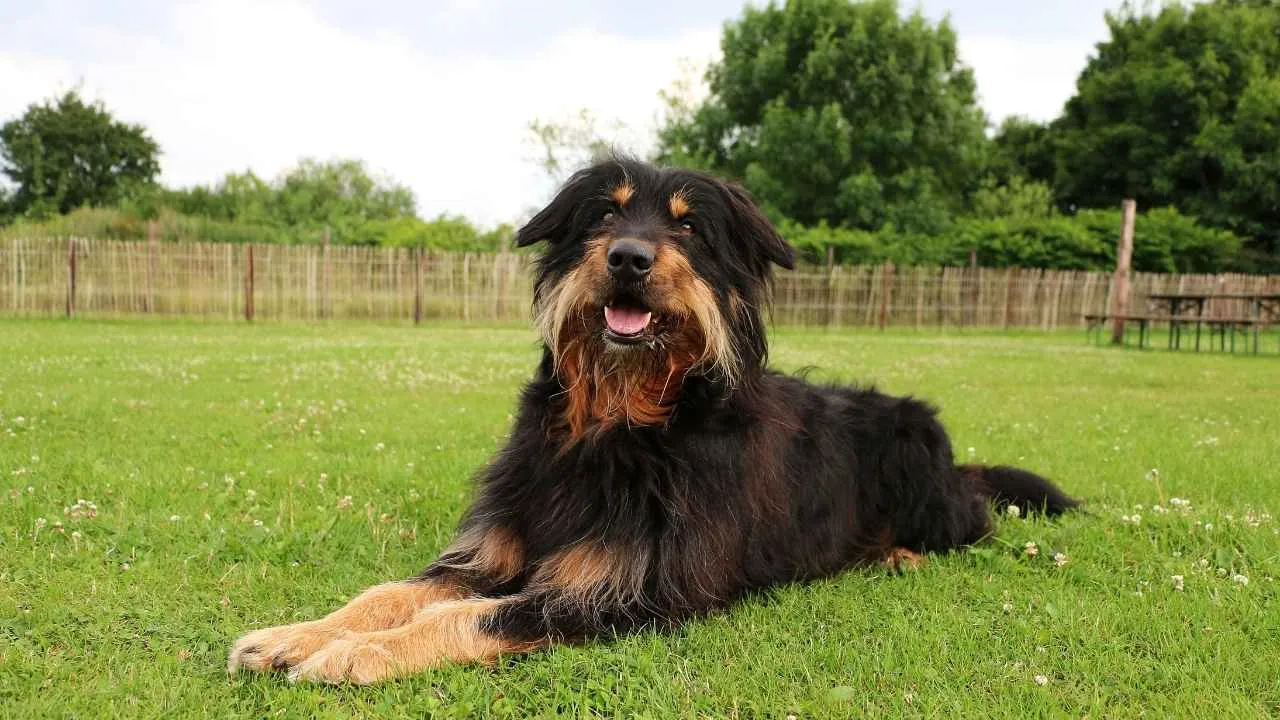
Australian Cattle Dogs learn quickly and have exceptional concentration and problem-solving abilities. Their working intelligence makes them excellent candidates for advanced obedience, agility, tracking, and herding competitions. However, their sharp minds can become bored when training feels repetitive or unchallenging.
Their natural herding instincts may lead them to chase, control movement, or nip at heels, especially in exciting situations. Teaching impulse control, reliable recall, and appropriate social behavior early helps prevent these tendencies from becoming problematic. With consistent reward-based training, these determined overachievers can become impressive partners in both everyday life and competitive activities.
Socialization & Living Environment
Briards are affectionate and loyal to their families but may seem reserved around unfamiliar people at first. Their protective instincts developed through generations of livestock-guarding responsibilities, so early socialization matters. Well-socialized individuals can become confident companions who can distinguish ordinary situations from genuine concerns.
Their gentle nature with familiar children can be rewarding, says Purina, though their size requires supervision during playtime. A home with secure outdoor space is convenient, but regular walks and meaningful family interaction remain essential. These devoted dogs generally prefer joining household activities rather than spending long periods alone.
Australian Cattle Dogs form strong attachments to their owners and often develop especially close relationships with one family member. Their alertness and natural caution around strangers can make them effective watchdogs, but they need early, positive socialization. They tend to notice everything happening around them, almost like tiny security officers with unlimited energy.
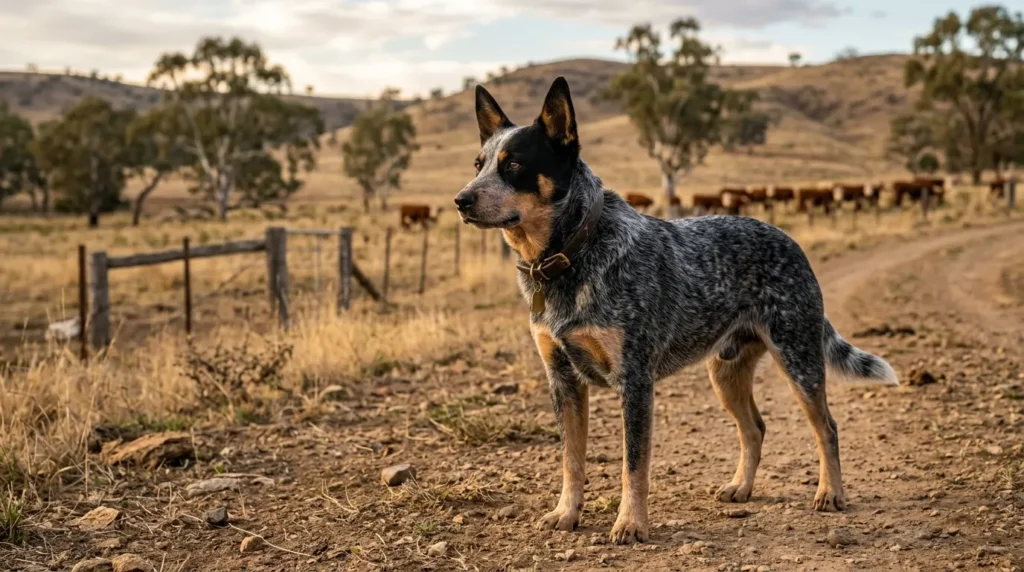
Because of their herding instincts, they may attempt to chase or nip at running children or other animals. Homes with experienced owners, structured routines, and opportunities for physical activity often provide the best environment. Families with older children who understand appropriate dog interactions may find them particularly rewarding companions.
Coat Grooming Needs
The Briard’s gorgeous long coat requires consistent maintenance to prevent painful tangles and matting. According to the American Kennel Club, owners should expect to spend at least two hours a week grooming, though some coats may need more attention. So yes, maintaining that beautiful hairstyle takes serious dedication.
Thoroughly brush around the ears, legs, and other friction-prone areas. Regular bathing, careful drying, nail trimming, and early grooming training help keep these dogs comfortable. Their striking appearance is a major attraction, but prospective owners should understand the commitment behind those fabulous locks.
Australian Cattle Dogs are considerably easier to groom because of their short, dense, weather-resistant coats. Under normal circumstances, weekly brushing removes loose hair and maintains coat condition. Compared with the Briard, this breed offers a much simpler grooming routine.
However, Australian Cattle Dogs shed year-round and may shed more during seasonal coat changes. More frequent brushing during these periods helps reduce the amount of fur that collects around your furniture. They’re definitely low-maintenance compared with long-haired breeds, but don’t expect a completely hair-free home.
Health & Lifespan
Briards typically live about 12 years, though genetics, nutrition, and veterinary care affect individual longevity. Their larger body size makes joint health and proper weight management especially important. Responsible owners should also provide age-appropriate exercise to support healthy muscles and mobility.
Potential inherited health concerns include hip dysplasia and congenital stationary night blindness, a genetic condition that affects vision in low light. Their deep-chested structure also makes awareness of gastric dilatation-volvulus, commonly called bloat, especially important. Choosing a responsible breeder who follows recommended health-testing guidelines can help reduce avoidable inherited risks.
Australian Cattle Dogs commonly live around 12–16 years, according to Orvis, making them relatively long-lived working companions. Their active heritage and sturdy build contribute to their reputation for toughness, though proper healthcare remains essential. Some individuals continue to enjoy physical activity and training well into their senior years.
Recognized inherited concerns include progressive retinal atrophy, congenital deafness, and hip or elbow dysplasia. Responsible breeders conduct relevant hearing, eye, and joint evaluations to identify potential breeding risks. Regular veterinary exams, a balanced diet, and appropriate exercise support a healthy, active life.
Conclusion
These dog breeds may share impressive herding instincts, intelligence, and family loyalty, but they offer different ownership experiences. The Briard suits people who want a large, protective companion and can handle demanding grooming. In contrast, the Australian Cattle Dog suits highly active owners who enjoy training and challenging outdoor activities.
If you prefer a shaggy, affectionate guardian with impressive strength and an independent personality, the Briard might be your perfect match. However, if you want a compact, athletic dog with extraordinary stamina and a strong working drive, the Australian Cattle Dog deserves serious consideration. Ultimately, the best choice depends on your lifestyle, training experience, available time, and willingness to meet the dog’s physical and emotional needs.
