




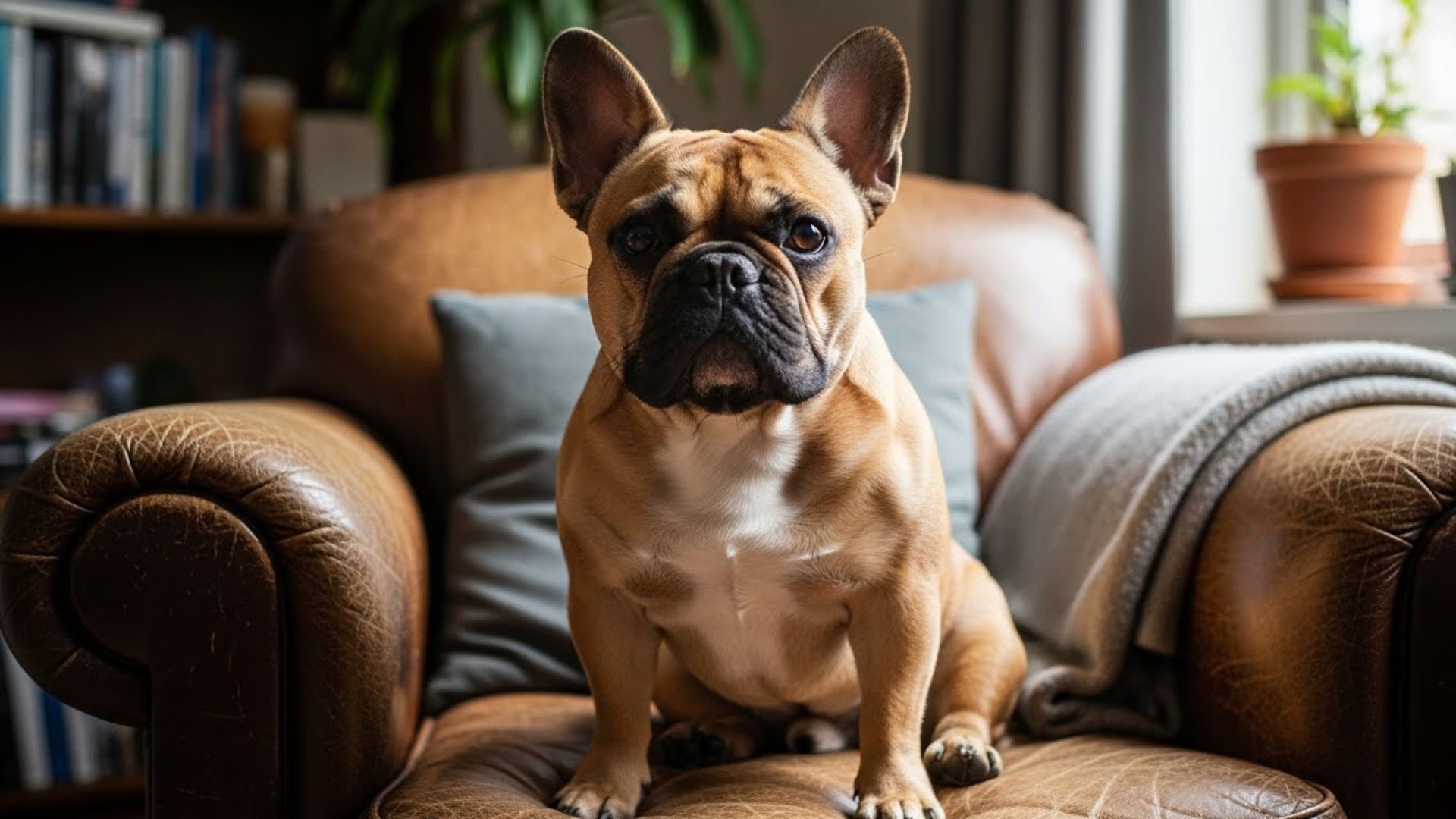
Few things melt hearts faster than a dog with a cute, compact snout. Those smooshy noses, big round eyes, and endlessly expressive faces have a way of turning even a quick scroll into a full-on “I need one” moment. It’s no surprise short-snouted pups have become wildly popular with dog lovers everywhere—because yes, they’re that adorable.
These breeds are often called brachycephalic, meaning they have shorter noses and flatter faces than many other dogs. Along with their signature look, many of them are known for being affectionate, gentle, and wonderfully people-focused. But that same anatomy that makes them so charming can also come with extra care needs.
That’s why it’s important to admire them with both your heart and your homework. In this guide, we’ll explain what short-snouted really means, share key health considerations to keep in mind, and introduce a lineup of short-nosed breeds whose sweet expressions and big personalities bring serious joy to the right homes.
Dog Breeds With Cute, Compact Snouts
1. French Bulldog
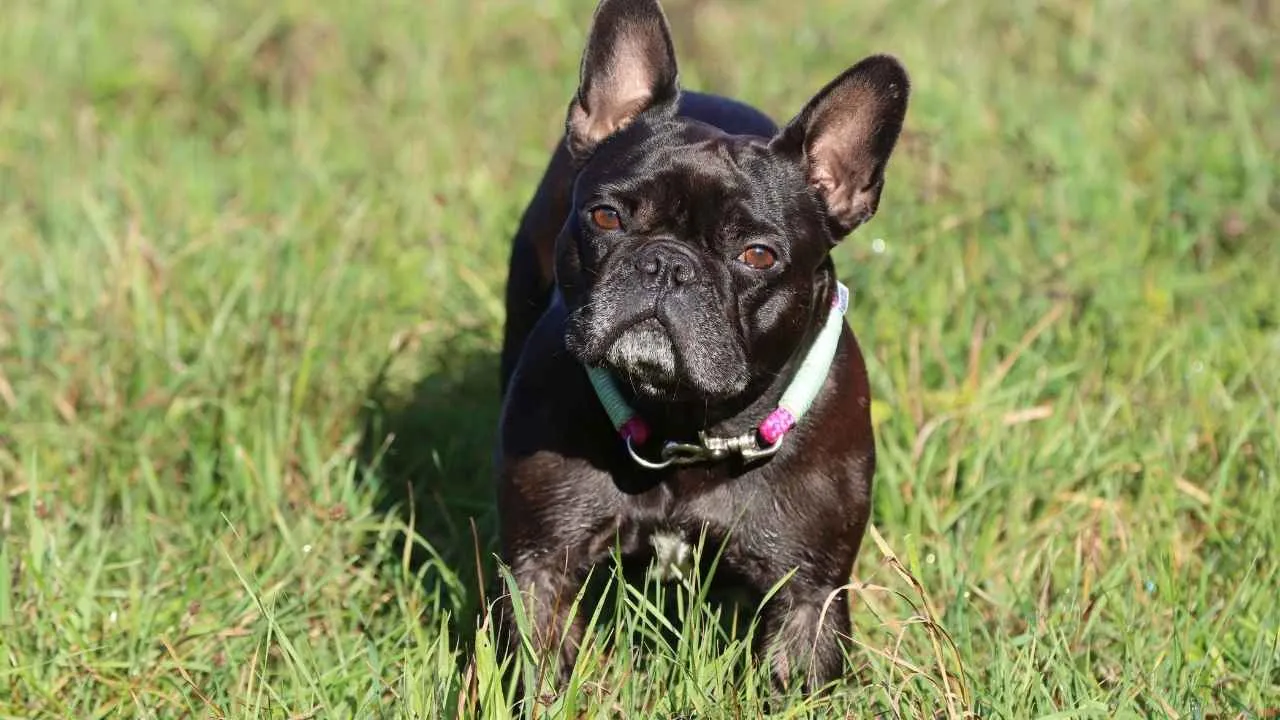
The French Bulldog—often called a “Frenchie”—is a snub-nosed favorite dog. Small in size but big in charm, this breed has a comedic, lovable presence that’s hard to ignore.
The AKC states that the French Bulldog, known for its large bat-like ears and even temperament, is one of the world’s most popular small dog breeds, particularly among city residents.
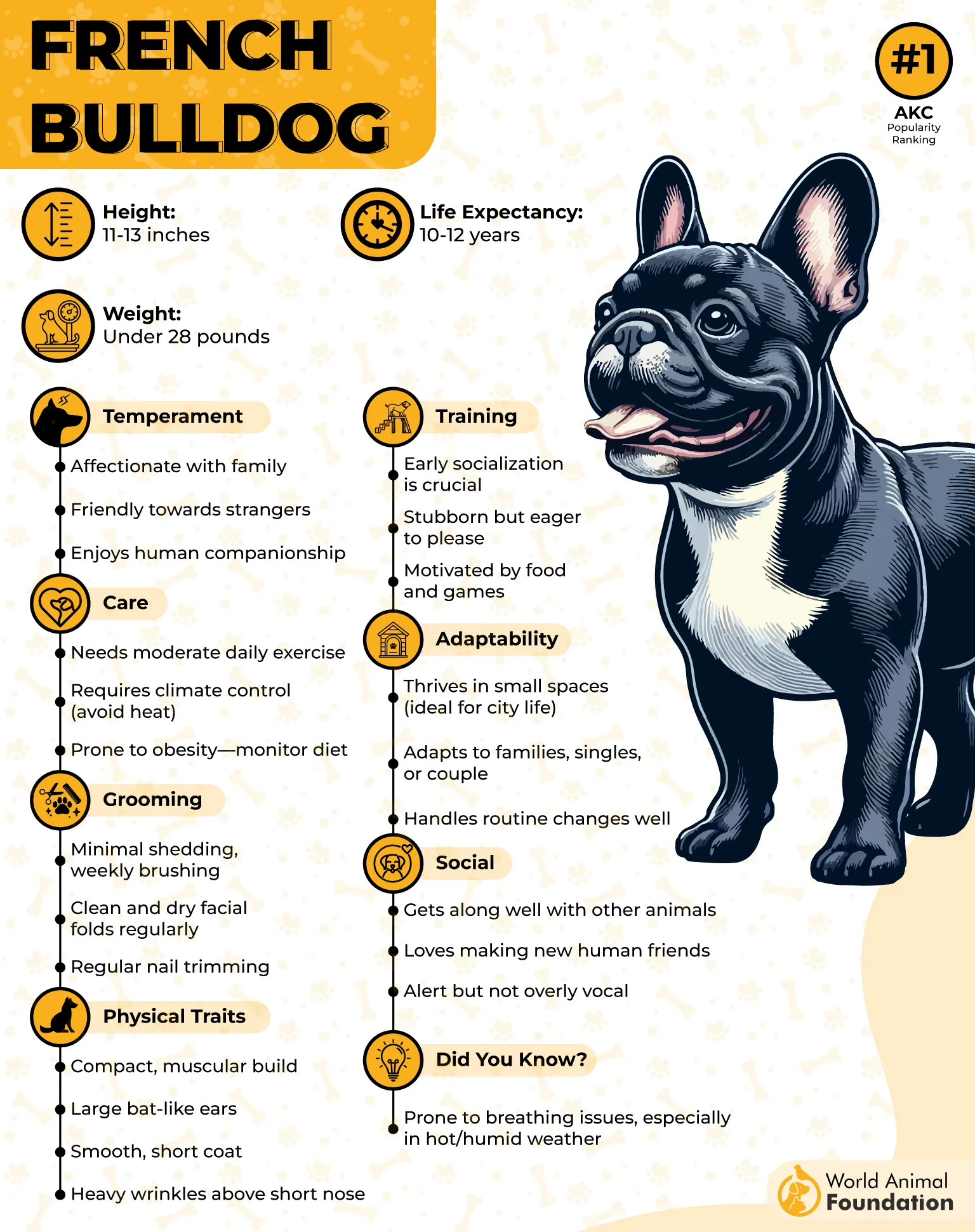
People adore short, squishy faces because they’re so expressive, and Frenchies take that to another level. Their tiny face and giant ears create an almost cartoon-cute look, while their sturdy build keeps them from feeling fragile or delicate.
Temperament is a huge part of the appeal, too. French Bulldogs tend to be playful yet relaxed, happiest when they’re close to their humans—and they’re famous for seeking laps and snuggle time whenever it’s available.
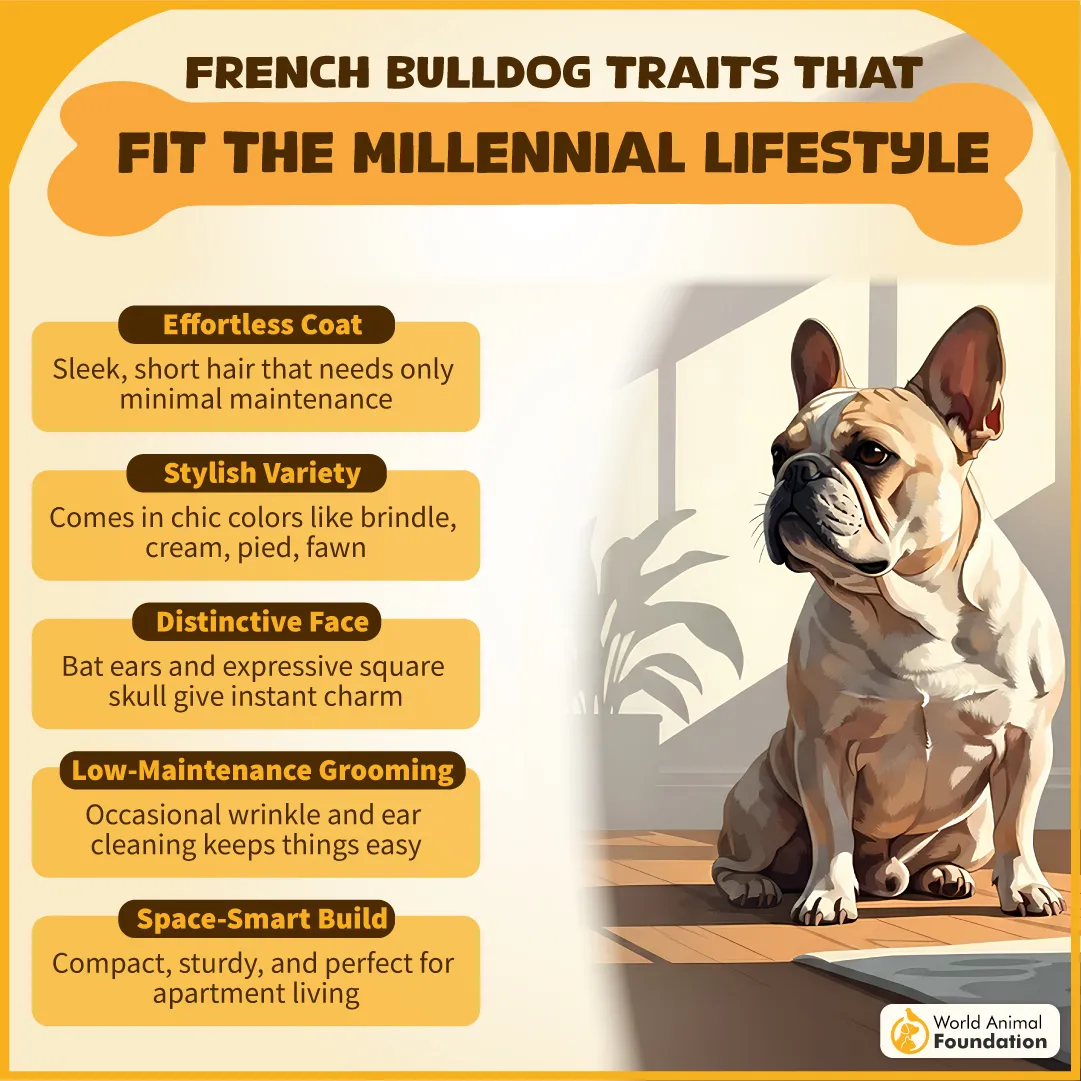
That compact snout comes with real-world considerations: Frenchies can snore and sometimes breathe noisily, and they often need extra care in hot weather.
Fast fact: French Bulldogs don’t like being alone, and they’re often happiest with lots of people-time (and sometimes even a Frenchie buddy).
2. Pug
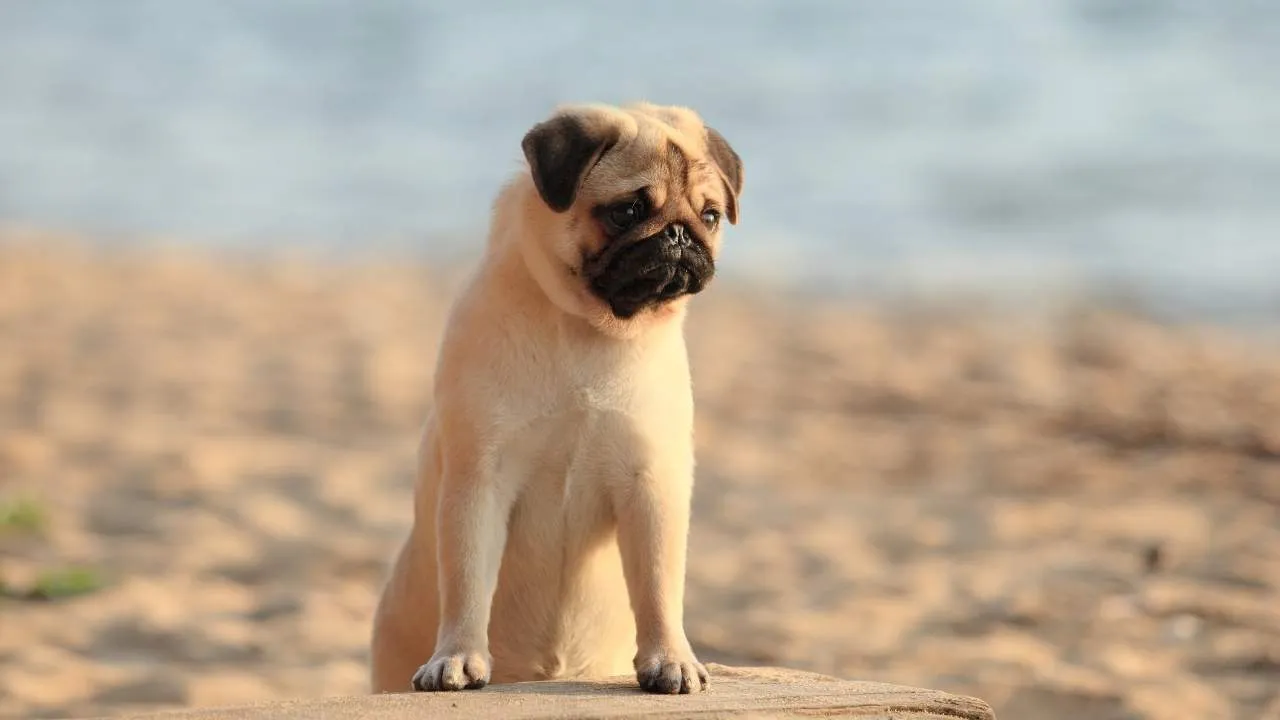
The Pug is (sometimes called the “multum in parvo” dog—a lot of dog in a small space). PetMD notes that the Pug is an ancient breed that originated in China about 2,000 years ago.
With a round head, big eyes, and a wrinkled, compact face, this brachycephalic breed is basically built for “aww.”
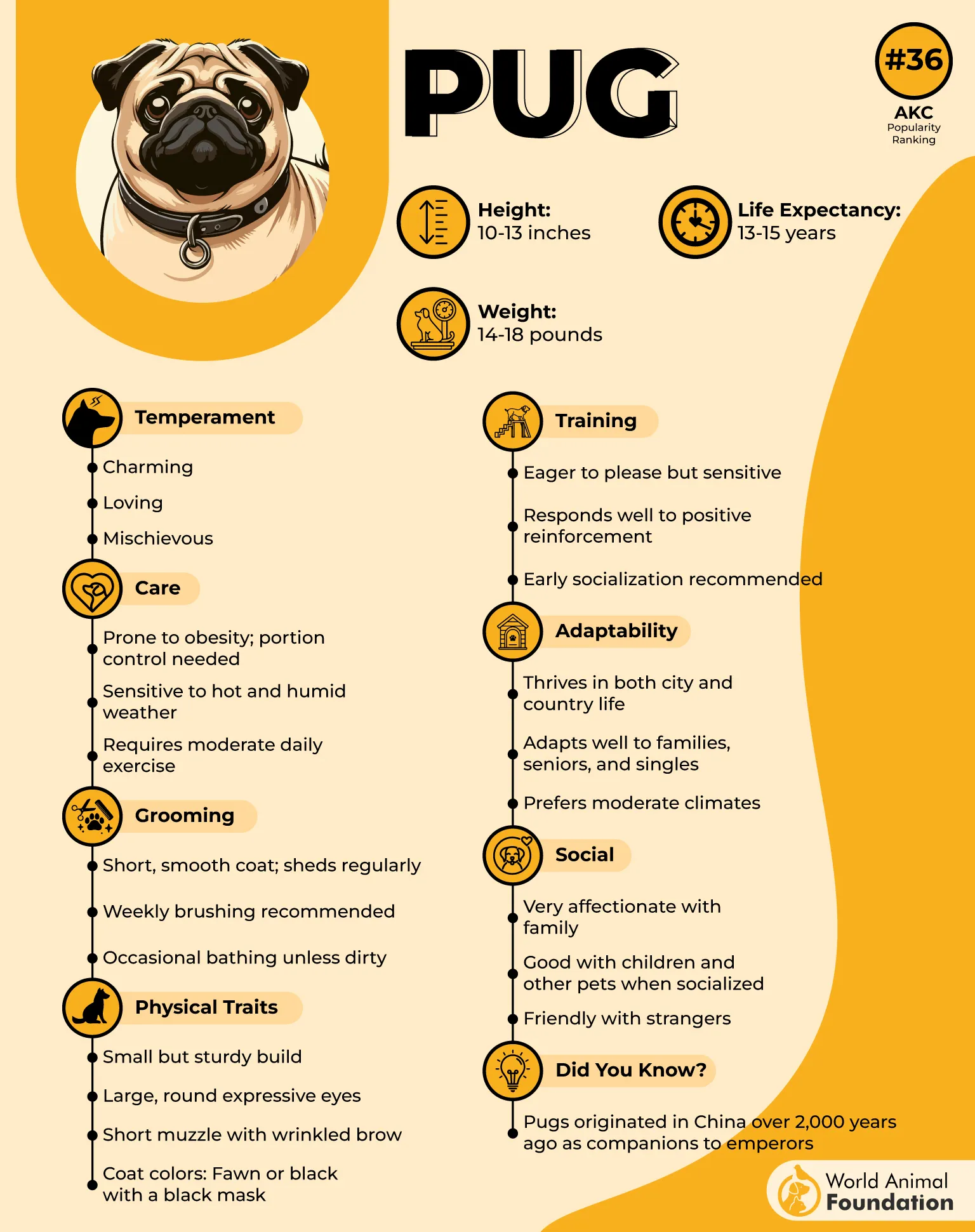
That short snout is the star of the show, giving Pugs their famous expressive look—along with a curly tail and an always-amused vibe. They’re playful and mischievous when it’s go-time, but equally happy to clock long cuddle sessions on the couch.
Because their flat face can come with breathing challenges, the coolest Pug owners plan around comfort: steady vet care, a calm pace, and avoiding intense exercise. They also need thoughtful routines, especially when it comes to training and portion control.
Don’t let the tiny coat fool you—maintenance still matters, and so does climate.
Fast fact: It’s a myth that Pugs don’t shed; despite their short fur, they shed a lot and can leave “Pug marks” all over the house.
3. Boston Terrier
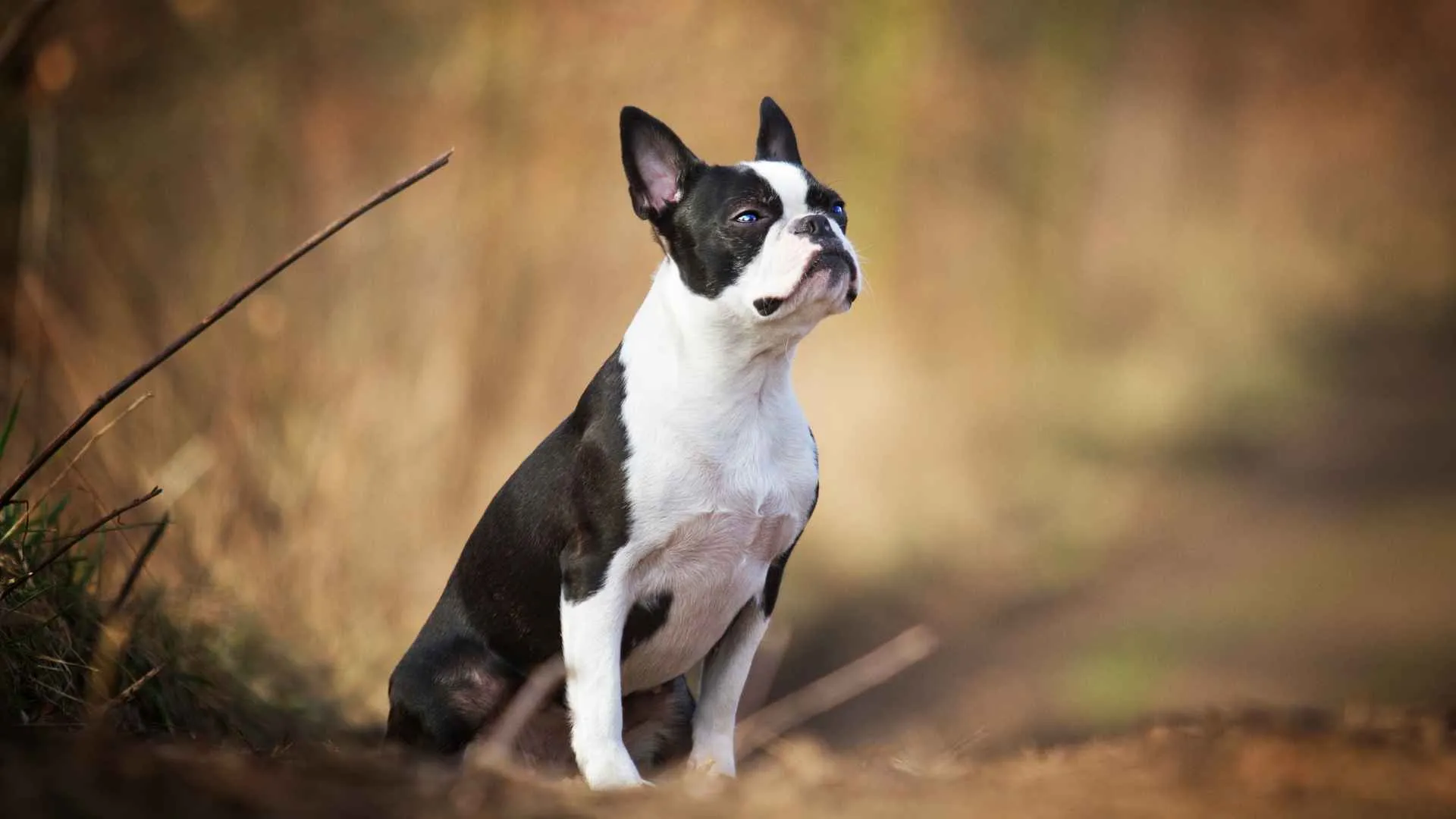
The Boston Terrier, famously dubbed the “American Gentleman,” is a U.S.-developed companion known for its tuxedo-like coat, bright eyes, and cute, compact snout.
WebMD states that Boston Terriers are a small breed with a friendly temperament that suits family life well. With perky ears and a naturally expressive face, this brachycephalic breed is basically built for instant fan clubs.
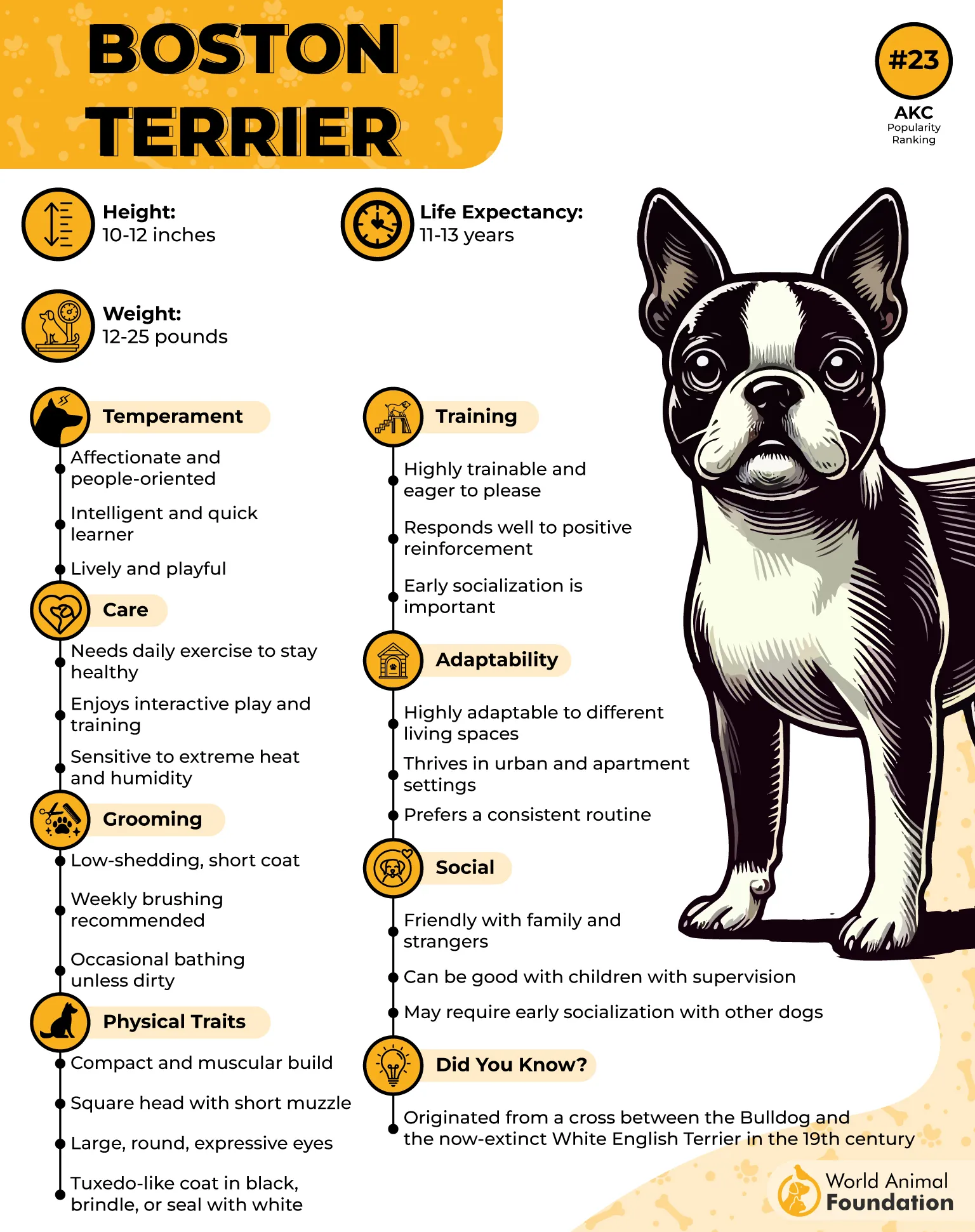
Temperament-wise, Bostons are lively, smart, and very people-oriented—affectionate without being clingy (okay, sometimes clingy). They thrive on companionship and tend to do wonderfully with families, especially when they’re included in daily life rather than left solo.
Their eagerness to please makes training feel more like a game than a chore, and their adaptable nature suits both apartments and larger homes. A couple of daily walks plus playtime usually keep this energetic little athlete content and charming.

Because of that short muzzle, owners should keep an eye on breathing—especially in heat or heavy exertion—and be mindful of common concerns like eye issues and skin allergies.
Fast fact: Boston Terriers can have a strong prey drive, so they should be supervised around small animals.
4. Shih Tzu
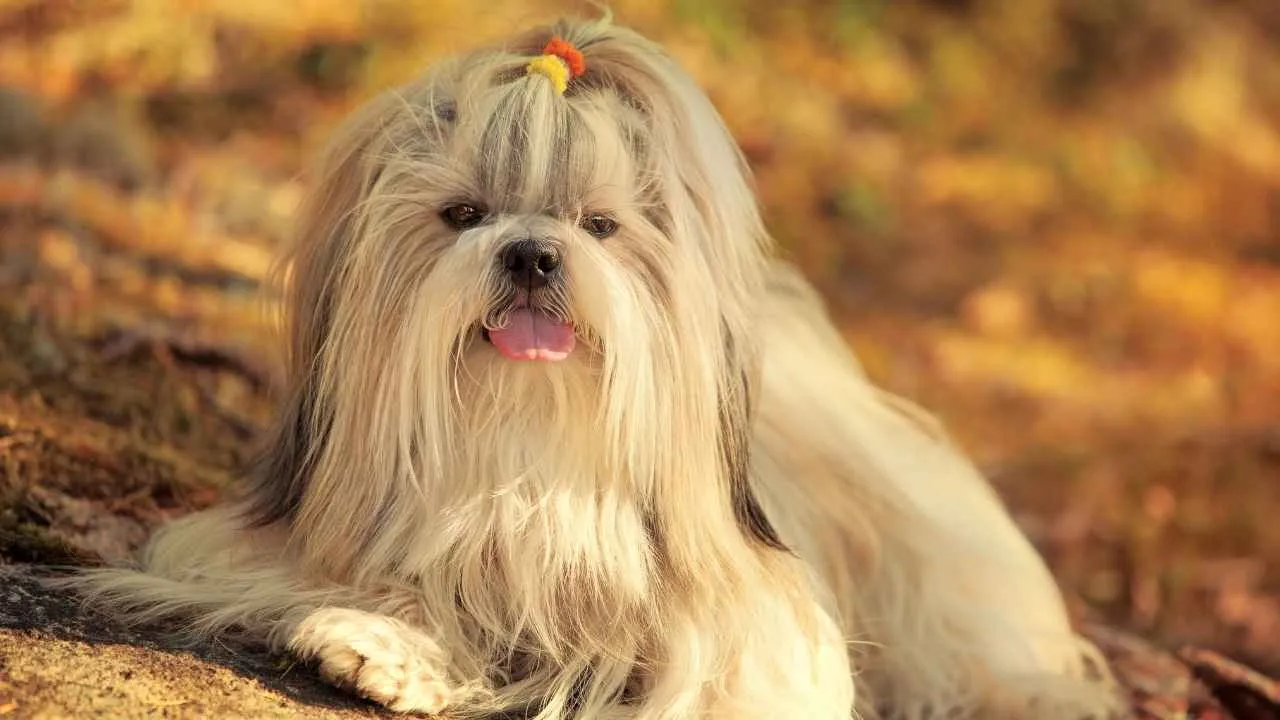
The Shih Tzu (often called the “Lion Dog”) traces back to Tibet and later became a treasured companion in Chinese royal circles. With a plush, flowing coat, big dark eyes, and a cute, compact snout, this little dog’s face is basically designed for heart-melting expressions.
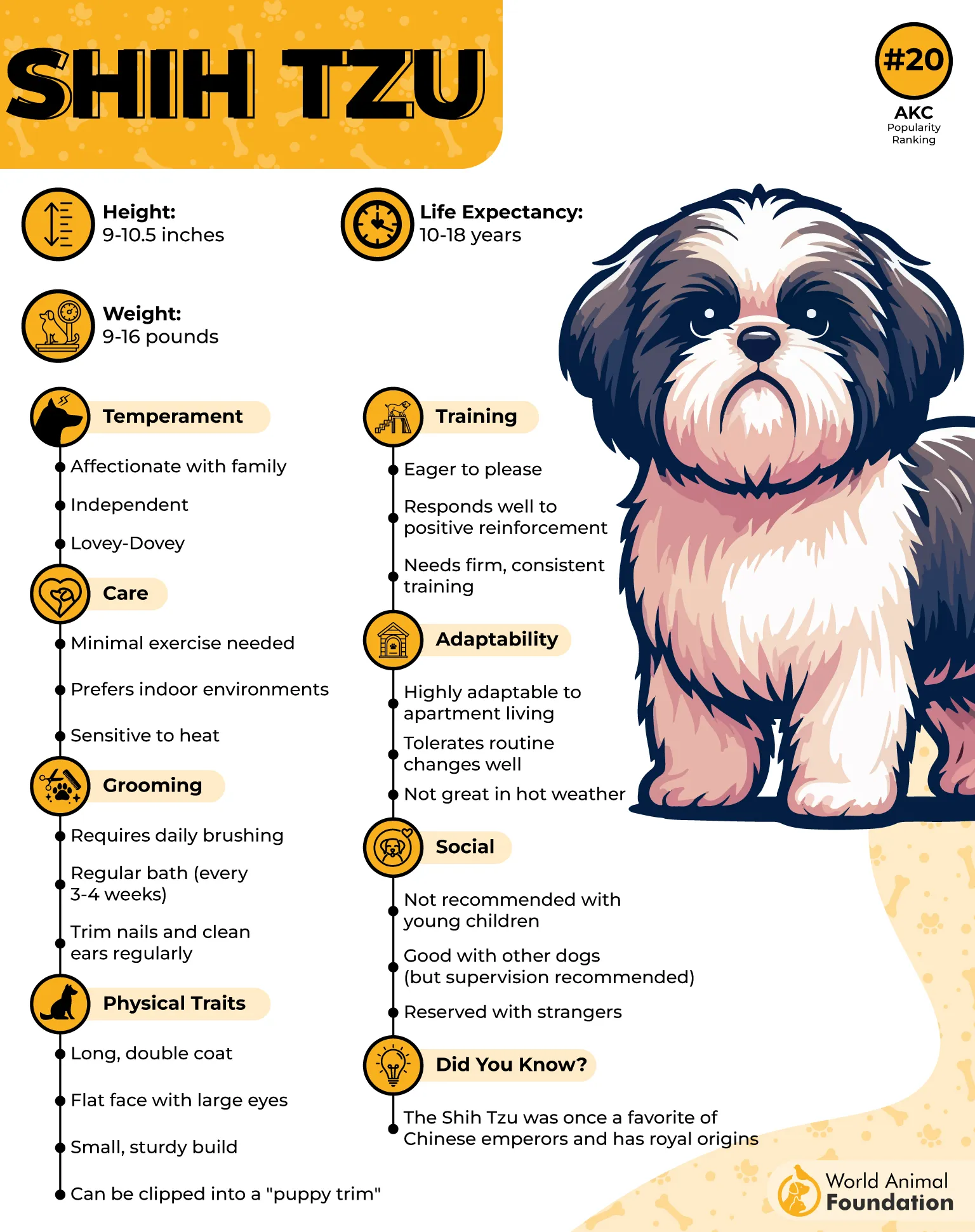
That short nose is part of the Shih Tzu’s brachycephalic charm, but it also means owners should stay alert to breathing and heat sensitivity. Keeping play sessions moderate in hot weather and watching for noisy breathing helps this bright, people-loving pup stay comfortable.
Daily care matters most around the face: its folds and eye area can trap moisture and debris. Regular gentle cleaning supports skin health and keeps that iconic, expressive “look” from turning into irritation.
Shih Tzus are friendly, easygoing, and typically great with kids, which makes them a popular choice for many households.
Fast fact: Breed health coordinators are monitoring certain reported conditions in Shih Tzus, and responsible breeders are encouraged to stay up to date on them.
5. Brussels Griffon
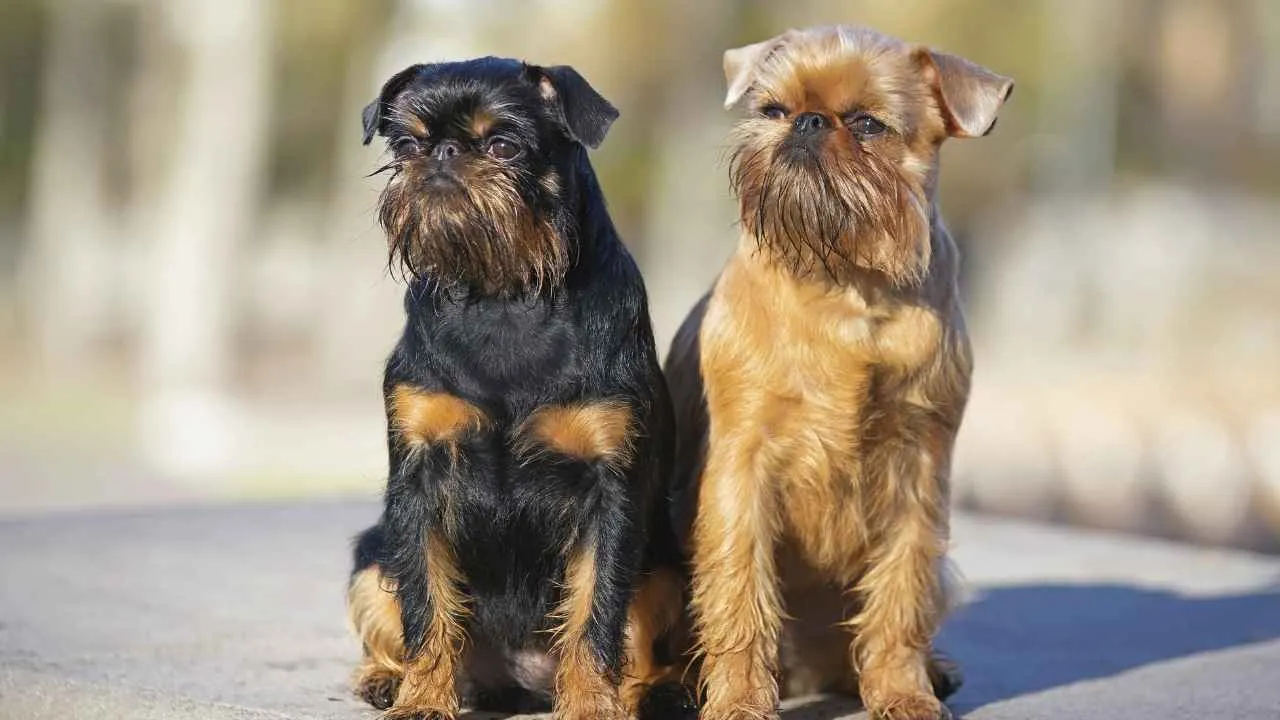
The Brussels Griffon (also called the Griffon Bruxellois) is a tiny toy dog famous for its cute, compact snout and almost human-like face. Big eyes, a short muzzle, and a whiskery expression give this breed a “little old soul” look that’s impossible to ignore.
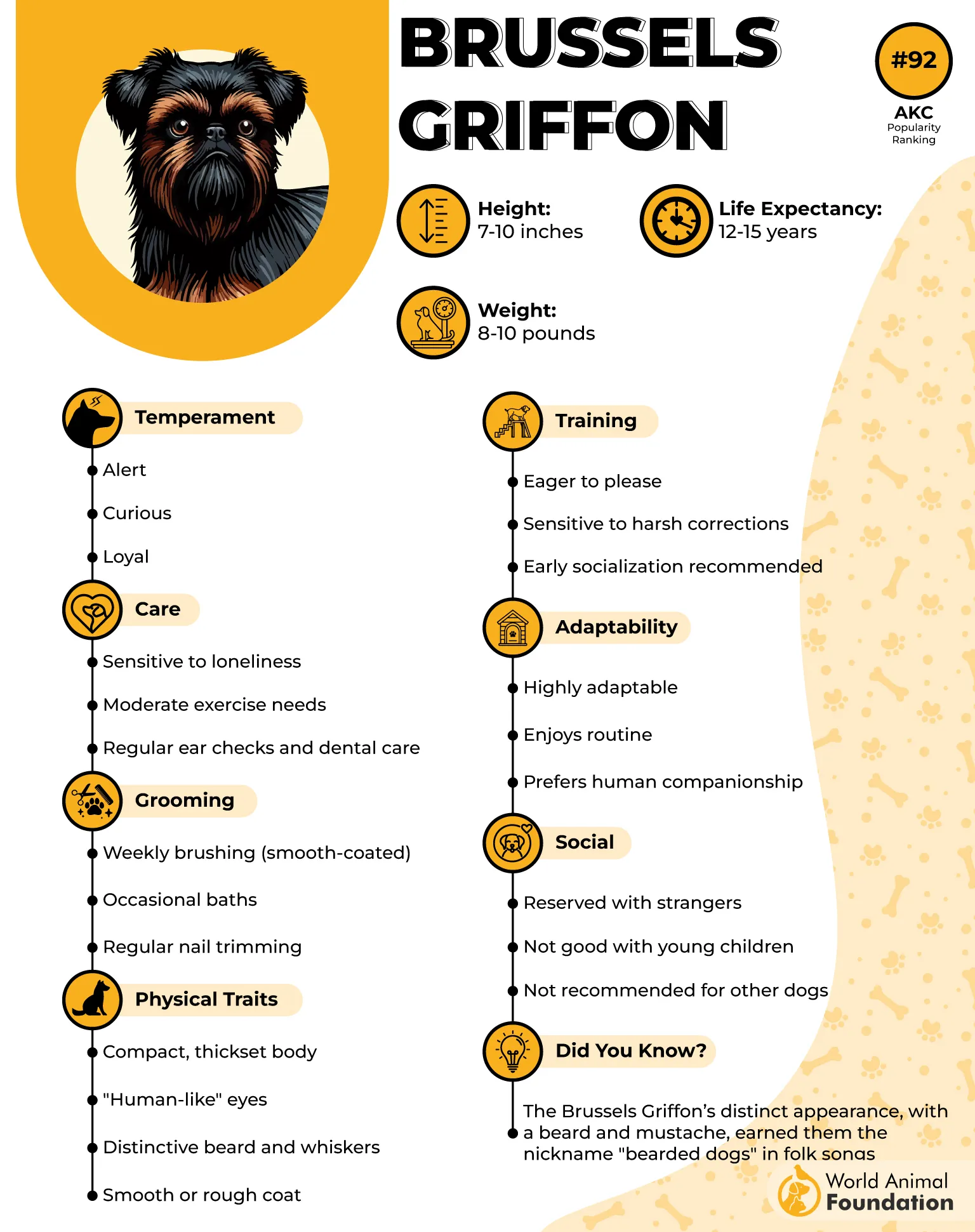
Because that short nose can make breathing less efficient, keep life comfortably paced—especially in hot or humid weather. Aim for gentle walks, shaded potty breaks, and cool indoor time when temperatures climb, since overheating can sneak up fast on flat-faced pups.
Exercise needs are moderate, but this confident, brainy companion thrives on interaction more than miles. Short play sessions, puzzle toys, and training games fit their larger-than-life personality, and they’re happiest when they can stay close to their people.
Grooming depends on coat type: smooth-coated Griffons are simpler to maintain, while rough-coated dogs need more regular brushing to keep that signature beard-and-mustache look tidy.
Fast fact: Brussels Griffons come in four colors—red, beige, black and tan, and black.
6. Cavalier King Charles Spaniel
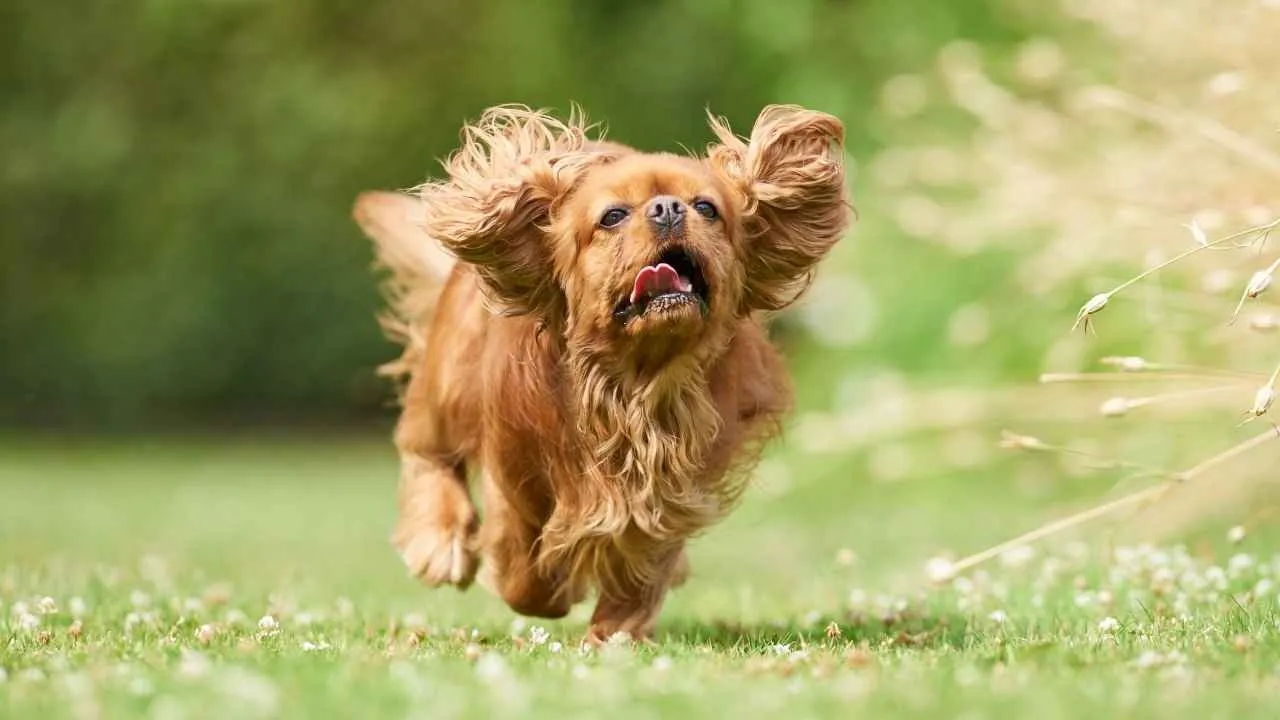
The Cavalier King Charles Spaniel (often shortened to “Cavalier”) is a royal-rooted toy spaniel with a sweet, gentle expression and a cute, compact snout. With soft, melting eyes and an elegant look, this breed has serious “lap-dog charm” built in.
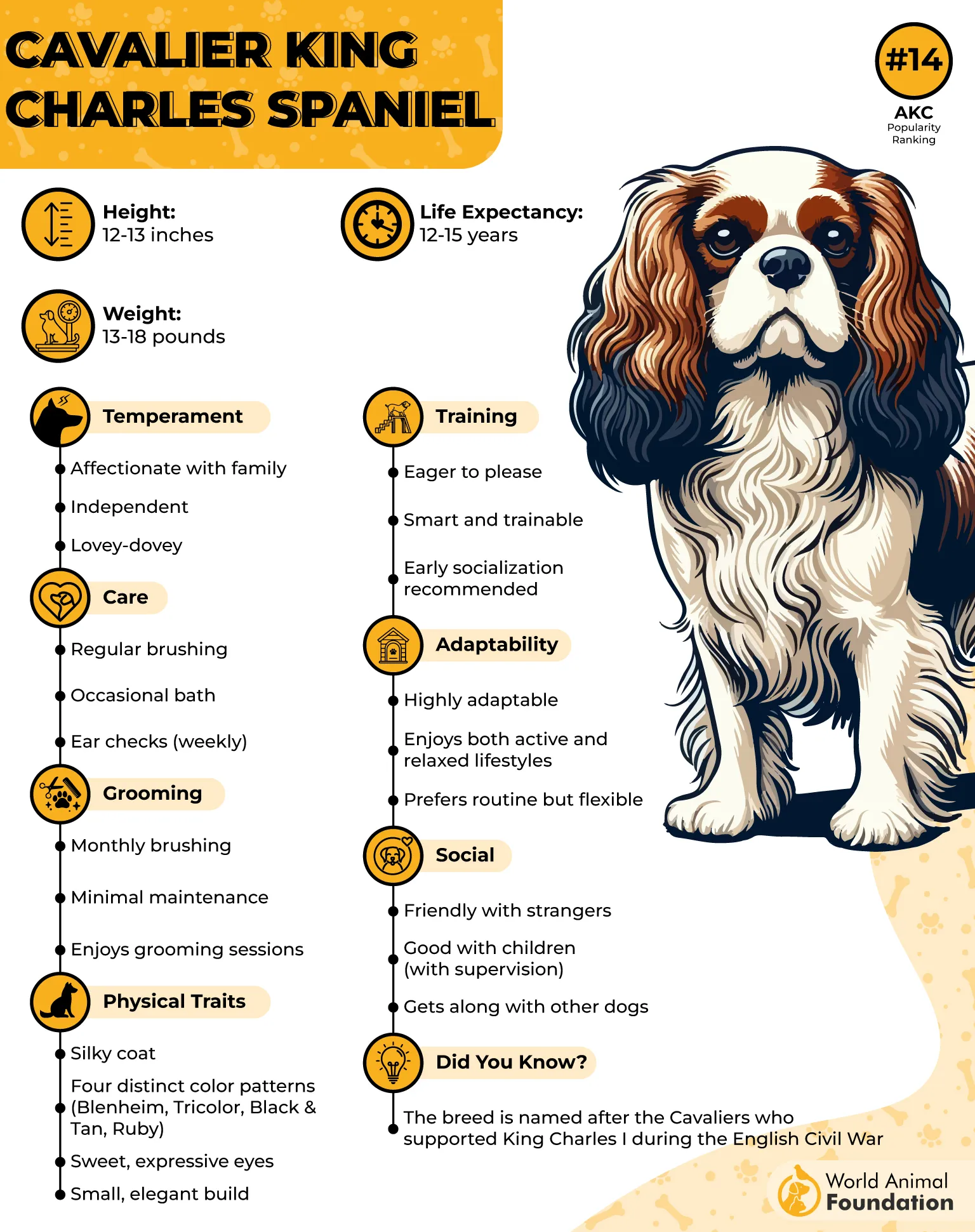
If you want a short-snouted companion who fits into many home styles, Cavaliers are wonderfully adaptable. They love being included in everyday life—happy to join family activities, greet visitors politely, and then curl up beside you like it’s their full-time job.
Choosing the right compact-snout breed means matching both energy and upkeep. Cavaliers do best with regular walks and playtime, but they’re equally satisfied with couch cuddles. Their silky coat is part of the appeal, though it needs consistent grooming to prevent tangles.
Because anatomy and breed traits can come with extra care needs, health planning matters. Cavaliers are prone to heart issues, plus ear infections and eye conditions, so routine vet checkups are key.
Fast fact: The breed is named after England’s King Charles I and Charles II, and a toy spaniel was reportedly at Charles I’s side when he was executed.
7. English Bulldog
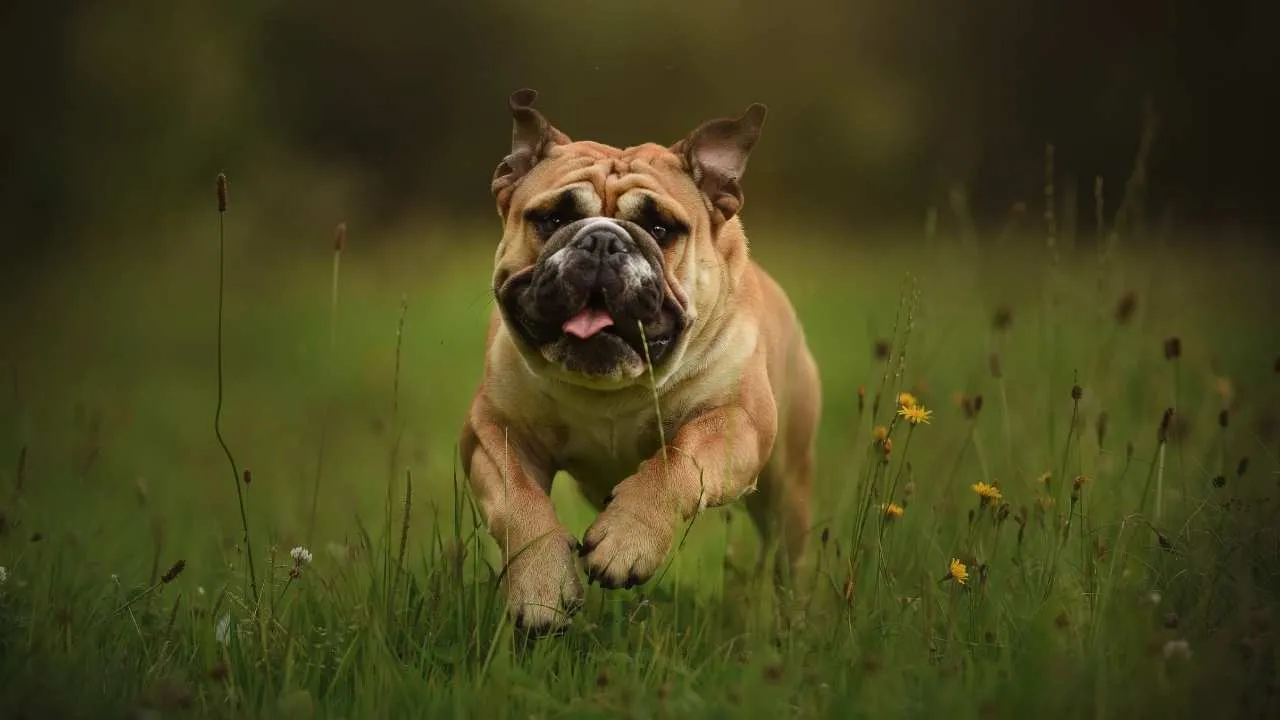
The English Bulldog (also called the British Bulldog) is the poster pup for cute, compact snouts—complete with a pushed-in nose, deep facial wrinkles, and a sturdy, stocky build. That unmistakable “grumpy-sweet” expression is a big reason this breed stays a global favorite.
Behind the tough-looking exterior is a calm, affectionate companion that loves attention and bonds tightly with family. Bulldogs are often gentle and patient with kids, making their smooshy face even more lovable once you see the soft personality that comes with it.
Their short snout does mean “smart care” matters. Bulldogs do best with moderate, low-key activity—about 30–40 minutes a day, split into easy strolls and indoor play—so they stay fit without overworking their breathing.
Heat is the big watch-out: as a brachycephalic breed, they can overheat easily, so keep walks short and shaded in warm weather and use a harness instead of a collar.
Fast fact: English Bulldogs are famous for the distinct noises they make while breathing and snoring.
Conclusion
Cute, compact snouts have a special kind of magic in the dog world, and it’s easy to see why many brachycephalic dogs become great family pets.
From the English Bulldog (a lovable, stocky, flat-faced breed) to other brachycephalic dog breeds, these snub-nosed dogs win over dog owners and human companions with their wrinkly charm, floppy ears, and often extremely affectionate, incredibly affectionate personalities—even when they snore.
Still, smart love means smart care. Brachycephalic dogs and other brachycephalic breeds can face health concerns like breathing difficulties, including brachycephalic obstructive airway syndrome (also called brachycephalic airway syndrome), especially in hot and humid weather or extreme heat.
Whether you’re eyeing a toy breed, a thick coat cutie, a quirky monkey dog, or even comparing hunting dogs and other breeds that live with other pets, informed pet parents plan around these potential health issues.
