




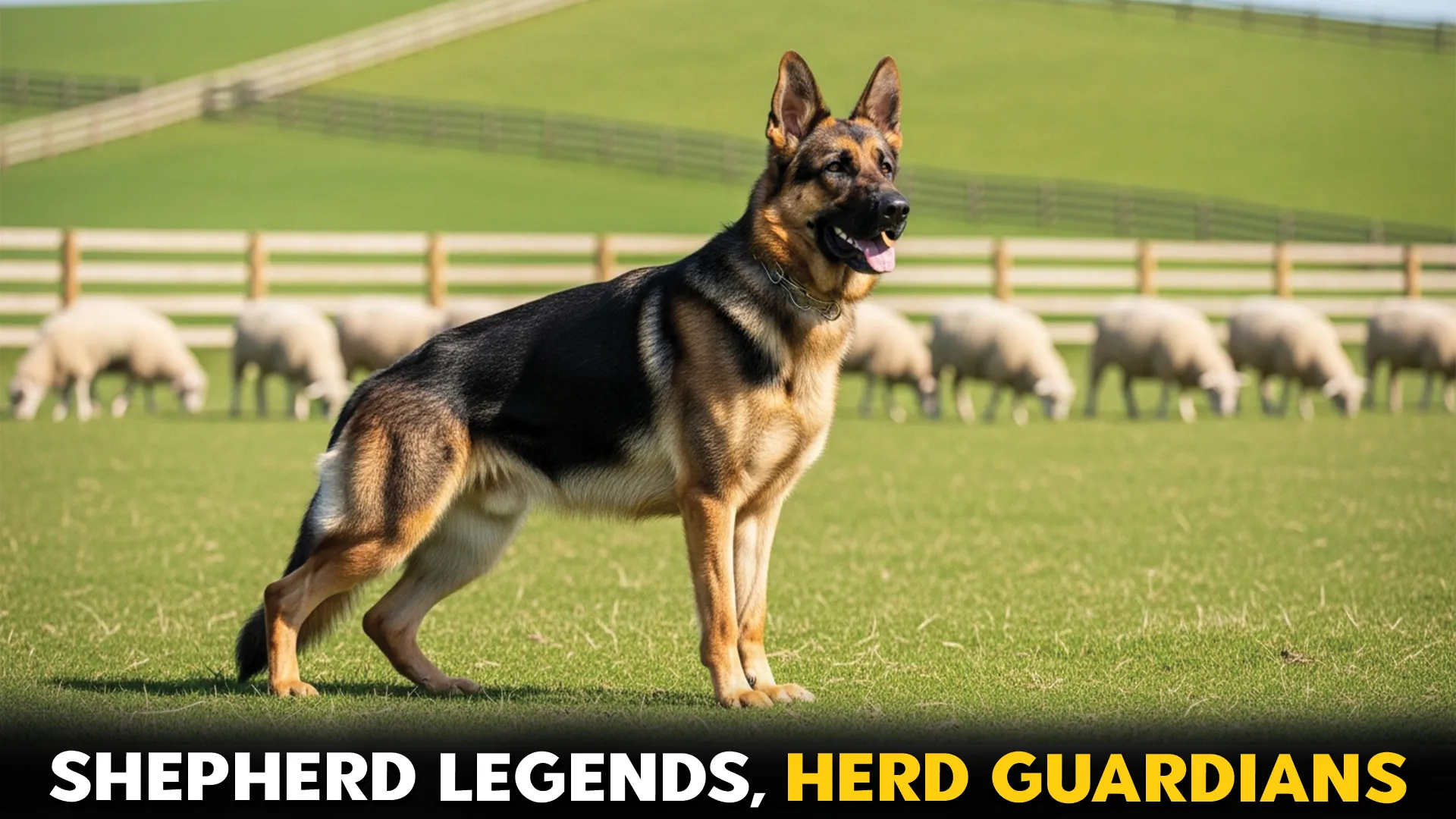
There’s nothing quite like the feeling of walking your land at sunset, hearing your animals settle in, and knowing they’re safe. If you love farm life—or even just have a small backyard flock—you understand how important protection and proper management are.
The right working dog doesn’t just live on your property; they become your extra set of eyes, your steady hands, and your most loyal teammate.
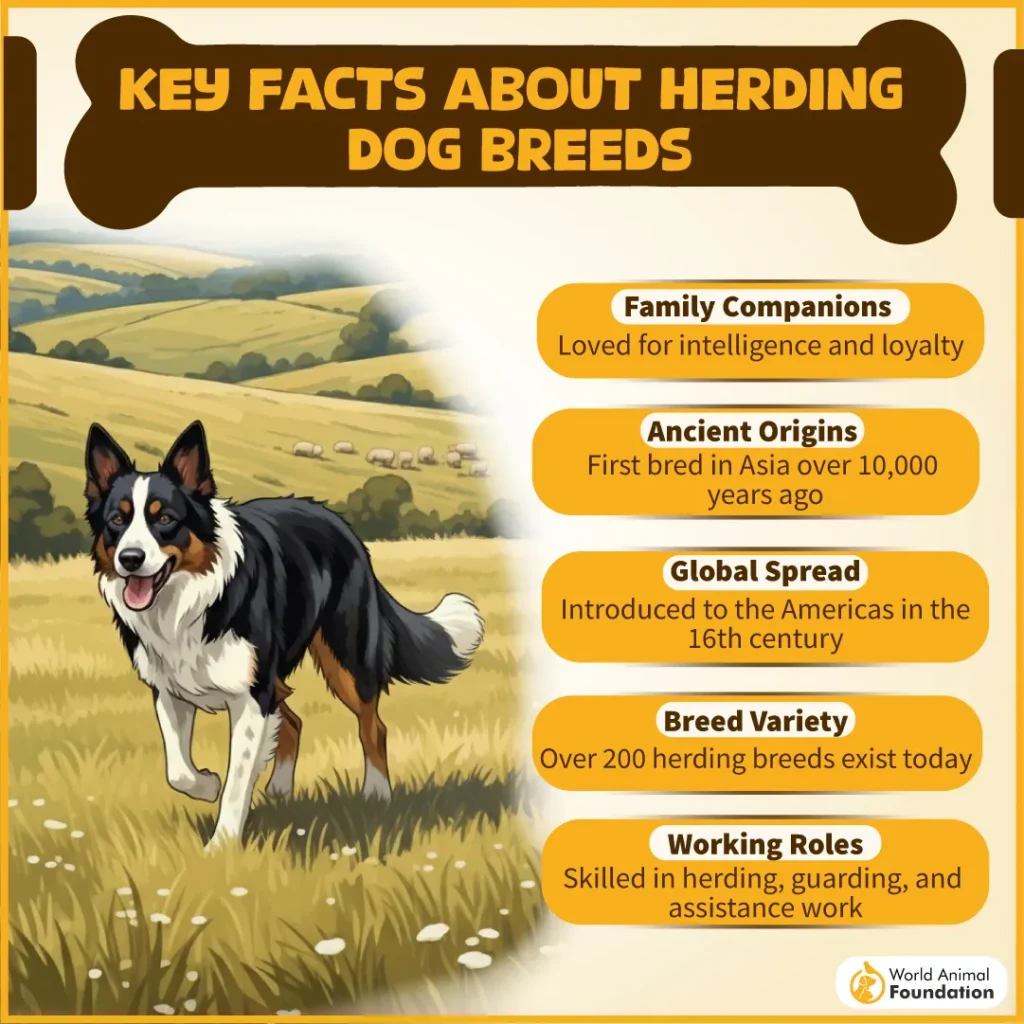
For thousands of years, humans have partnered with specially bred dogs to protect flocks and guide flocks. In fact, livestock-protecting dogs trace back over 2,000 years to ancient pastoral communities in Europe and Asia, where they lived among sheep and goats full-time, defending them from wild predators.
What makes them truly remarkable is that not all of them do the same job. Some are natural protectors who bond closely with livestock and stand watch day and night.
Others are agile managers, expertly moving animals across fields with focus and control. Different roles, one shared purpose—keeping your herd safe and your farm running smoothly.
Let’s explore the livestock guardian dog breeds that protect herds and shepherd flocks with skill—and discover which one might be your perfect farm partner.
Key Takeaways
Explore top herders and territorial guardians like German Shepherds and Bearded Collies.
See which breeds thrive on work, exercise, and mental challenges like Australian Cattle Dogs.
Meet smart, loyal, and strong dogs like Shetland Sheepdogs and Beaucerons.
Learn which dogs fit active families and busy lifestyles.
Dog Breeds That Protect Herds and Shepherd Flocks with Skill
1. German Shepherd
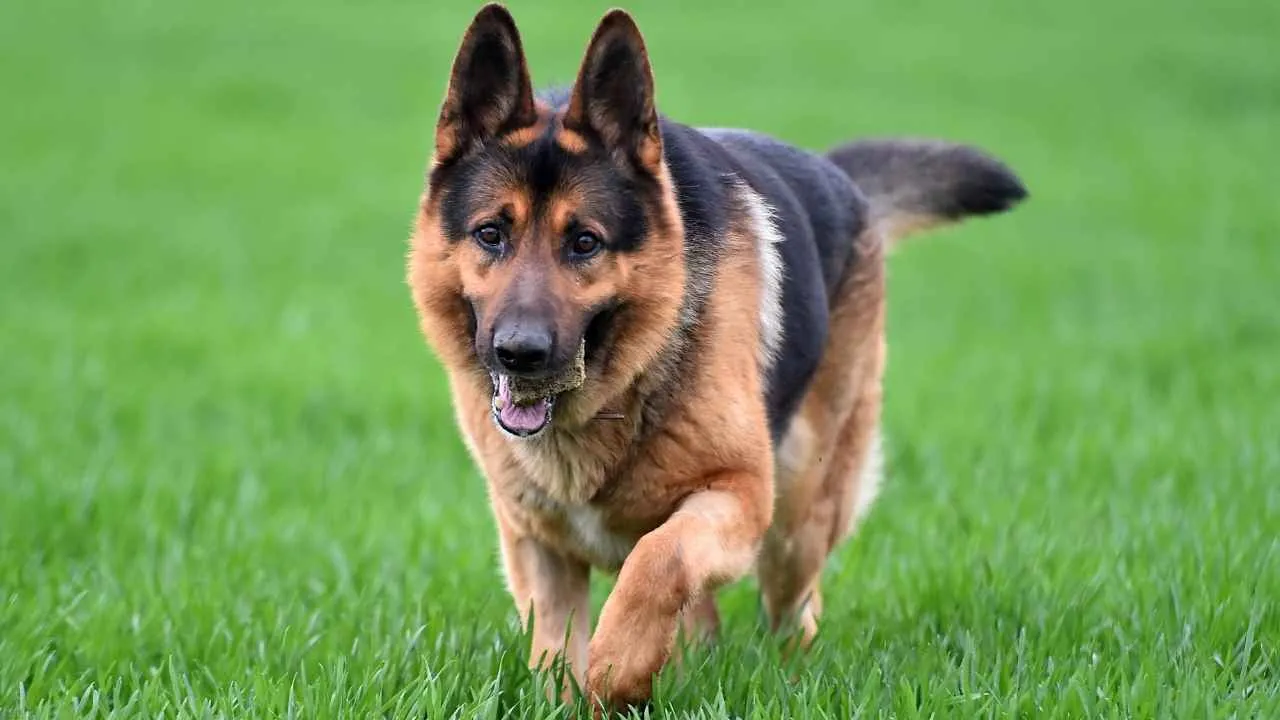
When it comes to dog breeds that protect herds and shepherd flocks with skill, this breed is often the first that comes to mind. Originally developed in Germany to herd and guard livestock and work on farms, they quickly proved they were capable of much more.
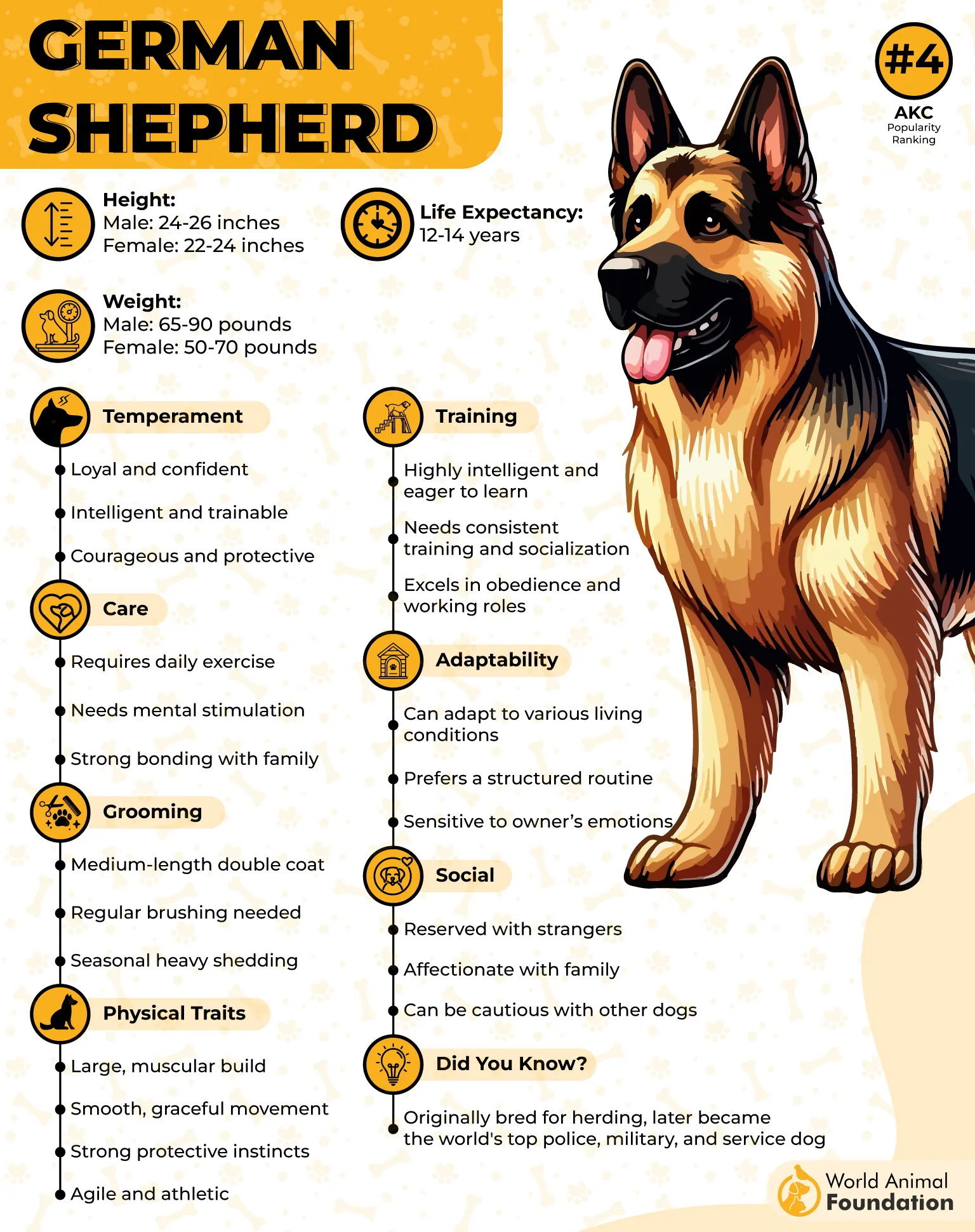
Today, they are ranked as the third-most popular breed in the United States by the American Kennel Club—a true favorite for their courage and loyalty.
Built to Work
German Shepherds are large, agile, muscular, and highly intelligent. They are confident, brave, and extremely trainable. As part of the herding group, they have high energy and thrive when given a job.
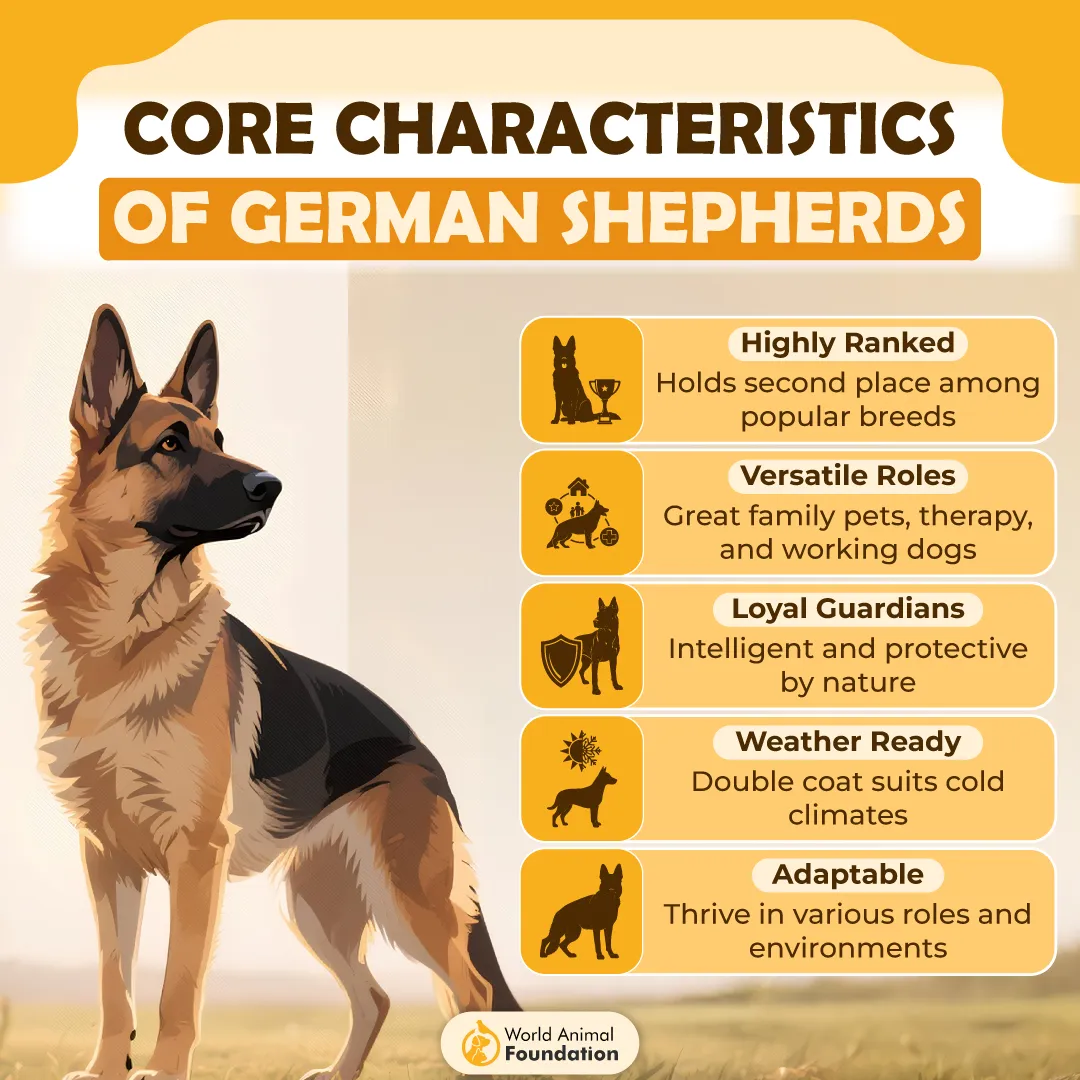
Beyond farm work, they are widely used in the military and police for patrolling, bomb sniffing, and search and rescue. Their perked-up ears and serious almond-shaped eyes may look intense, but they are incredibly loving with their families.
Exercise & Training Needs
These dogs are very active and need consistent training and regular exercise. The UK’s People’s Dispensary for Sick Animals recommends about two hours of daily activity. PetMD mentions that early socialization is essential so puppies grow into confident and well-mannered adults.
They are best suited for active families and experienced owners who understand their energy level. And while they are strong protectors, regular health checks—especially for their hips—are important.
2. Australian Cattle Dog
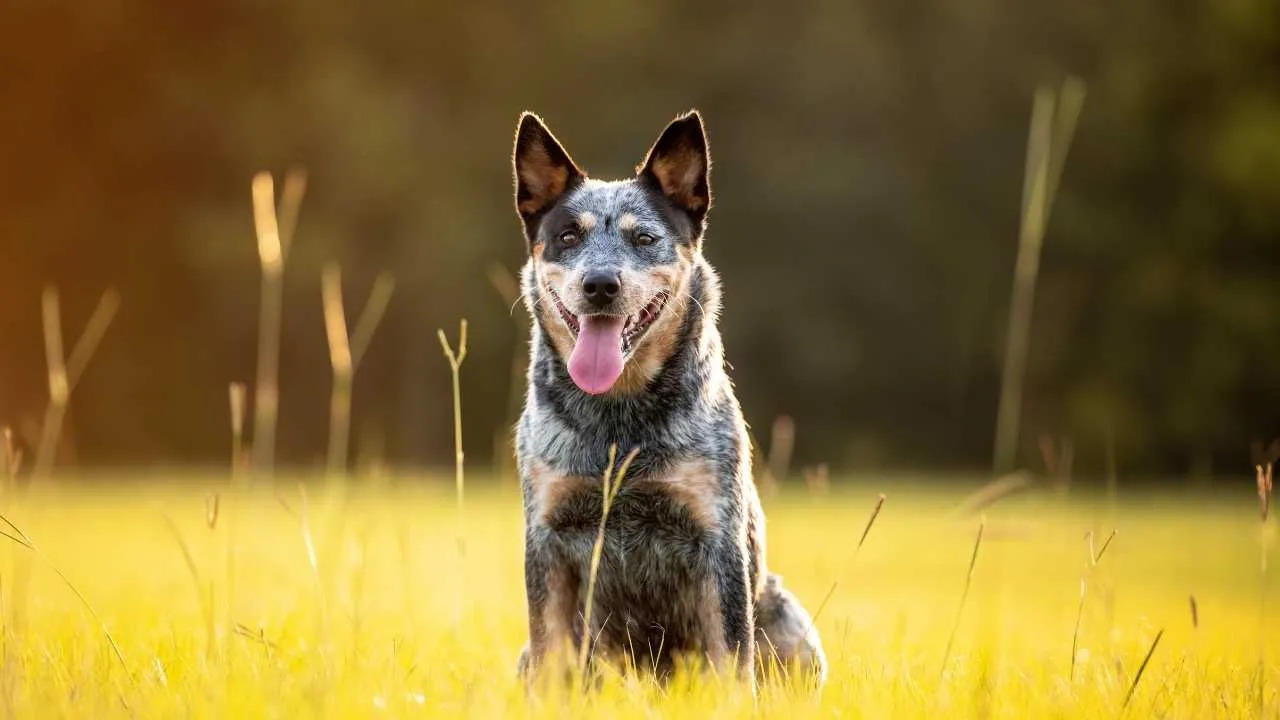
Bred specifically to herd in extreme weather—from scorching heat to rainy conditions in the Australian Outback—this tough worker was built for endurance. Their background includes collies, Dalmatians, and even the wild Dingo.
Also known as the Blue Heeler, Red Heeler, or Queensland Heeler, this compact and muscular herder is strong, agile, and always ready to move livestock with precision.
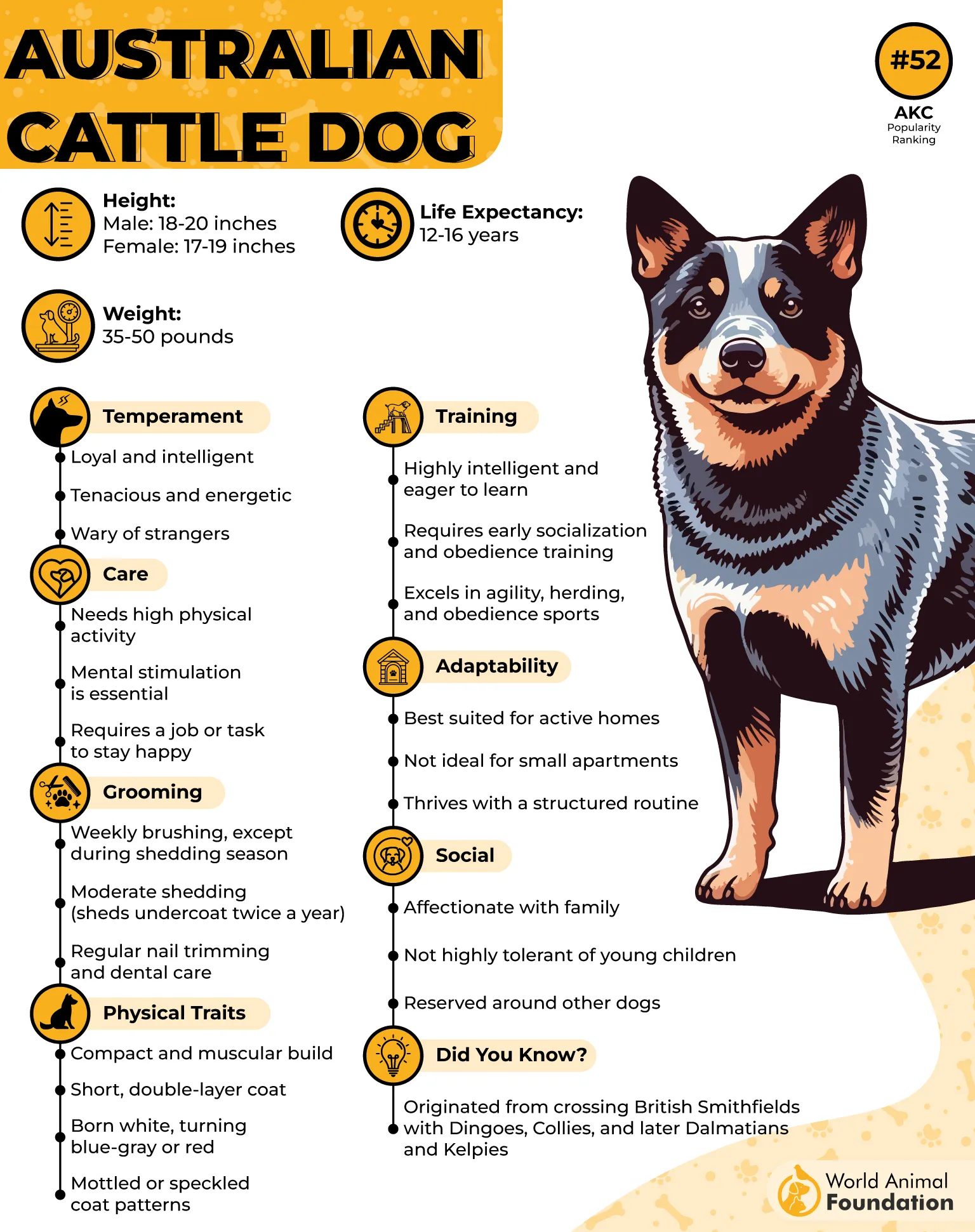
Energy, Intelligence, and Drive
Australian Cattle Dogs are incredibly smart and quick to react. They are fast learners but can easily outsmart their owners. They have immense work drive and love having tasks to complete. If there’s no job, they will find one.
They need vigorous daily exercise and do well with jogging, dog sports, obedience training, and puzzle games. Without enough mental and physical stimulation, they may become bored and destructive—even turning your couch into their next project.
Personality and Fun Facts
Naturally wary of strangers, they are alert and protective, often using barking to guard and warn. They may use their teeth to move animals—and sometimes even humans—so early socialization and training for a softer mouth are essential.
Born with a white coat that later turns blue-gray or red with speckling, their Dalmatian ancestry explains their unique coloring. One famous member of the breed, Bluey, lived to 29 years old—one of the longest lifespans ever recorded for a dog.
3. Belgian Malinois
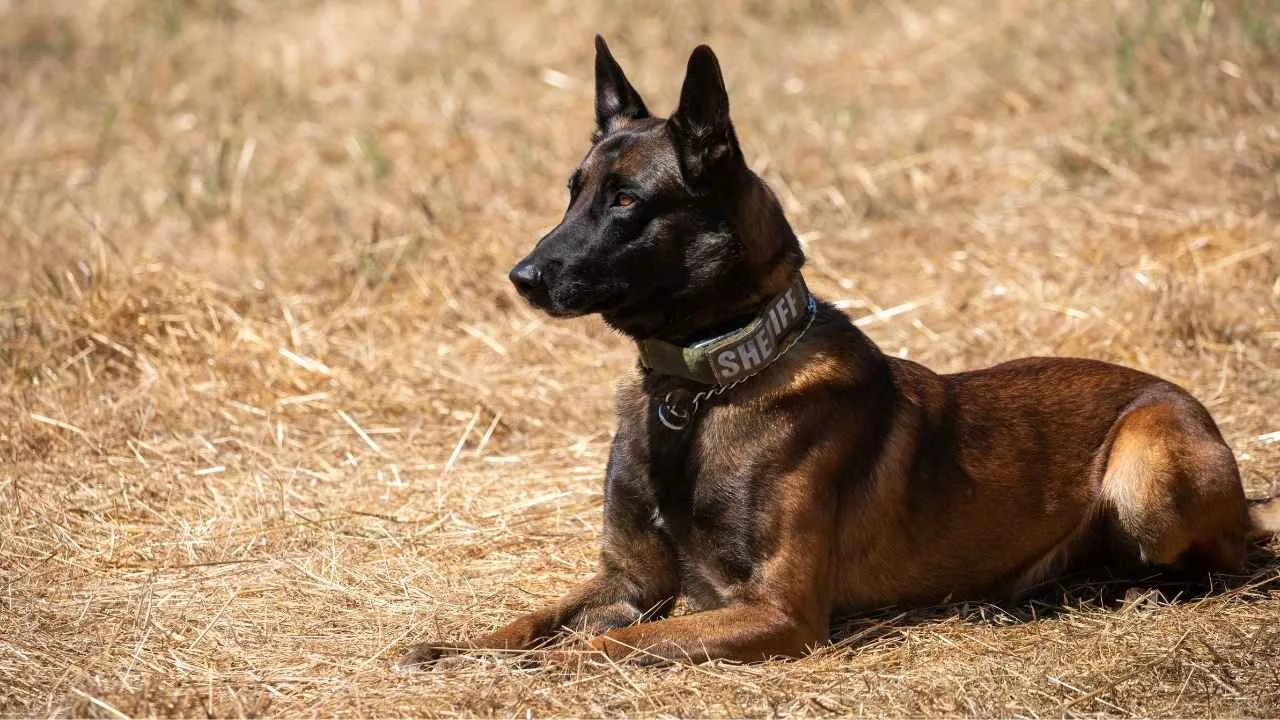
Often called the sports car of working dogs, the Belgian Malinois is fast, focused, and incredibly sharp. Originally bred near the city of Malines in Belgium, this breed began as a herder but quickly proved capable of much more.
Introduced to the U.S. in 1911, their numbers declined during WWII import pauses, but today they are widely respected for military service and police work. A statue in North Carolina even honors military dogs, many of them Mals.
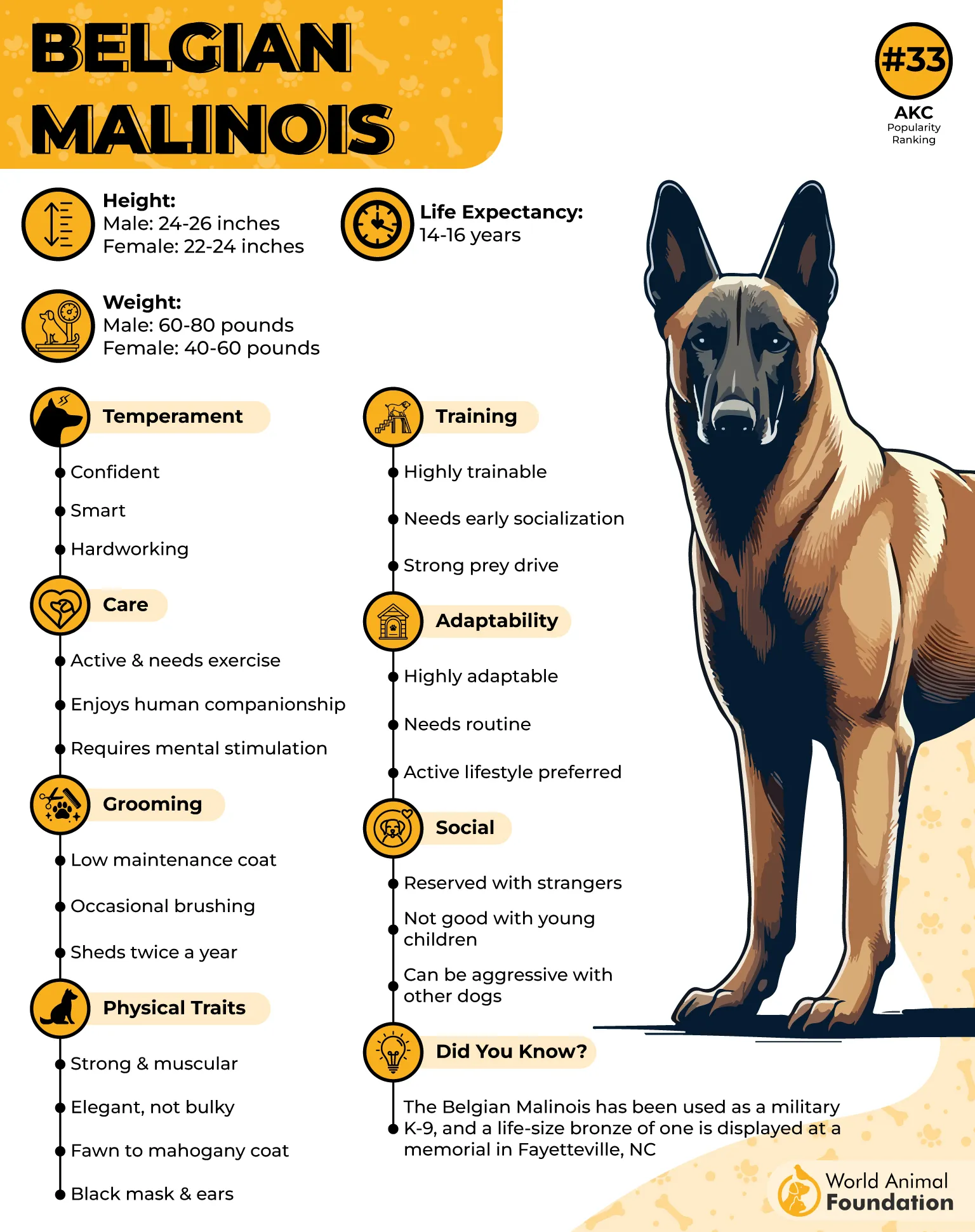
Built for Serious Work
Smart, confident, and versatile, the Malinois form strong bonds with their human partner. They are squarely built, strong, and well-muscled, yet lean and athletic—more sports car than utility vehicle.
These dogs can handle long, demanding days and are often seen in law enforcement, search and rescue, and bomb and drug detection. If you’ve ever watched one perform obedience routines, you know how eager and precise they can be.
Not for the Laid-Back Owner
This breed needs purpose. A Mal without a job can become restless and difficult. They require plenty of exercise—ideally working side by side with their owner—along with structured training in agility, tracking, or obedience.
They are people-oriented and thrive on activity and partnership. In the right household with an experienced and dedicated owner, they are obedient, loyal, and truly world-class working companions and wonderful family pets.
4. Shetland Sheepdog
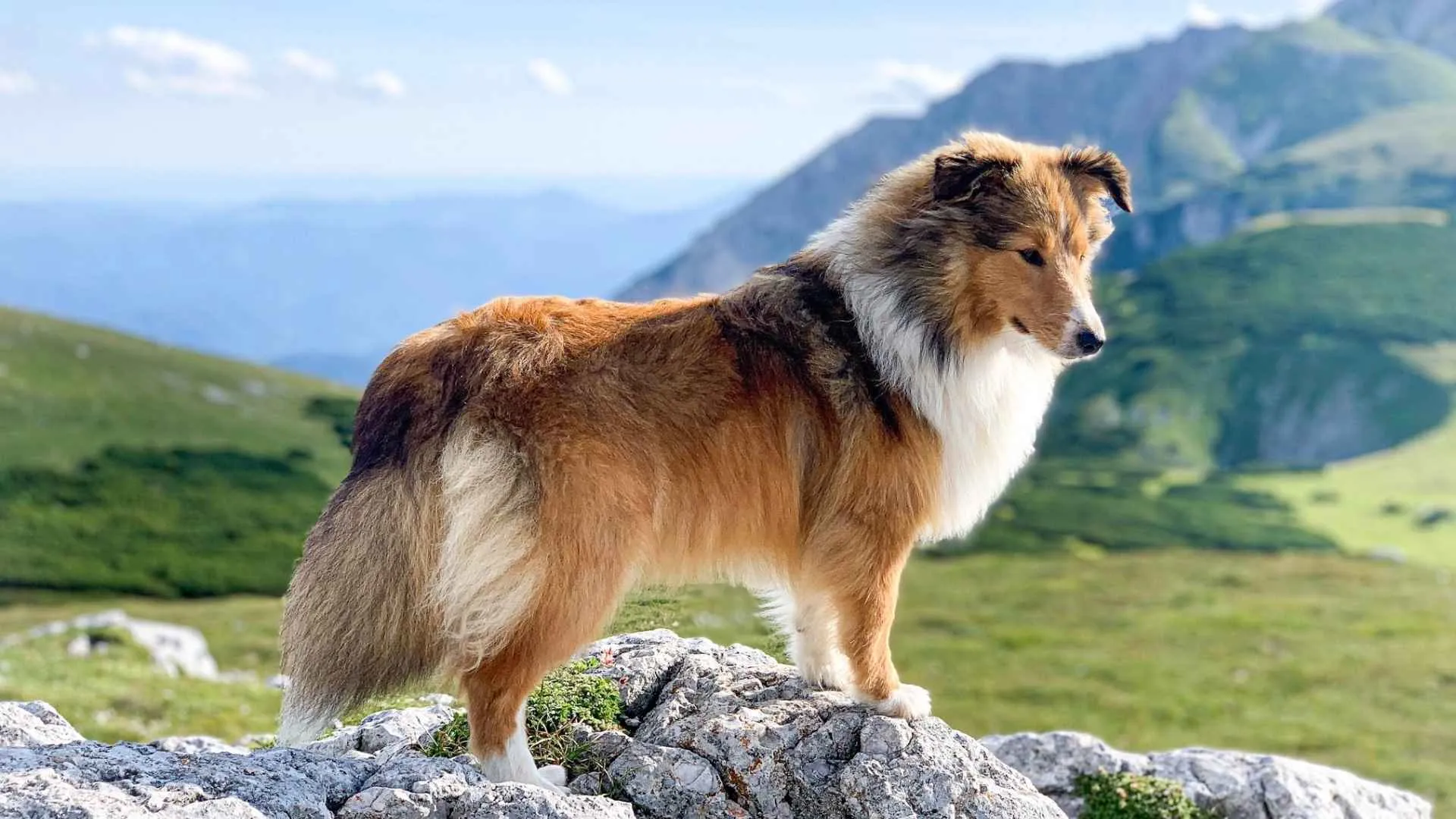
Originating from Scotland’s rugged Shetland Islands, the Shetland Sheepdog—often called the Sheltie—was bred to herd livestock on small acreage in harsh conditions.
The islands also produced the famous Shetland Pony, another animal suited to the landscape. Though often mistaken for a miniature Collie, the Sheltie is a distinct breed with its own history and purpose.
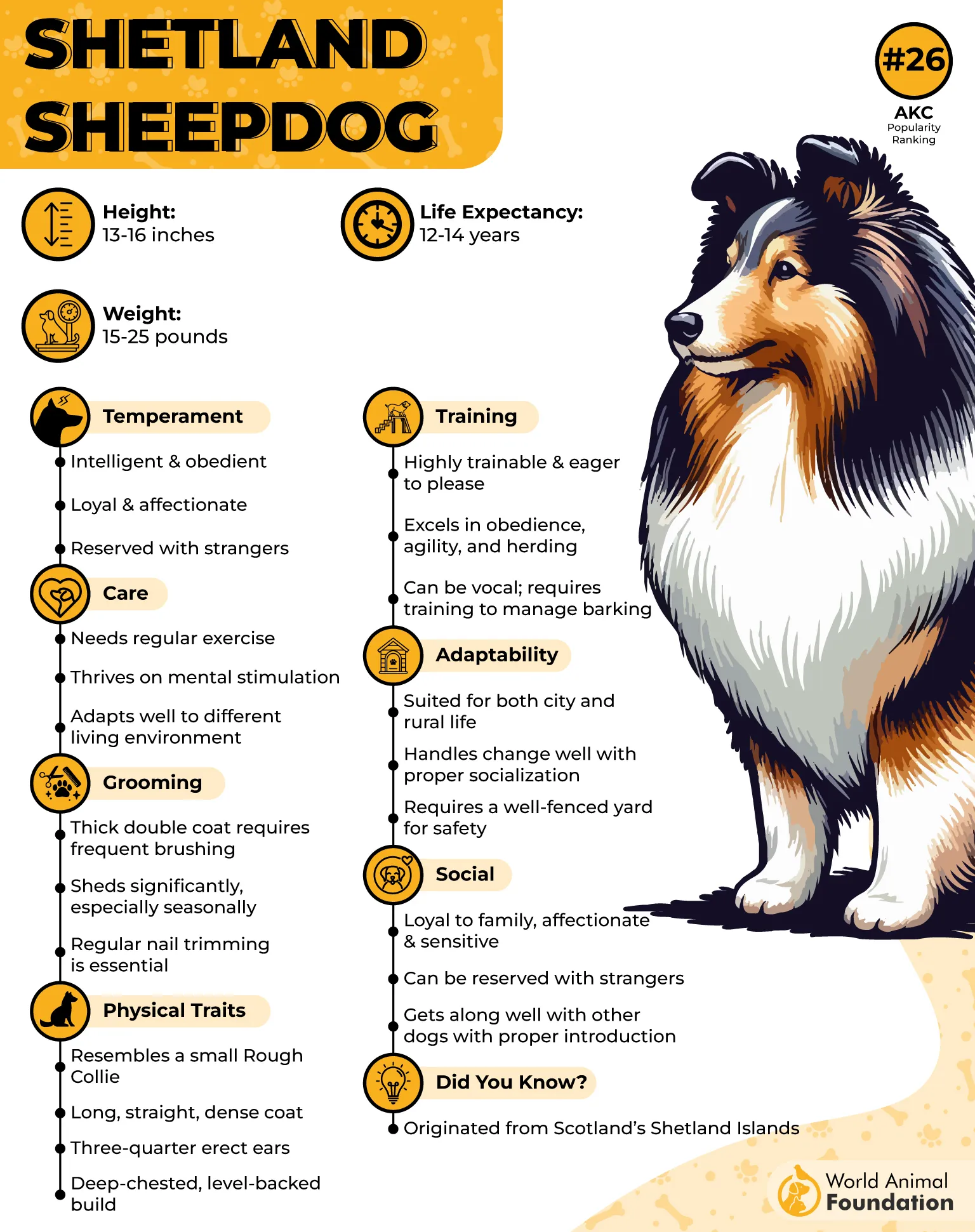
Smart, Quick, and Eager to Please
Shelties are extremely intelligent, obedient, and fast learners. Because they love to please, training them is usually enjoyable and rewarding. They excel in obedience, agility, herding trials, and even flying disc.
These athletic dogs need both physical and mental stimulation to stay happy. Their playful and energetic nature makes them great for families with children and other pets.
Loyal Watchdogs with a Soft Side
Shelties closely resemble their larger cousin, the Rough Collie, with a long, straight coat, wedge-shaped head, and alert expression. Their fluffy coat comes in black, blue merle, and sable with white markings and benefits from weekly brushing.
They are affectionate and sensitive, highly tuned in to their household’s mood. Naturally reserved with strangers and quick to bark, they make excellent watchdogs—yet at the end of the day, they are just as happy relaxing beside their family.
5. Beauceron
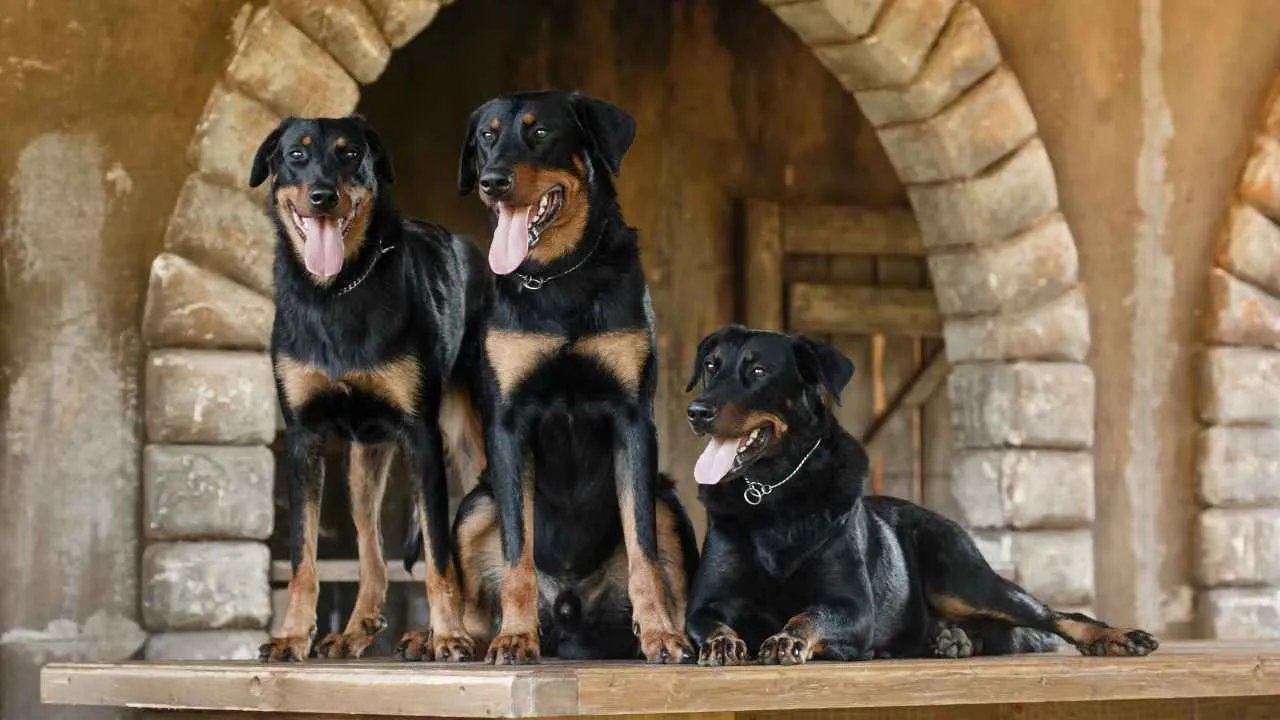
This impressive French shepherd blends brains and brawn in one bold package. Known as the largest French herding dog, the Beauceron was once trusted to manage and herd 300 head of sheep in France, as mentioned by Orvis.
That history explains their confidence, independence, and natural protective instincts. Rugged and powerful on the outside, they are remarkably gentle and sensitive with their owners.
Built for Strength and Serious Work
Muscular, balanced, and imposing, the Beauceron carries a short but thick coat, most commonly black and tan with red “stockings,” which earned them the French nickname Bas-Rouge. They are also seen in black-gray-tan coats.
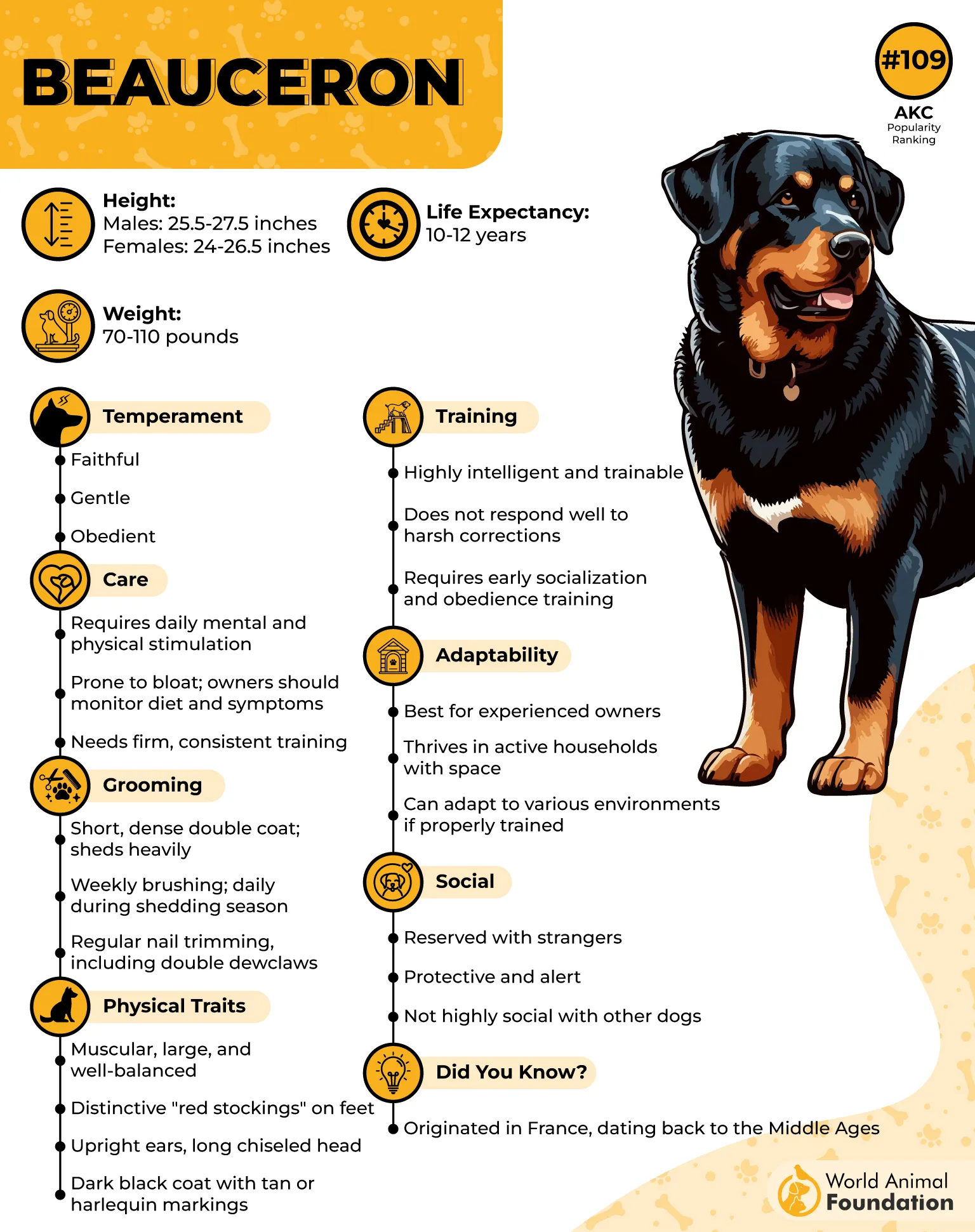
A distinctive feature of the breed is its double dewclaws, which require regular trimming. Highly intelligent and quick to learn, they are often found in police and military roles, handling bomb detection, tracking, and search-and-rescue missions. Think of a herder’s brain in a large, powerful body.
Confident, Loyal, and Not for Beginners
The Beauceron is loyal and protective, making an excellent watchdog and guardian of property and people. However, their independence and dominant streak mean they are not ideal for first-time owners.
They need firm, consistent training, early socialization, and daily exercise or room to run. With patience and structure, they become levelheaded protectors—especially good with the young and defenseless.
6. Pyrenean Shepherd
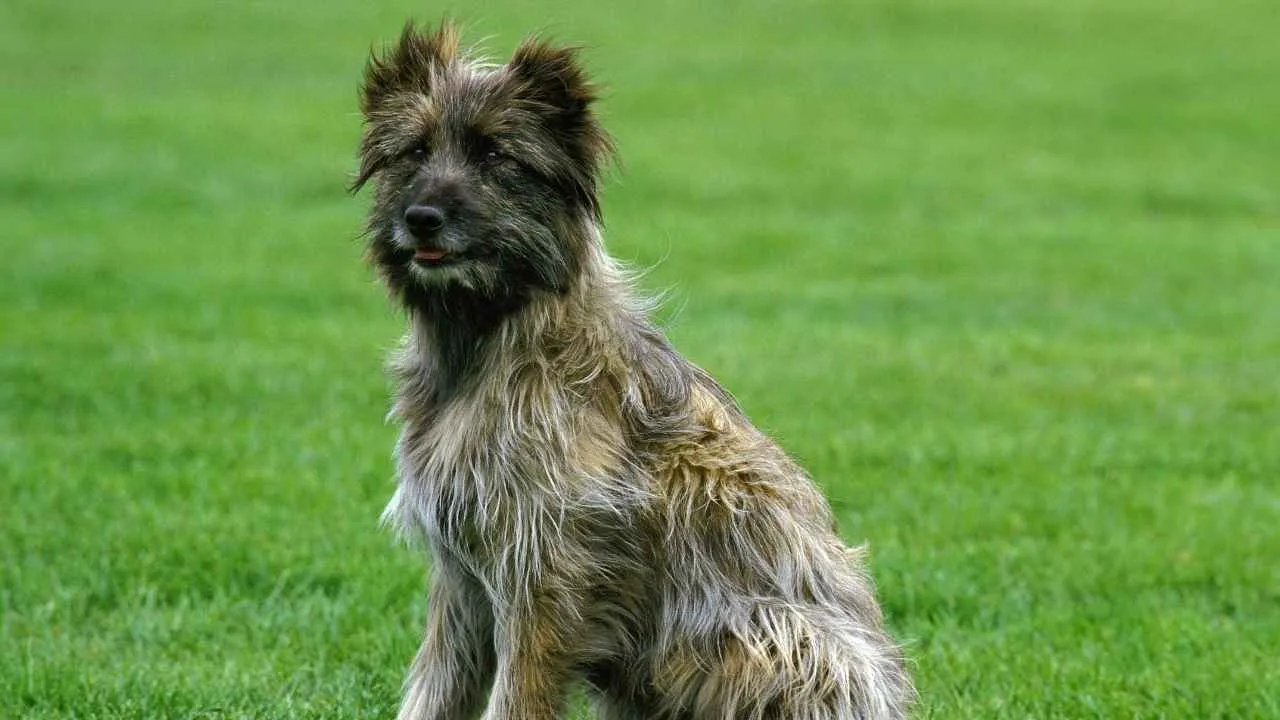
Also known as the Pyre Shep, this energetic herding dog comes from the French Pyrenees Mountains. Originally bred to herd sheep, they often worked alongside the Great Pyrenees, who guarded the flock while the Pyrenean Shepherd managed movement.
Built for Speed and Skill
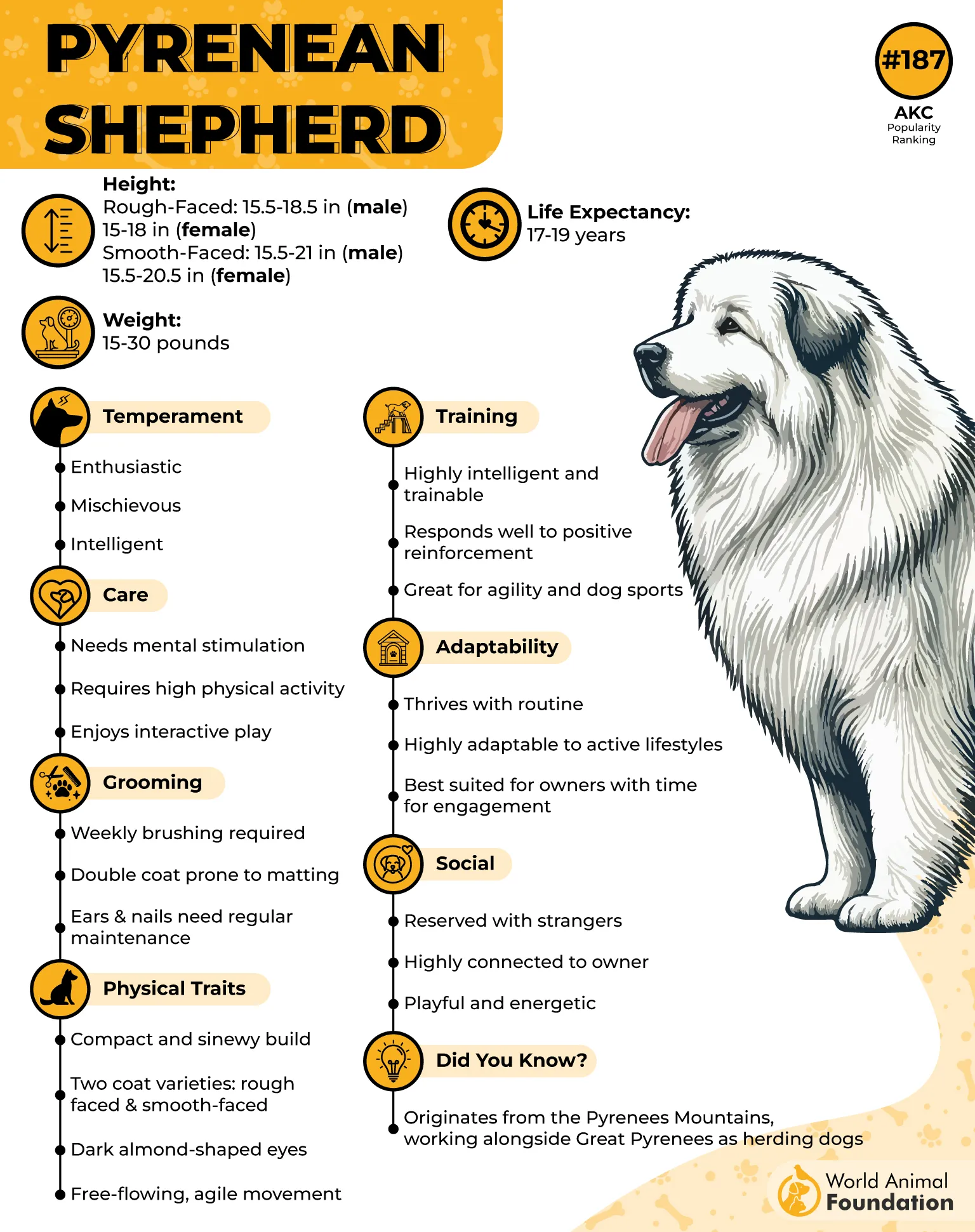
The Pyrenean Shepherd is enthusiastic, mischievous, and whip-smart. They are fast runners with a flowing gait that seems to “shave the earth.” Always alert and ready for action, they thrive when given a job to do.
The American Kennel Club mentions that this breed comes in two coat varieties: Rough-Faced and Smooth-Faced. Roughs have profuse, windswept hair above the muzzle, while smooths have shorter facial hair and a slightly finer coat. Both varieties display dark almond-shaped eyes with a clever, watchful expression.
High Energy, Loyal Partner
Small in size but huge in personality, the Pyre Shep is sensitive, intelligent, and deeply devoted. They excel in agility and other dog sports, making them a great match for active families who can meet their high energy needs.
This cheerful herder does best when mentally and physically engaged. When you understand the specific needs of a working breed like this, you can provide the right care, training, and stimulation—ensuring a long, healthy, and happy partnership.
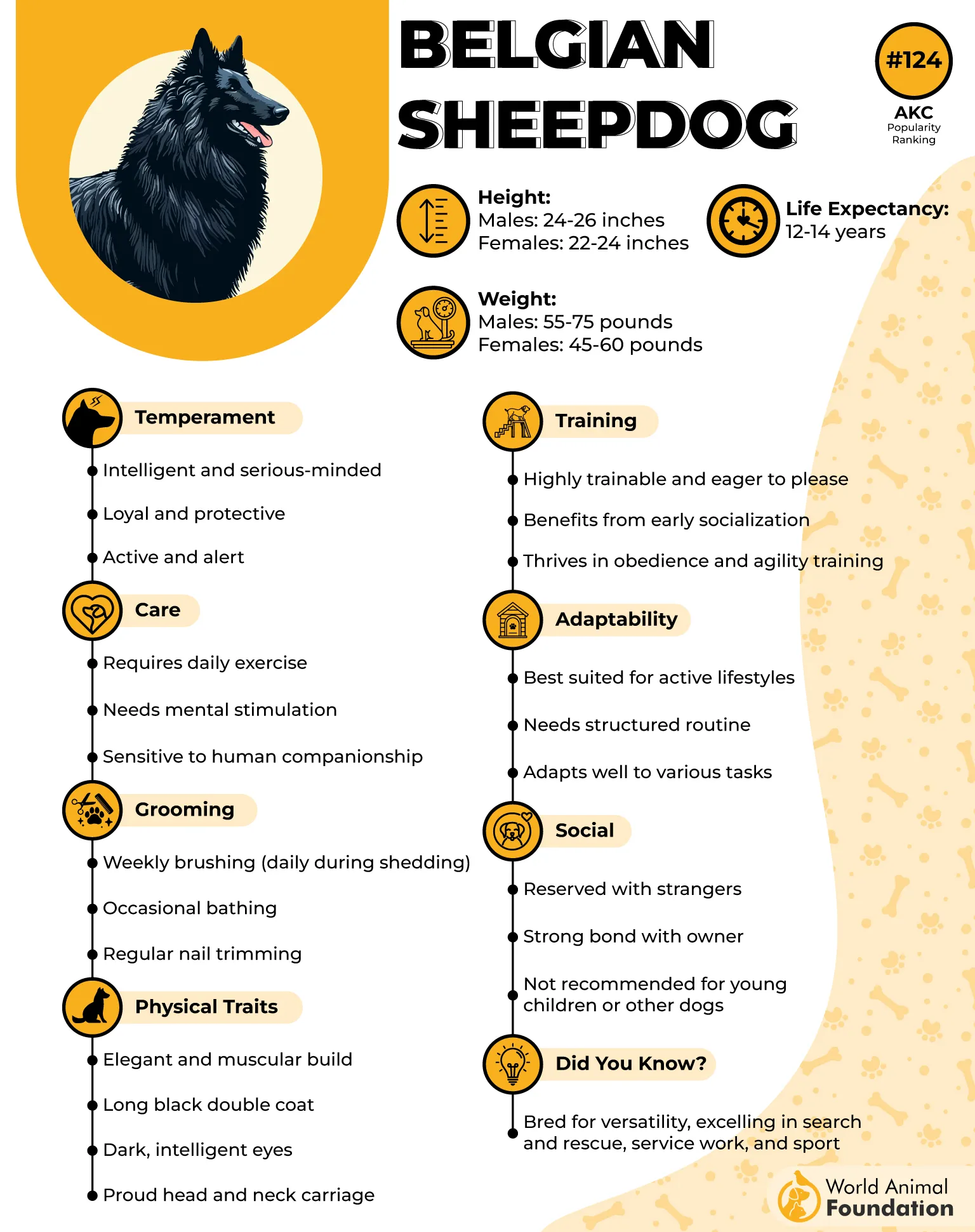
7. Belgian Sheepdog
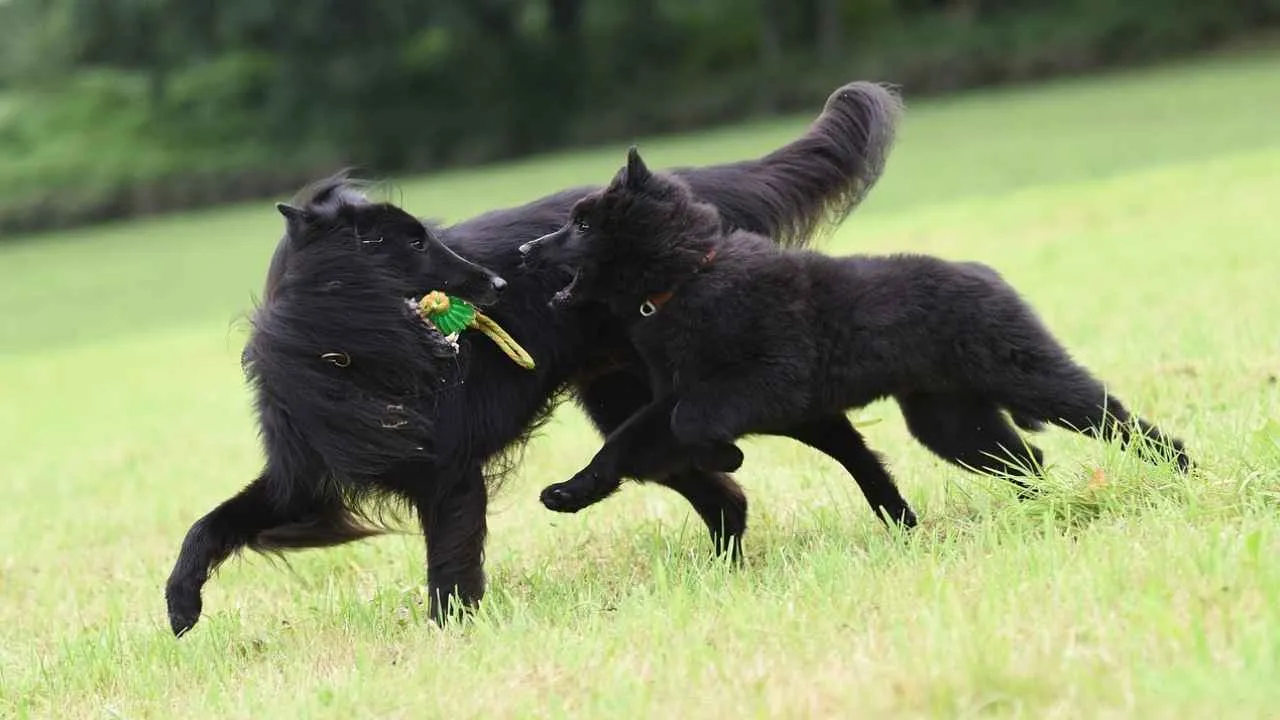
Bred on farms in Belgium, the Belgian Sheepdog—also known as the Groenendael—is a strong-willed, loyal, and versatile working dog.
Originally developed to herd and protect livestock, this breed thrives on having a job to do. Smart, eager to please, and highly trainable, they excel when given tasks that challenge both their mind and body.
Built for Work and Versatility
Belgian Sheepdogs are active, watchful, and incredibly intelligent. Their long, black coats and proud carriage make them stand out, while their sparkling eyes reflect their alertness and enthusiasm.
Historically, these large dogs have served in many roles, from herding and guarding to police work, search and rescue, and even as Red Cross and message dogs during the world wars. Today, they continue to work as police dogs, service dogs, and in obedience or agility competitions.
Active, Loyal, and Devoted
This breed needs hours of daily exercise to stay happy and healthy, making them best suited for active families. They form deep bonds with their owners and thrive on companionship, training, and mental stimulation.
Without enough activity, Belgian Sheepdogs may become bored or destructive. With the right guidance, they are bright-eyed, bushy-tailed, and give 100 percent to any work or activity—rewarding their families with unmatched loyalty and devotion.
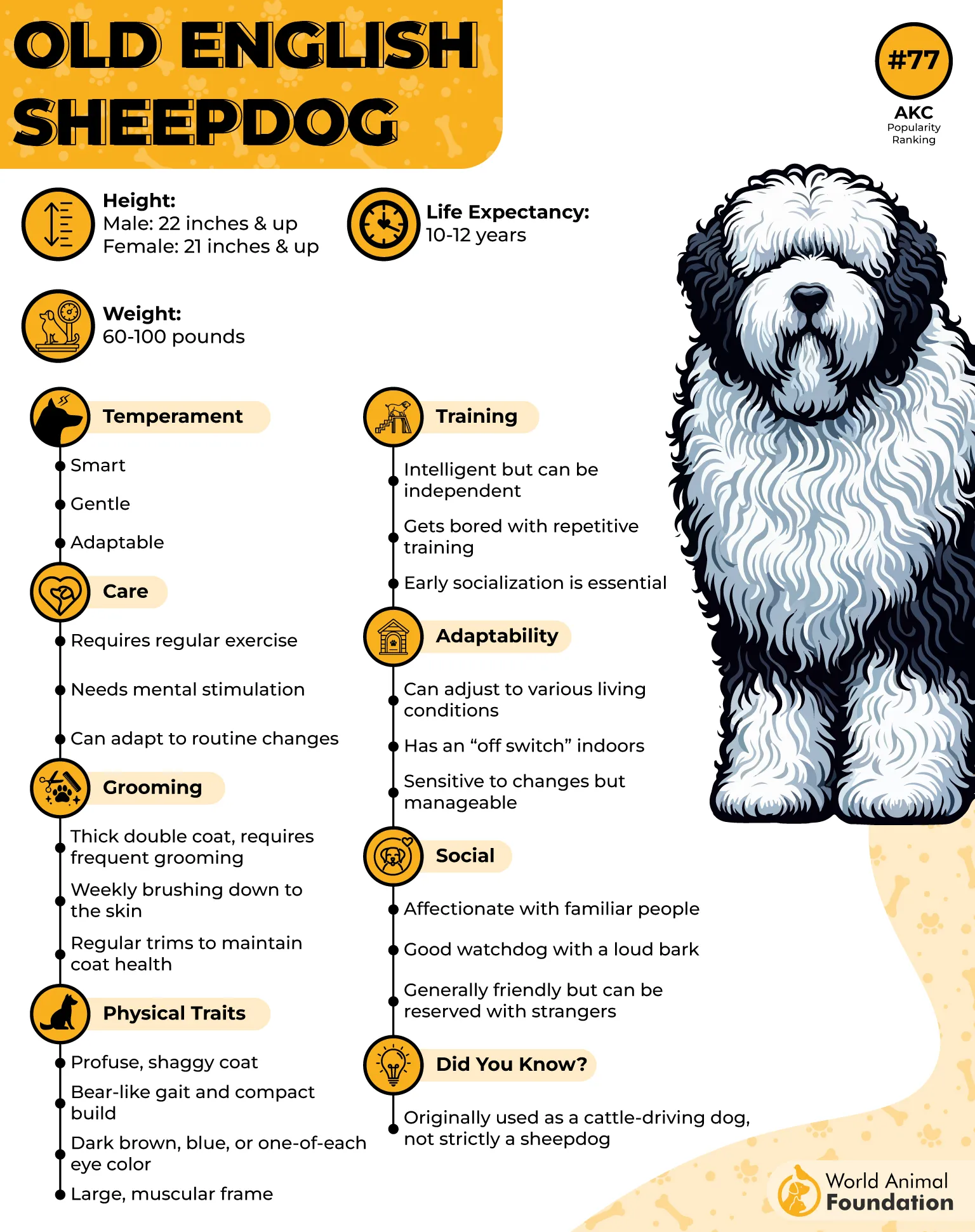
8. Old English Sheepdog
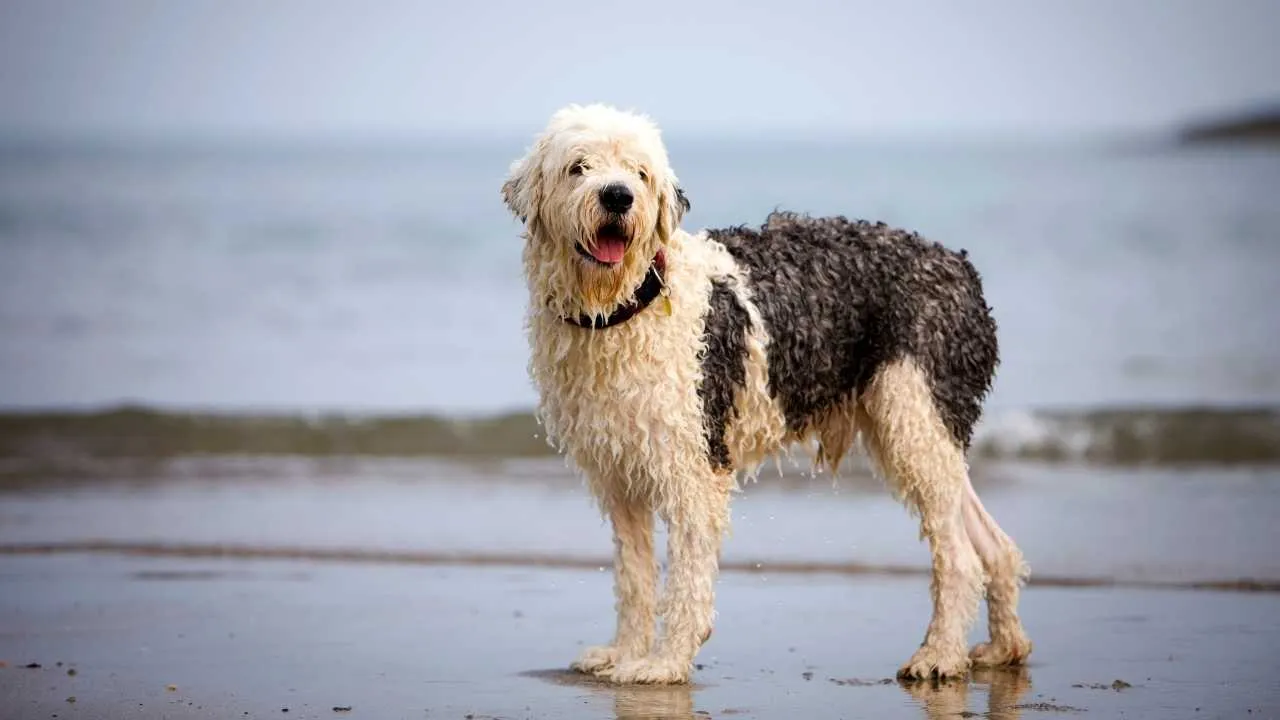
Emerging in 1800s England, the Old English Sheepdog—affectionately called the OES—was originally bred as a drover, moving livestock quickly from farm to market.
Though often mistaken for a traditional sheep herder, this large, muscular dog was valued for stamina, strength, and reliability. Beneath its iconic shaggy coat lies a powerful worker with courage, intelligence, and a protective nature.
Built to Work and Protect
OES are strong, agile, and capable of handling both sheep and cattle. Their thick, double coat offers camouflage and protection while a loud, ringing bark serves as a warning to large predators.
With a bear-like shuffle and nimble movement, they are surprisingly quick and able-bodied for their size. Loyal and watchful, they make patient guardians of children, livestock, and property alike.
Grooming, Exercise, and Personality
While playful and affectionate, the Old English Sheepdog requires daily exercise to stay healthy and happy. Regular off-leash play or walks keep them physically fit, while mental stimulation prevents boredom.
Grooming is essential—without daily brushing, their dense undercoat can mat and tangle. Gentle giants at heart, OES dogs are friendly, courageous, and devoted, making them great family dogs for active families who can match their energy and care needs.
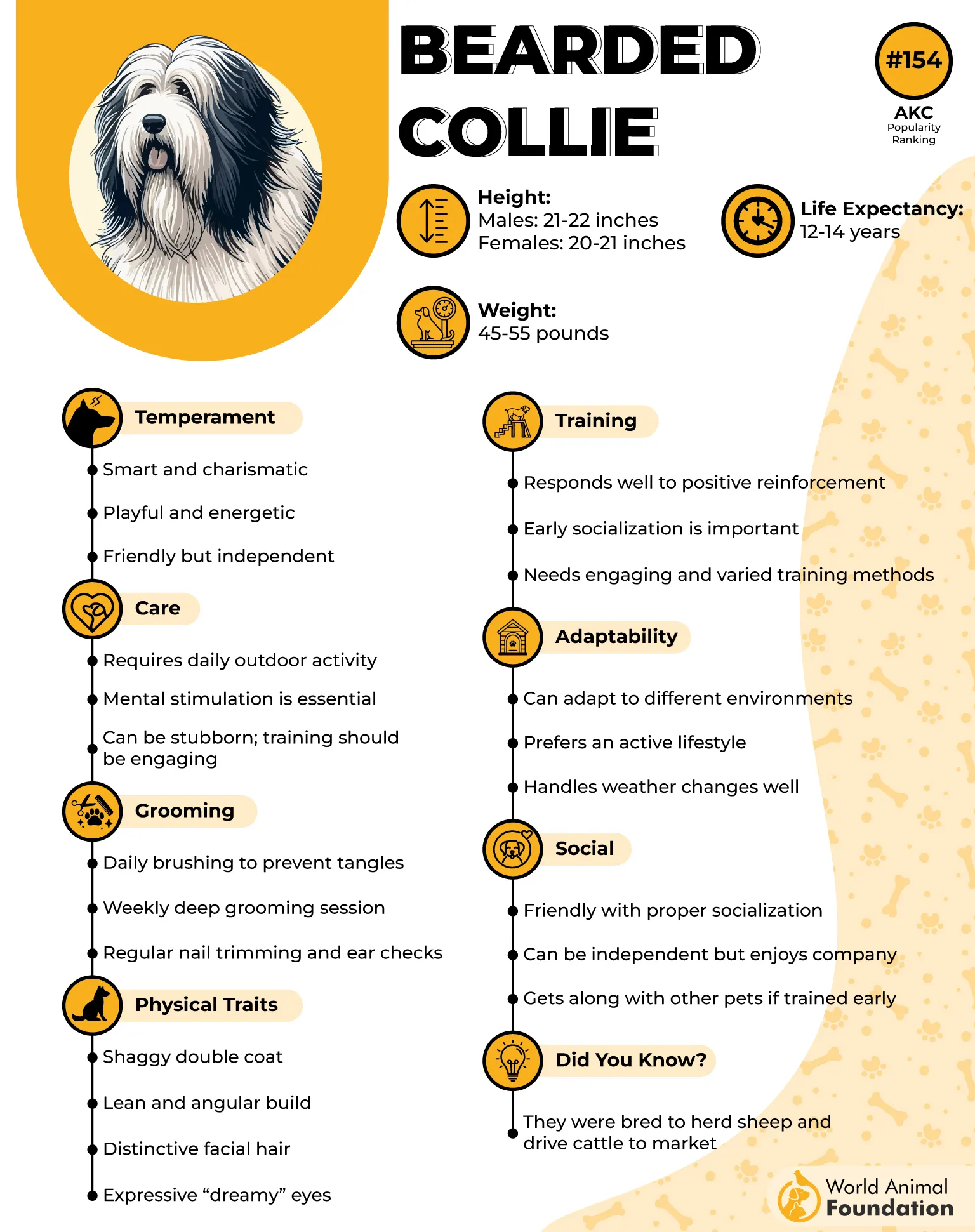
9. Bearded Collie
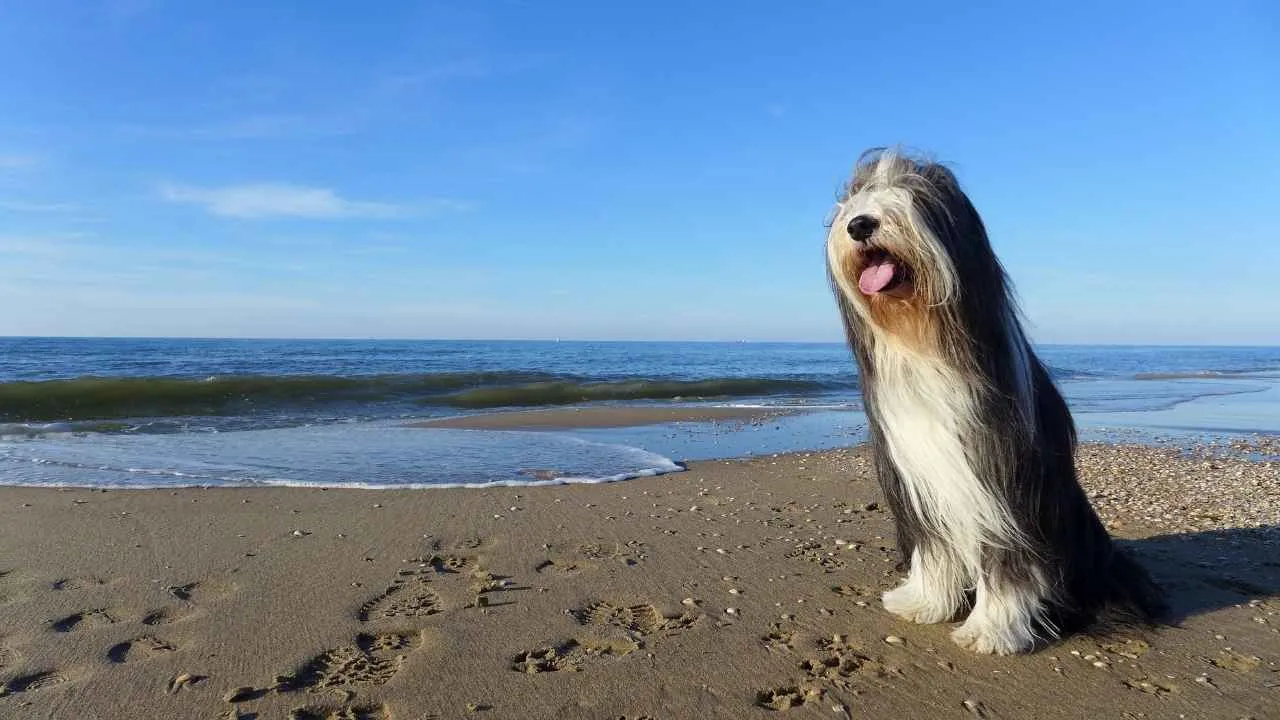
Originating in Scotland, the Bearded Collie—affectionately called the Beardie—is a lively, intelligent herding dog. For centuries, Beardies helped manage cattle and sheep in the Borders and Highlands.
Bred to be independent decision-makers, they are energetic, curious, and always ready for a job, making them ideal companions for active families.
Agile, Energetic, and Clever
Beardies stand 20–22 inches tall and weigh 45–55 pounds. Beneath their long, shaggy double coat is a lean, agile body built for herding.
These dogs are fast learners but can be a little stubborn, so early and consistent training is essential. Their intelligence and high energy mean they need regular exercise, outdoor play, and mental challenges to stay happy and well-behaved.
Friendly, Social, and Fun-Loving
Bearded Collies are affectionate, playful, and generally get along well with other animals and children. They thrive on human interaction and can become bored or mischievous without proper attention.
Historically, the breed almost vanished in the early 20th century, but careful breeding revived it, and today Beardies are celebrated for their charm, humor, and dedication. Outdoorsy families will find them loyal, amusing, and full of heart—ready to join in any adventure.
Conclusion
When it comes to protecting herds and shepherding flocks, these dog breeds are truly in a league of their own. From the powerful and loyal guardians to the agile, quick-thinking herders, each breed brings a unique mix of intelligence, stamina, and heart.
They aren’t just workers—they become devoted family members who thrive on purpose, companionship, and challenges. If you’re considering adding one of these amazing dogs to your farm or active lifestyle, remember that they need both mental and physical stimulation to flourish.
Take the time to match the right breed to your home, family, and routine, and you’ll gain a protector, a helper, and a friend all rolled into one. After all, few things in life compare to the bond you’ll build with a dog who works as hard as they love.
Looking for more livestock guardian breeds? You can also check out the Bernese Mountain Dog, Anatolian Shepherd dog, Tibetan Mastiff, Border Collie, Kangal dog, Spanish Mastiff, and Pit Bull.
