




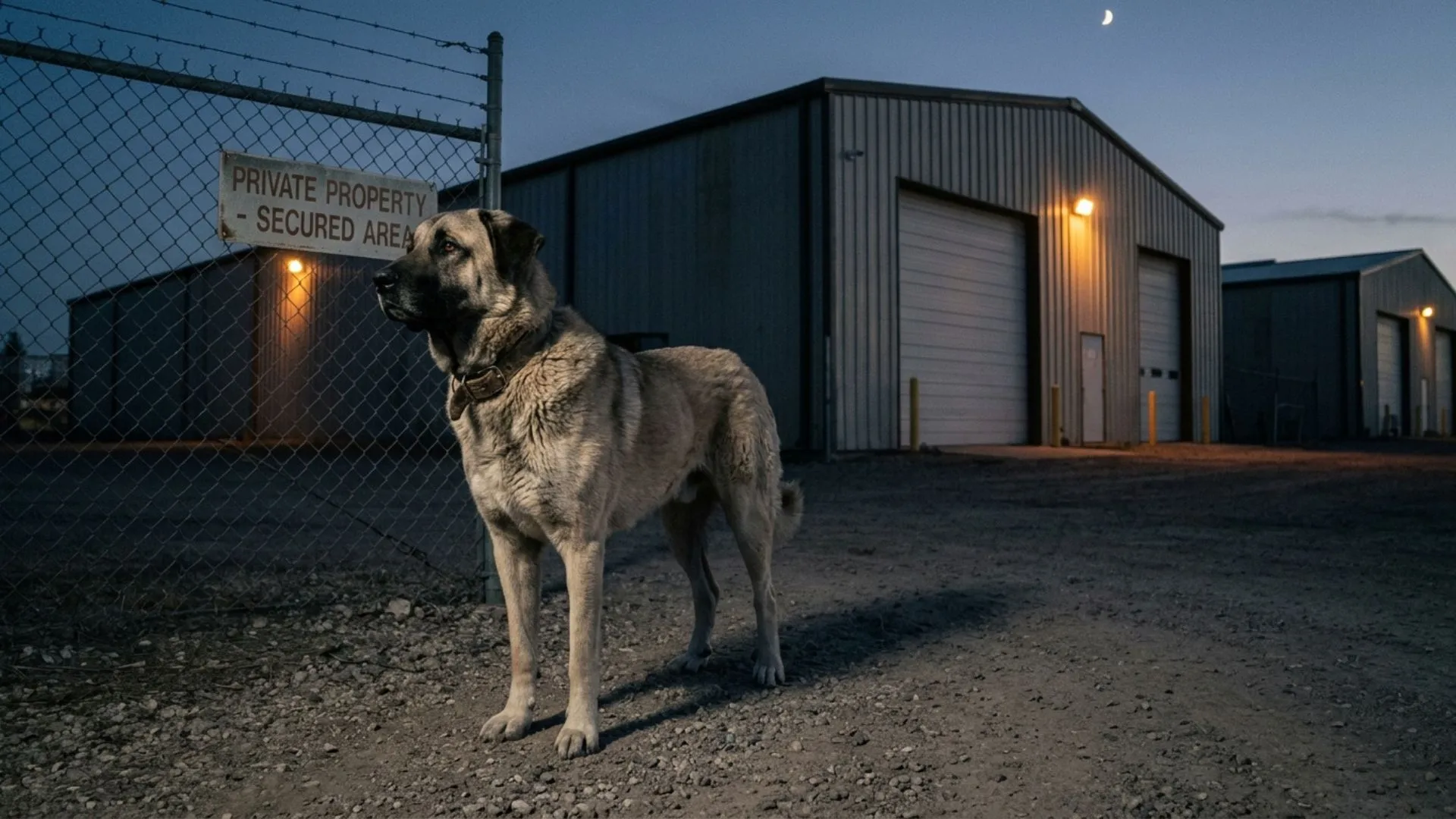
Looking after a remote warehouse overnight comes with its own set of challenges—empty corridors, quiet nights, and the constant worry of unwanted visitors.
That’s where a loyal canine companion comes in. A well-trained guard dog isn’t just a furry security system—they’re sharp, alert, and fiercely protective, yet smart enough to know the difference between a threat and a friendly face.
Whether you’re worried about intruders, keeping valuable stock safe, or just want someone watching over your property while you rest, the right guard dog can be a game-changer.
In this article, we’ll explore some of the best guard dog breeds and show you how to make the most of their natural instincts—while keeping training and family compatibility in mind.
Key Takeaways
Cane Corso, Tibetan Mastiff, and Black Russian Terrier are fearless protectors.
Akitas and Presa Canarios stay calm with family but alert to strangers.
Caucasian and Anatolian Shepherds need experienced owners and space to thrive.
All these dogs mix intelligence, loyalty, and watchfulness for ultimate protection.
Dog Breeds That Guard Remote Warehouses Overnight
1. Cane Corso
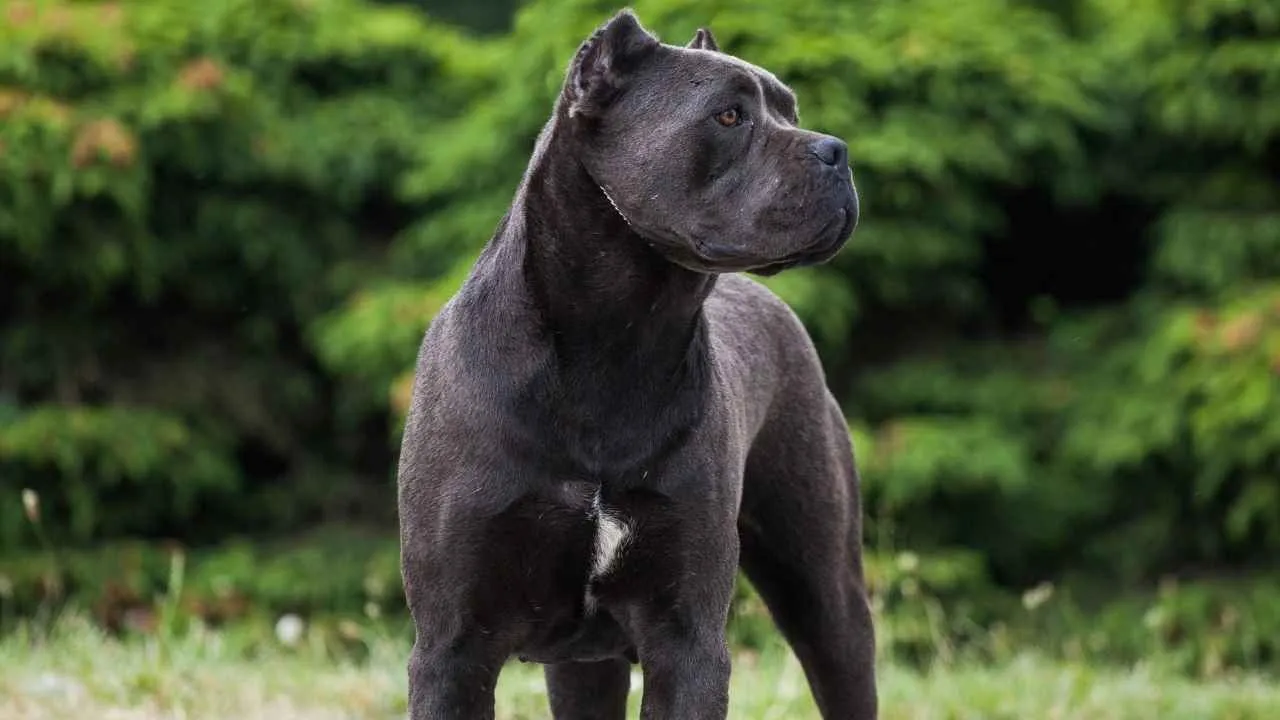
Smart, trainable, and confident, Cane Corsi are natural protectors. Their name comes from Latin, meaning “bodyguard dog,” and their history traces back to ancient Rome and Greece, as mentioned by PetMD.
Originally working as watchdogs, farm helpers, and even canine soldiers, Cane Corsi are bred to protect and stay alert.
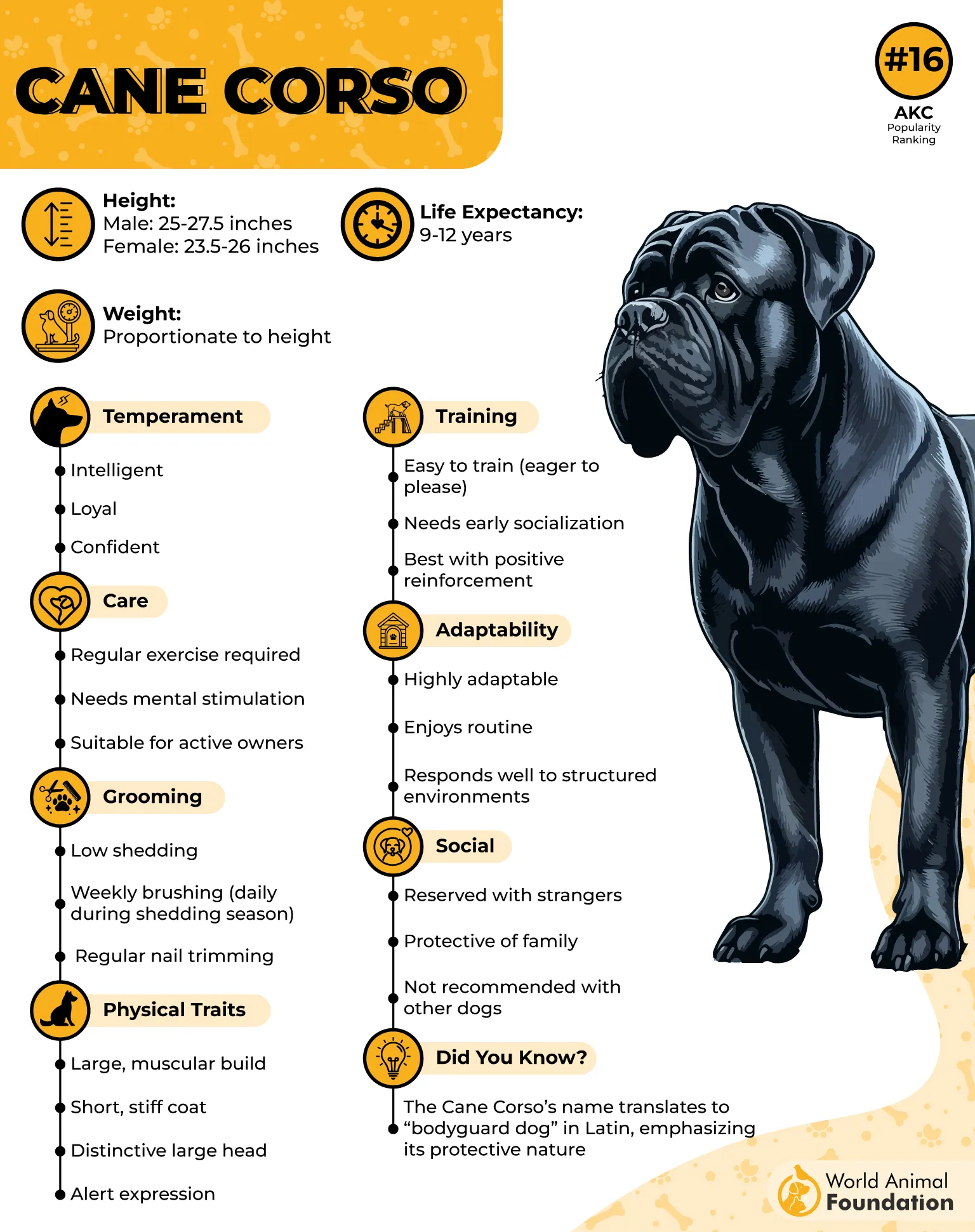
Cane Corsos are serious, intelligent, and fiercely loyal to their humans. They are independent and assertive, so early socialization is crucial. Properly socialized Cane Corsi learn to distinguish between friends and intruders.
While they can get along with other pets, their strong prey drive means supervision is important. With children, early introduction and guidance are key to a safe bond.
Protective instincts: Naturally alert and intimidating, Cane Corsi deter potential intruders with their presence.
Loyal companions: Deeply bonded to their family and surroundings.
Exercise needs: Require daily activity and tasks to stay happy and balanced.
Temperament tips: Positive reinforcement works best; harsh corrections can backfire.
2. Tibetan Mastiff
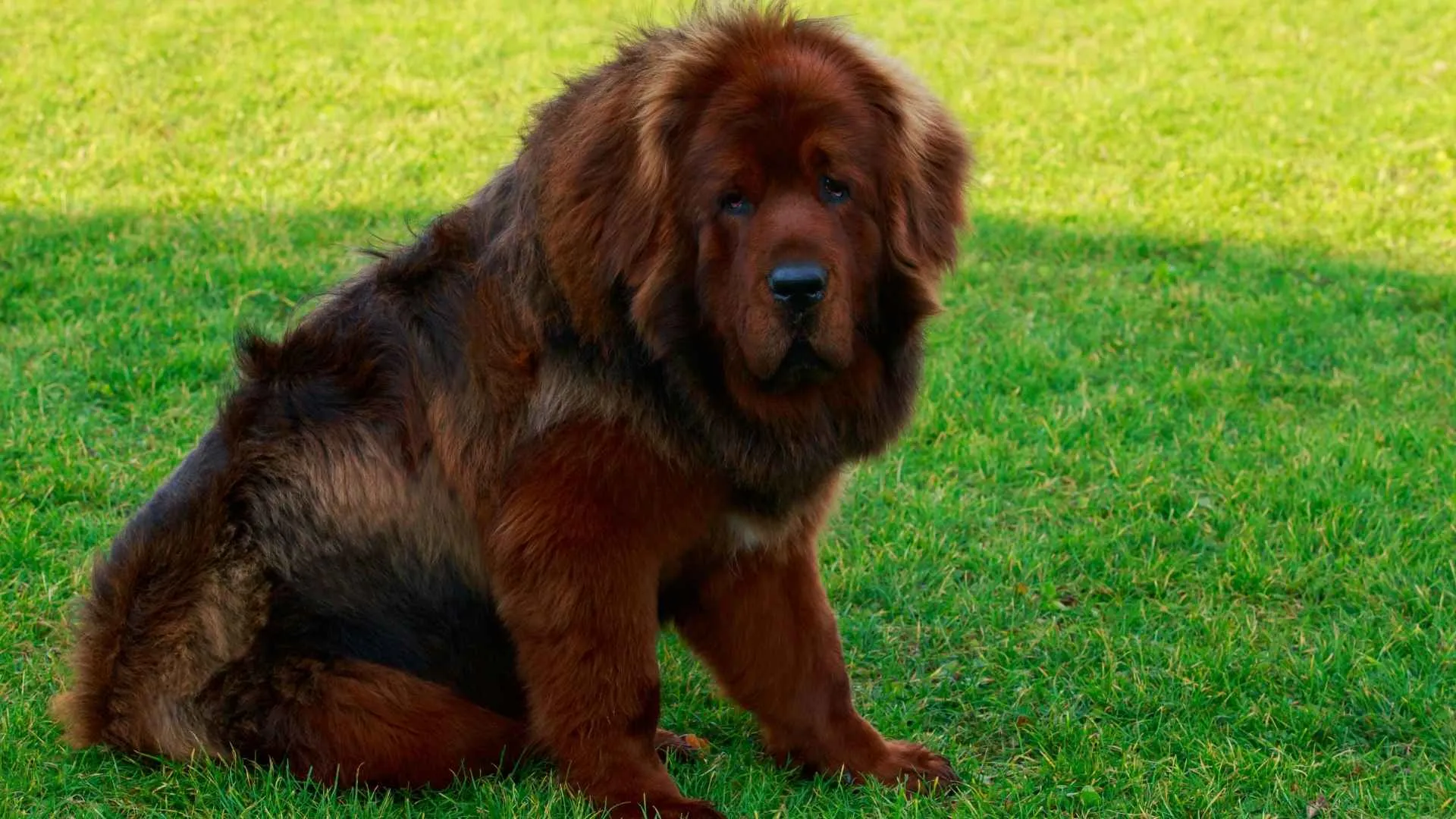
Watchful, imposing, and fiercely protective, Tibetan Mastiffs are the ultimate guardians, as mentioned by the AKC. Their thick coats and noble presence make them impossible to ignore, sending a clear warning to intruders.
Calm and devoted with family, they are aloof and territorial with strangers. This ancient breed has an instinct to guard, making them good protection dogs for remote warehouses and personal protection.
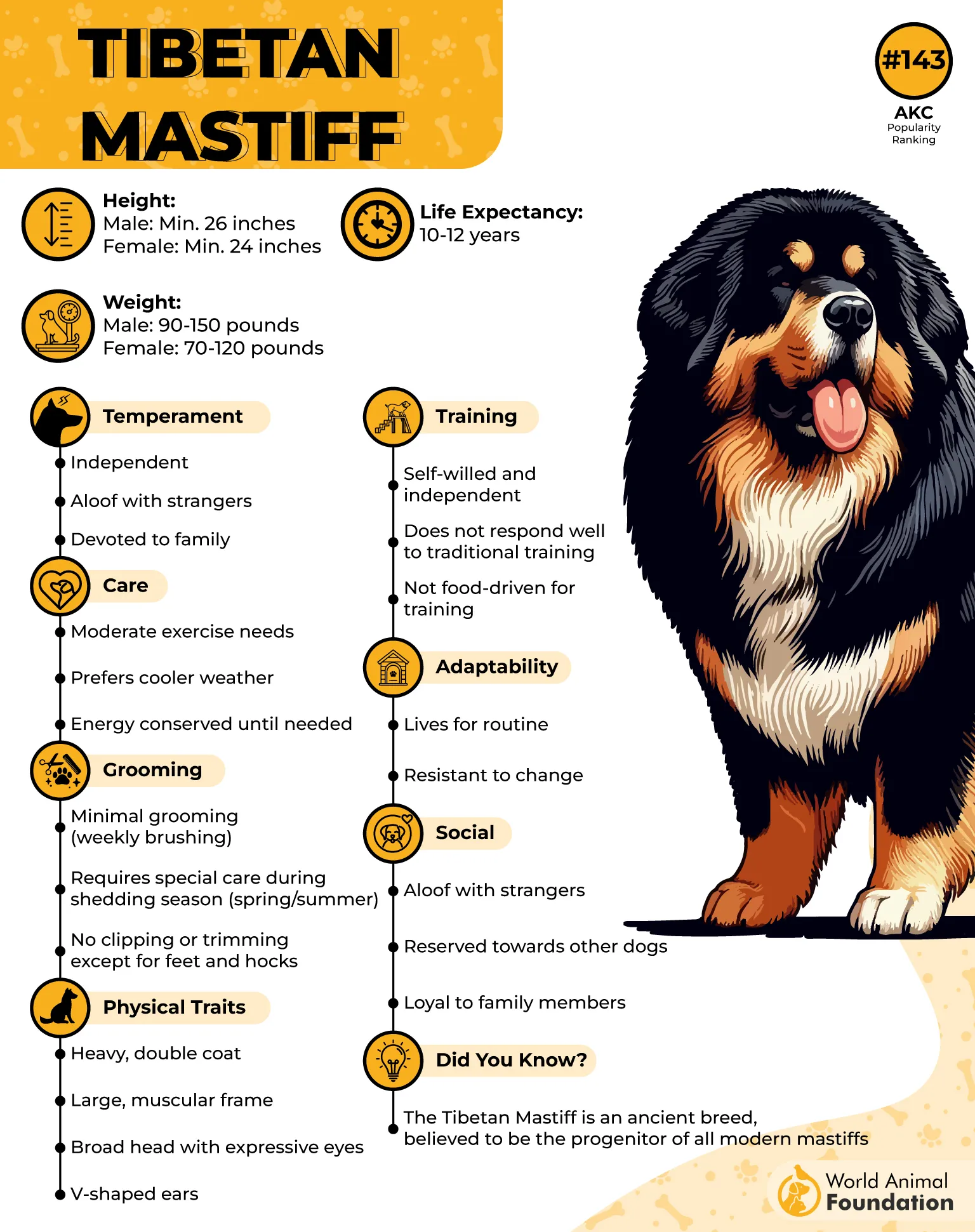
Tibetan Mastiffs are independent thinkers. They don’t blindly follow commands and need proper training. Early socialization is key to preventing them from mistaking friends for threats.
While they are loyal and affectionate with family, they may be stubborn or headstrong without a confident owner. Their playful side comes out outdoors, but secure fencing is essential, as they can be surprisingly agile and adventurous.
Protective instincts: Alert and territorial, excellent for guarding property.
Temperament: Calm at home, watchful with strangers, loyal to family.
Training tips: Firm, gentle guidance with patience; early socialization is crucial.
Family life: Patient with children they know, but supervision is important around visitors.
3. Black Russian Terrier
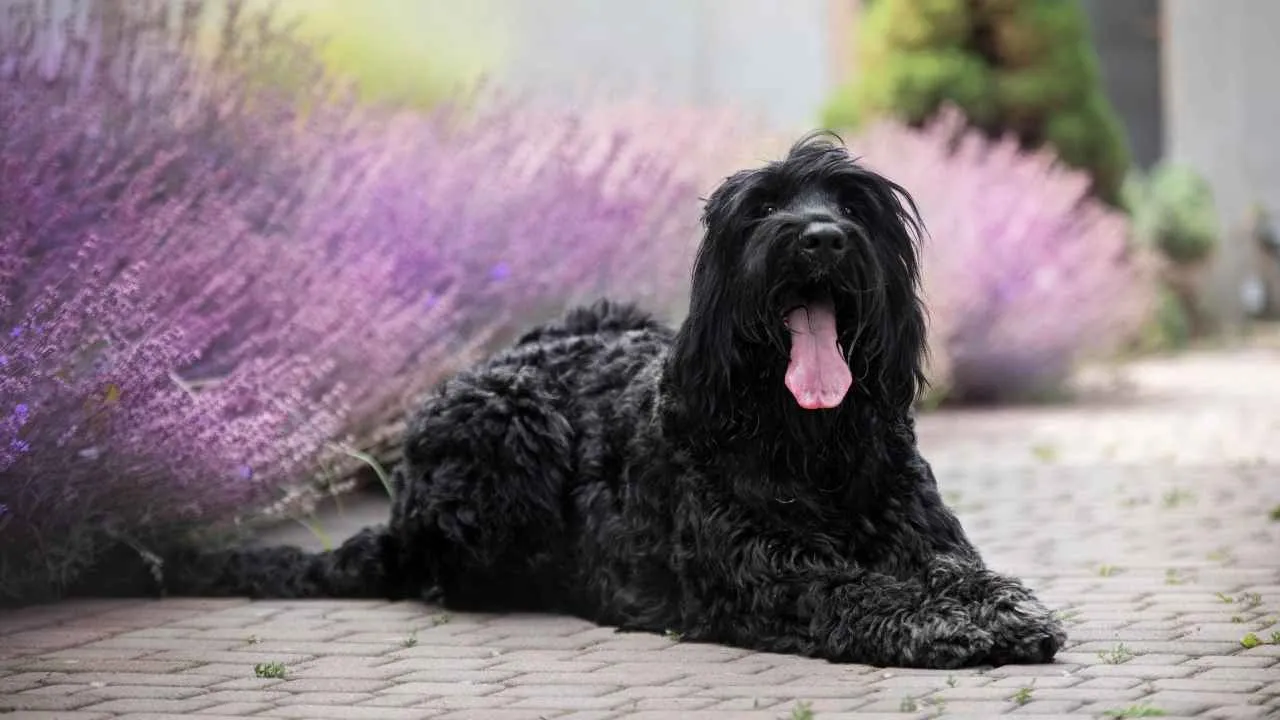
Originally developed in Russia in the mid-20th century, Black Russian Terriers were bred to be versatile working dogs. Crossing breeds like the Rottweiler, Giant Schnauzer, Airedale Terrier, and Newfoundland created a powerful, intelligent, and fearless guardian.
Today, they excel at protecting remote warehouses overnight with their calm confidence and natural guarding instincts. Black Russian Terriers are loyal and gentle with their families but aloof with strangers. Early socialization is essential to help them stay confident around new people and animals.
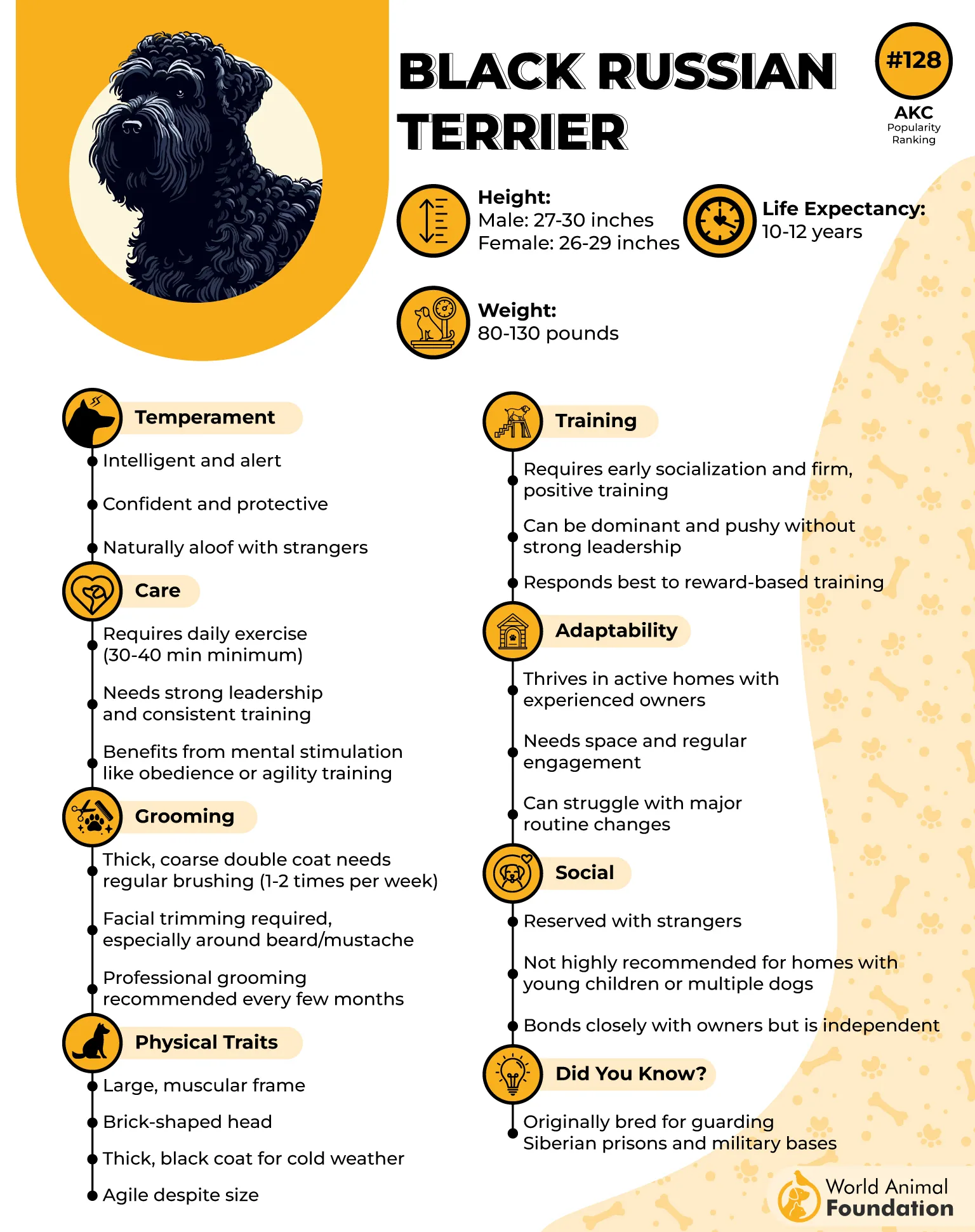
While not hyperactive, they require regular exercise and mental stimulation to remain balanced. Their thick, black double coat needs consistent brushing and periodic grooming to stay healthy.
Protective instincts: Alert, courageous, and ready to respond to threats.
Temperament: Calm, confident, and loyal to their family.
Training tips: Early socialization and consistent guidance build a sensible adult dog.
Family life: Gentle with children and compatible with other pets when properly introduced.
4. Akita
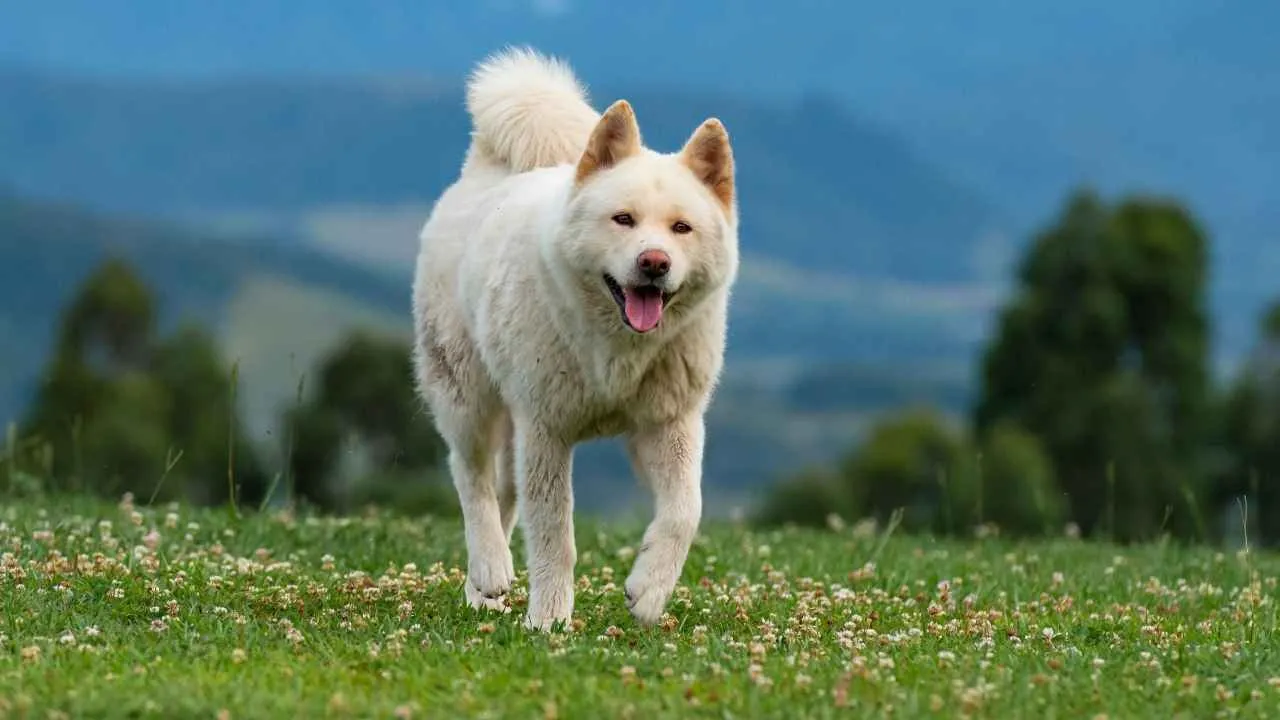
Akitas are strong-willed, loyal, and naturally protective. Originally bred in Japan as hunting dogs, they are happiest alone or in a pair, rather than in groups. Akitas are devoted to their families, affectionate with children, and cautious around strangers.
They are excellent watchdogs and will only bark when something is truly amiss. Hill’s Pet says that Akitas are also known for being clean, quiet, and almost “cat-like” in their fastidious habits.
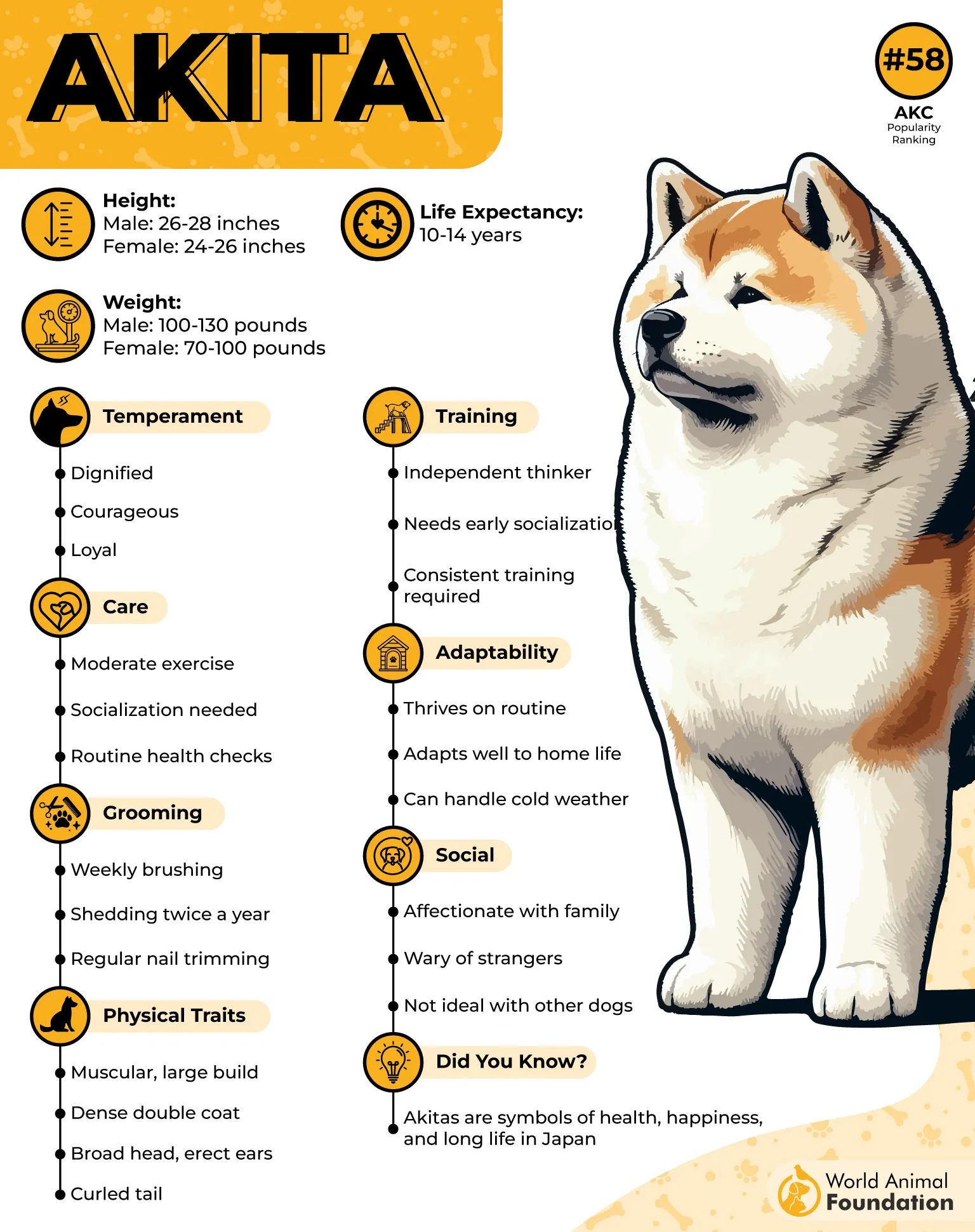
This large, burly breed is intelligent, strong, and requires dedicated training to channel its energy properly. They can be aggressive toward unfamiliar dogs and protective of their home. Early socialization with people and other animals is essential.
These high-energy breeds enjoy mental and physical challenges, such as hikes or puzzle toys, and thrive when given a job to do. Despite their size, they are affectionate with family but need supervision when interacting with visitors or young children.
Protective instincts: Alert, territorial, and devoted to family.
Temperament: Loyal, independent, dignified, and cautious with strangers.
Training tips: Consistent, patient guidance and early socialization are essential.
Family life: Devoted to family, affectionate with children, wary of other animals.
5. Presa Canario
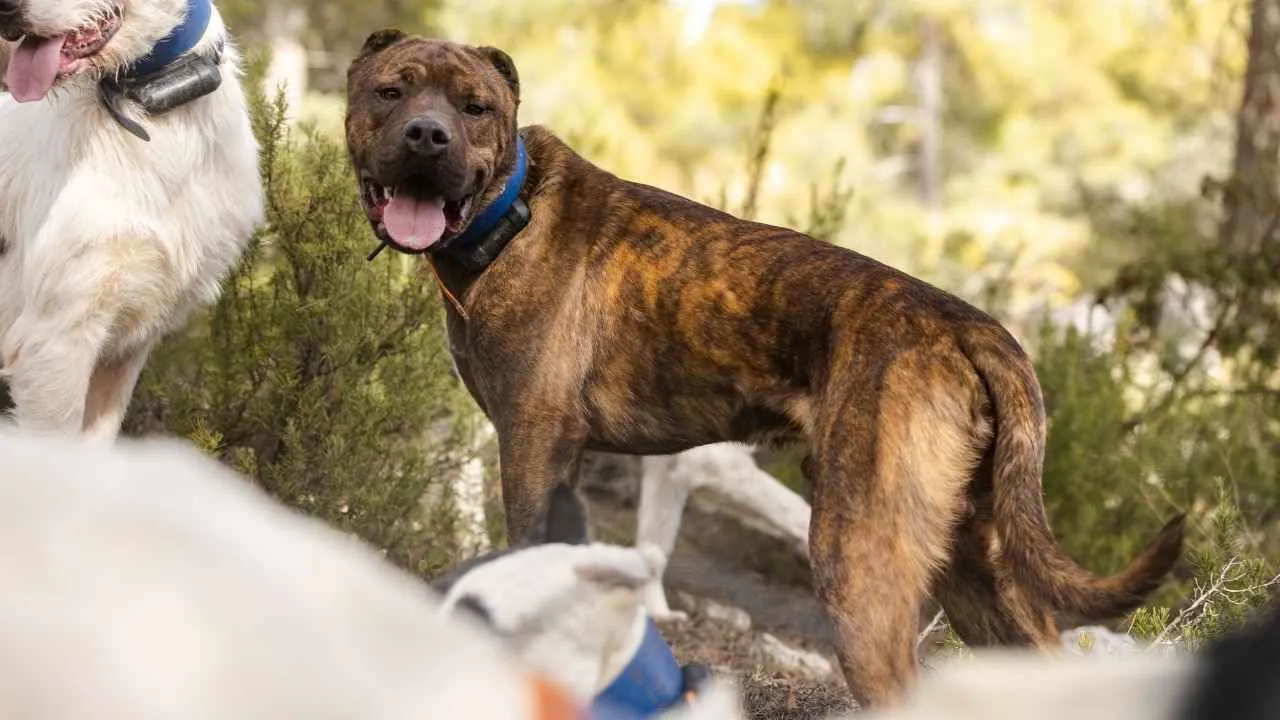
The Presa Canario, also called Perro de Presa Canario, is a powerful mastiff-type dog from the Canary Islands of Spain. Originally bred to herd and guard cattle, this breed is strong, confident, and vigilant.
Loyal and obedient to their families, they are naturally wary of strangers, making them excellent guardians for remote warehouses overnight.
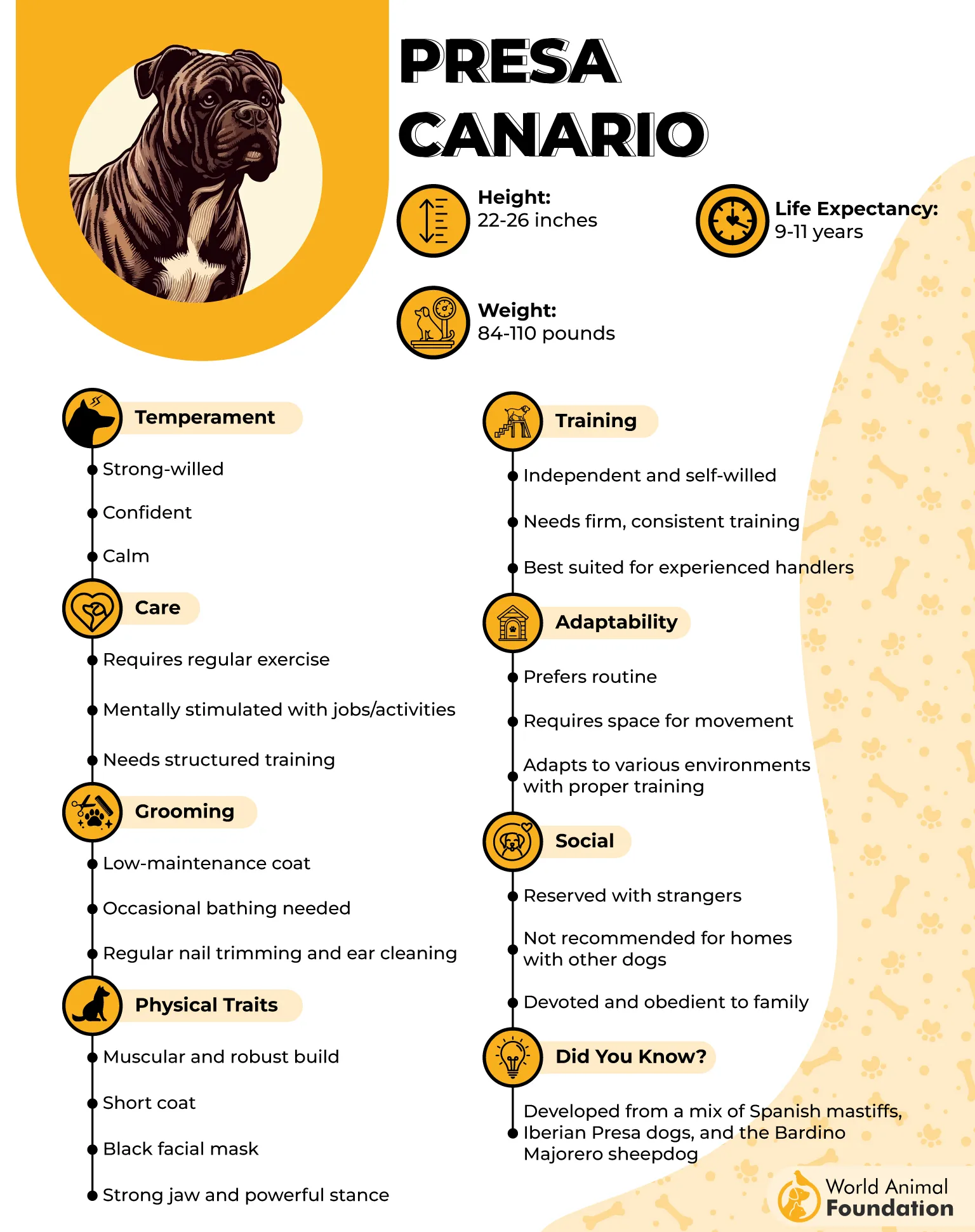
Presa Canarios are balanced dogs: calm, confident, and docile with their family, yet alert and protective when needed. They are slow to warm up to strangers but form strong bonds with their owners. While generally low energy, they need daily exercise and consistent guidance.
Socialization is key, as their strong prey drive and wariness of other animals can make multi-pet households challenging. Properly trained, they remain calm, obedient, and loyal throughout life.
Protective instincts: Vigilant, confident, and naturally suspicious of strangers.
Temperament: Calm, balanced, and devoted to family; low-energy yet alert.
Training tips: Early socialization and consistent guidance are essential.
Family life: Gentle and affectionate with trusted people; strong bonds with family members.
6. Caucasian Shepherd Dog
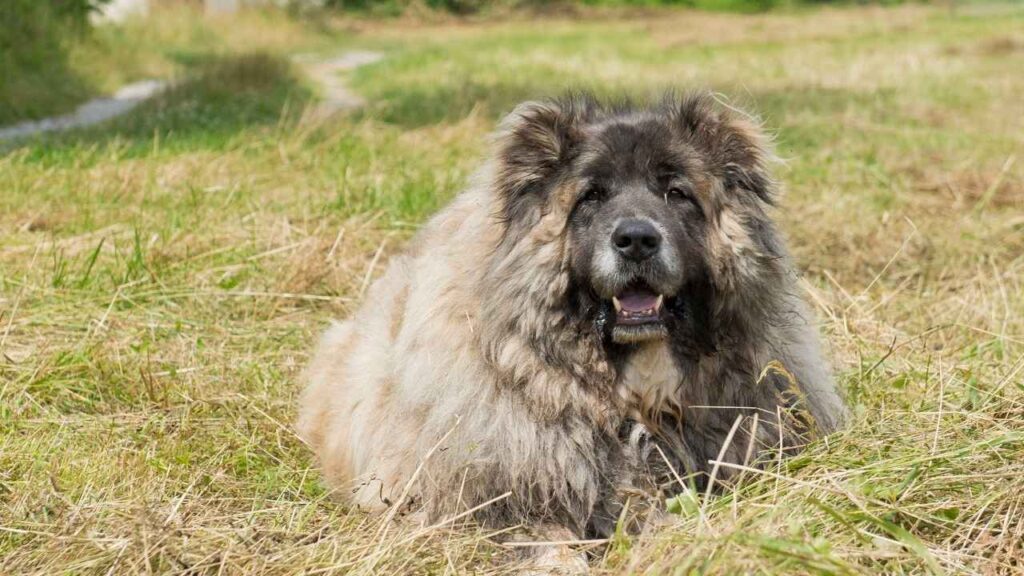
The Caucasian Shepherd, also called the Caucasian Ovcharka, is a giant guardian dog from the Caucasus Mountains of Eastern Europe and Asia. Originally bred to protect livestock and property from predators like wolves and coyotes, this breed has a bold, fearless, and protective nature.
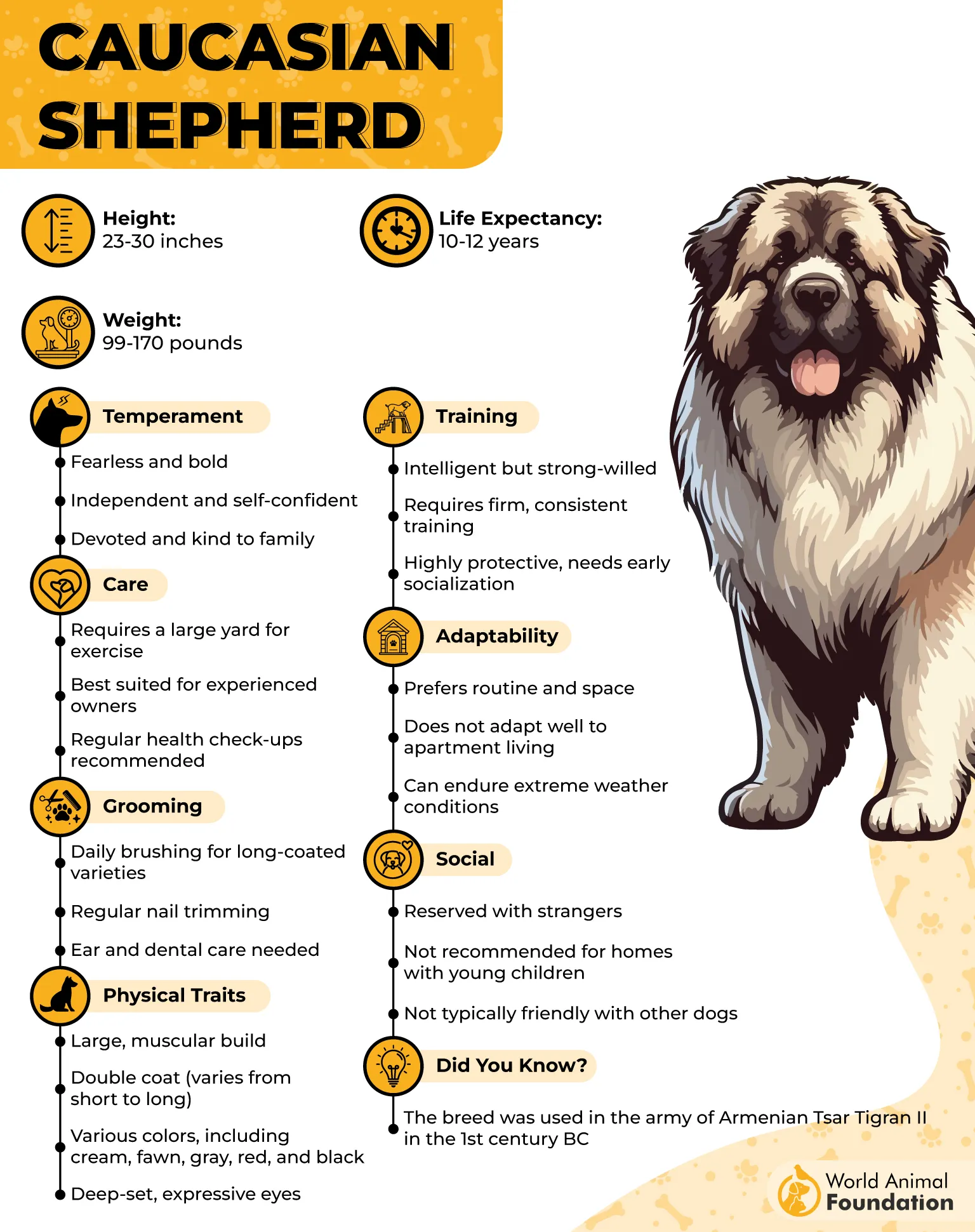
Caucasian Shepherds are fiercely loyal and devoted to their families, but they are wary of strangers and strong-willed. They require early and consistent obedience training with positive reinforcement to channel their independence.
Small children and first-time dog owners may struggle with this breed, as their size, strength, and natural protective instincts demand experience and understanding. A home with ample space and a secure yard is essential for their well-being.
Protective instincts: Watchful, territorial, and fearless when threats arise.
Temperament: Loyal, devoted, and endearing to family; cautious with strangers.
Training tips: Consistent, positive reinforcement is essential; early socialization is crucial.
Family life: Kind and gentle with family and pets; not suitable for small children or apartments.
7. Anatolian Shepherd
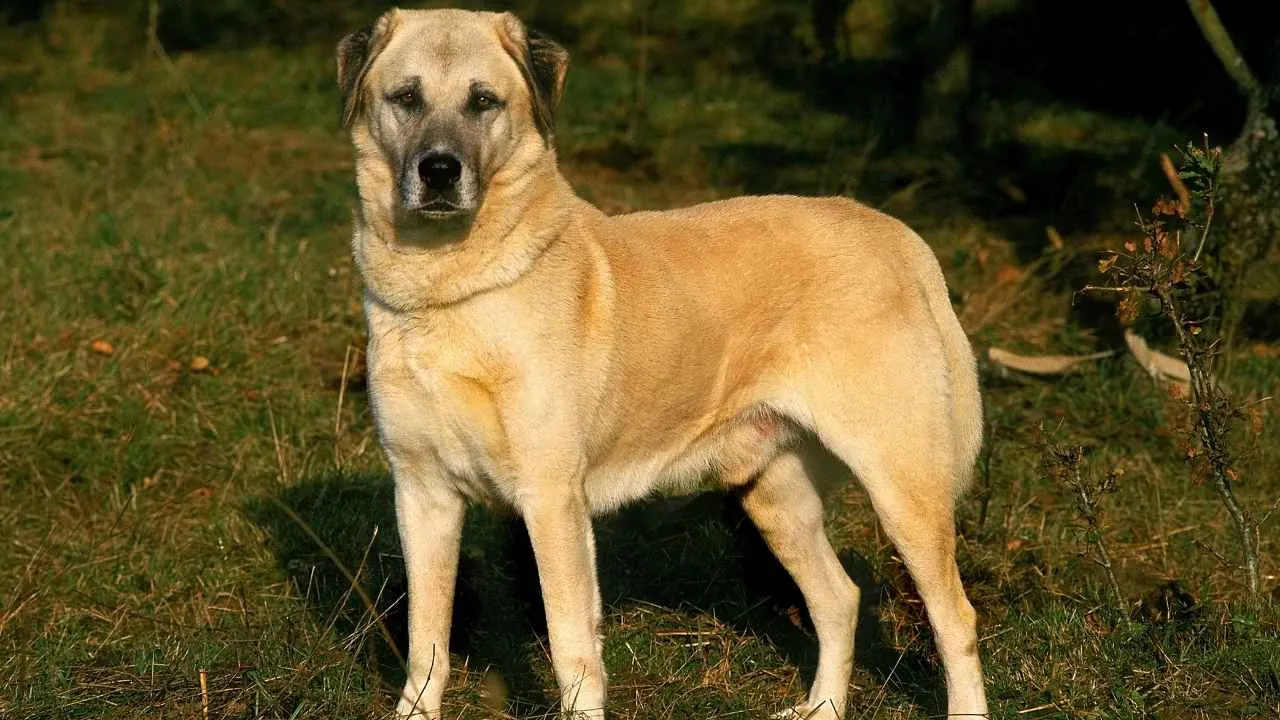
Anatolian Shepherds are one of the oldest domestic dog lineages, with roots tracing back thousands of years to Turkey. Originally bred as livestock guardians, they protected flocks from predators, a skill that even led them to guard endangered cheetahs in Namibia.
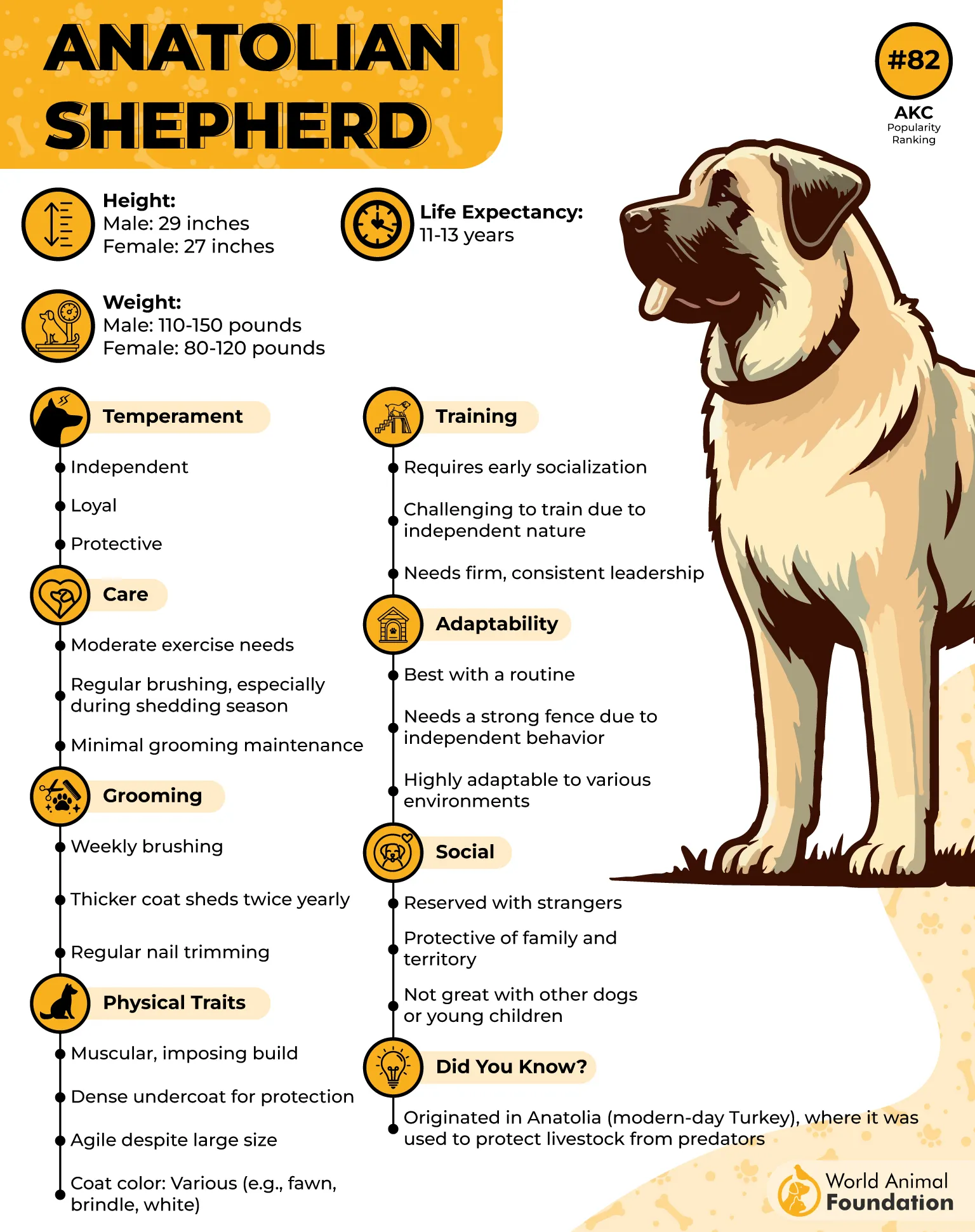
These dogs are loyal and loving with their families, but naturally wary of strangers. Their independent nature and strong instincts make training a challenge, so they need experienced handlers who can provide consistent guidance and early socialization.
While they don’t require excessive exercise, outdoor play in a securely fenced area is essential. Anatolian Shepherds are intelligent, patient, and calm, yet ready to respond to threats with decisiveness.
Protective instincts: Territorial, alert, and capable of defending livestock, family, or property.
Temperament: Calm, reserved, loyal, and highly independent.
Training tips: Experienced pet parents should guide them; early socialization is critical.
Family life: Loving and kind with familiar people; cautious and aloof with strangers.
Conclusion
Choosing the right guard dog breed isn’t just about size or strength—it’s about loyalty, intelligence, and the ability to protect while understanding boundaries.
These breeds offer a mix of courage, devotion, and watchfulness that can keep your property safe and give you peace of mind. Each dog brings its own personality and needs, so training, socialization, and proper care are essential to help them thrive.
A guard dog is more than just a formidable protector—they become a trusted companion who bonds with your family and watches over your world. With patience and dedication, you’ll gain not only security but a lifelong partnership built on trust, respect, and affection.
Looking for more protective dog breeds? You can also check out the German Shepherd, Doberman Pinscher, Belgian Malinois, Boxer, Rottweiler, and Australian Shepherd.
