





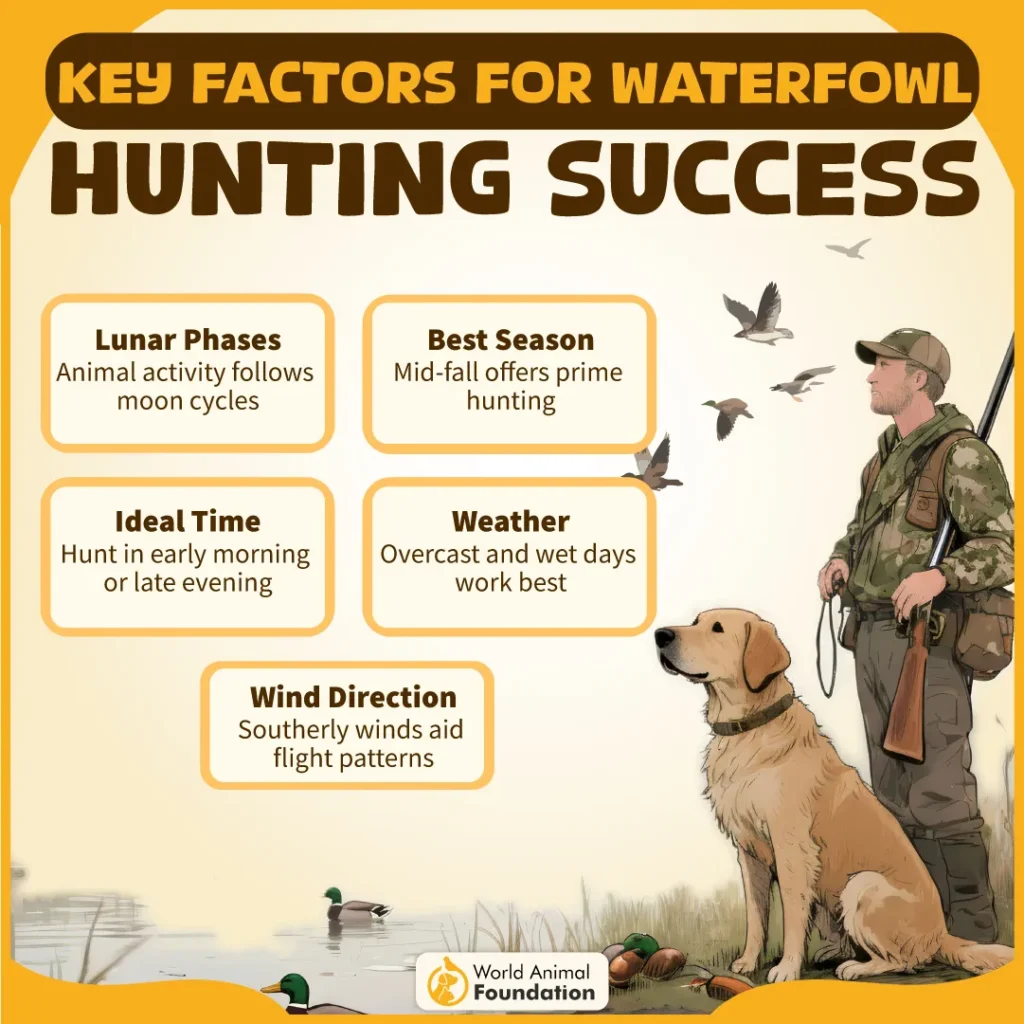
When it comes to waterfowl hunting, the right dog isn’t just helpful — it’s transformative.
A skilled hunting companion blends instinct, intelligence, and disciplined training to create seamless teamwork in the blind. Bred for endurance, drive, and water resistance, these dogs thrive in icy marshes and unpredictable conditions, retrieving birds with unwavering focus while remaining steady partners at home.
Centuries of selective breeding have shaped retrievers, setters, and spaniels into masters of cooperative hunting. Their ability to track, signal, and respond to different games reflects an inner wiring designed for partnership with humans.
Even their vocal cues and body language communicate vital information in the field, enhancing both safety and success.
Choosing the right hunting breed means balancing energy, trainability, and temperament. The best waterfowl dogs combine passion in the field with loyalty at home — proving that excellence is bred, trained, and shared.
Dog Breeds That Excel At Waterfowl Hunting
1. Labrador Retriever
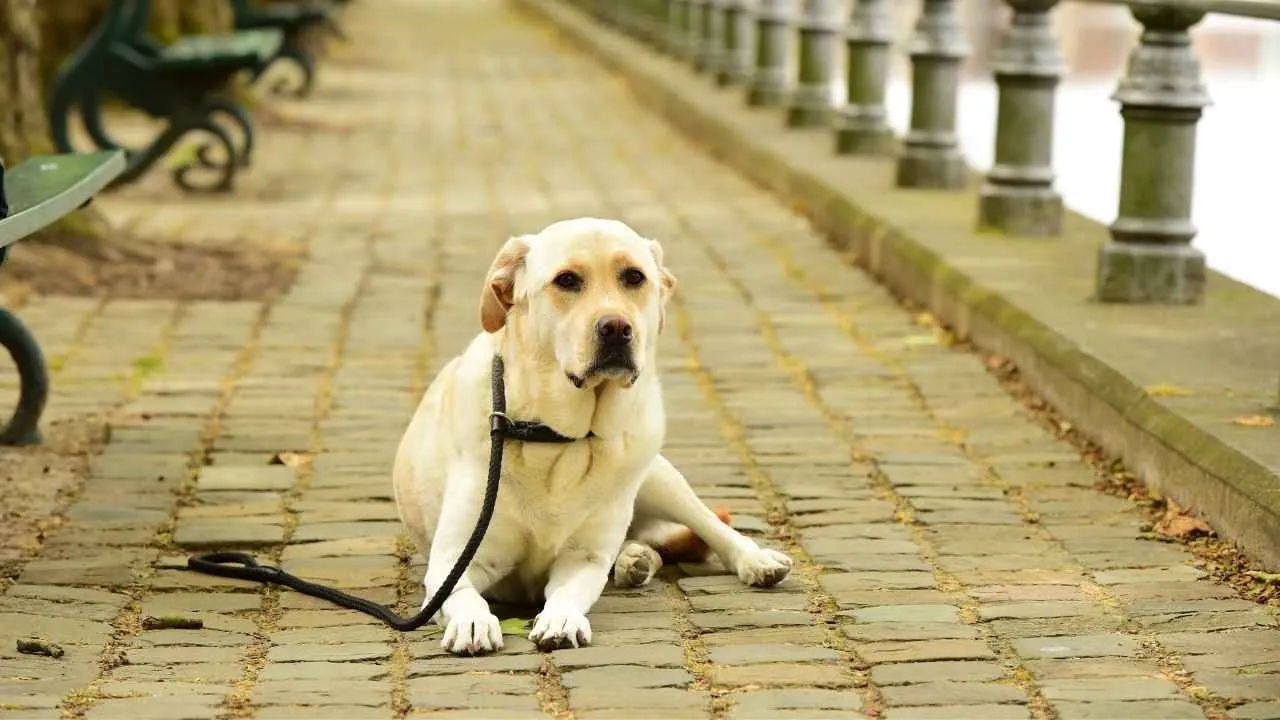
The Labrador Retriever traces its origins to the icy shores of Newfoundland, where it worked beside fishermen retrieving nets and fish from the frigid North Atlantic. In the early 1800s, English nobles imported these muscular dogs and refined them into the dependable sporting companions we know today.
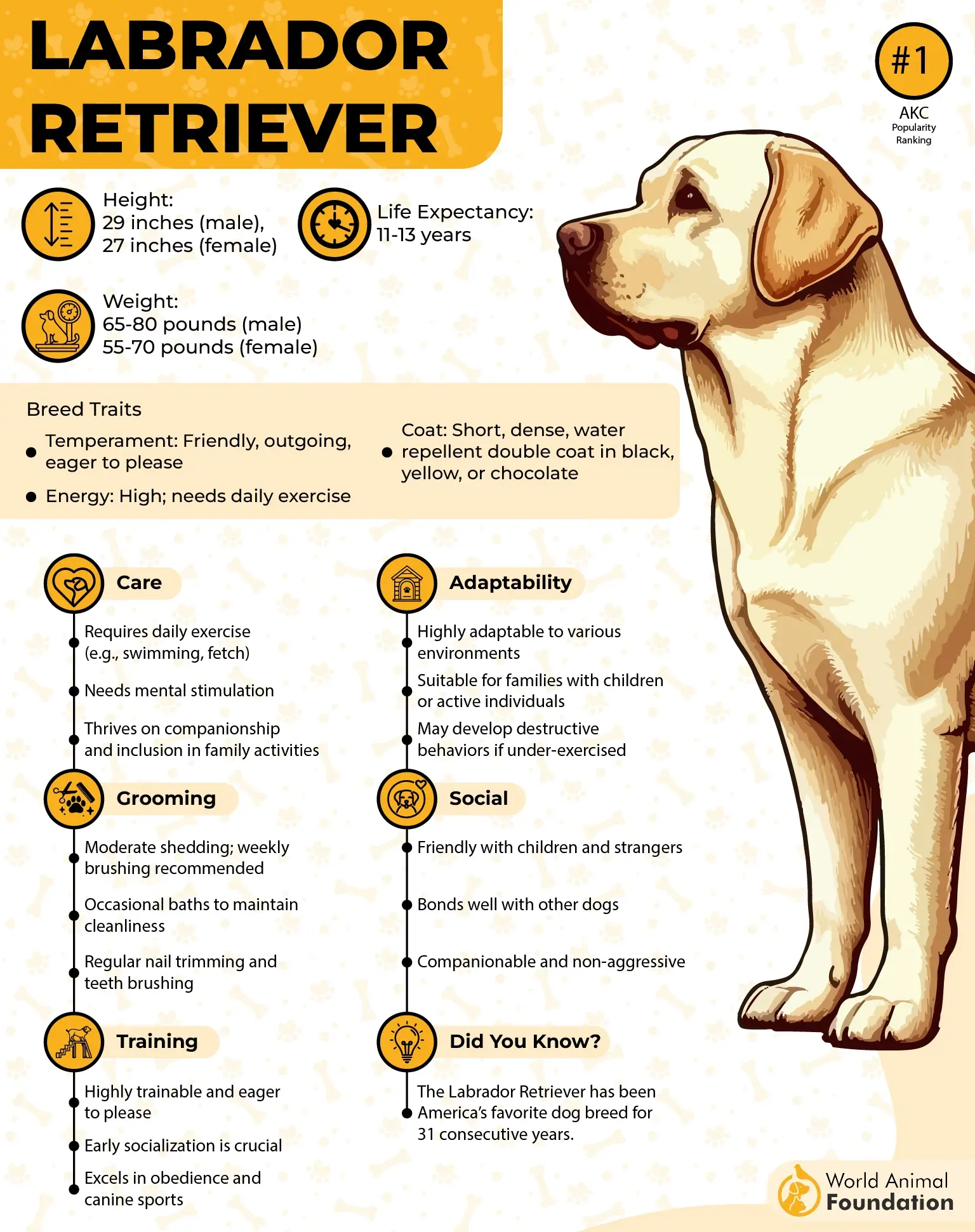
Engineered for Endurance in Water and Field
Their broad skull, deep chest, muscular build, and webbed feet equip them for long swims and demanding retrieves. The double coat repels water and insulates against harsh weather, while their classic black, yellow, or chocolate colors conceal a body built for stamina and strength.
Gentle Companion, Relentless Worker
Famously friendly and affectionate, Labradors bond easily with families, children, and other dogs, yet their easygoing nature never dulls their drive. Intelligent and eager to please, they respond exceptionally well to obedience work and advanced field training when socialized early and guided consistently.
Why Labradors Rule the Waterfowl World
Strong natural retrieving instinct with a soft, reliable mouth
Water-resistant double coat for cold, wet conditions
Exceptional trainability and handler responsiveness
High stamina for long days in marshes and blinds
Steady, calm temperament during shots and retrieves
2. Golden Retriever
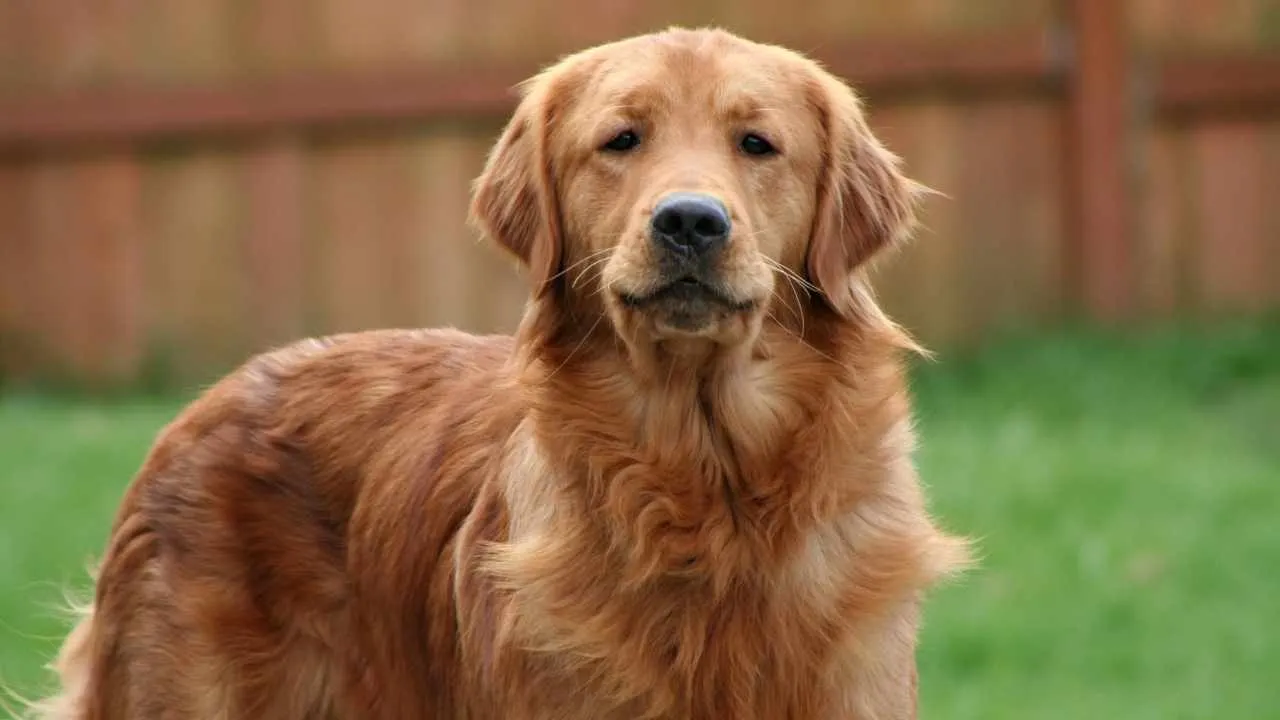
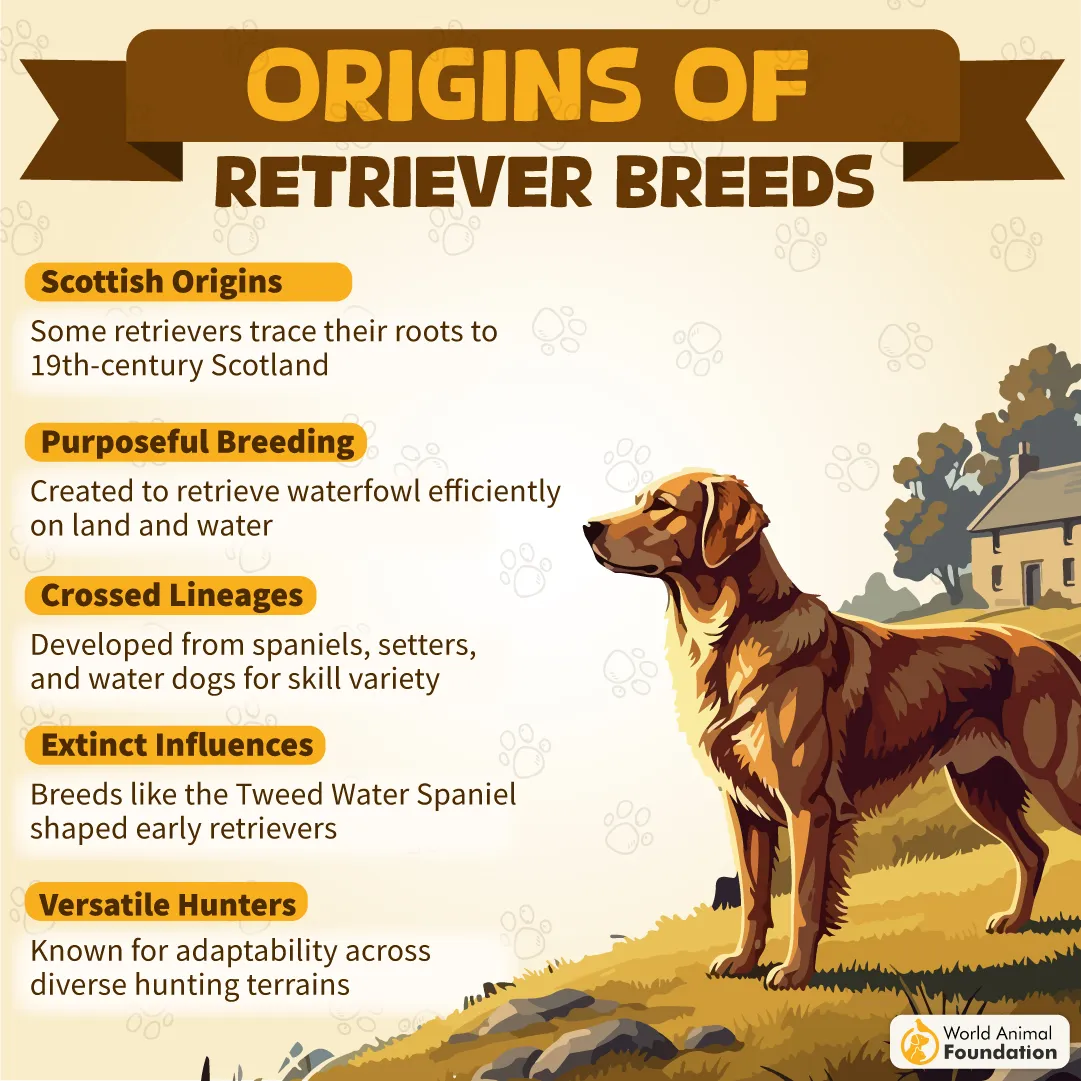
The Golden Retriever was developed in 19th-century Scotland by Dudley Marjoribanks, later known as Lord Tweedmouth, who sought to create the ideal gundog, as per Purina.
By crossing his “Yellow Retriever” with the now-extinct Tweed Water Spaniel and later incorporating other sporting breeds, he produced a skilled and dependable hunting companion.
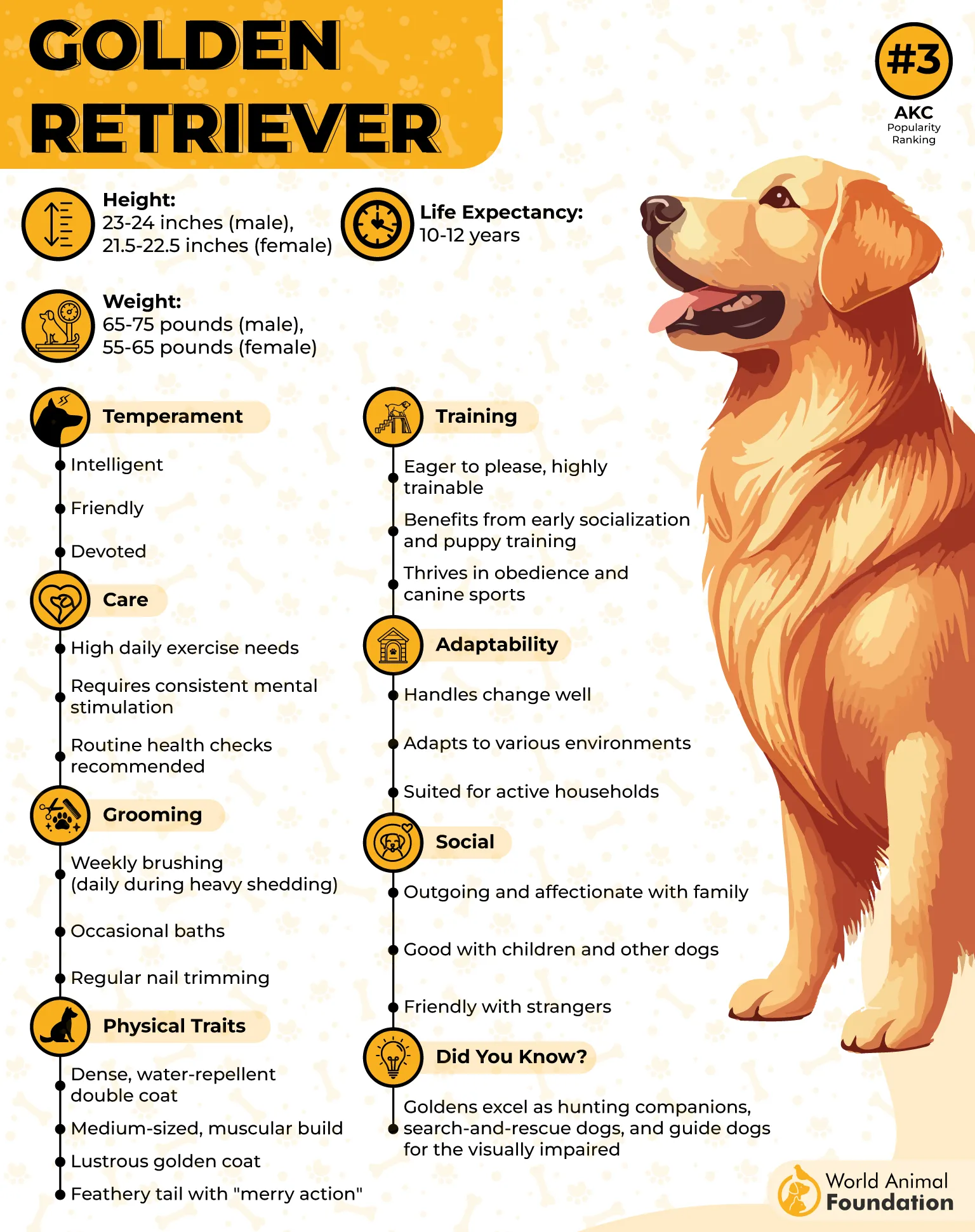
Grace in Form, Grit in the Field
With a strong, balanced frame and a deep chest, Goldens are built for stamina and powerful swimming. Their water-repellent coat, ranging from gold to cream, protects them in cold marshes, while feathering along the neck and tail adds to their classic appearance.
Gentle Soul, Driven Worker
Even-tempered, affectionate, and highly intelligent, Golden Retrievers are famously eager to please. Though beloved as family companions and service dogs, they remain bird dogs at heart, requiring daily exercise and mental engagement to stay balanced and content.
Why Golden Retrievers Shine in Waterfowl Hunting
Excellent swimming ability with a water-resistant coat
Soft mouth for retrieving birds without damage
High stamina for repeated, long-distance retrieves
Strong tracking skills for wounded or downed game
Eager-to-please temperament that enhances trainability
3. Chesapeake Bay Retriever
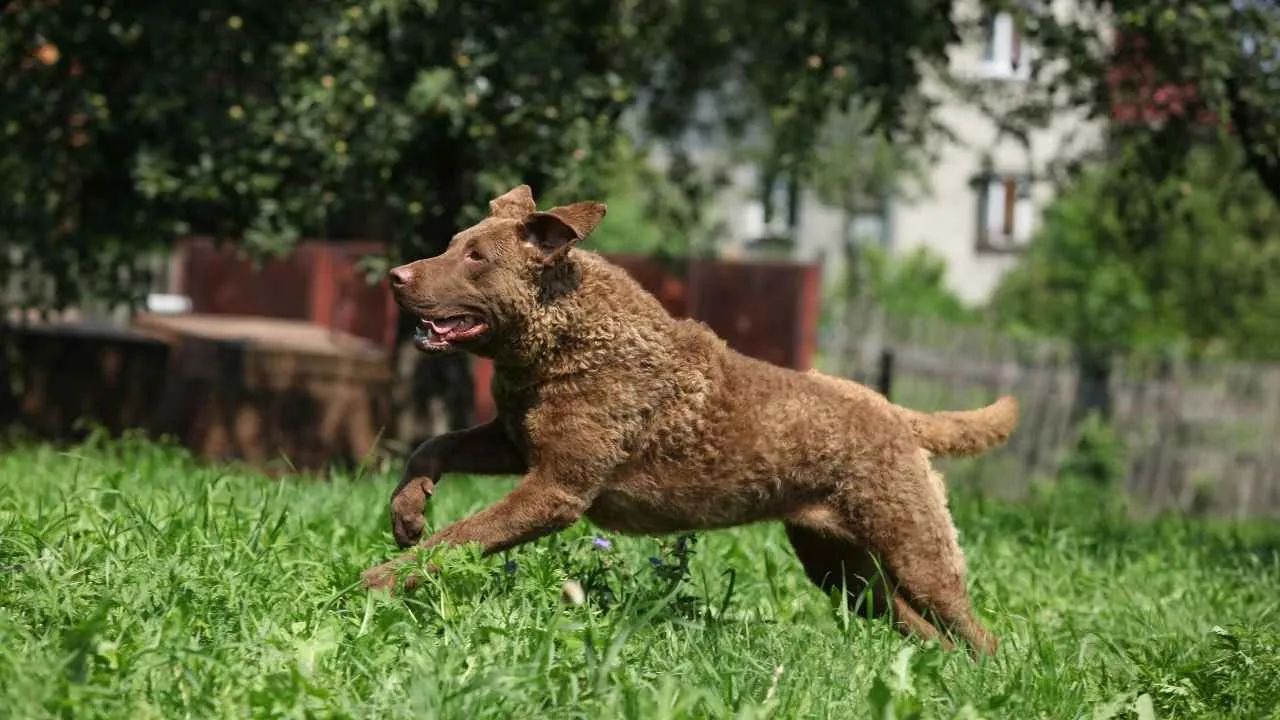
The Chesapeake Bay Retriever was born along the frozen shores of the Chesapeake Bay in the early 1800s, descending from St. John’s water dogs brought to Maryland in 1807.
Officially recognized by the AKC in 1884 and later named Maryland’s state dog, the “Chessie” remains a symbol of grit and resilience.
Built Like a Tank, Swims Like a Seal
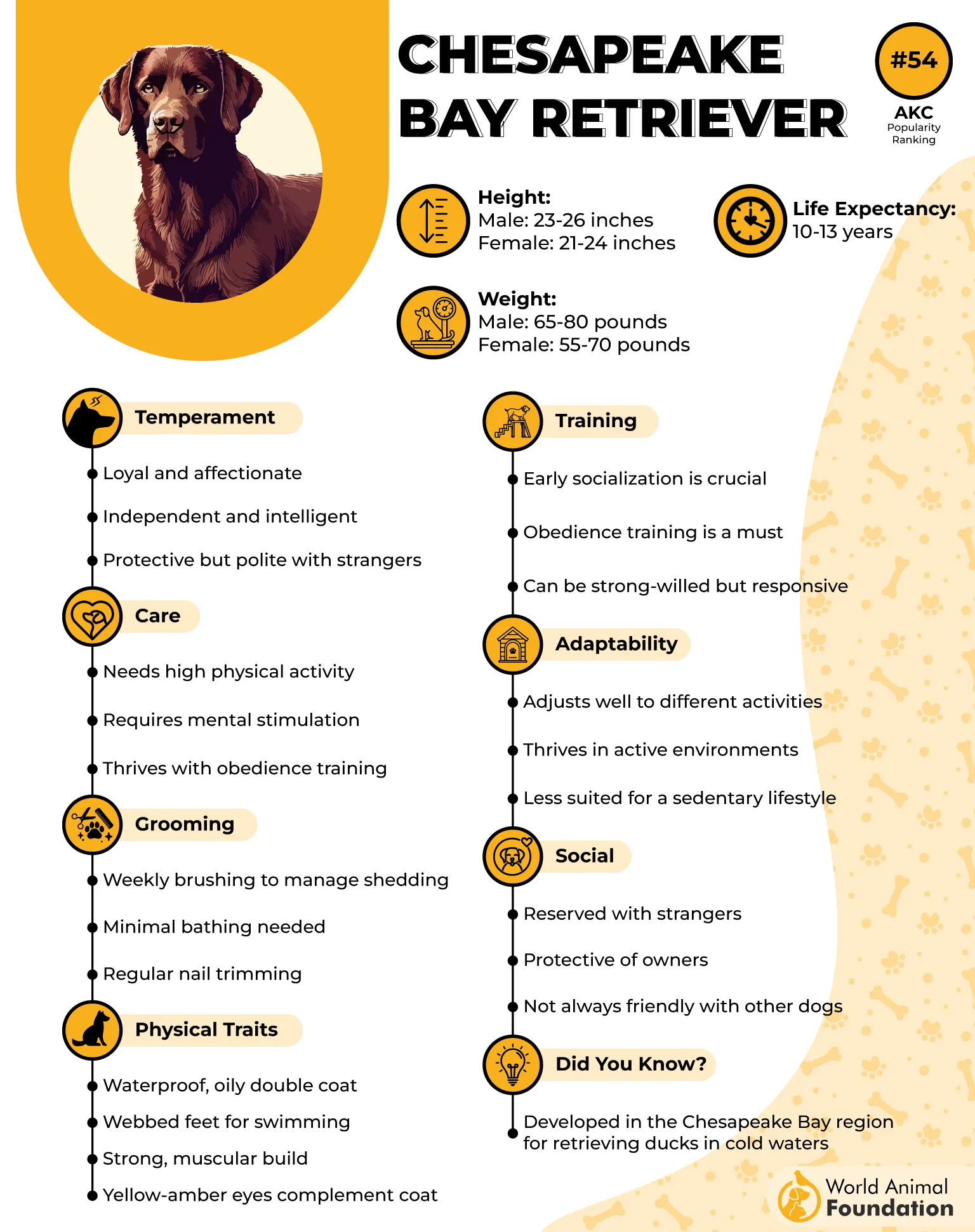
Larger and longer-legged than many retrievers, the Chessie is muscular, powerful, and engineered for endurance. With a deep chest and balanced frame, this dog moves through rough surf and heavy seas with steady determination.
Independent Mind, Relentless Work Ethic
Bright, playful, and fiercely loyal, Chesapeake Bay Retrievers are affectionate with family but naturally protective and sometimes reserved with strangers. They thrive under firm, consistent training and require both mental challenges and vigorous daily exercise, especially water work.
Why Chesapeake Bay Retrievers Conquer Cold-Water Hunts
Thick, oily double coat for insulation in icy conditions
Powerful build and webbed feet for strong swimming
Exceptional endurance for long, demanding retrieves
Natural protective instinct and focus on the blind
High prey drive and determination in rough weather
4. German Shorthaired Pointer
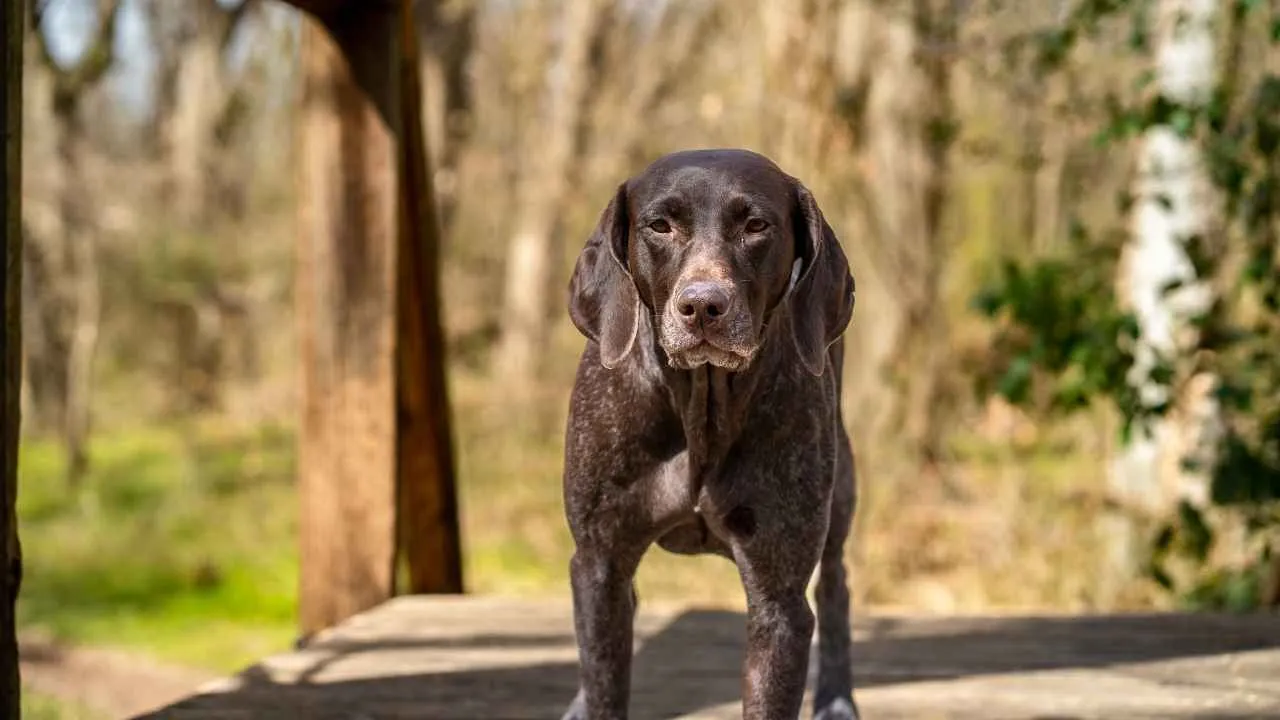
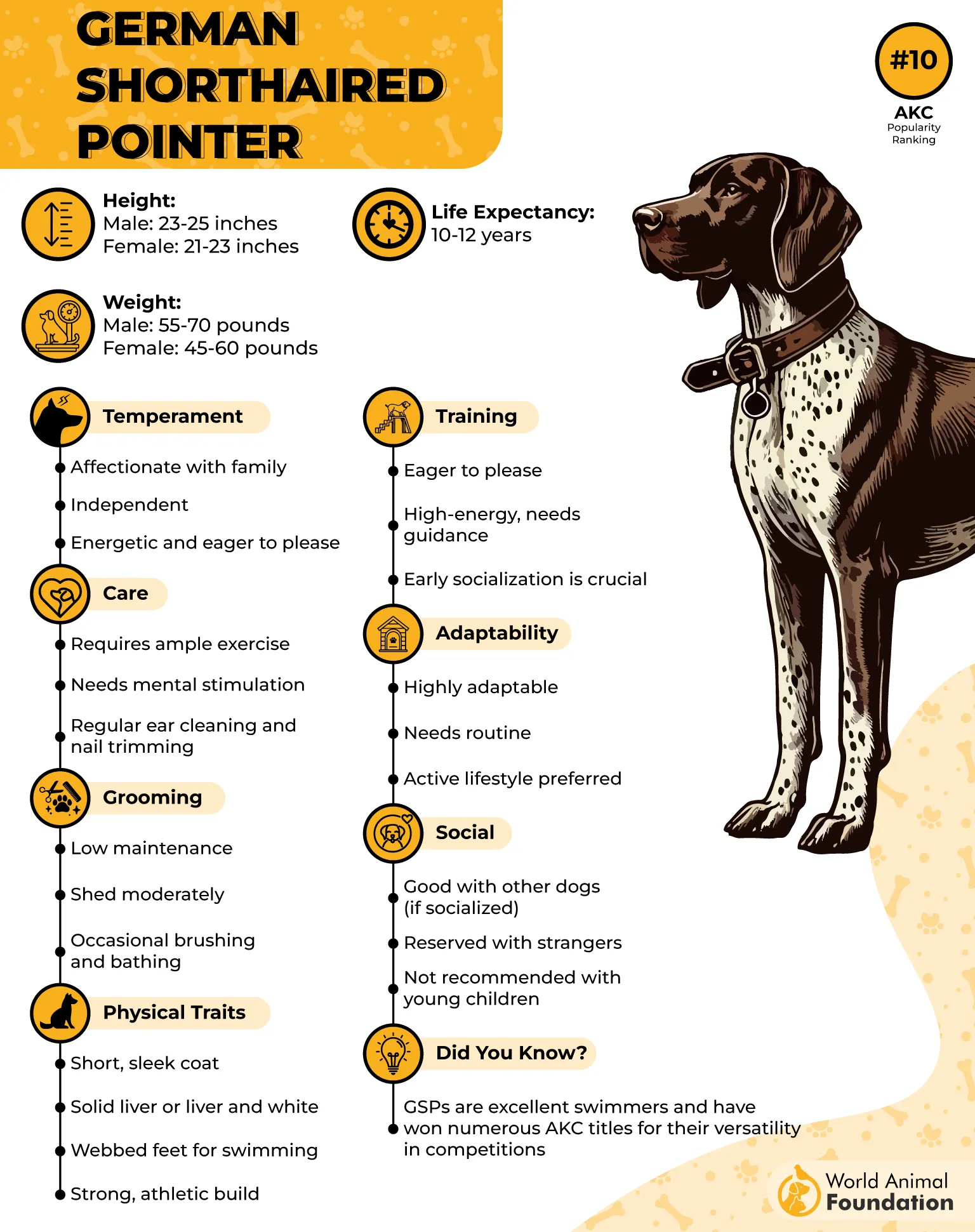
Developed in 19th-century Germany, the German Shorthaired Pointer was purpose-built to be the ultimate versatile gun dog. Breeders combined tracking hounds, pointing dogs, and early bird dogs to create a canine capable of locating, pointing, and retrieving game on both land and water.
Athletic Frame, All-Terrain Ability
Lean, muscular, and powerfully built, GSPs typically stand 23–25 inches tall with a sleek liver or liver-and-white coat, as per PDSA. Built for speed, endurance, and agility, they thrive during long days in the field, whether tracking upland birds or retrieving ducks from cold water.
Boundless Energy, Devoted Partner
Intelligent and eager to please, the GSP learns quickly and naturally displays pointing instincts from an early age. Affectionate at home yet tireless outdoors, this breed demands vigorous daily exercise and consistent training to stay balanced.
Why German Shorthaired Pointers Excel in Waterfowl Hunting
Natural pointing and strong prey drive
Webbed feet and an athletic build for powerful swimming
Exceptional stamina for long hunting sessions
Quick learning ability and responsiveness to training
Versatility in tracking, pointing, and retrieving game
5. Irish Water Spaniel
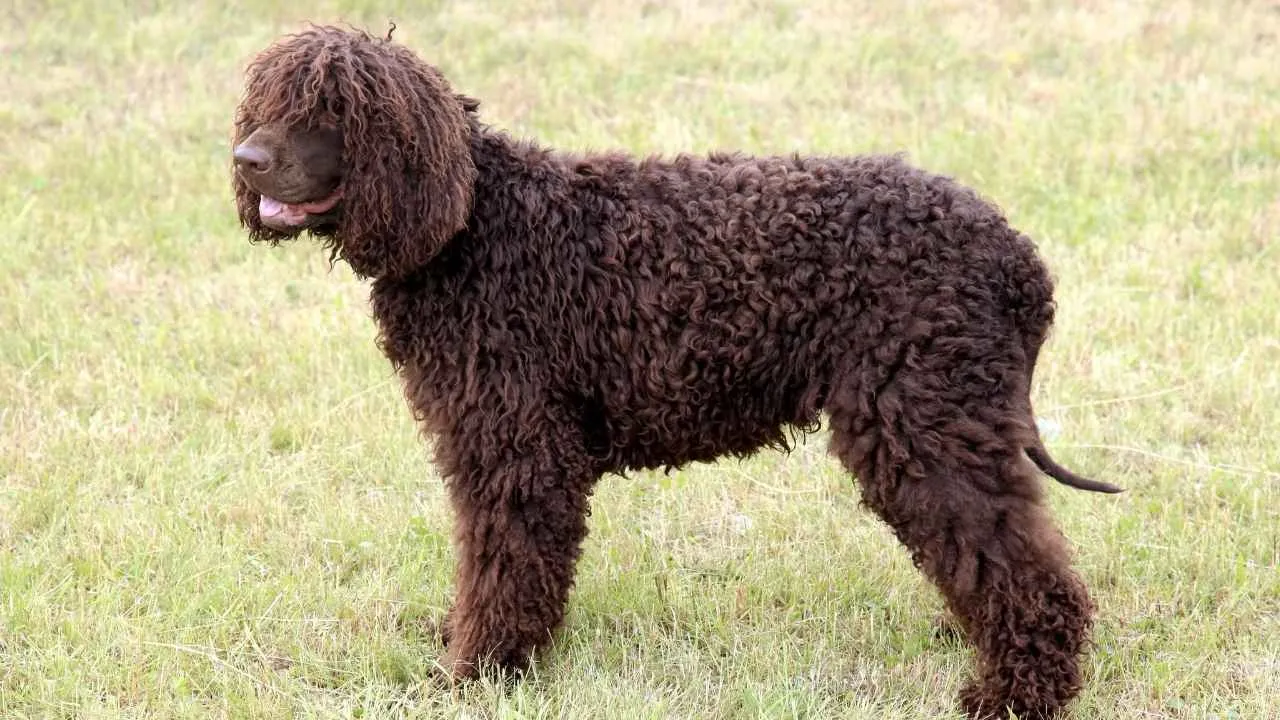
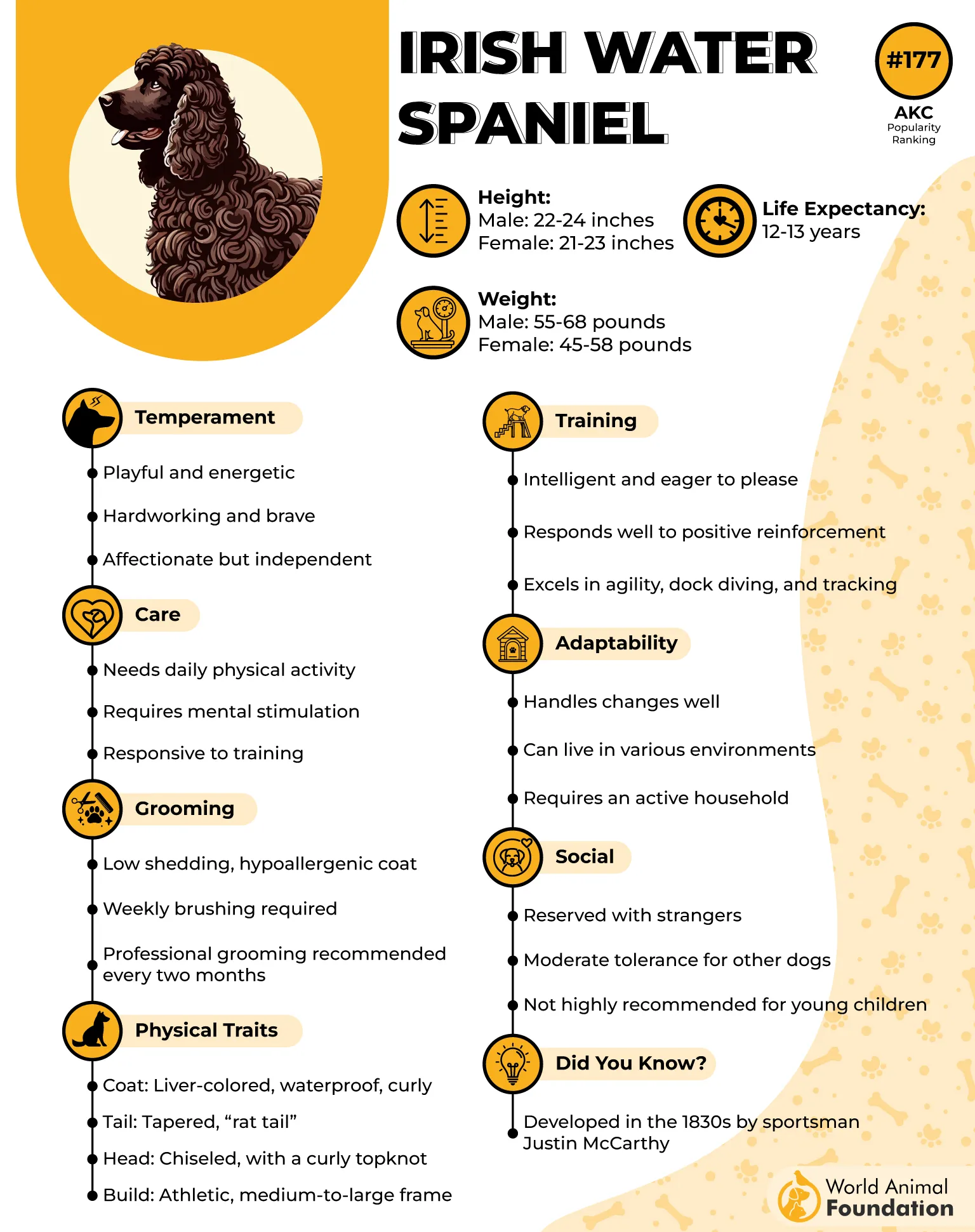
Developed in Ireland in the 1830s, the Irish Water Spaniel was bred specifically for retrieving game from cold lakes and marshlands. Recognized by the American Kennel Club in 1878, this ancient water dog quickly earned acclaim among Irish and English sportsmen for fearless, cold-water work.
Built for the Bog and the Breakers
Its dense, liver-colored ringlets repel water, while the smooth “rat tail” and webbed toes enhance swimming efficiency. The crisp double coat insulates against icy conditions, allowing the breed to power through frigid retrieves with remarkable resilience.
The Clown with a Work Ethic
Often called the “clown” of the spaniel family, it learns quickly and thrives on structured training and purposeful activity. Though sometimes reserved with strangers, a well-socialized Irish Water Spaniel is a devoted family companion and a dependable dual-purpose hunting partner.
Why Irish Water Spaniels Master Waterfowl Work
Water-shedding, insulating curly double coat
Webbed feet for powerful, efficient swimming
Strong retrieving drive with natural boldness
Excellent stamina in cold and marshy terrain
High intelligence that supports advanced field training
6. Boykin Spaniel
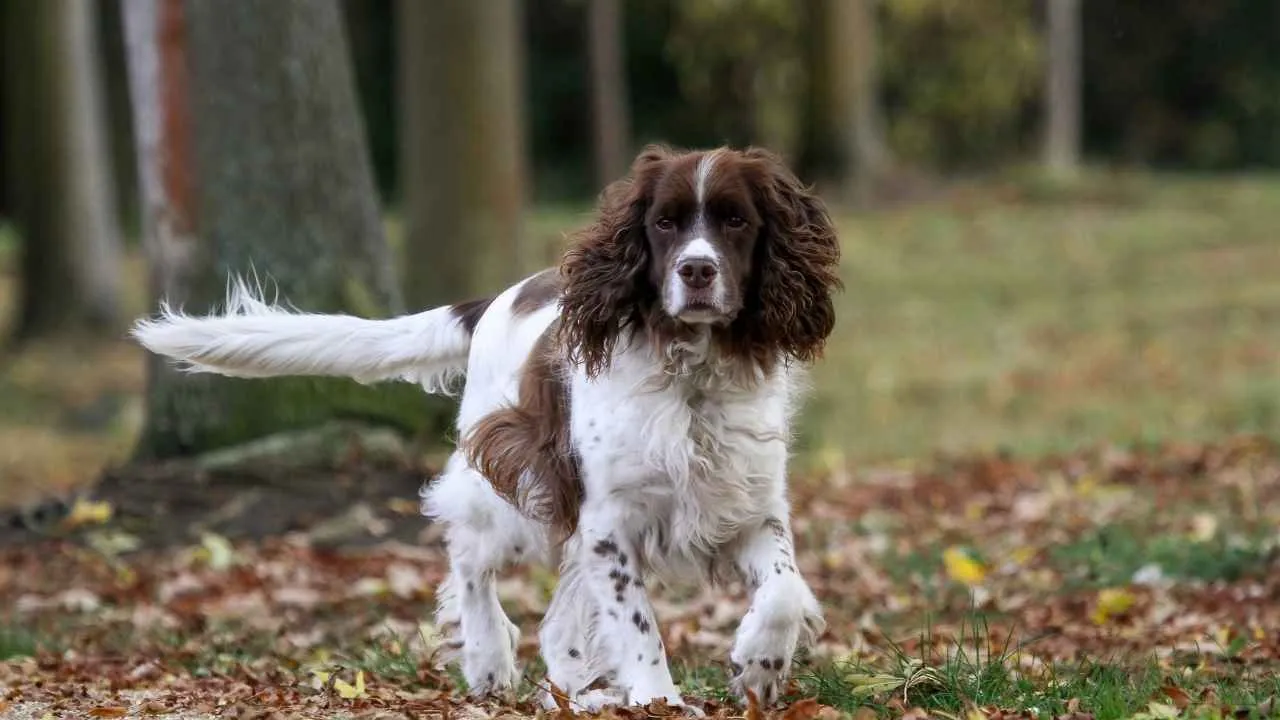
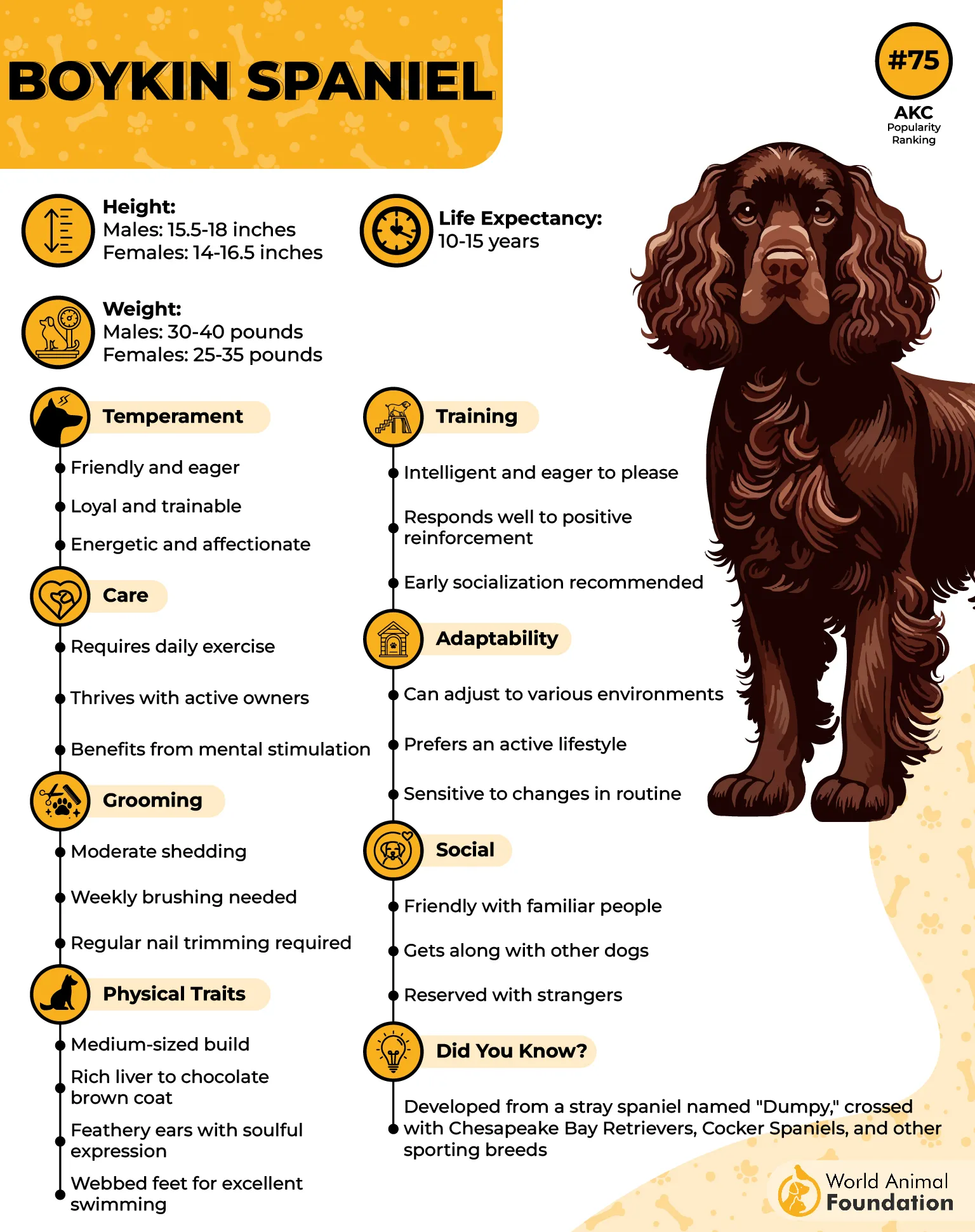
The Boykin Spaniel was developed in the early 1900s in Spartanburg, South Carolina, from a small brown dog named Dumpy and various spaniel breeds. Originally bred to retrieve waterfowl and hunt upland game in the region’s swamps and lakes, the Boykin has evolved into a versatile sporting dog.
Compact Athlete with a Heart of Gold
Medium-sized and sturdy, Boykin Spaniels sport a liver-brown, flat to wavy, waterproof coat and feathering along the chest, legs, and ears. With webbed toes, floppy ears, and a balanced build, these dogs are agile swimmers and natural retrievers.
Smart, Energetic, and People-Oriented
Intelligent and eager to please, Boykins thrive with regular exercise, mental stimulation, and positive reinforcement training. Known for their playful, outgoing personality, this breed remains attentive, loyal, and capable of handling the demands of both fieldwork and family life.
Why Boykin Spaniels Are Top Waterfowl Hunters
Webbed toes for strong swimming ability
Energetic, tireless work ethic in the field
Intelligent and highly trainable
Loyal and people-oriented, making retrieval seamless
Adaptable to cold, wet environments and diverse hunting terrains
7. American Water Spaniel
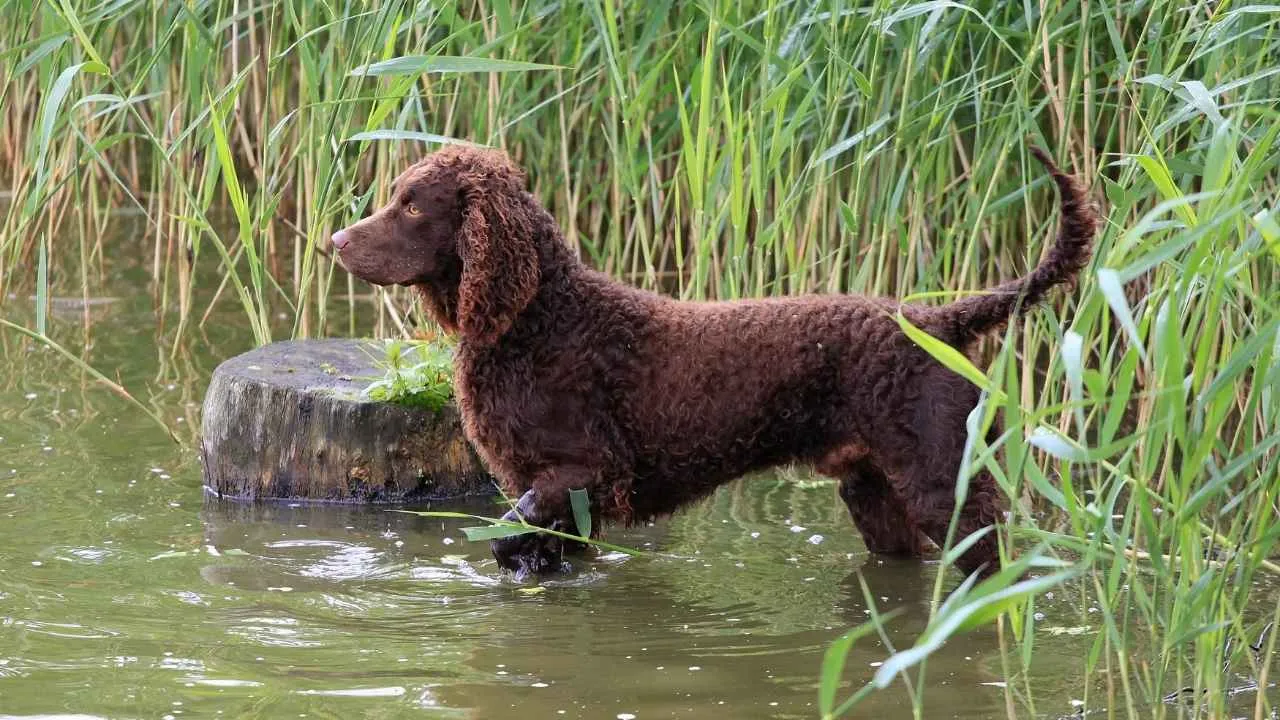
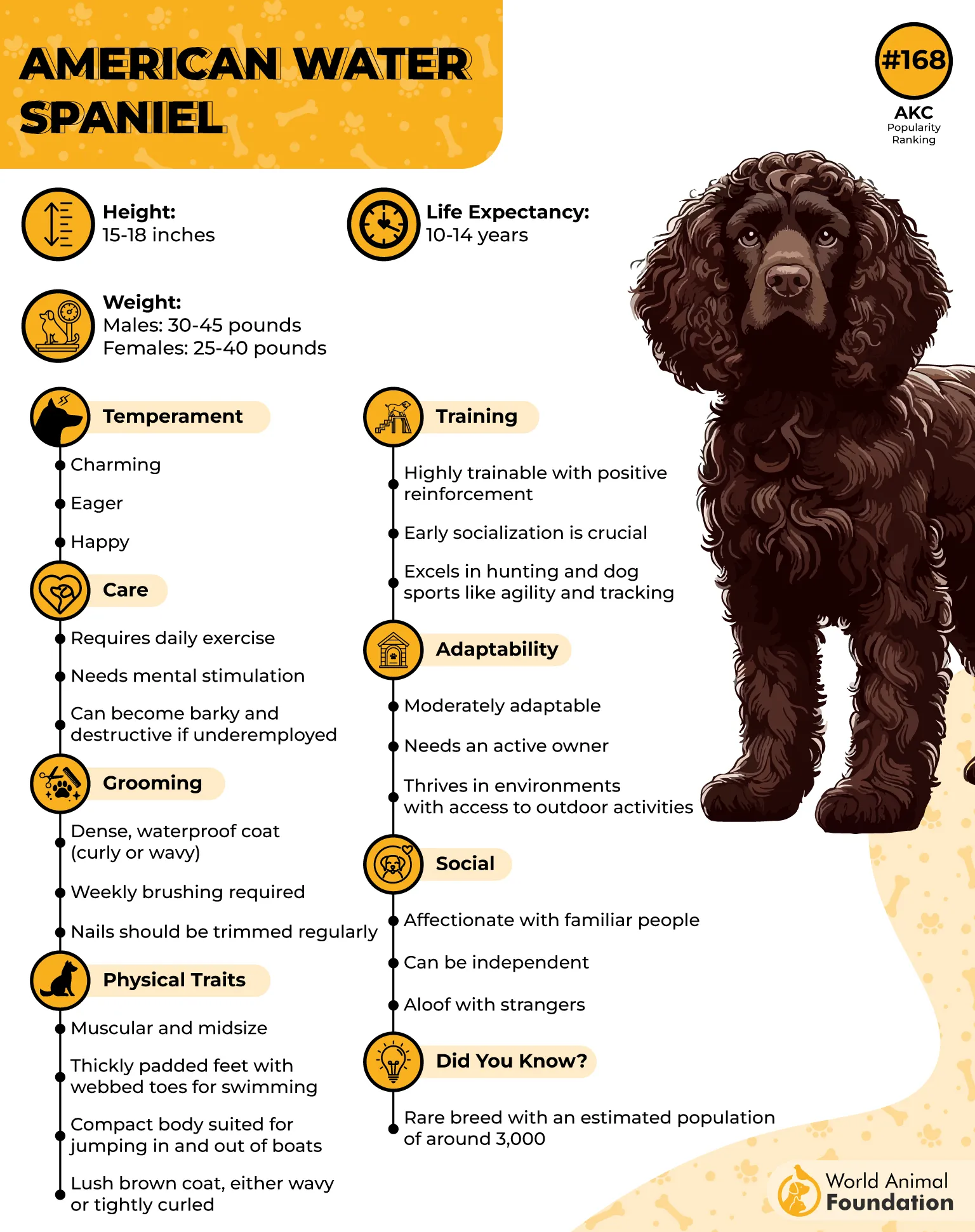
The American Water Spaniel was developed in the lake regions of Wisconsin and Minnesota to retrieve waterfowl and assist hunters navigating marshes and icy waters. This midsize sporting dog is muscular, brown-coated, and equipped with webbed feet for efficient swimming, making it an ideal hunting partner.
Agile Athlete with a Versatile Skillset
Their dense, waterproof coat keeps them warm, while their agile build allows them to retrieve birds from water and land with stamina, as per Hill’s Pet. Their curly or wavy coat requires weekly grooming to prevent matting and maintain healthy skin.
Smart, Energetic, and Family-Oriented
American Water Spaniels thrive on mental and physical stimulation, needing daily exercise to remain happy and well-behaved. They are affectionate with familiar people, adaptable to children and other pets when socialized early, and highly trainable using positive reinforcement methods.
Why American Water Spaniels Are Exceptional Waterfowl Hunters
Webbed feet for powerful swimming
Dense, waterproof coat for cold water retrievals
Agile, medium-sized body ideal for boats and marshes
Intelligent, trainable, and eager to work
Strong retrieving instincts for both water and upland game
Conclusion
Choosing the right hunting companion goes far beyond selecting a pet—it’s about forming a partnership built on trust, skill, and instinct. A well-trained dog can anticipate the challenges of the field, retrieve with precision, and respond in ways that make your hunt safer and more successful.
These dogs are more than field partners; they’re versatile athletes with a deep bond to their human companions. With proper training, exercise, and care, they excel both in the hunt and at home, seamlessly blending work and play.
The right canine companion can transform a routine outing into an experience filled with fun, challenge, and shared accomplishment.
If you’re ready to elevate your waterfowl hunting—or simply enjoy an active, engaging pet—consider the qualities that make these dogs exceptional.
From their endurance and retrieving instincts to their playful, loyal nature, these companions reward dedication with unmatched performance and companionship. Take the leap, invest in training, and embrace the joy of working alongside a devoted partner.
